Key Takeaways
The best referral programs define a clear qualifying action, such as a first paid invoice or a card payment, before any reward is paid.
B2B referral programs like Google Workspace, Gusto and Ramp reward paid conversions with cash, gift cards or virtual cards.
B2C referral programs like Costco, Wise and Monzo use matching two-sided rewards to make sharing feel fair.
Caps, activation rules and fraud checks keep referral costs predictable as a program scales.
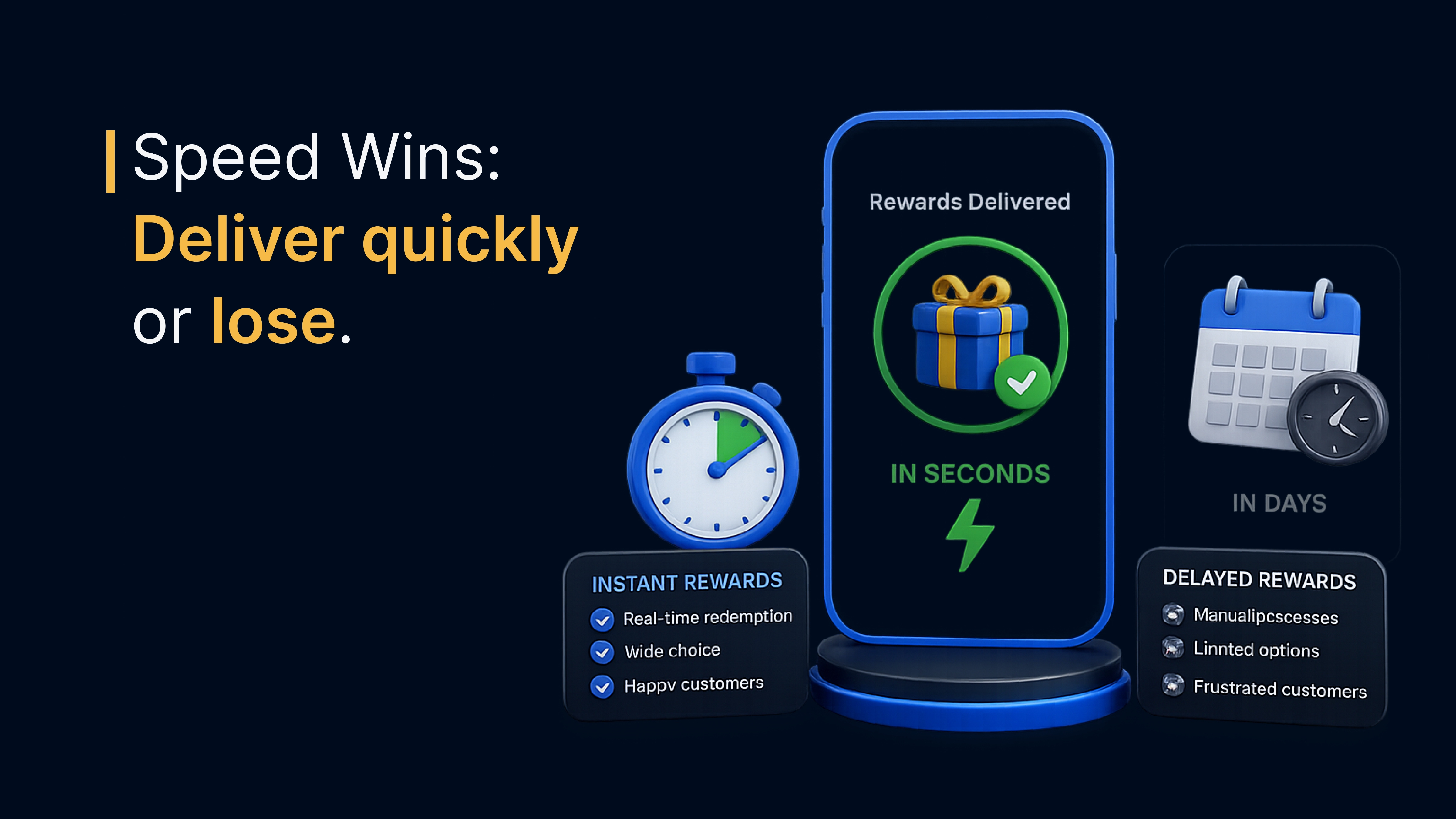
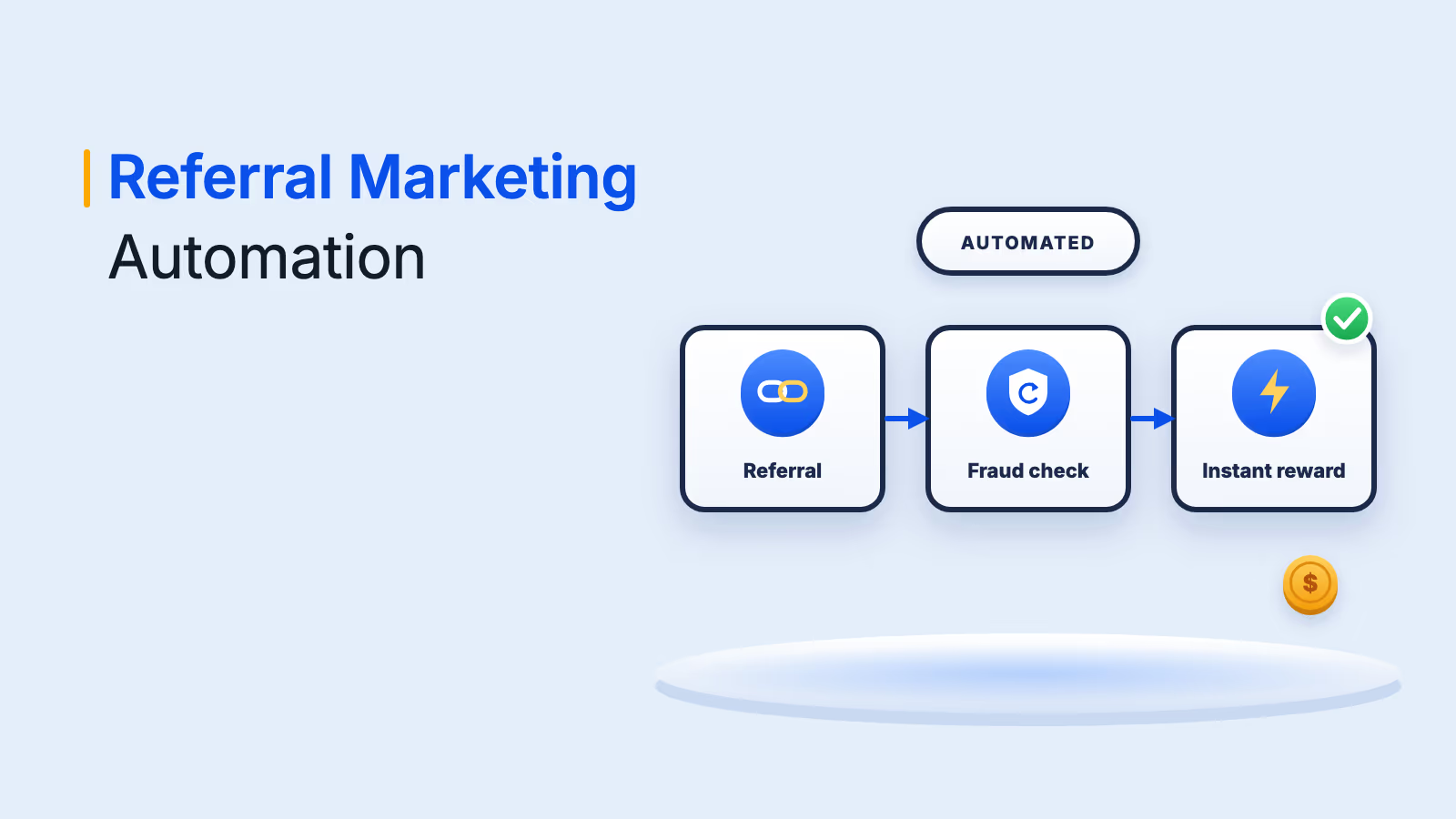
Automating tracking and payouts gets rewards to referrers fast, which keeps them sharing.
Think about the last time you tried a new app, bank or software tool. Chances are, someone you trust recommended it first. The best referral program examples turn that habit into a repeatable growth channel: happy customers share a link, a friend signs up and both sides get something they value.
Personal recommendations still carry more weight than ads. In a 2024 survey by EMI Research Solutions, 78% of respondents said they trust advice from friends and family, the highest of any source measured.
This guide looks at 10 B2B and B2C referral programs that are running in 2026, what each one rewards, why it works and what you can borrow for your own program. Reward amounts change often and vary by country, so treat the figures below as a snapshot and check each brand's official terms before you benchmark against them.
What is a referral program?
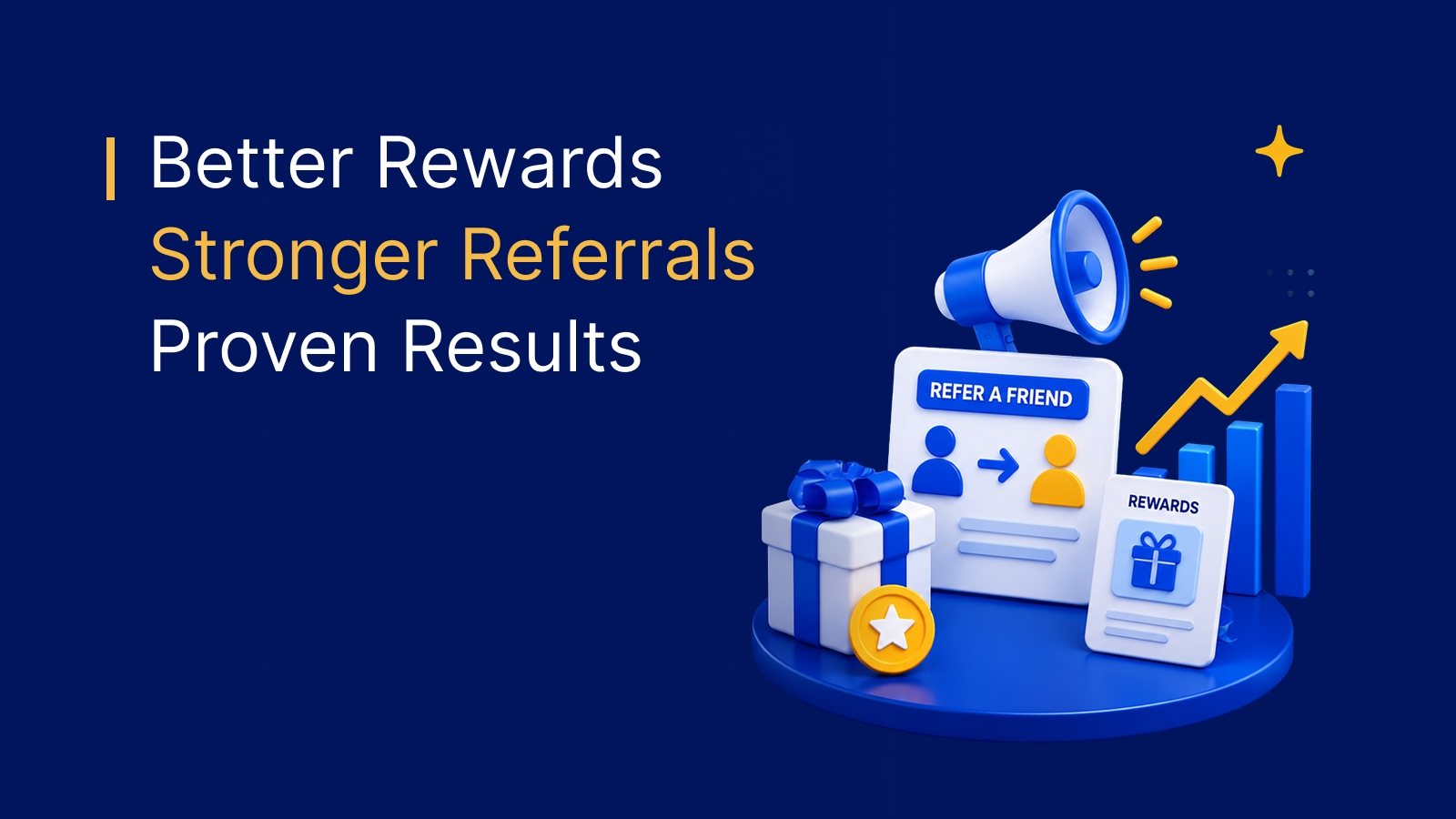
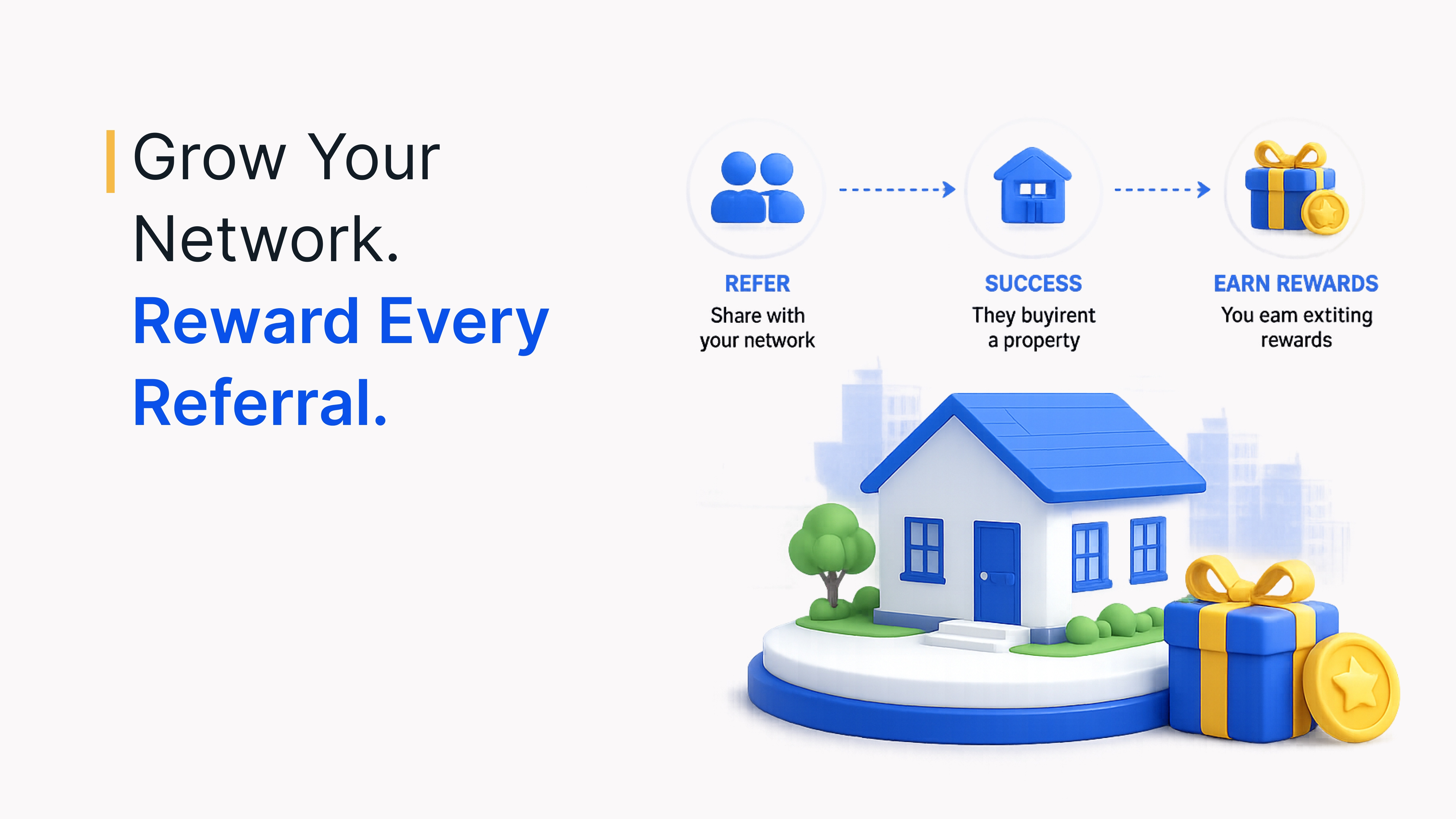
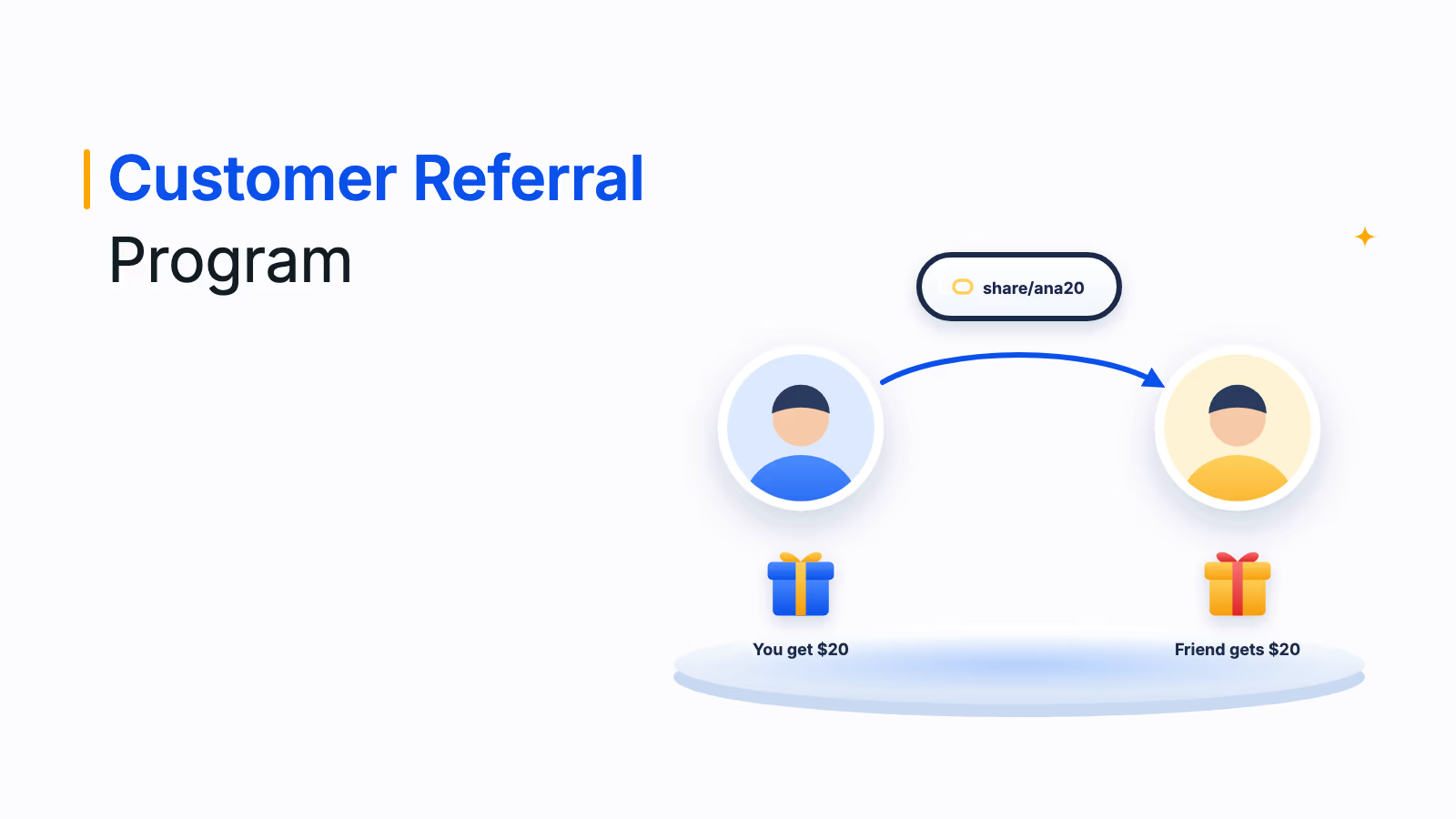
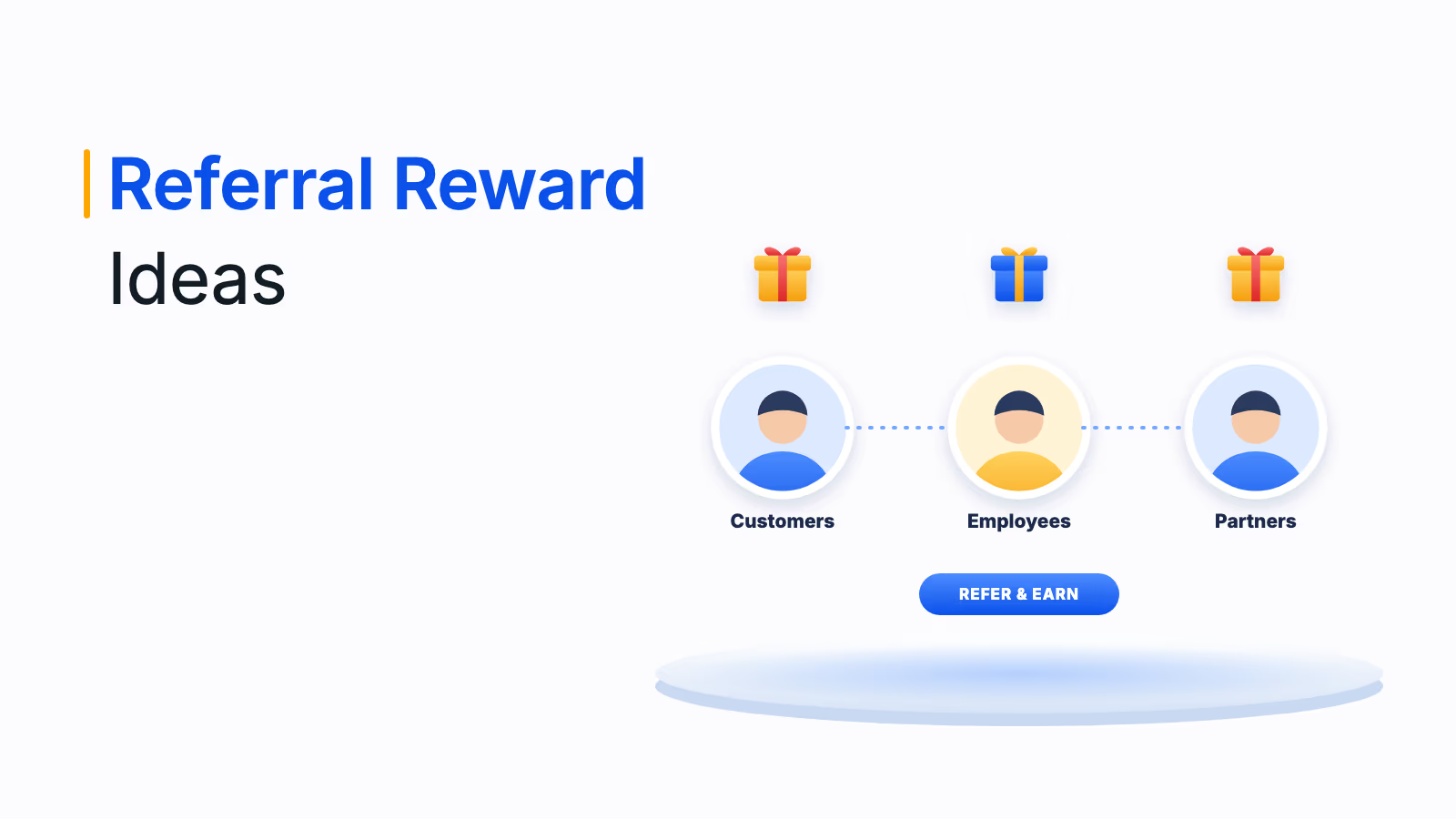
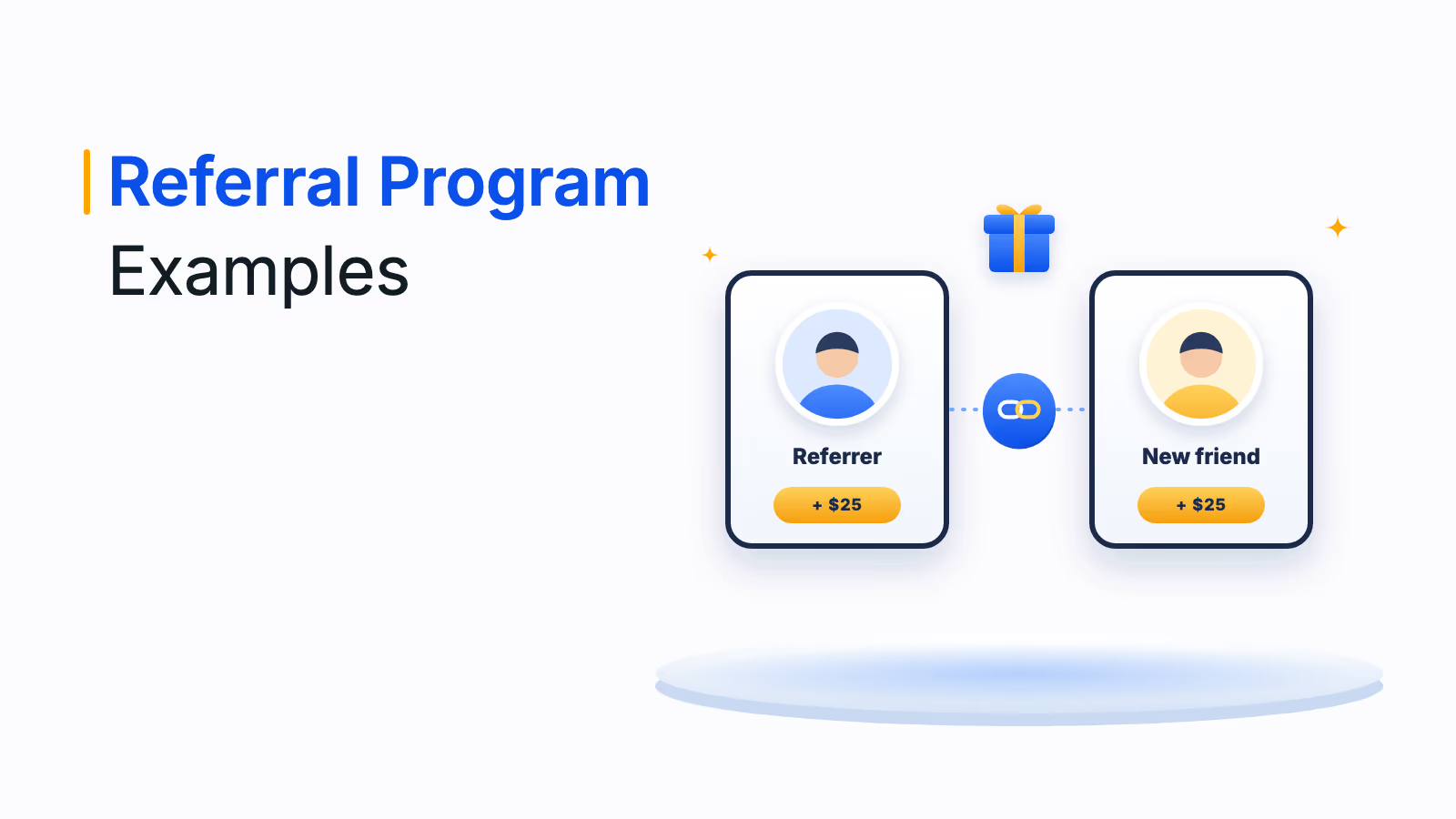
A referral program is a marketing strategy that rewards existing customers for bringing in new ones. Customers share a unique link or code, and when a friend signs up or buys through it, the referrer earns a reward such as credit, a gift card, points or cash.
Many programs are two-sided, which means the new customer also gets a welcome reward. The business gains high-intent leads at a lower cost than paid channels, and customers get a benefit for a recommendation they would often make anyway. For a full setup guide, see how to build a customer referral program.
Referral program examples at a glance
The table below summarizes the reward type, the amount where the brand publishes one, and the action that unlocks it. B2B programs tend to reward bigger, slower conversions; B2C programs reward quick sign-ups or a first purchase.
| Brand | Type | Referrer reward | New customer reward | Unlocked when |
|---|---|---|---|---|
| Google Workspace | B2B SaaS | Cash per new user (US: $8 to $23 by plan) | Promotion code shared by the referrer | Referred business pays for Workspace |
| Gusto | B2B payroll | Visa gift card that grows with each referral | $100 Visa gift card | Referred business runs its first paid payroll |
| Ramp | B2B fintech | Referral bonus paid as a virtual card | Access to Ramp | Referred company is approved and meets eligibility rules |
| DigitalOcean | B2B cloud | $25 account credit | $200 credit for 60 days | Referred customer spends $25 |
| Dropbox | B2B and prosumer | 500 MB to 1 GB of storage per referral | 500 MB of storage | Friend installs the desktop app and verifies email |
| Tesla | B2C automotive | Tesla credits | Discount on an eligible new vehicle | Referred buyer takes delivery |
| Uber | B2C marketplace (drivers) | Cash reward, set by city | Access to driver earnings | Invited driver completes a set number of trips |
| Costco (US) | B2C retail membership | $20 to $40 Digital Costco Shop Card | $20 to $40 Digital Costco Shop Card | Both enroll in auto renewal at sign-up |
| Wise | B2C fintech | Cash reward shown on the invite page | Free transfer or free card | Invited friends make a qualifying transfer or card spend |
| Monzo (UK) | B2C fintech | Random £10, £20 or £50 | Same random reward | Friend opens an account and makes a card payment within 30 days |
5 B2B referral program examples
A B2B referral program rewards customers, partners or advisors for introducing other businesses. Because B2B deals are larger and sales cycles longer, the best B2B referral program examples tie rewards to a paid conversion and often reward the people who influence software choices, such as accountants and consultants.
1. Google Workspace: cash per user, capped per year
The Google Workspace referral program pays referrers for every new paying user they bring in. In the US, the reward is $8 per user on Business Starter, $15 on Business Standard and $23 on Business Plus. Referrers can earn for up to 200 new users a year and up to 100 users per referred account, and they receive promotion codes to share with the businesses they refer.
Takeaway: Scale the reward with the size of the deal. A per-seat reward motivates referrers to bring in bigger accounts, while annual caps keep the cost predictable.
2. Gusto: gift cards for referrers and the businesses they refer
Gusto, the payroll and HR platform, runs a two-sided program built on Visa gift cards. Under its end-of-2026 terms, a new payroll customer who signs up through a referral link gets a $100 Visa gift card within 30 days of its first paid payroll invoice. Referrers earn a Visa gift card that increases with each successful referral; in Gusto's 2025 schedule it rose from $300 for the first referral to $1,000 for the fifth and every one after.
Gusto also learned early that accountants and bookkeepers influence which payroll tool their clients choose, and it built a dedicated partner track for them. The lesson for B2B marketers: find the advisors your buyers already trust and reward them for introductions.
Takeaway: Digital gift cards need only an email address, which makes them easy to deliver to referrers and new customers alike. Tiered rewards keep your best advocates referring.
3. Ramp: referral bonuses inside the product
Ramp, the corporate card and spend management platform, puts its referral program directly in the product. Customers open Refer & Earn from their profile, invite another company by email or link and track each referral's status. According to Ramp's help center, the bonus is paid once the referred company signs up, is approved and meets the eligibility criteria, and it arrives as a virtual card the referrer can add to a digital wallet.
Takeaway: Make the program visible where customers already work, and show referral status in real time so referrers know their reward is on the way.
4. DigitalOcean: product credit on both sides
The DigitalOcean referral program gives new customers a $200 credit to use within 60 days once they add a valid payment method. The referrer earns $25 in credit after the new customer spends $25. Its documentation notes that there is no limit on how much referral credit a team can earn.
Takeaway: Product credit is a low-cost reward with high perceived value, and tying the referrer's reward to the new customer's first spend filters out low-quality sign-ups.
5. Dropbox: the classic two-sided storage offer
Dropbox's referral program is one of the most studied in SaaS, and it still runs today. According to the Dropbox help center, Basic users earn 500 MB per referral up to 16 GB, while Plus, Family and Professional users earn 1 GB per referral up to 32 GB. Friends who join through a referral get 500 MB of extra storage. A referral counts only once the friend installs the desktop app, signs in and verifies their email.
Takeaway: When your product itself is the reward, referrals feed straight into usage. Requiring activation, not just sign-up, keeps the program focused on real users.
Automate your referral rewards
Send gift cards, prepaid cards and more to referrers and new customers in 150+ countries, the moment a referral qualifies.
Talk to our ExpertTrusted by 5,000+ companies
5 B2C referral program examples
B2C referral programs reward consumers for inviting friends and family. They work best when the reward is immediate, easy to understand and relevant to the product, and they often run through an app, email or a share link.
6. Tesla: credits and buyer discounts
Tesla runs its referral program through the Refer and Earn section of the Tesla app. Owners share a referral link; buyers who order through it receive a discount on eligible new vehicles, and the referrer earns Tesla credits. Amounts and eligible models differ by market and change during the year, and Tesla's 2026 regional offer pages cap referrals at 10 vehicle orders per calendar year.
Tesla has scaled the program back and reshaped it several times as its costs grew, which is a useful reminder for any brand: model the full cost of a referral reward before you launch it.
Takeaway: High-value purchases can support high-value rewards, but cap them and review the economics regularly.
7. Uber: milestone-based driver referrals
Uber uses referrals to grow the supply side of its marketplace. Drivers share an invite code from the Driver app, and they earn a reward once the person they invited signs up and completes a set number of trips within a set time. According to Uber's driver referral page, both the trip requirement and the reward amount vary by city, and the reward appears in the referrer's statement the following week.
Takeaway: Tie rewards to a milestone that proves the new customer is active, not just registered, and set rewards by market.
8. Costco: matching shop cards for both members
Costco's US Refer-a-Friend offer gives the existing member and the new member the same reward: a $40 Digital Costco Shop Card each for an Executive Membership or a $20 card each for a Gold Star Membership. Both must enroll in auto renewal, the cards arrive by email within two weeks and the offer runs until December 31, 2026.
Takeaway: A matching reward feels fair to both sides, and a reward that can only be spent with your brand brings both members back to the store.
9. Wise: rewards for real usage, not just sign-ups
Wise, the international money transfer app, rewards referrers once invited friends sign up with their link and qualify by making an international transfer between currencies or spending with the Wise card. Friends get a free transfer or, in some regions, the choice of a free card. According to Wise's help center, referrers can earn the reward multiple times and have one year to claim it.
Takeaway: Define a qualifying action that matches how your product creates value. For a payments app, that is a real transaction.
10. Monzo: a randomized reward with built-in fraud rules
Monzo, the UK digital bank, adds a game-like twist. Under its referral terms, the referrer and the friend receive the same randomly selected reward: £10 for most people, £20 for some and £50 for a lucky 1%. The friend must open an account and make a card payment within 30 days, the reward drops to £5 after a referrer's 100th referral, and Monzo can withhold rewards for suspected gaming or fraud.
Takeaway: A small element of surprise makes sharing more fun, and clear fraud rules protect the budget as the program scales.
Referral reward examples by type
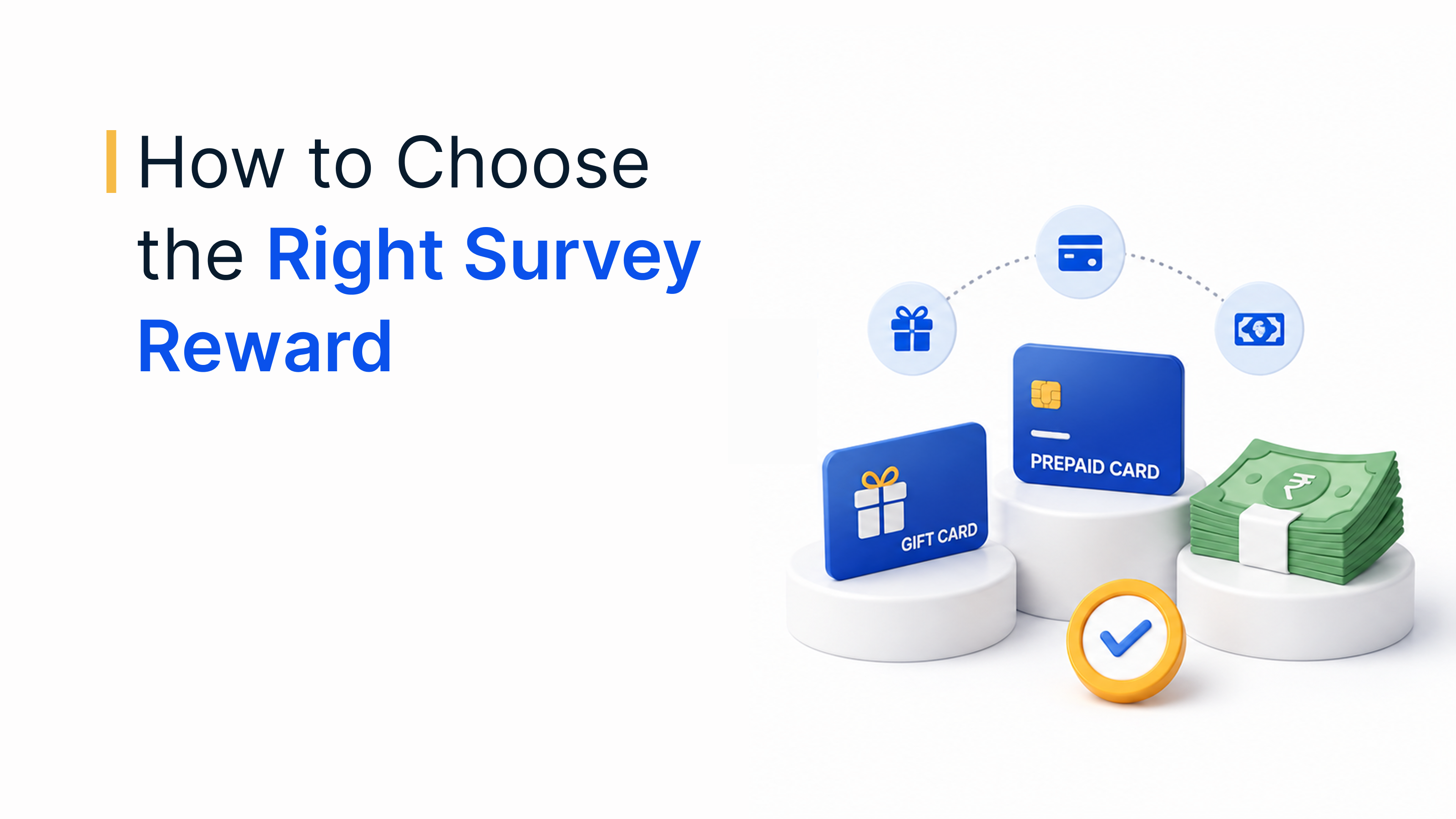
The right reward depends on how often customers buy and what they value. These referral reward examples show the main options and where each one fits. For more ideas, see these referral rewards and incentive ideas.
| Reward type | Example from this list | Best for |
|---|---|---|
| Account or product credit | DigitalOcean, Tesla | Subscription and usage-based products |
| Free product or upgrade | Dropbox storage | Freemium products where usage drives upgrades |
| Digital gift cards | Gusto, Costco | B2B referrals and one-time purchases |
| Cash or virtual card | Google Workspace, Ramp, Uber | Partners and high-value B2B referrals |
| Fee waivers | Wise | Fintech and payments apps |
| Randomized or gamified rewards | Monzo | Consumer apps with a large, social user base |
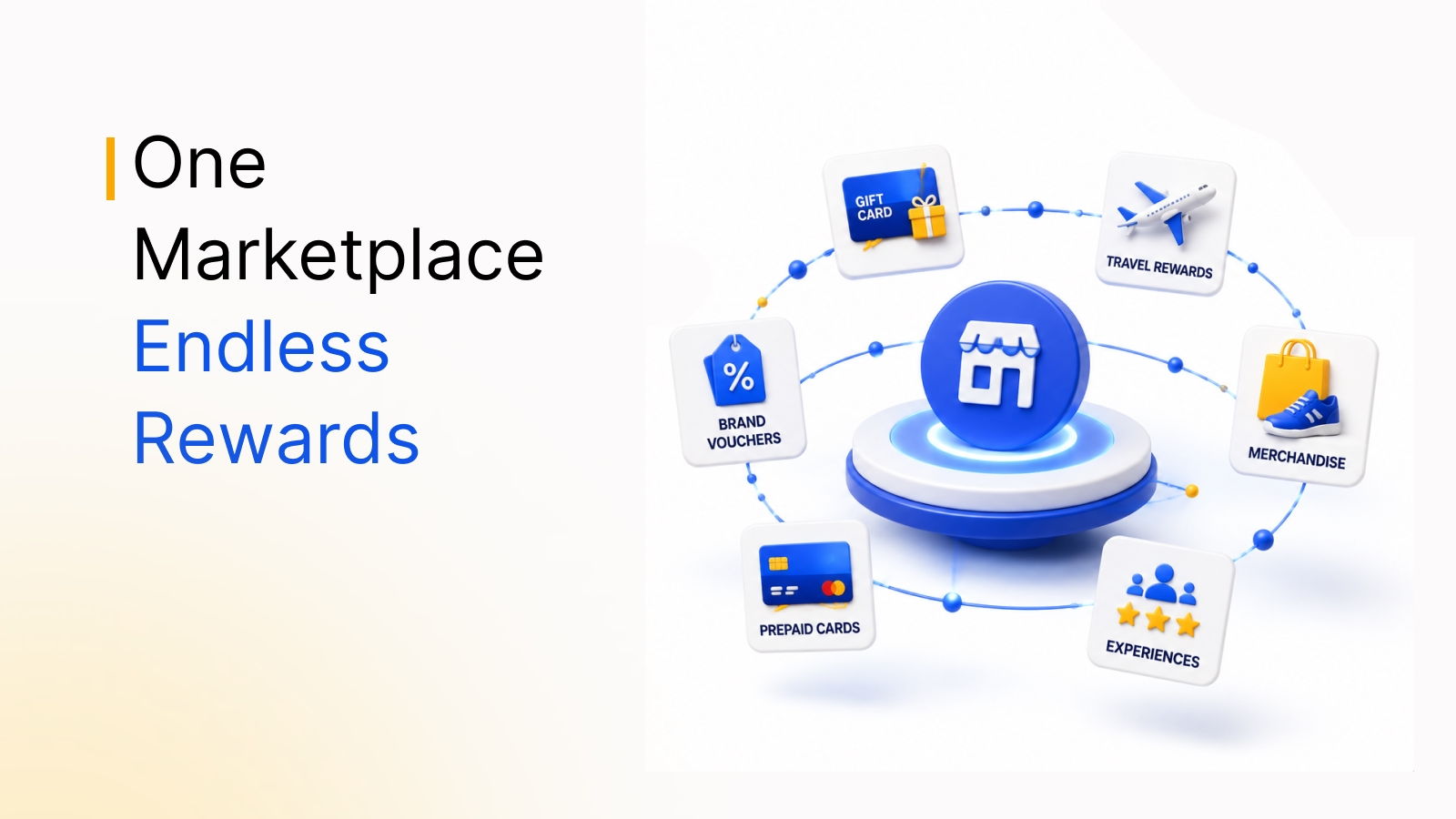
If you serve customers in many countries, a reward marketplace lets referrers pick a gift card they will actually use in their own market and currency.
What the best referral programs have in common
The best referral programs share a few traits, whatever the industry:
- A clear trigger: Every program on this list defines exactly what counts as a successful referral, from a first paid payroll to a card payment.
- Two-sided value: Most reward both the referrer and the new customer, which makes the invitation feel like a favor rather than a sales pitch.
- Fast, visible payouts: Referrers can see status in the app and get rewarded within days or weeks, not months.
- Caps and fraud rules: Annual limits, activation requirements and anti-abuse clauses keep costs under control.
- Rewards that fit the audience: Storage for Dropbox users, transfers for Wise users and shop cards for Costco members.
How to build a referral program like these
You can apply the lessons from these referral program examples in six steps:
- Pick one goal: Decide whether the program should drive new customers, activations or upgrades, and define the qualifying action that proves it.
- Choose a reward structure: Decide between one-sided and two-sided rewards, flat or tiered amounts and what each referral is worth to you.
- Pick rewards your audience values: Offer credit, gift cards or a choice of rewards, and localize them for each market.
- Make sharing easy: Give every customer a unique link and promote the program in your app, emails and receipts.
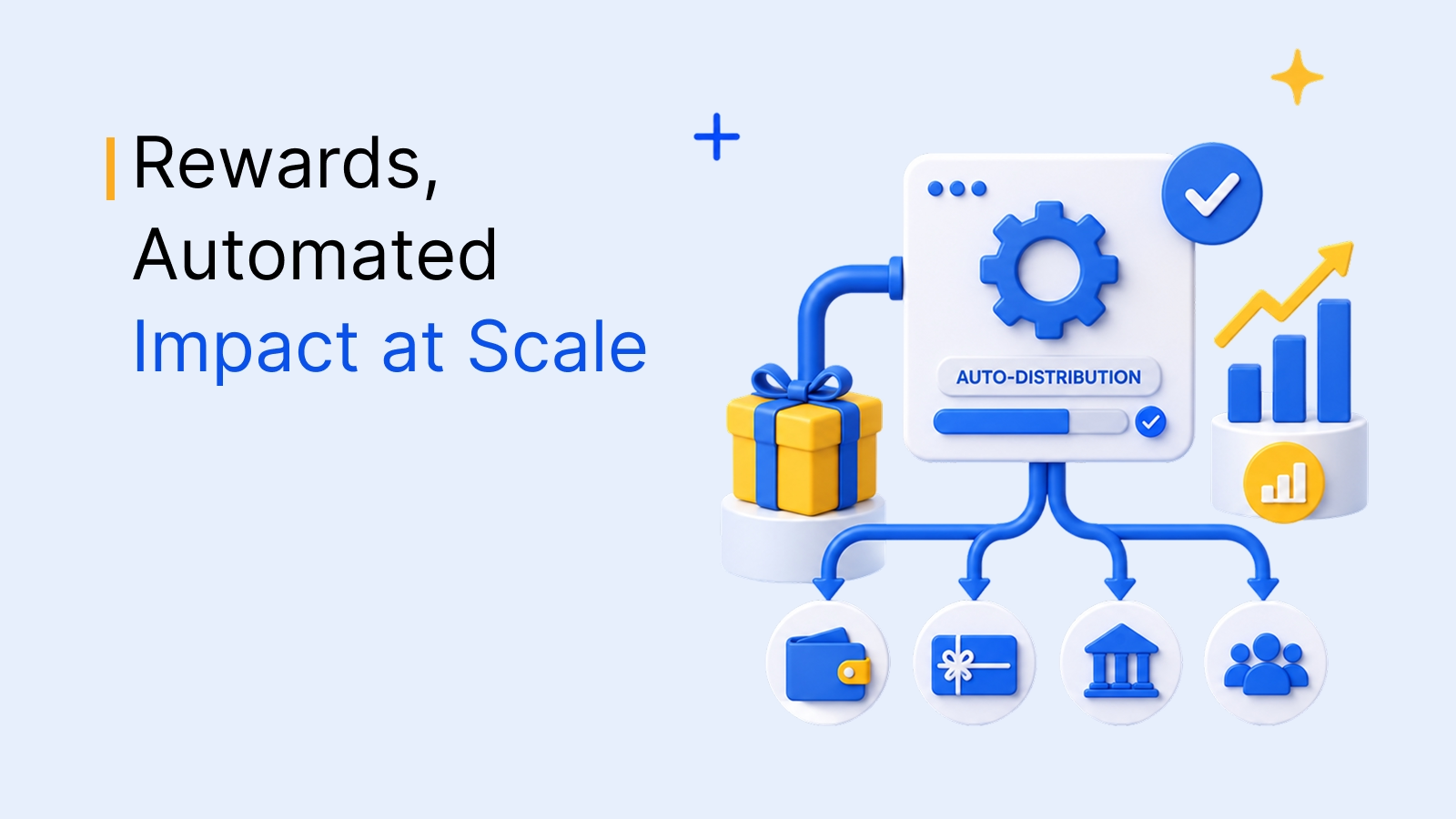
- Automate tracking and payouts: Connect referral tracking to your CRM so rewards go out as soon as a referral qualifies. This guide to referral marketing automation covers the setup.
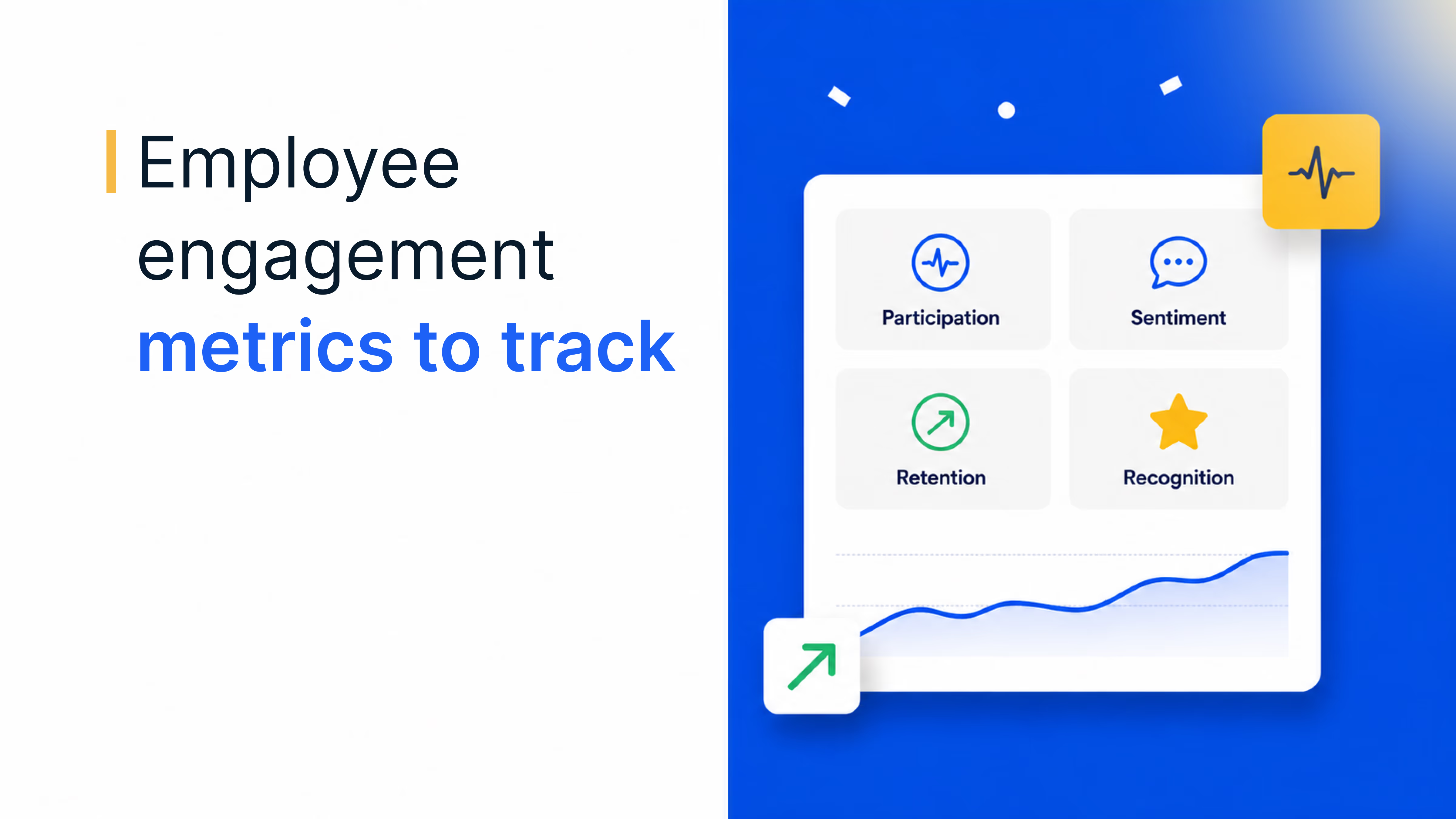
- Add fraud checks and measure: Block self-referrals and duplicate accounts, then track participation, conversion rate and cost per acquired customer.
Xero is a good example of step five in action. After replacing physical referral gifts with digital reward links, Xero saw a 25% increase in its referral conversion rate and now delivers 94% of referral rewards the same day they are triggered. Read the full Xero case study.
Conclusion
These referral program examples show that there is no single best reward. Google Workspace and DigitalOcean pay in cash and credit, Dropbox pays in product, Gusto and Costco use gift cards, and Monzo adds a game. What they share is a clear trigger, a reward people want and a payout that arrives quickly.
To run referral rewards like these without manual work, Xoxoday Plum gives you 10M+ reward options across 150+ countries, delivered instantly by email, SMS or link. Book a demo to see how it fits your referral program.
Book your Plum demo
Frequently asked questions
Strong referral program examples running in 2026 include Google Workspace, Gusto, Ramp, DigitalOcean and Dropbox in B2B, and Tesla, Uber, Costco, Wise and Monzo in B2C. Each one rewards a clear qualifying action, such as a first paid invoice, a set number of trips or a card payment, and most reward both the referrer and the new customer.
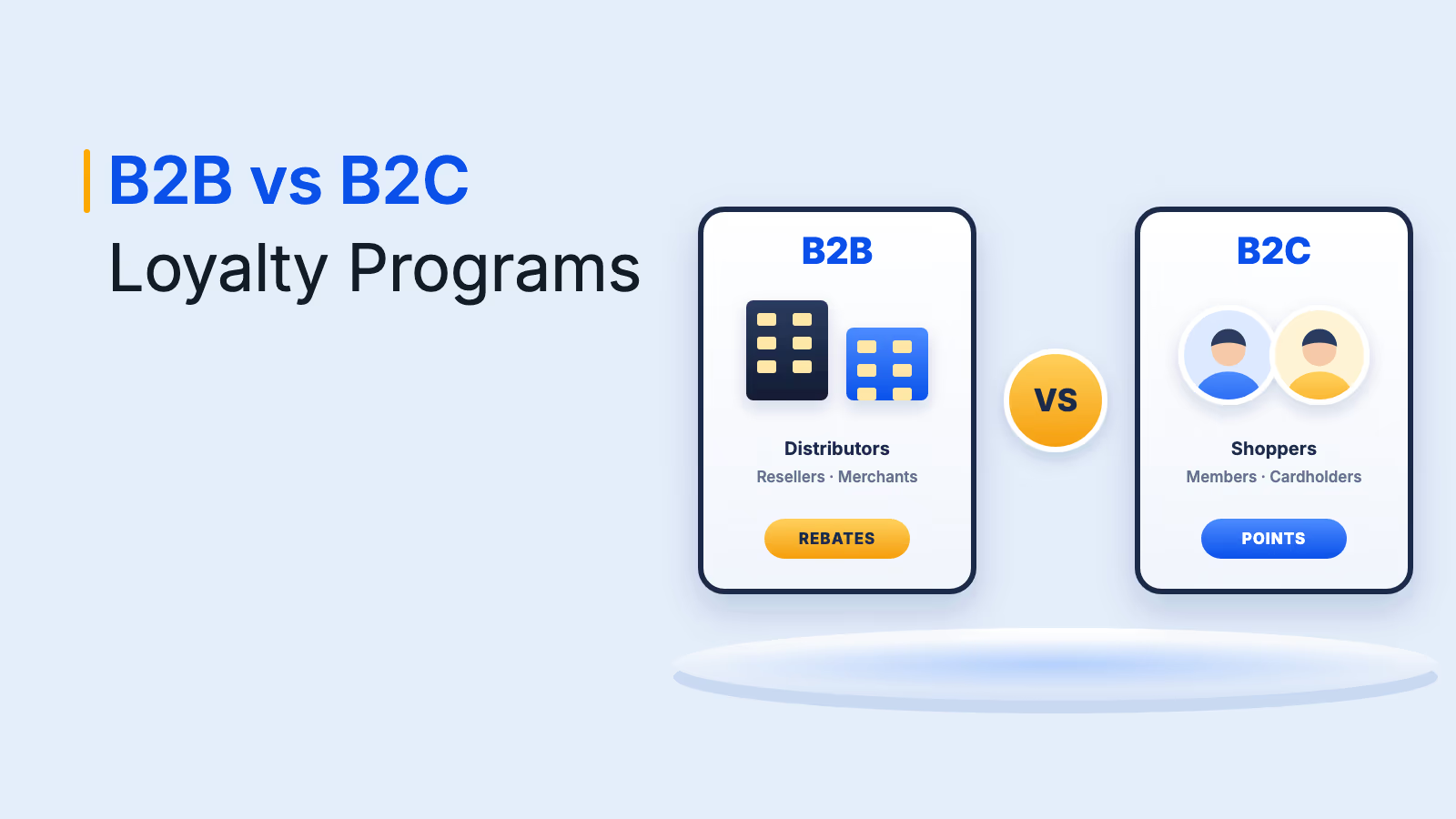
B2B referral programs reward introductions between businesses, so rewards are usually larger and tied to a paid contract or first invoice. They often target advisors such as accountants or consultants. B2C referral programs reward consumers for inviting friends and family, so rewards are smaller, instant and tied to a sign-up or first purchase.
Common referral reward examples include account credit, free product or storage, digital gift cards, cash or virtual cards, fee waivers and randomized rewards. The best choice depends on your product and audience: credit suits subscriptions, gift cards suit one-time purchases and B2B referrals, and a choice of rewards works well for global audiences.
In most cases, yes. A two-sided program gives the new customer a reason to accept the invitation and makes the referrer feel they are doing a friend a favor. Most of the referral program examples in this guide, including Costco, DigitalOcean, Gusto and Monzo, reward both the referrer and the new customer.
Define a qualifying action that proves real usage, such as a first payment, and block self-referrals and duplicate accounts automatically. Add annual caps per referrer, set a time limit for the new customer to qualify and reserve the right to withhold rewards for suspected abuse, as Monzo does in its terms.
Start from what a new customer is worth to you and what you currently pay to acquire one through other channels. Set the combined referrer and new-customer reward below that cost. Programs in this guide range from a few dollars of credit to hundreds of dollars in gift cards for high-value B2B referrals.