Key Takeaways
Crypto gift cards either hold a crypto value the recipient claims, or are brand gift cards that users buy with crypto.
Buying gift cards with crypto takes five steps: pick a platform, choose a brand and value, pay, receive the code and redeem.
Crypto platforms use gift card rewards to give users a stable, real-world way to spend balances and to onboard people new to crypto.
MiCA has applied in full in the EU since December 30, 2024, and the US GENIUS Act set federal stablecoin rules in July 2025.
In the US, using crypto to buy a gift card is a reportable disposal of property for tax purposes.
Crypto gift cards connect digital assets with everyday spending. They let people buy gift cards with crypto, gift cryptocurrency to someone new to it, and turn idle wallet balances into rewards they can use at familiar brands.
Interest is broad but not universal. A Pew Research Center survey from 2024 found that 17% of US adults have ever invested in, traded or used cryptocurrency, a share that has held steady since 2021. For crypto platforms, that leaves a large audience that is curious but cautious, and gift cards are one of the simplest bridges between the two.
This guide explains what crypto gift cards are, how they work, how crypto platforms use gift card rewards to drive engagement, the regulations that apply in 2026, and how to choose a platform.
What are crypto gift cards?
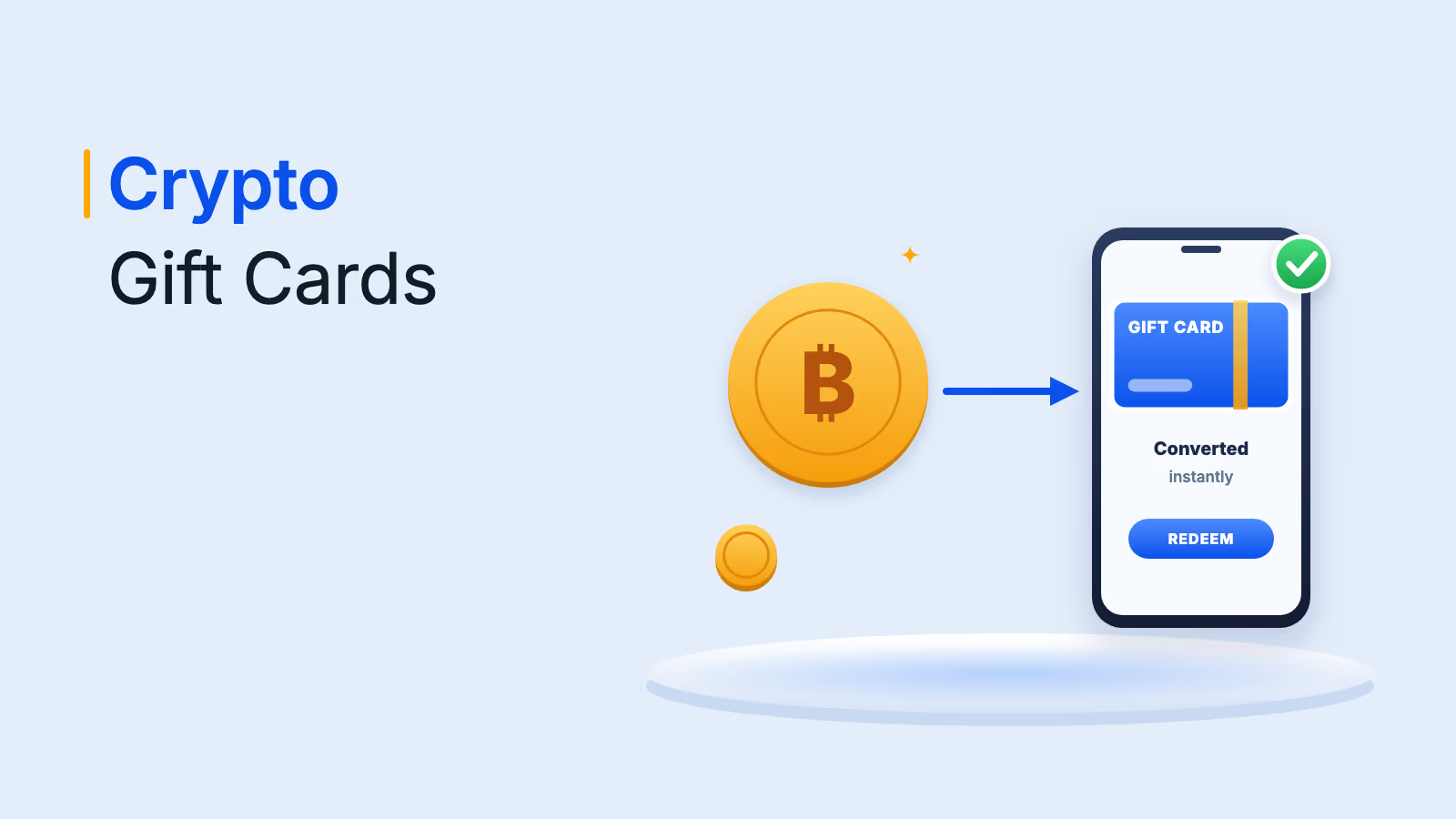
Crypto gift cards are gift cards connected to cryptocurrency in one of two ways: gift cards that hold a crypto value the recipient claims into a wallet, or regular brand gift cards that users buy with crypto. The second kind, often called crypto-to-gift-voucher, is the one most businesses offer.
| Type | What the recipient gets | Typical provider |
|---|---|---|
| Crypto-value gift card | A code that loads Bitcoin or another coin into a wallet | Crypto exchanges and gift card resellers |
| Gift cards bought with crypto | A brand gift card paid for with a crypto balance | Crypto wallets, exchanges and marketplaces |
| Crypto platform gift card rewards | A brand gift card earned for activity on a crypto platform | Exchanges, Web3 apps and crypto-native games |
Bitcoin gift cards are the best-known crypto-value cards, but Ethereum, stablecoins and other coins are also offered, depending on the exchange.
How crypto gift cards work
Crypto gift cards work much like ordinary digital gift cards: a code carries a value, and redeeming the code delivers that value. The difference is which side of the transaction holds the crypto.
Crypto-value cards
The buyer chooses a cryptocurrency and an amount on an exchange or reseller site and pays for the card. The recipient enters the code on the issuer's platform and the crypto is credited to their account or transferred to their own wallet. Because crypto prices move, the value received can differ from the value paid.
Buying gift cards with crypto
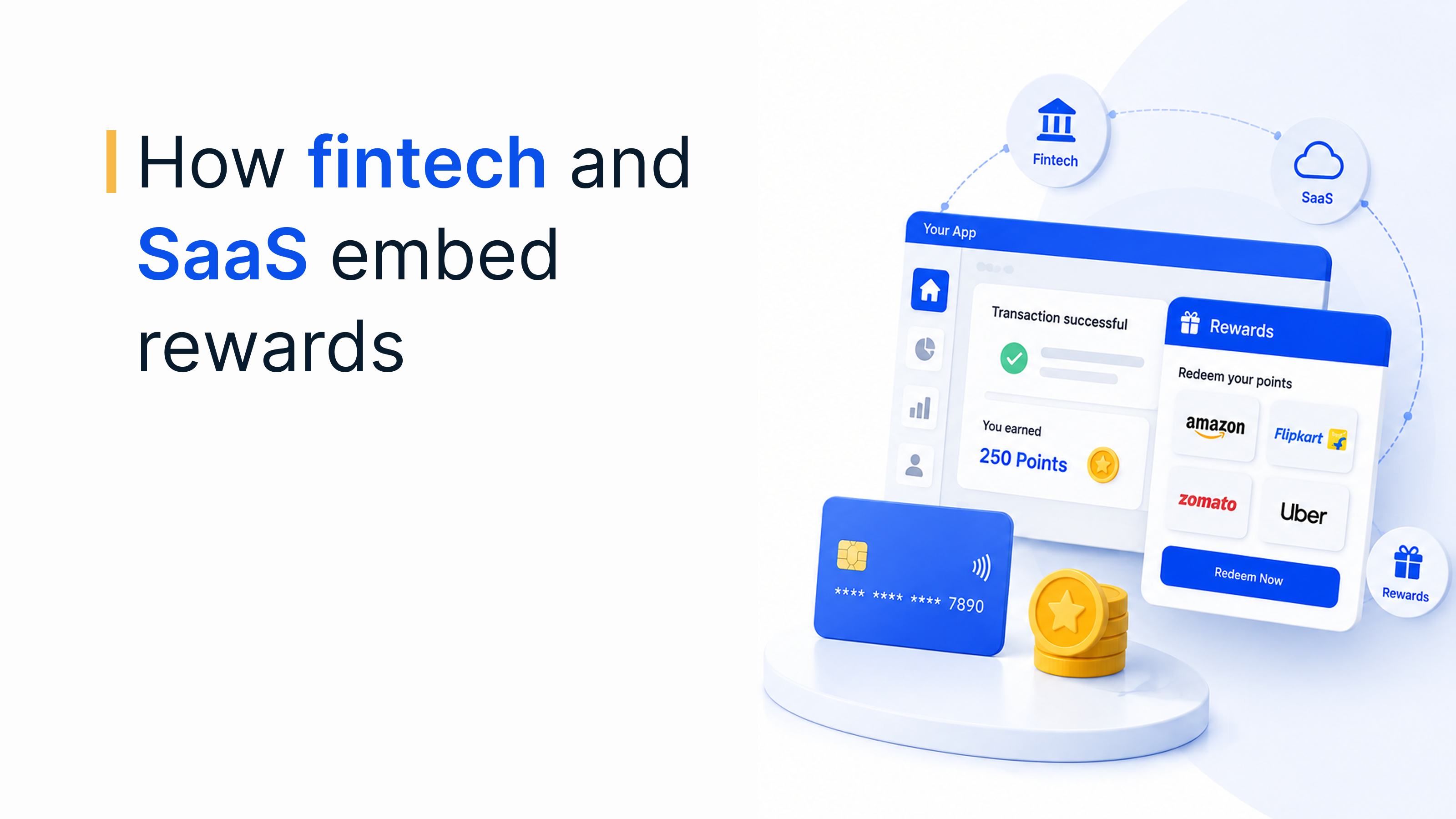
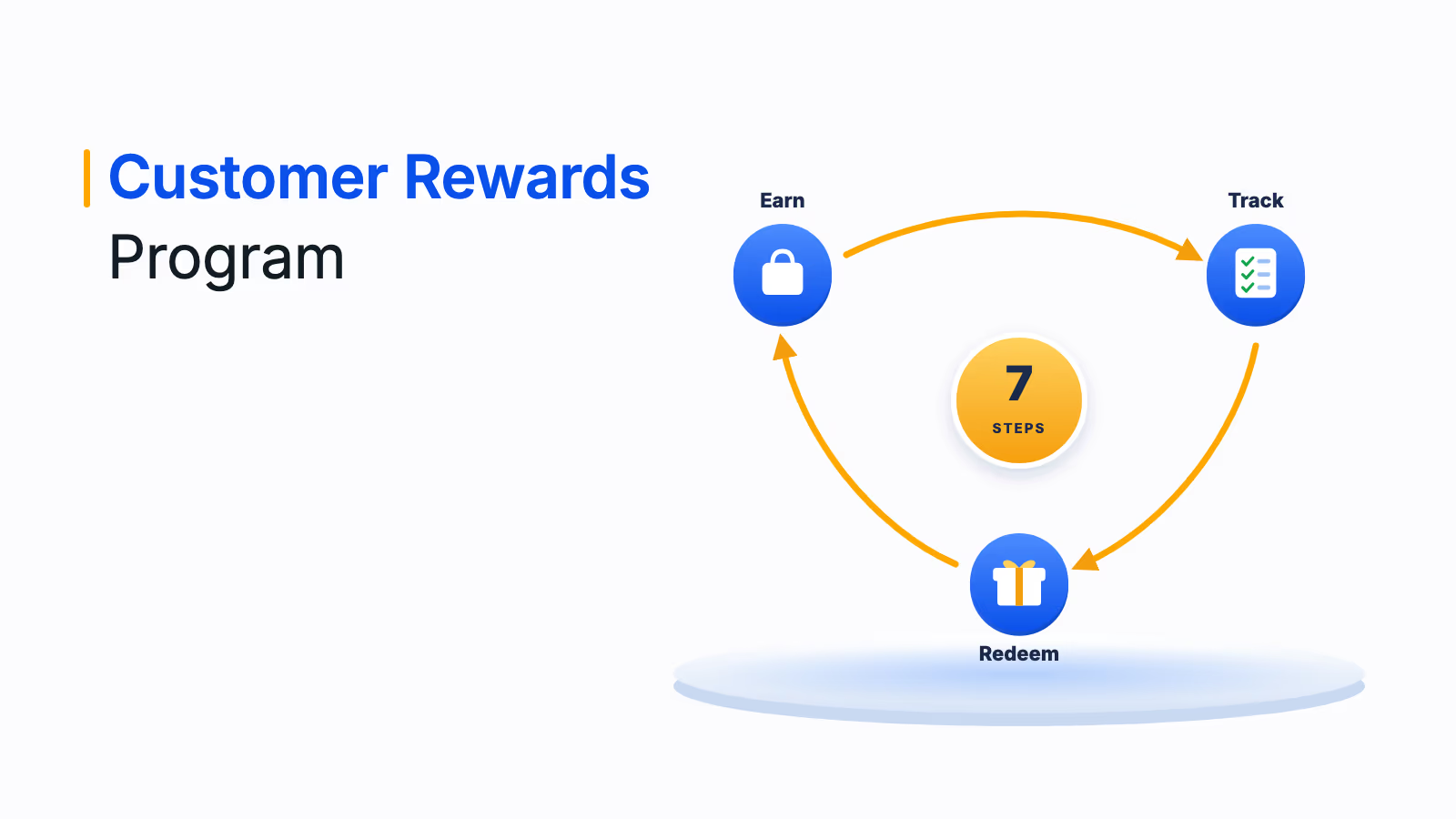
Here is how a user buys gift cards with crypto inside a wallet or exchange that offers a gift card marketplace:
- Choose a platform: Pick a reputable wallet, exchange or marketplace that offers gift cards for your country.
- Pick a brand and value: Browse the catalog and choose a gift card in your local currency.
- Pay with crypto: Confirm the order using your Bitcoin, stablecoin or other supported balance. The platform converts it at the quoted rate.
- Receive the code: The gift card code is delivered instantly in the app or by email.
- Redeem: Use the code at the brand's online checkout or in store, just like any other gift card.
How crypto platforms use gift card rewards
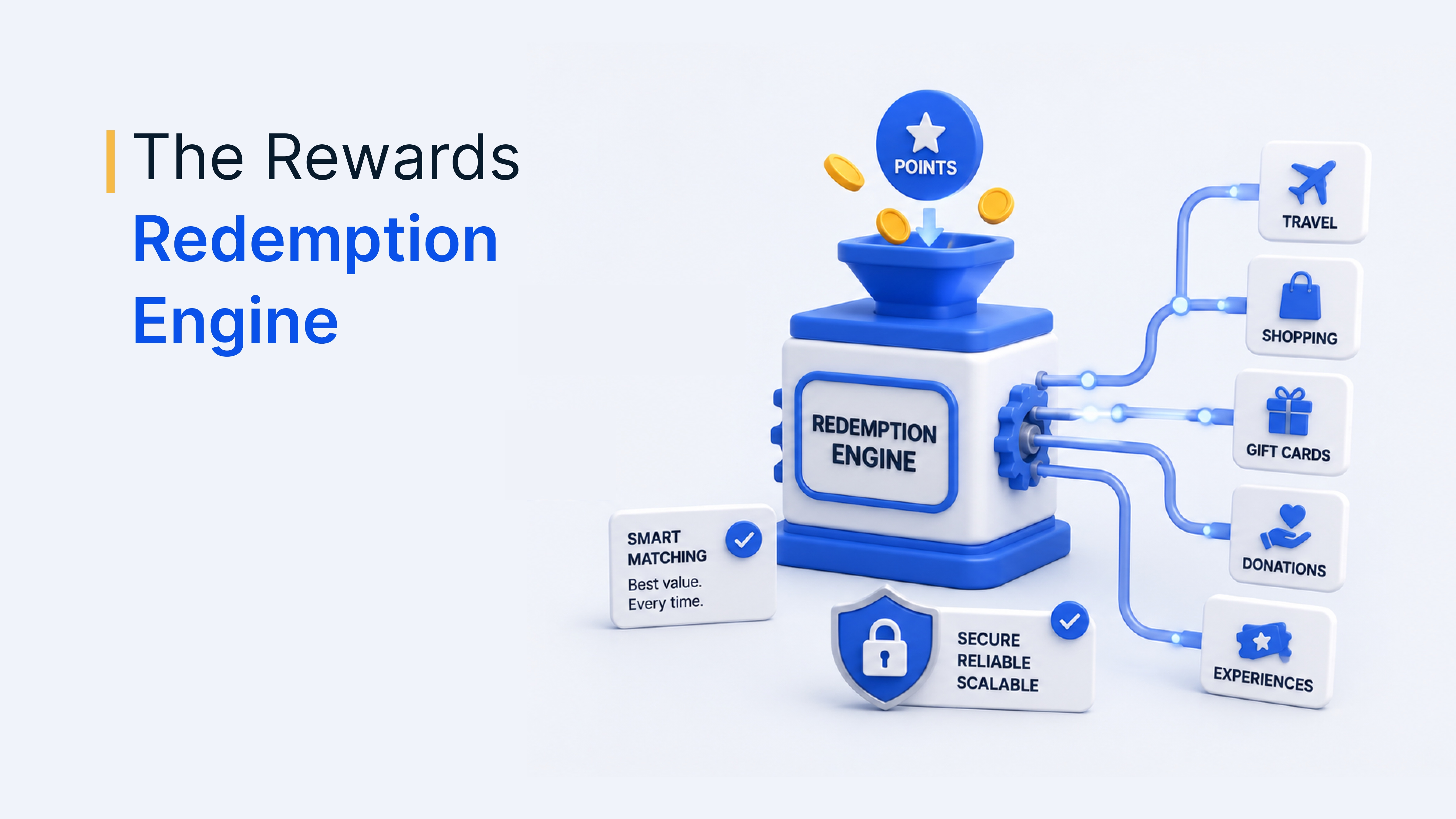
Crypto platforms use gift card rewards to give users a stable, real-world way to spend what they hold or earn. Crypto platform gift cards have a fixed value in local currency, which removes volatility from the reward and makes it easy to understand for people new to crypto.
Common uses include:
- Exchanges and wallets: Let users convert idle balances into spendable gift cards without leaving the app, which keeps activity on the platform.
- Crypto-to-gift-voucher marketplaces: Power the core catalog with global supply instead of managing several gift card vendors country by country.
- Web3 quest and airdrop platforms: Offer a stable redemption option alongside token and NFT rewards.
- Gaming and crypto-native apps: Reward players and give them instant ways to spend in-app earnings at real brands.
- Onboarding and referrals: Offer gift cards as crypto rewards for users who verify their account, make a first trade or refer a friend, which appeals to people who are not yet comfortable holding coins.
The hard part is supply. Catalog gaps, regional rules that change, manual reconciliation against a crypto-side ledger and fraud at the redemption layer all grow with volume. Plum's crypto rewards solution addresses these by connecting a platform's conversion flow to a global catalog through the rewards API.
Add gift card rewards to your crypto platform
Connect your conversion flow to a global gift card catalog with real-time fulfillment through the Plum API.
Talk to our ExpertTrusted by 5,000+ companies
Benefits of crypto gift cards
For users and platforms, crypto gift cards turn digital assets into something useful today. The main benefits are:
- Real-world utility: Users spend crypto at familiar brands without cashing out to a bank first.
- Stable value: A gift card in local currency is not exposed to price swings once issued.
- Global reach: Digital codes can be sent anywhere instantly, with no shipping.
- Easy introduction: Crypto-value cards let someone receive crypto without first setting up an exchange account.
- Engagement and retention: Gift card redemption gives users a reason to keep balances and activity on the platform.
Risks and things to check
Crypto gift cards carry the risks of both crypto and gift cards, so users and platforms need to check a few things before transacting.
- Volatility: The value of a crypto-value card can rise or fall before it is redeemed, and conversion rates can move during checkout.
- Fees and spreads: Compare the conversion rate and any fees, which can be built into the price of the gift card.
- Scams: Fraudsters often ask victims to pay in gift cards or crypto. No genuine business or agency asks to be paid that way.
- Regional availability: Gift card brands and crypto services are not available in every country.
- Taxes: In the US, the IRS treats digital assets as property, and using them to buy goods or services, including gift cards, is a reportable disposal. Brokers report digital asset sales on Form 1099-DA for transactions from January 1, 2025.
Crypto gift card regulation in 2026
In 2026, crypto rules in both the EU and the US moved from new laws on paper to full enforcement. Any platform offering crypto gift cards or gift card rewards now needs to check its licensing and the status of the assets it accepts.
EU: MiCA is now fully in force
The Markets in Crypto-Assets Regulation (MiCA) has applied in full since December 30, 2024, according to ESMA. The transitional period that let firms keep operating under national rules ended on July 1, 2026. In its statement on the end of the transitional periods, ESMA made clear that firms serving EU clients without a MiCA authorization must stop, and that a pending application is not enough. Platforms serving EU users should confirm they hold a MiCA authorization and that any gift card offer fits their licensed services.
US: the GENIUS Act takes effect in January 2027
The US GENIUS Act, signed into law on July 18, 2025, set the first federal rules for payment stablecoins. Issuers must back stablecoins one to one with liquid assets such as cash or short-dated Treasuries and publish the makeup of their reserves monthly. On October 21, 2026, the OCC issued the first final rule implementing the Act, and both the rule and the Act take effect on January 18, 2027. For crypto platforms that let users pay for gift cards in stablecoins, this brings more certainty about the asset being converted.
Regulation keeps evolving, so check with legal and compliance advisors in each market before launching a crypto gift card program.
Selecting the right crypto gift card platform
Whether you are a user buying a card or a crypto platform adding gift card rewards, the right partner is reputable, transparent and secure.
For users
- Reputation: Check reviews, regulatory status and how long the platform has operated.
- Fees: Compare conversion rates and charges across platforms before buying.
- Security: At a minimum, look for two-factor authentication and clear support channels.
For crypto platforms
- Catalog depth: Enough brands and denominations in each market to avoid out-of-stock or not-available-in-your-country errors.
- Regional accuracy: Correct currencies, denominations and redemption rules that stay up to date.
- Real-time fulfillment: Every conversion should trigger an instant order and code delivery.
- Reconciliation: Order-level reporting that matches your crypto-side ledger.
- Fraud controls: Velocity checks, risk scoring and one-time codes at the redemption layer.
- Compliance fit: The ability to choose which brands, countries and denominations are offered, based on your licenses and markets.
Offer gift card rewards on your crypto platform with Xoxoday Plum
Crypto gift cards bridge crypto and everyday spending, helping users unlock their holdings for real products and services. Xoxoday Plum lets exchanges, wallets, Web3 platforms and crypto-native apps offer brand gift cards without building a gift card supply chain.
- Integrate your conversion flow with the Plum rewards API and fulfill orders in real time.
- Configure your catalog by brand, country and denomination to match your markets and compliance needs.
- Draw from 10M+ reward options across 30+ categories in 150+ countries, redeemed in local currency.
- Keep every order traceable with reconciliation-ready reporting and fraud and security controls.
Crypto use cases are not supported for every reward in the Plum catalog, such as PayPal vouchers, so the catalog is set up per platform. For related reading, see our guides to gift cards vs prepaid cards and gift card marketing strategies.
Conclusion
Crypto gift cards give crypto users a simple way to spend, gift and earn value at brands they already know, and give crypto platforms a stable, engaging reward to offer. With MiCA in force in the EU and the GENIUS Act setting stablecoin rules in the US, the market is more structured than ever. Choose a platform with deep catalog coverage, real-time fulfillment and strong controls, and crypto gift cards can become a lasting part of your user experience.
Book your Plum demo
Frequently asked questions
A crypto gift card is either a card or code that holds a cryptocurrency value the recipient claims into a wallet, or a regular brand gift card bought with cryptocurrency. Most business offerings are the second kind, where users convert a crypto balance into a gift card for a familiar brand.
Choose a reputable wallet, exchange or marketplace that sells gift cards in your country, pick a brand and value, pay with your Bitcoin, stablecoin or other supported balance, and receive the code instantly. Then redeem the code at the brand's online checkout or in store.
A Bitcoin gift card is a code bought with regular money that the recipient redeems for Bitcoin on the issuer's platform or into their own wallet. Because Bitcoin's price moves, the amount of Bitcoin the recipient receives can differ from what the buyer expected when they paid.
In the US, the IRS treats digital assets as property, and using them to buy goods or services, including gift cards, is a reportable disposal that may create a gain or loss. Rules differ by country, so check with a tax advisor.
Gift card rewards give users a stable, local-currency way to spend crypto balances or earnings at brands they know. That keeps activity on the platform, rewards actions such as sign-ups, trades and referrals, and helps onboard people who are not yet comfortable holding coins.
MiCA, in full application in the EU since December 30, 2024, requires crypto-asset service providers to hold an authorization, and the transition period for firms under national rules ended on July 1, 2026. The US GENIUS Act, signed in July 2025, requires payment stablecoins to be fully backed with reserves disclosed monthly, and it takes effect on January 18, 2027 along with the OCC rule that implements it. Platforms offering crypto gift cards should confirm their offer fits these rules in each market.