Key Takeaways
A customer advocacy program turns happy customers into promoters through reviews, referrals, UGC and case studies.
Build it in eight steps: set goals, define and find advocates, invite, make it easy, reward, align teams and scale.
Match rewards to the action and the person; B2B advocates often value visibility and access over gifts.
The FTC rule in force since October 2024 bans rewards tied to positive or negative reviews, and many platforms ban review incentives outright.
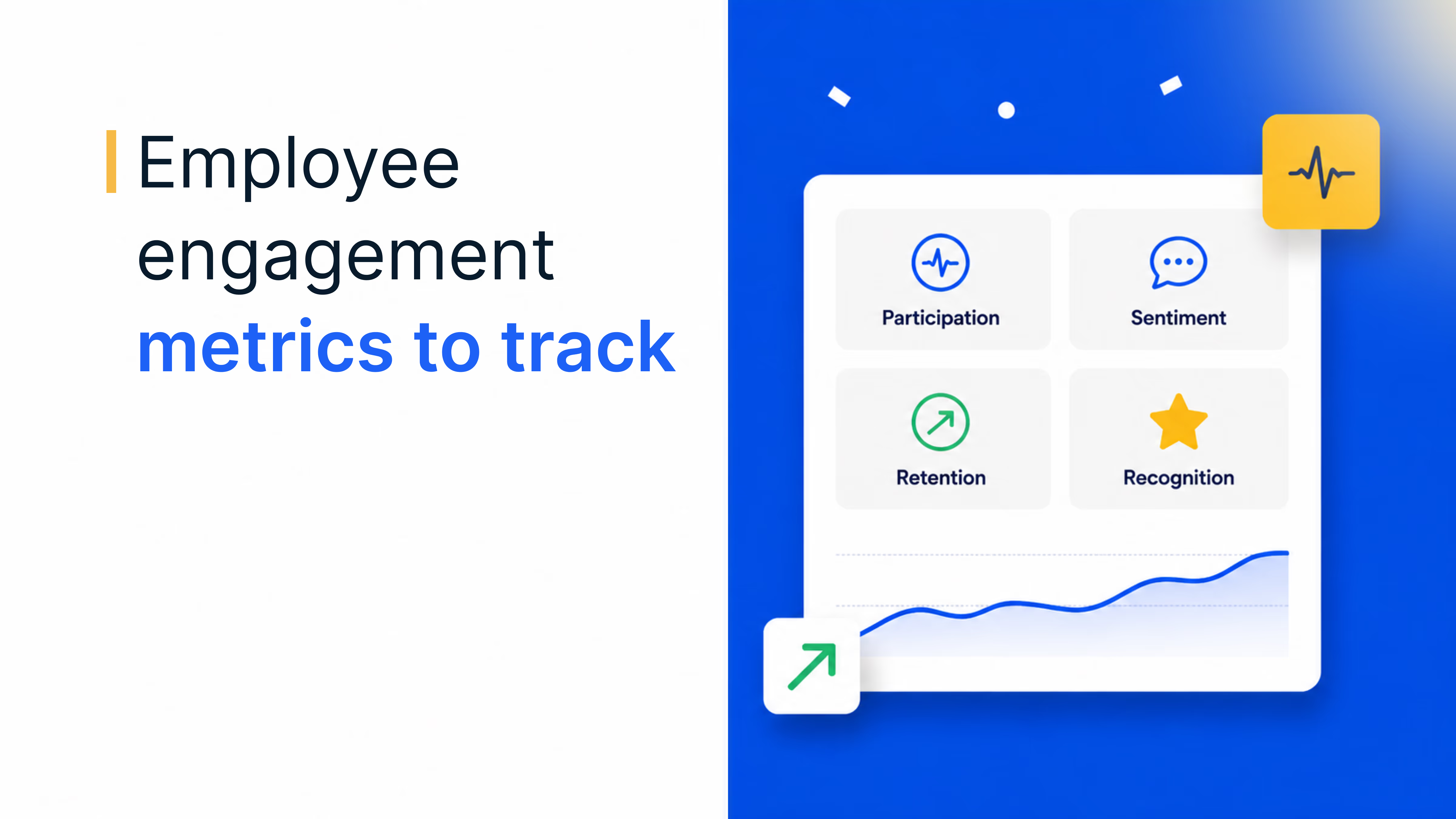
Track advocates, referrals, reviews and the retention of advocates to prove the program's value.
A customer advocacy program is a structured way to turn satisfied customers into active promoters of your brand through reviews, referrals, social posts, case studies and community participation. The right rewards make advocacy easier and more frequent, as long as they respect the rules on honest reviews and disclosure.
Making customers into more than buyers is one of the best ways to grow, but it is hard to do well. Advocacy cannot be bought outright: it starts with a great experience and grows when you make it easy and rewarding for happy customers to share it.
This guide explains what customer advocacy is, the main types of advocacy, how to build a customer advocacy program step by step, which customer advocacy rewards work, the incentivized review rules you need to follow and how to measure impact.
What is customer advocacy?
Customer advocacy is when satisfied customers actively recommend and defend your brand to others. The term also covers the internal work a company does to understand and champion customer needs, which is what creates advocates in the first place.
The two forms work together:
- Internal advocacy: People inside your company study customer needs, gather feedback and push for changes that delight customers. This is the foundation of strong customer retention strategies.
- External advocacy: Customers who love what you do share it with friends, colleagues and online audiences, often through a formal advocacy program.
Internal advocacy creates highly satisfied, loyal customers. Those customers then become the external advocates who bring in new business.
Why customer advocacy matters
Customer advocacy matters because people trust other customers more than they trust brands. Advocates build awareness and credibility in a way advertising cannot, and they make it easier for sales and support teams to build relationships with new customers.
- Builds trust: Recommendations from peers carry more weight than ads.
- Brings better leads: Referred prospects arrive with context and confidence, so they often convert faster.
- Lowers marketing costs: Happy customers market your brand organically.
- Strengthens reputation: Reviews, testimonials and case studies show real results.
- Improves loyalty and retention: Customers who advocate feel more connected and tend to stay longer.
- Scales with your base: Every new happy customer is a potential new advocate.
Types of customer advocacy
Customer advocacy takes many forms, from a quick social post to speaking on stage. Most programs combine several:
| Type | What it looks like | Best for |
|---|---|---|
| Reviews and ratings | Honest reviews on review sites, app stores or your own website | Building credibility at the point of purchase |
| Referrals | Recommending your product to friends or colleagues through a referral link or introduction | Acquiring high-quality new customers |
| Social sharing and UGC | Posts, unboxing videos, photos and tags that feature your product | Reach and authenticity on social media |
| Case studies and testimonials | Detailed stories of results achieved with your product | B2B sales and long buying cycles |
| Speaking and peer references | Talking at webinars, events or taking reference calls with prospects | Enterprise deals and thought leadership |
| Customer advisory boards | Regular input from experienced customers on roadmap and strategy | Product direction and deeper relationships |
| Community participation | Answering questions, sharing tips and hosting meetups in your community | Self-service support and belonging |
User-generated content and communities
User-generated content (UGC) and customer communities have become central to advocacy. UGC, such as photos, videos and how-to posts made by customers, feels more authentic than brand content and often performs better on social platforms.
Communities give advocates a place to connect: online forums, user groups, Slack or Discord spaces and local meetups. They help customers solve problems for each other, generate content naturally and turn casual fans into passionate ambassadors. Recognize your most active members with badges, early access, invitations to exclusive events and occasional rewards.
B2B customer advocacy
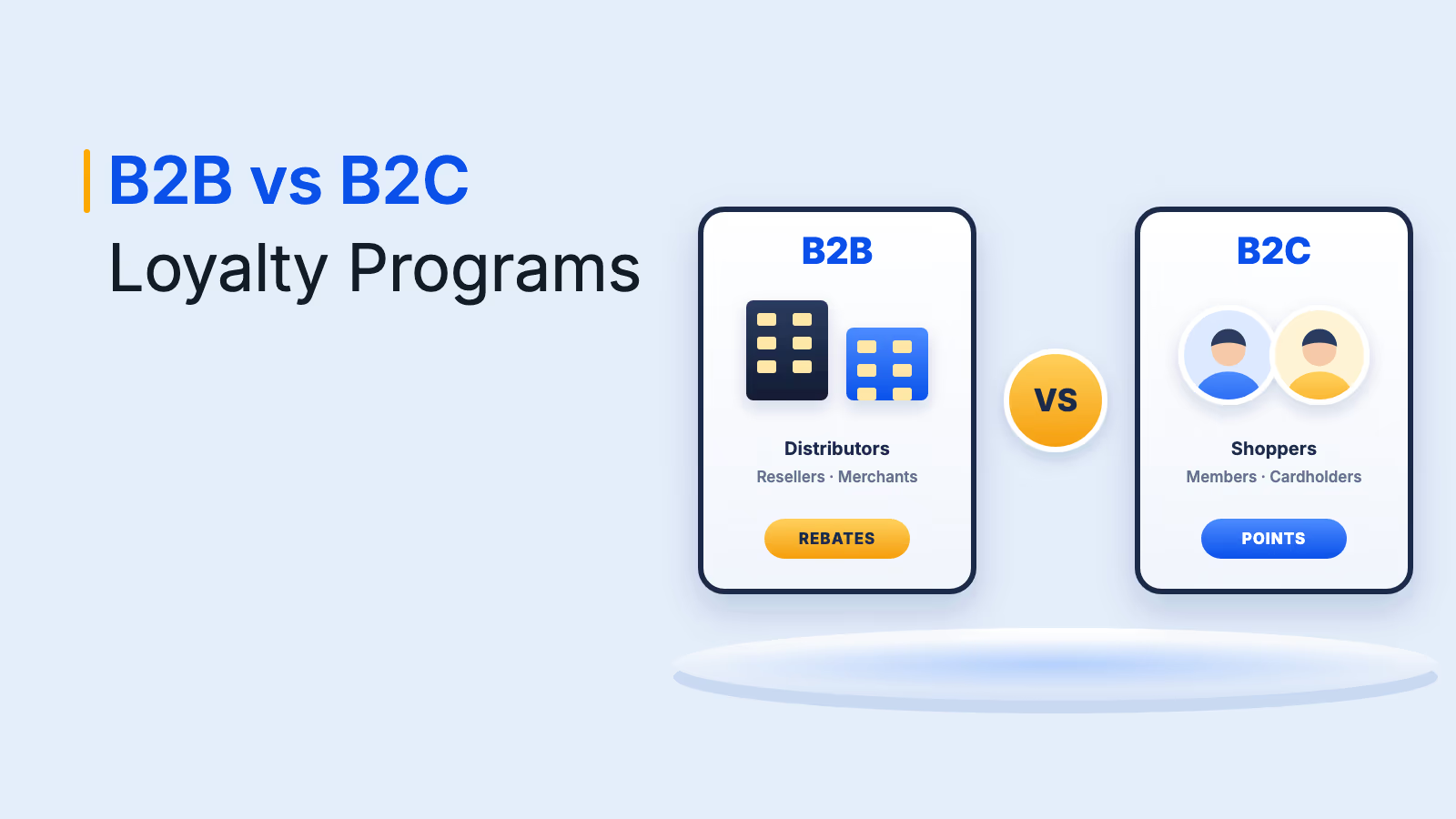
B2B customer advocacy relies on fewer but higher-value actions: case studies, peer reference calls, reviews on B2B review sites, speaking slots and advisory board seats. Buyers in long sales cycles want proof from someone in a similar role and industry.
B2B advocates are usually motivated by professional growth as much as by rewards. Offer visibility (speaking slots, co-authored content, awards), access (beta programs, executive roundtables) and appreciation (a thoughtful gift or a donation to a cause they choose). Check the advocate's company gift policy first, as many organizations cap or ban gifts to employees.
Reward every advocate automatically
Thank customers for referrals, verified reviews and community contributions with rewards in 150+ countries.
Talk to our ExpertTrusted by 5,000+ companies
How to build a customer advocacy program
Building a customer advocacy program takes eight steps, from setting goals to scaling what works. Building customer advocates is a long game: each step makes it a little easier and more rewarding for happy customers to speak up.
- Set clear objectives: Decide whether the program should drive referrals, reviews, UGC, case studies or lifetime value, and set measurable goals for each.
- Define your ideal advocates: Build personas from your data: who already recommends you, what motivates them and which channels they use.
- Find your biggest fans: Look at NPS promoters, repeat buyers, active community members, social mentions and positive feedback. Tag them in your CRM so new advocates are flagged automatically.
- Invite them personally: Explain what the program offers: recognition, exclusive access, rewards and meaningful ways to get involved. Do not overwhelm them with asks.
- Make advocacy easy: Provide referral links, review links, content templates and simple ways to share, so each action takes minutes.
- Reward and recognize: Thank advocates quickly and in ways they value, following the review rules below.
- Get company-wide support: Support teams surface happy customers, sales teams request references and product teams use advocate feedback to improve the product.
- Measure, listen and scale: Track results, ask advocates for feedback and add layers like tiers, gamification or community features as the program grows.
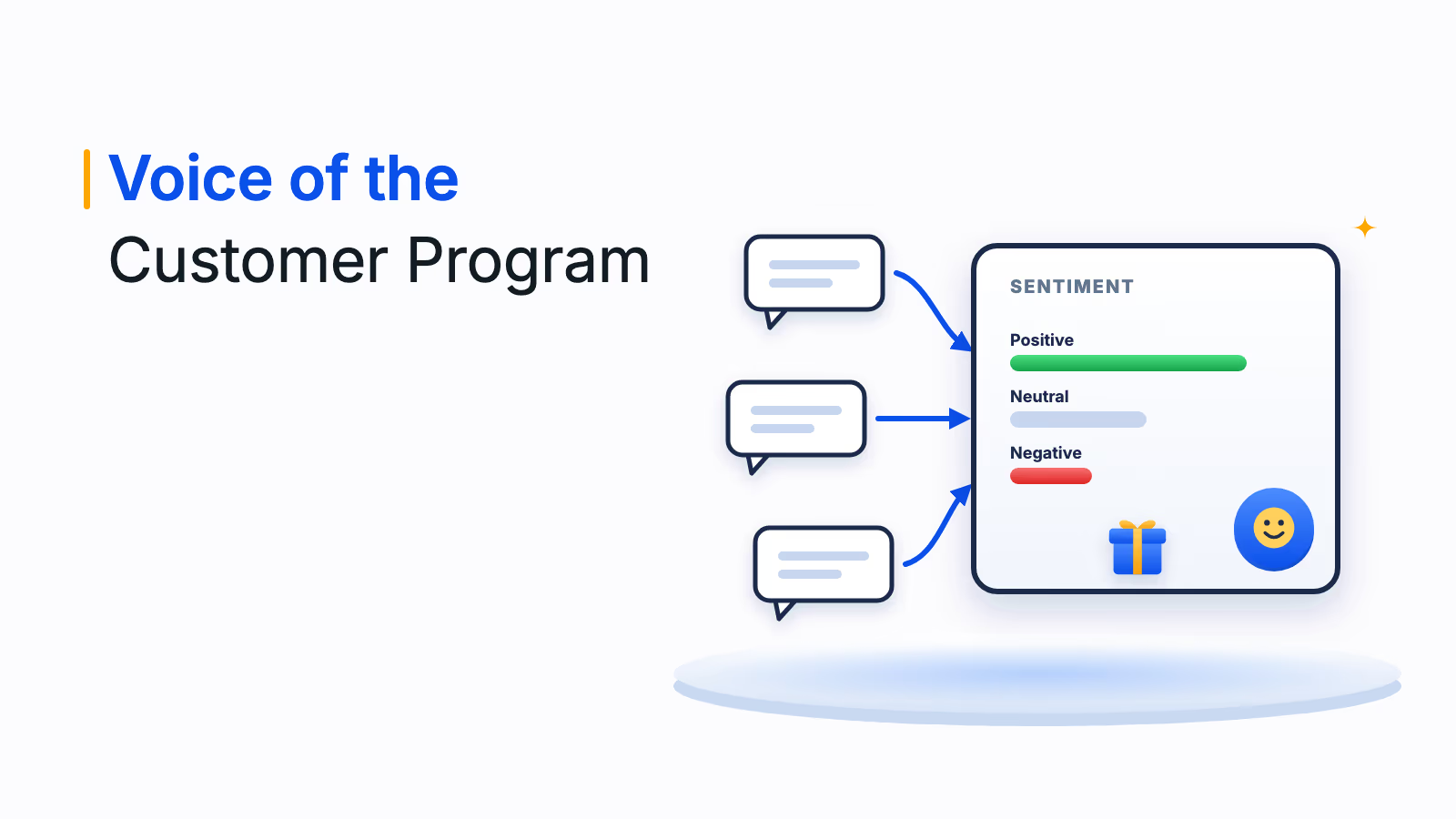
Use advocate feedback as a blueprint for better experiences. Your most engaged customers often see problems and opportunities first. Feed their insights to product, sales and support, and close the loop by telling them what changed. A voice of the customer program makes this systematic.
Customer advocacy rewards that work
Customer advocacy rewards should match the effort of the action and what each advocate values. Generic discounts may produce short-term results, but personalized rewards and recognition build lasting ambassadors.
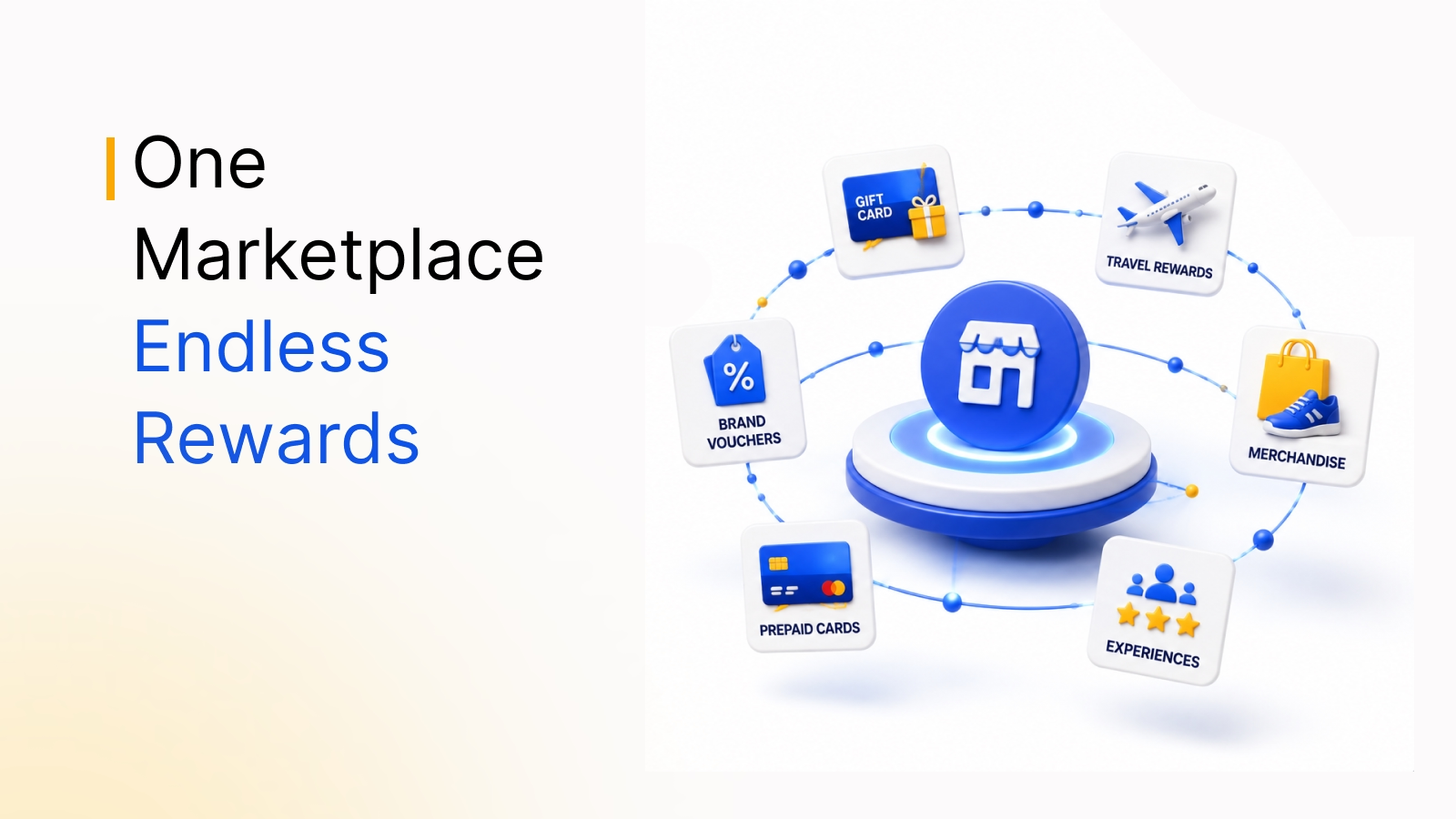
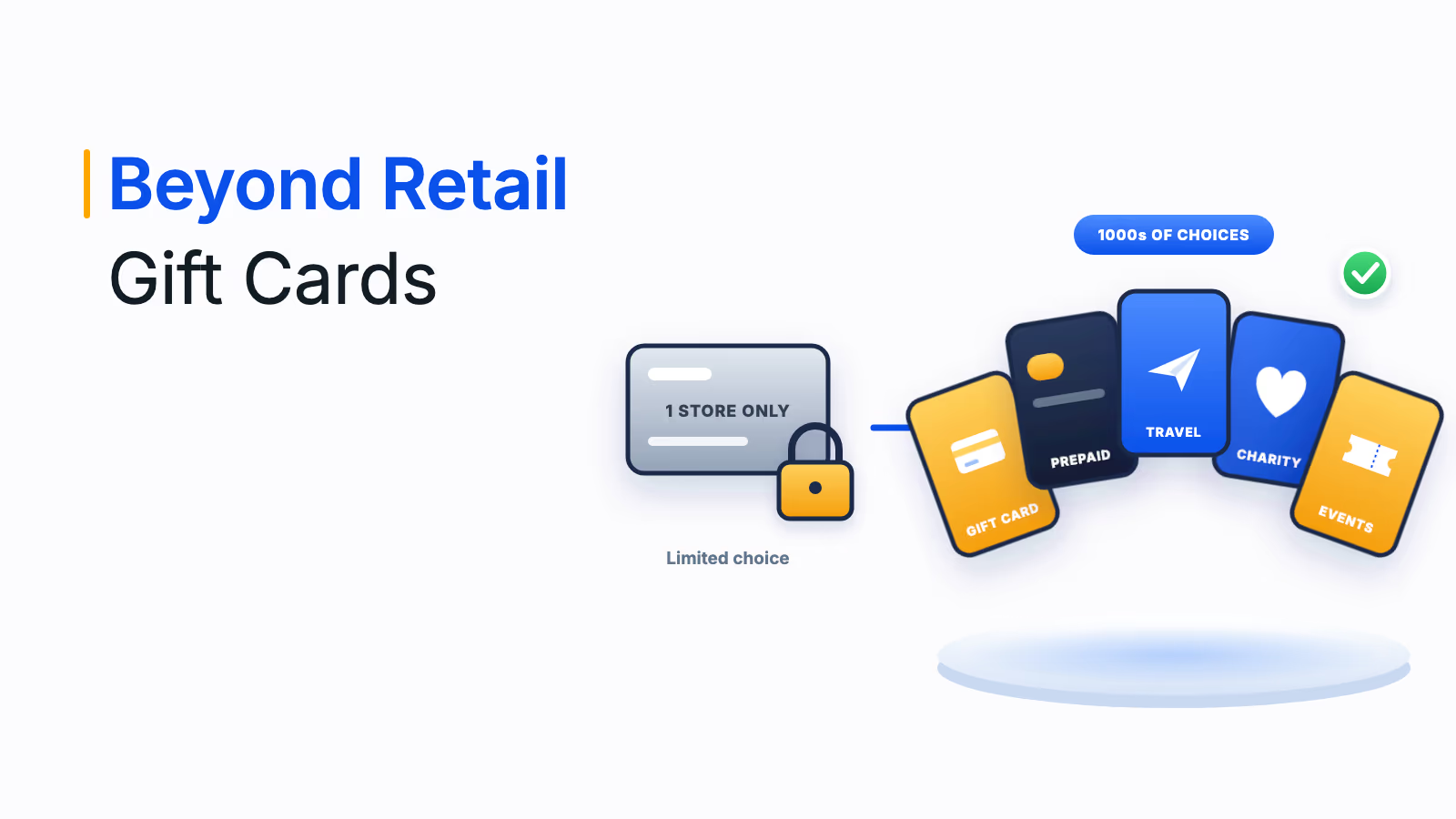
- Digital gift cards: Instant, flexible and widely appreciated, from a catalog covering many brands and countries.
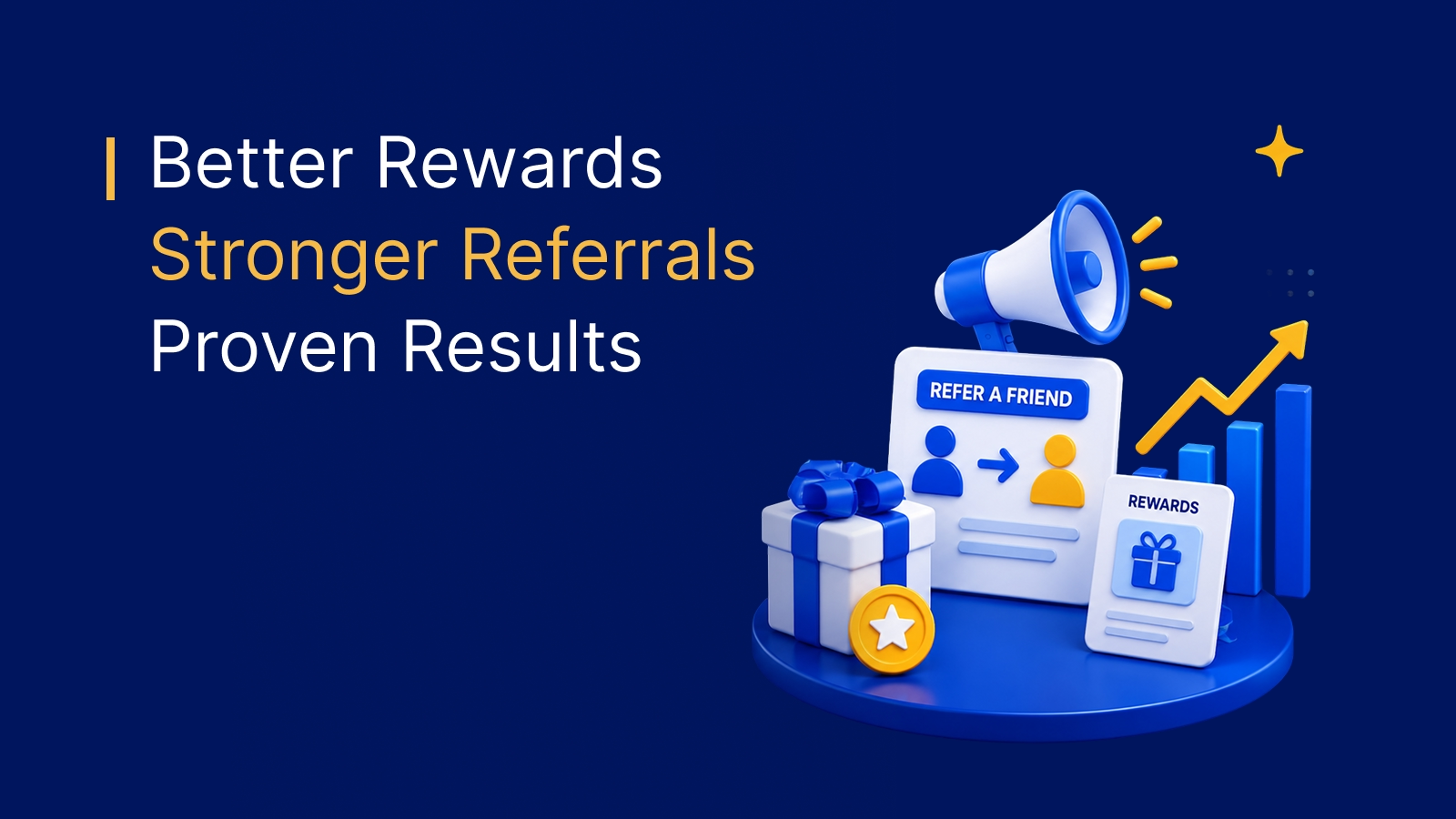
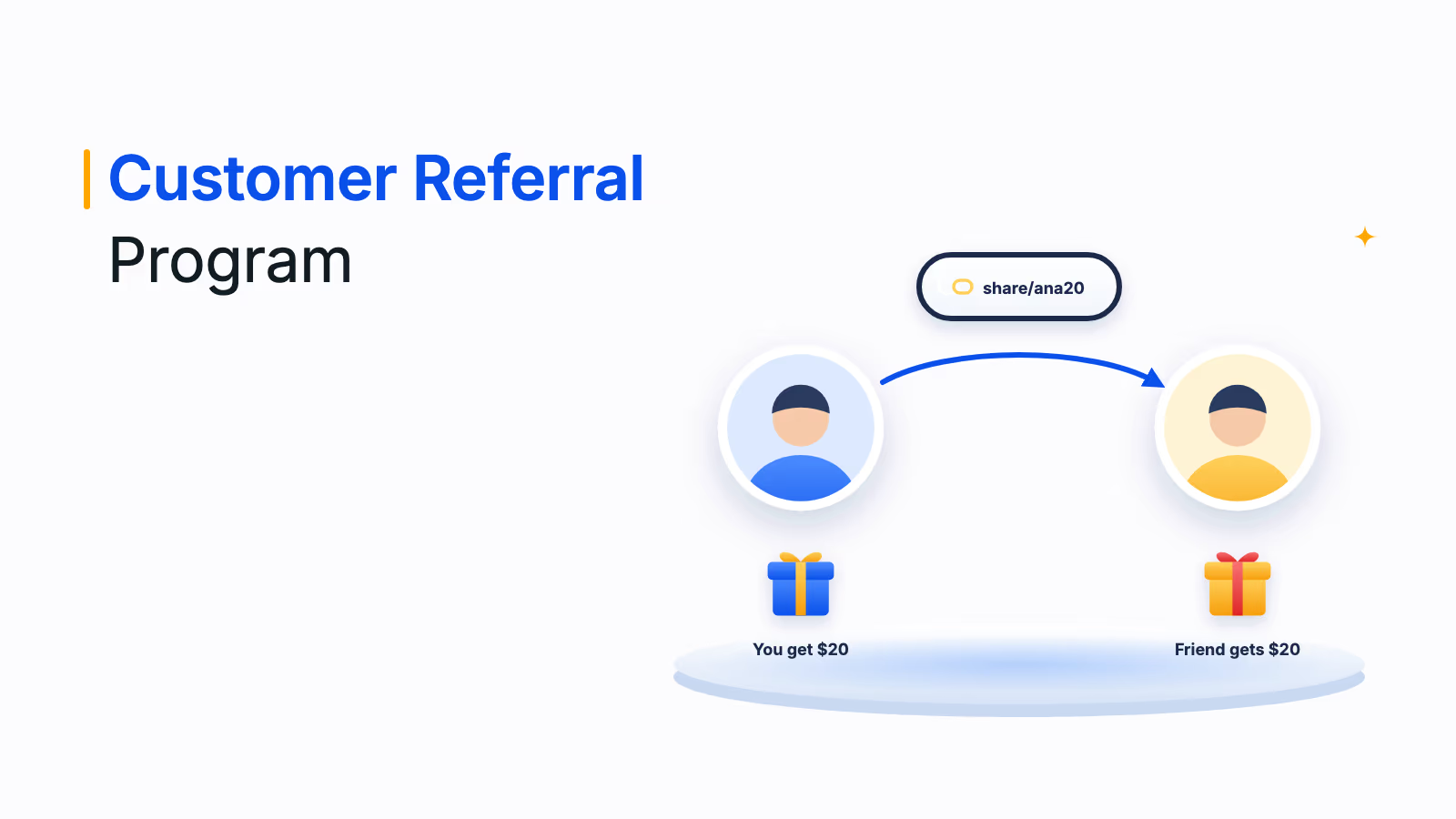
- Referral incentives: Cash-like rewards, store credit or discounts for every successful referral.
- Tiered perks: Early access, premium content or invite-only events for your top advocates.
- Recognition: Public shout-outs, customer spotlights, awards or features on your channels.
- Experiences: Event tickets, experiential rewards or exclusive learning sessions.
- Charity donations: A donation in the advocate's name to a cause they care about, popular with B2B advocates who cannot accept gifts.
Referral rewards deserve special attention because they directly drive revenue. Our guide on how rewards improve referral programs covers reward types, one-sided vs two-sided structures and tiered incentives in detail.
Incentivized review rules you need to follow
Incentivized review rules are tighter than ever. In the US, the FTC's rule on consumer reviews and testimonials, which took effect on October 21, 2024, bans rewards that are conditioned on a review being positive or negative, along with fake reviews and review suppression. Many review platforms go further and ban review incentives entirely.
According to the FTC's August 2024 announcement, the final rule prohibits:
- Fake reviews and testimonials, including AI-generated ones or reviews from people who never used the product.
- Offering compensation or incentives conditioned, explicitly or implicitly, on the review expressing a particular sentiment.
- Undisclosed reviews from company insiders, such as officers, managers and their relatives.
- Company-controlled review sites that pretend to be independent.
- Suppressing negative reviews through threats or by presenting only selected reviews as representative.
- Buying or selling fake social media followers or views.
The FTC's questions and answers on the rule confirm that the rule does not ban incentives for reviews as such, as long as there is no requirement that the review be positive or negative. It also notes that failing to disclose an incentive can still violate the FTC Act under the Endorsement Guides, and that courts can impose civil penalties for knowing violations.
Review platforms set their own rules on top of the law. Google's contributed content policy, for example, prohibits offering payment, discounts or free goods for reviews on Google Maps and bans selectively asking only happy customers for reviews. Always check the policy of each platform you use.
| Practice | Generally OK | Not OK |
|---|---|---|
| Asking for reviews | Asking all customers for honest feedback | Asking only happy customers (review gating) |
| Rewarding reviews | A neutral thank-you for any honest review, where the platform allows it | Rewards only for positive reviews or higher ratings |
| Disclosure | Clearly disclosing any incentive or connection | Hiding that a reviewer was rewarded or is an insider |
| Platform rules | Following each site's policy, including bans on incentives | Offering incentives on platforms that prohibit them |
| Content | Letting customers write in their own words | Scripting reviews or requiring specific content |
This article is general guidance, not legal advice. Rules vary by country, so check with your legal team before launching a review incentive program. Plum's review and rating rewards are designed to trigger rewards on verified review completions, so you can thank reviewers without tying the reward to their rating.
How to measure customer advocacy
Measure customer advocacy by tracking both the actions advocates take and the business results those actions produce.
| Metric | What it tells you |
|---|---|
| Number of active advocates | How big and engaged your advocate base is |
| Referrals sent and converted | How much new business advocacy drives |
| Reviews generated and average rating | How visible and credible your brand is on review sites |
| UGC and social mentions | How far advocacy extends your reach |
| Case studies and reference calls completed | How much advocates support B2B sales |
| Retention and lifetime value of advocates vs non-advocates | Whether advocacy deepens loyalty |
| Cost per advocacy action | Whether rewards are delivering value for money |
Review these metrics against your original goals and adjust rewards, asks and channels based on what performs best.
How Xoxoday Plum powers customer advocacy
Xoxoday Plum helps you thank and reward advocates automatically, wherever they are.
- 10M+ reward options across 30+ categories in 150+ countries, including gift cards, experiences, merchandise and donations.
- Instant delivery by email, SMS or link, with local-currency redemption.
- Review, referral and loyalty use cases built in, from review and rating rewards to referral rewards.
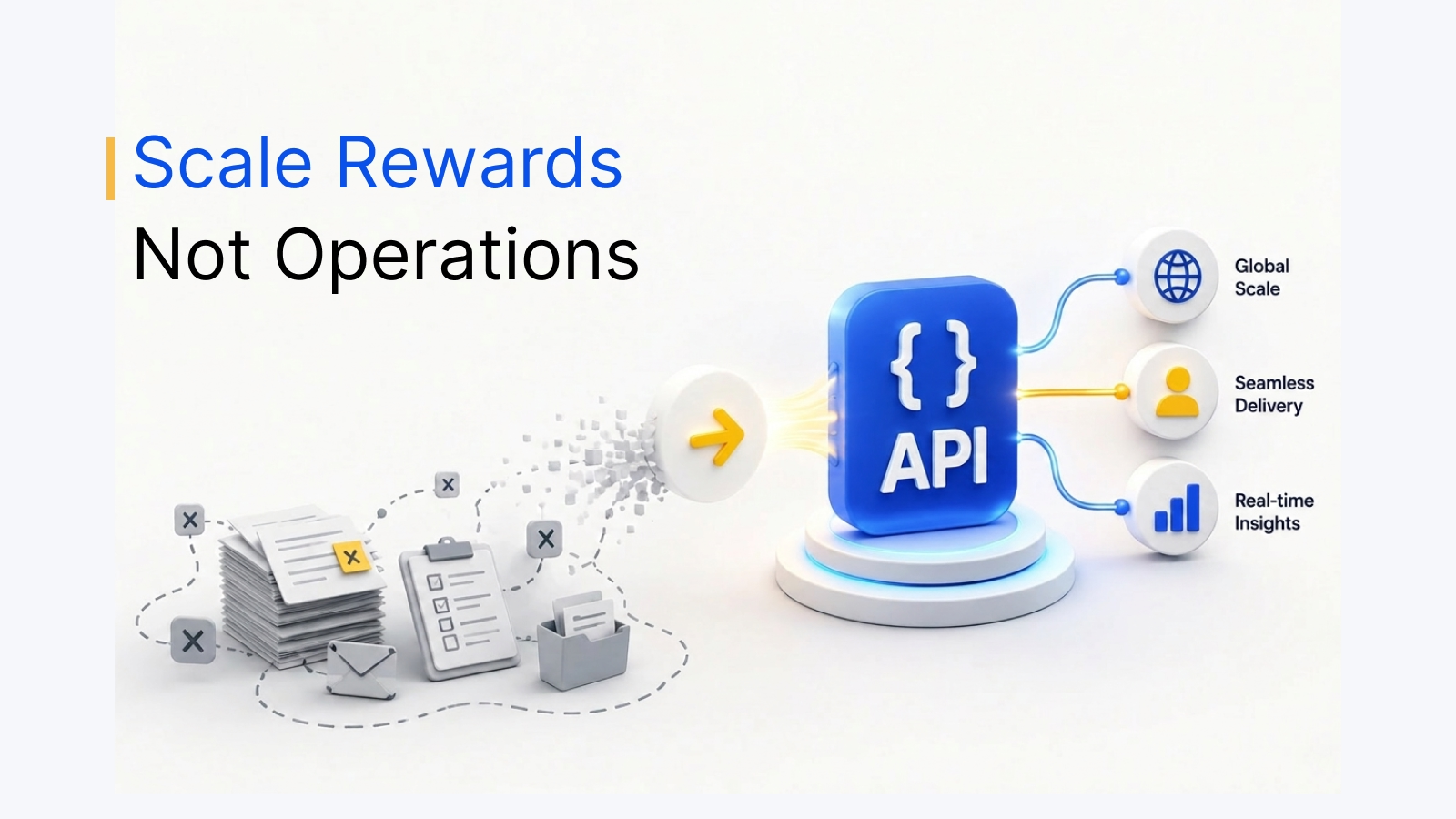
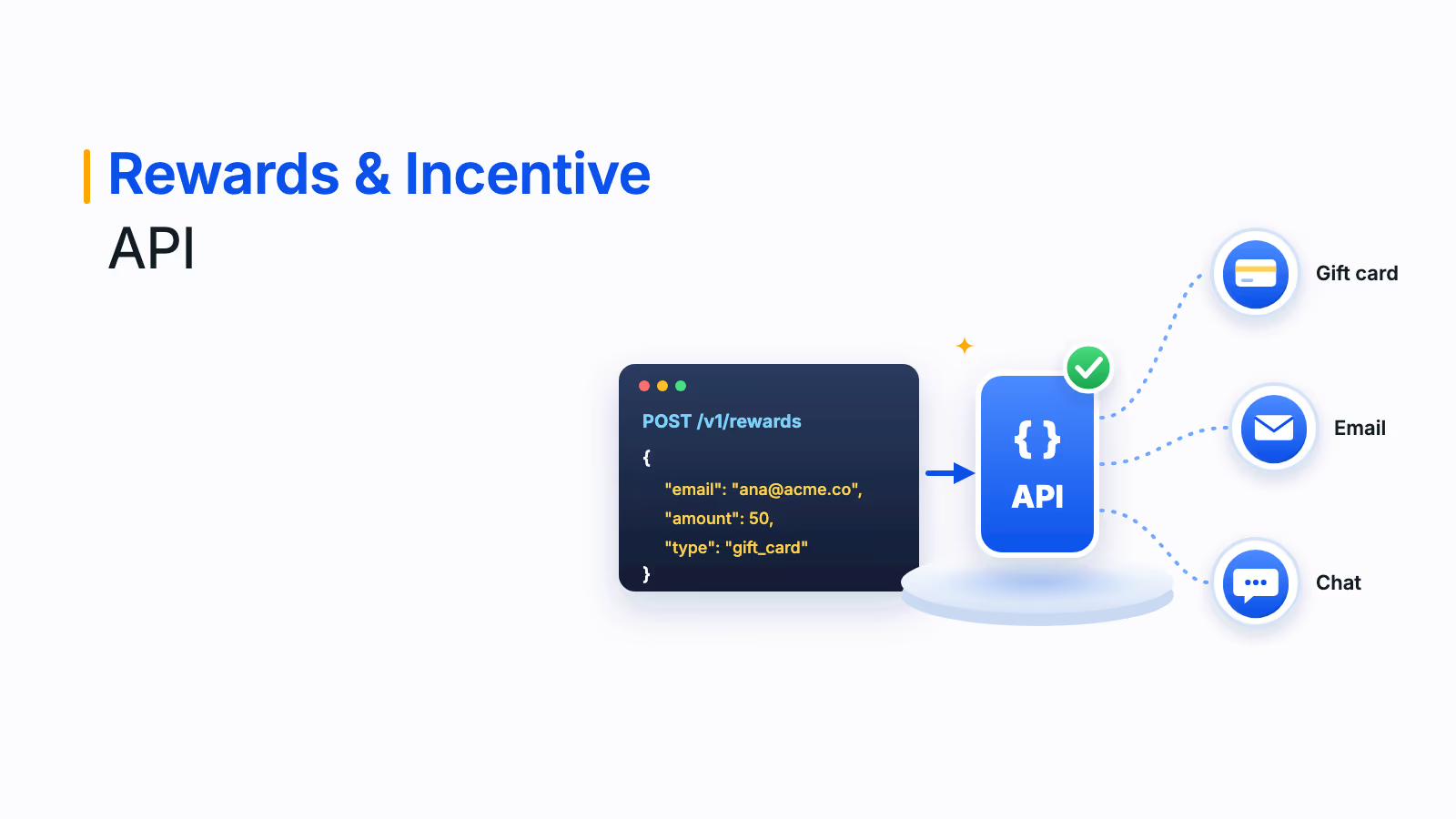
- 250+ native connectors and REST APIs, so rewards trigger from your CRM, referral platform or community tools.
Conclusion
A customer advocacy program turns your happiest customers into your most credible growth channel. Start with a great experience, identify your biggest fans, make advocacy easy, reward it in ways advocates value and follow the rules on honest, disclosed reviews.
When you are ready to reward advocates at scale, book a demo to see how Plum automates advocacy rewards across referrals, reviews and community programs.
Book your Plum demo
Frequently asked questions
A customer advocacy program is a structured initiative that encourages satisfied customers to promote your brand through reviews, referrals, social posts, case studies, reference calls and community participation. It usually combines easy ways to share, recognition and rewards, along with tracking to measure the results.
The best customer advocacy rewards match the effort of the action and the advocate's preferences. Digital gift cards, referral credits, tiered perks, early access, public recognition, experiences and charity donations all work well. B2B advocates often value visibility and access, such as speaking slots or beta programs, as much as gifts.
In the US, the FTC rule that took effect on October 21, 2024 does not ban review incentives as such, but it prohibits incentives conditioned on a positive or negative review, and undisclosed incentives can still breach the FTC Act. Many platforms, including Google Maps, ban review incentives entirely, so check each platform's policy and get legal advice.
Look for NPS promoters, repeat and long-standing customers, people who already mention you on social media, active community members and customers who give enthusiastic feedback to support or success teams. Tag them in your CRM so new potential advocates are flagged automatically.
B2B customer advocacy focuses on fewer, higher-value actions such as case studies, reference calls, B2B review site reviews and speaking engagements. B2B advocates are often motivated by professional visibility and access, and many work for companies with strict gift policies, so donations and recognition often work better than personal gifts.
Track the number of active advocates, referrals sent and converted, reviews generated, UGC and social mentions, case studies and reference calls completed, the retention and lifetime value of advocates compared with other customers, and the cost per advocacy action.
A referral program is one type of customer advocacy focused on bringing in new customers through personal recommendations, usually with a reward for successful referrals. Customer advocacy is broader and also includes reviews, social sharing, case studies, speaking, advisory boards and community participation.