Key Takeaways
Track a conversion rate for every funnel stage, then fix the stage with the steepest drop first.
Your own historical data is the most useful sales conversion rate benchmark; industry medians are only a sanity check.
Fast lead response, AI-assisted follow-up and fewer buying steps lift conversions at almost every stage.
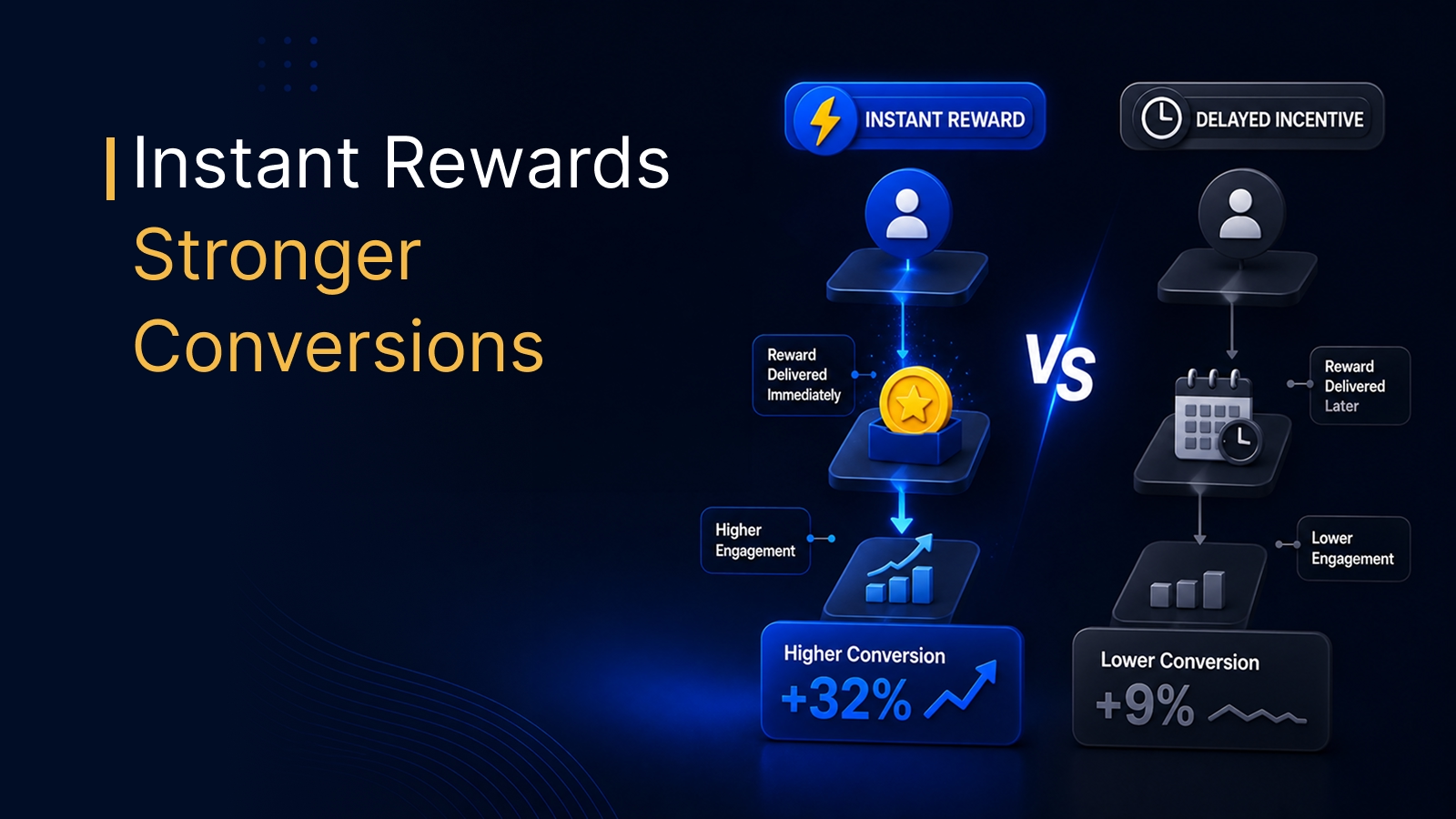
Rewards work best at moments of hesitation: booking and attending demos, referrals, abandoned carts and repeat purchases.
Xero saw a 25% increase in referral conversion rate after switching from physical gifts to instant digital rewards.
A great product alone rarely closes the deal. Buyers compare more options, involve more colleagues and expect a smoother journey than ever, so teams that want to improve sales conversion rate have to remove friction at every step, from the first click to the signed contract.
This guide covers the challenges sales and marketing leaders face, what sales conversion rate benchmarks really tell you, the tactics that move prospects forward and the specific ways rewards help turn interest into a closed deal.
Buying decisions are now a team sport. In Forrester's State of Business Buying 2024, 89% of purchases involved two or more departments and an average of 13 people took part in a buying decision. Every extra stakeholder is another chance for a deal to stall, which is why conversion work matters at every stage, not only at checkout.
What is a sales conversion rate?
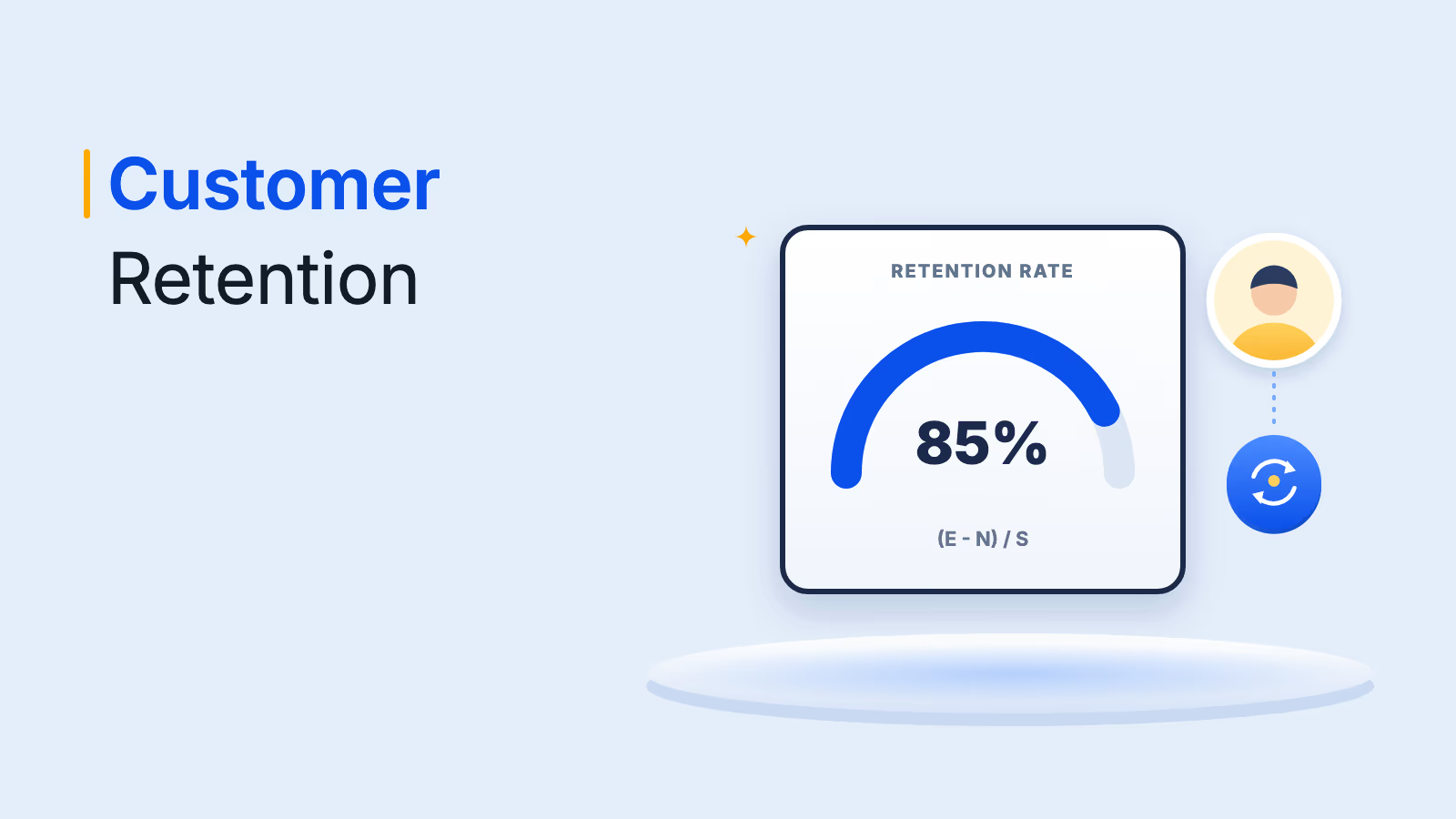
A sales conversion rate is the share of leads or prospects that become paying customers within a set period. The basic formula is: conversions divided by total leads (or visitors, or opportunities), multiplied by 100.
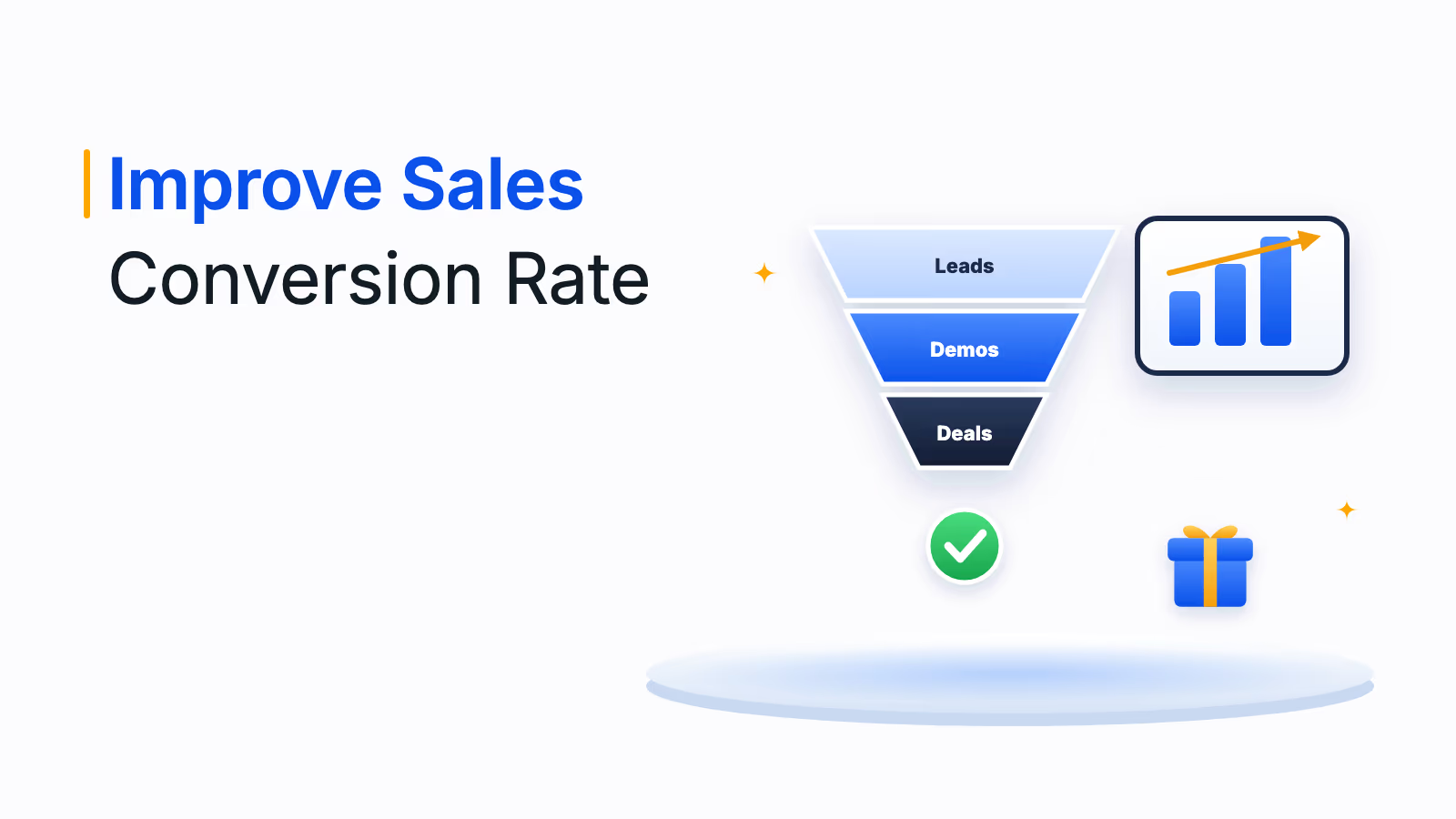
Most teams track several conversion rates, one for each hand-off in the funnel:
| Conversion rate | Formula | What it tells you |
|---|---|---|
| Visitor to lead | Leads / website visitors | How well your pages and offers capture interest |
| Lead to qualified lead | MQLs or SQLs / total leads | Whether you attract the right accounts |
| Qualified lead to meeting | Meetings held / qualified leads | How well outreach and booking work, including demo show rate |
| Opportunity to close | Closed-won deals / opportunities | How well sales handles evaluation, pricing and objections |
| Customer to repeat buyer | Repeat customers / total customers | Whether the post-sale experience earns more business |
Sales conversion rate benchmarks and why they vary
Sales conversion rate benchmarks are useful as a sanity check, but the only benchmark that truly matters is your own past performance by stage, channel and segment. Rates swing widely with deal size, sales cycle length, industry and how each company defines a lead.
For reference, the Unbounce 2024 Conversion Benchmark Report put the median landing page conversion rate across all industries at 6.6%, with industry medians ranging from 3.8% to 12.3%. That is a top-of-funnel number. Lead-to-customer rates for complex B2B deals are typically far lower, because each later stage filters the pool again.
To set useful internal benchmarks:
- Pull 6 to 12 months of CRM data and calculate the conversion rate for every stage in the table above.
- Split each rate by source (paid, organic, referral, events, partners) and by segment (company size, region, product).
- Find the stage with the steepest drop compared with the rest. That is your first fix.
- Re-measure monthly so you can see whether a change actually moved the number.
For a full view of funnel metrics from acquisition to referral, see this guide to AARRR metrics.
Common challenges faced by sales and marketing leaders
Sales and marketing both shape the customer journey, and misalignment between them wastes budget and loses deals. The obstacles usually fall into four groups.
1. Prospecting pain points
- Finding qualified leads: Identifying the people inside target companies who actually hold buying power takes time.
- Cutting through the noise: Prospects receive a constant stream of messages, so generic outreach is easy to ignore.
- Getting past gatekeepers: Reaching decision-makers often means getting through people who don't yet see your value.
2. Engagement struggles
- Standing out from competitors: In a crowded market, prospects need a clear reason to pick you.
- Building trust: Real rapport takes clear communication and active listening, which is hard to do at scale.
3. Closing the deal
- Complex buying journeys: Informed buyers and large buying groups make the closing stage longer and harder to predict.
- Time pressure and tight budgets: Short quarters and budget scrutiny push teams to rush, which can hurt deal quality.
4. Post-sale hurdles
- Churn and retention: Long-term relationships need proactive service and ongoing proof of value.
- Cross-selling and upselling: Expansion only works when you understand how customer needs have changed.
- Keeping up with customer needs: Preferences and markets shift, so your approach has to keep adapting.
Turn hesitation into conversions
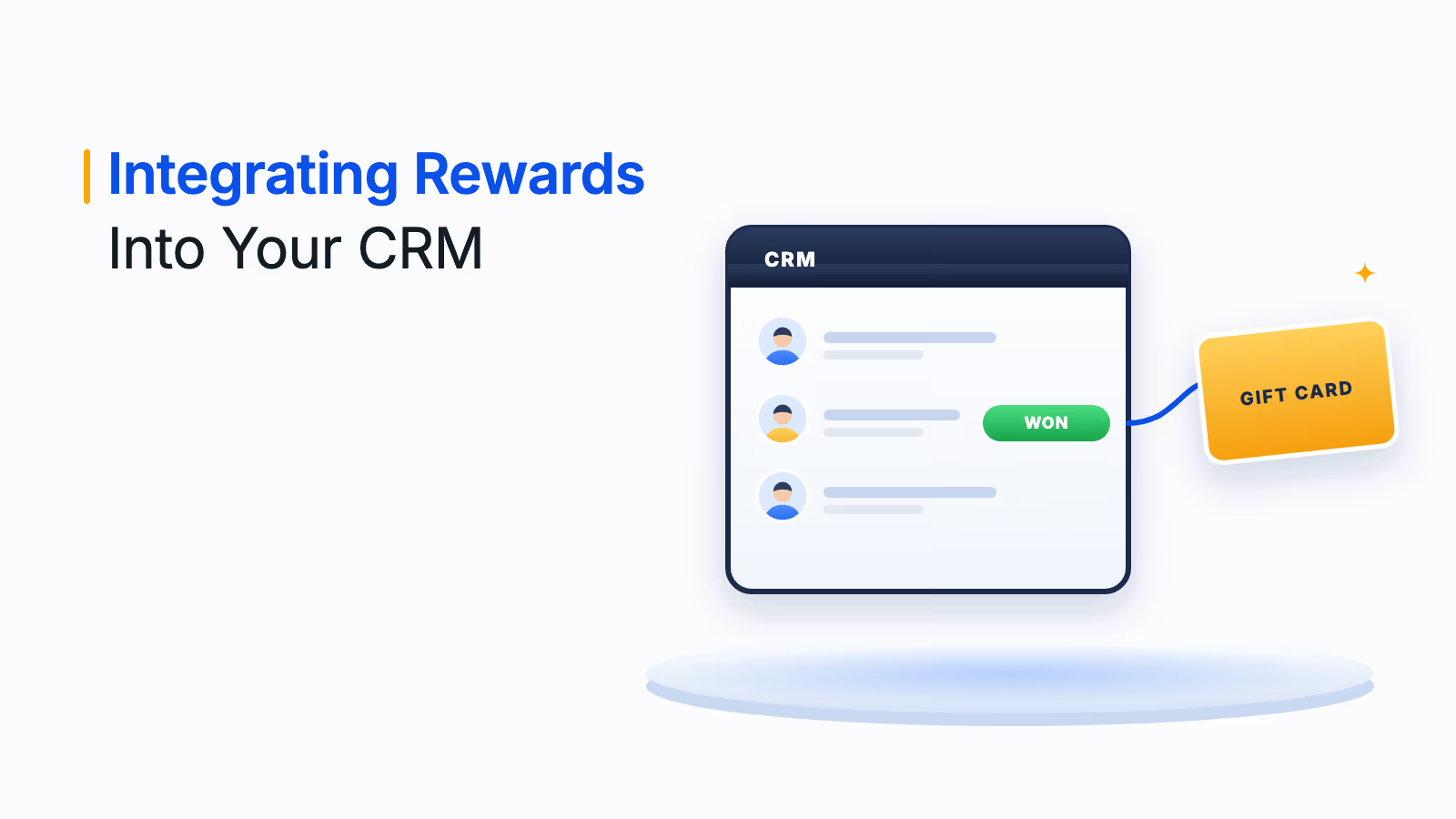
Reward demos, referrals and purchases with instant digital rewards in 150+ countries, triggered from your CRM.
Talk to our ExpertTrusted by 5,000+ companies
How to improve sales conversion rate: 8 proven tactics
The fastest way to improve sales conversion rate is to focus on the right buyers, respond quickly and remove every unnecessary step between interest and purchase. These sales conversion tactics apply to most B2B and B2C teams.
1. Know your ideal customer
Choose quality over quantity. Define your ideal customer profile (ICP) so sales chases prospects with a genuine need. Research their pain points and shape your message around them, rather than leading with features.
2. Respond to new leads fast
Speed to lead is one of the simplest ways to increase sales conversions. Interest fades quickly, and a prospect who filled in a form is often comparing vendors at the same moment. Route inbound leads automatically, set a response-time target for your team and track it as a metric. Instant confirmation emails, scheduling links and chat can hold attention until a rep follows up.
3. Use AI sales assistants for the busywork
AI tools now draft follow-ups, summarize calls, score leads and flag deals that are going cold, which frees reps to spend more time with buyers. Adoption is already mainstream: in Salesforce's 2024 sales research, 81% of sales teams were experimenting with or had fully implemented AI, and 83% of teams with AI reported revenue growth compared with 66% of teams without it. Use AI to support judgment, not replace it, and keep a human review on anything sent to a key account.
4. Create content that converts
Helpful blog posts, videos and guides educate buyers about their problem and how you solve it. Gated content, such as a downloadable report, lets you capture contact details and then nurture those leads with relevant follow-ups.
5. Write clear calls to action
Every page and email should make the next step obvious. Whether it is "Book a demo", "Start a trial" or "Download the guide", keep CTAs prominent, specific and easy to act on.
6. Show proof that builds trust
People buy from companies they trust. Testimonials, case studies, reviews and recognizable customer logos reduce perceived risk, especially for buyers who must justify the choice to colleagues.
7. Remove friction from the buying journey
Look for roadblocks in your funnel. Shorten forms, offer more payment options, publish clear pricing where you can and make product information easy to find. Each removed step lifts conversion at that stage. For a stage-by-stage method, see these sales funnel optimization strategies.
8. Follow up consistently
Don't let leads go quiet after the first touch. Automated email sequences keep nurturing with relevant content, while personal calls from reps address specific concerns for high-value prospects.
9 ways to use rewards for sales conversions
Rewards for sales conversions work by adding value at the exact moment a prospect hesitates. Used well, they lift response rates, raise show rates and encourage repeat purchases without permanent price cuts.
1. Offer purchase incentives to reduce hesitation
A well-timed gift card, cashback offer or freebie adds perceived value and can push an undecided buyer to complete the purchase.
Example: "Buy today and get a $10 gift card for your next order."
2. Reward actions that lead to a sale
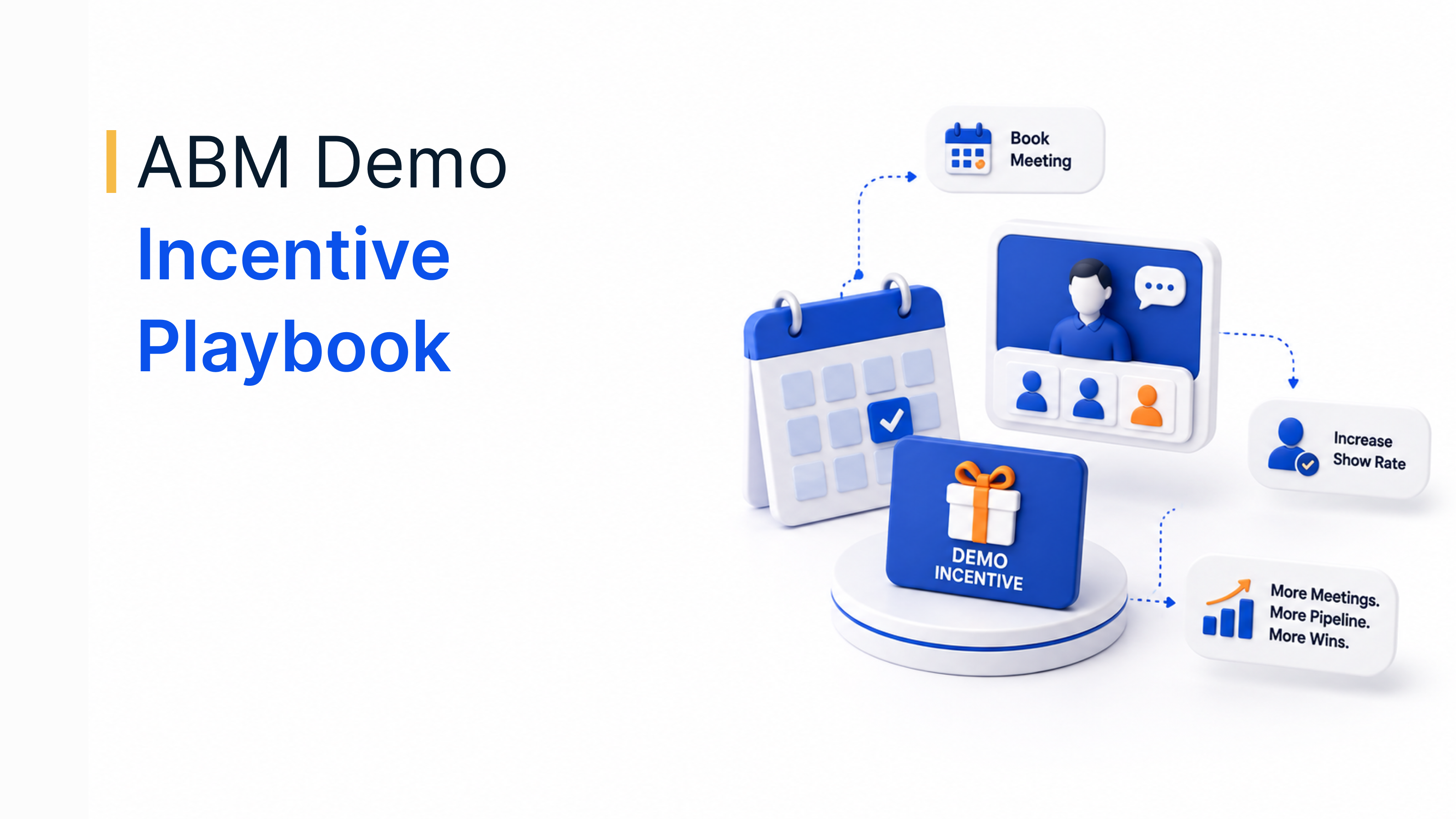
Small rewards for booking a demo, attending a consultation or joining a webinar help move leads forward. They also tackle a costly gap: the meeting that gets booked but never happens. Demo show-rate incentives, such as a coffee or lunch voucher delivered after the call is held, give busy buyers a reason to keep the slot. The ABM demo incentive playbook covers how to set these up for global accounts. Always check the recipient's gift policy, and avoid incentives for public officials or regulated buyers.
Example: "Complete a 30-minute demo and receive a $25 gift card of your choice."
3. Personalize rewards based on behavior
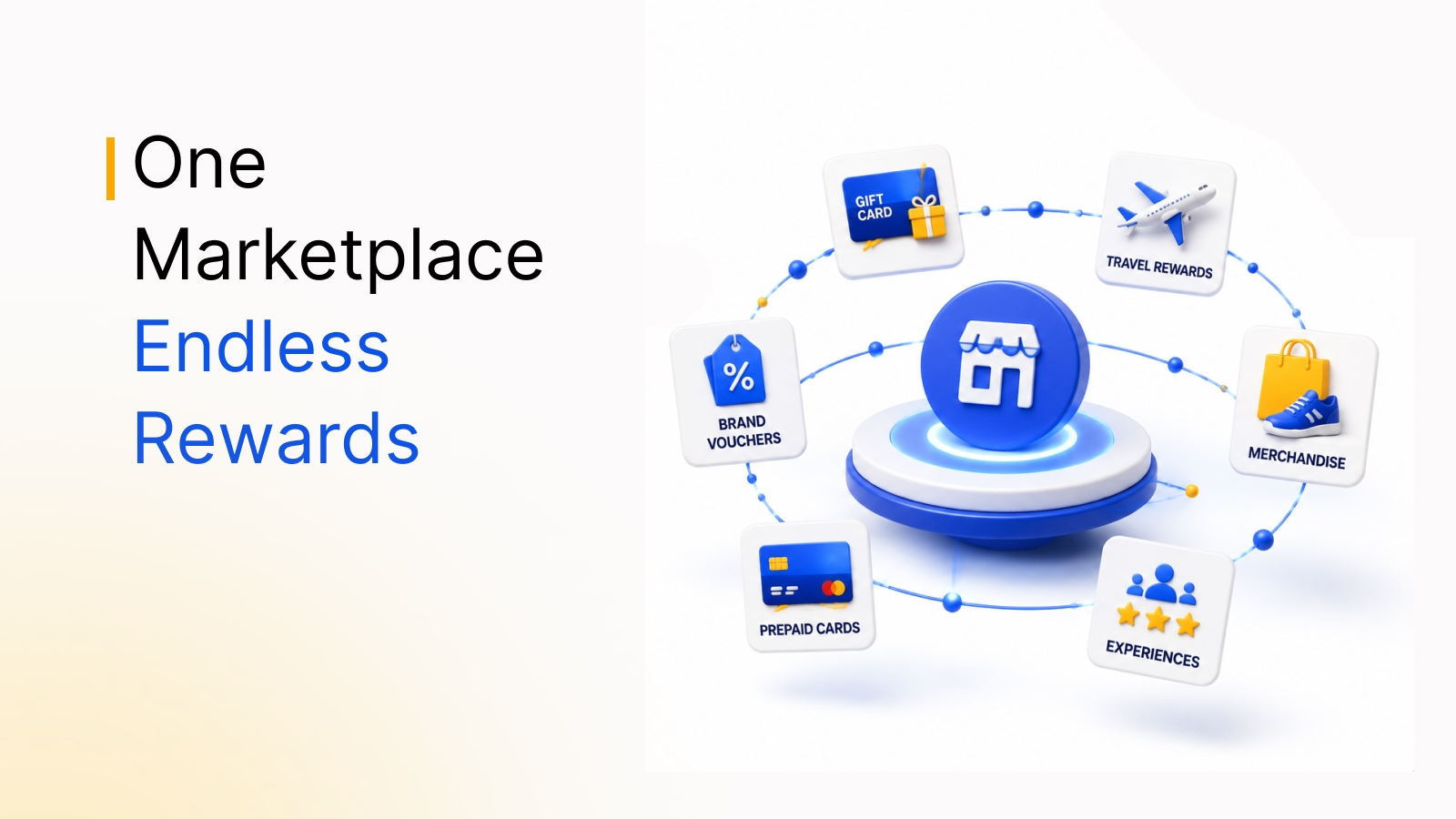
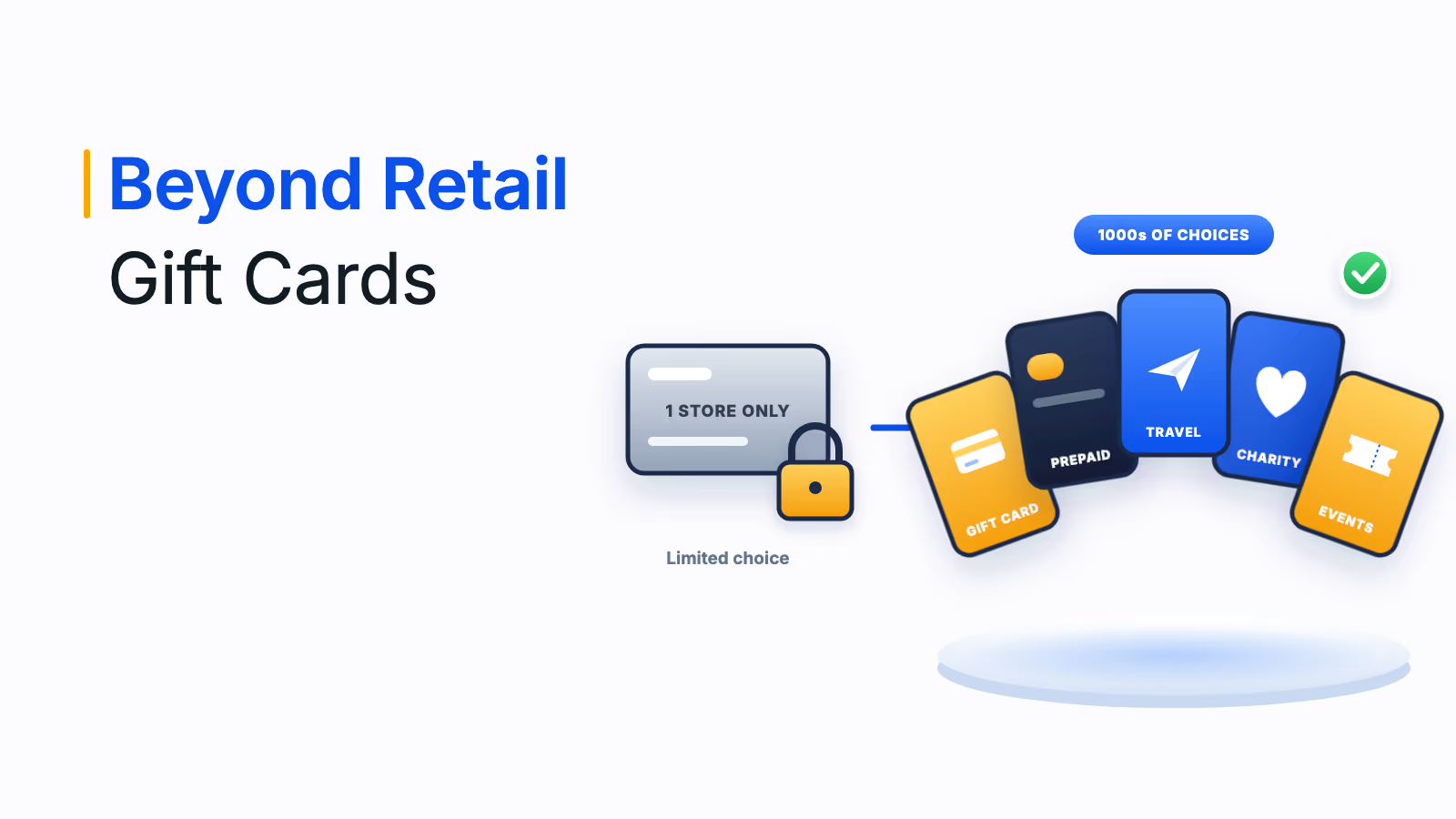
Rewards tied to a customer's interests or purchase history feel relevant rather than generic. Letting recipients choose from a reward marketplace is the simplest way to make every reward personal.
Example: "Since you love fitness gear, enjoy 10% off your next purchase."
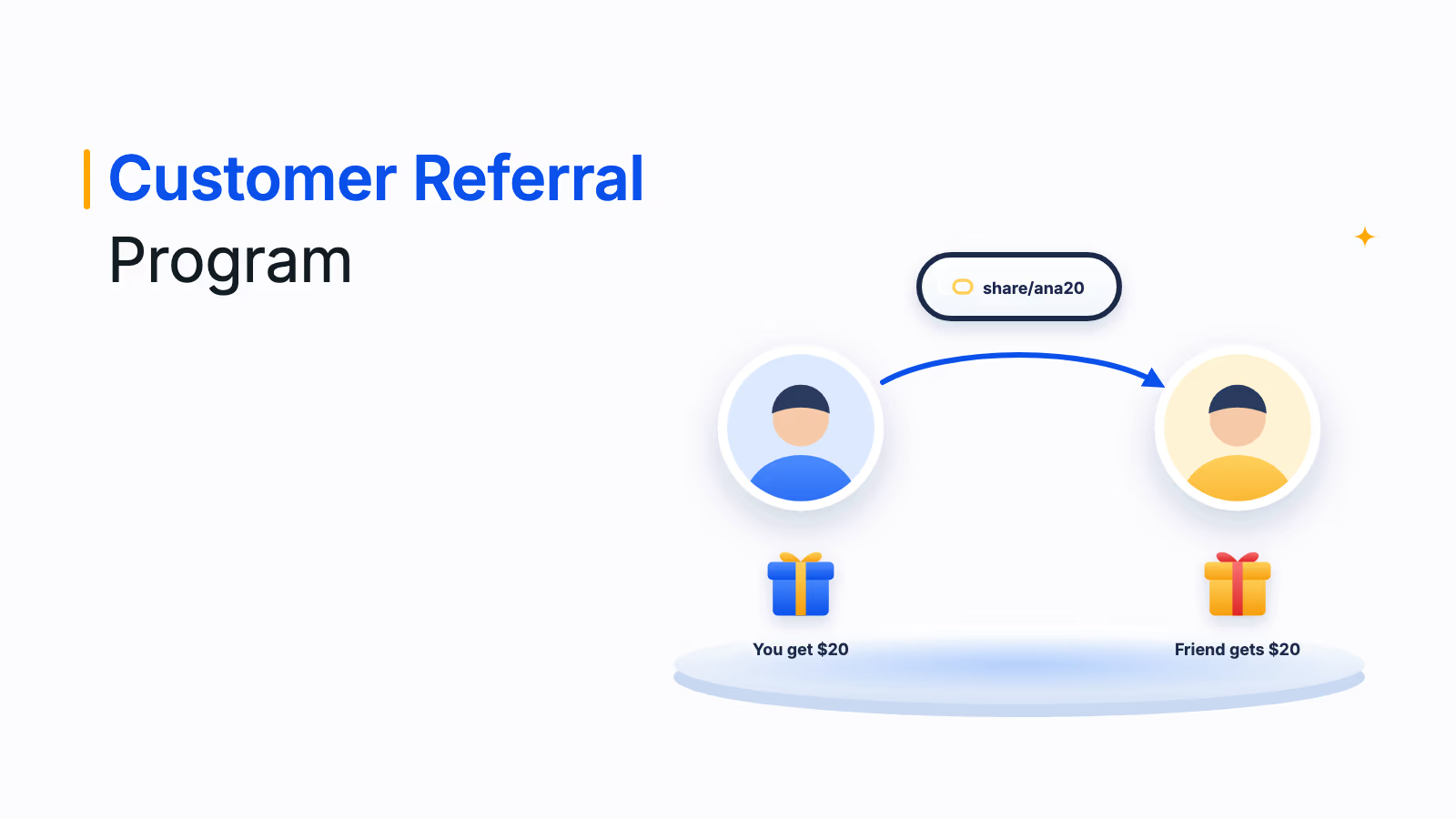
4. Use referral rewards to bring in high-intent buyers
Referred prospects arrive with a recommendation from someone they trust, so they tend to convert more readily. Referral rewards for both the referrer and the new customer keep the cycle going. This guide on building a customer referral program explains the setup.
Example: "Refer a friend and you both get $20 in store credit after their first purchase."
5. Create urgency with limited-time offers
Time-bound rewards, such as a welcome gift for signing up within 24 hours, reduce procrastination and help prospects commit.
6. Gamify the buying process
Spin-the-wheel offers, scratch cards and points-based challenges make the journey more engaging and can prompt faster decisions.
7. Reward repeat purchases
Keeping customers is cheaper than winning new ones. Bonus points or perks for a second or third order raise customer lifetime value.
Example: "Earn 500 bonus points when you place your second order within 30 days."
8. Recover abandoned carts
A follow-up with a small incentive, such as free shipping or a surprise gift, can bring hesitant shoppers back to checkout. More ideas are in this guide to incentives that reduce cart abandonment.
9. Offer VIP rewards to high-value customers
Priority support, early access and surprise gifts make your best customers feel valued and deepen the emotional connection that keeps them buying.
Examples of rewards that lift conversion rates
Well-known programs show the same pattern: a simple reward, tied to the action you want, delivered without friction.
- Starbucks Rewards: Members earn Stars on purchases and unlock free drinks and food, with seasonal challenges and birthday rewards adding a game-like layer that encourages repeat visits and app orders.
- Dropbox: Its early referral program gave both the referrer and the new user free extra storage, the product's core value, and built sharing directly into the interface so that inviting a friend took seconds.
How Xero lifted referral conversions with digital rewards
Xero, the cloud accounting platform, saw a market opening when the UK introduced Making Tax Digital and small businesses needed compliant software fast. Its referral program, however, still relied on physical gifts that were slow to ship, costly to stock and impossible to measure.
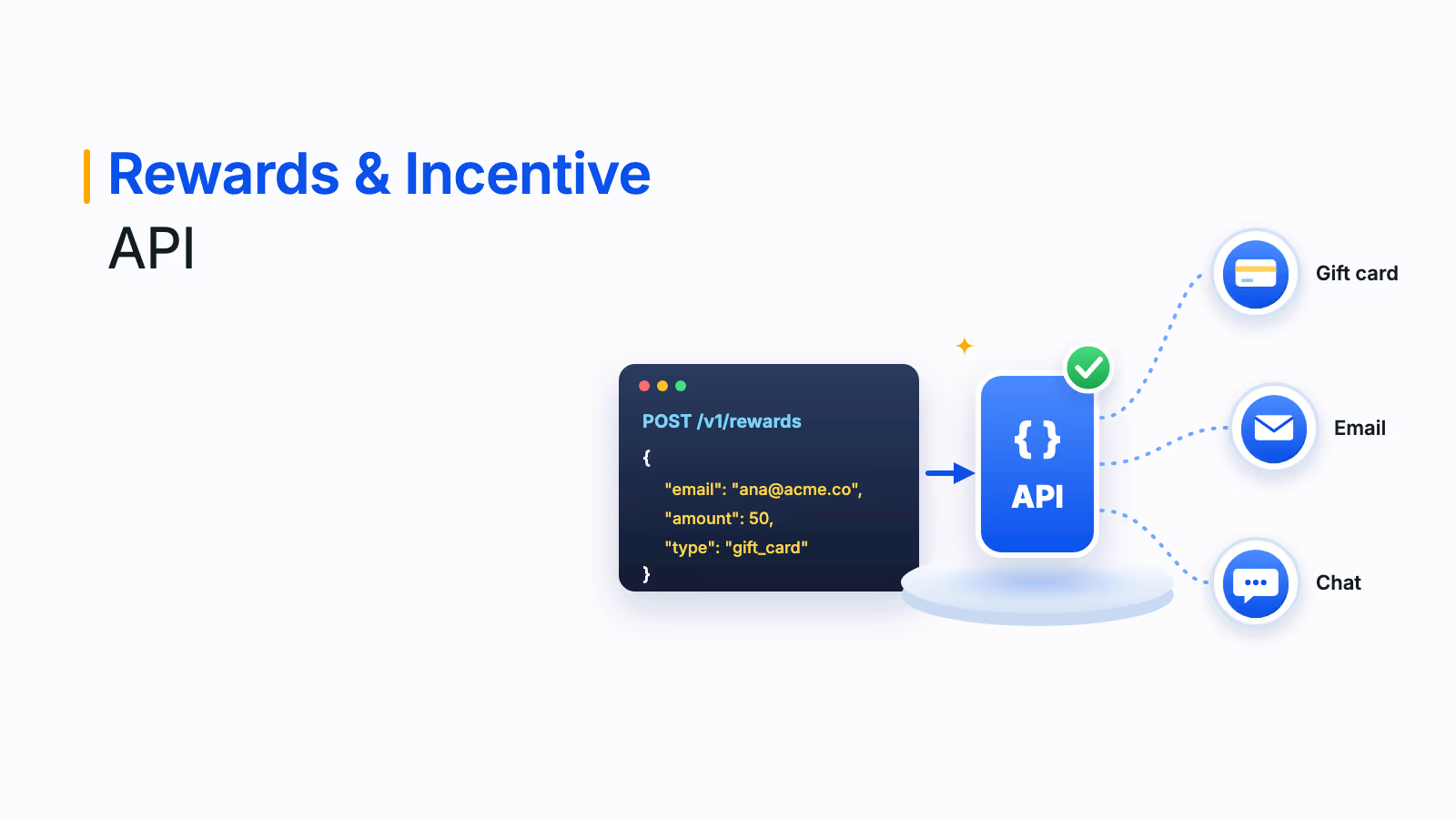
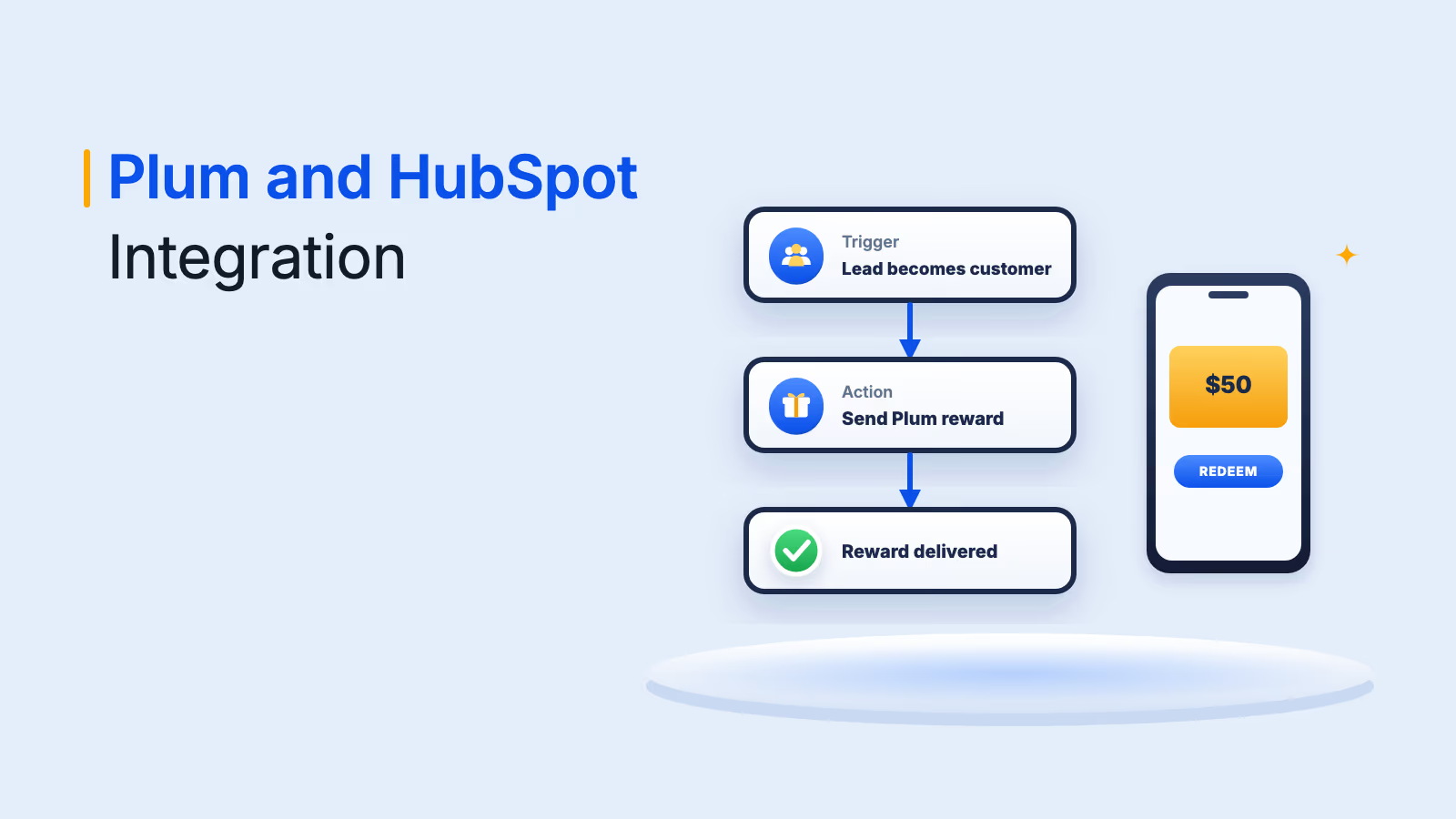
Xero integrated Xoxoday Plum through its rewards API. Now, when a qualifying referral is confirmed, a unique reward link is generated and delivered automatically, and recipients choose a gift card or voucher from a catalog in their local currency.
According to the Xero case study, the switch delivered:
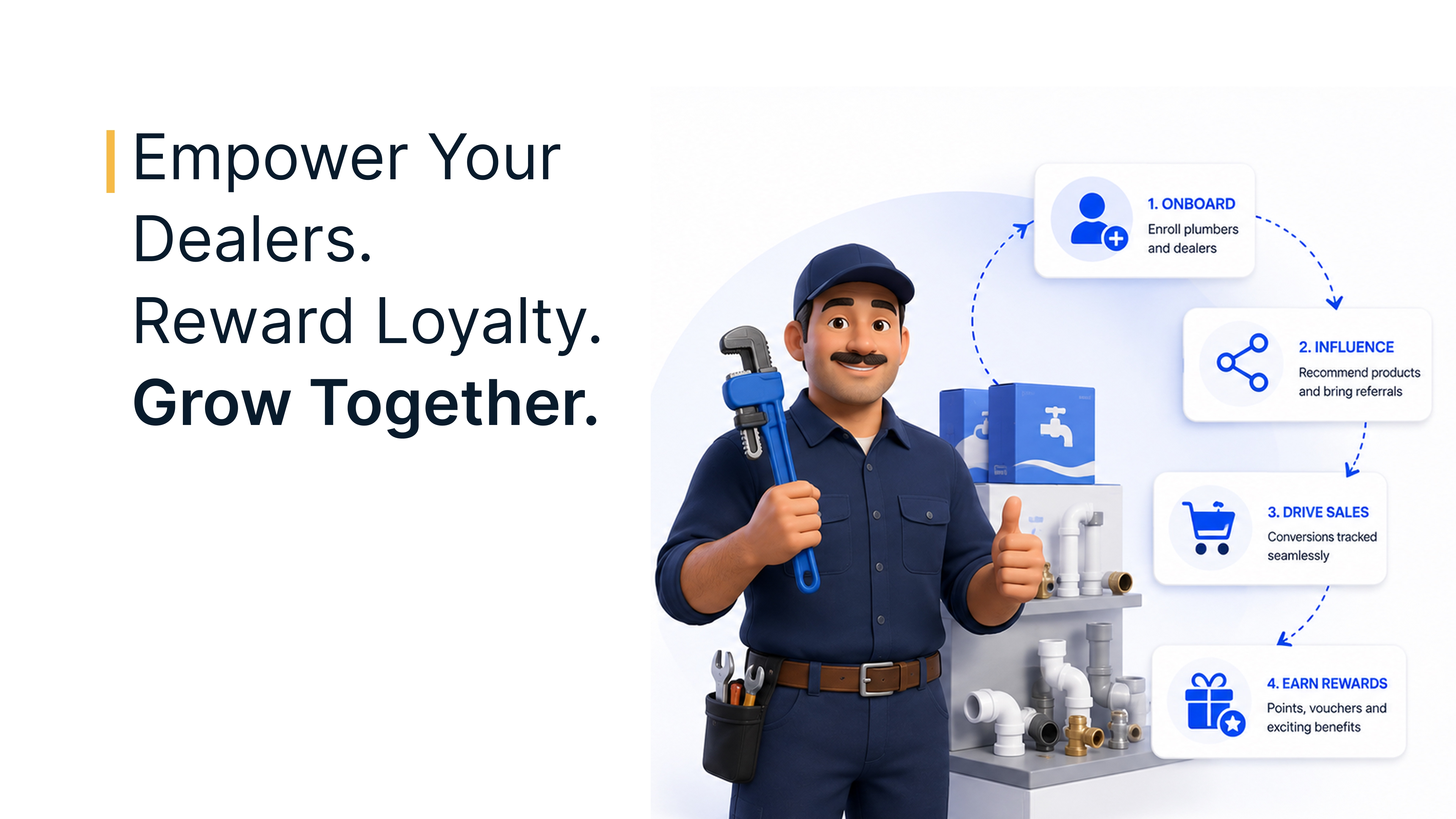
- A 25% increase in referral conversion rate after moving to digital rewards.
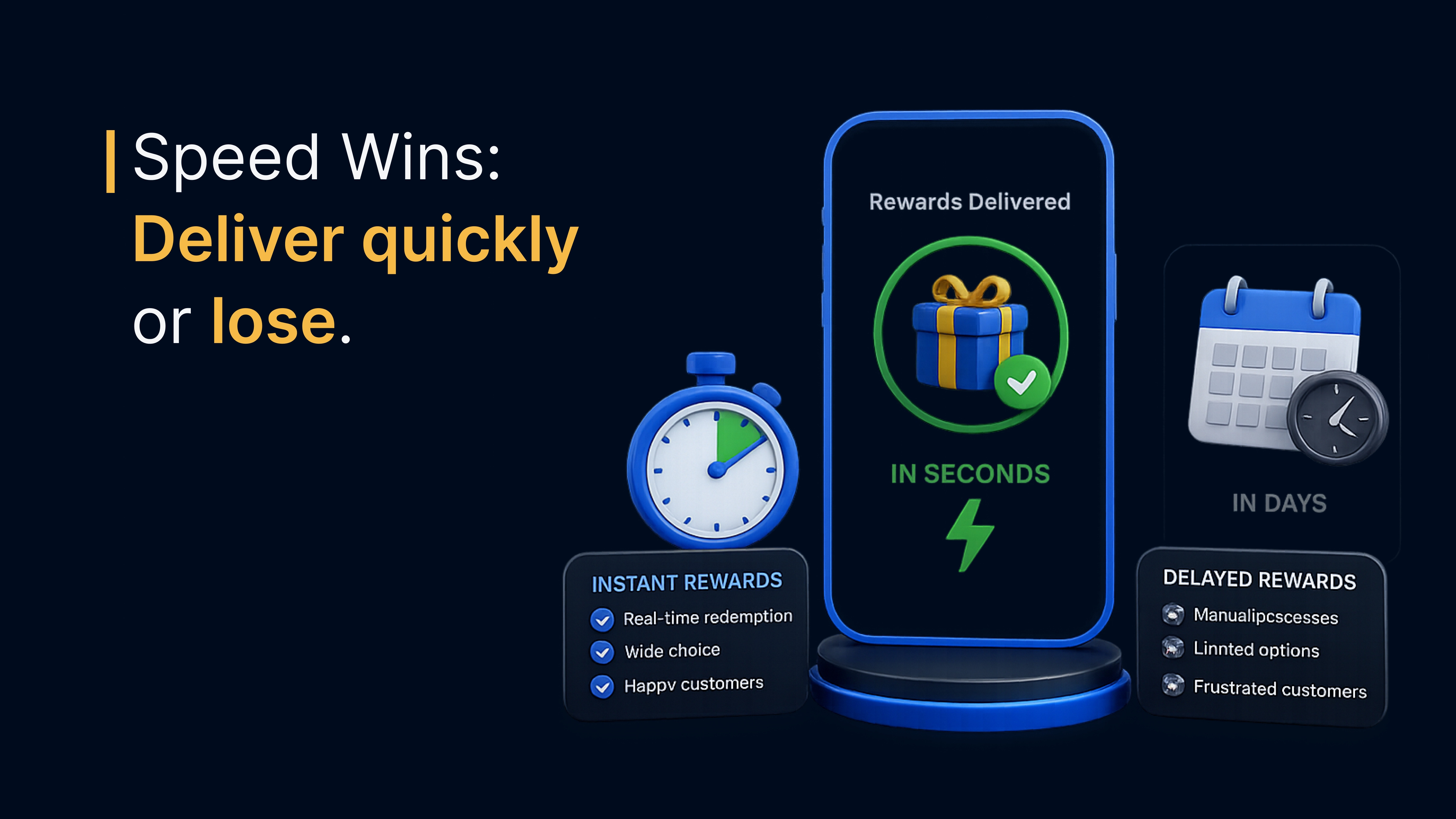
- 94% of referral rewards delivered on the same day they were triggered.
- Three markets run from a single platform with live redemption reporting.
Improve sales conversion rate with rewards that fit every stage
To improve sales conversion rate, combine the basics (the right ICP, fast follow-up, clear CTAs and less friction) with rewards placed at the moments where prospects hesitate. Measure each stage, fix the biggest drop first and keep testing.
Xoxoday Plum helps teams put that into practice:
- Lead magnets: E-gift cards or premium content that capture high-quality leads.
- Demo and meeting incentives: Rewards that lift booking and show rates for sales meetings.
- Referral programs: Automatic rewards for referrers and new customers.
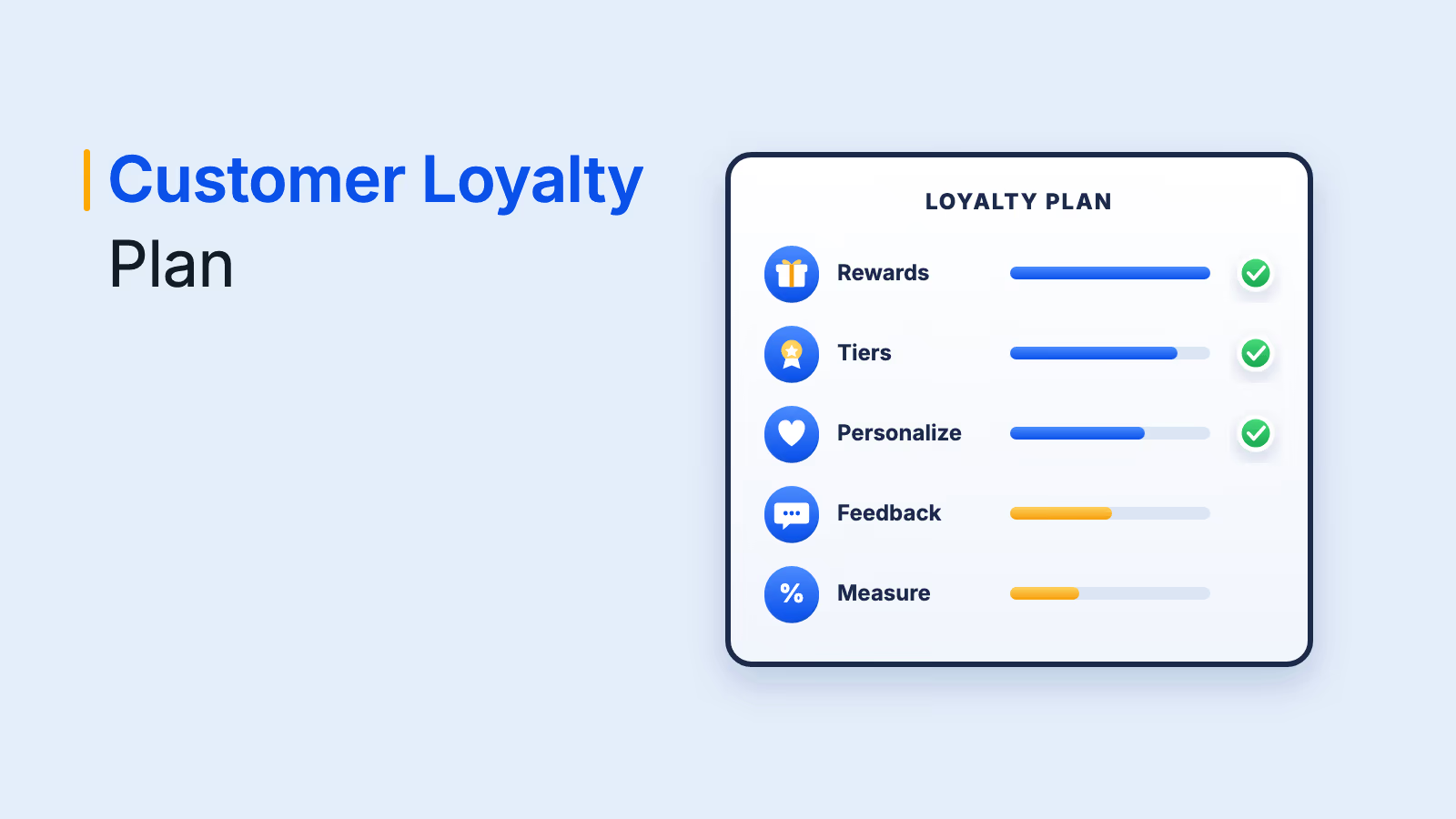
- Loyalty programs: Points, tiers and perks that drive repeat purchases.
- Gamified experiences: Contests and challenges with instant digital rewards.
Plum gives recipients 10M+ reward options across 30+ categories in 150+ countries, delivered instantly by email, SMS or link and triggered from 250+ native connectors or REST APIs.
Book your Plum demo
Frequently asked questions
There is no single good number, because conversion rates depend on industry, deal size, sales cycle and how you define a lead. As a top-of-funnel reference, Unbounce's 2024 report put the median landing page conversion rate at 6.6% across industries. Lead-to-customer rates for complex B2B deals are much lower. The most useful benchmark is your own trend by stage, channel and segment.
Divide the number of conversions by the number of leads, visitors or opportunities in the same period, then multiply by 100. For example, 30 closed deals from 600 qualified leads is a 5% conversion rate. Calculate it separately for each funnel stage so you can see exactly where prospects drop off.
Start with speed to lead and friction. Respond to inbound leads quickly, automate routing and scheduling, shorten forms and make the next step obvious with a clear call to action. Then find the funnel stage with the steepest drop and test one change at a time, such as a demo incentive or a referral reward.
Rewards add value at the moment a prospect hesitates. A gift card for attending a demo raises show rates, a referral reward brings in high-intent buyers, and a small incentive in a cart recovery email brings shoppers back. Because rewards are tied to a specific action, you pay only when the action happens, and you can measure the lift directly.
Generally yes, as long as they are modest, transparent and comply with the recipient's company gift policy and local law. Avoid offering incentives to public officials or buyers in tightly regulated sectors, keep values reasonable and record what you send. Many teams reward the meeting itself rather than any buying decision.
AI sales assistants score and route leads, draft personalized follow-ups, summarize calls and flag deals at risk, so reps spend more time with buyers and respond faster. Salesforce's 2024 research found 83% of sales teams using AI reported revenue growth, compared with 66% of teams without AI. Keep a human review on important outreach.