Key Takeaways
Plan every promotion around one goal, one audience and one simple offer, with budget caps and clear terms.
Strong sales promotion examples, like Starbucks and CRED, reward something customers already do and make entry effortless.
US sweepstakes generally need a free method of entry and published official rules; get legal review before launch.
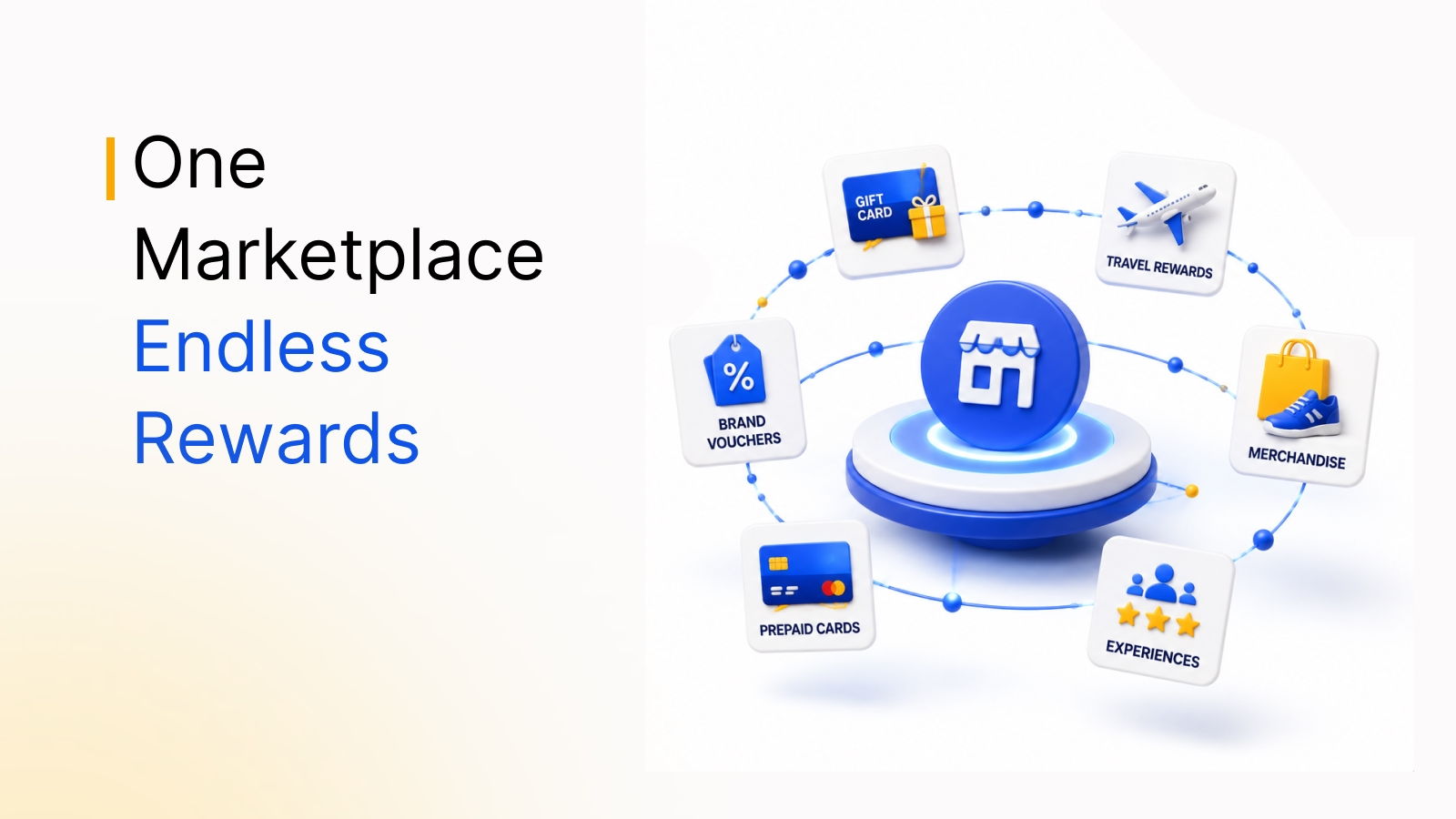
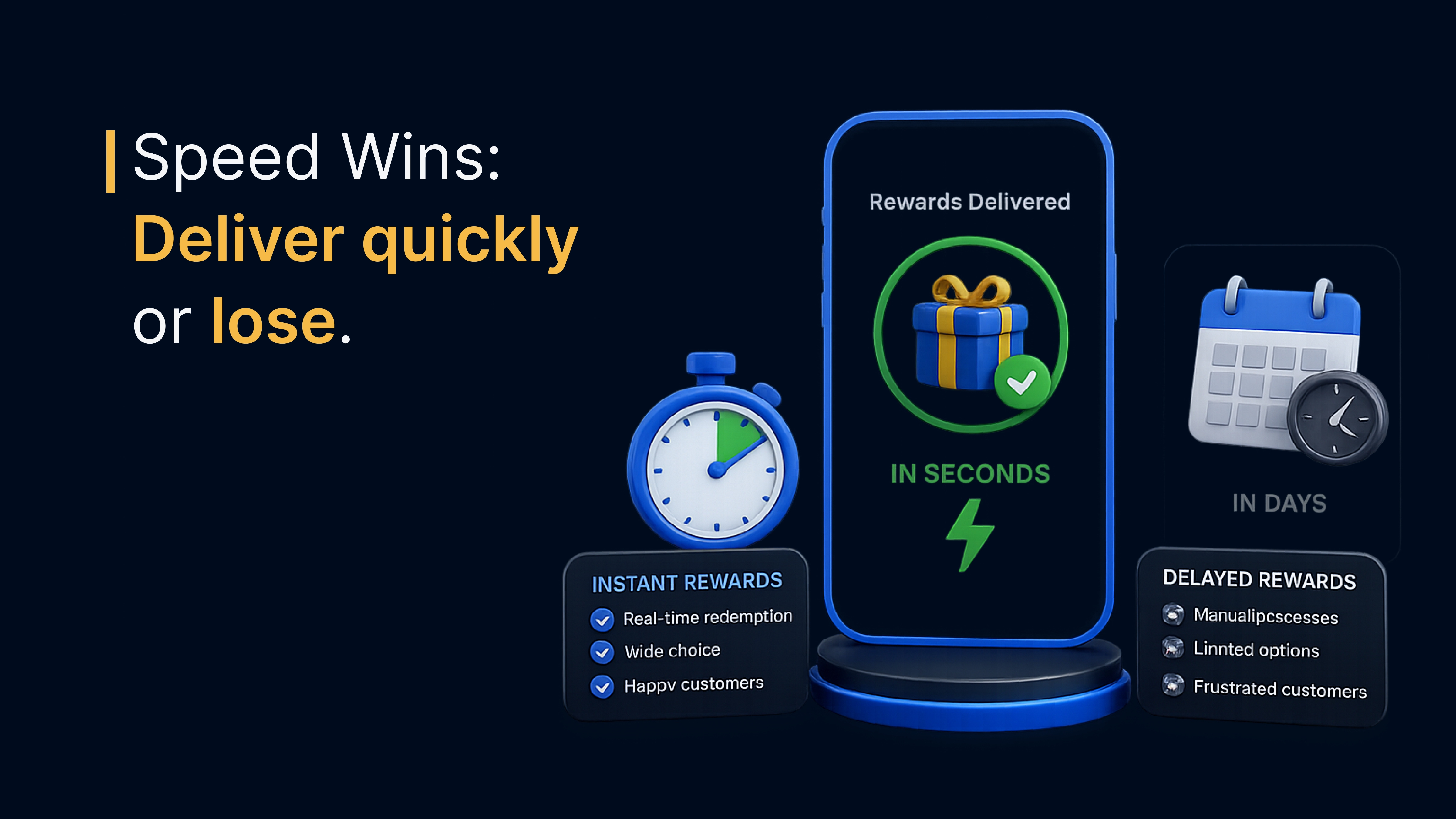
Digital rewards remove shipping, stock and tracking problems and let recipients choose what they want.
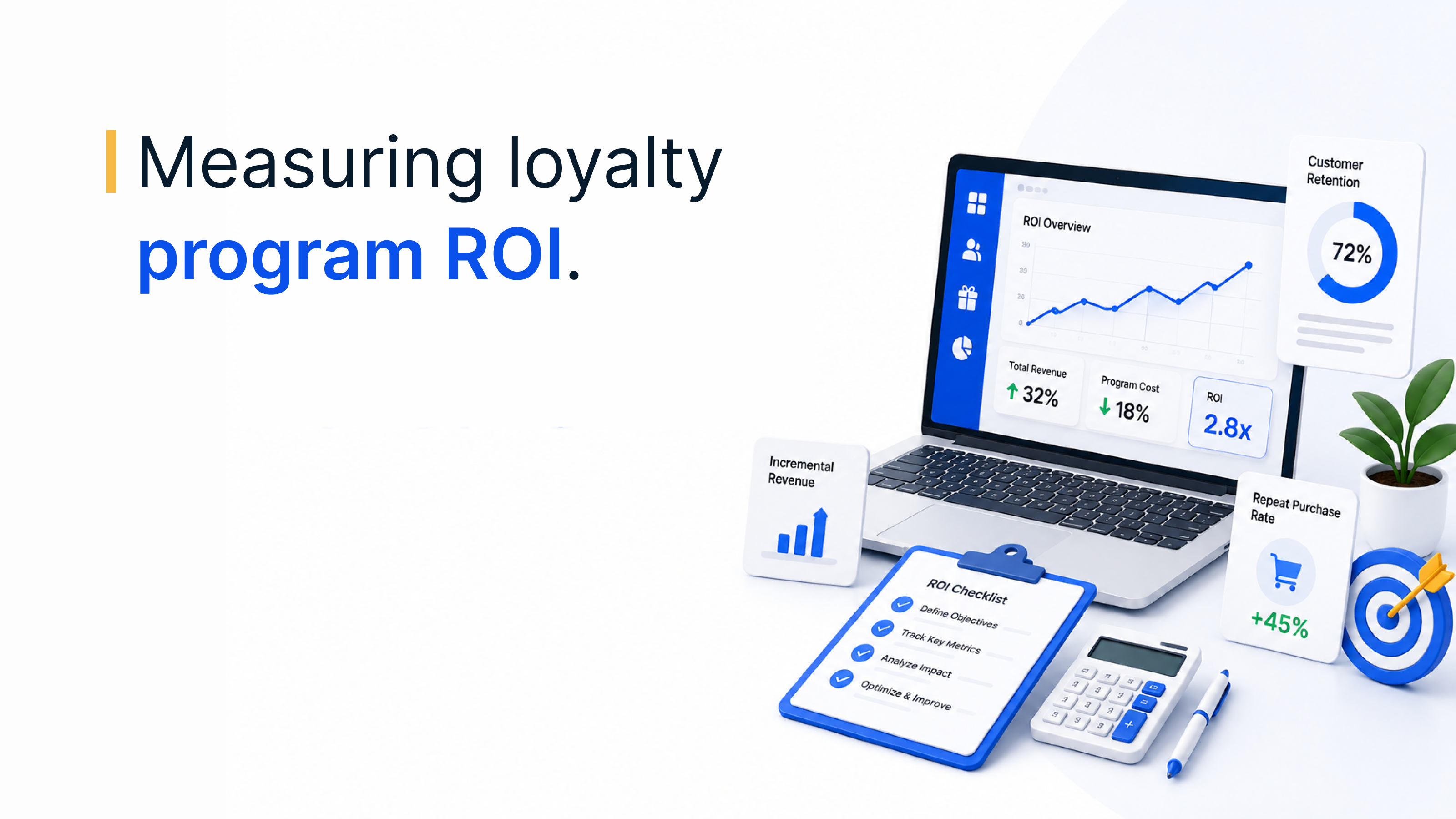
Judge a promotion by incremental lift against a baseline or holdout group, not by total sales during the campaign.
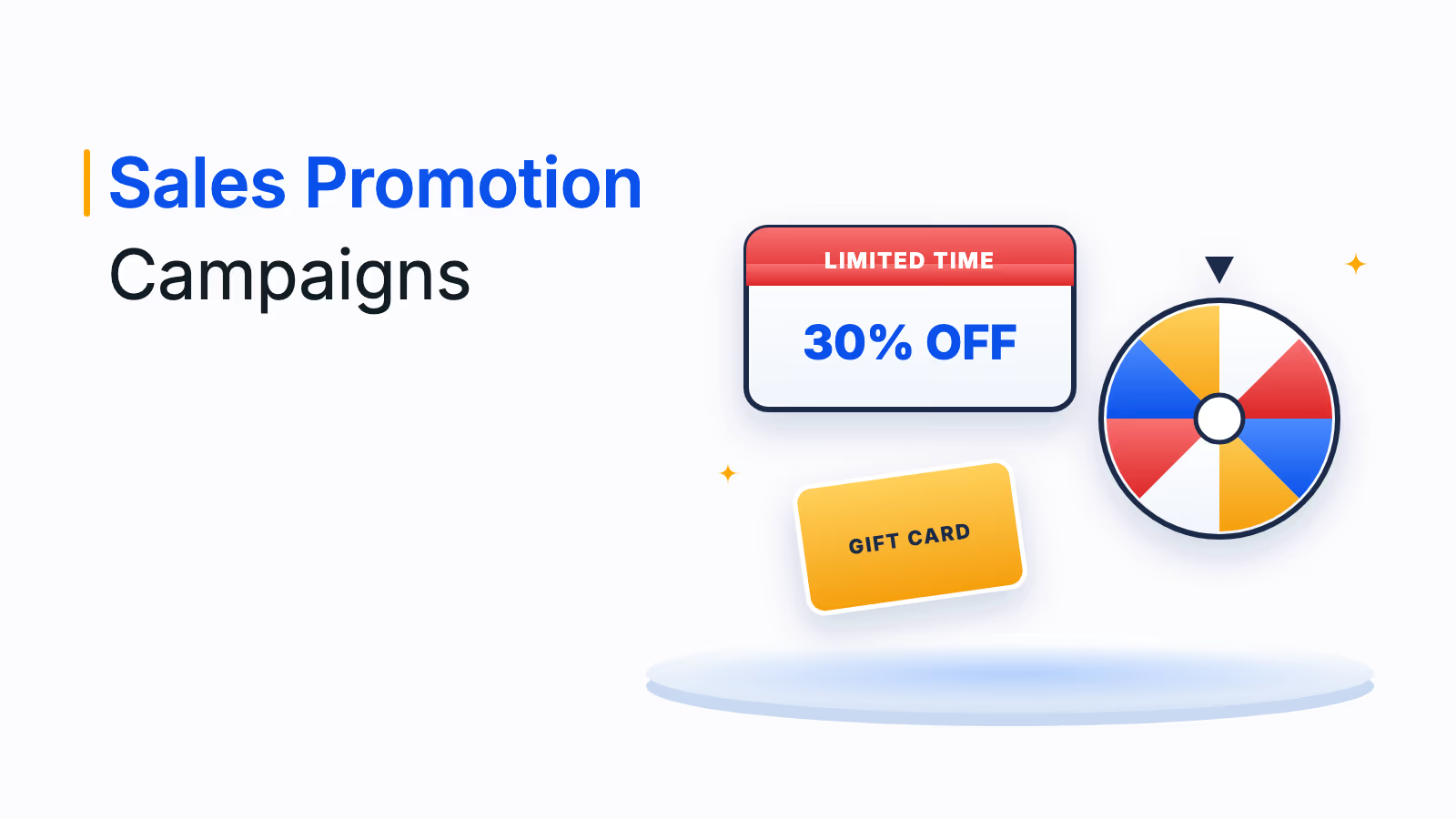
Everyone loves a good deal. Whether it's 30% off, buy one get one free or a prize draw, the thrill of getting something new plus the feeling of saving money is what makes sales promotion campaigns so effective. The hard part is running one that actually converts, stays within budget and doesn't train customers to wait for the next discount.
This guide covers how to plan sales promotion campaigns, sales promotion examples from well-known brands, consumer sales promotion ideas that use rewards, the rules for sweepstakes and contests, the promotion campaign mistakes to avoid and how to measure results.
If you want a broader overview of promotion formats and their benefits, read our guide to consumer promotions. This post focuses on planning, executing and measuring a single campaign.
What is a sales promotion campaign?
A sales promotion campaign is a short-term marketing push designed to lift sales, attract new customers or increase engagement within a set period. It typically uses discounts, limited-time offers, coupons, free samples, cashback, bundles, contests or rewards to give buyers a reason to act now.
Unlike always-on loyalty programs, a promotion has a clear start date, end date and goal, which makes it easier to measure and easier to stop if it isn't working.
How to plan a sales promotion campaign
A successful promotion starts with one clear goal, one target audience and one simple offer. Plan it in this order:
- Set one goal: New customers, higher order value, clearing stock, app downloads or reactivating lapsed buyers. Each goal needs a different offer.
- Pick the audience: Decide who should see the promotion and who should not, for example new visitors only or customers who haven't bought in 90 days.
- Choose the mechanic and the reward: Match it to the goal: a discount for price-sensitive buyers, a gift card for a referral, an instant-win game for engagement.
- Set the budget and guardrails: Cap total spend, set per-customer limits and plan how you'll stop fraud and duplicate claims.
- Write watertight terms and conditions: State eligibility, dates, limits and how rewards are delivered, and make them easy to find.
- Choose channels and timing: Consider time zones and when your audience actually reads email or browses social media.
- Define success metrics up front: Agree on the numbers you'll judge the campaign by before it launches.
Best practices for promotional sales campaigns
The best promotions are simple, genuinely valuable and time-bound. Keep these principles in mind:
- Keep it simple and clear: The easier the offer and the design, the more people take part.
- Think like a customer: What looks good to a seller may not appeal to a buyer. Test the offer with real customers.
- Mind the time zones: For global audiences, schedule messages for local hours, and test different send times.
- Offer real value: People only engage if the reward is worth their time and money.
- Create urgency or scarcity: A deadline or limited quantity encourages people to act now rather than later.
- Test different presentations: What works for another brand may not work for you, so experiment with formats and messages.
Sales promotion examples from well-known brands
The strongest sales promotion examples reward something customers already do, make entry effortless and time the campaign to a moment when attention is high.
1. Starbucks: gamified holiday sweepstakes
Starbucks runs an annual holiday promotion for Starbucks Rewards members that combines an instant-win game and a sweepstakes. The 2025 Starbucks for Life Merrython official rules show how it works: the promotion ran from December 8, 2025 to January 4, 2026 for US members aged 18 and over, with prizes ranging from bonus Stars to the Starbucks for Life grand prize. The rules also state clearly that no purchase is necessary to enter or win.
The campaign drives app usage and purchase frequency during peak season, while the rules keep it legally sound.
2. CRED: a jackpot tied to an everyday action
During the 2020 IPL cricket season, the Indian fintech CRED ran a Mega Jackpot campaign that gave members the chance to win high-value prizes for paying their credit card bills through the app. It remains a useful model of how to design a promotion:
| Principle | How the campaign applied it |
|---|---|
| Simplicity | Members entered by doing one thing: paying a credit card bill in the app. |
| Customer-centric | It rewarded an action customers had to take anyway. |
| Timing | It ran during the IPL, when attention and social activity peaked. |
| High-value rewards | Aspirational prizes made the jackpot memorable. |
| Urgency | Bills had to be paid within the campaign window to qualify. |
| Multi-channel reach | Social media, ads and celebrity content amplified the offer. |
Power your next promotion with digital rewards
Deliver gift cards, cashback and prizes instantly in 150+ countries, triggered from your campaign tools.
Talk to our ExpertTrusted by 5,000+ companies
15 consumer sales promotion ideas that use rewards
These consumer sales promotion ideas work for both online and offline brands. Most become cheaper to run and easier to track when the reward is digital.
1. Run a flash sale
A flash sale offers a bigger-than-usual discount for a very short time, often a few hours. The deep discount plus the deadline prompts quick decisions.
2. Back your loyalty program with e-gifts
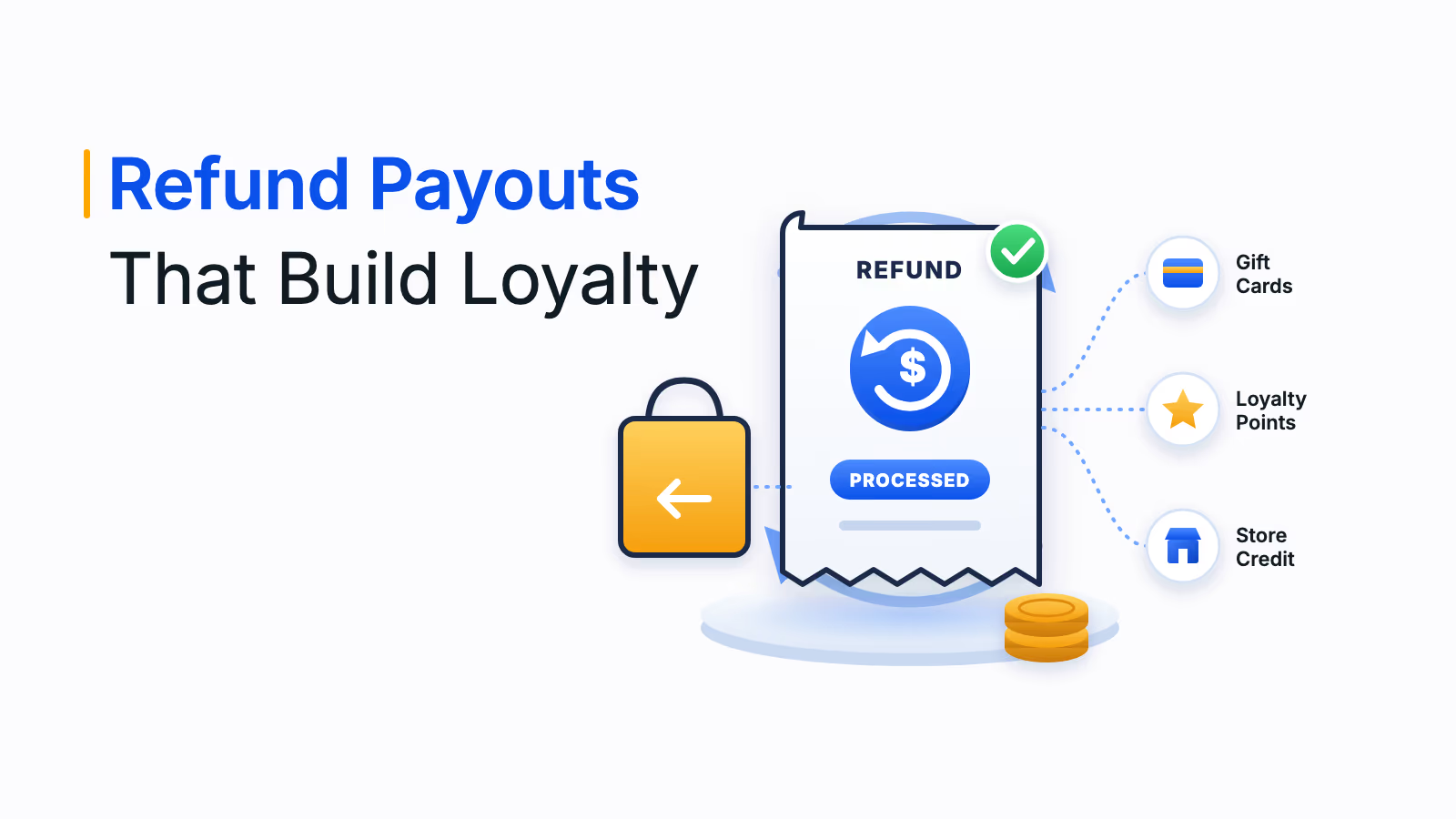
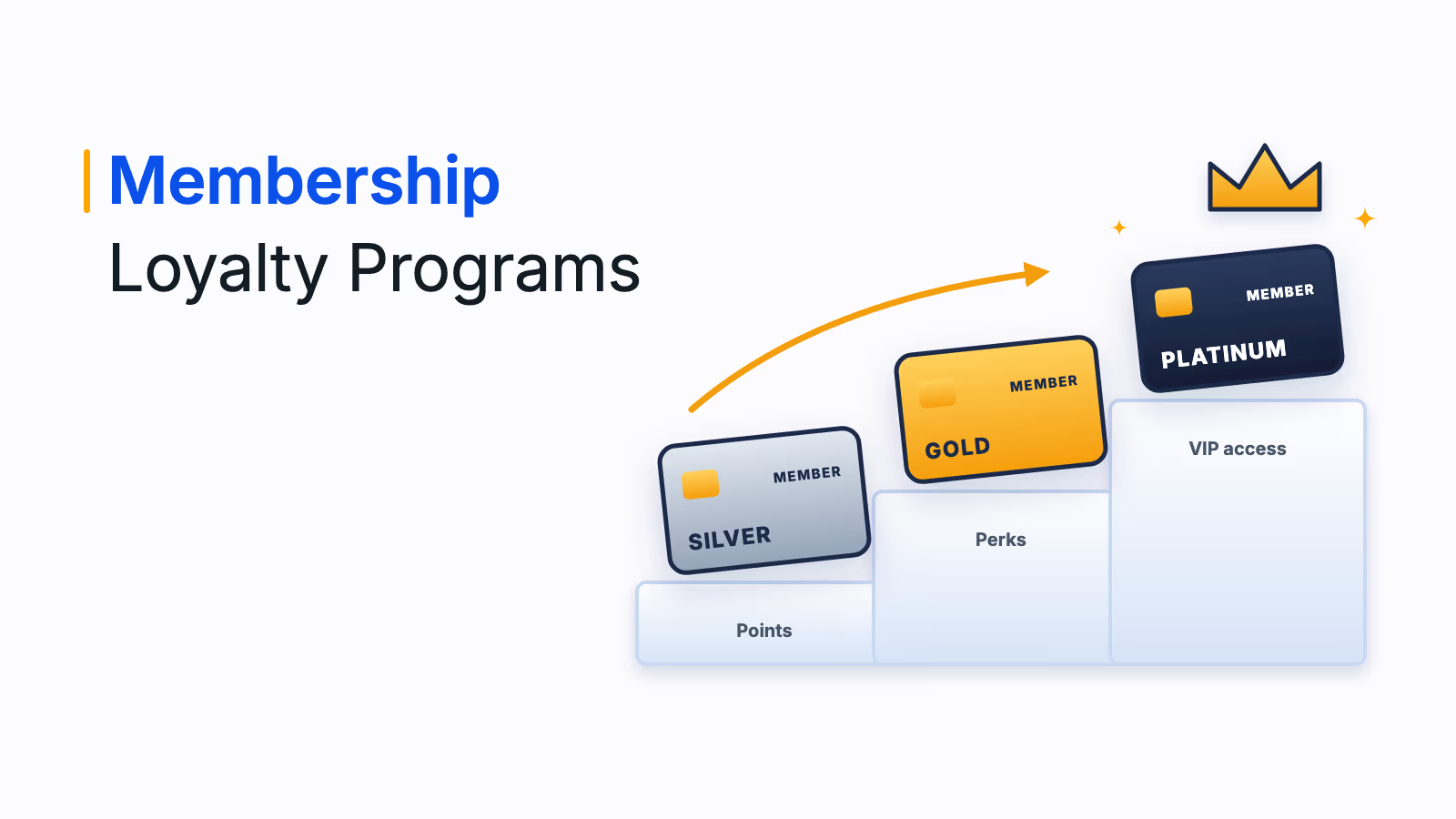
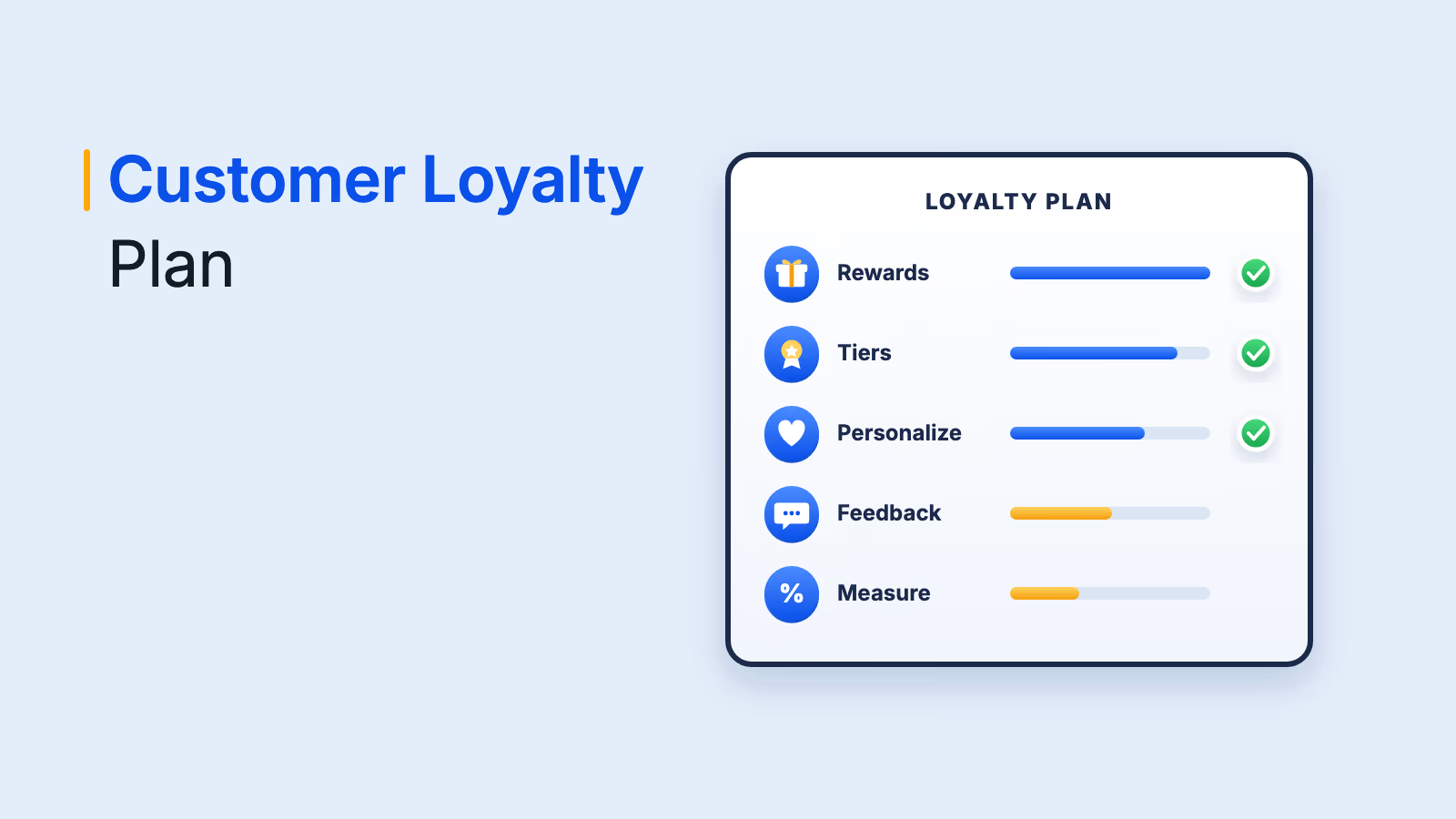
Customer acquisition is expensive, so keeping existing customers is crucial. Let members redeem points for e-gift cards and experiences they actually want. Loyalty rewards with real choice keep members engaged between purchases.
3. Give discounts customers can't ignore
Inboxes are full of offers, so timing, presentation and the call to action matter as much as the size of the discount. Make the value clear in the first line.
4. Give vouchers for the next purchase
A voucher such as "$30 off your next order over $150" brings customers back. Add an expiry date to encourage a prompt return visit.
5. Reward reviews with gift cards
Not every promotion is about immediate sales. SaaS companies, for example, often offer a gift card for an honest review on a software listing site. Reward the review regardless of whether it is positive, follow each platform's incentive rules and disclose the incentive. Review rewards can be triggered automatically when a verified review is published.
6. Offer a small gift with purchase
A small, pre-selected gift makes customers feel they are getting more than they paid for. Digital gifts, such as a streaming or coffee voucher, cost nothing to ship and arrive instantly.
7. Hand out free samples
Many people are curious about a product but unsure whether to buy. A free sample or trial removes the risk. If they like it, they buy; if they love it, they tell others.
8. Run contests and sweepstakes
Contests and sweepstakes generate excitement and grow your audience, and entry forms let you collect contact details with consent for future campaigns. Social media makes entry easy. See the rules section below before you launch.
9. Give branded rewards people value
A gift card for an unknown brand rarely excites anyone. For a big purchase, offer rewards from brands customers recognize, or let them choose from a catalog.
10. Run seasonal sales
End-of-season and year-end sales shape when people buy. Plan stock, budget and messaging well ahead so the promotion stands out in a crowded period.
11. Run hyper-targeted promotions
Show offers only to a defined segment based on location, behavior or life stage. Targeted offers cost less and convert better than blanket discounts.
12. Offer limited-time promo codes
A code applied at checkout gives a satisfying sense of a win. A short validity window adds urgency.
13. Gamify the promotion
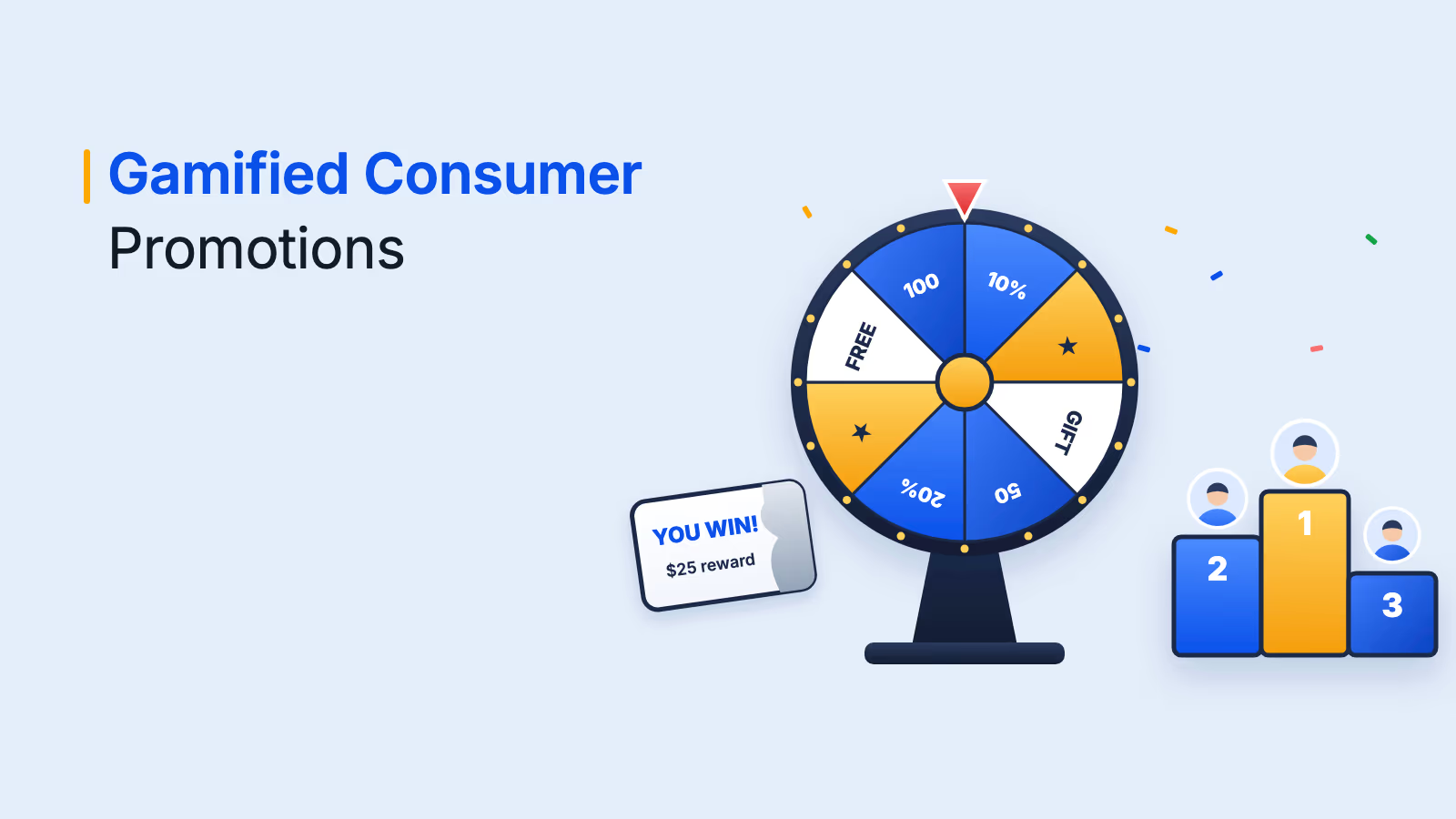
Spin-the-wheel, scratch cards and instant-win games tap into the excitement of play. Even people who weren't planning to buy will often try a game, which is your chance to offer a reward that tips them into a purchase. Gamified consumer promotions explains the mechanics in more detail.
14. Offer rebates and cashback
A rebate returns part of the price after purchase rather than discounting it upfront, which protects list prices while still lowering the effective cost. Cashback works the same way and is easy to automate. These cashback reward campaigns show how to design one that protects margins.
15. Run holiday-themed promotions
Tie a promotion to a holiday or local festival and match the theme in your creative. It gives the brand a human touch and a natural deadline.
Sweepstakes and contest rules to get right
Sweepstakes are games of chance, while contests pick winners based on skill or merit. That distinction matters, because the legal requirements differ. Rules vary by country and state, so always have legal counsel review a promotion before launch. The basics are consistent, though:
- No purchase necessary: In the US, a sweepstakes generally must offer a free way to enter. Requiring a purchase can turn it into an illegal lottery.
- Official rules: Publish eligibility, entry period, how to enter, prize descriptions and values, odds, how winners are chosen and notified, and the sponsor's details.
- Eligibility limits: Set age and location limits, and exclude employees and their families where required.
- Registration and bonding: Some US states, such as New York and Florida, require registration and bonding for chance-based promotions with larger prize pools.
- Platform rules: Social networks have their own promotion policies, for example on how entrants can be asked to share or tag.
- Tax and reporting: High-value prizes may create tax reporting obligations for the sponsor and the winner.
Digital rewards for promotions
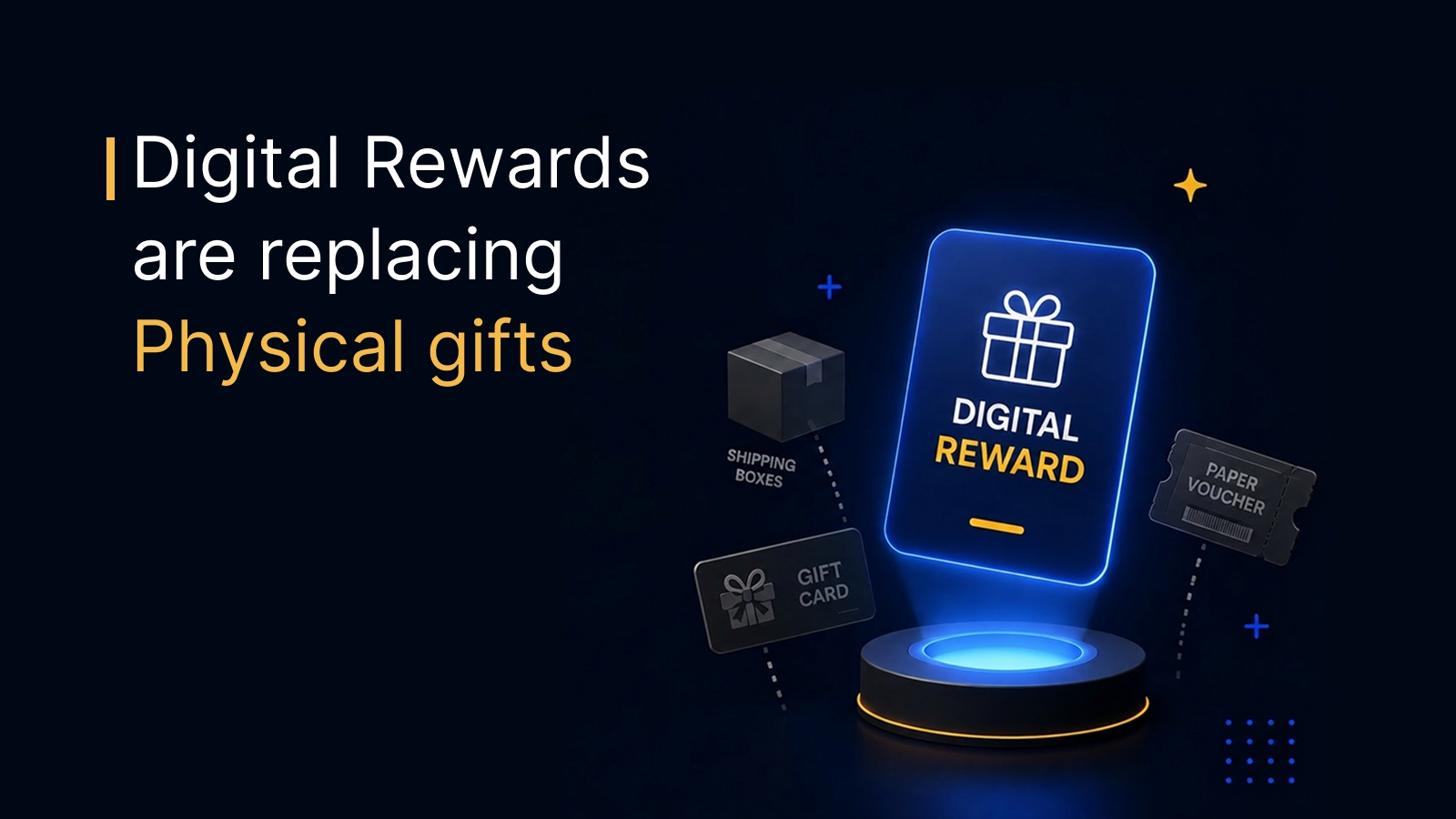
Digital rewards for promotions, such as e-gift cards, prepaid cards and cashback, solve the biggest operational headaches of running a campaign: stock, shipping, delays and tracking.
| Factor | Physical prizes | Digital rewards |
|---|---|---|
| Delivery | Days or weeks, shipping costs | Instant by email, SMS or link |
| Choice | One item for everyone | Recipient chooses from a catalog |
| Global reach | Customs and local sourcing | Local brands and currencies |
| Tracking | Manual | Delivery and redemption data in real time |
| Unused budget | Inventory left over | Pay for rewards actually issued |
Promotion campaign mistakes to avoid
Most promotions that fail do so for predictable reasons. Avoid these promotion campaign mistakes:
- Skipping research: Understand your customers, your competitors and what they already offer before you choose a mechanic.
- No clear goal: If you don't know whether you want new customers, larger orders or reactivation, you can't pick the right offer or measure success.
- Discounting too often: Constant discounts train customers to wait and erode margins. Rewards and gifts protect list prices better.
- Loose terms and conditions: Loopholes invite abuse and disputes. Close them before launch.
- Not tracking performance: Without data you can't tell whether the promotion drove new sales or just subsidized purchases that would have happened anyway.
- Repeating one tactic forever: A mechanic that worked once loses impact over time. Keep testing new ideas.
- Ignoring social media: Social channels are where many customers discover and share offers.
How to measure sales promotion results
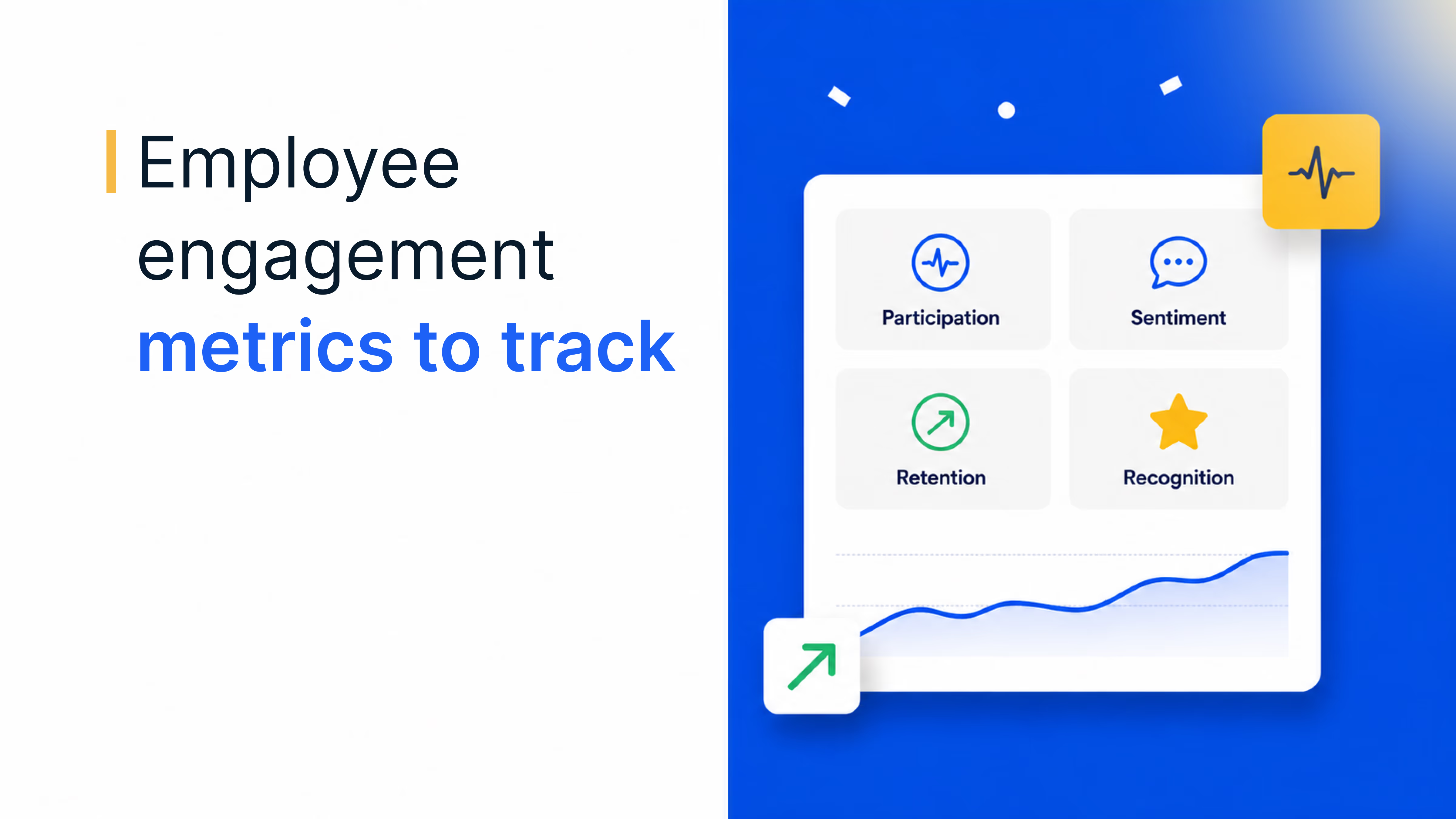
Measure a promotion by the extra sales it created, not just the sales that happened during it. The key is comparing results with what would have happened without the offer.
| Metric | What it shows |
|---|---|
| Incremental sales lift | Sales above a baseline or a holdout group that didn't see the offer |
| Participation and redemption rate | How many eligible customers took part and claimed the reward |
| New customers acquired | First-time buyers attributed to the campaign |
| Cost per acquisition | Total campaign cost divided by new customers |
| Average order value | Whether the promotion raised or lowered basket size |
| Repeat purchase rate after the campaign | Whether promotion buyers stayed |
| Promotion ROI | (Incremental gross profit minus campaign cost) divided by campaign cost |
Where possible, keep a small holdout group that doesn't receive the offer. It is the simplest way to see true incremental lift.
Run better sales promotion campaigns with Plum
Great sales promotion campaigns need more than a discount: a clear goal, a simple mechanic, rewards people want, sound rules and honest measurement. When the reward is digital and automated, the campaign is faster to launch and easier to track.
With Xoxoday Plum's consumer rewards capabilities, you can:
- Automate reward delivery for promotions, contests, cashback and loyalty campaigns.
- Offer 10M+ reward options across 30+ categories in 150+ countries, including e-gift cards, prepaid cards and experiences.
- Deliver rewards instantly by email, SMS or link, with redemption in local currency.
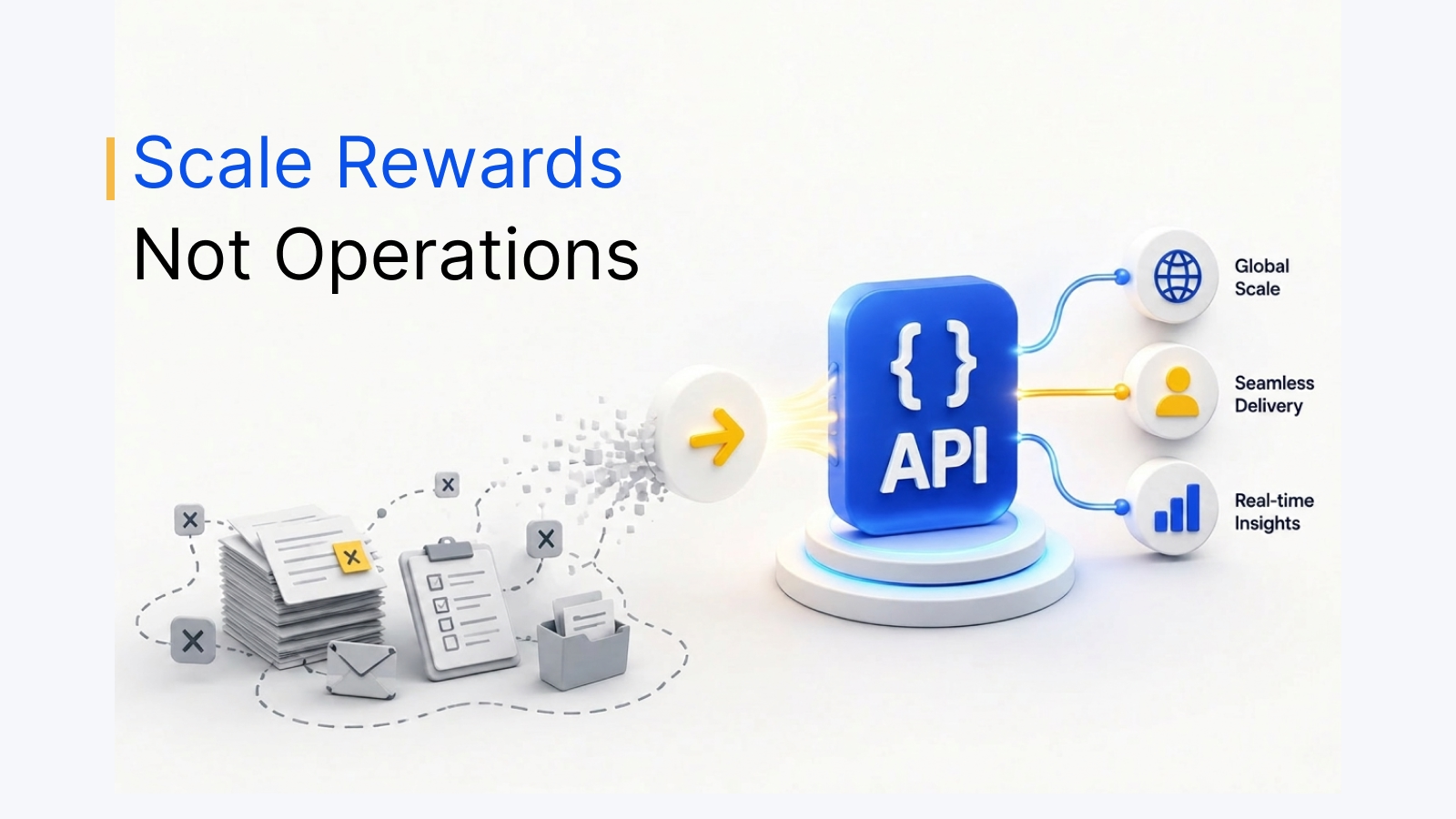
- Trigger rewards from your CRM, e-commerce or marketing platform through 250+ native connectors or REST APIs.
Book your Plum demo
Frequently asked questions
Common types include discounts and coupons, flash sales, bundles, free samples, gifts with purchase, cashback and rebates, loyalty rewards, referral rewards, contests and sweepstakes, and gamified instant-win offers. The right type depends on your goal, for example a free sample to win new customers or a next-purchase voucher to drive repeat orders.
The terms overlap. Sales promotion is the broader term and can target consumers, retailers or a sales channel, for example trade discounts for distributors. Consumer promotions are sales promotions aimed directly at end customers, such as coupons, cashback, contests and loyalty offers.
Most promotions run from a few hours for a flash sale to a few weeks for a seasonal or sweepstakes campaign. Short windows create urgency, but the campaign must be long enough for your audience to see it and act. Avoid running the same promotion continuously, or customers will treat it as the normal price.
In the US, a sweepstakes generally must offer a free method of entry, because a promotion that combines a prize, chance and a required purchase can be treated as an illegal lottery. That is why official rules usually say no purchase is necessary. Rules differ by country and state, so get legal advice before launch.
Compare results with a baseline or a holdout group that didn't receive the offer to find the incremental sales lift. Track participation and redemption rates, new customers acquired, cost per acquisition, average order value, repeat purchases after the campaign and promotion ROI.
Discounts reduce your list price and can train customers to wait for the next sale. Digital rewards, such as e-gift cards or cashback, add value without changing the price, can be delivered instantly anywhere, let recipients choose what they want and give you real-time redemption data.