Key Takeaways
Build a retention playbook first: segment customers, map key moments, set budgets and pick metrics.
Welcome gifts, strong onboarding, aligned teams and empowered support stop most churn before it starts.
AI churn prediction and simple usage signals flag at-risk customers early enough to act.
Renewal incentives and milestone rewards give customers a reason to stay without constant discounts.
Focus first on the lifecycle stage where you lose the most customers, then measure and expand.
Customer retention strategies are the actions a business takes to keep existing customers buying, renewing and recommending it. The ones that work in 2026 combine a strong start, personal attention, early warning of churn and well-timed rewards that give customers a reason to stay.
You are far more likely to sell to a customer who already knows and trusts you than to a stranger, which is why upgrading your retention strategies matters so much. The risk is that customers rarely announce they are leaving. In Qualtrics research published in November 2025, 34% of consumers said they cut spending with a company after a bad experience and 13% stopped spending entirely, while fewer than one in three gave the company any feedback. By the time revenue drops, the customer has often already gone.
This guide covers 13 customer retention strategies, from welcome gifts and onboarding to AI churn prediction, proactive service and renewal incentives, each with an insider tip you can put to work. If you need the basics first, including what retention means, how to calculate customer retention rate and industry benchmarks, start with our guide to customer retention.
Customer retention is hard, but not impossible
Yes, customer retention is hard. Yet it is clear that keeping your existing customers is essential to building a successful business. Discounts and loyalty points help, but on their own they are easy for competitors to copy. This is where rewards and a rewards platform come in.
A rewards platform lets you manage reward campaigns at scale, track their return through your existing email and CRM workflows, and fix the pain points that drive customers away. Customers see more ads every day than they could ever remember, so you need more than an ad budget to be appreciated by them. Gifting, with its unique ability to create reciprocal goodwill, builds the emotional connection that an ad cannot.
Existing customers also tend to make up a large share of revenue for most established businesses, which makes earning and keeping their trust a priority. Let's look at how to make sending rewards and gifts work for you and your organization.
Before you start: build a retention playbook
A retention playbook is a repeatable plan that tells your team which customers to focus on, what to send them, how to send it and when. Sending is not something to jump into without forethought: without a playbook, retention efforts turn into scattered one-off gestures that are hard to measure.
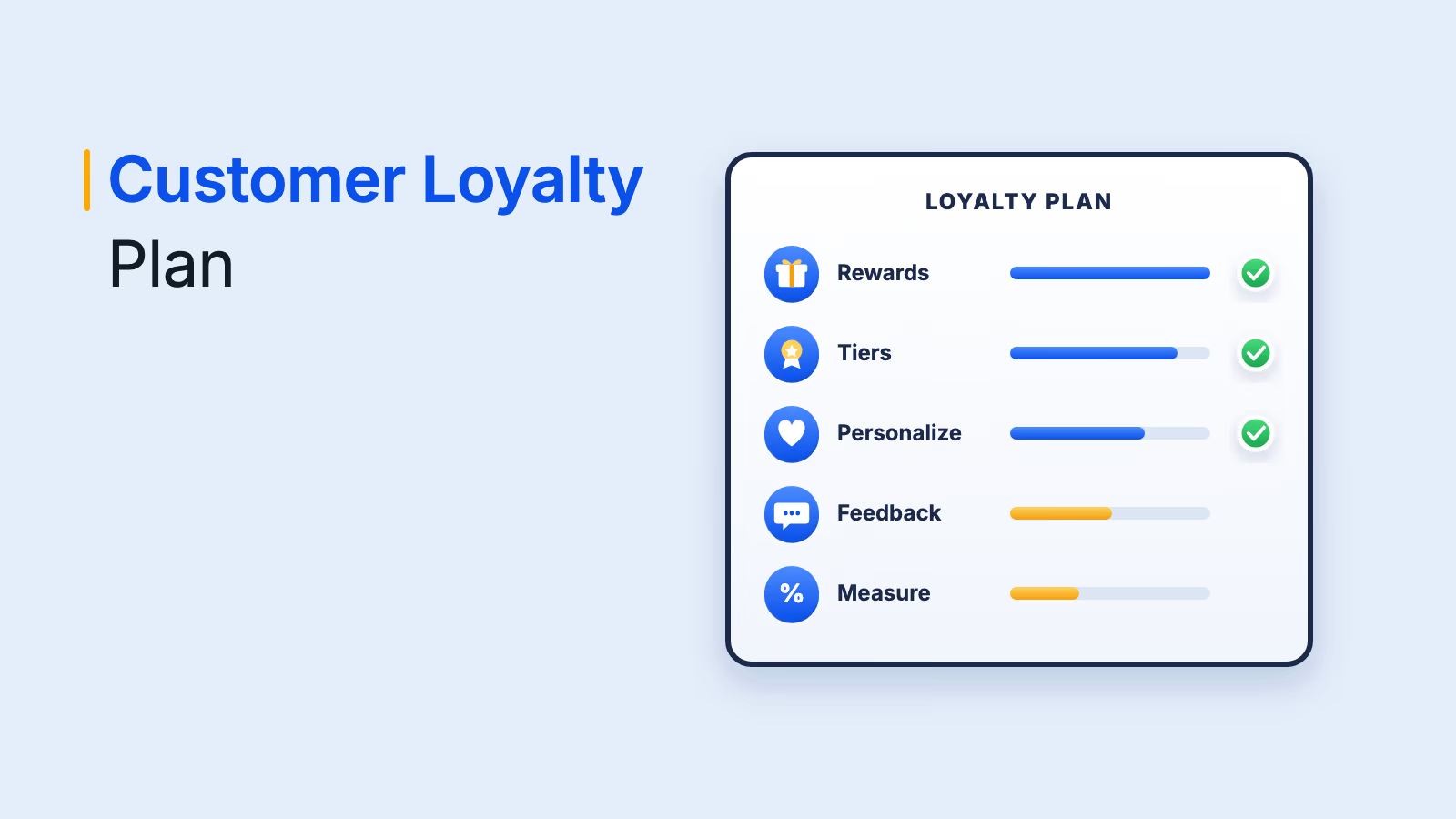
- Segment your customers: Group them by account value, lifecycle stage, risk level or campaign, so high-value and at-risk customers get more attention.
- Map the key moments: List the points where customers decide whether to stay: onboarding, first value, a support issue, a milestone and renewal.
- Set a budget per segment: A simple e-gift voucher might suit a webinar attendee, while a key account renewal or an influential advocate may deserve a highly personalized gift.
- Study the market: Look at how competitors reward and communicate with their customers. These insights help you stand out and win a larger share of the market.
- Choose your metrics: Decide before you launch how you will track retention rate, churn rate, repeat purchase rate and net revenue retention.
- Plan the follow-up and reporting: Agree who follows up after each send and how you will measure which actions actually moved retention.
A timely, relevant send makes an impression, but creative gifting is what makes customers sit up and take notice. Understand your customers well and use everything you know about them before deciding what to send. With that in place, you are ready to go to market.
Reward customers at every retention moment
Trigger welcome gifts, milestone rewards and renewal incentives from your CRM, delivered instantly in 150+ countries.
Talk to our ExpertTrusted by 5,000+ companies
13 customer retention strategies that work in 2026
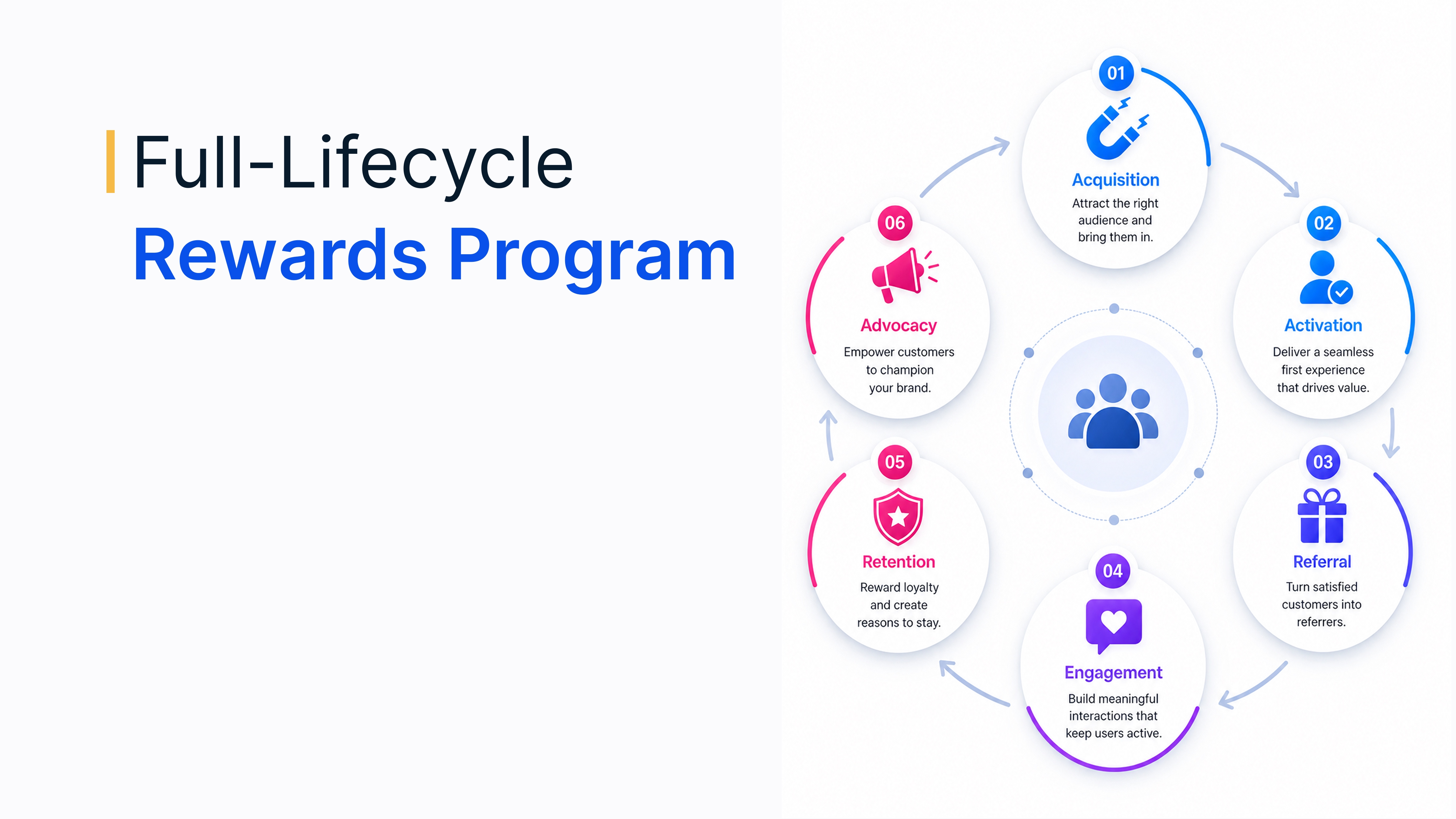
These customer retention strategies are tried and tested, and they follow the customer lifecycle from the first purchase to the renewal and beyond. Move past blanket discounts and rebates, and pick the strategies that match the moments where you lose the most customers.
1. Welcome new customers with a gift
Start right at the beginning of the relationship. There is no better time to make your brand stand out than a new customer's first touchpoint with your company, when they are most receptive and expect to hear more from you.
The handover from sales to customer success can be especially quiet. A welcome gift fills that gap, builds rapport and creates goodwill from day one, exactly when the customer is most open to your relationship-building efforts.
Insider tip: Send the welcome gift on the day the account goes live, not weeks later, and use a reward link so the customer can choose a gift card or experience they actually want in their own currency.
2. Align teams across your organization to find great sending ideas
Staying relevant when you send depends on aligning the teams that know your customers. Bring sales, marketing, customer success, support and product together to share data that reveals gaps in satisfaction and unmet customer needs.
Customer stories benefit too. Customer success and support teams hear about successful customer journeys every day, and those stories can become case studies, testimonials and campaign ideas for marketing. The goal is to pull data that is scattered across teams into one view, then use it to decide what content to share and which sending strategies will strengthen each relationship.
Insider tip: Hold a short monthly review where each team brings one customer insight and one sending idea. Track which ideas you launch and how the receiving accounts renew.
3. Let your support team use sending opportunities
Your support team's everyday interactions with customers can become far more powerful with the right sending strategy. A thoughtful gesture creates a personal connection and can change how customers talk about your brand to their peers and organizations.
Use sending to say thank you for being a customer and to keep an ongoing conversation going with your support team, rather than a purely transactional one. When something goes wrong, a quick recovery gesture often lands better than a generic discount, because it feels personal.
Insider tip: Give agents a pre-approved budget and a small catalog of recovery gestures, such as a gift card, a voucher or a charity donation, so they can act on the spot without escalating every issue.
4. Reward loyalty and celebrate milestones
Too many brands forget to reward their loyal customers and save their best offers for new ones. That mistake raises the risk of churn, which can seriously hurt growth. Keeping long-standing customers engaged as they journey with your brand should be a priority.
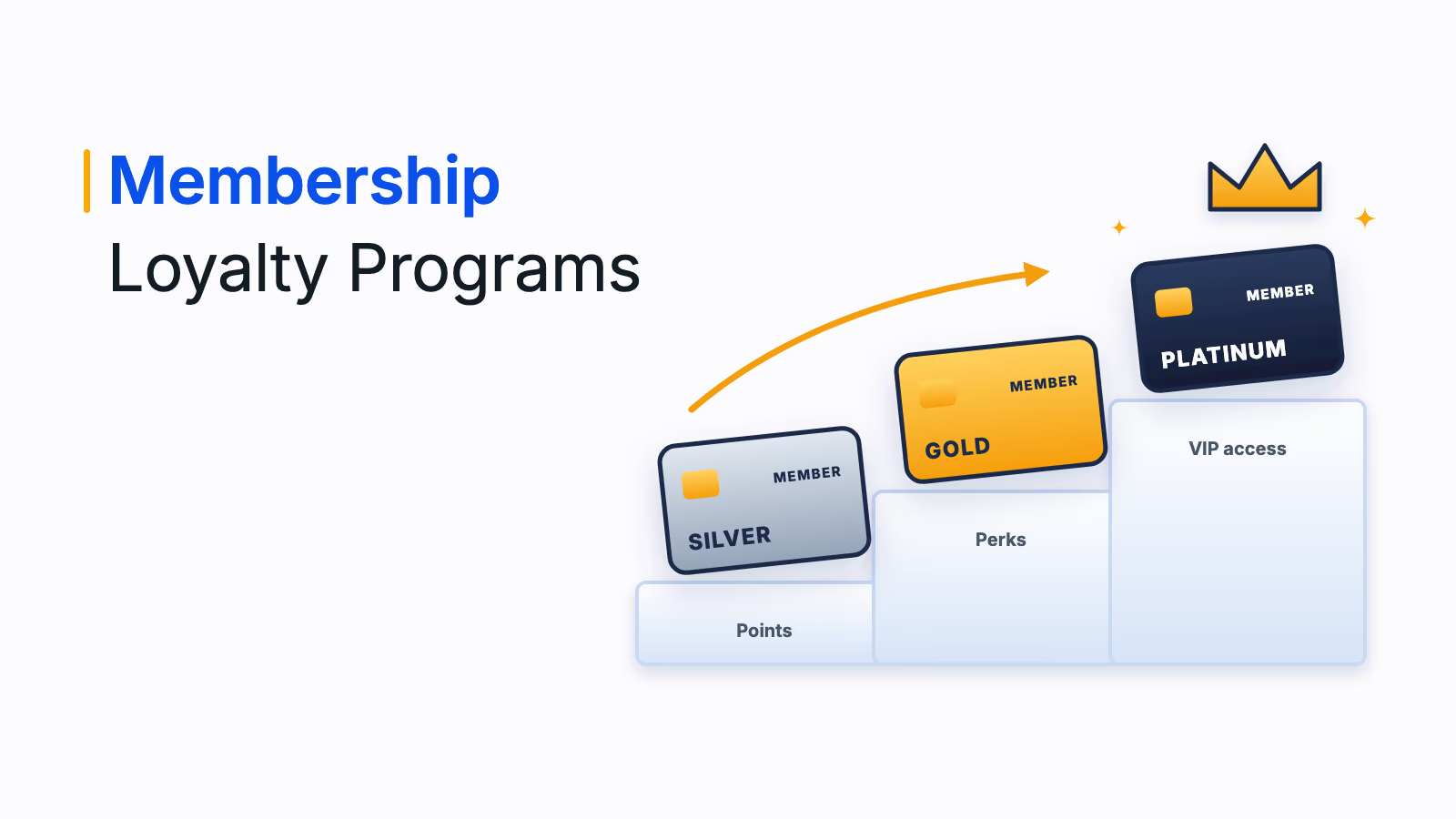
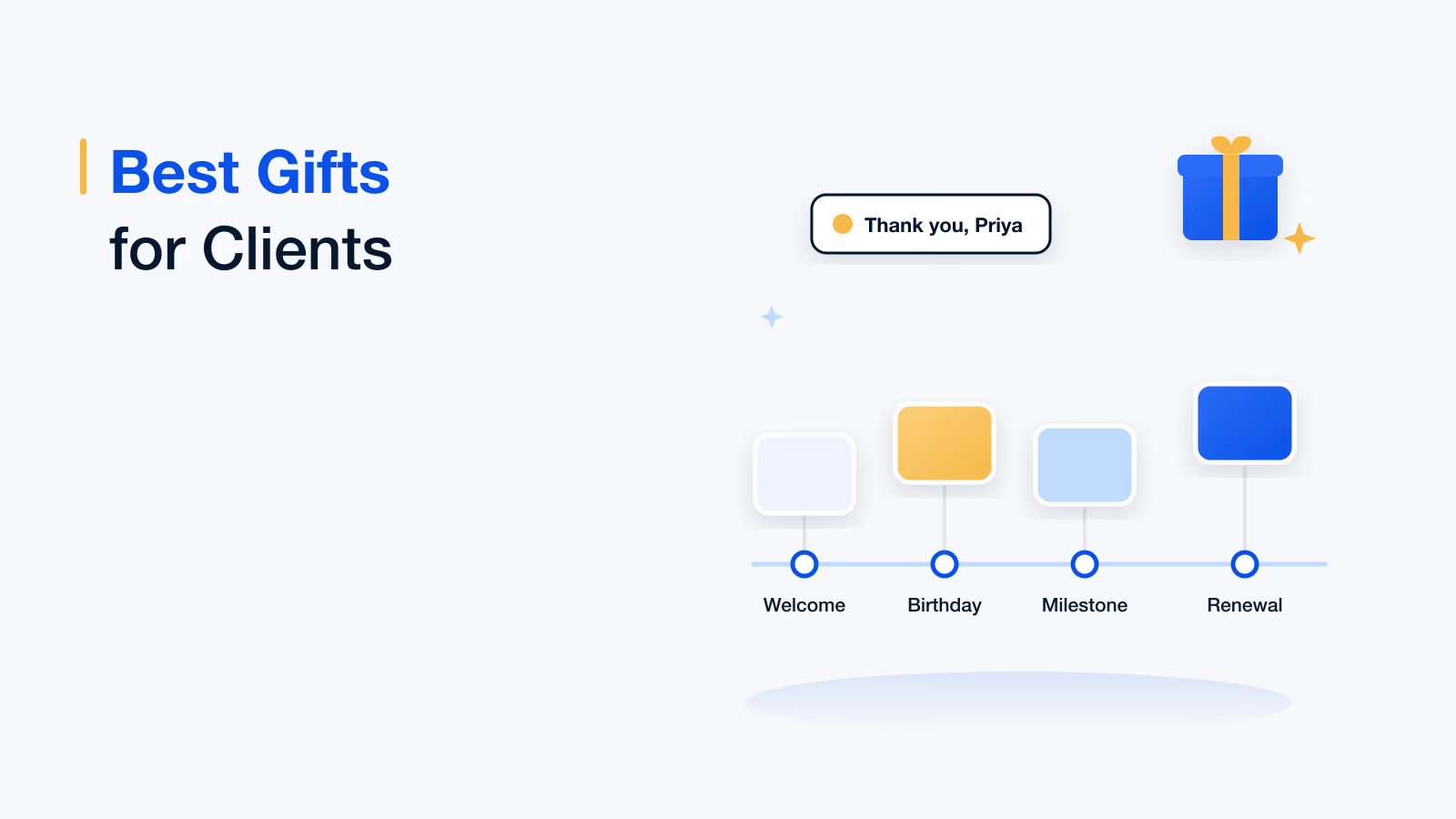
Rather than sinking into business as usual, show customers you value them with surprise and delight across the lifecycle. Renewals, usage milestones, anniversaries, birthdays and upgrades all offer the right moment. A loyalty program with points or tiers adds structure, while surprise rewards add delight. For loyalty program design itself, see our customer retention guide and these customer loyalty program examples.
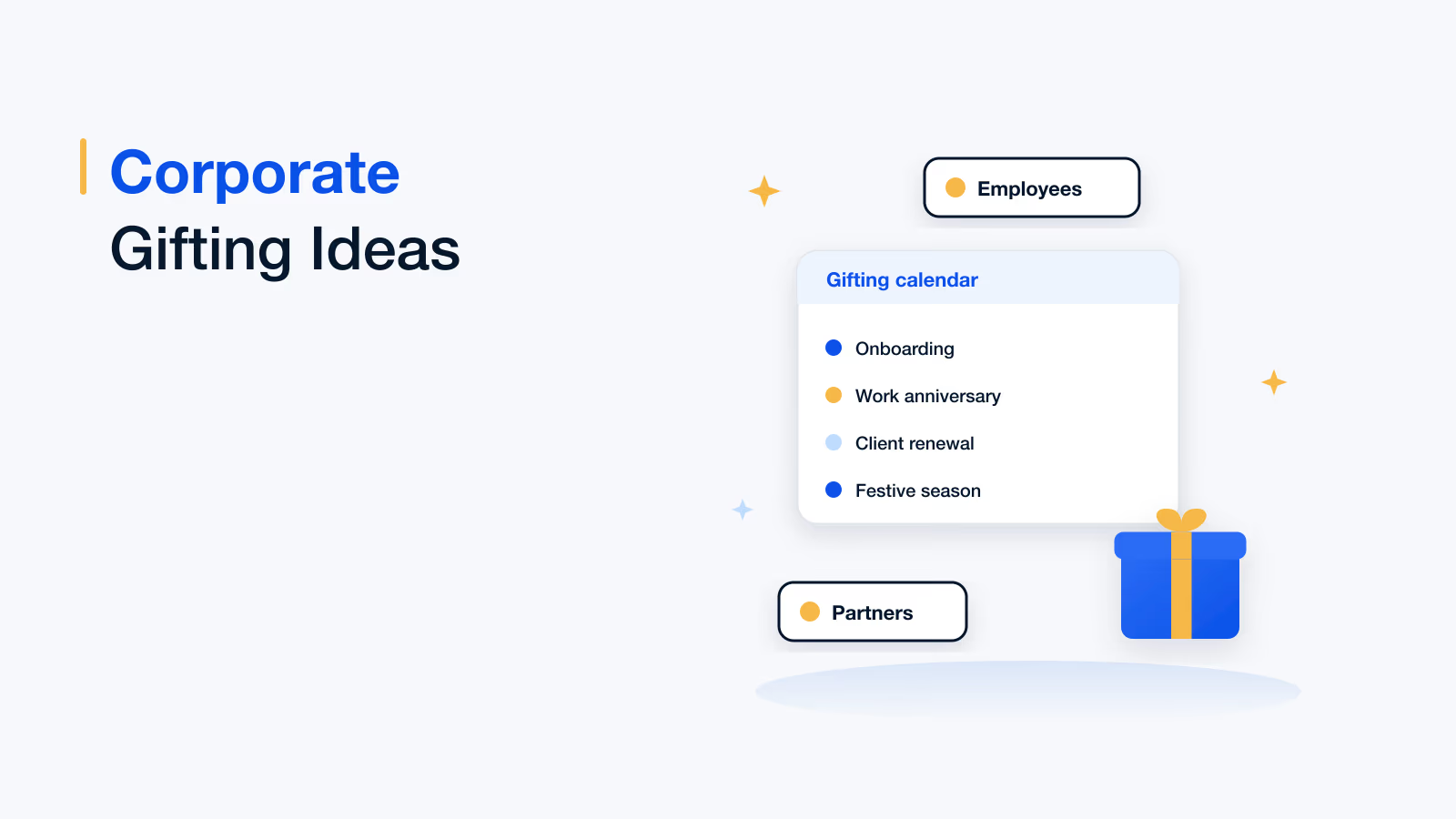
Insider tip: Build a milestone calendar for every key account, such as the first anniversary, the 100th order or the first year of a renewed contract, and automate a reward for each one so nobody has to remember.
5. Personalize your offers and communications when sending
Personalization is a critical part of customer relationship management. Customers are more willing to share information about themselves when they feel understood, and they are more likely to stay loyal when your attention matches their needs.
Each customer is different, so avoid a one-size-fits-all approach. Base your message and your gift on what you know: their role, their preferences, how they use your product and the outcome they care about. Clear, honest communication also builds trust and removes purchase doubts, especially for subscriptions, where a smooth billing and renewal experience matters as much as the product.
Personalization is also a competitive advantage. Whether you send rewards, perks, incentives or payouts, pay attention to what each customer values. Start simply, by addressing customers by name, then let them choose their own reward instead of guessing.
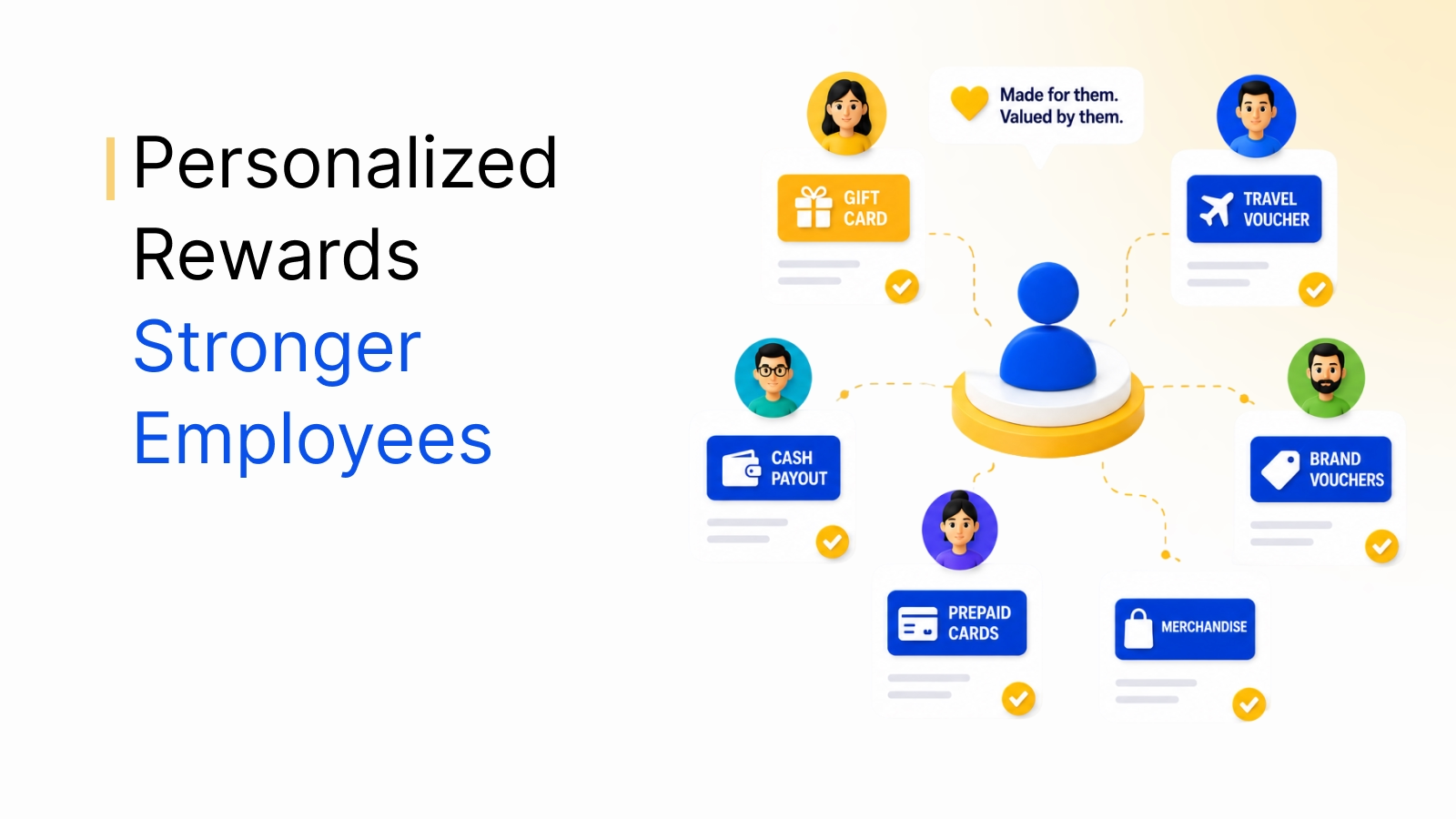
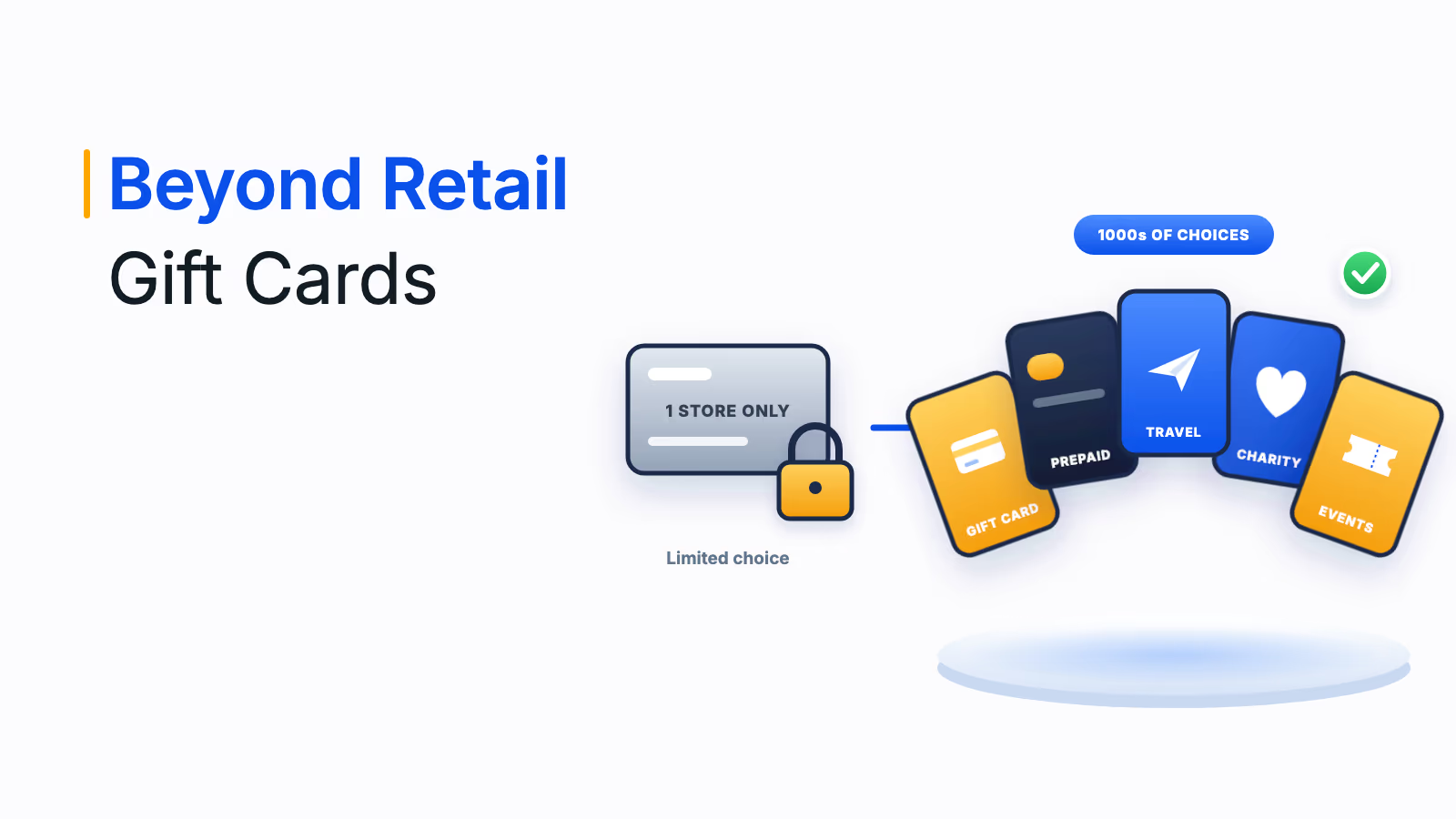
Insider tip: Offer a choice of rewards rather than a single item. A catalog of gift cards, experiences, donations and prepaid cards in the recipient's currency feels personal even at scale.
6. Use automation to boost your sending efforts
Marketing automation simplifies workflows across the marketing process. Keeping customers updated manually takes time because it involves many daily tasks. Instead of tracking individual customers by hand, use automation to re-engage them with personalized offers and gifts.
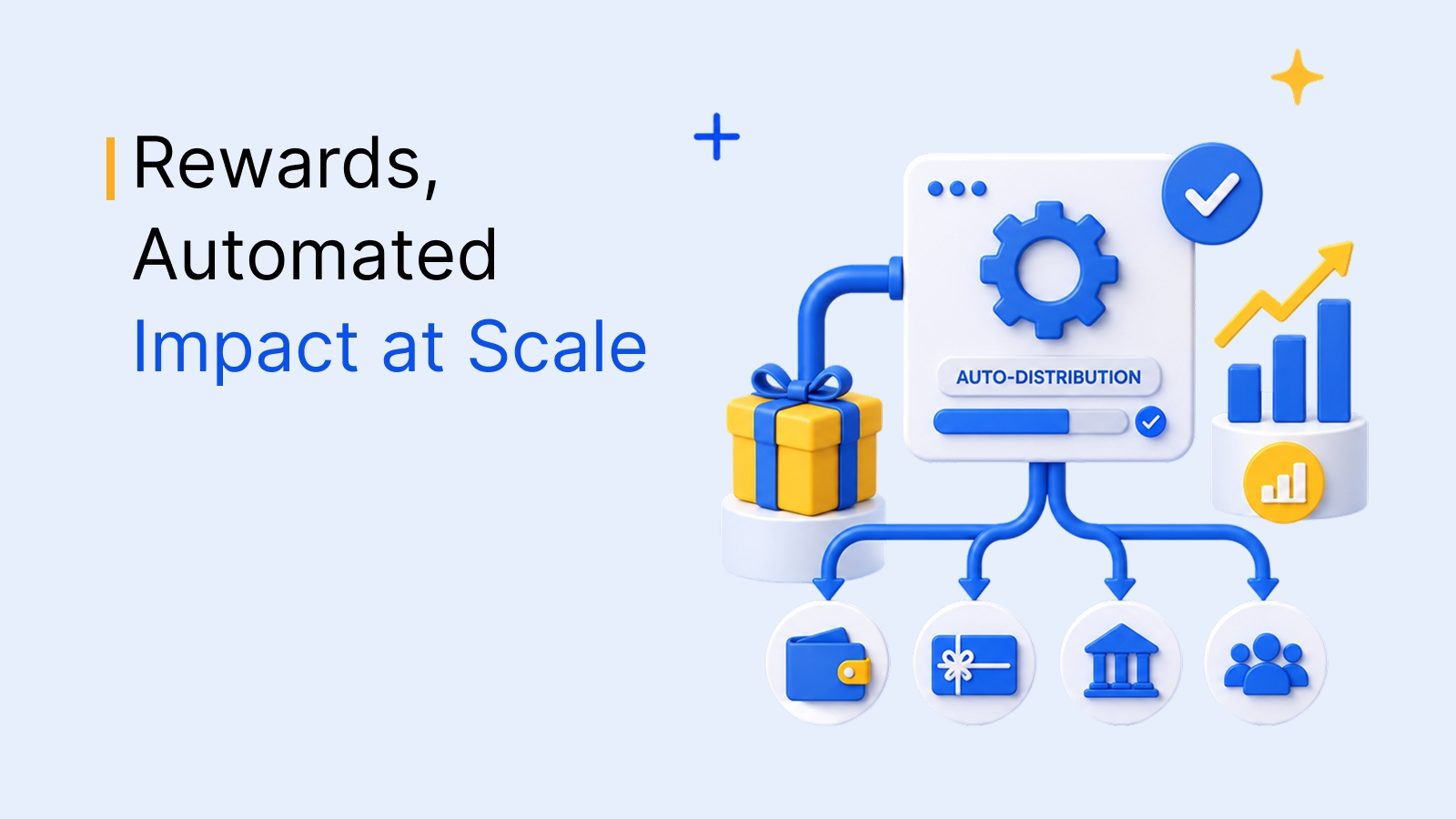
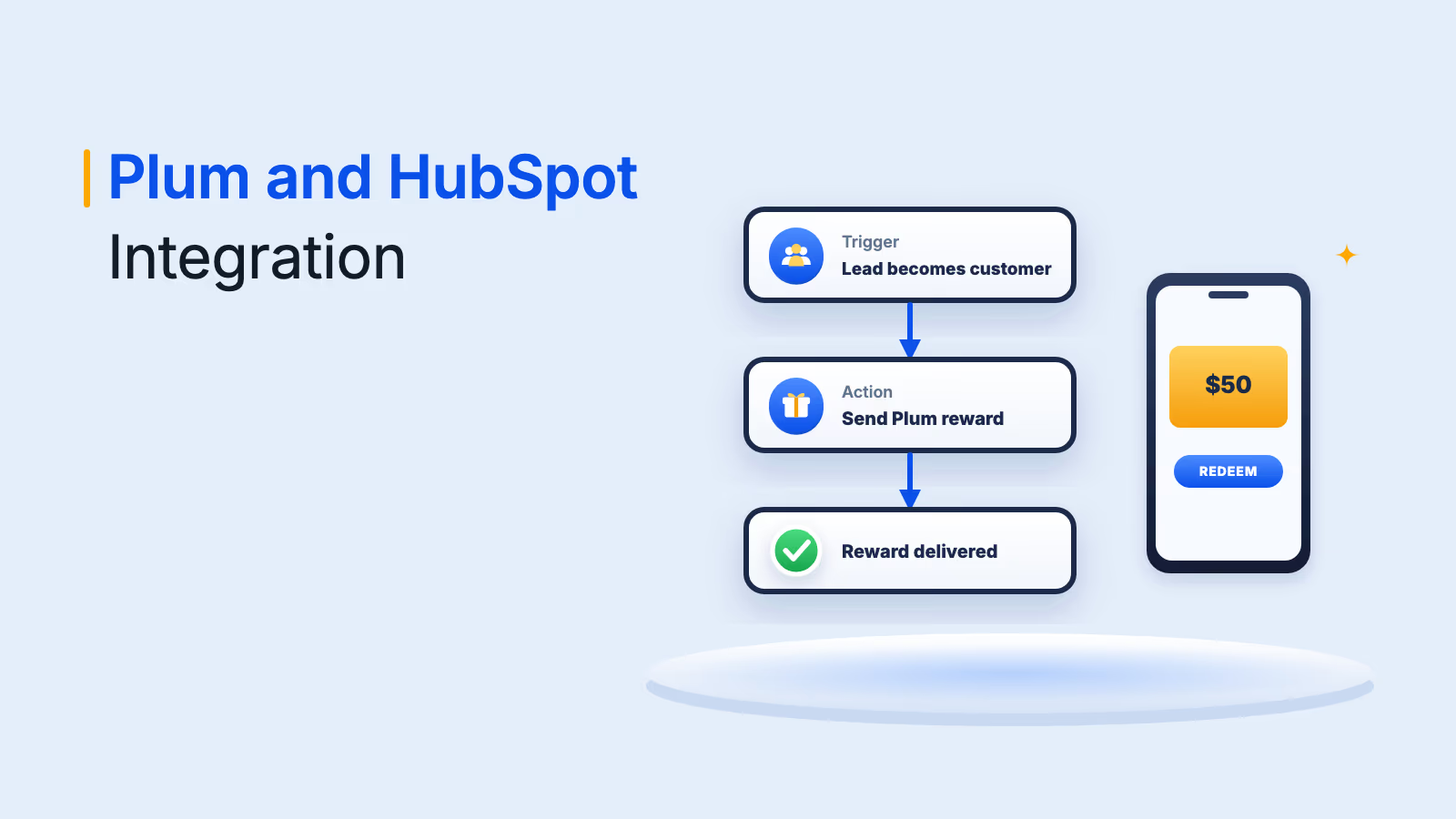
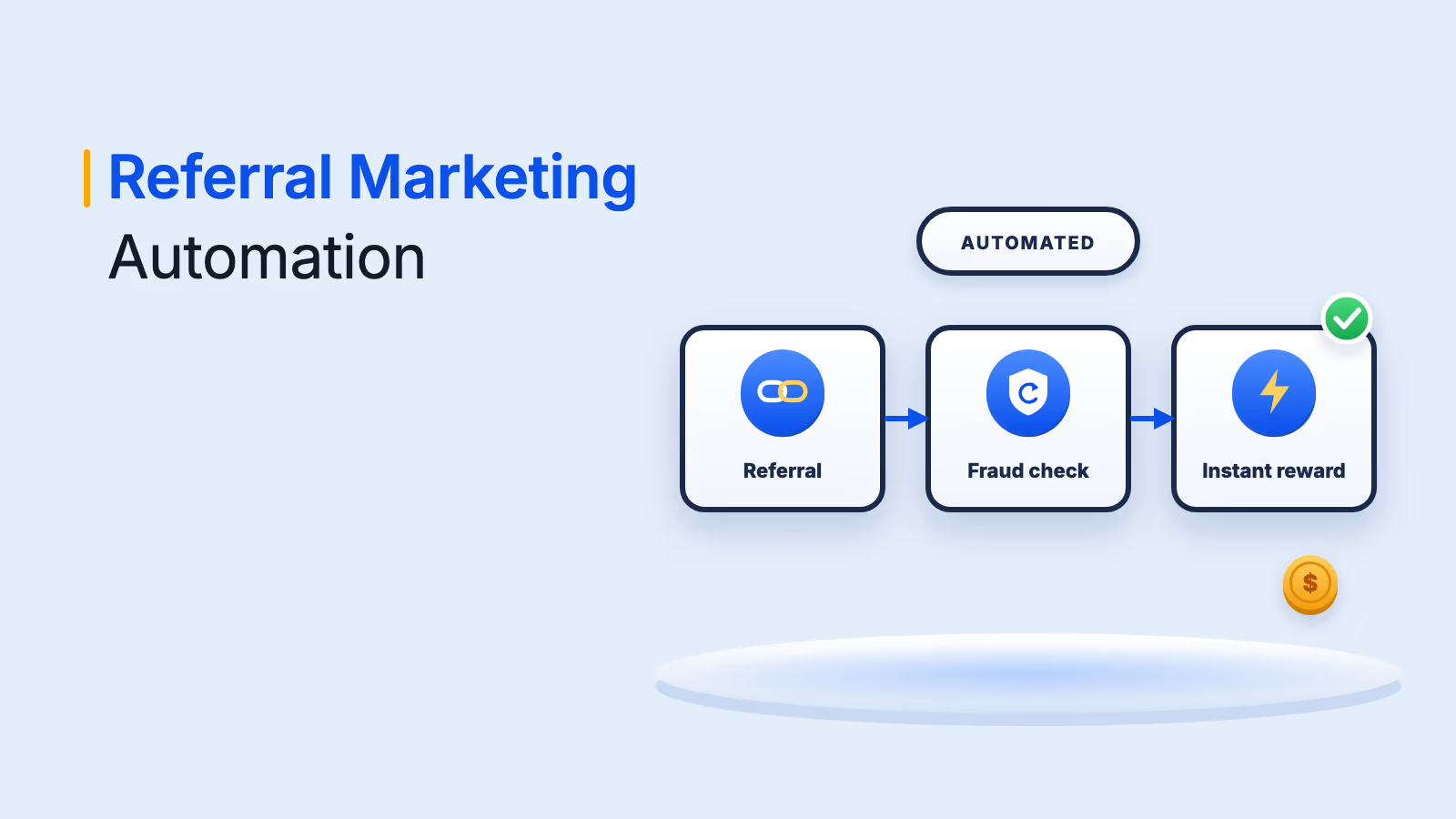
With automation, you can manage customer contacts and schedule promotional emails, text messages, notifications and gifting emails much faster. If you send a newsletter twice a week with offers, automation standardizes the process and delivers everything on time. Typical triggers include a first purchase, a renewal, an inactive period, a review or a referral. With automated reward distribution, the reward goes out instantly and your team can focus on the relationships that need a human touch.
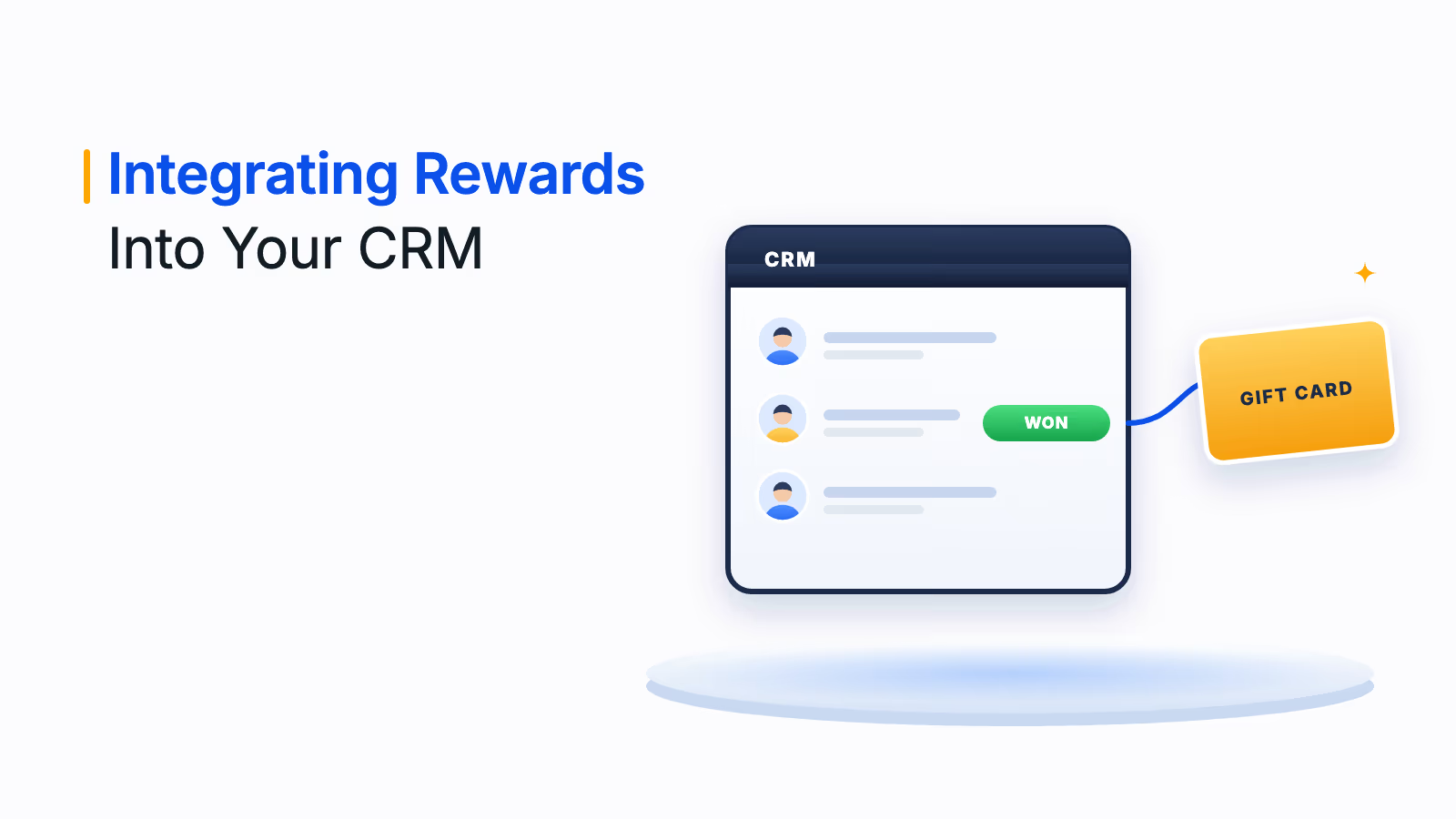
Insider tip: Connect reward triggers to the system that already knows about the event, such as your CRM, billing platform or customer success tool, so a reward fires the moment a customer qualifies. Our guide to integrating rewards into your CRM shows how.
7. Create a strong customer onboarding experience
Customer onboarding shows customers how to get value from your product or service, and in a crowded market it is where retention is often won or lost. Build a strong onboarding program for new customers and for existing ones adopting a new product.
A seamless onboarding leaves the best first impression and keeps customers coming back. Customers remember onboarding problems that were not handled well or where they had no direct point of contact. As soon as a customer signs up, send key information such as tutorials, support contacts and details of programs like loyalty rewards. Follow up with welcome offers and check in at the first milestone, such as the first order or the first active week, to fix early problems before they become reasons to leave.
Insider tip: Define the one action that best predicts a customer will stay, such as a first integration or a completed setup, and reward customers when they reach it.
8. Have a customer feedback loop
A customer feedback loop is a system to collect, analyze and share customer reviews and surveys, act on what you learn and tell customers what changed. Without it, you do not really know how customers feel about your products and services, and you risk losing them to competitors.
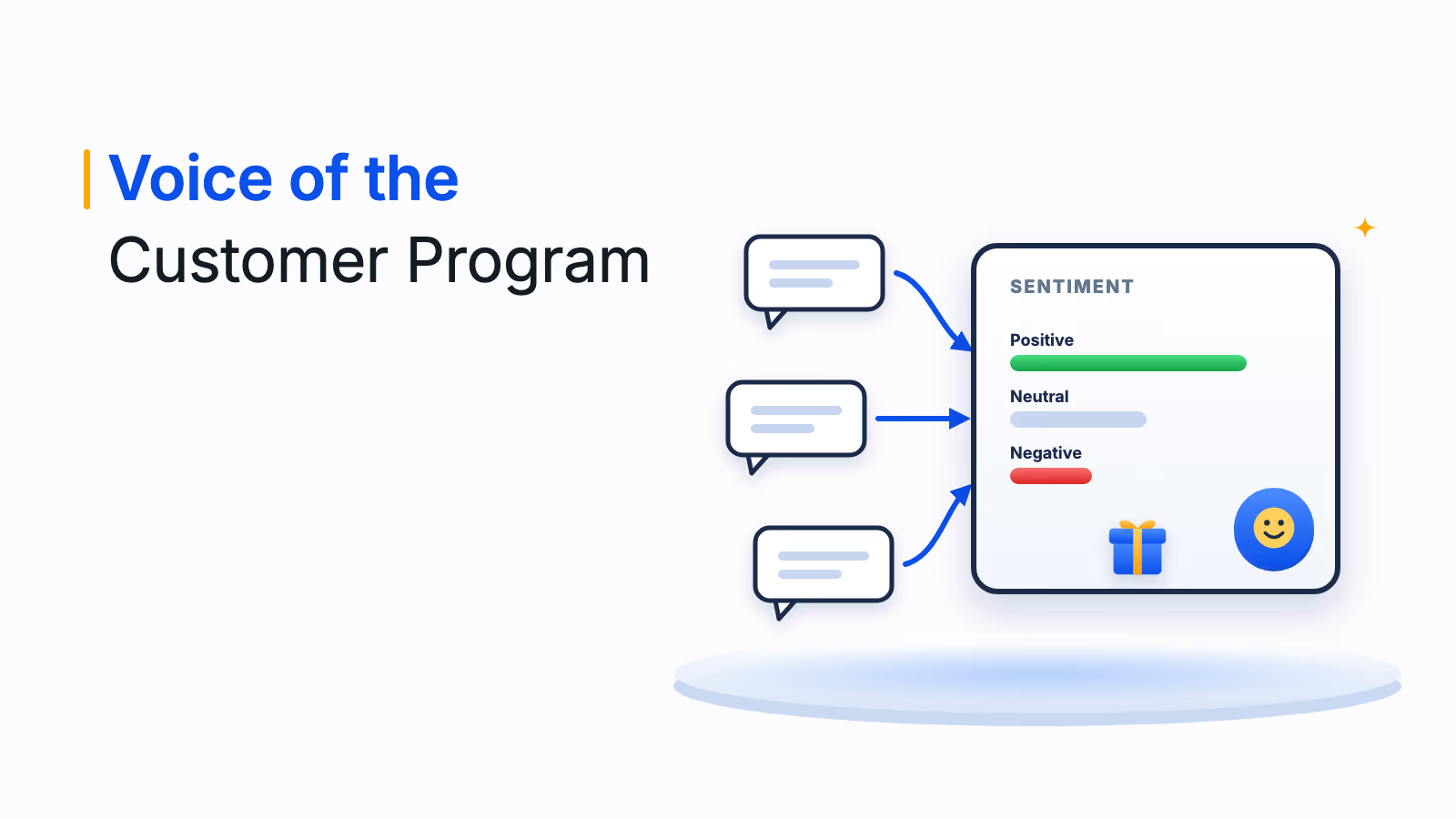
Share positive feedback widely to reinforce what works and help you deliver a great customer experience. Use negative feedback to find flaws and improve your products and services. Feedback also shows you where to focus your sending: if a customer is unhappy with a service, a voucher for their next purchase, sent with a genuine apology, can repair the relationship. A structured voice of the customer program turns this into an ongoing process.
Insider tip: Thank every survey respondent with a small instant reward. Survey participation rises when people get something back, and a better response rate means a clearer picture of who is at risk.
9. Create a regular communication calendar
To keep customers engaged, your team needs to communicate proactively. A communication calendar plans a sequence of updates, tips, events, special offers and incentives across the year, so no customer goes quiet for months.
Use the calendar to flag customers who have not interacted with you for a while, then re-engage them with a relevant offer or gift. Frequent, useful communication improves the customer experience, makes customers feel valued and removes purchase doubts. If a subscription is about to expire, reach out early with a reminder, recent updates and a reason to renew.
Insider tip: Set a maximum contact frequency per segment so the calendar stays helpful rather than noisy, and pause promotional messages while a customer has an open support issue.
10. Provide fast delivery and easy returns
For e-commerce businesses, delivery and returns are among customers' biggest concerns, and how you handle them decides whether customers come back. A simple, positive returns process improves relationships and your chances of repeat business.
Make delivery fast and returns easy. It sets you apart from competitors, gives customers peace of mind and encourages them to keep shopping with you. You can remove return fees or offer a voucher towards another product. If you ship a wrong or faulty item, replace it immediately and send a small gift to make up for the trouble. Customers remember that kind of service and stay loyal because of it.
Insider tip: Send the apology gift with the replacement shipping notice, not after the case is closed. The gesture means more while the customer is still feeling the problem.
11. Predict churn with AI and usage signals
AI churn prediction uses patterns in your customer data to flag who is likely to leave before they do. Models look at signals such as falling product usage, fewer logins, longer gaps between orders, more support tickets and negative survey responses, then rank every account by risk.
Many CRMs and customer success platforms now include health scores or churn scoring out of the box, so you do not need a data science team to start. The signals only help if someone acts on them, so pair each risk level with a playbook: a check-in call, a training session, a tailored offer or a thank-you reward.
Insider tip: Review the accounts that churned last year and note which signals appeared first. Use those as your early warning triggers before trusting any model blindly.
12. Offer proactive customer service
Proactive service means solving problems before customers have to ask. It includes alerting customers about a delay before they notice, sharing tips when usage drops and reaching out after a failed payment instead of waiting for a cancellation.
Speed matters too. In the Zendesk CX Trends 2026 report, 85% of CX leaders said customers will drop brands over unresolved issues, even on the first contact. Proactive messages, in-product guidance and self-service help close that gap. For more on what customers now expect, see our guide to customer service expectations.
Insider tip: Turn your top five support ticket reasons into proactive messages or help articles that reach customers just before they usually hit the problem.
13. Use renewal incentives
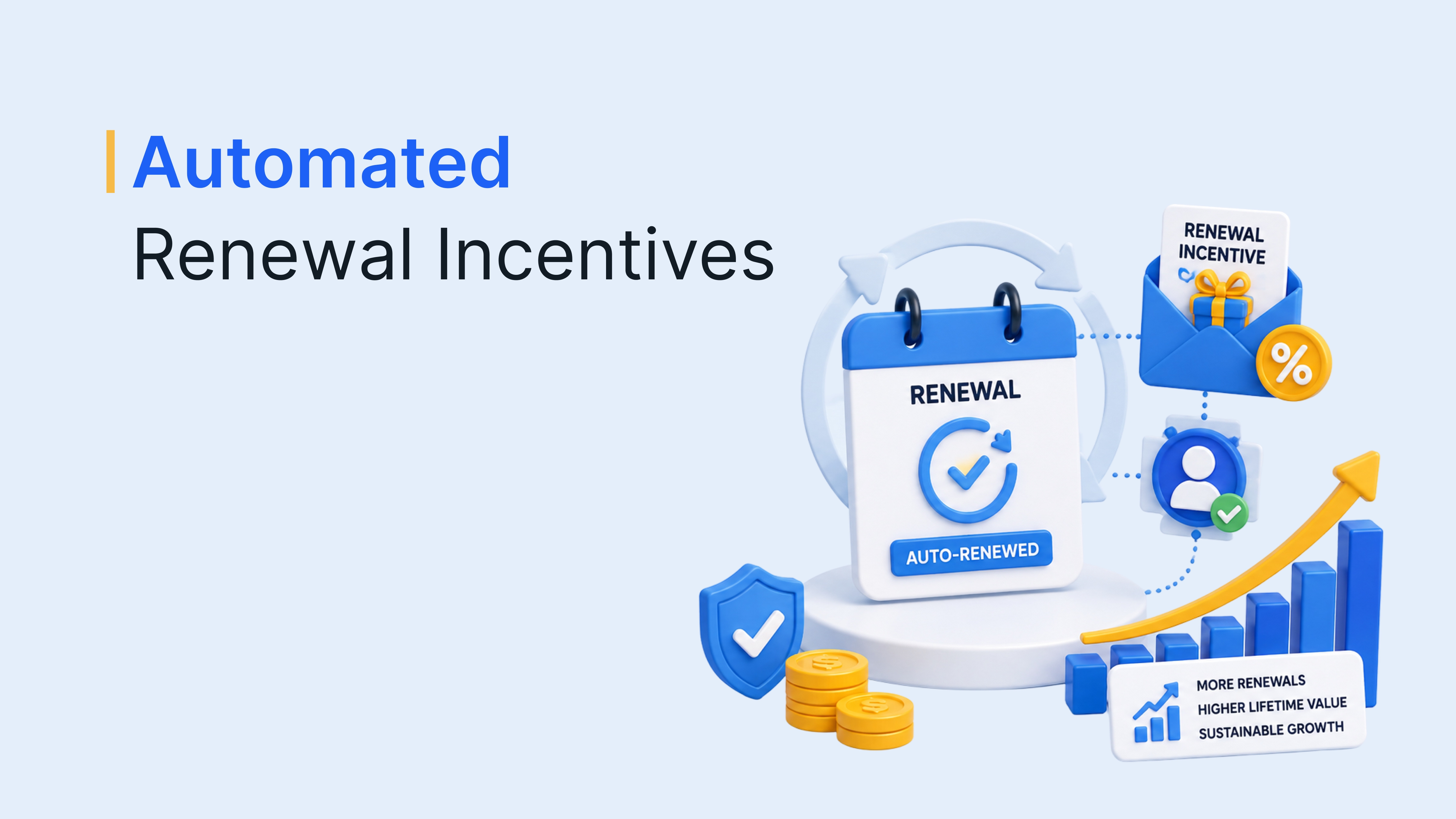
Renewal incentives reward customers for renewing, upgrading or committing early, without training them to wait for a discount. They work best when tied to the renewal moment and to the customer's own usage and value.
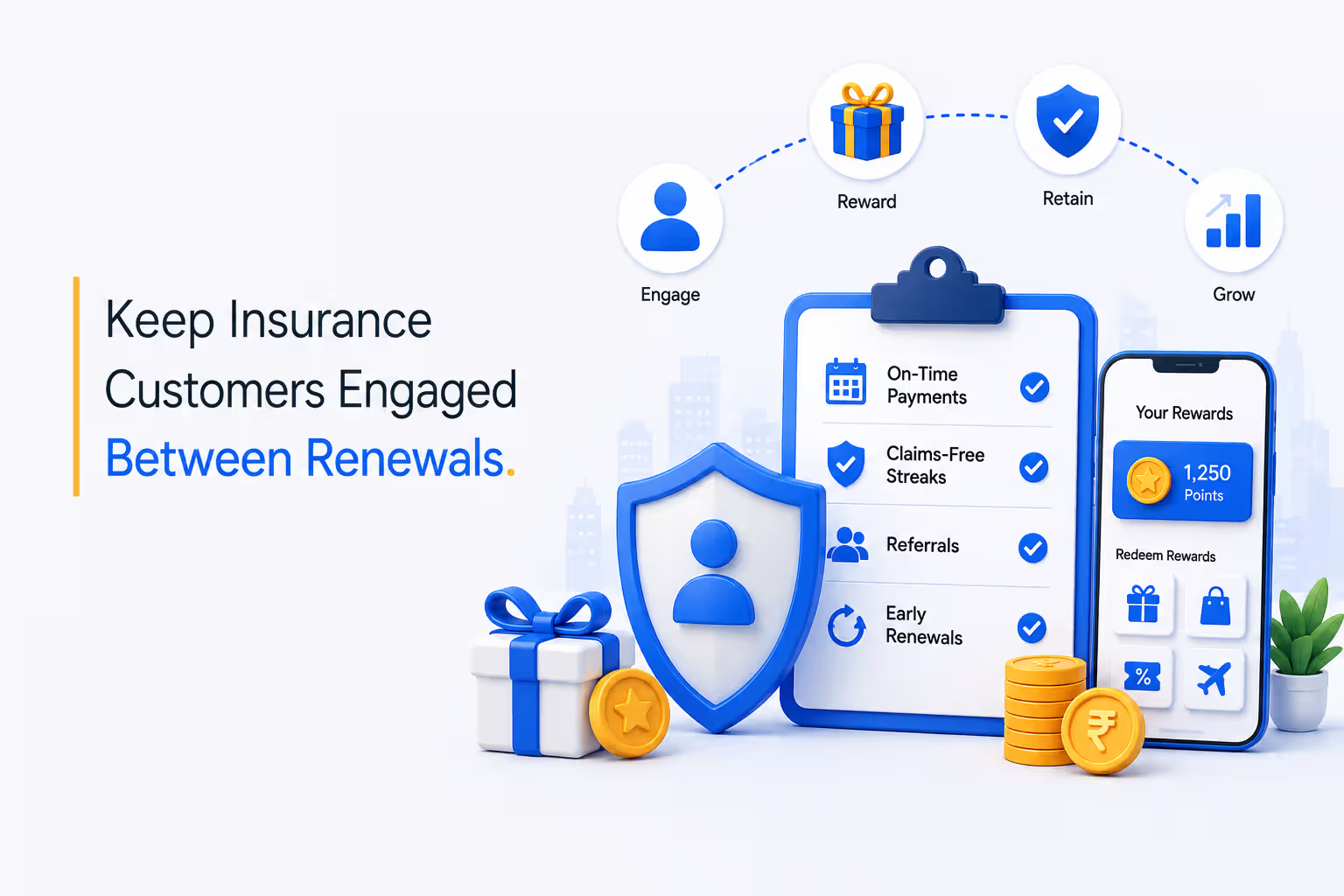
For example, a subscription business might send a reward when a customer renews early, reaches a usage milestone before renewal or completes a quarterly business review. Automating these rewards means no renewal slips through because someone forgot to send a thank-you. Read how to set this up in our guide to automated renewal incentives.
Insider tip: Send a personal gift to the executive sponsor before the renewal review so the conversation starts warm, then celebrate the signed renewal with the wider customer team.
Customer retention ideas by lifecycle stage
The quickest way to improve customer retention rate is to focus on the stage where you lose the most customers. Use this table to match the strategies above to each stage:
| Lifecycle stage | Main risk | Retention tactics |
|---|---|---|
| Onboarding | Customer never reaches first value | Welcome gift, onboarding program, named contact, early check-in |
| Active use | Engagement slowly drops | Personalized sends, communication calendar, milestone rewards |
| At risk | Usage or orders fall | AI churn prediction, proactive outreach, tailored win-back offer |
| Support issue | Frustration after a problem | Fast resolution, empowered agents, recovery gift |
| Renewal | Customer reconsiders the contract | Renewal incentives, value review, executive gift |
| Loyal customer | Taken for granted | Loyalty tiers, surprise rewards, advocacy and referral program |
How to reduce customer churn rate with rewards
Rewards reduce customer churn rate when they are tied to the right moments and feel personal. The aim is not to bribe customers into staying, but to recognize the value they bring and make the relationship feel worth continuing.
- Offer choice: A catalog of gift cards, experiences, donations and prepaid cards lets each customer pick what they value.
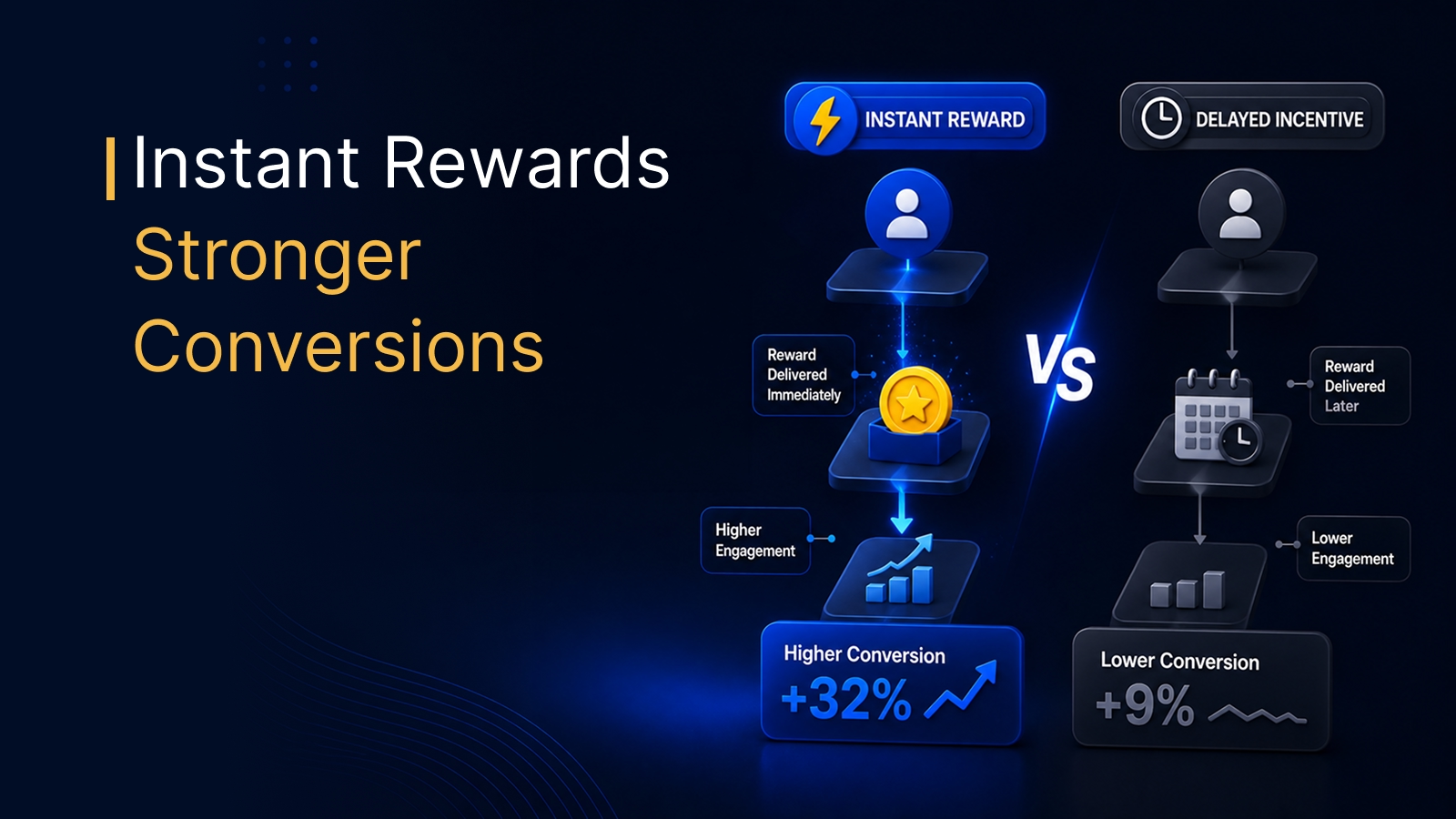
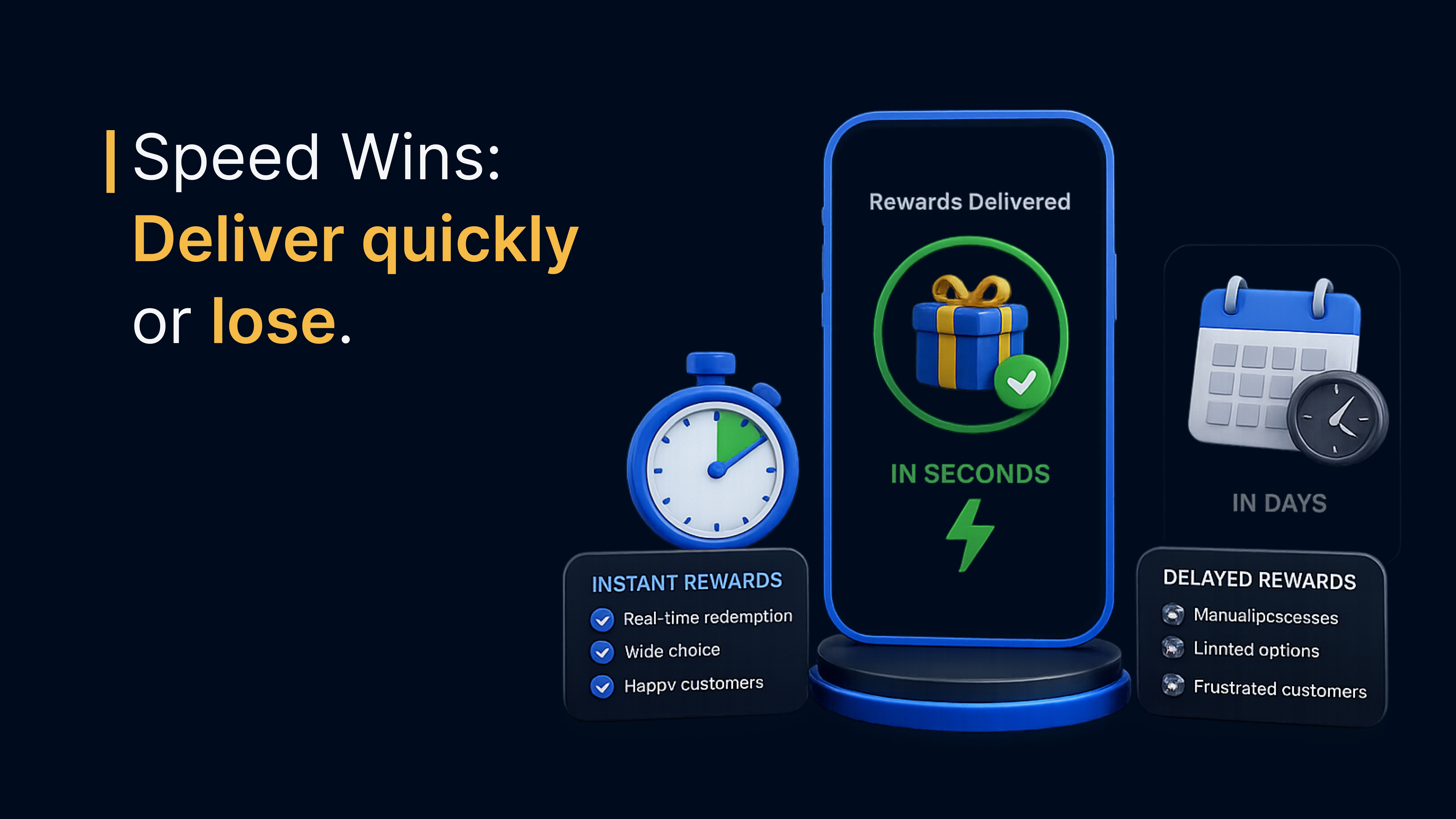
- Deliver instantly: A reward that arrives right after the action reinforces it far better than one that arrives weeks later.
- Avoid discount fatigue: Constant discounts train customers to wait for the next deal, while occasional, thoughtful rewards build goodwill without eroding prices.
- Measure the effect: Compare retention, repeat purchases and renewals between rewarded and non-rewarded groups.
For a loyalty-led approach to churn, including early warning signals and loyalty mechanics, read our playbook on how to reduce customer churn.
Plum: use sending to achieve your retention goals
When it comes to sending, many teams struggle with siloed tools that need several integrations before they can go from trigger to action. Multiple vendors strain the budget, fragmented tools make it hard to track what works, and limited catalogs, delayed deliveries and poor support hurt the customer experience.
Xoxoday Plum brings this into one rewards and incentives platform for marketing, sales, customer success and HR teams. More than 5,000 companies use it to manage rewards, incentives and payouts.
Sending for every stage of the customer lifecycle
Use instant rewards to drive attendance at webinars, demos and meetings, then nudge prospects through the funnel with personalized gifts. After the sale, the same platform powers welcome gifts, milestone rewards, renewal celebrations, win-back offers and referral rewards. Plum for customer success teams reads signals such as health scores, NPS responses, renewal milestones and QBR attendance from tools like Gainsight, ChurnZero, Salesforce, HubSpot, Zendesk and Intercom, then fires the right reward automatically.
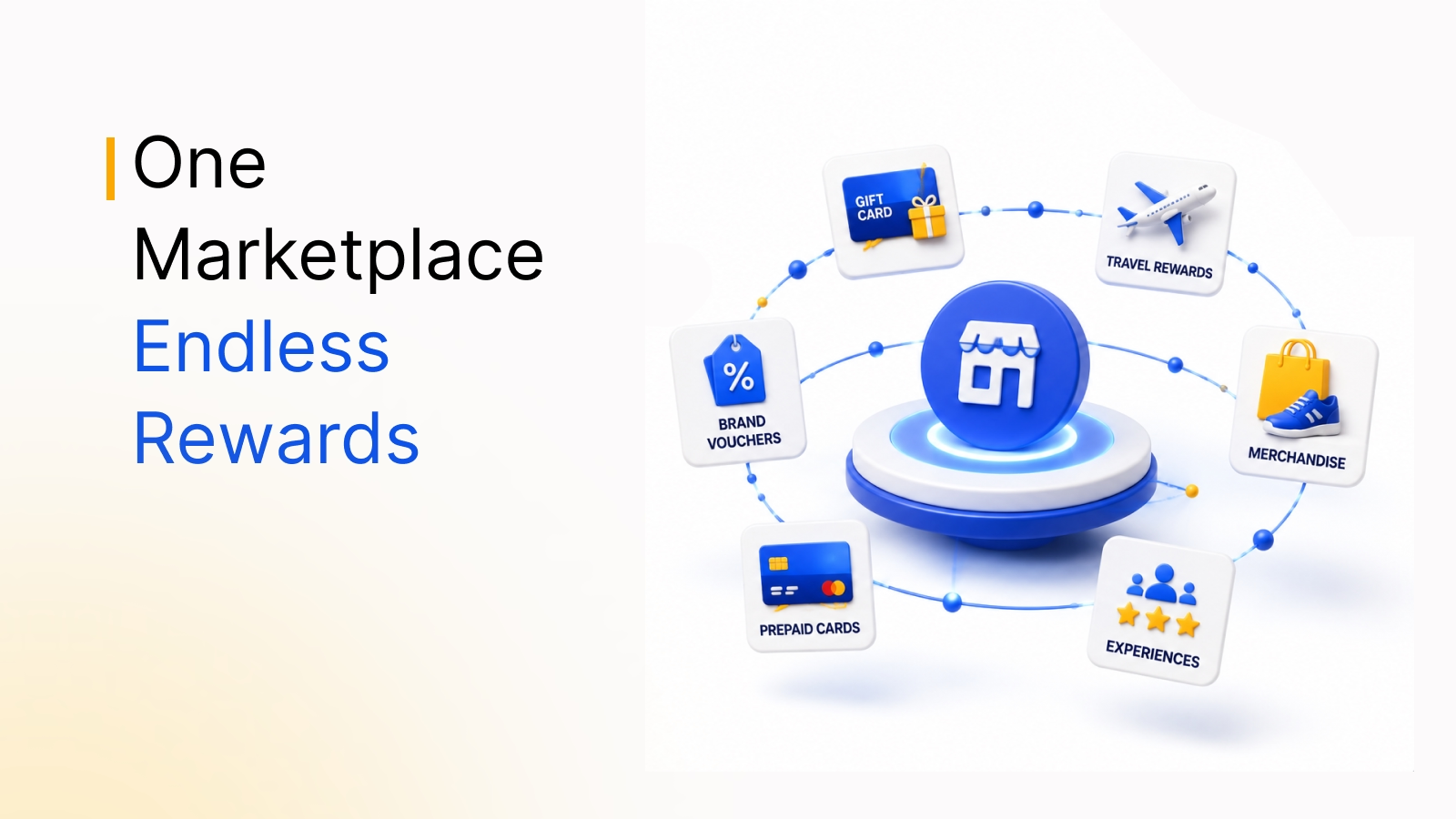
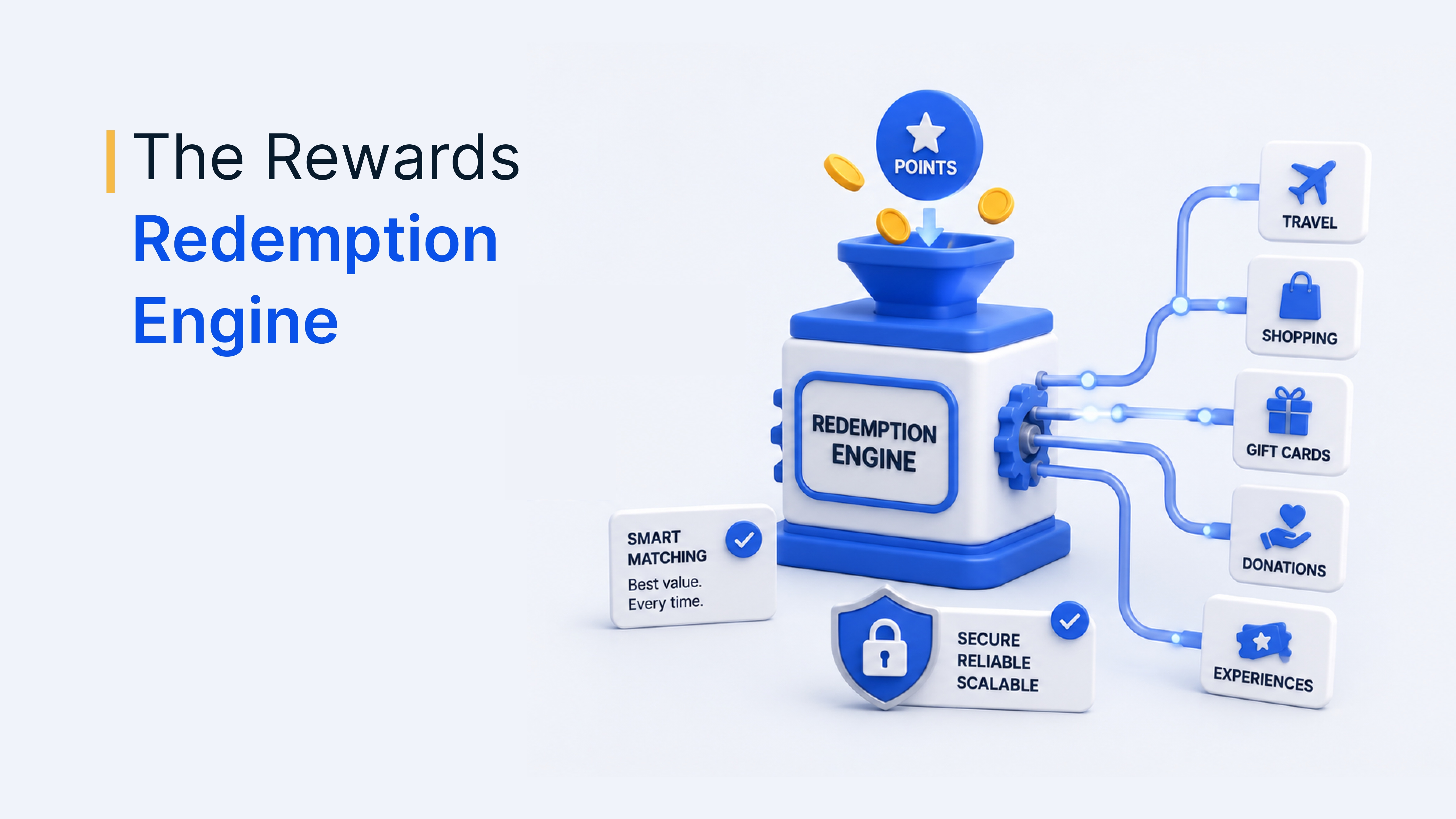
- Catalog: 10M+ reward options across 30+ categories in 150+ countries, including gift cards, prepaid cards, experiences, merchandise and donations, with local-currency redemption.
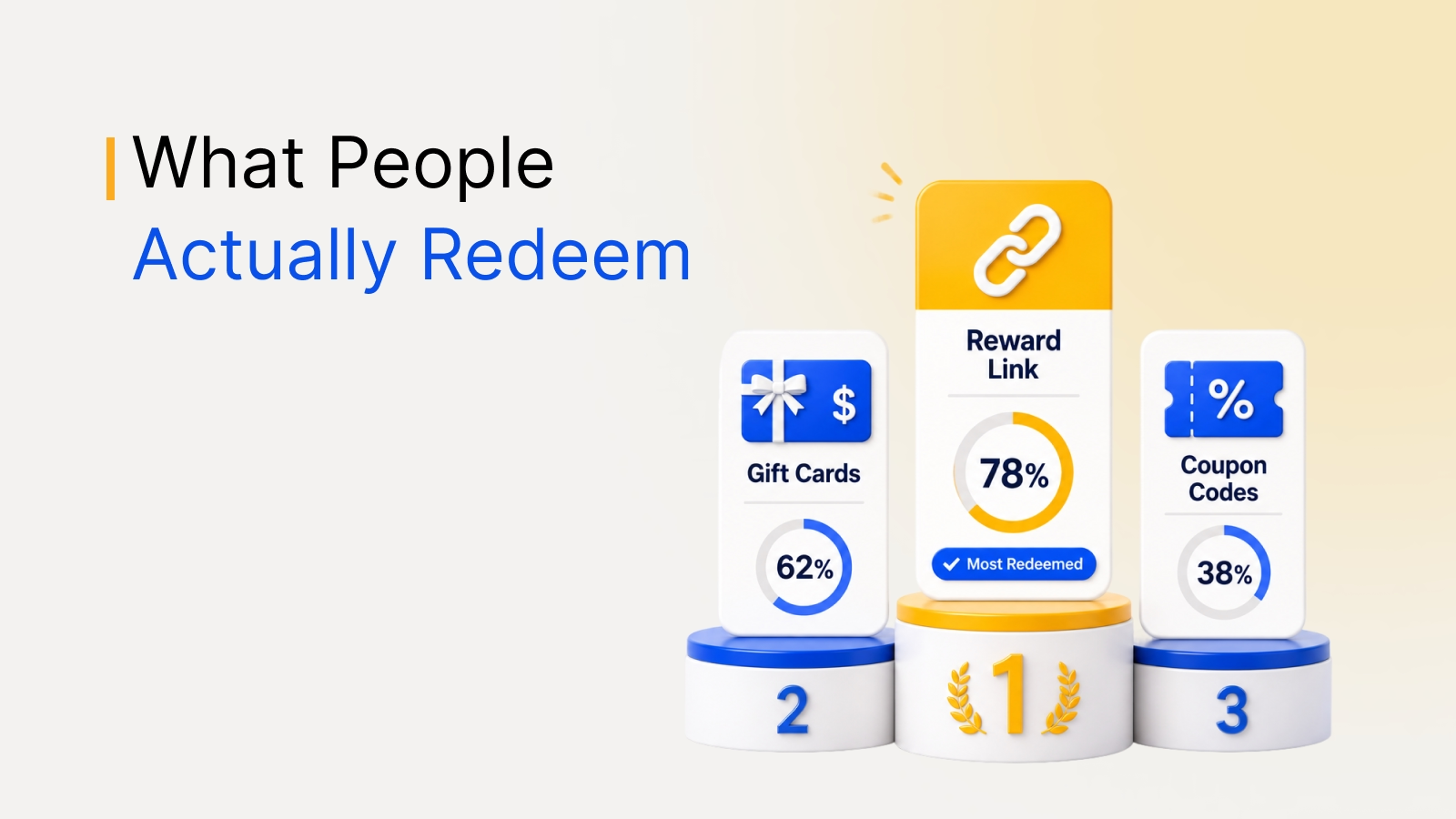
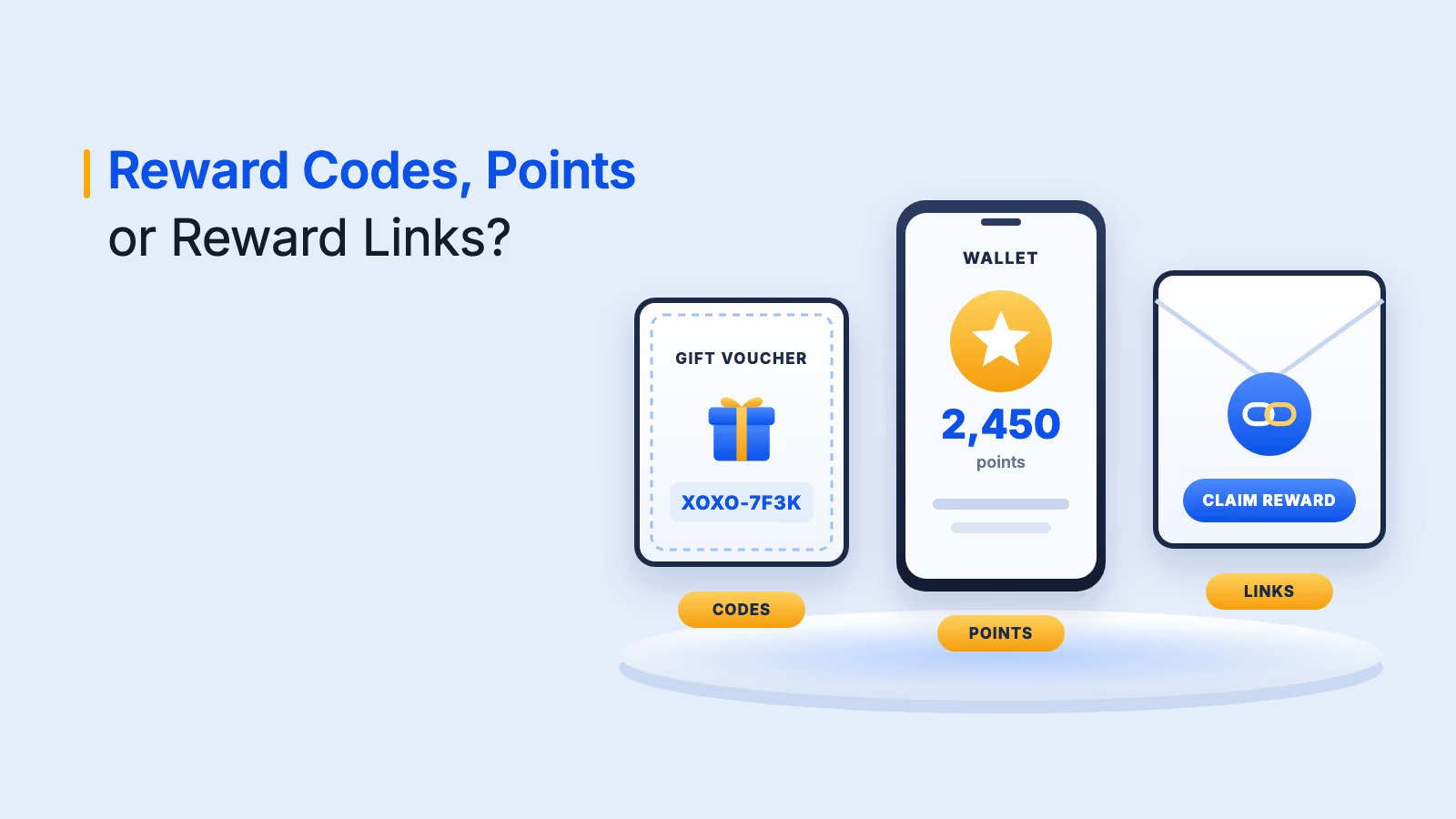
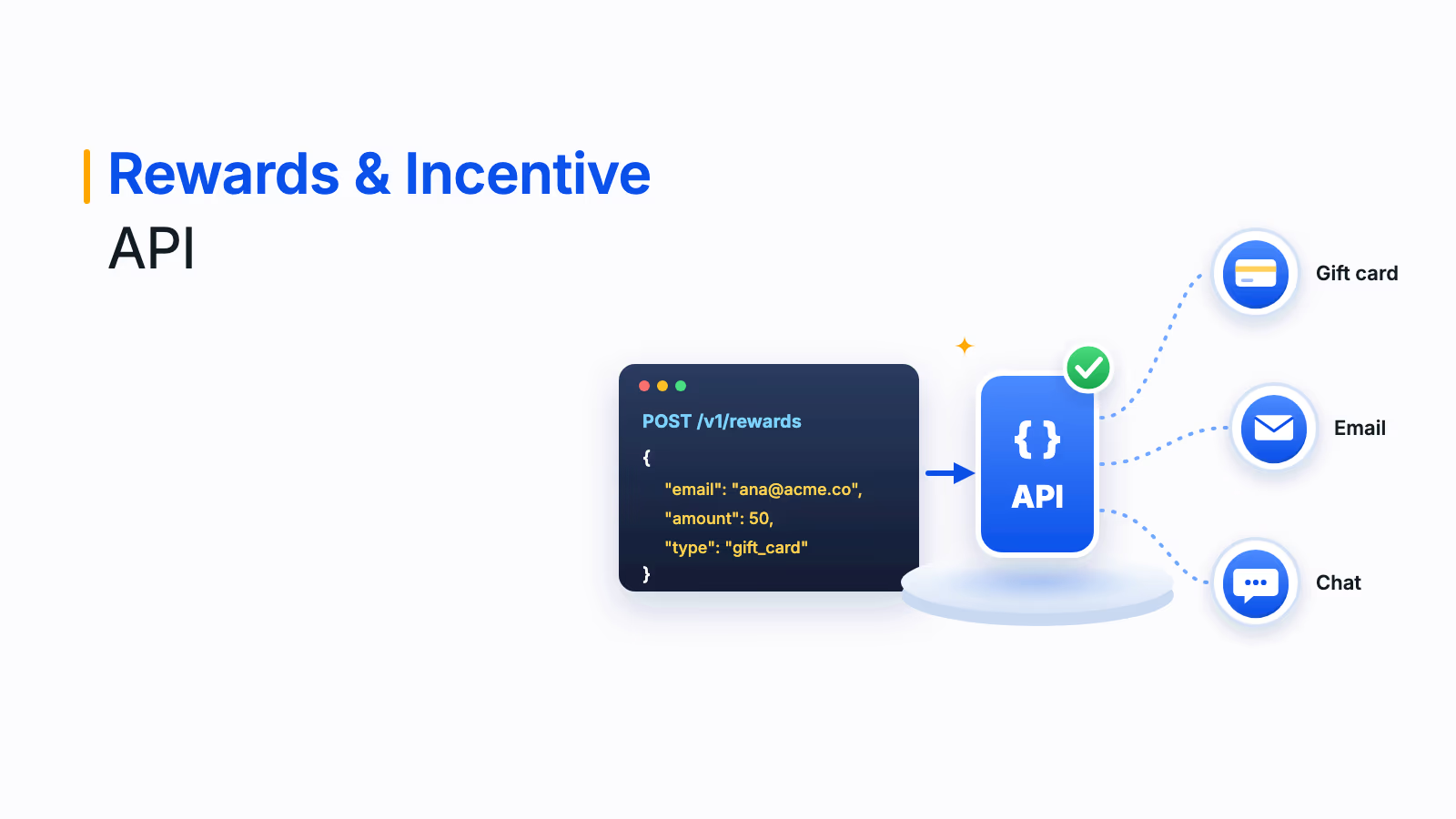
- Delivery: Points, codes or single-use reward links that need no login, sent by email, SMS or WhatsApp, or through the Plum APIs.
- Speed: Create an account in under a minute, build a campaign and bulk-upload up to 10,000 recipients, with a 98.9% end-to-end fulfillment rate.
- Control: One dashboard for delivery, redemption and program ROI, with budgets, role-based access and audit trails.
Sending for HR teams
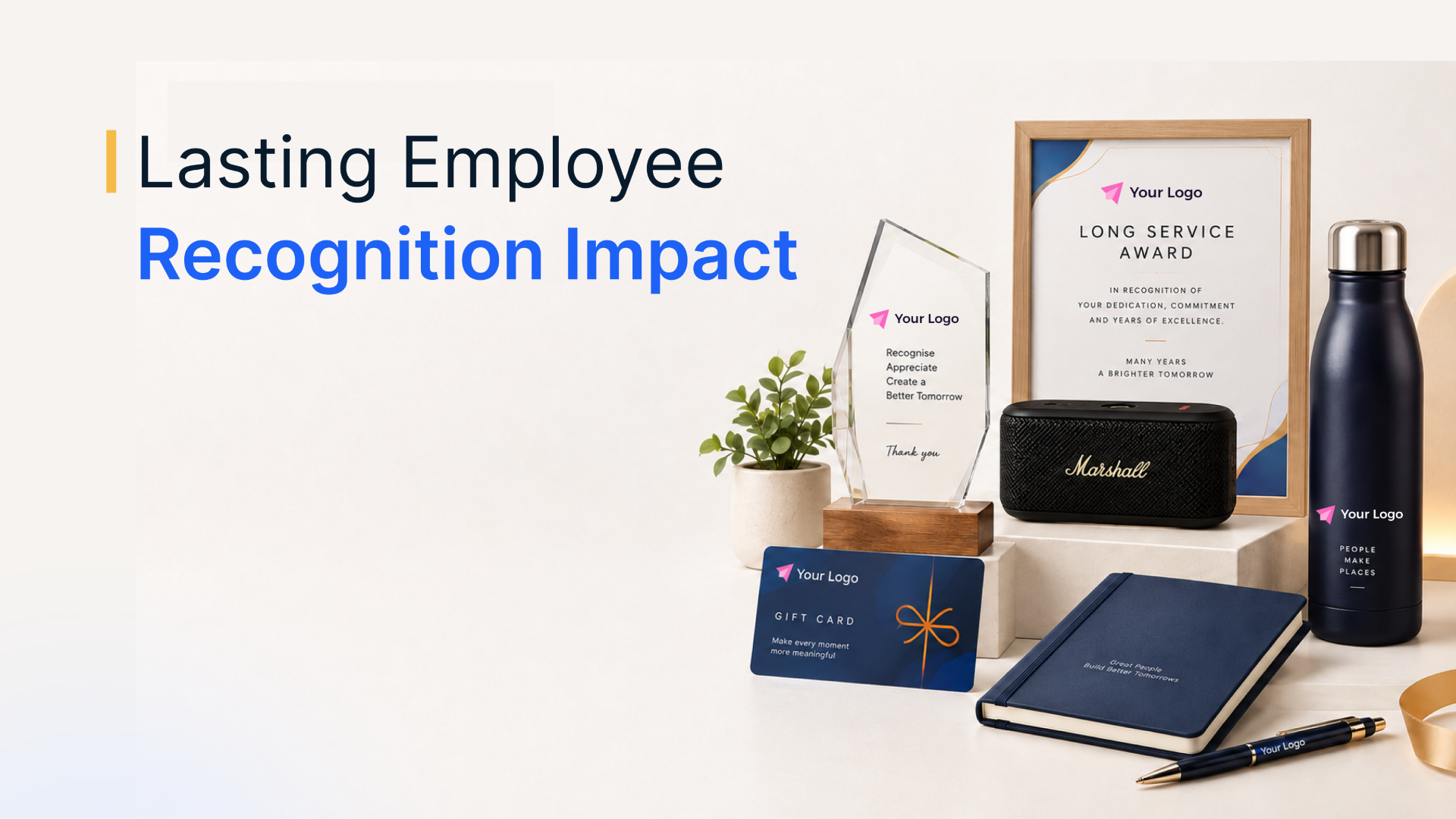
The same platform also serves HR. Teams use Plum for employee recognition, festive gifting, service anniversary awards and long service awards, choosing from the same global catalog and managing everything from one dashboard.
Customer results
- Xero: Xero replaced physical gift logistics with automated referral rewards that fire the moment a qualifying referral is confirmed, across localized catalogs in GBP, AUD and SGD.
- A leading health and fitness platform: It distributed $5M+ in rewards through 150,000+ reward links for activation, referral and employee programs from a single Plum account.
- Freshworks: Its field marketing team delivers localized rewards in 19 currencies across the Middle East and APAC, triggered automatically through Zapier.
Conclusion
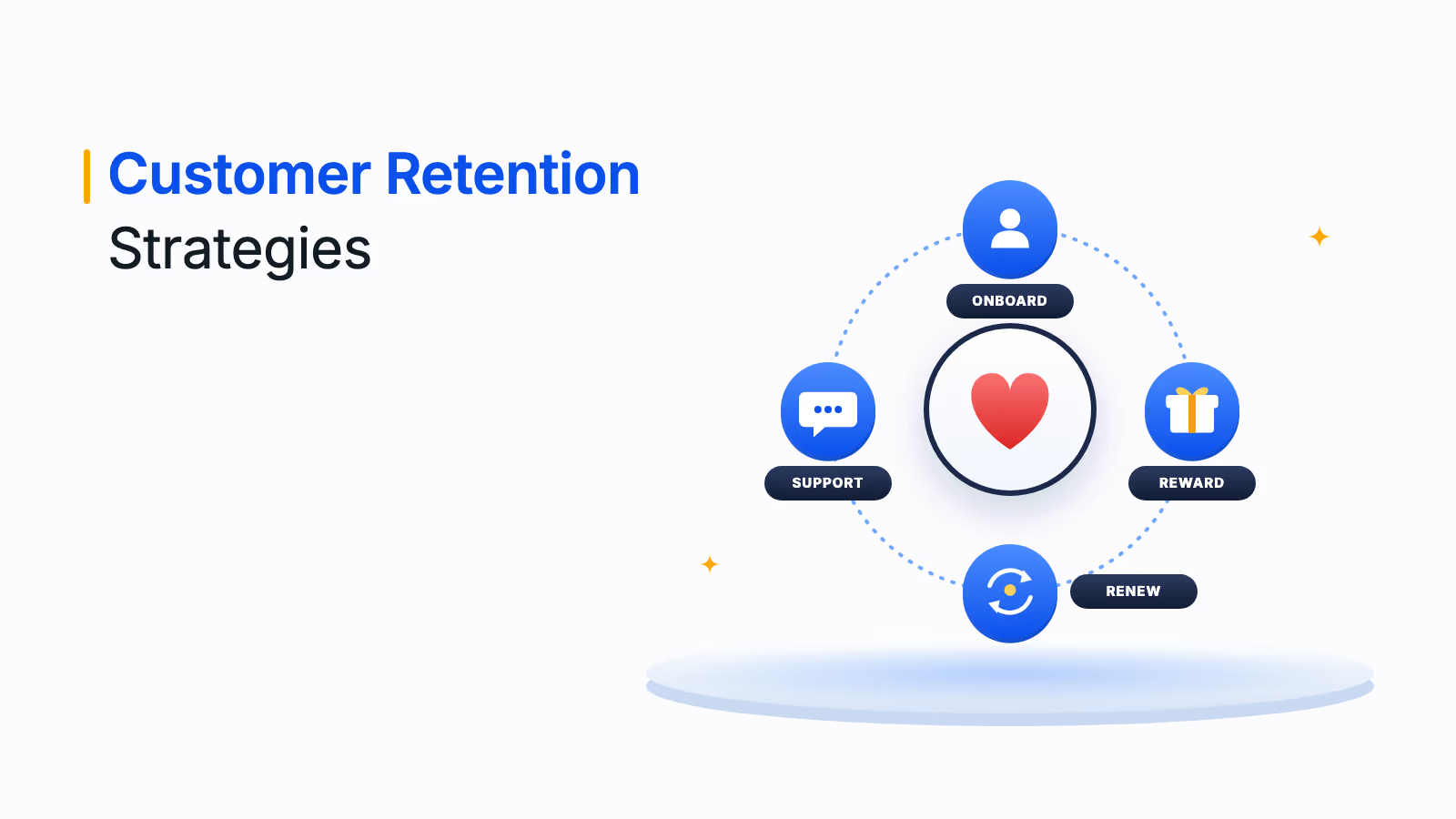
The best customer retention strategies start early and never stop: a welcome gift and memorable onboarding, aligned teams, empowered support, personal attention, milestone rewards, early warning of churn, proactive service and renewal incentives. Start with the stage where you lose the most customers, measure the effect and expand what works.
Rewards platforms such as Plum are among the most powerful tools for standing out in a crowded market. Plan your sending across the whole customer lifecycle to tap into gifting, one of the oldest social customs, and help your customer retention efforts win. Book a demo to see how Plum automates customer rewards at every stage.
Book your Plum demo
Frequently asked questions
The most effective customer retention strategies are a strong onboarding experience, personalized communication, early churn detection, proactive service, loyalty and milestone rewards, renewal incentives and a working customer feedback loop. The right mix depends on where in the lifecycle you lose the most customers, so start there.
Find the customers most at risk and act on them first. Use health scores, usage data or churn signals to spot accounts that have gone quiet, reach out to them, fix their issues and give them a reason to return, such as a tailored offer or thank-you reward. Then fix the stage of the journey where most customers drop off.
Rewards recognize the value customers bring and give them a positive, tangible reason to stay. Welcome gifts, milestone rewards, loyalty points and renewal incentives all reinforce the relationship at key moments. Rewards work best when customers can choose what they receive and when the reward arrives instantly after the action.
AI models analyze signals such as falling usage, fewer logins, longer gaps between orders, more support tickets and negative feedback to predict which customers are likely to leave. Your team can then prioritize outreach, offer help or send a tailored incentive before the customer cancels.
Customer retention means a customer is still buying from you. Customer loyalty means they prefer you and would choose you even when competitors offer alternatives. Retention strategies keep customers active, while loyalty strategies such as rewards, great service and personal attention make them want to stay.
Occasional, targeted discounts can help, but frequent discounts train customers to wait for deals and can weaken your brand. Thoughtful rewards, such as a gift card on a renewal anniversary or a surprise thank-you after a milestone, usually build more goodwill without eroding your prices.