Key Takeaways
In game-based learning the game is the training; gamification adds game elements to existing content.
Game mechanics drive behavior in the moment, while game dynamics keep learners engaged over time.
AI tutors, microlearning and rewards inside the LMS are shaping the next wave of gamified learning.
Clear goals, visible progress, balanced challenge, collaboration and meaningful rewards make gamification work.
Imagine a world where every challenge earns you a reward, every task completed is applauded and you unlock new levels just by pushing your limits. Sounds familiar? That's the thrill of playing a game.
We've all experienced the joy of gaming: chasing points, clearing hurdles and striving to win. What keeps us hooked? Three things: engagement, interest and involvement.
When you're truly engaged, you give your best, and that energy is powerful, whether in personal growth or learning. Now imagine applying that same game-like experience to something people often find dull, like a compliance module or a new product course. The impact? Game-changing.
That's the power of gamified learning programs: a proven strategy that businesses, schools and organizations use to make learning and growth more exciting and effective, by borrowing game elements such as points, levels, badges and rewards.
Learning matters more than ever to people at work. In LinkedIn's 2025 Workplace Learning Report, 84% of employees agreed that learning adds purpose to their work, and providing learning opportunities was organizations' top retention strategy. Yet getting learners to start, and finish, a course is still hard.
With that said, let's understand the nitty-gritty of game-based learning and gamification, the challenges in driving engagement in your learning programs, how incentivized learning can overcome those pain points, real examples from well-known brands and how rewards inside your LMS bring it all together.
What is game-based learning?
Game-based learning (GBL) is an active learning approach that uses games to teach specific skills and achieve defined outcomes. According to MIND Education, learners work through a game framework with defined learning goals and measurable outcomes, clear and challenging objectives, active participation and feedback on performance.
GBL makes learning fun and engaging by providing a safe space to apply concepts, like a stock trading simulation in an economics class. It is now widely used in corporate training to build skills in areas such as customer service, technology and teamwork.
What is gamification in learning?
Gamification is the process of incorporating game mechanics or elements into an overall experience to boost enjoyment or engagement. In learning, that means adding game features such as points, badges, leaderboards and timed tasks to a non-game learning activity.
Gamification is about adding game elements to non-gaming activities to trigger specific user behaviors. It turns a particular learning process into a game, applying gameplay elements and game mechanics to learning courses to engage and motivate learners. The content stays the same; the game elements sit around it.
Examples of game mechanics include:
- Points
- Rewards
- Achievement badges
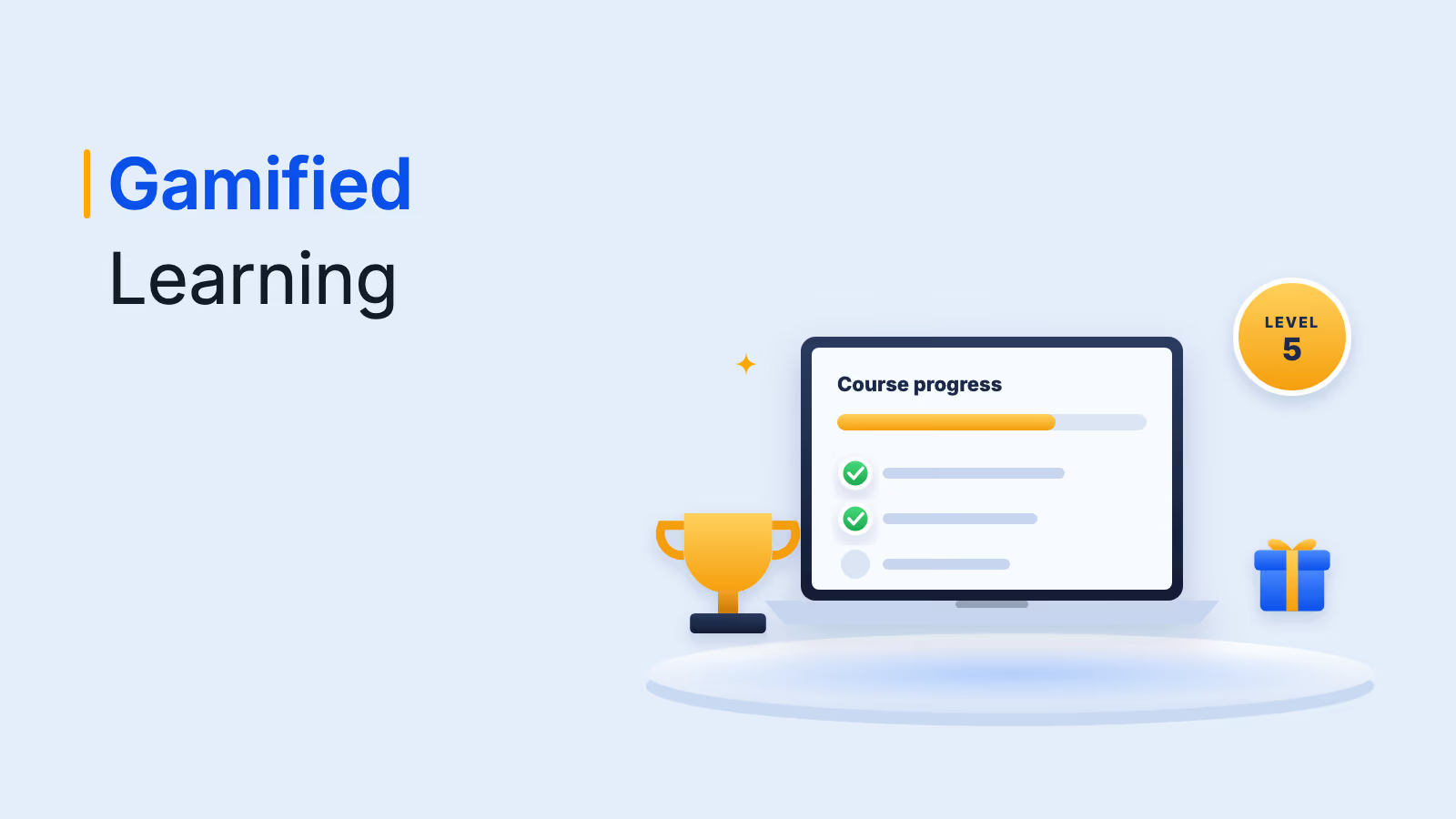
- Progress bars
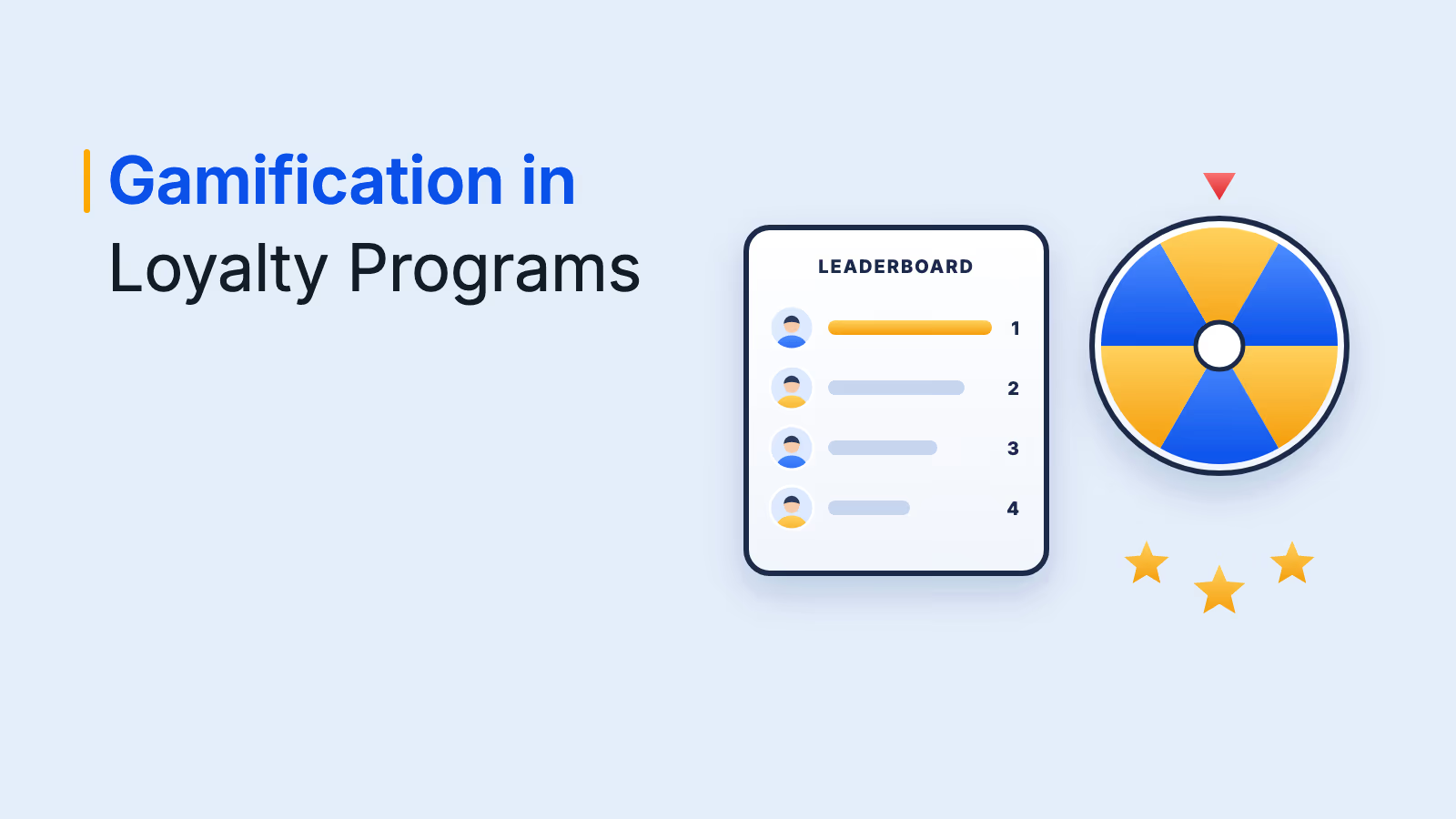
- Leaderboards
- Levels and quizzes
Interestingly, any activity can be gamified, and it isn't limited to learning. That's why the things you use every day, from fitness apps to finance apps to your LinkedIn profile, are gamified to boost participation and increase engagement. From fitness to finance, gamification in learning strategies are showing up everywhere.
Gamification vs game-based learning: the key differences
The core difference in gamification vs game-based learning is where the game sits. While game-based learning turns the entire learning process into a game, gamification uses game elements as one part of the learning process.
Organizations are increasingly adopting gamified learning to boost retention, improve performance and make content stickier. Since GBL integrates both the game mechanics and the training content, the game is actually the training itself. Gamification, on the other hand, uses game elements as rewards for completing training modules.
| Applying game-based learning (GBL) | Applying gamification |
|---|---|
| In game-based learning, learners understand new concepts and practice their skills in a risk-free environment. Progress is directly tied to their understanding of the subject being taught. | Gamification integrates engagement tools with existing content to motivate learners. Adding progress bars or levels to existing content is fairly straightforward, but things get more complex when you place participants on leaderboards or award points for every correct answer. |
| GBL is all about making learning fun. It has a considerable impact on learners' recall and retention, because learners are engaged and interested in the subject matter. Higher engagement lifts retention as well. | Gamification is all about driving engagement. Its elements work on the human need to compete, collect and succeed. |
| GBL gives learners the freedom to practice or apply the skills they have learned without real-world consequences. Feedback shows how well they are doing so they can refine their skills before using them in the real world. | Gamification keeps learners coming back. Points, badges and rewards recognize each completed module, which lifts completion rates and repeat participation across a course library or LMS. |
| Common applications: policy review, customer service training, company training, staff awareness training and team building. | Common applications: product innovation, onboarding, L&D program engagement, employee error elimination and collaborative learning. |
Many effective programs combine both: a simulation for practice, wrapped in points, badges and rewards that keep learners coming back.
Challenges with learning programs across use cases
The benefits of engaged learning are plenty. Whether it's a school or an organization, everyone wants stronger engagement, better completion rates, higher retention and more satisfied learners.
With so many advantages, you might wonder why something as crucial as engagement is so hard to achieve. The reason is that some complex obstacles stand in the way. Let's look at the challenges of learning programs in different use cases.
1. Challenges corporates face with employees during training programs
When it comes to corporate training or L&D programs, attention isn't enough. Many L&D leaders face challenges that have straightforward fixes, but those fixes aren't put in place at the right time.
Here are some common challenges of corporate training programs:
- One-size-fits-all approach: Forcing learners down the same path doesn't work. Let them choose training based on their role and interests so they meet goals faster.
- Complicated learning software: With remote training, support is limited. A user-friendly LMS with self-help tools, tutorials and demos makes a big difference.
- Low course completion rates: Flexible training access isn't enough. What's missing is motivation.
- Lack of engagement: Learning alone isn't always rewarding. Offering meaningful rewards and gathering feedback boosts engagement and participation.
- Boring or irrelevant rewards: Generic or mismatched rewards, like pet store vouchers for people without pets, can demotivate. Rewards should be personalized and work wherever the learner lives.
- No competitive elements: Without points, ranks or peer interaction, learners lack drive. Gamification keeps motivation high.
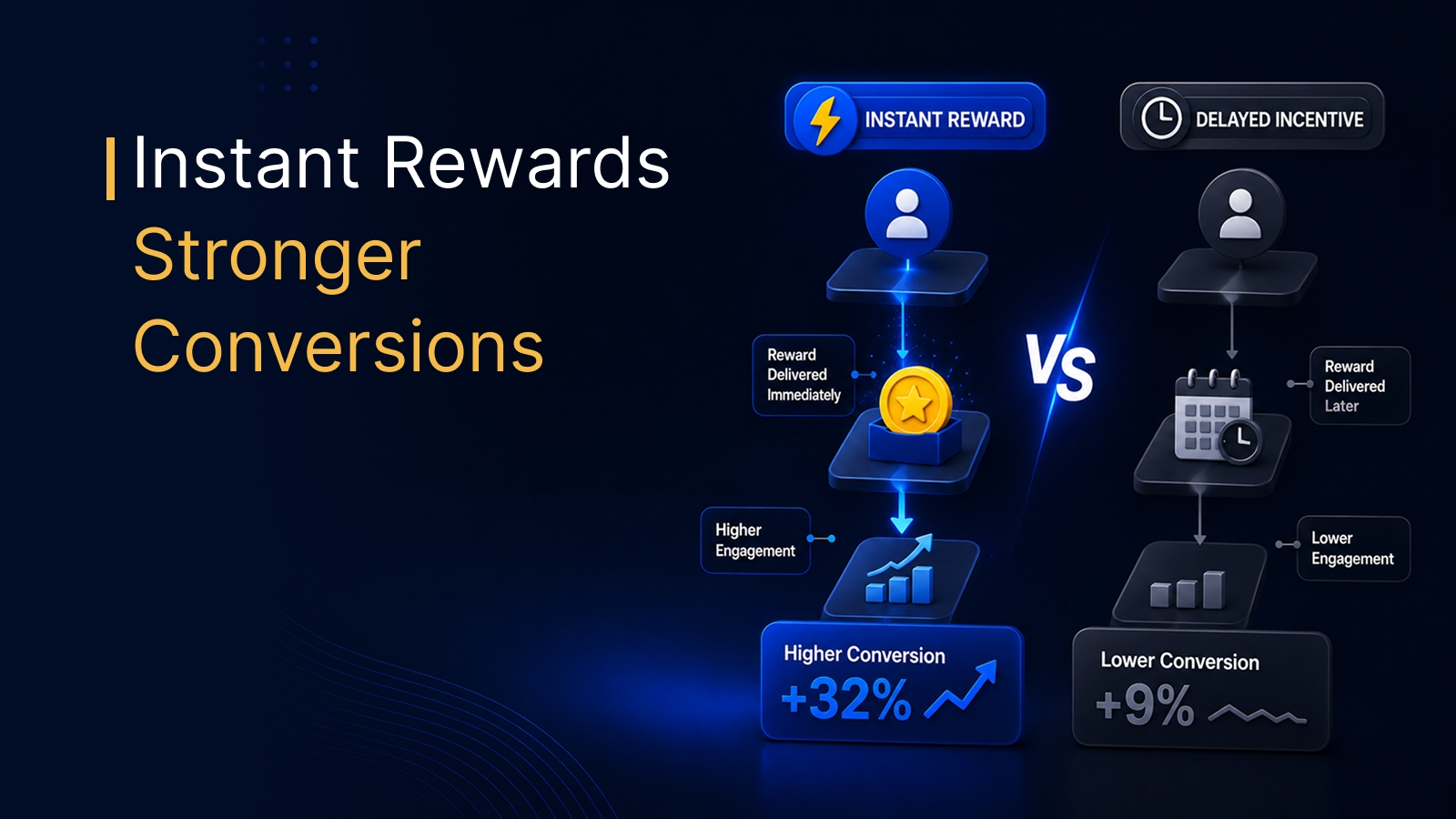
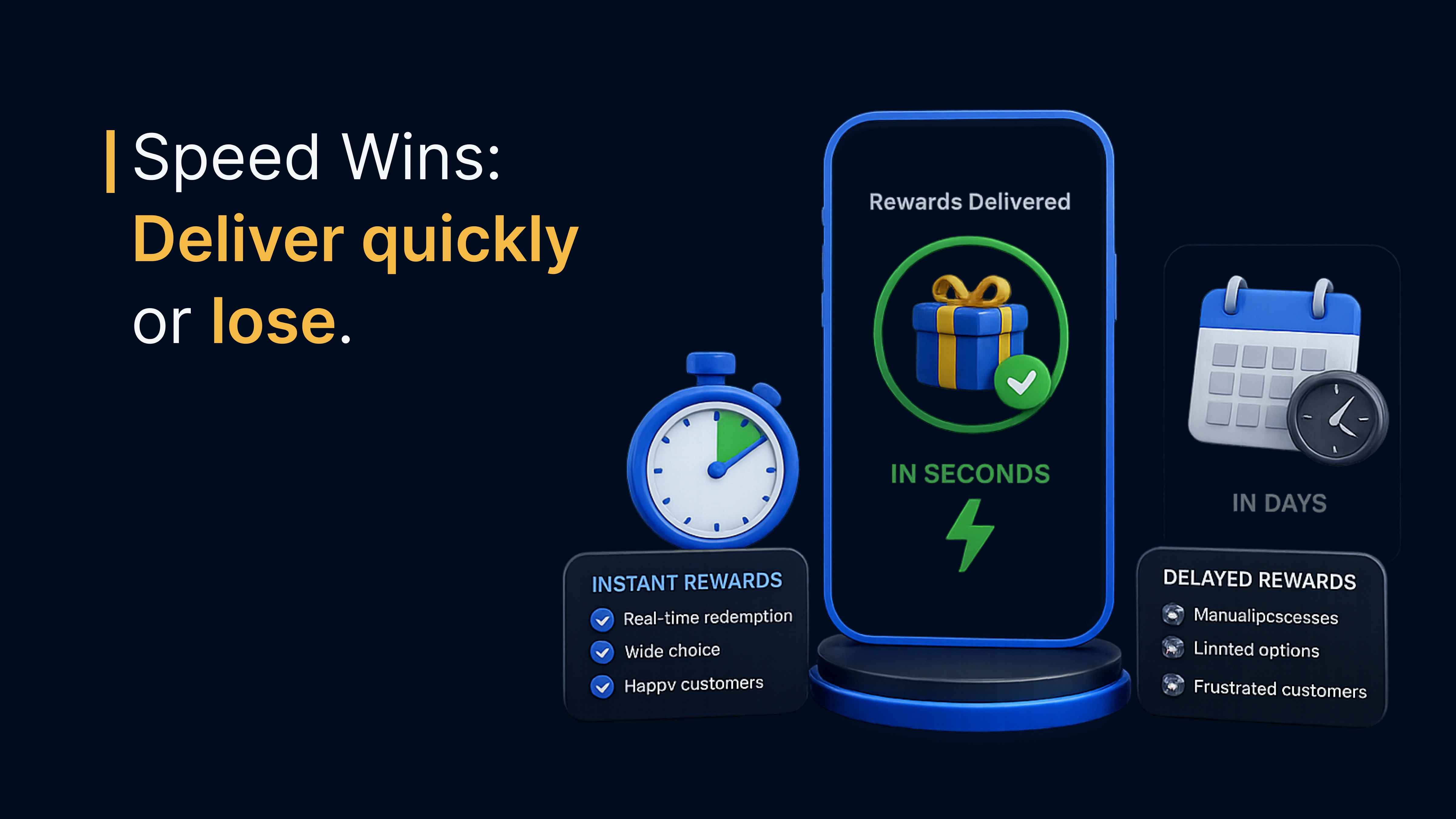
- Delayed rewards: Gratification that arrives months later loses its impact. Instant recognition through an integrated reward system makes learners feel appreciated right away.
Instead of dull modules, gamified learning gives learners something to work toward: badges, rankings or real rewards.
2. Challenges teachers face with students during eLearning programs
Technology has enabled things we couldn't have imagined a few years ago, but the shift to eLearning and the change in student behavior since the pandemic hasn't been as smooth as schools, teachers, trainers and professors hoped. The pitfalls of online learning can be frustrating for both students and teachers.
Here are some common challenges of educational or eLearning programs:
- Using an outdated LMS: Today's learners expect intuitive, modern platforms, not clunky, outdated systems. A dull LMS can disengage even the most curious students. An interactive, easy-to-navigate LMS is essential to boost participation and learning outcomes.
- Lack of motivation to learn: Students won't learn effectively without motivation. Rewards, tokens and appreciation for milestones add the extra push they need to stay engaged and perform better.
- Lack of challenge or competition: Without challenges or healthy competition, learning becomes passive. Challenge-based learning fosters deeper engagement and drives students to push their limits.
- Not using a microlearning approach: Long, dense lessons can overwhelm students. Microlearning, which shares content in small, focused chunks, makes information easier to absorb and keeps students interested.
3. Challenges learning service providers face with their LMS
Learning service providers operate in a competitive, challenging market. Each business is different, but the challenges the market creates are similar.
Here are some challenges learning service providers face:
- Unclear objectives: Launching an LMS without well-defined goals leads to delays, confusion and unmet expectations. Before implementation, clarify your pain points, audience and desired outcomes.
- Poor user interaction: If users don't enjoy using the LMS, engagement drops. Clear onboarding and training materials minimize friction and boost satisfaction.
- Lack of flexibility: An inflexible LMS limits scalability and integration. Third-party plugins help automate tasks, personalize learning and support compliance, and missing them is a missed opportunity.
- No personalization: A generic LMS fails to meet diverse learner needs. Personalization, like sending localized rewards or adding motivating features, is essential for engagement and effectiveness.
- No learner incentives: Without gamified rewards or challenges, learners lack motivation. Incentivized eLearning drives behavior change, but it needs a robust, scalable LMS to handle the complexity.
For more ways to keep learners active, see our guide to learner engagement strategies.
Reward learners inside your LMS
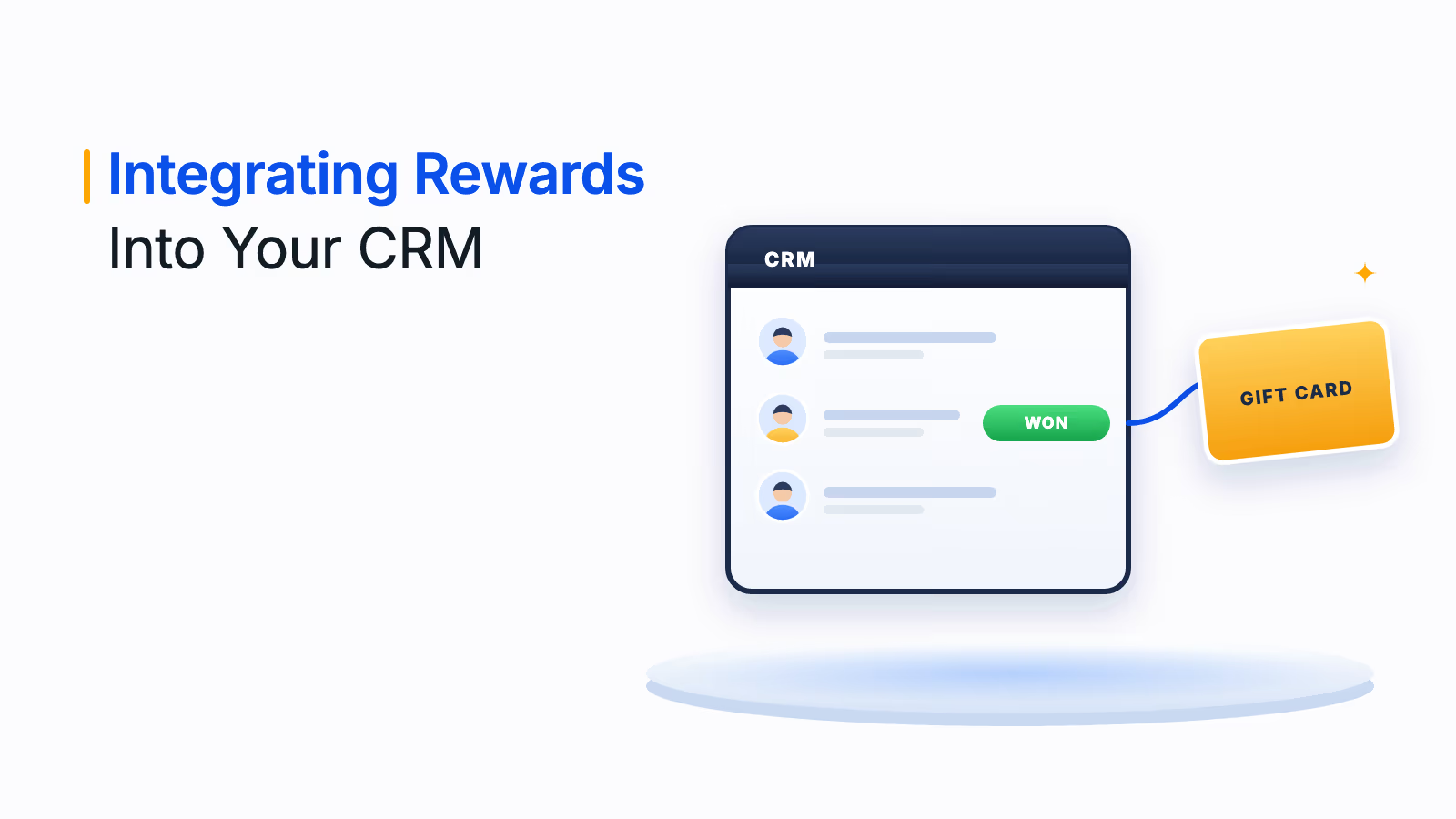
Trigger rewards automatically when learners enroll, complete modules or earn certifications.
Talk to our ExpertTrusted by 5,000+ companies
How gamification in learning motivates people
Whether it's employees, customers, trainers or students, gamification is one of the most effective strategies to motivate people. Triggering basic human desires, like achievement, progress and reward, can engage learners and improve the overall learning experience.
Let's understand this with a simple example. Assume you are asked to get a group of kids to do two tasks without forcing them:
- Task 1: Finish their homework
- Task 2: Read a book
Will they do it? Probably not.
Study time isn't entertaining for most kids. We've all been there ourselves. But say those same kids were asked to play games instead. What would happen then? They would happily play all night, skipping a favorite meal and a good night's sleep without complaining. Why?
Because games are more enjoyable than studying. Unlocking new levels and achieving things as they progress is what makes them stay.
Now say you could combine gaming elements with education. The same kids would be far more enthusiastic about reading a book or finishing their homework. That's the hidden potential of gamified learning.
Learning gamification elements and how to use them
Rewards, leaderboards, badges or any other element that can motivate or satisfy a learner are called game elements. Learning gamification elements fall into two groups: game mechanics, which drive behavior in the moment, and game dynamics, which keep the experience interesting over time.
1. Game mechanics
Game mechanics are used to gamify a process, or content in the case of learning. They drive user behavior through points, rewards, feedback and other incentives, and they are the foundation for turning any non-game activity into a game.
Game mechanics include:
- Ranks and levels
- Scores and leaderboards
- Badges and trophies
- Individual or team tasks
- Virtual currency
- Challenges and unlocks
- Visual dashboards
- Avatars and individual profiles
2. Game dynamics
Game mechanics can drive motivation, but only for a while. When things get repetitive, users get bored again. That's where game dynamics play a vital role. Game dynamics combine user behavior with game mechanics, helping the experience evolve over time so it never feels monotonous.
Game dynamics include:
- Collaboration
- Competition
- Progress
- Achievements
- Rewards
- Collection
Trends shaping gamification in learning
Three trends are changing how organizations design gamified learning programs.
AI tutors and adaptive paths
AI is moving into the learning flow. LinkedIn's 2025 Workplace Learning Report found that 71% of L&D professionals are exploring, experimenting with or integrating AI into their work. AI tutors can answer questions, adapt difficulty to each learner and recommend the next module, which pairs naturally with levels and progress tracking.
Microlearning
Short, focused lessons of a few minutes are easier to fit into a workday and easier to gamify. Each micro-module becomes a quest, a streak or a level, with a small reward at the end.
Rewards inside the LMS
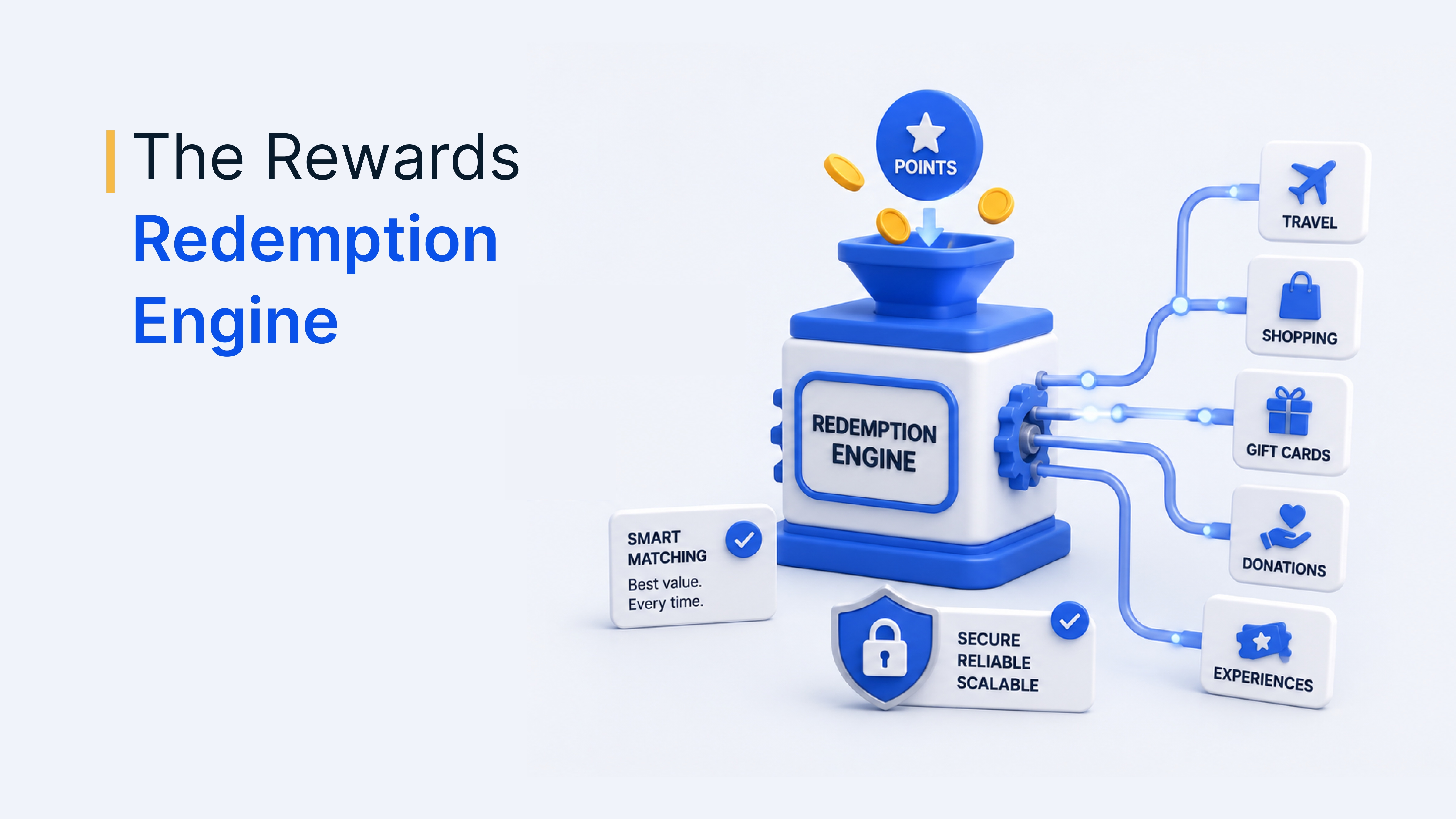
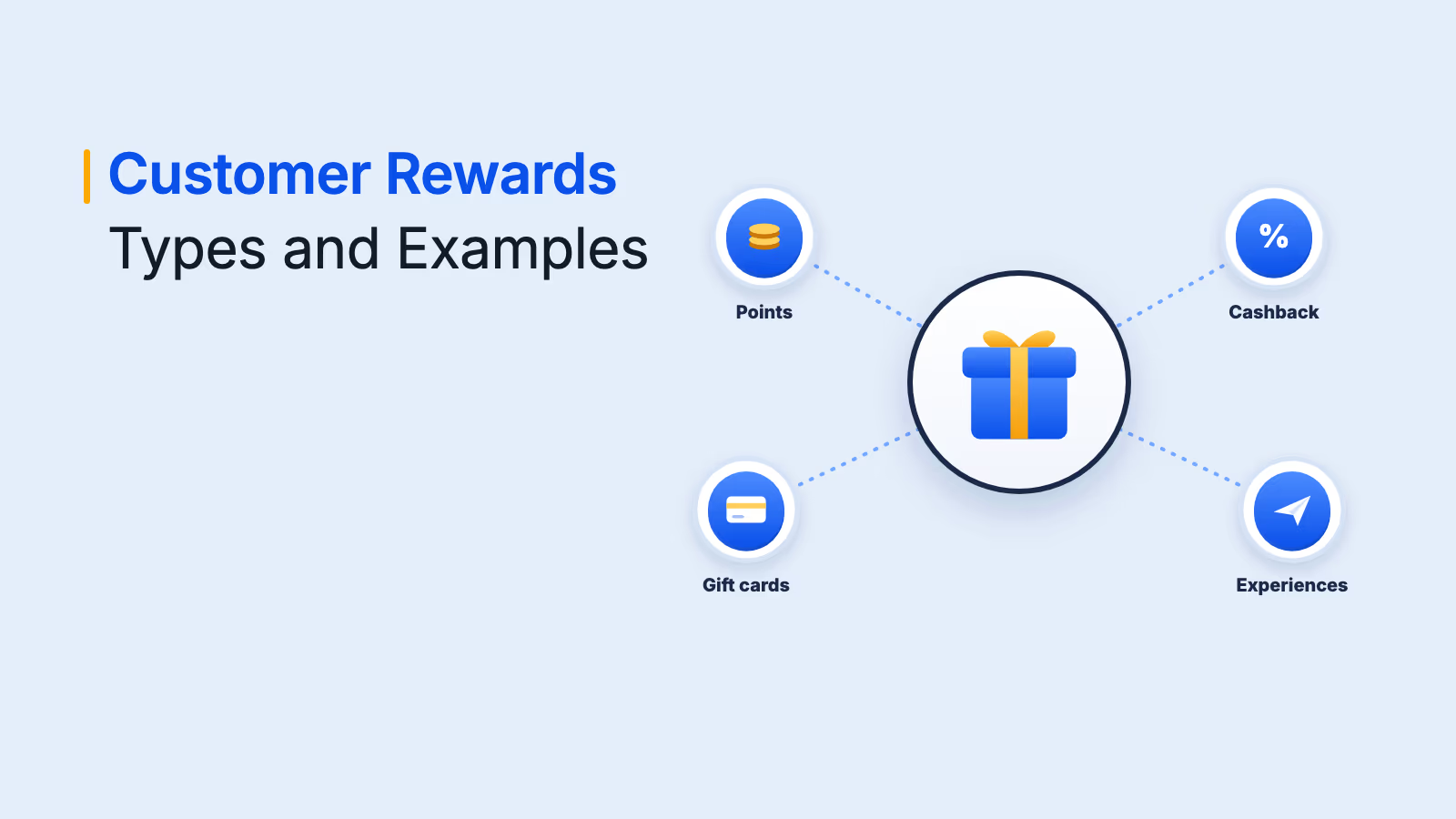
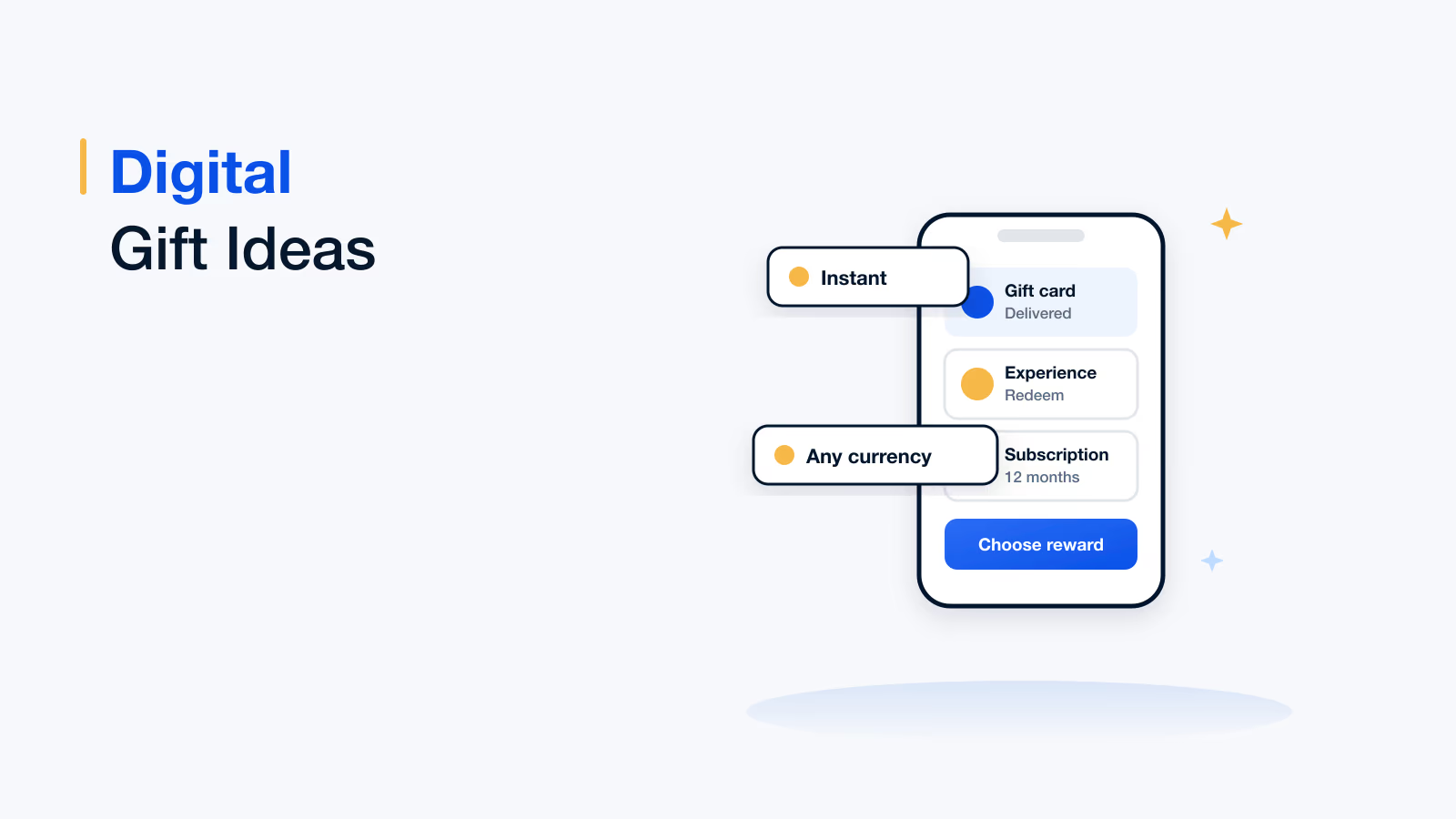
Badges and points work better when they lead to something real. Connecting the LMS to a rewards platform lets learners redeem points for gift cards, experiences or charity donations they actually value, and lets admins trigger rewards automatically when a course or certification is completed.
Key principles of gamifying learning
Gamified learning offers many benefits, but its success depends on proper implementation. Every organization is unique, so what works for one may not work for another.
The ideal strategy varies with your needs and expectations. These are the essential factors to consider when developing a gamification strategy:
- Clear and definite goals: The effectiveness of gamified learning depends on the quality of goal setting and feedback. Expectations should be crystal clear and feedback consistent. For example, if you use a point system, employees must fully understand the rules and what earning points means. Any points awarded or withheld should come with a clear explanation.
- Progress tracking: Set up an easy-to-read, transparent way to track progress. Companies can measure performance through badges, points or leaderboards to add a gamified appeal. Communicating the rewards for each step in advance helps employees understand what's at stake and keeps motivation up.
- Challenge and competition: Healthy competition makes work more engaging and enjoyable, but organizations must stay in control of the process. Design tasks and challenges with balance in mind, neither too easy nor too difficult. If competition starts to breed unhealthy rivalries or conflicts, step in quickly to resolve them.
- Collaboration: Promote teamwork alongside competition with regular team-based games. This strengthens team relationships and encourages collaborative problem-solving.
- Meaningful, instant rewards: Let learners choose rewards they value, in their own currency and location, and deliver them the moment a milestone is reached.
Game-based learning examples from well-known brands
Here are some game based learning examples from well-known brands around the world that have seen success after applying gamification and GBL in their apps.
1. Nike Run Club
Nike launched its running app in 2010, and today's Nike Run Club app is one of the best-known examples of gamification. It tracks a runner's pace, distance, elevation and heart rate, and lets runners compare results with their own past runs or with friends.
Gamification drives the app's success. Runners follow audio-guided runs and training plans, create or join challenges with friends and coworkers, climb challenge leaderboards and unlock achievements for personal records and run-day streaks.
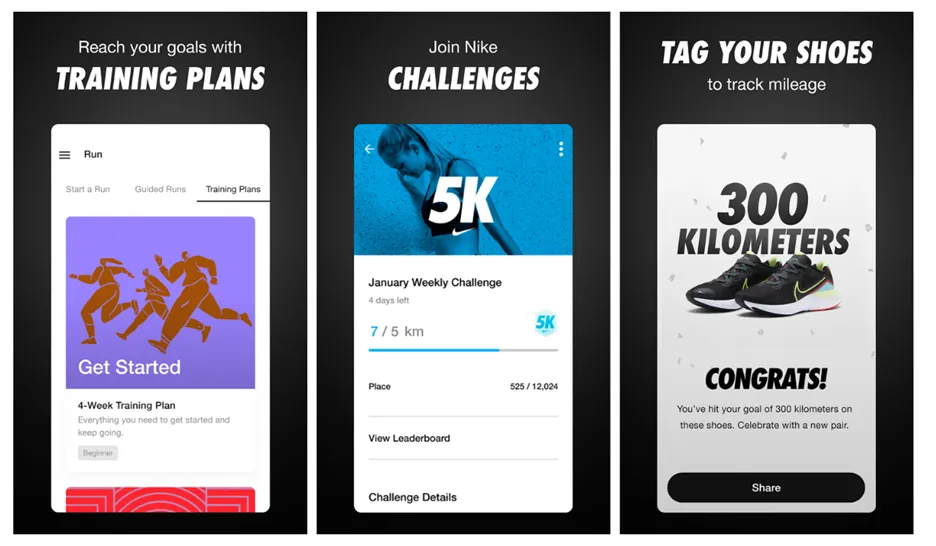
Nike Run Club is a classic example of measuring progress in small steps and giving live feedback that helps runners improve toward their day-to-day goals.
2. Google Read Along
Read Along by Google is a great example of how combining game-based learning and gamification makes learning effective for end users. It was built to help families around the world by making learning to read more accessible.
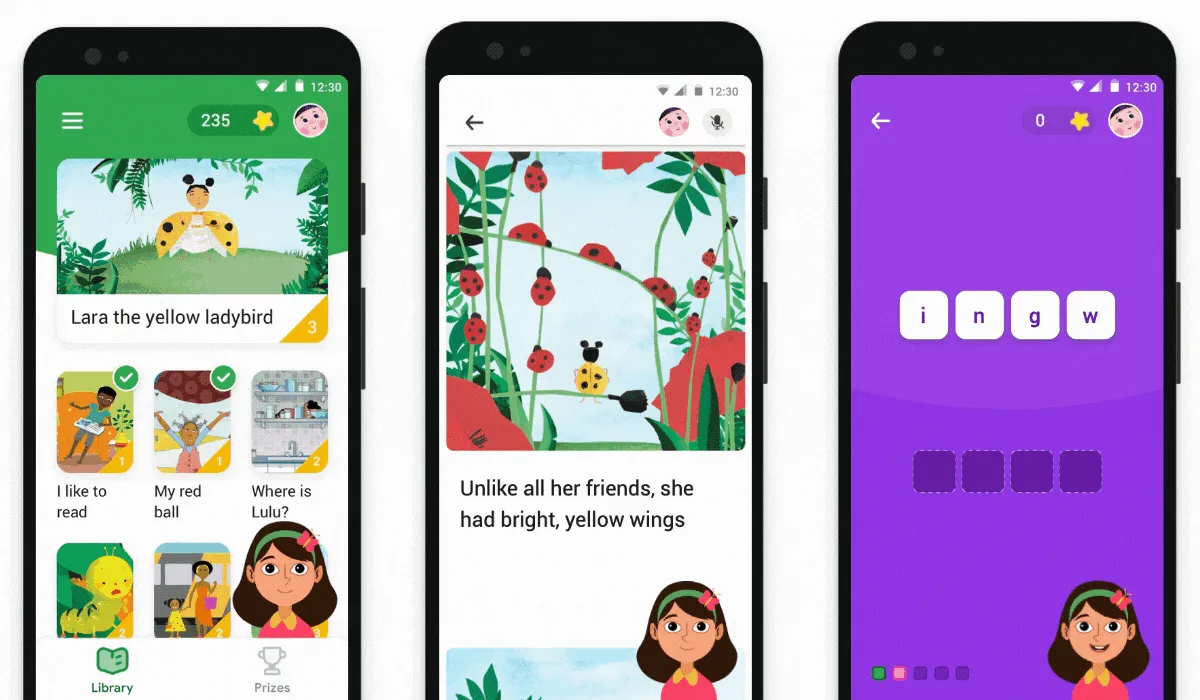
Designed for young children, the app uses speech recognition to build literacy skills. A reading buddy listens as kids read aloud and helps with pronunciation, and a collection of stories with interactive games sprinkled in keeps them engaged. The app is free, and the Android version works offline.
Kids collect stars and badges as they learn, which motivates them to keep reading and playing. Parents can create profiles for several readers and see how each one is progressing.
3. Duolingo
Duolingo turned language learning into a daily habit with streaks, XP points, leagues, levels and short lessons. The approach works at scale: Duolingo reported more than 50 million daily active users in the third quarter of 2025, up 36% year over year.
How LMS integrations and rewards power gamified learning programs
"Seamless integrations" is a phrase you'll hear often while searching for the right LMS, and for good reason. A great LMS should connect effortlessly with your existing tools, or you'll end up with limitations and frustration.
Imagine an LMS that can't add rewards or connect to your other systems. You could request custom development, but that's costly, time-consuming and complex.
That's where LMS integrations become essential. They are the engine behind smoother operations, a better user experience and smarter decisions.
Why LMS integrations are important:
- Flexibility: Sync effortlessly with third-party tools and APIs.
- Better insights: Share data across platforms for better learner insights and training impact.
- Lower cost: Save time and money by streamlining workflows and reducing manual work.
- Scale: Support informed, scalable decisions as your learning program grows.
Rewards for learners with Xoxoday Plum
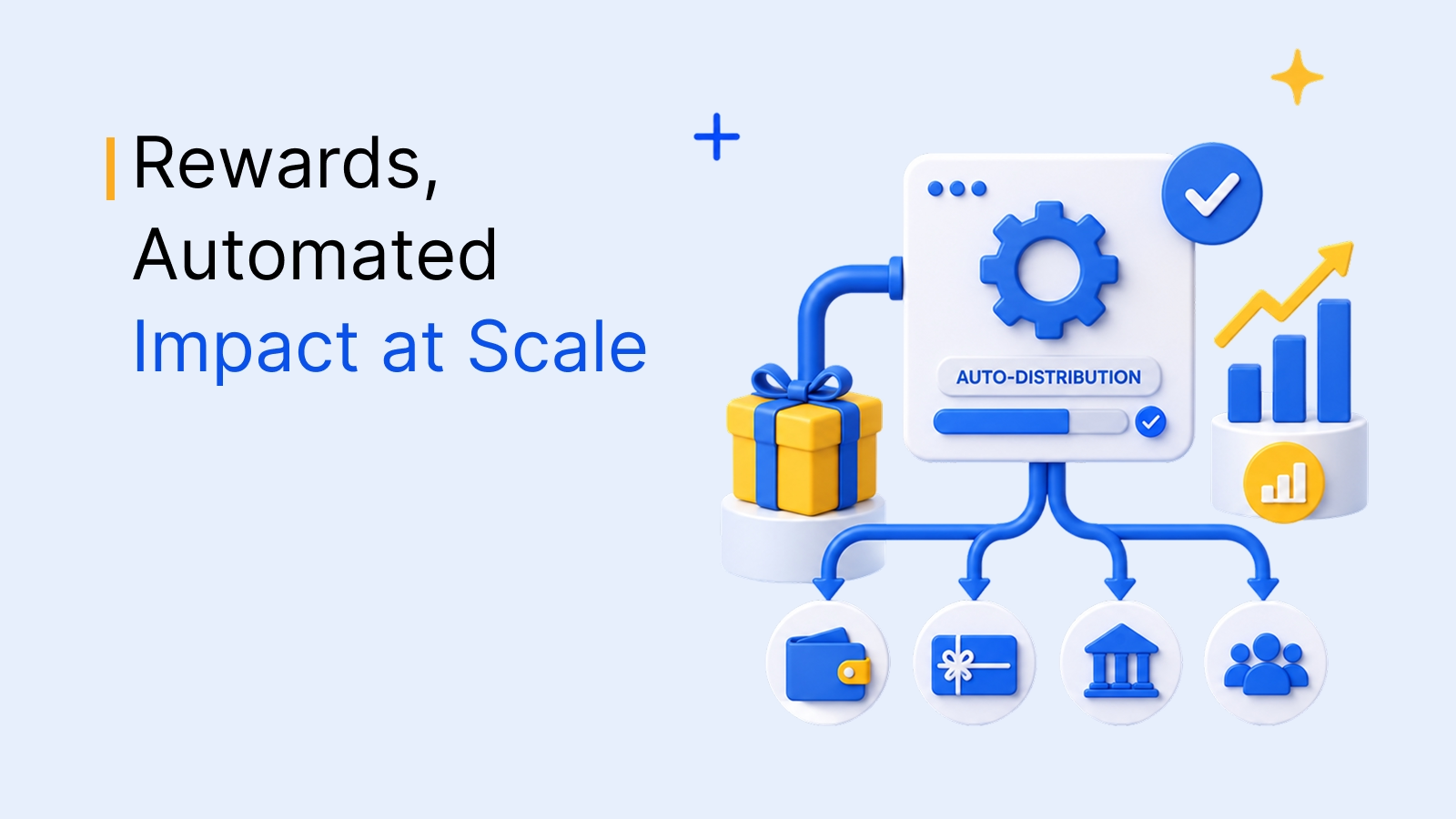
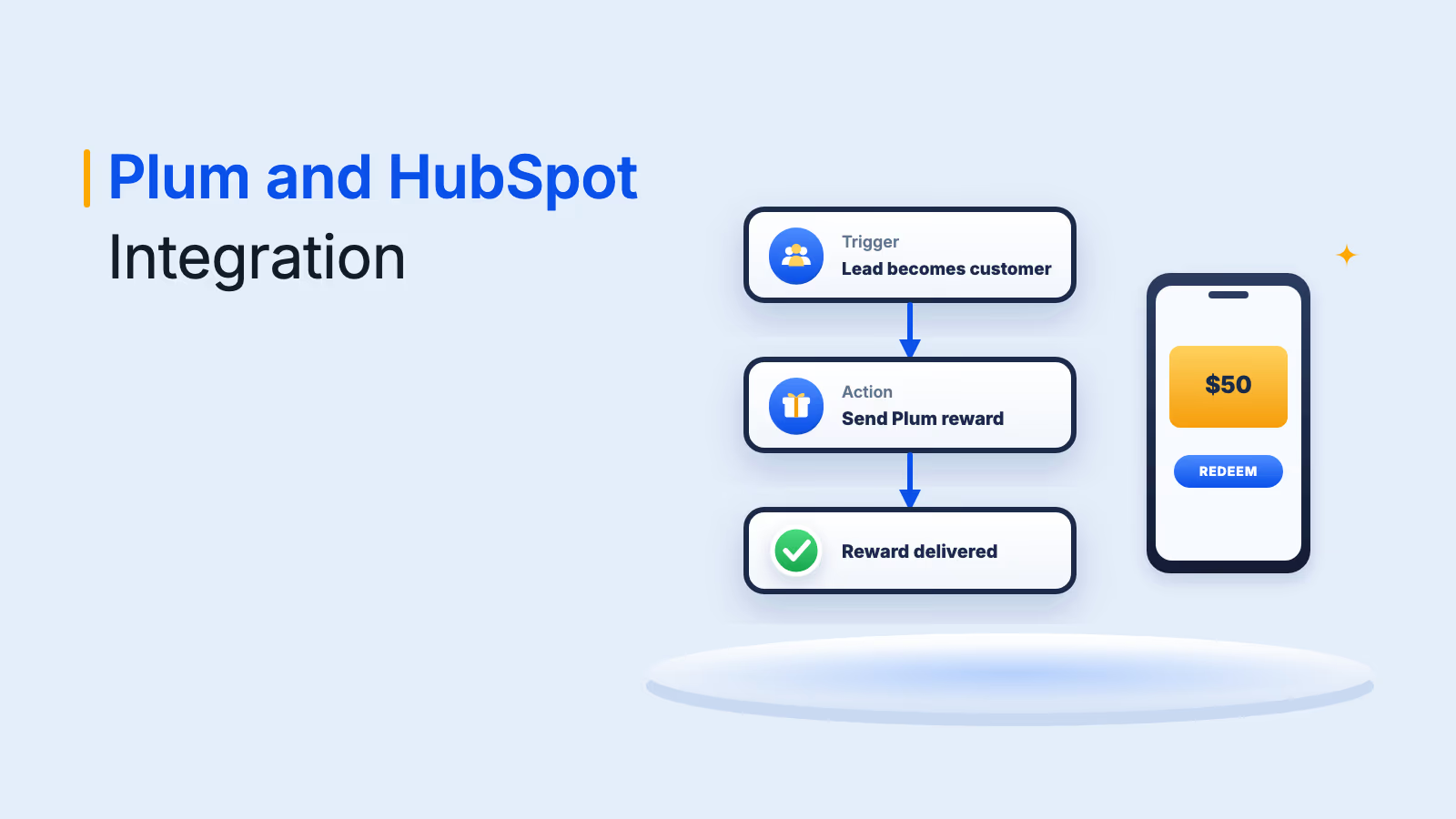
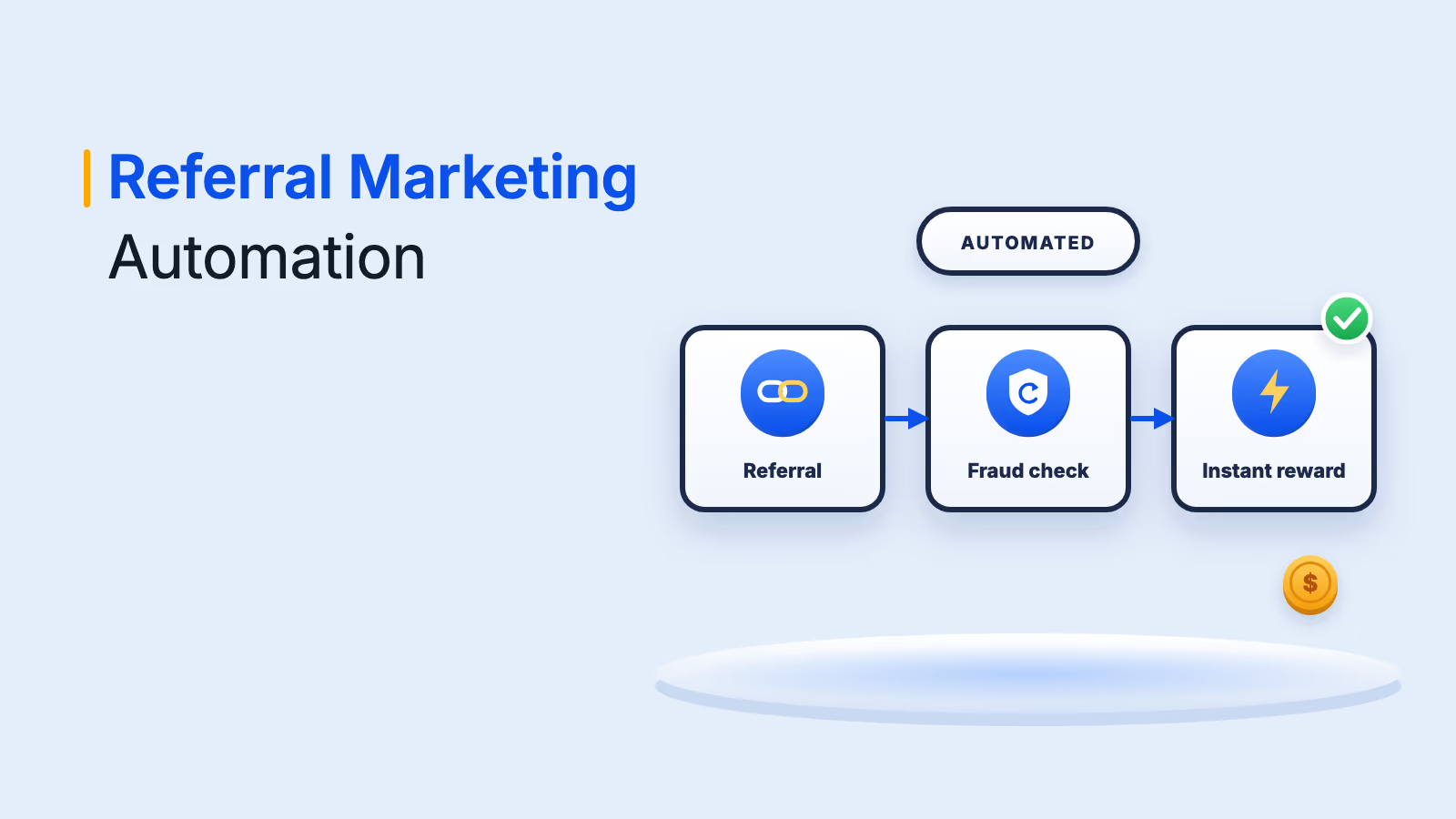
Plum's LMS rewards solution adds rewards to any learning program in three steps: integrate your LMS, automate the trigger and let learners pick their reward.
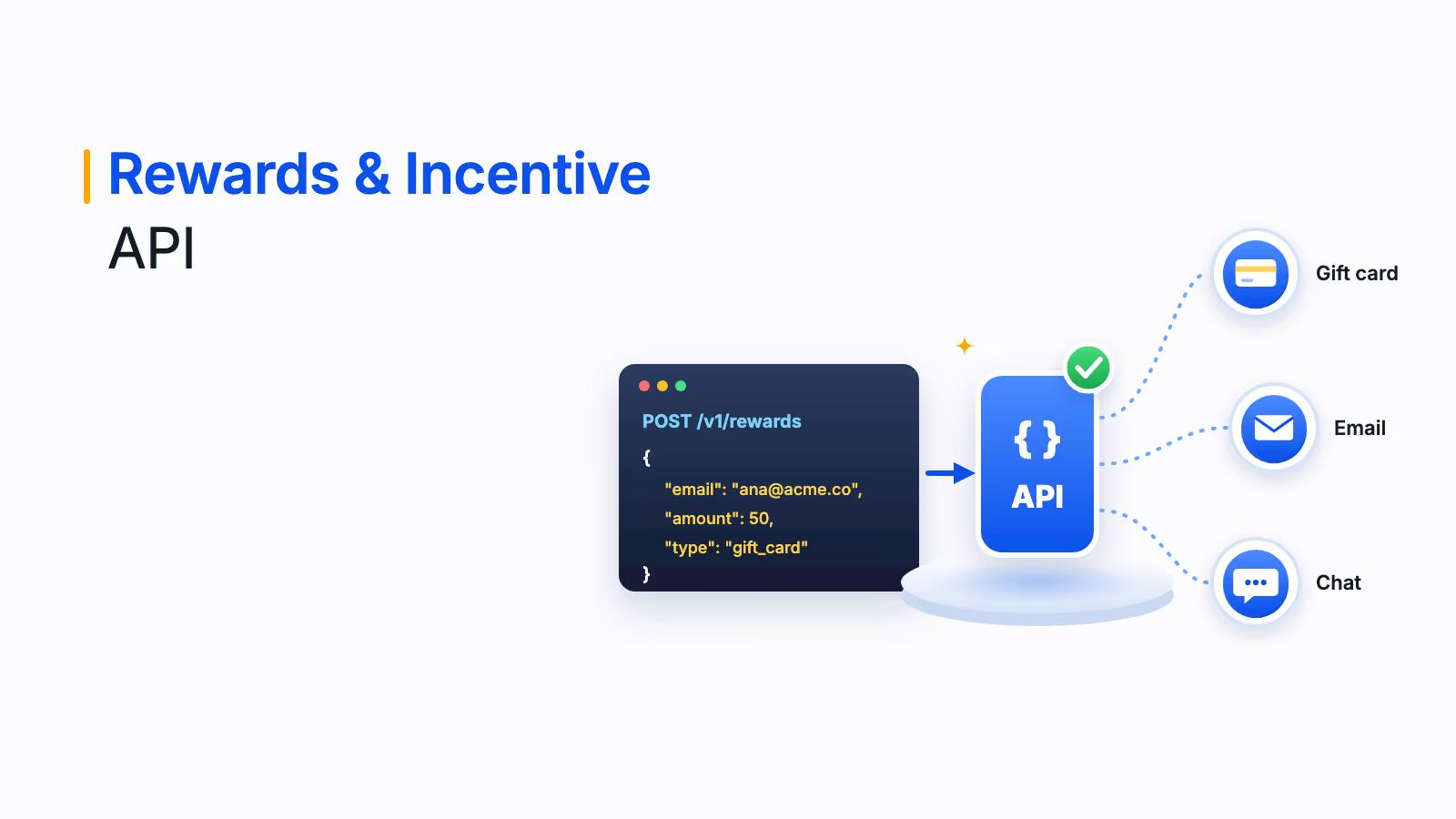
- LMS connectors: Connect to Courseplay, Disprz, Litmos, SmartUp, NetExam and other LMS tools, or use REST APIs and webhooks for custom L&D workflows.
- Milestone triggers: Reward learners automatically when they enroll in a course or reach a milestone, such as completing chapters, minutes or tests, or hitting an assessment score.
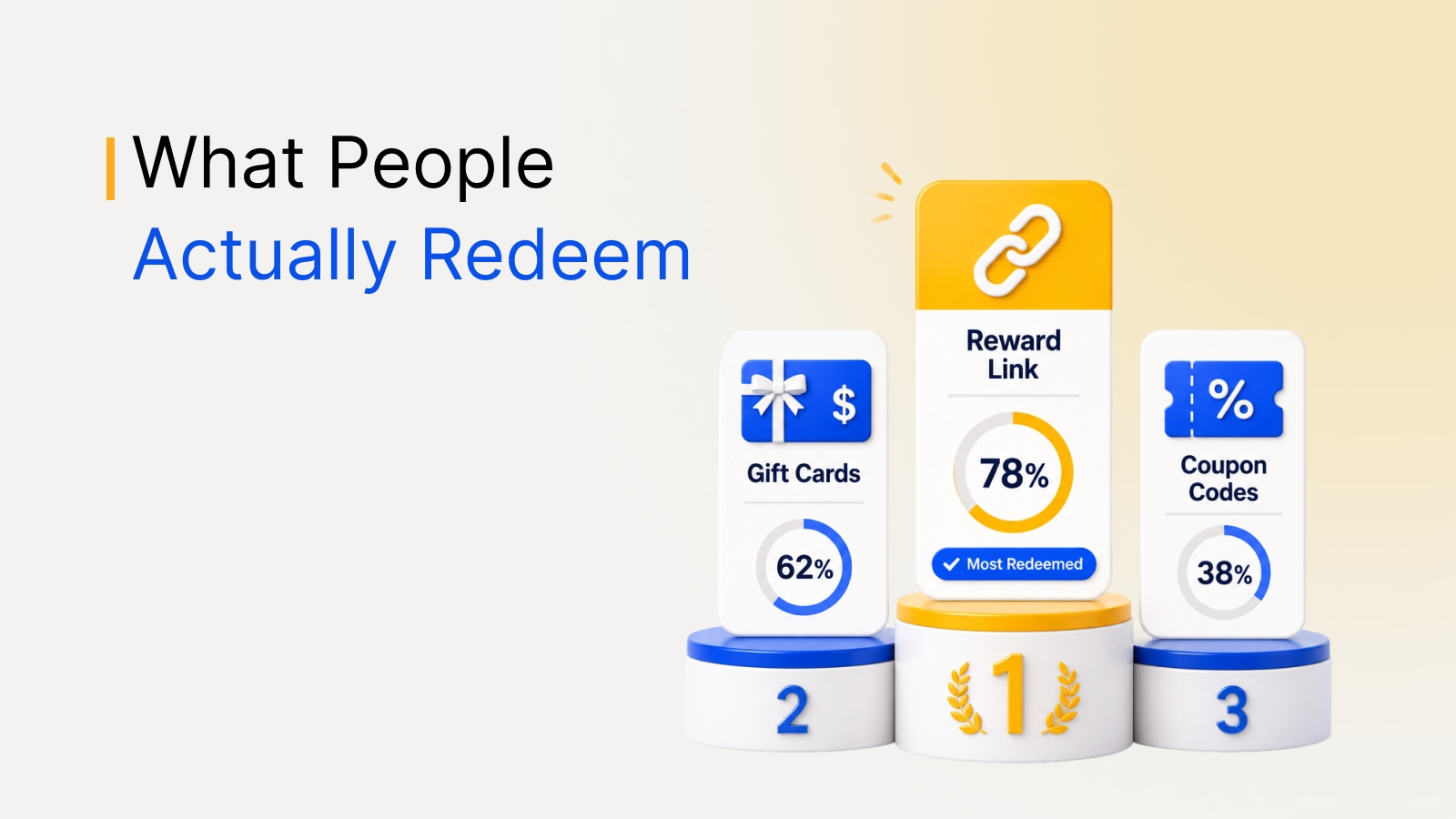
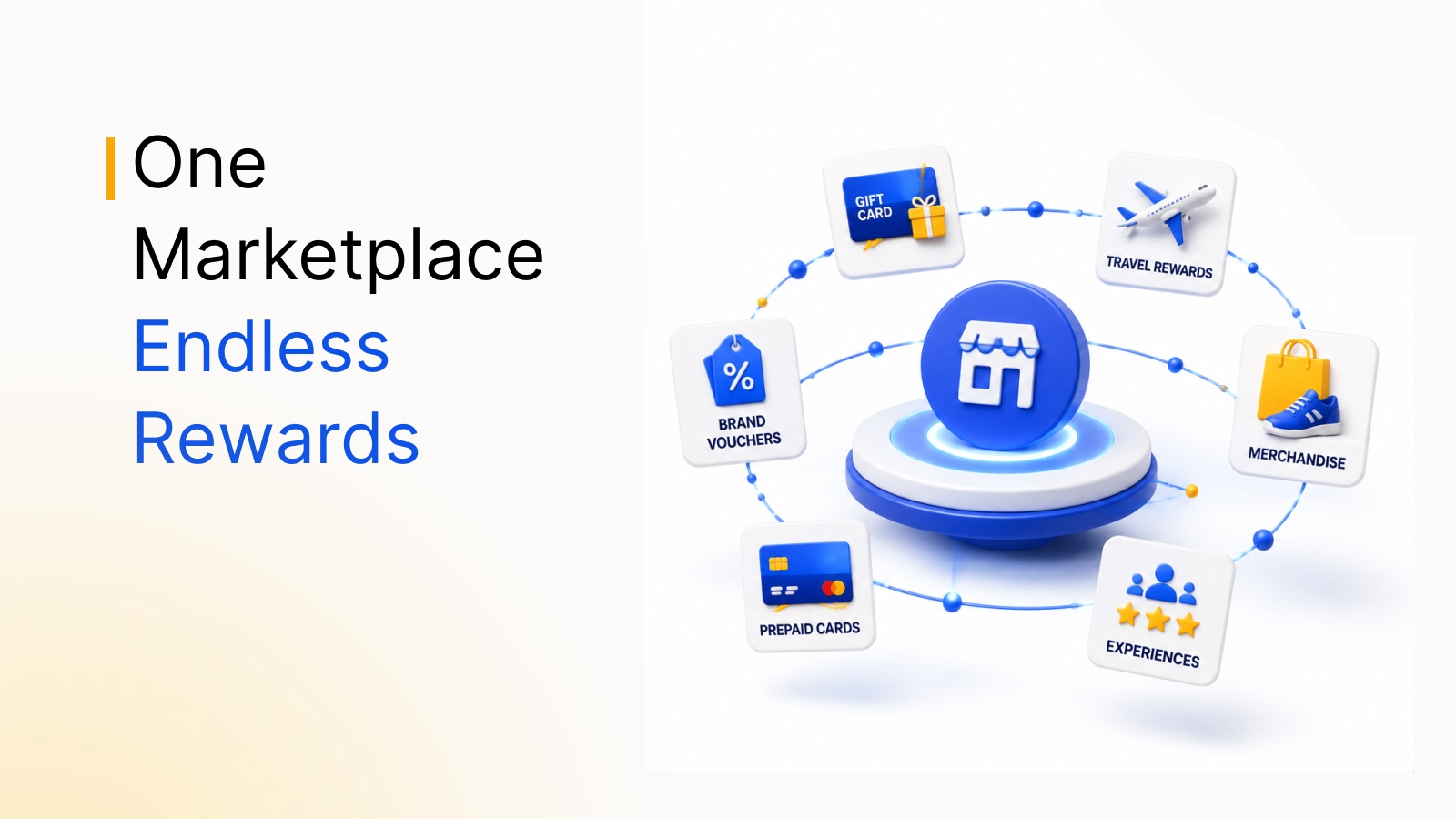
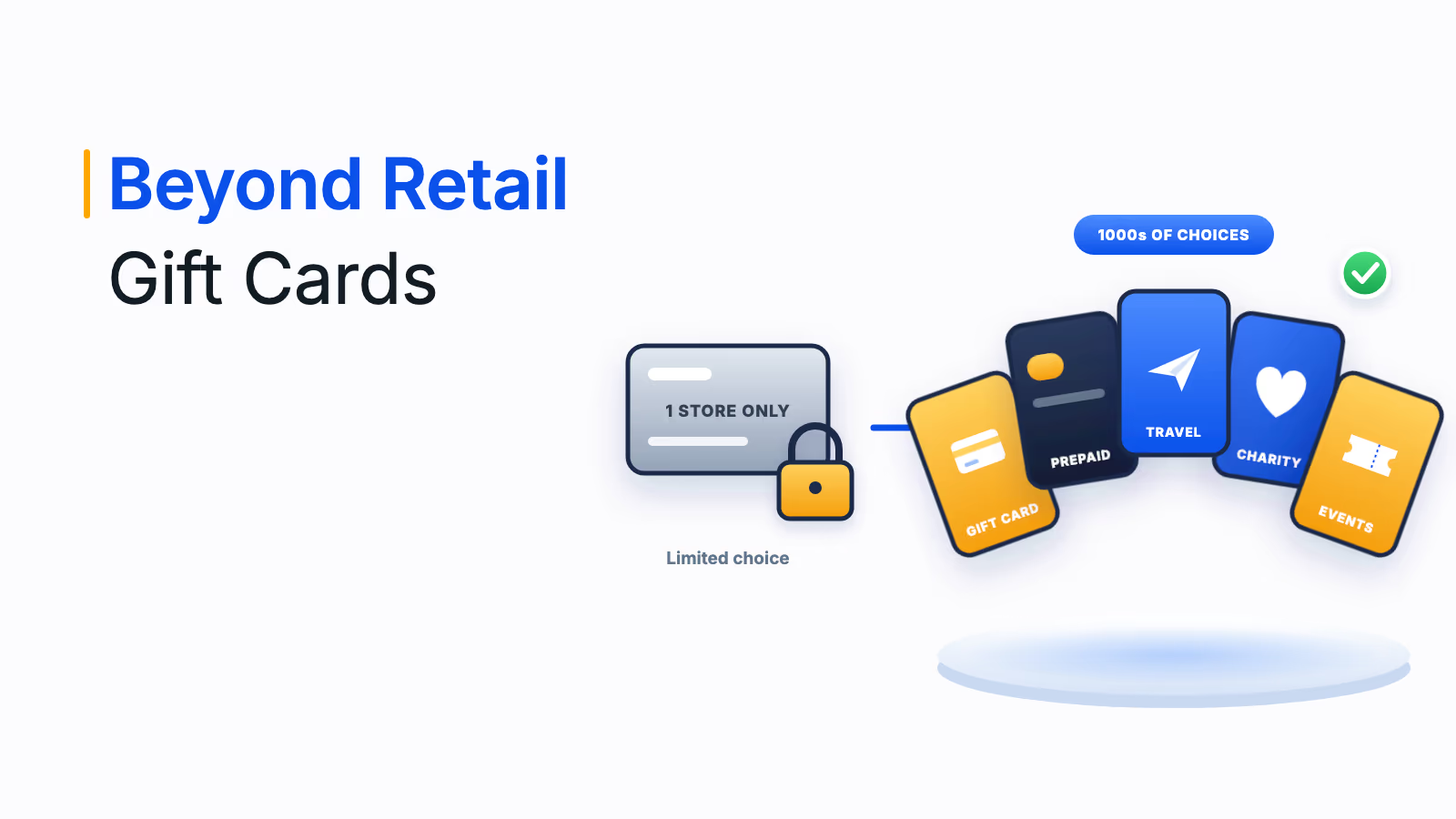
- Learner choice: Learners choose from the Plum reward marketplace, with 10M+ reward options across 30+ categories in 150+ countries, from branded gift cards to prepaid cards and experiences.
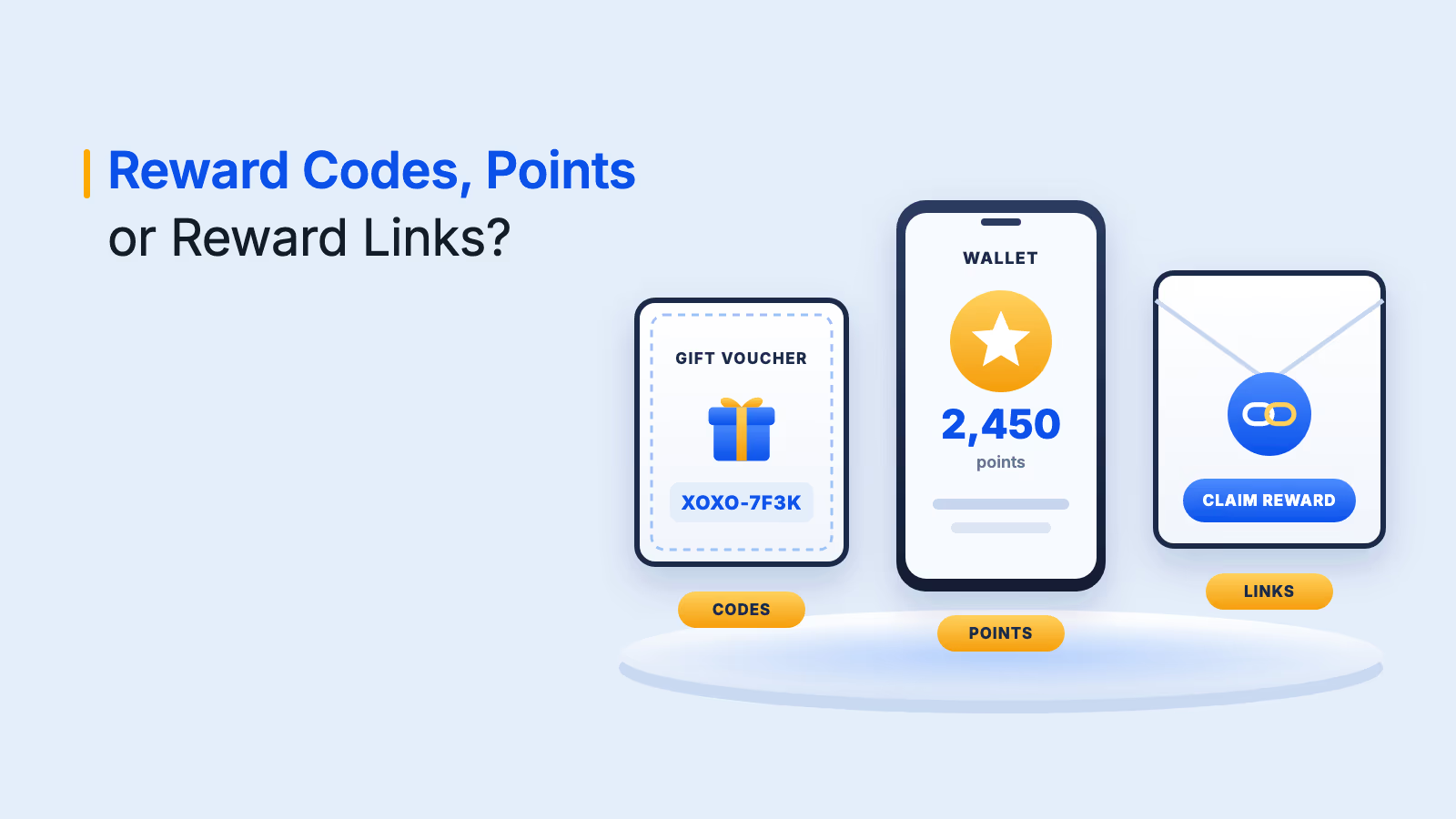
- Local delivery: Rewards arrive in the denomination, currency and language the learner prefers, by email, SMS, reward links or API, with no currency conversion work for the admin.
- Budget control: Unclaimed rewards can auto-expire so the budget returns to your wallet.
- Leaderboards: Combine leaderboards with milestone rewards to create healthy competition among learners.
Plum supports employee upskilling and compliance courses, sales and channel enablement, customer and partner onboarding, academic learning and gig worker training. For more on game mechanics in customer programs, read our guide to gamification in loyalty programs.
Conclusion: build gamified learning programs people want to finish
Gamified learning programs work because they tap into the same motivations that make games compelling: progress, achievement, competition, collaboration and reward. Choose game-based learning when practice in a safe environment matters most, and gamification when you need to lift engagement and completion of existing content. Address the challenges your learners face, design with clear goals and visible progress, and connect rewards to your LMS so every milestone leads to something learners value.
Book a demo to see how Xoxoday Plum can reward learners automatically inside your LMS.
Book your Plum demo
Frequently asked questions
Gamified learning applies game elements such as points, badges, levels, leaderboards, challenges and rewards to learning activities to make them more engaging. The goal is to motivate learners to start, progress through and complete courses, and to return for more, whether they are employees, customers, partners or students.
In game-based learning, the game itself is the learning experience, such as a simulation designed around specific learning goals. In gamification, game features like points, badges and leaderboards are added to existing, non-game content to boost engagement. Game-based learning focuses on skill practice, while gamification focuses on motivation and completion.
The main learning gamification elements are game mechanics, such as points, levels, badges, leaderboards, virtual currency, challenges, dashboards and avatars, and game dynamics, such as competition, collaboration, progress, achievement, rewards and collection. Mechanics drive short-term behavior, while dynamics keep the experience interesting over time.
Well-known examples include Duolingo, which uses streaks, XP and leagues to build daily language learning habits; Nike Run Club, which gamifies running with challenges and achievements; and Google's Read Along, which helps children learn to read with a speech-recognition reading buddy, stars and badges. In corporate training, simulations for sales or customer service are common.
Rewards give points and badges real value. When learners can redeem points for gift cards, experiences or donations they choose, and receive them instantly on completing a course or certification, motivation and completion improve. Connecting the LMS to a rewards platform automates this, so admins don't have to send rewards manually.
Yes. Gamification works well for onboarding, compliance, product training and L&D programs. Start with clear goals and rules, use progress bars, levels and leaderboards, mix individual and team challenges, keep modules short and reward milestones instantly. Monitor competition so it stays healthy and inclusive.