Key Takeaways
Global virtual prepaid cards replace per-country gift cards and costly transfers with one instant format.
Virtual Visa and Mastercard cards work similarly; choose by currency, denomination and validity.
They suit survey incentives, freelancer payouts, remote employee rewards, refunds and events.
Plan for KYB, sanctions screening, coverage limits and validity before issuing cards across borders.
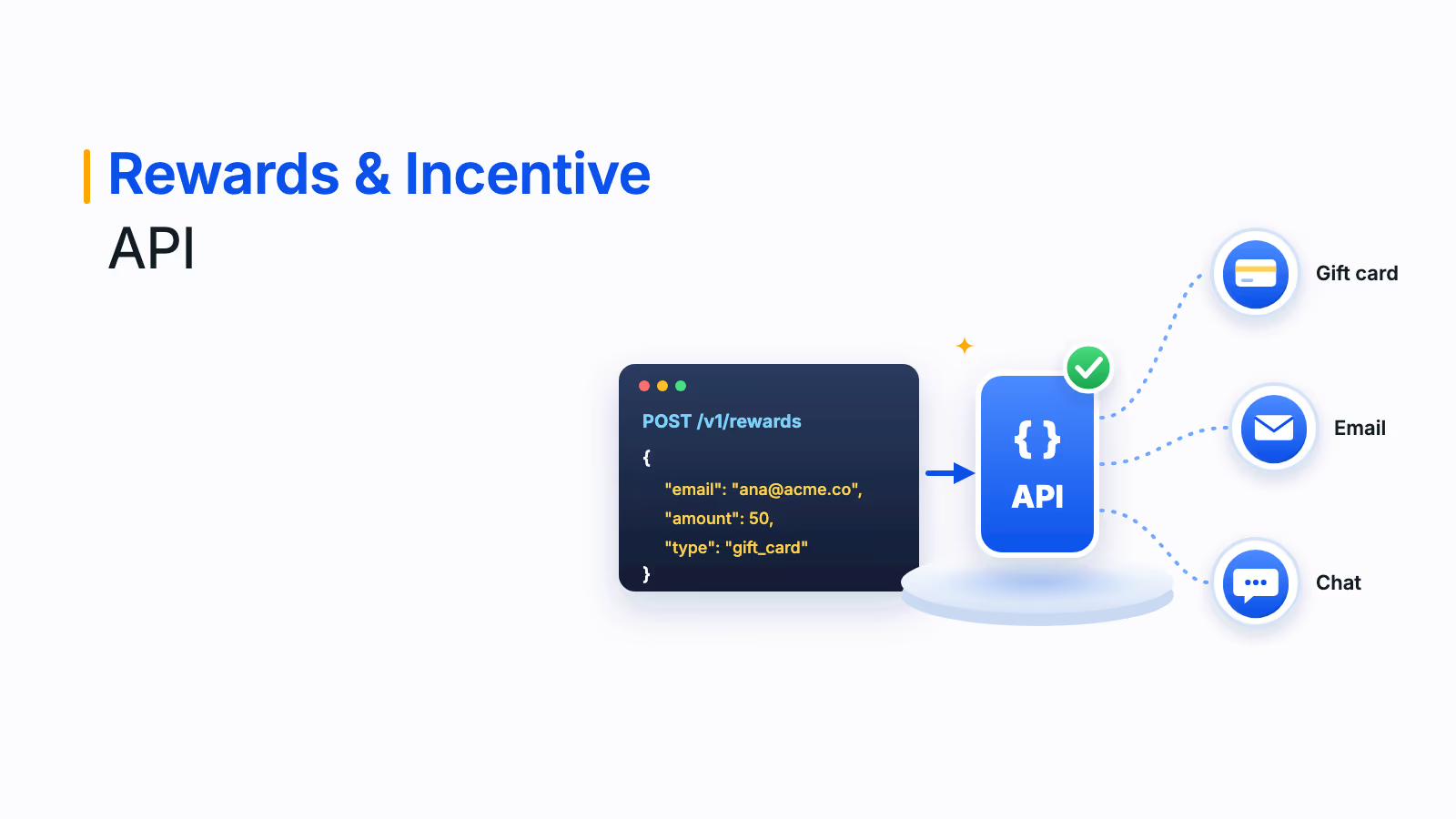
An API lets you issue cards automatically the moment a recipient qualifies.
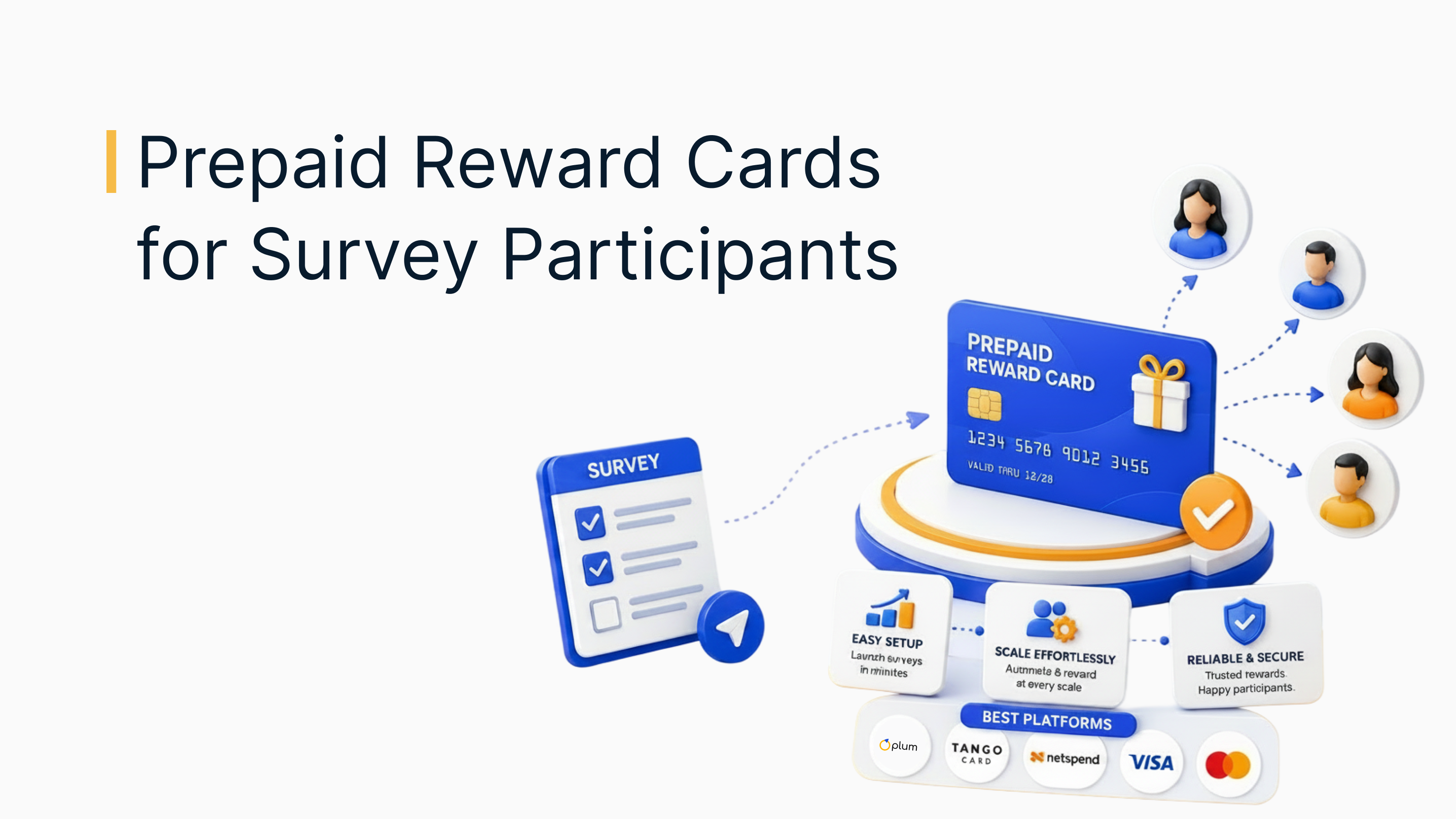
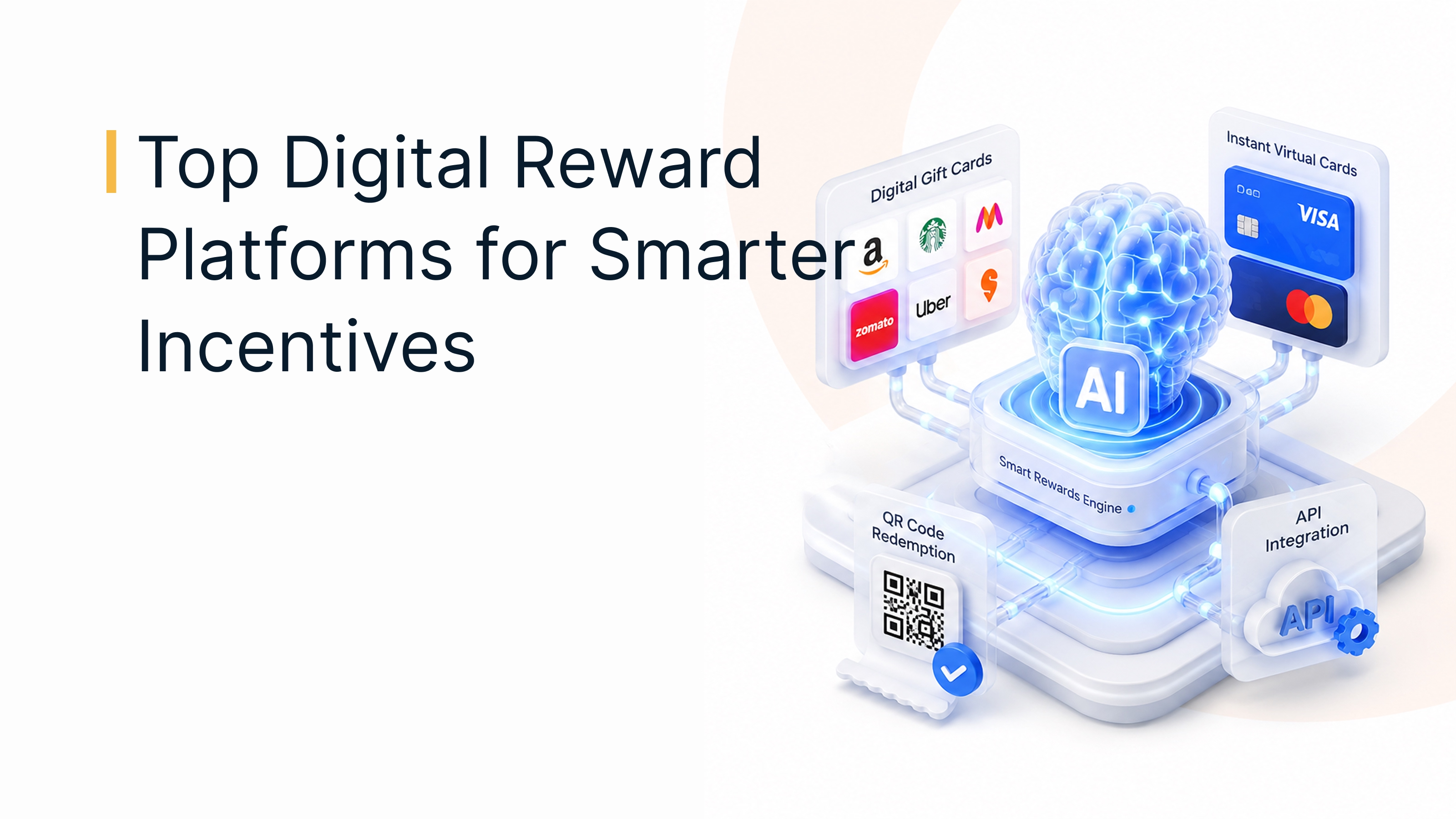
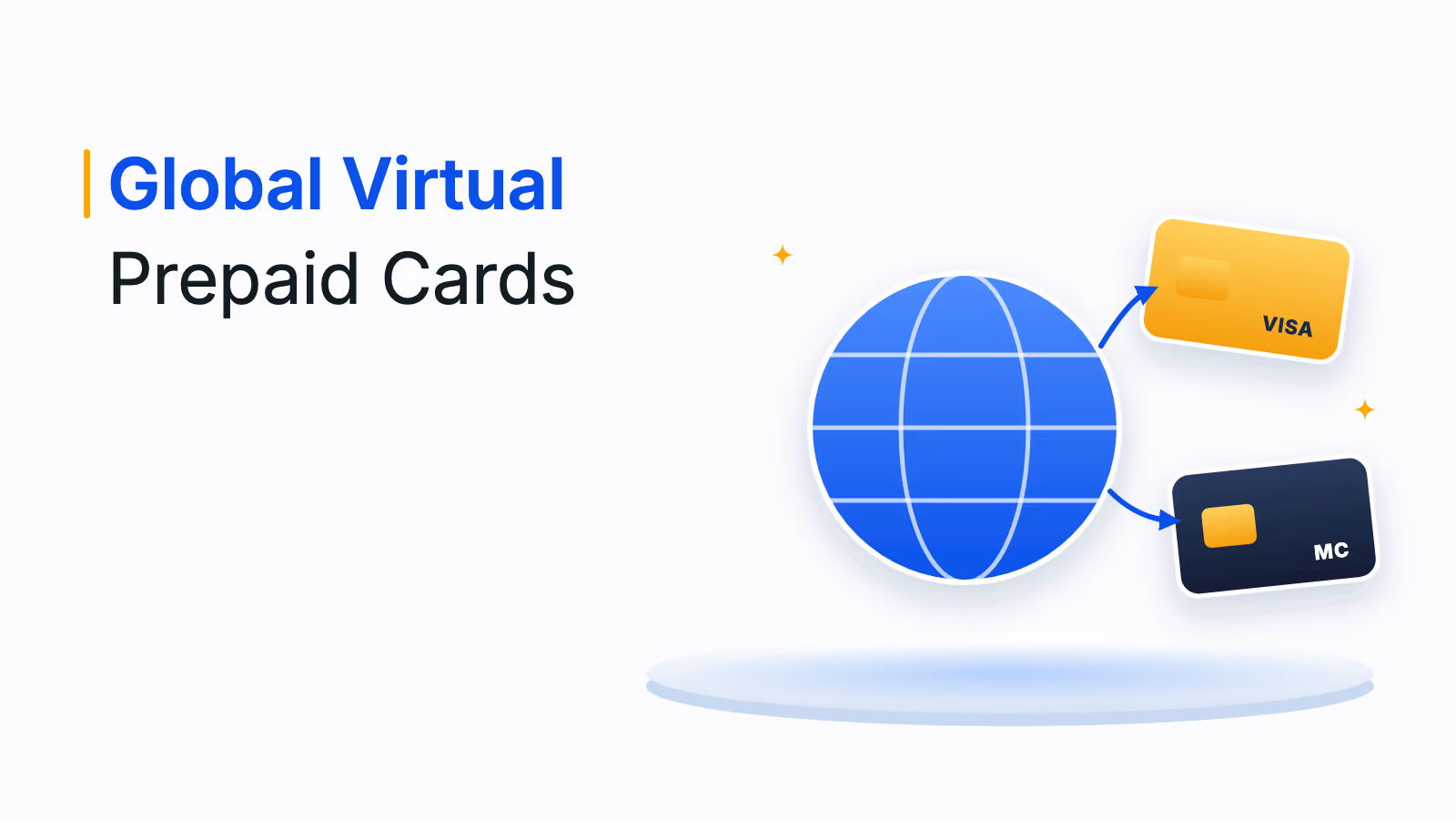
Global virtual prepaid cards are digital Visa or Mastercard cards, loaded with a fixed amount and delivered by email or SMS, that recipients can spend wherever the network is accepted. For businesses, they are one of the fastest ways to send rewards and payouts across borders without collecting bank details, shipping anything or managing a different gift card for every country.
Sending money internationally is easier than it was in the days of wire transfers, but it still involves conversions, fees, intermediaries and paperwork. The problem multiplies when you need to pay hundreds of survey respondents, freelancers or partners in a dozen countries. This guide explains the challenges of global reward payouts, how virtual prepaid Visa cards and virtual Mastercard for rewards work, the cross-border rules to know and how to issue cards at scale through an API.
The challenges of global rewarding
Global rewarding is hard because every traditional format breaks down somewhere: physical gifts in delivery, gift cards in redemption and bank transfers in cost and speed.
1. Delivery
Physical gifts and checks need verified addresses, customs paperwork and couriers that work differently in every country. Deliveries can take days or weeks, and faster shipping raises the budget.
2. Redemption
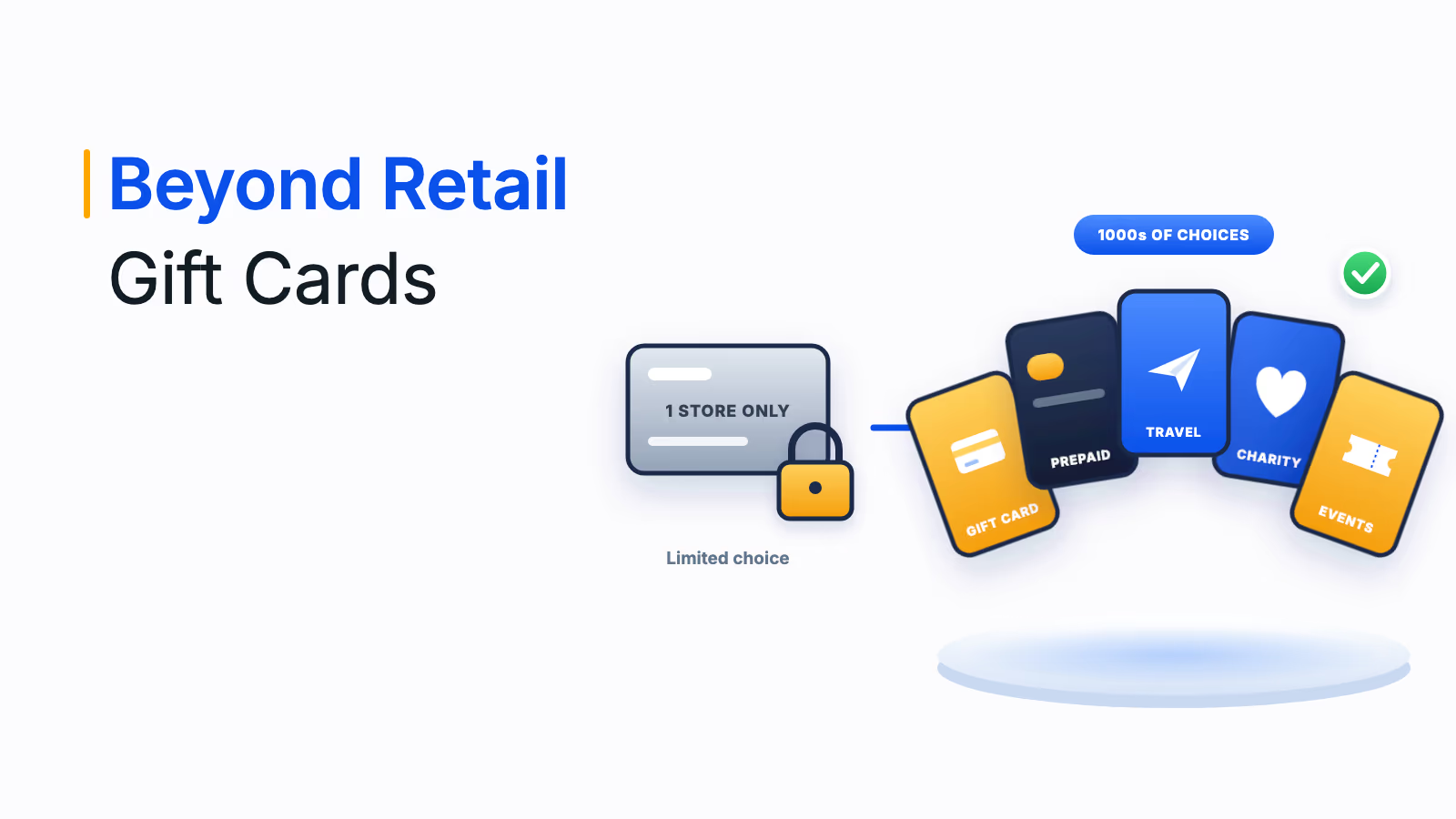
Most gift cards only work in the country where they were issued, and some only at specific stores. A reward that is hard to redeem quickly loses its value and its goodwill.
3. Flexibility
Closed-loop gift cards tie the recipient to one brand. Small leftover balances often go unused, so the recipient never gets the full value you paid for.
4. Cost and compliance of transfers
Bank and wallet transfers need account details for every recipient and carry cross-border fees. PayPal's US fee schedule, for example, lists international payouts at 2% of the amount, capped at USD 20, plus a 4% currency conversion spread when the recipient receives a different currency.
What is a global virtual prepaid card?
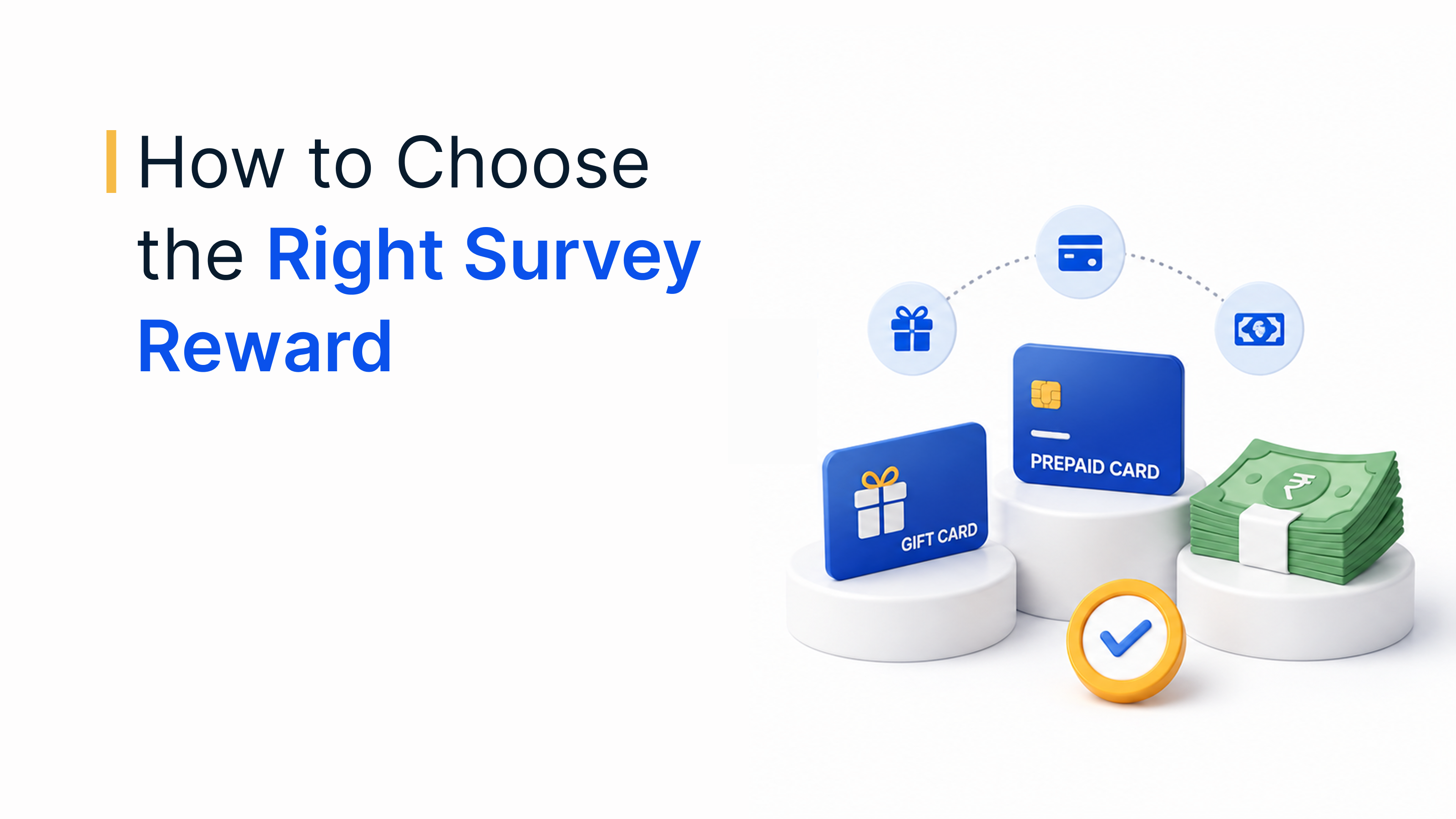
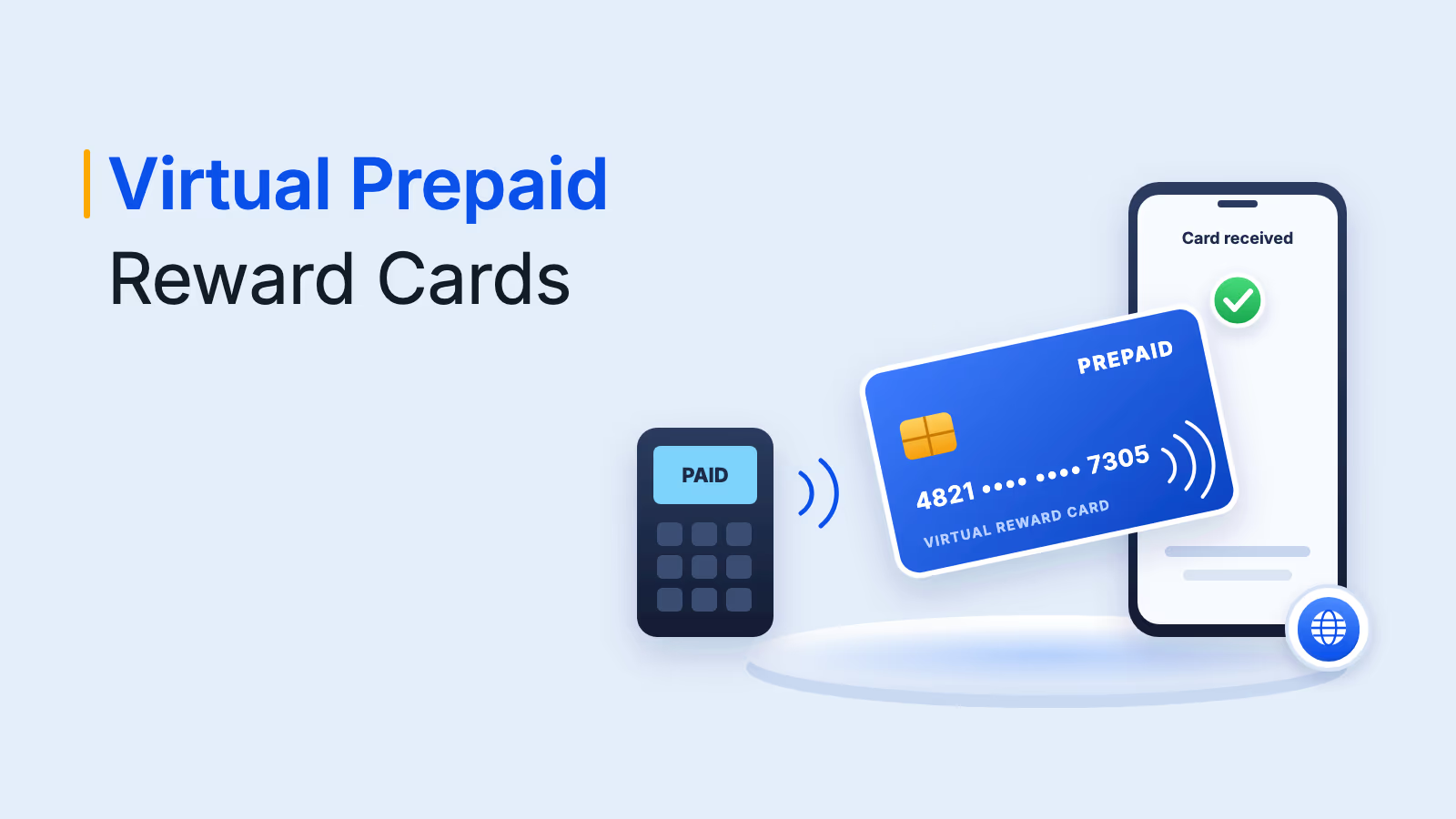
A global virtual prepaid card is a card with no plastic: a 16-digit number, expiry date and CVV, preloaded with funds and delivered digitally. When it runs on Visa or Mastercard, the recipient can spend it at merchants that accept the network.
Virtual cards are issued in seconds, can often be added to Apple Wallet or Google Wallet for in-store use and need no printing or shipping. Recipients do not need a bank account to receive one, which matters in regions where banking access is limited.
Businesses are using virtual cards more each year. A Juniper Research study reported in March 2025 forecast that global virtual card transaction value will grow from USD 5.2 trillion in 2025 to USD 17.4 trillion by 2029.
How virtual prepaid cards work for global payouts
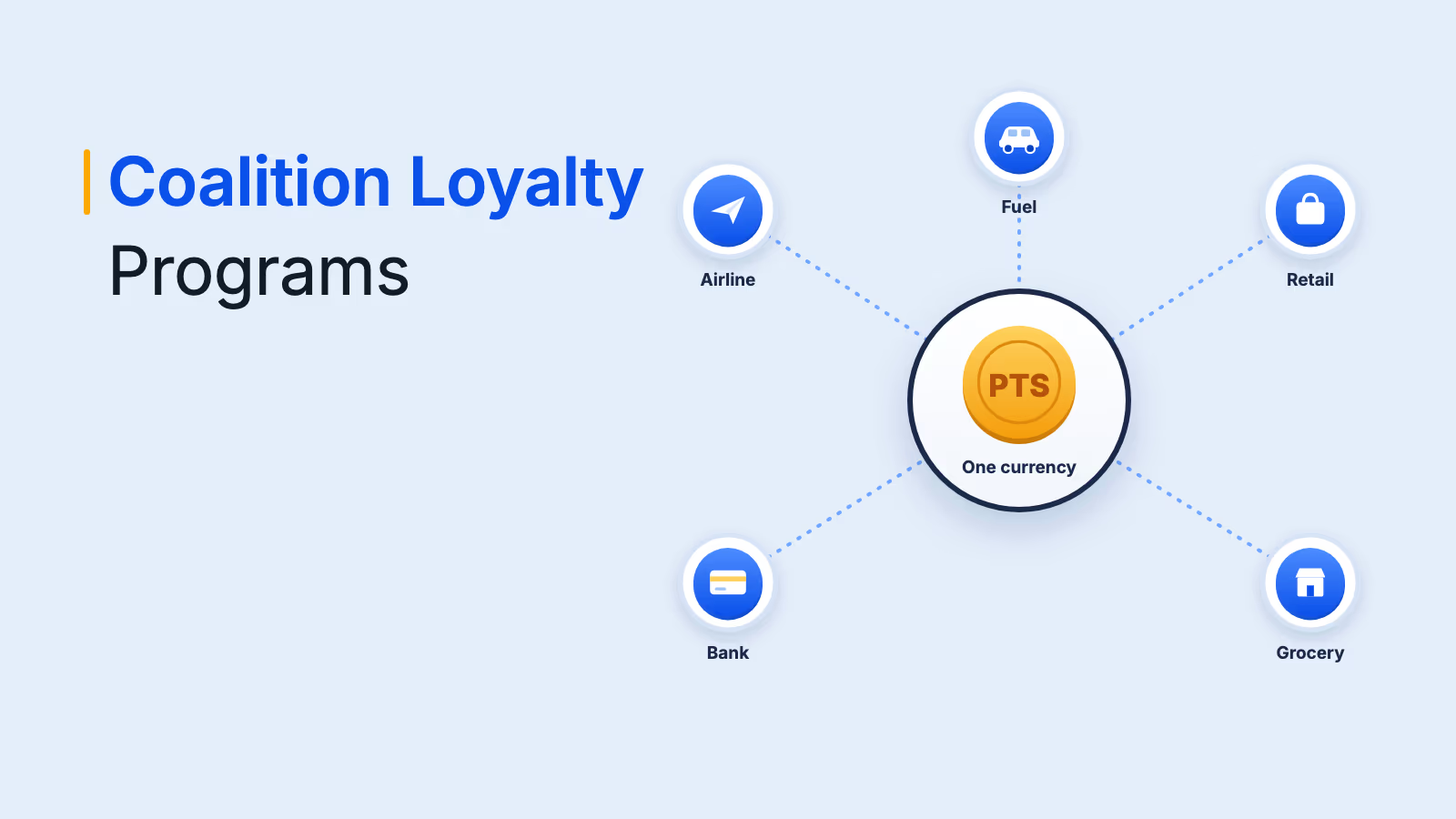
Virtual prepaid cards work for global payouts by replacing per-country payment rails with one issuance flow. The business funds an account once, and the platform issues cards in the right currency to recipients anywhere.
- Fund once: The business loads a wallet in its own currency.
- Choose the card: Pick a Visa or Mastercard product that suits the recipient's country and currency.
- Issue on demand: Cards are created only when needed, so there is no unused inventory of pre-bought cards tying up cash.
- Deliver digitally: The recipient gets an email or SMS with a link to claim the card.
- Spend locally: The recipient pays online or in store; if the card currency differs from the local one, the network converts it.
- Track everything: The business sees delivery and redemption status in a dashboard.
Virtual prepaid Visa cards vs virtual Mastercard for rewards
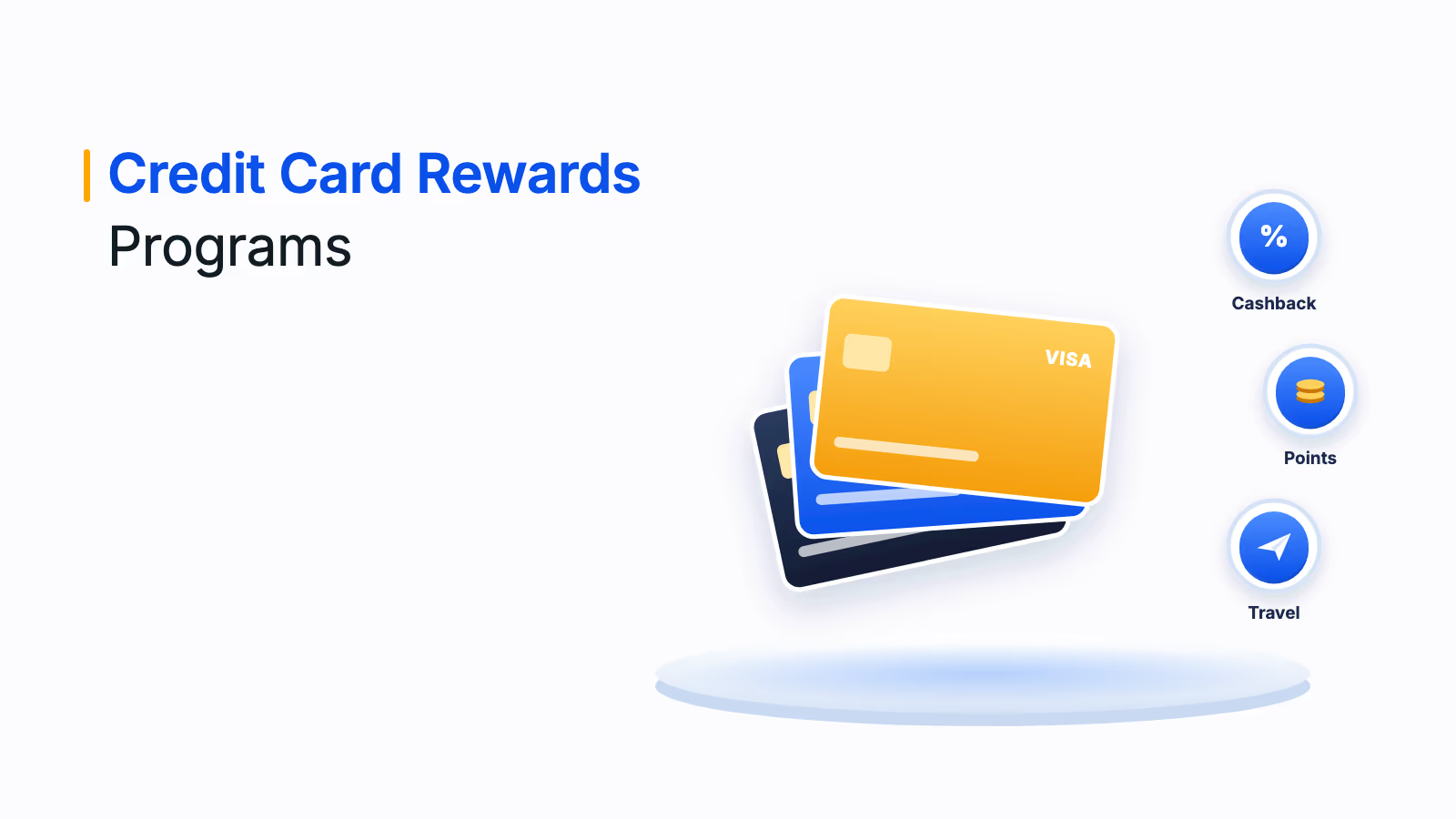
Virtual prepaid Visa cards and virtual Mastercard cards work in much the same way and are both widely accepted. The practical difference lies in which specific card products, currencies and validity periods each offers in your target markets.
| Factor | Virtual prepaid Visa | Virtual prepaid Mastercard |
|---|---|---|
| Acceptance | Merchants that accept Visa worldwide | Merchants that accept Mastercard worldwide |
| Typical currencies | USD, CAD and more, depending on the card | USD, EUR, CAD and more, depending on the card |
| Digital wallets | Often supported | Often supported |
| How to choose | Match currency, denomination and validity to the program | Match currency, denomination and validity to the program |
For a deep dive on Visa specifically, see our guide to virtual prepaid Visa cards. If your recipients need rewards in many local currencies, read about multi-currency prepaid cards.
Pay anyone, anywhere, instantly
Issue virtual Visa and Mastercard rewards to recipients in 150+ countries from one dashboard or API.
Talk to our ExpertTrusted by 5,000+ companies
Benefits of international prepaid cards for businesses
International prepaid cards give businesses one reward format that works for most recipients, in most countries, delivered instantly.
- Instant delivery: Cards arrive by email or SMS within seconds, anywhere in the world.
- Wide acceptance: Recipients choose where to spend instead of being tied to one brand.
- Currency handling: Cards can be issued in the currency that suits the recipient, with conversion handled by the network or platform.
- No bank details: You need only an email address or phone number.
- Lower cost: No printing, packaging or shipping, and less manual admin.
- Branding: Add your logo and message to the delivery email and redemption page.
- Lower environmental impact: No plastic cards or courier deliveries.
Use cases for global reward payouts
Businesses use virtual prepaid cards wherever they need to pay people quickly in many countries.
1. Survey and research incentives
Market researchers can pay respondents in many countries the moment a survey is complete, which helps response rates and data quality. See how survey reward programs work, or compare prepaid cards with other survey incentives.
2. Freelancer, creator and gig payouts
Consultants, designers, creators and gig workers can receive payouts without a formal bank relationship, avoiding slow and costly wires. Our guide to a mass payout platform covers the wider options.
3. Employee rewards for distributed teams
Spot bonuses and recognition for remote employees arrive instantly and can be spent locally, without separate vendors for each country.
4. Customer loyalty, referrals and rebates
Cash-like rewards for referrals, reviews and rebates feel valuable to customers everywhere. Virtual cards also suit refund payouts when the original payment method is not available.
5. Events and webinars
Giveaways at virtual and in-person events can be delivered on the spot, to attendees in any country.
Fees, KYC and cross-border rules to know
Cross-border prepaid cards are regulated payment products, so each program comes with verification, coverage and validity rules. Plan for them upfront.
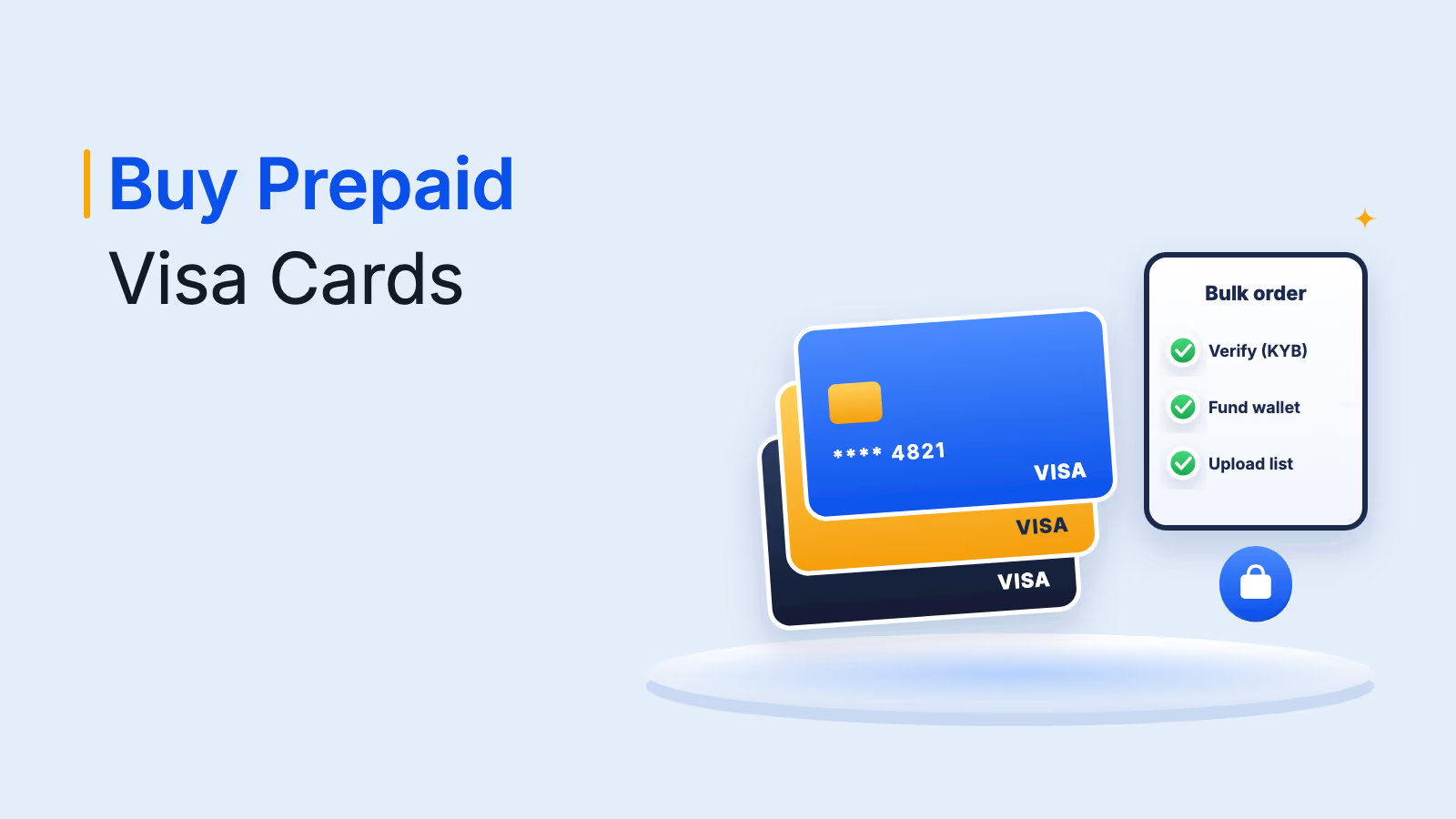
- Business verification: Issuers must know who funds the cards. On Plum, a one-time KYB verification is required before prepaid card redemptions are processed.
- Recipient checks: Higher-value or reloadable cards may require recipient identity verification under anti-money-laundering rules.
- Sanctions screening: Recipients and countries are screened at issuance, and some countries cannot receive cards.
- Coverage varies: Supported countries depend on the network, currency and issuer, so check coverage against your actual recipient list.
- Fees: Some currencies carry an issuance surcharge, and spending in a different currency may add a conversion charge for the recipient.
- Validity and refunds: Reward cards typically last 3 to 12 months and are non-refundable once issued.
- Restricted uses: Some cards block ATM withdrawals, crypto purchases or certain merchant categories.
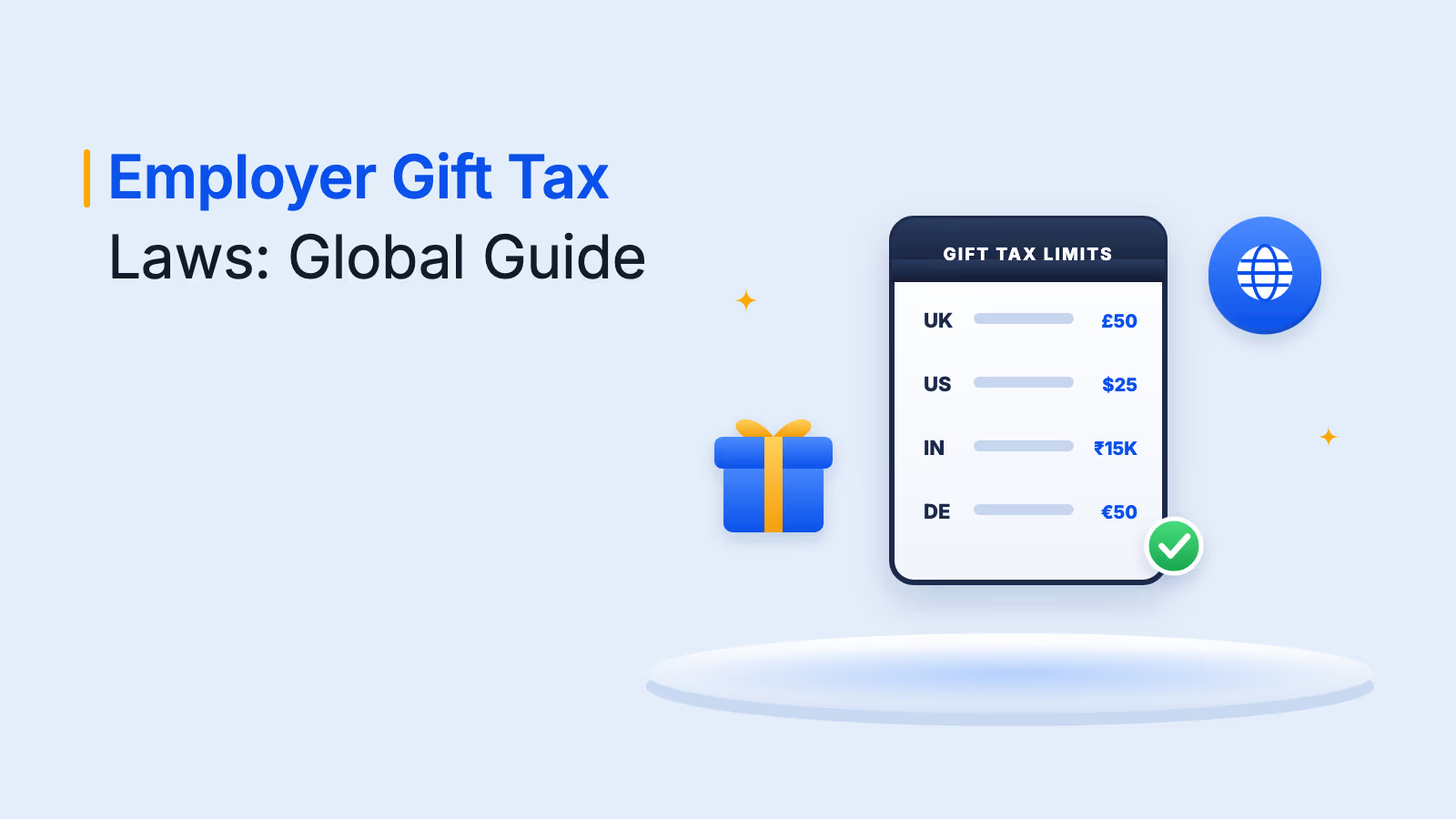
- Tax: Prepaid cards are cash equivalents, so rewards may be taxable for recipients. See our employer gift tax guide.
Instant issuance via API
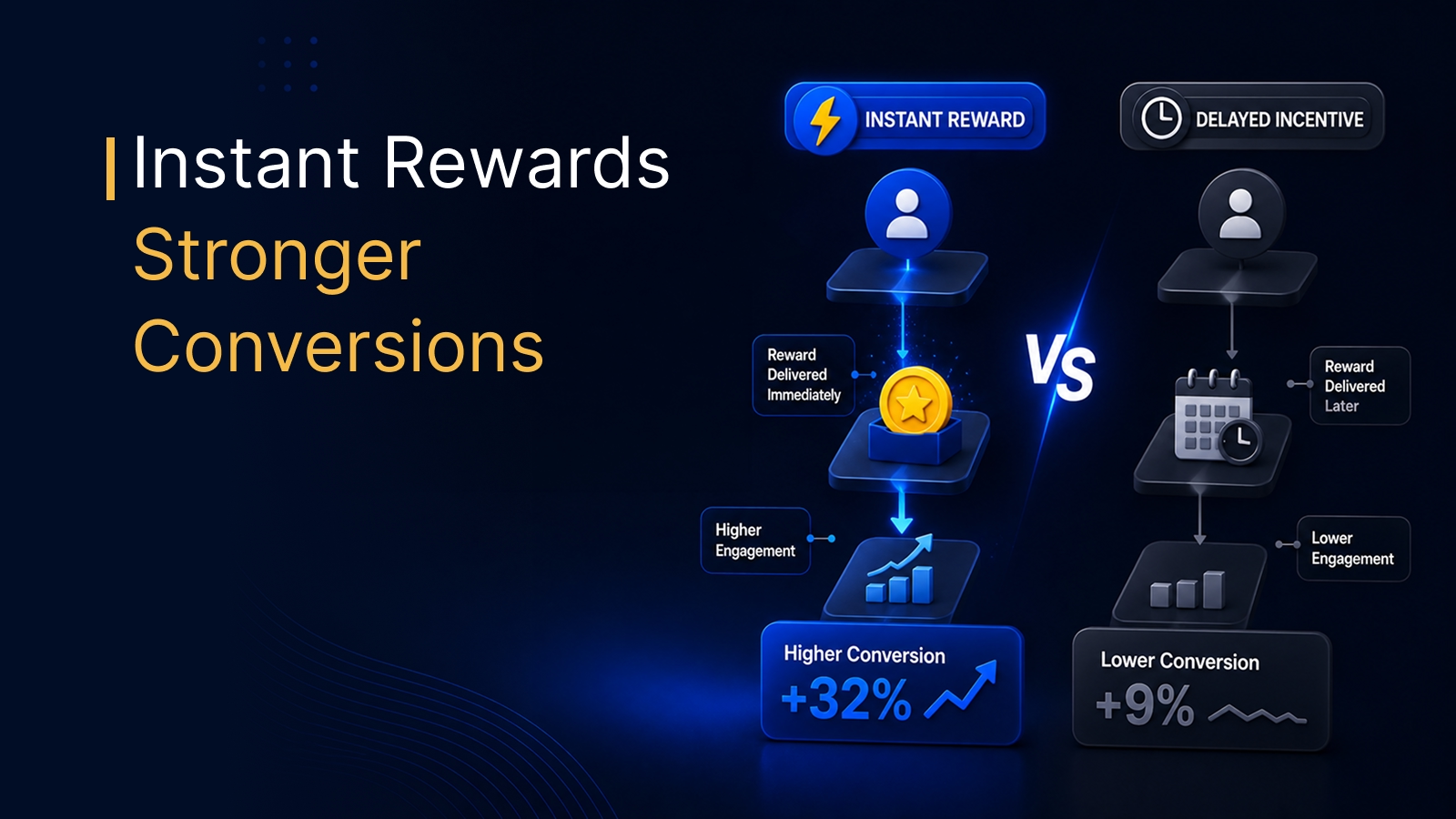
Issuing virtual prepaid cards through an API lets you pay recipients automatically, at the moment they qualify, with no manual uploads or approvals in between.
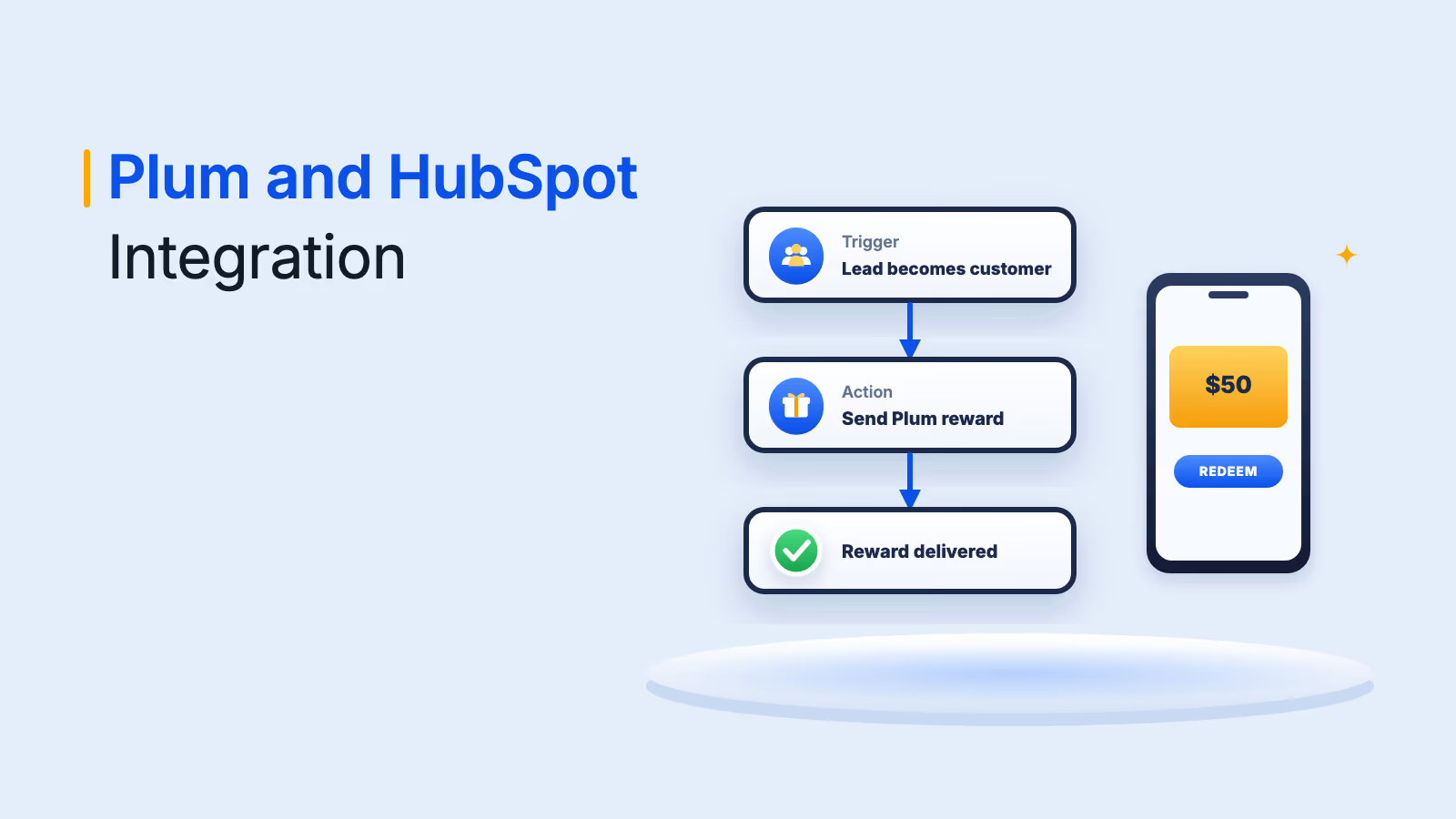
Your survey tool, CRM or app sends an event, such as a completed survey, an approved claim or a referral, to the rewards API. The API issues the card, delivers it to the recipient and sends webhook updates as it is delivered and redeemed. You can test the whole flow in a sandbox before going live. See the Plum rewards API or learn more about API-based rewards vs manual fulfillment.
How Xoxoday Plum simplifies global payouts
Xoxoday Plum brings prepaid cards and other payout methods together so you can pay anyone, anywhere, from one platform.
- Prepaid Visa and Mastercard cards for recipients in 150+ countries, issued in real time. See prepaid reward cards.
- More payout options: PayPal, Venmo, bank transfer and regional wallets through global payouts.
- Bulk sending: Up to 10,000 recipients at once via file upload or API.
- Automation: REST APIs with a sandbox, webhooks and 250+ native connectors.
- Branding: Co-branded redemption pages and personal messages.
- Security: Encrypted card details, sanctions screening and a SOC 2 Type II audited platform.
Managing marketing and ad spend with virtual cards
Reward payouts are the outbound use case. The same instrument solves an inbound one that finance teams tend to raise within minutes of hearing about it: controlling what the business itself spends on advertising platforms and software subscriptions.
Most marketing teams still run ad spend on a shared corporate credit card. The problems with that are well known and rarely fixed:
- No per-channel control: One card number covers every platform, so there is no hard limit on what any single campaign or agency can spend.
- Card details shared across teams: Numbers circulate by message and spreadsheet between in-house staff, contractors and agencies, which is a control failure before it is a security one.
- Fraud exposure: A single compromised number exposes the whole limit, and disputing charges takes weeks during which the card is unusable.
- Blocks and failed transactions: Cross-border charges from ad platforms are a common trigger for fraud blocks, and a blocked card means paused campaigns rather than a phone call.
- Reconciliation at month end: One statement with dozens of platform charges has to be unpicked manually against campaigns and cost centres.
Issuing a separate virtual card per platform, campaign, agency or cost centre fixes most of this structurally rather than procedurally.
| Control | What it gives you |
|---|---|
| One card per platform or campaign | A hard spend ceiling that cannot be exceeded, set before the campaign starts |
| Instant issuance and cancellation | A card can be created for one vendor and killed the moment the engagement ends |
| No shared numbers | Each team, agency or contractor gets their own card with its own limit |
| Contained fraud exposure | A compromised card loses only that card's balance, and the rest keep running |
| Clean reconciliation | Spend arrives already attributed, because the card is the cost centre |
| Multi-currency issuance | Cards denominated to match the platform's billing currency, avoiding conversion on every charge |
The same pattern applies to software subscriptions and recurring vendor payments. A card per subscription means a renewal cannot quietly continue after a tool is dropped, a trial cannot roll into an annual plan unnoticed, and a price increase shows up as a declined charge rather than an unexamined line on a statement.
Cross-border recurring payments benefit most, because that is where traditional cards fail hardest. Foreign-issued charges trigger blocks, conversion is applied on every cycle, and a declined renewal on a production tool is an incident rather than an inconvenience. A card issued in the billing currency, funded to the expected amount, removes all three.
When evaluating a provider for this, the questions are narrower than for rewards: how quickly cards can be issued and cancelled, whether issuance is available through an API, how the provider handles exchange rates and whether it is transparent about the margin, how spend data exports into your accounting system, and what the security and access controls look like for the people issuing cards.
Conclusion
Global virtual prepaid cards remove the delivery, redemption and transfer problems that make international rewarding so hard. They arrive instantly, work almost anywhere and need no bank details, while giving businesses tracking and control. Plan for KYB, coverage and validity rules, issue cards through an API where you can and choose a platform that covers every market you pay into.
To send global reward payouts with virtual prepaid cards, book a demo with Xoxoday Plum.
Book your Plum demo
Frequently asked questions
It is a digital Visa or Mastercard card with a card number, expiry date and CVV, preloaded with a fixed amount and delivered by email or SMS. Recipients can spend it wherever the network is accepted, subject to the card's restrictions.
They can be spent at merchants that accept the card network, but which countries can receive a card depends on the issuer, currency and sanctions rules. Check coverage against your recipient list before launching.
No. Recipients only need an email address or phone number to receive the card, which makes virtual prepaid cards useful for paying people in regions with limited banking access.
On a rewards platform, virtual cards are typically issued in real time, and recipients get the delivery email or link within seconds. Bulk orders can be sent by file upload or API.
Often, yes, especially for small amounts sent to many people, because there are no per-recipient wire fees or bank details to collect. Some currencies carry an issuance surcharge and recipients may pay conversion charges, so compare the full cost for your program.
The business sending funds must pass a know-your-business check, and recipients are screened against sanctions lists. Higher-value or reloadable cards may also require recipient identity verification.