Key Takeaways
Data services engagement, not platform choice, now decides how fast transformation programs deliver value.
Consultants, partners, connectors, sales, delivery, support and enablement teams each face different engagement gaps.
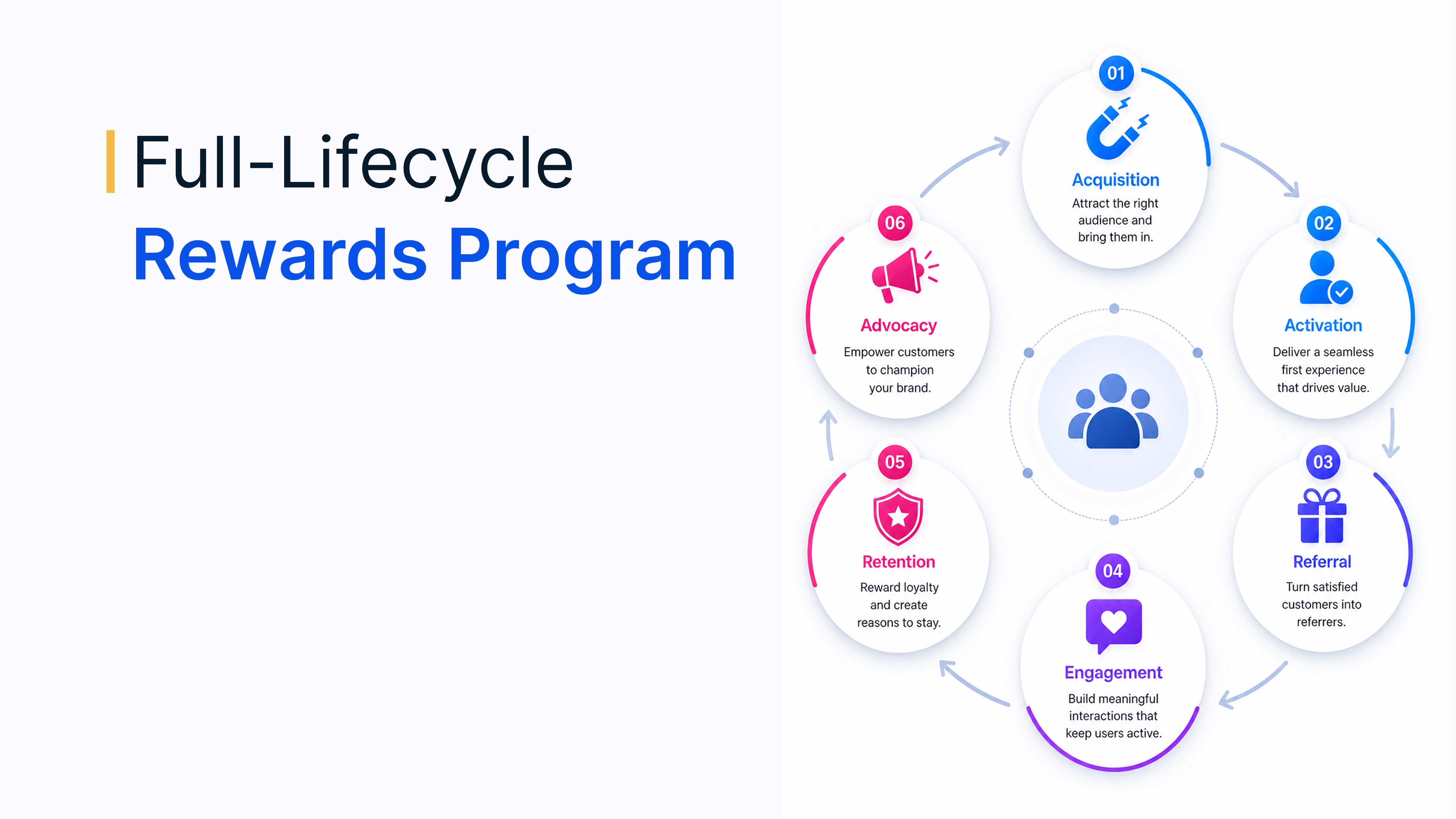
A 5-journey framework (acquisition, activation, engagement, performance, retention) gives every persona one consistent system.
A unified rewards architecture needs integrations, rule-based accrual, dashboards, a global catalog and audit-ready governance.
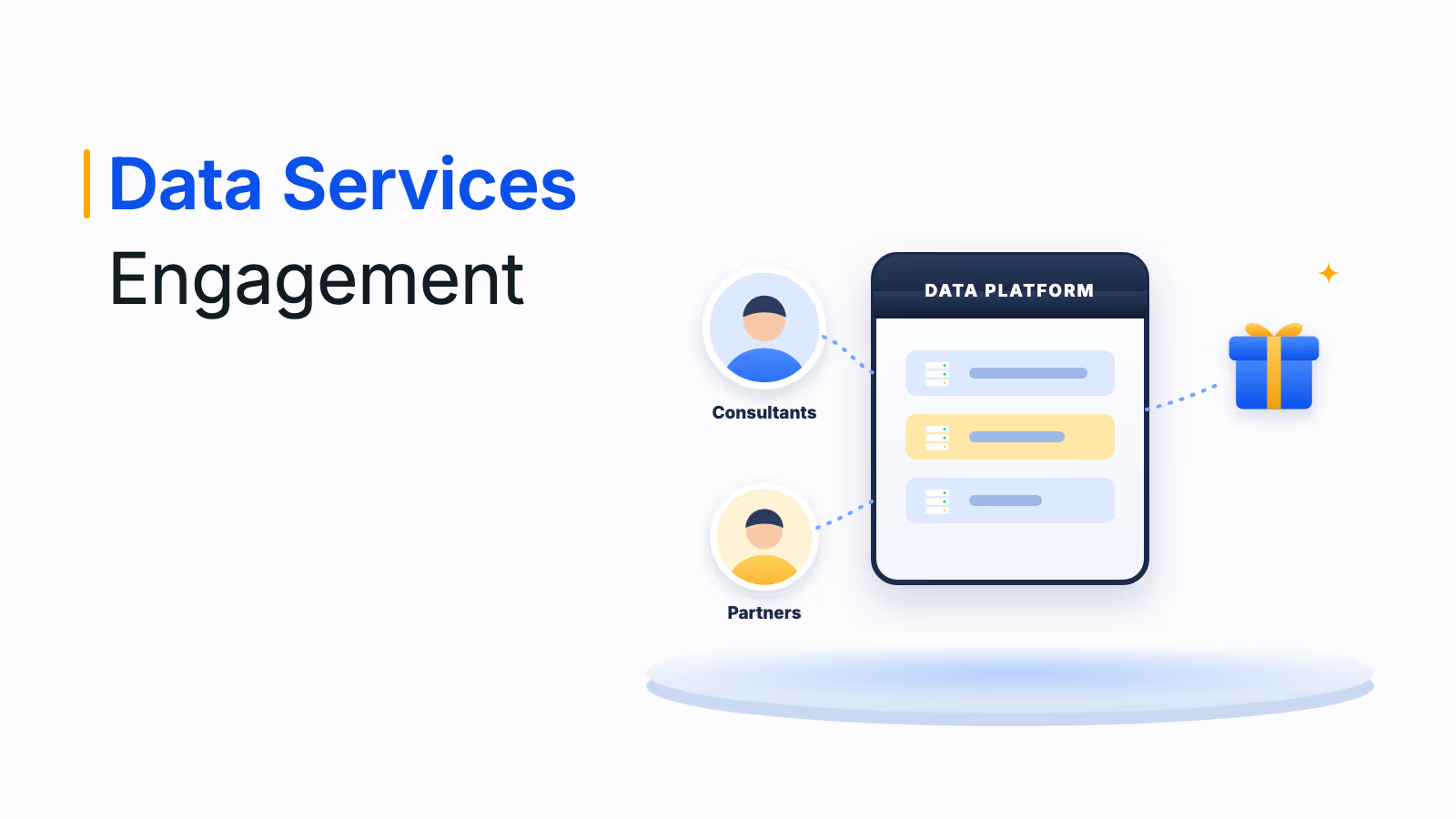
The world's most ambitious enterprises are racing to modernize their data foundations: moving from legacy warehouses to cloud-native platforms, adopting lakehouse architectures, scaling AI and ML, and investing heavily in governance, observability and real-time analytics. Yet the firms that deliver this work keep running into the same wall, and it is rarely the technology. Data services engagement, the way a firm motivates its consultants, engineers, partners, sales teams and support functions, now decides how fast transformation actually happens.
Data transformation depends on an ecosystem of people working in close coordination. Today those people face talent shortages, tool sprawl, shifting architectures, decentralized ownership models, complex partner networks and rising expectations around quality and accountability.
This is where data services firms struggle. Despite deploying world-class platforms, they battle low adoption, inconsistent delivery, misaligned teams and burnout across high-value contributors. The real determinant of success is no longer platform capability. It is engagement:
- Engagement that motivates data talent.
- Engagement that strengthens partner ecosystems.
- Engagement that accelerates modernization.
- Engagement that sustains innovation and adoption.
This blueprint explores how the data management services industry is evolving, where engagement gaps appear across personas, and how a unified rewards and incentive architecture helps firms unlock alignment, speed and transformation at scale. It follows the same structure as our banking engagement and loyalty blueprint.
The state of data management services: why engagement now defines success
The data management services industry is growing quickly as organizations move away from legacy systems toward cloud-native, AI-ready architectures. Fortune Business Insights values the enterprise data management market at USD 111.28 billion in 2025 and expects it to reach USD 294.99 billion by 2034, an 11.5% CAGR. Services alone are a fast-growing slice: Research and Markets projects the cloud-based data management services market to grow from USD 58.19 billion in 2026 to USD 173.85 billion by 2032.
Even with heavy investment, enterprises still struggle with the fundamentals. In the 2025 Data Integrity Trends and Insights report from Precisely and Drexel University's LeBow College of Business, 64% of data and analytics professionals named data quality as their top data integrity challenge, up from 50% in 2023, and only 12% said their data was of sufficient quality and accessibility for effective AI.
At the same time, the industry is going through major structural shifts:
- Traditional warehouses to cloud platforms and lakehouses
- Centralized ownership to data mesh and decentralized domains
- Static reporting to real-time analytics and AI-driven insights
- Manual operations to DataOps, MLOps and automation-first workflows
While technology evolves quickly, the talent gap keeps widening. Engineering, architecture and data platform skills are scarce, and teams are under pressure to deliver insights faster than ever. Clients want outcomes, not infrastructure complexity, long timelines or low adoption of modern data tools.
Partner ecosystems add another layer of complexity. Cloud hyperscalers, ETL and ELT vendors, data quality tools, governance platforms and analytics partners must work together for transformation to succeed, yet collaboration across these groups is often fragmented.
Engagement now determines how quickly teams adopt new tools, how well partners collaborate, how consistently data quality improves and how fast organizations turn data into business value. Firms that build strong, multi-persona engagement systems lead in delivery speed, innovation output and long-term data maturity.
Major data management services firms across key regions
The data management landscape spans consulting giants, telecom-led digital units, analytics specialists and platform-driven service teams. Below is an illustrative snapshot of well-known firms across major markets.
| Region | Data management and analytics services firms |
|---|---|
| India | TCS, Infosys, Wipro, HCLTech, LTIMindtree, Tech Mahindra, Mu Sigma, LatentView Analytics, Fractal |
| Asia (ex-India) | NTT DATA, Fujitsu, Hitachi Vantara |
| Middle East | e& enterprise, du |
| Africa | Liquid Intelligent Technologies, Vodacom Business, MTN Business |
| Europe | Capgemini, Accenture, Sopra Steria, Eviden (Atos Group), Dataiku, Talend (part of Qlik) |
| Americas | IBM Consulting, Cognizant, Slalom, Databricks Professional Services, Snowflake Professional Services |
As these players expand their data capabilities, the way data services firms operate has changed. New delivery models, cloud platforms and AI-driven expectations are reshaping how teams work and how value is delivered.
Modern data management models and behavior shifts
Data services firms now follow structured, multi-layered delivery models that combine strategy, architecture, implementation and ongoing optimization. Each model increases the dependency between people inside and outside the firm.
How data services firms operate today
| Operating model | What it means in practice |
|---|---|
| Consulting-led model | Firms guide enterprises from data strategy to architecture, implementation, governance and adoption, which requires tight coordination among consultants, engineers and business stakeholders. |
| Platform plus services model | Cloud platforms such as Snowflake, Databricks and BigQuery are deployed with managed services, demanding alignment between technology vendors, delivery teams and partners. |
| Outcome-based analytics | BI, predictive analytics and AI/ML solutions are tied to KPIs, so teams must show measurable business impact, not just technical outputs. |
| Data-as-a-service (DaaS) | Managed operations, quality checks and ongoing optimization need sustained collaboration between delivery teams, operations and client-side data owners. |
| Accelerator-based delivery | Pre-built models and pipelines speed up implementation but depend on cross-functional adoption, reuse and consistent enablement. |
These models increase interdependence among consultants, engineers, partners and support teams, which makes engagement a necessity rather than a formality.
Behavioral shifts transforming data services
The speed and direction of change in the data landscape directly affect how teams work together and where friction appears:
- Cloud-native architectures replace on-premise systems, requiring new skills, new workflows and tighter collaboration with platform vendors.
- Data mesh decentralizes ownership, making governance, accountability and communication more complex across business domains.
- Self-service analytics expands, putting pressure on enablement teams to upskill business users and sustain adoption.
- Data quality and observability become essential, increasing coordination between engineering, governance and analytics teams.
- AI, ML and GenAI adoption accelerates, demanding curated, trusted data and faster collaboration.
- Privacy, compliance and responsible AI expectations rise, bringing legal, compliance and governance teams into more decisions.
- DataOps and MLOps practices spread, creating a need for continuous engagement between development, deployment and monitoring teams.
- Real-time pipelines become standard, requiring synchronized operations and shared accountability.
- Citizen data scientists grow in number, increasing the need for structured support and enablement.
Together, these shifts create a landscape where technical excellence alone is not enough. Data services firms must engage, motivate and align multiple personas at the same time.
The engagement challenge in data management services across personas
Engagement for data firms has to cover far more than employees. Data transformation only succeeds when every contributor, from consultants to partners to internal teams, stays aligned and motivated, and this is exactly where most firms face their biggest roadblocks.
Data consultants and analytics advisors
- High attrition as top talent moves to product companies and large tech firms.
- Burnout from complex engagements, unclear requirements and scope creep.
- Low recognition for architecture decisions and strategic guidance that leadership doesn't always see.
- Limited career paths and skill obsolescence anxiety as tools evolve faster than upskilling cycles.
Delivery partners and technology vendors
- Payment delays and contract disputes caused by complex procurement cycles.
- Little recognition for innovation or methodology contributions.
- Transactional relationships that never mature into long-term partnerships.
- Minimal co-selling incentives, which slows ecosystem momentum.
Connectors (strategic alliances and referral networks)
- Inconsistent referral quality, with leads that don't match transformation readiness.
- No joint go-to-market incentives to encourage co-innovation or shared wins.
- Weak feedback loops that leave connectors uninformed about project outcomes.
- Low participation in certifications, leading to shallow platform expertise.
Channel partners (implementation and integration partners)
- Complex commission structures that cause attribution disputes.
- Limited pipeline visibility, which makes forecasting and resourcing difficult.
- Insufficient co-marketing support and inconsistent partner performance.
- No recognition for data quality delivery, despite its importance to client trust.
Sales and business development teams
- Long sales cycles for modernization deals that wear down morale.
- Complex technical conversations that make positioning difficult.
- Low pipeline generation in a crowded market.
- Presales and sales misalignment, especially in architecture discussions.
Employees (delivery and technical)
- Burnout from data complexity, legacy systems and demanding timelines.
- Lack of recognition for reusable pipelines, frameworks and innovation.
- Remote work isolation that reduces collaboration and knowledge sharing.
- Unclear career paths from engineering roles to architecture or leadership.
Employees (support functions)
- Underappreciation, with HR, finance, legal, compliance and operations seen as administrative rather than strategic.
- Limited connection to data outcomes, leading to low involvement.
- Culture gaps between technical and non-technical teams.
Customer success and data enablement teams
- Adoption struggles, with business users slow to embrace self-service tools.
- Pressure on data literacy metrics that often outpaces resources.
- Low recognition for enablement and change management work.
- Friction with delivery teams that causes misaligned handoffs.
As these gaps widen, engagement can no longer be ad hoc or campaign-driven. It has to be built into how data firms acquire, activate, engage, measure and retain every persona involved in delivery.
Engage every persona in your data practice
Run rewards for consultants, partners, sales teams and employees from one platform in 150+ countries.
Talk to our ExpertTrusted by 5,000+ companies
The engagement blueprint for data services firms: the 5-journey framework
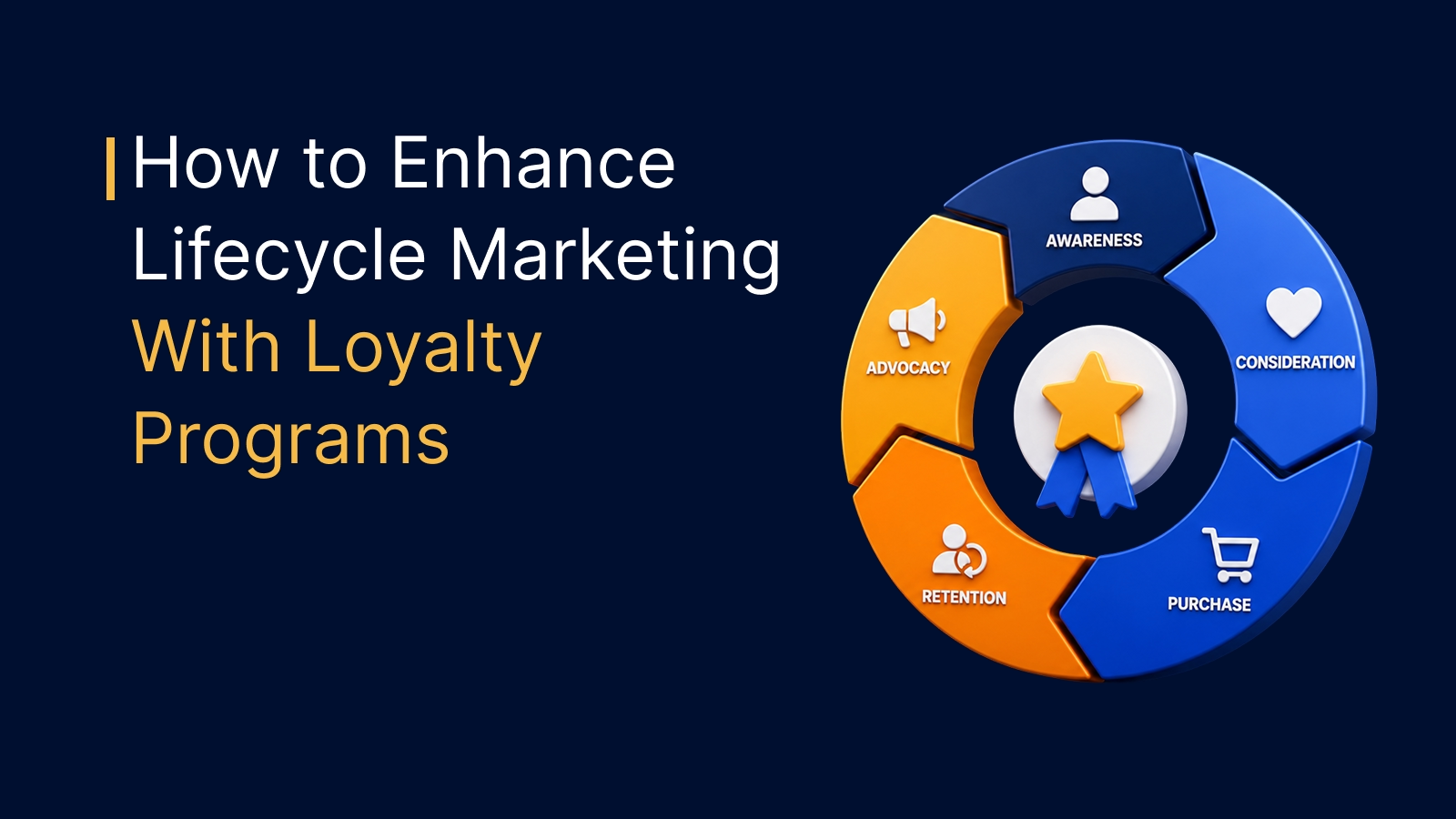
The 5-journey framework is a single engagement layer that covers every persona across their lifecycle: acquisition, activation, engagement, performance and retention. Each persona gets clear rewards, recognition and motivation at every stage.
| Journey | Focus | Example engagement actions |
|---|---|---|
| 1. Acquisition | Bringing new talent, partners and clients into the ecosystem | Referral rewards for talent and client leads, deal registration rewards for partners, welcome journeys for new connectors |
| 2. Activation | Getting every persona productive fast | Onboarding milestones, certification rewards, first-project recognition, partner portal activation incentives |
| 3. Engagement | Keeping contributors active and connected | Peer recognition, gamified challenges, co-marketing incentives, feedback participation rewards |
| 4. Performance | Rewarding outcomes that matter | Delivery milestone rewards, quality bonuses, SPIFs, real-time leaderboards, NPS-linked recognition |
| 5. Retention | Building long-term loyalty | Tenure rewards, partner tier upgrades, renewal-based loyalty, career progression rewards |
How data services firms can motivate every persona across their value chain
Each persona needs a reward design that fits its role. Here is how a data services incentive program can be tailored across the value chain, using loyalty rewards, channel sales incentives and employee recognition together.
Data consultants and analytics advisors
- Tiered loyalty programs that reward tenure, project impact and thought leadership.
- Milestone recognition for project completions, architecture frameworks and methodology contributions.
- Innovation incentives for reusable models, accelerators and data quality improvements.
- Peer recognition for mentorship, collaboration and knowledge sharing.
- Continuous learning incentives tied to platform certifications.
Delivery partners and technology vendors
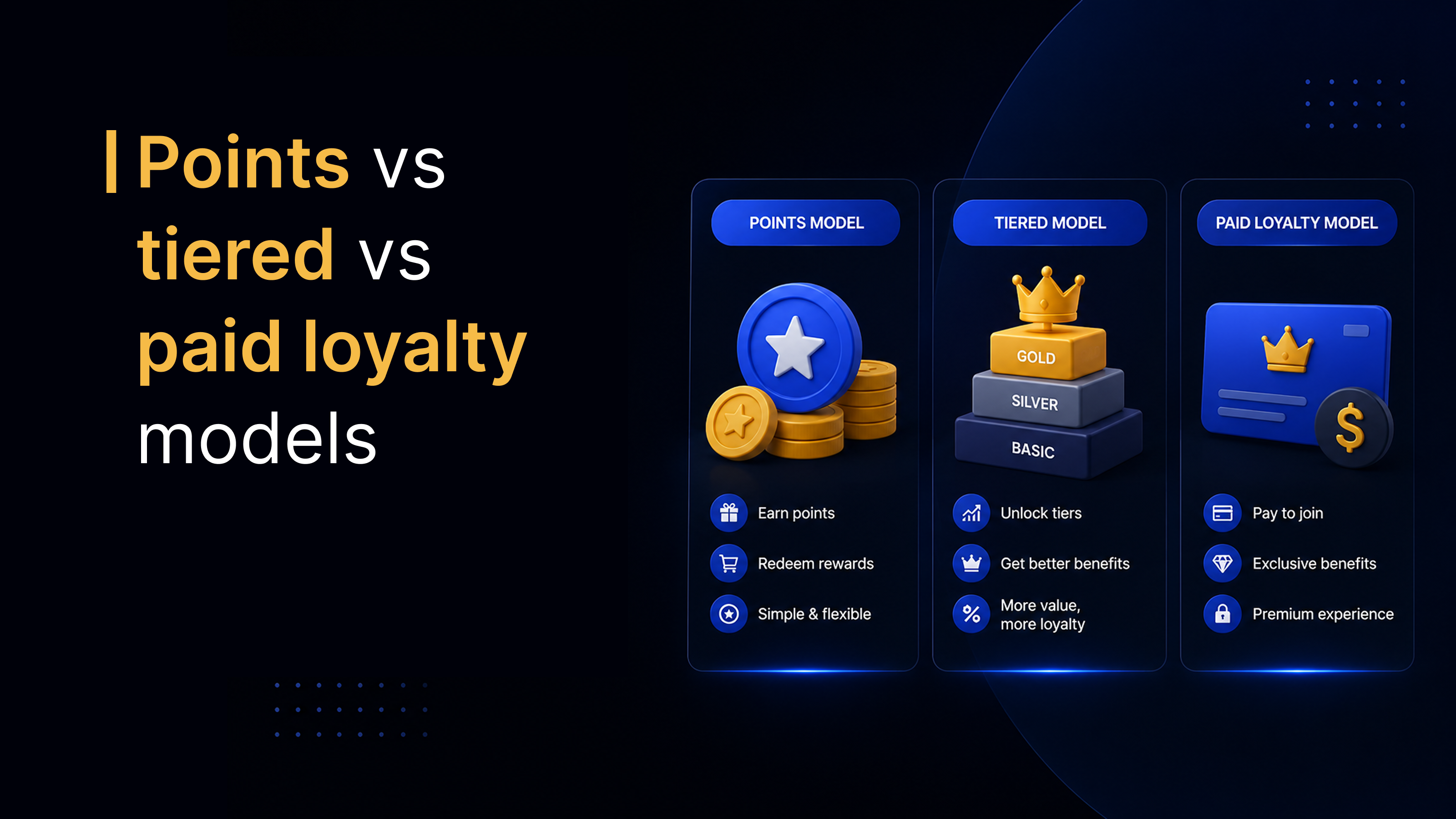
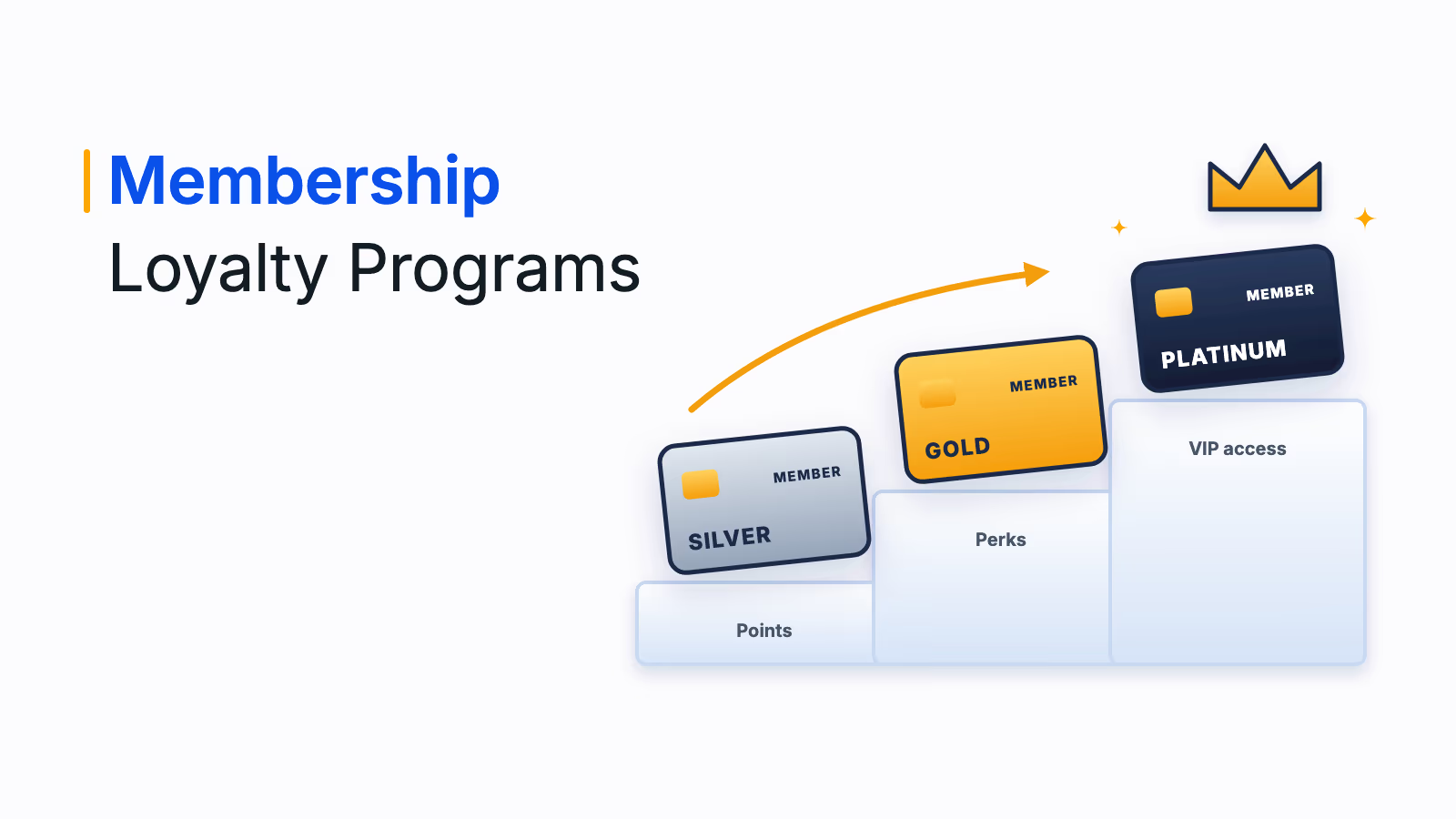
- Performance-based loyalty tiers (for example, Silver to Platinum) based on implementation depth and quality.
- Co-innovation rewards for contributing tooling, automation or accelerators.
- Transparent reward dashboards showing earned incentives and redemption choices.
- Quality bonuses tied to delivery excellence, uptime, migration accuracy and reliability.
Connectors (strategic alliances and referral networks)
Data firm partner rewards work best when they reward lead quality, not just lead volume:
- Referral quality-based tiers that reward high-conversion leads.
- Joint go-to-market incentives for co-branded events, campaigns and solution pitches.
- Certification and training rewards that build capability across cloud and analytics platforms.
- Co-selling bonuses for supporting pursuits and accelerating opportunities.
Channel partners (implementation and integration partners)
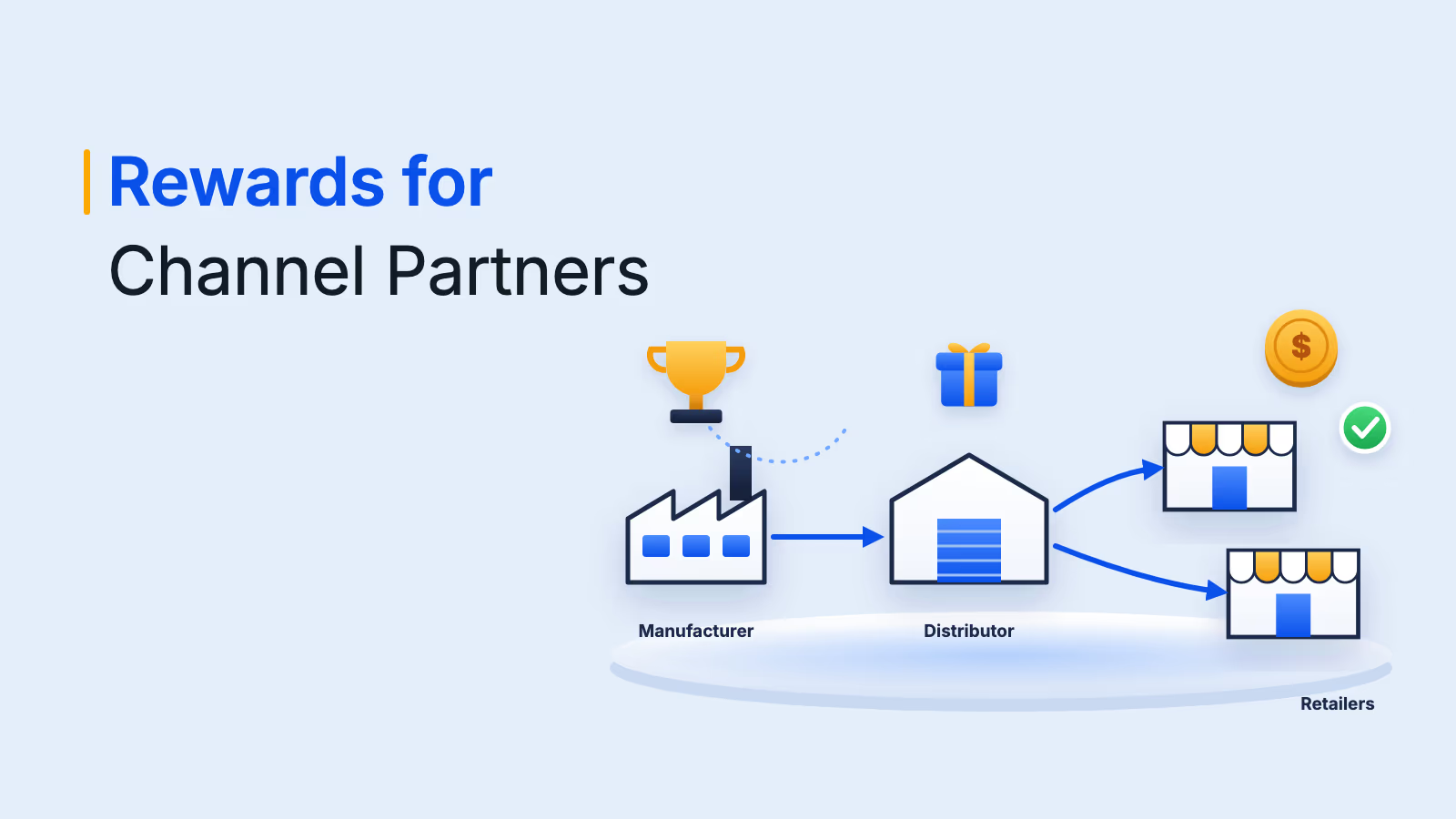
- Multi-tier loyalty models linked to revenue, volume and quality.
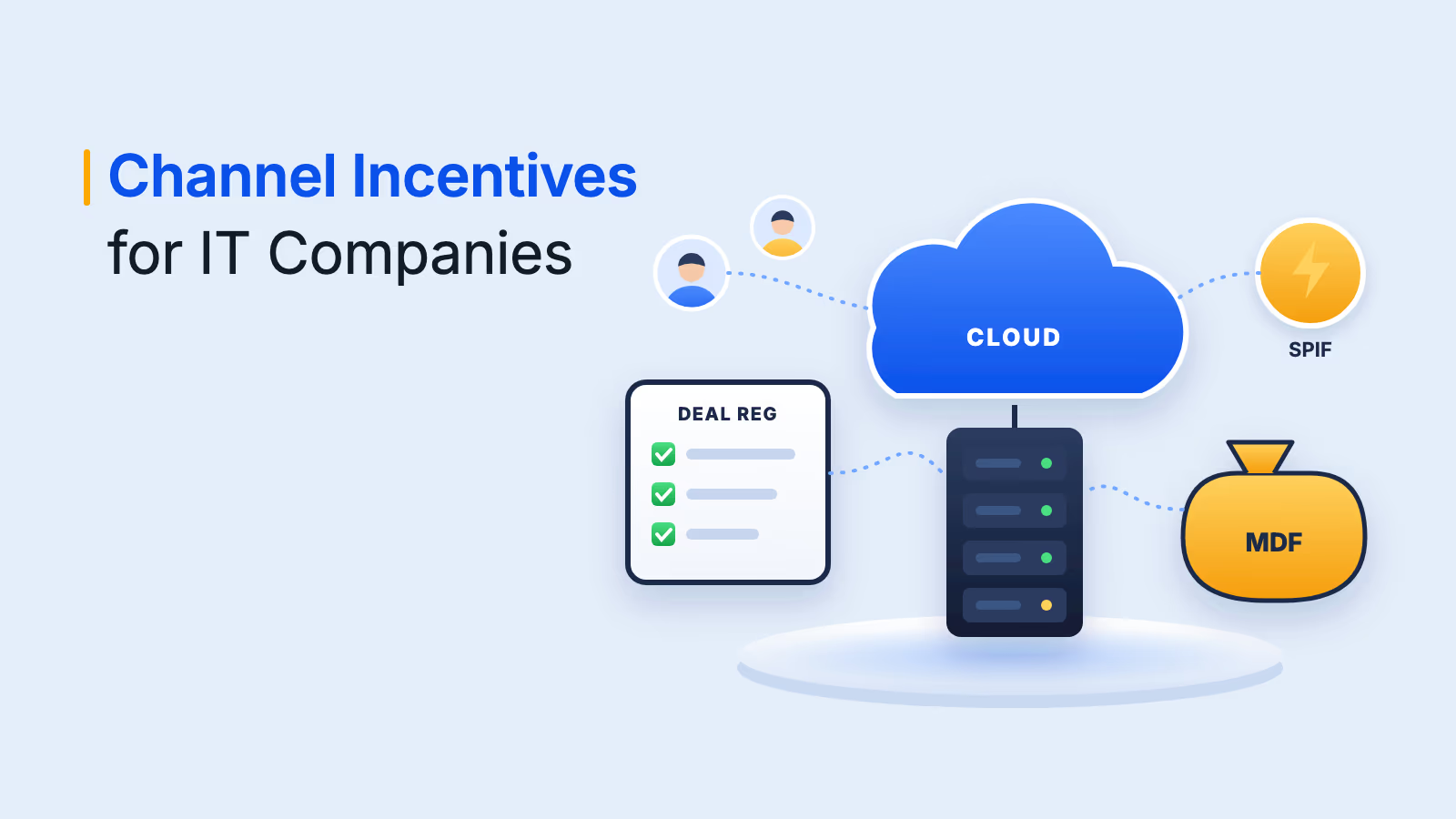
- Deal registration rewards for early pipeline contribution.
- Implementation excellence rewards tied to data quality, adoption and governance outcomes.
- Marketing development fund (MDF) access unlocked at performance thresholds.
- Renewal-based loyalty to reduce partner churn.
For more structures, see our guide to partner incentive programs.
Sales and business development teams
- Automated commission tracking for complex data practice deals.
- Gamified contests and real-time leaderboards across regions, teams and solution lines.
- Pipeline milestone incentives for qualified leads, workshops and proofs of concept.
- Presales collaboration rewards that align technical and business conversations.
- SPIFs for cloud platform deals, AI/ML programs or industry offerings.
Employees (delivery and technical)
- Peer-to-peer recognition for problem-solving, pipeline reliability and innovation.
- Delivery milestone rewards for migrations, pipelines, dashboards and quality wins.
- Skill development incentives tied to certifications and learning paths.
- Real-time spot awards for handling escalations and fixes.
- Tenure rewards to retain specialized talent.
Employees (support functions)
- Cross-functional appreciation programs that recognize enablement impact.
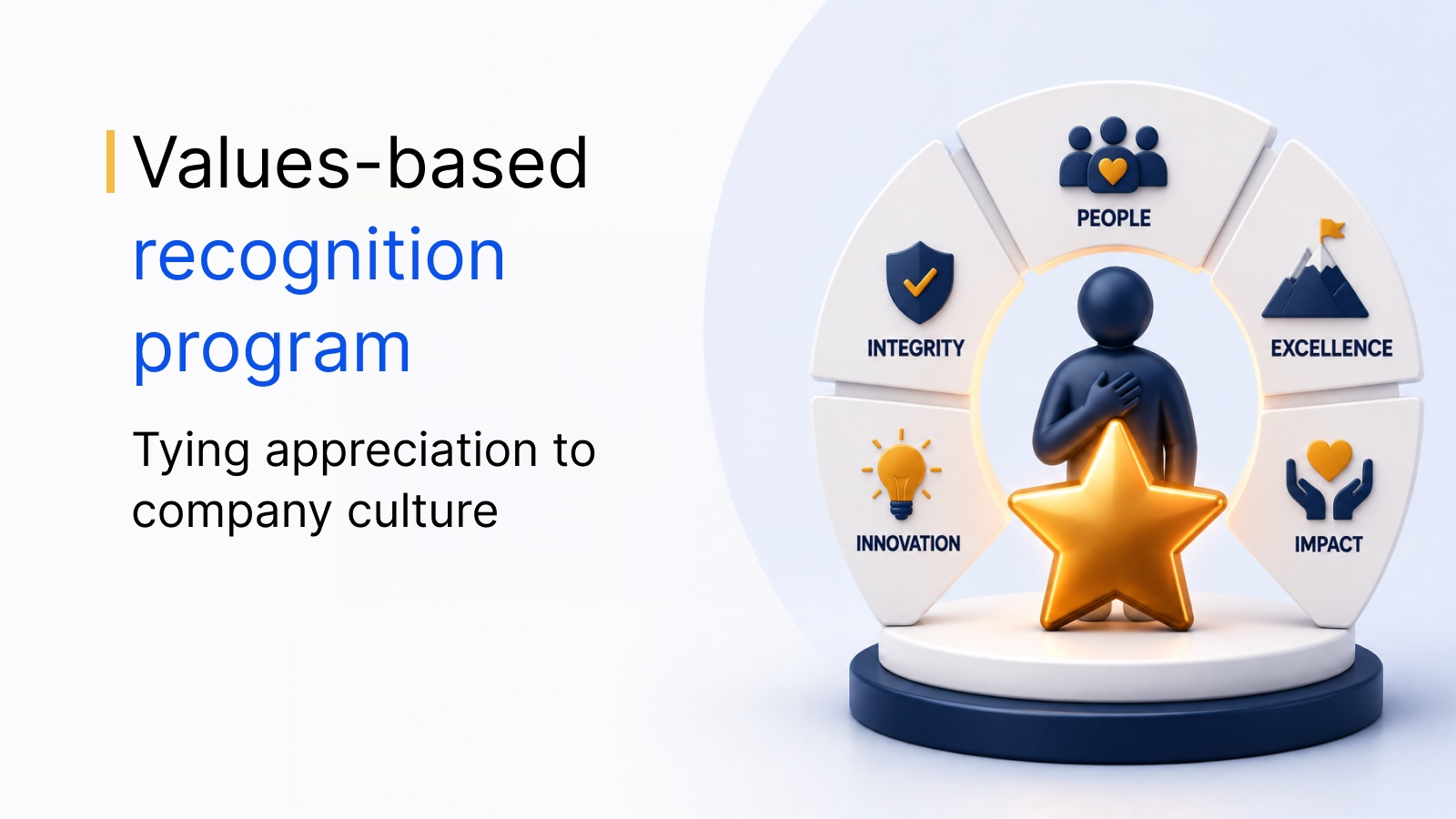
- Values-based rewards that reinforce a data-driven culture.
- Milestone and tenure celebrations and spot awards during tight delivery cycles.
Customer success and data enablement teams
- Outcome-based recognition for data quality improvements and dashboard adoption.
- Data literacy milestone rewards for onboarding new users.
- NPS-linked appreciation tied to satisfaction scores.
- Renewal and expansion celebrations for driving consumption and platform stickiness.
Capgemini, one of the firms in the table above, used Xoxoday Plum to replace fragmented, manual reward distribution with a single code-based rewards platform. Read the Capgemini case study to see how it fulfilled 10,600+ rewards across departments.
Program architecture: how to build a unified data management services rewards system
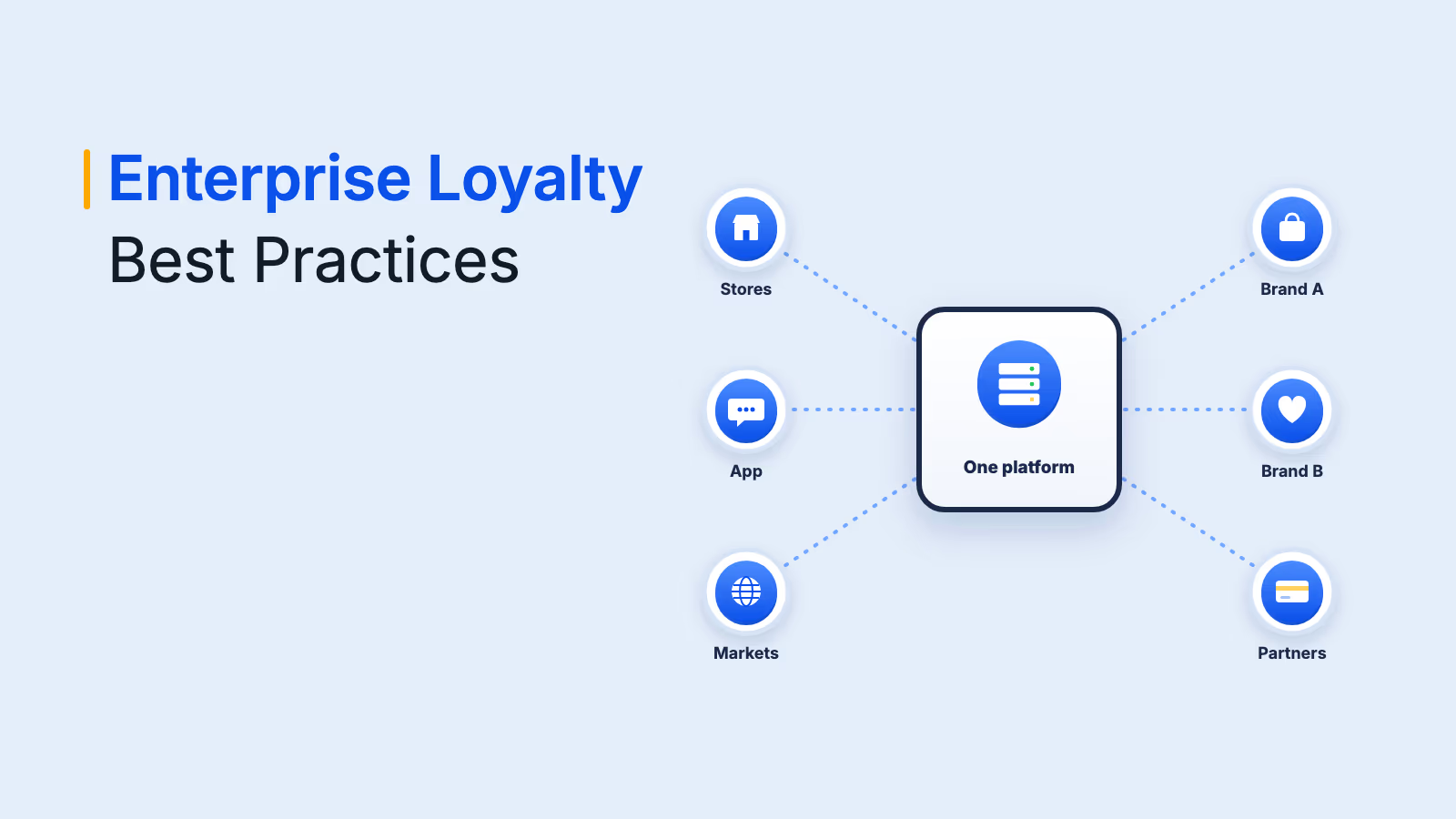
A unified data management services rewards architecture is the backbone that motivates every persona while keeping governance, efficiency and scale in check. These are the layers it needs.
Integrated systems
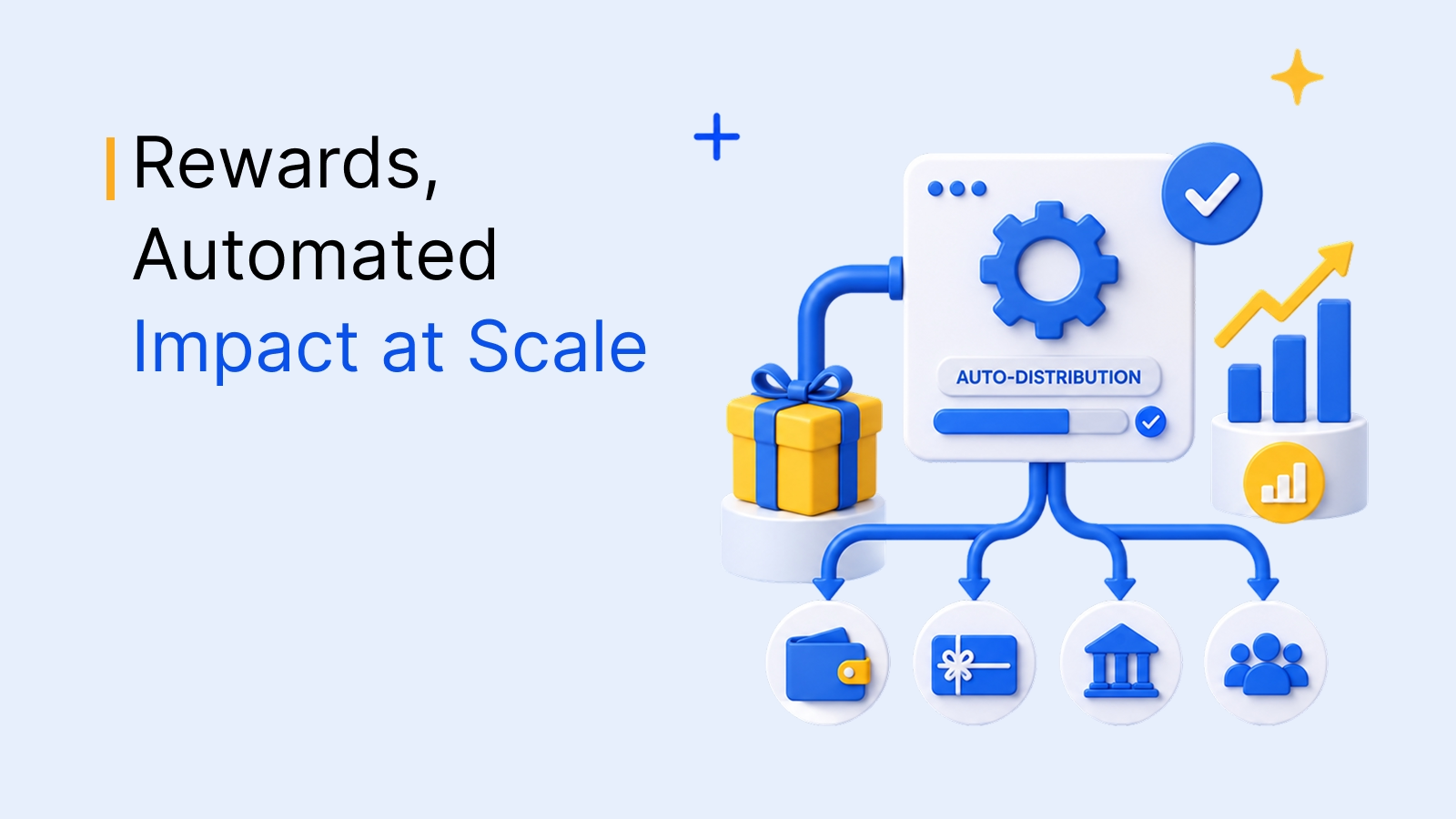
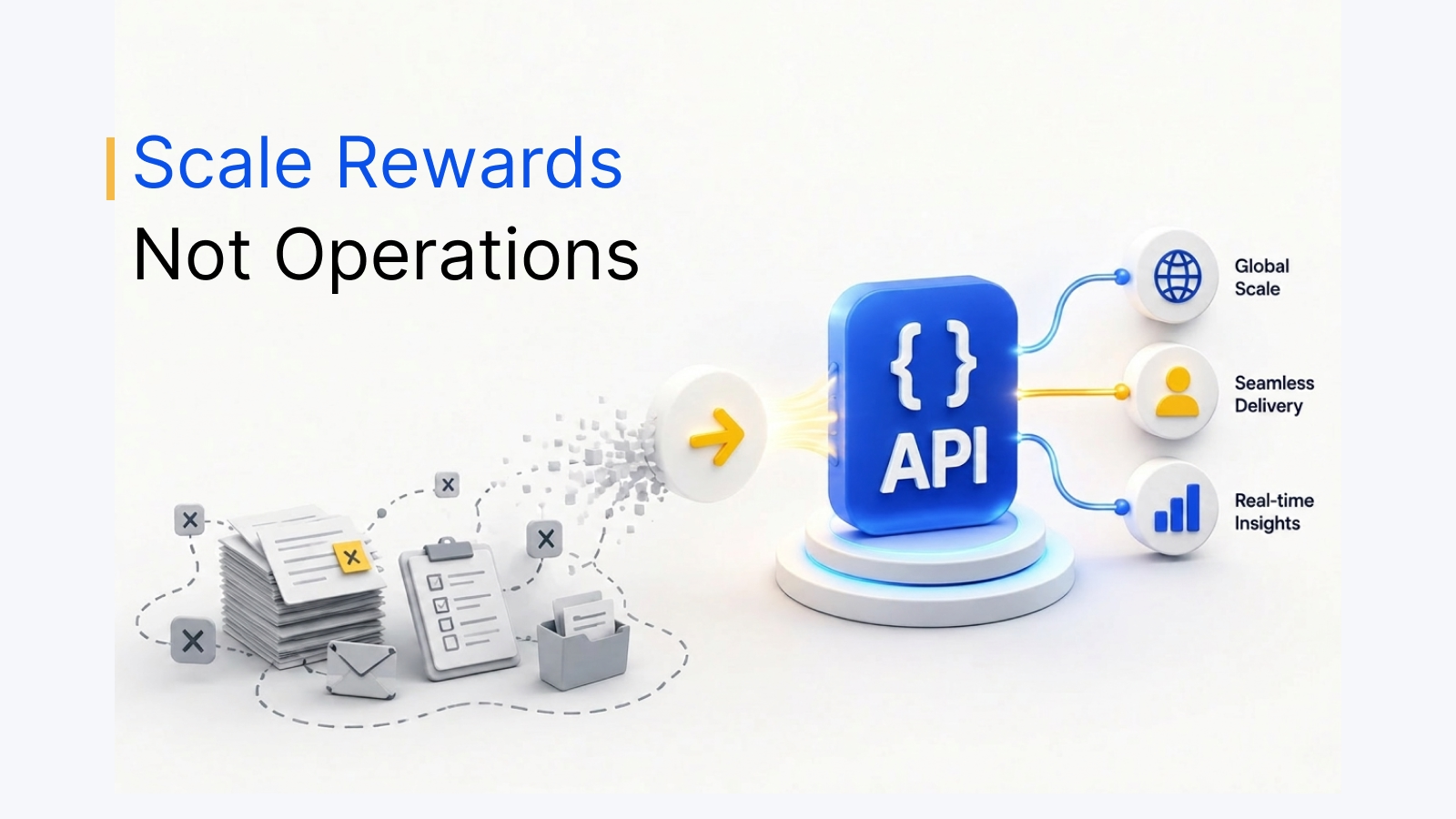
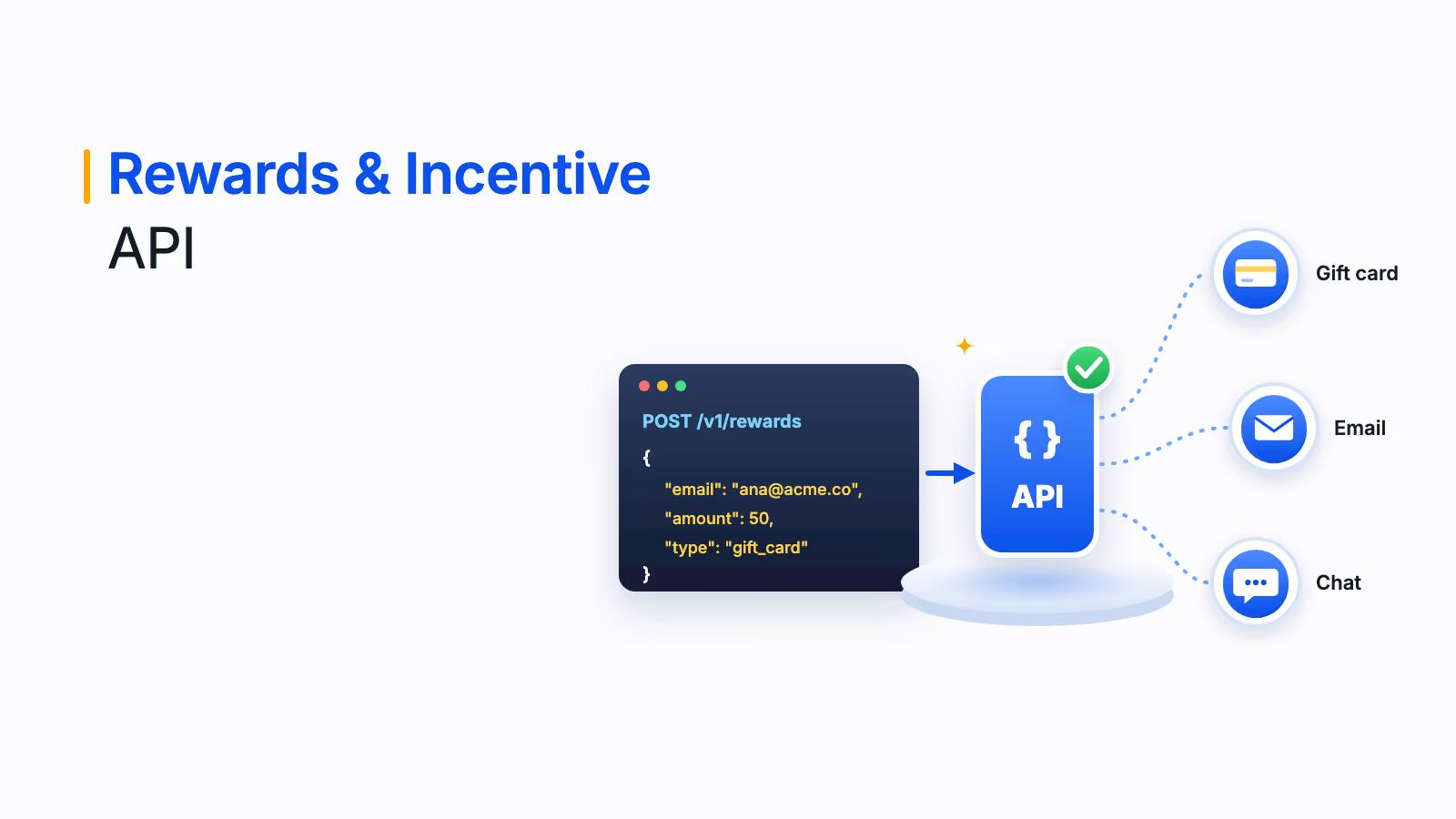
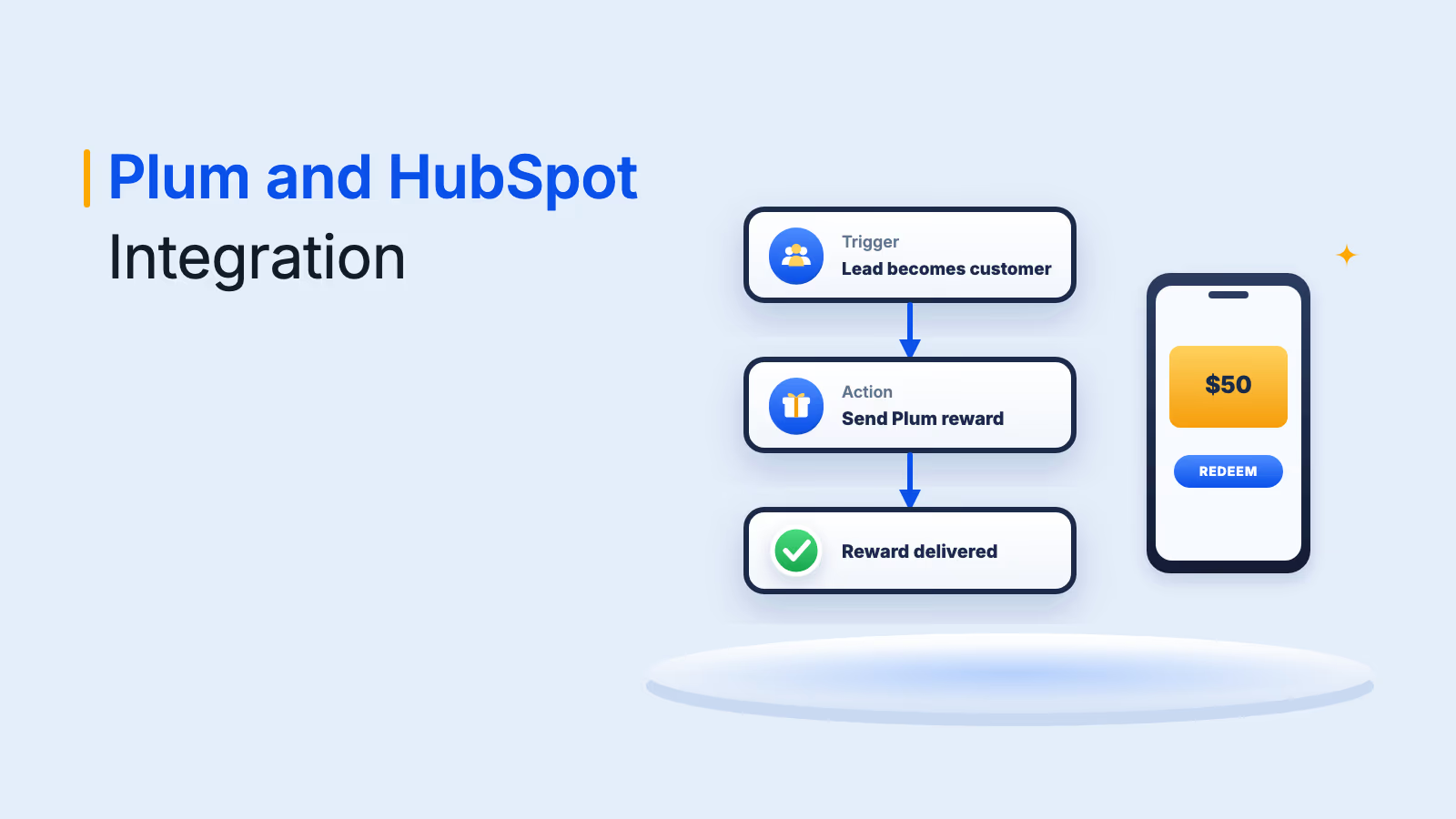
Rewards should connect with the tools data teams already use: CRMs such as Salesforce and HubSpot for pipeline and incentives, project tools such as Jira or Azure DevOps for milestones, HRMS and identity systems for role-based access and budgets, and data platforms for usage-based triggers. Plum offers 250+ native connectors and a rewards API with a sandbox, so reward events can fire automatically from real actions.
Rule-based accrual
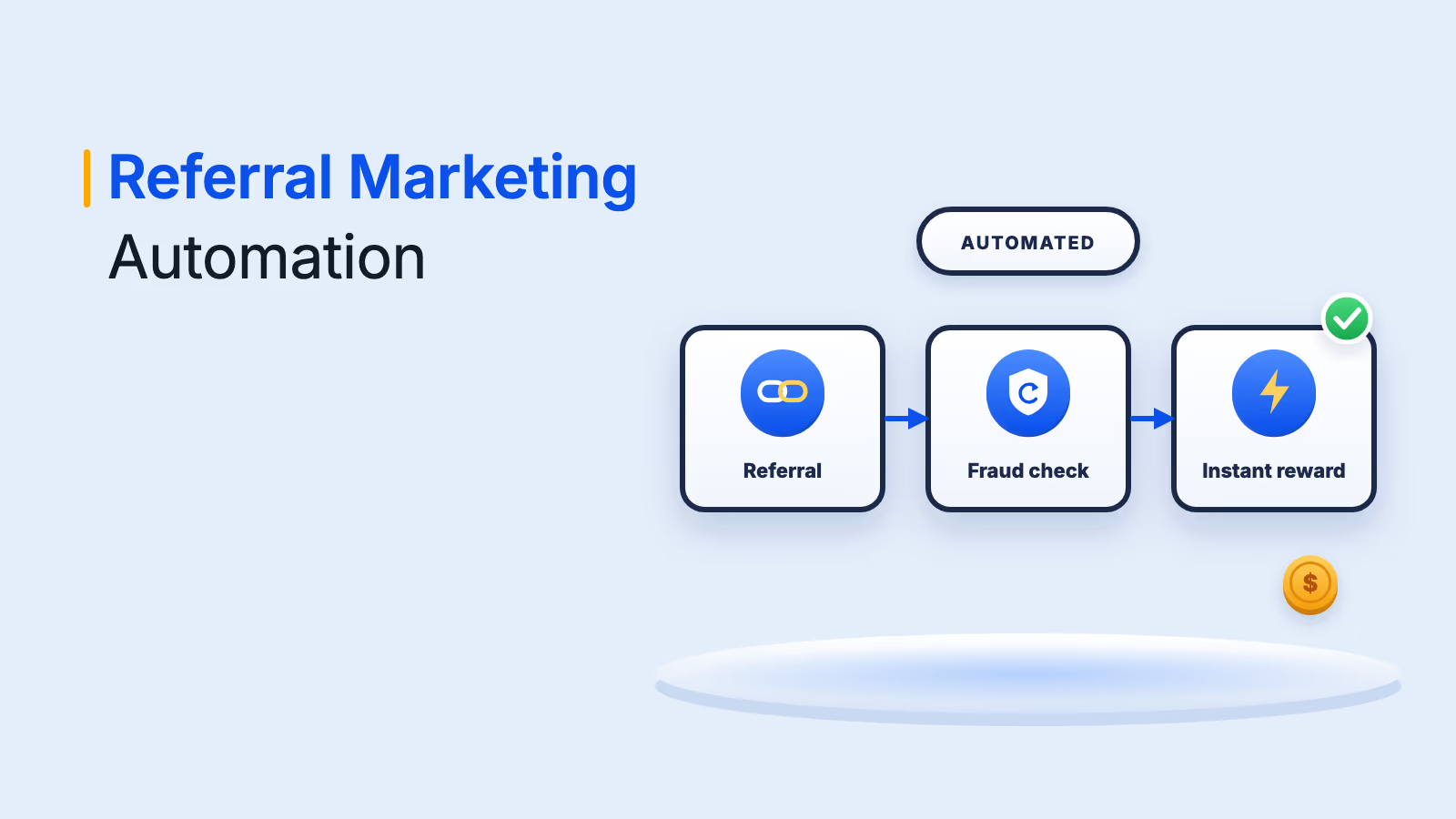
Define triggers based on certifications, project stages, data quality scores or adoption metrics, with separate rules for partners, consultants, sales teams and employees. Automated calculations remove disputes, manual tracking and payout delays.
Role-specific dashboards
Leadership, sales, delivery and partner dashboards should show progress, rewards earned, targets and tier status in real time. Visibility prevents disputes and reinforces motivation.
Segmentation and personalization
Segment contributors by role, tenure, performance tier, skill level, geography or certification status, then personalize rewards and nudges for each group.
Multichannel communication
Reach contributors where they work, through email, SMS, WhatsApp, Slack, Teams and in-app prompts, with automated triggers that reinforce behaviors without manual follow-ups.
Global reward marketplace
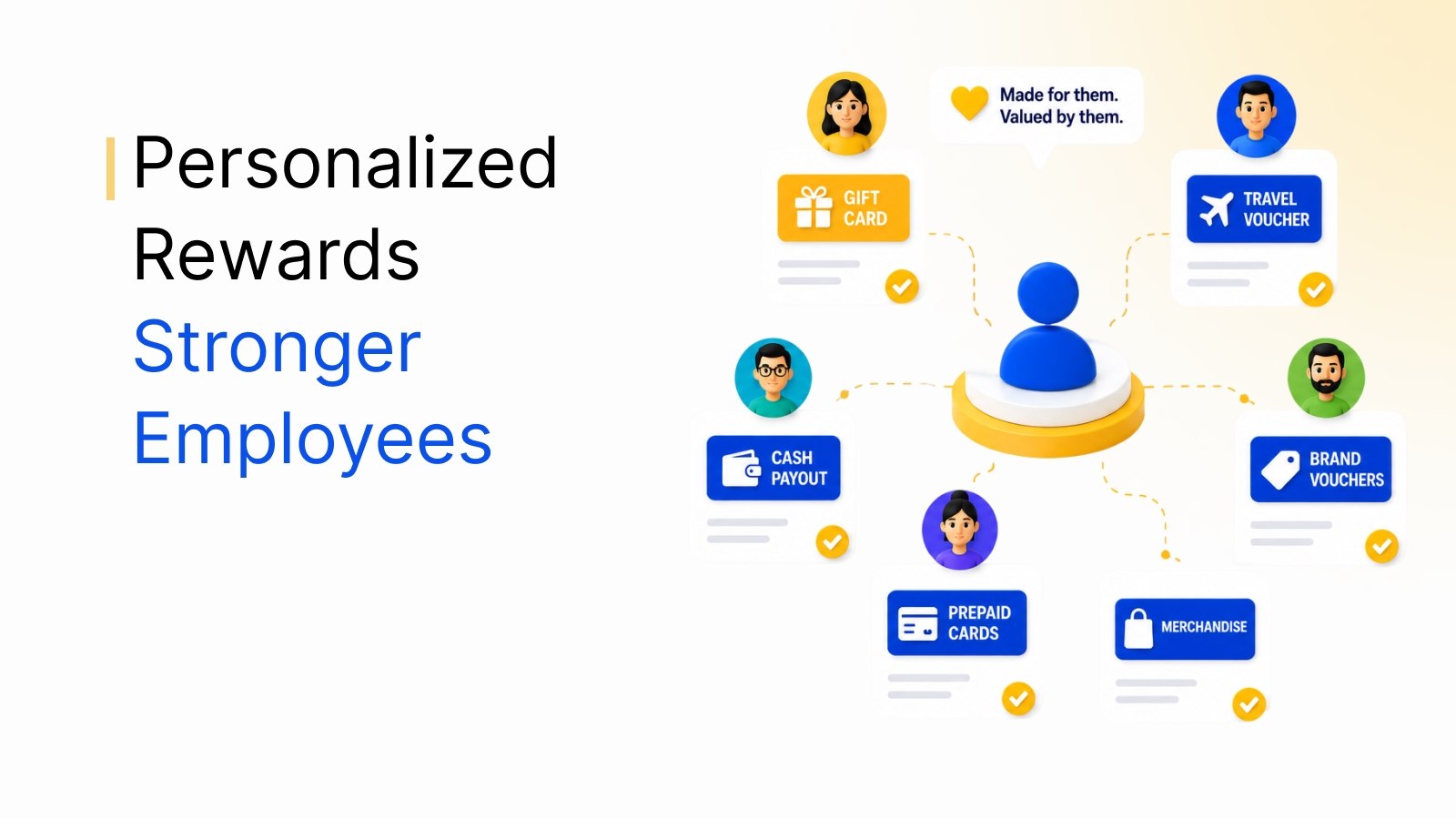
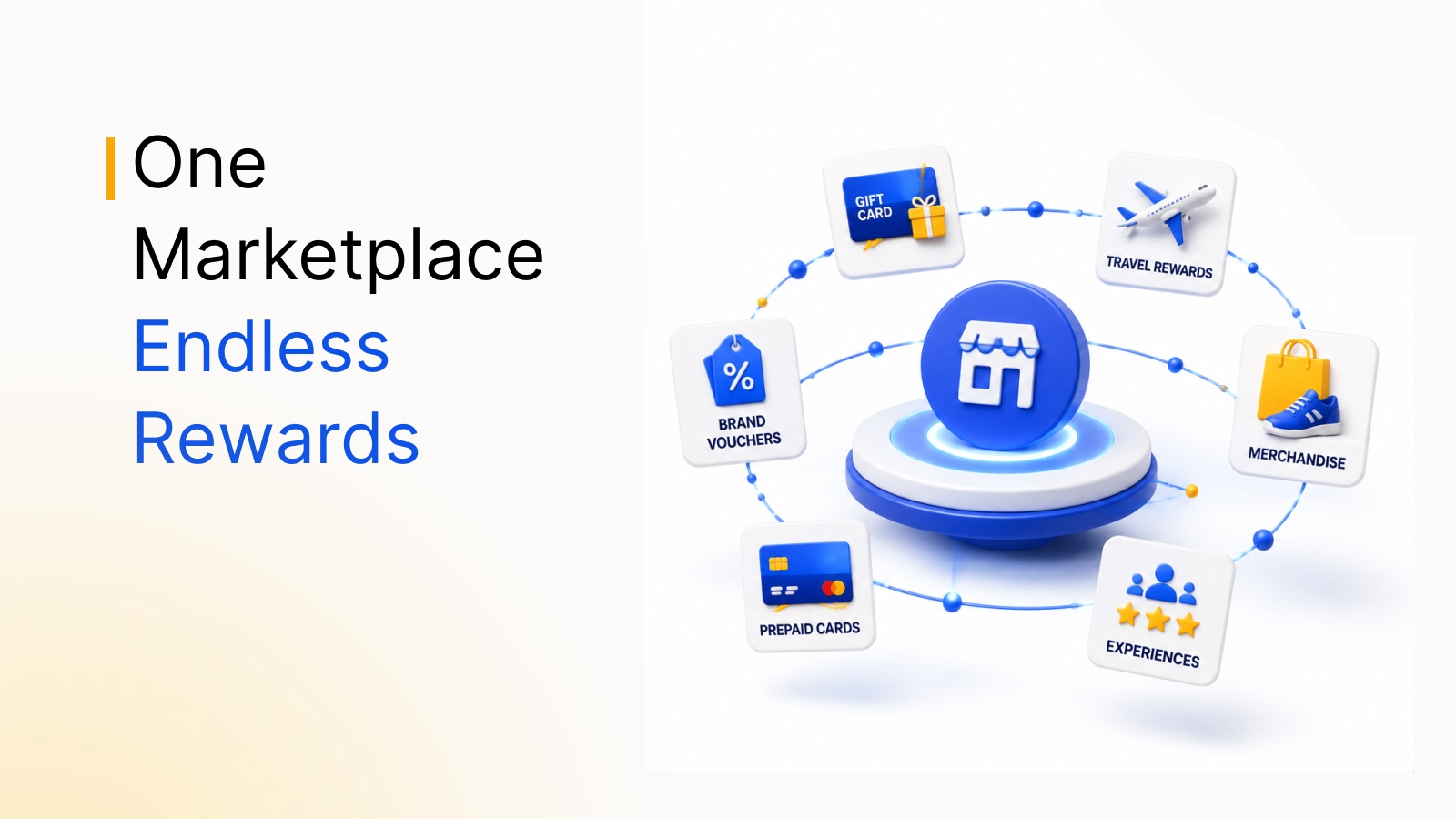
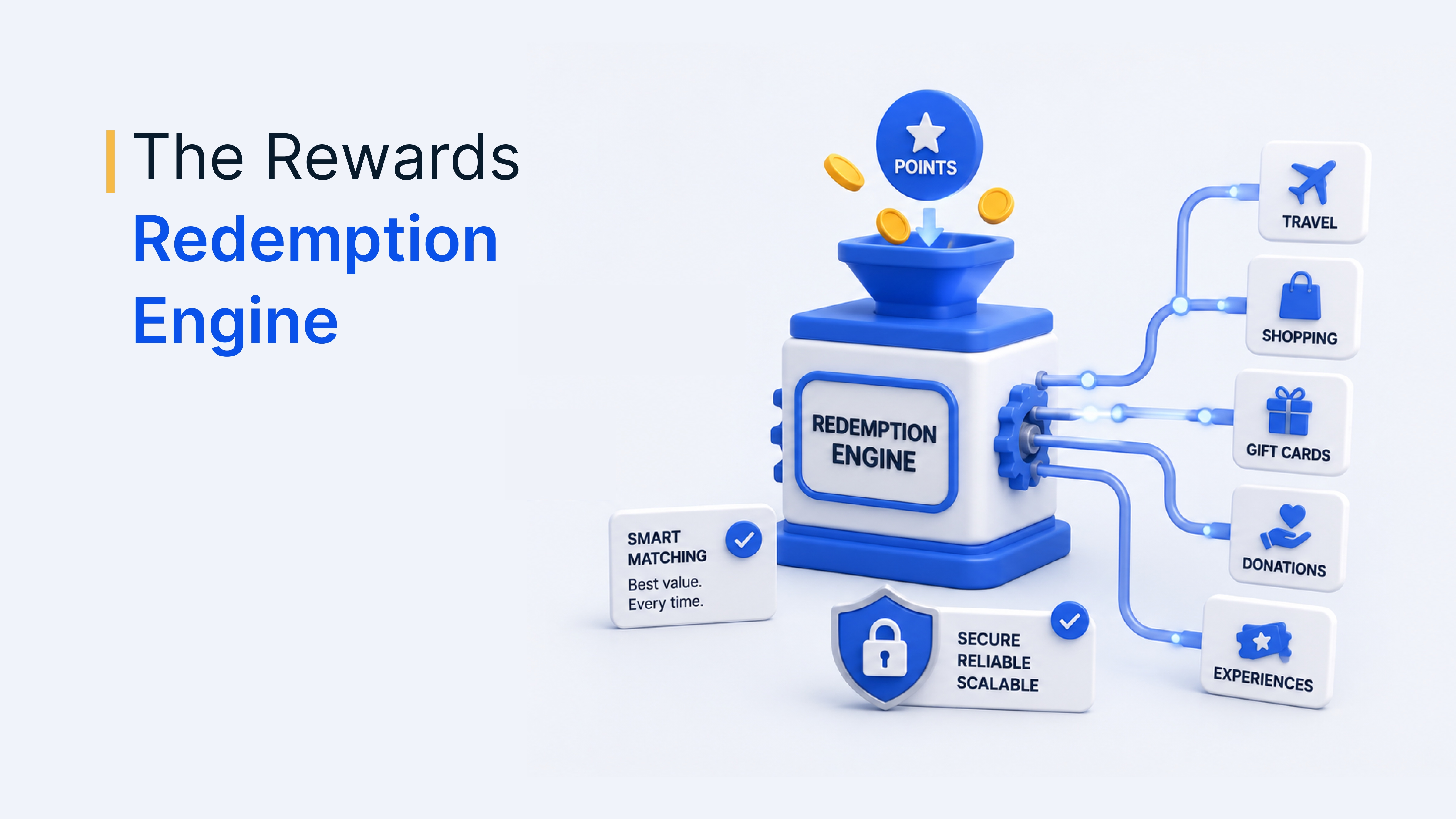
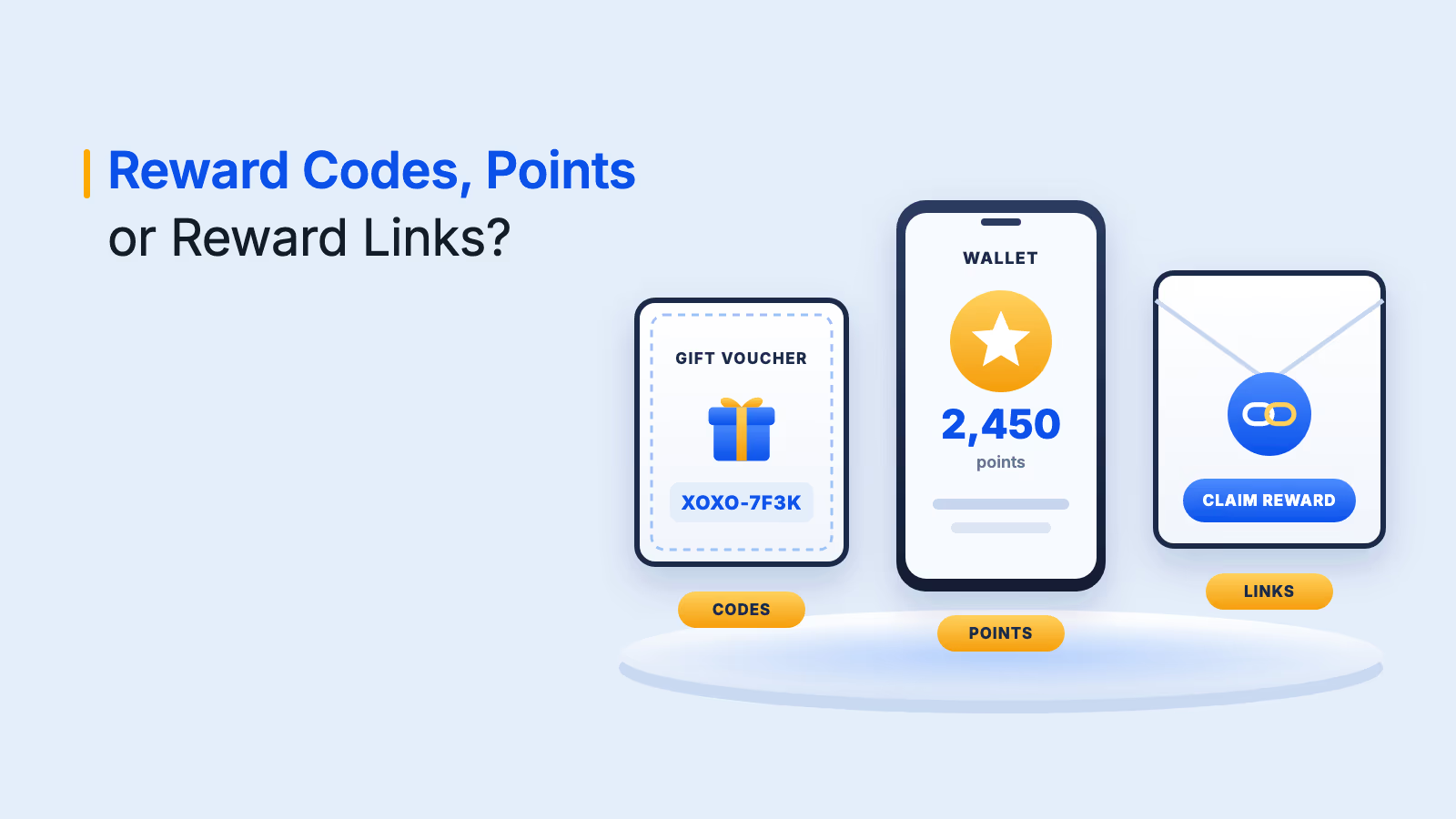
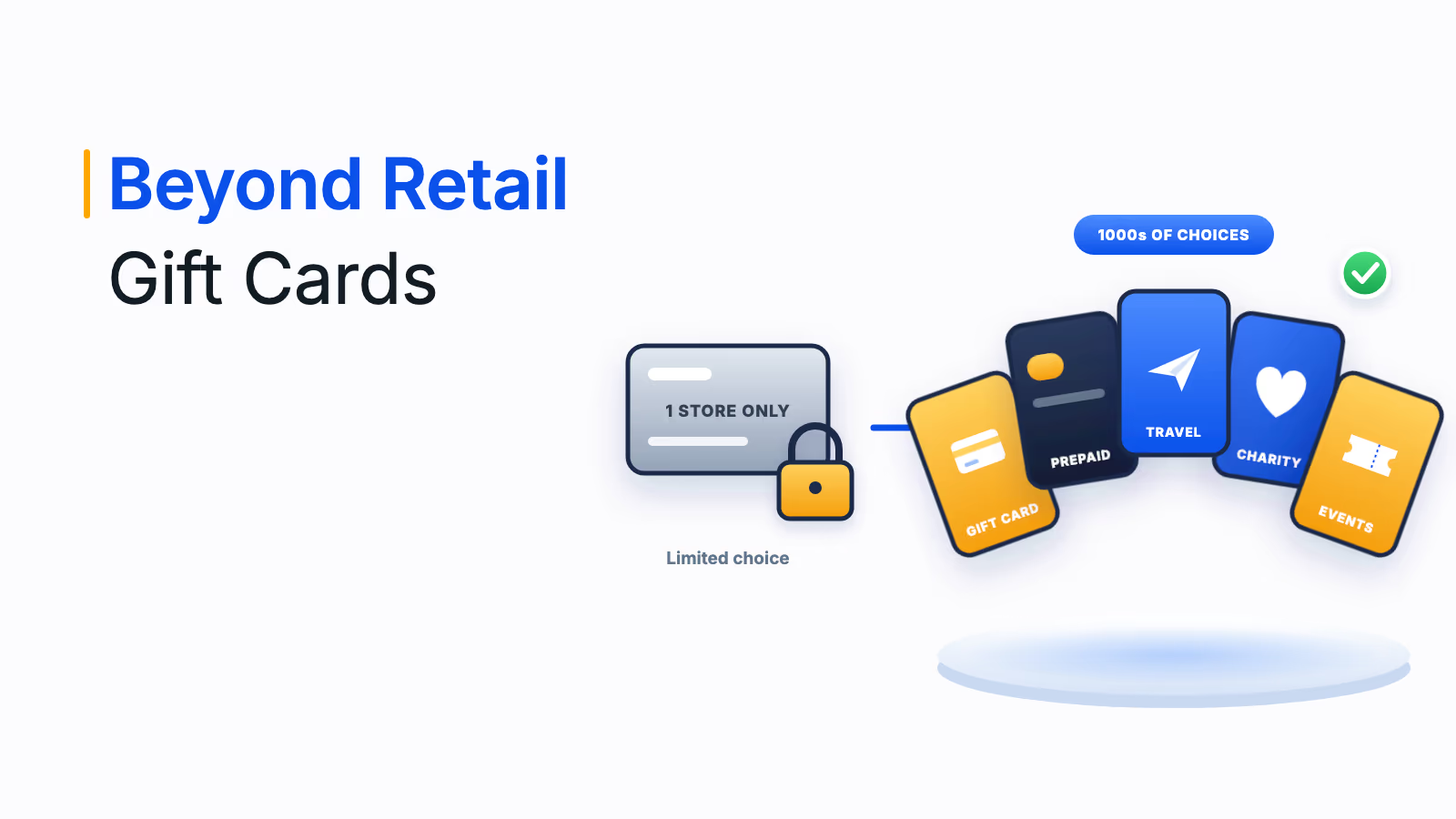
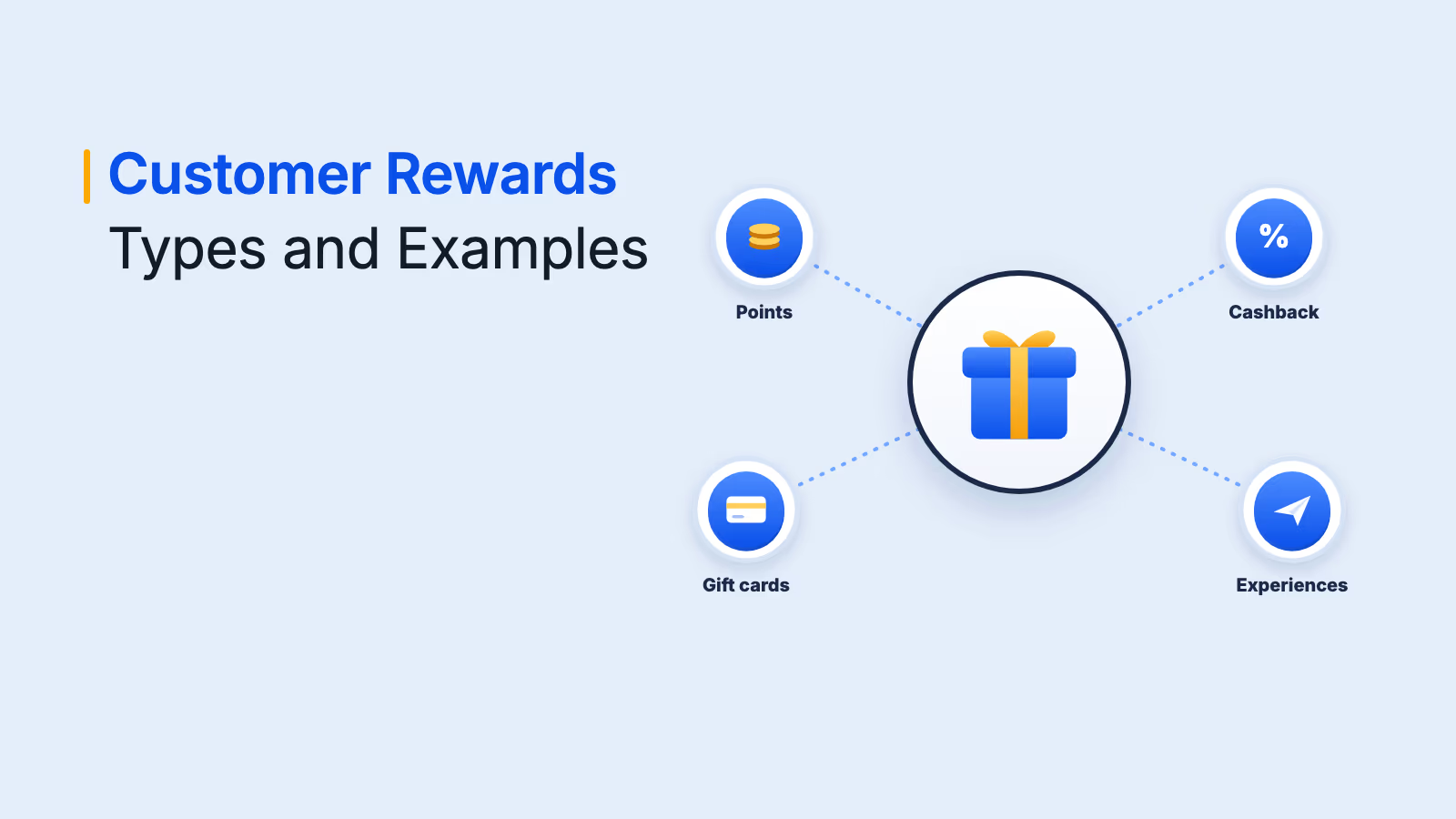
Distributed teams and partners need rewards that work locally. The Plum reward marketplace offers 10M+ reward options across 30+ categories in 150+ countries, including gift cards, experiences, merchandise, prepaid cards and charity donations, with redemption in local currency.
Governance, compliance and audit readiness
Configurable approval workflows, tax-ready reporting, audit trails for every transaction and budget controls protect integrity across geographies.
Gamification
Leaderboards, badges, tiers, streaks and challenges tied to data quality, certifications or performance keep momentum going across long-running programs.
Checklist for data services engagement and rewards programs
Use this checklist to assess whether your program covers every layer, from strategy to compliance.
Strategic foundation
- Define engagement objectives for each persona.
- Map rewards to outcomes such as data quality, governance maturity, talent retention and platform adoption.
- Set governance roles, approval structures and budgets across the five journeys.
Partner ecosystem management
- Define partner tiers with clear performance and quality criteria.
- Create transparent commission and incentive models.
- Incentivize certifications and build partner portals with dashboards and reward visibility.
Sales enablement
- Automate commission workflows.
- Gamify contests tied to modernization, cloud and AI/ML priorities.
- Reward presales and sales collaboration.
Employee experience
- Deploy peer-to-peer recognition for engineering excellence.
- Link rewards to certifications and project milestones.
- Offer tenure rewards and real-time spot awards.
Technology, operations and compliance
- Connect CRM, HRMS, project management and data platforms.
- Configure omnichannel communication and API-based reward triggers.
- Provide localized catalogs for global contributors.
- Ensure tax compliance, data privacy, audit trails and budget controls.
Measurement and optimization
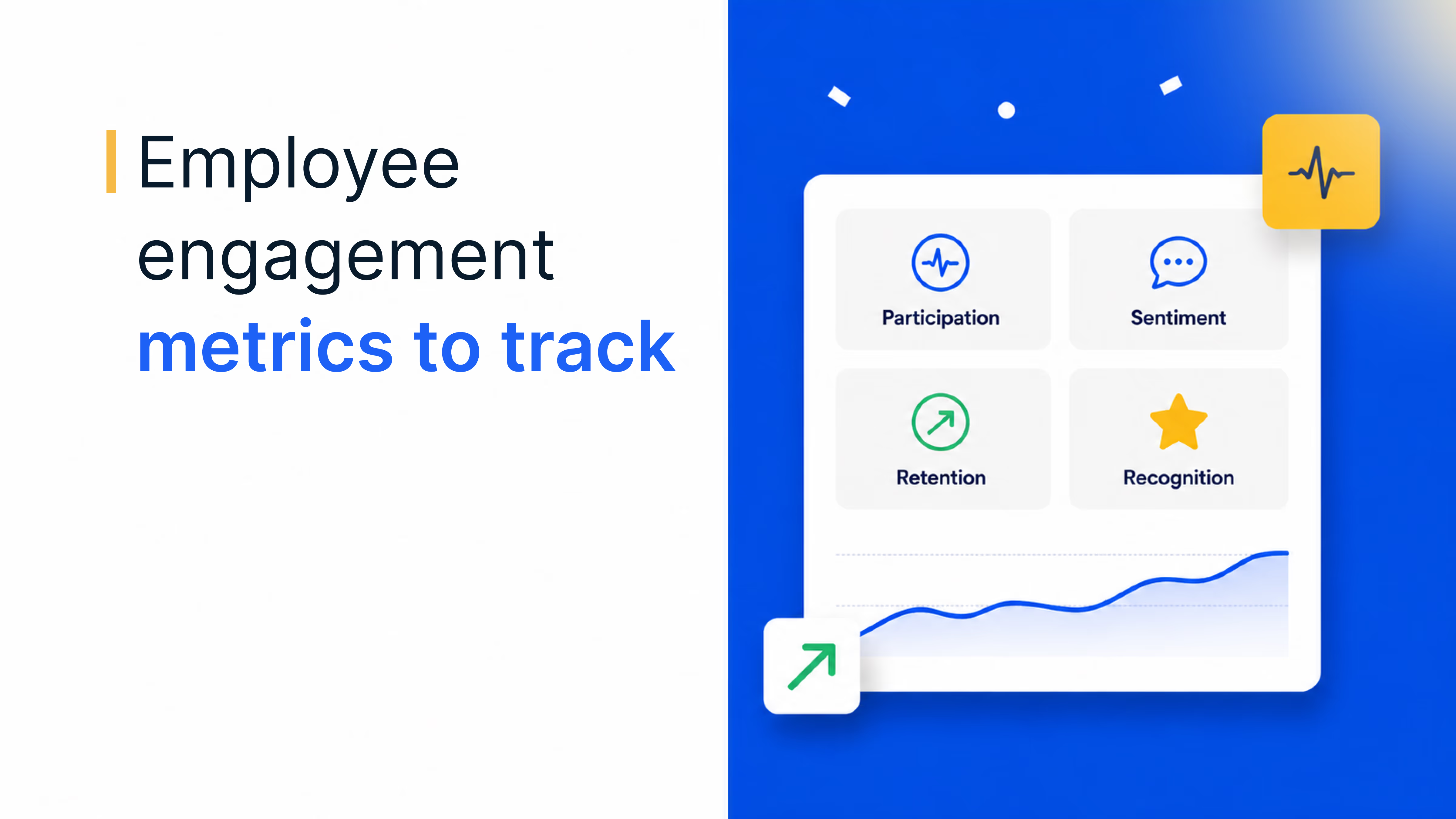
- Define KPIs per persona, such as attrition, adoption, deal velocity and quality scores.
- Track ROI on engagement spend and A/B test reward types, messaging and triggers.
- Review the program regularly against data practice goals.
Conclusion: the future of data services engagement
The next era of data transformation will be defined by ecosystems: consultants, engineers, partners, sales teams and enablement roles working as one. Data services engagement will move from a one-off initiative to a continuous engine for adoption, innovation and long-term value.
- Engagement will shift from project-based touchpoints to ongoing value creation.
- AI will drive personalized nudges, recommendations and predictive incentives.
- Partner ecosystems will become differentiating assets, not just distribution channels.
- Recognition will be real-time, data-driven and visible across teams.
- Fragmented programs will consolidate into unified engagement platforms.
Ultimately, data transformation success depends on how empowered, valued and aligned teams feel, not just on the platforms they deploy. Book a demo to see how Xoxoday Plum can help you build a connected, motivated and high-performing data practice.
Book your Plum demo
Frequently asked questions
Data services engagement is how a data management or analytics services firm motivates and aligns everyone involved in delivery: consultants, engineers, delivery and channel partners, referral connectors, sales teams, support functions and customer enablement teams. It combines rewards, recognition, incentives and feedback so that each persona stays productive and committed across long, complex transformation programs.
Data services firms depend on scarce technical talent and large partner ecosystems, and both are hard to retain. A rewards program recognizes contributions that often go unseen, such as reusable pipelines or data quality improvements, reduces commission disputes with partners and keeps sales teams motivated through long deal cycles. The result is better retention, faster delivery and stronger partner loyalty.
Reward outcomes that move transformation forward: platform certifications, project and migration milestones, data quality and adoption scores, high-quality referrals, deal registrations, presales collaboration, customer satisfaction and tenure. Avoid rewarding volume alone, since quality and adoption matter more to clients than the number of pipelines or leads delivered.
Use tiered partner programs linked to revenue, volume and delivery quality, combined with deal registration rewards, certification incentives, co-marketing funds and renewal-based loyalty. Give partners a dashboard where they can see tiers, earnings and payouts in real time, and let them redeem rewards from a global catalog in their local currency.
The 5-journey framework organizes engagement into five stages: acquisition, activation, engagement, performance and retention. At each stage, firms define the actions they want from every persona and the rewards or recognition that follow. It replaces disconnected programs with one system that covers employees, partners and clients from first contact to long-term loyalty.
Xoxoday Plum gives data services firms a single rewards infrastructure with 10M+ reward options across 30+ categories in 150+ countries, local-currency redemption, 250+ native connectors and REST APIs with a sandbox. Rewards can be triggered from CRMs, HR systems or internal tools and delivered instantly by email, SMS or link, with dashboards and audit trails for governance.