Key Takeaways
Prepaid cards combine the universal appeal of cash with the control, branding and tracking of a managed reward.
One card format works for employees, customers, channel partners, survey respondents and gig workers, in any country.
Overlooked uses include rebates, research and clinical study payments, event rewards, recurring panels and unbanked recipients.
Compared with cash and brand gift cards, prepaid cards win on choice, security, cross-border use and admin effort.
Check fees, KYB, validity and cross-border rules for each card before launching a program.
If you were given the choice between money and a gift as a reward, what would you pick? Most people pick money. The benefits of prepaid cards start right there: a prepaid card feels like money to the person who receives it, yet it gives the business sending it the control, branding, speed and data that cash never offers.
Gift cards have long been the default reward in most programs, but prepaid cards are quietly stepping up the game. Many teams still use them only for expenses or the odd payout and miss their real potential as a rewards tool. This guide looks at that hidden potential: why prepaid reward cards beat cash and other rewards, how they work for employees, customers, partners, survey respondents and gig workers, the use cases teams overlook and how they make global rewarding simple.
What is a prepaid card?
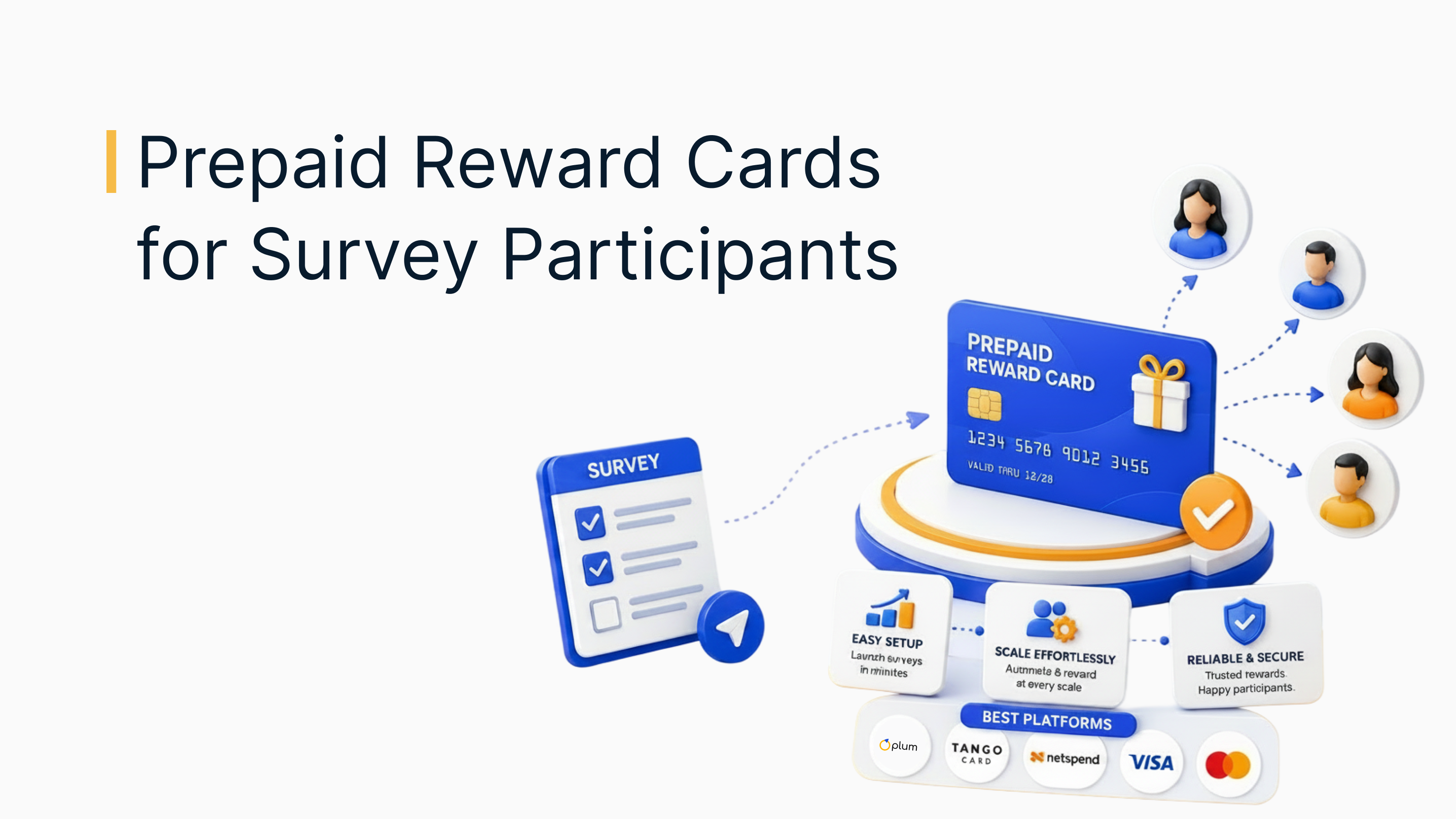
A prepaid card is a stored-value payment card, much like a credit or debit card, that is loaded with funds in advance and spent up to the loaded balance. Unlike a credit or debit card, it is not linked to a savings, checking or credit account, so there is no borrowing and no interest.
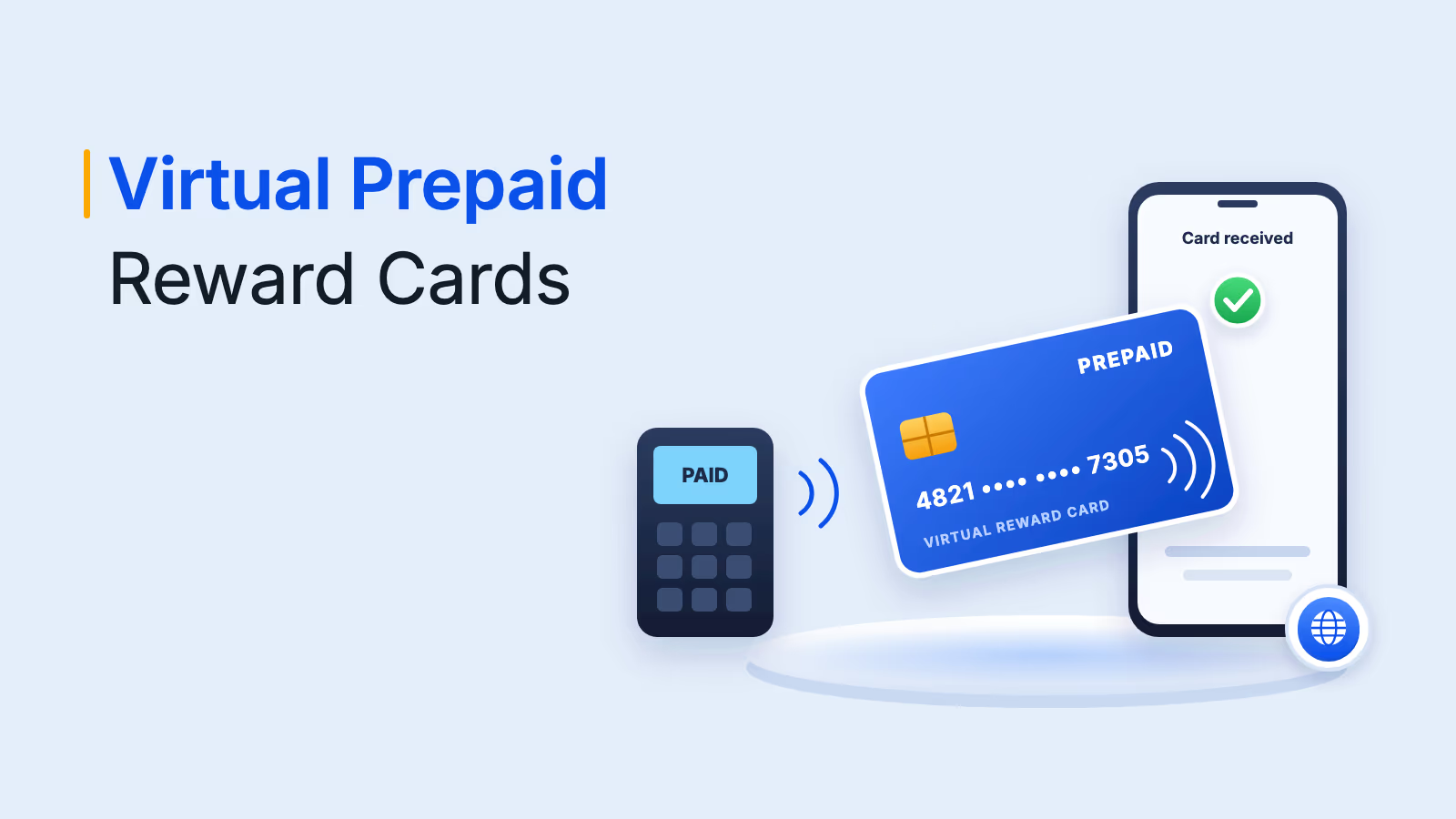
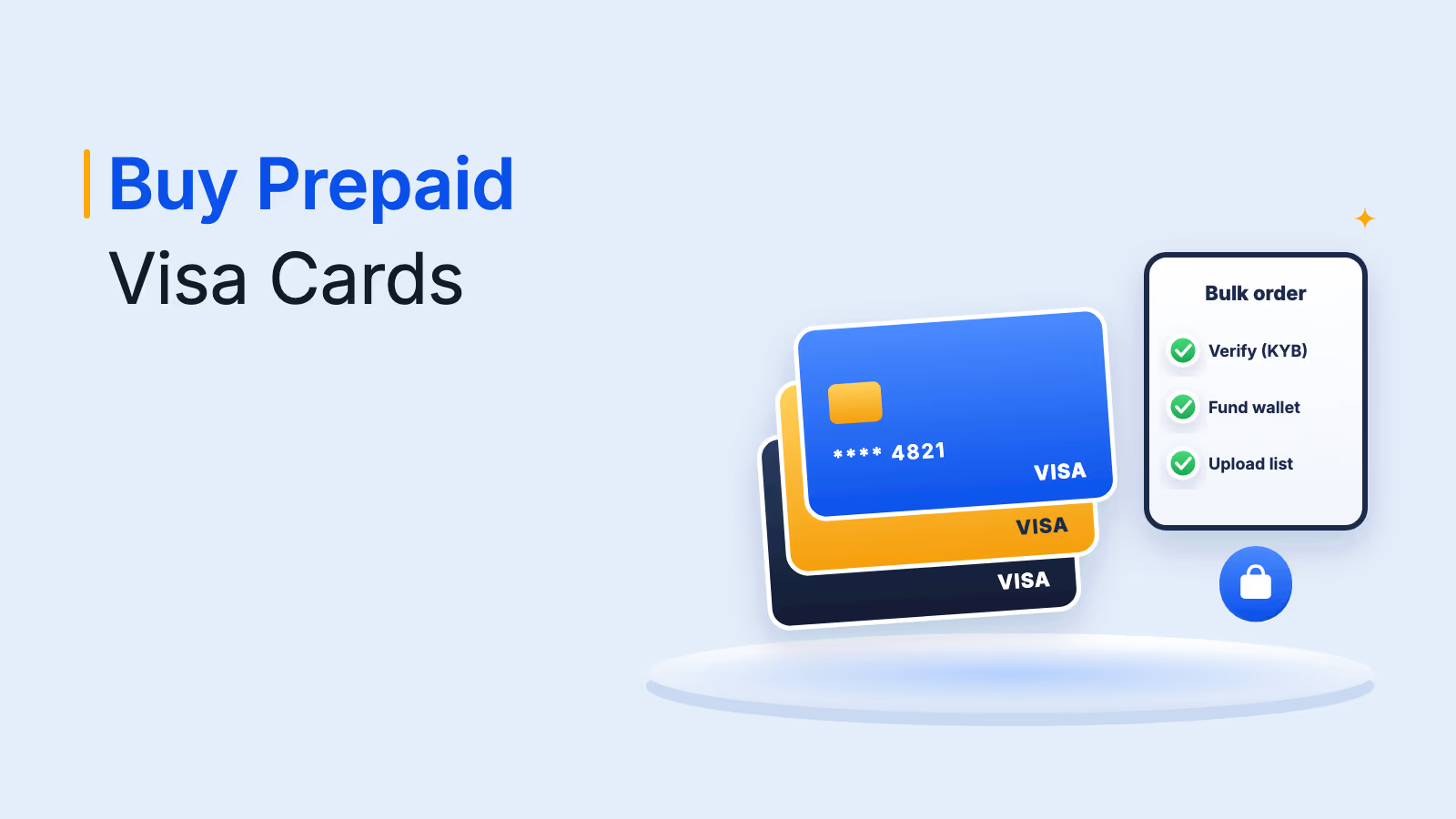
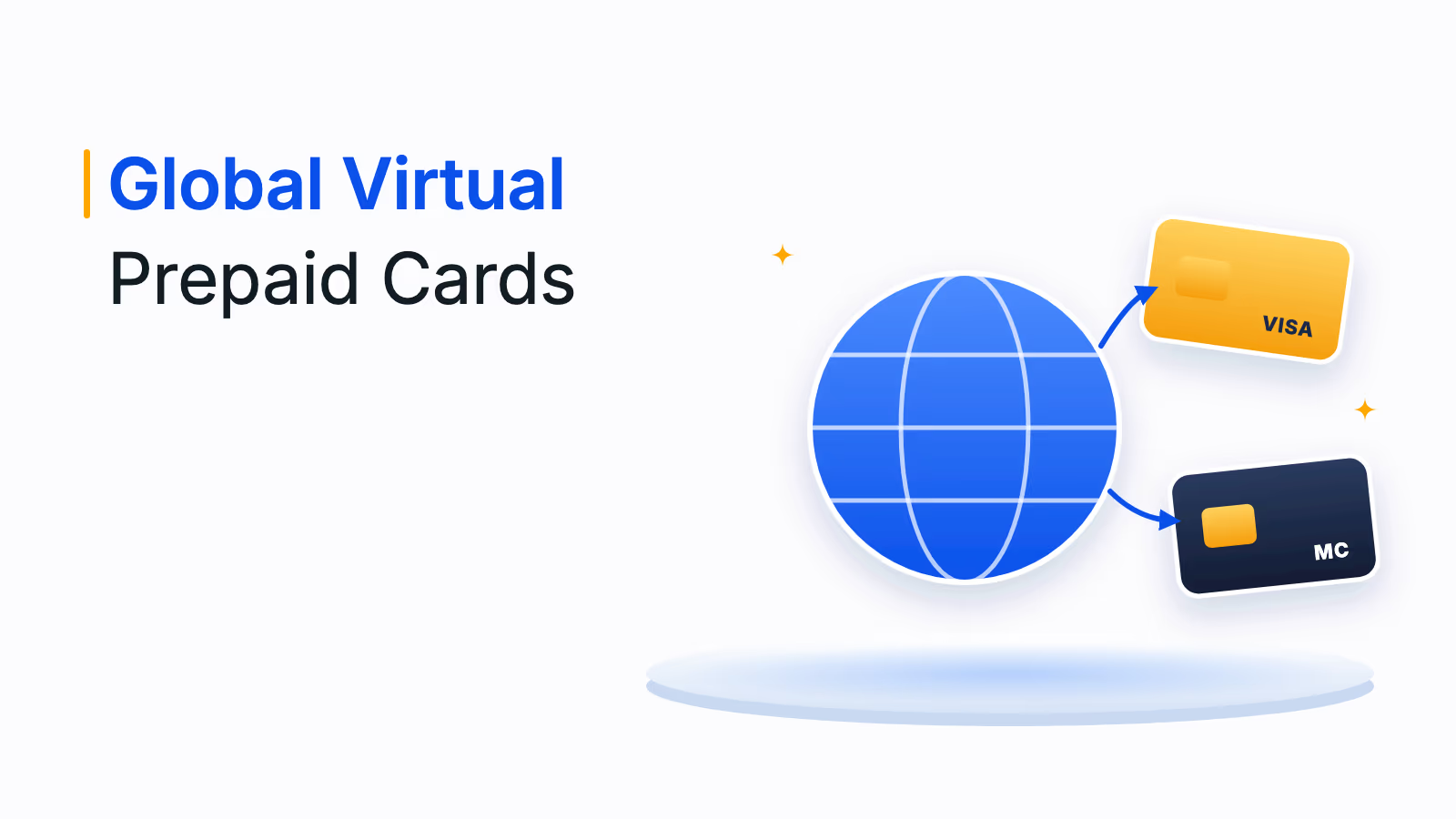
Prepaid cards that carry a Visa or Mastercard logo can be spent on almost anything, anywhere that network is accepted, online and in store. They come as physical plastic cards or as virtual cards, a 16-digit number, expiry date and CVV delivered by email, SMS or link. That cash-like freedom, combined with instant delivery, is what makes them such a strong reward and incentive format.
The hidden potential of prepaid cards for rewarding
The hidden potential of prepaid cards is that they combine the universal appeal of cash with the control of a managed reward. Recipients get freedom of choice; the business gets a branded, trackable, instantly delivered incentive it can send to anyone with an email address.
Most reward programs force a trade-off. Cash is loved but hard to send, impossible to brand and leaves no data. Gift cards are easy to send but only work if the recipient likes that brand and lives where it operates. Merchandise and catalogs feel thoughtful but cost time to pick, ship and manage. Prepaid cards sit in the middle and remove most of those trade-offs:
- Universal appeal: You do not need to guess what the recipient likes. A network prepaid card fits every taste, which matters most when you reward people you do not know well, such as panelists or new customers.
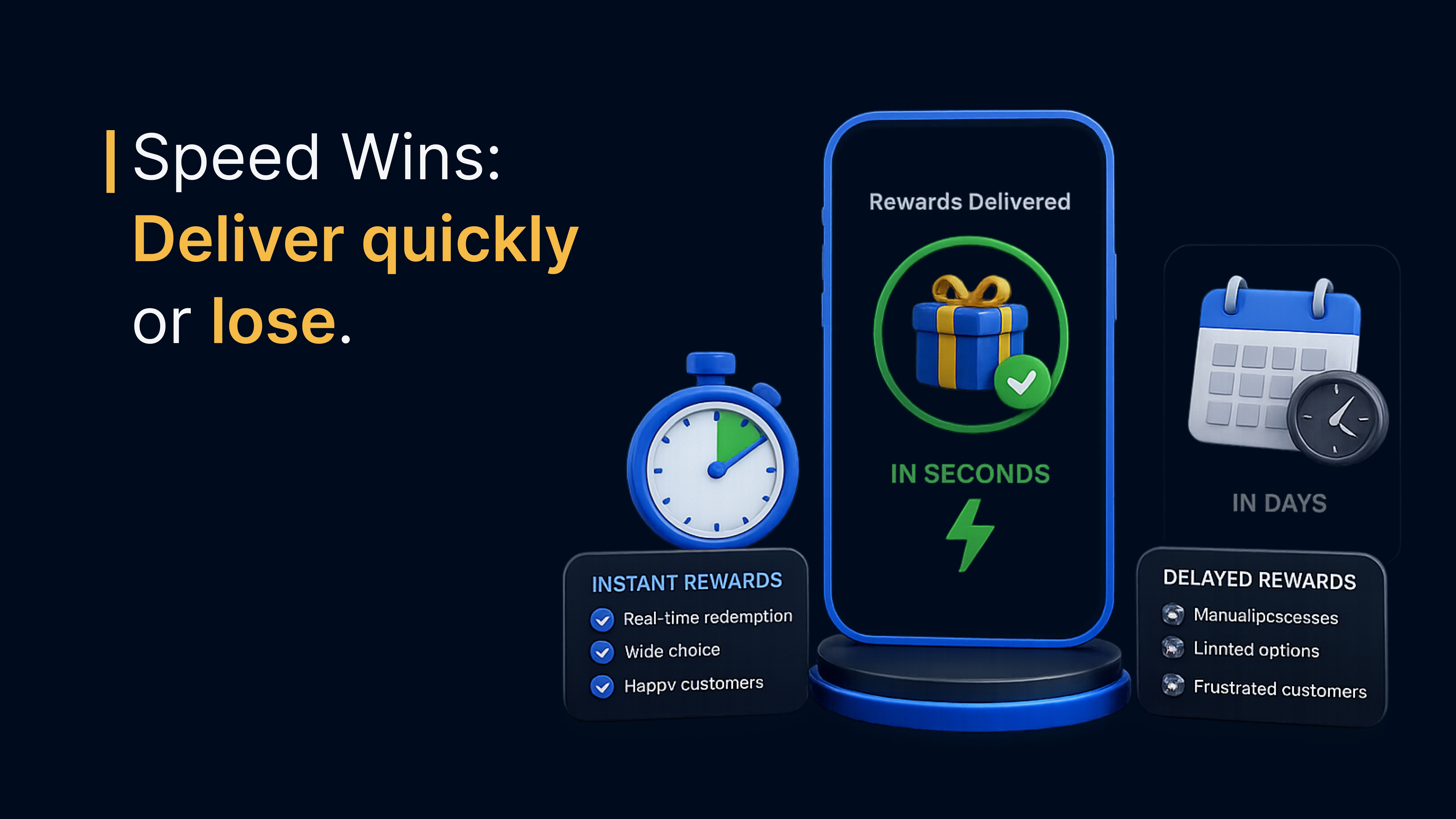
- Instant gratification: Virtual cards land in seconds, so the reward arrives while the action is still fresh. That link between action and reward is what drives repeat behavior.
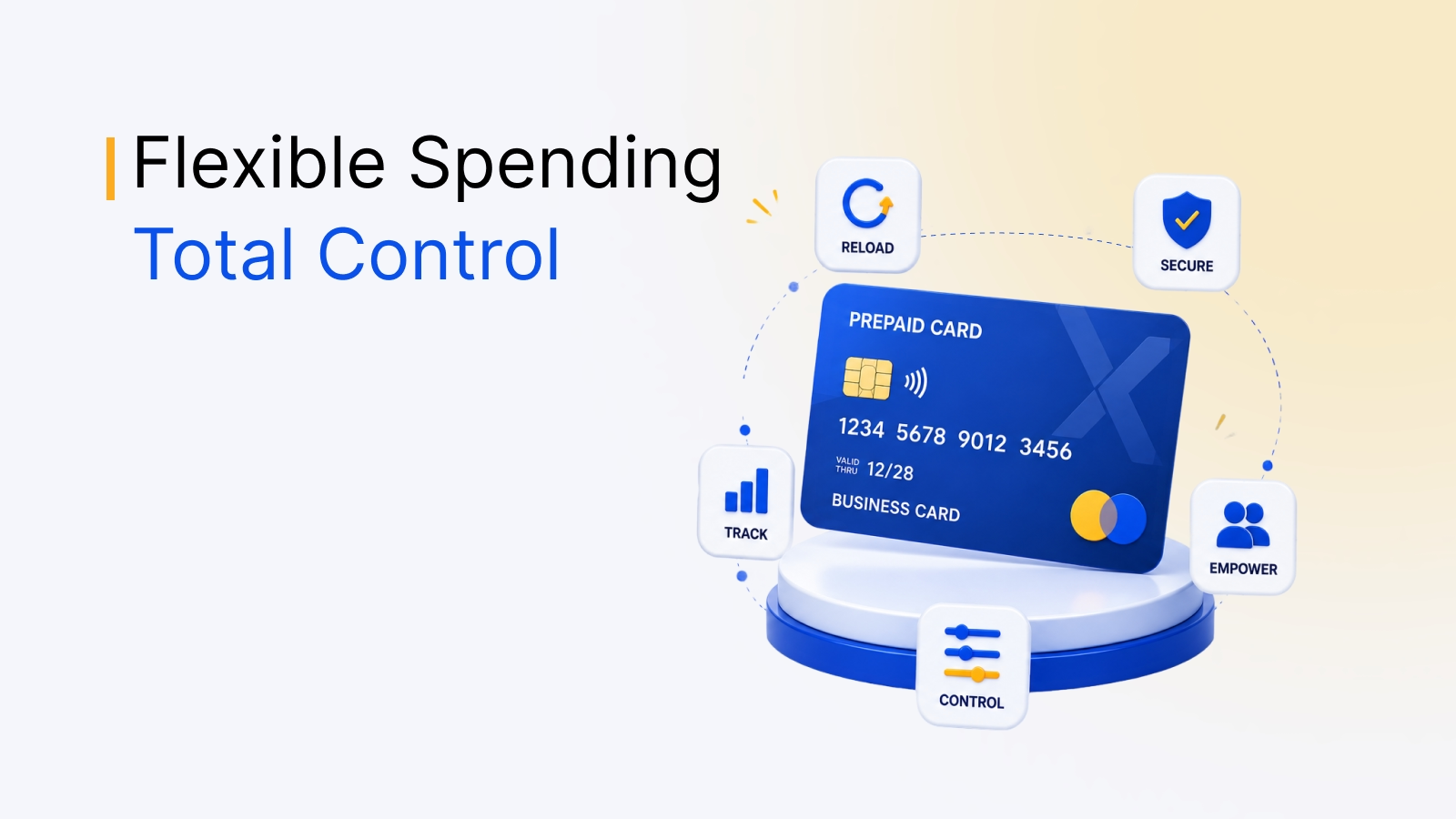
- Customizable to the goal: Cards can be single-use or reloadable, carry a set validity and, on some programs, be limited to certain spend types or merchant groups.
- Secure and accountable: Every card is issued to a named recipient, recorded and reconciled, unlike cash handed over in an envelope.
- Built for scale: One card format can reach thousands of recipients in many countries from a single dashboard or API.
Whether the goal is acquiring new customers, motivating employees or persuading sales channels, prepaid cards give businesses an innovative way to keep their audience engaged.
Benefits of prepaid cards for reward recipients
For the person receiving them, prepaid cards offer the spending freedom of cash with more safety and less hassle. These are the benefits recipients notice first.
- Spend almost anywhere: Network-branded cards work at millions of merchants online and in store, so recipients buy what they actually want.
- Less risk of overspending: Spending is capped at the loaded balance, so a prepaid card helps recipients stick to a budget with no debt or overdraft.
- Safer than cash: Prepaid cards are safer to carry than cash, especially for travelers. A lost card can be reported, and most Visa prepaid cards are covered by Visa's Zero Liability policy for unauthorized transactions, with some exceptions for commercial and anonymous cards.
- Easy to use: Prepaid cards work like a debit or credit card. Many virtual cards can be added to Apple Wallet or Google Wallet for tap-to-pay in store.
- No bank account needed: Prepaid cards give unbanked and underbanked people a way to pay, especially online. The FDIC's 2023 national survey found that 4.2% of US households, about 5.6 million, were unbanked.
- Privacy: Payments are not linked to the recipient's main bank account, which limits exposure if a merchant is breached.
Prepaid cards vs cash and other rewards
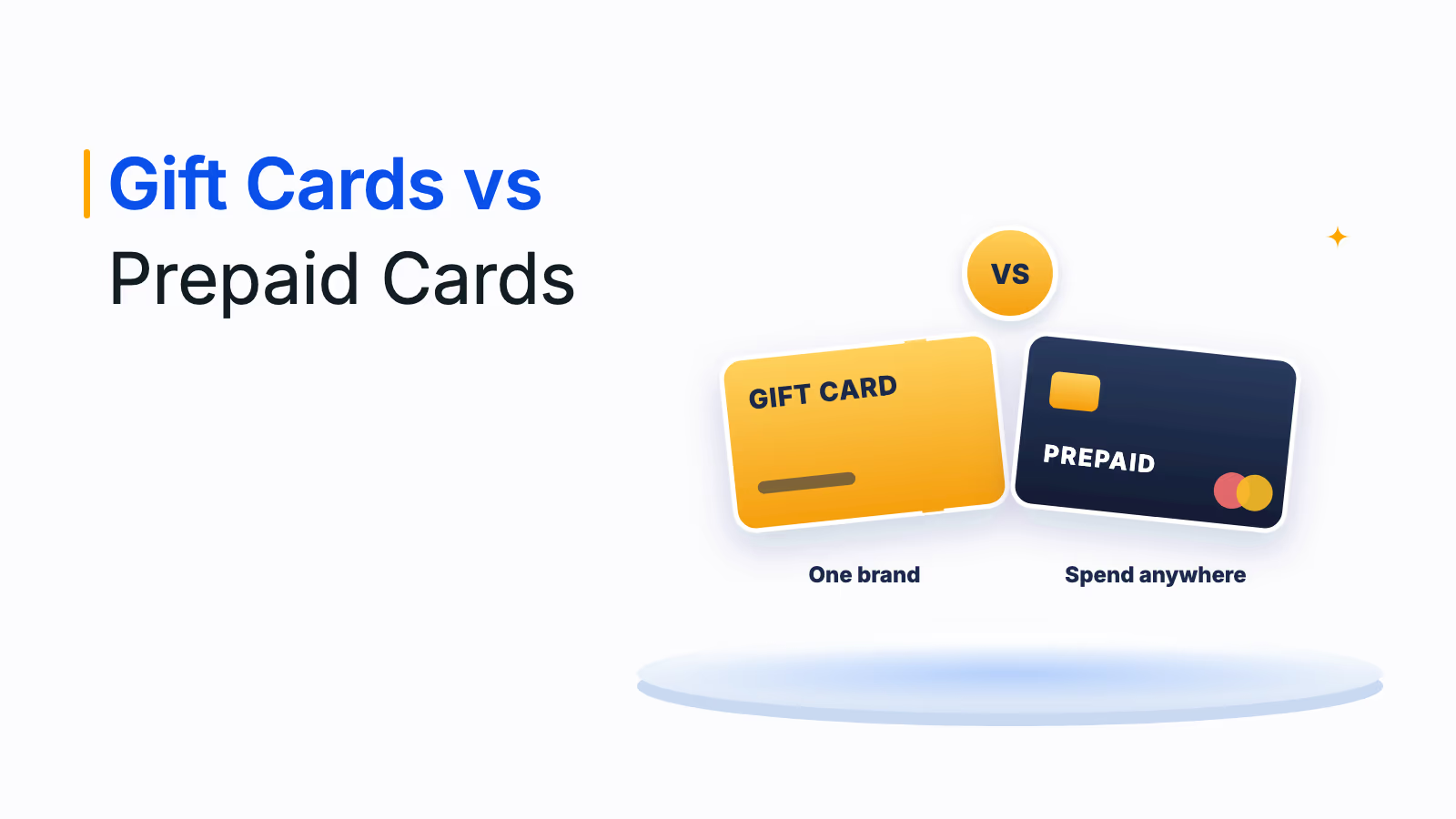
Prepaid cards beat cash incentives on security, distribution, tracking and branding while matching cash on flexibility, and they beat brand gift cards on choice and cross-border use. Here is how the main reward formats compare.
| Factor | Prepaid cards | Cash or bank transfer | Brand gift cards |
|---|---|---|---|
| Security and control | Issued to a named recipient; card details encrypted; can be blocked if lost | Prone to theft; transfers need bank details | Codes can be lost, shared or targeted by scams |
| Distribution | Virtual cards by email, SMS or link in seconds, in bulk | Handed over in person or paid one by one via bank | Instant by email or SMS |
| Where it can be spent | Anywhere the network is accepted | Anywhere | One brand or group of brands |
| Global reach | One format works across borders | Cross-border transfers are slow and costly | Usually only in the issuing country |
| Tracking and reporting | Issuance and redemption recorded | No view of how cash is used | Issuance and redemption recorded |
| Branding | Logo, message and branded redemption page | None | Branded email, but the card carries the retailer's brand |
| Spending controls | Validity, single-use or reloadable, spend limits | None | Fixed to the brand |
| Admin effort | Automated via dashboard, file upload or API | Manual handling and reconciliation | Automated via platform |
Cash still makes sense for payroll and contractual bonuses, and gift cards are better when the brand itself is part of the message. For rewards and incentives where you want cash-like flexibility, prepaid cards deliver it with far less risk. For a format-by-format view, see gift cards vs prepaid cards.
Send prepaid reward cards worldwide
Issue virtual Visa and Mastercard rewards in seconds to recipients in 150+ countries.
Talk to our ExpertTrusted by 5,000+ companies
How prepaid reward cards work for every audience
Prepaid reward cards are not just an employee perk. The same card format works for each audience a business needs to motivate, with small changes to value, timing and delivery.
1. Employees
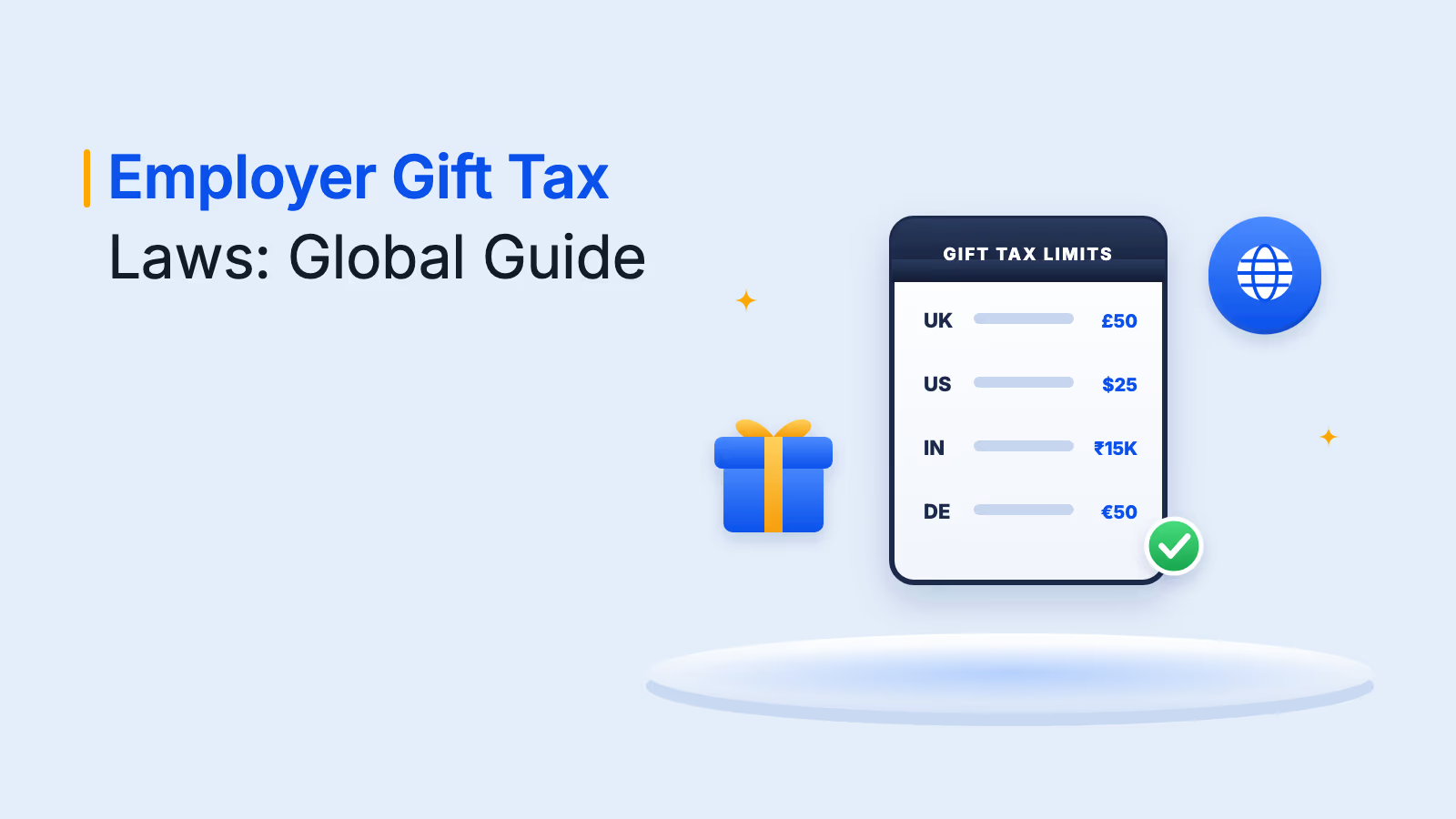
Prepaid cards let you recognize work anniversaries, spot wins, milestones and festive moments with a reward every employee can use, whatever their taste or location. For distributed teams, one card format replaces a patchwork of local gift cards. Remember that prepaid cards are a cash equivalent, so employee rewards are generally taxable; see our employer gift tax guide.
2. Customers
By offering a convenient and preferred reward, businesses strengthen relationships with customers and foster long-term engagement. Prepaid cards make strong rewards for referrals, rebates, reviews and loyalty milestones because customers see them as money, not a coupon. A branded card also keeps your name in front of the customer every time they pay.
3. Channel partners
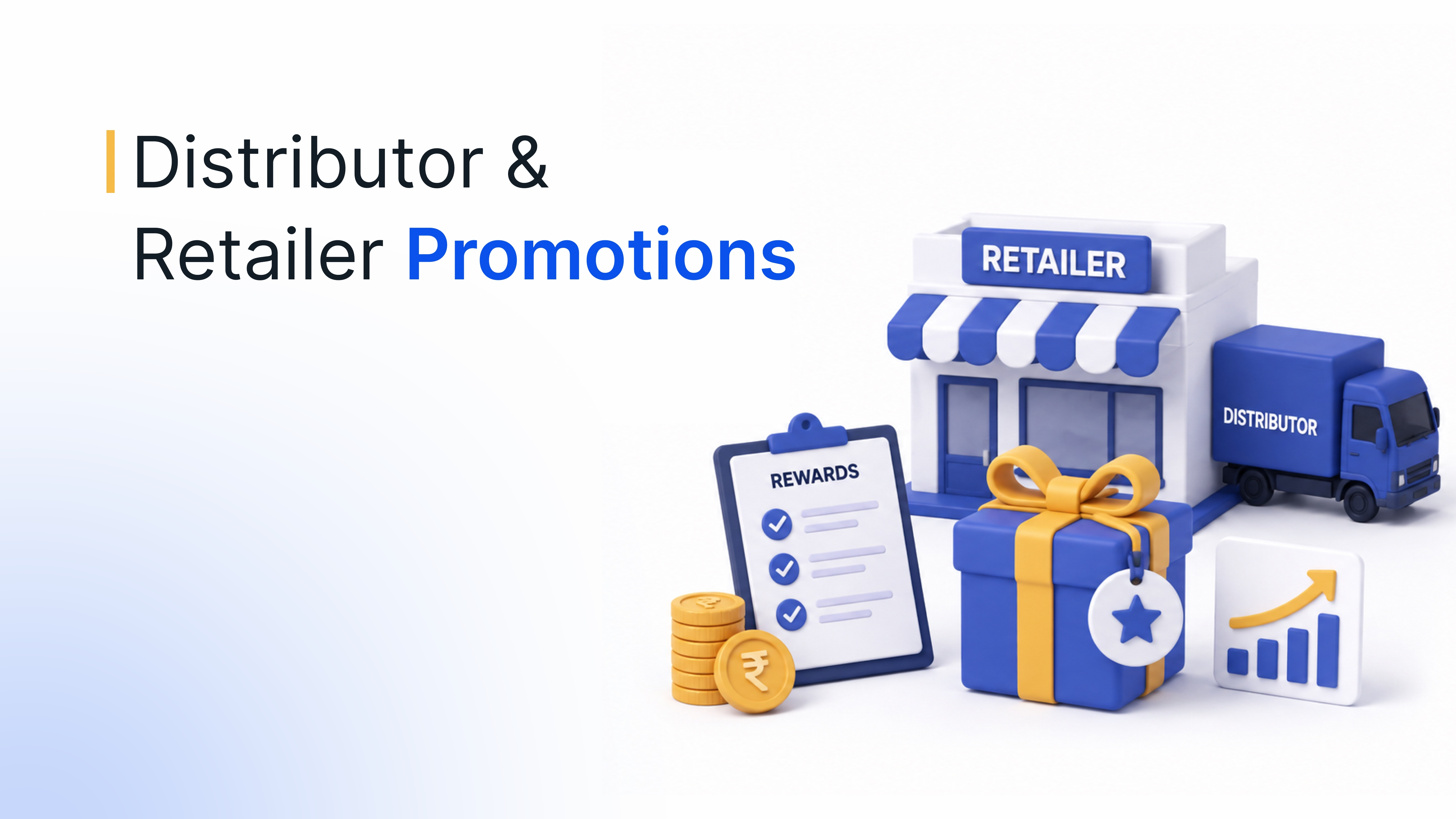
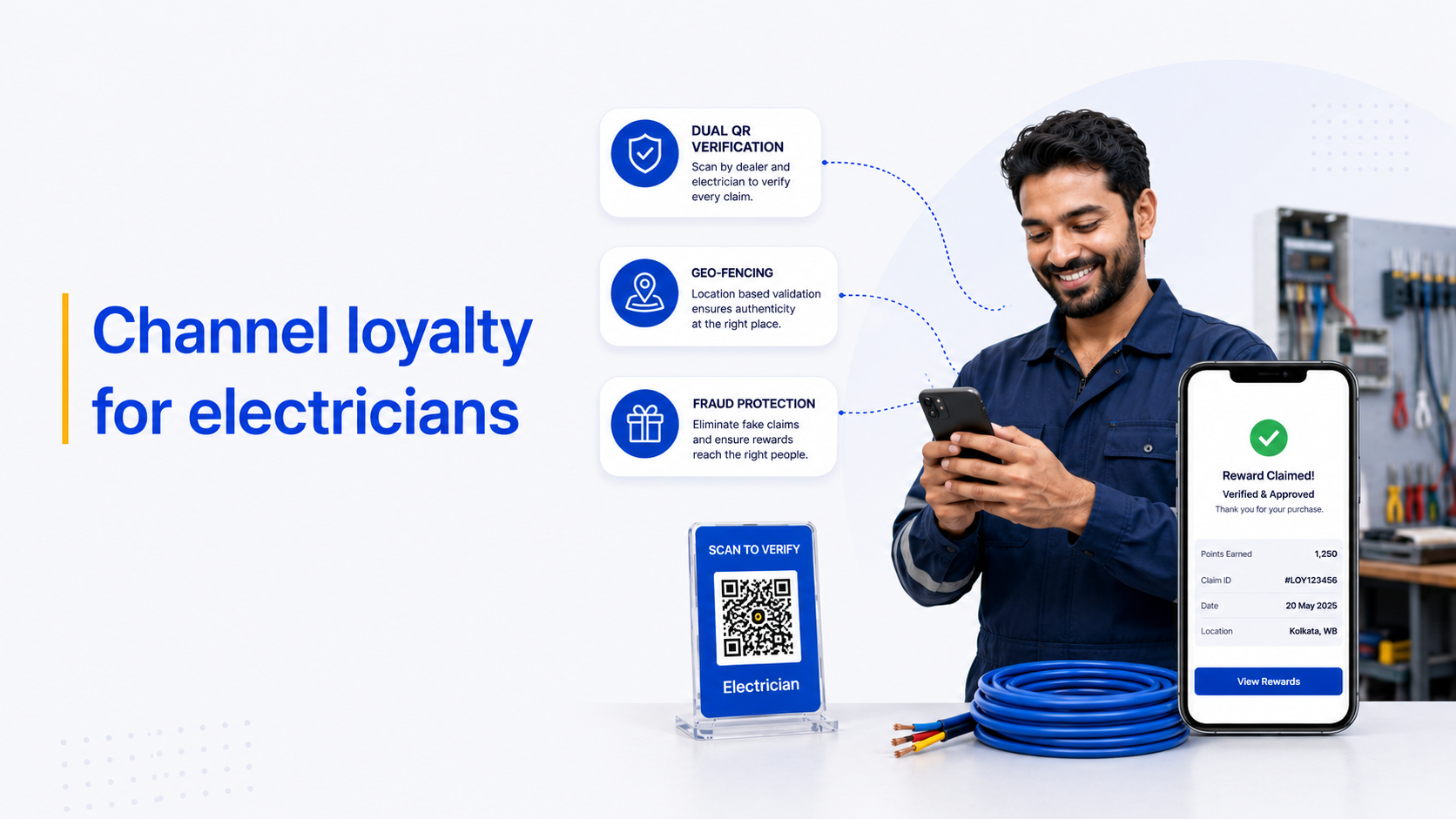
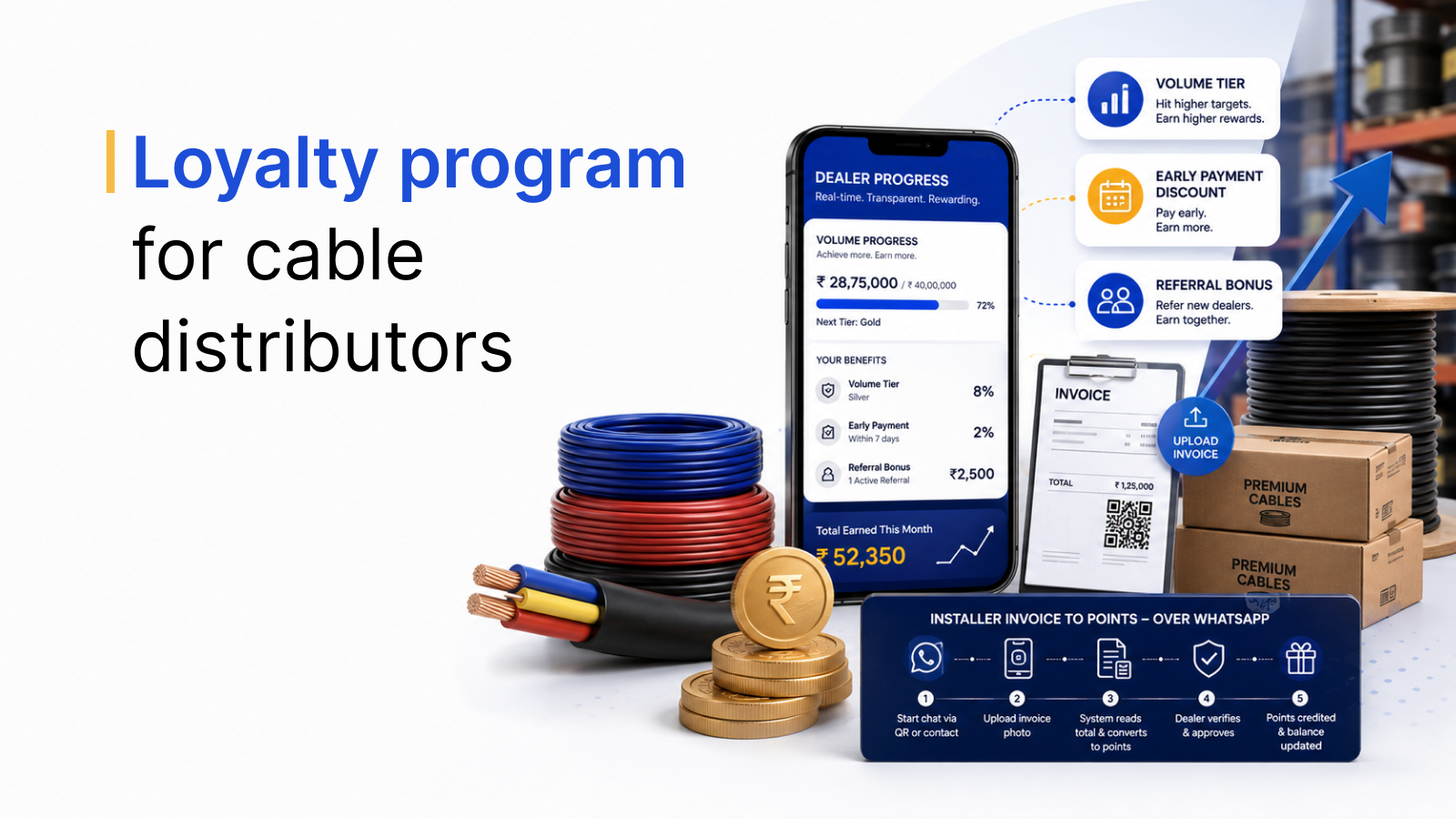
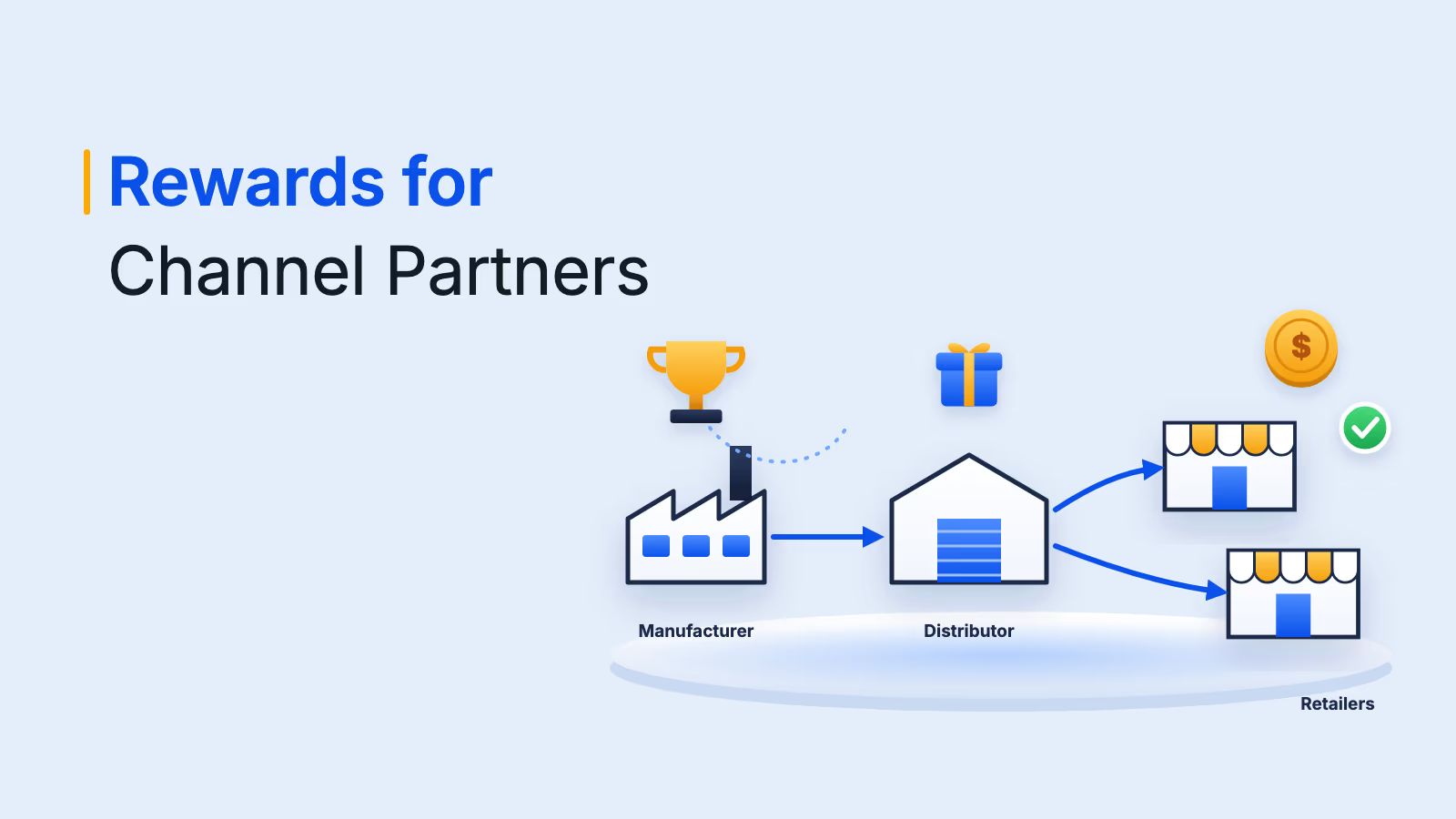
Businesses that rely on distributors, resellers and dealers can use prepaid cards to disburse incentives and bonuses. Instead of managing cash payouts or reimbursement cycles, companies can load rewards onto prepaid cards the moment a target is hit, reducing admin work and ensuring partners are paid on time. Reloadable cards suit partners who earn every month. See how to structure channel incentive programs.
4. Survey and research respondents
Respondents are often strangers spread across many countries, which is exactly where prepaid cards shine. Nobody has to guess a brand, the respondent needs only an email address and the card can be triggered the moment a survey is completed. Panels that pay the same people every wave can use reloadable prepaid cards instead of issuing a new reward each time.
5. Gig workers and freelancers
For businesses that rely on freelancers, gig workers or contractors, prepaid cards are a faster and more flexible alternative to bank transfers. Instead of waiting on long invoice cycles and cross-border transfers, workers receive incentives and bonuses on a card they can spend straight away, which improves their cash flow and your relationship with them.
Use cases teams overlook
Most teams think of prepaid cards for big recognition moments and miss the smaller, high-volume moments where they work best. These are the use cases worth a second look.
- Rebates and refunds: Pay a product rebate or goodwill refund on a prepaid card instead of a check, so the customer gets value instantly and you get a record of every payout. See rebate and refund rewards.
- Research and clinical study participants: Compensate participants without collecting bank details, with a clean audit trail for every payment.
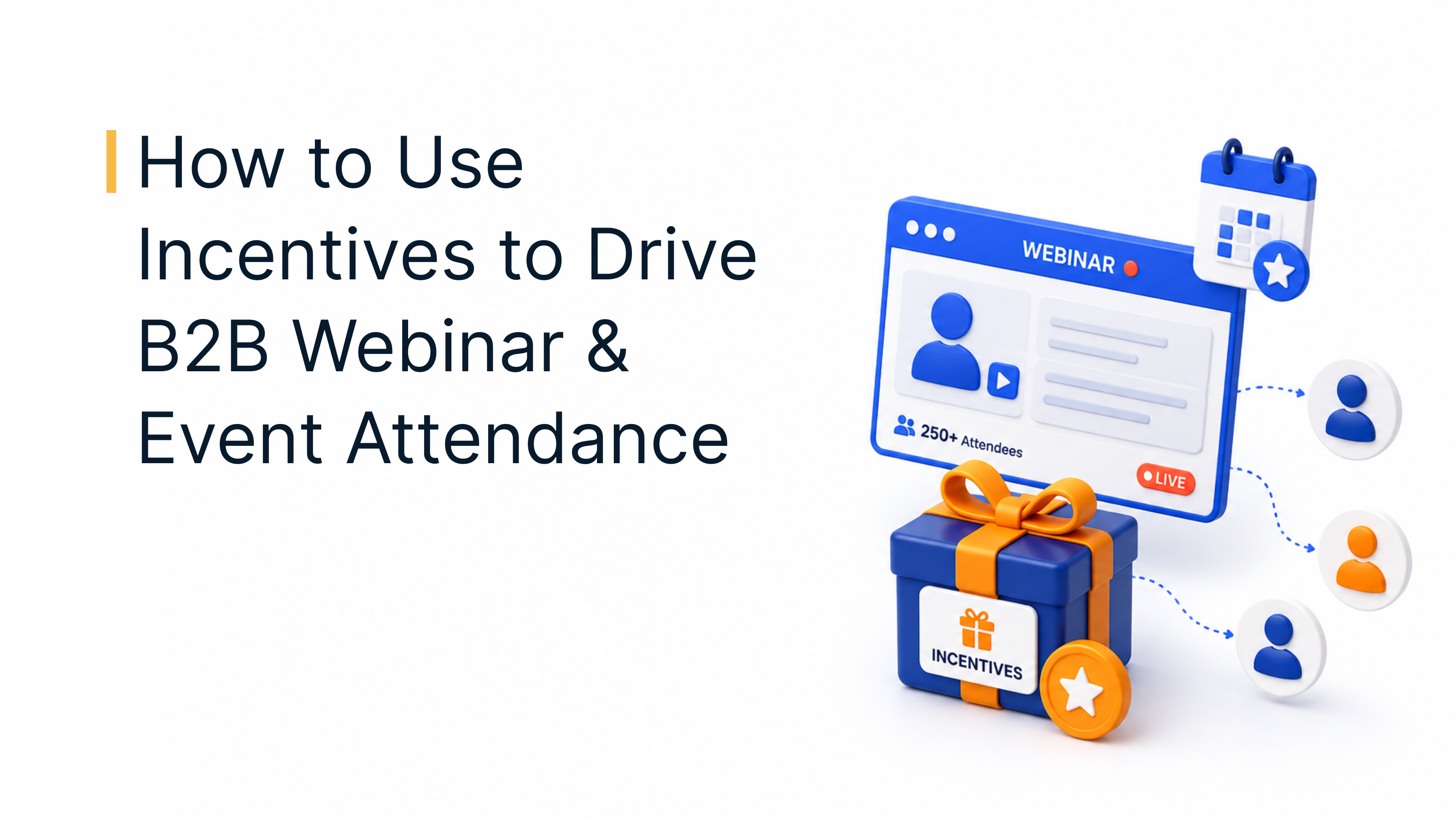
- Event and webinar attendees: Reward sign-ups, attendance or booth visits with a card that is delivered before the attendee leaves.
- Recurring panels and pulse surveys: Reload the same card each wave instead of issuing and tracking a new reward.
- Unbanked recipients: Reach people who cannot receive a bank transfer or do not have a wallet account.
- Remote allowances: Fund work-from-home, wellness or learning allowances on a card employees can spend where they live.
- Customer acquisition: Offer a prepaid card as a sign-up or first-purchase incentive that feels like money, not a discount.
Prepaid cards also go beyond rewards. Prepaid corporate cards help employees make approved purchases, such as business travel, fuel or office supplies, without waiting for reimbursement, while employers set spending limits and track transactions in real time. Prepaid fuel and travel cards do the same for fleets. The control that makes prepaid cards good for expenses is the same control that makes them good for rewards.
Benefits of prepaid cards for business
Prepaid cards for business streamline how companies pay incentives and reward stakeholders while keeping control of every dollar. These are the benefits program owners see.
- Faster payouts: Issue a card instead of collecting bank details or mailing checks, and the recipient can spend it within minutes.
- Lower admin cost: Automated issuance by file upload or API replaces manual handling, reconciliation and reimbursement claims.
- Budget control: Funds are preloaded for planned incentives, so you know the exact cost of every program in advance.
- Brand recall: Your logo, colors and message appear on the delivery email and redemption page.
- Data and accountability: Every issued card is recorded, giving finance a clean audit trail and showing program owners which incentives get used.
- Fewer failed payouts: A card goes to an email address or phone number, so there are no wrong account numbers to bounce payments.
Types of prepaid cards
The main types of prepaid cards differ by where they can be spent and how they are delivered. Choose based on how much freedom you want recipients to have and how often you pay the same person.
| Type | Where it can be spent | Typical reward use |
|---|---|---|
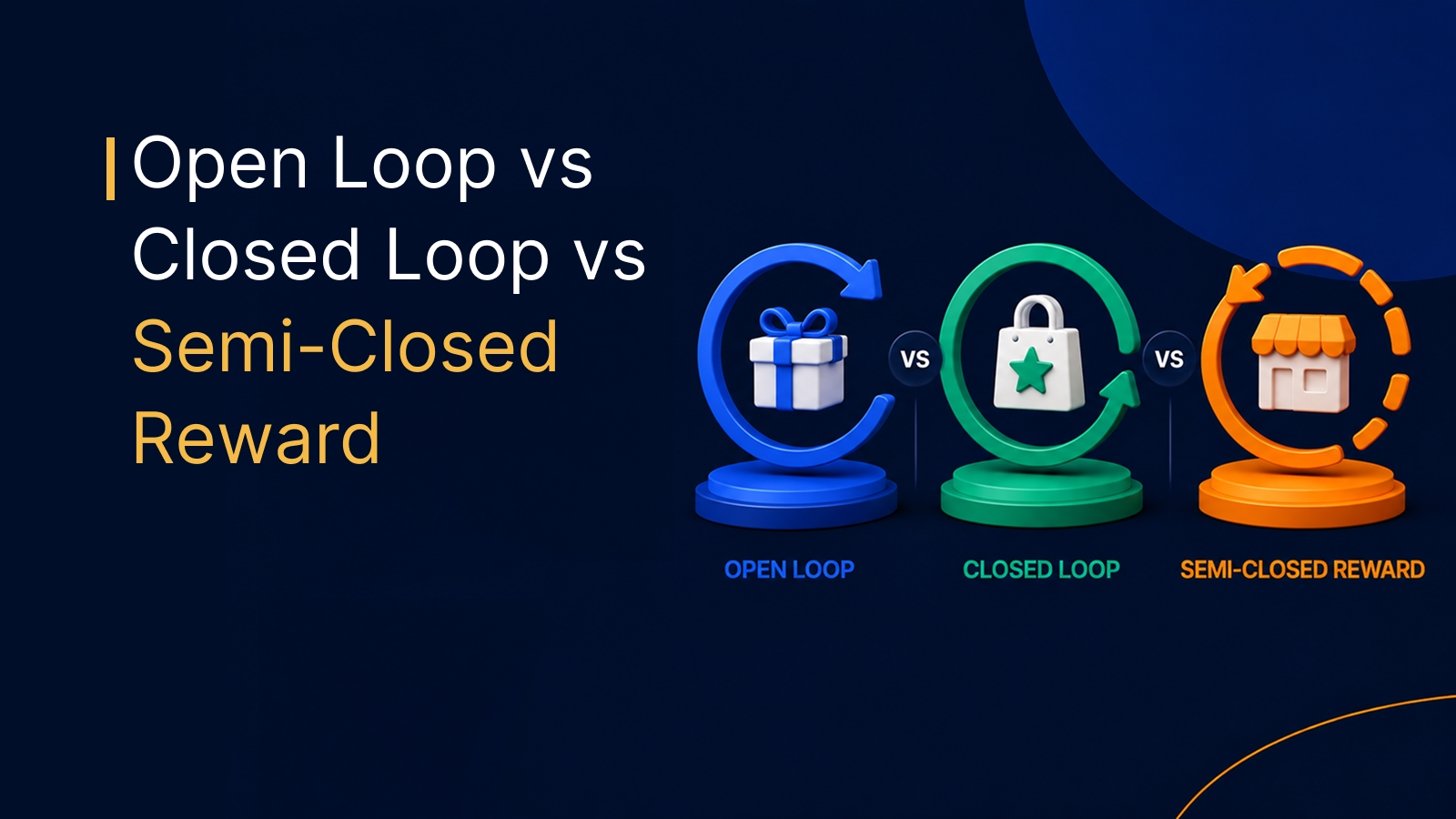
| Open-loop prepaid card | Anywhere the Visa or Mastercard network is accepted | Global rewards, survey incentives, payouts |
| Digital open-loop card | Online, and in store via digital wallets | Instant rewards for remote recipients |
| Multi-merchant or category card | A curated group of merchants, such as gyms, spas and wellness stores | Themed rewards and benefits |
| Closed-loop card | One brand or retailer only | Brand-specific gifts and store credit |
| Reloadable card | Depends on network; can be topped up | Recurring incentives and panels |
| Single-load card | Depends on network; spent once | One-off rewards and campaigns |
Open-loop cards offer the widest appeal because they are not tied to a store, and their digital versions add instant delivery and faster redemption. Multi-merchant cards give creative latitude: a health and wellness card, for example, can be spent at different gyms, spas and wellness retailers. We cover each type in more depth in our guide to virtual prepaid reward cards.
How prepaid cards solve global rewarding
Prepaid cards solve global rewarding because one card format works across borders, while brand gift cards and cash do not travel well.
A brand gift card bought in one country often cannot be used in another. A US Amazon gift card, for instance, cannot be redeemed on Amazon's German store, and it is useless to a recipient who does not shop there. Cash transfers need bank details and incur cross-border fees.
Virtual Visa and Mastercard prepaid cards avoid both problems. A market researcher in the US can send fixed-value cards to respondents in Australia, India and Canada, and each recipient spends the card locally. Virtual cards also skip printing and shipping, so compared with physical cards they are:
- Faster: Issued, delivered and redeemed in seconds.
- Cheaper: No printing, carriers or postage.
- Flexible: Accepted online, and in store through digital wallets.
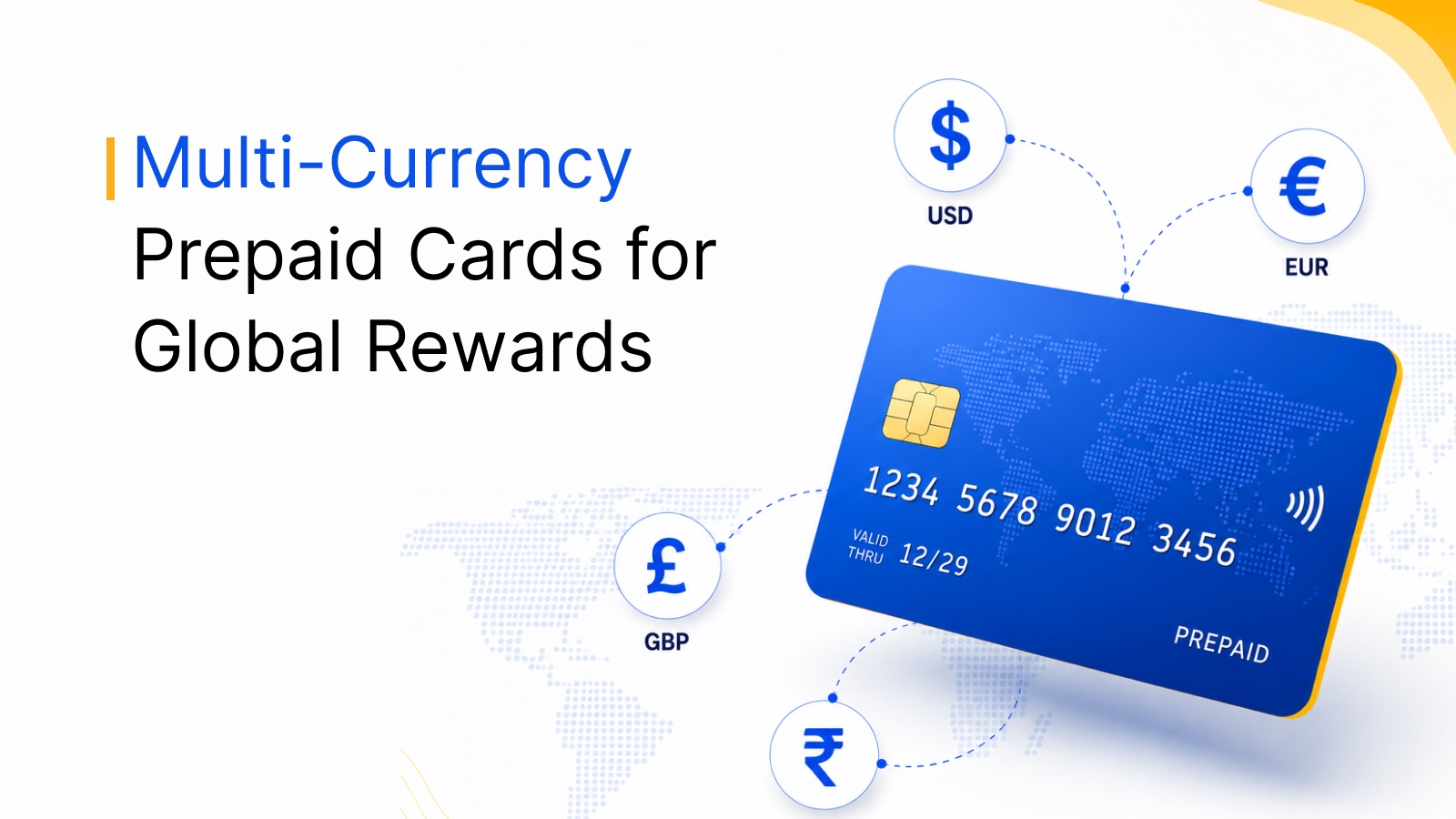
- Global: Funded in your currency and issued in the recipient's, with conversion handled for you.
For a closer look at cross-border issuance, see virtual prepaid cards for global rewards and payouts and our guide to multi-currency prepaid cards.
Fees, KYB and validity: what to check before you launch
Prepaid card rewards are not free of rules. Fees, identity checks and expiry dates vary by card, currency and country, so check them before you launch.
- Fees: Retail prepaid cards often carry purchase, monthly or ATM fees. Reward cards bought through a business platform usually have simpler pricing. On Plum, for example, USD and INR prepaid cards typically carry no extra fees, while EUR and GBP cards may include a surcharge at issuance.
- KYC and KYB: Anti-money-laundering rules mean issuers verify the business sending funds, and higher-value or reloadable cards may need recipient identity checks. Plum requires a one-time business (KYB) verification before prepaid card redemptions are processed.
- Validity: Reward cards are usually valid for a set period, often 3 to 12 months, and unspent balances can be lost after expiry. Tell recipients the expiry date upfront.
- Cross-border rules: Coverage varies by network, currency and issuer, and some countries or merchant categories are restricted. Sanctions screening is applied at issuance.
- Refunds: Issued prepaid cards are typically non-refundable and non-cancellable.
How Xoxoday Plum unlocks the potential of prepaid reward cards
Xoxoday Plum lets businesses send prepaid Visa and Mastercard reward cards, plus PayPal and Venmo rewards, to recipients in 150+ countries, with 50+ currencies converted automatically at issuance. Cards are issued in real time, one at a time or up to 10,000 at once.
Card formats and denominations on Plum
Plum offers virtual Visa cards, virtual Mastercard cards and co-branded physical cards. A few examples from the catalog show the range; denomination, validity and coverage vary by card.
| Card | Denomination range |
|---|---|
| Global USD Visa Card | USD 1 to 1,000 |
| Visa eReward Card US, 6 months | USD 5 to 10,000 |
| Visa eReward Card CAD | CAD 1 to 1,000 |
| Mastercard Prepaid eReward Card, 12 months (Canada) | CAD 1 to 1,000 |
| Mastercard Prepaid Card EUR | EUR 50 to 100 |
| Swype Global Virtual Mastercard | USD 5 to 999 across three card options |
| Venmo | USD 1 to 1,000 |
The Global Visa Reward Card USD, for example, is a single-load virtual card spendable in 190+ countries, valid for six months and addable to Apple Wallet or Google Wallet in seconds.
What Plum adds to a prepaid reward program
- Instant delivery: Virtual cards reach recipients by email, link or API within seconds of the campaign firing.
- Branded experience: Co-branded redemption pages, sender name and email template.
- Lifecycle controls: Configurable expiry, plus reissue, freeze and cancel from the admin portal or API.
- Security: Encrypted card details and sanctions screening at issuance.
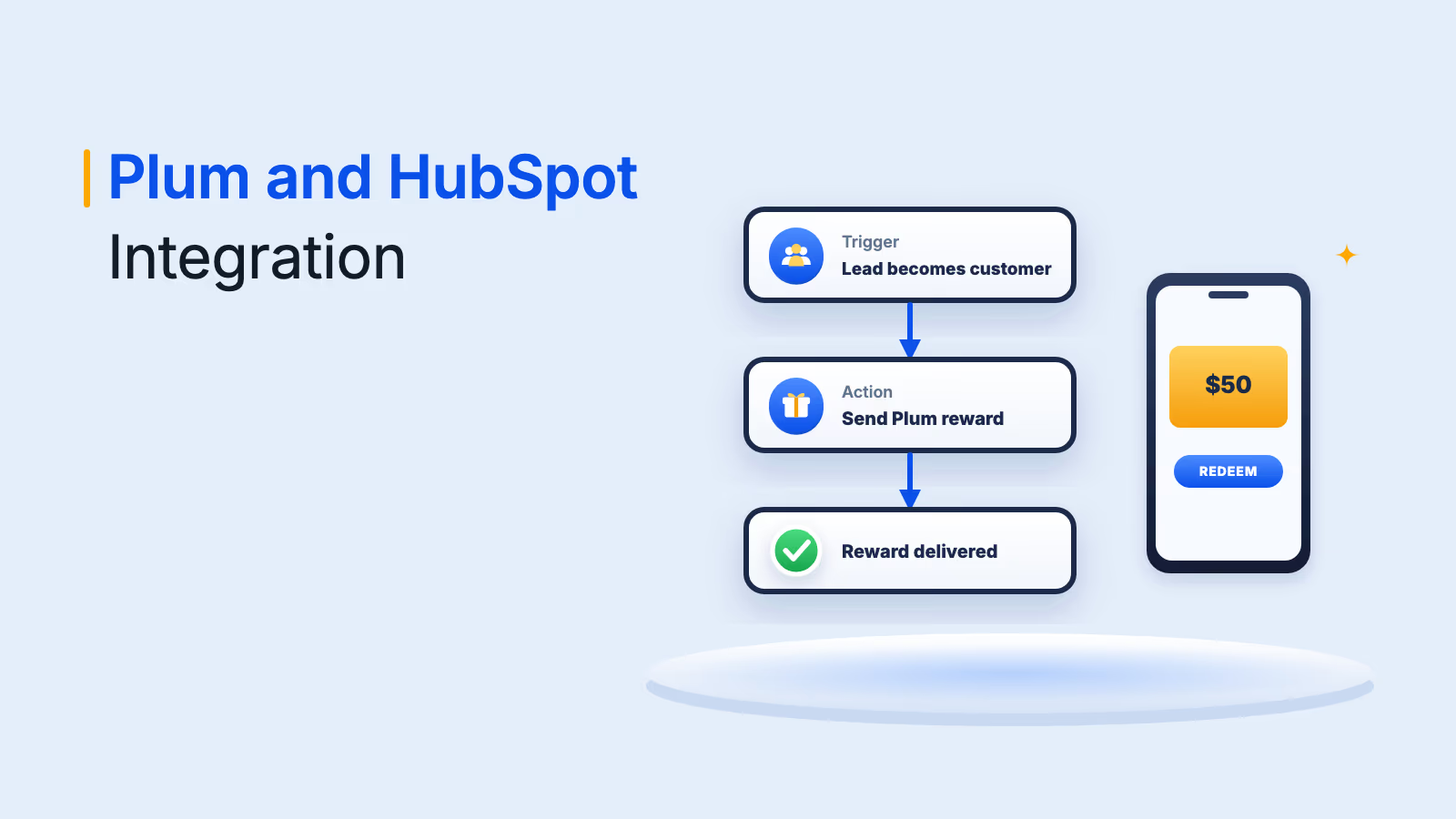
- Integrations: Trigger cards from Salesforce, HubSpot, Marketo and survey tools, or through the rewards API, with a pre-funded wallet and per-recipient ledger for finance.
- More choice: Combine prepaid cards with 10M+ other reward options across 30+ categories when recipients want a brand gift card or experience instead.
Prepaid rewards in practice
A leading healthcare research firm used Plum to pay more than 1,800 respondents in 28+ countries through a single API connection, distributing over $1.5M in incentives in local currency, with prepaid digital credits among the categories respondents redeemed. A global building materials leader runs channel partner incentives across 27 countries on Plum, with partners redeeming points for prepaid cards, gift cards and more, and 95% of rewards delivered fully via API.
Conclusion
The benefits of prepaid cards reach well beyond expenses. As a rewards tool, they give recipients cash-like freedom with more safety, and give businesses instant global delivery, branding, spending control and a clear audit trail. Employees, customers, partners, survey respondents and gig workers all value a reward they can spend on what they want.
The teams that get the most from prepaid cards use them for the overlooked moments too: rebates, research incentives, event rewards and recurring panels. Pick the right card type for each program, check fees, KYB and validity terms, and use a platform that issues cards at scale. To start sending prepaid reward cards worldwide, book a demo with Xoxoday Plum.
Book your Plum demo
Frequently asked questions
Prepaid cards are accepted wherever their network is, so every recipient can use them. They need no bank account, are safer than cash and cap spending at the loaded balance. For businesses, they deliver rewards instantly and in bulk, can be branded and give a clear record of every payout.
For most reward programs, yes. Prepaid cards match cash on flexibility but add security, branding, spending controls and tracking, and they can be sent across borders without bank details. Cash still suits payroll and contractual bonuses.
Almost anyone: employees, customers, channel partners, survey and research respondents, event attendees, freelancers and gig workers. Because the card works wherever its network is accepted, it suits audiences whose tastes or locations you do not know.
Yes. Many reward platforms let you add your logo, colors and message to the delivery email and redemption page, and some physical card programs support co-branded cards and carriers.
Recipients get an email, SMS or link to claim the card. After any required registration, they see the card number, expiry date and CVV and can spend it online or add it to a digital wallet for in-store use.
Yes. Reward prepaid cards are usually valid for a set period, often 3 to 12 months from issue, depending on the card. Unspent balances may be lost after expiry, so share the date with recipients.
Both work in much the same way and are widely accepted worldwide. The choice usually depends on which currencies, countries and denominations each card supports for your program.