Key Takeaways
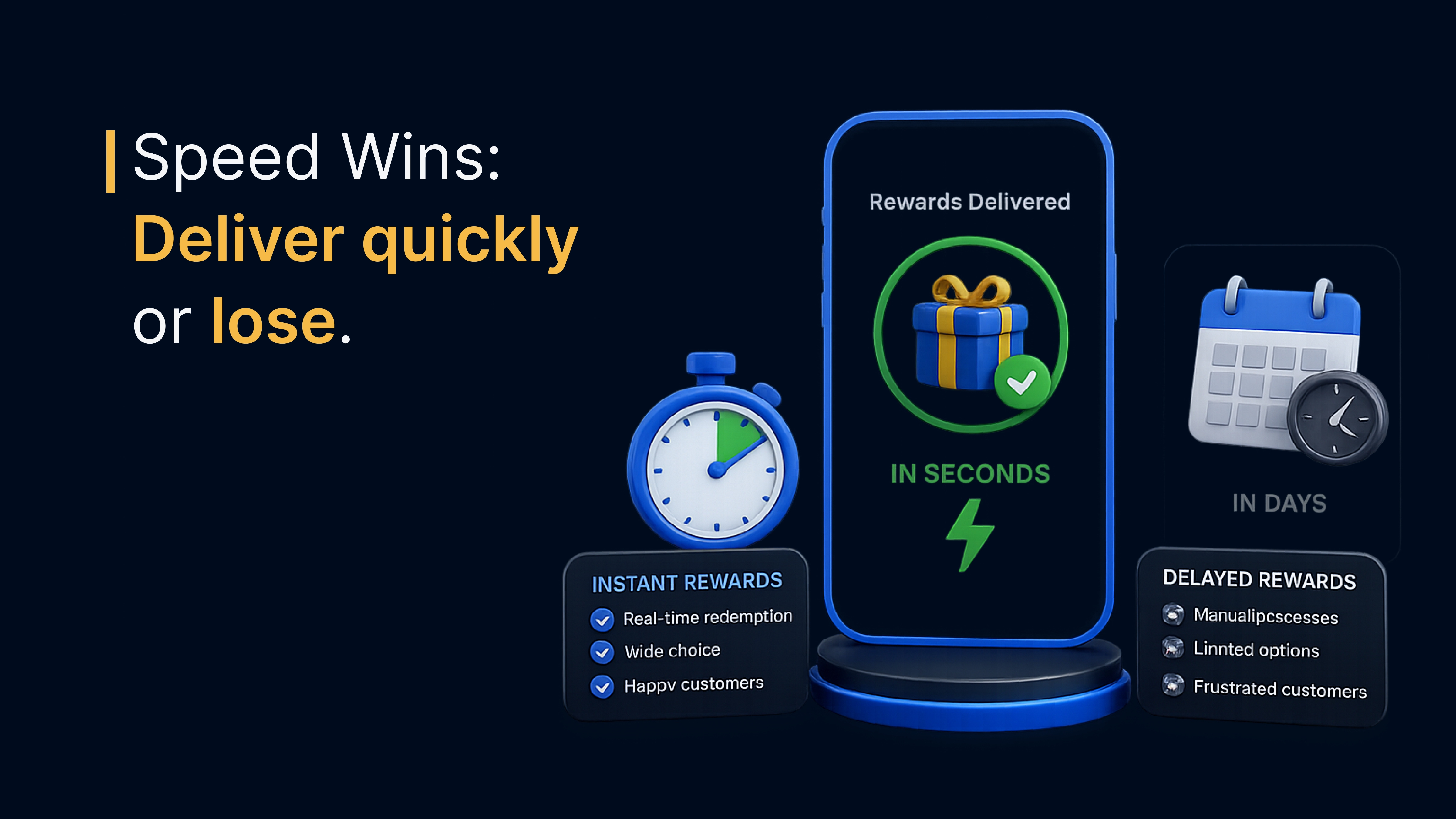
Digital gifting is the only format that reaches a distributed team on the day the gesture was meant to land, in a currency they can spend.
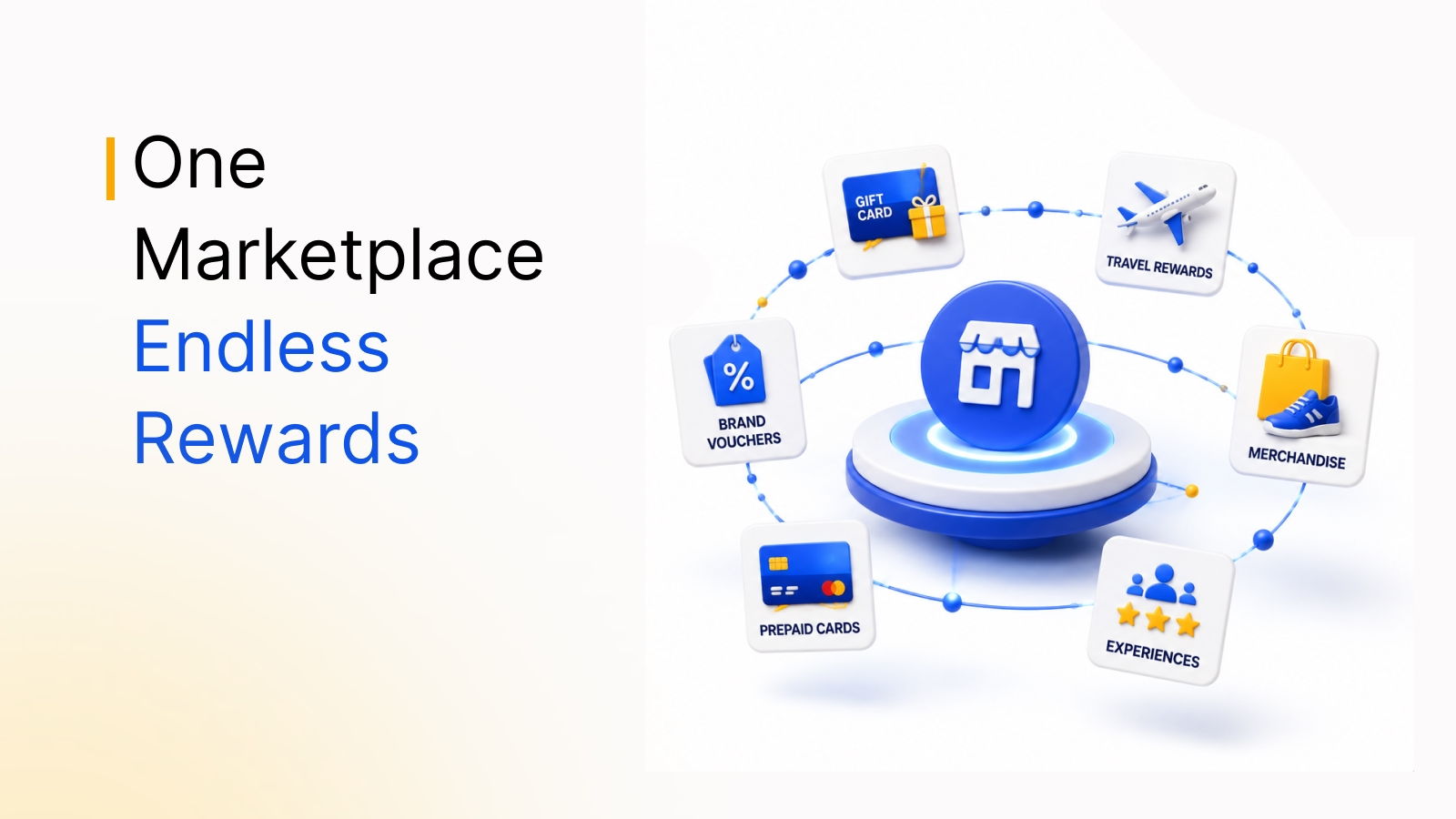
Seven formats cover most needs: e-gift cards, virtual prepaid cards, reward links and points, subscriptions, experiences, charity donations and merchandise vouchers.
Use a fixed-brand card when you know the recipient and a reward link when you do not, because the link shows each person a catalog for their own market.
Set the budget per recipient per year rather than per gift, and always attach a sentence saying what the reward is for.
Track redemption rather than delivery. Delivery proves the email sent; redemption proves the gift was wanted.
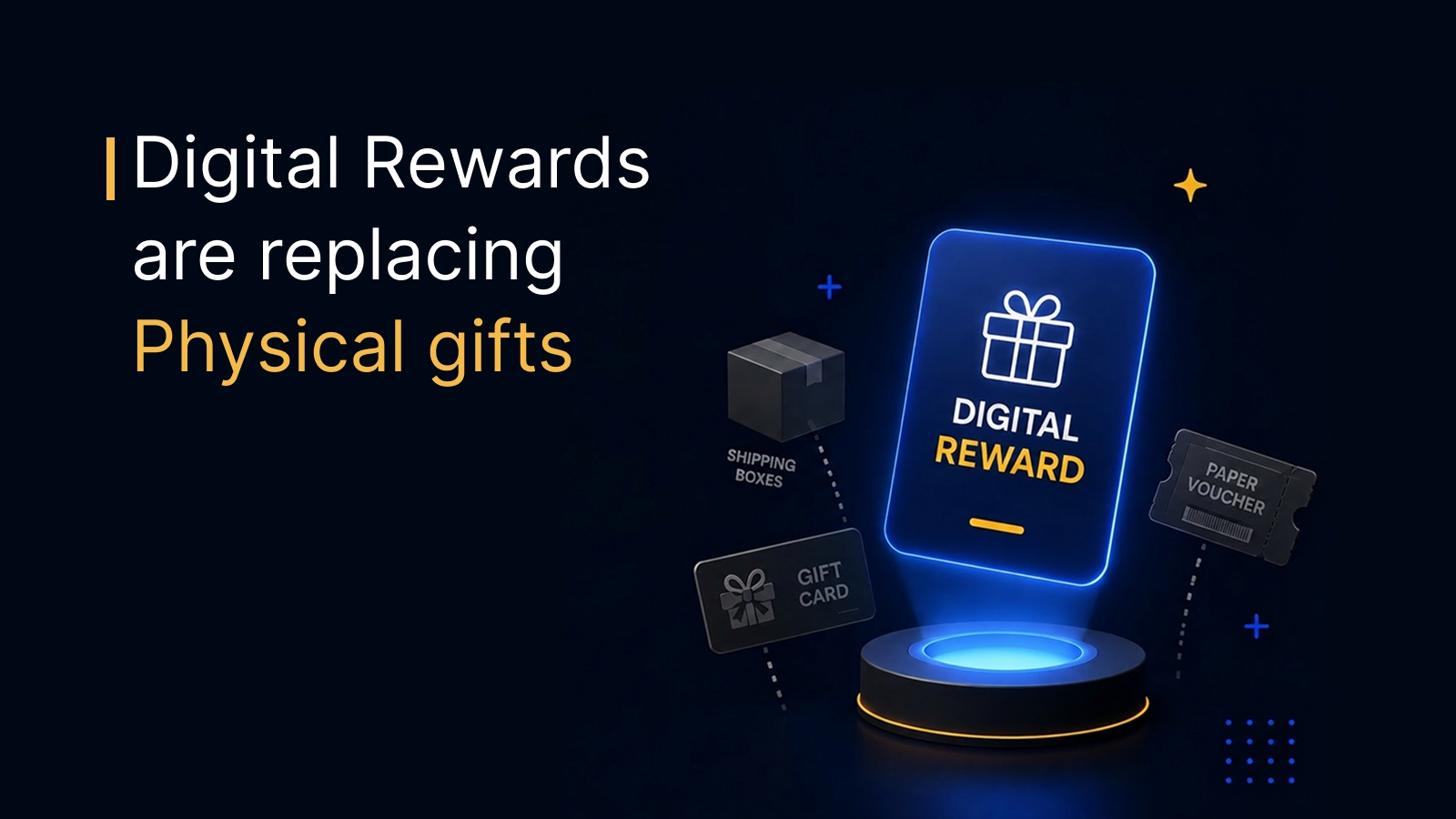
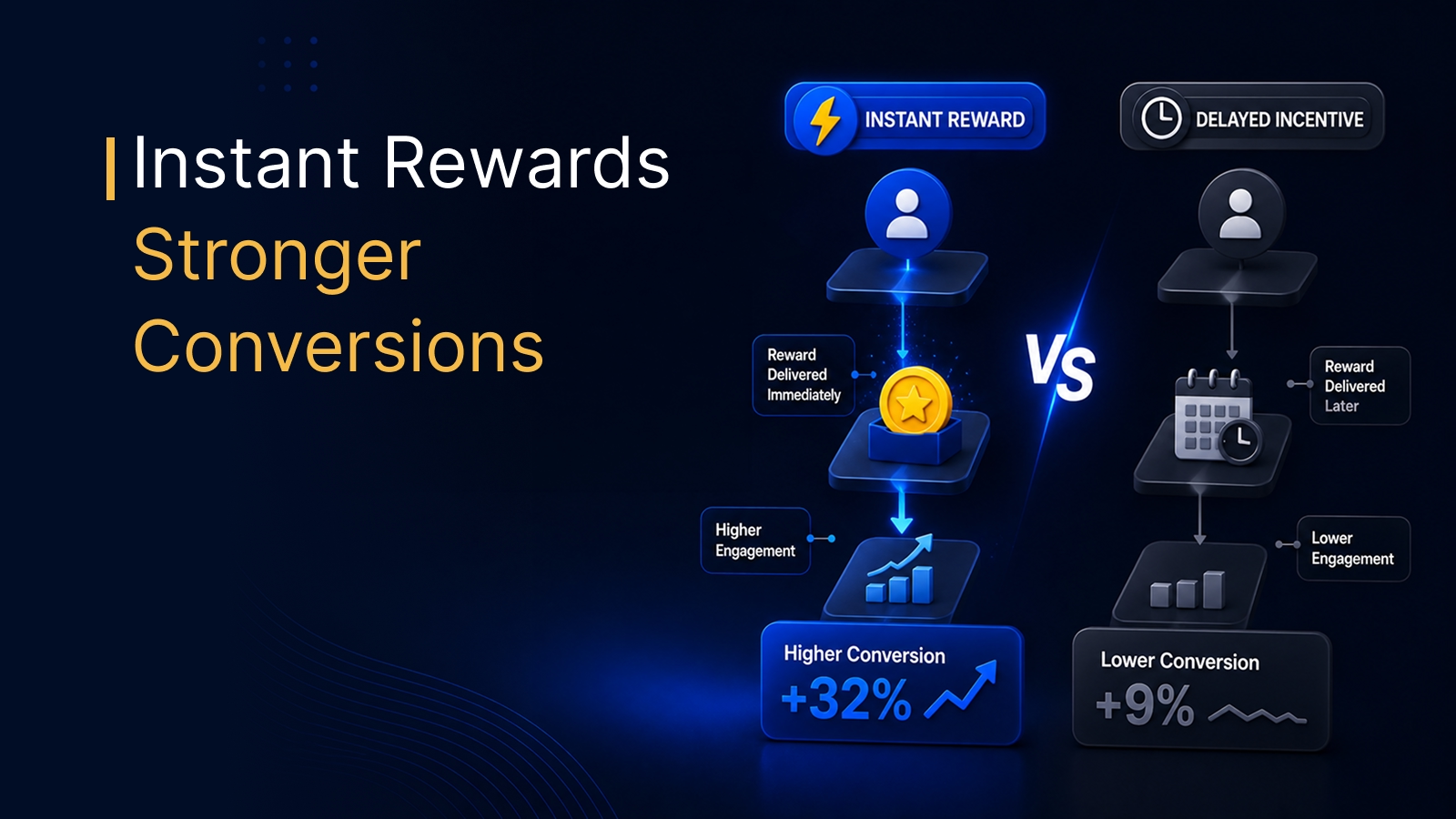
Digital gifting used to be the budget option. It is now the default, for a reason that has nothing to do with cost: it is the only format that reaches a distributed workforce on the day the gesture was meant to land.
A physical gift to a team spread across six countries means six shipping lead times, customs paperwork and a reasonable chance that the work anniversary has passed before the parcel arrives. A digital gift arrives in seconds, in the recipient's own currency, with a catalog built for their market.
This guide covers the formats worth knowing, what to send by recipient, occasion and budget, and how to build a digital gifting program rather than a series of one-off sends. For the wider picture across physical and digital, see our guide to corporate gifting ideas.
The formats of digital gifting
"Digital gift" covers several quite different instruments, and picking the wrong one is the most common mistake.
1. E-gift cards
A fixed value redeemable at a specific brand or group of brands, delivered by email or SMS and usable online or in store. The most popular digital gift format because it is flexible, instant and needs no address. Our guide to digital gift cards covers how they work in detail.
2. Virtual prepaid cards
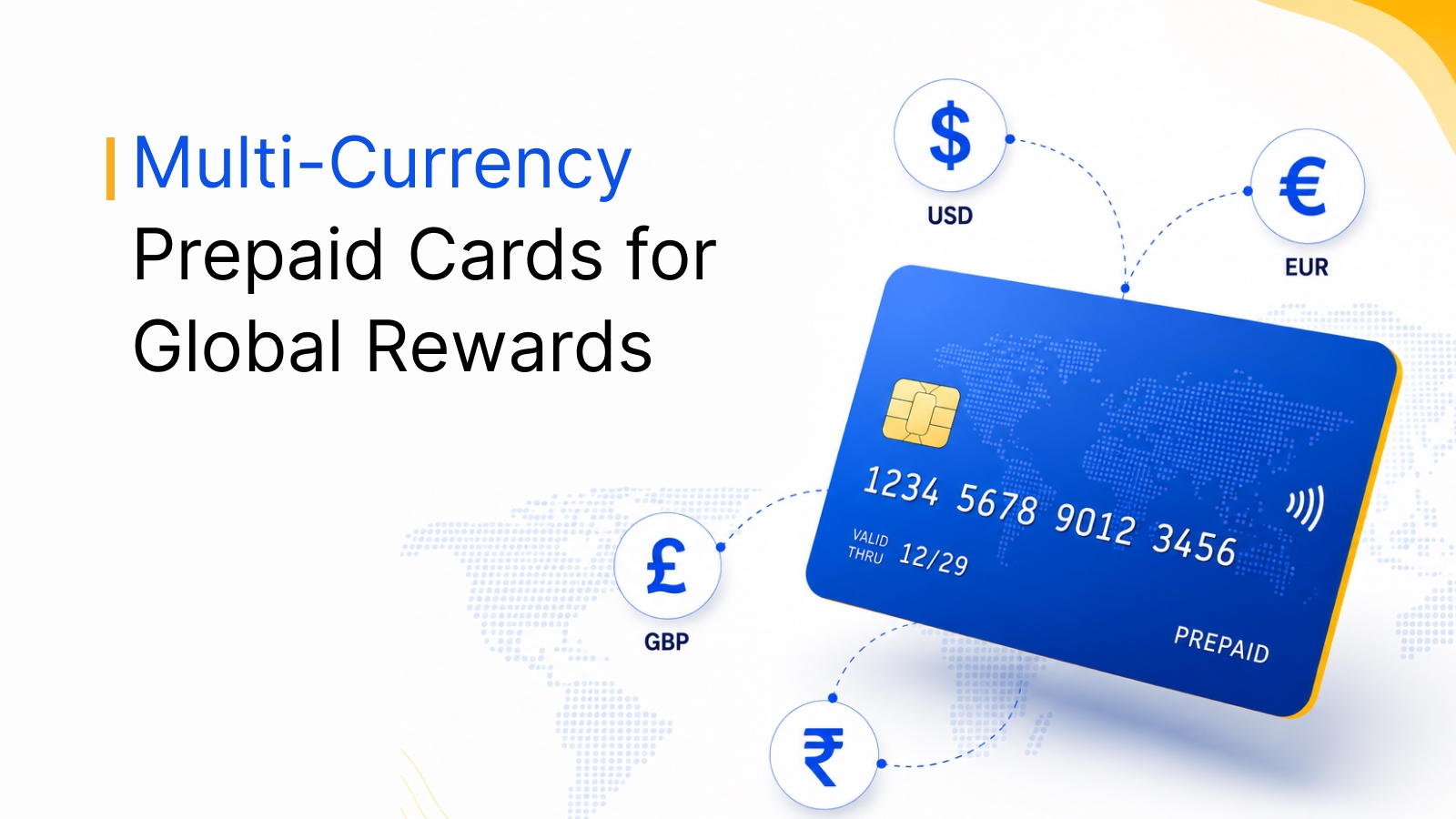
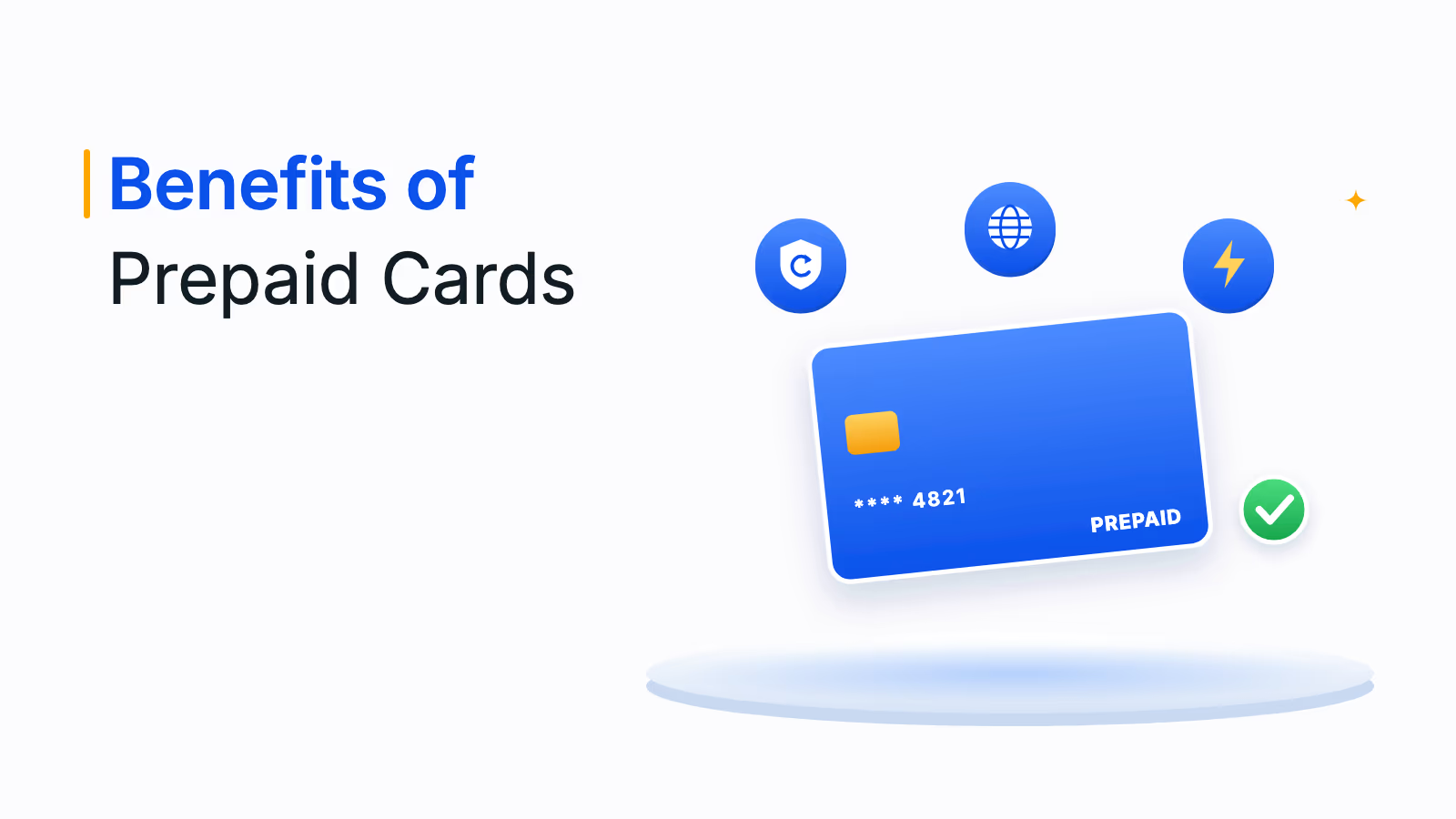
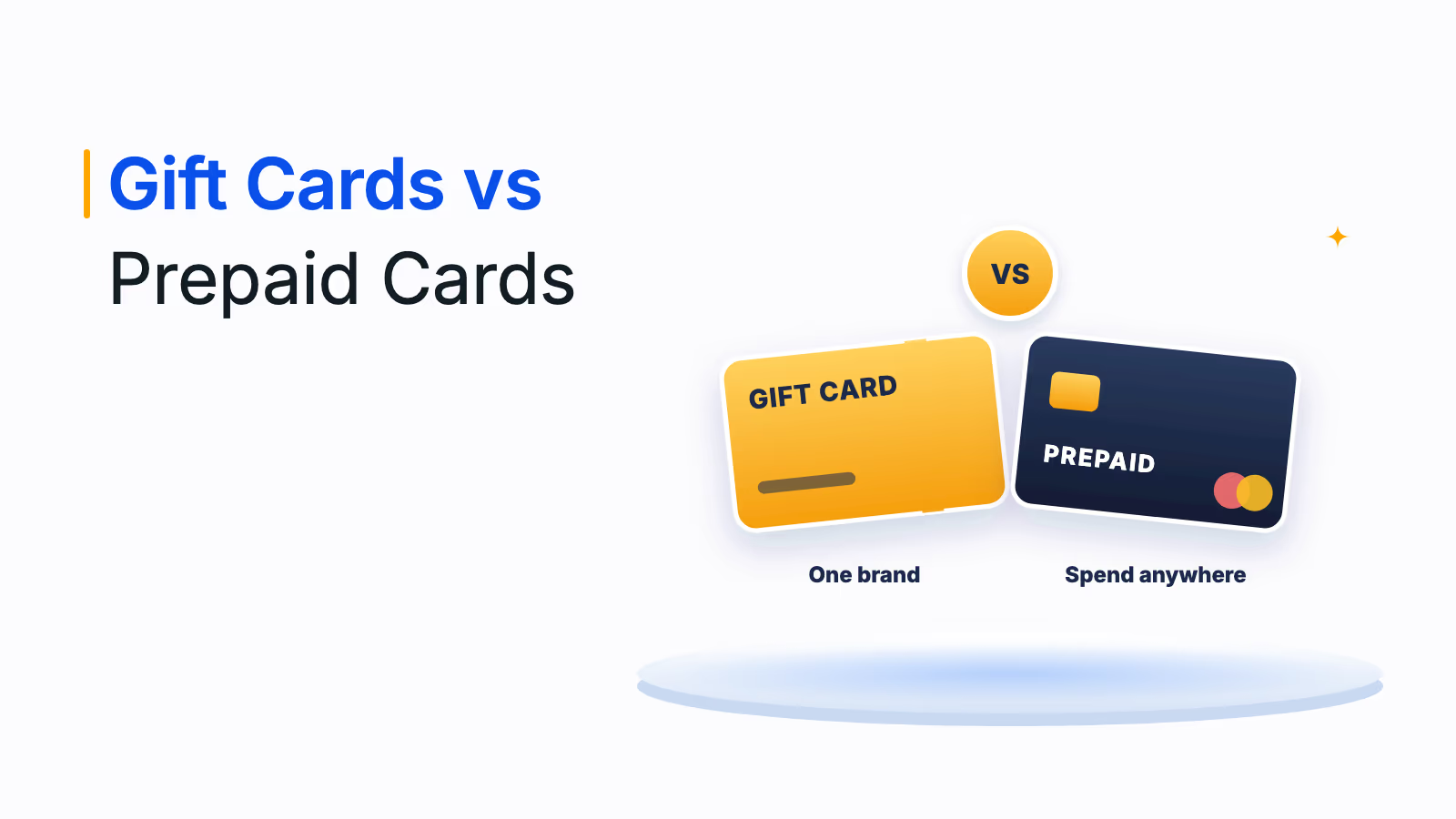
Network-branded cards that work anywhere the network is accepted rather than at a single retailer, which gives the recipient far more latitude. They behave differently from gift cards on fees, expiry and activation, which our gift cards versus prepaid cards comparison explains.
3. Reward links and points
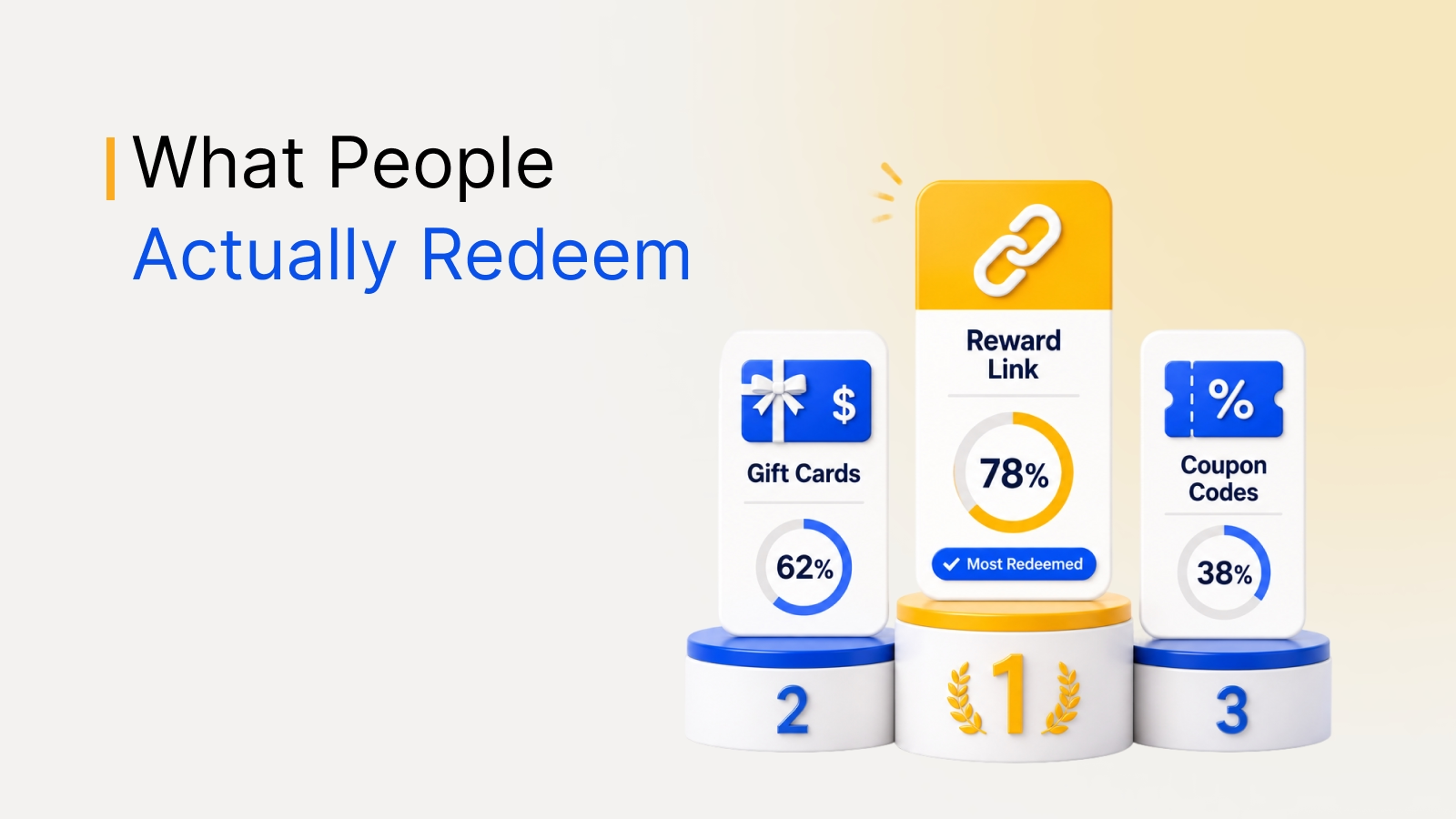
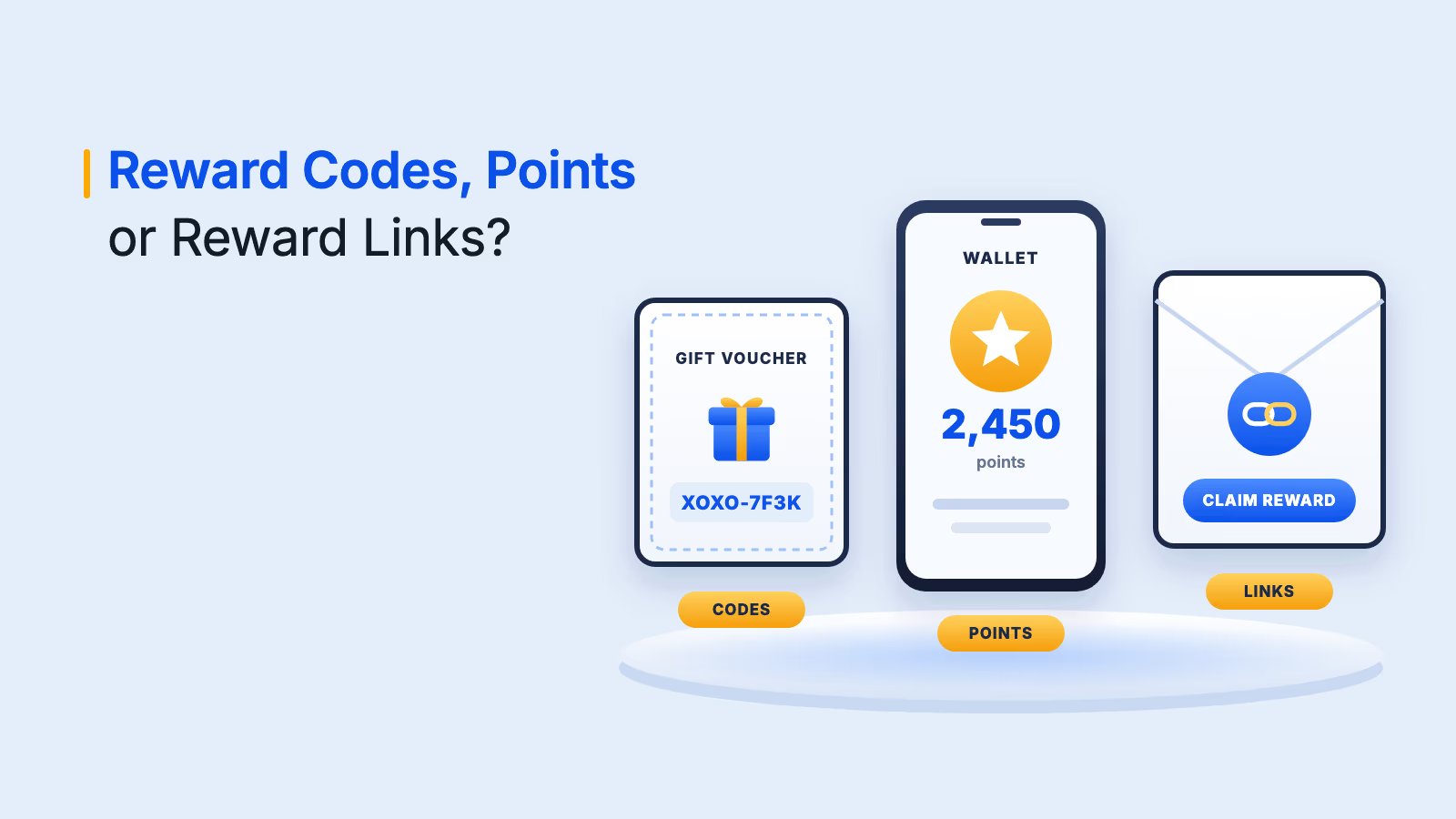
Instead of choosing a brand for the recipient, you send a link or a points balance and they choose from a catalog. This is the format that scales across countries, because each person sees brands available in their own market. It is also the only one that gives you redemption data on what people actually want.
4. Subscriptions
Streaming, audiobooks, learning platforms, meditation apps, meal kits. A subscription keeps delivering for months rather than minutes, which suits milestone gifts and long-service recognition better than a one-off value.
5. Experiences
Virtual cooking classes, spa and wellness vouchers, travel credits, masterclasses. Experiences are remembered longer than objects, and the digital voucher removes the logistics that usually make them impractical at scale.
6. Charity donations
A donation in the recipient's name, to a cause they choose. Increasingly requested, and the only gift format that reliably clears restrictive corporate gift policies.
7. Merchandise vouchers
The recipient browses an online catalog and picks a physical product, which then ships to them. The selection and redemption are digital; the reward is tangible. A useful middle ground when you want the substance of a physical gift without guessing what to send.
Send digital gifts anywhere in seconds
A million-plus reward options in 150+ countries, delivered by email, SMS or link in local currency.
Talk to our ExpertTrusted by 5,000+ companies
Why digital gifting wins for distributed teams
- It arrives on the day: Recognition delayed is recognition diluted. A birthday reward that lands three days late is a different gesture from one that lands at 9am.
- It crosses borders without friction: No customs declarations, no shipping costs, no address collection, no packages held at a depot.
- It works in local currency: Fund in one currency, let each recipient redeem in theirs, with brands that exist in their country. A card that is generous in one market is unusable in another.
- It hands the choice to the recipient: The single biggest failure mode in gifting is guessing wrong. Catalog-based rewards remove the guess entirely.
- It is measurable: You can see what was delivered, what was claimed and which categories people chose, which is impossible with a shipped parcel.
- It scales without extra admin: Sending to ten people and sending to ten thousand are the same amount of work.
Digital gift ideas by recipient
Different audiences need different values and different catalogs.
| Recipient | Typical value | Formats that fit |
|---|---|---|
| Employees | $10 to $200 | Multi-brand gift cards, wellness and fitness vouchers, learning subscriptions, food delivery credit |
| Sales teams | $50 to $500 | Higher-value retail and travel cards, experience vouchers, points-based incentive catalogs |
| Channel partners | $50 to $1,000 | Premium retail, hotel and travel vouchers, tiered points catalogs |
| Customers and consumers | $5 to $100 | Small retail and food cards, streaming subscriptions, charity vouchers, reward links |
| Gig and contract workers | $25 to $200 | Food delivery, fuel and commuter credit, retail cards, skills subscriptions |
| Research and survey respondents | $5 to $75 | Reward links with a market-specific catalog, virtual prepaid cards |
Digital gift ideas by occasion
| Occasion | What to send | Note |
|---|---|---|
| Onboarding and welcome | Food delivery or coffee credit, a small multi-brand card | Send on day one, not at the end of week one |
| Birthdays | Multi-brand gift card or an experience voucher | The date matters more than the value |
| Work anniversaries | Value scaled to years of service, or a subscription | Subscriptions suit long-service better than one-off values |
| Festivals and year-end | Reward link with a seasonal catalog | A link lets one campaign work across every market you operate in |
| Performance and incentives | Points or tiered rewards against targets | Points sustain engagement across a quarter; one-off cards do not |
| Referrals and advocacy | Instant reward link, sent the same day | Speed is the whole point here |
| Survey and research completion | Small fixed-value reward on submission | Automate it from the survey tool so it fires on completion |
| Service recovery | Modest credit with a written apology | Keep it small; an expensive apology reads badly |
Digital gift ideas by budget
| Band | Range | What works at this level |
|---|---|---|
| Token | $5 to $25 | Coffee and food delivery credit, small retail cards, charity vouchers, app store credit |
| Standard | $25 to $100 | Multi-brand retail cards, monthly subscriptions, dining vouchers, wellness credit |
| High-end | $100 to $500 | Travel and hotel vouchers, premium retail, annual subscriptions, experience days |
| Luxury | $500 and above | Travel packages, premium hospitality, high-value points awards for top performers and partners |
Digital gift ideas by category
- Food and lifestyle: Restaurant, coffee and food delivery credit. The most-redeemed category in almost every program, because it gets used the week it arrives.
- Travel and hospitality: Flight, hotel and booking-platform vouchers. Best reserved for milestones and top performers, where the value justifies the occasion.
- Technology and gadgets: Electronics retailers, app stores and device accessories, which suit engineering and product teams and younger audiences.
- Wellness and self-care: Gym and studio passes, meditation and fitness app subscriptions, spa vouchers. Strong fit for wellness programs and high-pressure teams.
- Learning and development: Course platforms, language apps, professional subscriptions. The format that says something about how you see the recipient's future.
- Entertainment and hobbies: Streaming, gaming credit, sports and event tickets. Informal recognition and younger audiences.
- Charity and social impact: Universal charity vouchers that let the recipient pick the cause, which works where other gifts cannot be accepted.
How to set up a digital gifting program
- Set the goal first: Decide why the program exists, who it is for and what it should move. Retention, referral volume, survey response rate and partner activation are all different programs with different rewards.
- Profile the recipients: An employee, a channel partner and a survey respondent need different catalogs, values and delivery channels. Map them before choosing anything.
- Set a budget per recipient per year: Not per gift. This is what turns scattered sends into a plan, and it is the number finance will ask for.
- Choose a gifting partner: Catalog breadth matters, but so do delivery speed, country coverage, integrations and redemption reporting. More on the criteria below.
- Pick the reward formats: Fixed-brand cards where you know the recipient, reward links where you do not, points where you need sustained engagement.
- Prepare the communications: The email, the message and the landing experience are part of the gift. A reward that arrives with no context is just a code.
- Build and test the campaign: Run a small cohort first, check the redemption flow on mobile, and confirm the message reads properly in each language you send.
- Roll it out with a reason attached: Always say what the reward is for. The sentence explaining it does more work than the value does.
- Track redemption, not delivery: Delivery tells you the email sent. Redemption tells you the gift was wanted. Use the category data to improve the next campaign.
What to look for in digital gifting software
- A vast catalog: Tastes vary and markets vary more. A narrow catalog forces compromises that the recipient feels.
- Global coverage and multi-currency: Rewards that work in every country you employ or sell in, redeemable in local currency.
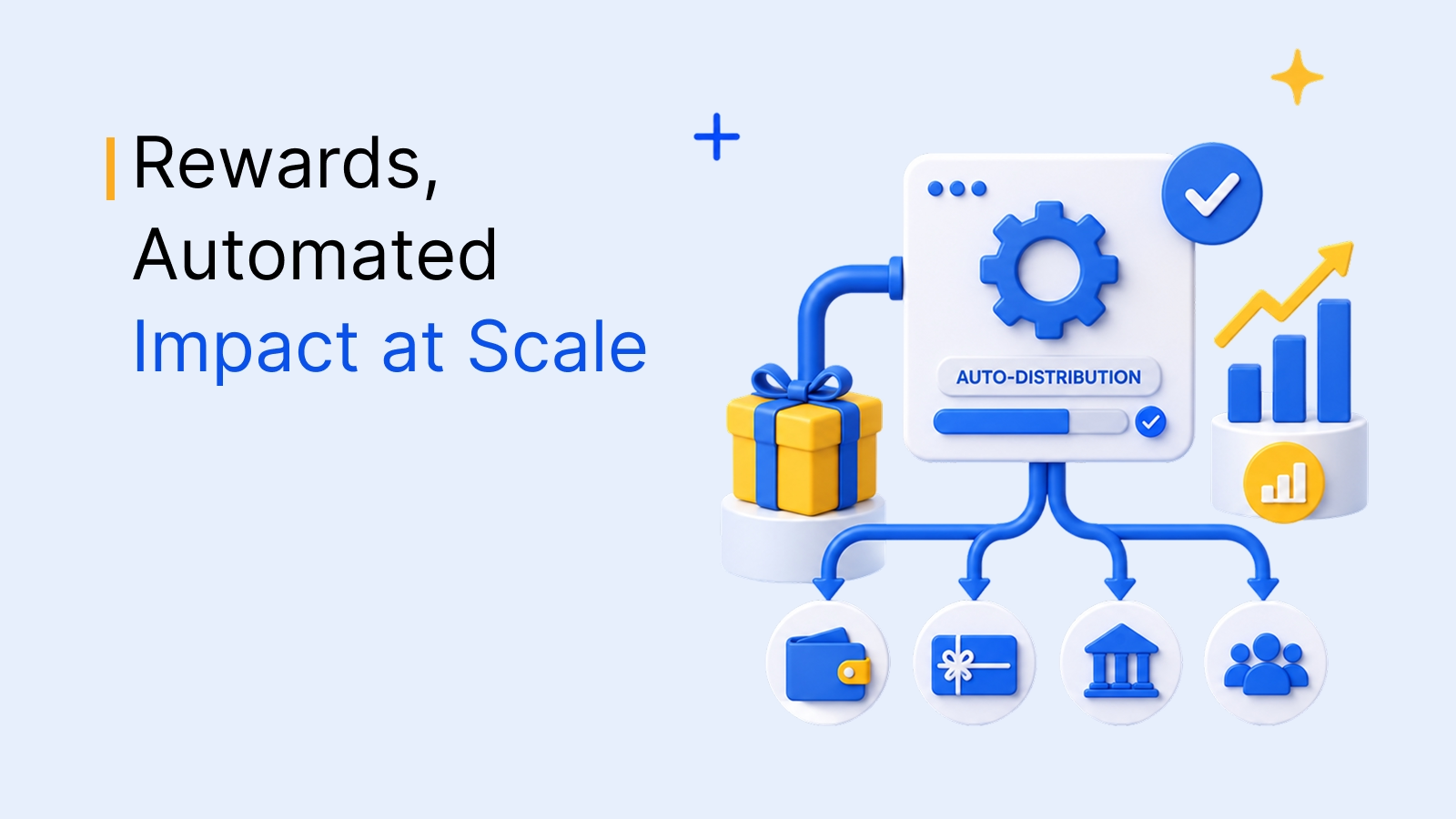
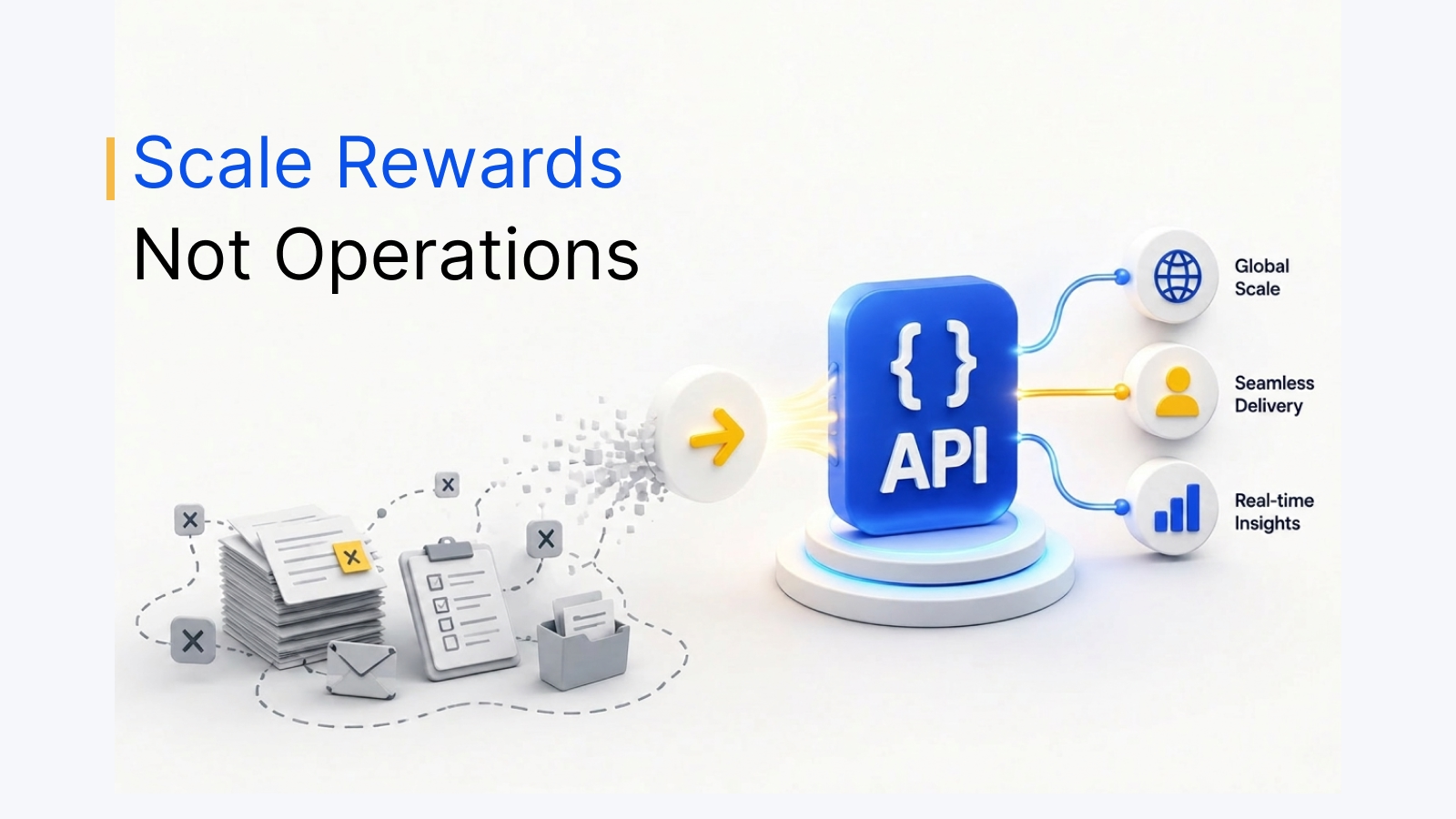
- Automation and API: A reward API so the program scales with the business instead of through a spreadsheet.
- Integrations: HRMS, CRM, survey and marketing tools, so rewards fire from a workflow rather than a manual export. Our guide to integrating rewards into your CRM covers the pattern.
- Bulk and scheduled sending: The ability to load a calendar once and have rewards go out on the day.
- Reporting and tracking: Redemption data by campaign and category, which doubles as a fraud and liability control.
- Personalization: Your branding, your message, and a redemption page that does not feel like a third party.
- A good redemption experience: The recipient is the person who decides whether the program worked. Minimal terms, no friction, works on a phone.
Run digital gifting on Xoxoday Plum
One platform for every digital reward format, in every market you operate in.
01 · Catalog
A million-plus options in 150+ countries
Gift cards, experiences, merchandise, wellness and learning, so the catalog covers every audience without compromise.
02 · Speed
Delivered in seconds
Email, SMS, WhatsApp or a personalized reward link, which is what makes a same-day birthday or referral reward possible.
03 · Local
Redeemed in local currency
Fund in your currency; recipients redeem in theirs, against brands that exist in their own market.
04 · Automation
Bulk, scheduled and API-triggered
Load an occasion calendar once, or fire rewards from your HR, CRM, survey and marketing tools.
05 · Branding
White-labelled experience
Your logo, colours and message across the reward and the redemption page.
06 · Proof
Redemption reporting
See what was claimed and which categories people chose, by campaign, and use it to improve the next one.
1mn+
Reward options
across the global catalog
150+
Countries
with local-currency redemption
7
Digital formats
cards, prepaid, links, subscriptions and more
You can also explore Plum's corporate gifting solution for the full picture across employees, clients and partners.
The format matters less than the two things underneath it: that the gift arrives when it was meant to, and that the person receiving it gets to choose. Digital gifting is simply the easiest way to do both.
Book your Plum demo
Frequently asked questions
Digital gifting is sending a reward electronically rather than shipping a physical item. The main formats are e-gift cards, virtual prepaid cards, reward links and points, subscriptions, experience vouchers, charity donations and merchandise vouchers that the recipient redeems from an online catalog. Delivery is by email, SMS, messaging app or link, usually within seconds.
Food delivery and coffee credit are the most redeemed, because they get used the same week. Multi-brand gift cards work when you do not know individual preferences. Wellness and fitness subscriptions suit high-pressure teams, and learning subscriptions suit milestone and long-service moments because they keep delivering for months rather than minutes.
Timing, reach and choice. A digital gift arrives on the day it was meant to, anywhere, with no shipping, customs or address collection. It can be redeemed in local currency against brands that exist in the recipient's market. And a catalog-based reward lets the recipient choose, which removes the biggest failure mode in gifting. It is also the only format that gives you redemption data.
An e-gift card is a fixed value at a brand you choose on the recipient's behalf. A reward link sends a value that the recipient redeems against a catalog, picking the brand themselves. Links scale better across countries, because each person sees options available in their own market, and they tell you which categories people actually want.
Start with the goal and the audience, then set a budget per recipient per year rather than per gift. Choose a gifting partner on catalog breadth, country coverage, integrations and reporting, then pick the reward formats that match each audience. Prepare the message as carefully as the reward, test the redemption flow on mobile with a small cohort, and track redemption rather than delivery.
Yes, and this is their main advantage. A platform with region-specific catalogs lets a recipient in Manila and one in Munich each redeem in their own currency against brands available locally, delivered the same day. The thing to check is coverage: a single-brand card issued in one country usually does not work in another, so use a multi-market catalog or a reward link instead.
Scale it to the audience and the occasion. Token gestures such as thank-yous and survey completions work at $5 to $25. Standard gifts for employees and customers sit around $25 to $100. High-end rewards for top performers and channel partners run $100 to $500, and luxury awards above that. Set the figure per recipient per year so several small gestures are planned rather than accidental.
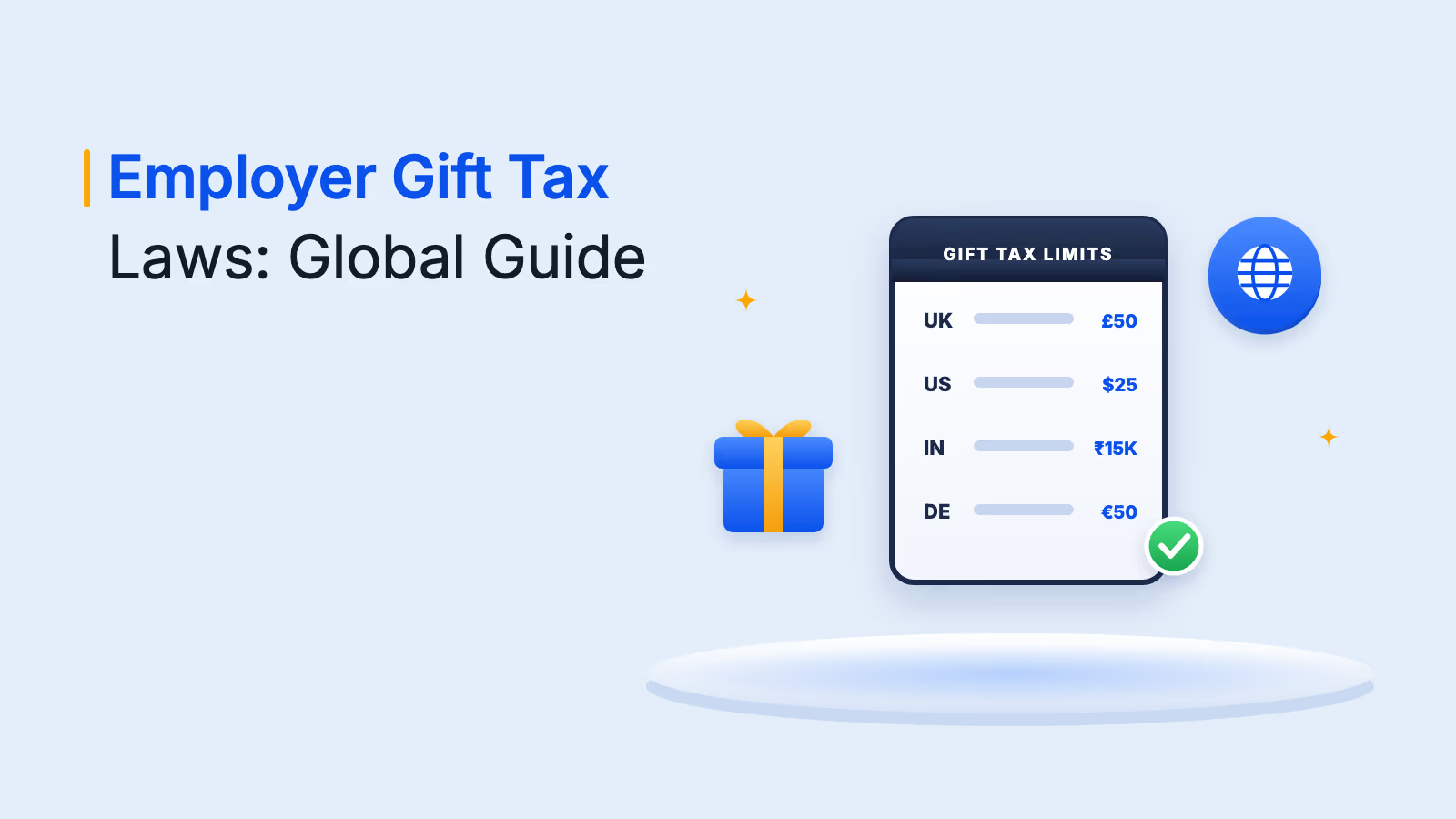
Usually yes when given to employees. Gift cards and cash equivalents are generally treated as taxable wages rather than minor benefits, whatever their value, in many jurisdictions including the US. Rules for gifts to clients and partners differ again and often carry their own deduction caps. Keep a record of every reward and its business purpose, and check local rules before a large program.