Key Takeaways
Customers expect fast, easy, personal service on their preferred channel, without repeating themselves.
The five types of customer expectations are explicit, implicit, interpersonal, digital and dynamic performance.
AI raises the bar for 24/7 service, but customers still want transparency and a route to a human.
Self-service, connected channels and analytics help meet digital customer expectations at scale.
Rewards turn routine service moments and service recoveries into reasons to stay loyal.
Customer service expectations are the standards customers hold a company to whenever they ask for help: how fast it responds, how easy it is to reach, how well it understands them and how completely it solves the problem. The digital transformation of services has changed the way companies connect with their customers. Technology has improved customer service, and it has raised customer service expectations just as quickly.
The bar keeps moving. In the Zendesk CX Trends 2026 report, 88% of customers said they expect faster response times than they did a year ago, and 74% said that because of AI they now expect customer service to be available 24/7. At the same time, 83% of consumers believe experiences should still be better than they are today.
These demanding expectations make it harder for companies to keep up. When you understand what customers expect from customer service, you can meet those expectations and then exceed them. This guide covers what customers expect, the five types of customer expectations, how to meet digital customer expectations, how rewards help and practical tips for customer expectation management.
What are customer expectations?
Customer expectations are the standards and experiences customers anticipate when they interact with a company, before, during and after a purchase. They include self-service options, fast response times, personalized experiences and seamless interactions across every touchpoint in the customer journey. Meeting or exceeding these expectations builds loyalty, satisfaction and long-term engagement.
Expectations are shaped by three things: what customers experienced in the past with you or with competitors, what your marketing told them about prices, product performance or service quality, and what other people have said about your business, good or bad. Falling short, especially on the basics, sends customers looking elsewhere.
What do customers expect from customer service?
Customers expect customer service to go beyond resolving issues. They want efficiency, empathy and convenience at every touchpoint, and a seamless, responsive and personalized experience builds loyalty and trust. Here are the key customer service expectations and how businesses can meet them.
1. To feel valued
A sale does not have to be a one-time event. Customers are people with feelings, and excellent customer service creates positive feelings during every interaction. Those emotions become associated with your company, so a one-time customer who has positive interactions is more likely to become a repeat customer.
Feeling valued is intangible, but it is an essential part of the customer journey. It is one of the best ways to satisfy customer expectations and keep customers coming back for more of your products or services.
2. To be seen and heard
Customers appreciate being treated as more than a ticket number. When a customer reaches out with a problem, it is personal to them, so customer service should go the extra mile to show that action is being taken.
Send automated updates at each stage so the customer knows their issue has been acknowledged and is being worked on, and send a final update when it is closed. Follow up afterwards to make sure the issue stayed solved, and encourage feedback through several channels.
3. Convenience and a quick response
Ideally, customers would never need to contact you. But when they do, it is in your interest to make it as easy as possible. Every extra hurdle a customer faces in reaching you counts against your product or service.
Being easy to contact and quick to respond adds value to your product in the customer's eyes. Offer contact options that suit your customers, keep wait times short and aim to solve the issue the first time. A small thank-you can help here too: with Xoxoday Plum, support teams can trigger a reward from tools such as Zendesk or Intercom when a long-running issue is resolved or a customer completes a satisfaction survey.
4. Ease of communication
Digital transformation has multiplied the channels customers can use to contact a company, and each customer may prefer a different one: chat, email, phone, social media or messaging apps. Make it easy to reach you on as many of them as practical.
Contact should be easy to make, and the support process should be simple to follow. Put a process in place to bring all communication from a single customer together across channels, so they never have to start over. In the same Zendesk research, 74% of customers said they find it frustrating to repeat their story to different agents.
5. Helpful AI with a human option
Customers increasingly accept AI assistants for quick answers, but they want them to be accurate, transparent and backed by a person when needed. Zendesk found that 95% of consumers expect an explanation for decisions made by AI. Use AI for speed and routine questions, tell customers when they are talking to it and make the route to a human agent obvious.
5 types of customer expectations
There are five types of customer expectations: explicit, implicit, interpersonal, digital and dynamic performance. Understanding them helps you tailor your service for a seamless and satisfying customer experience.
- Explicit expectations: Clear, specific expectations about your product or service, such as pricing, quality or availability. For instance, customers expect a product to be priced competitively within industry standards.
- Implicit expectations: Unspoken assumptions based on past experiences with similar businesses or recommendations from others. Customers expect a certain level of service or quality without it being stated.
- Interpersonal expectations: Expectations about personal interactions with your team. Whether in store, on the phone or in live chat, customers expect courteous, helpful and professional service.
- Digital expectations: Expectations for online interactions, including website navigation, social media engagement and email. Customers expect a smooth, user-friendly experience when they buy, book or ask for help digitally.
- Dynamic performance expectations: Customers expect businesses to evolve and improve as their needs change. That could mean new features, new services or more convenience, like a restaurant introducing online reservations.
| Type | What it means | Example |
|---|---|---|
| Explicit | Clear, stated expectations about price, quality or availability | A product is priced in line with similar products |
| Implicit | Unspoken assumptions based on past experience or what others said | A hotel room will be clean even if no one mentions it |
| Interpersonal | How staff treat the customer in person, by phone or in chat | An agent is polite, patient and knowledgeable |
| Digital | How smoothly online channels work | The website, app and chat work well on a phone |
| Dynamic performance | How the business improves over time as needs change | A restaurant adds online reservations |
Explicit expectations are the easiest to manage because customers tell you about them. Implicit and dynamic ones are harder, which is why listening to feedback and tracking trends matters so much.
Turn service moments into loyalty
Send thank-you and recovery rewards instantly from the tools your service team already uses.
Talk to our ExpertTrusted by 5,000+ companies
Digital customer expectations and how to meet them
Digital customer expectations are the standards customers hold for online service: instant, personalized, available on any device and consistent across channels. As digital interactions become the norm, businesses must keep evolving to meet them. Here is how to align with the changing digital landscape.
1. Personalization
Personalizing every interaction is one of the best ways to help customers feel seen and heard. Using the customer's name is only the start.
Automate the process of pulling up the customer's history with your company: the products and services they have bought and any previous conversations. This sets the context for every interaction, so agents and bots begin with answers instead of questions, and the experience feels far more satisfying.
2. Instant connectivity
Digital transformation has made it possible to be accessible 24/7, and with customers around the globe, round-the-clock access has become essential. Instant gratification is the underlying demand: customers expect live chat, chatbots and AI assistants to be there when they have an issue. Enabling customer engagement at all times and across channels is now a core part of customer support.
Chatbots and AI assistants can answer common questions at any hour, with clear hand-offs to human agents for complex issues. Instant responses across channels are essential to meet customer service expectations.
3. Smart devices
Customers spend much of their work and leisure time on smartphones and other smart devices. Making support available through mobile-friendly help centers and in-app chat brings you closer to them.
Because customers find their own devices easy to use, support through them is quicker and more comfortable than a phone call. Devices also let customers complete most of the steps, such as sharing their details, before they connect to a support agent.
4. A choice of seamless channels
Companies increasingly offer support through live chat, chatbots, email, social media, SMS, messaging apps, voice and interactive voice assistants. Digital customer expectations call for more channels and an equally quick response on all of them.
The more flexible your support channels, the easier you are to reach, and seamless integration across them is a real competitive advantage. A customer who starts in chat and follows up by email should be able to pick up exactly where they left off.
5. Options for self-service
You can automate many customer interactions and turn them into self-service options. Self-service is one of the fastest ways to satisfy digital customer expectations: when customers solve a problem or get an answer quickly on their own, both they and the company win.
Support self-service with FAQs, how-to videos, interactive response systems, forums and a knowledge base. Your knowledge base should contain articles that help customers solve common queries, and it is far more useful when it is easy to search. AI-powered search and assistants that answer from your knowledge base make it even faster.
Customer forums create a supportive community and give you valuable feedback. You can even use them to involve customers in product development. Self-service lowers support costs while keeping a quick, efficient way to meet customer expectations.
6. Social media
Social media has enormous reach and influence. It is not only a support channel but also a marketing and reputation opportunity.
Engaging with customers on social media makes support more accessible and visible. People spend a lot of time there, so it is one of the best places to reach them, and every helpful public reply shows other customers that you care.
7. A digitally transformed customer journey
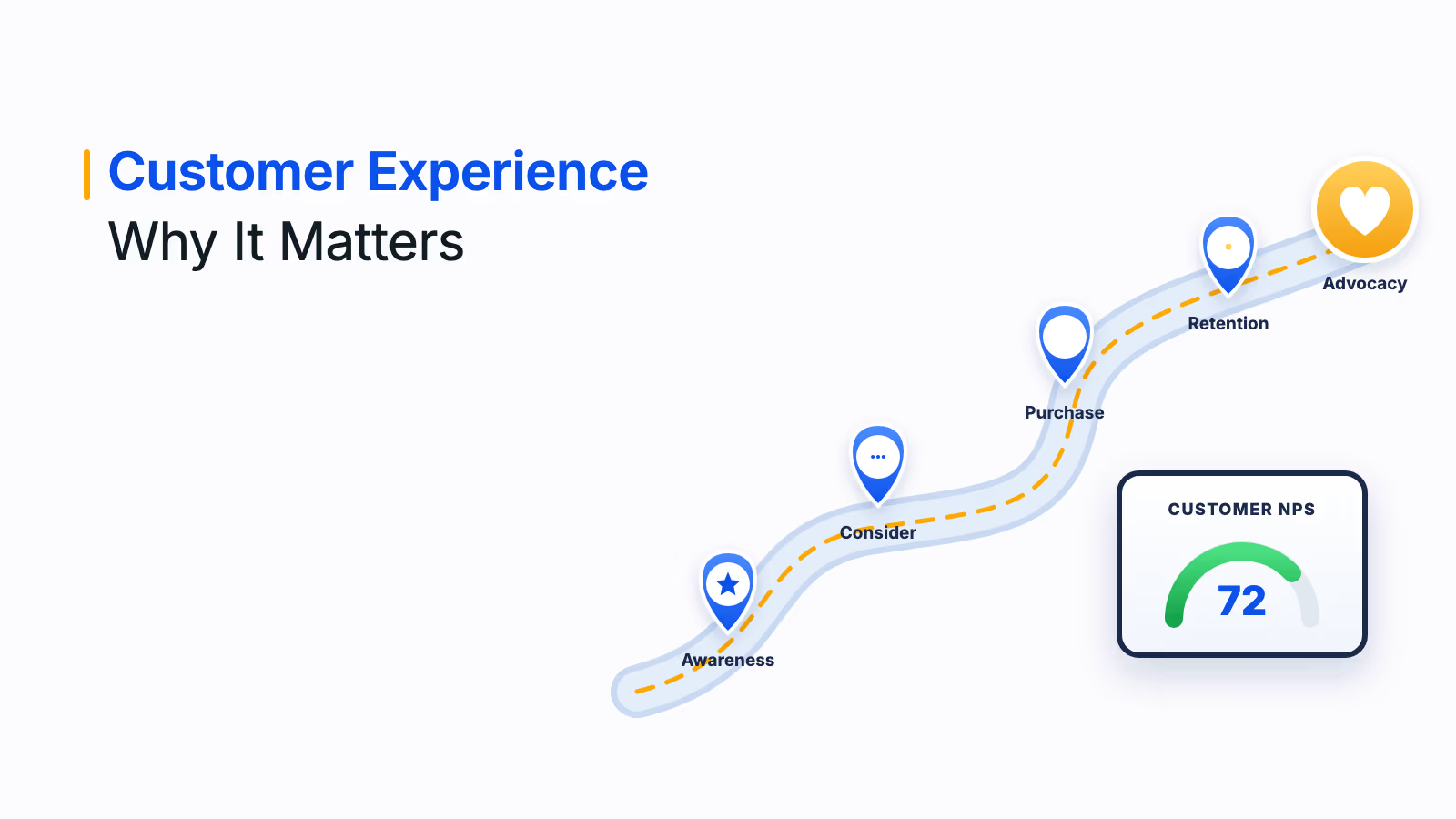
Digital transformation has changed business models and multiplied the channels through which companies deliver products and services. It has also changed how customers interact with companies, which are now engaged at every touchpoint of the customer journey.
Technology gives customers more control and makes the journey more customizable. When support systems adapt to each customer's preferences, profile and history, every experience feels unique.
8. User engagement
Technology only works when customers actually use it. Every customer-facing system should be intuitive and easy to use.
Digital support succeeds only when most of your customers engage with it. Encourage customers to use digital channels at every step of their journey, while still offering other options for those who prefer them.
9. Transparency
Customers expect transparency in every process. Send an automated message to acknowledge each contact, then share updates at the right steps so customers know their issue is in progress and what will happen next.
Greater transparency builds trust and confidence, and it cuts down on repeat "any update?" messages.
10. Use analytics to evolve, anticipate and improve
Every digital interaction creates valuable data. Analyze it to spot real-time trends and patterns, recurring issues and the moments when customers get stuck. Analytics gives you indirect feedback you can use to improve and evolve.
Data takes the guesswork out of decisions and helps you respond to how customers actually use your product. You can also use it to check whether policy changes improve support patterns. When issues repeat, your systems can predict them and resolve them faster, often before they reach the support queue.
11. Apologize
When something goes wrong, acknowledge it and apologize. A sincere apology goes a long way in making customers feel better when you have not met their expectations, and an empathetic apology is an effective and economical way to handle a mistake.
Customers remember how you handled a problem far longer than many routine positive interactions. A genuine apology, followed by a fix and sometimes a small gesture, can turn a complaint into loyalty.
12. Be open to feedback
A company that listens to its customers understands what they expect. Customer feedback is the best advice you can get for achieving customer satisfaction and exceeding customer expectations.
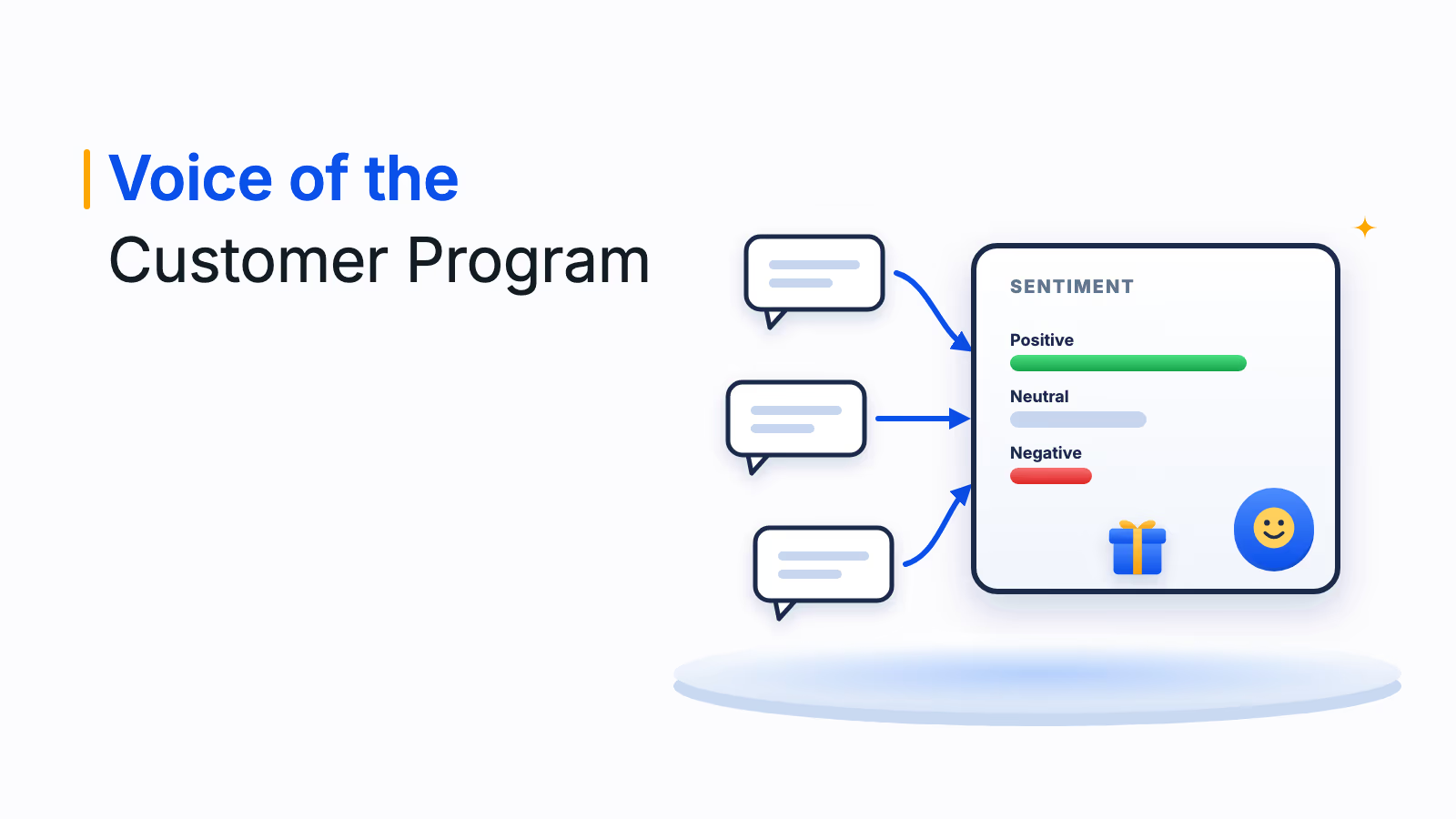
Being open to feedback also makes customers feel valued and respected. Collect it through support channels, surveys, forums and communities, act on it and tell customers what changed. A structured voice of the customer program helps you do this consistently.
The benefits of including rewards to meet customer expectations
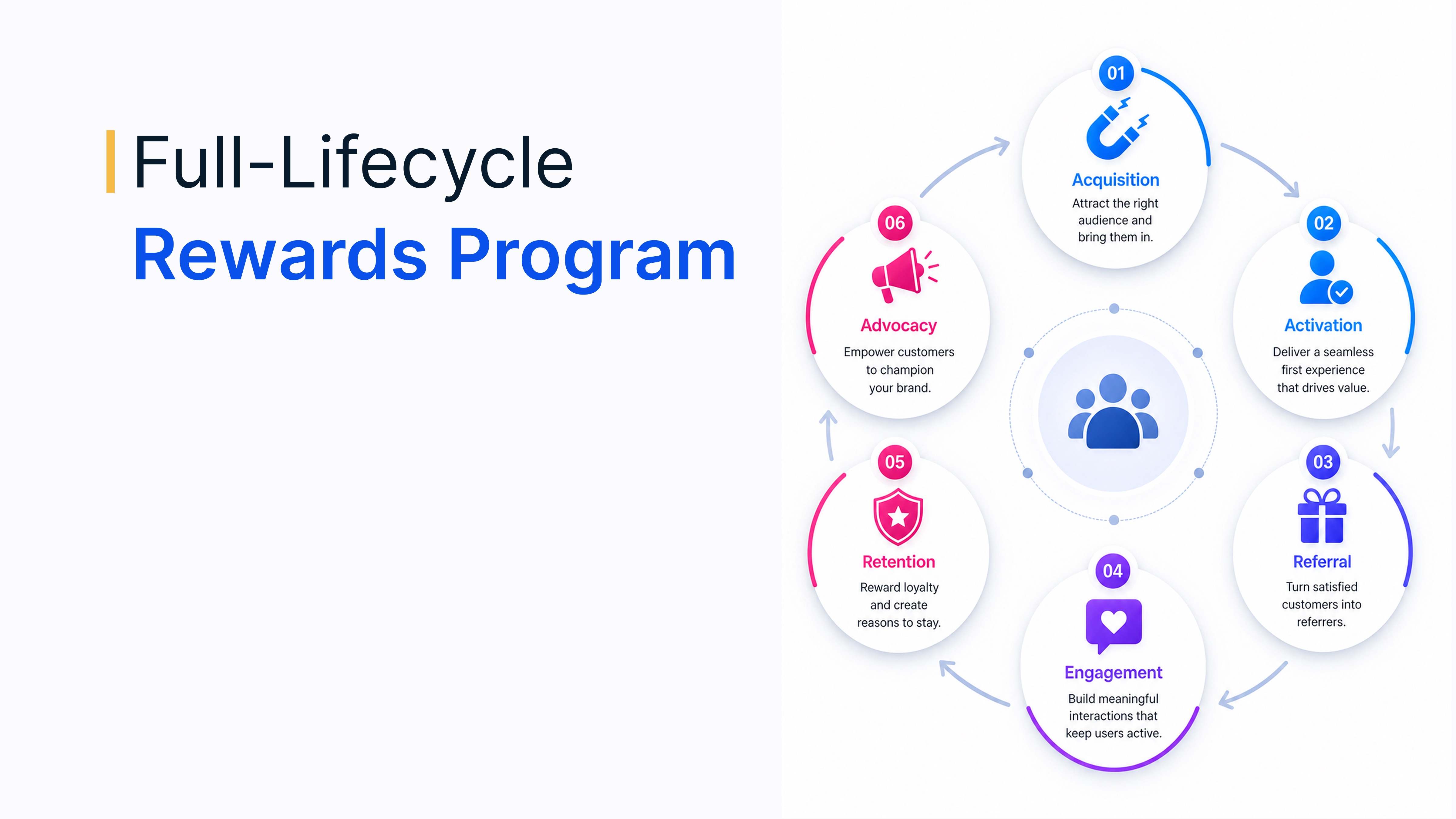
Rewards help meet customer expectations by turning ordinary service moments into memorable ones. Meeting expectations goes beyond great service: it is about delighting customers at every touchpoint. Rewards and gifts make interactions memorable, strengthen brand loyalty and encourage repeat business. Here is how they help, and how Plum supports each one.
1. Enhances customer satisfaction
A thoughtful reward makes customers feel appreciated and reinforces positive brand interactions. Whether you are making up for an issue or celebrating loyalty, a well-timed digital gift card can turn an average experience into a remarkable one.
2. Encourages brand loyalty
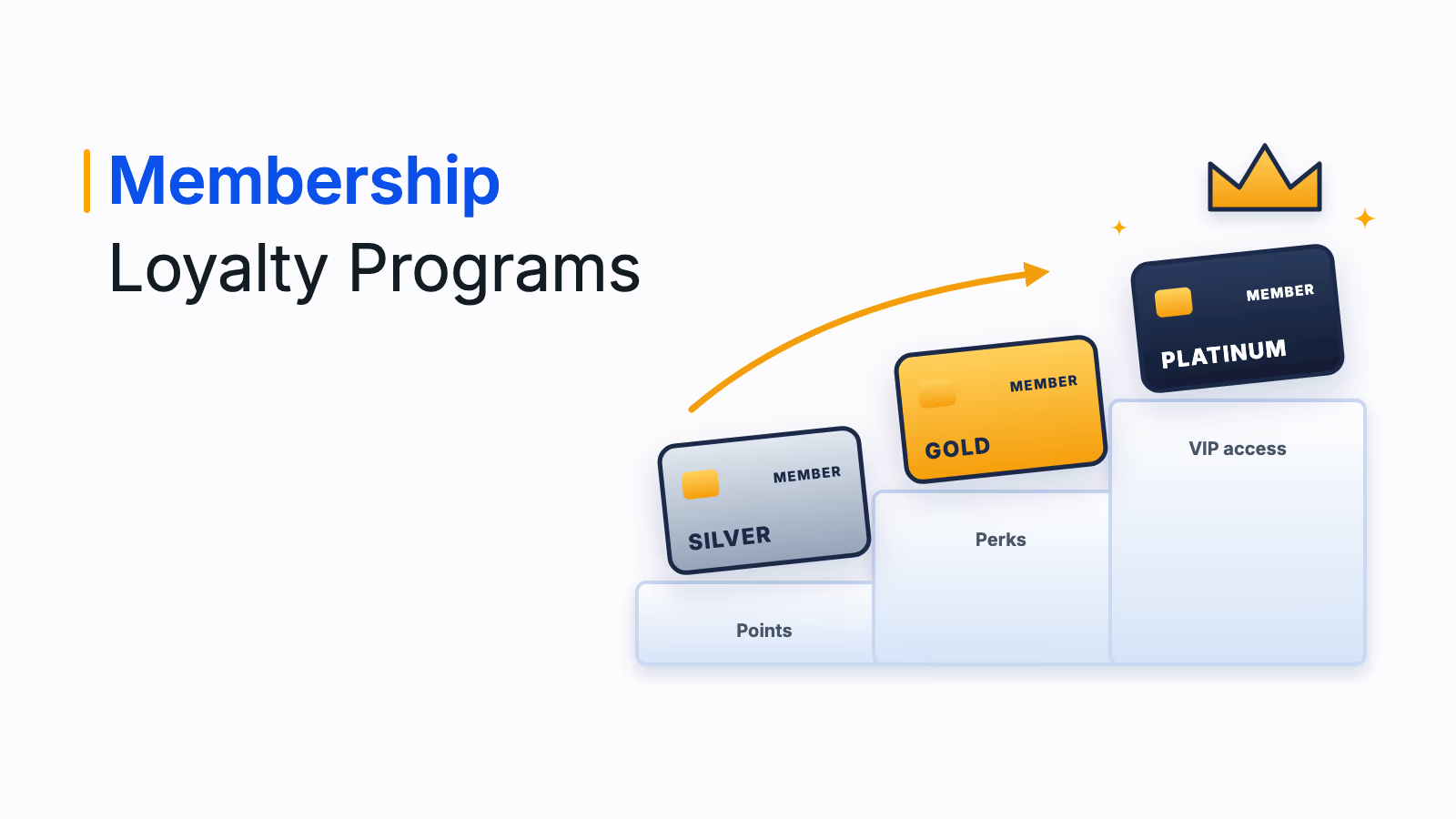
Loyal customers expect recognition for staying with a brand. A structured loyalty program with tier-based points keeps them coming back, and Plum loyalty rewards give that program a redemption catalog members actually want. Surprise rewards on birthdays and anniversaries create a lasting emotional connection.
3. Boosts engagement and retention
Customers are more likely to return when they know there is an added benefit. Gamifying interactions, such as giving reward points for repeat purchases or for engaging with your community, keeps customers excited and invested in your brand. For more ideas, see our guide to customer retention strategies.
4. Creates a competitive edge
In crowded markets, rewards set a brand apart by adding unique value to the customer experience. Exclusive incentives at key moments, such as a post-purchase thank-you with branded merchandise or a personalized gift, build an emotional connection competitors may lack.
5. Encourages word of mouth and referrals
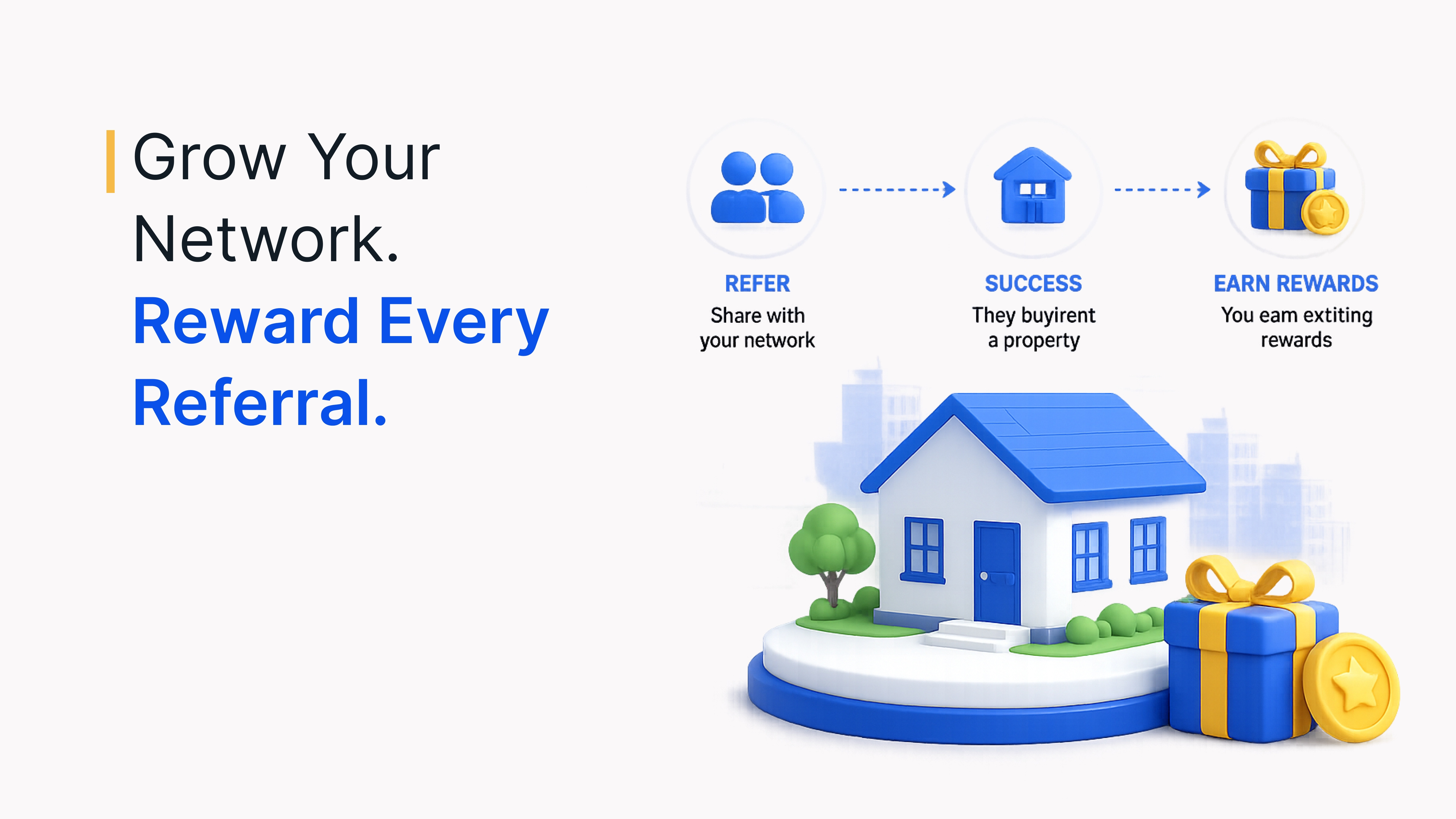
Happy customers love to share their experiences, and a well-run referral rewards program turns them into brand advocates. Rewarding referrals motivates customers to bring in new ones while strengthening their own loyalty.
6. Strengthens personalization
Customers expect tailored experiences, and rewards based on their purchase behavior or preferences make them feel truly valued. AI and analytics can track customer activity and trigger personalized rewards, such as experience-based rewards, at the moments that matter most.
7. Drives revenue growth
Rewards such as cashback or bonus points make repeat purchases more likely. Customers tend to spend more when they see extra value, which makes incentives a powerful tool for growing revenue.
8. Encourages reviews and feedback
A small reward for leaving a review or completing a survey encourages customers to share their experiences, which builds credibility and social proof. Keep the reward neutral and never tie it to a positive rating. Plum review and rating rewards trigger a reward when a verified review is posted on platforms such as G2, Trustpilot or Capterra, with duplicate detection and per-user limits to prevent abuse.
5 customer expectation management tips
Customer expectation management is the ongoing work of understanding, setting and meeting what customers expect. In a fast-changing market, meeting expectations is not enough; you need to exceed them. These five tips help you stay aligned with customers as their needs change.
1. Understand your customers on a deeper level
To serve customers well, you need to know them. Analyzing demographics, behavior and motivations helps you build more customer-centric products, services and experiences.
Deep customer research lets you track trends, anticipate needs and personalize offers so your brand stays relevant. Measure service KPIs such as first response time, resolution time and satisfaction scores, then use the insights to refine your strategy and keep improving.
2. Stay agile to meet changing expectations
Customer preferences shift quickly, and agile businesses are better placed to stay ahead. Flexible technology lets you adapt without friction.
Customer service platforms, AI-driven analytics and no-code integrations help you scale and change direction quickly. The ability to adjust in real time keeps your products and services aligned with what customers expect.
3. Use AI for smarter support
Customers expect instant, seamless and intelligent interactions. AI-powered tools can improve support by:
- Always-on help: Providing 24/7 assistance through AI agents and chatbots that can resolve routine requests end to end.
- Smarter staffing: Forecasting volume so the right number of human agents are available at the right time.
- Automated quality checks: Reviewing conversations automatically to maintain service standards.
With AI forecasting and automation, you can reduce wait times, resolve issues faster and free agents for the complex conversations where a human makes the difference.
4. Take a proactive approach
Rather than waiting for customers to report problems, solve them before they arise. Proactive customer engagement includes:
- In-product messages: Guidance shown at the moment a customer needs it.
- How-to videos: Short tutorials that make learning easy.
- Preemptive emails: Best practices and alerts sent before a known issue affects the customer.
Addressing concerns before they become problems improves the customer experience and reduces ticket volume, which makes support more efficient for everyone.
5. Listen, learn and evolve through feedback
Customer feedback is a goldmine of insights. Whether it is positive or negative, treat it as a chance to improve.
Give your team tools to gather, analyze and act on feedback. AI analytics can detect trends across conversations, while quality assurance software can link support performance to satisfaction scores. Close the loop by telling customers what you changed.
Set honest expectations too. Clear promises about delivery times, response times and what a plan includes prevent disappointment. Under-promising slightly and over-delivering is far better than the reverse.
How Xoxoday Plum transforms rewarding experiences
Xoxoday Plum helps service, success and marketing teams offer seamless, personalized and automated rewards across customer touchpoints, whether you are thanking a customer after a great interaction, recovering from a problem, rewarding a referral or encouraging feedback. More than 5,000 companies use it.
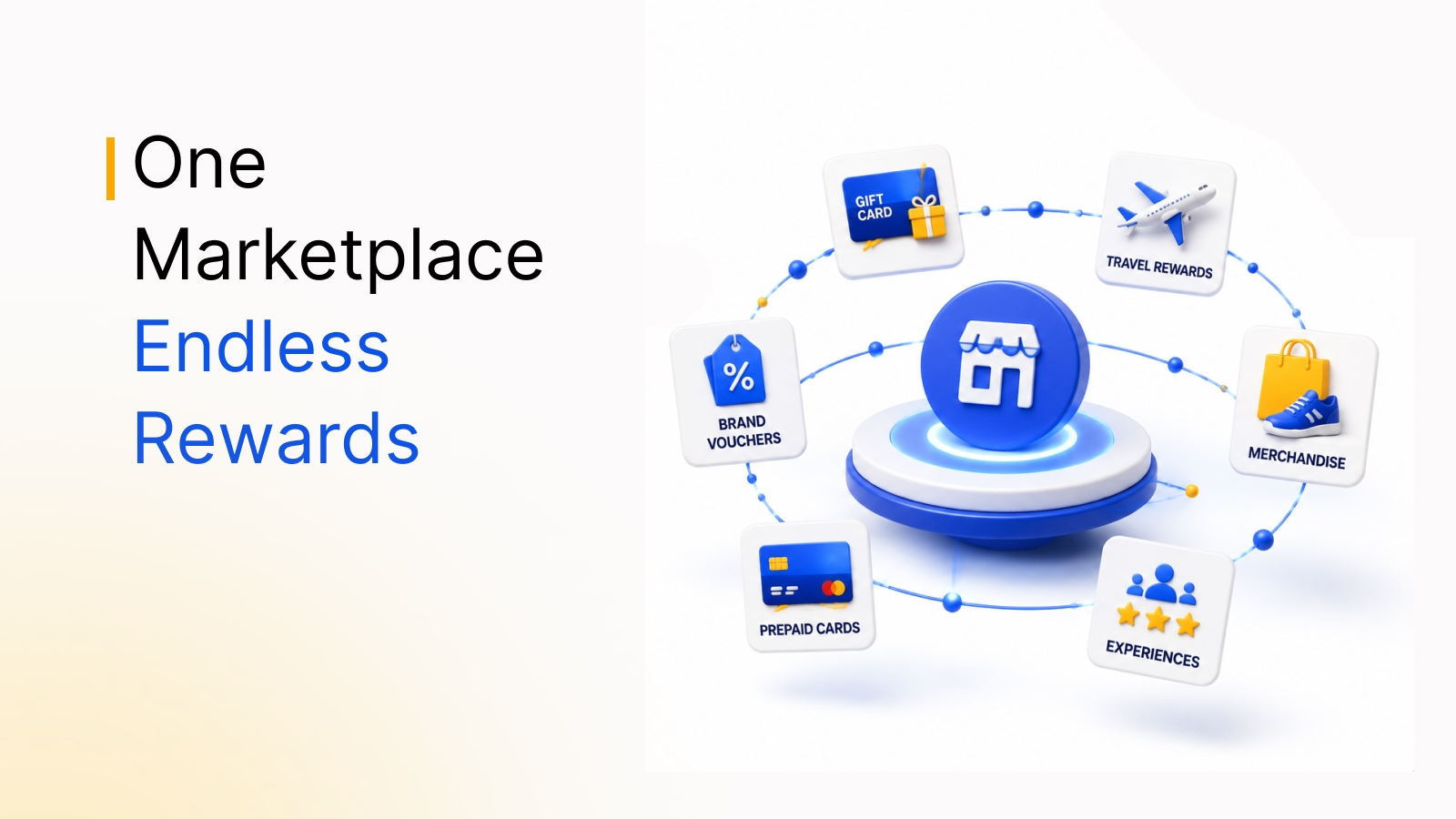
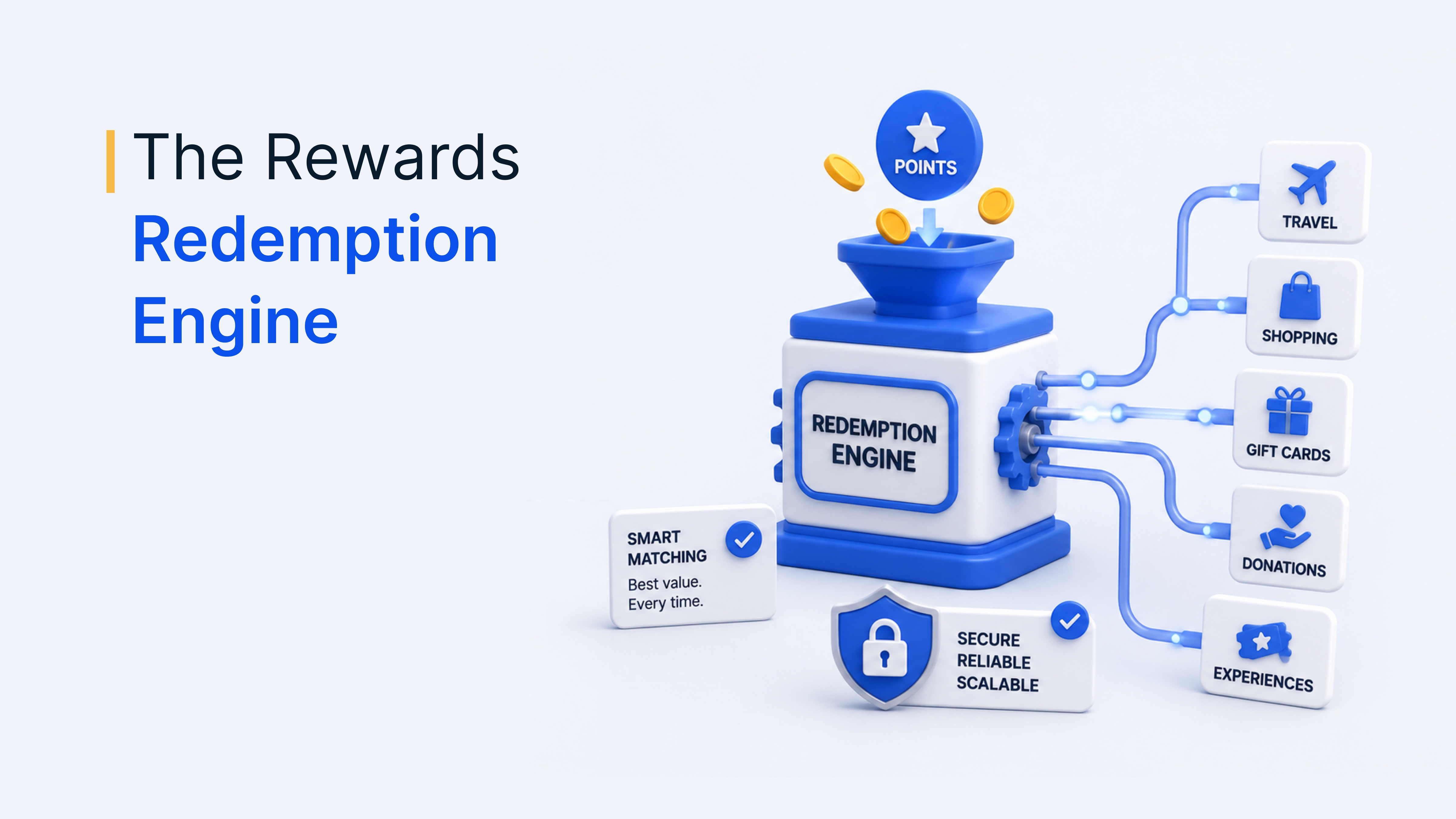
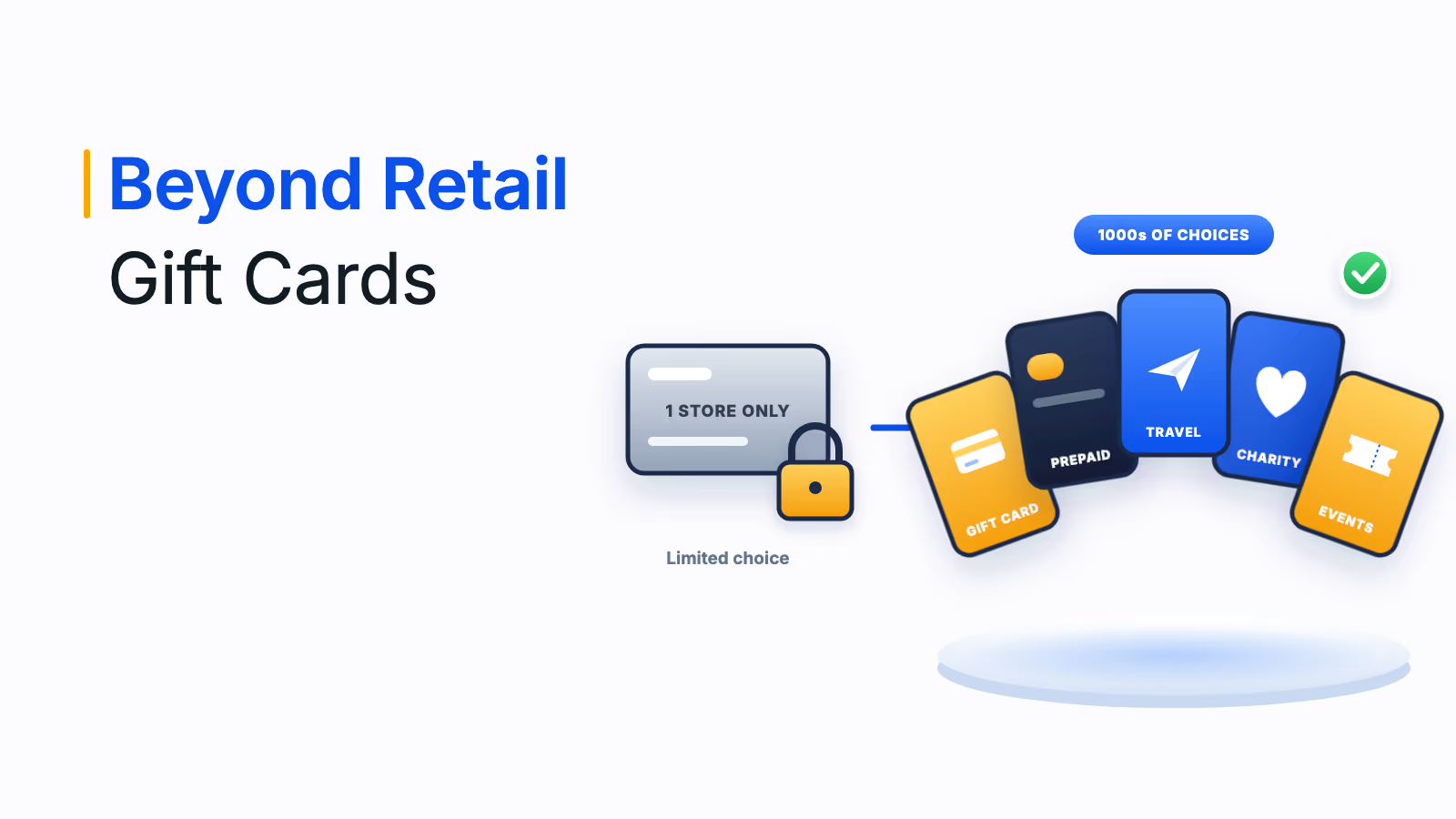
- A global catalog: 10M+ reward options across 30+ categories in 150+ countries in the Plum reward marketplace, including gift cards, prepaid cards, experiences, merchandise and charity donations.
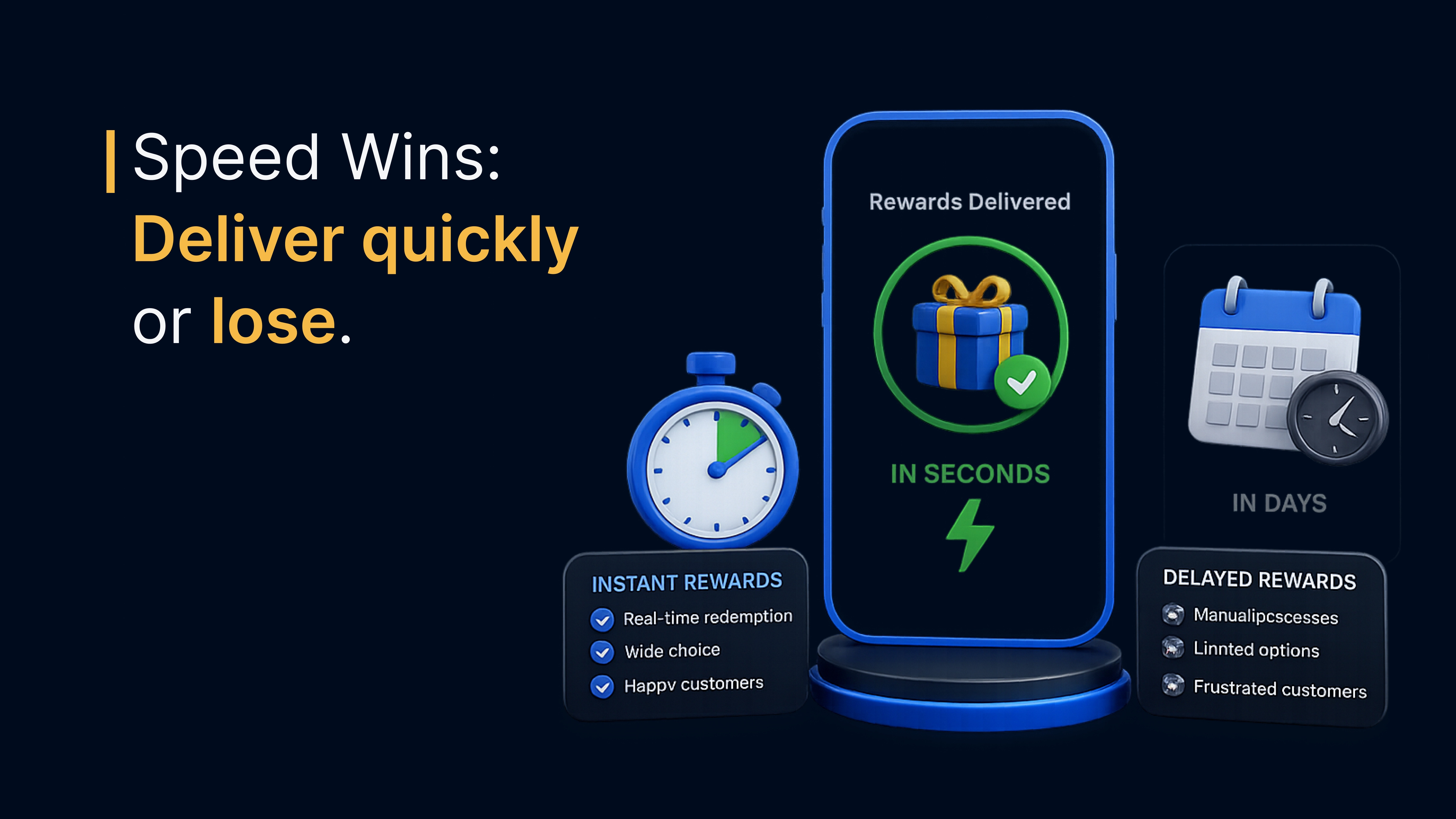
- Instant, flexible delivery: Points, codes or single-use reward links that need no login, delivered by email, SMS or WhatsApp right after the interaction.
- Local-currency redemption: Customers redeem in their own currency, so rewards are useful wherever they live.
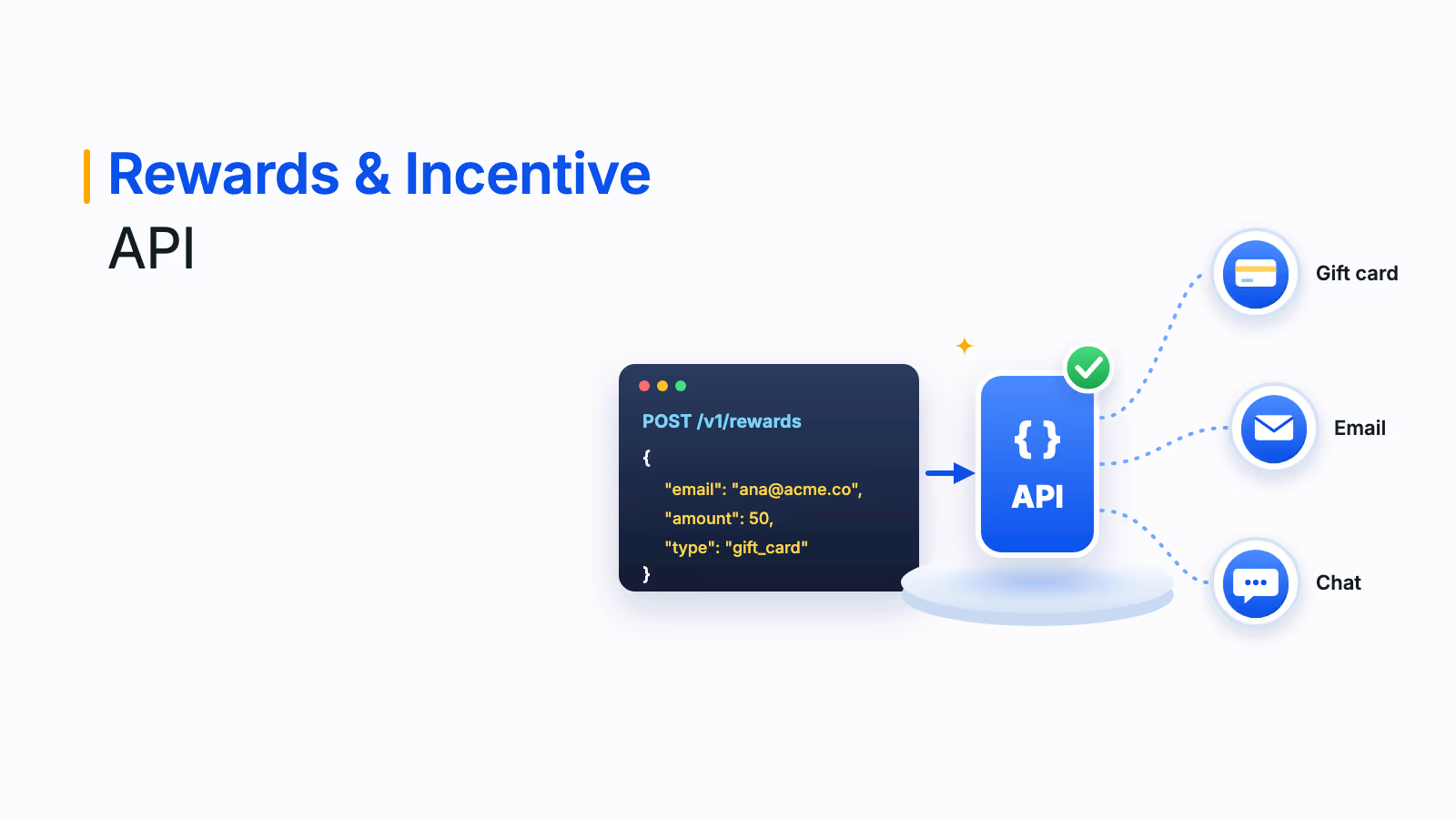
- Triggers from your service stack: Native integrations with Zendesk, Intercom, Salesforce, HubSpot and Zapier, plus REST APIs, let agents or systems fire rewards automatically.
- Control and compliance: Budgets, role-based access, audit trails and real-time reporting on delivery and redemption.
Reliability is part of meeting expectations too. A leading Indonesian digital bank used Plum reward links to deliver more than 71,000 rewards to its premium account holders with a 99% fulfillment success rate, ending the voucher stockouts that had been eroding customer trust.
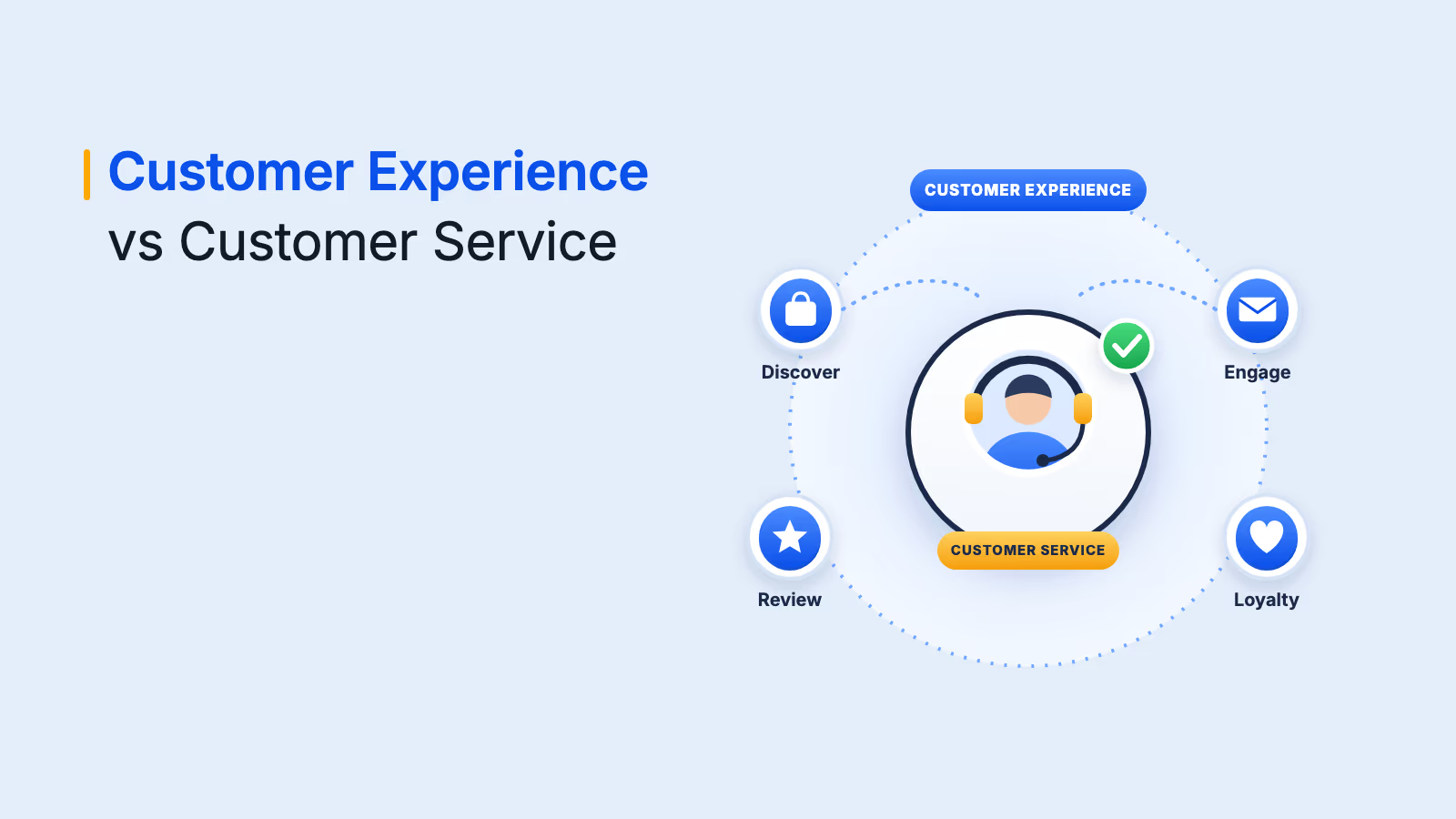
To see how service fits into the wider journey, read our guides to customer experience and customer experience vs customer service.
Conclusion
Customer service expectations will keep rising as technology makes fast, personal, always-on service possible. Understand the five types of customer expectations, meet digital customer expectations with personalization, self-service and connected channels, and practice customer expectation management through feedback, proactive support and honest promises.
Rewards add the final touch that turns satisfied customers into loyal ones. Book a free demo to see how Plum helps you exceed customer expectations at every touchpoint.
Book your Plum demo
Frequently asked questions
Customers expect fast responses, easy access on their preferred channel, staff who understand their history, clear updates on their issue and a complete fix the first time. Increasingly, they also expect 24/7 help through self-service or AI assistants, with an easy way to reach a person when needed.
The five types are explicit expectations (stated needs such as price and quality), implicit expectations (unspoken assumptions based on past experience), interpersonal expectations (how staff treat customers), digital expectations (how online channels perform) and dynamic performance expectations (how the business improves over time).
Use several sources and compare what they tell you: customer surveys, support tickets and quality assurance data, internal customer data, focus groups, reviews and social media listening. Look for recurring themes, then turn them into service standards and improvements.
Personalize interactions with customer history, offer 24/7 help through self-service and AI assistants, design support for mobile, connect channels so conversations carry over, be transparent about progress and use analytics to fix recurring problems before customers contact you.
Customer expectation management is the process of understanding what customers expect, setting honest promises about what you will deliver and then meeting or exceeding them. It includes listening to feedback, tracking service metrics and adjusting processes as expectations change.
Yes. Rewards show appreciation, help recover goodwill after a service failure and recognize loyal customers. A thank-you gift card after a long-standing customer's issue is resolved, or a small reward for completing a feedback survey, makes customers feel valued and more likely to stay.