Key Takeaways
Match the gift to the deal stage rather than picking from a catalog. A $10 coffee card opens a cold conversation; a $200 gift to a stranger reads as pressure.
The ask attached to a gift should be smaller than the gift itself, or the gesture becomes a transaction.
When a deal stalls, keep the gift value flat rather than escalating. A bigger gift reads as desperation.
Check the prospect's gift acceptance policy before sending. Government, banking, healthcare and procurement buyers often cannot accept anything.
Measure reply rate, meeting rate and cost per meeting against a non-gifted control group, and track redemption rather than delivery.
Prospecting gifts have a reputation problem. Done badly they are a bribe with a logo on it, sent to a stranger who did not ask, and they make the next email harder rather than easier. Done well they are the only outreach tactic that reliably gets a reply from someone who has ignored six emails and two calls.
The difference is almost never the gift itself. It is where the gift sits in the sales motion, what you ask for in return, and whether the recipient is allowed to accept it. A tech gift card that works brilliantly after a demo is a strange thing to receive from someone you have never spoken to.
This guide is organized around the motion rather than the catalog: what to send at cold outreach, after a demo, when a deal stalls and when it closes, plus how to measure whether any of it is working. For gifting outside the sales context, see our guide to corporate gifting ideas.
What a prospecting gift is for
A prospecting gift is an item or reward sent to a potential buyer to open or advance a conversation. It is not a closing tool and it is not a thank-you. Its job is narrower than either.
- Breaking through: Your email is one of several hundred that week. A physical or digital gift creates a moment of surprise that an email subject line cannot.
- Establishing goodwill early: It sets a tone of generosity before the commercial conversation, which changes how the first call goes.
- Creating a reason to reply: Reciprocity is real. A gift makes a response more likely, even when the response is a polite no.
- Showing you did the research: A relevant gift proves you know something about the prospect's business. A generic one proves the opposite.
- Demonstrating value directly: Some of the most effective prospecting gifts are not products at all, but something only you can give: an audit, a benchmark, a workshop.
Set expectations accordingly. A prospecting gift buys attention, not a deal. Treat a reply as the success metric and the pipeline will follow or it will not, for reasons that have nothing to do with the gift.
Match the gift to the stage of the deal
This is the decision that matters most, and the one most gift lists skip entirely.
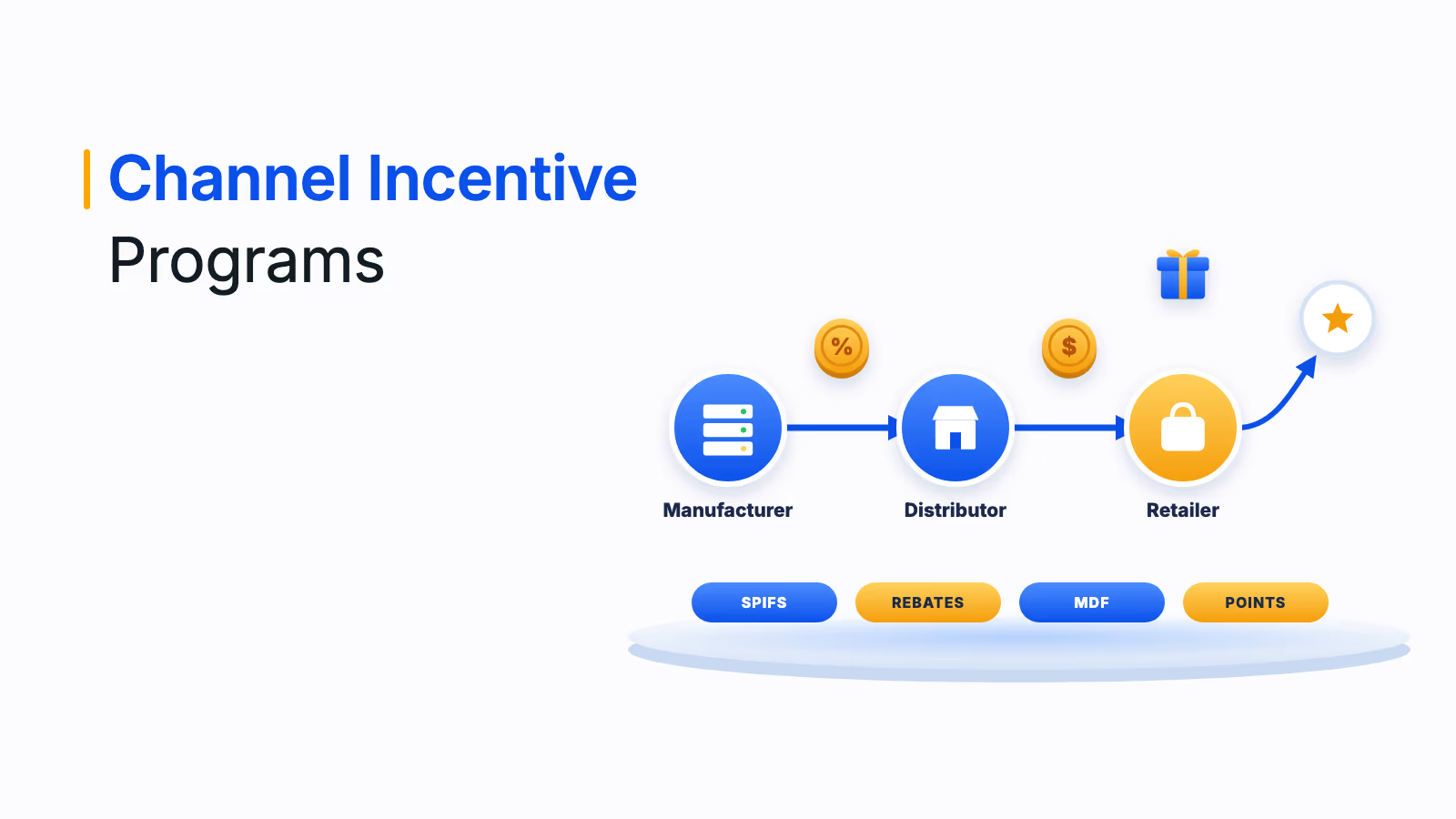
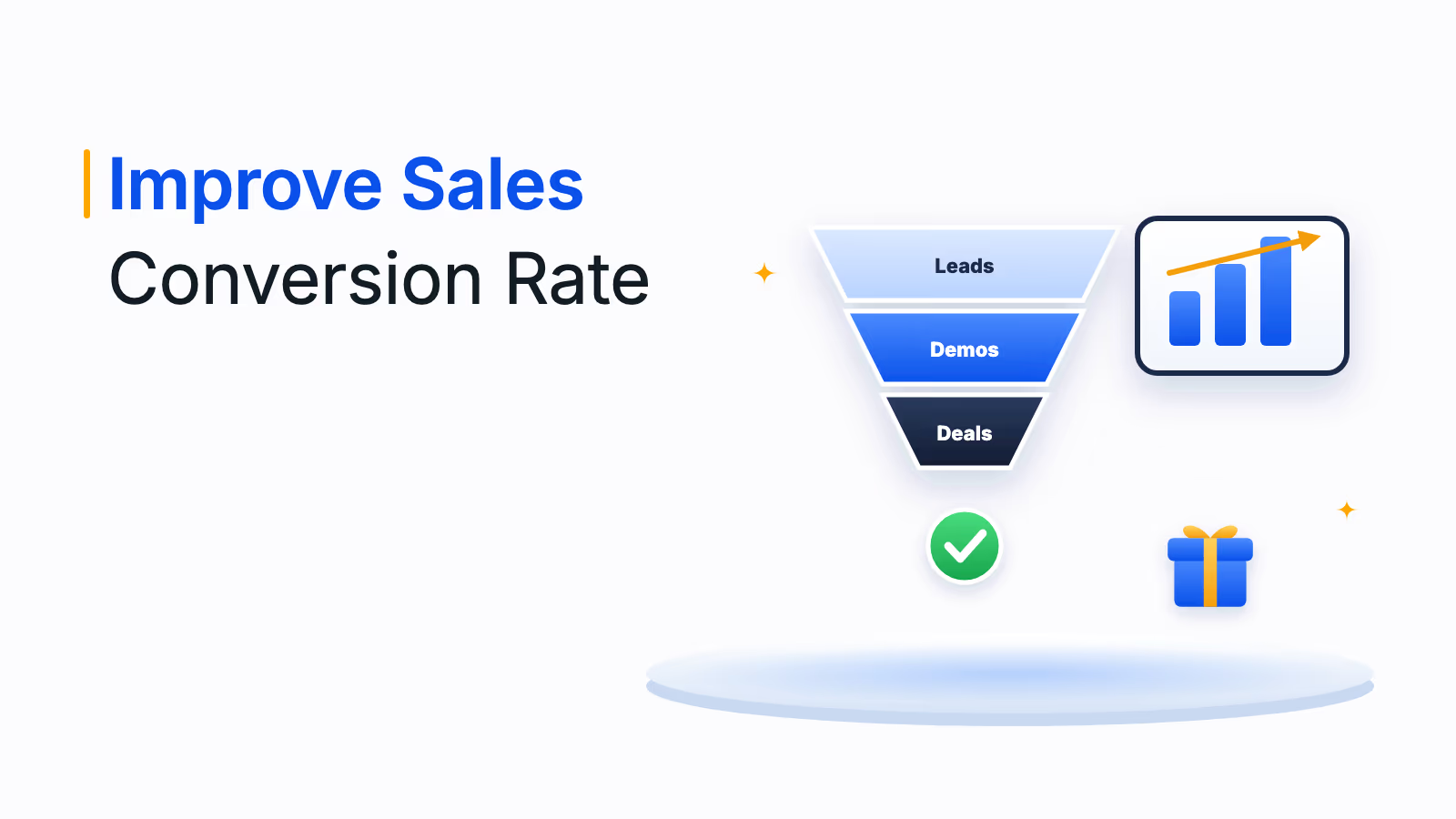
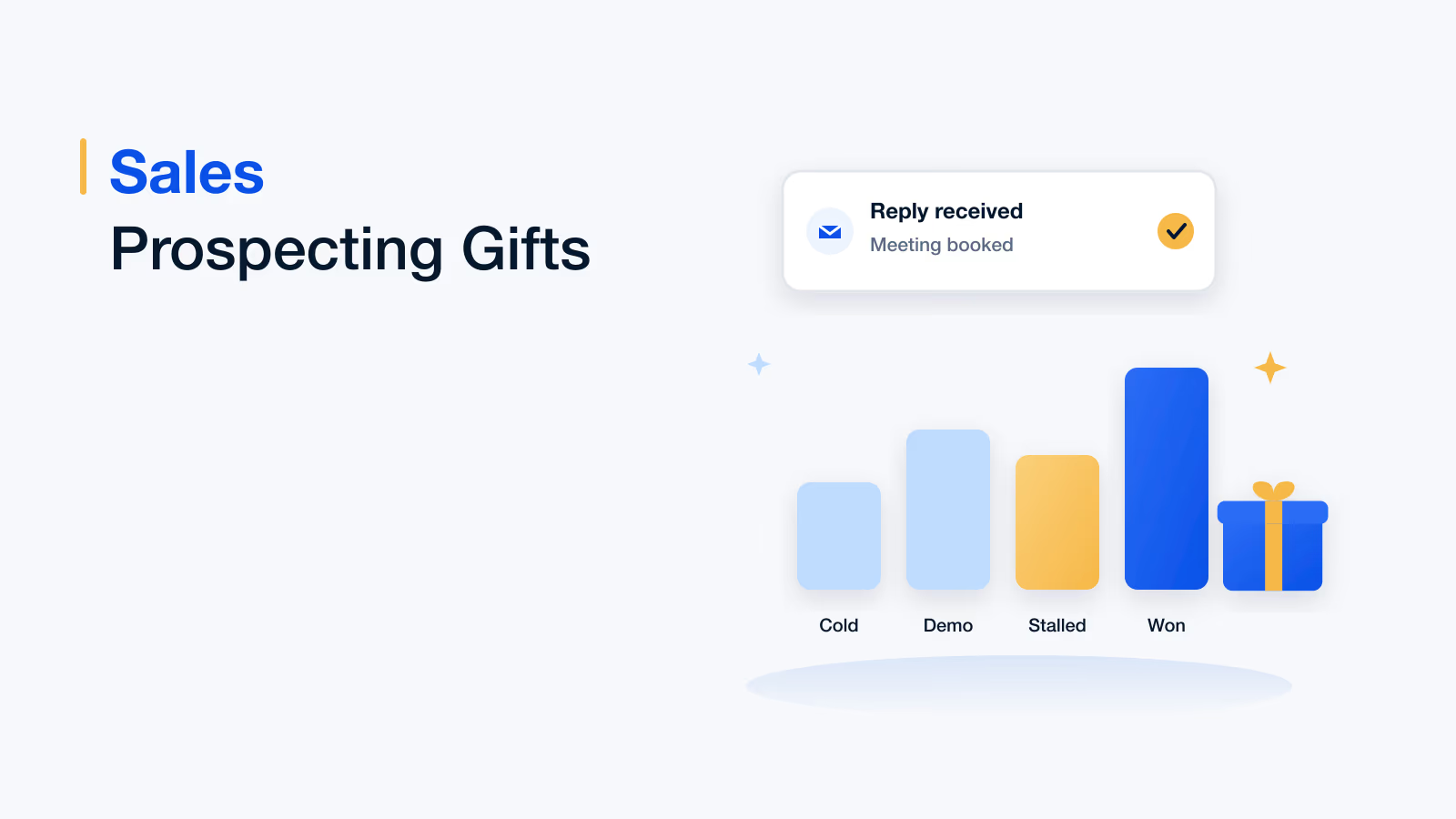
| Stage | What the gift is doing | What to send | Typical value |
|---|---|---|---|
| Cold outreach | Earning a first reply | Coffee or food delivery e-gift card, a relevant book, a useful audit | $10 to $25 |
| Meeting booked | Thanking them for the time | Small e-gift card sent with the calendar confirmation | $10 to $25 |
| Post-demo | Keeping momentum after the call | Tech or retail gift card, a tailored benchmark report | $25 to $50 |
| Stalled deal | Restarting a conversation that went quiet | Something personal and low-pressure, never an upgrade on the last gift | $20 to $40 |
| Closed-won | Starting the client relationship well | Onboarding gift, team-shareable hamper, experience | $50 and above |
| Closed-lost | Leaving the door open | A short note and a small gesture, with no ask attached | $10 to $25 |
Two rules hold across the table. The value should rise as the relationship deepens, not before, because a large gift to a cold prospect reads as pressure. And the ask attached to the gift should be smaller than the gift itself: a gift that demands a 45-minute meeting is a transaction, not a gesture.
Gifts for cold outreach
At the top of the funnel you are competing for three seconds of attention, and the gift has to be small enough not to feel like an obligation.
- Coffee and food delivery cards: The most reliable opener in cold outreach. Small, universally useful, and easy to frame as "the coffee is on me, here is the five-minute version."
- A relevant book: A title that speaks to their role or industry, with a note explaining why you picked it. Thoughtful, inexpensive and keeps working long after it arrives.
- Something only you can give: A short audit of their current setup, a benchmark against their peer group, or a teardown of a specific process. This costs you time rather than money and is almost impossible to ignore.
- Food gifts to the office: Cookie boxes, fruit baskets and gourmet snacks that a whole team can share. They get talked about, which is the point. Avoid alcohol entirely at this stage.
- Branded items worth keeping: A genuinely good notebook, tote or travel mug. Keep the logo small; the item has to justify itself before the branding does.
What does not work at this stage: anything expensive, anything personal, and anything that arrives with a meeting link and nothing else. If the note is shorter than the sales pitch attached to it, the gift is not the gift.
Send prospecting rewards from your CRM
Reward links and gift cards in 100+ countries, triggered from Salesforce or HubSpot and tracked to redemption.
Talk to our ExpertTrusted by 5,000+ companies
Gifts after a demo or discovery call
Once you have had a real conversation, the gift can be more specific and more valuable, because you now know something true about the prospect.
- Tech and retail gift cards: Flexible, easy to send and large enough to register. A digital gift card also avoids the problem of guessing taste.
- A tailored artefact: A sales playbook, benchmark report, infographic or data analysis built for their specific situation. More work, considerably more impact.
- A workshop or training session: Customized to the challenge they described on the call. It demonstrates expertise rather than claiming it.
- Practical tech: Noise-cancelling headphones, a desktop charging station, wireless earbuds. These suit prospects whose working day you now understand.
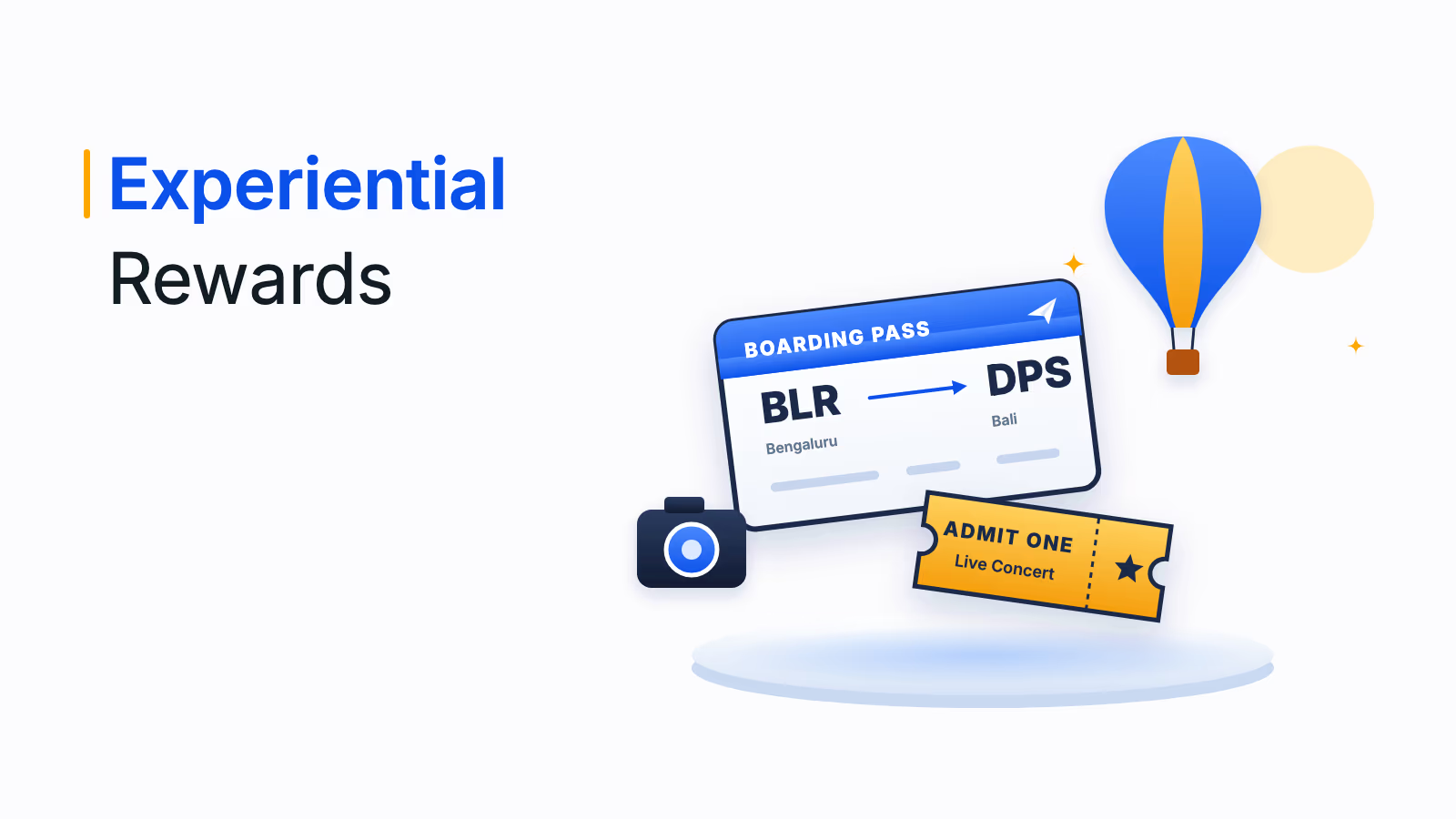
- Experiences: Sporting event or concert tickets, a wine tasting, a spa voucher. These work when the relationship has warmed enough that a shared experience is plausible.
Demo incentives deserve their own design. Our ABM demo incentive playbook covers how to structure a reward so it attracts qualified attendees rather than people who want the gift card.
Gifts to restart a stalled deal
The stalled deal is where gifting is most often misused. The instinct is to escalate: a bigger gift to match a bigger problem. That reads as desperation and makes the silence more awkward, not less.
Better options keep the value flat and the pressure low:
- A donation in their name: To a cause they have publicly supported. It asks for nothing and it is hard to resent.
- Something tied to the last conversation: A book they mentioned, an article with a note, a small gift related to something they said. It proves you listened, months later.
- A desk plant or small office item: Low-value, low-pressure, and a genuine physical reminder of your company.
- A seasonal gesture with no ask: A festive gift sent with a short note and no meeting request. It resets the relationship rather than reopening the negotiation.
Gifts for closed-won and closed-lost
The deal closing is not the end of the gifting motion, in either direction.
When you win, the gift becomes an onboarding gift, and the budget can rise. A welcome kit, a hamper the client's team can share, or a quality branded item all set the tone for the relationship. Our guide to the best gifts for clients covers what comes next.
When you lose, a short note with a small gesture and no ask attached does more for the next cycle than anything else you can send. Most vendors disappear after a loss. The one that says thank you anyway is the one remembered when the incumbent disappoints.
Check the gift acceptance policy first
This is the step that turns a thoughtful gesture into an HR problem. Many organizations restrict or prohibit gifts from vendors, particularly in government, banking, insurance, healthcare, pharmaceuticals and procurement. Some cap the value, some require the recipient to declare it, and some ban it outright.
- Check the sector before the send: If you sell into regulated industries, assume restrictions apply until you know otherwise. A quick look at the prospect's published supplier or ethics policy usually answers it.
- Keep cold-outreach gifts small: A $10 coffee card clears most thresholds. A $200 gift does not, and puts the recipient in an awkward position.
- Offer a compliant alternative: A charitable donation in their name, or a gift to the whole team rather than an individual, usually passes where a personal gift does not.
- Mind your own rules too: Your company's anti-bribery policy sets a ceiling regardless of what the prospect can accept, and sales gifts to prospects are a common audit finding.
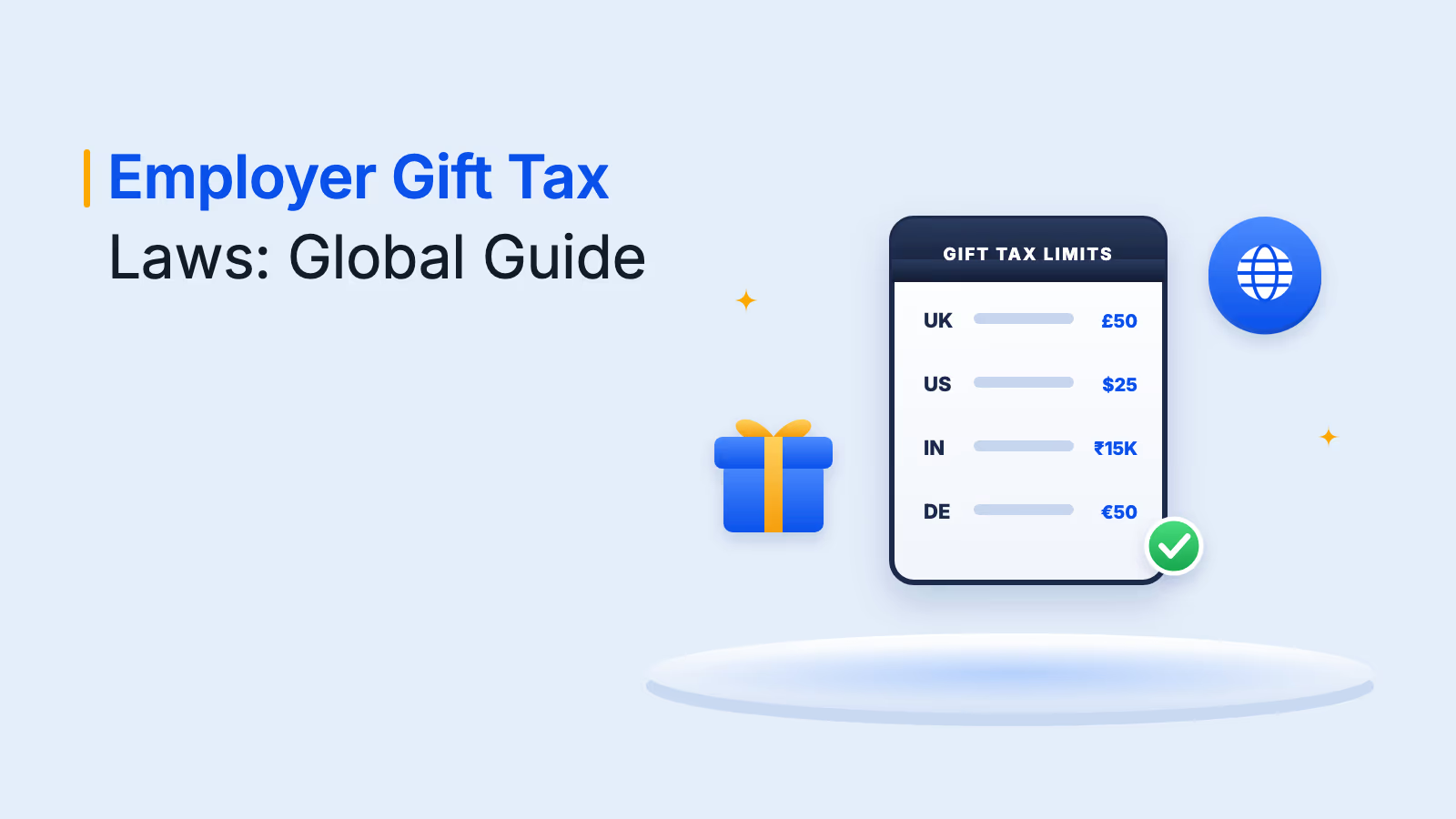
- Know the tax position: In the US, deductions for business gifts are capped at $25 per recipient per tax year under the IRS business gift rules. Our global employer gift tax guide covers the rest.
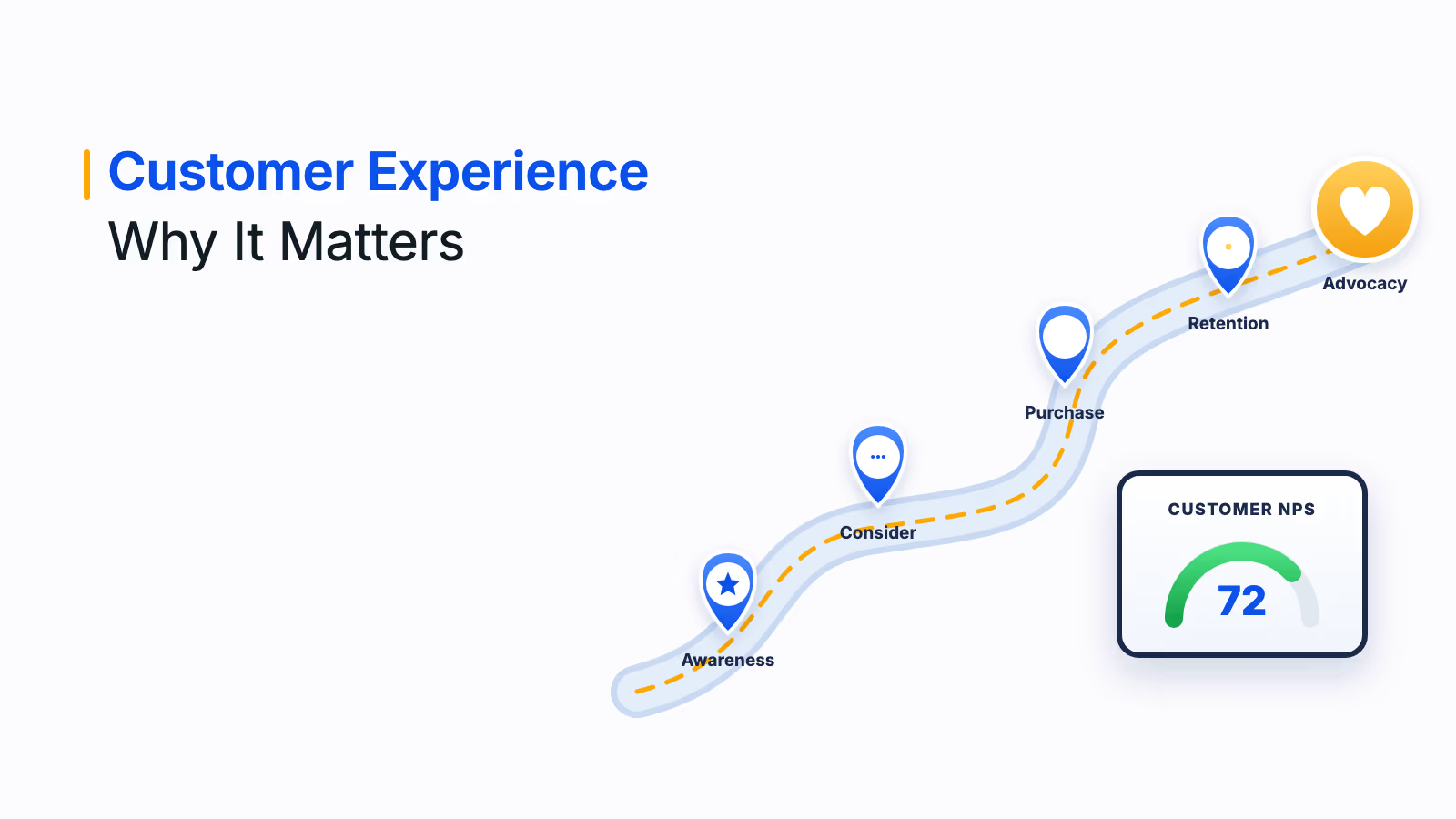
6
Deal stages
each with its own reward and budget
$10-25
Cold outreach band
small enough to clear most policies
1
Metric that matters
cost per meeting booked
Measure prospecting gifts like a campaign
Gifting budgets get cut first because nobody can say what they returned. That is a measurement failure rather than a performance one, and it is straightforward to fix. Treat each gifting play as a campaign with a control group.
| Metric | What it tells you | How to read it |
|---|---|---|
| Reply rate | Whether the gift earned attention | Compare against the same sequence without a gift |
| Meeting booked rate | Whether attention converted to time | The primary metric for cold-outreach gifting |
| Cost per meeting | Whether gifting beats your other channels | Total gift spend divided by meetings booked |
| Redemption rate | Whether the gift was wanted | A low rate usually means the wrong gift, not the wrong tactic |
| Stage progression | Whether post-demo gifts move deals | Measure against deals at the same stage with no gift |
| Pipeline influenced | The number finance will ask for | Attribute by sequence, not by individual gift |
Two practical notes. Run gifted and non-gifted cohorts through the same sequence so the comparison means something. And track redemption, not just delivery: a reward that was sent but never claimed tells you the catalog was wrong, which is a fixable problem.
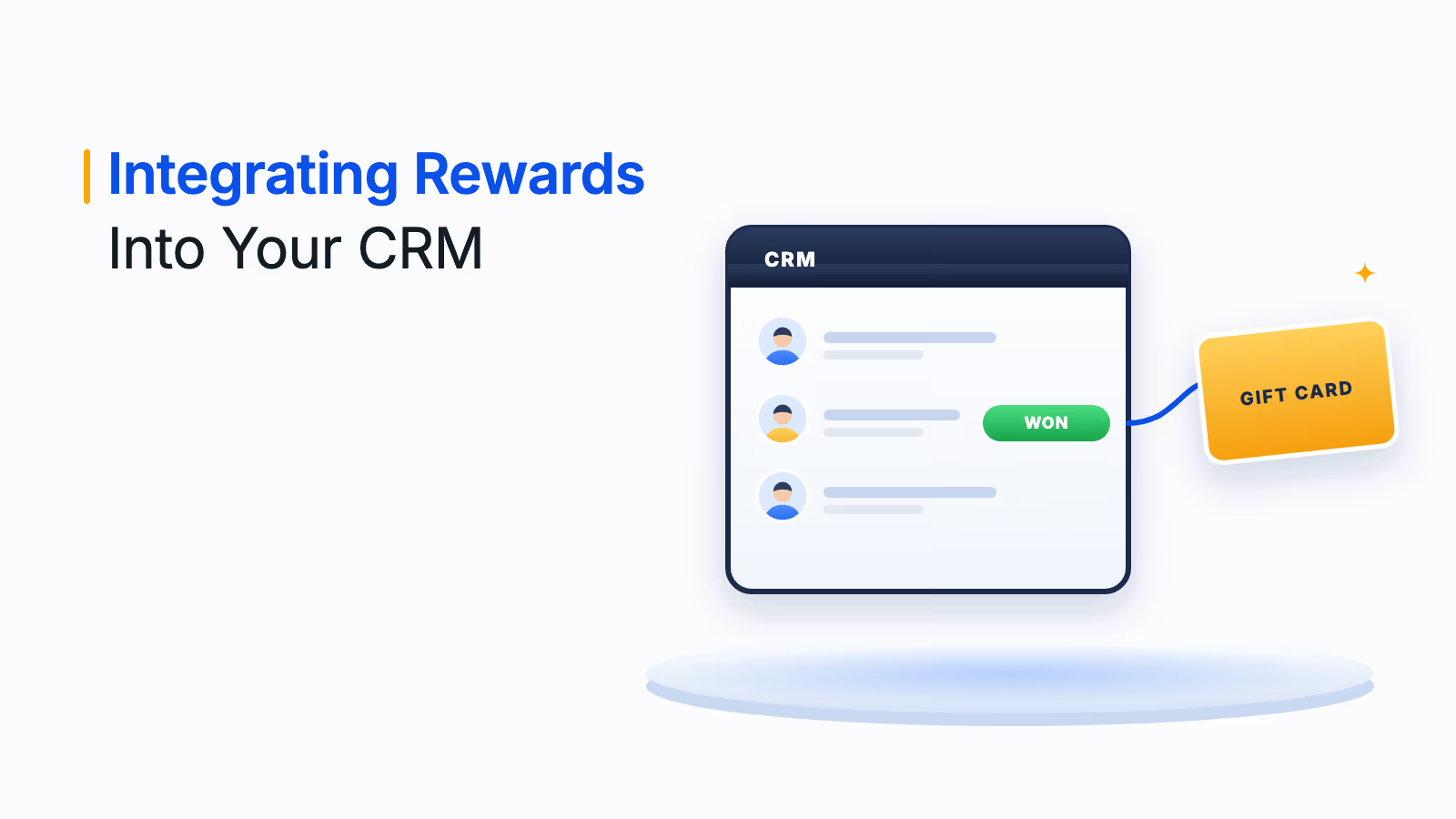
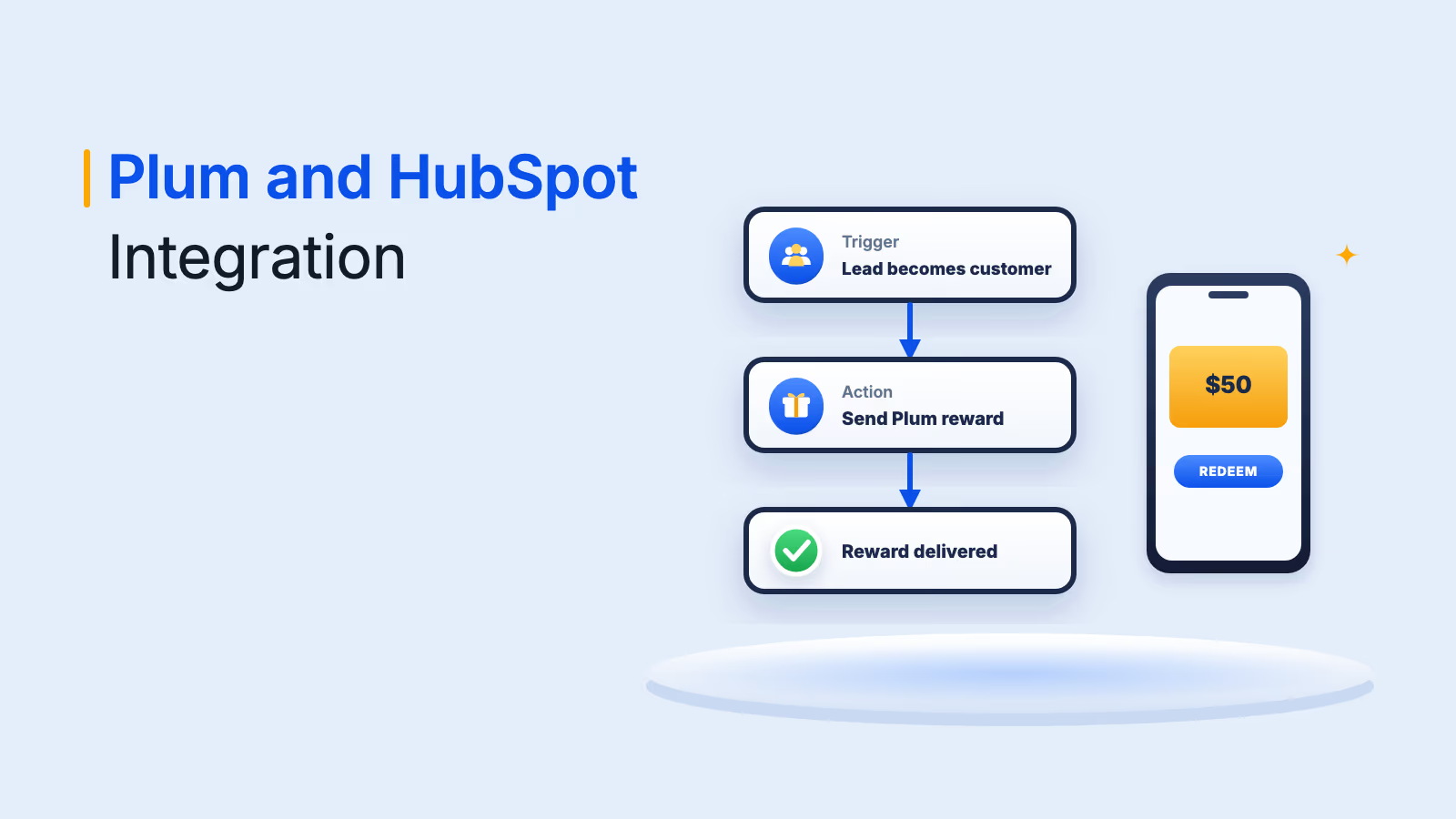
Connecting your reward platform to the CRM is what makes this measurable at all. Our guides to integrating rewards into your CRM and the Plum HubSpot integration cover how the attribution works in practice.
Send prospecting gifts with Xoxoday Plum
Plum is built for the speed prospecting demands, where a gift two days late is a gift wasted.
01 · Reach
A marketplace in 100+ countries
Millions of options across gift cards, experiences and merchandise, so a prospect anywhere picks something they actually want.
02 · Speed
Delivered in seconds
Reward links, codes, points or an embedded storefront, sent by email, SMS or WhatsApp the moment the trigger fires.
03 · Automation
Fires from your CRM
Connect Salesforce, HubSpot, MS Dynamics and survey tools so rewards come out of a workflow rather than a spreadsheet.
04 · Controls
Budget caps and approvals
Spend limits and approval rules per campaign, which is what keeps prospecting gifts inside an anti-bribery policy.
05 · Compliance
Enterprise-grade security
ISO 27001, SOC 2, HIPAA, CCPA and GDPR, which matters when your prospects sit in regulated sectors.
06 · Proof
Cost per meeting, measurable
Redemption data per campaign, so the reply and meeting lift can be divided by real spend rather than estimated.
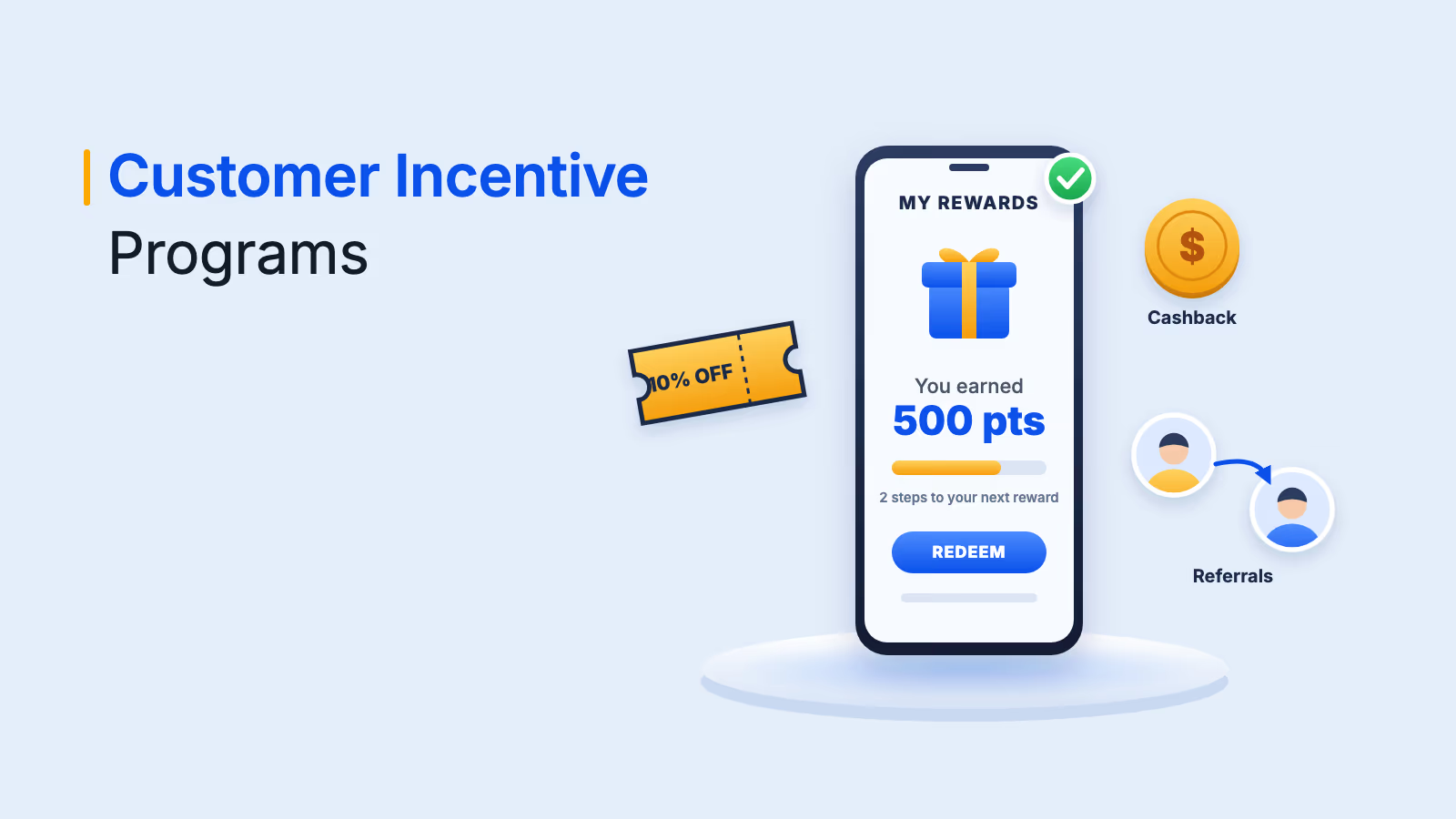
Xero replaced physical promotional gifting with automated digital rewards for its referral campaigns, lifting conversion by 25 percent, distributing more than 1,900 rewards in the UK market and removing the logistics cost that made the old approach impossible to scale.
Prospecting gifts are not a shortcut past a weak pitch. They are a way to make a good pitch land with someone who was never going to open the email. Keep them small early, specific later, compliant always, and measure them like any other channel.
Book your Plum demo
Frequently asked questions
A sales prospecting gift is an item or reward sent to a potential buyer to open or advance a sales conversation. It is not a closing tool and not a thank-you. Its job is to earn attention from someone who has not responded to standard outreach, and to start the relationship on something other than a pitch. A reply, not a deal, is the right success metric.
Scale the value with the stage of the relationship. Cold outreach works best at $10 to $25, which is small enough not to create an obligation and clears most corporate gift policies. Post-demo gifts can run $25 to $50 because you now know something real about the prospect. Save anything above $50 for closed-won onboarding. A large gift to a cold prospect reads as pressure rather than generosity.
They can, but only if you measure it rather than assume it. Run the same outreach sequence with and without a gift across comparable cohorts, then compare reply rate, meeting booked rate and cost per meeting. Also track redemption rather than delivery: a reward that was sent but never claimed usually means the catalog was wrong for that audience, which is fixable.
Keep the value flat and the pressure low. Escalating to a bigger gift reads as desperation and makes the silence more awkward. A donation in the prospect's name, a book they mentioned on the last call, a small office item, or a seasonal gesture sent with no meeting request all reset the relationship without reopening the negotiation.
Often not. Government, banking, insurance, healthcare, pharmaceutical and procurement organizations commonly restrict or prohibit gifts from vendors, cap the value or require disclosure. Check the prospect's published supplier or ethics policy before sending, keep cold-outreach gifts small enough to clear most thresholds, and offer a charitable donation in their name as a compliant alternative.
Small, useful and easy to justify. Coffee or food delivery gift cards are the most reliable opener. A relevant book with a note explaining why you chose it works well and keeps working after it arrives. Food gifts the whole office can share get talked about. Best of all is something only you can give, such as a short audit or a benchmark against their peer group, which costs time rather than money.
Yes, if it comes with no ask attached. Most vendors disappear after a loss. A short note and a small gesture, with no meeting request and no attempt to reopen the conversation, is what gets remembered when the chosen supplier disappoints or the contract comes up again. Treat it as a long-dated investment rather than a tactic.
Connect a reward platform to your CRM so gifts fire from a workflow rather than a spreadsheet. Digital reward links and gift cards can be triggered by a stage change, a booked meeting or a completed demo, delivered by email, SMS or messaging app in seconds, and tracked back to the record. That also gives you redemption data per campaign, which is what makes cost per meeting calculable.