Key Takeaways
Gift card marketing covers two playbooks: selling your own gift cards and giving gift cards as incentives for sign-ups, purchases, referrals and reviews.
Personalization, digital wallet delivery, social and embedded gifting and bonus offers are the strongest levers for selling gift cards.
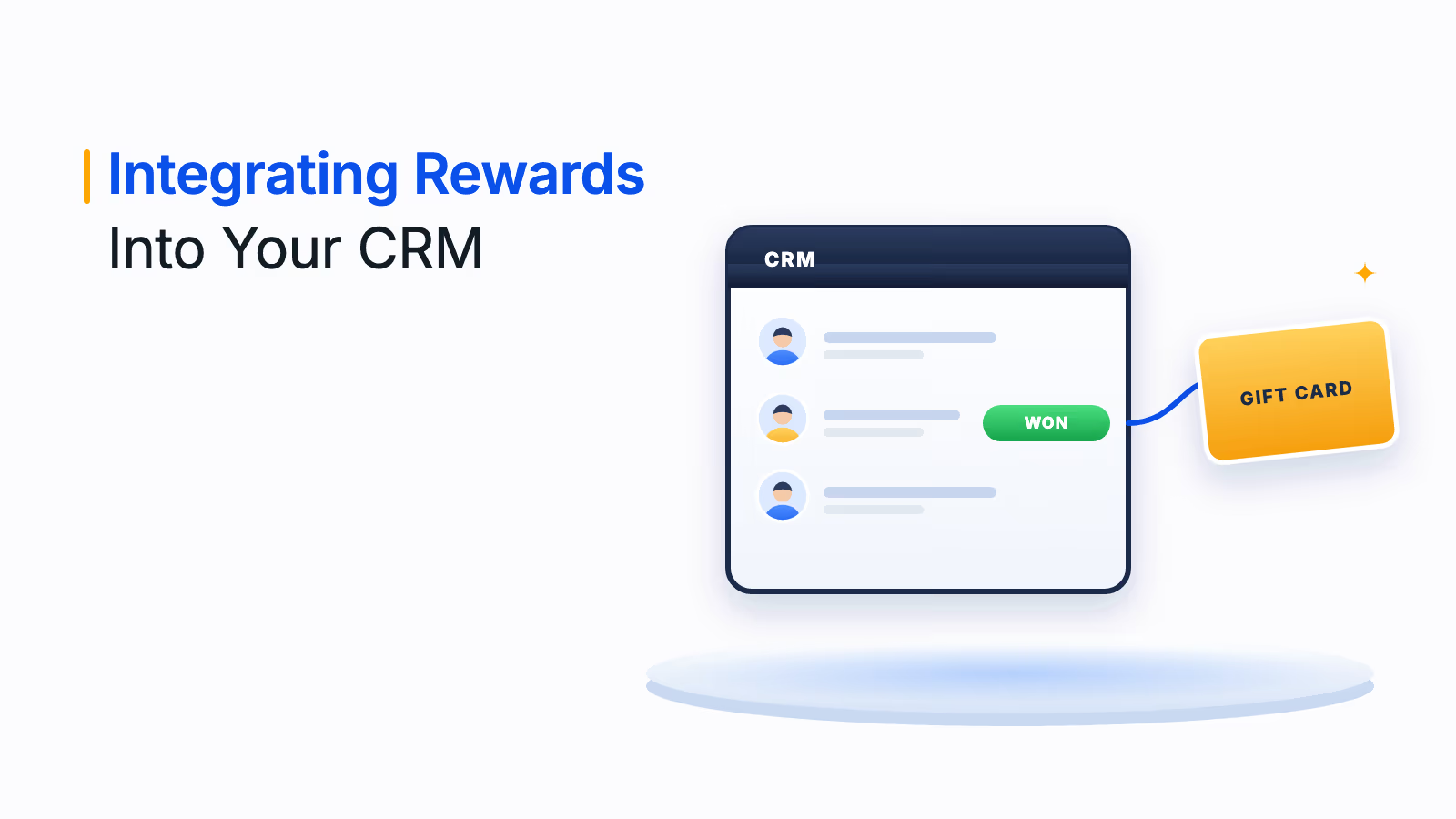
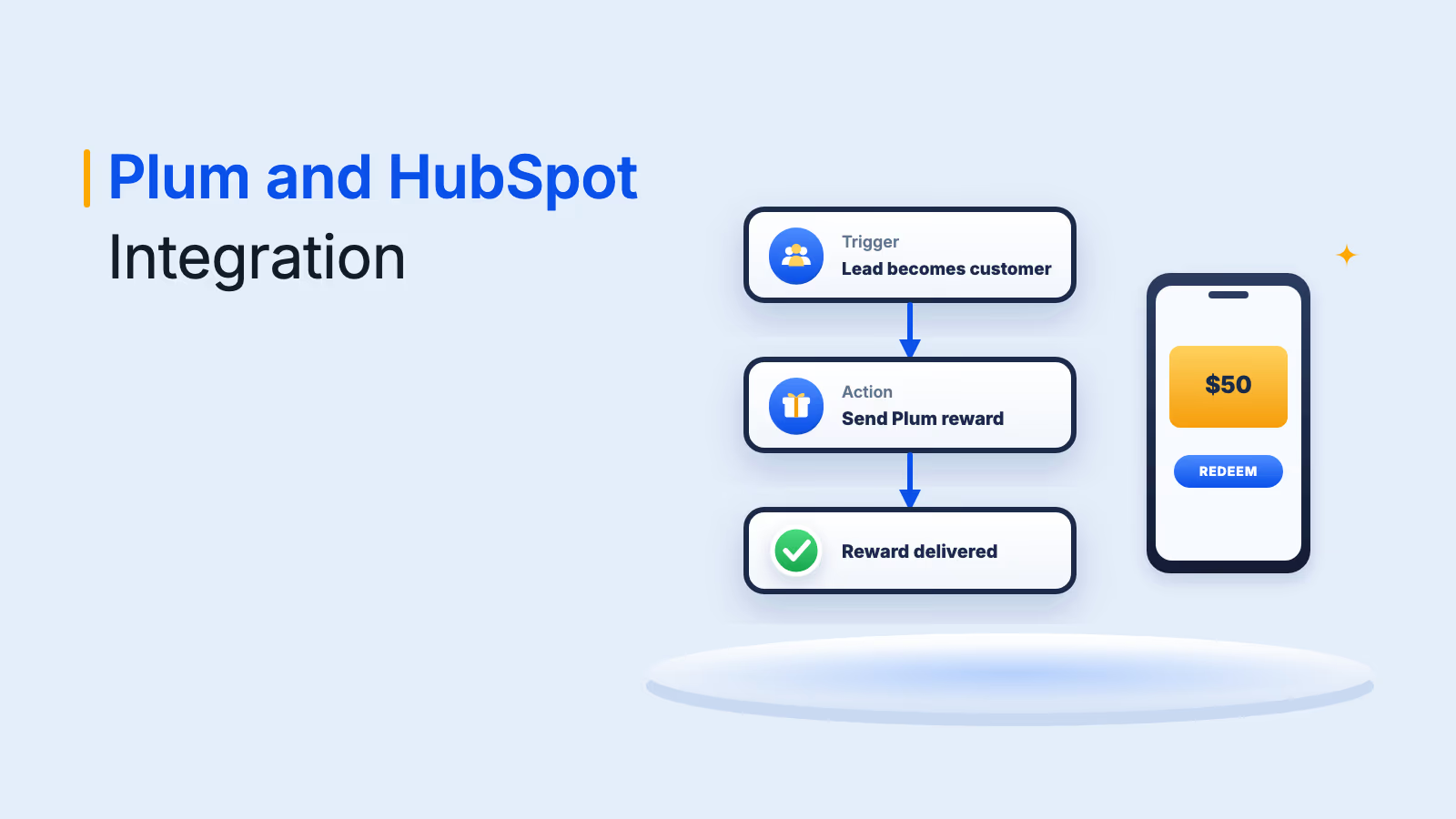
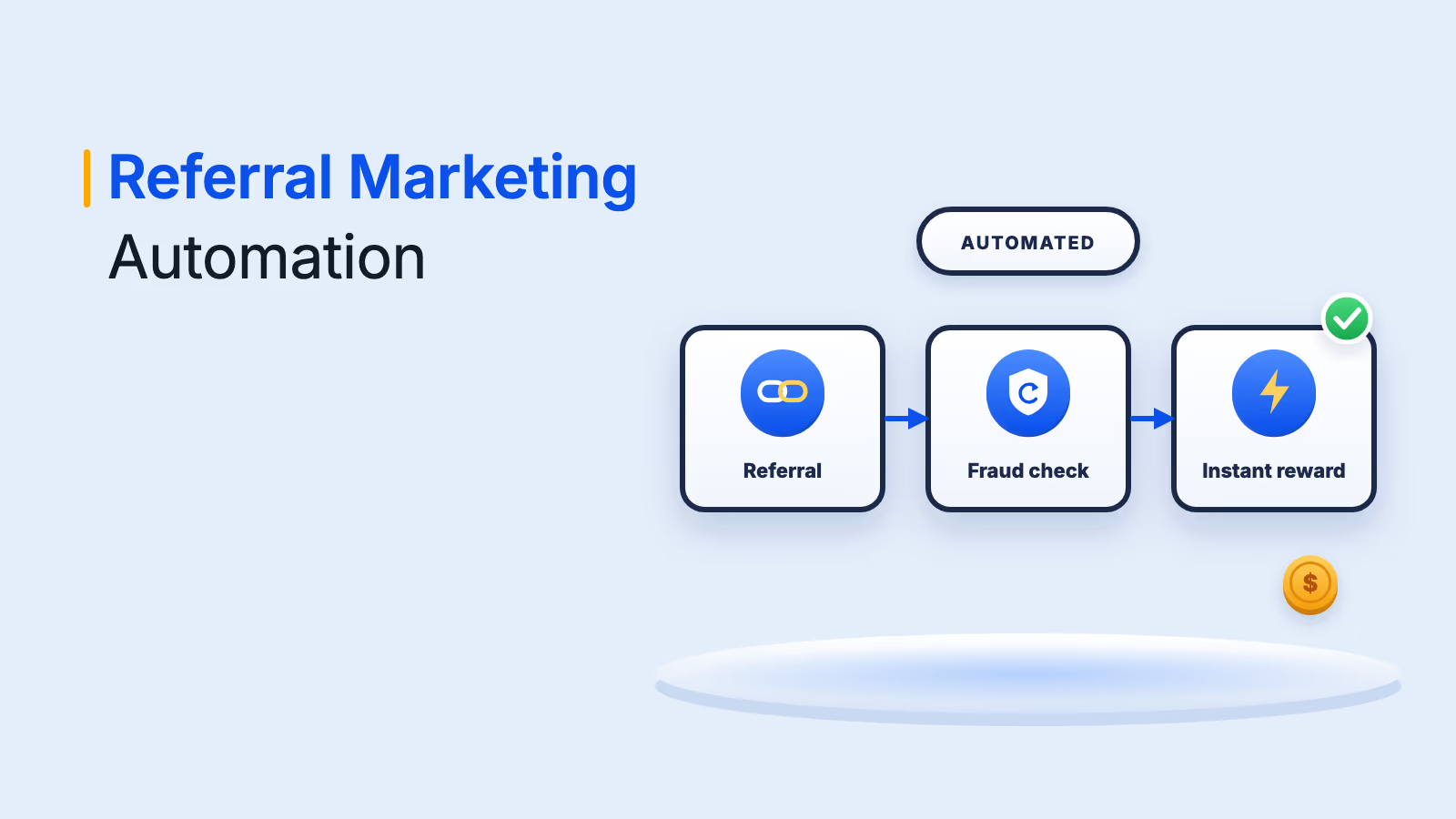
Gift cards for acquisition work best when they are triggered automatically from your CRM or product the moment an action happens.
Verify actions, cap rewards per person and bind codes to recipients to keep fraud out of your campaigns.
Measure redemption, spend above card value, cost per acquisition and retention, then shift budget to what converts.
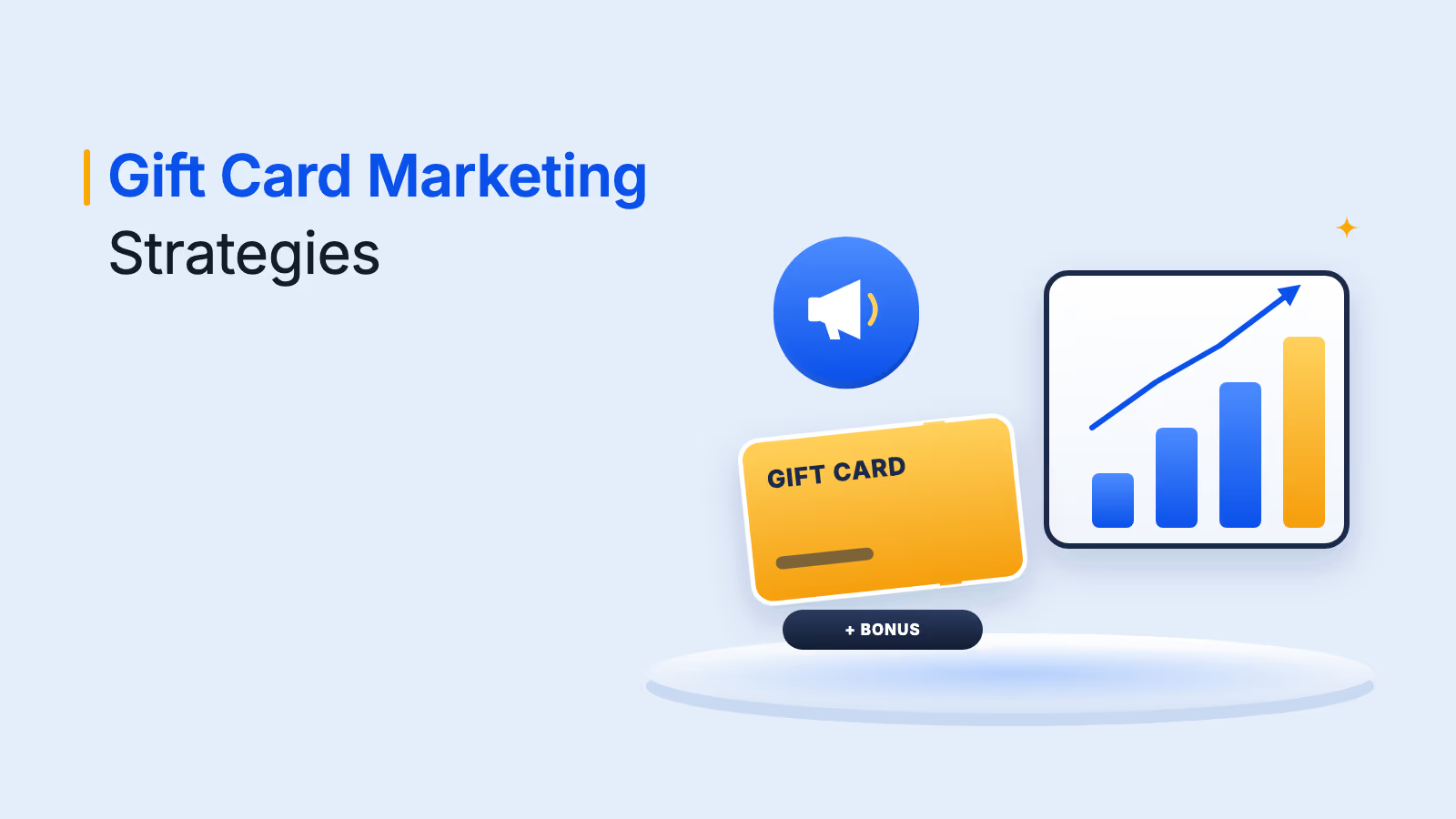
Gift card marketing strategies have become a core part of growth plans for retailers, consumer brands and B2B companies alike. Gift cards bring in new customers, lift spend, reward loyalty and turn existing customers into advocates, and digital delivery has made them easier to launch and measure than ever.
This guide covers what gift card marketing is, the strategies that work in 2026 for both selling gift cards and using them as incentives, how to use digital wallets and social gifting, how to protect campaigns from fraud and how to measure results.
What is gift card marketing?
Gift card marketing is the use of gift cards to drive business goals, either by selling your own gift cards to customers or by giving gift cards as incentives for actions such as signing up, buying, referring or reviewing.
The two sides work differently:
- Selling your own gift cards: A retailer, restaurant or service brand sells gift cards that customers give to others or buy for themselves. Each card brings in revenue up front and a new or returning visitor when it is redeemed.
- Using gift cards as incentives: A business, including many B2B and financial services companies, gives third-party gift cards to prospects, customers or partners to reward an action. This is where gift cards for acquisition, referrals and surveys come in.
Both sides benefit from the same consumer habit. In Fiserv's 2024 Prepaid Consumer Insights Survey, 79% of US consumers said they will spend more than a gift card's value at the retailer, and incentive programs were the main reason (55%) consumers buy gift cards for themselves.
Launch gift card incentive campaigns faster
Trigger gift cards and reward links from your CRM or app and deliver them instantly in 150+ countries.
Talk to our ExpertTrusted by 5,000+ companies
Gift card marketing strategies to drive growth
The strategies below are grouped by goal: selling more gift cards, reaching new audiences and using gift cards as incentives. Pick the few that match your goal rather than running all of them at once.
1. Personalize every gift card
Personalization makes a gift card feel chosen rather than generic, which raises the chance it is redeemed and remembered. Offer custom designs, a personal message, photo or video uploads and occasion themes for birthdays, graduations and holidays.
On the incentive side, personalize the reward itself: show each recipient brands that match their location and past purchases rather than one brand for everyone.
2. Deliver gift cards to digital wallets
Digital wallet delivery keeps your gift card on the recipient's phone, where it is easy to find and use. Google Wallet supports gift cards from participating merchants, including an Add to Google Wallet button issuers can place on their own site or app, and Apple Wallet supports passes from issuers that offer them.
If you sell gift cards, add wallet buttons to the purchase confirmation and delivery email. A card saved in a wallet is less likely to be forgotten, which reduces unredeemed balances and complaints.
3. Use social and embedded gifting
Social and embedded gifting puts the gift card where people already are: inside messaging apps, payment apps, social platforms and your own app. In the Fiserv survey, 58% of consumers knew they could send gift cards through peer-to-peer payment apps, and most who tried it found it easy.
Practical ideas include a send-a-gift option inside your app, shareable gift links for chat apps, and gift cards sold through partner apps and marketplaces as well as your own site.
4. Run bonus and value-add offers
Bonus offers give customers a reason to buy now. Common gift card promotion ideas include a bonus card with larger purchases, a discount on a gift card bundle, a free item with a gift card purchase and extra loyalty points for paying with a gift card.
Fiserv's report points to Starbucks, which gives extra loyalty rewards when customers pay with its gift card. That turns a one-time gift into a reloadable part of the loyalty program.
5. Bundle gift cards with products and partners
Bundling packages a gift card with a product, service or partner offer to raise perceived value. A spa might pair a gift card with a product sample; a hotel might bundle a stay voucher with a restaurant card.
Partnering with complementary businesses also opens new audiences. Look for partners with a similar customer base and agree on how the shared promotion is funded and tracked.
6. Plan around seasons and urgency
Most gift cards are bought for occasions such as birthdays, year-end holidays and graduations. Build a calendar of these moments and promote gift cards ahead of each one, with last-minute digital delivery for late shoppers.
Limited-time bonuses, countdown timers in email and flash offers create urgency. Keep them honest: a fake deadline erodes trust quickly.
7. Promote with email, social and video
Email is still the cheapest way to promote gift cards to people who already know your brand. Segment by purchase history, automate reminders before key occasions and include a clear call to action and delivery options.
On social media, short videos that show how to buy, send and redeem a gift card make the process feel simple. Influencer partnerships, giveaways and user-generated content extend reach. Disclose sponsored content and follow each platform's contest rules.
8. Add gamification
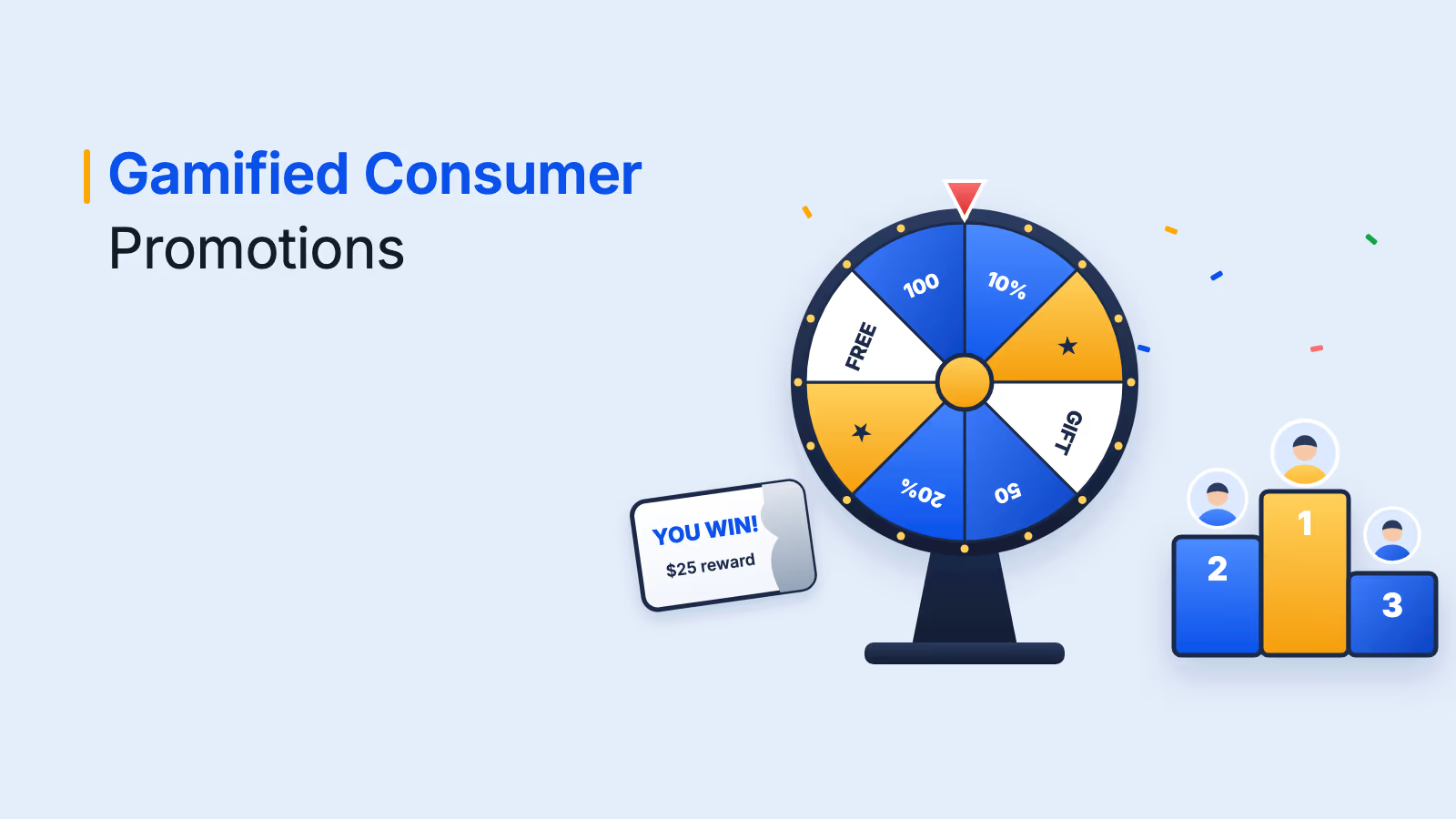
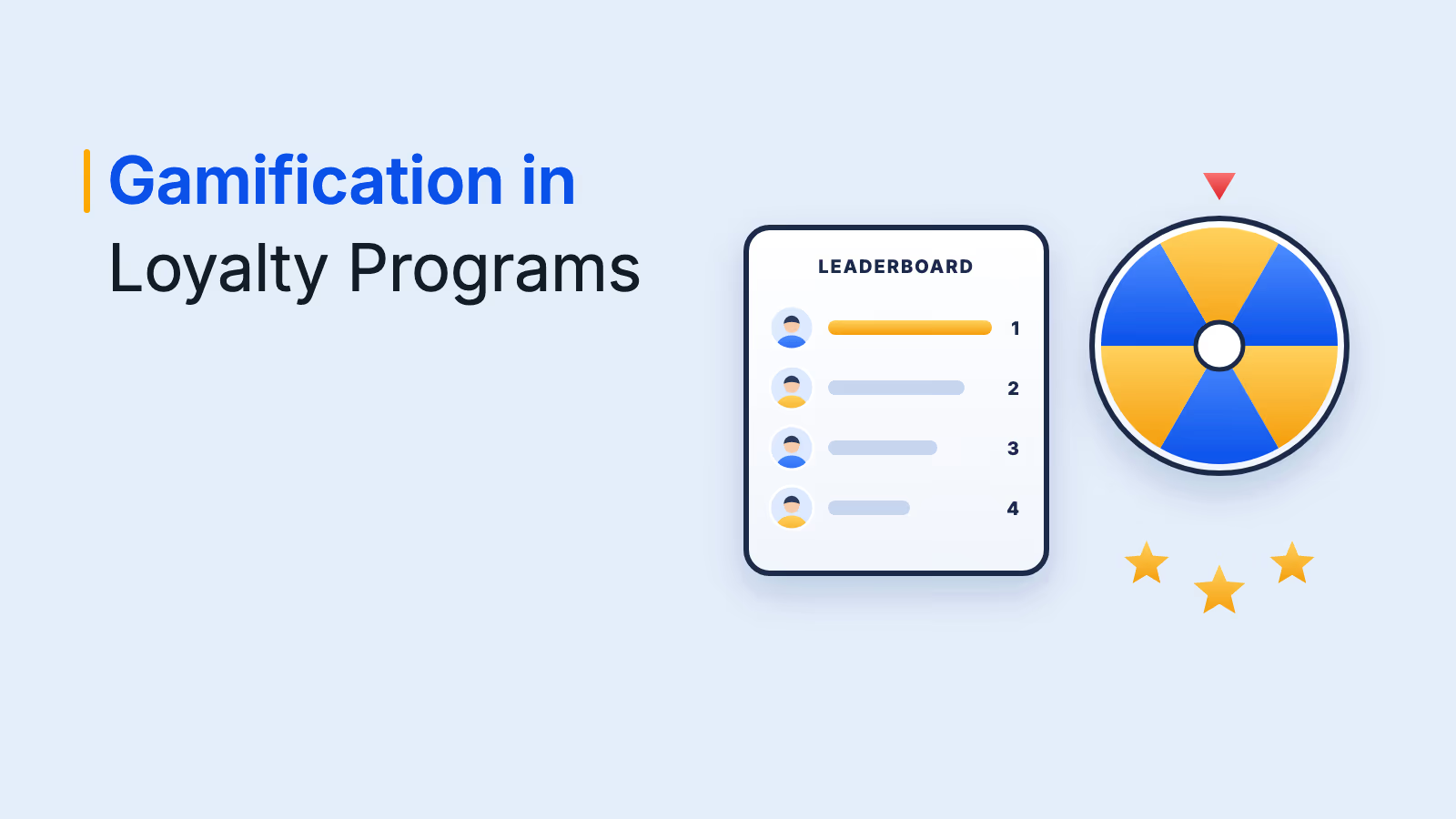
Gamification adds a game layer to gift card promotions, such as spin-to-win wheels, scratch cards, quizzes, scavenger hunts and photo contests. It works best for awareness and engagement, as long as the odds and rules are clear. For more ideas, see our guide to sales promotion campaigns.
9. Tie gift cards to your loyalty program
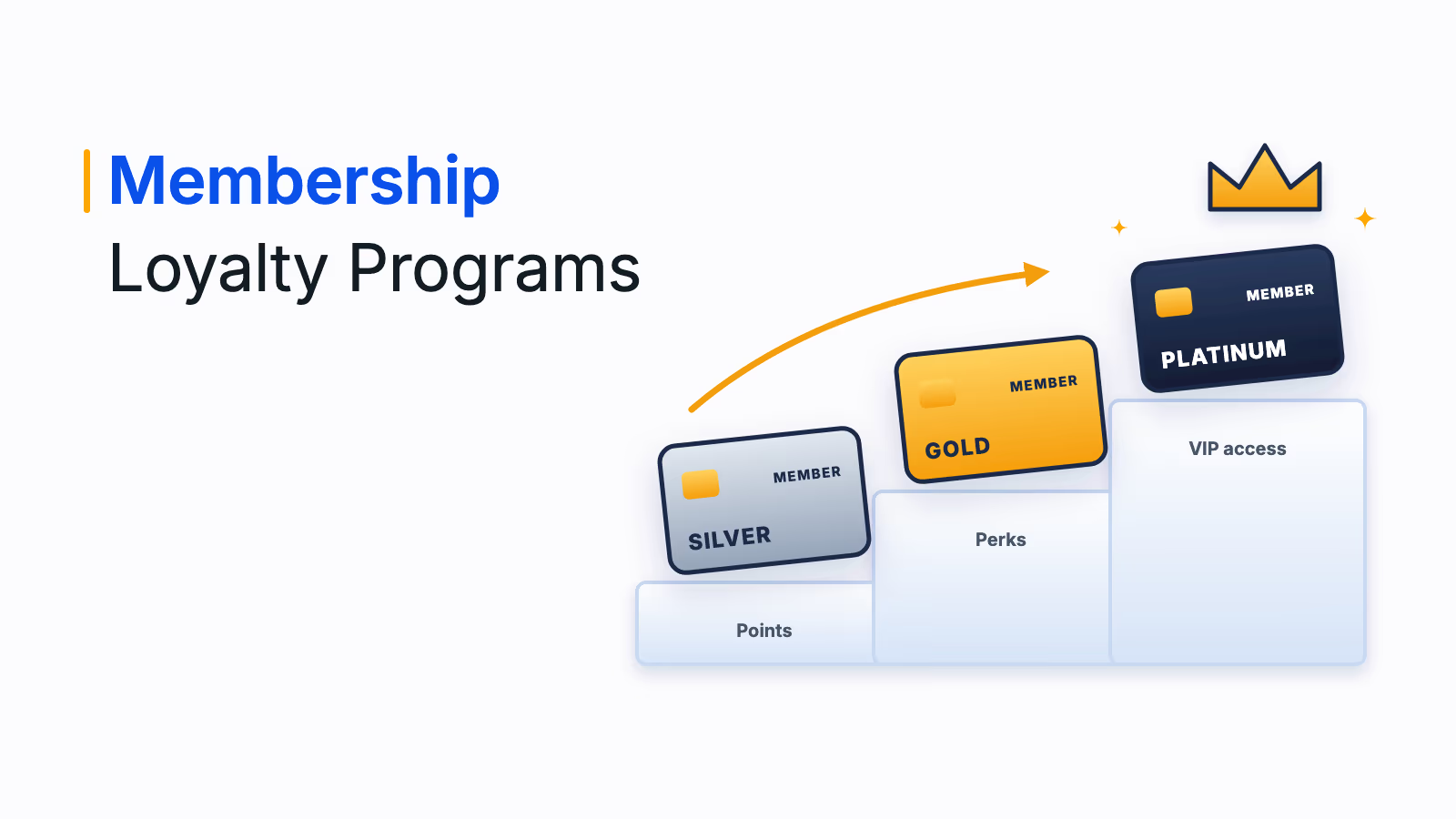
Gift cards and loyalty programs reinforce each other. Let members earn points for buying gift cards, redeem points for gift cards and unlock higher tiers with gift card spend. Bonus rewards during peak seasons keep members active.
If you need a redemption catalog for your loyalty program, Plum's loyalty rewards solution provides gift cards and other rewards in 150+ countries.
10. Make buying and redeeming effortless
A clumsy purchase flow loses sales at the last step. Keep the gift card page one click from your homepage, support mobile checkout and popular payment methods such as cards, PayPal and mobile wallets, and show terms and fees clearly.
On the redemption side, offer an online balance check, in-app balances and easy customer support. Selling both digital and physical formats, online and in store, lets customers choose what suits the occasion.
Gift cards for acquisition and incentive campaigns
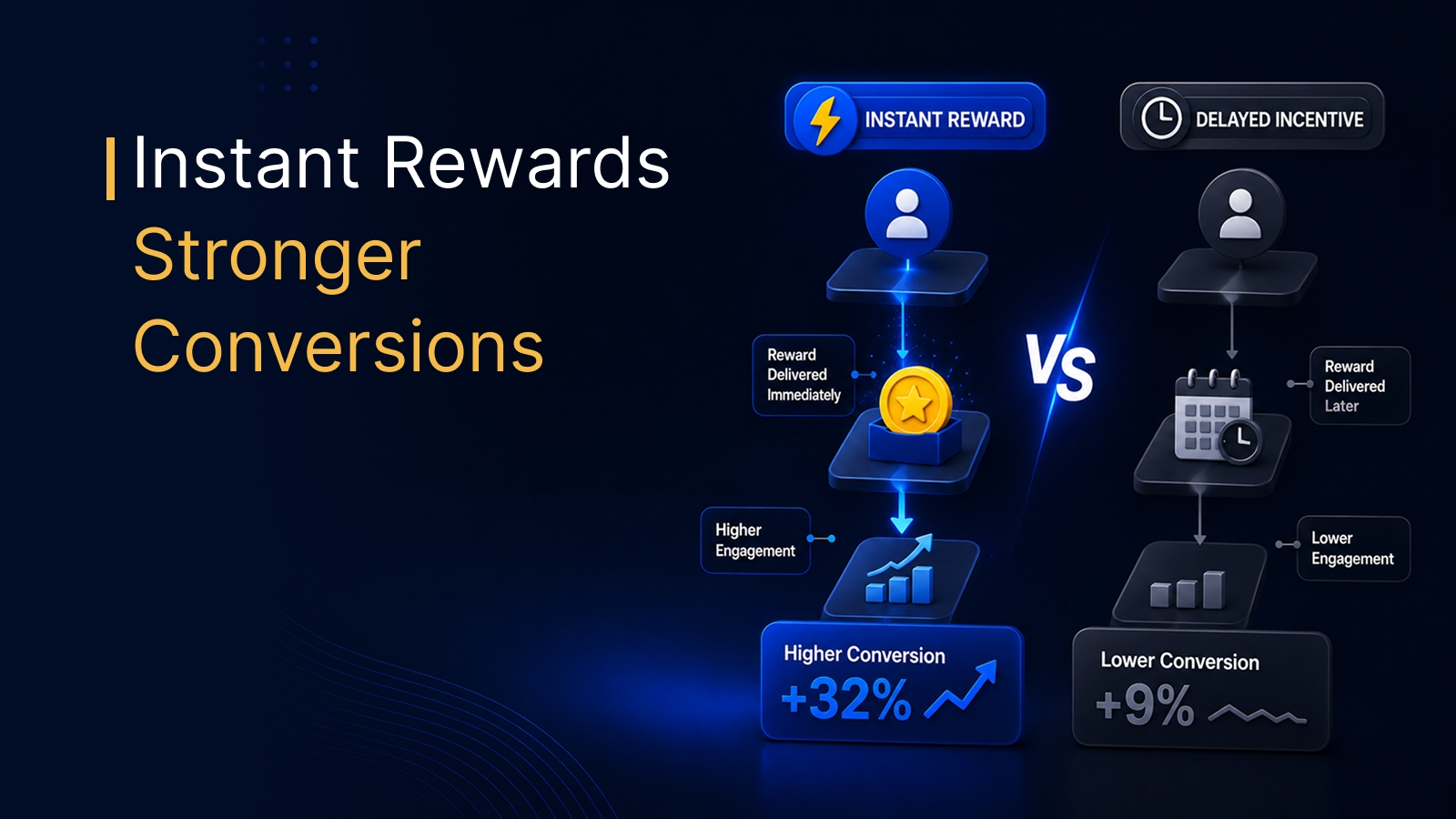
Gift cards for acquisition reward a prospect for taking a first step, such as signing up, booking a demo, opening an account or making a first purchase. Because the reward is familiar and immediate, gift card incentive campaigns often convert better than a discount on your own product.
| Campaign type | Trigger | Typical gift card reward |
|---|---|---|
| Sign-up or account opening | New account verified | Welcome gift card or reward link |
| First purchase or activation | First order or key product action | Thank-you card for the next purchase |
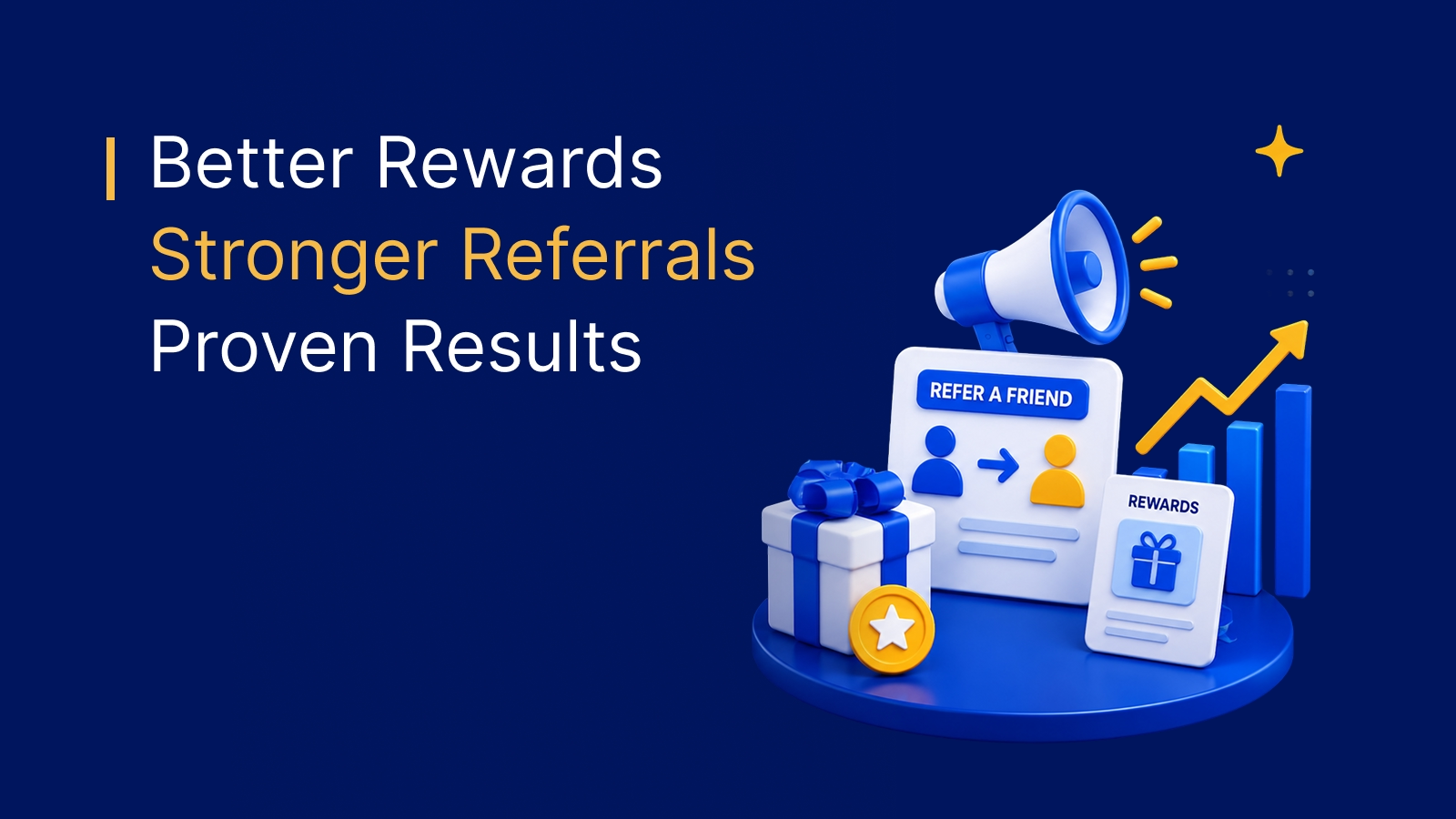
| Referral | Referred friend signs up or buys | Gift card for referrer and friend |
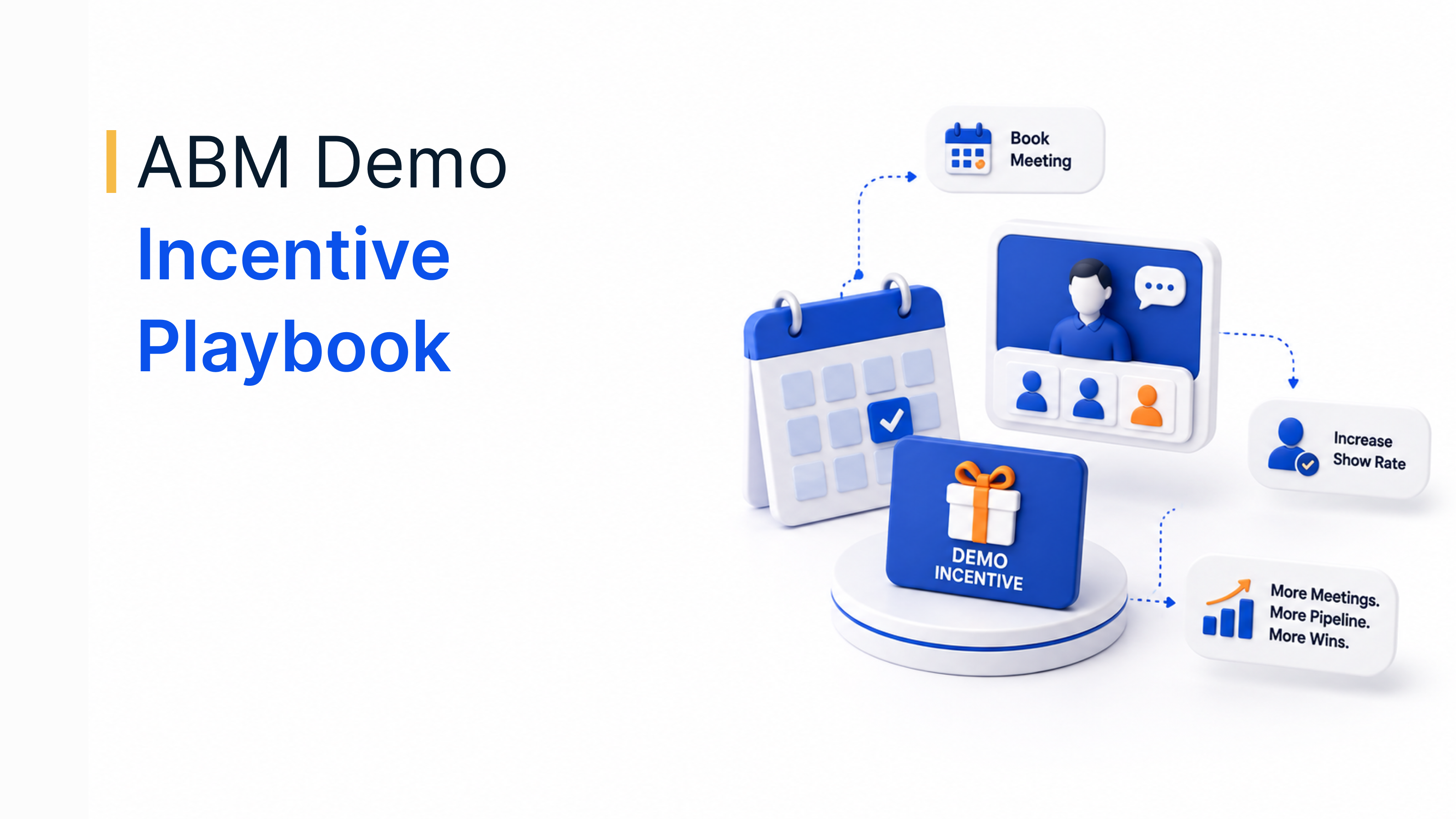
| Demo or meeting | Qualified prospect attends | Small gift card, disclosed in advance |
| Surveys and reviews | Completed survey or review | Instant low-value gift card |
| Renewal and win-back | Renewal or return after a lapse | Gift card or bonus credit |
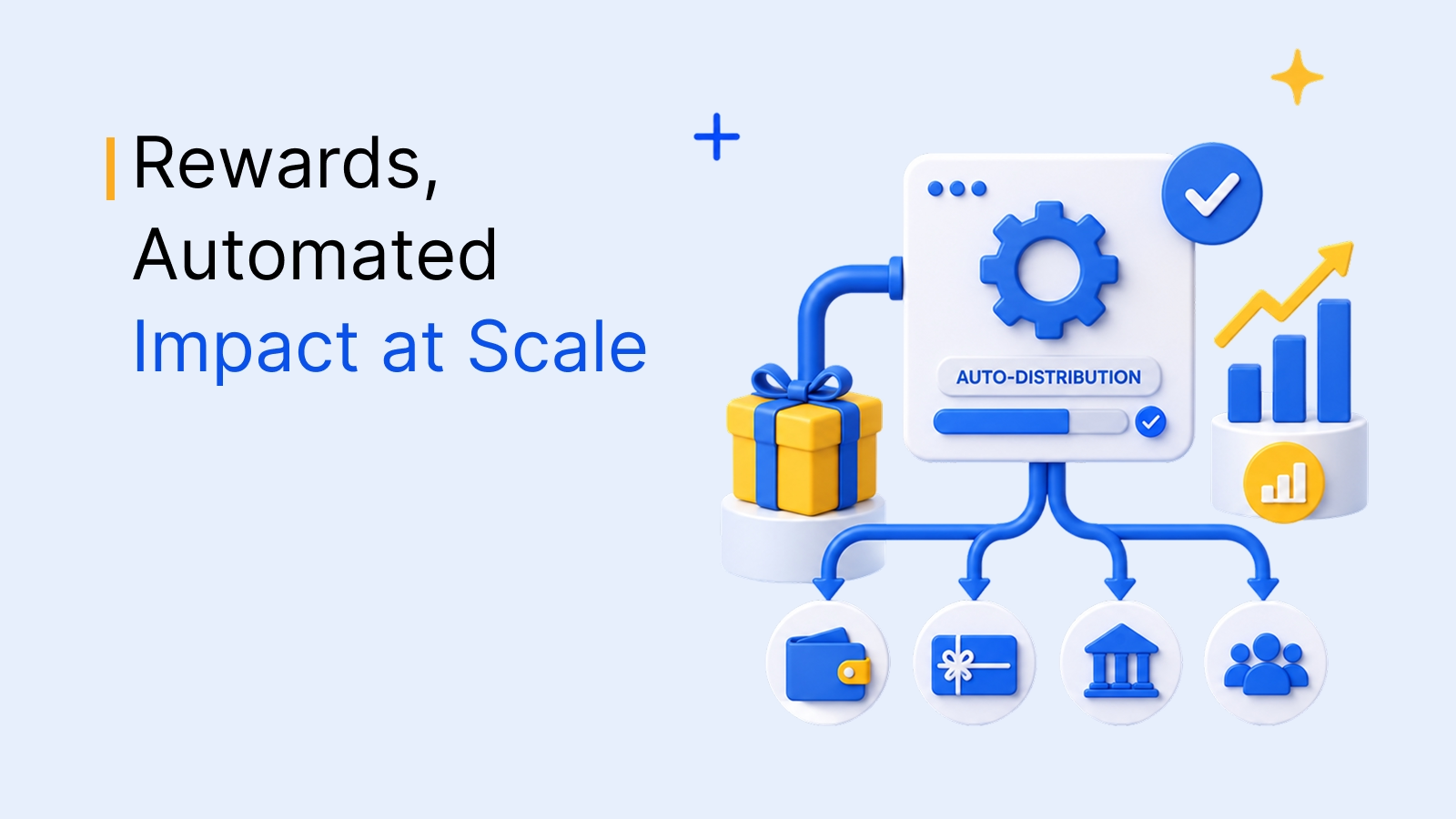
Trigger rewards automatically from your CRM or product so they arrive the moment the action happens. A leading health and fitness platform used Plum reward links for activation, referral and employee rewards, distributing more than $5M in rewards through over 150,000 links.
For campaign design, see our guides to customer acquisition strategies and customer referral programs. Plum's referral rewards solution automates payouts to both sides.
Digital gift card marketing trends for 2026
Digital gift card marketing in 2026 is shaped by choice, instant delivery and automation. Four shifts stand out.
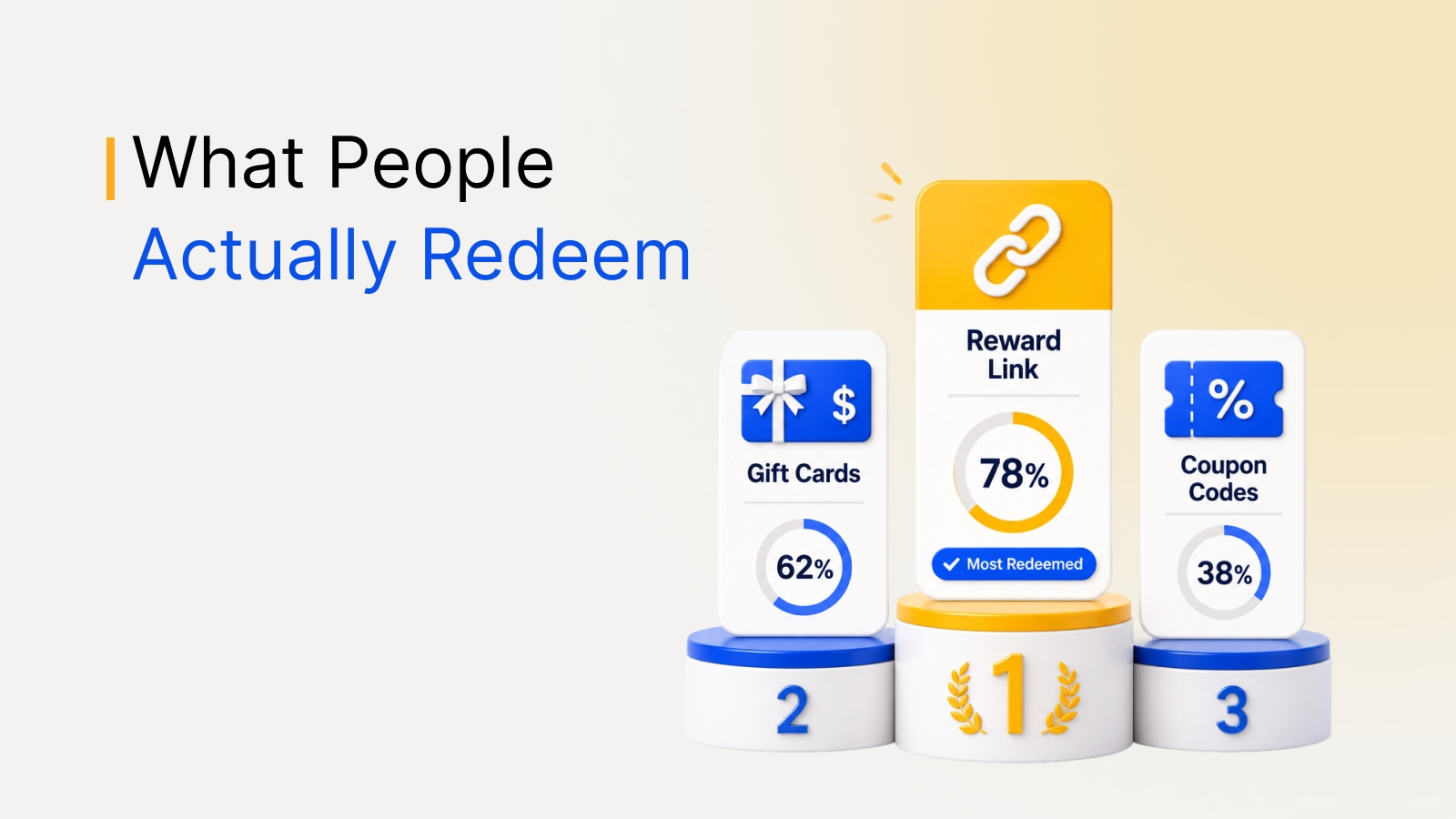
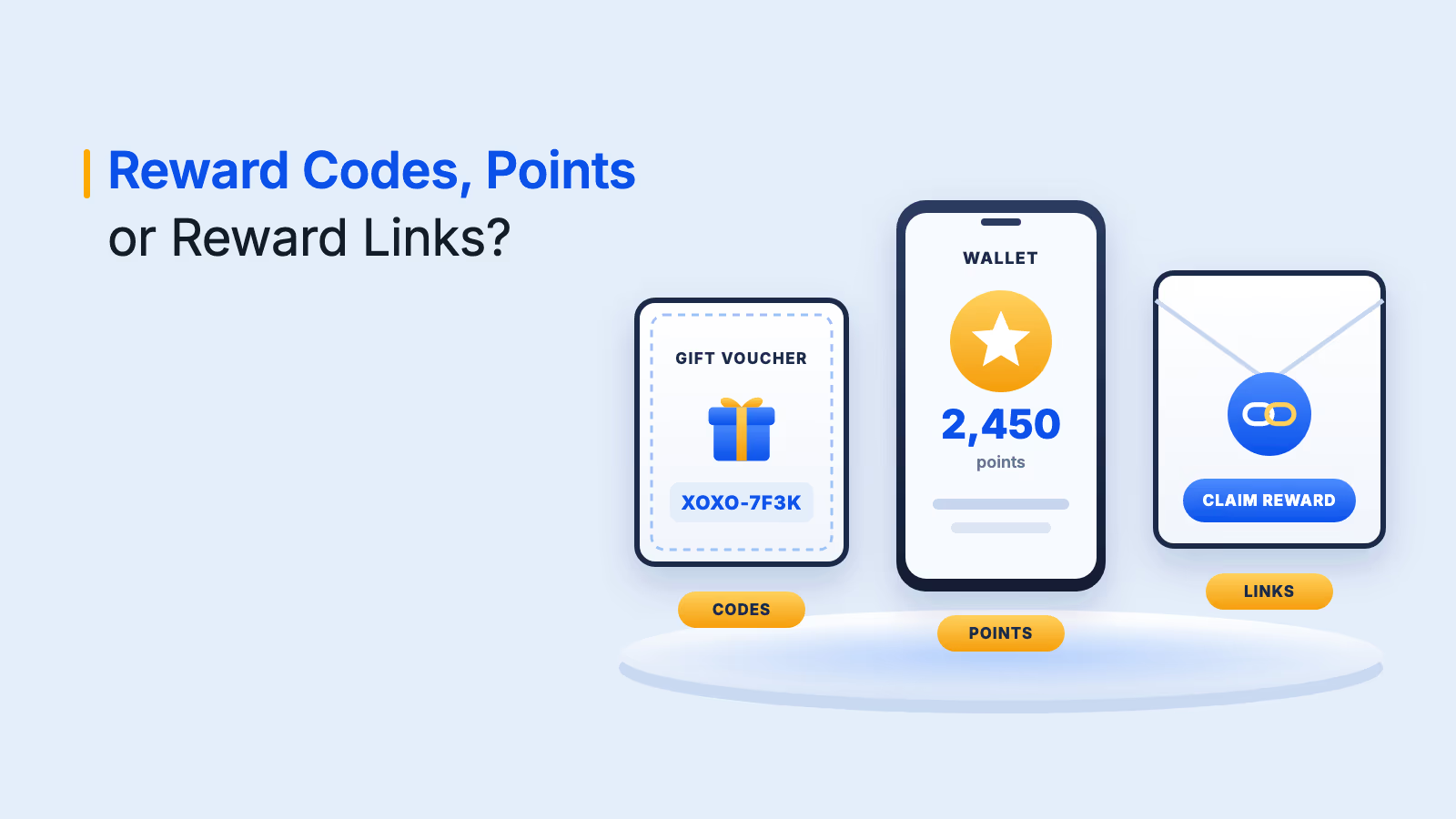
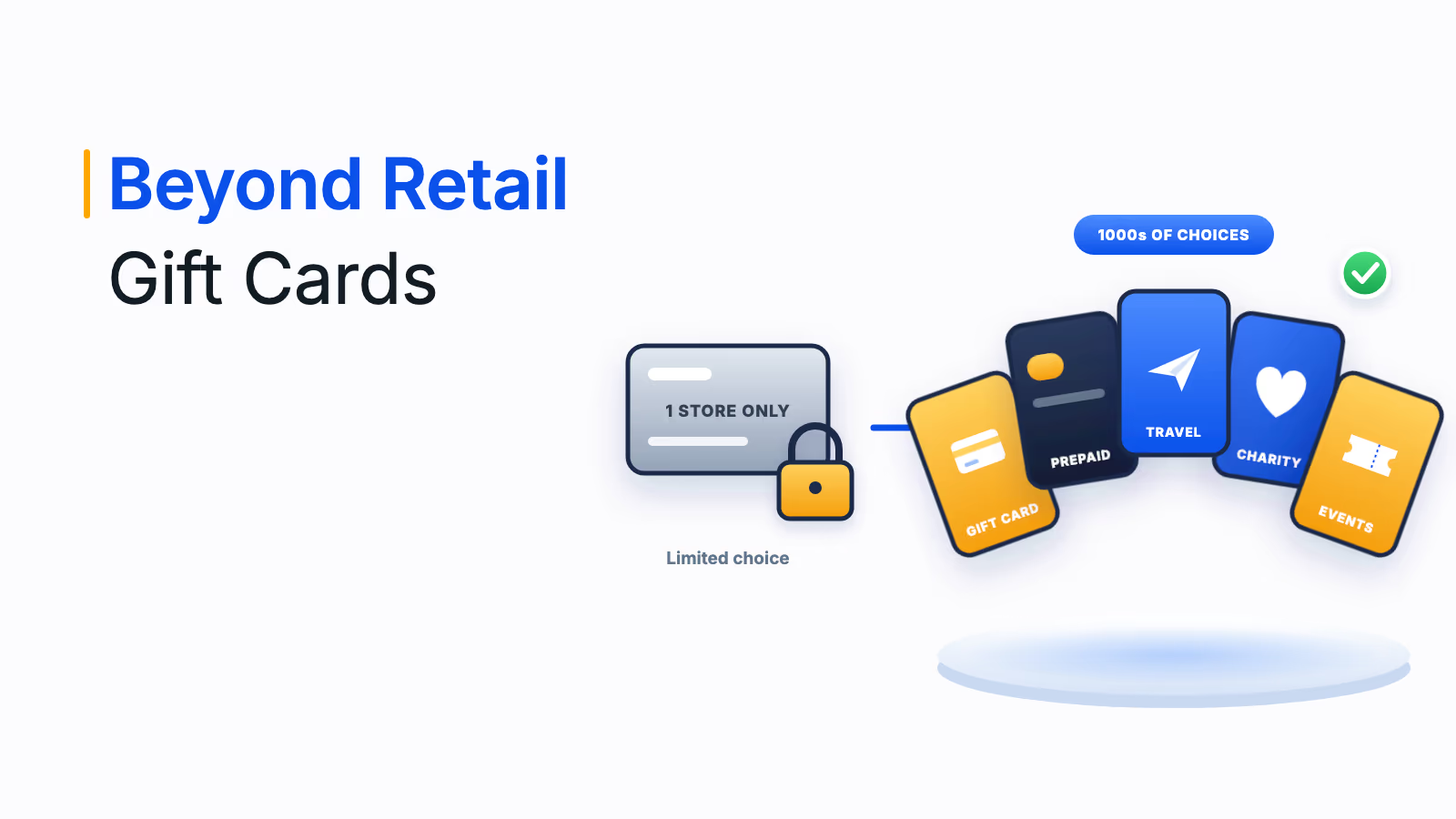
- Choice over single brands: Incentive campaigns send a reward link so each recipient picks a brand in their own currency. Read reward links vs gift cards vs coupons for the trade-offs.
- Wallet-first delivery: Gift cards land in Apple Wallet or Google Wallet where supported, so they are always at hand.
- Embedded gifting: Gift cards are sold and sent inside apps, chat and payment platforms rather than only on a website.
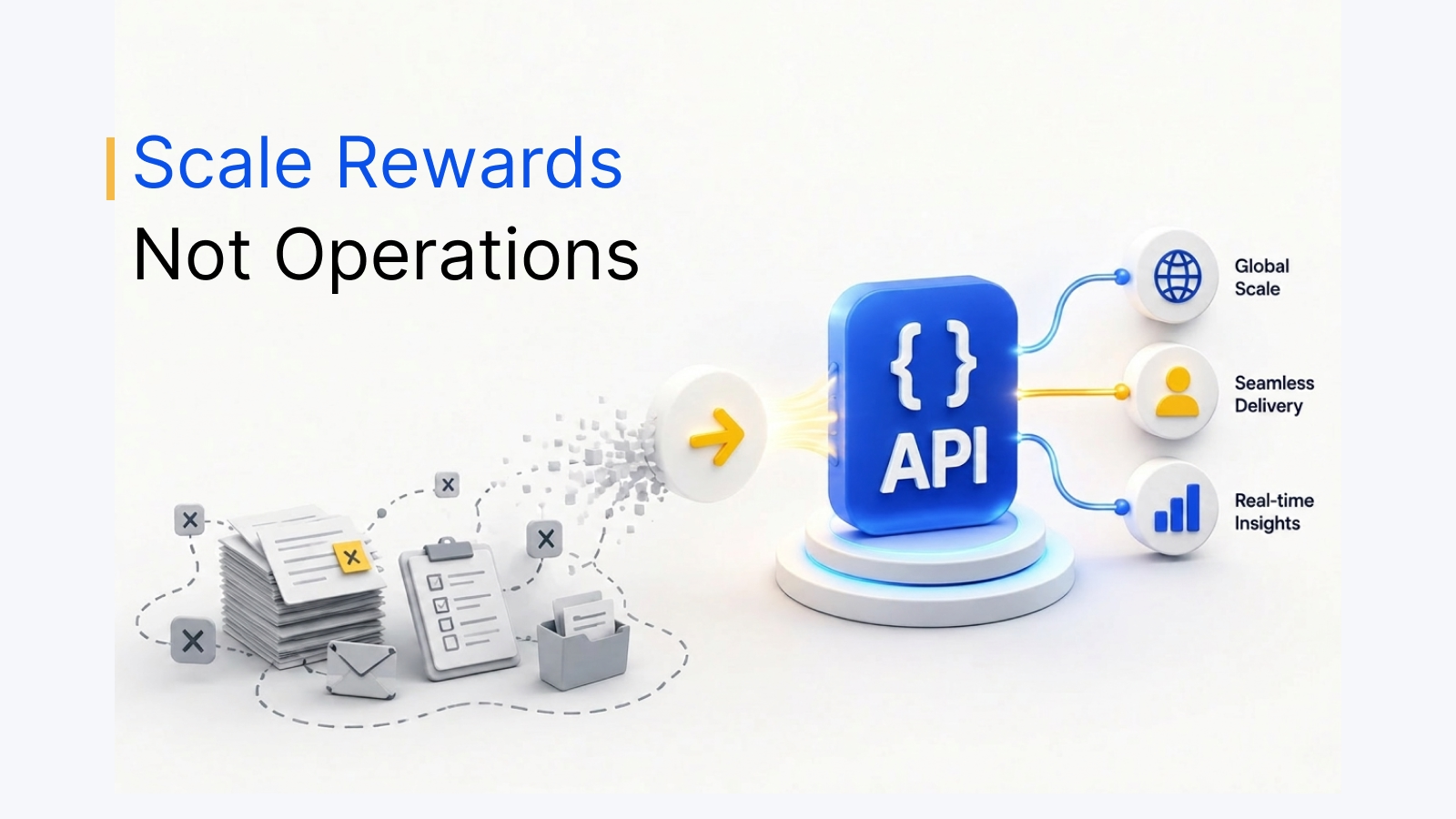
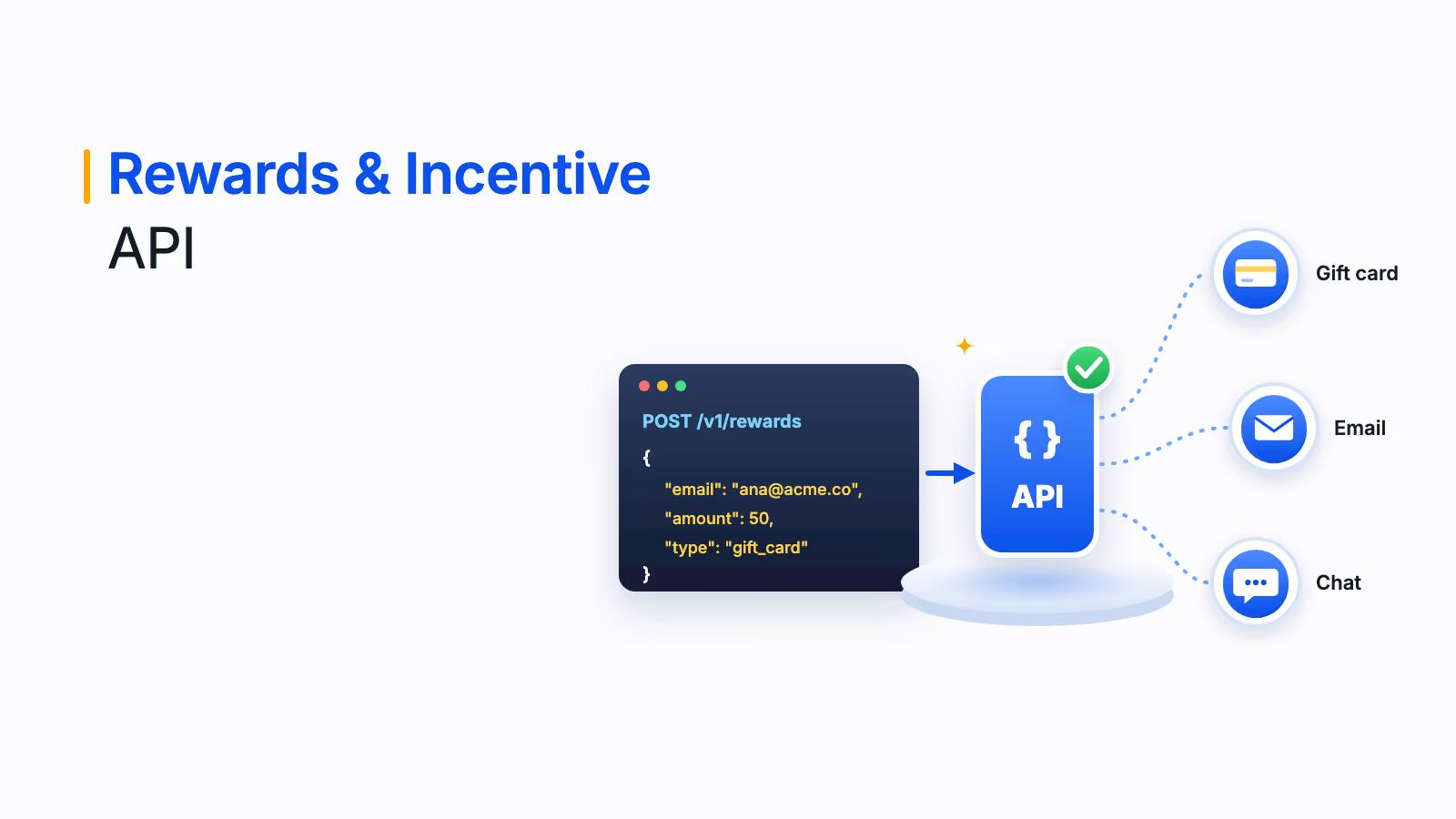
- API-triggered rewards: Campaigns fire rewards from CRM and product events instead of manual batches. Plum's rewards API supports this.
Our guide to digital gift cards explains the delivery options in more detail.
Fraud safeguards for gift card campaigns
Gift card promotions attract fraud because the value is easy to resell. The FTC reported $12.5 billion in consumer fraud losses in 2024, and gift cards remain a common payment method in scams.
Build safeguards into every campaign:
- Verify before rewarding: Confirm that a sign-up, referral or purchase is genuine before releasing the reward, and set a short holding period for high-value rewards.
- Limit rewards per person: Cap rewards per email, phone number, device and payment method to stop duplicate accounts.
- Bind codes to recipients: Lock links and codes to the recipient's email or phone so they cannot be shared or resold.
- Monitor velocity: Watch for spikes in sign-ups or redemptions from the same source.
- Protect your own gift card stock: Use secure activation, PIN protection and balance-check rate limits to stop card draining.
Plum's fraud and security controls include velocity checks, risk scoring, one-time code use and approval workflows.
How to measure gift card marketing
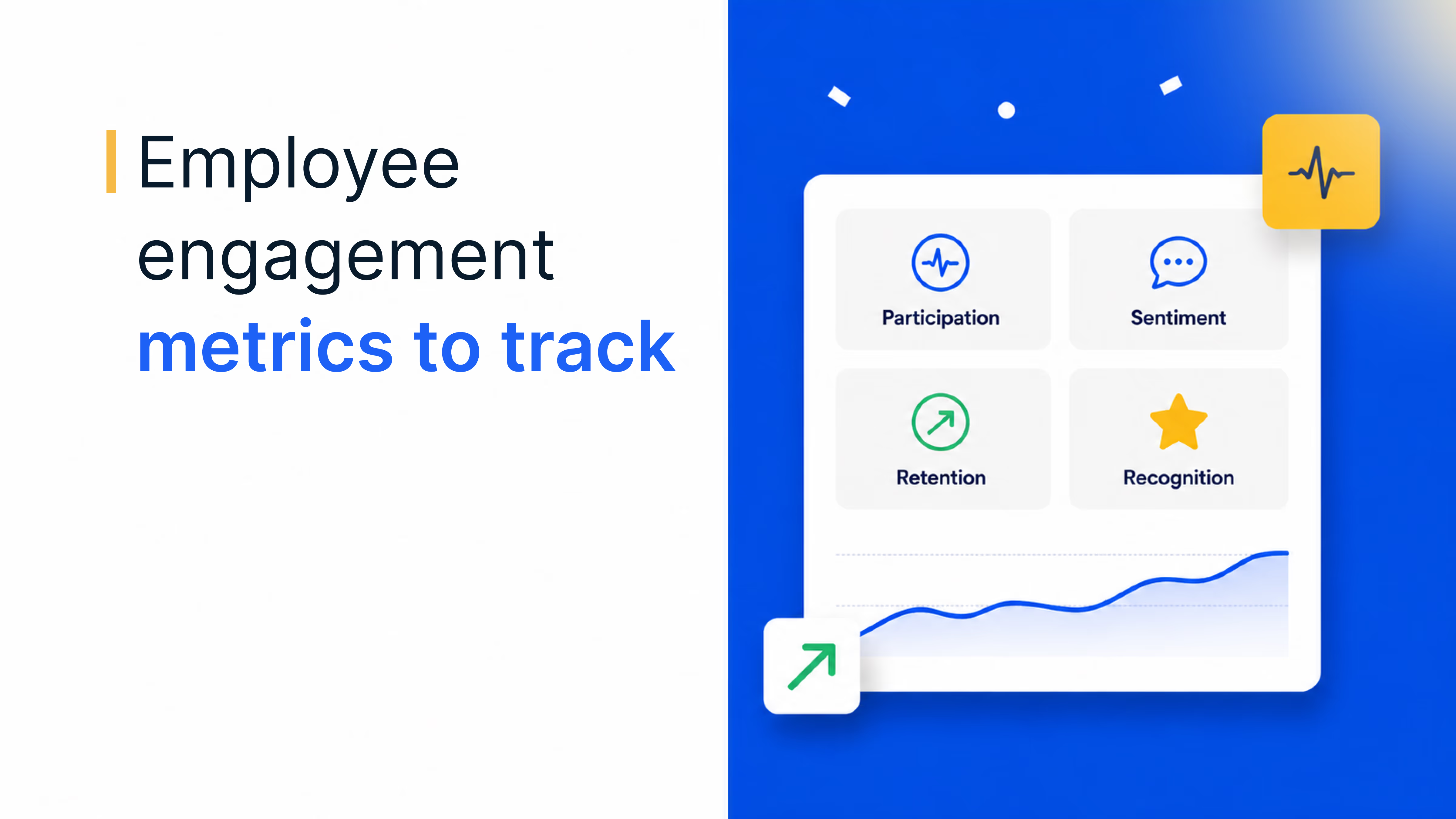
Measure gift card marketing by what the gift card caused, not just how many were sent. Track these metrics for each campaign:
| Metric | What it tells you |
|---|---|
| Gift card sales and average value | Demand for your own gift cards by season and channel |
| Redemption rate | Whether recipients value and use the reward |
| Spend above card value | Extra revenue generated at redemption |
| Cost per acquisition | Total reward and campaign cost per new customer |
| Referral and conversion rate | How well incentive campaigns turn actions into customers |
| Repeat purchase and retention | Whether gift card customers come back |
| Fraud and reversal rate | How much budget is lost to abuse |
Compare results by reward value, brand and channel, then shift budget to what converts. A rewards platform with live dashboards makes this far easier than reconciling spreadsheets.
Maximize growth with smart gift card marketing
Gift card marketing strategies work when they match a clear goal: sell more of your own cards, reach new audiences or reward the actions that drive growth. Personalize the card, deliver it where people already are, protect campaigns from fraud and measure everything.
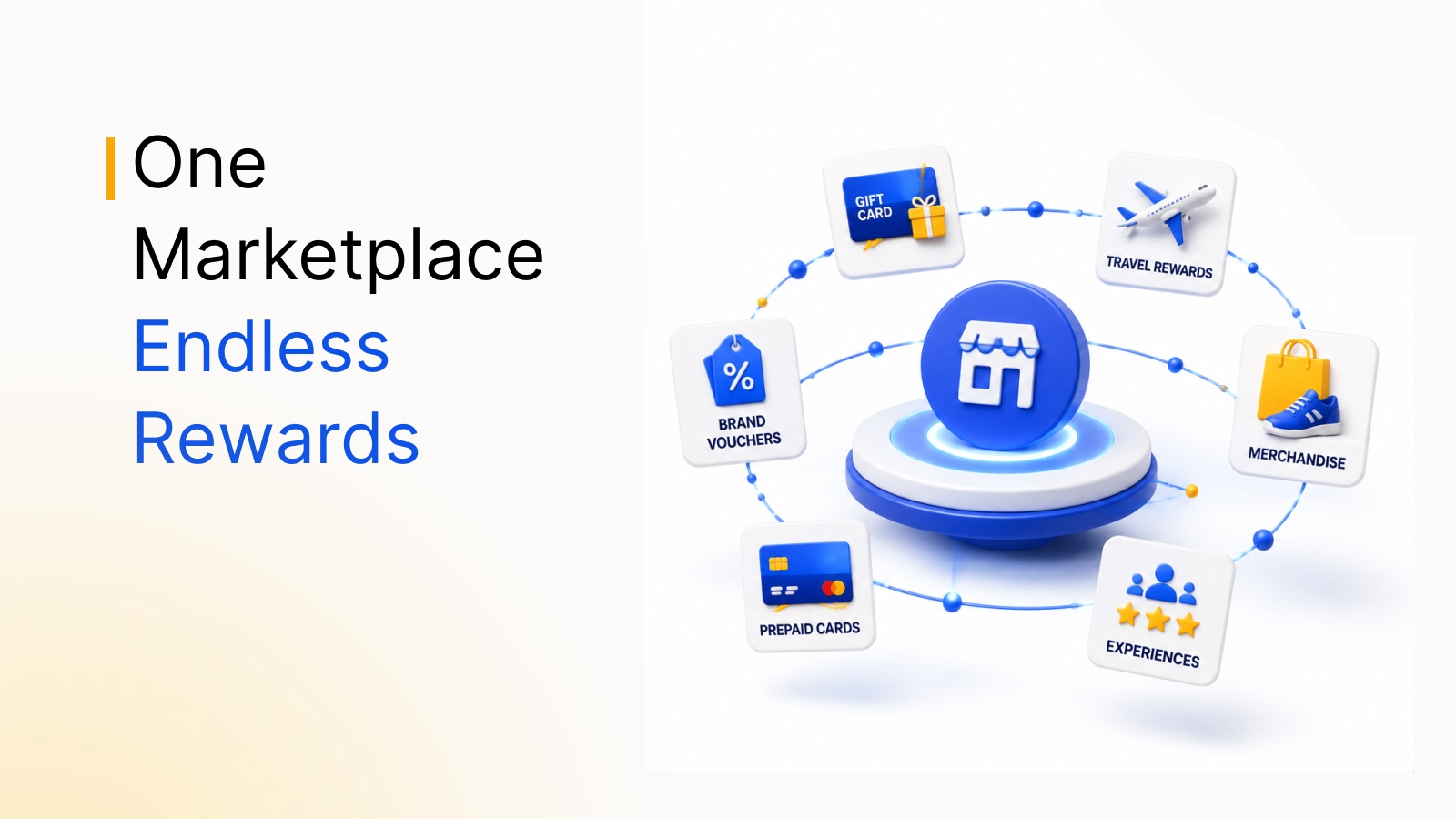
Xoxoday Plum gives you 10M+ reward options across 30+ categories in 150+ countries, instant delivery by email, SMS or link, and 250+ native connectors and three REST APIs to automate gift card incentive campaigns from the tools you already use.
Book your Plum demo
Frequently asked questions
Gift card marketing is the use of gift cards to drive business goals. Brands sell their own gift cards to bring in revenue and new visitors, and businesses give third-party gift cards as incentives for actions such as signing up, buying, referring a friend or completing a survey.
Popular ideas include a bonus card with larger purchases, discounted gift card bundles, extra loyalty points for paying with a gift card, seasonal campaigns before holidays, social giveaways, spin-to-win games, partner bundles and send-a-gift options inside your app.
A gift card gives prospects an immediate, familiar reward for taking a first step such as signing up, opening an account, booking a demo or making a first purchase. Because recipients can spend it on something they want, it often motivates more than a discount on your own product.
Verify that each action is genuine before releasing the reward, cap rewards per email, phone, device and payment method, bind codes to the recipient, monitor unusual spikes and use approval workflows for large orders. For your own gift cards, use secure activation, PINs and rate limits on balance checks.
Track gift card sales, redemption rate, spend above card value, cost per acquisition, referral and conversion rates, repeat purchases and fraud losses. Compare results by reward value, brand and channel and move budget to the combinations that convert best.
Offer both if you can. Digital gift cards win on speed, last-minute purchases and wallet delivery, while physical cards suit in-store purchases and people who like to wrap a gift. Consumers in Fiserv's 2024 survey were split evenly between the two.