Key Takeaways
A bonus is fully taxable in India as salary income, added to other income and taxed at the employee's slab rate.
For tax year 2026-27 the new regime makes income up to ₹12 lakh tax-free after the rebate, or ₹12.75 lakh for salaried employees with the standard deduction.
Employers deduct TDS on bonus as part of salary TDS under Section 392 of the Income-tax Act, 2025, and report it in Form 130.
Non-cash gifts and vouchers are tax-free up to ₹15,000 a year per employee under the Income-tax Rules, 2026; cash is always taxable.
The labour codes do not change bonus tax, but the 50% wage rule affects how bonuses and allowances fit into pay structures.
Bonuses, commissions and incentives are some of the strongest levers a company has to align people with its goals. They also raise a practical question every payroll team and employee asks at some point: how much of it goes to tax? This guide explains how tax on bonus in India works for tax year 2026-27, how employers deduct TDS on an employee bonus and how to structure rewards so more of the value reaches your people.
The rules have changed a lot in the last two years. The new tax regime is now the default, income up to ₹12 lakh is effectively tax-free under it, the Income-tax Act, 2025 replaced the 1961 Act from 1 April 2026, and the new labour codes changed how "wages" are defined. The sections below bring all of that together in one place.
Note: Tax rules change every year and individual situations differ. The figures here are for general guidance and apply to the tax year stated. Check with a qualified tax advisor or your payroll provider before making decisions.
What counts as an employee bonus?
An employee bonus is any payment made over and above regular salary to reward performance, loyalty or a milestone. Common examples include:
- Performance bonus: paid against individual, team or company targets.
- Joining or sign-on bonus: paid when a new hire joins, sometimes with a clawback if they leave early.
- Retention bonus: paid for staying with the company for a set period.
- Festive or year-end bonus: paid around Diwali, the financial year-end or another occasion.
- Sales commissions and incentives: variable pay tied to revenue, deals or other sales metrics.
- Statutory bonus: the minimum bonus that eligible employees must receive under labour law.
For tax purposes, the label does not matter much. If the payment comes from an employer to an employee, it is treated as part of salary income. For the difference between the two most common forms of variable pay, see commission vs bonus.
How tax on bonus in India works
A bonus is fully taxable in India as part of the employee's salary income. It is added to the rest of the employee's income for the tax year and taxed at the slab rate of the regime the employee has chosen. There is no separate or flat "bonus tax rate".
Three points follow from this:
- Timing: salary is generally taxed in the tax year in which it is paid or falls due, whichever is earlier. A bonus paid in March 2027 falls in tax year 2026-27; the same bonus paid in April 2027 falls in tax year 2027-28.
- Slab impact: because the bonus sits on top of salary, it is taxed at the employee's highest (marginal) slab rate. A large bonus can also push income into a higher slab.
- Regime choice: the same bonus can lead to very different tax under the new and old regimes, so the employee's regime choice matters.
What changed under the Income-tax Act, 2025
The Income-tax Act, 2025 came into force on 1 April 2026, as confirmed in the Union Budget 2026-27 summary from PIB. The way a bonus is taxed did not change, but some terms and references did:
- "Tax year" replaces "previous year" and "assessment year". Income earned from 1 April 2026 to 31 March 2027 is tax year 2026-27.
- TDS on salary moved from Section 192 to Section 392 of the new Act.
- Form 130 replaces Form 16 as the annual TDS certificate for salary from tax year 2026-27. Form 16 is still issued for FY 2025-26.
- The Income-tax Rules, 2026 replaced the 1962 Rules from 1 April 2026, including new limits for some perquisites (covered below).
Make every reward count
Send gift cards and vouchers from 10M+ reward options in 150+ countries, delivered instantly by email, SMS or link.
Talk to our ExpertTrusted by 5,000+ companies
Bonus tax new regime: slabs for tax year 2026-27
Under the new tax regime, income up to ₹12 lakh carries no tax after the rebate, and salaried employees also get a ₹75,000 standard deduction, so salary of up to ₹12.75 lakh is effectively tax-free. The Union Budget 2026-27 kept the slab rates announced in Budget 2025 unchanged, so the same slabs apply for FY 2025-26 and tax year 2026-27.
| Taxable income (new regime) | Tax rate |
|---|---|
| Up to ₹4,00,000 | Nil |
| ₹4,00,001 to ₹8,00,000 | 5% |
| ₹8,00,001 to ₹12,00,000 | 10% |
| ₹12,00,001 to ₹16,00,000 | 15% |
| ₹16,00,001 to ₹20,00,000 | 20% |
| ₹20,00,001 to ₹24,00,000 | 25% |
| Above ₹24,00,000 | 30% |
Key rules that affect bonus tax under the new regime:
- Rebate: a rebate of up to ₹60,000 is available if taxable income does not exceed ₹12 lakh, which brings tax to nil.
- Marginal relief: if taxable income is only slightly above ₹12 lakh, tax is capped at the amount by which income exceeds ₹12 lakh.
- Standard deduction: ₹75,000 for salaried employees.
- Few deductions: most deductions such as Section 80C and 80D, and HRA exemption, are not available.
- Cess and surcharge: a 4% health and education cess applies on the tax, and a surcharge applies on income above ₹50 lakh.
The new regime is the default. An employee who wants the old regime must tell the employer so TDS can be calculated accordingly. You can check the current slabs on the Income Tax Department's page for salaried individuals.
Old regime slabs
The old regime has lower slab thresholds but allows deductions such as Section 80C, 80D and HRA exemption, with a ₹50,000 standard deduction and a rebate of up to ₹12,500 for taxable income up to ₹5 lakh.
| Taxable income (old regime, below 60 years) | Tax rate |
|---|---|
| Up to ₹2,50,000 | Nil |
| ₹2,50,001 to ₹5,00,000 | 5% |
| ₹5,00,001 to ₹10,00,000 | 20% |
| Above ₹10,00,000 | 30% |
Tax on bonus: a worked example for 2026-27
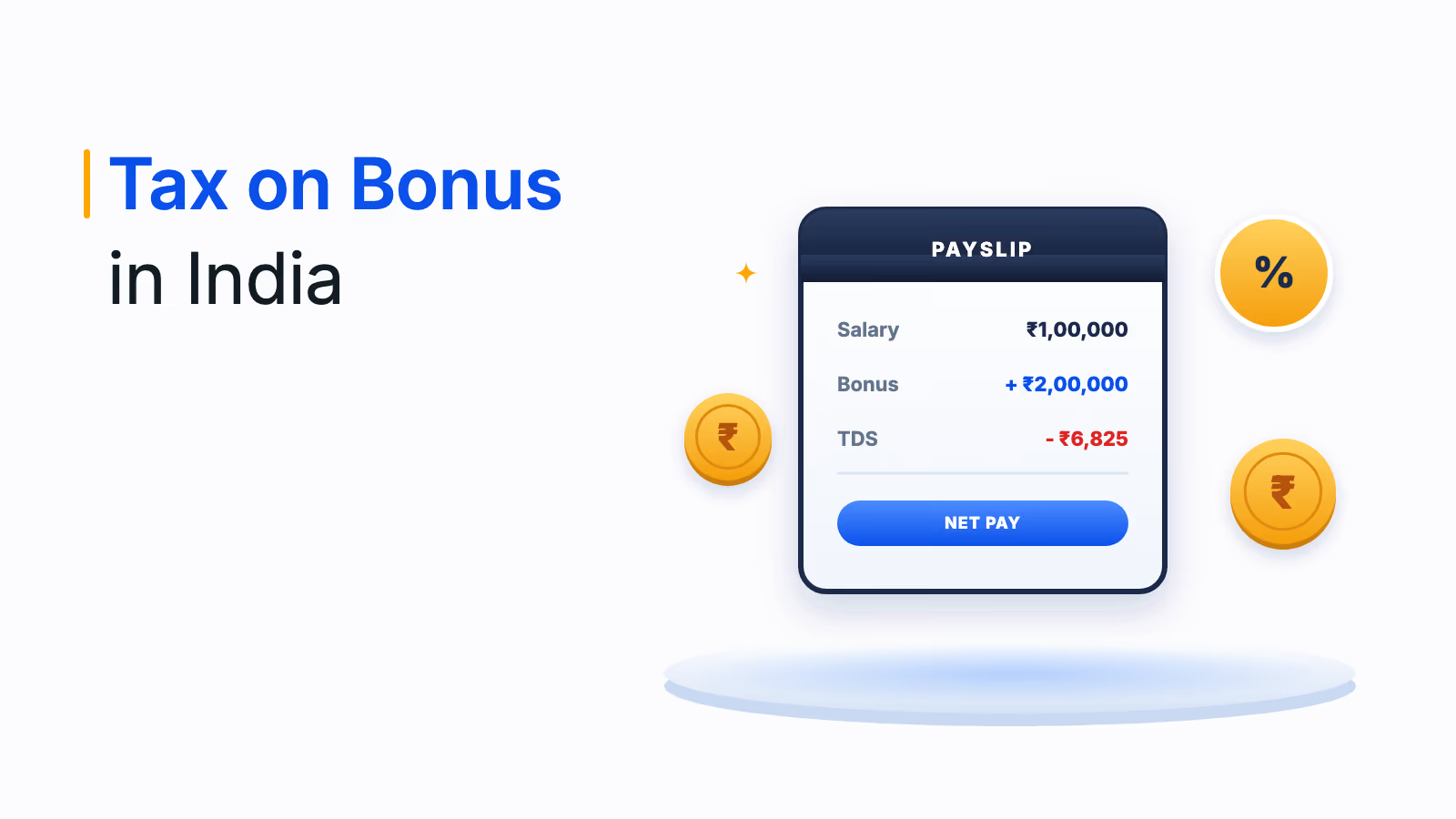
The easiest way to see the impact of a bonus is to calculate tax with and without it. Take an employee with a gross salary of ₹12,00,000 who receives a ₹2,00,000 performance bonus in tax year 2026-27, and assume no other income.
| Component | New regime | Old regime |
|---|---|---|
| Gross salary | ₹12,00,000 | ₹12,00,000 |
| Add: bonus | ₹2,00,000 | ₹2,00,000 |
| Gross income | ₹14,00,000 | ₹14,00,000 |
| Less: standard deduction | ₹75,000 | ₹50,000 |
| Less: Section 80C (assumed) | Not allowed | ₹1,50,000 |
| Taxable income | ₹13,25,000 | ₹12,00,000 |
| Tax on slabs | ₹78,750 | ₹1,72,500 |
| Add: 4% cess | ₹3,150 | ₹6,900 |
| Total tax | ₹81,900 | ₹1,79,400 |
| Average monthly TDS | ₹6,825 | ₹14,950 |
Two things stand out:
- The ₹12 lakh threshold creates a cliff: Without the bonus, this employee's taxable income under the new regime is ₹11,25,000 and tax is nil after the rebate. The ₹2,00,000 bonus pushes income above ₹12 lakh, so the rebate no longer applies and tax of ₹81,900 becomes payable. The bonus still leaves the employee better off, but much of its value goes to tax.
- Marginal relief softens small crossings: If the employee's taxable income were ₹12,10,000, slab tax would be ₹61,500, but marginal relief caps it at ₹10,000 (the amount above ₹12 lakh), plus cess.
For employees near the ₹12 lakh mark, the size, timing and form of a bonus can make a large difference to take-home value. That is one reason many employers mix cash bonuses with non-cash rewards.
How employers deduct TDS on employee bonus
Employers deduct TDS on an employee bonus as part of salary TDS, not as a separate tax. Under Section 392 of the Income-tax Act, 2025, the employer estimates the employee's total salary for the tax year, including the bonus, calculates the tax under the chosen regime and deducts it from salary payments.
A typical process looks like this:
- Confirm the regime: collect each employee's regime choice at the start of the tax year. If no choice is made, apply the new regime.
- Project annual income: add expected salary, the bonus and any taxable perquisites, then subtract the standard deduction and any deductions the employee has declared (old regime only).
- Calculate tax: apply the slab rates, rebate, marginal relief, surcharge and cess.
- Deduct TDS: deduct the tax from salary across the remaining months. When a bonus is paid, TDS for that month usually rises because the extra tax is recovered over fewer months.
- Deposit and report: deposit TDS with the government within the due dates, file quarterly TDS statements and issue the annual salary TDS certificate (Form 130 from tax year 2026-27).
Employees should check that the bonus appears in their TDS certificate and annual information statement, and that the total matches what they report in their return.
Tax on employee incentives, commissions and gifts
Tax on employee incentives follows the same principle as bonus tax: any cash incentive or commission paid to an employee is salary and is taxed at slab rates with TDS. Non-cash rewards are treated as perquisites and valued under the Income-tax Rules, 2026.
| Reward type | Paid to | How it is taxed |
|---|---|---|
| Cash bonus, sales incentive or commission | Employee | Salary income, taxed at slab rates; TDS on salary applies |
| Joining, retention or festive bonus | Employee | Salary income, taxed at slab rates; TDS on salary applies |
| Gift card, voucher or gift in kind | Employee | Perquisite; nil if the total in the tax year is below ₹15,000, otherwise taxable |
| Cash gift | Employee | Taxable as salary; the gift exemption does not cover cash |
| Meal vouchers | Employee | Tax-free up to ₹200 per meal if the conditions are met |
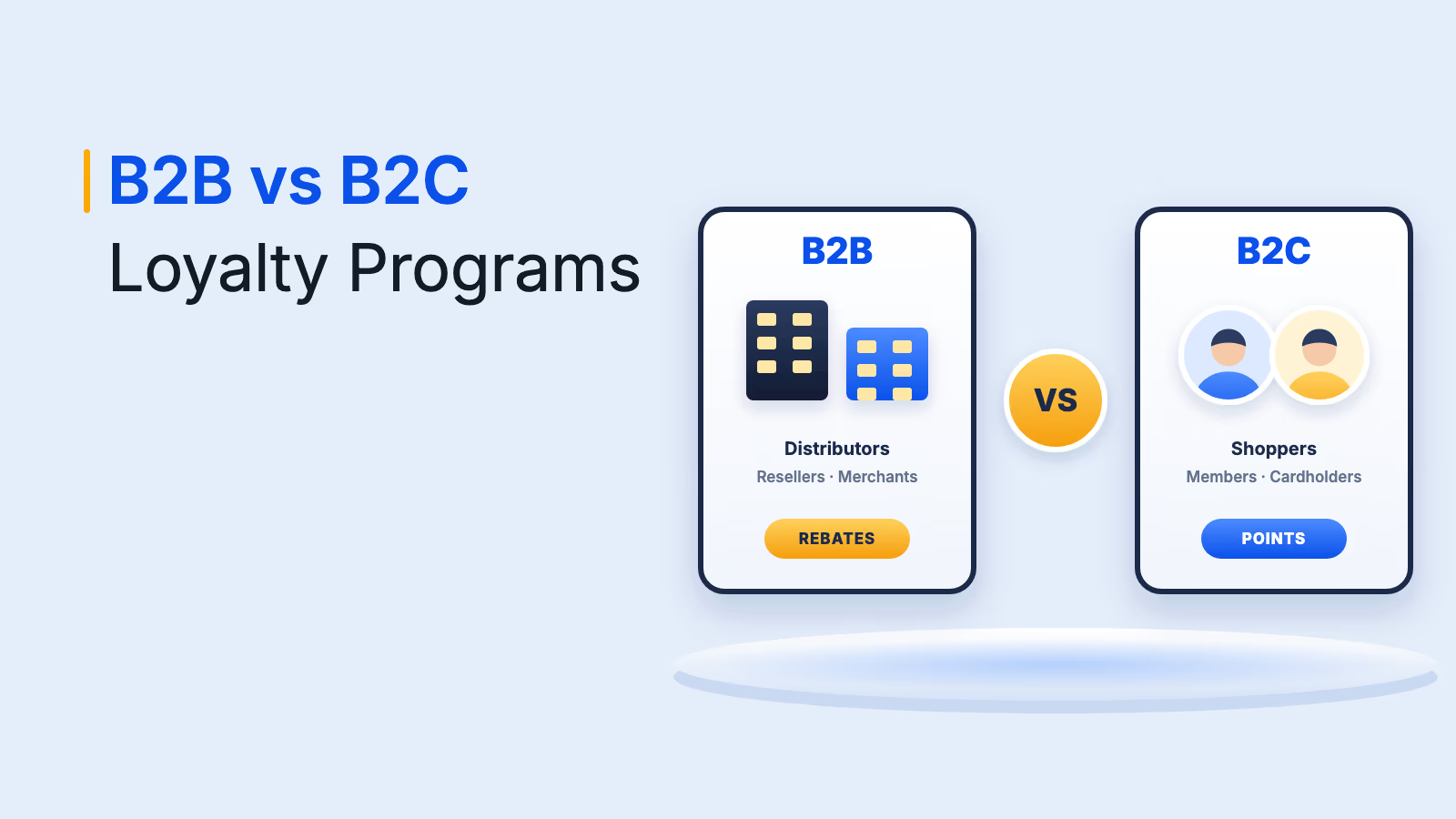
| Commission to agents | Non-employee | Business income of the agent; TDS on commission applies |
| Gifts or rewards to channel partners | Non-employee | Business income of the partner; TDS of 10% if total benefits exceed ₹20,000 in a year |
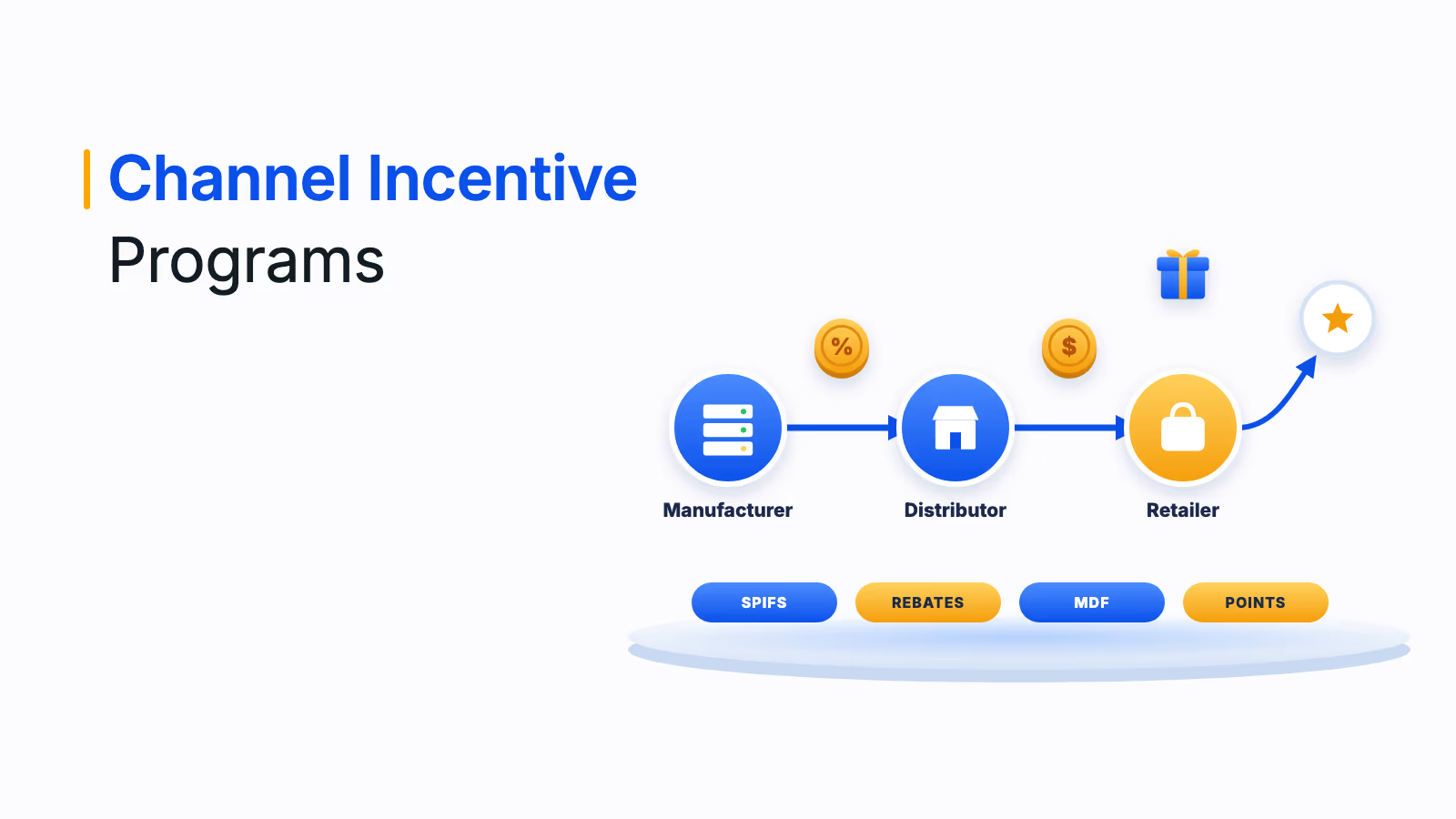
For non-employees such as distributors, dealers and agents, the reward is not salary. It is business income for the recipient, and the payer may need to deduct TDS on business benefits or perquisites (formerly Section 194R) once the total value crosses ₹20,000 in a year. If you run channel sales incentives, plan for this when you set reward values.
Tax-free employee rewards in India
The most useful route to tax-free employee rewards in India is the perquisite rule for gifts. Under the Income-tax Rules, 2026, gifts, vouchers or tokens an employer gives in kind are valued at nil if their total value in the tax year is below ₹15,000, up from ₹5,000 under the 1962 Rules, according to a summary of the Income-tax Rules, 2026 on Mondaq.
Points to keep in mind:
- The limit is an annual total per employee: Add up all non-cash gifts, vouchers and tokens in the tax year. If the total crosses the limit, the full value is generally treated as a taxable perquisite, so track it carefully.
- Cash is excluded: A cash gift or a cash bonus is taxed as salary, whatever the amount.
- It works under both regimes: The gift rule is a perquisite valuation rule, not a deduction, so it is not lost by choosing the new regime.
- Meal vouchers have their own limit: Meals or non-transferable meal vouchers are tax-free up to ₹200 per meal under the 2026 Rules, up from ₹50, as explained in this Taxmann analysis of meal vouchers under the new regime.
For a broader view of tax-efficient benefits, see this guide to tax-saving benefits for employees. For how other countries treat employer gifts, read the global guide to employer gift tax laws.
How the labour codes affect bonus and pay structure
The four labour codes, including the Code on Wages, 2019, came into effect on 21 November 2025. They do not change how a bonus is taxed, but they change how "wages" are defined for PF, gratuity and other statutory benefits.
Under the Code on Wages, wages mean basic pay, dearness allowance and retaining allowance. Most other components, including allowances and bonuses that are not part of the contractual remuneration, are exclusions. If the exclusions together exceed 50% of total remuneration, the excess is added back to wages.
For compensation teams, this means a large share of pay cannot simply be moved into allowances or variable components to keep wages low. When you design bonus and incentive plans, check how they affect the 50% test. Our guide on the new salary structure in India as per labour law explains the calculation in detail.
How employers can structure rewards tax-efficiently
A tax-efficient reward plan balances cash, which employees value for flexibility, with non-cash rewards that carry little or no tax within the limits. Practical steps:
- Model the regime impact: Run bonus scenarios under both regimes for employees near the ₹12 lakh mark, where a small bonus can wipe out the rebate.
- Use the ₹15,000 gift limit: Deliver spot awards, festive gifts and milestone rewards as gift cards or vouchers, and track the annual total per employee.
- Spread recognition through the year: Smaller, more frequent non-cash rewards can recognize effort without large one-time tax spikes.
- Keep cash for core variable pay: Use cash for contractual bonuses and sales commissions, and withhold TDS correctly.
- Separate employees from partners: Rewards to channel partners and agents follow different rules, including TDS on business benefits above ₹20,000.
- Keep records: Store reward values, dates and recipients so payroll can value perquisites and report them correctly.
Deliver tax-smart rewards with Xoxoday Plum
Xoxoday Plum helps companies send non-cash rewards that fit inside the perquisite limits and are easy to track. With Plum you can:
- Choose from 10M+ reward options across 30+ categories in 150+ countries through the Plum reward marketplace.
- Send gift cards and vouchers instantly by email, SMS or link, so employees choose a reward they value.
- Run employee recognition rewards and festive gifting at scale, with a record of what each person received.
- Automate partner and dealer rewards through 250+ native connectors and REST APIs.
Understanding tax on bonus in India helps you decide how much to pay in cash and how much to deliver as rewards. Combine well-planned cash bonuses with non-cash rewards within the ₹15,000 limit, and more of your reward budget reaches your people.
Book your Plum demo
Frequently asked questions
Yes. A bonus paid by an employer to an employee is fully taxable as salary income. It is added to the employee's other income for the tax year and taxed at the slab rate of the regime the employee has chosen. The employer deducts TDS on the bonus along with regular salary.
Yes. A joining or sign-on bonus is part of salary and is taxed in the tax year in which it is paid or becomes due. The employer must deduct TDS on it. If the employee repays the bonus because they leave early, they should speak to a tax advisor about how to treat the repayment.
No. India has no separate bonus tax rate. A bonus is taxed at the same slab rates as the rest of salary. Because it sits on top of regular pay, it is usually taxed at the employee's highest slab rate, and it can push total income into a higher slab or above the ₹12 lakh rebate limit.
The employer estimates the employee's total taxable salary for the tax year, including the bonus, applies the slab rates, rebate, surcharge and 4% cess under the chosen regime, and deducts the tax from salary over the remaining months. TDS is usually higher in the month the bonus is paid. Under the Income-tax Act, 2025, this falls under Section 392.
A bonus has no specific exemption, but no tax is payable if the employee's total taxable income, including the bonus, stays within ₹12 lakh, because the rebate brings tax to nil. With the ₹75,000 standard deduction, this covers salary of up to ₹12.75 lakh in tax year 2026-27.
Gift cards and vouchers given by an employer are perquisites. Under the Income-tax Rules, 2026, they are valued at nil if the total value of such gifts to an employee in the tax year is below ₹15,000. Above that, the value is generally taxable as salary. Cash gifts are always taxable.
Incentives paid to dealers, distributors or agents are business income for the recipient, not salary. The payer may need to deduct TDS of 10% on business benefits or perquisites once the total value given to a partner exceeds ₹20,000 in a year, and commission payments attract TDS on commission.