Key Takeaways
A voice of customer program captures, analyzes and acts on feedback from every touchpoint, continuously.
Seven steps: set objectives, map touchpoints, choose methods, design feedback, analyze, act and measure.
AI text and sentiment analysis turns thousands of comments into ranked themes in minutes.
Closing the loop, telling customers what changed, is what keeps them giving feedback.
Modest, instant incentives raise response rates, as long as they never depend on positive answers.
A voice of customer program (VoC program) is a structured way to capture, analyze and act on what customers say about your business across every touchpoint. It turns scattered surveys, reviews, support tickets and conversations into clear priorities for product, service and marketing teams.
Listening has never mattered more, because customers are speaking up less. In Qualtrics research released in November 2025, fewer than one in three consumers said they give companies feedback, an all-time low, even though nearly half cut or stop spending after a bad experience. A good VoC program makes it easy for customers to tell you what is wrong before they quietly leave.
This guide covers the benefits of a voice of the customer program, the VoC program steps to set one up, voice of customer tools, how AI analyzes feedback, how to close the loop and how incentives for customer feedback raise response rates.
What is a voice of customer program?
A voice of customer program is a customer feedback program that collects input from many sources, analyzes it for patterns and routes insights to the teams that can act on them. It goes beyond a one-off survey by running continuously and tying feedback to business decisions.
VoC programs use a mix of methods: surveys, interviews, focus groups, in-app feedback, support conversations, online reviews and social media listening. Together these reveal customers' needs, preferences and pain points, so you can fix gaps before they cost you customers.
Benefits of a voice of the customer program
A voice of the customer program helps you improve satisfaction, experience and loyalty by basing decisions on what customers actually say rather than on guesswork.
- Higher customer satisfaction: Spotting and fixing pain points quickly shows customers you are listening and strengthens relationships.
- Better customer experience: Insights into expectations and behavior help you tailor products, services and interactions.
- Stronger loyalty and retention: Customers who see their feedback acted on are more likely to stay and to recommend you. Read more on customer retention strategies.
- Smarter decisions: Real customer data replaces assumptions when you prioritize features, fixes and investments.
- Business growth: Feedback uncovers new segments, unmet needs and ways to sharpen your value proposition.
VoC program steps: how to set one up
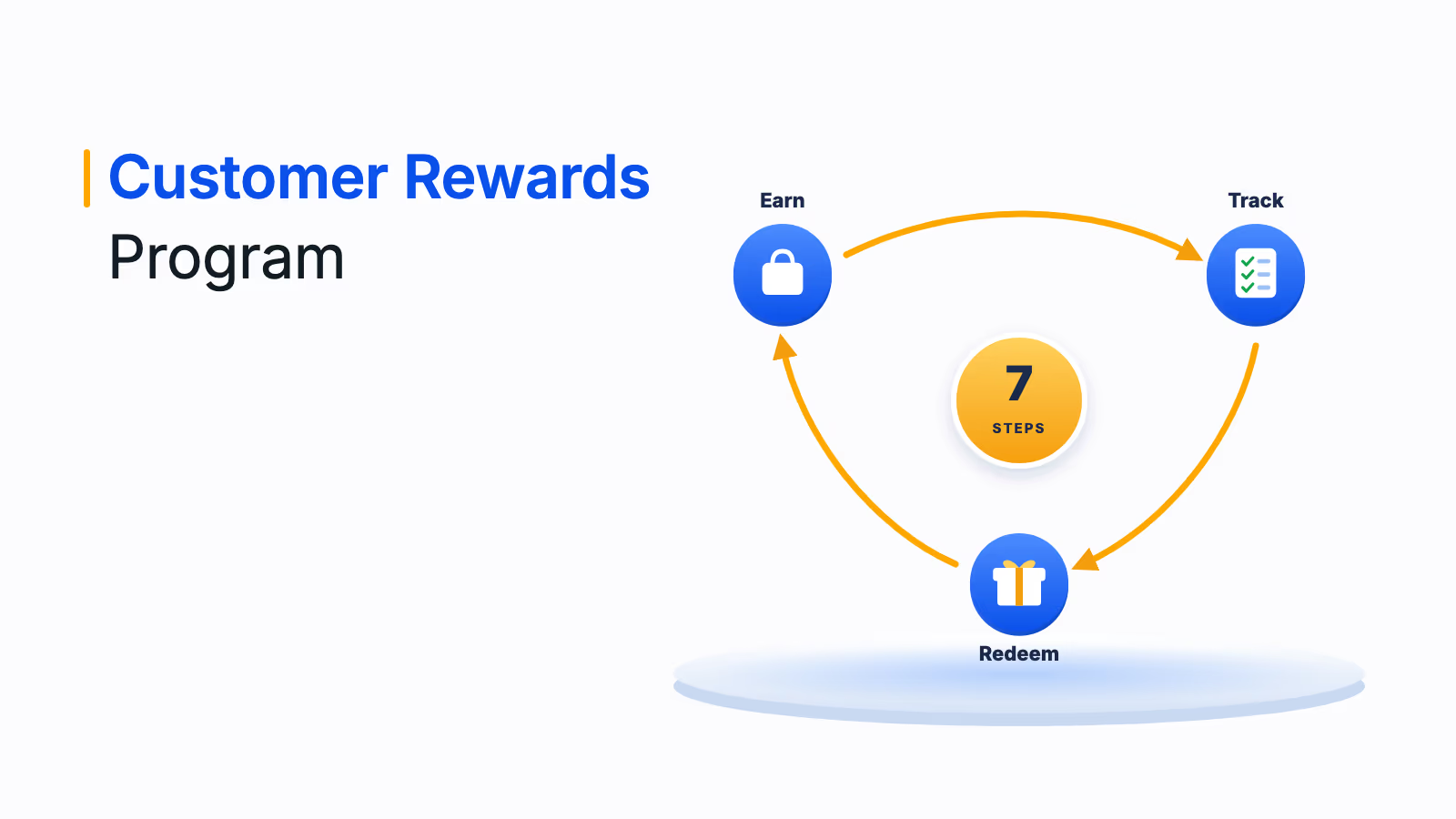
Setting up a VoC program takes seven steps: define objectives, map touchpoints, choose collection methods, design the feedback, analyze it, act on it and measure the results.
1. Define program objectives
Decide what you want the program to achieve. Common goals include improving customer satisfaction, reducing churn, lowering support volume or shaping new products. Clear objectives guide every later step and tell you how to measure success.
2. Identify customer touchpoints
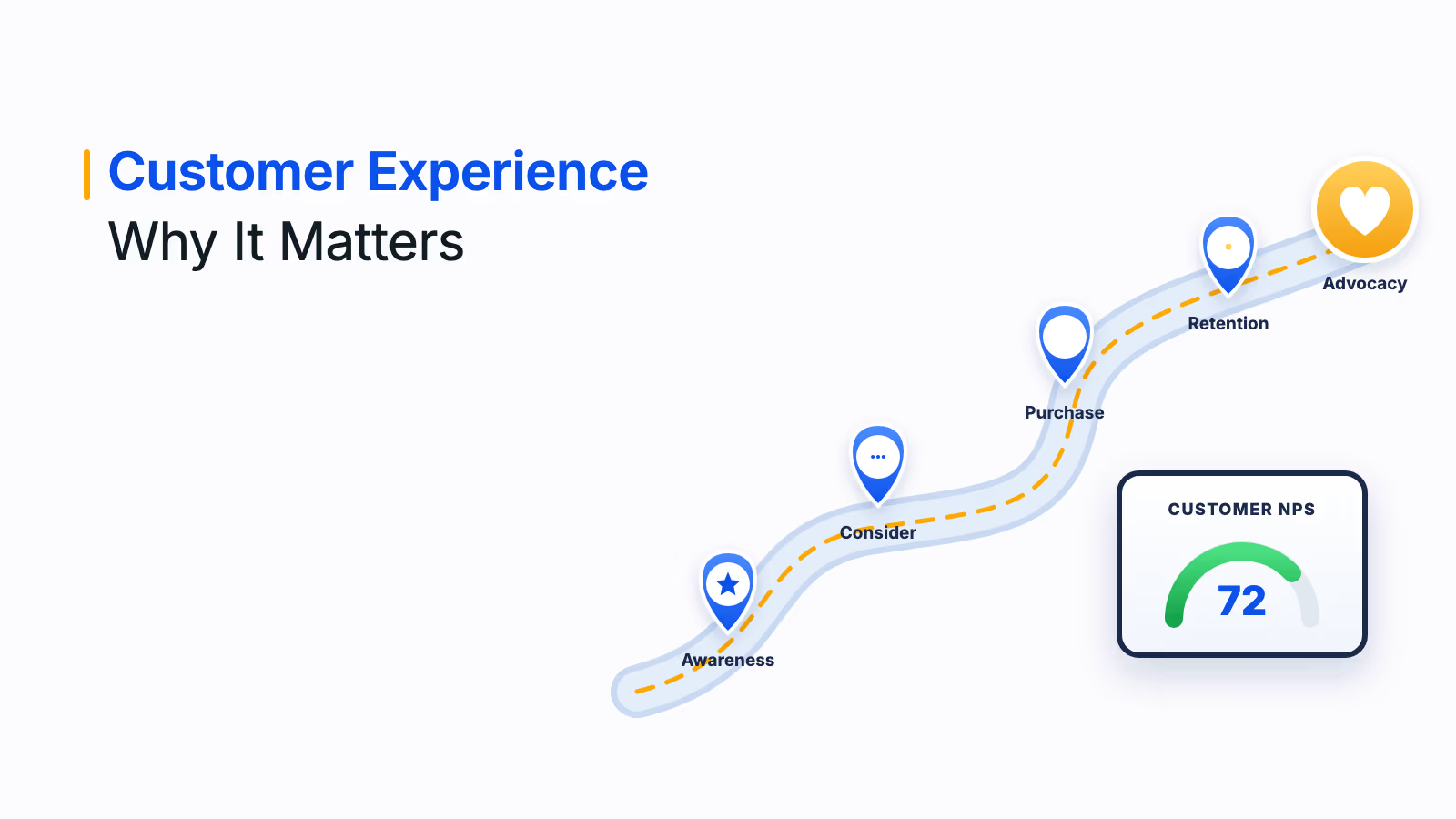
Map where customers interact with you: website visits, purchases, onboarding, support calls, renewals and social media. Each touchpoint is a chance to capture feedback at a different stage of the journey.
3. Select feedback collection methods
Choose the method that fits each touchpoint: short in-app surveys after a key action, email surveys after a purchase, interviews with key accounts, social listening for unprompted comments and review monitoring for public feedback. Pick methods that are convenient for customers and useful for you.
4. Design feedback collection mechanisms
Keep surveys short, clear and relevant to the experience the customer just had. Combine closed questions, such as ratings and scores, with open-ended questions that let customers explain in their own words. Ask only what you will use.
5. Analyze and interpret feedback
Look for patterns, recurring themes, sentiment and specific pain points. Combine survey scores with open-text comments, support tickets and reviews to see the full picture. AI tools now do much of this heavy lifting, as the next section explains.
6. Act on the feedback
Turn insights into changes: refine features, improve support processes, simplify website navigation or update policies. Prioritize by impact and frequency so the biggest issues are fixed first.
7. Monitor and measure results
Track KPIs such as customer satisfaction (CSAT), Net Promoter Score (NPS), customer effort score, retention rate and revenue. Review them regularly to see whether changes worked and where to adjust. A VoC program is never finished; it is an ongoing commitment to listening and improving.
Get more customers to share feedback
Reward survey and interview participants instantly with gift cards, donations and more in 150+ countries.
Talk to our ExpertTrusted by 5,000+ companies
AI text and sentiment analysis in VoC programs
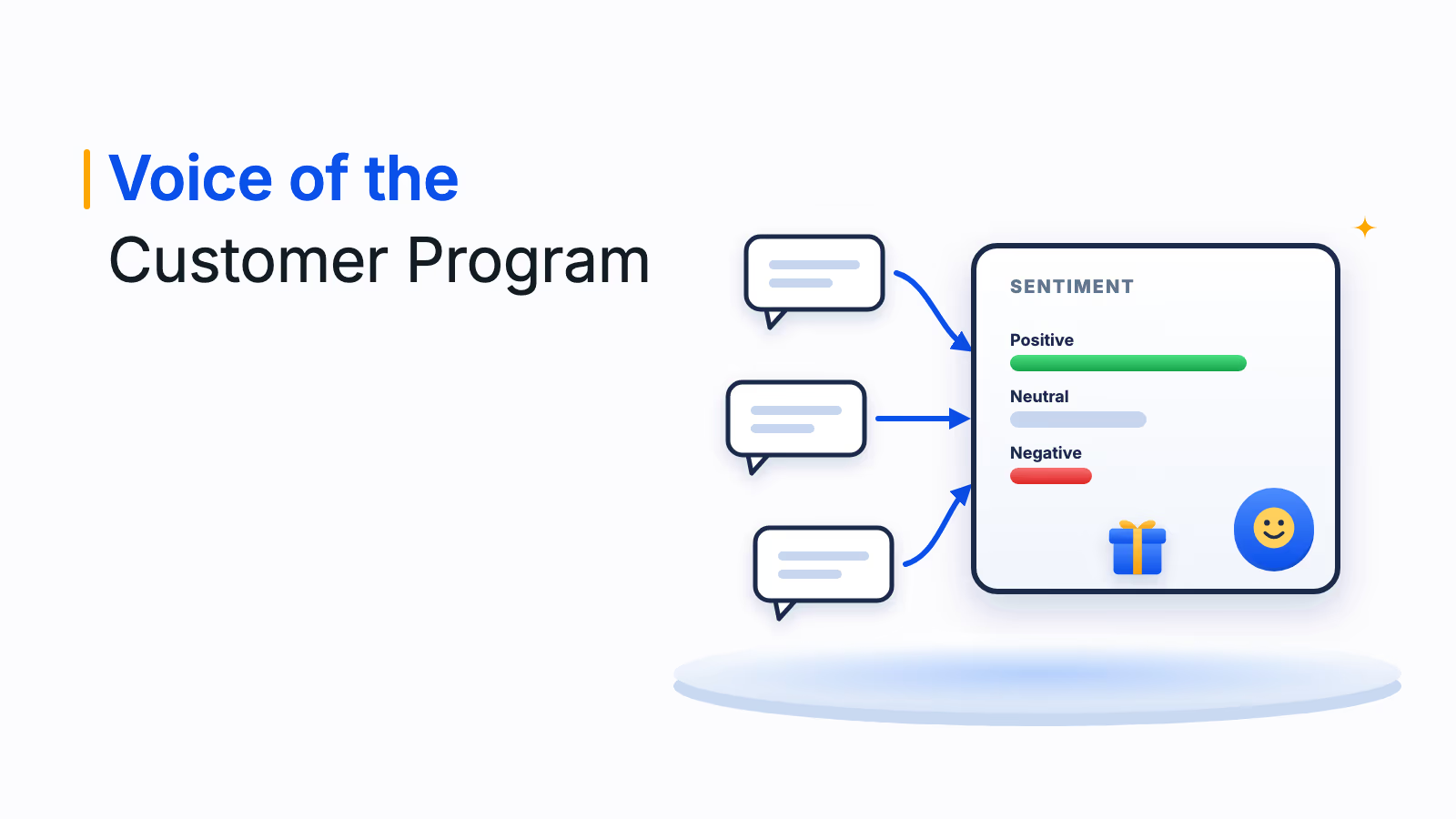
AI text and sentiment analysis reads large volumes of open-ended feedback, groups it into themes and scores the emotion behind each comment. It turns thousands of survey comments, tickets and reviews into a ranked list of issues in minutes instead of weeks.
Modern VoC platforms use natural language processing and large language models to:
- Tag themes automatically, such as pricing, delivery, onboarding or a specific feature.
- Score sentiment as positive, negative or neutral, and spot rising frustration on a topic.
- Summarize feedback for each team, account or product line.
- Answer questions in plain language, such as "Why did satisfaction drop in Germany last month?"
- Flag urgent cases, like a high-value customer threatening to cancel, for immediate follow-up.
The shift is significant. In the Zendesk CX Trends 2026 report, 82% of CX leaders agreed that promptable analytics unlock insights in seconds that once took analysts weeks. Keep a human in the loop, though: review AI-tagged themes regularly, check edge cases and make sure sensitive data is handled in line with your privacy policies.
Closing the feedback loop
Closing the feedback loop means telling customers what you did with their input. It is the step most programs skip, and the one that makes customers willing to give feedback again.
| Loop | Who it involves | What happens |
|---|---|---|
| Inner loop | Frontline teams and individual customers | Follow up with a specific customer about their feedback, fix their issue and confirm it is resolved |
| Outer loop | Product, operations and leadership | Address recurring themes with process or product changes, then announce the change to all customers |
To close the loop well:
- Acknowledge every response with a thank-you, and follow up personally on negative or urgent feedback within a set time.
- Assign owners for each recurring theme, so insights never sit in a dashboard with no one responsible.
- Share what changed through release notes, emails, in-app messages or a "you said, we did" page.
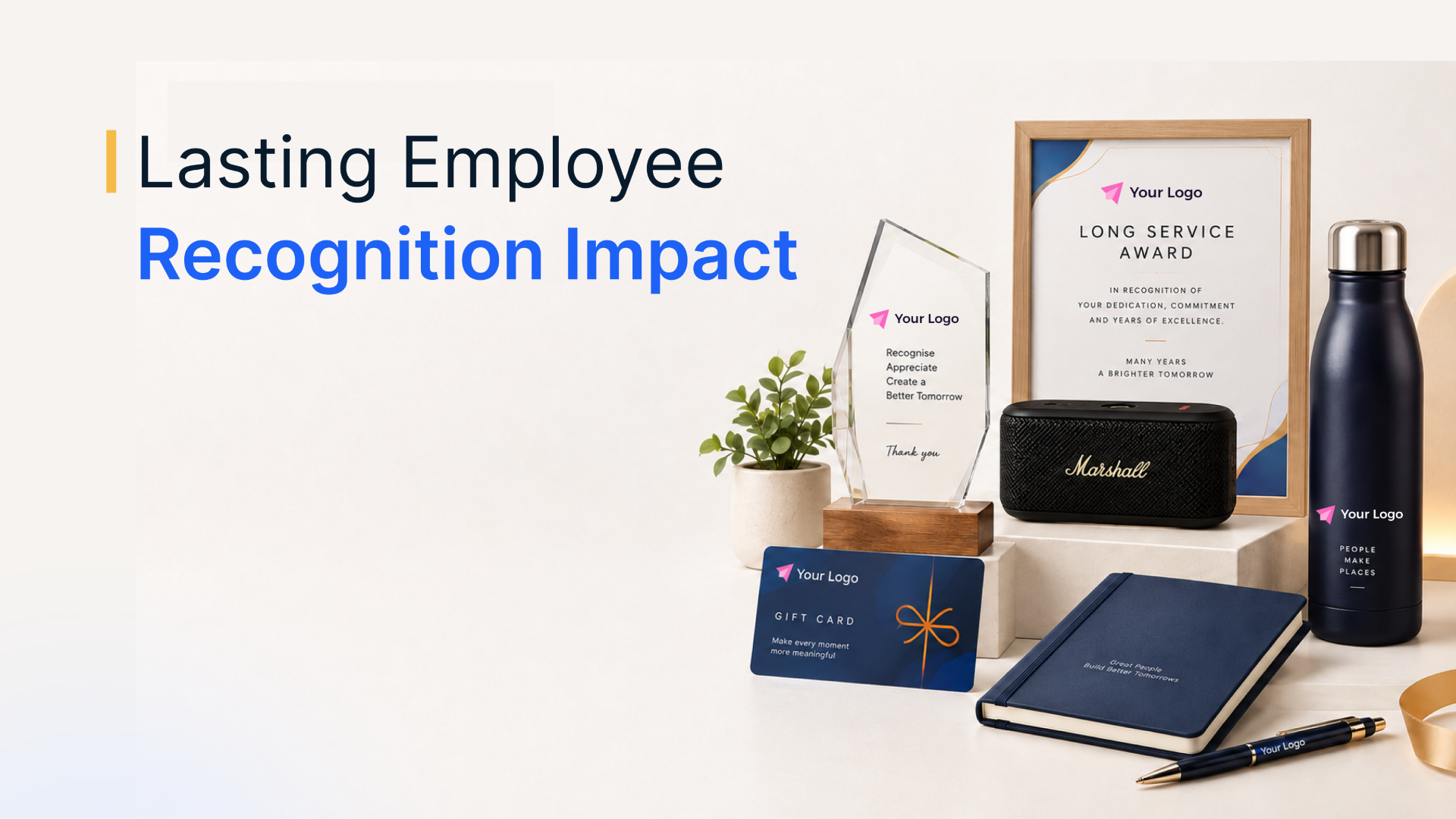
- Thank contributors in a way they value, from a personal note to a small reward.
Voice of customer tools
Voice of customer tools help you collect, analyze and act on feedback at scale. Most programs combine several categories:
| Category | What it does | Example tools |
|---|---|---|
| Survey platforms | Create and send surveys, collect ratings and comments | SurveyMonkey, Typeform, Google Forms |
| Experience management platforms | Collect feedback across channels and analyze it centrally | Qualtrics, Medallia |
| Social listening tools | Monitor brand mentions and sentiment on social media | Sprout Social, Brandwatch, Hootsuite |
| Product and website feedback | Capture in-app and on-site feedback and behavior | Hotjar, UserVoice |
| Text and sentiment analytics | Tag themes and score sentiment in open-text feedback | Thematic, built-in AI in experience platforms |
| CRM systems | Link feedback to customer records and history | Salesforce, HubSpot, Zoho CRM |
| Reporting and BI | Build dashboards and share insights | Tableau, Power BI, Looker Studio |
| Feedback incentives | Reward customers for completing surveys and interviews | Xoxoday Plum |
Choose tools that integrate with your existing systems, fit your size and budget, and make it easy for every team to see the insights relevant to them.
Incentives for customer feedback
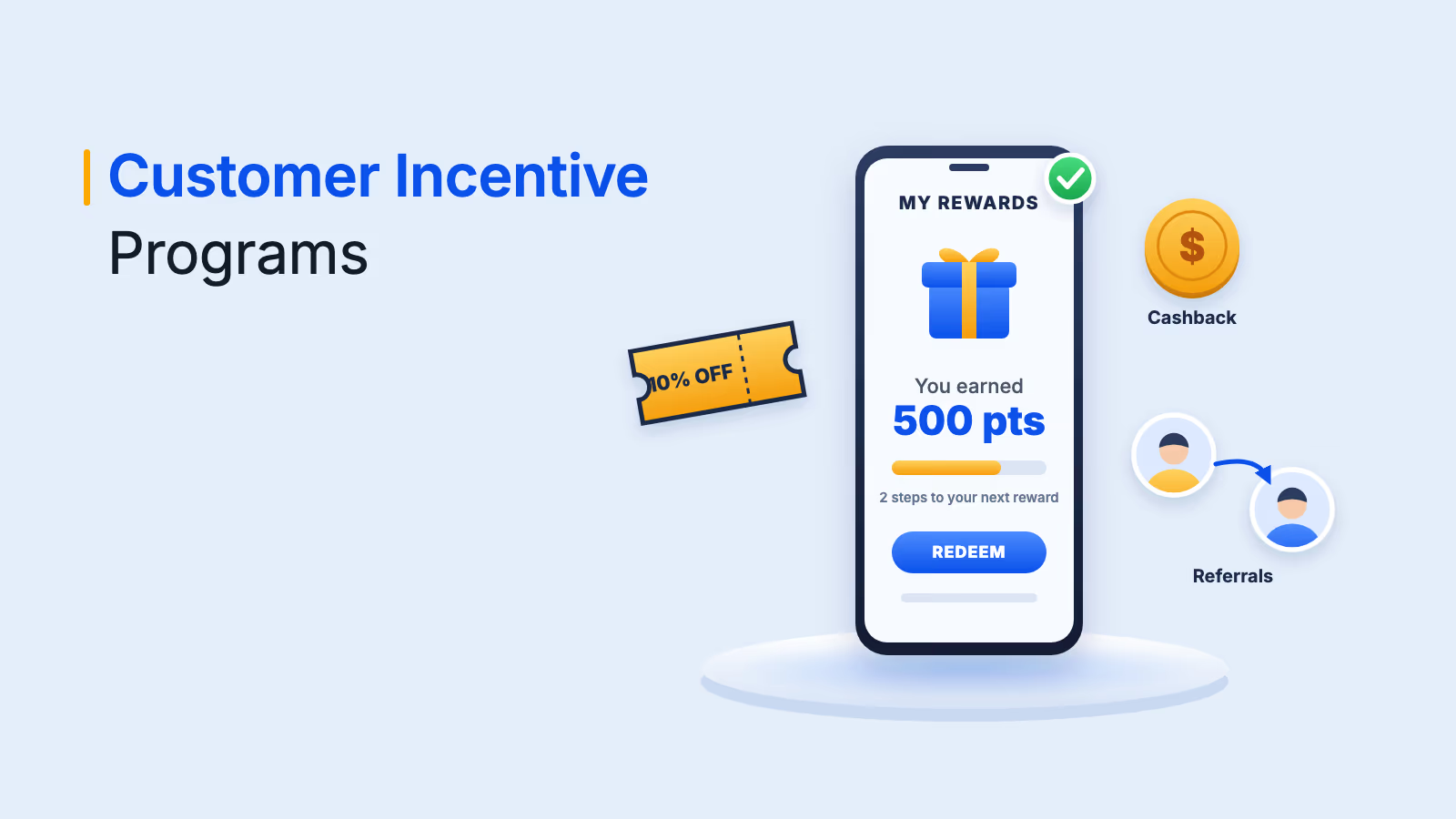
Incentives for customer feedback raise response rates by showing customers you value their time. They work best when the reward is modest, relevant, delivered instantly and never tied to giving a positive answer.
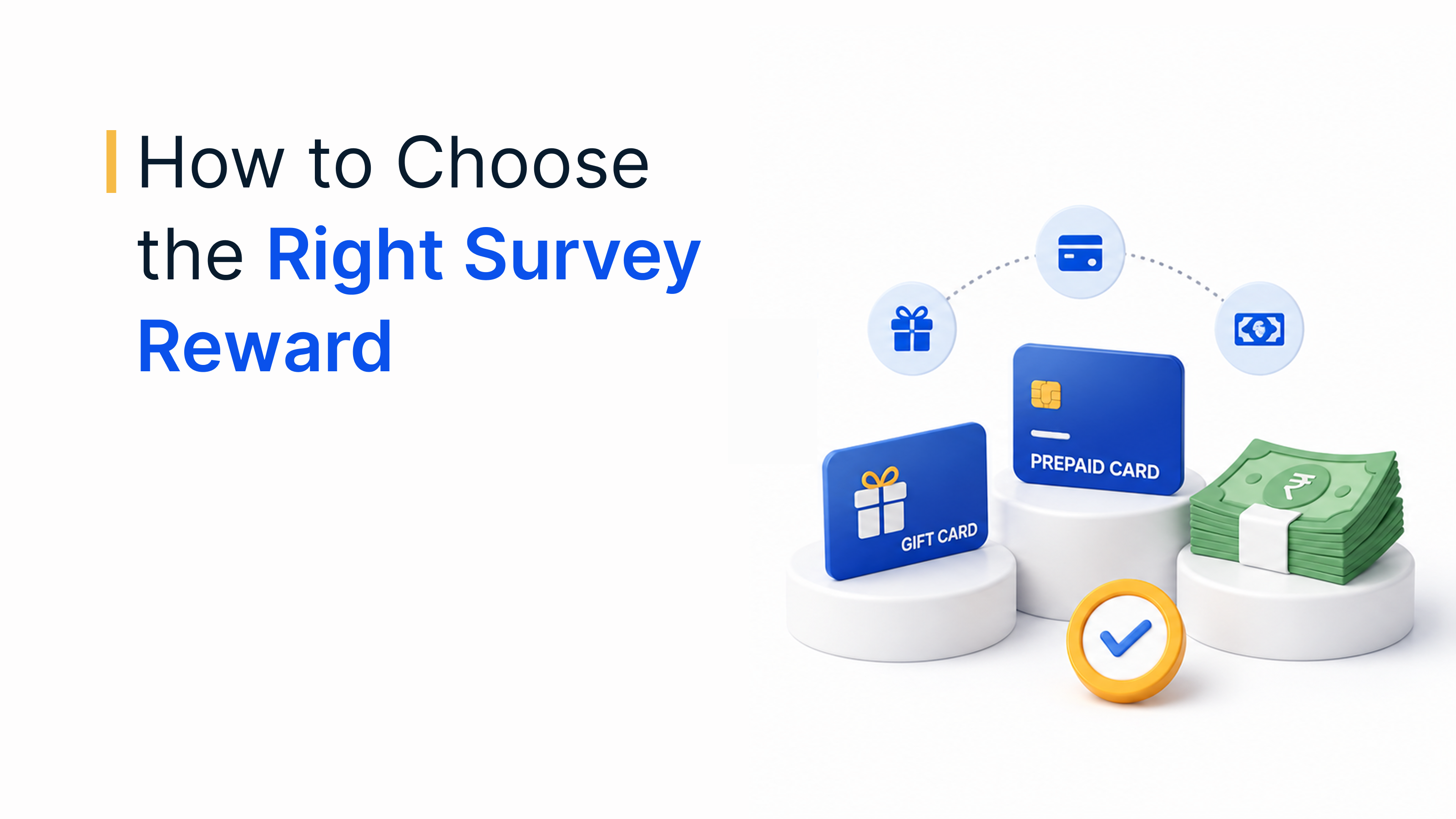
Good reward options include:
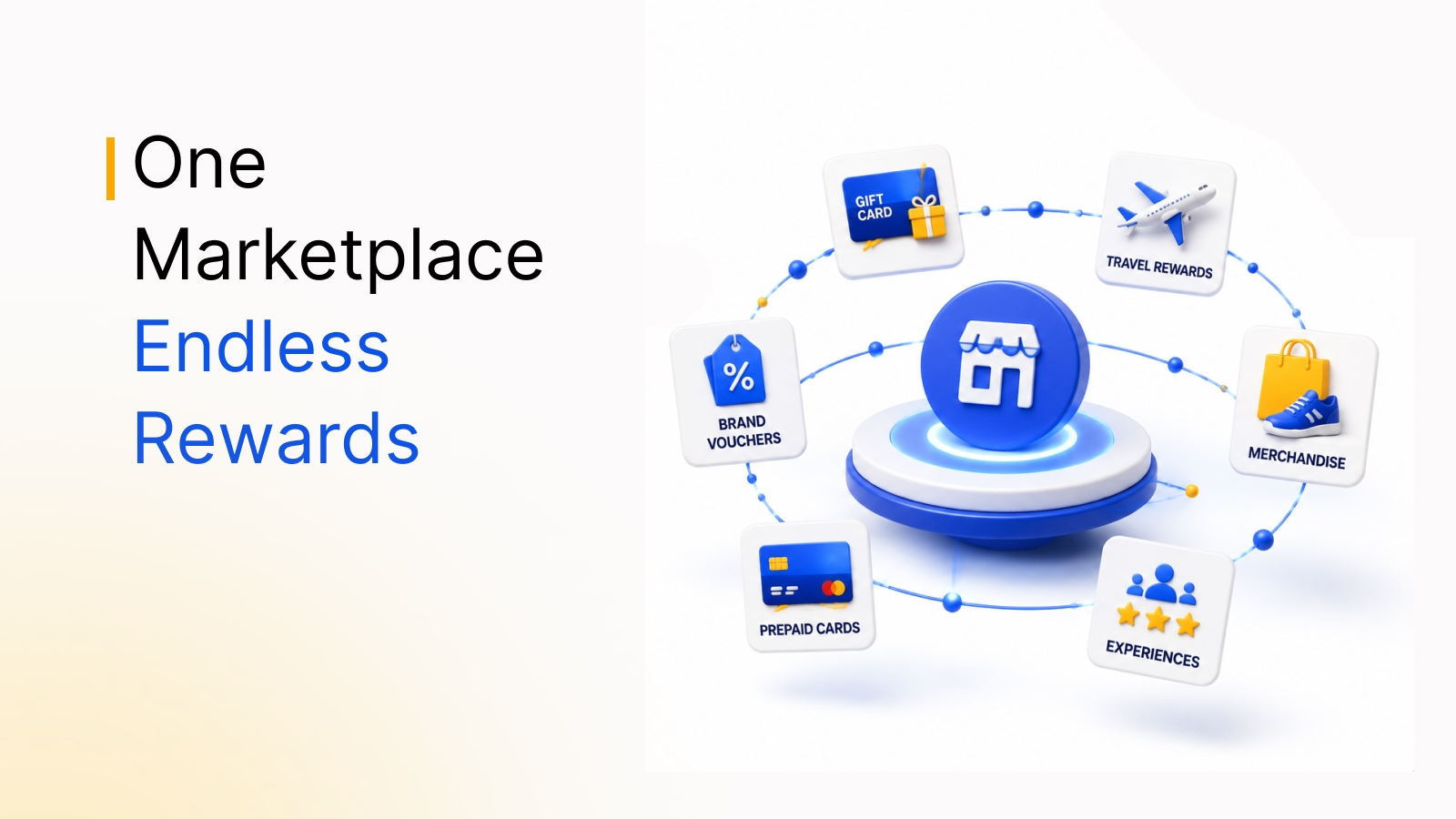
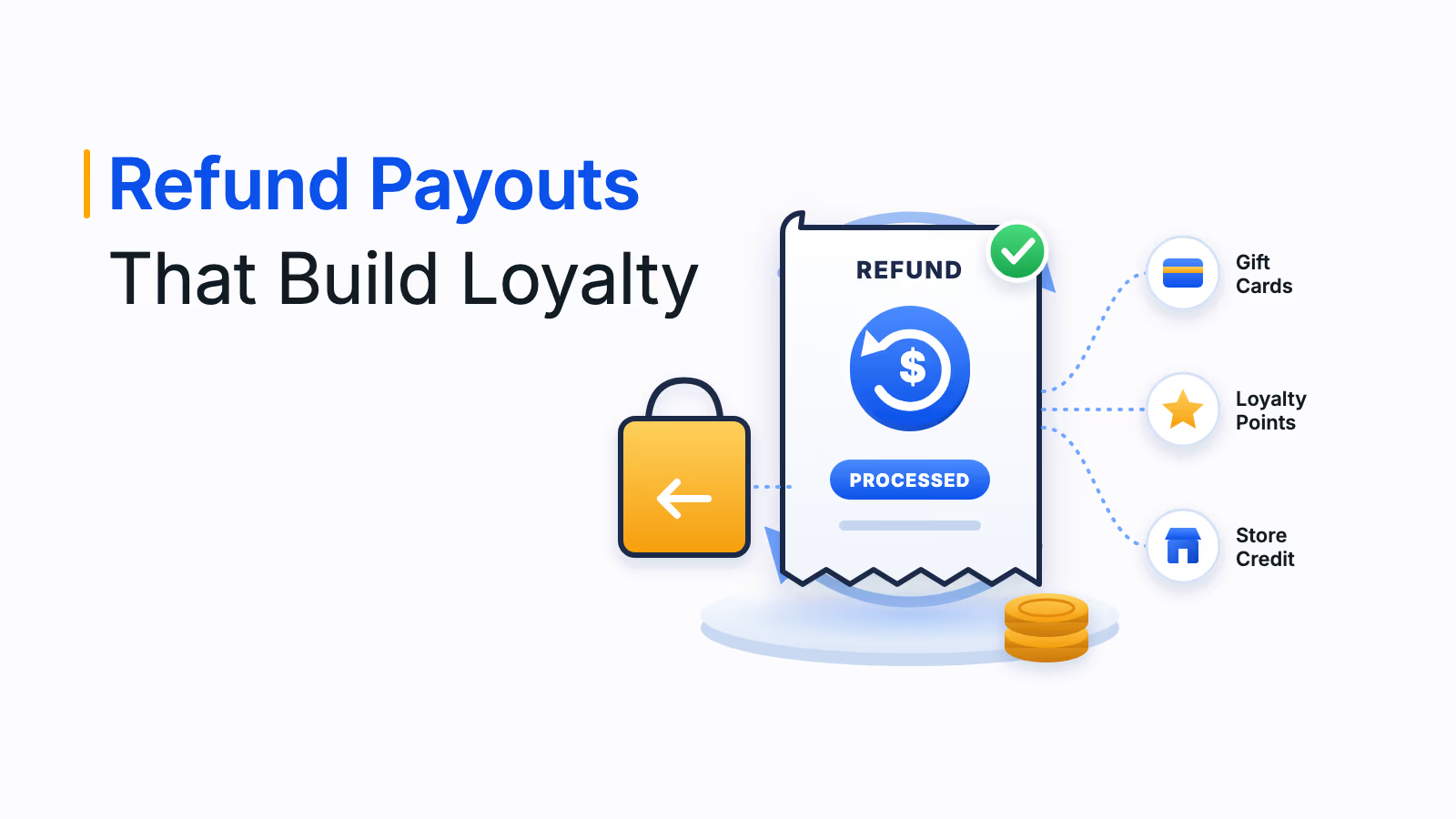
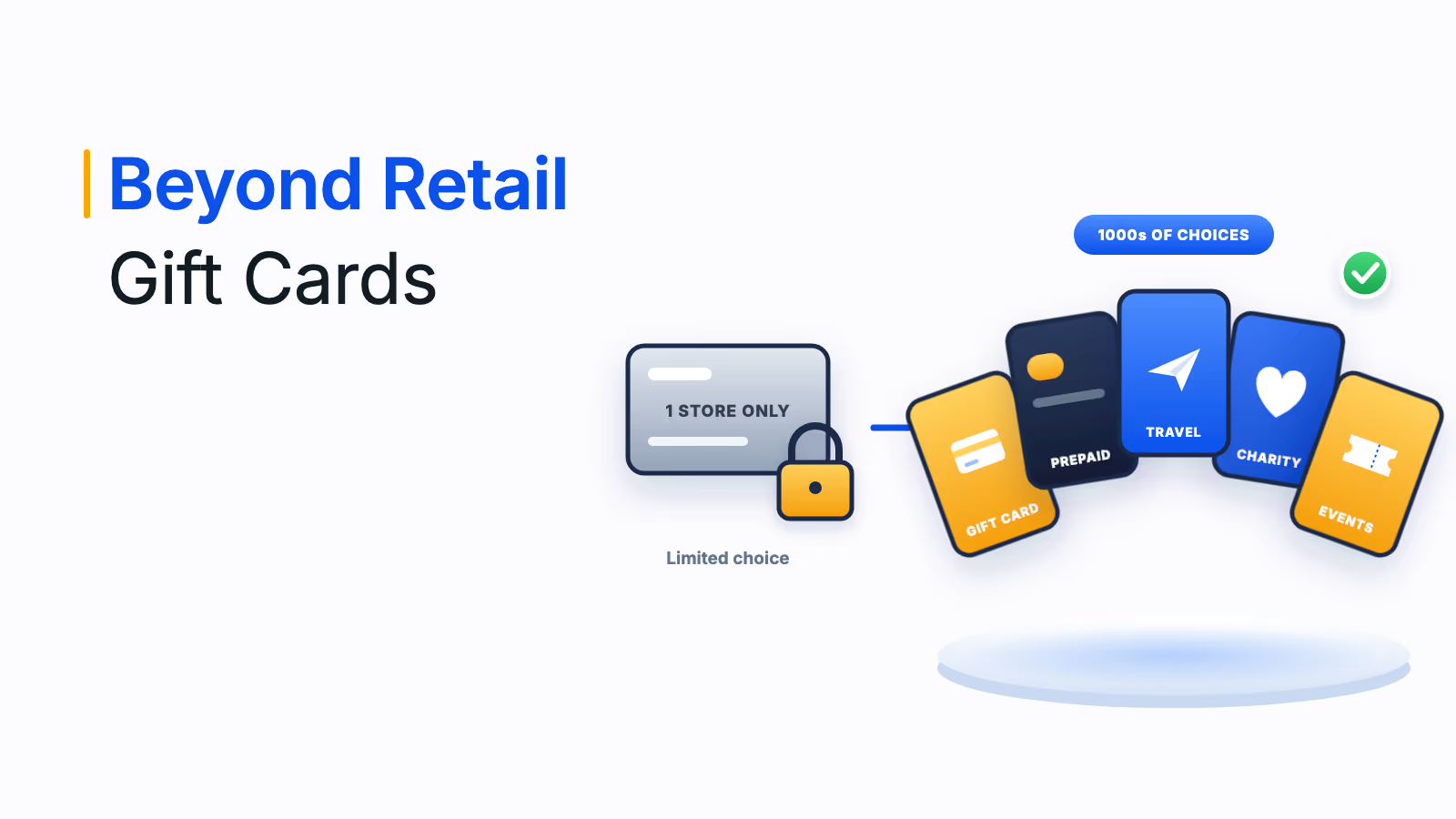
- Digital gift cards: Flexible, fast and popular across demographics, from the Plum gift card catalog.
- Loyalty points: Tie feedback to your loyalty program to encourage repeat participation.
- Early access: Let participants try new features or products before launch.
- Cashback or vouchers: A good fit for transactional and e-commerce surveys.
- Charity donations: Let customers donate their reward to a cause they care about.
- Experiences: Movie tickets, dining or events for longer interviews and research panels.
Follow these incentivized feedback best practices:
- Never condition the reward on sentiment: Reward completion, not positive answers, or the data becomes useless.
- Match the reward to the effort: A two-minute survey needs a small thank-you; a one-hour interview deserves more.
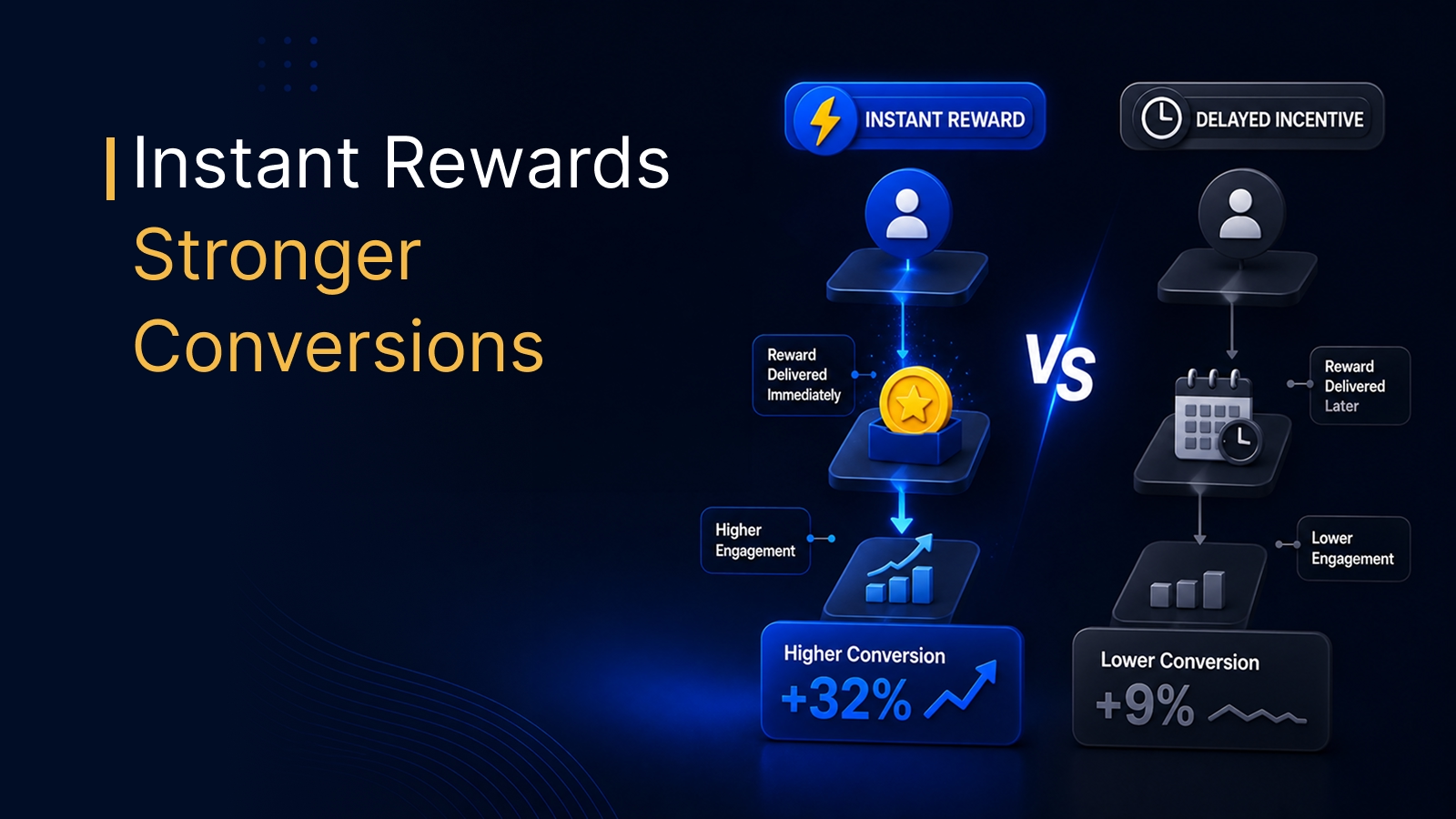
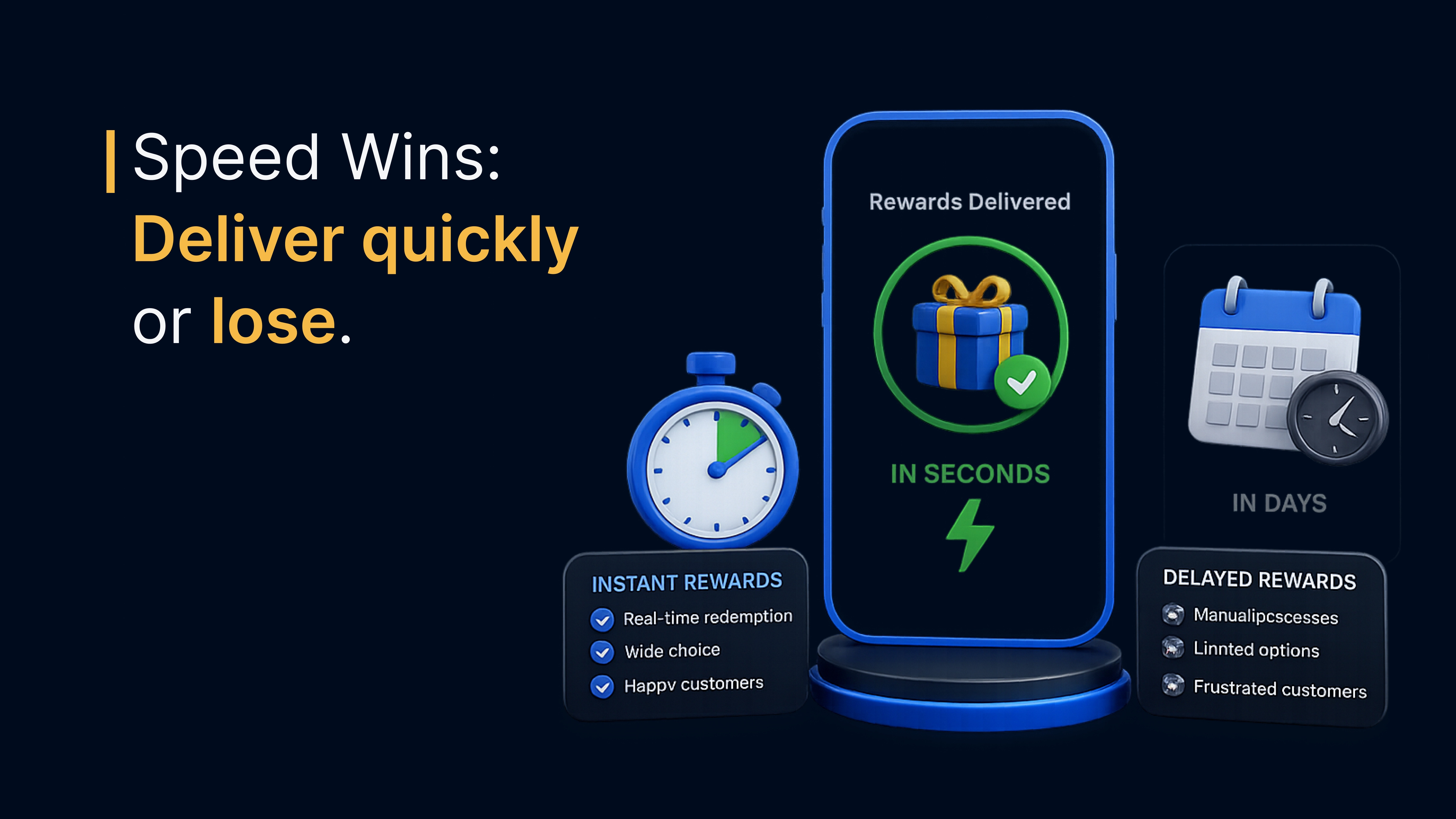
- Deliver instantly: A reward that arrives right after completion builds trust and encourages future participation.
- Offer choice so customers in different countries and segments get something they actually want.
- Disclose the incentive in public reviews or testimonials that result from it, and follow each platform's rules.
- Watch for fraud such as duplicate or rushed responses, especially in open online surveys.
For more ideas, read our guide to survey incentive ideas that boost participation. Plum's survey rewards automate incentive delivery in 150+ countries, so respondents receive their reward the moment they finish.
Best practices for a successful VoC program
The most successful VoC programs are tied to business goals, act quickly and involve the whole company.
- Align with business goals: Link feedback to KPIs such as satisfaction, retention and revenue to show value and win support from leadership.
- Listen across the journey: Collect feedback before purchase, after purchase, during support and at renewal for a complete view.
- Mix numbers and words: Scores show what is happening; comments explain why.
- Prioritize and act fast: Rank issues by severity, impact and frequency, then fix the top ones first.
- Empower employees: Train frontline staff to act on feedback and build a culture where listening to customers is everyone's job.
- Report on impact: Track changes in NPS, CSAT, churn and revenue so the program keeps earning investment.
To understand what customers expect from you in the first place, see our guide to customer service expectations.
Conclusion
A voice of customer program turns customer feedback into action. Define clear objectives, listen across every touchpoint, use AI to find themes faster, close the loop with customers and measure the results. Above all, show customers that speaking up leads to change.
Incentives make it easier to hear from more customers. With Xoxoday Plum, you can thank respondents instantly with rewards from a catalog of 10M+ options across 150+ countries. Book a demo to power your customer feedback program with meaningful incentives.
Book your Plum demo
Frequently asked questions
A voice of the customer program is an ongoing system for collecting customer feedback from many sources, such as surveys, reviews, support tickets and social media, analyzing it for patterns and turning the insights into product, service and experience improvements.
The main VoC program steps are to define objectives, identify customer touchpoints, select feedback collection methods, design surveys and forms, analyze and interpret the feedback, act on it and monitor results with KPIs such as CSAT, NPS and retention. Closing the loop with customers runs through all of them.
Common voice of customer tools include survey platforms such as SurveyMonkey and Typeform, experience management platforms such as Qualtrics and Medallia, social listening tools such as Sprout Social and Brandwatch, text analytics tools, CRM systems such as Salesforce and HubSpot, BI dashboards and reward platforms for feedback incentives.
AI uses natural language processing to tag themes, score sentiment, summarize comments and flag urgent cases across large volumes of open-text feedback. It lets teams see the biggest issues in minutes and ask questions of the data in plain language, though people should still review results and handle edge cases.
Yes, modest incentives raise response rates and show respect for customers' time. Reward completion rather than positive answers, match the reward to the effort, deliver it instantly and offer choice. If feedback becomes a public review, disclose the incentive and follow the review platform's rules.
Track response rates, customer satisfaction (CSAT), Net Promoter Score (NPS), customer effort score, retention or churn and revenue from key segments. Also measure how many feedback themes led to changes and how quickly you closed the loop with customers.