Key Takeaways
Common sales funnel bottlenecks include admin overload, too many steps, complex pricing, disconnected tools, slow approvals and weak post-sale follow-up.
Fix sales bottlenecks in five steps: document the process, review it, ask reps, ask customers and test a corrective plan.
Track one or two metrics per funnel stage, and use AI-assisted forecasting as an early warning for stalled deals.
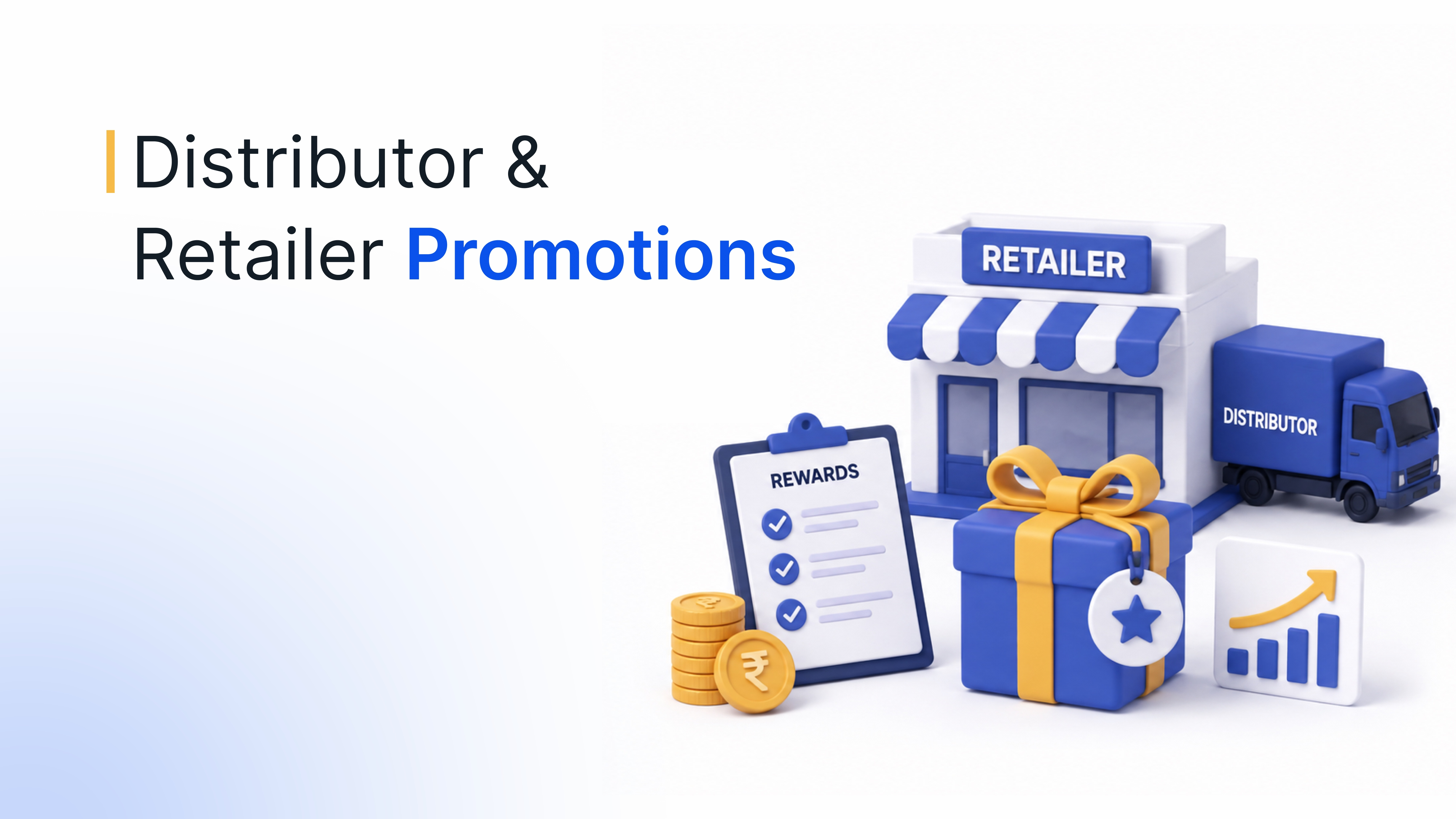
Map each reward to one action at one stage, from webinar sign-ups and demo attendance to repeat orders and referrals.
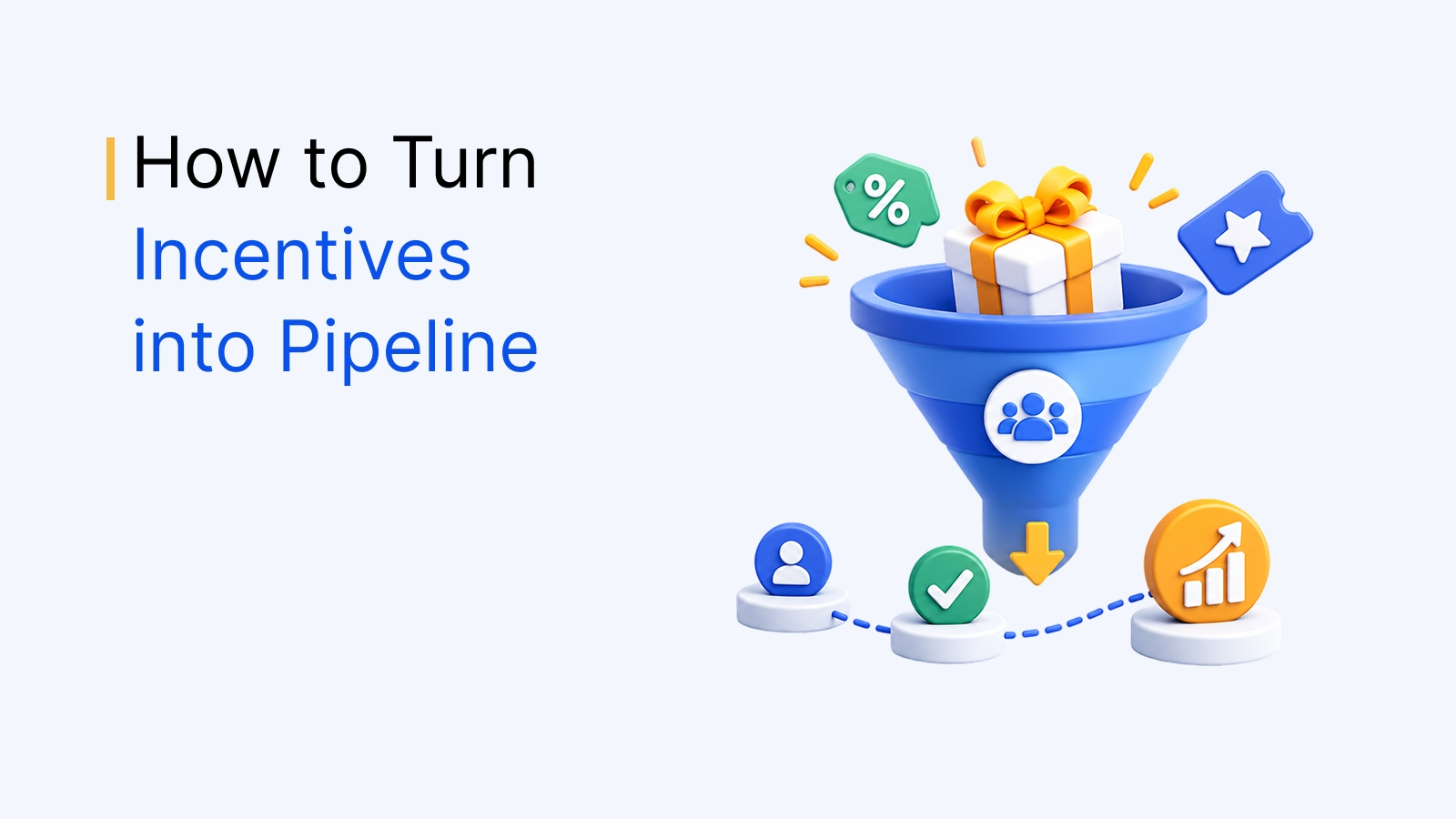
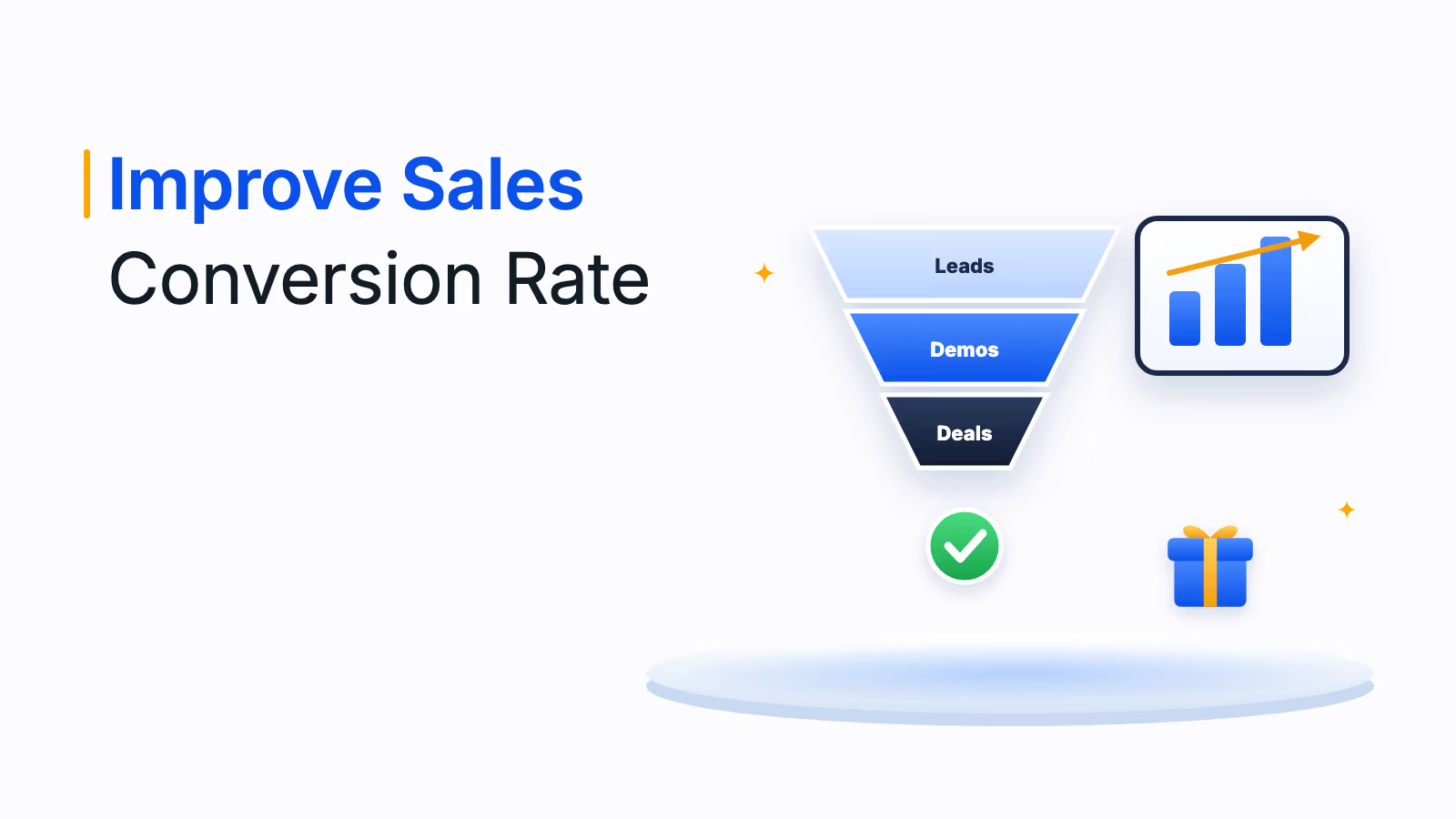
Most sales teams pour their energy into winning new customers and pay far less attention to where deals get stuck. Good sales funnel optimization strategies do both: they find the bottlenecks slowing deals down, stop new ones from forming and keep existing customers moving toward repeat purchases and referrals.
This guide explains the most common sales funnel bottlenecks, a five-step method to fix sales bottlenecks, the metrics to watch at each stage and how to map rewards to every stage of the funnel.
The stakes are rising because buying has become more complex. In Forrester's State of Business Buying 2024, 89% of B2B purchases involved two or more departments, and more than 80% of buyers said they were dissatisfied with the provider they chose. A funnel that ignores friction and the post-sale experience leaks revenue at both ends.
What is sales funnel optimization?
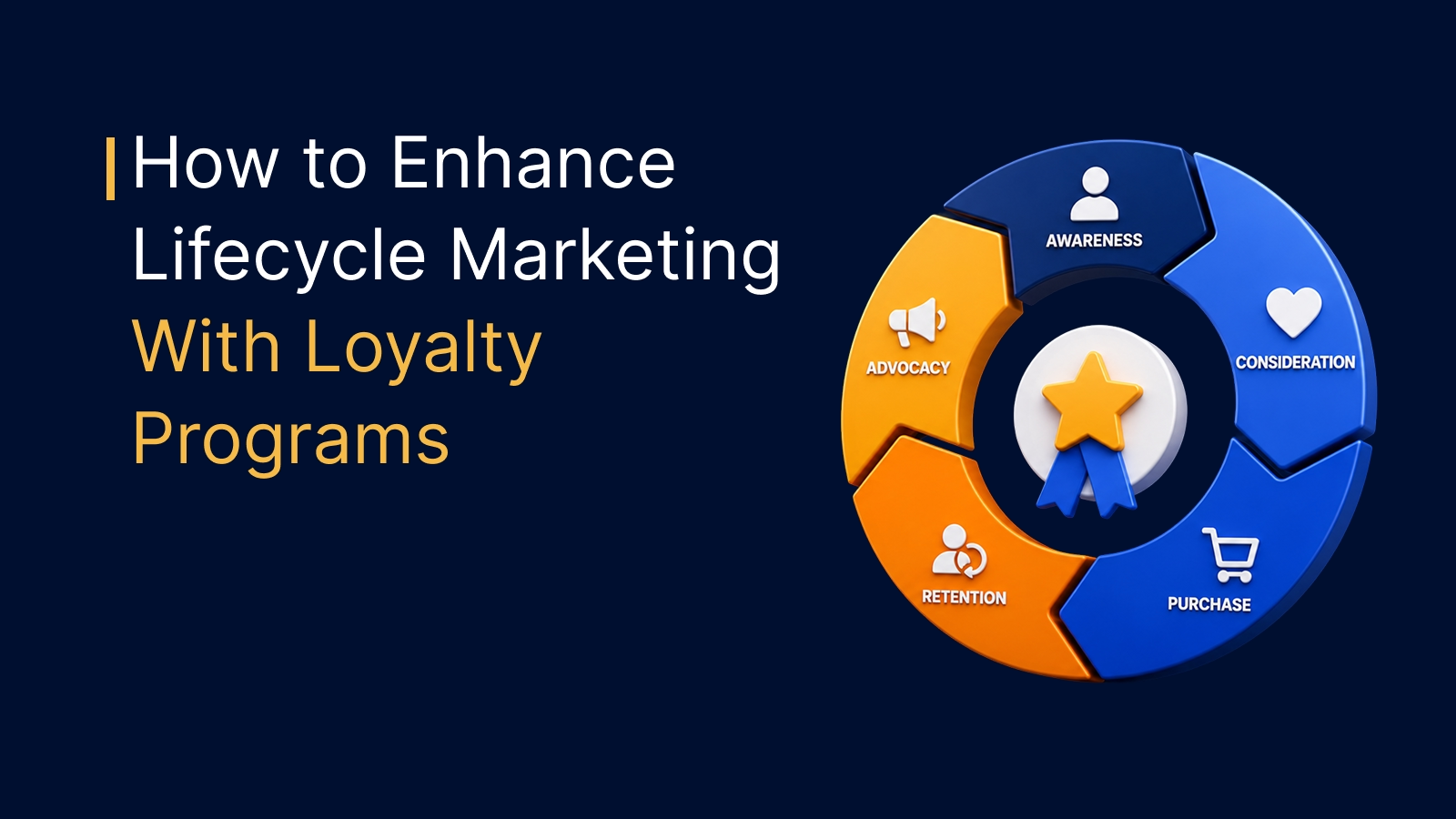
Sales funnel optimization is the ongoing process of measuring how prospects move from awareness to purchase and beyond, finding the stages where they slow down or drop out, and fixing those stages so more of them convert. It covers process, people, technology and the incentives you offer along the way.
Common sales funnel bottlenecks
A sales bottleneck is any point where deals pile up faster than they move forward. These six sales funnel bottlenecks show up in most organizations.
1. Reps spend too much time on non-revenue tasks
Manual data entry, duplicate reporting and admin work pull salespeople away from selling. Automate what you can, reassign the rest and rethink your sales enablement approach so reps spend more time with buyers.
2. Overcomplicated sales processes
Too many steps, hand-offs or approvals make buying harder than it needs to be. Review the workflow, remove steps that add no value and give reps more authority to move deals forward on their own.
3. Complex pricing structures
When pricing is hard to explain, quotes take longer and buyers get frustrated. Simpler packaging lets reps send proposals quickly and helps customers decide faster.
4. Poor use of technology
Disconnected tools create double entry and lost context. A streamlined stack, where the CRM, marketing automation and reward tools share data, improves productivity and the customer experience.
5. Approval delays
Even fast-moving reps stall when legal, finance or other teams take days to approve a deal. Set clear service levels, align incentives across departments and remove approval steps for smaller deals.
6. Weak post-sale communication
A closed deal is not the end of the funnel. Without follow-up, you miss chances to upsell, cross-sell and earn referrals. Thank-you messages, feedback surveys and regular check-ins keep the relationship growing.
How to fix sales bottlenecks in 5 steps
To fix sales bottlenecks, map the real process, find where deals stall, ask reps and customers why, then test a fix and measure the result. Here is the step-by-step version.
- Document your current sales process: Even if you never designed one formally, a process exists. Write down every step a buyer takes. If you're unsure, ask a rep to role-play the buying journey with you.
- Review it stage by stage: Laid out in order, obvious issues often stand out: duplicate steps, long waits or unclear ownership.
- Ask your sales reps: Reps work the process daily. Ask where prospects go quiet and note when several reps name the same problem.
- Ask customers, including those who didn't buy: Find out what slowed them down and what made them buy or walk away.
- Build and test a corrective plan: Some fixes are simple; others need experiments. Change one thing at a time and review results after every few deals.
Funnel metrics to track at each stage
You can't optimize sales funnel stages you don't measure. Track one or two core metrics per stage and watch the trend, not just the snapshot.
| Funnel stage | Key metrics | Warning sign |
|---|---|---|
| Awareness | Traffic, reach, cost per visitor | Traffic grows but leads don't |
| Interest and lead capture | Visitor-to-lead rate, cost per lead | High form abandonment |
| Qualification | Lead-to-MQL and MQL-to-SQL rates, speed to lead | Leads wait days for first contact |
| Evaluation | Meetings booked, demo show rate, stage velocity | Meetings booked but not held |
| Decision | Win rate, sales cycle length, average deal size | Deals stall in legal or approval |
| Retention and advocacy | Repeat purchase rate, churn, referrals per customer | Few repeat orders or referrals |
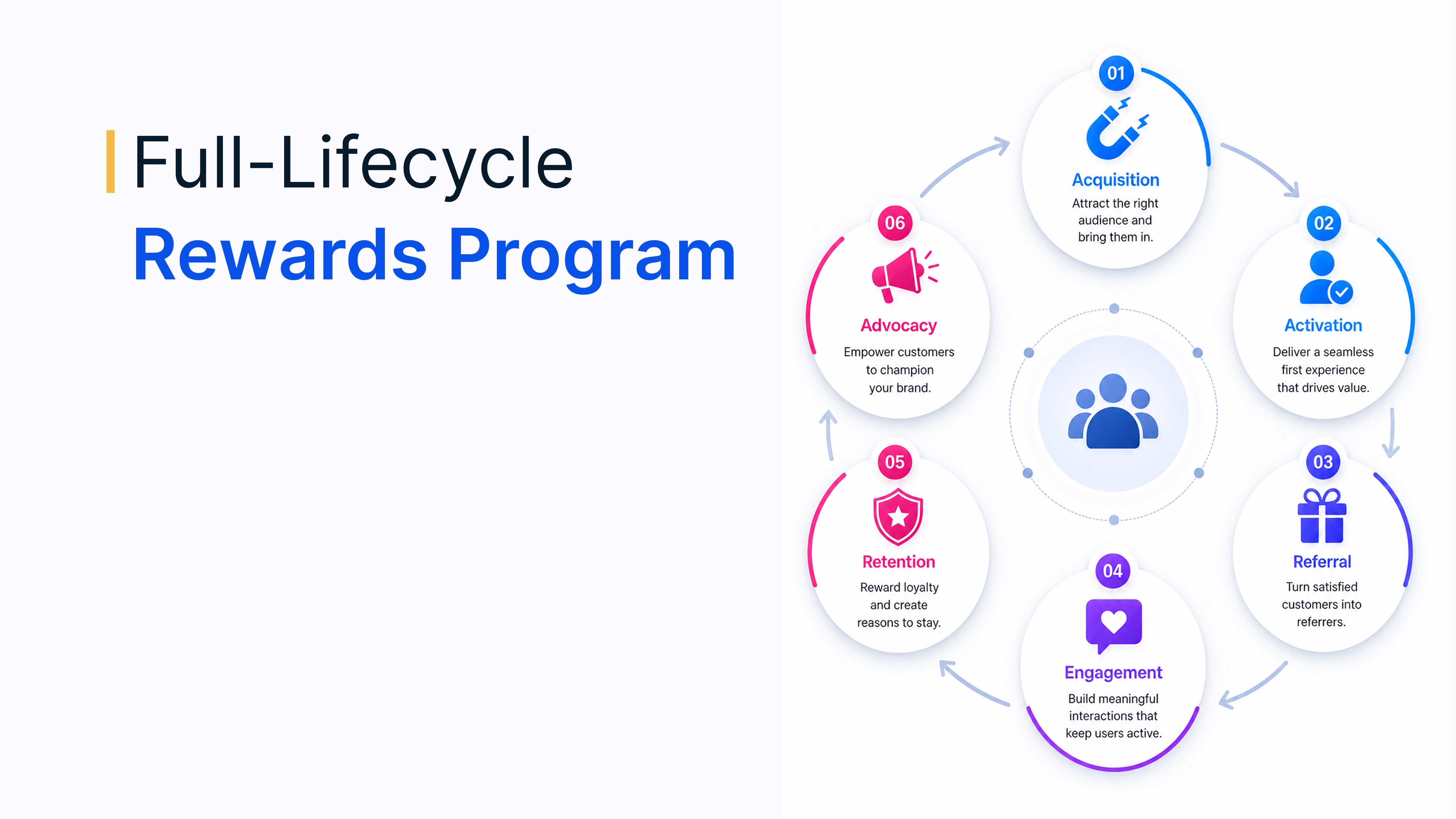
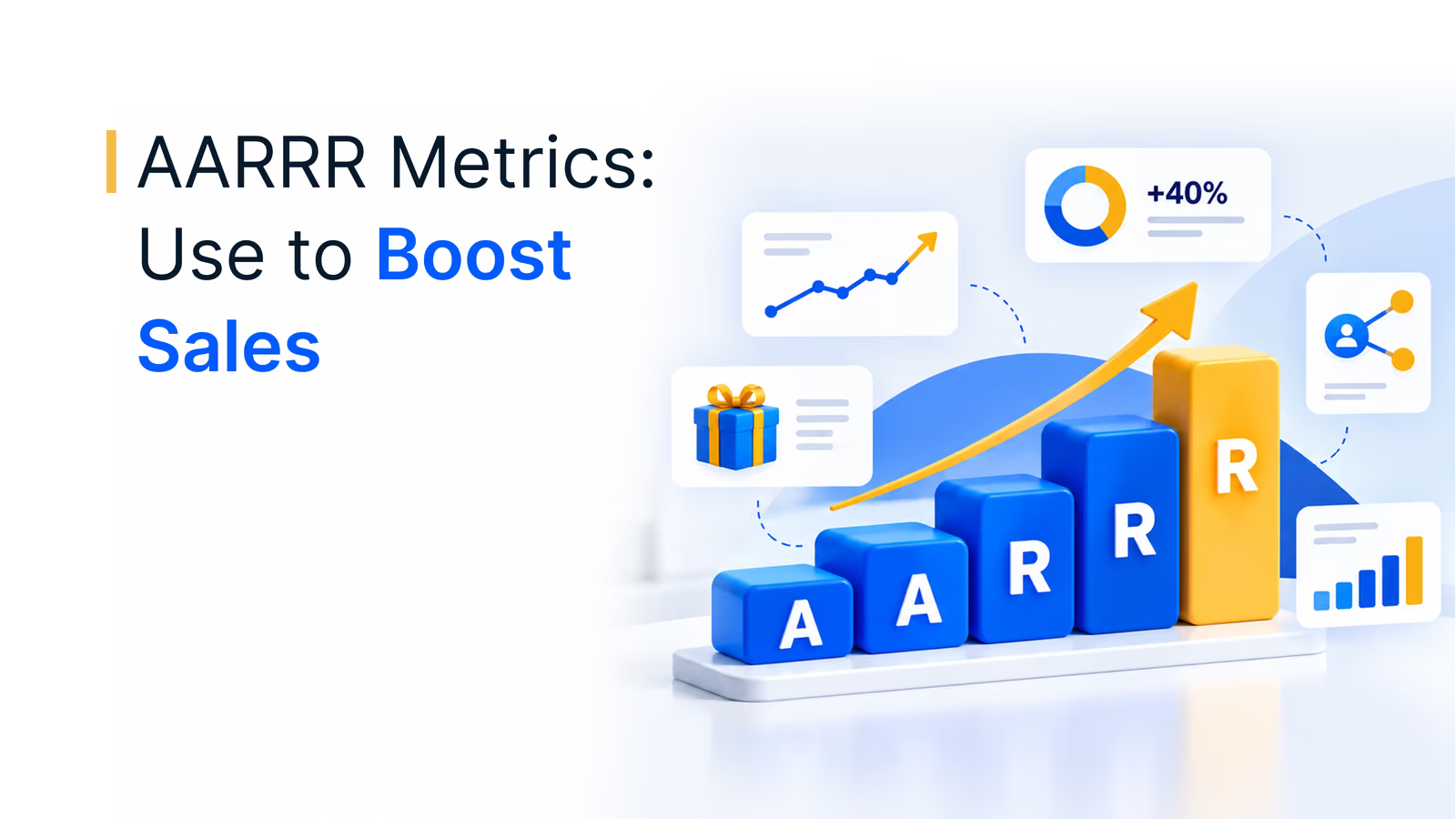
If you use the AARRR model, these map neatly to acquisition, activation, revenue, retention and referral. This guide to AARRR metrics goes deeper on each one.
Use AI-assisted forecasting to spot bottlenecks early
AI-assisted forecasting tools analyze CRM history, deal activity and engagement signals to predict which deals are likely to close and which are slipping. Used well, they flag a bottleneck while it is forming, for example deals sitting too long in one stage, rather than at the end of the quarter. Treat the forecast as an early-warning system and check it against what reps see on the ground. Clean, consistent CRM data matters more than the model itself.
Put rewards at every funnel stage
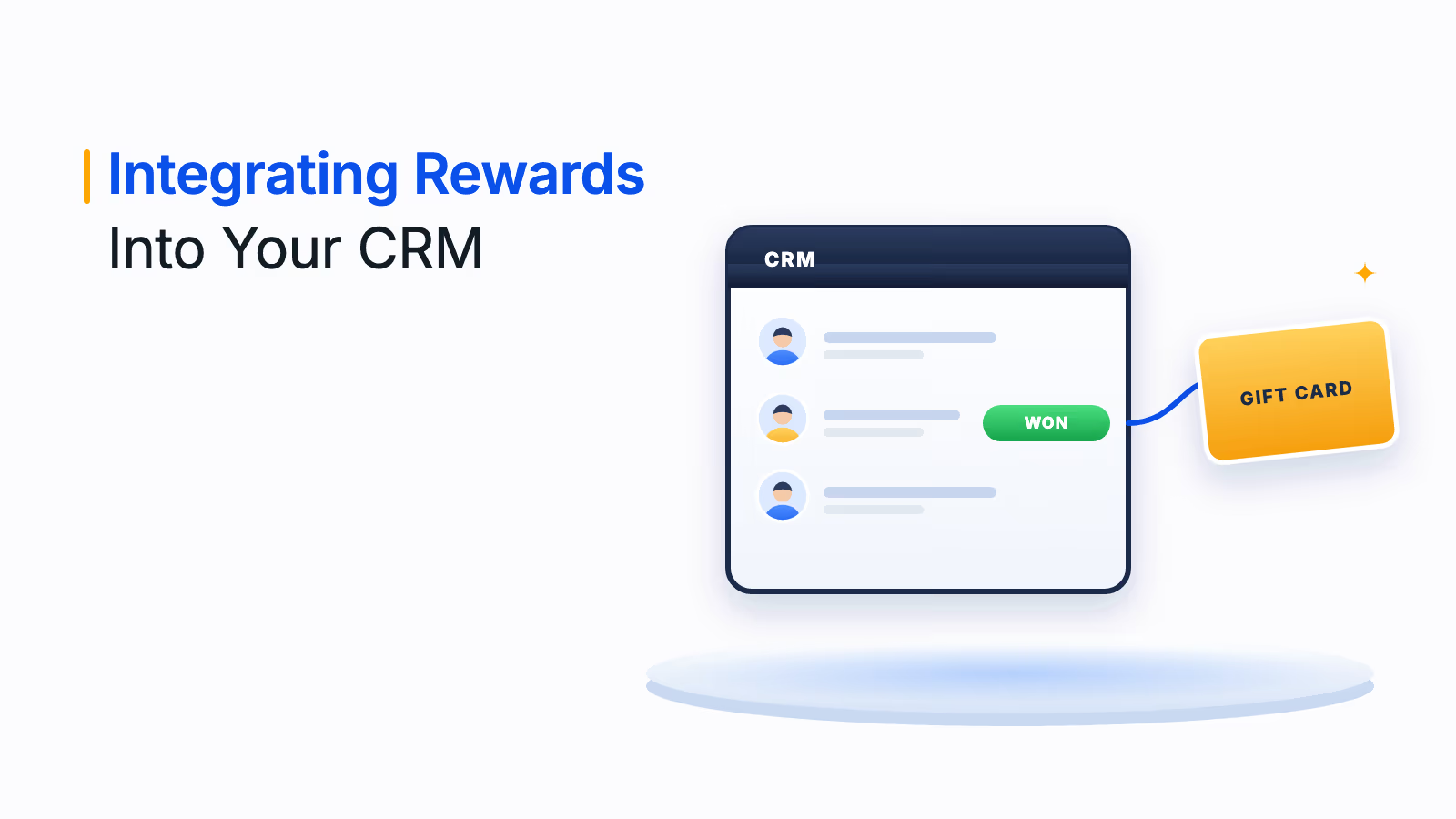
Trigger gift cards, points and experiences from your CRM when prospects and customers take the next step.
Talk to our ExpertTrusted by 5,000+ companies
How to prevent sales funnel bottlenecks
Prevention is cheaper than repair. These habits stop most bottlenecks before they start:
- Design your sales process and funnel on purpose instead of letting them grow by accident.
- Prequalify leads so only genuinely interested prospects enter the funnel.
- Clean your lists regularly and remove inactive leads that are unlikely to convert.
- Remove redundant steps wherever you can.
- Give your team the right systems and thorough training.
- Use technology to organize leads, keep communication moving and follow up after the sale.
- Investigate problems as soon as they appear instead of hoping they resolve themselves.
The psychology of rewards in funnel strategy
Small wins build momentum. When a customer completes a simple action, such as signing up or downloading a resource, the sense of progress makes the next, bigger step feel easier.
Breaking the journey into manageable actions reduces overwhelm and builds confidence. When customers feel in control, they are more willing to commit to larger decisions over time. Consistent value, whether personalized content, timely rewards or recognition, keeps that momentum going, and interactive formats such as quizzes, polls and challenges add a sense of achievement. Over time, these micro-conversions compound into loyal, repeat customers.
Mapping rewards in the sales funnel stage by stage
Rewards in the sales funnel work best when each one is tied to a specific action at a specific stage. The same budget goes further when it removes the friction that matters most at that point.
| Funnel stage | Reward idea | Action it encourages |
|---|---|---|
| Awareness and interest | Small gift card for a survey or webinar sign-up | First engagement and lead capture |
| Evaluation | Voucher for attending a demo or meeting | Higher demo show rate |
| Decision | Welcome gift or first-order bonus | Completing the first purchase |
| Retention | Loyalty points or perks for repeat orders | Repeat purchases |
| Advocacy | Two-sided referral reward or early access | Referrals and reviews |
1. Use rewards to win new customers
Acquiring customers is expensive, so it pays to use incentives that make a first purchase easy. Common options include:
- A discount for first-time customers
- Free shipping on the first order
- A free gift with the first purchase
Sephora's Beauty Insider program is a well-known example: new members can join for free and start earning points and perks from their first purchase, which gives shoppers a reason to buy now rather than later.
2. Use loyalty rewards to encourage repeat business
Loyalty is not fixed. With so many brands competing for attention, customers can easily drift to a newer or cheaper option. Loyalty rewards give them a reason to come back beyond your next product launch.
- A free item after a set number of purchases
- Exclusive deals for customers who spend more
- Discounts on future orders as a thank-you for repeat purchases
For more ideas, see these customer retention strategies.
3. Use referral rewards to convert prospects
A recommendation from a friend makes a prospect far easier to convert. Referral rewards can take many forms:
- Cashback for the referrer
- Bonus reward points for the person who recommends you
- Free gifts for customers who refer friends
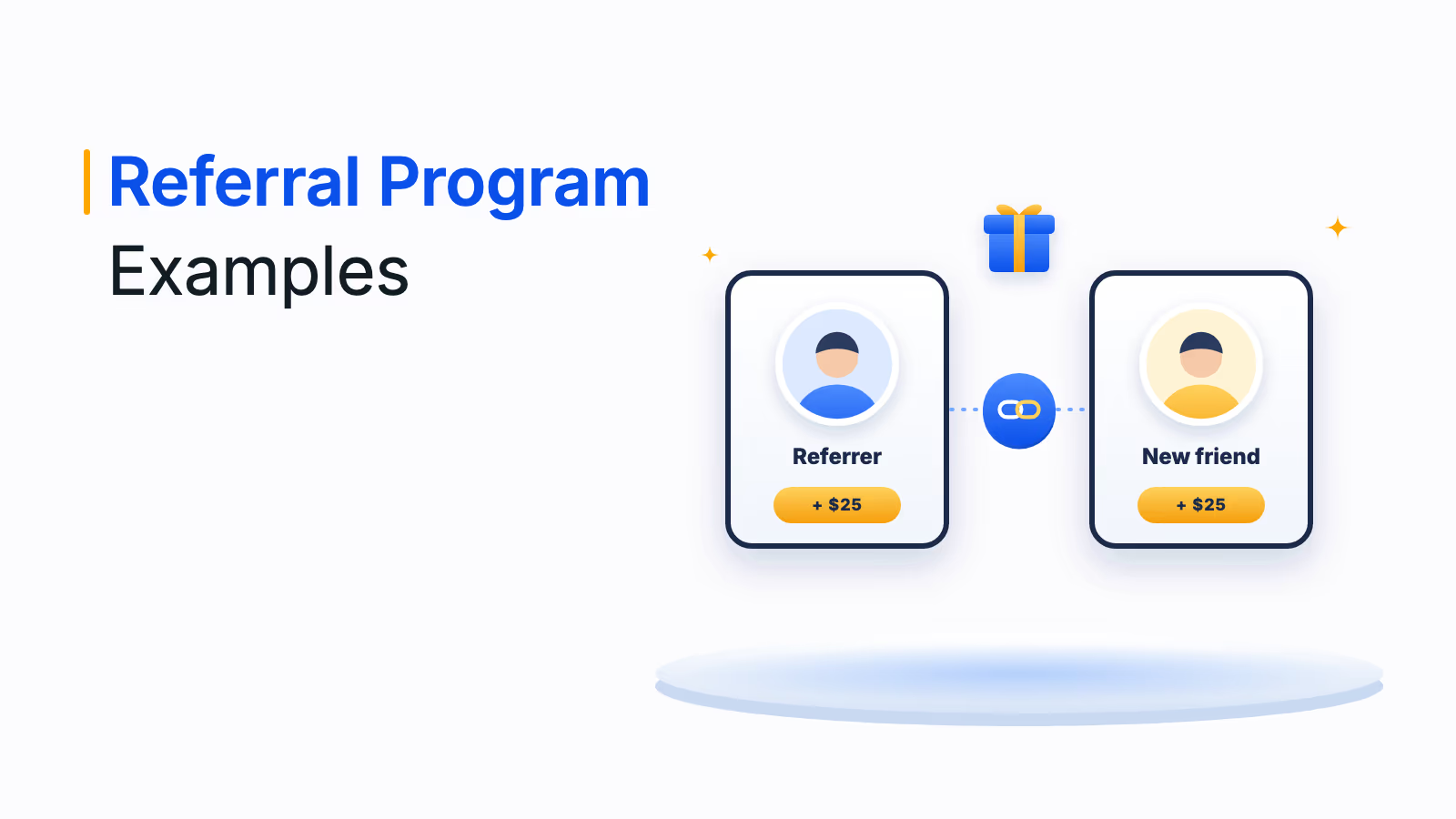
- Discounts for both sides on their next purchase
Dropbox is the classic example. Its referral program gives Basic users 500 MB of extra storage for each friend who joins, up to 16 GB, which turns the product's core value into the reward.
4. Offer related products at a discount
Reward customers mid-purchase with discounts on complementary items. A buyer of specialist machinery might get safety equipment at a lower price, and a large order might include extras for free. You can also partner with related businesses to offer reciprocal discounts, for example a sports store and a local gym.
- Products that complement the purchased item
- Discounts on slower-moving products
- Bundles that pair popular and less popular items
5. Use rewards to drive customer advocacy
Advocates bring in new customers organically because they recommend you from real experience. Many are motivated by status, access, power and stuff, so the best advocacy rewards go beyond freebies:
- Early access and sneak peeks for your most loyal customers
- Asking advocates for honest feedback and acting on it
- Celebrating brand champions publicly on social media
Put sales funnel optimization strategies into practice
The best sales funnel optimization strategies combine a clear, measured process with incentives placed where buyers hesitate. Rather than trying to fix every stage at once, work through the funnel in a short, repeatable cycle.
A 90-day plan to optimize your sales funnel
- Days 1 to 15, map and measure: Document every stage from first touch to renewal, agree on stage definitions with sales and marketing, and record the current conversion rate and time-in-stage for each one.
- Days 16 to 30, find the biggest leak: Compare each stage against its own history and against benchmarks, then pick the single stage where the most deals stall or drop out. That is your first bottleneck.
- Days 31 to 60, fix and test: Change one thing at that stage, such as faster lead response, a clearer demo agenda, a proof-of-concept offer or a reward for completing the next step. Run it against a control group where you can.
- Days 61 to 75, add incentives where buyers hesitate: Use the stage-by-stage reward map above. Offer small, instant rewards for low-effort actions (a webinar sign-up, a survey) and save higher-value rewards for high-intent actions (a booked demo, a referral that converts).
- Days 76 to 90, review and repeat: Measure the change in conversion rate, deal velocity and cost per opportunity. Keep what worked, roll it out, and move on to the next bottleneck.
Who owns what
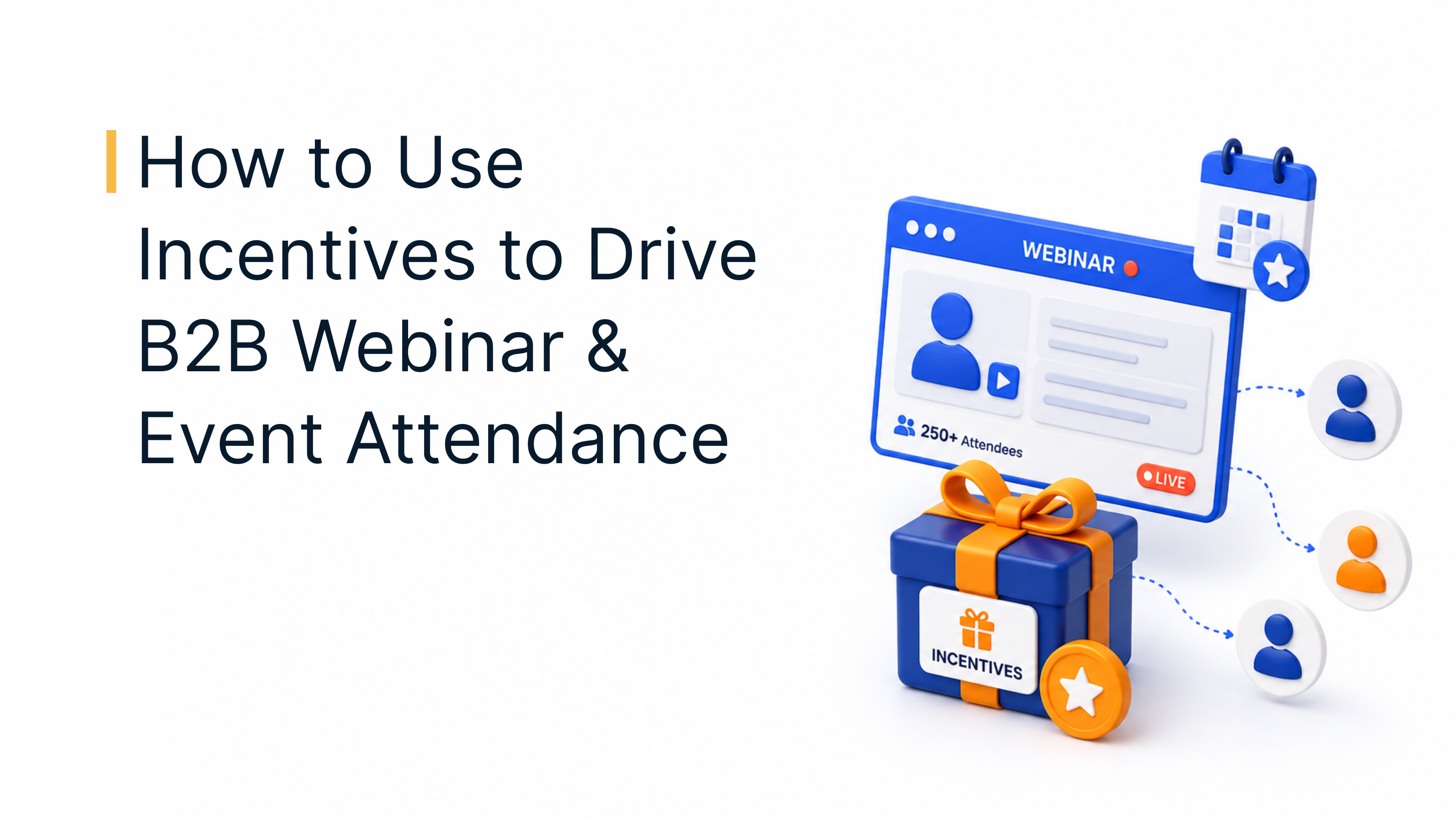
- Marketing: Top-of-funnel conversion, lead quality and the incentives used to drive sign-ups and event attendance.
- Sales and SDRs: Speed to lead, meeting show rates, demo-to-proposal conversion and deal velocity.
- Customer success: Onboarding completion, renewals, expansion and referrals from existing customers.
- RevOps: Stage definitions, CRM hygiene, the funnel dashboard and the reward triggers that connect them.
Common mistakes to avoid
- Optimizing the wrong stage: Pouring budget into lead volume when the real leak is between demo and proposal.
- Changing too much at once: If you change messaging, pricing and incentives together, you won't know which one worked.
- Rewarding activity instead of progress: Tie every reward to a step that moves the deal forward, not to clicks or opens alone.
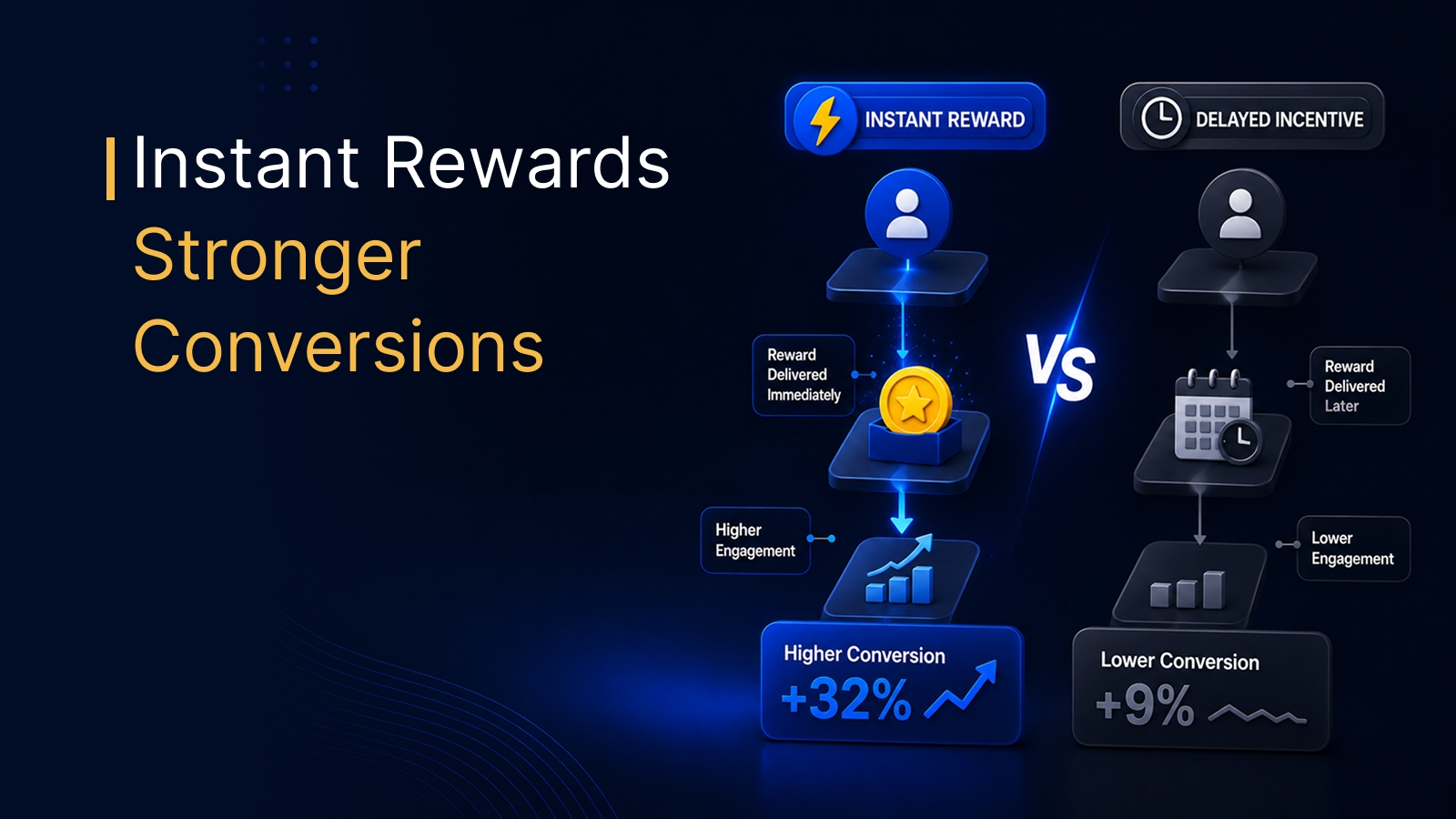
- Slow reward delivery: A reward that arrives weeks later loses most of its pull. Deliver instantly when the action is complete.
To go deeper on the bottom of the funnel, read how to improve sales conversion rate with rewards, and for the full-funnel metrics framework see AARRR metrics.
How Xoxoday Plum fits into your funnel
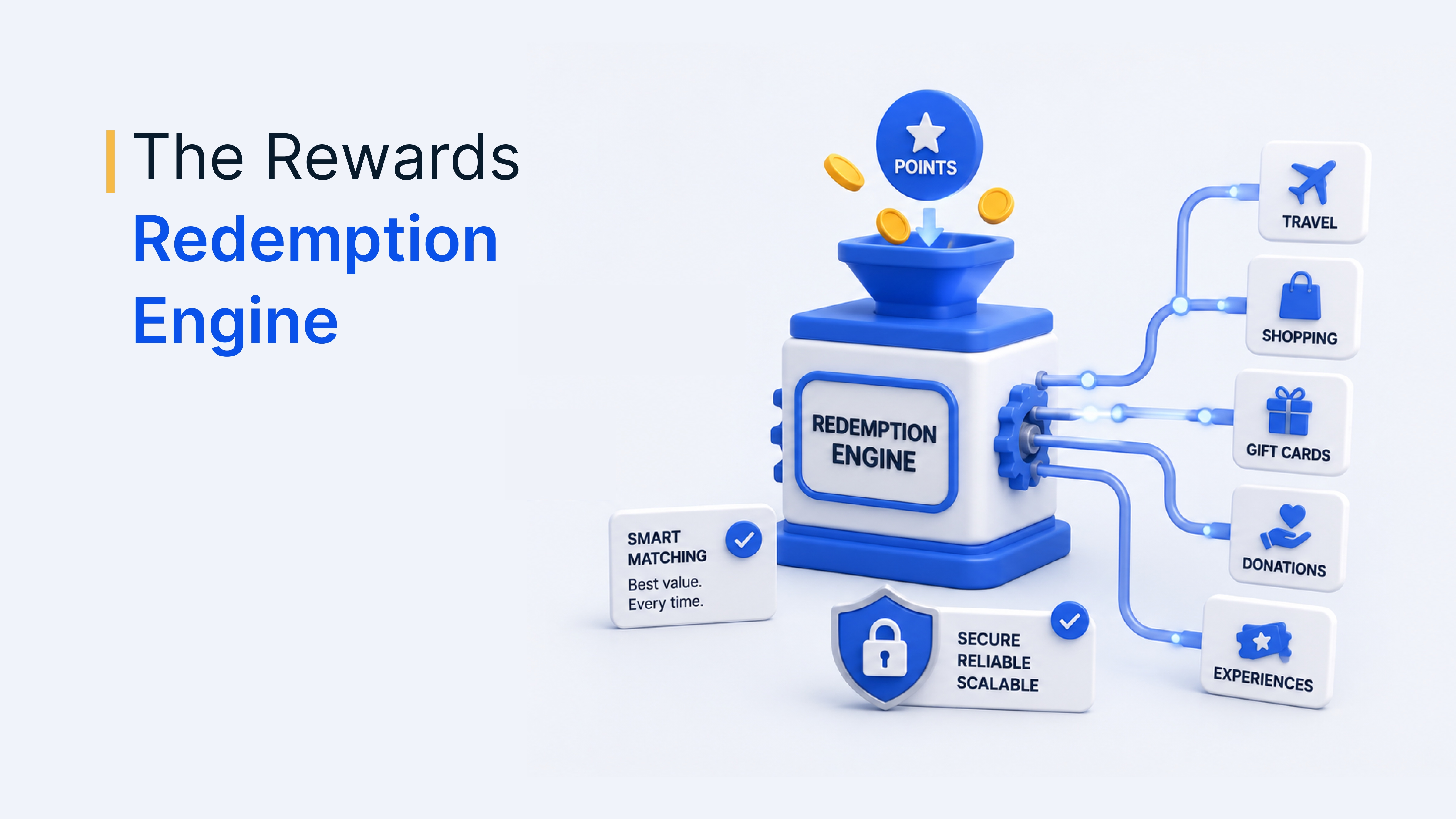
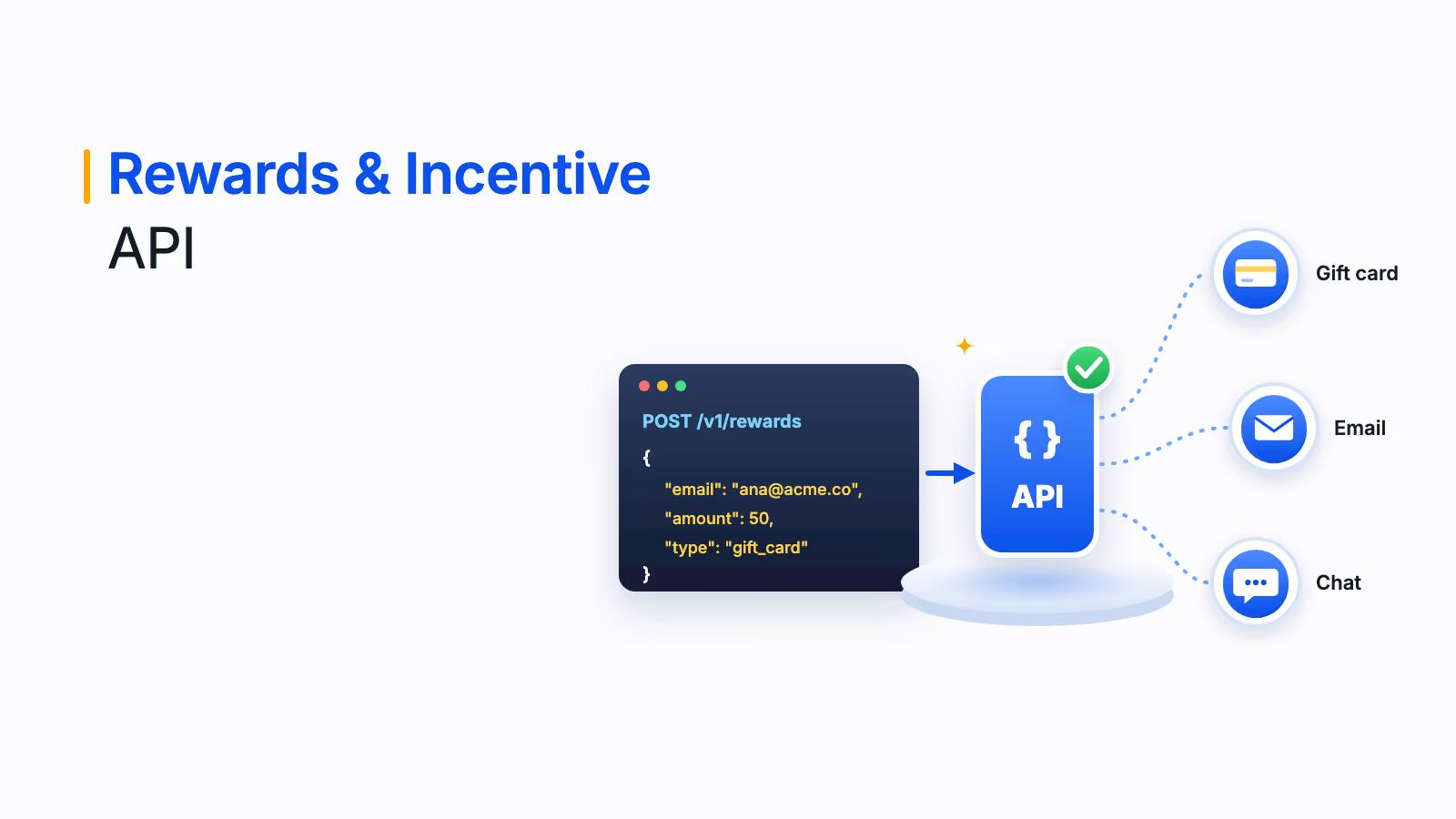
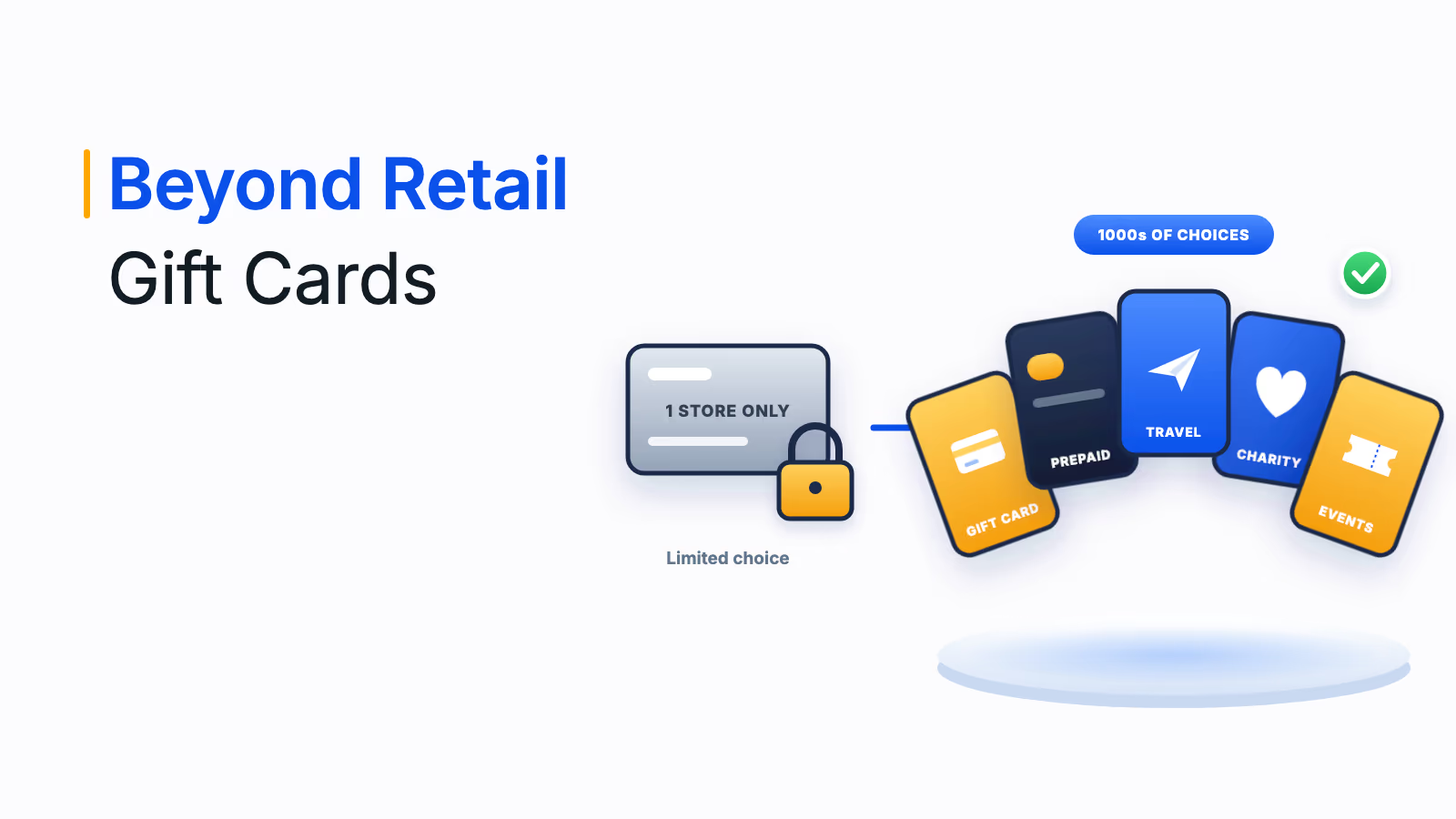
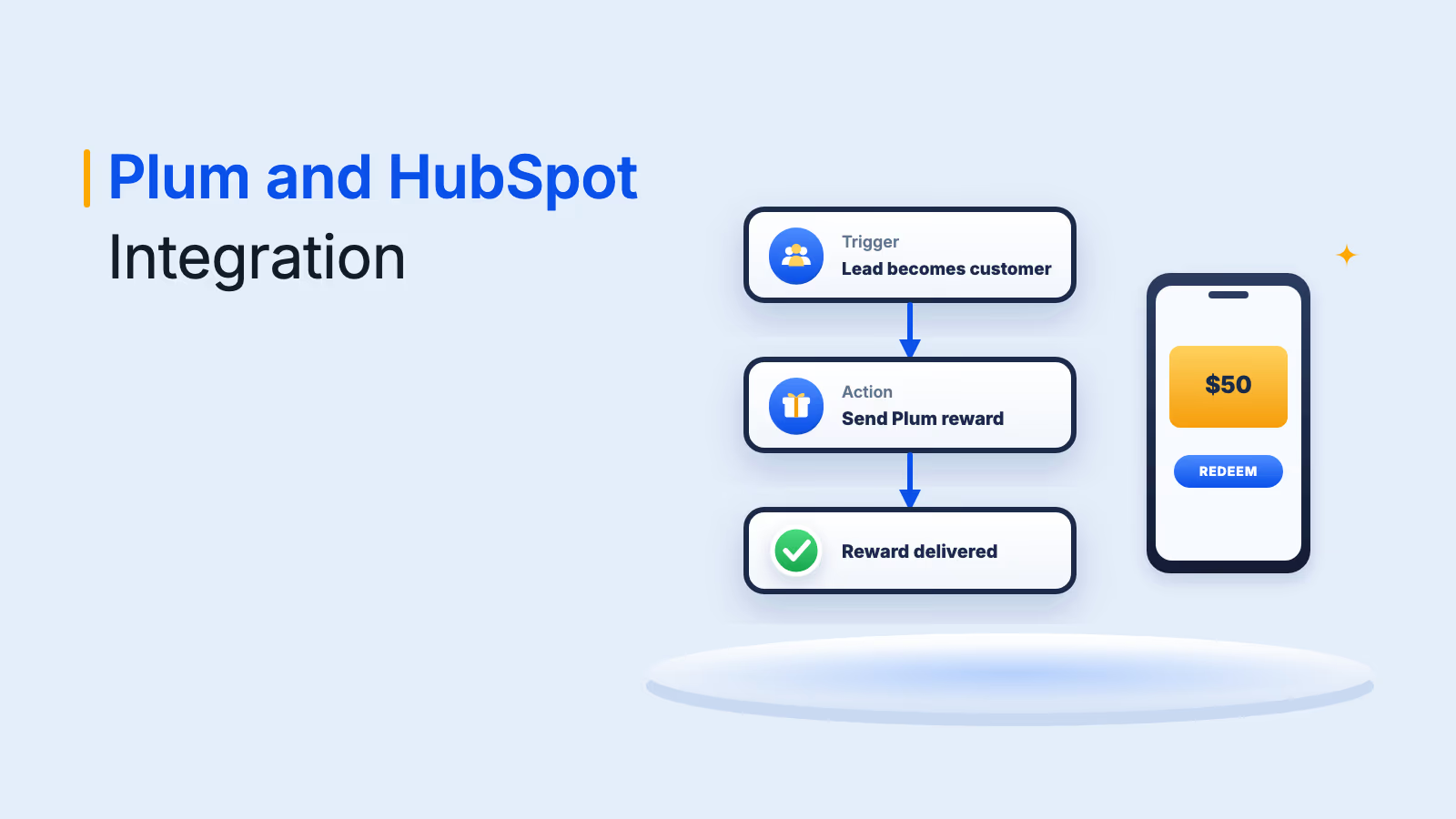
Xoxoday Plum makes reward delivery part of the funnel itself. Trigger gift cards, prepaid cards, experiences and points automatically from your CRM or marketing automation through 250+ native connectors or REST APIs, or send reward links by email, SMS or WhatsApp. Recipients choose from 10M+ reward options across 30+ categories in 150+ countries and redeem in local currency, and you track every reward and redemption against the stage it was meant to move.
Accounting software company Xero used Plum to automate referral rewards across three markets and saw a 25% lift in referral conversion. Book a demo to see how rewards can move buyers through your funnel.
Book your Plum demo
Frequently asked questions
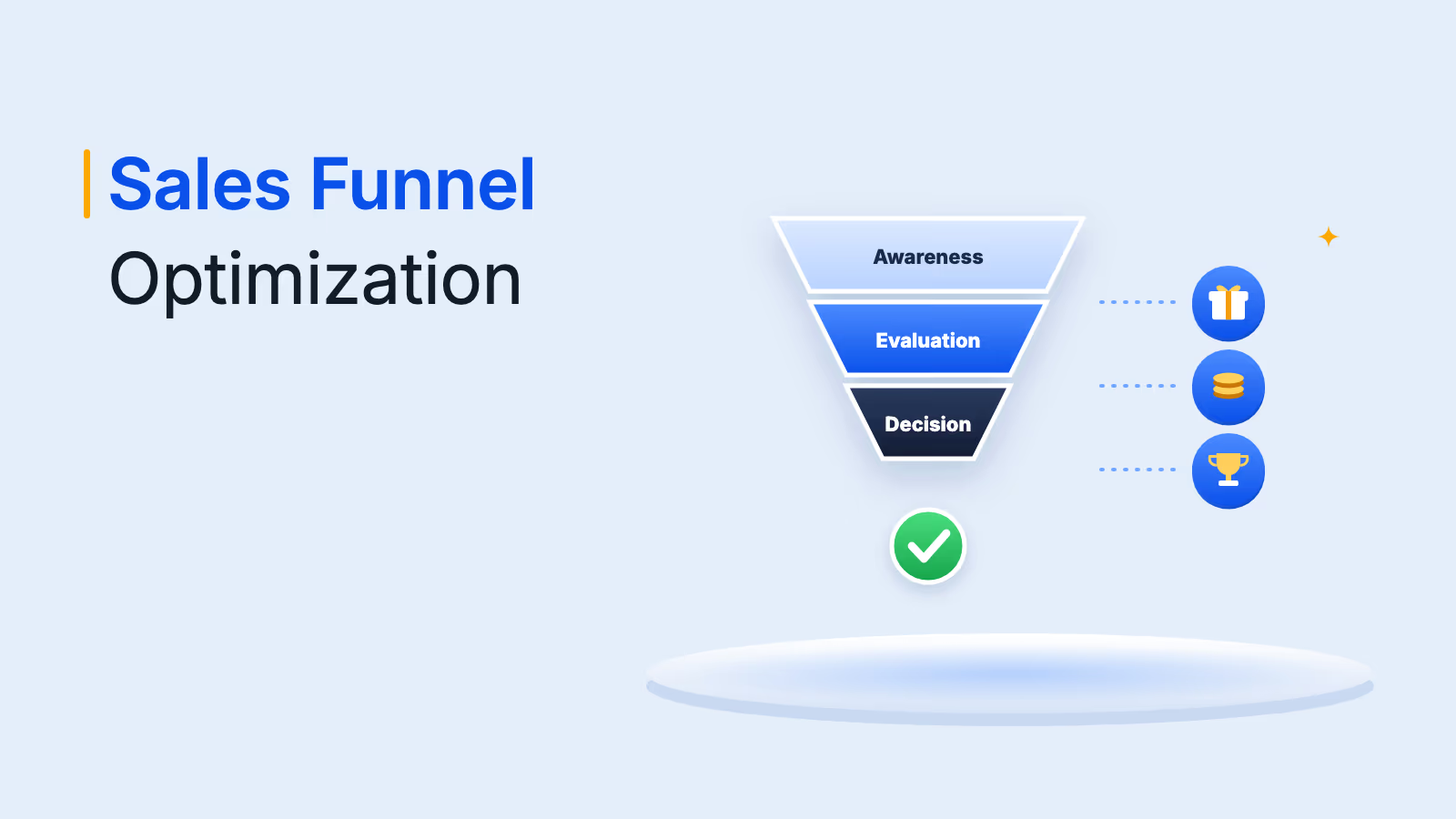
A typical sales funnel has awareness, interest, evaluation and decision stages, followed by retention and advocacy after the sale. Some teams use the AIDA model (attention, interest, desire, action) or the AARRR model (acquisition, activation, retention, referral, revenue). The labels matter less than measuring how many prospects move from each stage to the next.
Calculate the conversion rate and average time spent at each stage using your CRM data, then look for the stage with the steepest drop or the longest wait. Confirm what the numbers show by asking reps where deals stall and asking recent buyers and lost prospects what slowed them down.
The most common causes are reps buried in admin work, too many steps or approvals, complex pricing, disconnected tools, slow sign-off from other departments and weak follow-up after the sale. Bottlenecks also appear when too many unqualified leads enter the funnel and crowd out good ones.
Rewards give prospects and customers a reason to take the next step at the point where they usually hesitate. A small gift card can lift webinar sign-ups or demo attendance, a welcome gift can secure a first purchase, and loyalty and referral rewards keep customers buying and recommending you. Because each reward is tied to an action, you can measure its effect on that stage.
Review core funnel metrics monthly and run a deeper review each quarter, or whenever you change pricing, products or your sales process. Forecasting tools can flag stalled deals in between reviews, so you can act before a bottleneck affects the quarter.
A marketing funnel focuses on attracting and nurturing prospects until they are ready to talk to sales, while a sales funnel covers qualification, evaluation and closing. In practice the two overlap, and the best results come when both teams share the same stage definitions and metrics.