Key Takeaways
Customer retention is the share of existing customers who keep buying from you over a set period.
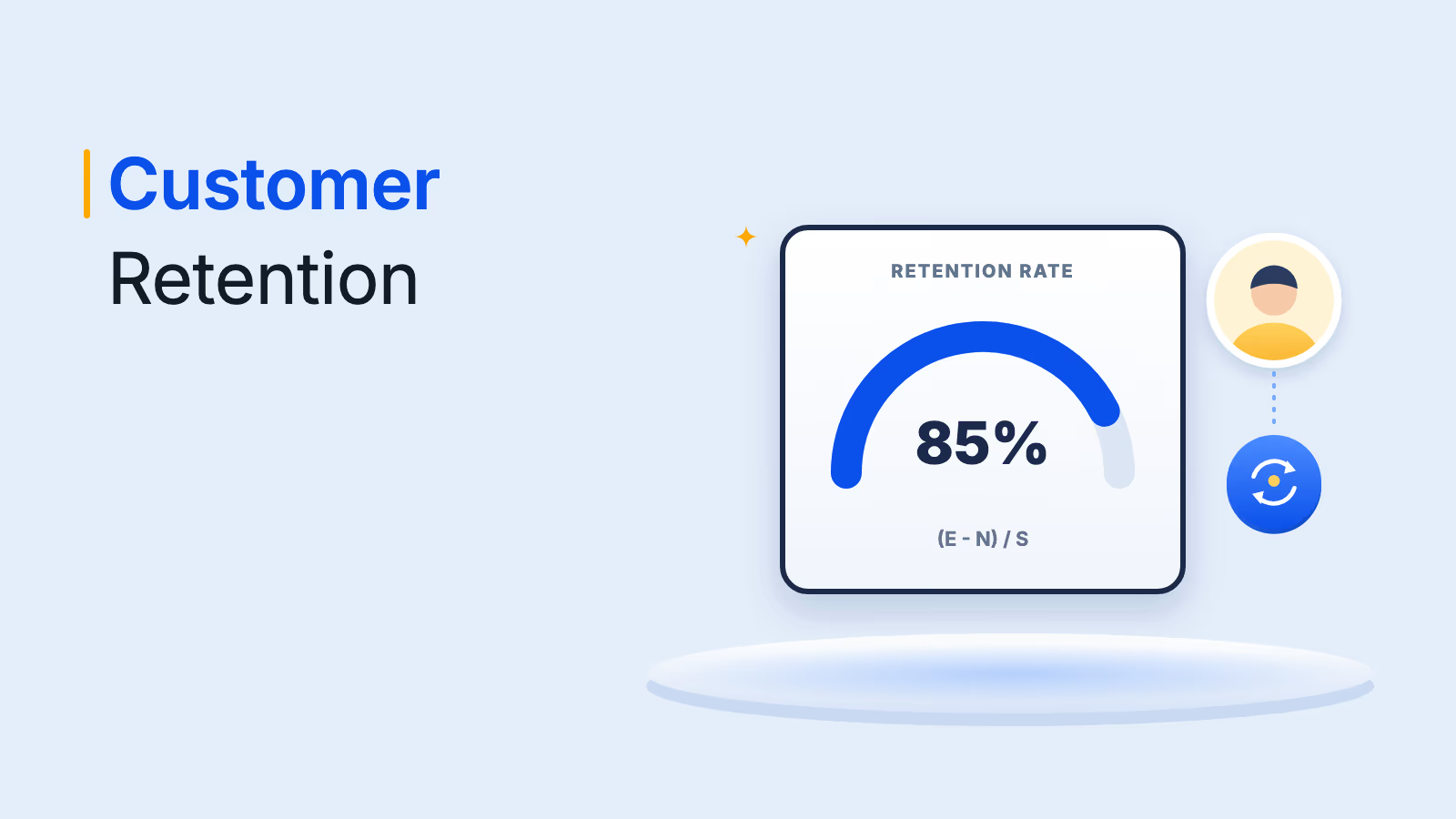
Calculate customer retention rate as ((E - N) / S) x 100, so new customers never mask lost ones.
Track churn, NRR, GRR and cohort retention alongside CRR to see revenue and timing, not just headcount.
Benchmarks range from about 44% in wholesale to 89% in energy and utilities, so compare within your industry.
Keeping VIP customers, targeted offers, loyalty programs, personalization, social proof and delight all lift retention, which costs less than acquisition and feeds it.
"Loyal customers, they don't just come back, they don't simply recommend you, they insist that their friends do business with you." - Chip Bell
Customer retention is a company's ability to keep the customers it already has, so they keep buying, renewing or using its products over time. If you are asking what is customer retention and why it gets so much attention, the short answer is that every customer you keep is revenue you do not have to win again, and retaining a customer usually costs far less than acquiring a new one.
What are you doing as an organization for customer retention, and how do you plan to improve it? Competition is everywhere. Each step you take in the market, you find a competitor, and the competition gets tougher as the days go by. Most entrepreneurs focus on the same goals: expanding the business, increasing sales and growing profits.
To get there, most business owners pour their attention into acquiring new customers. This is where many miss out on a lucrative technique that lets the business go the extra mile: customer retention. It saves time, it saves money and it turns the customers you already won into a steady source of revenue and referrals.
Customer retention strategies are vital for any business, yet most enterprises still put most of their effort into acquisition. When competition is this fierce, improving your customer retention rate is like winning a jackpot: it lifts revenue and return on investment without the cost of finding new buyers.
This guide explains what customer retention means, why it matters, how to calculate customer retention rate with a corrected worked example, the related metrics and customer retention benchmarks worth tracking, six practical ways to improve retention and why retention usually beats acquisition on cost.
What does customer retention mean?
Customer retention refers to the activities a business undertakes to reduce customer defection, and to the result of those activities: the share of customers who stay over a given period. The main idea behind a customer retention program is to help business owners keep as many customers as possible, often through customer loyalty programs and brand loyalty initiatives.
Do you remember the saying "the first impression is the last impression"? It fits retention perfectly, because customer retention begins with the very first contact a customer has with your business. A smooth first purchase, a helpful onboarding call or a quick fix to an early problem builds a healthy relationship. A poor first impression does the opposite, and it is hard to undo.
Entrepreneurs are often so busy reaching out to and acquiring new customers that they overlook their biggest asset: the high-value customers they already have.
Retention is closely tied to loyalty, but the two are not the same. A retained customer is still buying from you. A loyal customer prefers you, would recommend you and is less likely to switch when a competitor offers a lower price. Strong retention programs aim for both: keep customers active, then give them reasons to stay by choice rather than by habit.
Importance of customer retention
Customer retention matters because existing customers already know your product, cost less to serve and tend to grow in value over time. Losing them also tends to happen quietly. In its November 2025 consumer research, Qualtrics found that after a bad experience 34% of consumers reduce their spending with a company and 13% stop spending with it entirely, while fewer than one in three give the company any feedback. In other words, most customers do not complain before they leave; they simply buy less or go.
Here is what good customer retention gives a business:
- Repeat purchases mean higher profits: Existing customers already know your products and services because they have bought from you before. They buy again, renew or expand without a long sales cycle, and each repeat order costs far less to win than a first sale.
- Lower marketing spend: You do not need heavy advertising to reach people who already know you. You have their contact details, such as phone numbers and email addresses, and their purchase history. All you need to work on is how to stay relevant and give them a reason to come back.
- Personal recommendations: Loyal customers drive word of mouth. Personal recommendations have a massive influence on new buyers, and happy customers share stories about your brand that bring in new customers at little cost.
- Willingness to pay for value: Compared with new customers, existing customers are more willing to pay for your products and services because they already value your company. They are less likely to leave over a small discount elsewhere.
- Better customer data: Long-term customers show you what works, what they want next and where your product falls short, which makes every future campaign more accurate.
What is customer retention rate?
Customer retention rate (CRR) is the percentage of customers a business keeps over a set period, excluding any new customers gained during that period. It tells you whether your marketing, product and customer experience efforts are doing enough to hold on to the people who already chose you.
CRR does more than show how hard your sales and marketing teams are working. It also tells you when to switch gears and make changes before revenue targets slip. Because it isolates retention from growth, it can reveal a problem that headline numbers hide: a business can end a quarter with more customers than it started with and still have a retention problem, if new sign-ups are masking a steady stream of departures.
Acquiring new customers takes a lot of time and energy. Convincing a stranger to sign up for your service or make a first purchase is not easy, while an existing customer already trusts you. That is why the existing customer base is so often what keeps a business growing, and why CRR deserves a place on every leadership dashboard.
How to calculate customer retention rate
To calculate customer retention rate, compare the number of customers still with you at the end of a period, minus any new customers you gained, with the number you had when the period started. The customer retention rate formula is:
CRR = ((E - N) / S) x 100
- E: The number of customers at the end of the period, whether that is a week, month, quarter or year.
- N: The number of new customers you acquired during the period.
- S: The number of customers you had at the start of the period.
Subtracting N is the important step. Without it, new customers would hide the ones you lost and make retention look better than it is. Use any period that matches your buying cycle: a month for subscriptions, a quarter or a year for B2B contracts and longer purchase cycles.
Customer retention rate: a worked example
Say you started the quarter with 150 customers. During the quarter you lost 20 customers but won 40 new ones. Here is how to calculate customer retention rate step by step:
- Count customers at the start (S): 150.
- Count new customers (N): 40.
- Count customers at the end (E): 150 - 20 + 40 = 170.
- Apply the formula: CRR = ((170 - 40) / 150) x 100 = (130 / 150) x 100 = 86.7%.
Your customer retention rate for the quarter is about 87%, and your churn rate is the reverse: 20 lost customers out of 150, or about 13%. Notice that your total customer count grew by 13% in the same quarter. Without the retention calculation, that growth would hide the fact that roughly one in eight existing customers walked away. That gap is exactly what CRR is designed to expose.
Reward the customers you want to keep
Send thank-you gifts, milestone rewards and renewal incentives in 150+ countries, delivered instantly.
Talk to our ExpertTrusted by 5,000+ companies
Other customer retention metrics to track
Customer retention rate counts customers, but it does not show how much revenue you keep or how valuable each customer becomes. Pair it with a few related metrics:
| Metric | What it measures | Formula |
|---|---|---|
| Customer churn rate | Share of customers lost in a period | Customers lost / customers at start x 100 |
| Repeat purchase rate | Share of customers who bought more than once | Customers with 2+ orders / total customers x 100 |
| Gross revenue retention (GRR) | Recurring revenue kept from existing customers, before upsells | (Start revenue - contraction - churned revenue) / start revenue x 100 |
| Net revenue retention (NRR) | Recurring revenue kept including upsells and expansion | (Start revenue + expansion - contraction - churned revenue) / start revenue x 100 |
| Customer lifetime value (CLV) | Total revenue a customer brings over the relationship | Average order value x purchase frequency x average customer lifespan |
For a deeper look at churn signals and how to measure churn rate, read our guide on how to reduce customer churn.
Net revenue retention explained
Net revenue retention (NRR) shows how much recurring revenue you keep from a group of existing customers after upgrades, downgrades and cancellations. It is the go-to retention metric for subscription and B2B businesses because a few customers expanding can more than offset a few who leave.
Here is a simple example. You start the year with $100,000 in recurring revenue from existing customers. During the year those customers add $15,000 through upgrades, reduce spend by $3,000 and cancel $7,000 worth of contracts.
- NRR: ($100,000 + $15,000 - $3,000 - $7,000) / $100,000 = 105%.
- GRR: ($100,000 - $3,000 - $7,000) / $100,000 = 90%.
An NRR above 100% means your existing customer base is growing on its own, even before you add a single new account. GRR can never exceed 100%, so it is the cleaner measure of how well you stop revenue from leaking.
Cohort analysis for retention
Cohort analysis groups customers by when they started, then tracks what share of each group is still active over time. It shows whether retention is improving for newer customers and pinpoints the month when most people drop off.
The table below is an illustrative example, not industry data:
| Sign-up cohort | Month 1 | Month 3 | Month 6 | Month 12 |
|---|---|---|---|---|
| January | 100% | 78% | 64% | 52% |
| April | 100% | 82% | 70% | - |
| July | 100% | 86% | - | - |
Reading down a column tells you whether changes such as a new onboarding flow or a welcome reward are working. In this example, each newer cohort holds on to more customers by month three, a sign the business has fixed something in the early experience.
Customer retention benchmarks by industry
Customer retention benchmarks vary widely by industry because buying cycles, contract lengths and switching costs differ. Contract-based and high-switching-cost industries retain far more customers than sectors where buyers can switch with a single click.
The CustomerGauge benchmarks research, updated in 2026, reports these median retention rates for B2B companies:
| Industry | Median customer retention rate |
|---|---|
| Energy and utilities | 89% |
| IT services | 88% |
| Computer software (B2B) | 86% |
| B2B industry services | 83% |
| Financial services | 81% |
| Professional services | 73% |
| Telecommunications | 69% |
| Manufacturing | 65% |
| Consumer packaged goods | 60% |
| Logistics | 60% |
| Wholesale | 44% |
For subscription software, revenue retention is the more common benchmark. SaaS Capital's 2025 retention benchmarks put median net revenue retention at 102% for private B2B SaaS companies with annual contract values of $25,000 to $50,000, and found that both net and gross retention rise with contract size.
Use benchmarks as a reference point, not a target. The most useful comparison is your own retention rate over time, broken down by segment, product and cohort.
How to improve customer retention rate
You improve customer retention rate by spotting customers before they leave, giving them relevant reasons to come back, recognizing loyalty and making every interaction feel personal. Most businesses know that a small group of top customers drives a large share of profit, the familiar 80/20 or Pareto principle, but without a coordinated plan that knowledge rarely turns into results.
If you are ready to roll up your sleeves, here are six ways to make it happen. For a full lifecycle playbook, including onboarding gifts, AI churn prediction and renewal incentives, see our guide to customer retention strategies that work.
1. Keep your VIP customers
Preventing existing customers from leaving is the most direct way to boost customer retention. If you stay alert, you will not miss the signals that show which customers are about to leave. Watch key variables such as service calls, product usage, purchasing patterns and gaps between orders.
Capturing insights from these signals and acting in time can stop a customer from leaving your brand.
For instance: Say you want to find VIP customers who have not bought from you in the past six months. Prepare a list of all your VIP customers, then use your CRM to pull a list of every sale made in the last six months. When you compare the two lists, you get the VIP customers who have gone quiet for half a year.
Follow up with each of them to find out what went wrong and why they stopped buying. Once you know the problem, you can fix it and keep the customer from moving to a competitor. This is the Pareto principle at work: effort spent on the 20% of customers who drive most of your revenue tends to pay back the most. Modern CRMs and customer success tools can now automate this check with health scores that flag at-risk accounts every week.
2. Attract customers back with special offers
Knowing your customers well helps you tailor your approach. With your CRM, you can see each customer's purchase history and build offers that appeal to them, which keeps your brand name on their minds.
For instance: A customer has shown interest in a product but has not bought it yet. A targeted discount, bonus or limited-time offer can give them the reason they need. To find these customers, pull a list of open sales opportunities from your CRM and compare it with the contacts subscribed to your newsletter. The overlap is a list of people who showed interest but never took the next step.
Keep these offers relevant and occasional. Constant discounts train customers to wait for the next deal, while a well-timed, personal offer feels like recognition.
3. Build a loyalty program
People love to be recognized and to feel special. A loyalty program rewards your best customers and builds a strong bond with them, with the clear goal of increasing loyalty to your brand and not letting customers go.
Start by looking at your CRM to identify the accounts that generate the most revenue. This list also helps you plan cross-selling campaigns. Once you have your most profitable customers, email them the offers you have each month and track which offers they respond to most, then refresh the ones that work from time to time.
Rewards can take many forms: a special 10% discount, a handwritten thank-you note, free shipping above a certain order value, points that add up to a gift card or tiered status with extra perks. Whatever you choose, keep the program simple, so customers understand how it works and how to claim the benefits. Our overview of types of loyalty programs can help you pick a structure.
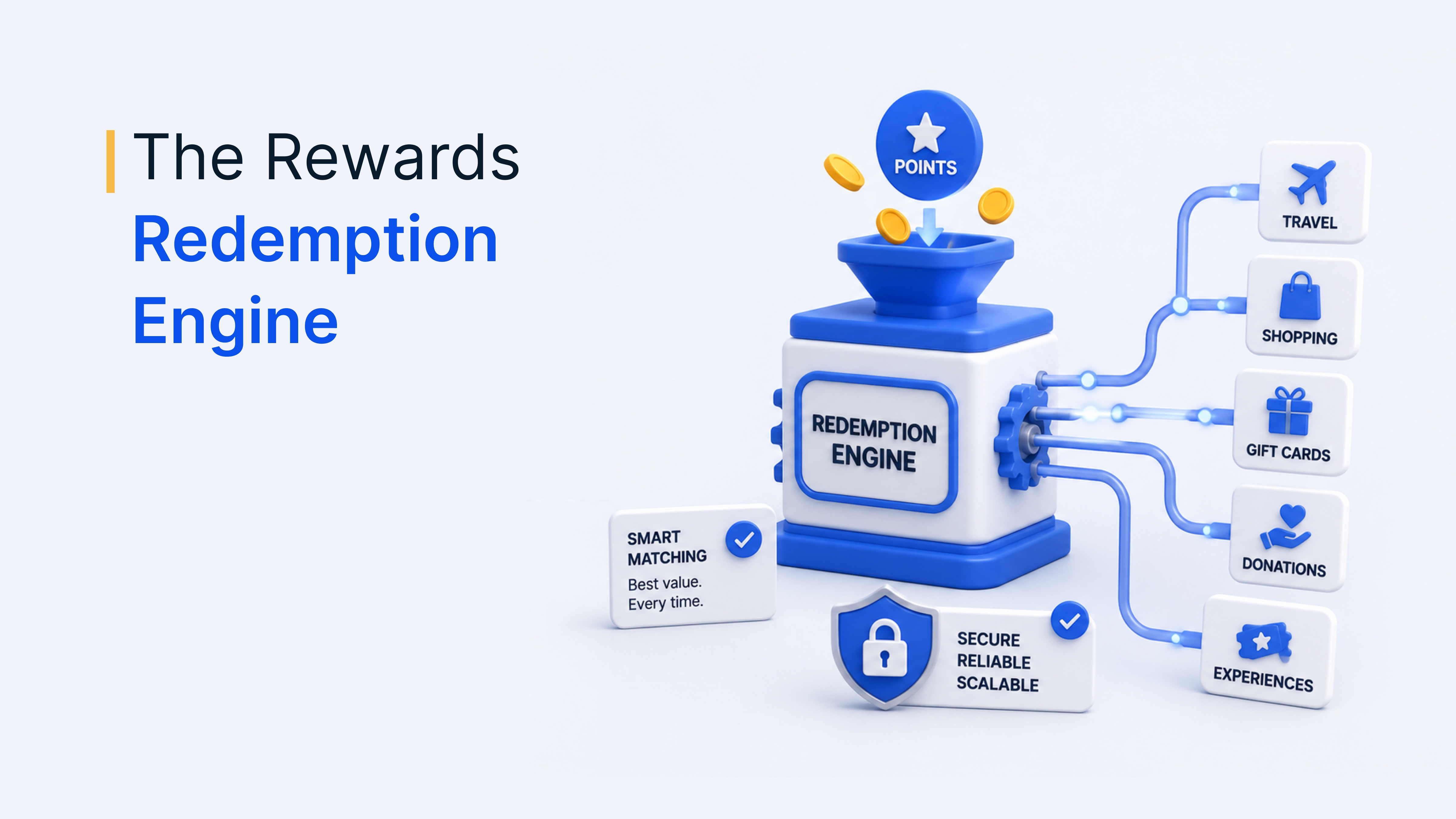
Redemption is where many programs fail. When members earn points but cannot find rewards worth claiming, engagement drops and unredeemed balances pile up. Offering a broad, local catalog of rewards in each market you serve keeps the program meaningful.
4. Personalize the purchase experience
Personalization here means tailoring the customer experience at every point of contact. Each interaction is a chance to build a valuable relationship between the brand and the customer, and a warm, consistent relationship lifts customer retention rates.
A few things you can do to personalize the shopping experience:
- Invite customers to create an account: On the first purchase, ask customers to sign up and share details such as name, email, birthday and preferences. The next time they visit, greet them by name and show products related to what they bought.
- Study how you acquired them: Was it an ad, a piece of content or a referral? Which products do they browse most often? This data helps you write, design and advertise more effectively.
- Offer real-time help: Emails matter, but they lack the real-time factor. In-app messages, live chat and AI assistants let customers get help the moment they need it.
- Use feedback and CRM data together: Your CRM and customer feedback surveys are your strongest allies for refining personalization over time.
5. Practice positive social proof
Social proof is an old marketing concept and a powerful tool for customer retention. It was popularized by psychologist Robert Cialdini in his book Influence, which describes how people who are unsure of the right behavior in a situation look to what others are doing.
Put simply, when we are not sure about a decision, we rely on the choices and experiences of other people. Customer reviews, testimonials, endorsements, ratings and subtle cues like highlighting your most popular product all reassure customers that your business is a great brand to buy from. That reassurance matters for existing customers too: it confirms they made the right choice and makes them less likely to look elsewhere.
To build social proof, ask satisfied customers for reviews soon after a good experience and thank them for their time. A customer advocacy program turns this into an ongoing source of testimonials and referrals. If you offer a reward for reviews, keep it neutral and never tie it to a positive rating.
6. Create customer delight
Customer delight happens when you surprise a customer by exceeding their expectations. It plays an important role in your marketing strategy, and it is about more than happy customers: delighted customers buy more, stay longer and recommend you. Listening to customers and responding to their real needs is the key.
Here are a few ways to achieve customer delight:
- Delight customers on the channels they use: Find out where your customers are most active, whether that is LinkedIn, Instagram, WhatsApp or your own community, and celebrate them when they do something great.
- Make a personal connection: Send greeting cards or digital gifts, or make a personal call to wish customers on birthdays, anniversaries and account milestones.
- Be a trusted advisor: Share newsletters, tips and advice that help customers get more value from what they bought.
- Create content that delights: If a customer asks a question nobody else has thought of, send them the answer with a personal note, then publish it on your blog or help center for others.
As long as your delight efforts are relevant and useful, the more you give your loyal customers, the more you will get back from them. Understanding customer service expectations helps you see where the bar sits, so you know what exceeding it looks like.
Why choose customer retention over customer acquisition
Customer retention and customer acquisition are two ideas entrepreneurs often weigh against each other. Retaining a customer usually costs less than acquiring a new one, because you skip the advertising, lead nurturing and sales effort needed to win a stranger's trust. Here is why retention deserves at least equal attention.
1. It cuts down marketing expenses
Acquiring new customers takes a lot of effort, resources and money. An existing customer is already familiar with your products and services from a previous purchase and is more willing to buy again, which raises the chance of a sale and significantly cuts the cost of advertising.
2. Loyal customers increase sales
Loyal customers trust your brand more than new customers do. Because they know your products and services, they are more likely to make repeat purchases, try new products and upgrade. Their word-of-mouth recommendations also lower the cost of bringing new customers to your brand.
3. It improves your brand image
Brand image is how customers interpret your products and services. A positive brand image helps you acquire new customers, upsell and cross-sell, and it lowers marketing costs. Retention also tells you who your customers are and what they want, data that helps you promote the right products to the right people.
4. Retention fuels acquisition
Word of mouth is free marketing and one of the most credible forms of it. Customers talk and prospects listen. Happy customers give positive referrals that bring profit to your company, and rewarding existing customers when they refer friends and family increases the chance of winning new ones. Our customer referral program guide shows how to set this up.
Retention vs acquisition cost at a glance
| Factor | Customer acquisition | Customer retention |
|---|---|---|
| Main cost drivers | Ads, content, sales time, demos, discounts to win the first deal | Service, onboarding, loyalty rewards, account management |
| Trust level | Has to be built from zero | Already established |
| Speed to revenue | Slower, depends on sales cycle | Faster, often a renewal or repeat order |
| Data available | Limited | Full purchase and usage history |
| Knock-on effects | One new customer | Repeat revenue, referrals and reviews |
This does not mean you should stop acquiring customers. Growth needs both. It means acquisition money works harder when the customers you win actually stay.
How Xoxoday Plum helps improve customer retention
Xoxoday Plum is a rewards and incentives platform that gives you the reward layer for the retention tactics above: loyalty redemption, win-back offers, delight moments and referral rewards. More than 5,000 companies use it.
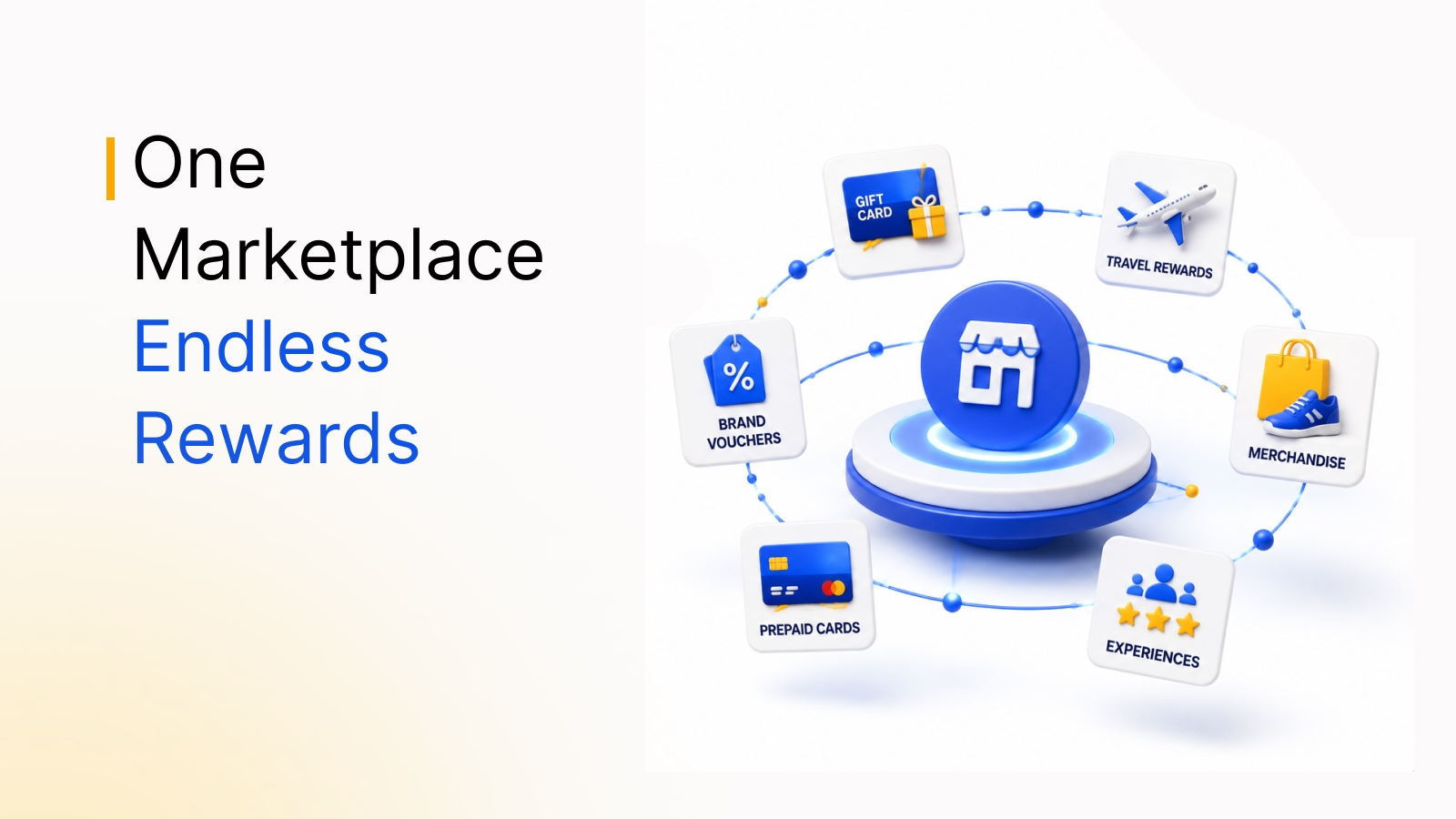
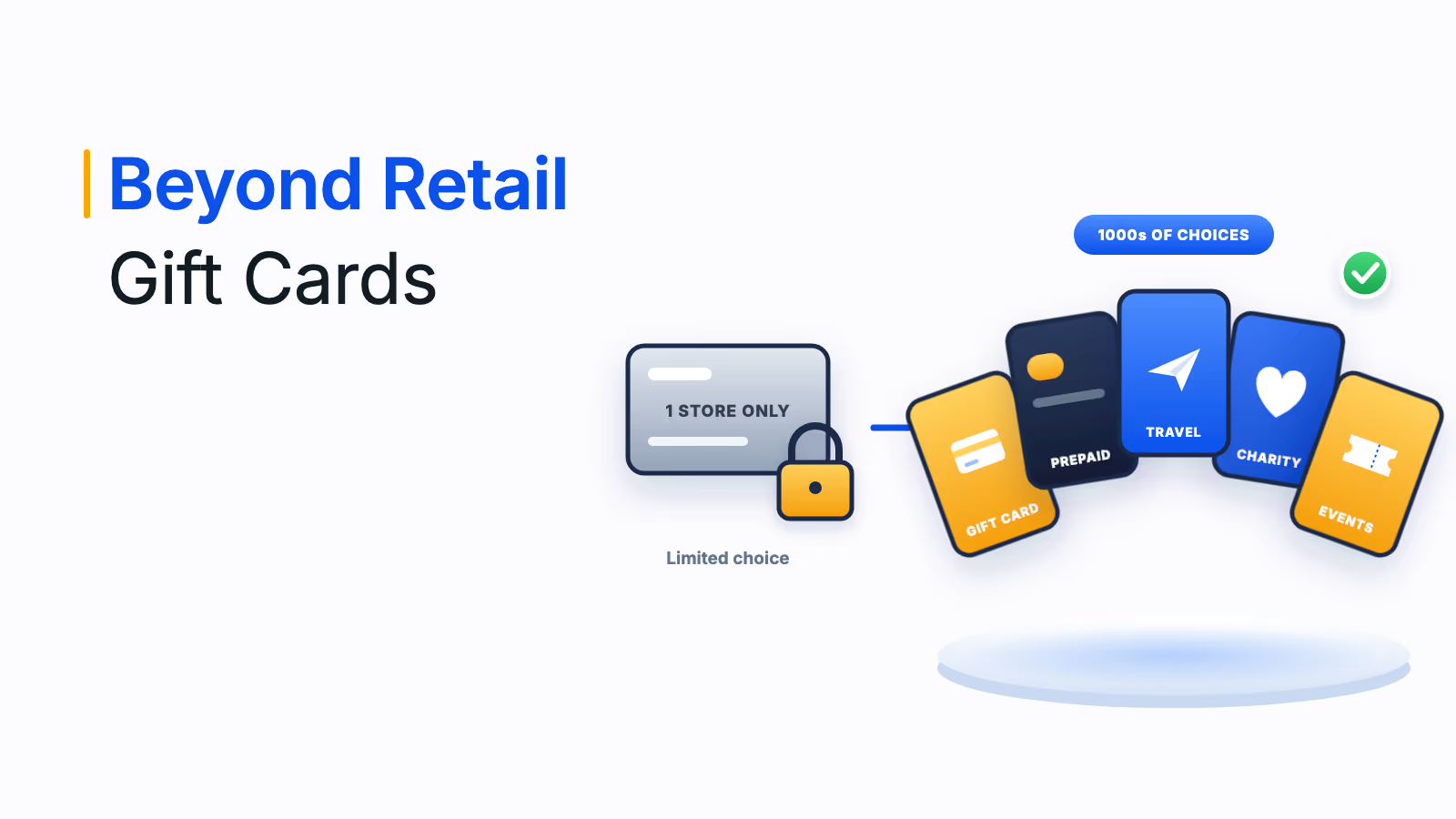
- A catalog customers actually want: 10M+ reward options across 30+ categories in 150+ countries, including gift cards, prepaid cards, experiences, merchandise and charity donations, with local-currency redemption.
- A redemption layer for loyalty programs: Plum loyalty rewards give members a branded redemption experience with your own points currency, catalog visibility by tier or segment, points plus cash co-pay for premium rewards and support for 50+ languages.
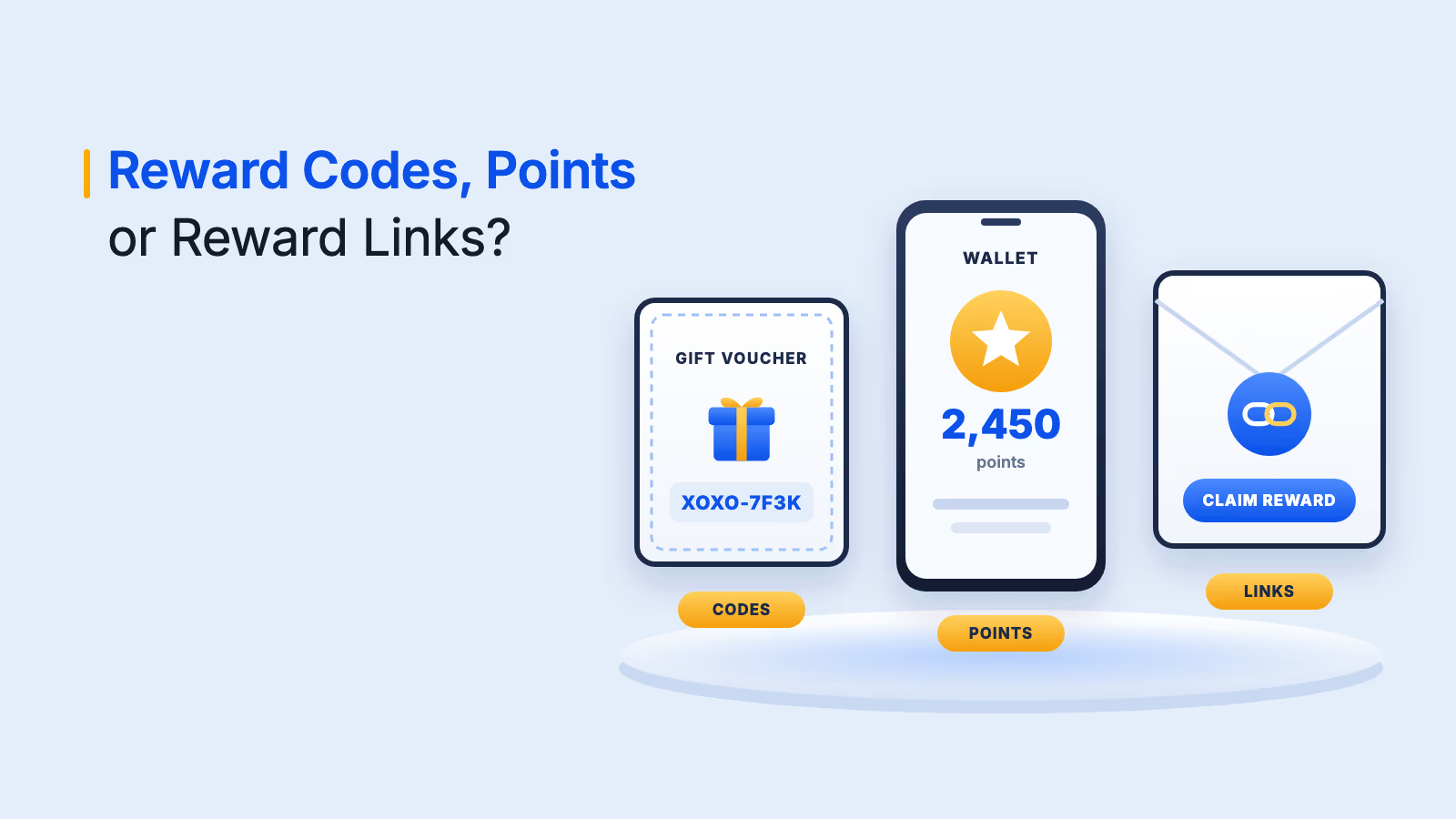
- Three ways to deliver: Points for ongoing programs, codes for gifting and single-use reward links that need no login, all delivered by email, SMS or WhatsApp.
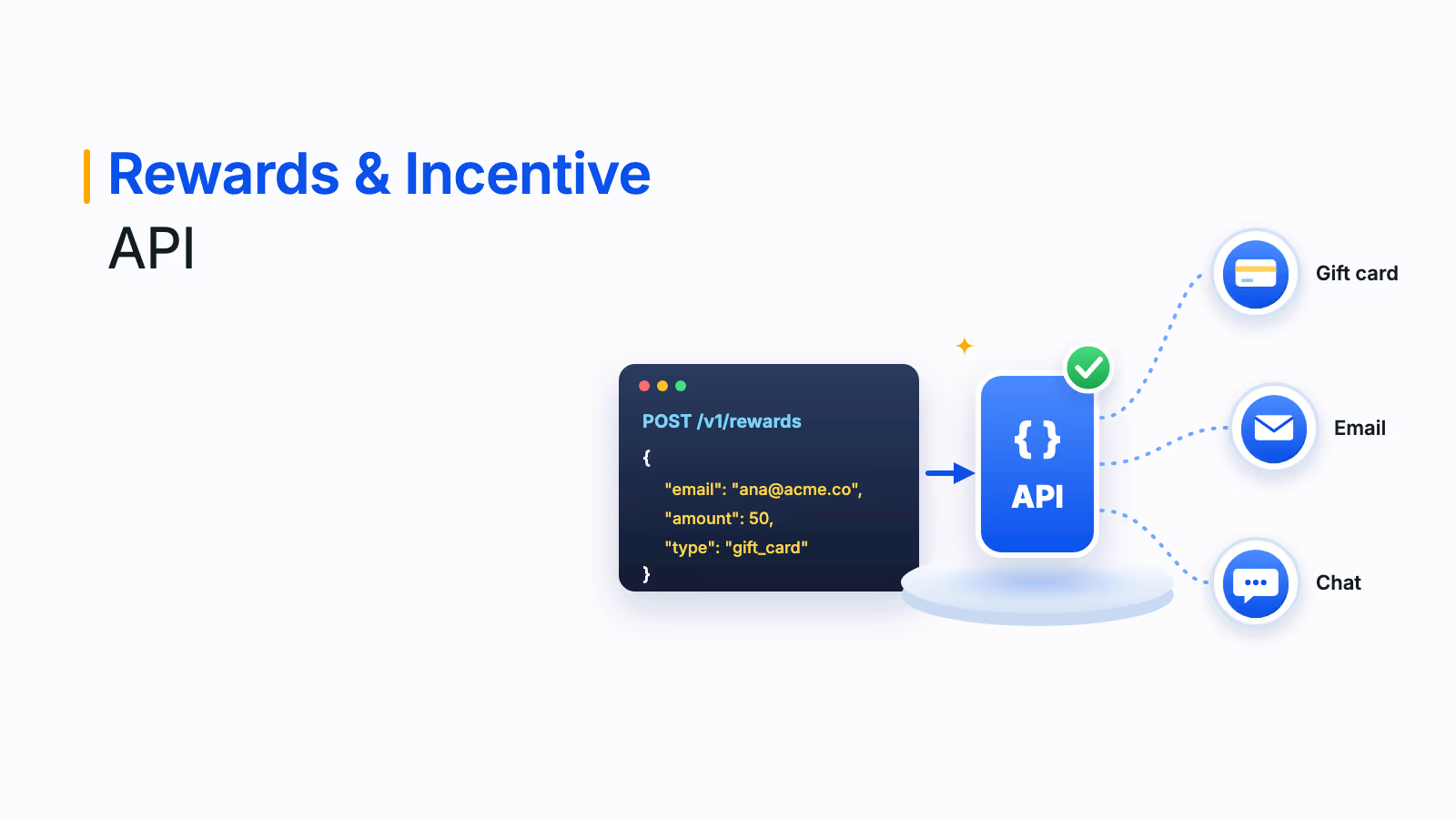
- Triggers from your existing tools: Native integrations with HubSpot, Salesforce, Zendesk, Gainsight, ChurnZero, Intercom and Zapier let health scores, renewals or survey responses fire a reward automatically.
Two Plum customers show how this works for retention. A digital-first Indian bank uses one-click reward links to re-engage dormant customers, alongside points for employees and curated offers for premium clients. A leading Indonesian digital bank delivered more than 71,000 rewards to its premium account holders with a 99% fulfillment success rate, ending the voucher shortfalls that had been eroding their trust.
Conclusion
It is much easier to keep existing customers with brand loyalty than to keep searching for new ones. Customer retention is not a one-time effort. It is something businesses need to work on consistently, customer by customer, and improve from time to time.
Retaining customers is a balancing act with many tactics and no shortcuts. Calculate customer retention rate with the ((E - N) / S) x 100 formula, track it alongside churn, NRR and cohort retention, and compare yourself with customer retention benchmarks and, above all, with your own past results. Then use the six tactics above to bring in repeat purchases and see the return it generates for your business.
When you are ready to add rewards to your retention program, book a demo to see how Plum helps you thank, re-engage and retain customers in 150+ countries.
Book your Plum demo
Frequently asked questions
Customer retention is how well a business keeps its existing customers buying, renewing or using its product over time. It covers both the activities that keep customers engaged, such as good service, onboarding and loyalty rewards, and the result of those activities, usually measured as customer retention rate.
Customer retention rate = ((E - N) / S) x 100, where E is the number of customers at the end of the period, N is the number of new customers gained during the period and S is the number of customers at the start. Subtracting new customers makes sure growth from acquisition does not hide customers you lost.
It depends on your industry and business model. CustomerGauge benchmarks show median B2B retention ranging from about 44% in wholesale to 89% in energy and utilities, with software and IT services in the mid to high 80s. The best benchmark is your own trend over time, broken down by customer segment and cohort.
They are two sides of the same number. Customer retention rate is the share of starting customers you kept during a period, while churn rate is the share you lost. If you start with 200 customers and lose 30 of them, your churn rate is 15% and your retention rate is 85%.
Net revenue retention measures the recurring revenue you keep from existing customers after upgrades, downgrades and cancellations. Customer retention counts people, while NRR counts money. You can lose a few small customers but still have NRR above 100% if the customers who stay spend more.
Match the period to your buying cycle. Subscription and app businesses often track it monthly, while B2B companies with annual contracts usually look at quarterly and yearly retention. Whatever you choose, keep the period consistent so you can compare results over time and across cohorts.
Existing customers already know and trust your product, and you already have their contact details and purchase history. That means you skip most of the advertising, prospecting and sales effort needed to win a new customer, and a renewal or repeat order usually closes faster than a first sale.