Key Takeaways
Corporate gifting works when it is tied to a moment, such as onboarding, an anniversary, a renewal or a win, rather than to a date on the calendar.
Choose by audience first: employees respond to personalization and wellness, clients to restraint and compliance, partners to practical and experiential rewards.
Set budget tiers of roughly $20 for token gifts, $75 for standard and $150 for premium, and decide whether to reach many people or a few well.
US client gift deductions are capped at $25 per recipient per year, gift cards to employees are always taxable, and UK trivial benefits must stay at or under £50.
Choice-based gifting removes the biggest failure mode, because the recipient picks something they will actually use.
Corporate gifting has moved from a December afterthought to a year-round relationship habit. Companies now send gifts to welcome new hires, thank clients after a renewal, keep channel partners engaged and open doors with prospects who ignore email. The gesture is small. The compounding effect on relationships is not.
The problem is that most gifting programs are assembled in a hurry. Someone picks a hamper, someone else chases addresses, and half the recipients receive something they will never use. The gift lands, but it says nothing about the relationship it was meant to mark.
This guide covers the practical side of corporate gifting: why it works, what to send for each audience, how to set budget tiers, the etiquette and compliance rules that trip people up, and how to run the whole thing as a program rather than a scramble. If you want the deeper reference on any one part, we link out as we go.
Corporate gifting, defined
Corporate gifting is the practice of giving something of value to the people your business depends on: employees, clients, channel partners, vendors and prospects. It is an expression of gratitude or recognition, not a transaction, and the recipient reads it that way.
The format is wide open. Digital gift cards, reward links, branded merchandise, experiences, wellness vouchers and charitable donations all count. What separates a corporate gift from a consumer one is intent: it carries a business relationship, so it has to respect that relationship's rules on value, timing and tone.
Branded corporate gifts are a subset worth naming separately. These carry your logo or brand identity, which makes them part gift and part brand asset. They work well for onboarding kits, trade shows and partner appreciation, and less well for senior clients who do not want your logo on their desk.
Why corporate gifting works
The business case for gifting is not sentimental. It rests on a few fairly dependable effects:
- It builds the relationship before you need it: People buy from businesses they know and trust. A well-timed gift opens that line of communication long before the commercial conversation, which is why gifting shows up early in relationship-driven sales cycles.
- It keeps you visible between touchpoints: Most companies talk to clients only when selling or announcing something. Gifts fill the gaps with a reason to get in touch that adds value instead of asking for it.
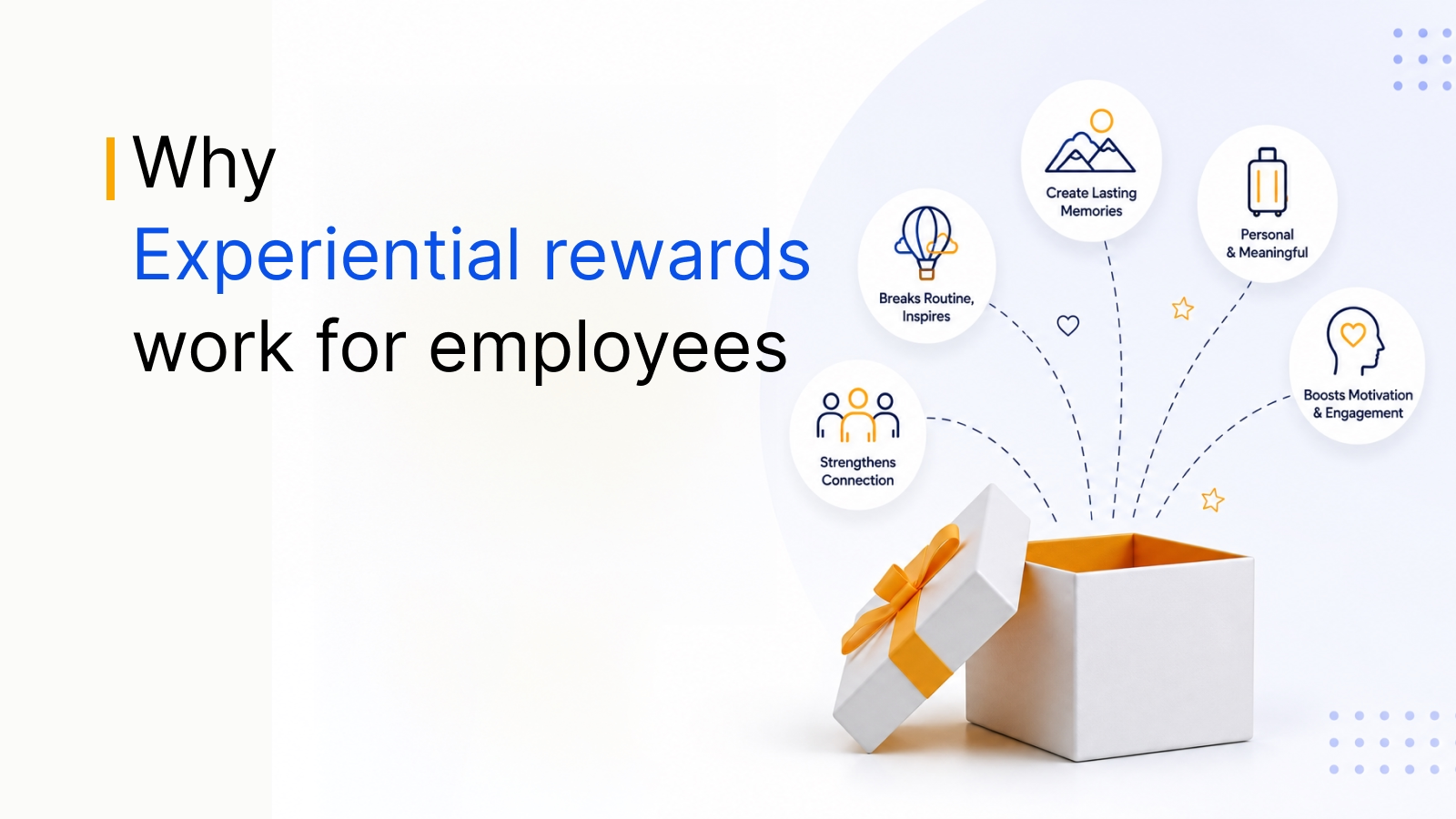
- It reinforces culture internally: Employees who feel recognized stay longer and perform better. Gifts tied to milestones, anniversaries and wins make recognition visible rather than implied.
- It is cheaper per impression than advertising: A useful gift sits on a desk for months. Compared with the cost of broad-reach media, a personalized item or reward delivers a far lower cost per impression, and the digital formats cost almost nothing to distribute.
- It moves specific actions: Gifts and rewards can be attached to the things you want people to do, such as attending a webinar, completing a demo, submitting a referral or activating an account.
The caveat is that all of this depends on the gift feeling considered. A generic, late or obviously bulk-ordered gift achieves none of the above, and sometimes achieves the opposite.
4
Audiences to plan for
employees, clients, partners, prospects
3
Budget tiers
token, standard, premium
1
Thing that ruins it
a gift that feels automated
Corporate gift ideas for employees
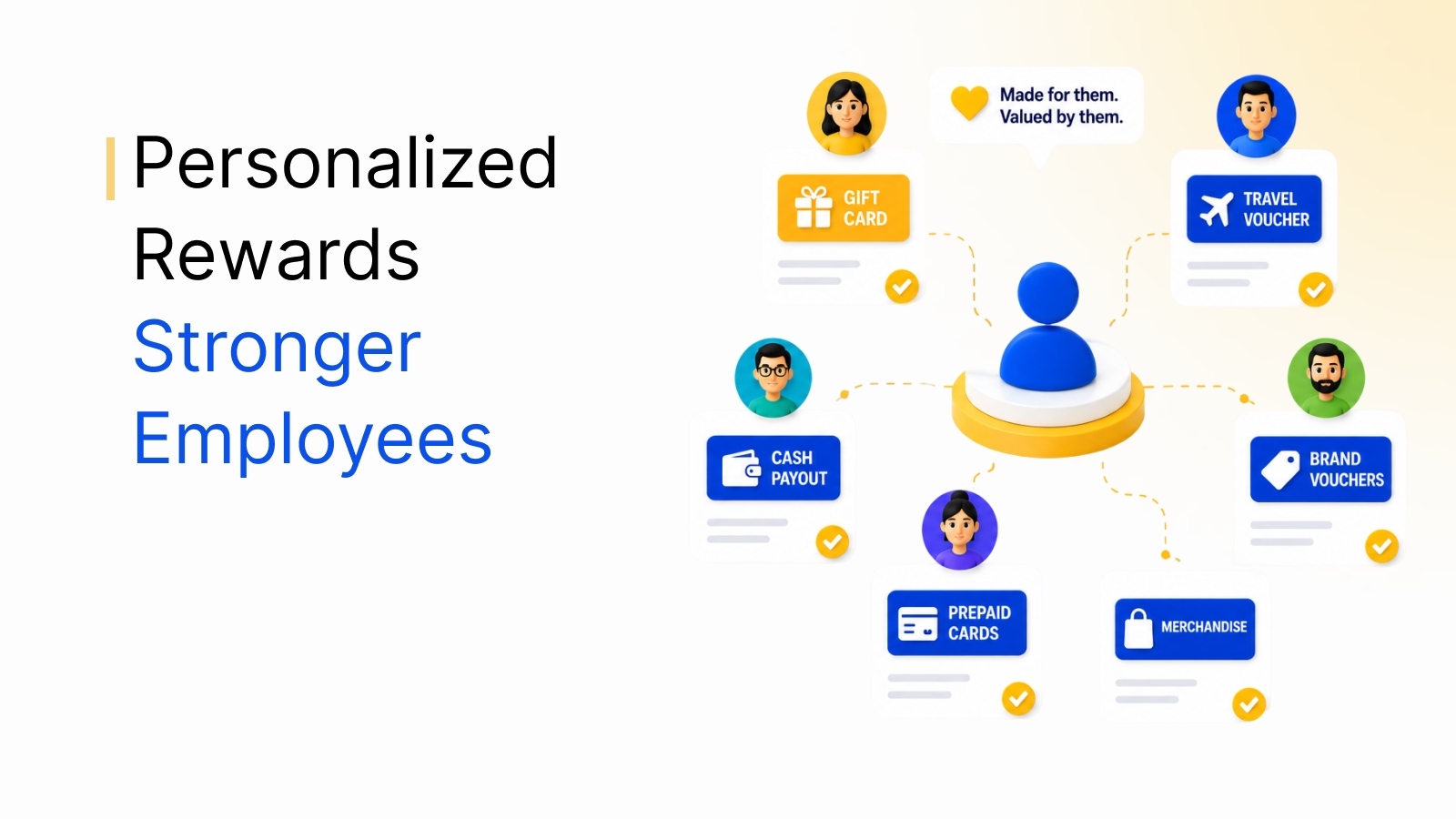
Employee gifting works best when it is tied to a moment rather than a calendar. Onboarding, work anniversaries, promotions, project completions and personal milestones all give the gift a reason to exist.
Personalized essentials
Personalization signals that someone thought about this specific person rather than running a list.
- Customized desk kits: A name-engraved notebook, pen and planner that get daily use while carrying a personal touch.
- Custom apparel: Branded hoodies or jackets embroidered with the employee's name, which work particularly well in welcome kits and team milestones.
Wellness and self-care
Wellness gifts say you care about the person outside their output, which lands well in high-pressure teams.
- Spa and wellness e-gift cards: Let people book a massage, facial or treatment at a centre they choose rather than one you choose for them.
- Fitness app subscriptions: Access to yoga, meditation or home workout classes, useful for distributed teams who do not share an office gym.
- Smart water bottles and fitness trackers: Practical for employees with long sedentary hours, and a visible nudge toward movement.
Tech that improves the working day
Tech gifts earn their place when they remove a daily friction rather than add a gadget to a drawer.
- Noise-cancelling headsets: The single most-used gift in most hybrid teams, and a sensible default for onboarding kits.
- Desk mats, laptop stands and charging stations: Small upgrades that make a home desk feel deliberate instead of improvised.
- Ring lights and webcam upgrades: Worth it for anyone who spends their day in client-facing calls.
- Electronics organizers and waterproof device bags: Built for the sales, field and leadership teams who travel with more hardware than they should.
- Blue-light glasses and solar power banks: Low-cost, genuinely used, and an easy fit for sustainability-minded gifting.
Choice-based rewards
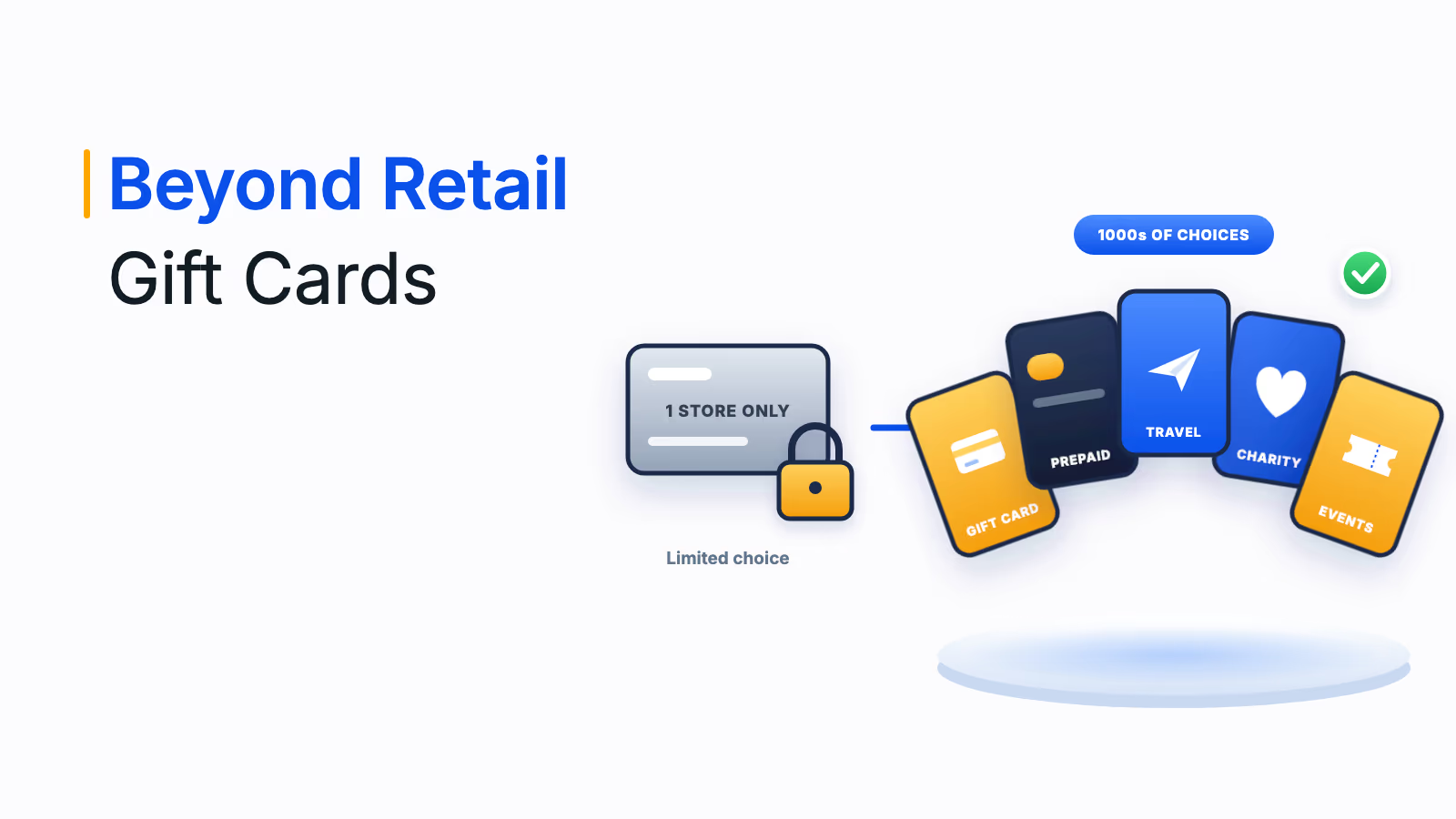
When you cannot know everyone's taste, stop guessing. A digital gift card or a reward link lets each recipient pick from a catalog, which removes the single biggest failure mode in employee gifting.
Send corporate gifts people actually use
Choose from a million-plus reward options in 150+ countries and deliver them instantly by email, SMS or link.
Talk to our ExpertTrusted by 5,000+ companies
Corporate gift ideas for clients and customers
Client gifting is a narrower lane. The gift has to be generous enough to register, restrained enough to stay professional, and compliant with the recipient's own gift policy. We cover the occasion-by-occasion detail in our guide to the best gifts for clients, but the categories that reliably work are these:
- Gourmet food and beverage: Artisanal hampers, premium chocolate, coffee and tea sampler sets. Universally appreciated, indulgent without being personal, and easy to share with a team.
- Multi-brand e-gift cards: The safest choice for a client whose tastes you do not know, and the only practical option for clients in another country.
- Dining vouchers: A meal they would not expense themselves, which carries more warmth than an object.
- Experiences: Masterclasses, tastings and events give you a shared story rather than an item, and they tend to be remembered longer.
- Donations in their name: A strong fit for clients in regulated sectors where accepting a personal gift is awkward or prohibited.
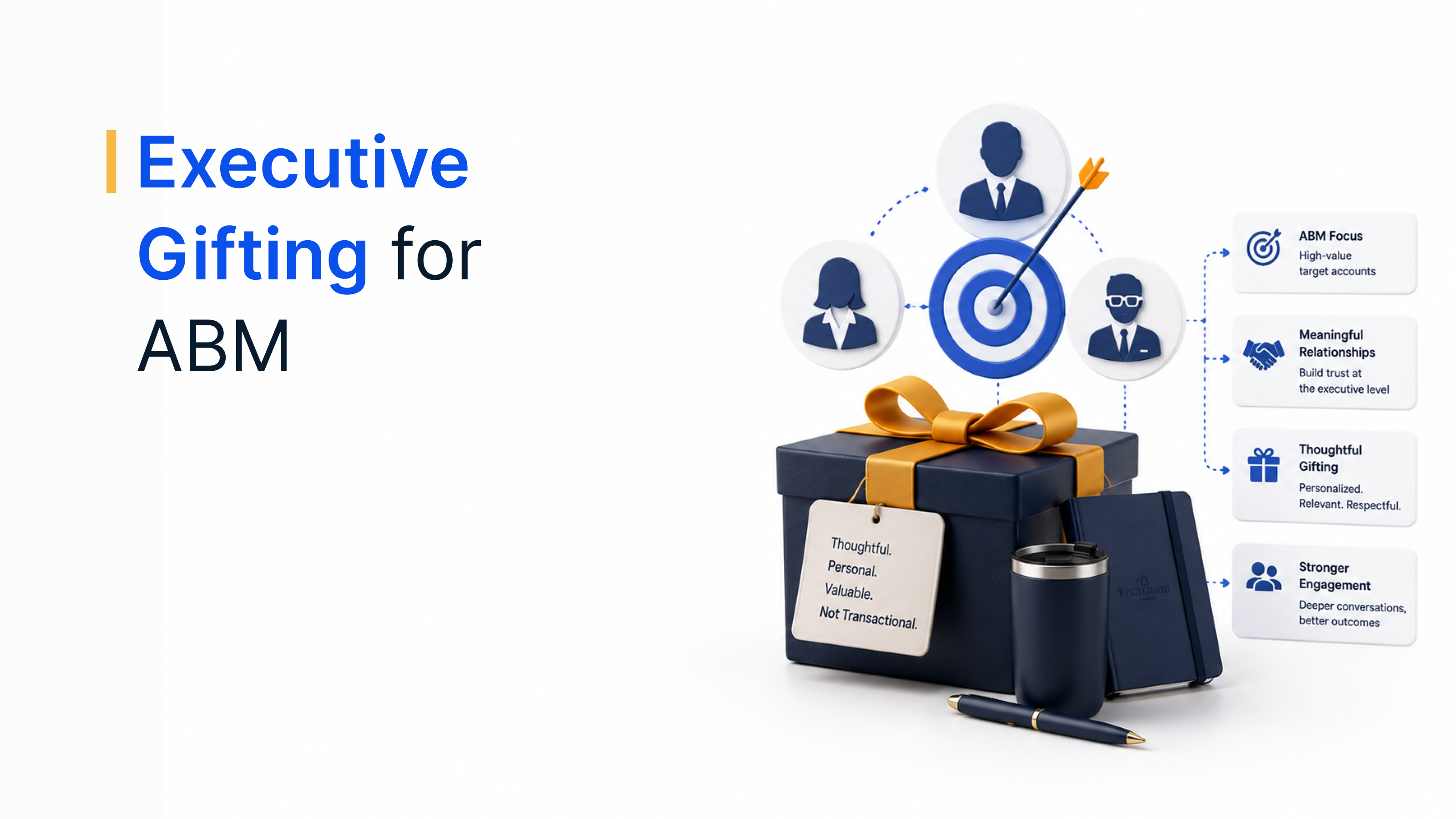
For senior stakeholders and long-term accounts, the bar is higher and the rules are tighter. Our guide to executive gifting in B2B covers what changes when the recipient is a C-level buyer.
Corporate gift ideas for channel and business partners
Partners sit between the employee and client categories. They are not on your payroll, but they carry your revenue, so the gifting tends to be both practical and recognition-led.
- Professional gear: Leather office bags and high-end tech organizers are the dependable picks for partners who are on the road.
- Experience-based rewards: Weekend getaway vouchers, industry workshops and masterclass access reward the relationship rather than a single transaction.
- Tiered reward catalogs: For large partner networks, a points or catalog model scales far better than individually chosen gifts and keeps the spend auditable.
- Premium lifestyle gifts: Luxury pen sets and watch gift cards suit senior business partners and joint-venture milestones, where prestige is part of the message.
- Social impact gifts: Sponsoring a meal programme, education kit or community initiative in a partner's name works when the partnership is built on shared values.
Corporate gift ideas by category
If you would rather start from the gift than the audience, this is the shortlist most corporate gifting programs draw from.
| Category | Examples | Best for |
|---|---|---|
| Digital gift cards | Amazon, food delivery, ride credits, streaming, online learning | Any audience, any geography; the default when preferences are unknown |
| Tech and accessories | Headsets, desk mats, charging stations, trackers | Onboarding kits, hybrid teams, field and sales roles |
| Wellness and self-care | Spa vouchers, fitness subscriptions, aromatherapy, smart bottles | Burnout-prone teams and wellness programs |
| Experiential | Travel vouchers, dining, masterclasses, team activities | Top performers, senior clients and partner recognition |
| Eco-friendly | Plantable stationery, reusable drinkware, solar power banks | Sustainability-led brands and ESG-aligned recipients |
| Charity and donation | Charity gift cards, sponsored meals or education | Regulated sectors and purpose-driven partnerships |
| Branded swag | Tote bags, apparel, logo notebooks, drinkware | Trade shows, onboarding, event giveaways |
| Premium and luxury | Leather goods, smartwatches, designer fragrance, pen sets | Executives, VIP clients and milestone partnerships |
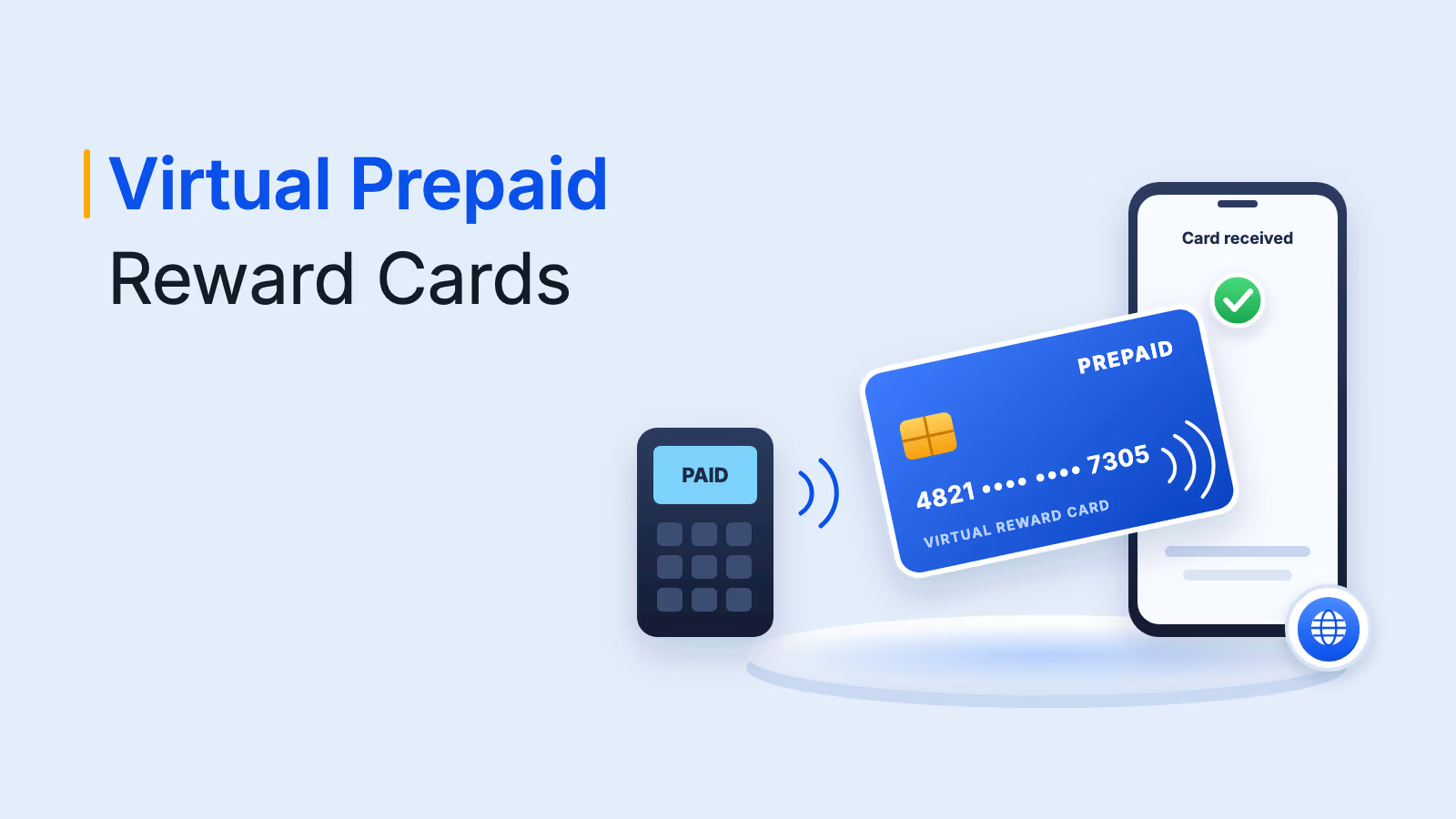
Across all of these, the single most flexible format remains the gift card, because it collapses the choice problem. Our guide to corporate gift cards covers the categories in depth, and the gift cards versus prepaid cards comparison explains when a network-branded card is the better instrument.
How to set a corporate gifting budget
Most gifting budgets are set backwards: a total is agreed, then it is divided by headcount. Start instead with the moments you want to mark, then price them.
A workable starting structure is tiered by relationship value rather than by seniority alone:
| Tier | Typical spend per recipient | Who it covers |
|---|---|---|
| Team and token gifts | Around $20 | Spot thanks, team wins, event giveaways, large-volume sends |
| Standard gifts | Around $75 | Most employees and clients, work anniversaries, onboarding |
| Premium gifts | Around $150 | Top performers, VIP clients, major milestones and renewals |
These bands are industry conventions rather than rules, and they shift with market and seniority. The decision that matters more is the trade-off underneath them: reach a larger group with smaller token gifts, or a smaller group with something substantial. Trying to do both on one budget usually produces gifts that are forgettable at every tier.
Two practical additions. Build in a contingency for the unplanned moments that will come up, because they always do. And set the budget per recipient per year rather than per gift, so three small gestures across a year are planned rather than accidental.
Corporate gift giving etiquette
Etiquette is where otherwise good gifting goes wrong. The rules below are worth circulating to anyone who sends gifts on the company's behalf.
The dos
- Know your recipient: Research preferences, interests and cultural background before choosing. Personalization is what separates a gift from a delivery.
- Follow both companies' policies: Check your own gifting policy and, for clients, ask during onboarding whether they can accept gifts at all.
- Choose quality over quantity: One well-made item beats a bundle of cheap ones. The gift is read as a signal of your standards.
- Get the timing right: Holidays, milestones and achievements give the gift a reason. A gift with no occasion invites the question of what you want.
- Keep it professional: Match the gift to the recipient's professional persona, and avoid anything that could read as overly familiar.
- Include a personal note: A handwritten or genuinely written note does more work than the gift itself. Avoid the copy-to-all message that tells every client they matter equally.
- Respect cultural norms: Gifting conventions vary widely. Money is auspicious in India; first-meeting gifts are standard in Japan and unusual in the US; Australian business culture prefers modesty; in Sweden gifts come at the close of a deal rather than the start.
- Follow up: A short note after the gift arrives closes the loop and keeps the conversation going.
The don'ts
- Avoid overly personal gifts: Clothing, fragrance and anything intimate blur a professional boundary.
- Avoid generic choices: A gift with no thought behind it signals indifference more clearly than sending nothing.
- Be careful with humor: What reads as playful in one culture or team reads as unprofessional in another.
- Skip religious and political symbolism: Unless you know it is welcome, leave it out.
- Mind the price tag: Extravagant gifts create discomfort and can breach the recipient's policy. Generosity is not the same as expense.
- Exercise discretion with alcohol: Preferences and cultural norms vary, and the recipient may not drink. Offer an alternative if you are unsure.
- Do not leave it to the last minute: Rushed gifting looks rushed, and the logistics rarely cooperate.
- Do not turn the gift into an advertisement: Subtle branding is fine. A gift that is mostly logo is marketing, and recipients can tell.
Tax and compliance limits to check first
Corporate gifts are taxable events in most countries, and the rules differ for employees and for clients. A short list of the ones that catch people out:
- US business gifts to clients: Deductions are capped at $25 per recipient per tax year under the IRS rules on business gift deductions, a figure that has never been indexed for inflation. Incidental costs such as engraving and packaging generally fall outside the cap.
- US gifts to employees: Gift cards and cash equivalents do not qualify as de minimis fringe benefits, whatever their value. They are taxable wages and need to be reported.
- UK trivial benefits: A gift that costs £50 or less including VAT, is not cash or a cash voucher, and is not a contractual entitlement can qualify as a trivial benefit and escape tax and reporting. Exceed £50 and the whole value becomes taxable, and directors of close companies face a £300 annual cap.
- Recipient-side policies: Many organizations, particularly in government, banking, healthcare and procurement, restrict or prohibit gifts entirely. Checking is cheaper than apologising.
Keep a record of every gift and the business reason behind it. Our global employer gift tax guide covers the country-by-country detail, including the EU exemptions that are easy to miss.
What goes wrong with corporate gifting
The failure modes are consistent enough to plan around.
1. The gift is not personal enough
No amount of research guarantees you have read someone correctly. Someone who shares cat videos is not necessarily a cat owner, and a cat-themed mug lands awkwardly. Choice-based gifting sidesteps this entirely by letting the recipient decide.
2. The administrative load is heavier than expected
Collecting addresses, verifying details, purchasing, packing and shipping consumes real hours once you pass a few dozen recipients. Digital delivery removes packaging, shipping and geographic constraints in one move.
3. The timing slips
A late birthday gift or a delayed recognition reward loses most of its meaning. Scheduling gifts in advance, against a calendar of anniversaries and milestones, is the difference between a program and a reaction.
4. The gifts become predictable
The same sweets and chocolates every festive season stop registering. Variety is not a nice-to-have; it is what keeps the gesture from fading into background noise.
5. The messaging is impersonal
"Your business is important to us" tells the client their business is exactly as important as everyone else's. If the note is going to be generic, the gift will read as generic too.
6. Language and currency get in the way
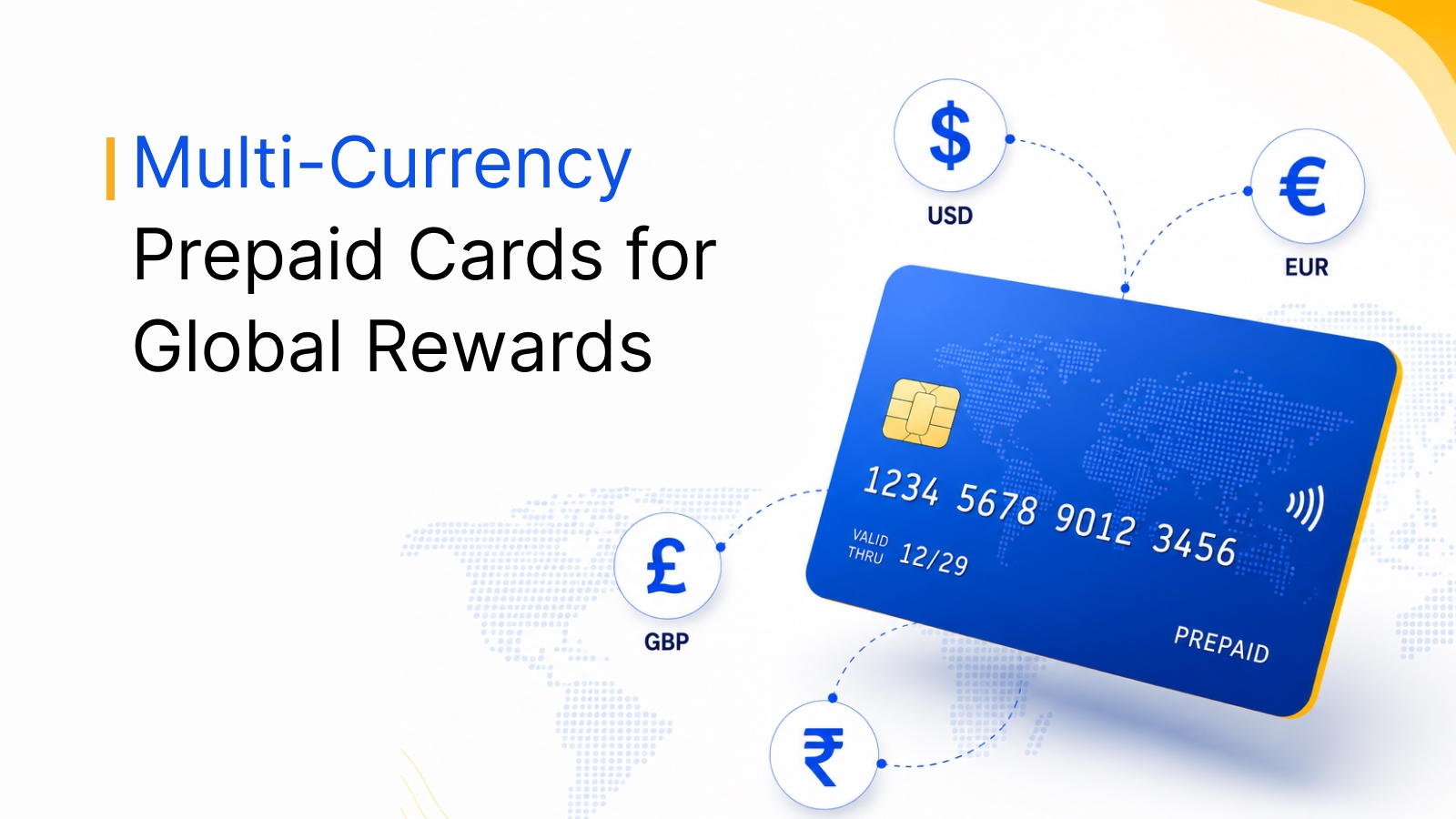
A global recipient list means messages people can read and values they can actually spend. Managing that manually is expensive; a platform with built-in localization and multi-currency redemption makes it a setting rather than a project.
How to choose a corporate gifting platform
Once gifting runs at any scale, the platform matters more than the individual gift. The criteria worth scoring vendors against:
- Catalog breadth: Digital gift cards across many brands, experiences, merchandise, wellness and learning options, so one platform covers every audience.
- Global reach and multi-currency: International redemption, local-currency conversion and region-specific brands for each market you operate in.
- Customization and branding: Custom-branded cards, your logo and colors, and personalized messages with multilingual support.
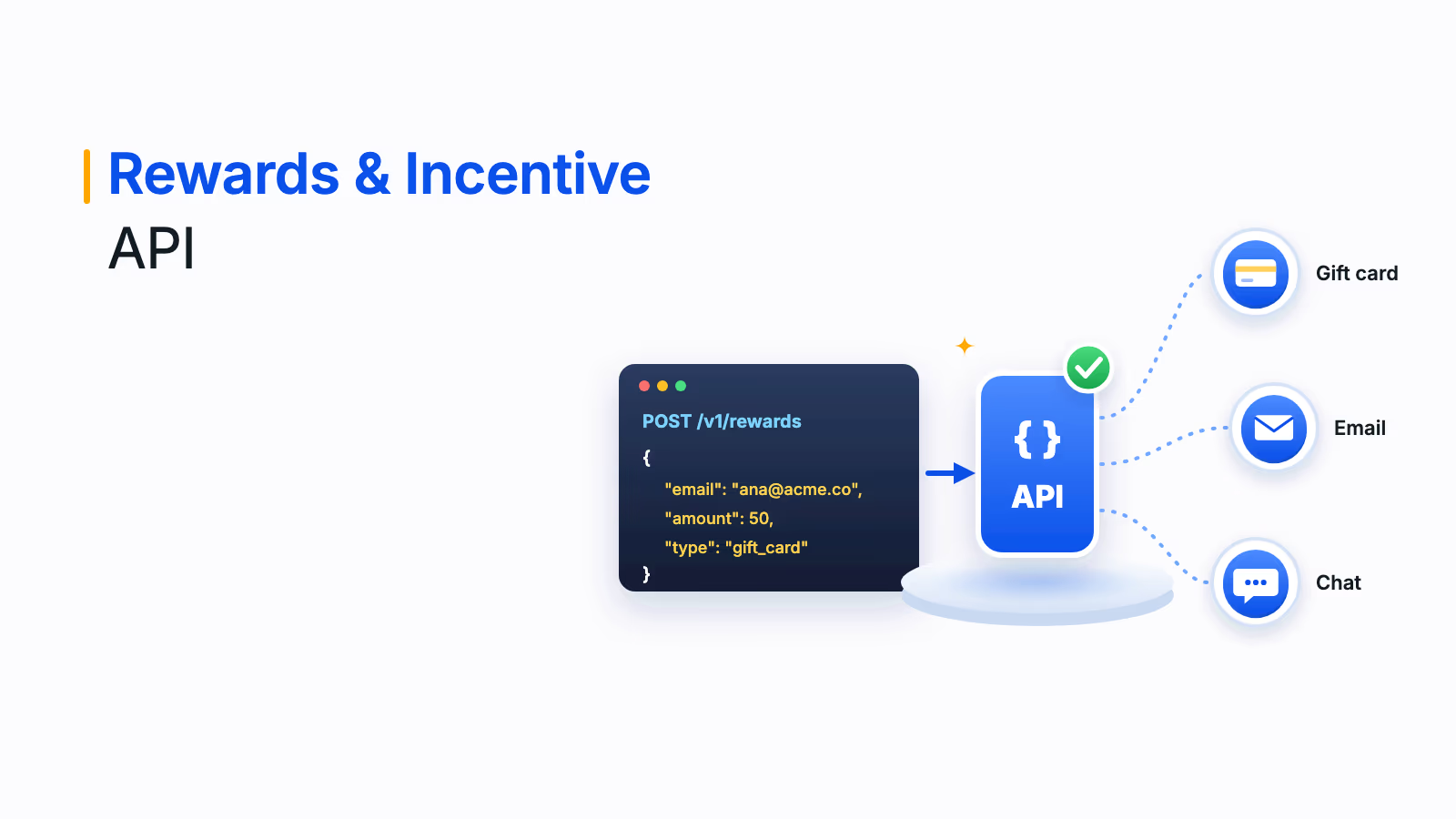
- Integrations: Connections into HRMS, CRM, payroll and expense systems, plus an API for automated distribution and tracking.
- Delivery flexibility: Scheduled sends, instant delivery by email, SMS or messaging app, and QR or link-based redemption.
- Security and compliance: GDPR and regional data privacy compliance, encrypted transactions, and fraud protection.
- Cost transparency and reporting: Bulk pricing, no hidden fees, and analytics that show redemption rather than just delivery.
- Support: A usable interface, responsive help, and account management once volumes grow.
Our corporate gifting platform comparison runs the main vendors against these criteria if you are at the shortlist stage.
Run corporate gifting as a program with Xoxoday Plum
Plum turns gifting from a series of purchases into a managed program. The recipient picks what they want from a catalog built for their own market; you keep the budget, the branding and the reporting.
01 · Catalog
A million-plus rewards in 150+ countries
Gift cards, experiences, merchandise, wellness and learning, so every audience from a new hire to a VIP client finds something they will use.
02 · Automation
Bulk and scheduled sending
Ten recipients or ten thousand, scheduled against a milestone calendar or triggered from your HR and CRM systems. No spreadsheets.
03 · Delivery
Email, SMS, WhatsApp or link
Recipients get the gift where they already are, in seconds, with no address collection and no shipping.
04 · Local
Local currency redemption
Fund in your currency and let recipients redeem in theirs, against brands that actually exist in their market.
05 · Branding
White-labelled end to end
Your logo, colours and message across the gift, the email and the redemption page.
06 · Proof
Redemption reporting
Delivery and redemption data per campaign, so you can tell which gifts were used rather than only which were sent.
150+
Countries
with local-currency redemption
1mn+
Reward options
across the global catalog
10,600+
Rewards fulfilled
in a single Capgemini program
See how Capgemini fulfilled over 10,600 rewards with bulk reward codes across departments, or how a global FMCG company moved employee rewards, sales incentives and festive gifting onto one platform. Our guide to bulk gift cards covers the sending mechanics, and you can explore Plum's corporate gifting solution or see how gifting works at events.
Corporate gifting is not complicated, but it is easy to do badly. Pick the moments, set the tiers, respect the etiquette and the tax rules, and let people choose their own gift wherever you can. The programs that work are the ones that run quietly all year rather than arriving, loudly, every December.
Book your Plum demo
Frequently asked questions
The ideas that land are tied to a moment and match how the person works. Personalized desk kits and custom apparel suit onboarding, wellness vouchers and fitness subscriptions suit high-pressure teams, and practical tech such as headsets, desk mats and charging stations gets daily use in hybrid roles. When you do not know individual preferences, a digital gift card or reward link lets each employee choose from a catalog.
A common structure is around $20 per person for token and team gifts, around $75 for standard gifts to most employees and clients, and around $150 for premium gifts to top performers and VIP clients. These are conventions rather than rules. The more important decision is whether to reach a large group with smaller gifts or a smaller group with something substantial, and to set the budget per recipient per year rather than per gift.
It depends on the country and the recipient. In the US, deductions for business gifts to clients are capped at $25 per recipient per tax year, while gift cards given to employees are treated as taxable wages rather than de minimis benefits. In the UK, a gift of £50 or less that is not cash or a cash voucher can qualify as a trivial benefit and avoid tax. Keep a record of every gift and its business purpose, and check with your tax advisor.
Avoid anything overly personal, religious or political, avoid humor you are not certain will land, and be careful with alcohol unless you know the recipient's preferences. Do not send extravagant gifts that could breach the recipient's gift policy, do not leave gifting to the last minute, and do not let the gift become an advertisement. A generic gift with a copy-to-all message is worse than sending nothing.
Gourmet food and beverage hampers, multi-brand e-gift cards, dining vouchers and experiences are the categories that work most reliably. Donations in the client's name are a strong option in regulated sectors where accepting a personal gift is restricted. For senior stakeholders, raise the quality rather than the quantity, and always check the client's gift acceptance policy first.
Use digital delivery and local-currency redemption. Physical gifts to an international list mean customs, shipping costs and long lead times, and brand availability differs by market. A platform with region-specific catalogs lets a recipient in Manila and a recipient in Munich each pick something they can actually use, delivered by email, SMS or link on the same day.
A corporate gift is anything of value given to an employee, client or partner. A branded corporate gift carries your logo or brand identity, so it works as both a gesture and a brand asset. Branded gifts suit onboarding kits, trade shows and partner appreciation. They suit senior clients less well, because a logo-heavy item reads as marketing rather than thanks.
Build a calendar around recurring moments rather than a single season. For employees that means onboarding, work anniversaries, promotions and project completions. For clients it means onboarding, renewals, milestones and thank-yous. For partners it means quarterly performance, certifications and joint wins. Festive gifting still has a place, but a program that only runs in December is easy to forget.