Key Takeaways
Personalization now earns travel loyalty more reliably than generic points tables.
AI-based recommendations let programs offer the right reward at the right moment.
Experiential rewards and flexible redemption, including points to miles exchange, raise perceived value.
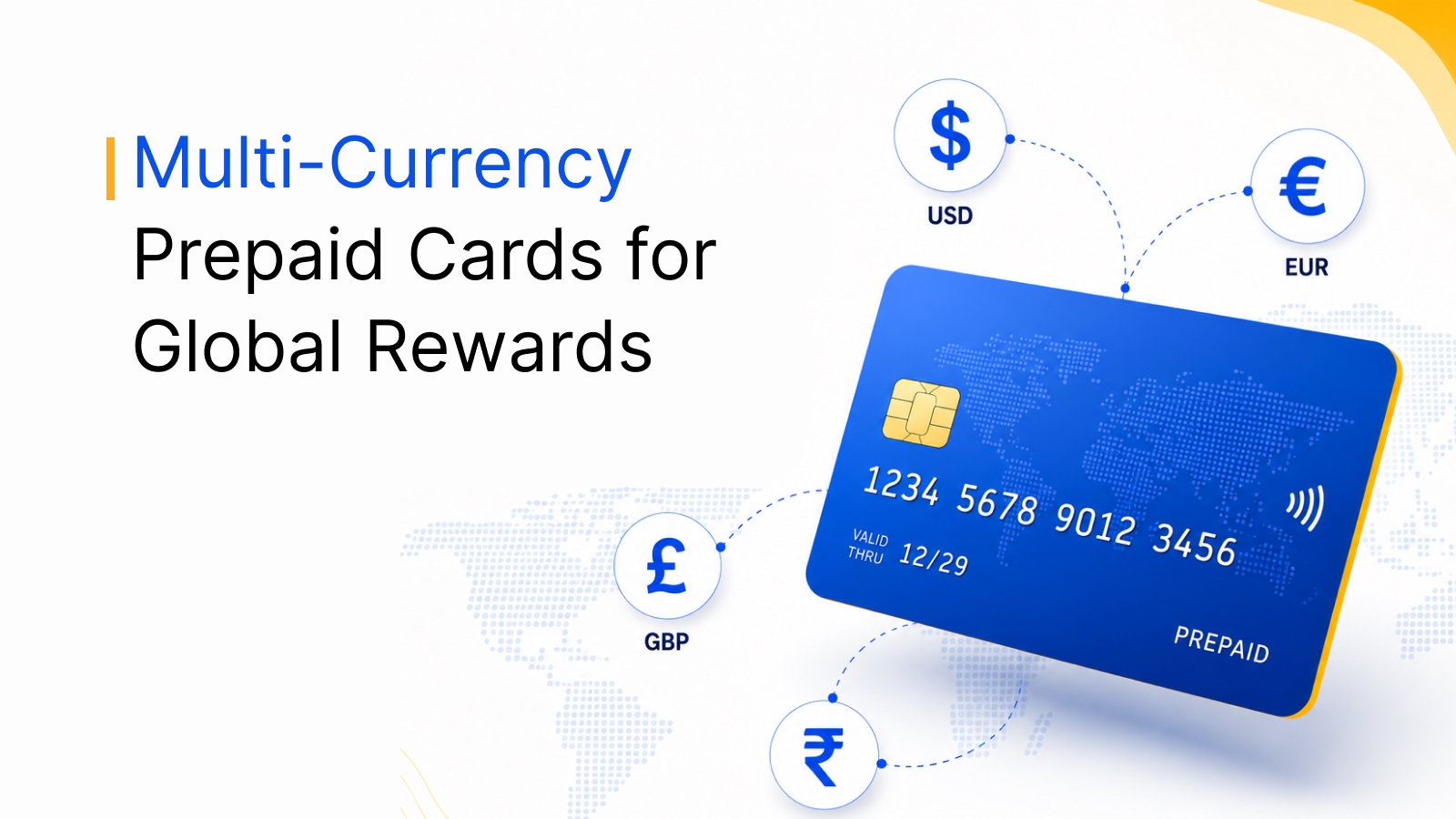
Remote workers and digital nomads need global, instant, multi-currency rewards.
Travel rewards offer something unique: the opportunity to create lasting memories. Unlike material goods, which may fade or become outdated, travel experiences become part of a person's identity and cherished memories. That is why brands keep investing in travel rewards programs, and why the travel rewards trends of 2026 matter for anyone running a loyalty, incentive or recognition program.
Travelers are also getting more demanding. In a 2025 Mews survey of 2,000 travelers, reported by Travolution, 68% said they would stay loyal to hotels that deliver standout, personalized experiences. Points still matter, but personalization and experiences are now what earn loyalty.
This preference highlights the shift toward experiential consumption and the growing importance of offering travel experiences as part of a rewards program.
As we look ahead, it's clear that travel rewards programs are shifting gears and becoming more innovative and customer-centric. Let's explore how these changes are likely to fuel customer loyalty in the years to come.
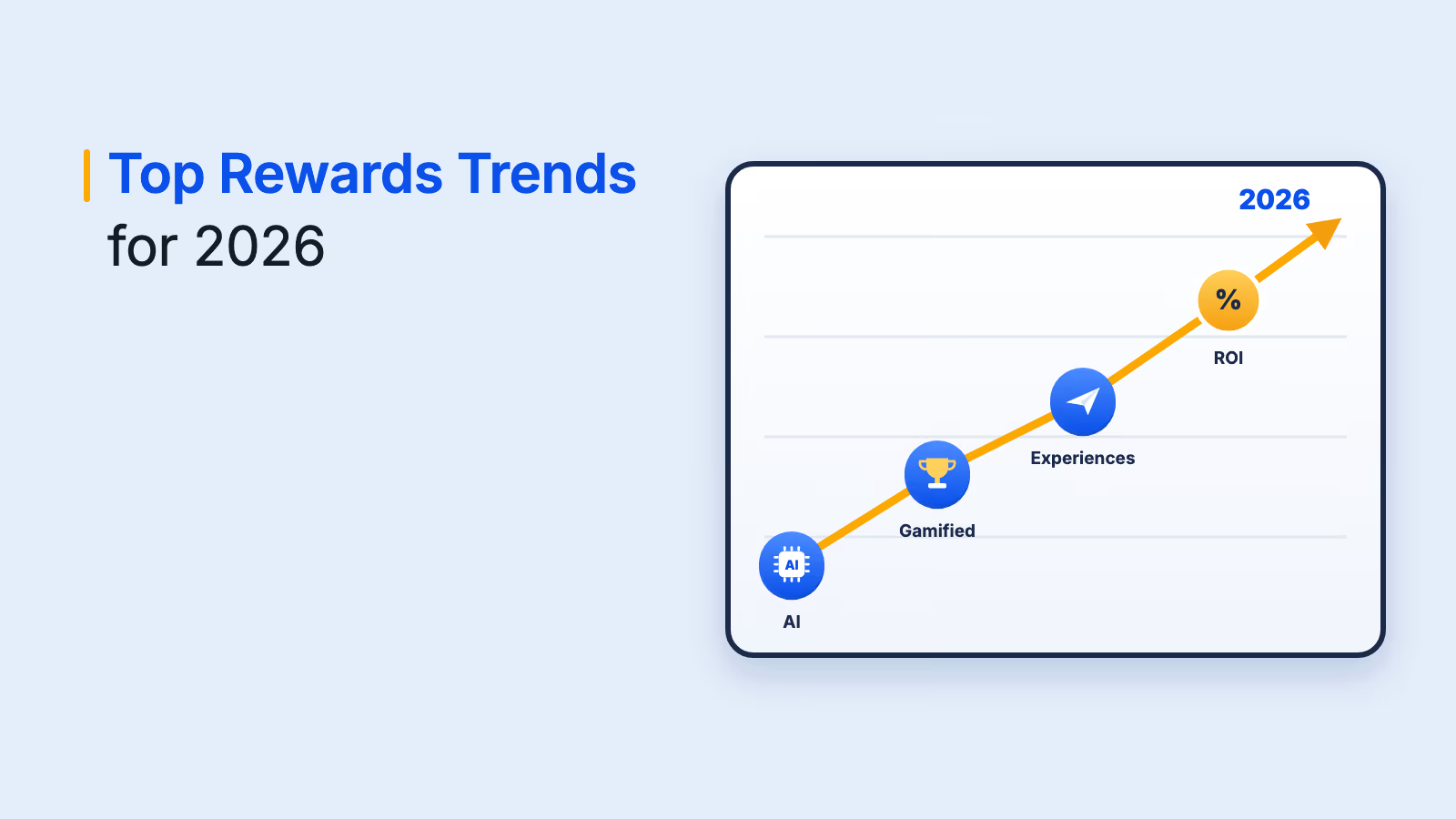
| Trend | What is changing | What brands should do |
|---|---|---|
| 1. Personalized travel rewards | Generic points give way to offers based on preferences and travel patterns | Use a branded, configurable rewards platform with personalized messaging |
| 2. AI-based recommendations | AI predicts what members want and when | Feed program data into AI-driven segmentation and real-time offers |
| 3. Experiential rewards | Members redeem for experiences, not just stays and flights | Add curated, local experiences to the catalog |
| 4. Flexible redemption | Points move across airlines, hotels and non-travel rewards | Offer points to miles exchange and a broad catalog |
| 5. Mobile workforce rewards | Remote workers and digital nomads travel longer and more often | Offer global, instant, multi-currency rewards |
5 travel rewards trends reshaping programs in 2026
These five travel loyalty trends are reshaping how brands think about rewards. It's no longer just about points and miles; it's about creating meaningful, memorable experiences that resonate with each traveler, delivered in a way that feels personal, flexible and instant.
1. Personalized travel rewards will change the game
Personalized travel rewards are offers matched to each member's preferences, behavior and travel patterns, instead of the same points table for everyone.
Imagine logging into your travel rewards program and being greeted with a message that says: "We noticed you enjoy beach vacations in the winter. Here's a special offer for a seaside resort in Bali with a bonus upgrade to a suite, just for you."
Think about the level of personalization in that message. How would it make you feel? Valued? Understood? Perhaps even delighted? This goes beyond generic points and miles. It's about creating a rewarding experience that reflects your customers' preferences, behavior and travel patterns.
The benefits of such personalization are two-fold:
- For customers: It means receiving offers and rewards that genuinely match their interests and desires, making travel more enjoyable and fulfilling.
- For travel rewards programs: It translates into higher engagement, customer satisfaction and, ultimately, loyalty.
How to implement the right rewards platform for personalization
Choosing the right rewards platform for personalization is crucial for businesses that want to improve engagement and loyalty without a hefty investment in development resources. A platform that offers visual personalization, reward email customization and white-labeling can streamline the process significantly. Here's a step-by-step guide to selecting one that meets these criteria:
- Evaluate visual personalization features: Look for rewards platforms that let you customize the user interface extensively, including colors, layouts and elements, to match your brand. Also check the template variety: a good range of templates for rewards pages and user dashboards helps you quickly create an appealing, unique look.
- Ensure robust reward email personalization: Choose a platform that supports dynamic content in emails, so you can include personalized rewards, recommendations and greetings based on each recipient's past interactions and preferences. Its email templates should be customizable to match your brand's voice and visual identity, including text, images and layout.
- Opt for a white-label solution: Select a platform that lets you run the rewards program as your own, with your logo, color scheme and domain and no visible third-party branding. It should integrate smoothly with your website and customer management systems so the experience feels like part of your ecosystem. Plum's embedded storefront and branded microsites are built for this.
- Look for no-code or low-code options: A user-friendly interface that needs little or no coding lets your marketing team create and manage the program without developer help. Make sure the platform also provides comprehensive documentation, tutorials and customer support to make setup and customization effortless.
- Implement and test a pilot program: Before rolling out platform-wide, launch a pilot with one segment of your audience to gather feedback and make adjustments. Then use analytics and customer feedback to keep refining the look, email personalization and overall experience. The right platform should offer detailed analytics to track engagement and effectiveness.
2. AI-based reward recommendations will take loyalty to new heights
AI-based reward recommendations use machine learning on member data to suggest the right reward at the right moment, often before the member asks.
Imagine you're walking briskly through the airport, eager to get to your gate. Suddenly your smartwatch vibrates with a notification. It's not a message or an email but an instant reward offer: "You're just a few steps away from our exclusive lounge. Why not stop by and relax before your flight? Here's a complimentary access pass, just for you."
AI-based reward recommendations like this are designed to make travel more enjoyable and less stressful. And travelers are ready for them: in the Global Rescue Fall 2025 Traveler Sentiment and Safety Survey, 22% of travelers said they had already used generative AI to plan a trip.
What AI-based rewards platforms can do for your business
AI-based rewards platforms use artificial intelligence to enhance loyalty programs, offering a personalized, dynamic experience for your customers. They use algorithms and machine learning to analyze large amounts of data on customer behavior, preferences and interactions. Here's what AI-based rewards platforms can do:
- Provide personalized reward offerings: They tailor rewards and recommendations to each customer based on past behavior, preferences and purchase history, so customers receive the offers most relevant to them, which increases engagement and loyalty.
- Predict customer behavior: By analyzing past interactions, AI can anticipate customer needs and preferences, so businesses can offer rewards and promotions before the customer even asks.
- Automate rewards processes: These platforms automate everything from earning points or rewards based on customer actions to redemption. Automation increases efficiency, reduces errors and improves the overall customer experience.
- Enhance customer segmentation: AI segments customers more accurately and dynamically than traditional methods, using real-time data to group them by behavior, spending patterns and engagement, which allows more targeted reward strategies.
- Optimize reward strategies: Through continuous learning, AI identifies the most effective rewards and promotions for each segment, so businesses retain customers and maximize the return on their loyalty programs.
- Facilitate real-time interactions: AI-based platforms can respond to customers in real time with instant rewards, feedback and support, making the program feel responsive and attentive to individual needs.
3. Experiential rewards will reshape travel loyalty programs
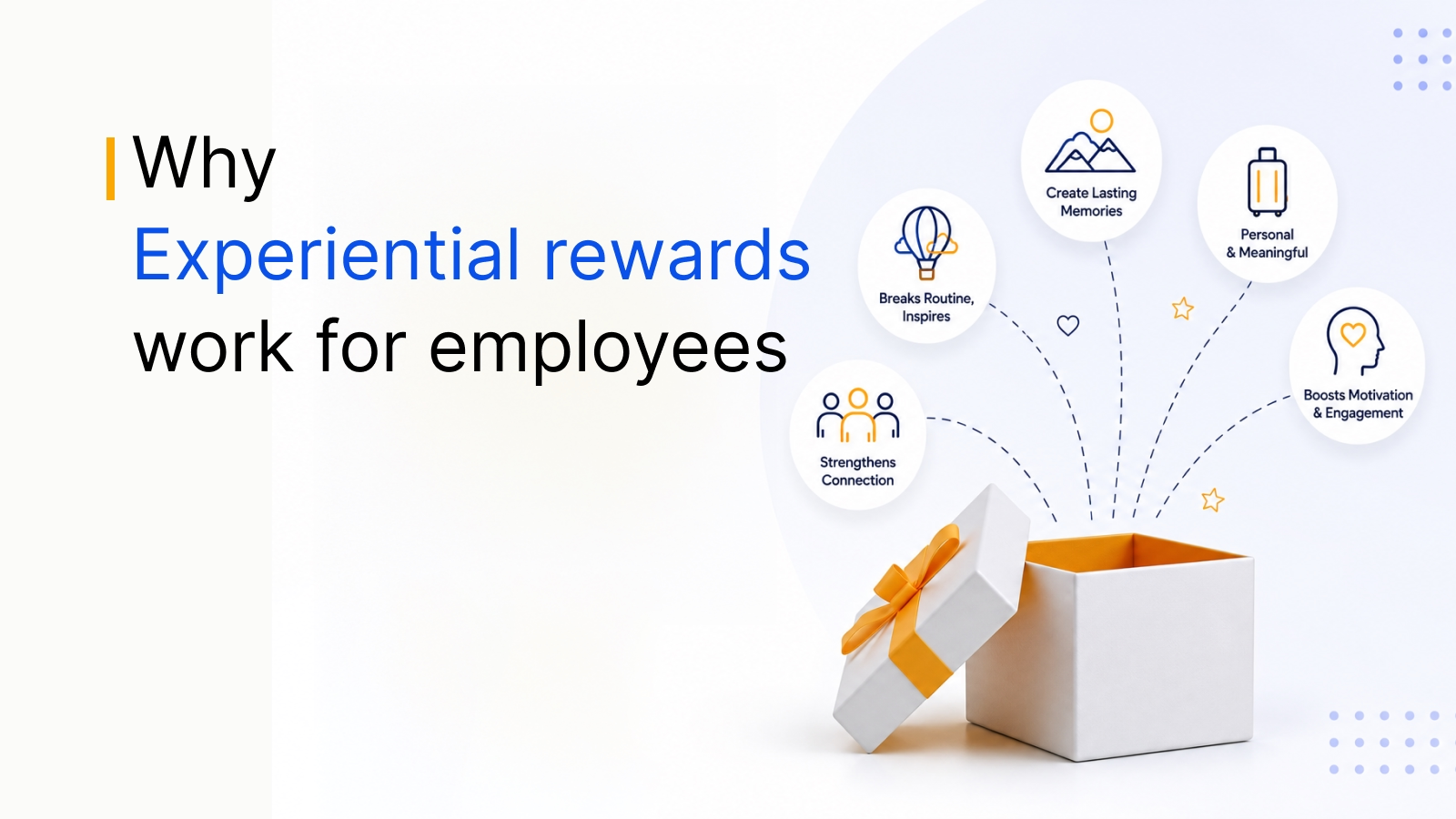
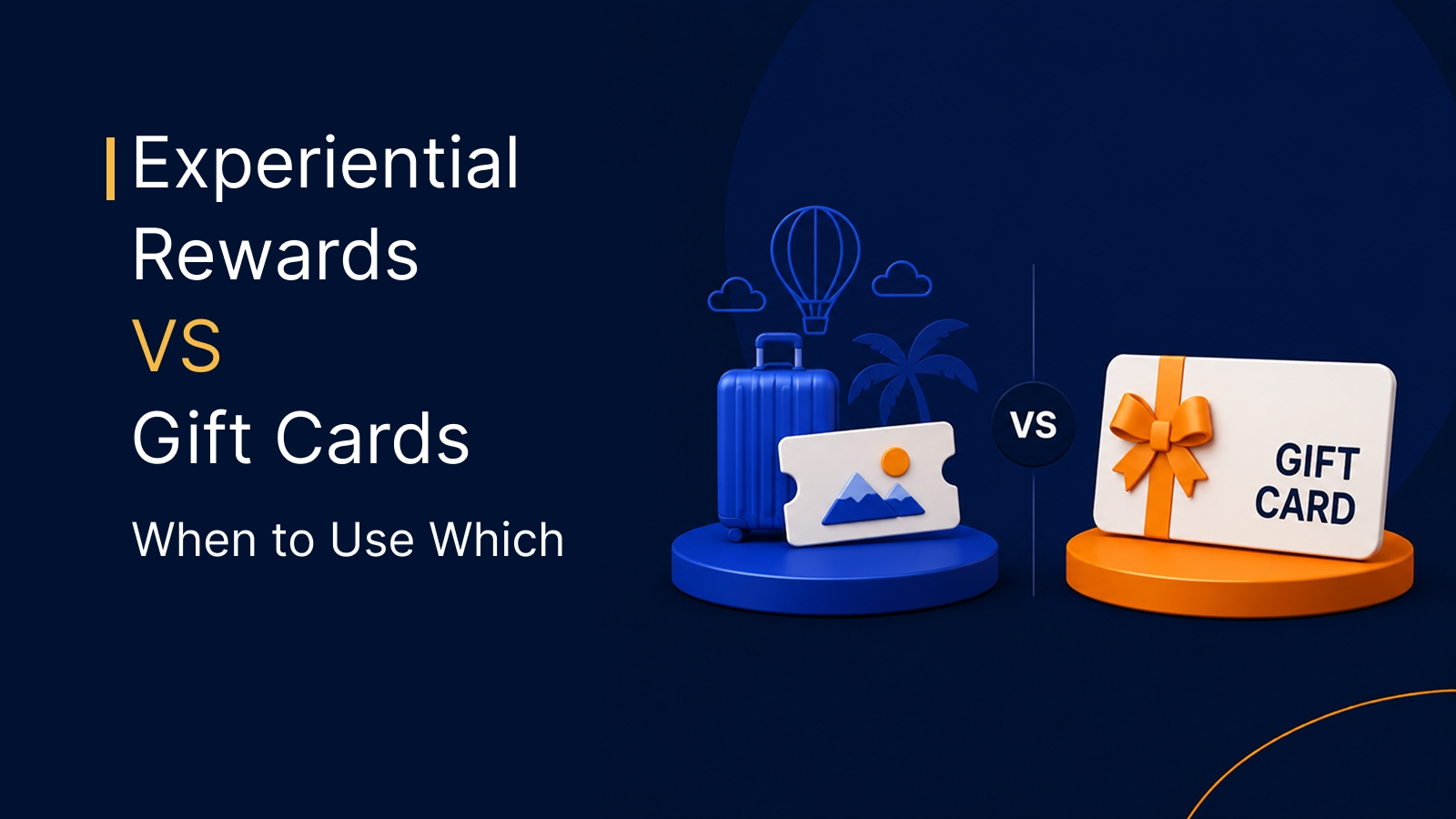
Experiential rewards let members redeem points for activities such as a cooking class, a guided tour or a spa day, rather than another standard hotel night.
How would you feel about redeeming points for a private cooking class with a renowned chef in Italy instead of a standard hotel stay? The shift toward experiential rewards is not just a trend but a reflection of travelers' search for deeper, more meaningful connections with the world. These experiences add a new dimension to loyalty, where every point redeemed is a step toward another unforgettable story.
Demand for experiences is strongest among high-value travelers. The 2025 Deloitte Holiday Travel Survey, reported by Hospitality Net, found that one in four respondents met its luxury traveler threshold, and these travelers give much greater weight to customer service and loyalty memberships when choosing a hotel. Deloitte advises suppliers to balance programmatic loyalty with high expectations of customer experience and personalization.
What to consider when choosing a rewards platform with experiential offerings
When selecting a rewards platform that specializes in experiences, consider several factors. They help ensure the platform aligns with your brand's values and matches your audience's appetite for unique, memorable experiences. Here's what to keep in mind:
- Diversity of experience categories: Look for a platform with a wide range of experiential rewards, including fine dining, entertainment, adventure activities, cultural tours, spa and wellness retreats and more, so there's something for every type of traveler. Plum's experiences catalog covers many of these.
- Curated offerings: Evaluate the quality and authenticity of the experiences. The best platforms work with local experts and businesses to curate genuine experiences that are hard to find elsewhere.
- Personalization capabilities: Consider how the platform uses AI and machine learning to recommend experiences based on user preferences, past behavior and other data. Relevant suggestions lift engagement.
- Ease of integration: The platform should integrate easily with your existing systems, including your CRM and loyalty program, for a smooth transition for your team and a seamless experience for customers.
- User experience: Both the business and the end user should find the platform intuitive, with easy navigation, simple redemption and accessible customer support.
- Scalability: The platform should grow with your business, handling more users and a larger catalog of experiences without compromising performance.
4. Flexibility to choose rewards will be highly preferred
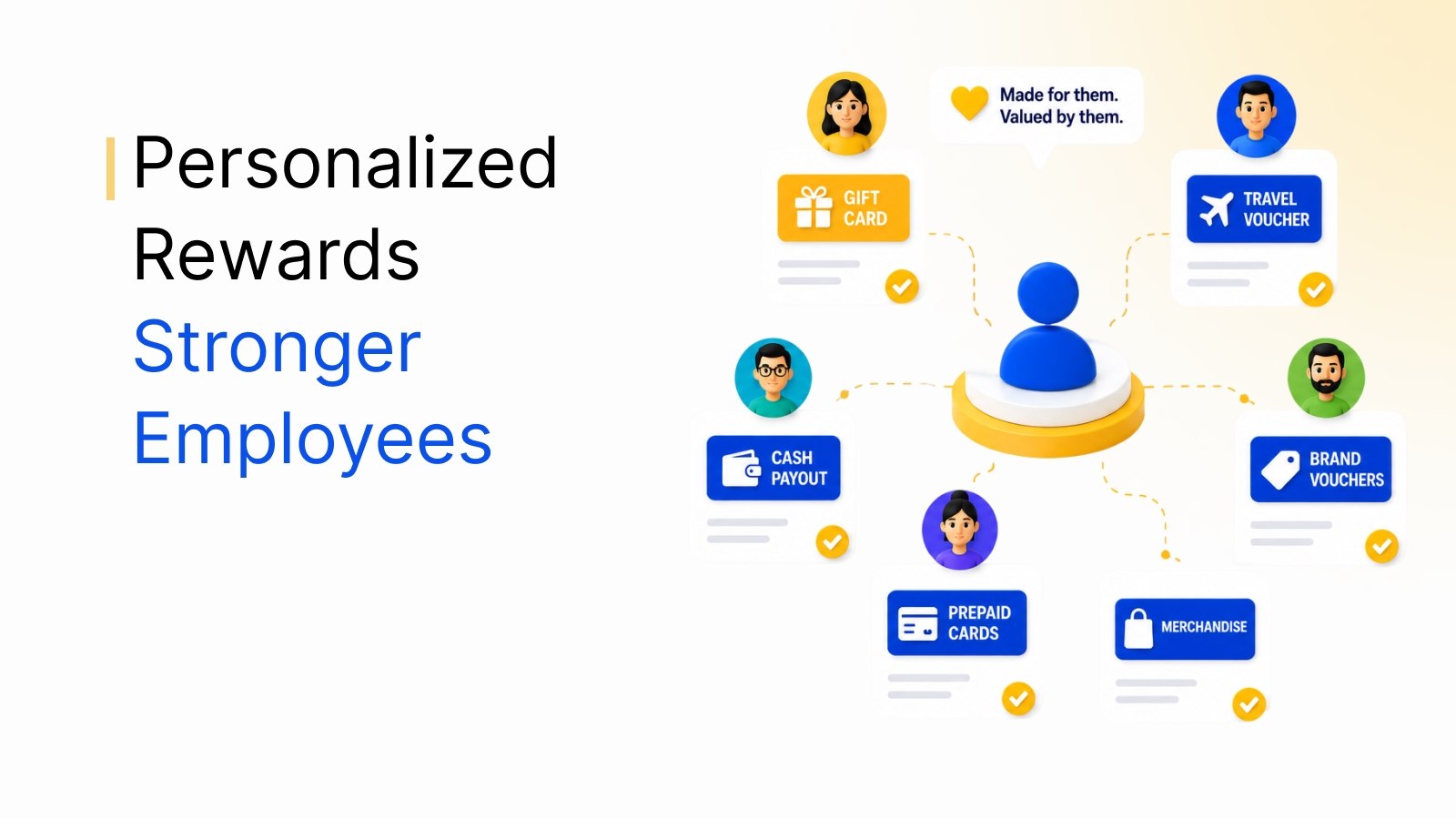
Flexible redemption means members can use points beyond a single program: transferring them to airline miles or hotel programs, or redeeming them for dining, concerts and everyday rewards.
Imagine a world where your airline miles do more than just book flights. Picture a system where you can transfer those miles to a hotel loyalty program, redeem them for a gourmet dining experience or convert them into tickets for a coveted concert. This level of flexibility turns points from a narrow currency into a passport to a world of possibilities.
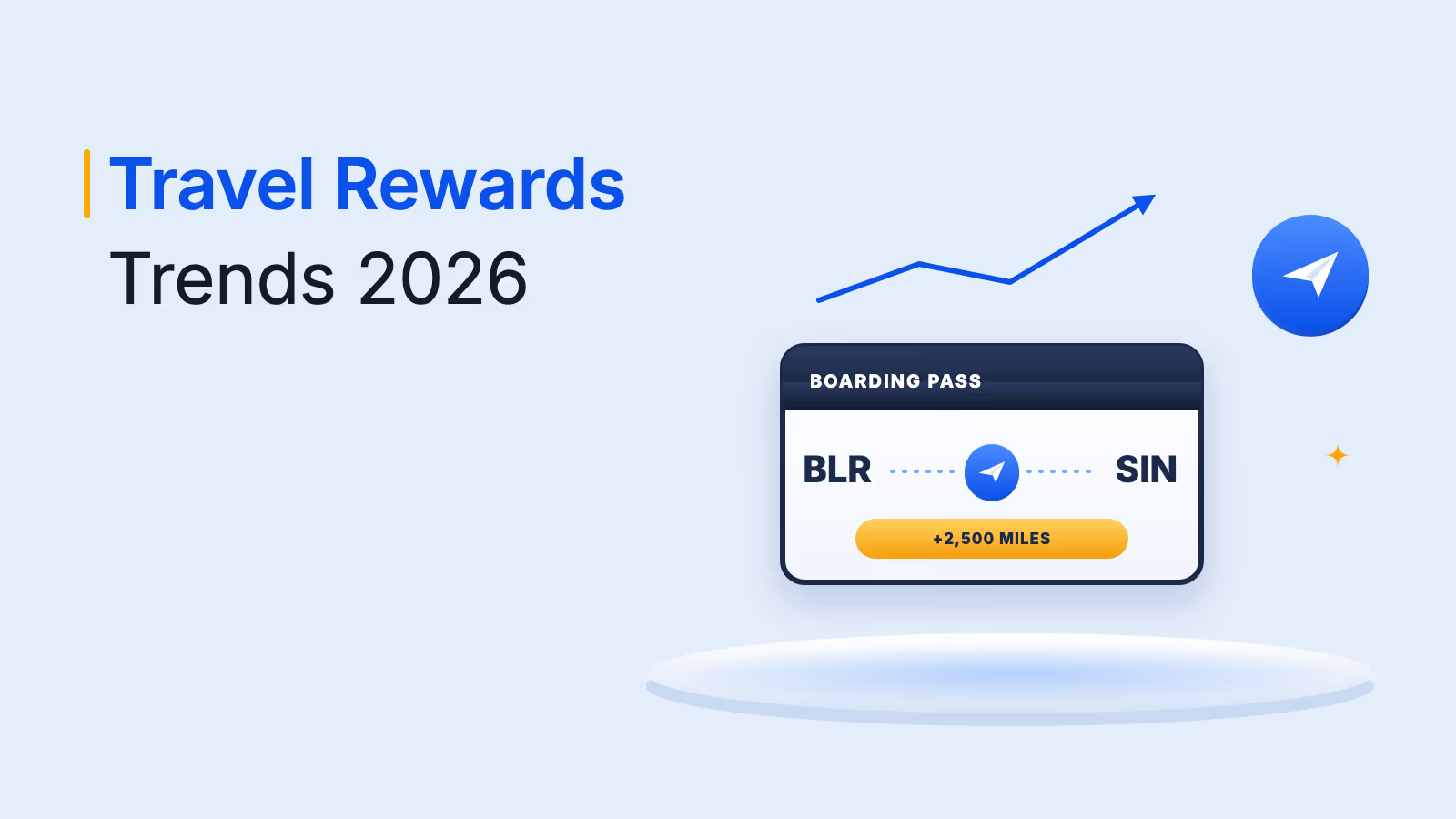
A points to miles exchange is the clearest example: members convert program points into the airline miles they already collect. Learn how this works in our guide to the points and airline miles exchange network and Plum's airline rewards marketplace.
For businesses that want to adopt this flexible approach, here's a step-by-step guide to implementing a platform that offers a wide range of choices:
- Assess your audience's preferences: Run surveys and gather data to understand your audience's interests and preferences. This guides you toward the right mix of rewards.
- Choose a versatile platform: Opt for a rewards platform with broad partner integrations, offering a wide range of reward options from travel and dining to retail and entertainment.
- Integrate a flexible points system: Implement reward points that members can move between programs and categories, so they can use points exactly how they wish.
- Enable non-travel redemption options too: Broaden your catalog to include non-travel options such as gift cards, merchandise, event tickets and digital products, so every type of member finds something they want.
- Simplify the redemption process: Keep redemption simple and user-friendly, with clear instructions and minimal steps to convert points into rewards.
- Promote your flexible travel rewards program: Use targeted marketing to highlight the flexibility and variety of your program, with real examples of how members can use their points.
5. Digital nomad-friendly rewards for the mobile workforce
Mobile workforce rewards support people who work while they travel, with perks like co-working access, long-stay discounts and networking events across cities.
Imagine a travel rewards program that not only recognizes your wanderlust but also supports your mobile lifestyle. Co-working space access, discounts on long-stay accommodation and invitations to networking events around the world are not just perks but essential tools for any digital nomad. Remote and hybrid work has made longer, more frequent trips common, and these travelers value rewards that make work on the road easier.
The goal is to create rewards that not only retain loyalty but also enrich the travel and work experience in innovative, sustainable ways. Here's how to make sure your platform meets the needs of this audience, with diverse offerings and instant, hassle-free reward distribution:
- Understand the nomad lifestyle: Research the needs, preferences and challenges digital nomads face.
- Curate diverse and relevant rewards: Select rewards that directly support the nomadic lifestyle, such as co-working memberships, long-term accommodation deals and networking opportunities.
- Ensure global accessibility: Partner with global providers so rewards are accessible worldwide, without geographic limits.
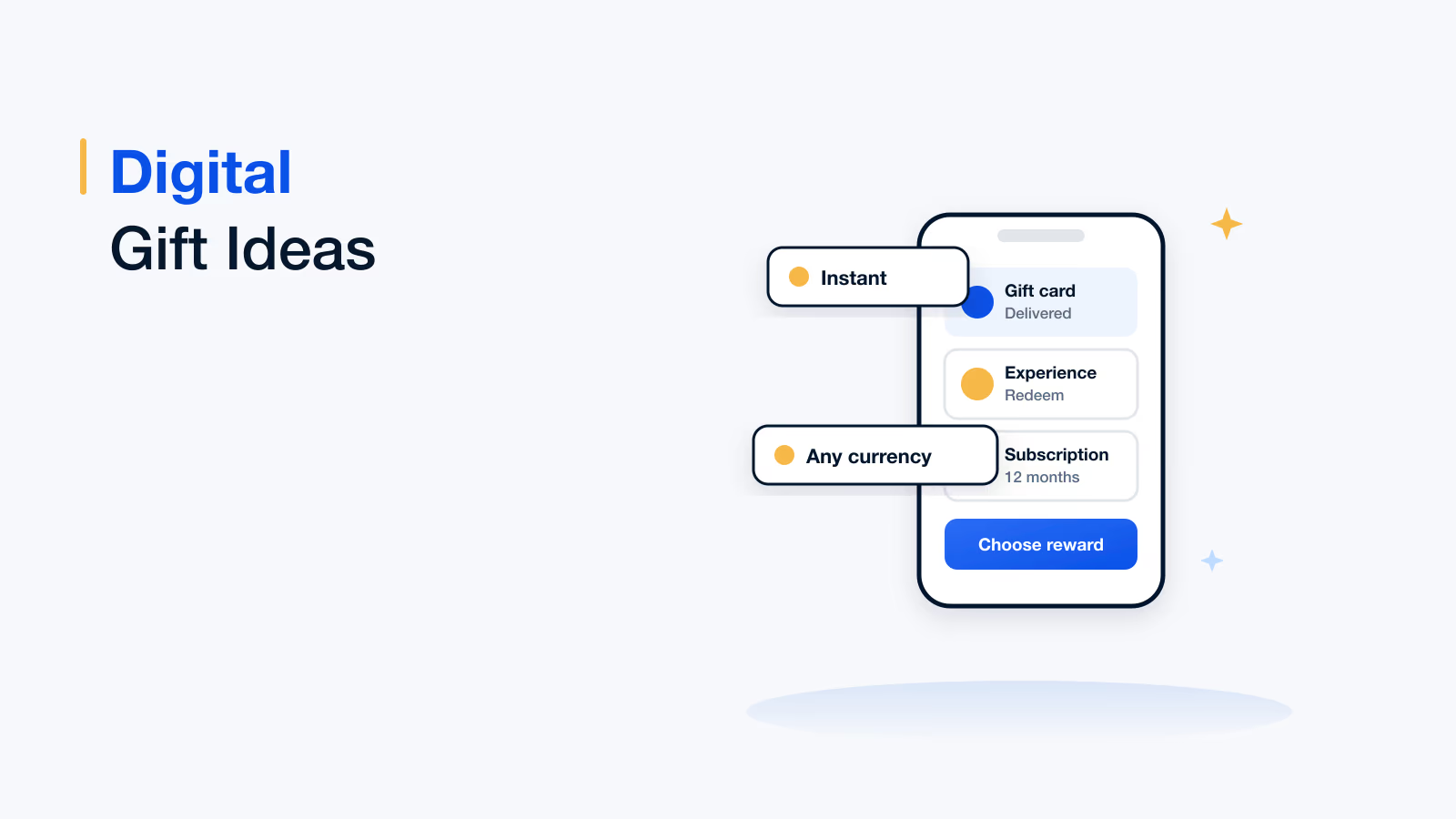
- Offer instant, flexible redemption: Use a technology-driven redemption process that lets nomads access and redeem rewards instantly, in local currency, wherever they are.
- Personalize the rewards experience: Use data analytics to offer rewards that match each nomad's preferences and travel patterns.
- Promote and educate: Reach digital nomads where they are, through social media, blogs and remote-work communities.
Offer travel rewards members actually want
Give members flights, hotels, experiences and airline miles from one branded catalog.
Talk to our ExpertTrusted by 5,000+ companies
What brands should change in their travel rewards programs
Taken together, these travel incentive trends point to a few practical changes for any brand that uses travel as a reward, whether for customers, employees or channel partners:
- Move from one catalog to personalized offers driven by member data.
- Add experiences and flexible redemption, including airline miles and non-travel rewards.
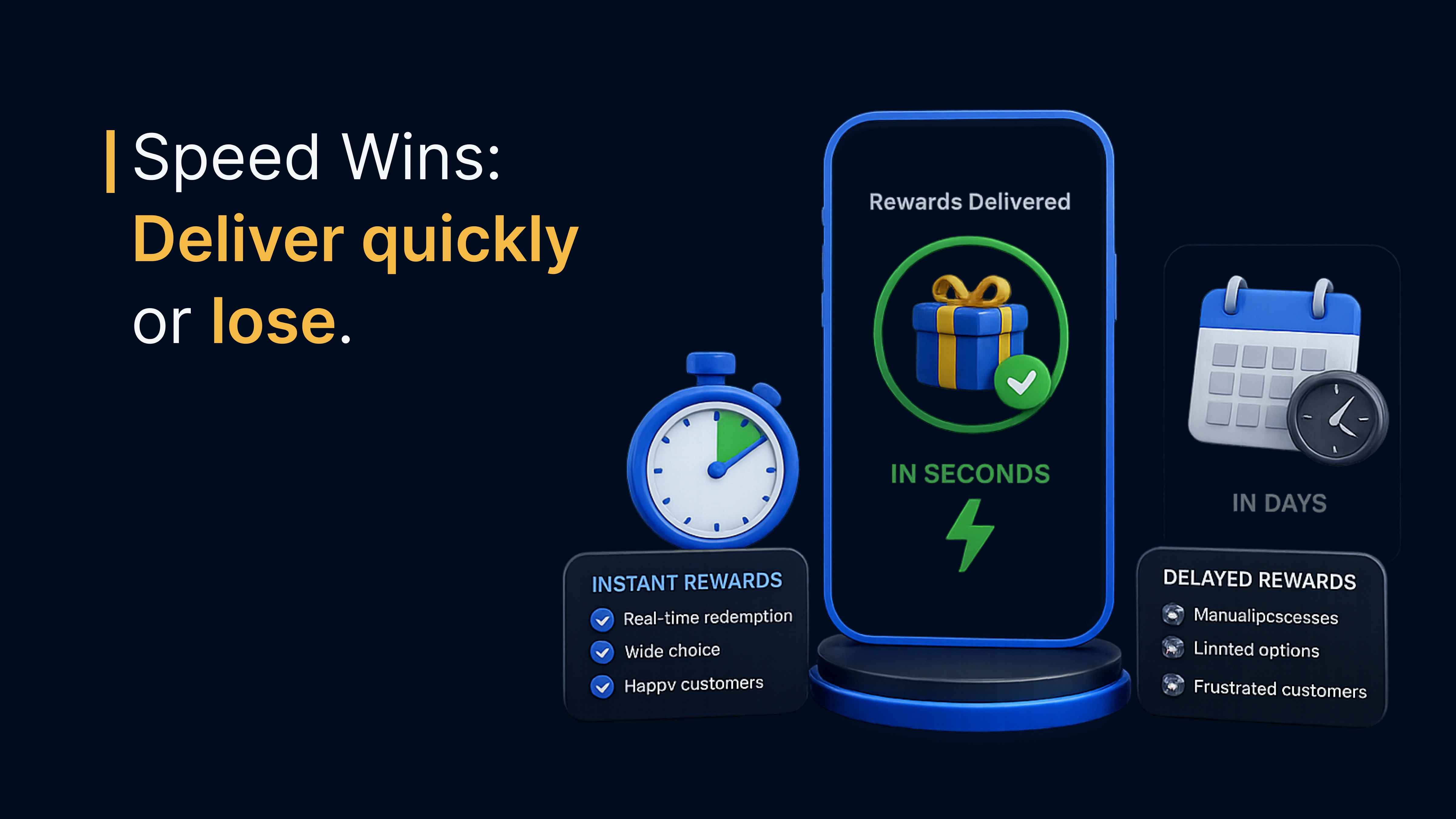
- Deliver rewards instantly and globally, in the currency and language members use.
- Run the program under your own brand so the experience feels native.
- Measure redemption and engagement by segment, and refine offers continuously.
Plum's travel rewards catalog is built around these changes. Recipients book on the Plum storefront across 750+ airlines, hotels in 50K+ cities and 1,000+ airport lounges worldwide, and can top up with their own money for upgrades or longer stays. Hotel bookings are confirmed instantly, and banking clients can enable airmiles conversion with select airline loyalty programs. Travel can be combined with gift cards, merchandise, experiences and reward points in a single campaign.
A global travel distribution platform already does this with Plum: it gives agents in 64 countries one white-labeled redemption marketplace spanning gift vouchers, hotels, flights, merchandise and airline miles exchange. Read the global travel distribution platform case study. For loyalty design beyond rewards, see our guide to travel loyalty programs.
Conclusion: travel rewards trends to act on now
As we look to the future, the trend toward experiential rewards, especially travel, is set to grow. The travel rewards trends of 2026 all point the same way: personal, flexible and instant. Offering travel as a reward is not just about giving away trips; it's about experiences that enrich lives, build connections and inspire loyalty.
The market is competitive, but travel rewards are a clear differentiator, turning customers into brand ambassadors who share their stories. Businesses that act on these trends will improve their customer experience and build a loyal base that sees its relationship with the brand as a journey full of memorable experiences.
With Xoxoday Plum, businesses can offer flights, hotel stays, lounge access and airmiles alongside experiences and 10M+ reward options across 30+ categories in 150+ countries, with redemption in local currency. Book a demo to transform your rewards strategy and create experiences that leave a lasting impact.
Book your Plum demo
Frequently asked questions
The biggest travel rewards trends in 2026 are personalized offers based on member data, AI-driven reward recommendations, experiential rewards, flexible redemption across airlines, hotels and non-travel rewards, and rewards designed for remote workers and digital nomads. Together they shift programs from transactional points to experiences that feel personal, flexible and instant.
A points to miles exchange lets members convert points earned in one program, such as a bank, retail or employee rewards program, into airline frequent flyer miles. It gives members more flexibility and higher perceived value, because they can top up the miles they already collect instead of redeeming for something they don't want.
Experiential rewards such as tours, classes, dining and wellness create memories that members value more than another standard hotel night or product. They also differentiate a program from competitors that offer similar points and stays, and they give members stories to share, which builds word of mouth.
AI helps travel rewards programs analyze member behavior to predict preferences, segment members in real time, recommend relevant rewards and automate earning and redemption. This lets programs send timely, context-aware offers, such as a lounge pass at the airport, instead of generic monthly promotions.
Yes. Banks, retailers, SaaS companies and employers often use travel as a reward for customers, employees and channel partners. A rewards platform with a travel catalog lets them offer flights, hotels, experiences and airline miles without building travel partnerships themselves, under their own brand.
Xoxoday Plum gives brands a global catalog of 10M+ reward options across 30+ categories in 150+ countries, including travel, experiences, gift cards and airline miles exchange. Rewards can be delivered instantly by email, SMS or link, redeemed in local currency and offered through a white-labeled storefront.