Key Takeaways
Rewards are effective at closing the gap between what a patient intends to do and what they get round to doing. They cannot compensate for long waits or a rushed consultation.
The programs that work are appointment adherence, preventive screening, wellness completion, medication adherence, member onboarding, survey response and clinician recognition.
Reward the behaviour, never the choice of provider or product. That distinction is the whole compliance argument.
Keep rewards non-cash and within nominal-value limits for anyone in a federal healthcare program, and verify the current OIG thresholds before designing to them.
Keep PHI out of the reward platform. Pass a pseudonymous identifier and an event trigger, never a diagnosis.
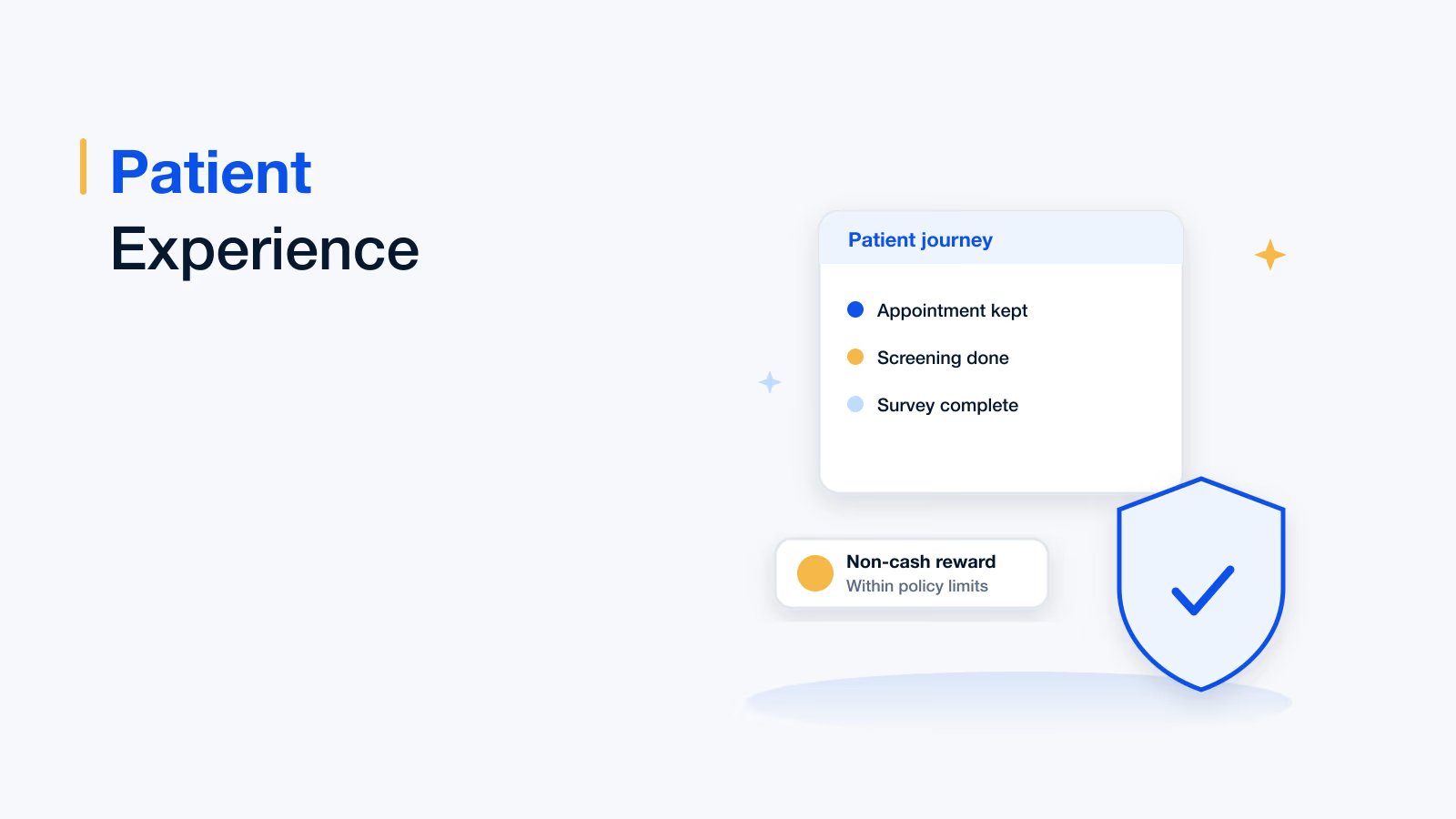
Patient experience is measured, scored and, increasingly, paid on. CAHPS results feed into reimbursement, Star Ratings shape health plan revenue, and a member who finds the process confusing simply stops engaging. The cost of a poor experience in healthcare is not a lost sale. It is a missed screening, a lapsed prescription and a worse outcome.
Rewards are one of the few levers that act directly on patient and member behaviour rather than on how the organization feels about itself. They are also the lever with the most compliance attached, which is why most healthcare organizations either avoid them or run them badly.
This guide covers where rewards genuinely move patient experience, the specific programs worth running, and the regulatory guardrails that determine what you can offer and to whom. For the adjacent sectors, see our guides to insurance customer engagement rewards and clinical study reward management.
What patients actually judge you on
Before adding incentives to anything, it is worth being honest about what drives the score. Patient experience is shaped by a short list of factors, and no reward compensates for failure on them.
- Ease of access: Booking an appointment, getting test results and reaching a human. Online registration is now the expectation rather than the upgrade.
- Wait time: Both the wait for an appointment and the wait in the room. Nothing else recovers a long one.
- Clear communication: Reminders, instructions and treatment plans that a patient can actually follow without calling back.
- Staff empathy: The single most cited factor in patient feedback, and the one least amenable to technology.
- Personalized care: Being treated as an individual with a history rather than a case in a queue.
- The facility itself: Cleanliness, hygiene, privacy and whether a stressed person can find the right department.
Rewards operate on a narrower band than this. They are effective at getting a patient to complete an action they intended to take anyway and keep postponing. They are useless at making a rushed consultation feel unhurried.
Reward patient and member behaviour, compliantly
Non-cash, choice-based rewards with per-recipient value caps and automated triggers from your own systems.
Talk to our ExpertTrusted by 5,000+ companies
Where rewards move the needle in healthcare
The programs below are the ones that produce measurable change, in rough order of how reliably they work.
1. Appointment adherence and no-show reduction
No-shows are one of the most expensive problems in outpatient care, and most are not refusals. They are forgotten appointments and logistics failures. A small reward attached to attendance, paired with a reminder sequence, works because it gives the reminder something to say beyond the date. Reward confirmation and attendance rather than booking, or you will pay for bookings that never happen.
2. Preventive screening and vaccination completion
Screenings and immunizations are the classic case of a task everyone agrees with and nobody prioritizes. A modest reward on completion shifts the margin, and the downstream cost avoided is usually a multiple of the incentive. This is also the use case most closely watched by regulators, so the compliance section below matters more here than anywhere else.
3. Wellness program completion
Health risk assessments, biometric screenings, smoking cessation and activity programs all have high enrolment and poor completion. Tiered rewards that pay on milestones rather than on signup are what change the completion curve. Employer-sponsored wellness incentives are also the area with the clearest statutory limits, covered below.
4. Medication adherence programs
Refill reminders paired with a small reward on refill, particularly for chronic conditions where adherence drops after the first few months. Design carefully: the reward should attach to the behaviour, not to the choice of a specific product, or the program takes on a very different regulatory character.
5. Member onboarding for health plans
The first ninety days determine whether a member uses their benefits or forgets them. Rewards for completing a health assessment, registering on the portal, selecting a primary care provider and downloading the app convert a passive enrolment into an active member.
6. Survey and feedback response
Patient experience surveys suffer from low and skewed response rates, which makes the resulting data worse than useless when it drives decisions. A small, unconditional incentive on completion lifts response and, more importantly, broadens who responds. Our guide to building a voice of the customer program covers the mechanics.
7. Recognition for clinicians and staff
The internal half of the problem. Burnout, turnover and agency cover all degrade patient experience more than any process change improves it. Rewards for continuing education, certification, peer recognition and long service support retention in roles where replacement cost is extreme.
Matching the reward to the behaviour
| Program | Trigger the reward on | Format that fits |
|---|---|---|
| Appointment adherence | Confirmed attendance, not booking | Small instant reward link, sent same day |
| Preventive screening | Completed screening or immunization | Low-value, non-cash reward within policy limits |
| Wellness program | Milestone completion, not enrolment | Tiered points redeemable against a wellness catalog |
| Medication adherence | Refill or program milestone | Recurring low-value reward tied to the behaviour |
| Member onboarding | Each completed onboarding step | Staged rewards across the first 90 days |
| Survey response | Submission | Fixed-value reward, automated from the survey tool |
| Clinician recognition | Certification, peer nomination, service milestone | Choice-based catalog or experience rewards |
The compliance guardrails that decide what you can offer
This is the part that determines whether a program is viable, and it needs legal review before launch rather than after. The following are the constraints that come up most often in the US; equivalents exist in most other jurisdictions.
- Beneficiary inducement rules: Offering remuneration to Medicare and Medicaid beneficiaries that is likely to influence their choice of provider carries civil monetary penalties. The long-standing OIG interpretation treats gifts of nominal value as outside the prohibition, and has set that at $15 per item and $75 per patient per year in aggregate, assessed on retail value. OIG has said it reviews these figures periodically, so confirm the current thresholds before designing to them.
- No cash or cash equivalents: The nominal-value allowance does not cover cash or anything functioning as cash. This is the single most common design error, and it is why program design starts with the reward format rather than the value.
- Anti-kickback exposure: Rewards that steer patients toward a specific provider, product or prescription are a different risk category from rewards for completing a health behaviour. Keep the incentive attached to the action, never to the choice.
- HIPAA and the use of PHI: Protected health information cannot be used for marketing communications without authorization, and targeting a reward campaign on diagnosis or treatment data may constitute marketing. Build the program so the reward platform never receives PHI.
- Employer wellness incentive limits: Health-contingent wellness programs offered through group health plans are capped as a percentage of the cost of coverage, with a higher ceiling for tobacco-related programs, and must offer a reasonable alternative standard. These are statutory limits, not guidelines.
- State-level rules: Several states impose their own restrictions on patient inducements that are stricter than the federal position. A nationwide program needs a state-by-state check.
Two practical consequences. First, keep rewards low in value and non-cash for anything touching federally funded beneficiaries. Second, separate the systems: your reward platform should receive an identifier and a trigger, never a diagnosis.
Designing a healthcare reward program that survives review
- Reward the action, never the choice: Completion of a screening is a behaviour. Choosing your clinic is not. The distinction is the whole compliance argument.
- Keep values defensible and documented: Set per-item and annual caps per patient, track cumulative value, and keep the retail-value basis on record.
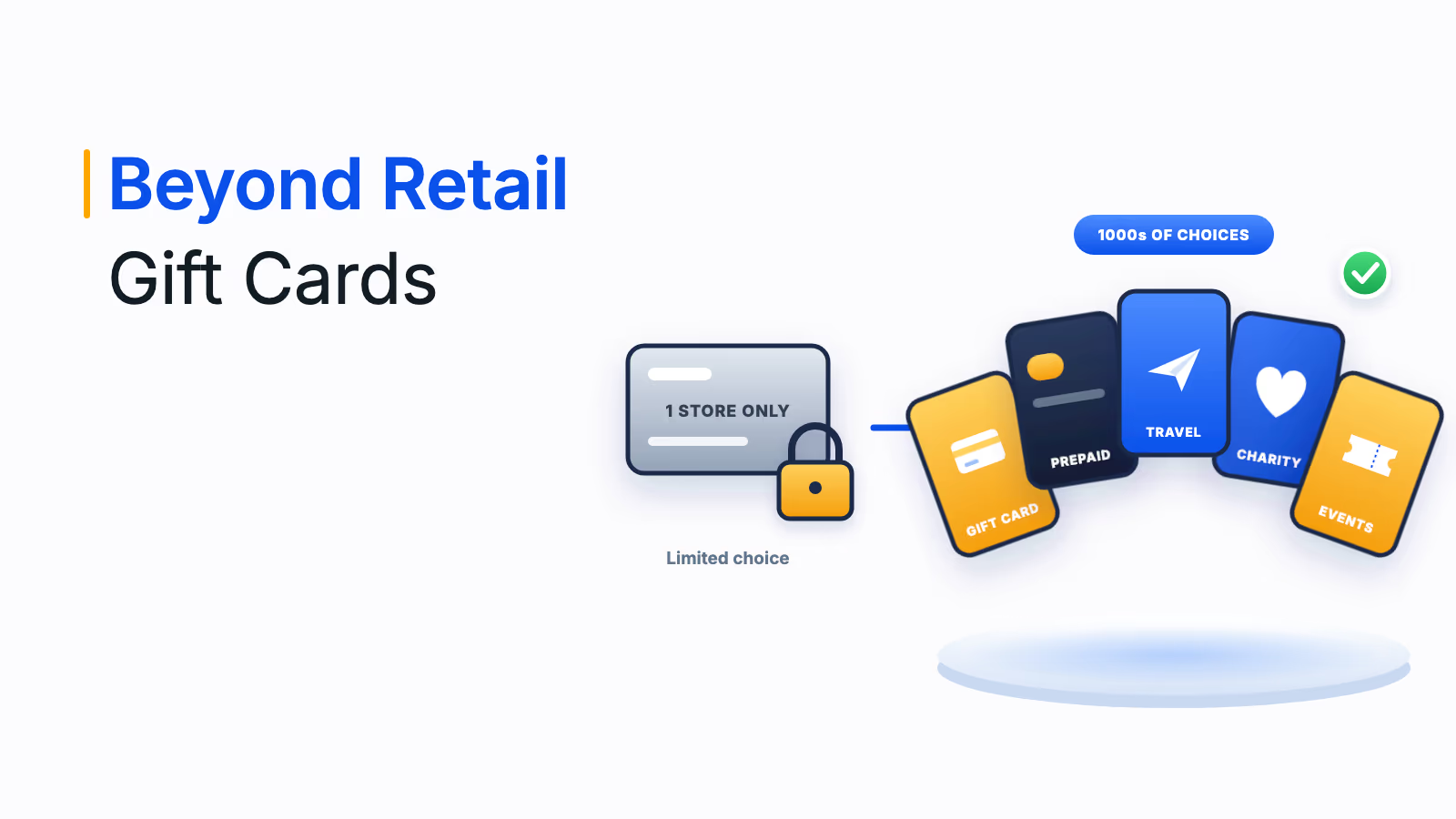
- Use non-cash, catalog-based rewards: A choice-based catalog satisfies the non-cash requirement while still letting the patient pick something they want.
- Automate the trigger from the clinical or scheduling system: Manual issuance is where value caps get breached and audit trails break down.
- Keep PHI out of the reward platform: Pass a pseudonymous identifier and an event. The platform does not need to know why.
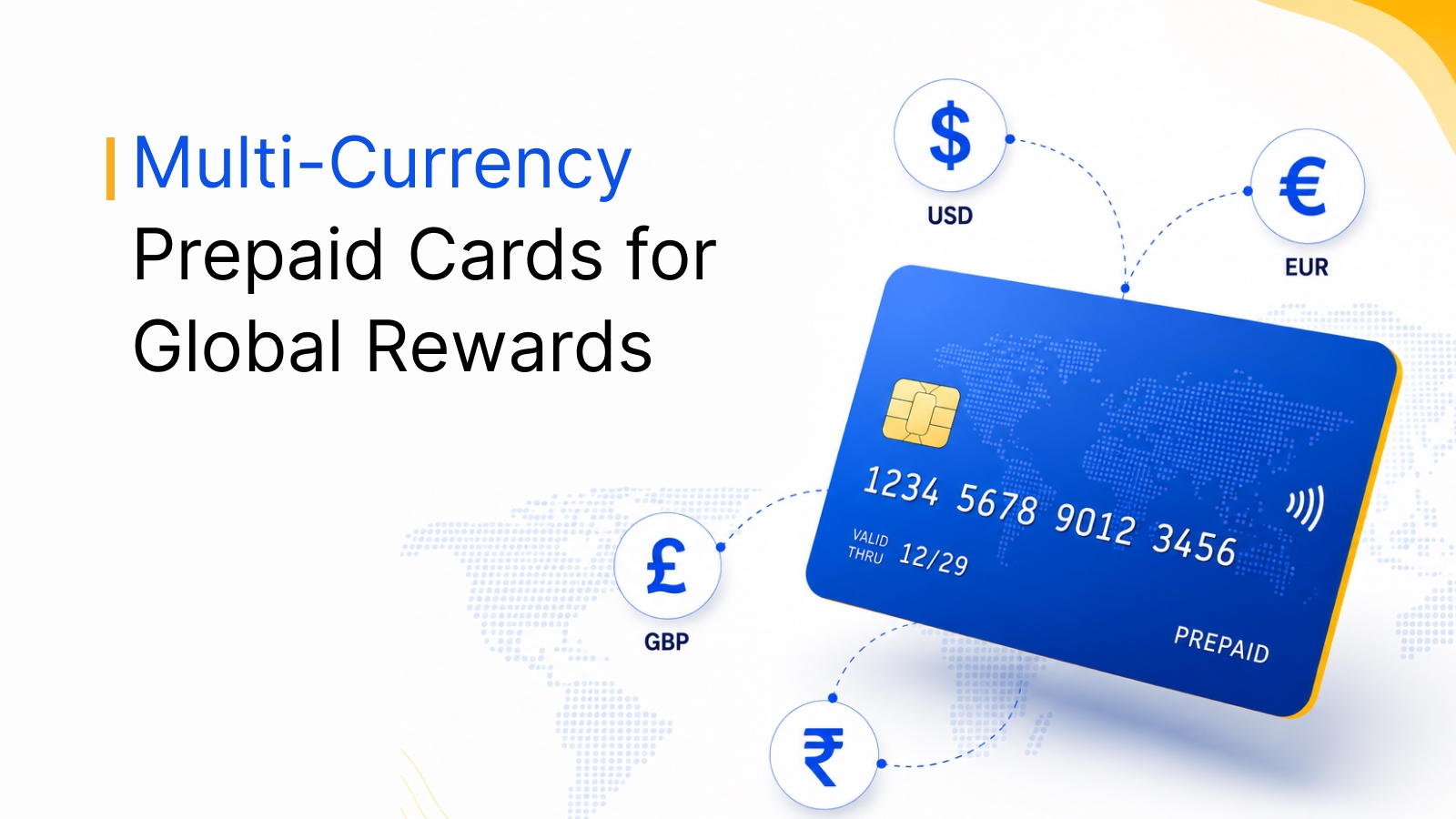
- Localise for the population you serve: Multi-currency and multi-language delivery matters in healthcare more than most sectors, because the patient population is rarely homogeneous.
- Measure outcomes, not sends: Attendance rate, screening completion, refill persistence, survey response rate and CAHPS movement. Redemption rate tells you whether the reward was wanted; the clinical metric tells you whether it worked.
Run healthcare reward programs on Xoxoday Plum
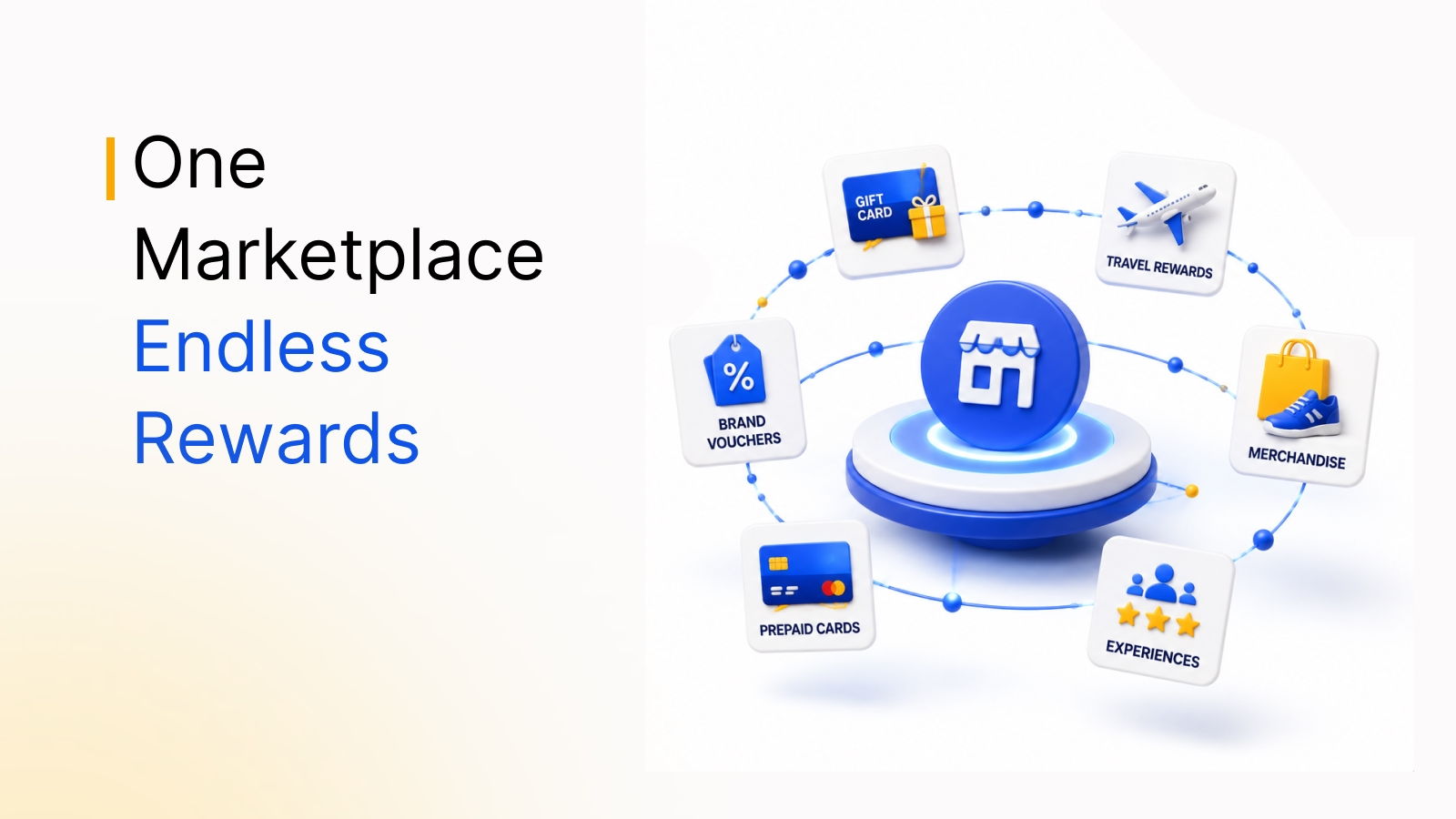
- Non-cash, choice-based catalog: Over a million reward options across gift cards, experiences, wellness and merchandise, so programs stay within non-cash requirements while recipients still choose.
- Value controls: Per-recipient caps, budget limits and approval rules, with reporting that evidences the caps were held.
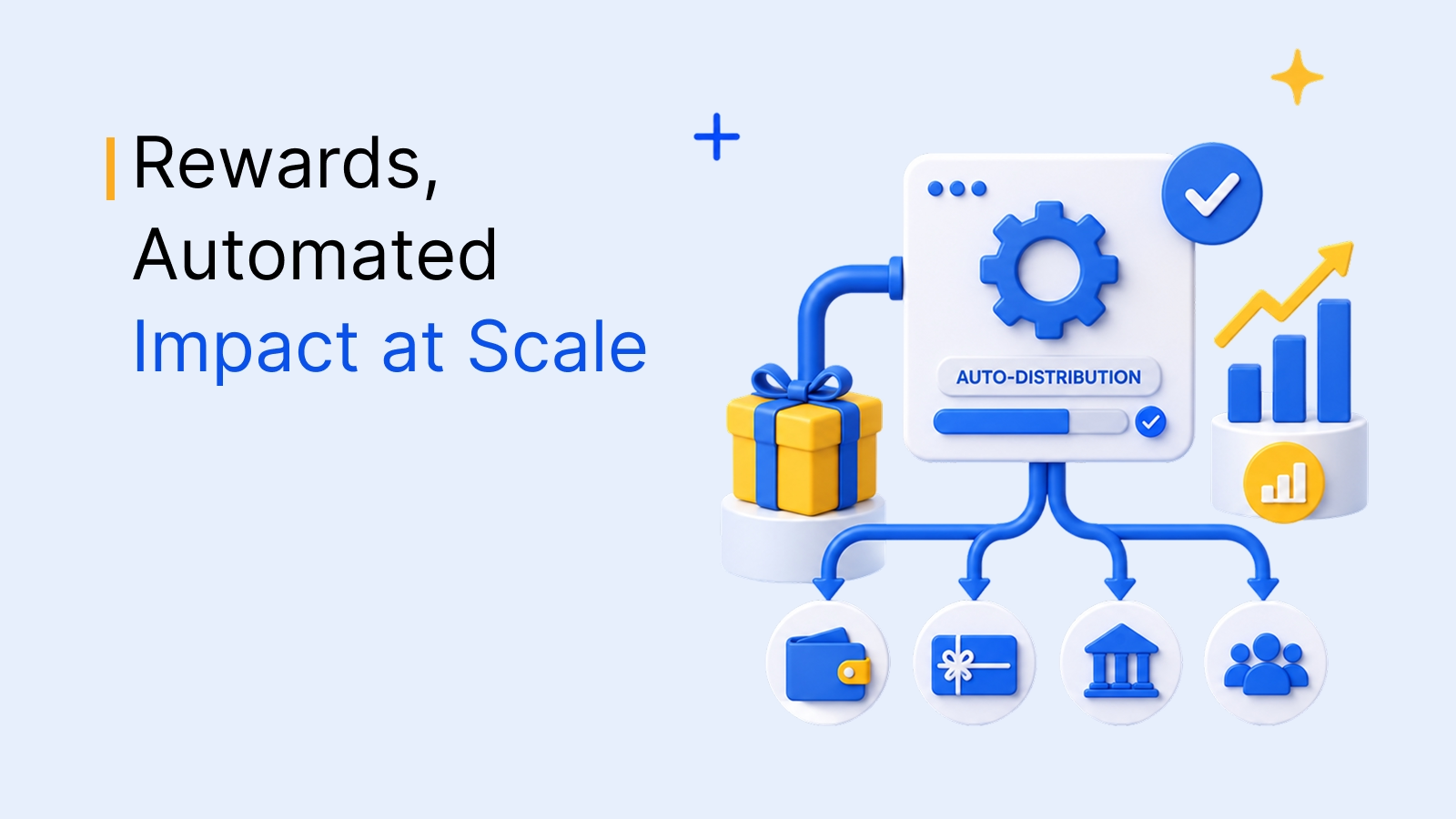
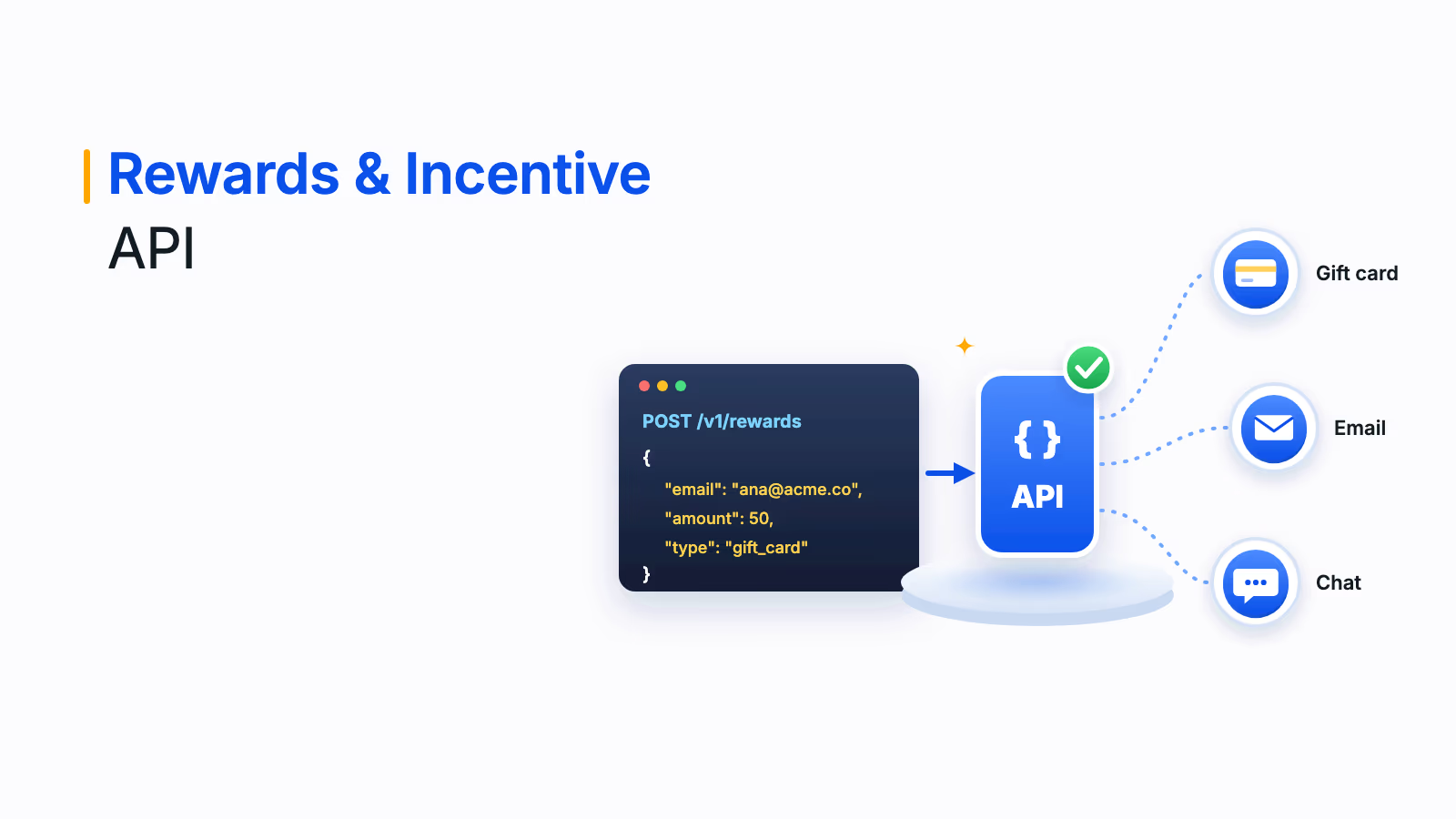
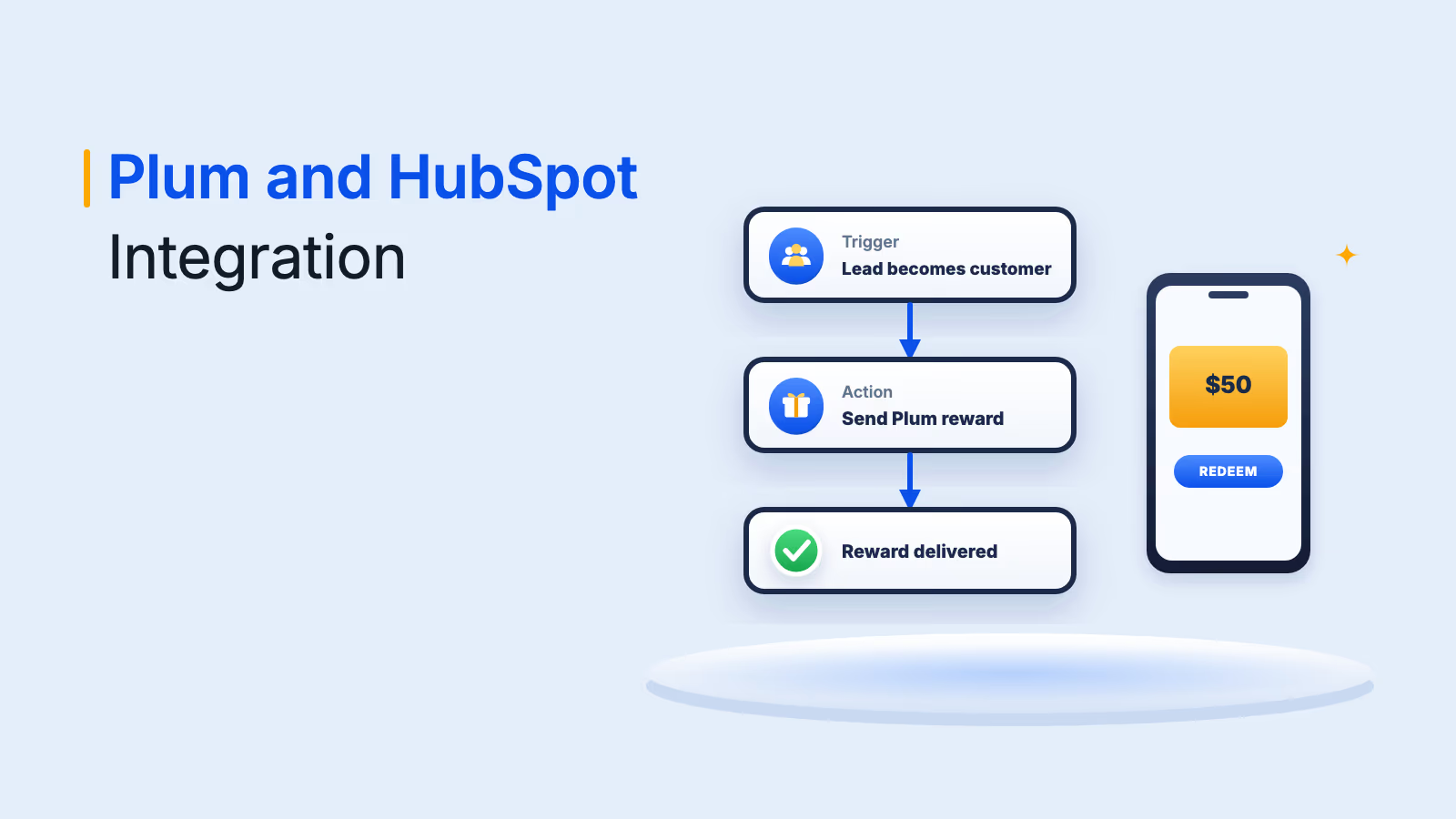
- Automated triggers and API: Fire rewards from scheduling, CRM, survey or wellness systems on a completed event, with no manual issuance.
- Multi-currency and multi-language: Delivery and redemption in the recipient's own currency and language, across 150+ countries.
- Instant delivery: Email, SMS or reward link, which matters when the reward has to arrive on the day of the appointment.
- Redemption reporting: Per-campaign data on what was claimed, which feeds both program evaluation and your audit trail.
A global pharma company replaced a multi-week manual fulfilment queue with instant API-delivered rewards across 48 brands for its employees and sales teams. A leading healthcare research firm paid more than 1,800 respondents globally through a single integration, in local currency, with no vendor management. A health and fitness platform distributed over $5M in rewards across activation, referral and employee programs from one account.
Rewards will not fix a broken patient journey, and they are not supposed to. What they do well is close the gap between what a patient intends to do and what they get round to doing. Keep them small, keep them non-cash, attach them to the behaviour rather than the choice, and get them reviewed before launch.
Book your Plum demo
Frequently asked questions
In many cases yes, within limits. In the US, offering remuneration likely to influence a beneficiary's choice of provider carries civil monetary penalties, but the long-standing OIG interpretation treats gifts of nominal value as outside the prohibition, provided they are not cash or cash equivalents. Several states impose stricter rules. Any program touching federally funded beneficiaries needs legal review before launch.
The OIG interpretation has set nominal value at $15 per item and $75 per patient per year in aggregate, assessed on retail value rather than your acquisition cost, and excluding cash and cash equivalents. OIG has stated it reviews these figures periodically, so confirm the current thresholds with current guidance rather than designing a program to a number you read in an article.
Most no-shows are forgotten appointments and logistics failures rather than refusals. A small reward attached to attendance gives a reminder sequence something to say beyond the date and time, and it shifts the margin for patients who keep postponing. Trigger the reward on confirmed attendance rather than on booking, or you will pay for appointments that are never kept.
They can, if the program is built badly. Protected health information cannot be used for marketing communications without authorization, and targeting a reward campaign on diagnosis or treatment data may count as marketing. The safe design keeps PHI out of the reward platform entirely: your clinical or scheduling system passes a pseudonymous identifier and an event, and the platform issues a reward without knowing why.
Tiered rewards paid on milestones rather than on enrolment, because enrolment is not the problem and completion is. Health-contingent wellness programs offered through a group health plan are capped as a percentage of the cost of coverage, with a higher ceiling for tobacco-related programs, and must offer a reasonable alternative standard. Design within those limits from the start.
A small incentive on completion lifts the response rate and, more usefully, broadens who responds. Unincentivised patient surveys skew toward people with the strongest opinions in either direction, which makes the resulting data misleading when it drives decisions. Automate the reward from the survey tool so it fires on submission rather than being issued manually.
No. Cash and cash equivalents fall outside the nominal-value allowance for federal healthcare program beneficiaries, which makes them the most common design error in patient incentive programs. Use non-cash, choice-based catalog rewards instead, which satisfy the requirement while still letting the patient choose something they actually want.
Separate the two questions. Redemption rate tells you whether the reward was wanted, and a low rate usually means the catalog was wrong for that population. The clinical and experience metrics tell you whether it worked: attendance rate, screening completion, refill persistence, onboarding step completion, survey response rate and movement in CAHPS or satisfaction scores against a comparable non-incentivised cohort.