Key Takeaways
Most Visa gift cards are not usable internationally. A large share of US-issued cards are restricted to US and DC merchants, and the Visa logo does not indicate otherwise.
The cardholder agreement is the only authoritative source on geographic restrictions, international permissions and fees.
Where international use is allowed, currency conversion and foreign transaction fees come out of the recipient's balance.
Cross-border transactions also fail on address verification, pre-authorization holds, recurring billing and split payment, none of which are balance problems.
For rewarding people in other countries, a multi-currency platform where each recipient redeems locally avoids conversion fees, geographic limits and value mismatch.
The short answer is the one most articles avoid: most Visa gift cards cannot be used internationally, and the Visa logo on the front tells you nothing about whether yours can.
Visa operates one of the largest payment networks in the world, which is why the assumption is so widespread. But a Visa gift card is not a Visa credit card. It is a prepaid product issued by a specific bank or program manager, under a cardholder agreement that sets its own geographic limits. A large share of cards issued in the US are restricted to US and District of Columbia merchants, and several widely sold retail gift cards say so explicitly.
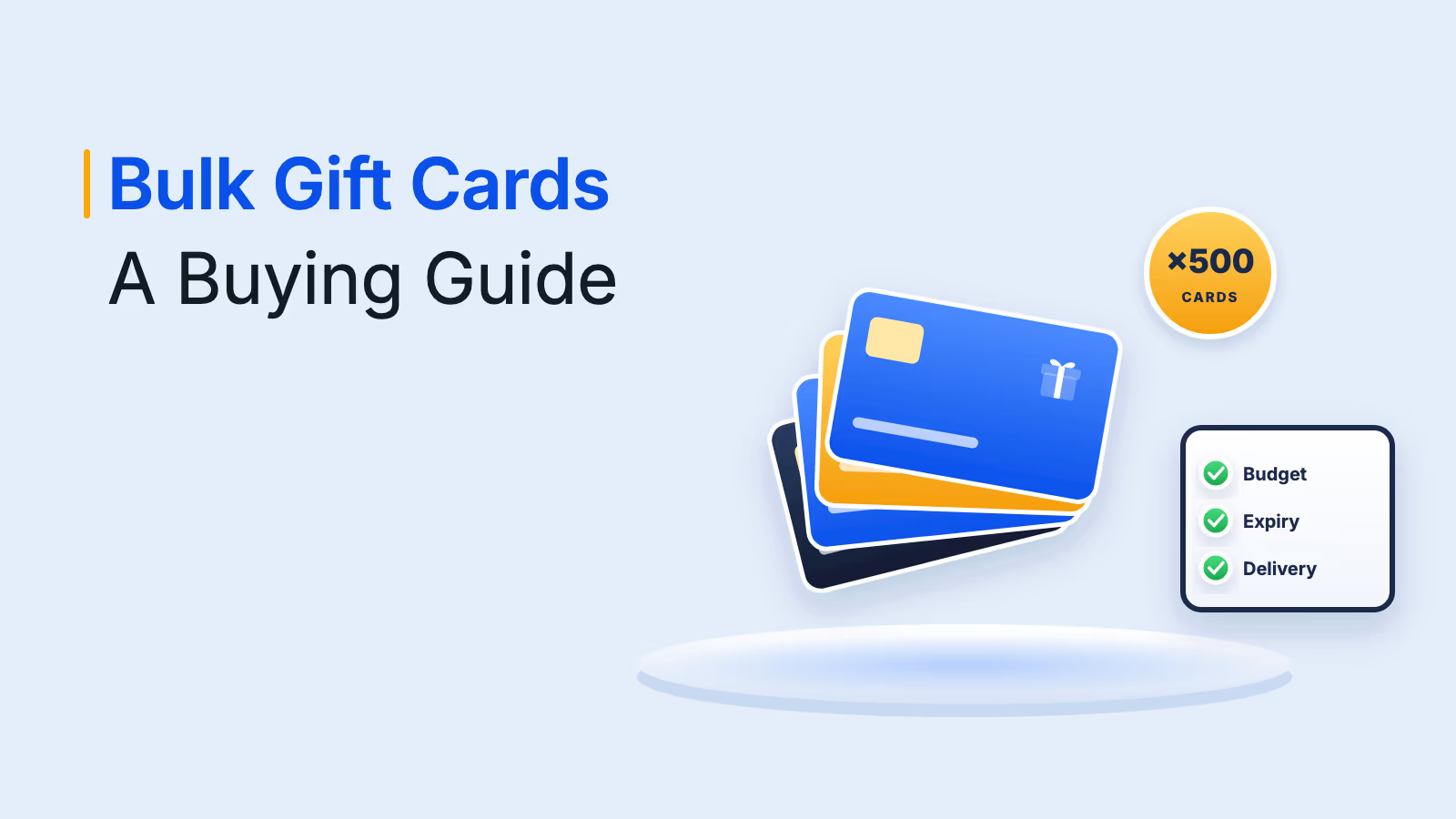
This guide covers how to tell whether a card works abroad, what it costs when it does, where cross-border transactions fail even on a valid card, and what to use instead when you are paying or rewarding people in other countries.
Whether a Visa gift card works abroad depends on the issuer
There are three questions, and only the cardholder agreement answers them.
- Is the card geographically restricted? Many US-issued gift cards are valid only at US and DC merchants. Some say "valid worldwide where Visa is accepted" on the back. The difference is set by the issuer, not by Visa.
- Does it permit international or cross-border transactions? A card can be geographically unrestricted and still block transactions processed by a foreign acquirer, which is how an online purchase from an overseas merchant is handled.
- What fees apply? Where international use is allowed, a currency conversion or foreign transaction fee is usually charged on each transaction, and some cards add a monthly inactivity fee after a dormancy period.
Check the cardholder agreement before you send a card abroad or carry one. It is linked from the issuer's site and printed with the card, and it is the only authoritative source. The sticker on the packaging is marketing.
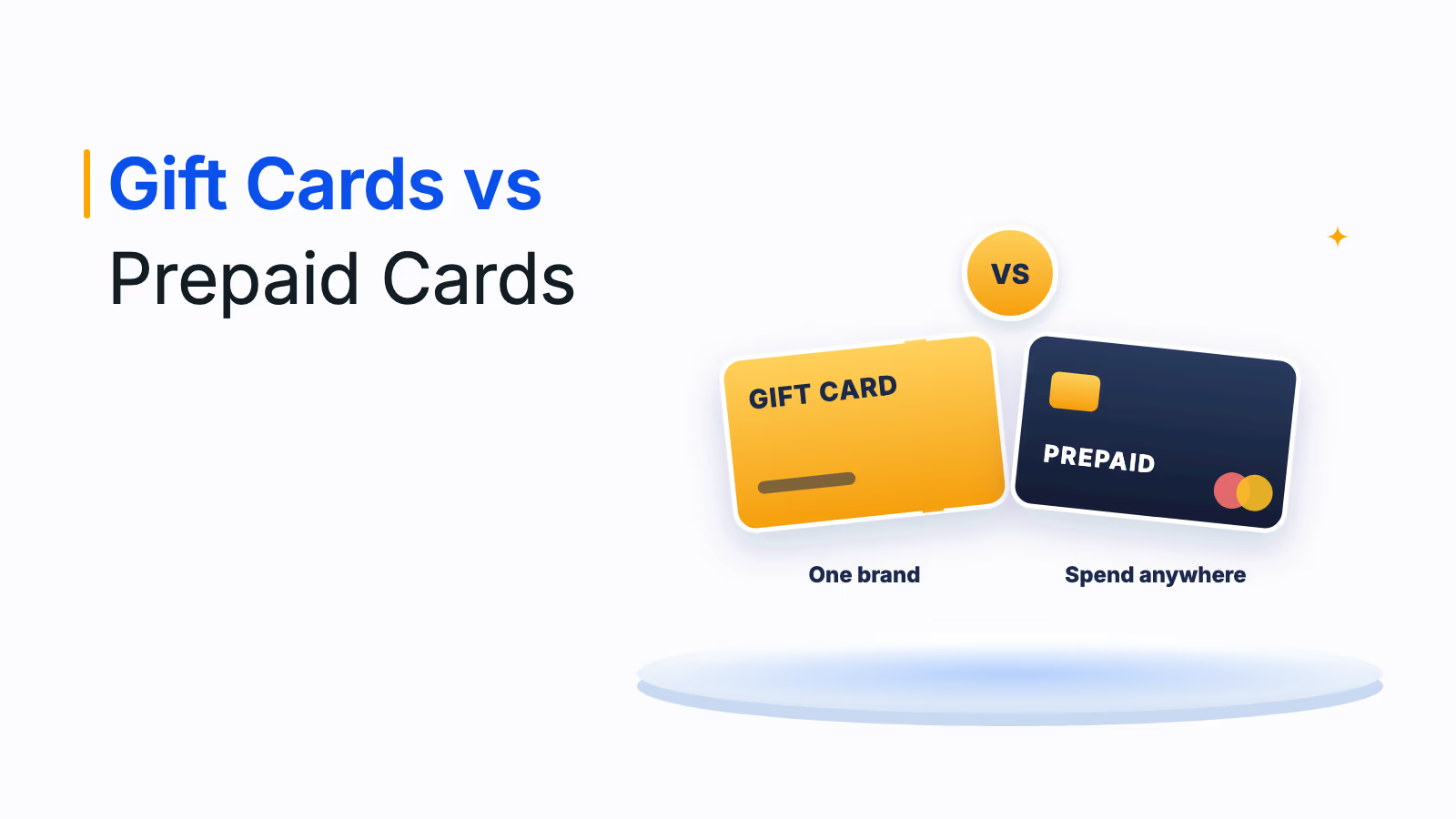
For context on how gift cards differ from reloadable prepaid products, which behave differently again on fees and cross-border use, see our comparison of gift cards versus prepaid cards.
What international use costs
On a card that does permit it, the balance erodes in ways the recipient will not expect.
| Cost | When it applies | What to check |
|---|---|---|
| Currency conversion fee | Any transaction in a currency other than the card's | Stated as a percentage of each transaction in the fee schedule |
| Foreign transaction fee | Transactions processed outside the issuing country | Sometimes charged in addition to conversion, sometimes instead of it |
| Exchange rate spread | Every cross-currency transaction | The rate applied is the network rate plus any issuer markup |
| Inactivity fee | After a dormancy period, commonly a year | US rules restrict when these can start and require disclosure |
| ATM fees | Where cash withdrawal is permitted at all | Many gift cards block ATM access entirely |
In the US, the main consumer protections sit in Regulation E's gift card rules, which restrict expiry dates and dormancy fees and require the terms to be disclosed. Those rules are domestic. They do not govern what happens when the card is used abroad, and they do not apply to cards issued elsewhere.
Reward people in their own currency
A market-specific catalog in 150+ countries, so nothing is lost to conversion fees or a declined checkout.
Talk to our ExpertTrusted by 5,000+ companies
Where cross-border transactions fail even on a valid card
These are the failures that generate support tickets, and none of them are the card being out of balance.
- Address verification: Many online checkouts validate the billing postal code against the card record. A card registered to a US ZIP will fail at a merchant whose form expects a local postal format.
- Pre-authorization holds: Hotels, car rental companies and fuel stations place a hold larger than the purchase. A gift card with an exact balance declines, because the hold exceeds the funds.
- Recurring and subscription billing: Most gift cards cannot be stored as a payment method for recurring charges, so a subscription signup fails even where a one-off purchase succeeds.
- Split payment: If the basket exceeds the card balance, many merchants cannot split the transaction across two payment methods, and the whole payment declines.
- Merchant-side blocks: Some merchants decline foreign-issued cards outright as a fraud control, regardless of what the card permits.
- Non-reloadable balances: A standard gift card cannot be topped up. Once spent it is finished, which rules it out for anything ongoing.
How to activate and use one correctly
- Read the agreement first: Confirm geographic restrictions, international permissions and the fee schedule before relying on the card for anything.
- Register the card: Most cards need registration with a name and address before online or international use. Unregistered cards fail address verification immediately.
- Check the exact balance: Know the figure to the cent, because a transaction one cent over the balance declines in full.
- Use it in the card's own currency where possible: This avoids conversion fees entirely, and is often achievable by buying from a merchant that bills in the issuing currency.
- Decline dynamic currency conversion: When a terminal offers to charge you in your home currency, that rate is usually worse than the network rate. Choose the local currency.
- Spend the balance down deliberately: Use the remainder on a merchant that supports split payment, or on a purchase at or below the balance.
When a Visa gift card is the wrong instrument
For a business paying or rewarding people across borders, single-currency gift cards create problems that are structural rather than solvable.
- Value does not translate: A $50 card is generous in one market and trivial in another. The same nominal value lands completely differently across your recipient list.
- Fees come out of the recipient's reward: Conversion and transaction charges reduce what the person actually receives, which turns a gift into a mild annoyance.
- Restrictions are invisible until failure: The recipient discovers the card does not work at a checkout, not at the moment you send it. You find out when they email you.
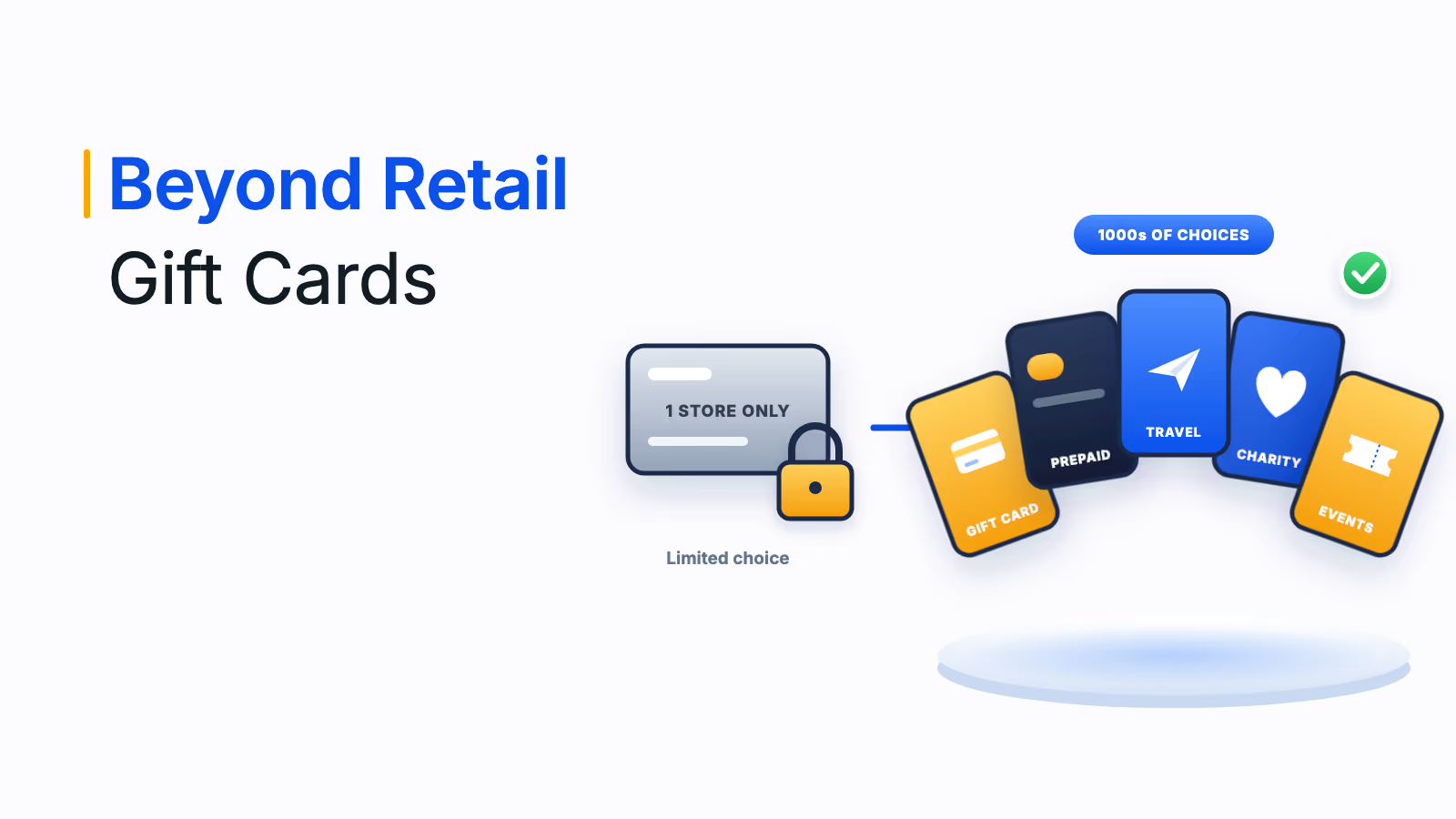
- One card, one catalog: A network card gives spending flexibility but no curation. It cannot offer a local brand, an experience, a subscription or a donation.
- No redemption visibility: You can see the card was issued. You cannot see whether it was ever used, which means you cannot tell whether the program worked.
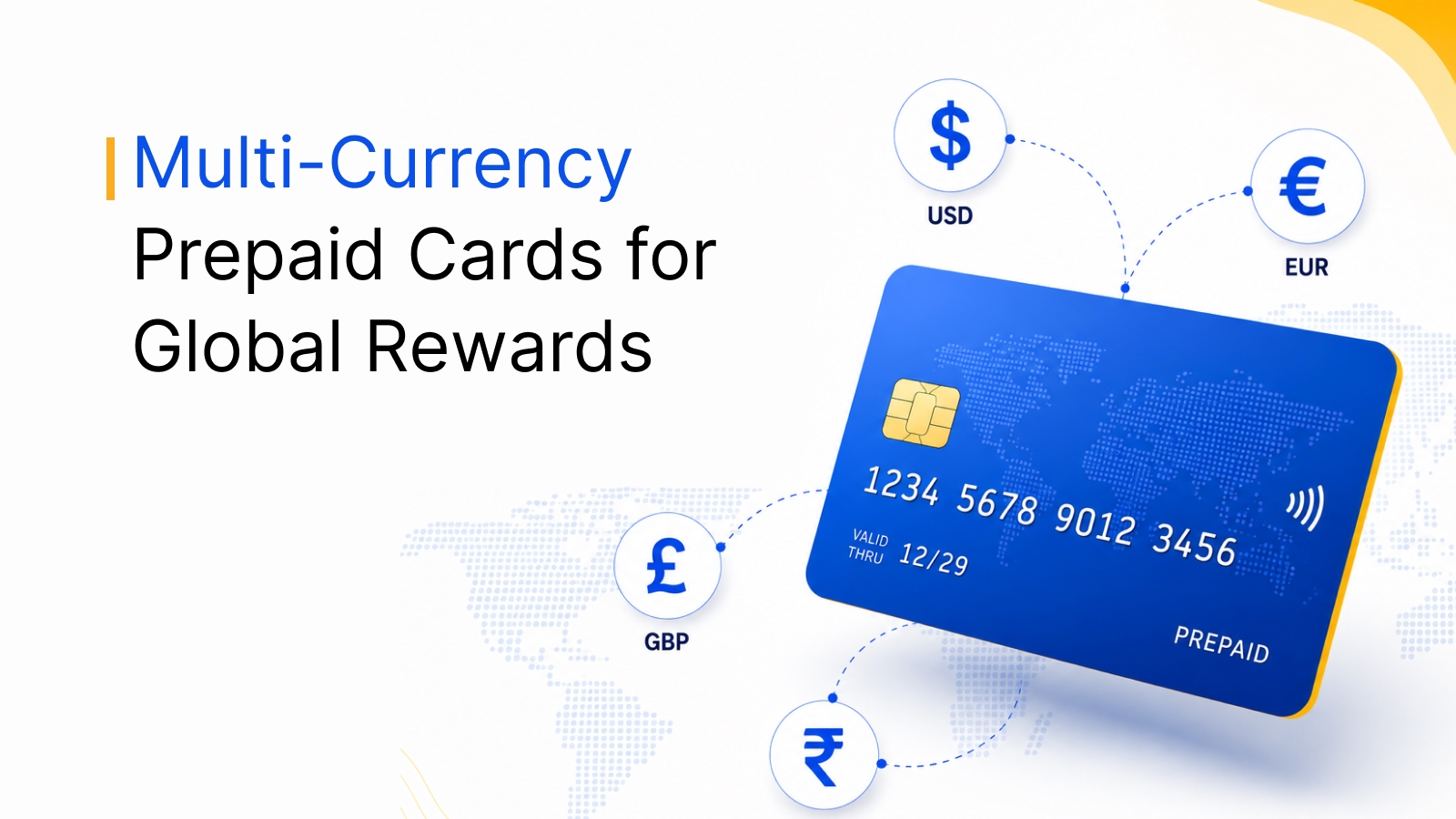
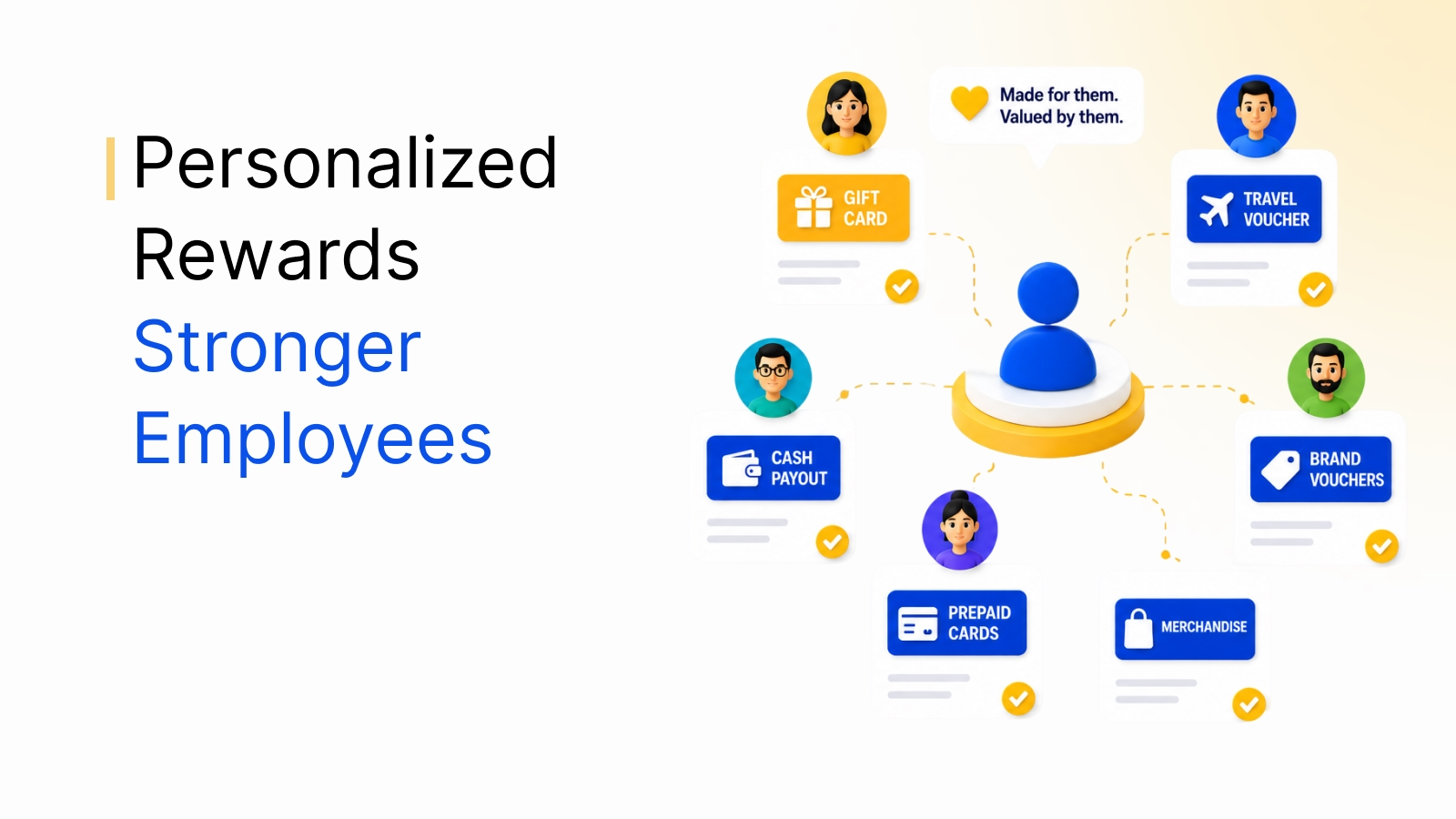
The alternative is a multi-currency reward platform. Instead of pushing one currency outward, you fund in your own currency and each recipient redeems in theirs, against a catalog of brands that exist in their market. That removes the conversion fee, the geographic restriction and the value-translation problem in one move, and it gives you redemption data.
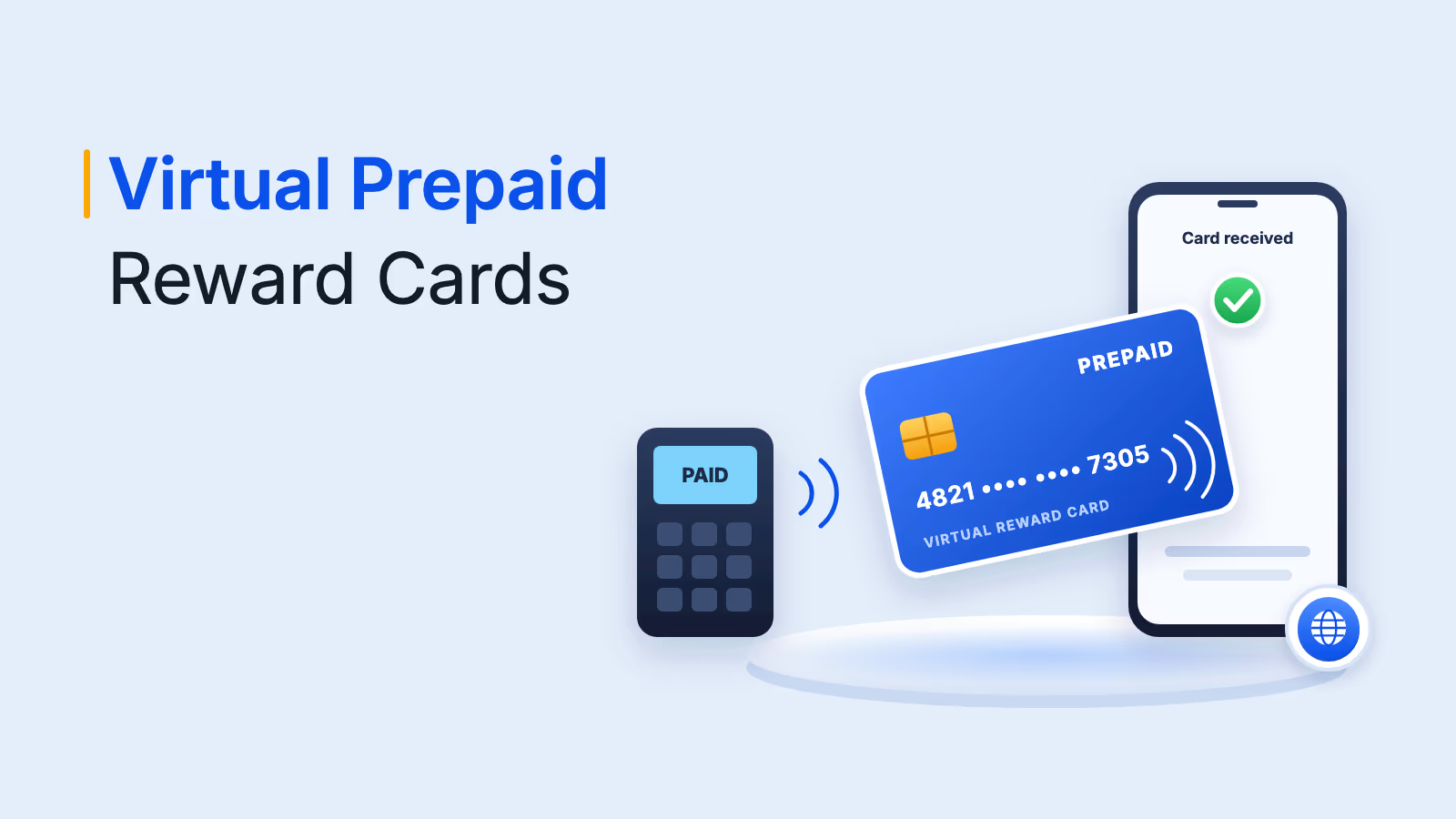
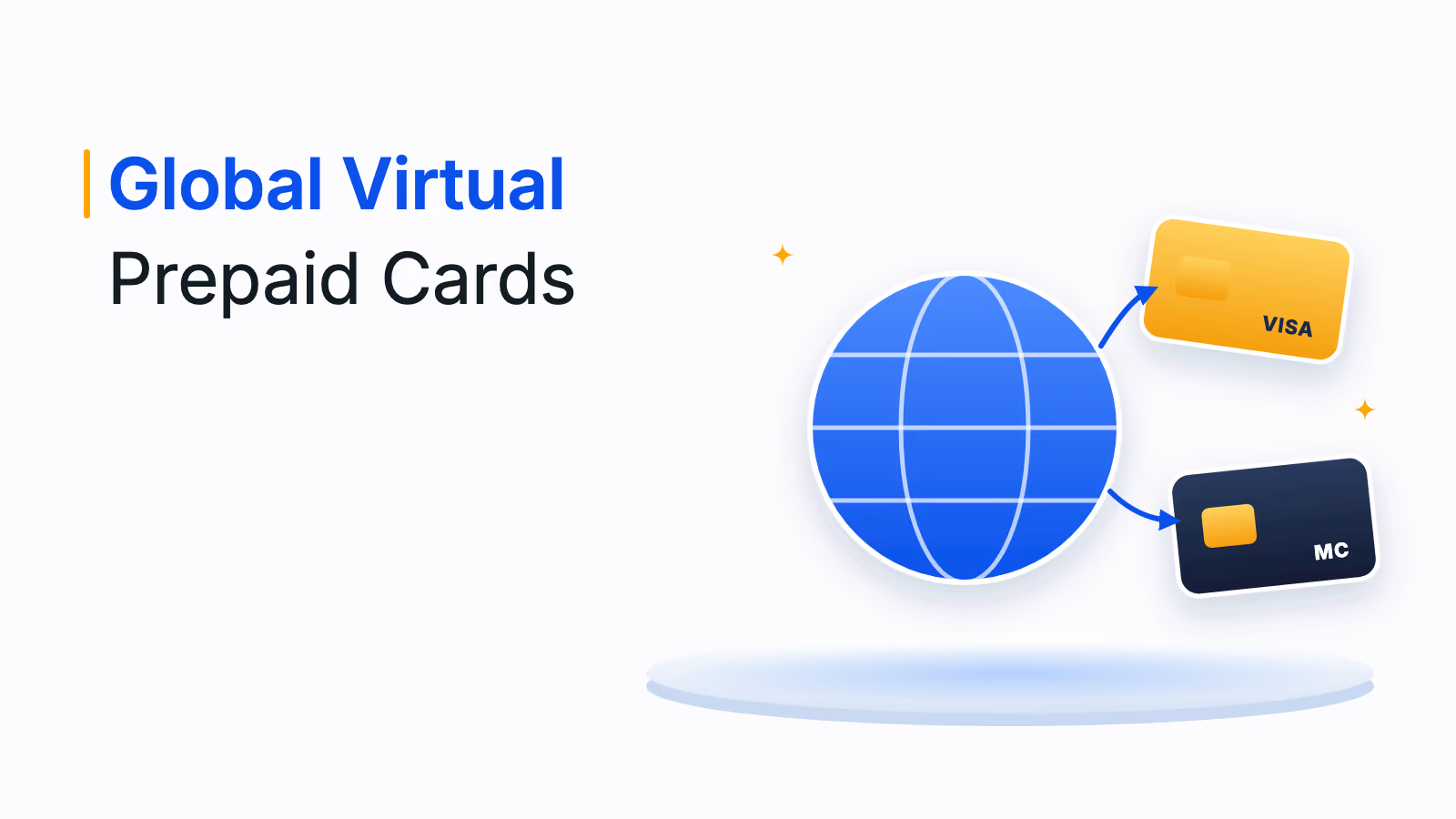
Where a network-branded card genuinely is the right answer, because the recipient needs open-loop spending rather than a brand catalog, a virtual prepaid card issued for the recipient's own market is a better instrument than a domestic gift card sent abroad. Our guide to virtual prepaid cards for global payments covers that case.
Use cases where cross-border rewards come up
- Employee recognition across offices: Anniversaries, milestones and spot awards for a workforce spread across several countries.
- Sales incentives for distributed teams: Target-based rewards where the value has to feel equivalent in every market.
- Channel partner and distributor rewards: Incentives for resellers in markets where you have no local banking relationship.
- Survey and market research incentives: Respondent payments at volume, where a failed redemption means a lost panel member.
- Referral programs: Instant rewards to customers and advocates wherever they are, where speed is the whole point.
- Gig and contractor payments: Payouts to people without reliable local banking, which is where open-loop instruments genuinely earn their place.
Send cross-border rewards with Xoxoday Plum
- A catalog per market: Over a million reward options across 150+ countries, so each recipient sees brands they can actually use locally.
- Local currency redemption: Fund in your currency, let recipients redeem in theirs, without the conversion fee landing on their reward.
- Virtual prepaid cards where open-loop is needed: For recipients who need spending flexibility rather than a brand catalog.
- Instant delivery: Email, SMS, WhatsApp or a reward link, delivered in seconds with no shipping or address collection.
- Bulk and automated sending: Send to ten or ten thousand recipients, scheduled or triggered from your own systems.
- Redemption reporting: See what was claimed and in which categories, rather than only what was issued.
You can also explore Plum's prepaid cards in the reward marketplace.
If you take one thing from this: do not assume. Read the cardholder agreement, and if the recipient is in another country, ask whether a card denominated in your currency was ever the right instrument in the first place.
Book your Plum demo
Frequently asked questions
Often not. A large share of Visa gift cards issued in the US are restricted to US and District of Columbia merchants, and several widely sold retail cards state this in their cardholder agreement. Some cards are issued for international use and say "valid worldwide where Visa is accepted" on the back. The Visa logo alone does not tell you which you have, so check the agreement before relying on it abroad.
Where international use is permitted, expect a currency conversion fee or a foreign transaction fee on each transaction, charged as a percentage and deducted from the balance. The exchange rate applied may also carry an issuer markup over the network rate. Some cards add a monthly inactivity fee after a dormancy period. The fee schedule in the cardholder agreement is the only reliable source for the actual figures.
Usually it is not the balance. Address verification fails when the card is registered to a postal code in a different format from the merchant's country. Hotels, car rental firms and fuel stations place pre-authorization holds larger than the purchase, which declines a card with an exact balance. Subscriptions fail because most gift cards cannot be stored for recurring billing. And some merchants block foreign-issued cards outright.
In most cases yes, particularly for online or international transactions. Registration associates a name and billing address with the card so it can pass address verification at checkout. An unregistered card will typically work in a physical store in its own country and fail online. Registration is done on the issuer's site using the card number printed on the card.
Do not send a card denominated in your own currency and hope it works. Either buy a gift card issued in the recipient's own country, or use a reward platform with a market-specific catalog so the recipient redeems locally in their own currency. Where the recipient needs open-loop spending rather than a brand catalog, a virtual prepaid card issued for their market is the better instrument.
Standard gift cards cannot. Once the balance is spent, the card is finished. That makes them workable for a fixed one-off gift and unsuitable for anything ongoing, such as recurring incentives or regular payouts. If you need to add value repeatedly to the same instrument, a reloadable prepaid card is the right product and behaves differently on fees and expiry.
Dynamic currency conversion is when a foreign terminal or checkout offers to charge you in your home currency instead of the local one. It looks helpful and usually is not, because the rate applied is set by the merchant's provider and is typically worse than the card network's rate. Decline it and pay in the local currency, letting the card issuer handle the conversion.
Use a platform that funds in your currency and lets each recipient redeem in theirs against a local catalog. That removes the conversion fee from the recipient's reward, avoids the geographic restrictions attached to single-country gift cards, and solves the value-translation problem where the same nominal amount is generous in one market and trivial in another. It also gives you redemption data, which a shipped card cannot.