Key Takeaways
Referral marketing automation uses software to handle links, enrollment, checks, rewards and reporting with little manual work.
Manual programs stall because of late rewards, disconnected systems, fraud and missing ROI data.
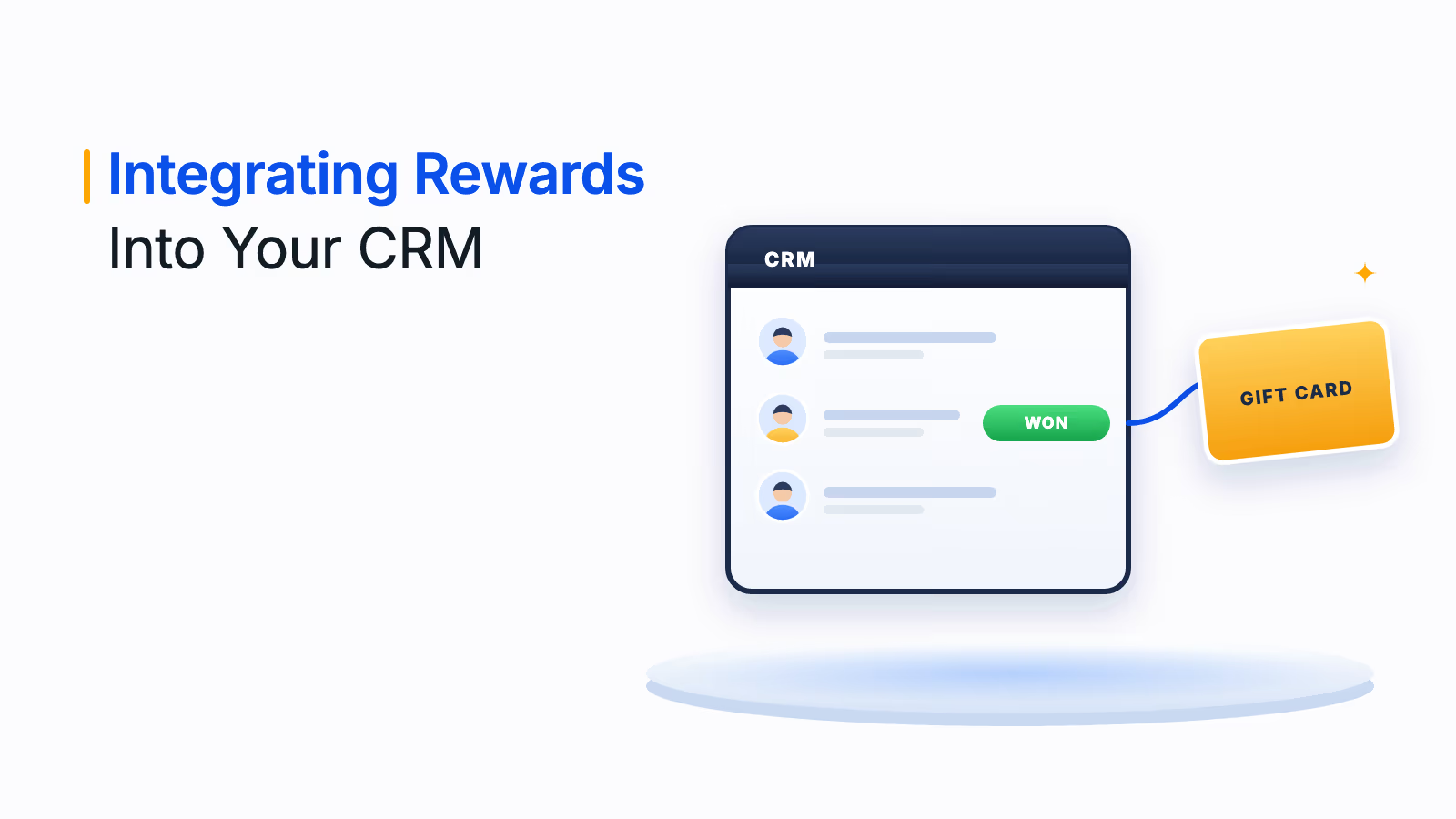
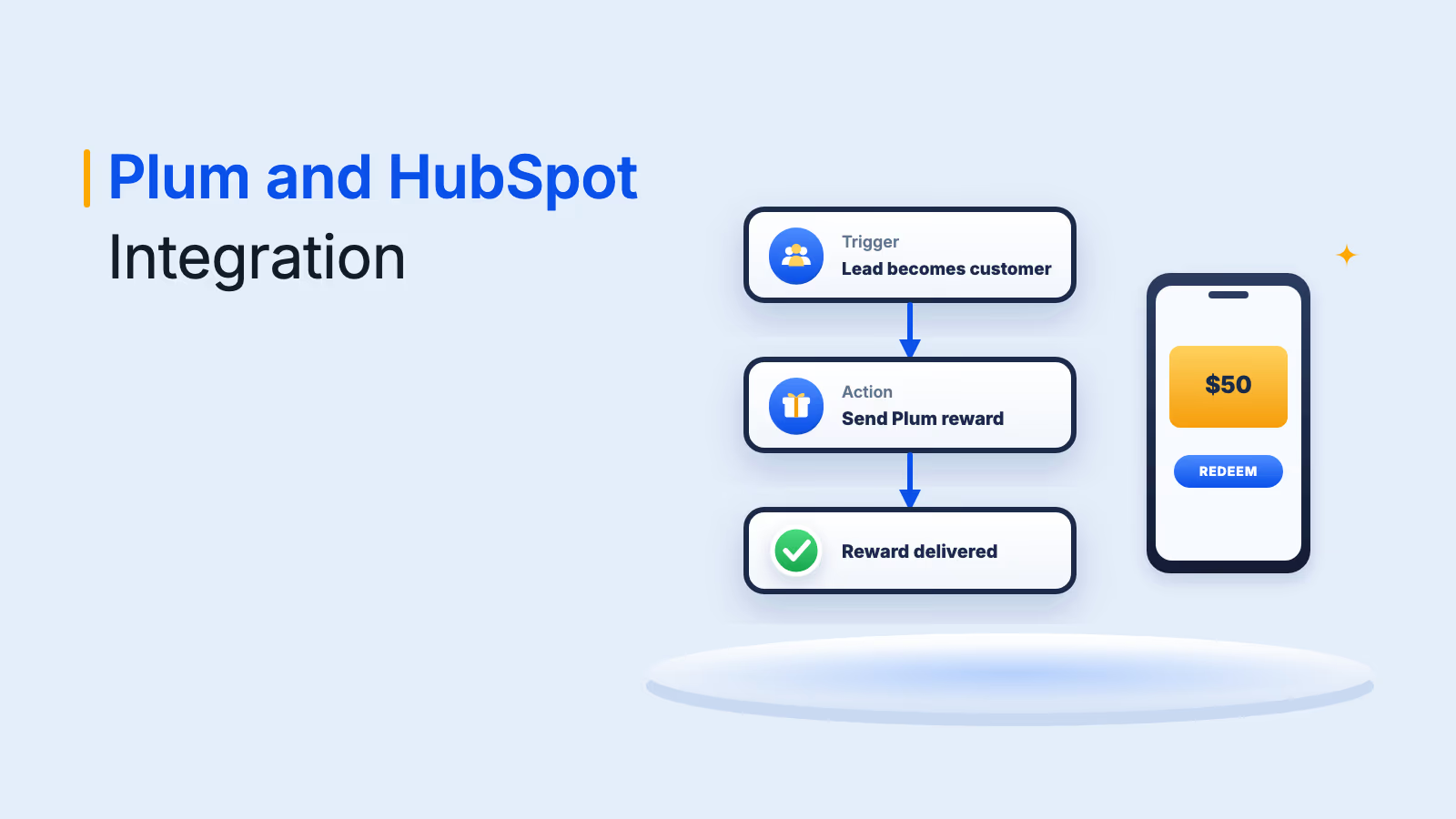
Connect CRM triggers so the main reward fires when a referred deal closes or a first invoice is paid.
Build fraud checks into the workflow and send rewards instantly to referrals that pass them.
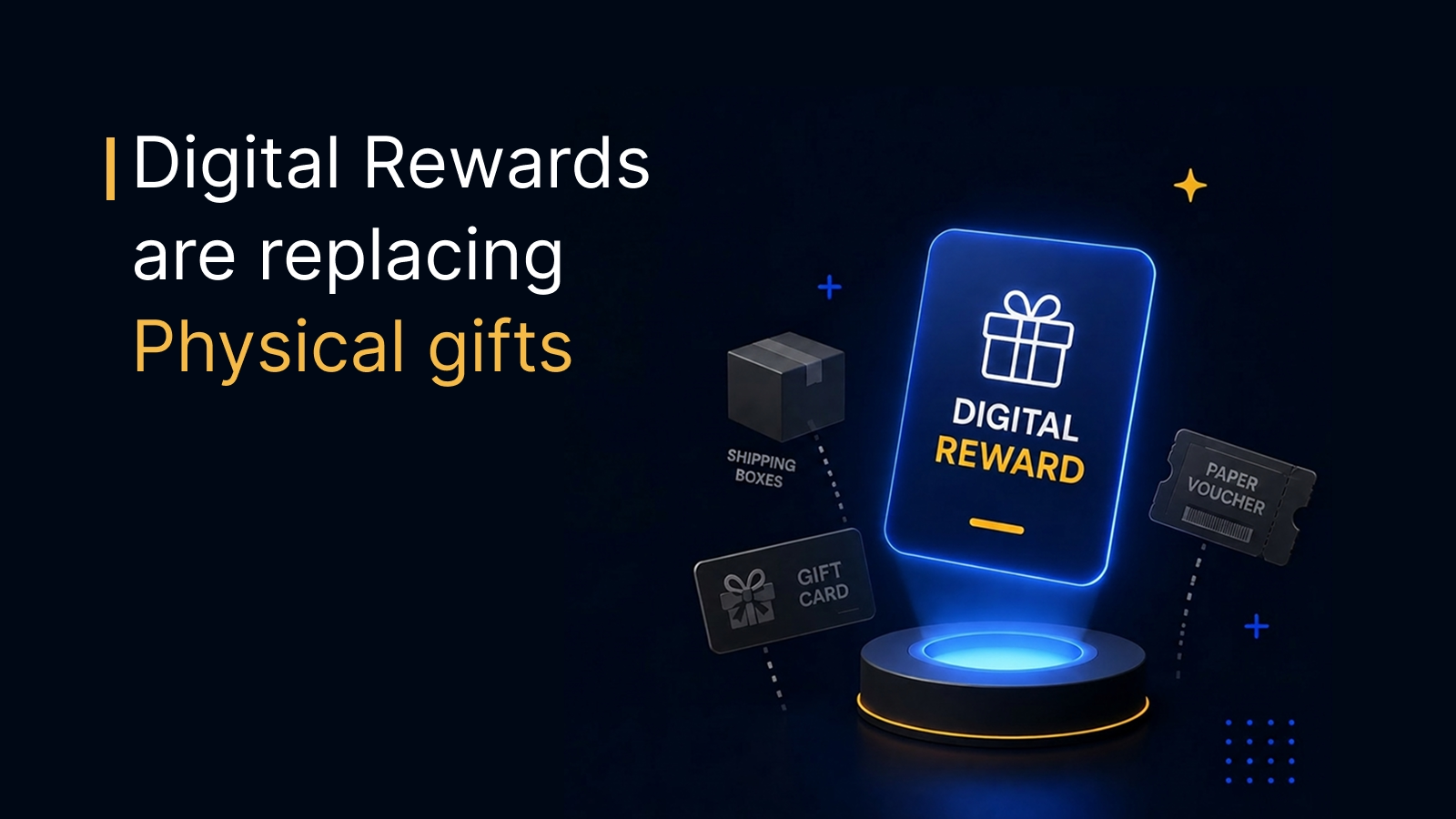
Xero lifted referral conversion by 25% after replacing physical gifts with automated digital reward links.
Your happiest customers are often your best salespeople. The challenge is running a referral program for thousands of them without drowning in spreadsheets, manual approvals and late rewards. Referral marketing automation solves that by letting software handle the repetitive work, so every referral is tracked, checked and rewarded on time.
This guide explains what referral marketing automation is, why manual programs stall, how to automate your referral program step by step, how to add fraud checks and instant payouts, and how to choose the right referral program software.
What is referral marketing automation?
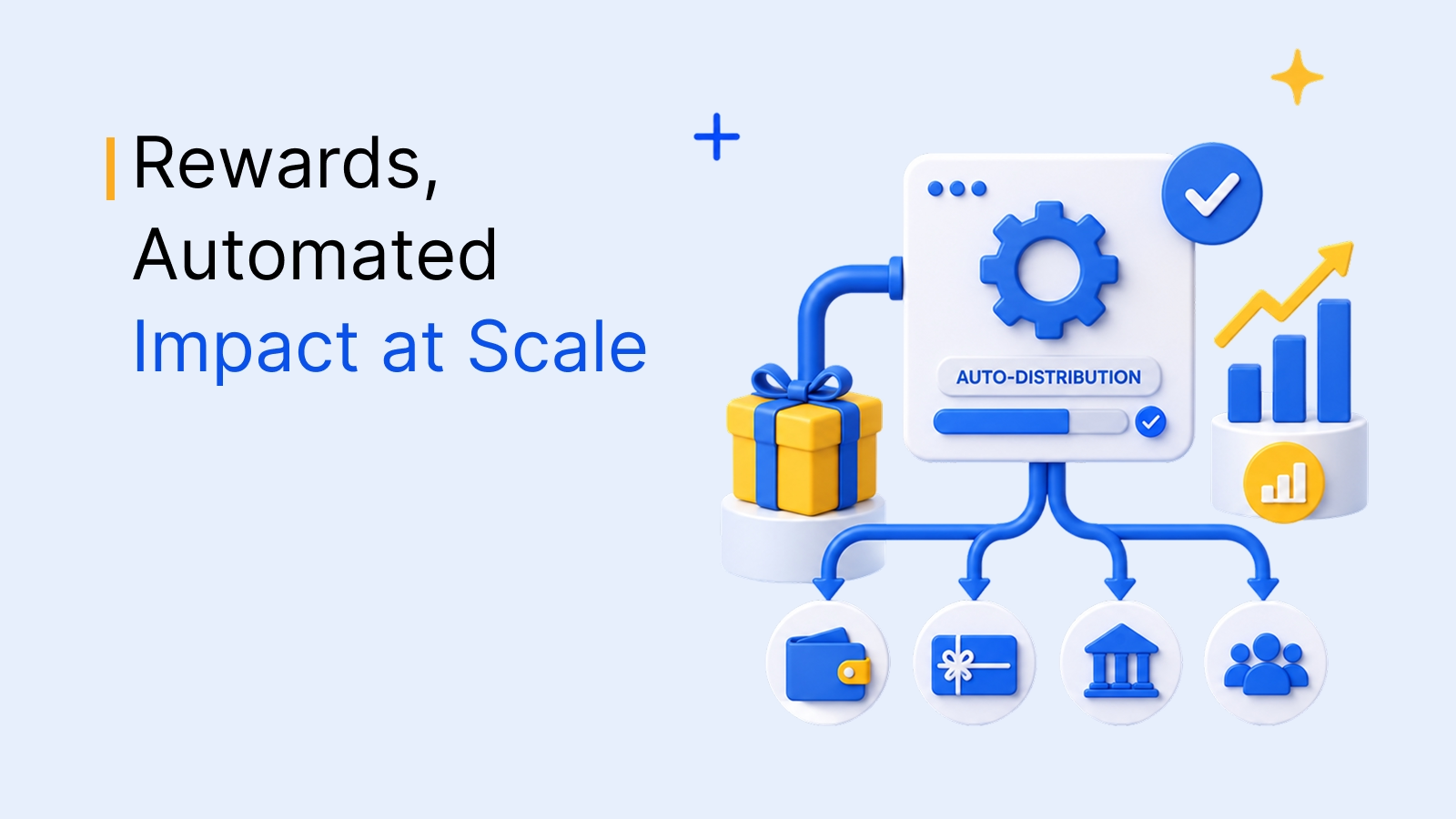
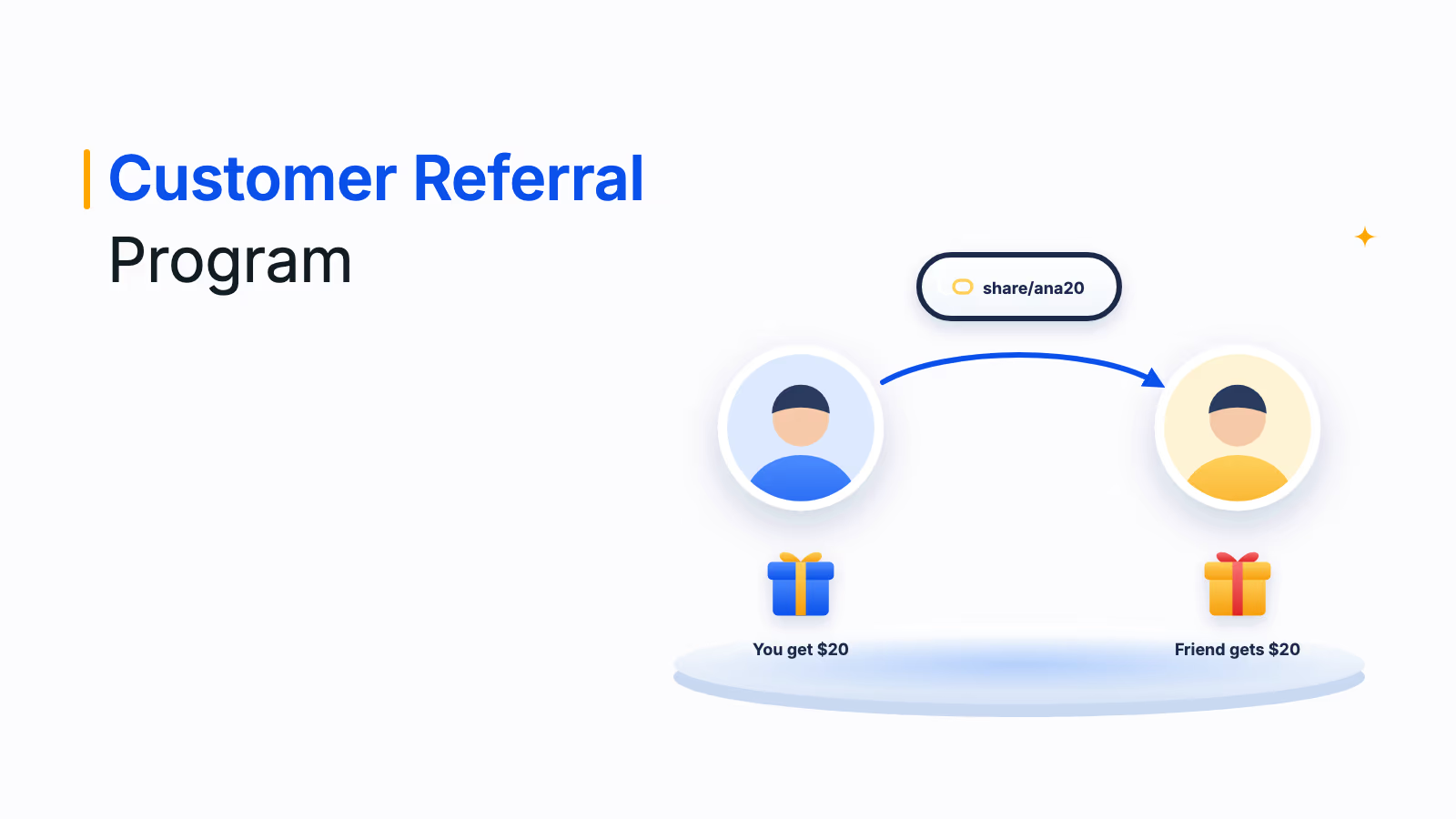
Referral marketing automation is the use of software, such as referral tracking tools, your CRM, email platforms and a rewards platform, to run a customer referral program with little manual work. The software handles the tasks that would otherwise be done case by case.
Every referral program has repetitive tasks that are better automated:
- Creating and sending unique referral links or codes
- Enrolling customers and reminding them the program exists
- Checking whether each referral is genuine and qualifies
- Sending rewards such as gift cards, credit or cash for successful referrals
- Reporting on participation, conversions and cost
Handled manually, these tasks are slow and error-prone. Automated, they run in the background while referrers enjoy a smooth experience that encourages them to refer again.
Why manual referral programs stall
Most referral programs don't fail because of the idea. They stall in execution, when the work needed to run them grows faster than the team. Common signs include:
- Late rewards: Approvals sit in a queue and rewards arrive days or weeks after the referral, so referrers lose interest.
- Disconnected systems: Referral data, CRM records and reward payouts live in different tools, which creates attribution gaps and duplicate payouts.
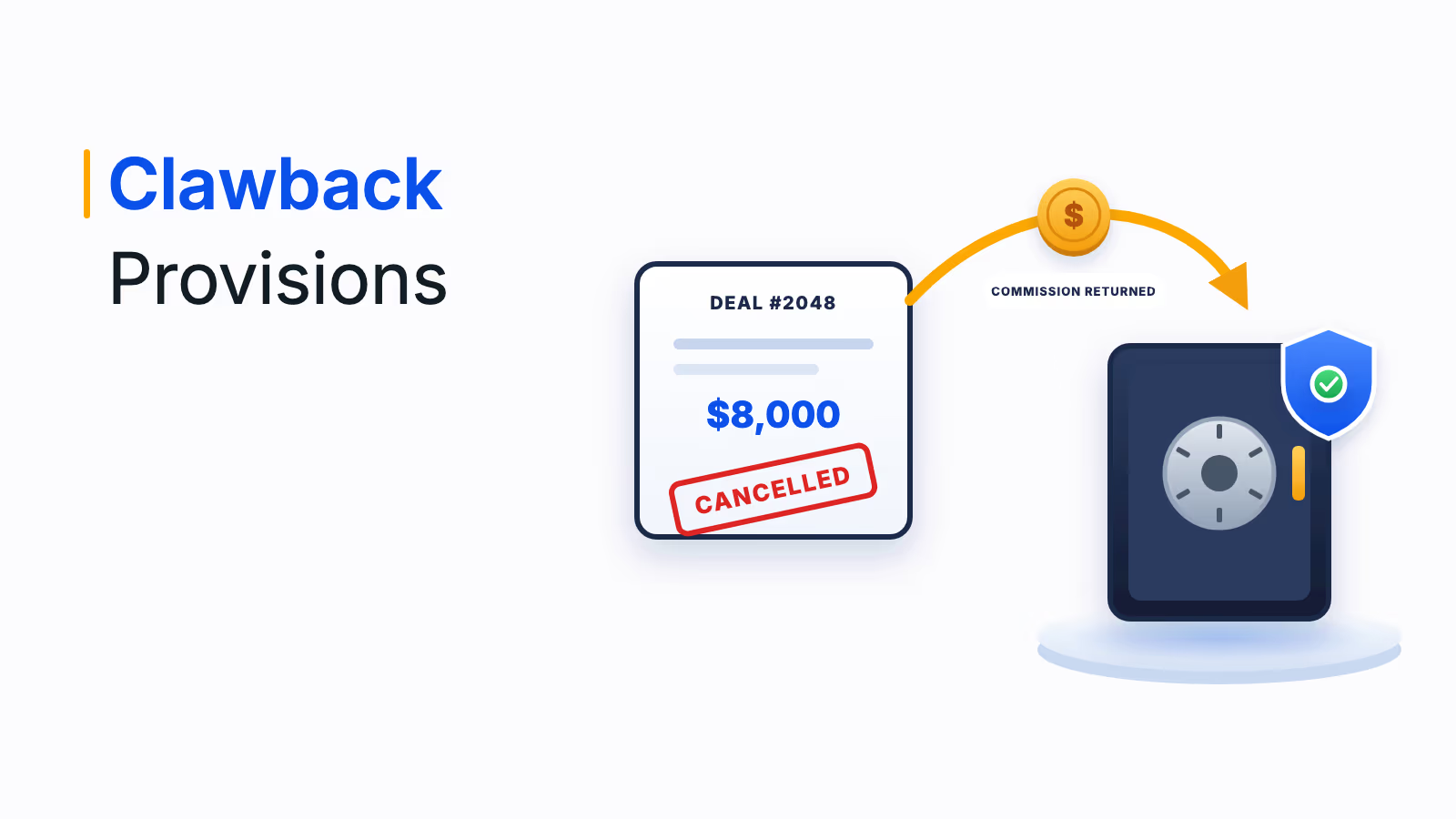
- Fraud and abuse: Self-referrals and duplicate accounts go unnoticed until they have drained part of the budget.
- Rewards that don't fit: A single reward type that suits one market falls flat in another, so redemption drops.
- No clear ROI: Without tracking, nobody can say what the program costs per new customer or whether it is working.
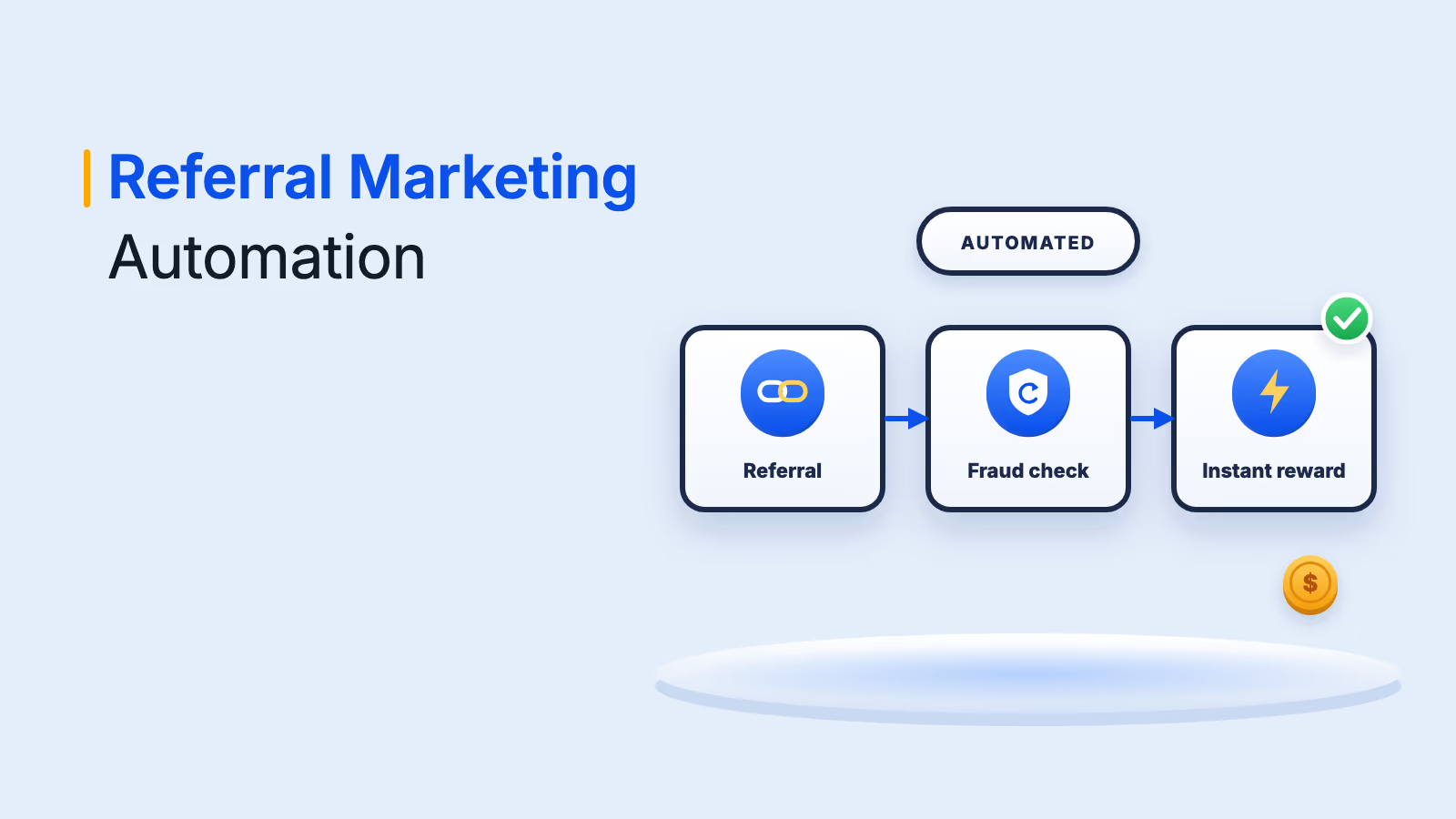
Automation fixes each of these by connecting the referral, the check and the reward into one workflow.
Benefits of automating your referral program
When you automate a referral program, you get four main benefits:
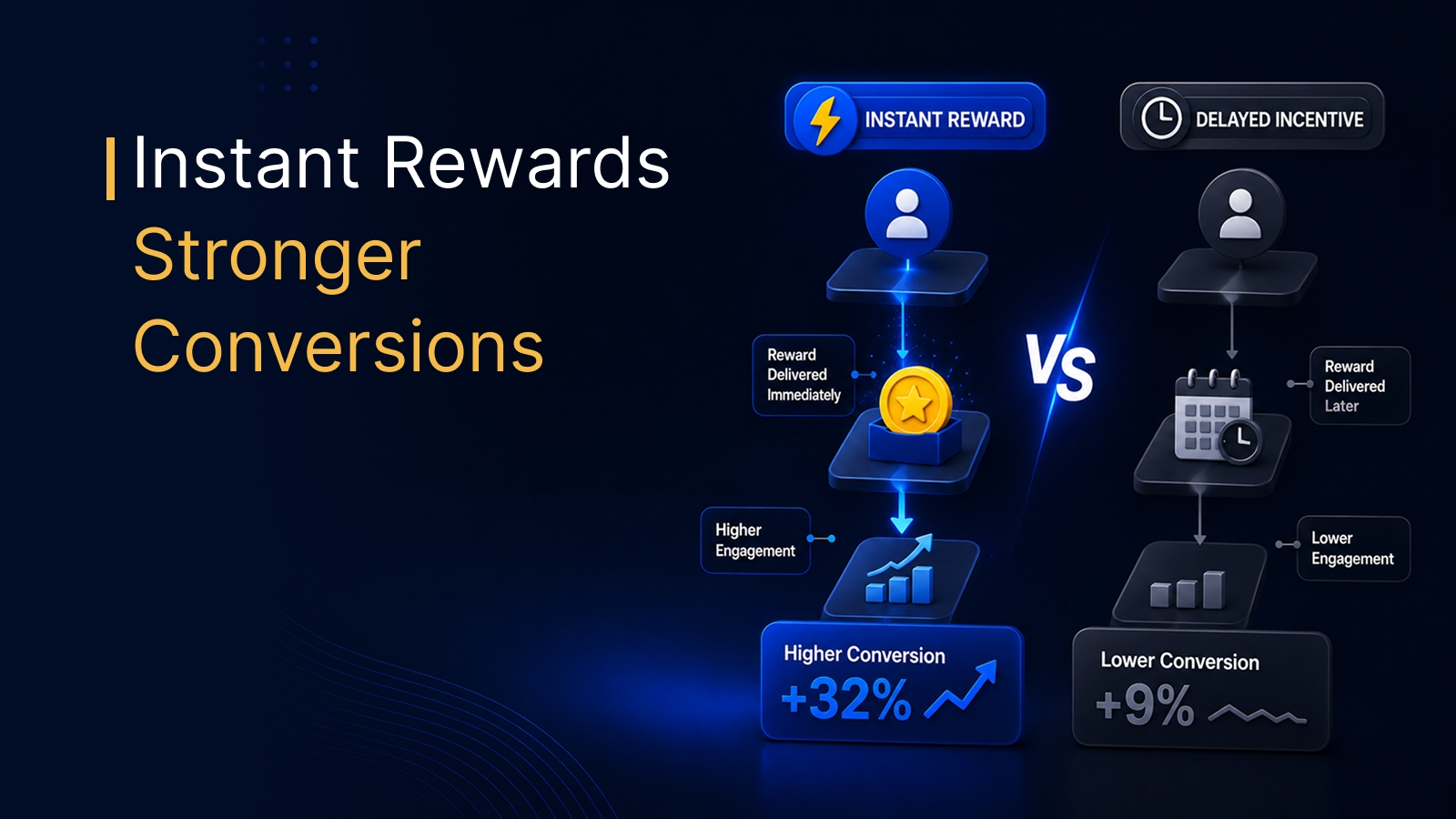
- Higher referral conversion: Referrers who are rewarded on time are more likely to refer again, and new customers get a smooth, branded experience.
- Less manual effort: Notifications, approvals and reward delivery run on schedule, and the human errors that come with manual handling disappear.
- Lower cost to run: Fewer hours go into admin, so more of the budget goes to rewards and promotion.
- Better tracking: You can see each advocate's results and key metrics such as conversion rate and cost per acquisition, then fine-tune the program.
Automate your referral rewards
Send rewards to referrers and new customers in 150+ countries the moment a referral qualifies, triggered from your CRM or API.
Talk to our ExpertTrusted by 5,000+ companies
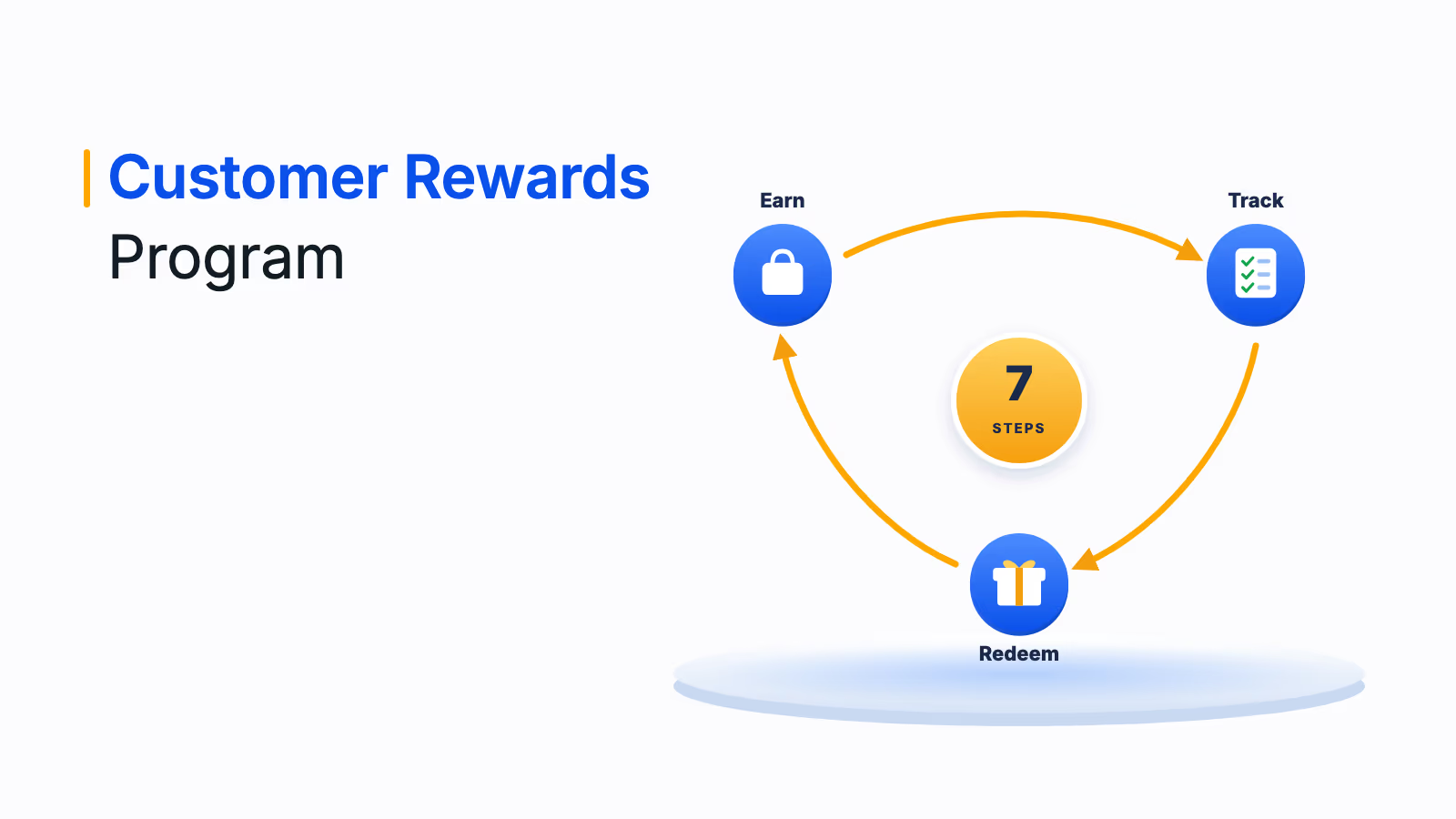
How to automate your referral program in 7 steps
Here is a practical sequence to automate a referral program from enrollment to payout.
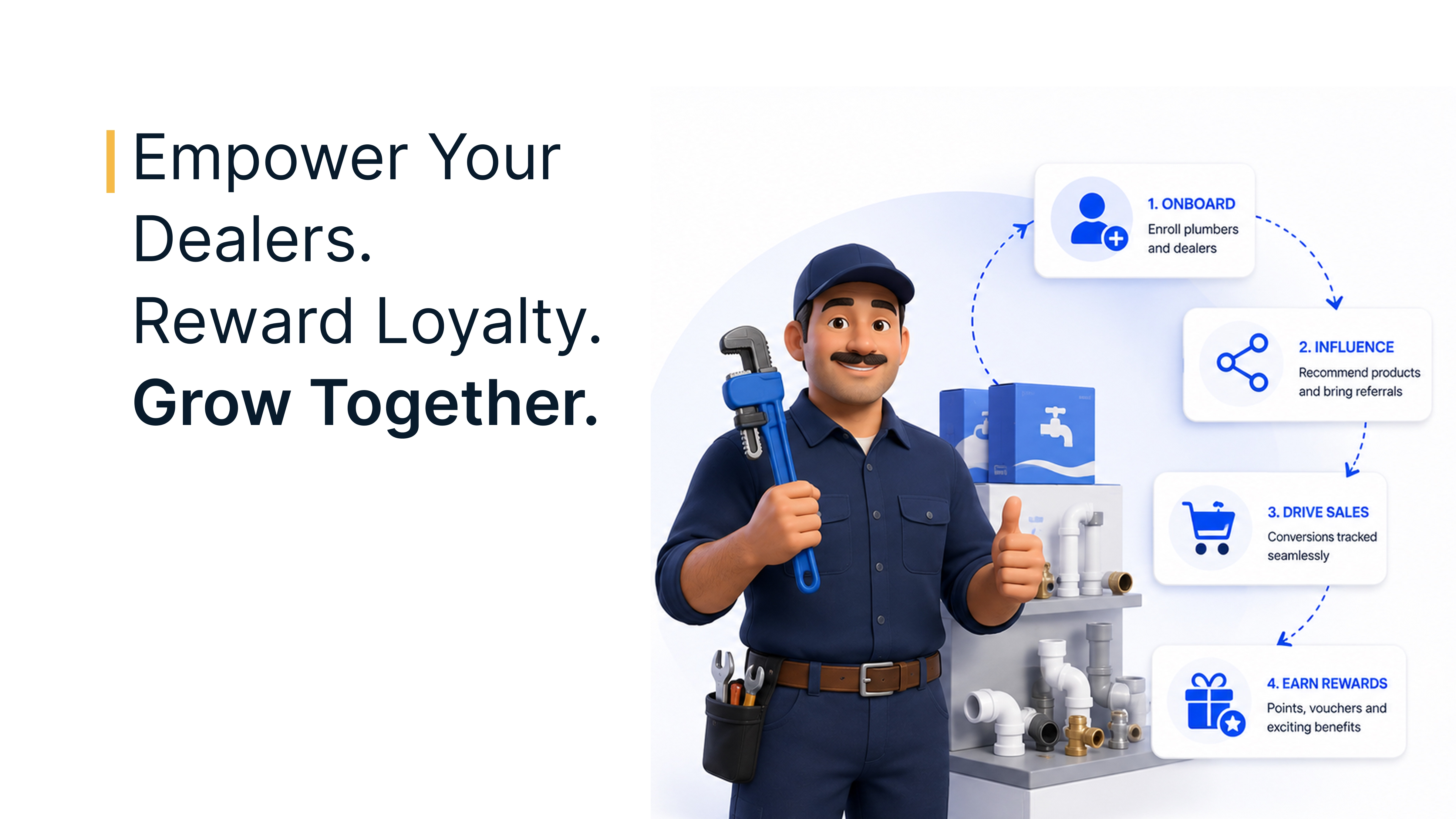
1. Promote the program automatically
Customers can't refer if they don't know the program exists. Set up trigger-based emails that introduce the program after specific actions, such as a purchase, a positive support rating or a newsletter sign-up. Schedule social posts at the times your audience is most active, and add referral widgets or banners to high-traffic pages of your website and app.
2. Enroll customers automatically
Promotion alone won't guarantee participation. Enroll customers automatically based on triggers so each one already has a referral link when the moment comes:
- Purchase completion: create a referral link as soon as an order is confirmed.
- Account activation or onboarding: enroll new users once they reach their first success with your product.
- Form or survey completion: enroll leads and customers who engage with your brand.
You can also import your customer list into your referral platform to generate links for every contact at once.
3. Connect your CRM and set referral triggers
Your CRM is where the referral should become an action. Connect your referral platform to the CRM, email tool and store so customer data stays in sync, then set CRM triggers that move each referral through clear stages:
| CRM event | Automated action |
|---|---|
| Referred lead is created with a referral source | Tag the lead and notify the referrer that their friend has signed up |
| Referred lead books a demo or starts a trial | Send a small thank-you reward or a status update to the referrer |
| Deal is marked closed-won or first invoice is paid | Trigger the main referral reward for the referrer and the new customer |
| Referrer reaches a new tier | Upgrade the reward amount for their next referral |
Connected data also shows which referral channels perform best. If more referrals convert from email than from your website, you can shift effort accordingly. To go deeper, see how integrating rewards into your CRM works.
4. Keep advocates engaged with automated touchpoints
Enrolled customers still forget. Set up reminder emails every month or quarter, and use segmentation to re-engage inactive referrers. A limited-time bonus or a higher reward for the next referral is often the nudge they need. Personalize messages with each referrer's progress, such as how many friends have joined.
5. Add automated fraud checks
Referral fraud grows with the program. Build checks into the workflow so suspicious referrals are held before a reward goes out, not discovered afterwards:
| Fraud risk | Automated check |
|---|---|
| Self-referrals | Match referrer and referee on email, phone, payment method and device |
| Duplicate or fake accounts | Pay only after a qualifying action, such as a first purchase or paid invoice |
| Reward farming | Set caps per referrer per month or year and flag unusual spikes |
| Returns and cancellations | Hold rewards until the refund or cancellation window has passed |
| Reward reselling | Deliver rewards to verified contacts and track redemption |
Monzo's referral terms are a good public example: rewards depend on the friend making a card payment within 30 days, and the bank can withhold rewards for suspected gaming or fraud. Plum's fraud and security controls add velocity checks, pattern recognition and risk scoring before rewards are released.
6. Send reward payouts instantly
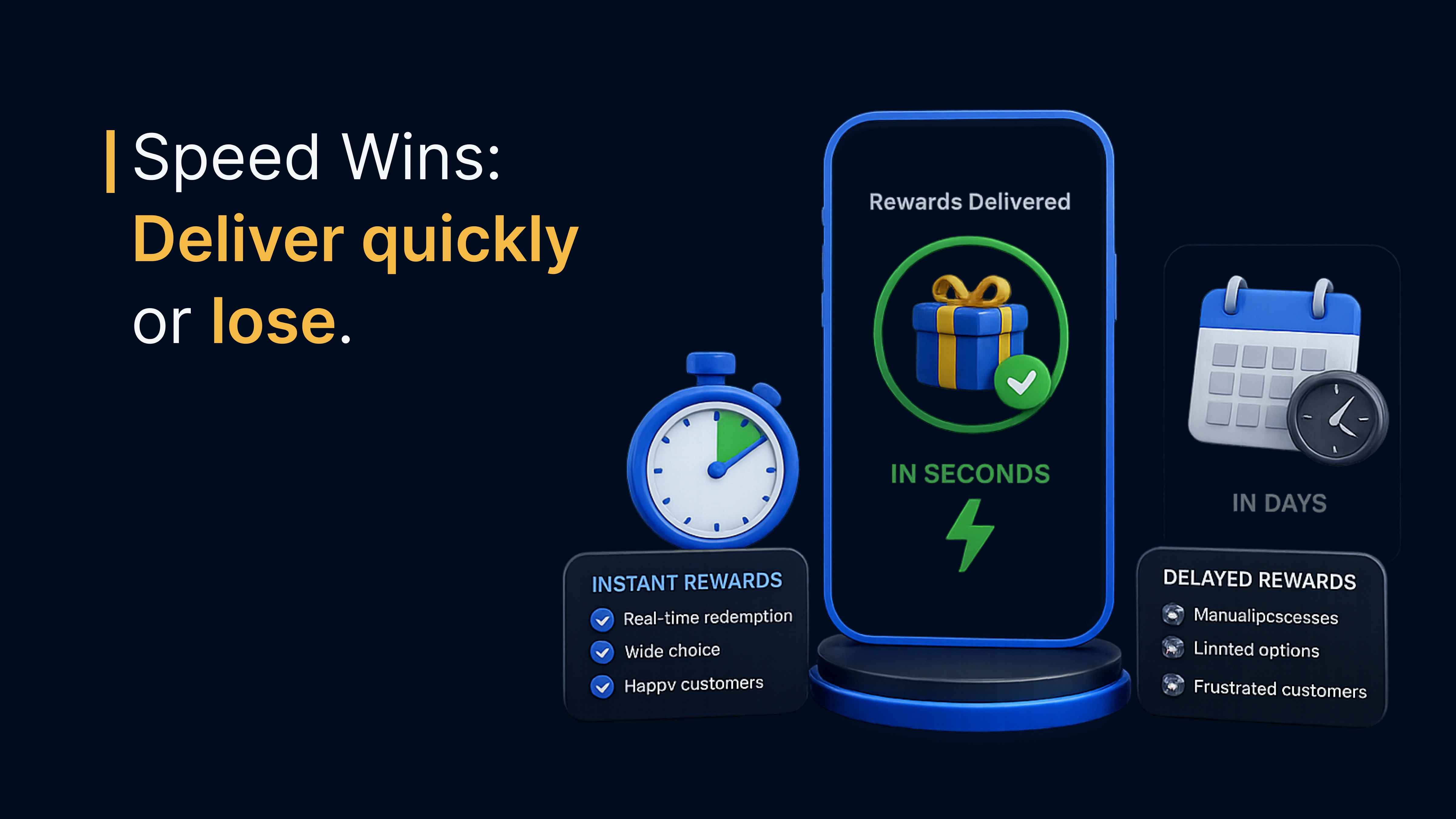
The moment a referral qualifies is the moment the referrer feels the most goodwill. Connect your referral platform or CRM to a rewards platform so the payout fires automatically, with no manual approval step for referrals that pass your checks.
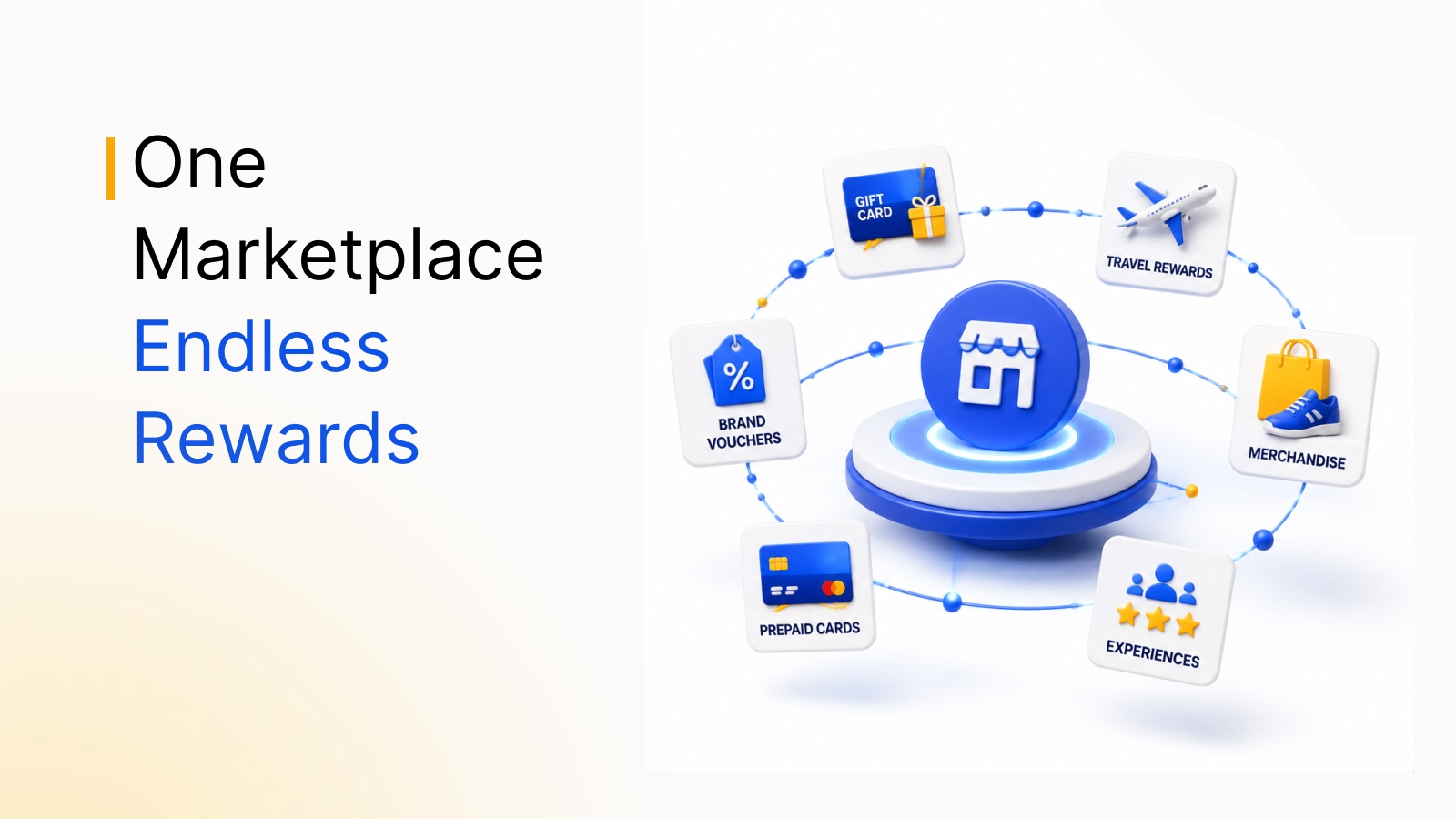
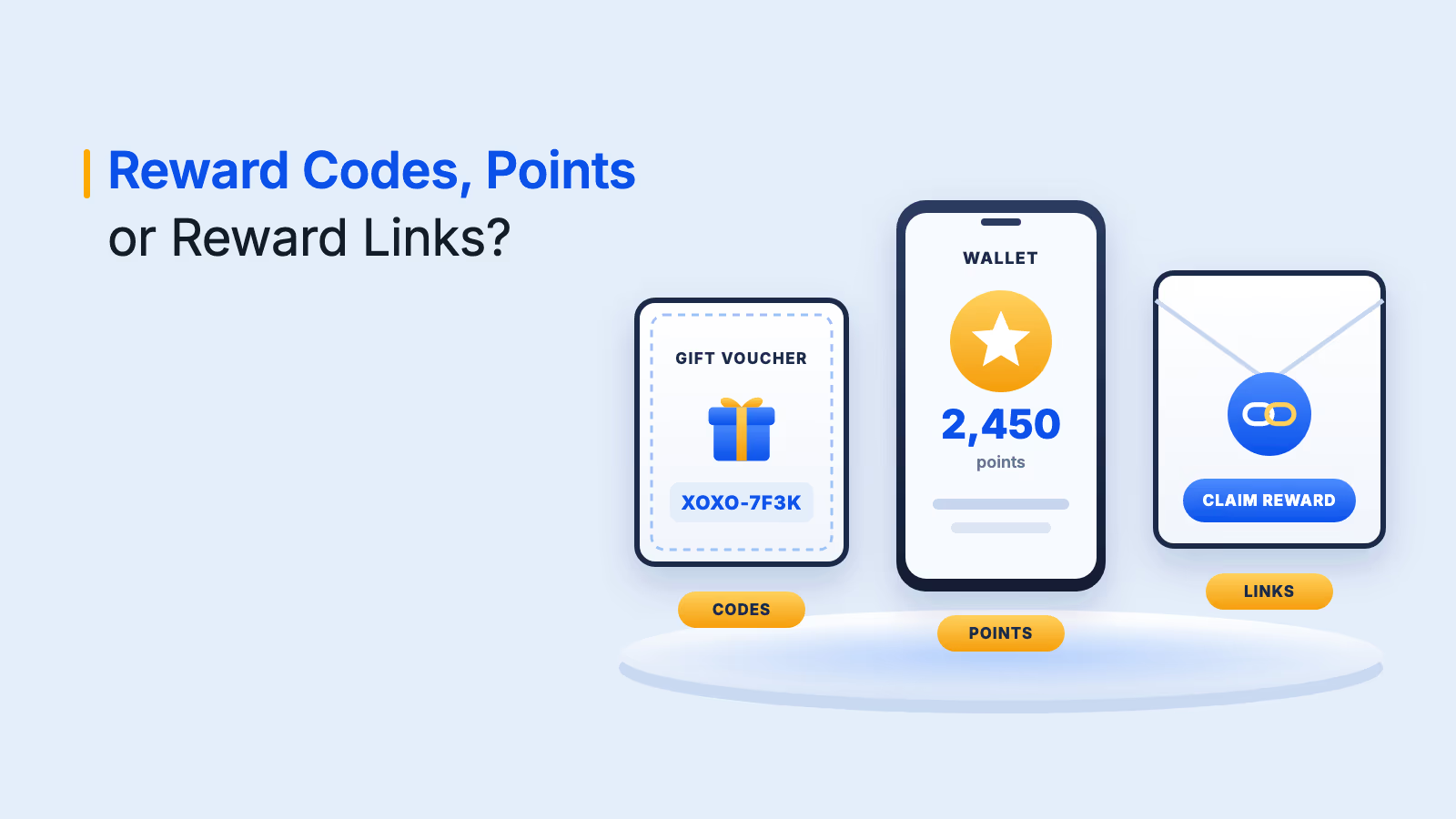
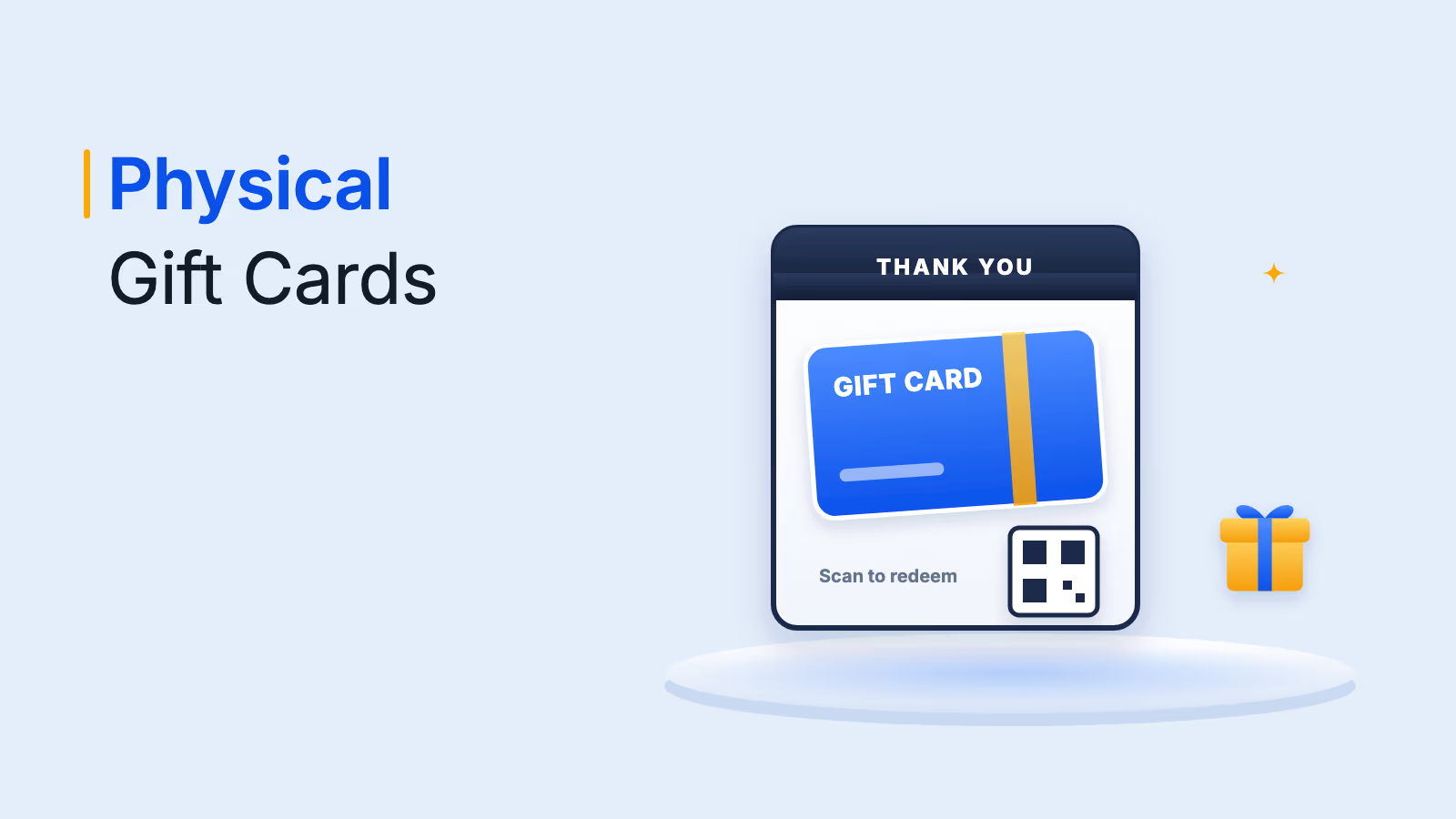
Digital rewards make instant payouts possible. A reward link arrives by email or SMS, and the recipient opens it to choose a gift card or other reward from a catalog, with no sign-up or login. Letting referrers choose also solves the problem of one reward not fitting every market. For more on the delivery options, see this guide to automating reward distribution.
7. Track results and optimize
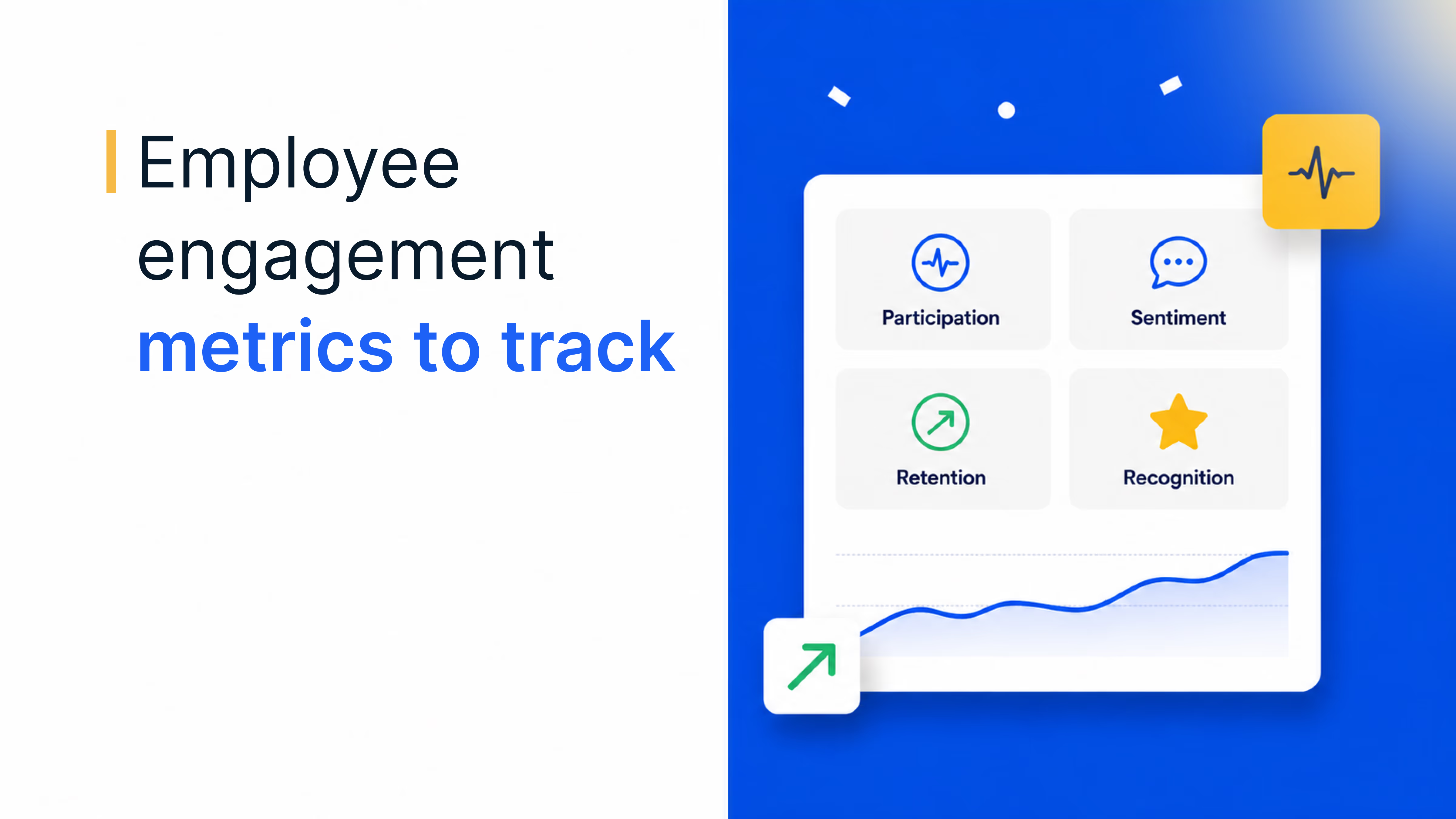
Review your referral data regularly. Track participation rate, referrals per advocate, referral conversion rate, time to reward, redemption rate and cost per acquired customer. Test different reward amounts, messages and timing, then roll out what works.
How to choose referral program software
Referral program software tracks links and conversions, while the wider set of referral automation tools covers your CRM, email and rewards. Use these criteria to compare options:
| Criterion | What to look for |
|---|---|
| Ease of use | A clean interface your marketing team can run without engineering help |
| Customization | Branded emails, landing pages, templates and reward rules |
| Integrations | Native connectors for your CRM, email and e-commerce tools, plus APIs and webhooks |
| Reward options | Gift cards, credit, prepaid cards and a choice of rewards in local currencies |
| Payout speed | Rewards sent automatically the moment a referral qualifies |
| Fraud controls | Duplicate detection, self-referral blocking, caps and holds |
| Scalability | Handles growing referral volume across countries without extra admin |
| Tracking and analytics | Real-time reports on referrals, conversions, redemptions and spend |
Also consider the level of customer support you get and whether plans are flexible as your program grows.
Referral automation tools: what your stack needs
Most automated referral programs combine a few tools, each with a clear job:
| Layer | Role in the workflow |
|---|---|
| Referral tracking platform | Creates links and codes, attributes referrals and applies reward rules |
| CRM | Holds customer and deal data, and fires triggers when a referral converts |
| Email and marketing automation | Promotes the program, sends reminders and status updates |
| Rewards platform | Checks, sends and tracks rewards in many countries and currencies |
| Workflow tools and APIs | Connect custom systems, such as your product or billing tool, to the rest of the stack |
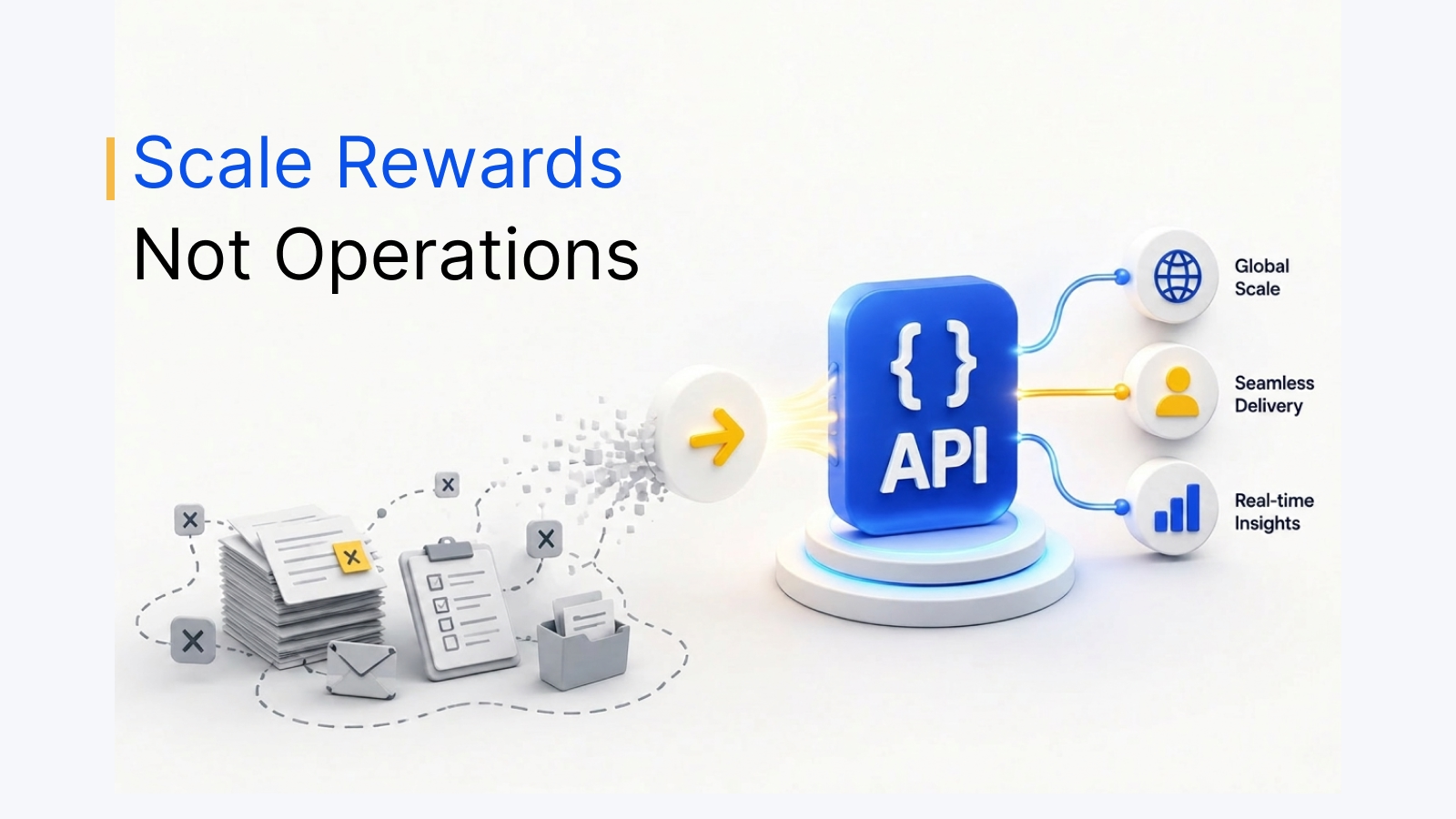
Plum covers the rewards layer. It connects to CRMs and other tools through 250+ native connectors, three REST APIs with a sandbox, and webhooks, so referral rewards can fire from the system you already use. Learn more on the referral rewards solution page.
How Xero scaled referral marketing with automation
Xero, the cloud accounting software company founded in New Zealand, saw a once-in-a-market moment when the UK introduced Making Tax Digital and small businesses needed compliant accounting software fast.
The problem: Xero's referral program ran on physical gifts that were bulk-ordered, packed and posted. Inventory costs, stock management and delivery times of several days made every campaign slow, and the team had no redemption data to measure ROI.
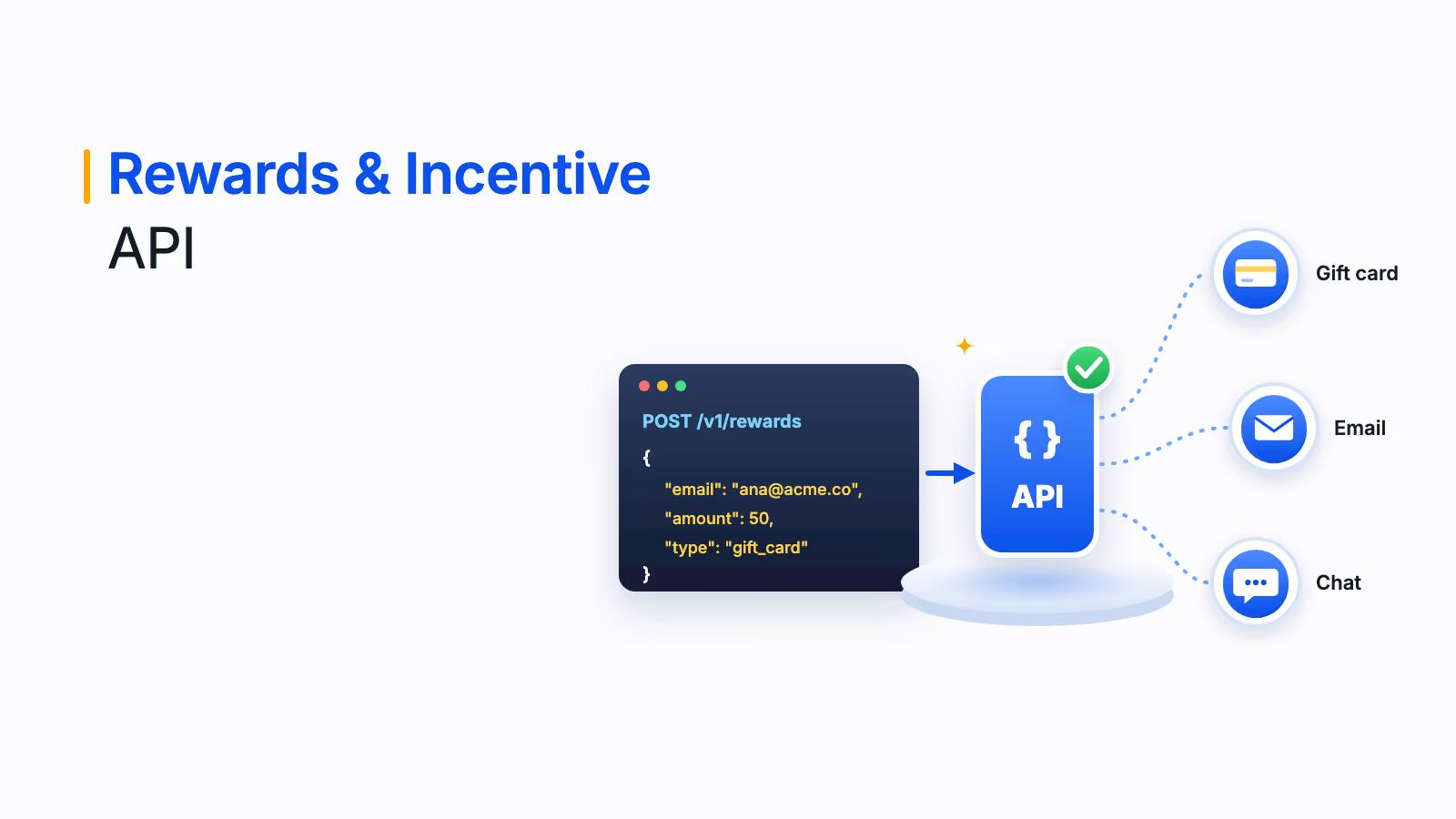
The solution: Xero connected Xoxoday Plum to its referral program through the REST API. When a qualifying referral is confirmed, Plum automatically generates a unique reward link and delivers it, with no manual steps. Recipients choose from gift cards and digital vouchers in their local currency across three markets, and every reward is tracked in real time.
The impact: After switching from physical gifts to digital reward links, Xero saw:
- A 25% increase in referral conversion rate
- 94% of referral rewards delivered the same day they were triggered
- Three markets running from a single platform
Read the full Xero case study.
Conclusion: scale referral marketing with automation
Referral marketing automation turns a program that depends on manual effort into one that runs itself. Automate promotion and enrollment, connect your CRM triggers, add fraud checks and send rewards the moment a referral qualifies. That is how you scale referral marketing without scaling your team.
For inspiration on rewards and program design, see these referral program examples. When you're ready to automate payouts, Xoxoday Plum gives you 10M+ reward options across 150+ countries, delivered instantly by email, SMS or link. Book a demo to get started.
Book your Plum demo
Frequently asked questions
Referral marketing automation is the use of software to run a referral program with little manual work. Tools create referral links, enroll customers, check whether referrals qualify, send rewards and report on results automatically, so the program can grow without adding admin effort.
Start by promoting the program and enrolling customers automatically after key actions such as a purchase. Connect your referral platform to your CRM and set triggers for each referral stage, add automated fraud checks, then connect a rewards platform so rewards are sent the moment a referral qualifies. Track results and refine regularly.
Referral program software creates links, attributes referrals and applies reward rules. A rewards platform handles the payout itself: the reward catalog, currencies, delivery by email, SMS or link, and redemption tracking. Many teams connect the two through their CRM or an API.
Pay rewards only after a qualifying action such as a first purchase, block self-referrals by matching email, phone, payment method and device, set caps per referrer, hold rewards until refund windows pass and flag unusual spikes for review before rewards go out.
As soon as the referral qualifies. Instant rewards reach referrers while their goodwill is highest and encourage them to refer again. Digital reward links make this possible because they can be generated and sent automatically by email or SMS without manual approval.
Track participation rate, referrals per advocate, referral conversion rate, time from qualification to reward, redemption rate and cost per acquired customer. Compare these before and after automation and against your other acquisition channels.