Key Takeaways
Gift cards are closed-loop and spent at a named brand; open loop prepaid cards are spent anywhere their network is accepted.
Gift cards rarely carry recipient fees or identity checks, while prepaid cards often have both.
US award and promotional cards are excluded from the five-year expiry rule, so reward cards of both types often expire sooner.
Prepaid cards travel better across borders, but a local-currency card is usually the best card for rewards abroad.
Use gift cards for personal recognition, prepaid cards for payouts and unknown audiences, or a reward code to let recipients choose.
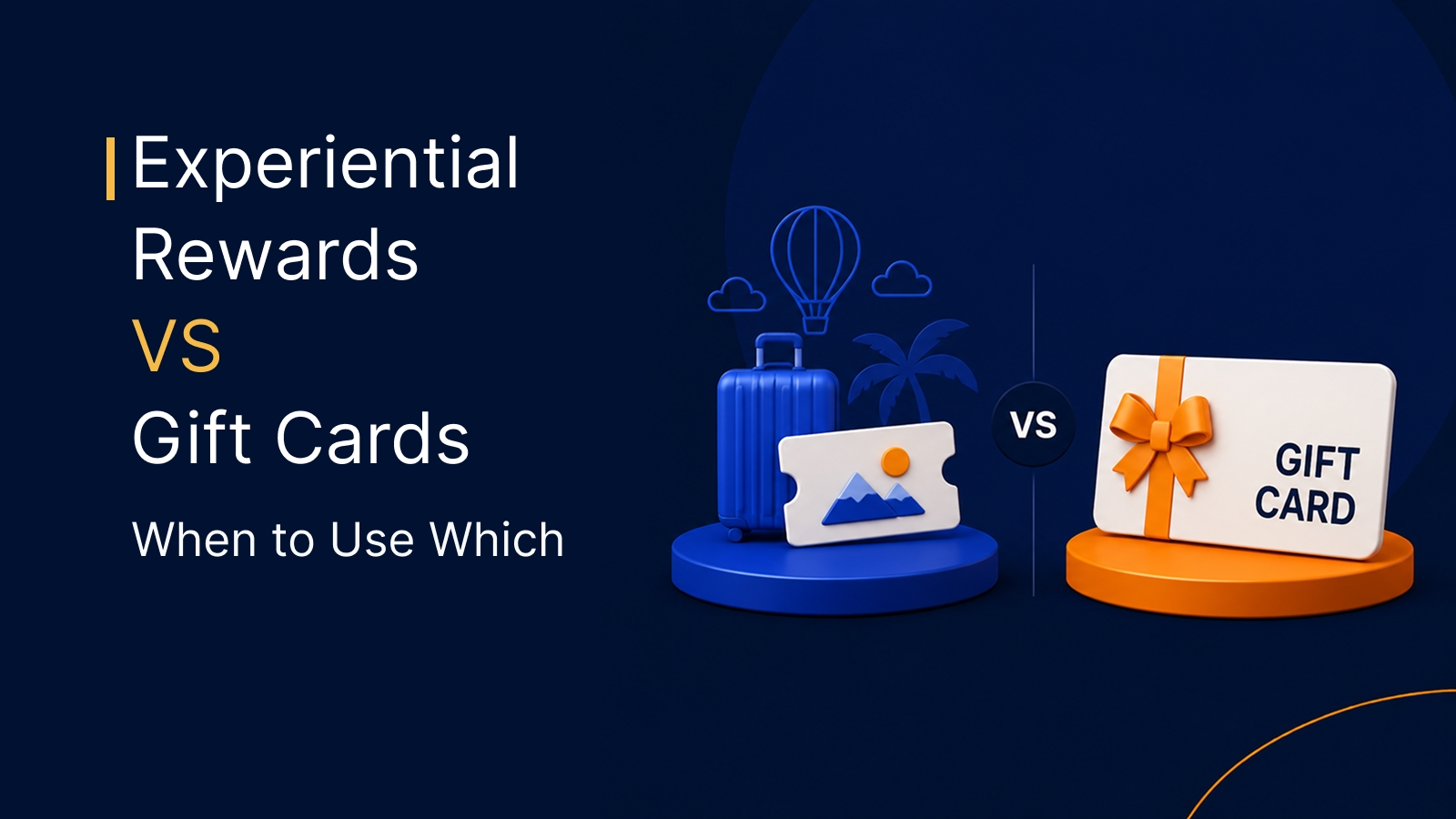
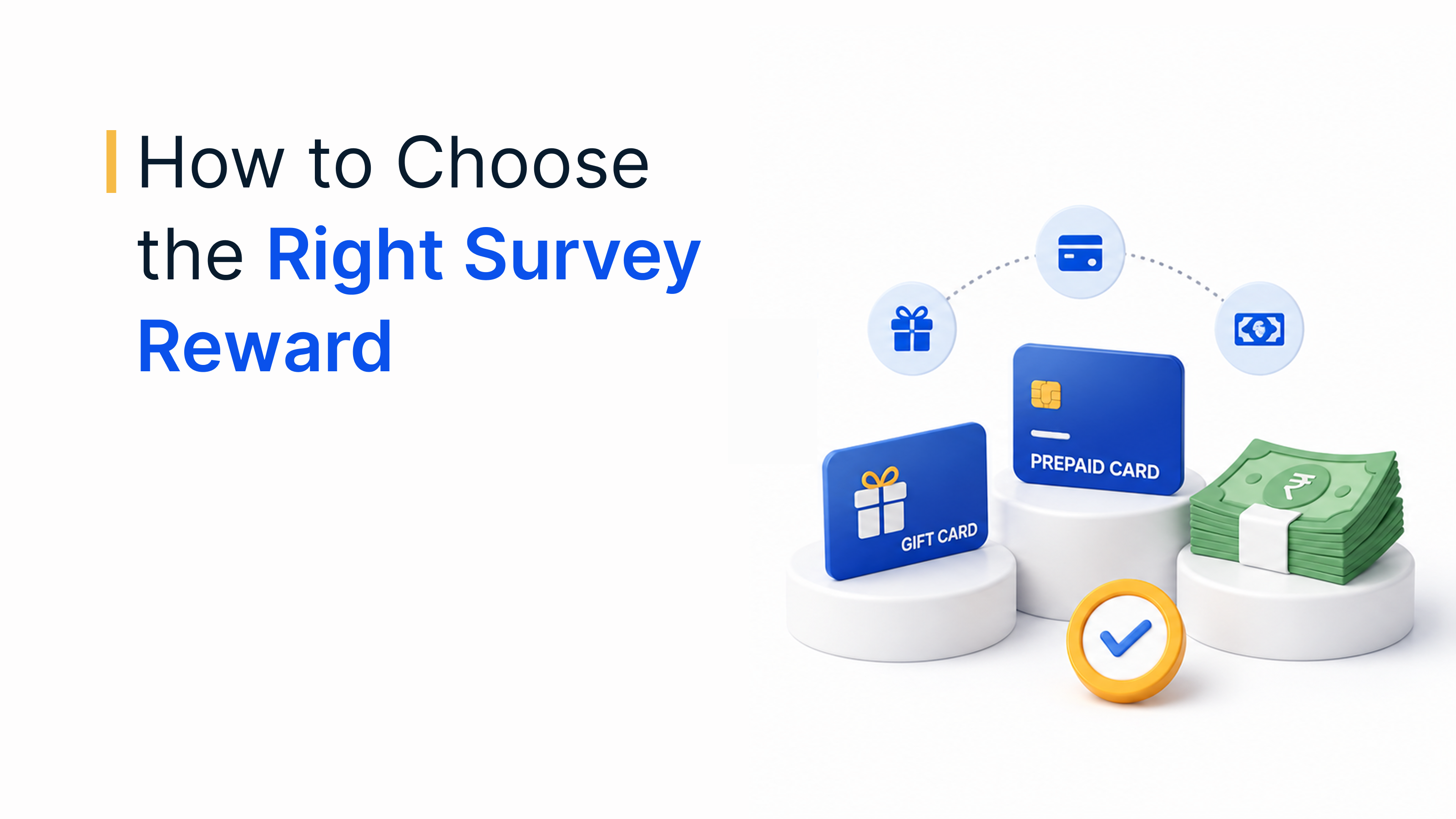
Prepaid vs gift cards is one of the first choices any rewards program has to make. Both put a fixed amount of money in the recipient's hands and both offer freedom of choice, but they differ in where they can be spent, what they cost, how long they last and what checks are needed before they are issued.
Gift cards lean toward a spend-it-at-this-brand approach, while prepaid cards behave like a debit card that can be used almost anywhere and, in some cases, reloaded. This guide compares the two side by side, covering fees, KYC, expiry and international use, and shows which is the best card for rewards in each situation.
How gift cards work
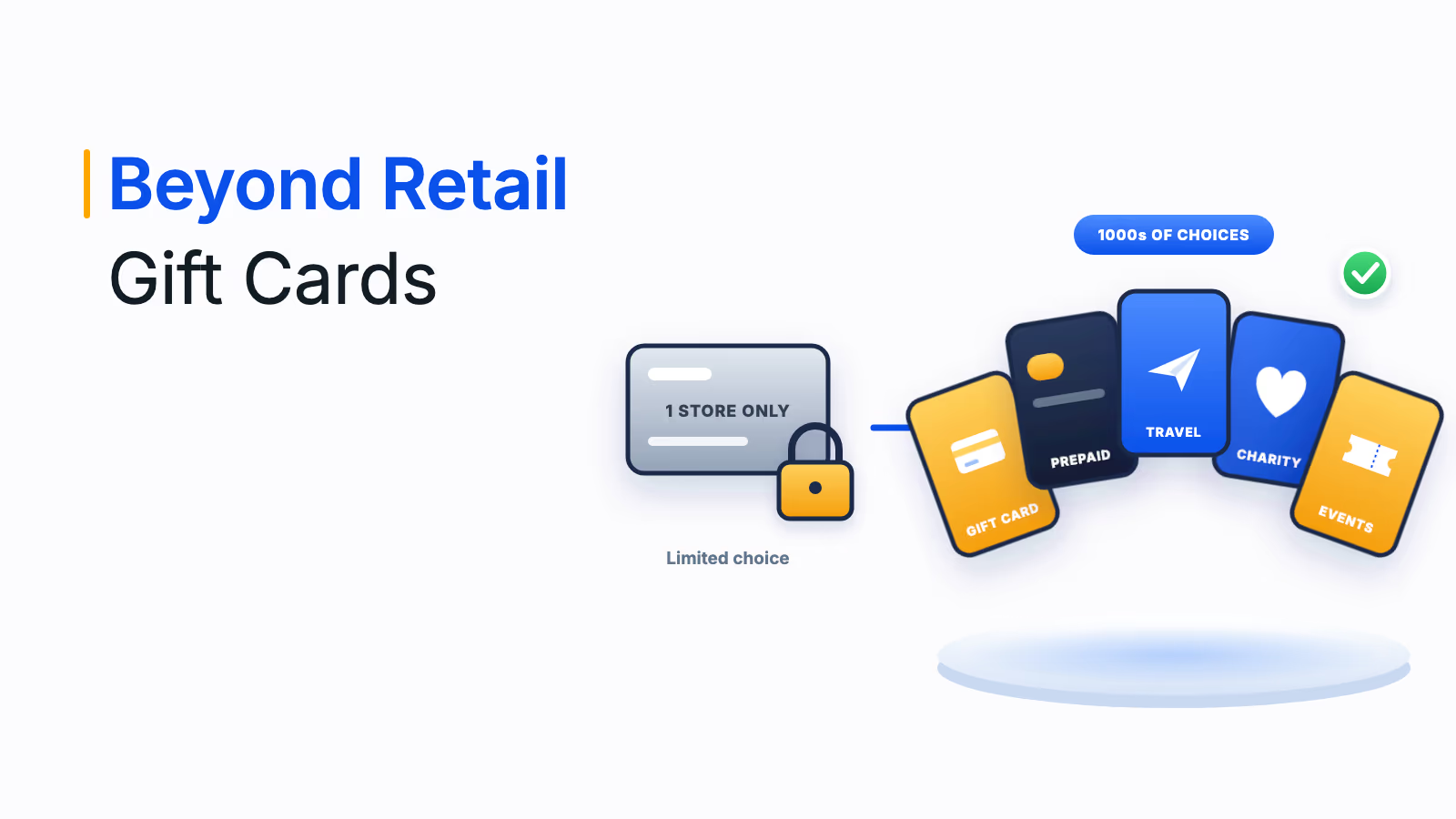
A gift card is a plastic or digital card loaded with a set value that can be spent only at a specific brand or a group of brands. Most gift cards are closed-loop, which means they work only within the issuer's own stores, website or partner network.
Gift cards come in fixed denominations, are usually not reloadable and are designed for gifting. They are the format most people picture for birthdays, holidays and thank-yous, and the format most businesses use for corporate gifting.
Advantages of gift cards
- Personal and on-theme: A card from a brand the recipient loves feels more thoughtful than general spending money.
- Low or no fees: Most gift cards carry no ongoing fees once issued.
- Budget control: Recipients cannot overspend beyond the card value, and the giver knows the exact cost.
- Wide choice through catalogs: Reward links and multi-brand cards let recipients pick from many brands.
Disadvantages of gift cards
- Limited acceptance: A closed-loop card is useless if the recipient does not shop at that brand or the brand is not available in their country.
- Leftover balances: It is hard to spend the exact card value, so small amounts are often left unused.
- Loss and theft: A physical card or an emailed code can be lost, stolen or targeted by scams.
How prepaid cards work
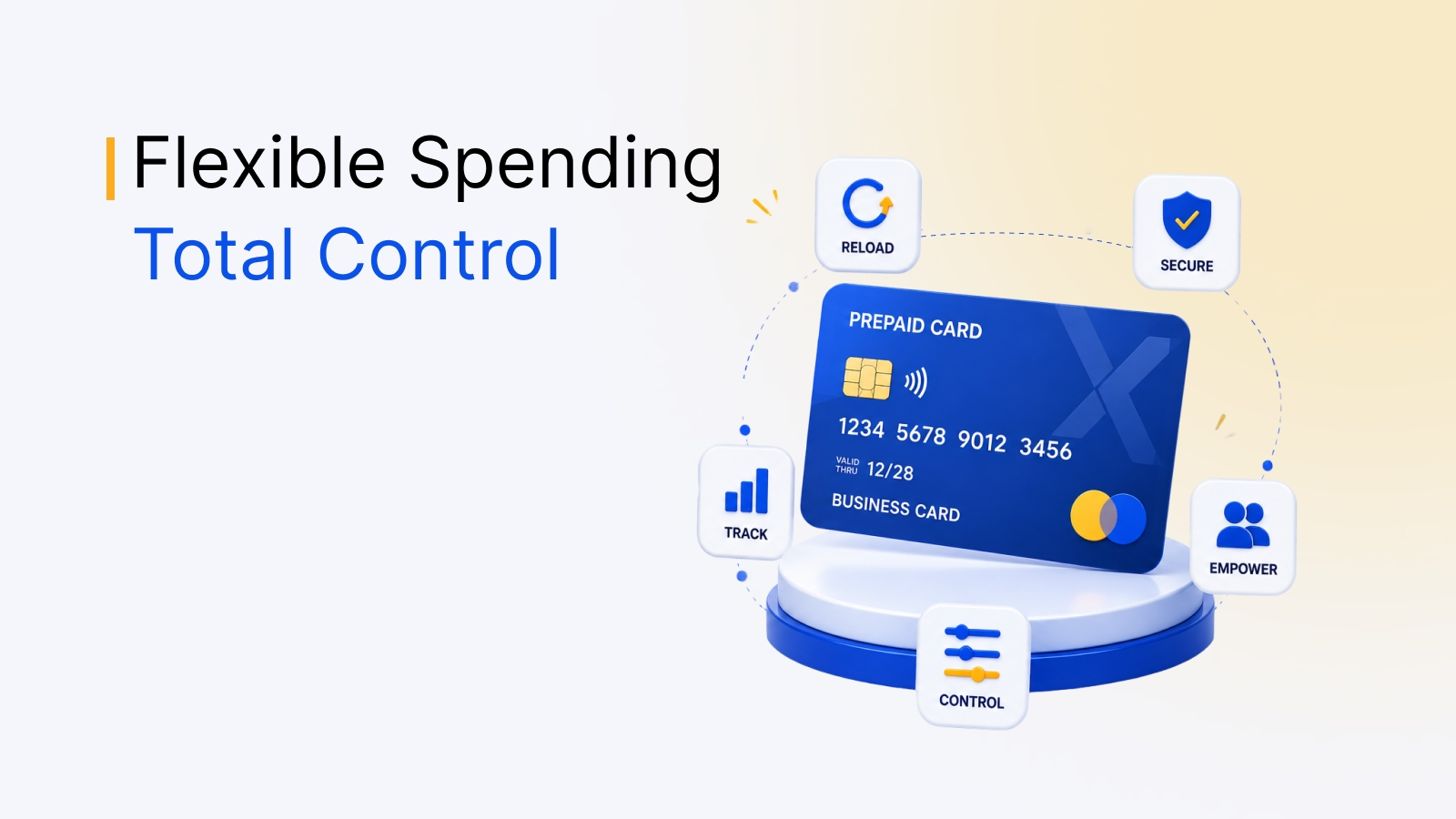
A prepaid card is a payment card loaded with funds in advance and usually carrying a Visa, Mastercard or similar network logo. It can be spent at any merchant that accepts that network, online or in store, and works like a debit card without a link to a bank account.
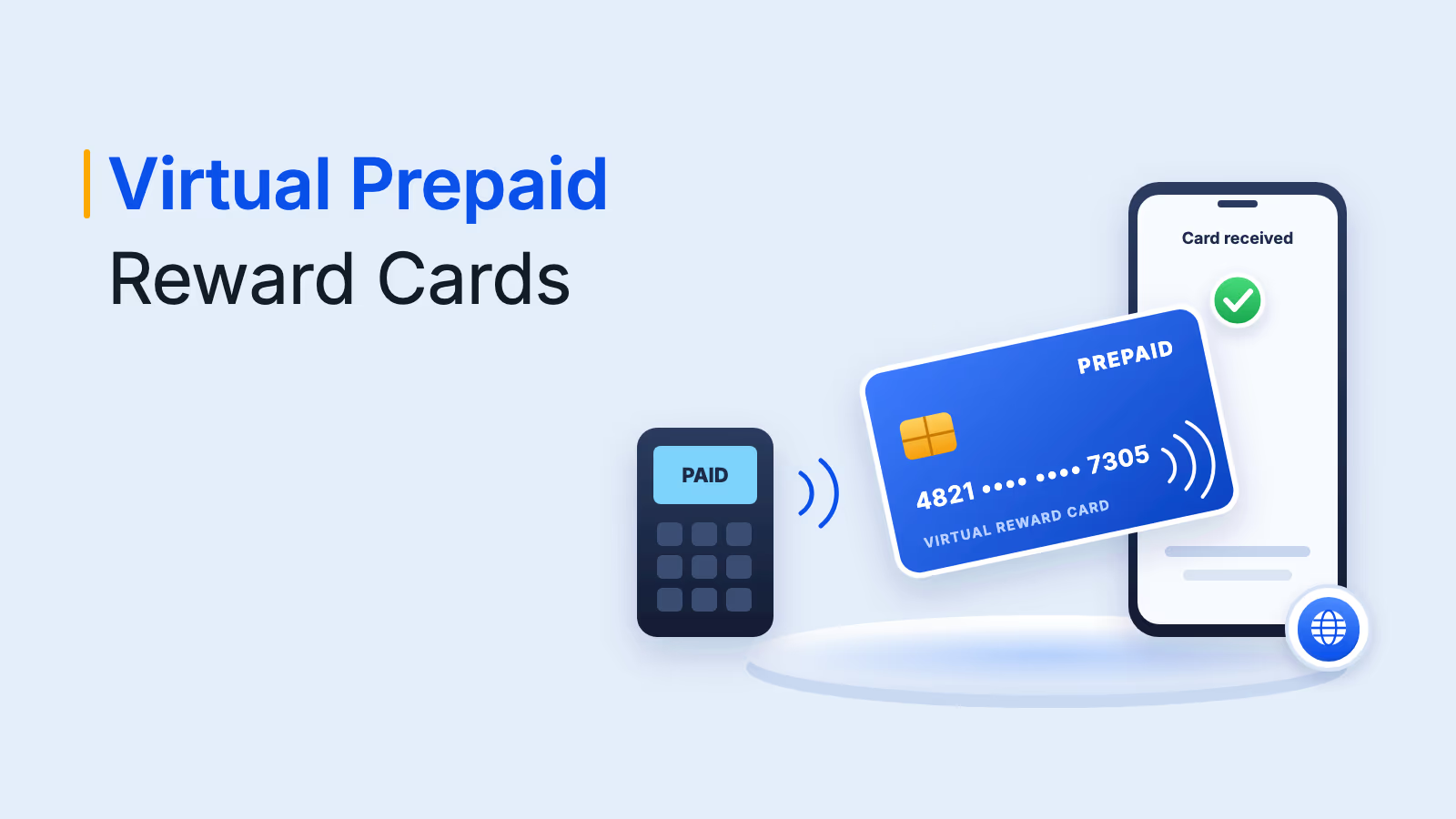
Open loop prepaid cards are the network-branded kind, accepted almost anywhere. Some are reloadable and can be topped up repeatedly, while others are one-time reward cards that are used until the balance runs out. Plum offers both virtual and physical prepaid cards, and our guide to virtual prepaid reward cards covers the types in detail.
Advantages of prepaid cards
- Spend almost anywhere: Recipients use the card wherever the network is accepted, so the reward always fits.
- No bank account needed: Prepaid cards suit recipients without a bank account or credit card. The FDIC's 2023 national survey found that 4.2% of US households, about 5.6 million, were unbanked.
- Spending control: Like a gift card, a prepaid card can only spend what is loaded on it.
- Reloadable options: Reloadable cards suit recurring incentives, payouts and allowances.
Disadvantages of prepaid cards
- Fees: General-purpose prepaid accounts can carry fees for setup, monthly maintenance, reloads, ATM use and inactivity.
- Verification: Reloadable prepaid accounts usually require identity checks, which adds a step for recipients.
- Less personal: A prepaid card feels closer to cash than to a gift.
- Shorter validity on reward cards: Promotional prepaid reward cards often expire within months, and unspent balances can be lost.
Offer gift cards and prepaid cards in one catalog
Let recipients choose gift cards, Visa and Mastercard prepaid cards and more in 150+ countries.
Talk to our ExpertTrusted by 5,000+ companies
Prepaid vs gift cards: side-by-side comparison
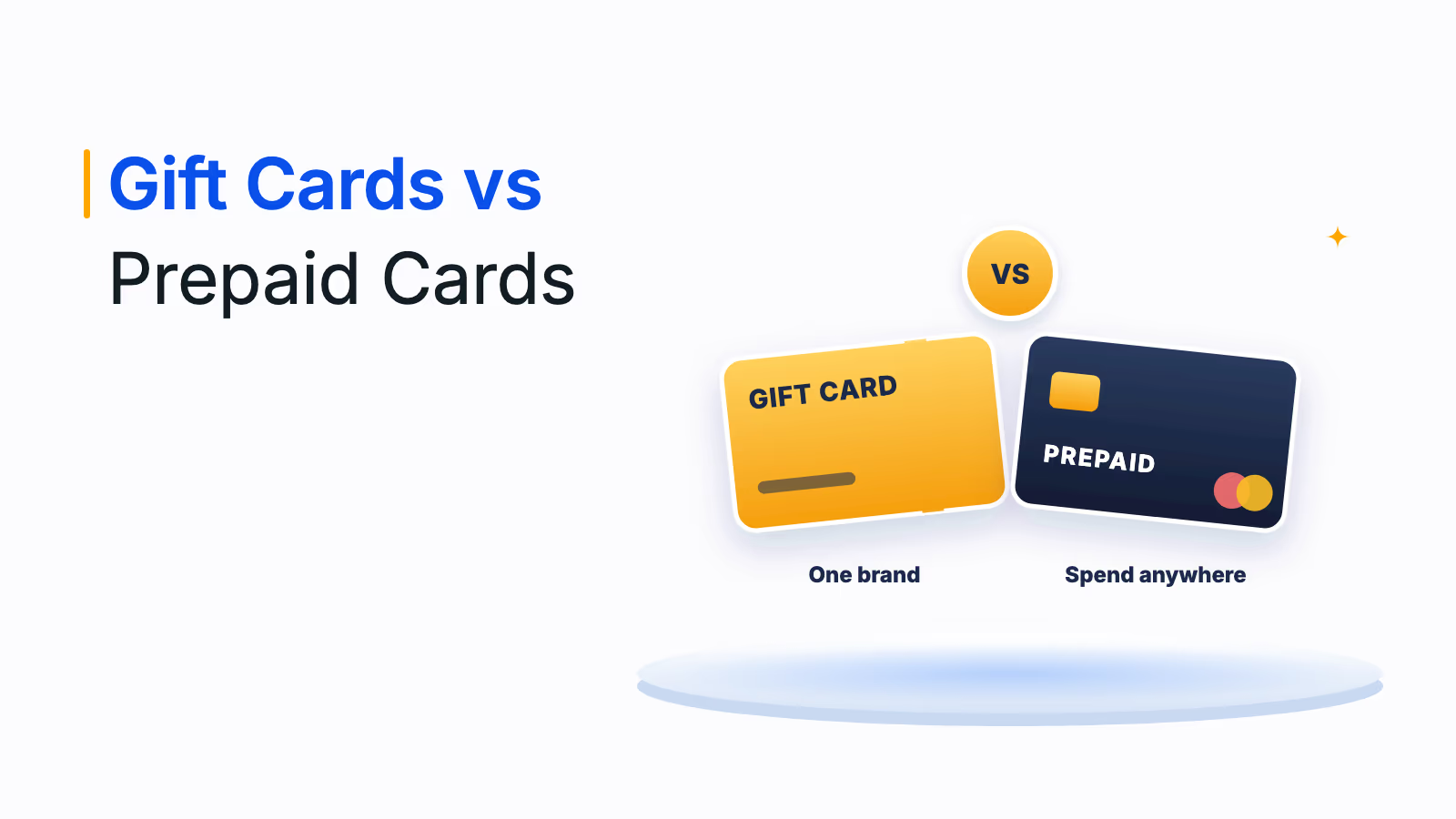
The core difference between prepaid vs gift cards is acceptance: a gift card is spent at a named brand, while an open-loop prepaid card is spent anywhere its network is accepted. Every other difference flows from that.
| Factor | Gift cards | Prepaid cards |
|---|---|---|
| Where it can be spent | One brand or group of brands (closed-loop) | Any merchant that accepts the network (open-loop) |
| Reloadable | Usually no | Often yes; reward cards are usually one-time |
| Denominations | Fixed amounts set by the brand | Flexible amounts set by the giver |
| Fees for the recipient | Usually none after issue | Possible fees for reloads, ATM use, inactivity or foreign transactions |
| Identity checks | Rarely needed | Often needed for reloadable cards; business verification for reward programs |
| Expiry | Retail cards: at least 5 years in the US; promotional cards can be shorter | Reward cards often 3 to 12 months; reloadable accounts follow account terms |
| International use | Usually only in the issuing country | Works across borders where the network is accepted, sometimes with FX fees |
| Security | Code or card number; fewer protections | Card number, CVV and PIN; network protections and issuer support |
| Feel for the recipient | Personal and brand-specific | Practical and cash-like |
For a broader view of reward formats, including links and coupon codes, see reward links vs gift cards vs coupons. The same open versus closed logic applies to loyalty programs, as explained in open-loop vs closed-loop loyalty.
Fees and KYC rules
Fees and verification are where prepaid cards and gift cards differ most in practice. Gift cards rarely carry recipient fees or identity checks; prepaid cards often have both.
In the US, prepaid accounts fall under Regulation E, section 1005.18, which requires a short-form fee disclosure before a consumer acquires the account. It must list the periodic fee, per-purchase fee, ATM withdrawal and balance-inquiry fees, cash reload fee, customer service fees and inactivity fee, so recipients can compare costs.
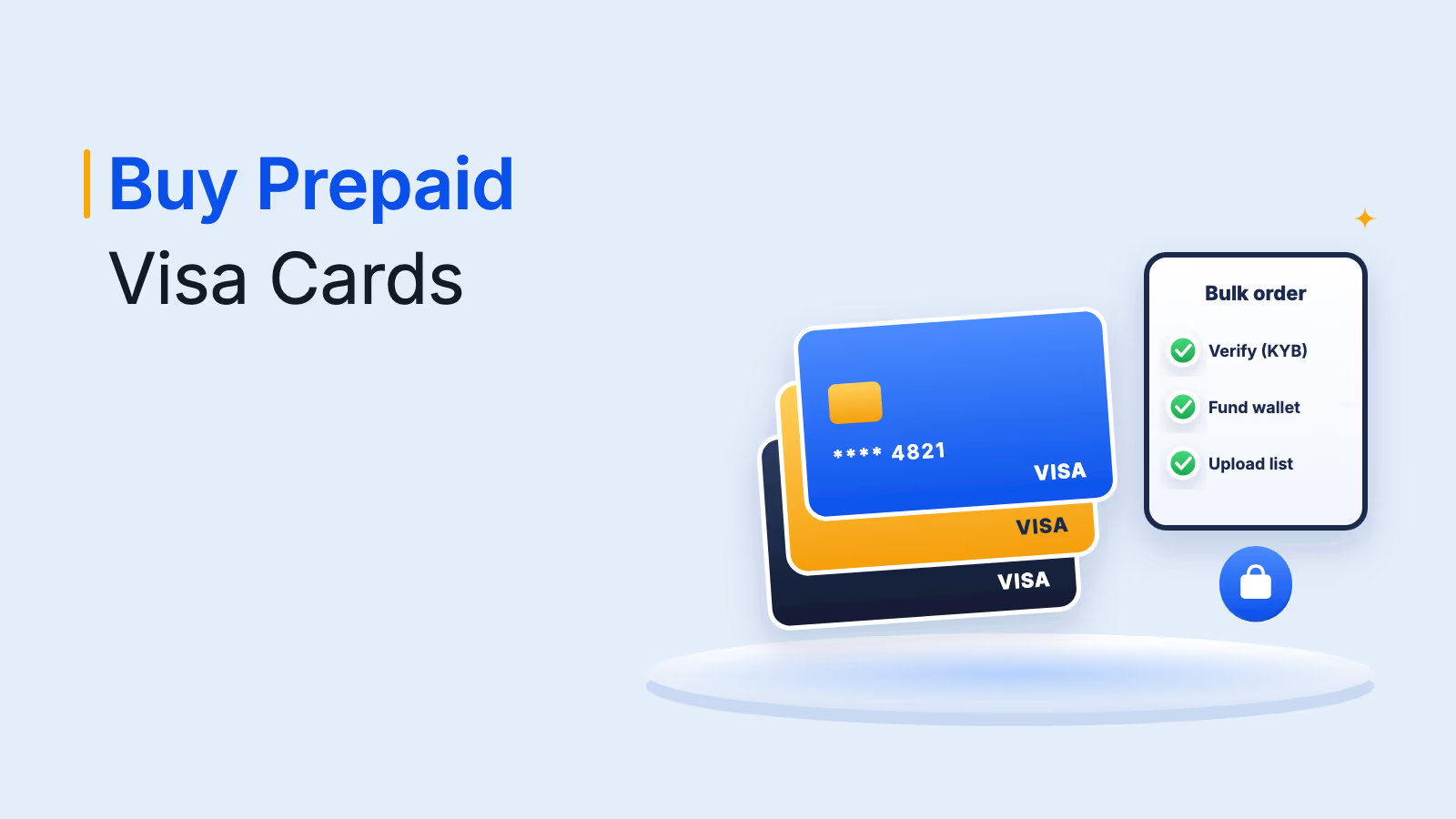
On verification, reloadable prepaid accounts typically require the cardholder's identity to be verified under anti-money-laundering rules, and some protections apply only once the account is registered. One-time reward cards issued by a business usually shift the checks to the business: on Plum, prepaid card redemptions need a one-time KYB (know your business) verification before processing.
Fees also depend on currency. On Plum, USD and INR prepaid cards typically have no extra fees, while EUR and GBP cards may include a surcharge at issuance, with full pricing shared up front.
Expiry rules for gift cards and prepaid cards
Expiry rules decide how long a recipient has to use the reward, and they are not the same for every card. Check them before you choose a format.
In the US, the gift card rules in Regulation E, section 1005.20 cover gift certificates, store gift cards and general-use prepaid cards. Funds cannot expire sooner than five years after issue or the last load, and inactivity fees are allowed only after 12 months without use.
Two exclusions matter for rewards. Reloadable cards that are not marketed as gift cards are excluded, and so are loyalty, award and promotional cards, as long as their terms are disclosed. That is why many reward cards, whether gift or prepaid, have shorter validity. Plum prepaid reward cards are typically valid for 3 to 12 months, and unspent balances are lost after expiry, so tell recipients the deadline and send reminders.
Cross-border use
Prepaid cards travel better than gift cards, but neither is perfect across borders. A US retail gift card is rarely usable abroad, while a network prepaid card works in most countries but may convert currency and add foreign transaction fees.
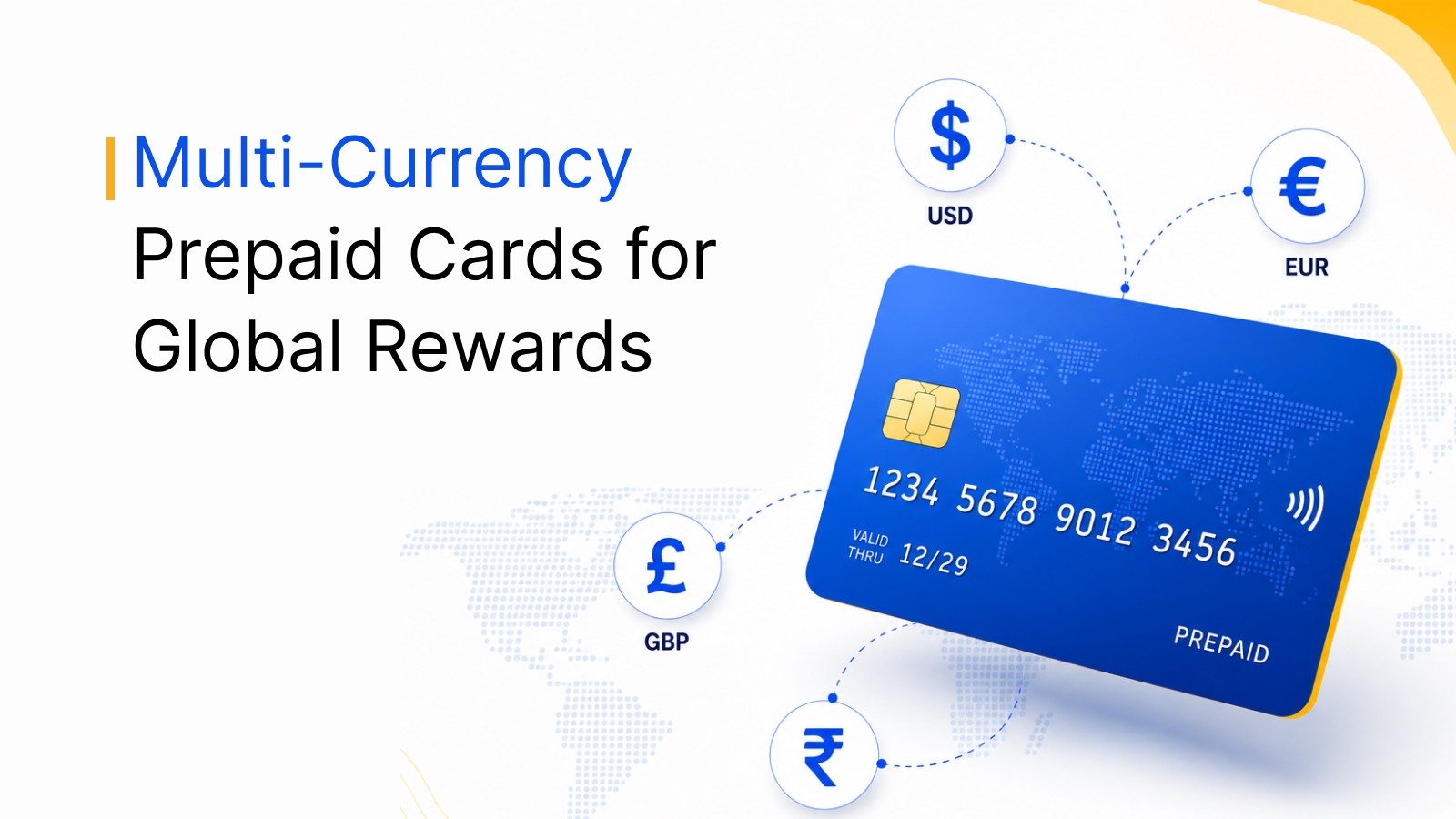
For international programs, the best card for rewards is often a local one: a gift card or prepaid card issued in the recipient's own currency. Plum supports prepaid cards across 150+ countries, with coverage varying by network, currency and issuer, and gift cards in local currencies. Our guides to multi-currency prepaid cards and gift cards for global teams go deeper.
Which is better for rewards? Choose by use case
Neither format wins everywhere. Choose gift cards when the reward should feel personal, and prepaid cards when the recipient needs to spend it anywhere.
| Use case | Better choice | Why |
|---|---|---|
| Birthdays, anniversaries and festive gifts | Gift card or reward link | Feels personal; recipient picks a favorite brand |
| Prepaid rewards for employees across countries | Local gift cards or a multi-currency prepaid card | Works in each recipient's market |
| Research and survey incentives | Prepaid card or reward link | Universal appeal for unknown respondents |
| Sales and channel incentives paid often | Reloadable prepaid card | Top up the same card each cycle |
| Customer acquisition and referrals | Gift card or reward link | Low cost per reward and instant delivery |
| Refunds, rebates and payouts | Prepaid card | Cash-like value the recipient can spend anywhere |
| Unbanked or underbanked recipients | Prepaid card | No bank account needed |
Prepaid cards for rewards are a strong fit for recurring payouts and audiences you do not know well, and reloadable formats suit ongoing programs. See reloadable prepaid cards for business for setup tips. Gift cards remain the better choice for recognition and gifting, where the brand itself is part of the message.
Gift cards and prepaid cards on Xoxoday Plum
Xoxoday Plum offers both formats from one dashboard and one funded wallet, so you can pick gift cards for one program and prepaid cards for another, or let recipients choose. Both reach recipients in 150+ countries, and both can be sent one at a time or to up to 10,000 recipients in a single batch.
What each format looks like on Plum
| Gift cards on Plum | Prepaid cards on Plum | |
|---|---|---|
| Catalog | 10,000+ gift cards from global brands such as Amazon and Apple, plus regional and local brands | Virtual Visa, virtual Mastercard and co-branded physical cards, plus PayPal and Venmo rewards |
| Denominations | Set per brand; filter the catalog by country, brand, category and denomination | Card-specific, for example Global USD Visa Card USD 1 to 1,000, Visa eReward Card US USD 5 to 10,000, Mastercard Prepaid Card EUR 50 to 100 and Mastercard eReward Card (Canada) CAD 1 to 1,000 |
| Validity | Varies by brand | Set per card, typically 3 to 12 months; unspent balances are lost after expiry |
| Verification | Recipients redeem in one click | One-time KYB (know your business) verification on your account before redemptions are processed |
| Currencies | Local-currency catalog in each country; 50+ currencies | Funded in your currency and converted at issuance; 50+ currencies |
| Delivery | Email, SMS, WhatsApp or QR code, usually within seconds | Issued in real time by email, link or API; can be added to Apple Wallet or Google Wallet |
| Fees and refunds | Varies by brand | USD and INR cards typically carry no extra fees; EUR and GBP cards may include a surcharge at issuance. Cards are non-refundable once issued |
| Best for | Recognition, gifting and local audiences | Payouts, research incentives and global or unknown audiences |
See the full range on the gift cards and prepaid cards pages. Denomination, validity and coverage vary by card, so check the details for each recipient country before you send.
How to choose between them on Plum
- Start with the audience: For employees or customers you know, in markets with strong local brands, pick gift cards. For respondents, partners or recipients spread across many countries, pick a prepaid card.
- Check country and currency coverage: Gift cards are localized per country. Prepaid card coverage varies by network, currency and issuer, so confirm each recipient country is supported.
- Match the value to the card: Small thank-yous fit a gift card or the Global USD Visa Card from USD 1. Larger payouts fit a card with a higher ceiling, such as the Visa eReward Card US at up to USD 10,000.
- Plan for verification and fees: Complete the one-time KYB check before a prepaid launch, and factor in any EUR or GBP issuance surcharge.
- Pick the delivery channel: Use WhatsApp, SMS or QR for gift cards in markets where email is less reliable, and email, link or API for prepaid cards that recipients add to a digital wallet.
- When in doubt, let recipients choose: Send a reward code that opens the full catalog instead of a single format.
Let recipients choose with reward codes
A gift card locks the recipient to one brand. A Plum reward code unlocks the full catalog of 10M+ reward options across 30+ categories, so each recipient picks a gift card, a prepaid card, merchandise, an experience or a charity donation in their own currency. Recipients check out as guests with no sign-up, codes can be locked to an email, phone number or company domain, and unused codes are returned to your budget after expiry. For single-category campaigns, reward links work the same way through a branded page.
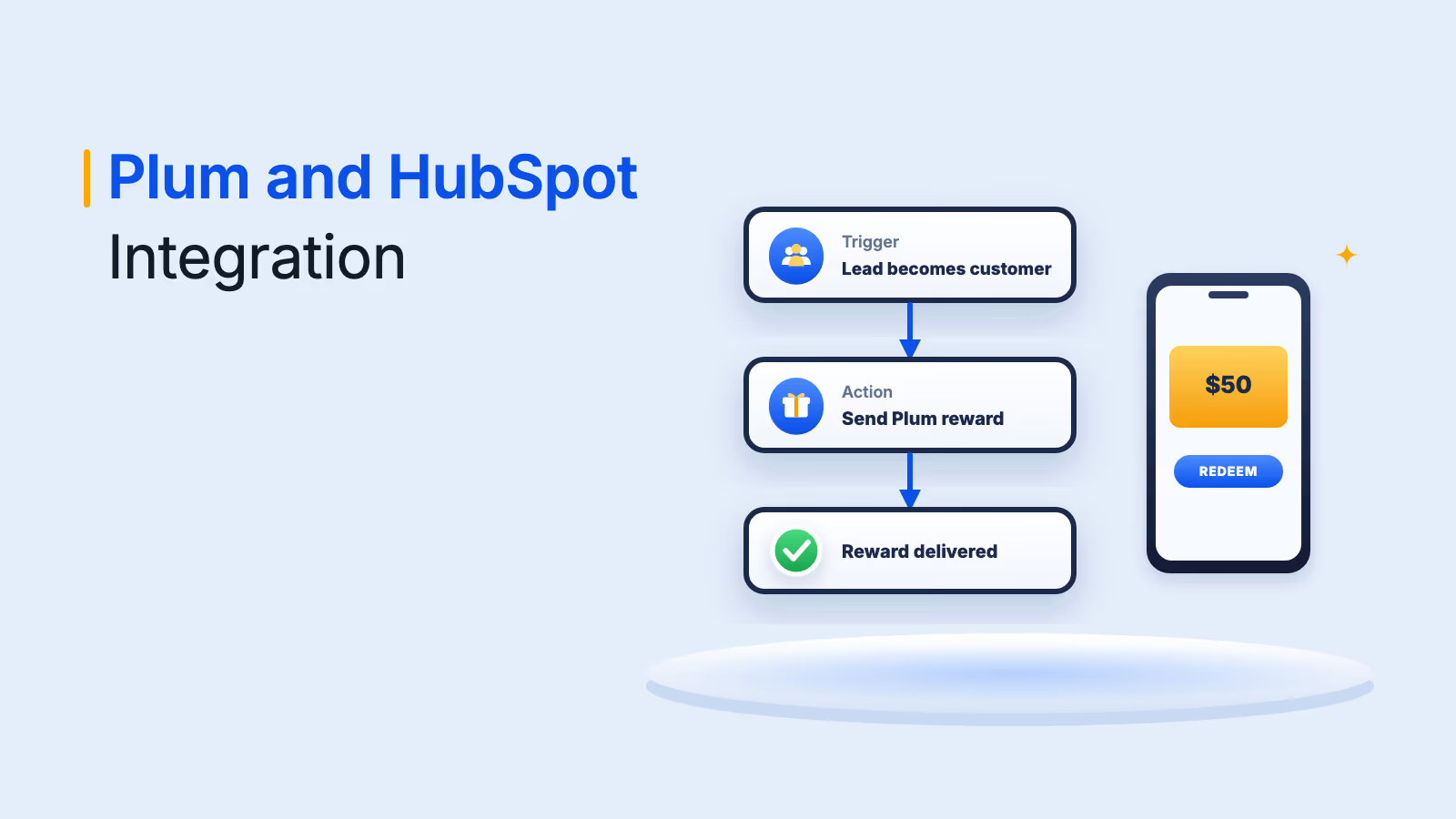
Rewards can be triggered from your existing tools through 250+ native connectors or the rewards API, so a gift card or prepaid card goes out the moment a survey is completed, a deal closes or a referral converts.
Case study: one catalog across 19 currencies
Freshworks used Plum reward links and reward codes to reward ABM, referral and event participants across the Middle East and APAC, offering gift cards, dining, travel, fashion and prepaid options localized to each recipient's country. Sends are triggered automatically through Zapier from Freshworks' marketing and CRM stack. The program now covers 19 currencies from one platform, active reward recipients grew 560%, and 35% of recipients redeemed more than once.
Conclusion
The prepaid vs gift cards decision comes down to acceptance, cost and feel. Gift cards are personal, fee-free and ideal for recognition, while open loop prepaid cards are flexible, cash-like and better for payouts and global audiences. Compare fees, verification, expiry and cross-border use for your audience, and when in doubt, let recipients choose.
Book your Plum demo
Frequently asked questions
A gift card can be spent only at a specific brand or group of brands, while a prepaid card carries a network logo such as Visa or Mastercard and can be spent at any merchant that accepts that network. Prepaid cards can also be reloadable and may carry fees and identity checks that gift cards usually do not.
Yes, especially for distributed teams, recurring incentives and employees who prefer cash-like flexibility. Prepaid rewards for employees can be spent almost anywhere. Gift cards still feel more personal for recognition moments such as anniversaries and festive gifting, and in most countries both are taxable as a cash equivalent.
Many general-purpose prepaid accounts carry fees for setup, monthly maintenance, reloads, ATM withdrawals, foreign transactions or inactivity. One-time reward cards issued by a business usually have fewer recipient fees. In the US, prepaid account fees must be disclosed in a short-form table before the account is acquired.
Reloadable prepaid accounts usually require the cardholder's identity to be verified under anti-money-laundering rules. For reward cards issued by a business, the checks often apply to the business instead. On Plum, prepaid card redemptions need a one-time business verification before processing.
A prepaid card on a global network works in more countries than a typical gift card, but it may convert currency and add foreign transaction fees. The best option is usually a gift card or prepaid card issued in the recipient's own currency, which a global rewards platform can provide.
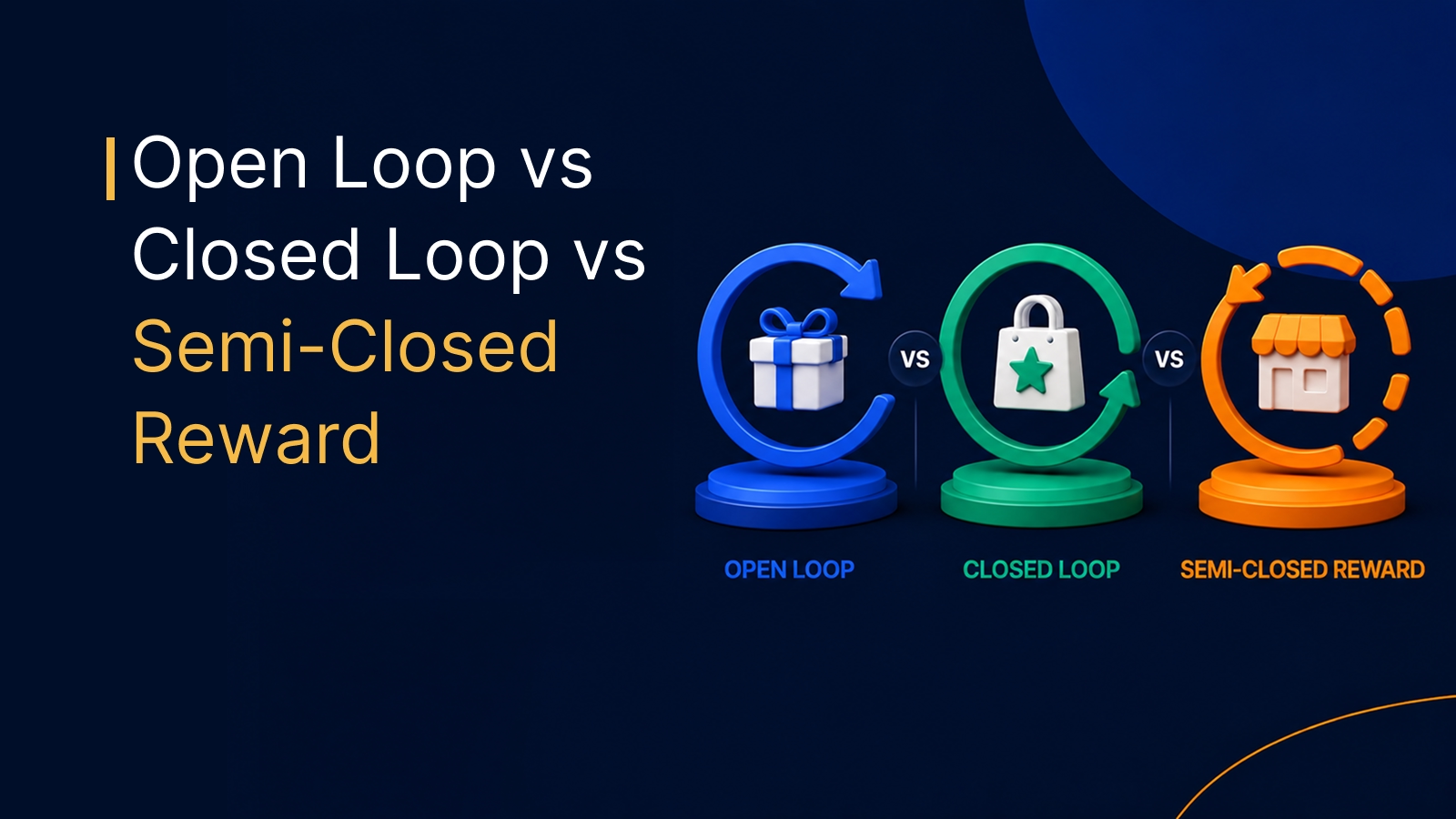
An open loop prepaid card is a network-branded card, such as a Visa or Mastercard prepaid card, that can be used at any merchant that accepts the network. A closed loop card, such as most store gift cards, works only with the issuing brand or its partners.