Key Takeaways
Spread the same budget across the year rather than spending it in December. Four small gestures register more than one large one.
Around 40% of the budget belongs to rolling per-person moments such as onboarding, anniversaries and promotions, which need automation rather than a calendar entry.
Pull the moving dates every year. Lunar New Year, Eid, Diwali and Easter all shift, so a calendar built once and reused is wrong by the second year.
Do not export one country's holidays globally. Let regional teams add their own occasions and use local catalogs and currencies.
Keep around 10% as contingency, because the gifting that gets remembered is usually the gesture nobody planned for.
Most corporate gifting happens in a four-week window in December, and most of it is forgotten by February. The budget is spent, the hampers go out, and for the remaining eleven months the relationship runs on nothing.
A gifting calendar fixes this by spreading the same budget across the moments that actually carry meaning. It also fixes the scramble: when the occasions are known in advance, procurement has time, the message gets written properly and nothing arrives late.
This guide lays out a year of gifting by quarter, with who each occasion suits, a sensible budget band and the formats that fit. It is deliberately built around recurring business moments rather than novelty days, and it is written to work outside the US. For the wider principles, see our guide to corporate gifting ideas.
Why a calendar beats ad-hoc gifting
- The same budget does more work: Four small gestures across a year register more than one large one in December, because each lands against a specific moment.
- Nothing arrives late: A known date means lead times are planned rather than discovered.
- The message improves: Gifts chosen in advance come with a written note. Gifts chosen in a panic come with a template.
- Procurement stops being an emergency: Volume pricing, approvals and sourcing all need notice, and a calendar gives it to them.
- Coverage becomes visible: A calendar shows you who you are not gifting, which is usually the more useful finding.
Build the calendar before you pick the gifts
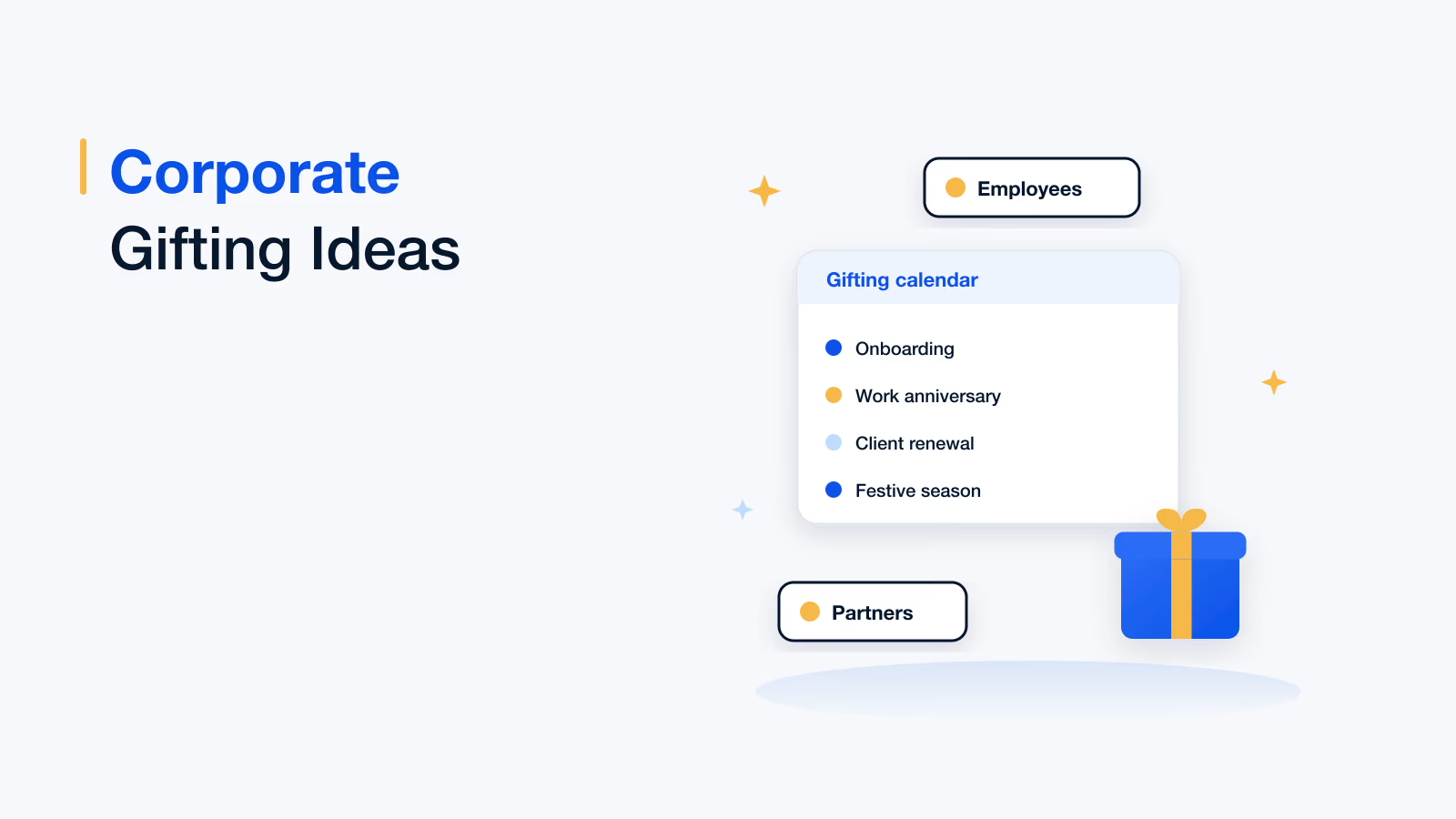
- List your audiences: Employees, clients, channel partners, prospects and alumni each need their own line. Most calendars cover employees well and partners not at all.
- Mark the fixed dates: Festive seasons, public holidays and company-wide events that fall on a known date every year.
- Add the moving dates early: Lunar New Year, Eid, Diwali, Easter and others shift annually. Pull the actual dates for the coming year into the calendar rather than assuming last year's.
- Layer the rolling moments: Onboarding, anniversaries, promotions and renewals happen continuously, per person. These need automation rather than a date.
- Assign a budget band to each: Token, standard or premium. This is what stops the calendar becoming a wish list.
- Decide the format per occasion: Physical where it can arrive in time, digital where it cannot.
- Name an owner per audience: HR for employees, account teams for clients, channel for partners. Unowned occasions do not happen.
Q1: the reset
The first quarter is about restarting momentum after the year-end lull, and it is badly under-used in most gifting calendars.
| Occasion | Who it suits | Budget | Format |
|---|---|---|---|
| New year kickoff | Employees, partners | Token | A small wellness or coffee reward with the year's goals |
| Lunar New Year | Employees and clients in East and Southeast Asia | Standard | Culturally appropriate gift or a red-envelope-style digital reward |
| Sales kickoff | Sales teams, channel partners | Standard | Branded kit at the event plus a reward for the quarter's first win |
| International Women's Day | Company-wide | Token | Best marked with a donation or a program, not a gift |
| Fiscal year end | Employees, in markets where Q1 closes the year | Premium | Performance rewards tied to the final numbers |
| Ramadan and Eid al-Fitr | Employees and clients in Muslim-majority markets | Standard | Dates move each year; plan the send before the month begins |
A note on International Women's Day and similar observances: a branded item marking the day often lands worse than nothing. If you mark it, mark it with something substantive.
Load the year once, send on the day
Scheduled and triggered rewards across 150+ countries, with local catalogs and budget controls.
Talk to our ExpertTrusted by 5,000+ companies
Q2: the middle stretch
The quarter with the fewest obvious hooks, which makes it the one where a planned gesture stands out most.
| Occasion | Who it suits | Budget | Format |
|---|---|---|---|
| Employee appreciation | All employees | Standard | Choice-based reward, deliberately not tied to performance |
| Mid-year reviews | Employees | Standard | Reward attached to goals met, sent with the review |
| Half-year partner performance | Channel partners, distributors | Premium | Tiered rewards against targets |
| Mental health awareness | All employees | Token | Wellness subscriptions or therapy credits rather than merchandise |
| Summer or regional holiday season | Employees in markets with a long break | Token | Travel or experience credit before the break, not after |
| Customer anniversary milestones | Clients at 1, 3 and 5 years | Premium | Marked individually, with a note from the account owner |
Q3: the build
The quarter where the second half is set up, and where partner and prospect gifting earns the most.
| Occasion | Who it suits | Budget | Format |
|---|---|---|---|
| Conference and event season | Prospects, clients, partners | Token to standard | Post-event follow-up rather than booth giveaways |
| Back-to-school period | Employees with school-age children | Token | A practical credit, where it suits your workforce |
| Partner certification and training | Channel partners | Standard | Reward on completion, not on enrolment |
| Q3 performance | Sales teams | Standard | Points or tiered rewards against the quarter |
| Long-service awards | Employees hitting service milestones | Premium | Scaled by years, chosen by the recipient |
| Onam, Mid-Autumn Festival and regional observances | Employees in the relevant markets | Standard | Local brands and local currency, chosen locally |
Q4: the crowded quarter
The one every calendar already covers, which is exactly why a gift sent here competes with everything else in the recipient's inbox and lobby.
| Occasion | Who it suits | Budget | Format |
|---|---|---|---|
| Diwali | Employees and clients in India and the diaspora | Standard | Date moves annually; order well ahead of the rush |
| Thanksgiving | US and Canadian clients and employees | Standard | The least crowded slot in Q4, and the most natural for a thank-you |
| Year-end client gifting | All clients | Standard to premium | Choice-based, so a global list gets something usable |
| Festive employee gifting | All employees | Standard | Digital where distributed, physical where there is an office |
| Annual performance and bonuses | Employees, sales teams | Premium | Reward alongside the number, not instead of it |
| Partner year-end recognition | Top channel partners | Premium | Experience or travel rewards for the top tier |
| Year-end charitable giving | Company-wide | Varies | Matched giving with a published total |
Two Q4 rules worth holding to. Send earlier than feels natural, because everyone else sends in the second week of December. And if your client list spans countries, send a choice-based reward rather than a hamper, or half of it will arrive in January.
The moments that are not on a calendar
The highest-return gifting is not seasonal at all. It happens per person, on a date only that person cares about.
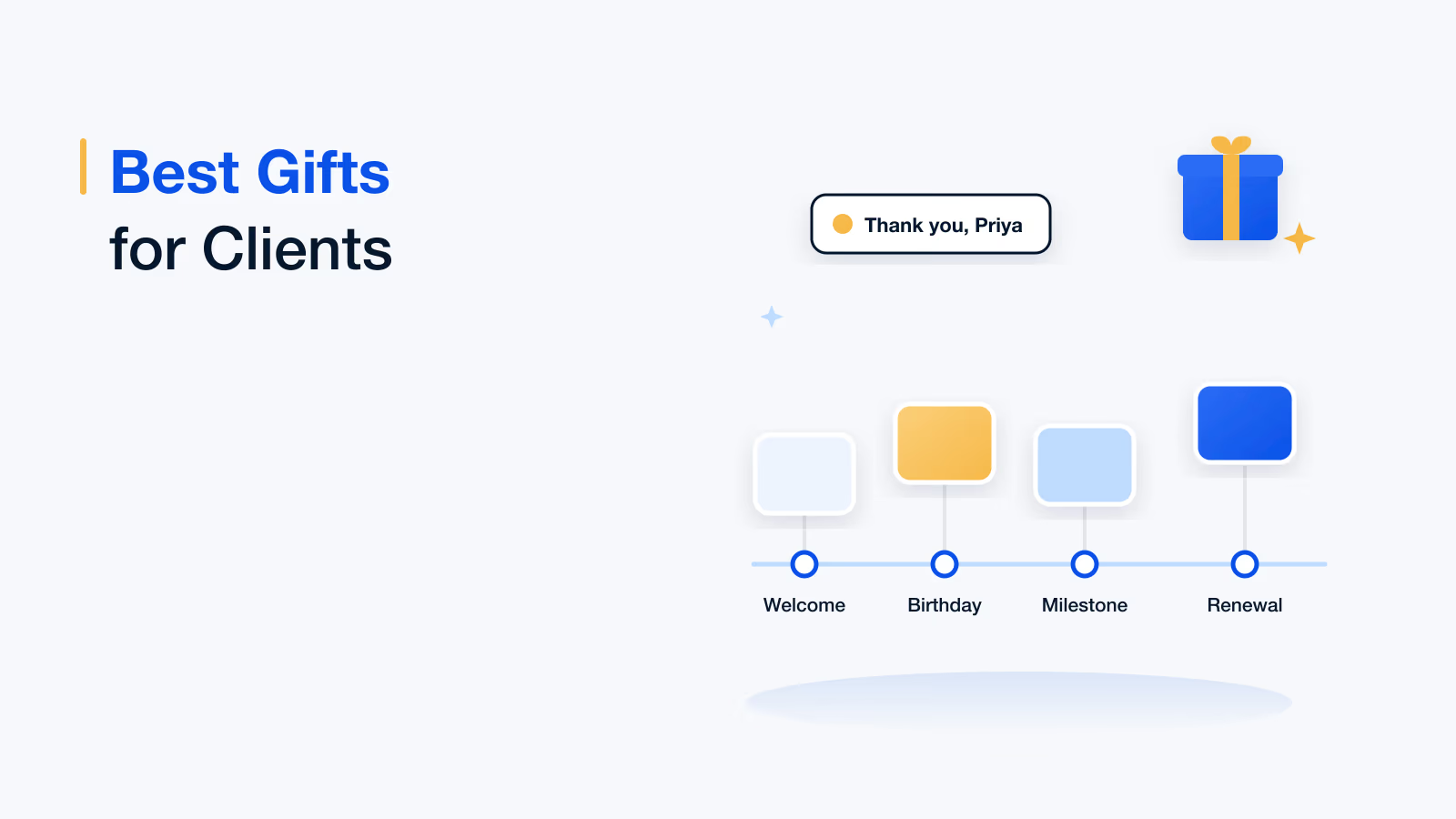
- New hire welcome: Day one, not week three. This is the single highest-impact gift most companies send.
- Probation passed: A small, specific acknowledgement that the person is now fully part of the team.
- Work anniversaries: Scaled by years, automated against the HR system so they cannot be missed.
- Promotions and role changes: Marked the week it happens, while it still feels like news.
- Project completion: Shareable with the team that did the work rather than given to the lead.
- Client onboarding and renewal: The two moments in a client relationship that justify the most spend.
- Referrals and references given: Rewarded the same day, because a thank-you three weeks later is a different gesture.
- Personal milestones: Births, weddings, bereavements and returns from leave, handled by a manager rather than a program.
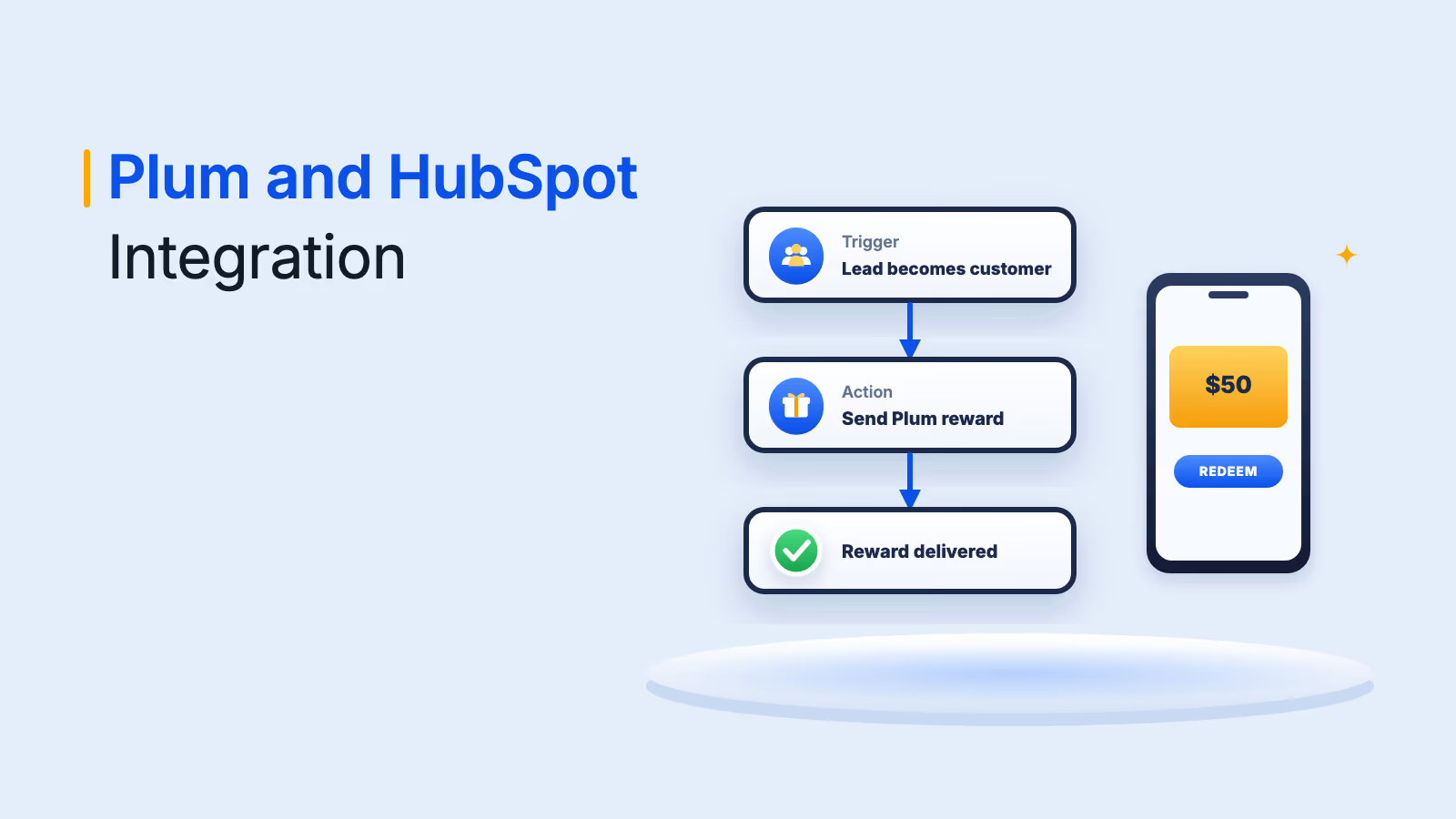
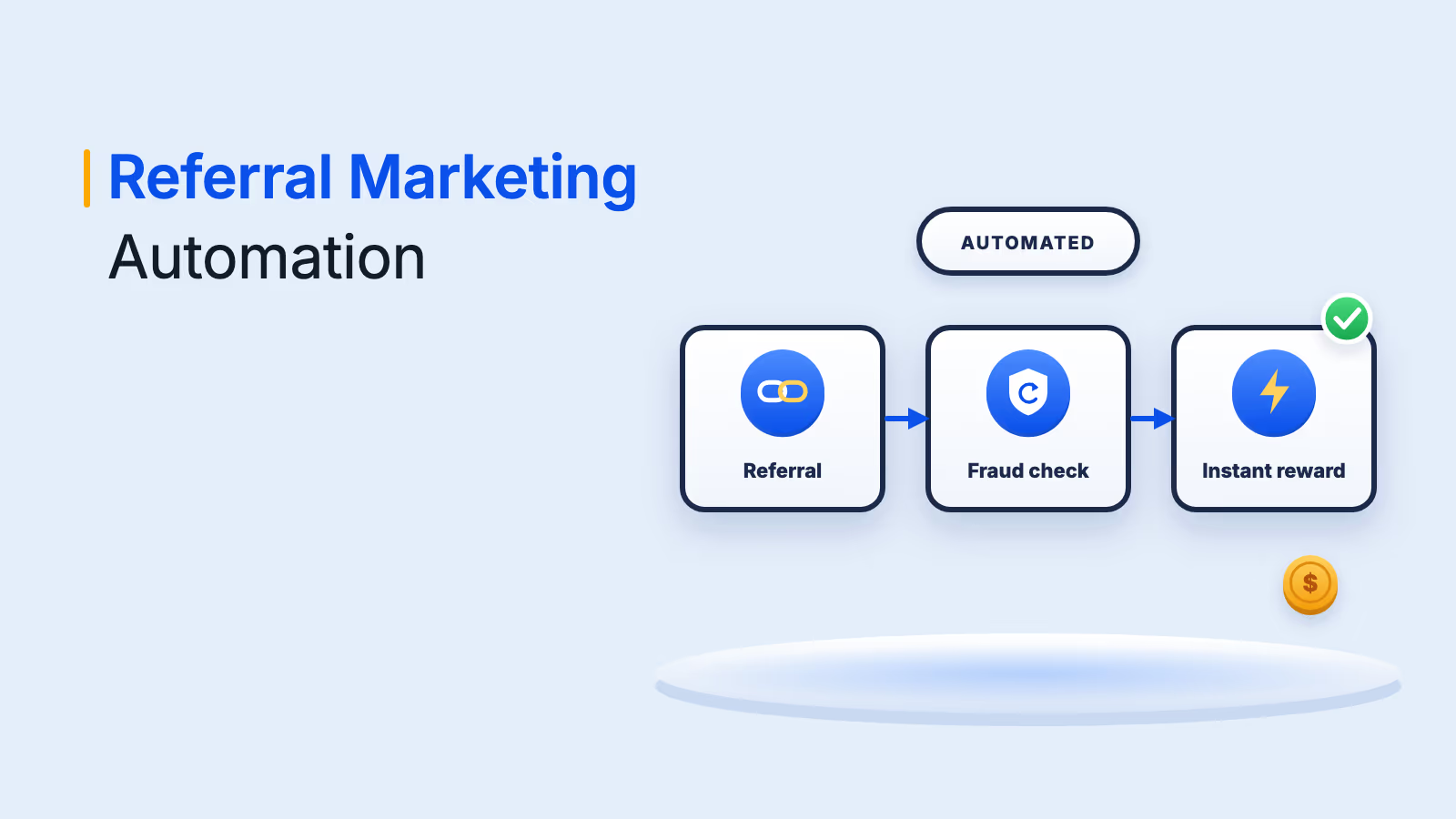
These need automation rather than a calendar entry. A rewards platform connected to your HR and CRM systems sends them on the day without anyone remembering.
40%
To rolling moments
onboarding, anniversaries, promotions
30%
To Q4
still the biggest block, no longer the whole budget
10%
Held as contingency
for the gesture nobody planned
Spreading the budget across the year
The point of a calendar is that it makes the budget a plan rather than a December invoice.
| Share of annual budget | Where it goes | Why |
|---|---|---|
| Around 40% | Rolling per-person moments | Onboarding, anniversaries, promotions and milestones across all four quarters |
| Around 30% | Q4 festive and year-end | Still the largest single block, but no longer the whole budget |
| Around 20% | Performance and partner rewards | Tied to quarterly and half-year targets |
| Around 10% | Unplanned moments | The contingency that stops a good gesture being refused for budget reasons |
The contingency line matters more than it looks. Most of the gifting that is remembered is the gift nobody planned for, and a budget with no slack cannot send it.
Making the calendar work across regions
- Pull the moving dates annually: Lunar New Year, Eid, Diwali and Easter all shift. A calendar built once and reused is wrong by the second year.
- Do not export one country's holidays: A US-centric calendar sent globally reads exactly as what it is. Let regional teams add their own occasions.
- Mind the dietary and cultural rules: Alcohol, certain foods and certain imagery are unwelcome or prohibited in some markets. A choice-based reward sidesteps all of it.
- Account for lead times: Festive logistics in major markets slow down weeks before the date. Order earlier or go digital.
- Use local catalogs: A value that is generous in one market is trivial in another, and brands that exist in one country do not exist in the next.
- Check the tax position per country: Gift thresholds and reporting rules vary widely. Our global employer gift tax guide covers the main ones.
Run your gifting calendar on Xoxoday Plum
A calendar only works if somebody sends the gifts. Plum is how the calendar runs itself.
01 · Schedule
Load the year once
Set the seasonal sends against their dates and let them go out without anyone remembering in the week itself.
02 · Automate
Rolling moments fire themselves
Connect HR and CRM systems so onboarding, anniversaries, promotions and renewals trigger on the day, per person.
03 · Local
A catalog per market
A million-plus options across 150+ countries, redeemed in local currency, so a value is generous everywhere rather than only at home.
04 · Control
Budget caps per occasion
Limits per recipient and per campaign, so the annual plan survives contact with December.
05 · Branding
Your message on every send
Logo, colours and a written note on the reward and the redemption page, scheduled months ahead.
06 · Evidence
Redemption reporting
See which occasions and categories actually land, and rebalance next year's calendar on data rather than instinct.
You can also explore Plum's corporate gifting solution, or our guide to bulk gift cards for the mechanics of sending at volume.
Build the calendar once, automate the rolling moments, keep a contingency, and let regional teams own their own dates. The result is a programme that runs quietly all year instead of arriving, loudly and late, every December.
Book your Plum demo
Frequently asked questions
A corporate gifting calendar is a plan that maps the occasions worth marking across a year, with an audience, a budget band, a format and an owner against each. It covers fixed seasonal dates, moving festivals and the rolling per-person moments such as onboarding and work anniversaries, and it replaces ad hoc gifting decisions with a budget that is allocated in advance.
A workable split is roughly 40% to rolling per-person moments such as onboarding, anniversaries, promotions and milestones, 30% to Q4 festive and year-end gifting, 20% to performance and partner rewards tied to quarterly targets, and 10% held as contingency. The contingency line matters more than it looks, because the gifts that get remembered are often the ones nobody planned.
The per-person ones outperform the seasonal ones. New hire welcome on day one, probation passed, work anniversaries, promotions, project completion, client onboarding and renewal, and same-day thank-yous for referrals. Of the seasonal occasions, the festive season relevant to each market and a half-year or annual performance moment carry the most weight.
Start by listing your audiences, then mark the fixed dates, then pull the current year's dates for moving festivals such as Lunar New Year, Eid, Diwali and Easter. Let regional teams add their own occasions rather than exporting one country's holidays. Use local catalogs and local currency so the value translates, and plan lead times around the festive logistics slowdown in each market.
Earlier than feels natural. Most companies send in the second week of December, which is exactly when a gift competes with everything else arriving. Sending in late November, or marking Thanksgiving in North American markets, puts your gift in a far less crowded slot. For international recipients, send a choice-based digital reward or accept that physical gifts will arrive in January.
Automate them. These happen continuously, per person, and they are the gifts most often missed because no calendar entry exists for them. Connect a rewards platform to your HR system so a new hire reward goes out on day one and anniversary rewards fire on the date, scaled by years of service, without anyone needing to remember.
Usually not with a branded item. Marking an observance such as International Women's Day or a mental health awareness day with merchandise often lands worse than not marking it at all. If you mark it, mark it with something substantive: a donation, a program, wellness credits or therapy access, rather than a gift that makes the day about your logo.
For physical gifts around a major festive season, allow several weeks beyond your supplier's quoted lead time, because fulfilment and shipping in the main markets slow down well before the date. For international recipients, assume customs will add unpredictable time. Digital rewards remove the question entirely, which is why most calendars now use physical gifts for onboarding and milestones and digital for seasonal sends.