Key Takeaways
A charity gift clears the gift policies that block everything else, which makes it the only option for many clients in banking, government and healthcare.
Add donation as a redemption choice alongside the rest of the catalog rather than replacing the reward with one. Mandating the donation kills participation.
Let recipients pick the cause and split the value themselves. Participation rises sharply when the choice is theirs.
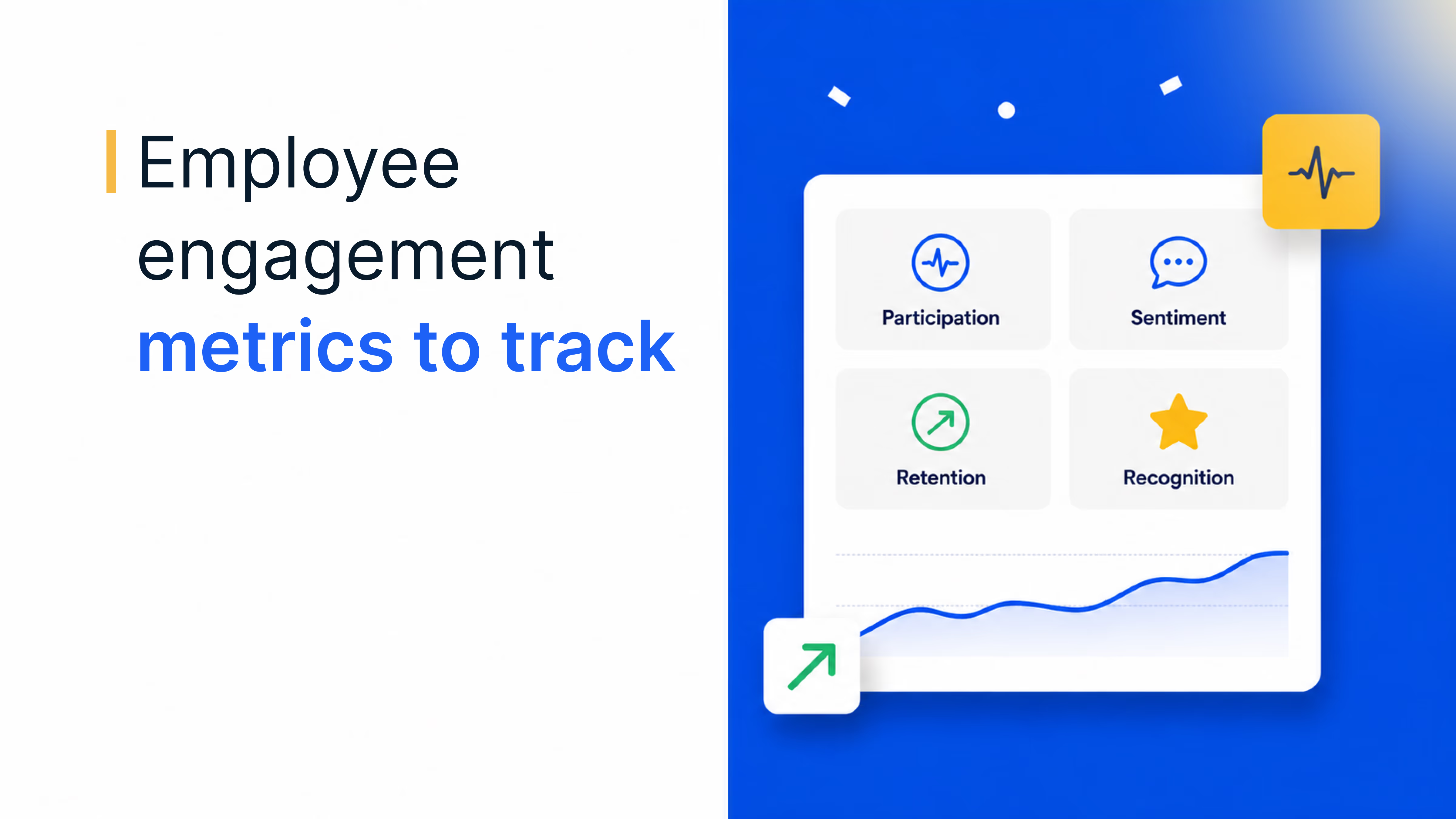
Track total donated, participation rate, average donation share and cause breakdown, or the program will be cut at the first budget review.
Write a real note explaining the cause. A donation sent without one reads as an administrative decision rather than a gift.
A charity gift is a donation made in someone's name instead of sending them an object. The recipient gets a note saying what was given and where, and a cause they care about gets the money. It sounds like a soft option. In practice it solves several hard problems at once.
It clears gift policies that block everything else, which matters when your clients work in banking, government or healthcare. It reaches people who genuinely do not want another branded bottle. And it gives a CSR team something they can count, which is more than most engagement spend can offer.
This guide covers the charity gift formats worth using, how donation rewards work inside a rewards program, and how to report the impact in a way your CSR and finance teams will accept. For gifting more broadly, see our guide to corporate gifting ideas.
Why charity gifts work
The appeal is not only ethical. Charity gifting removes friction that other formats create.
- It passes compliance: Where a personal gift would breach a recipient's policy, a donation in their name usually does not. In regulated sectors this is often the only gift you can send at all.
- It avoids the taste problem: You cannot pick the wrong charity gift the way you can pick the wrong hamper, particularly when the recipient chooses the cause themselves.
- It reflects what people say they want: Employees consistently report preferring to work somewhere that supports giving, and a meaningful share of recipients say they would rather donate a reward than keep it.
- It gives CSR a measurable channel: Donation totals, cause breakdowns and participation rates are reportable figures, unlike most goodwill spend.
- It has no logistics: No shipping, no customs, no address collection, and it works identically in every country you operate in.
The honest caveat: a donation sent without a note explaining why you chose that cause can read as the easy way out. The note is what turns it into a gift.
Let recipients give their reward away
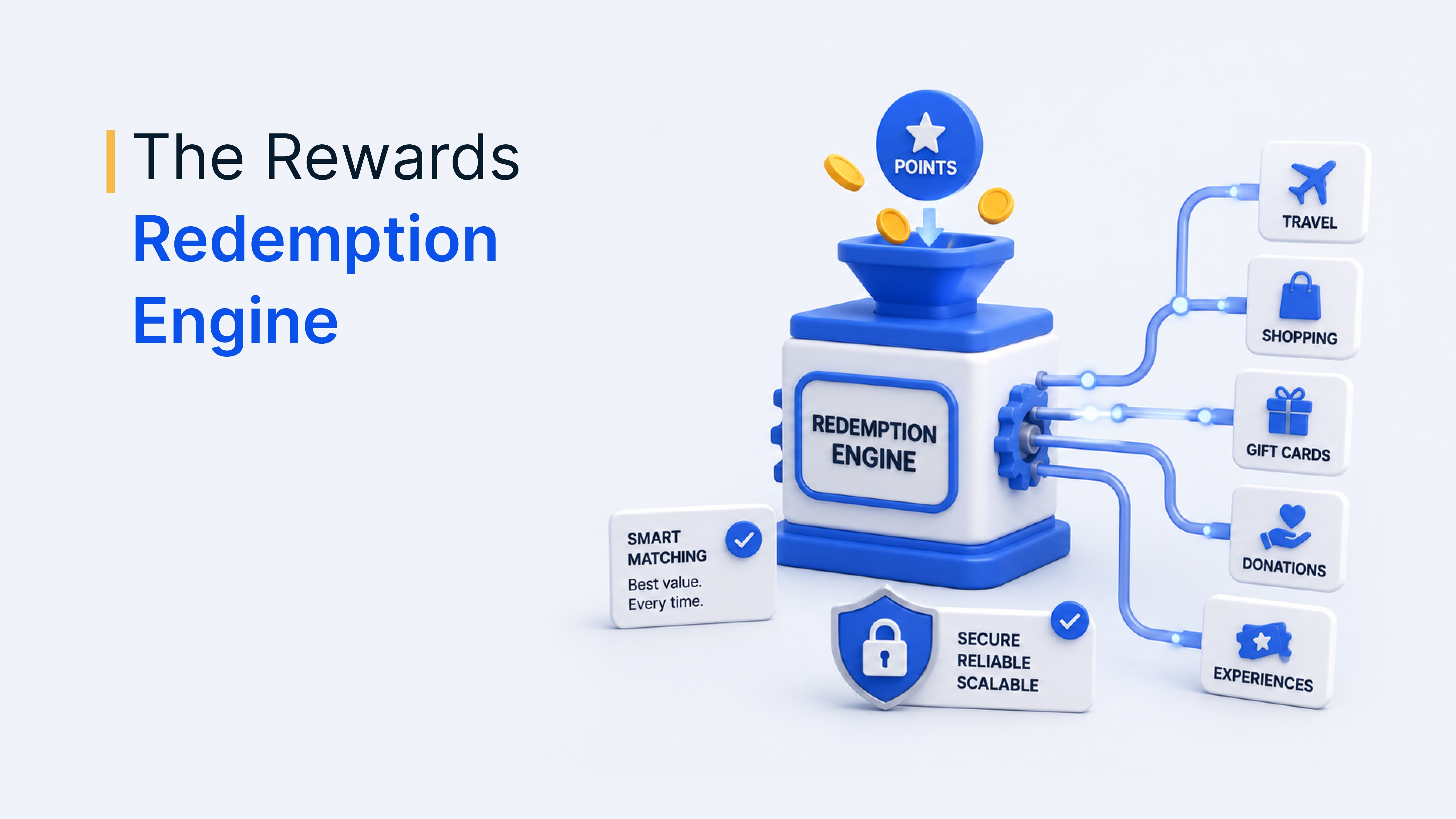
Donation sits alongside gift cards and experiences in the same catalog, across 20,000+ registered charities.
Talk to our ExpertTrusted by 5,000+ companies
Charity gift ideas for corporate programs
Charity gifting is broader than writing a cheque to a general fund. The formats below map to different occasions and budgets.
1. Donate-your-reward options
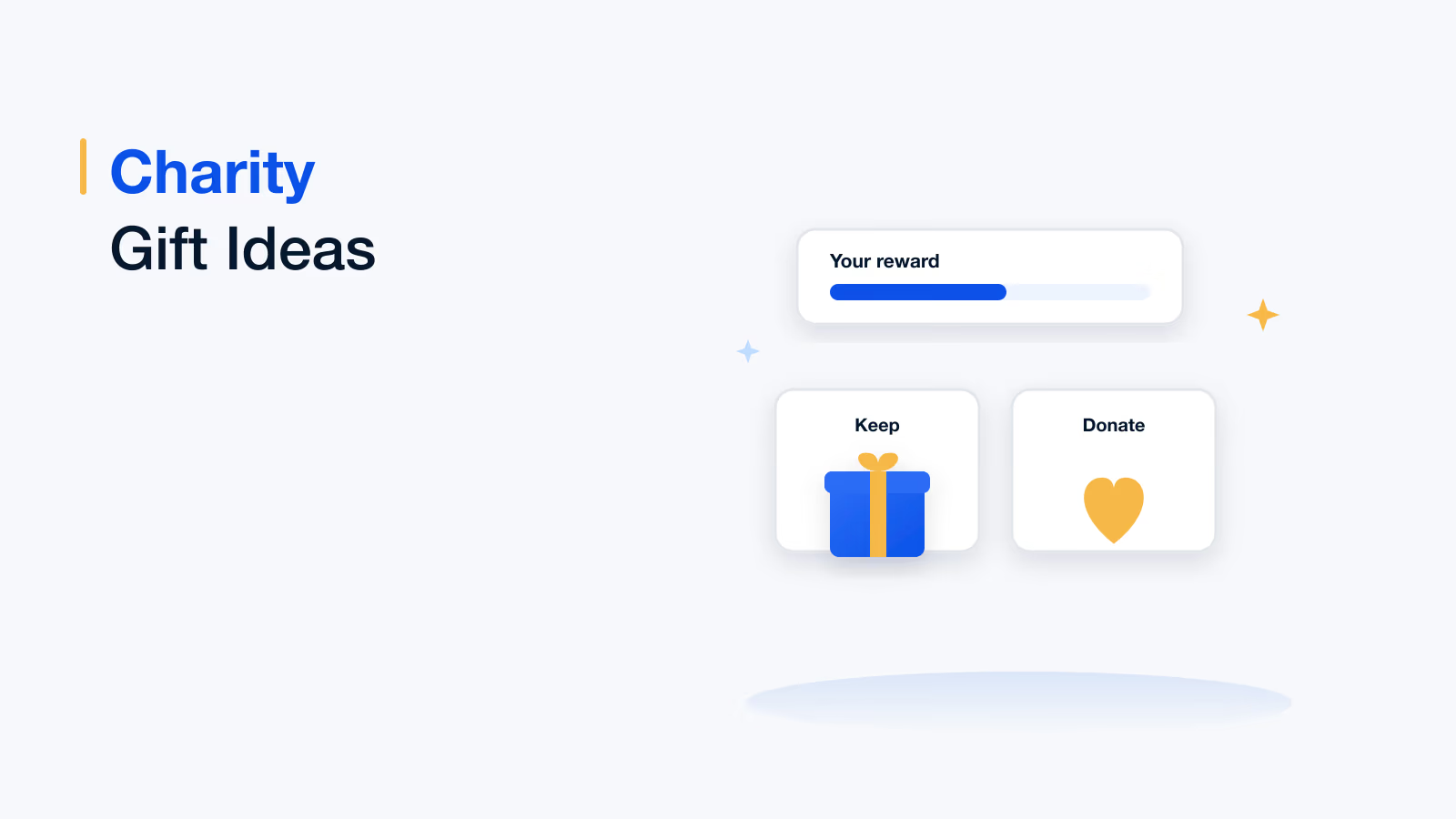
The highest-leverage mechanic. Instead of replacing a reward with a donation, you add donation as one of the redemption choices alongside everything else in the catalog. Recipients split it however they like, some keeping the full value, some giving all of it, most doing something in between. Participation goes up when the choice is theirs rather than yours.
2. Charity gift cards
A fixed value the recipient directs to a cause of their choice from a list. It behaves like any other e-gift card, delivered by email or link, but the redemption is a donation. Useful for client gifting where you do not know the recipient's politics or priorities.
3. Meal and hunger relief donations
Funding school lunches, community food banks or emergency distribution, often through organizations that accept donations made in someone's honour. Direct, easy to explain, and the unit of impact is intuitive.
4. Clean water and sanitation projects
Funding sustainable water sources, filtration and sanitation infrastructure. The impact is long-lived rather than consumed, which suits milestone and anniversary gifting.
5. Medical aid donations
Healthcare services, vaccines, procedures and medication in underserved regions and disaster zones. A strong fit for healthcare and insurance companies, where the cause sits alongside the business.
6. Animal rescue and conservation sponsorship
Rescue, rehabilitation, habitat protection and anti-poaching work. Popular with consumer audiences and employee programs, and one of the few causes that reliably generates a response.
7. Sports equipment for young people
Funding gear and kit for children in low-income communities. Suits sponsorship-adjacent brands and companies with a community presence in a specific region.
8. Education and skill development
Funding course access, learning materials or sponsored places. Where the gift doubles as development rather than relief, which some recipients prefer.
9. Event and webinar attendance donations
Tie a donation to attendance: a fixed amount per participant, with a visible goal. "For every attendee we will donate to this cause, help us reach the target" converts better than a gift card for the same spend, and it reframes the event around something other than your product.
10. Matched giving
Match what employees donate, up to a cap. It costs you only what people actually give, it doubles the impact of each contribution, and it is the single most requested CSR benefit in most employee surveys.
Charity gifts by occasion
| Occasion | Why a donation fits | Format |
|---|---|---|
| Client gifting in regulated sectors | The only gift many recipients can accept | Charity gift card, cause chosen by the recipient |
| Festive and year-end gifting | Scales to a long list with no shipping | Bulk charity vouchers or donate-your-reward |
| Employee recognition | Lets people direct value to something they care about | Donation as a catalog option alongside other rewards |
| Milestones and anniversaries | Marks the moment with something lasting | Water, education or conservation projects |
| Events and webinars | Raises attendance and reframes the event | Per-attendee donation with a visible goal |
| Company-wide CSR campaigns | Produces a reportable number | Matched giving with a published total |
| Service recovery | Sincere without being extravagant | Modest donation with a written apology |
How donation rewards work in practice
The mechanic that works best is not a separate charity program running alongside your rewards. It is donation built into the rewards you already send.
- Rewards are issued as normal: Points, a reward link or a gift card goes to the employee, customer or partner on the usual trigger.
- Donation appears as a redemption choice: Alongside retail, dining, travel and experiences, the catalog offers charitable causes. Recipients see it at the moment of choice rather than being asked in advance.
- The recipient splits the value: They can keep all of it, give all of it, or divide it. Giving people the choice is what drives participation; mandating the donation kills it.
- Donations process automatically: The platform routes the funds to the charity, with no administrative work on your side and no reimbursement cycle.
- Impact is tracked and reported: Totals, causes and participation rates come back as data you can put in a CSR report or an internal update.
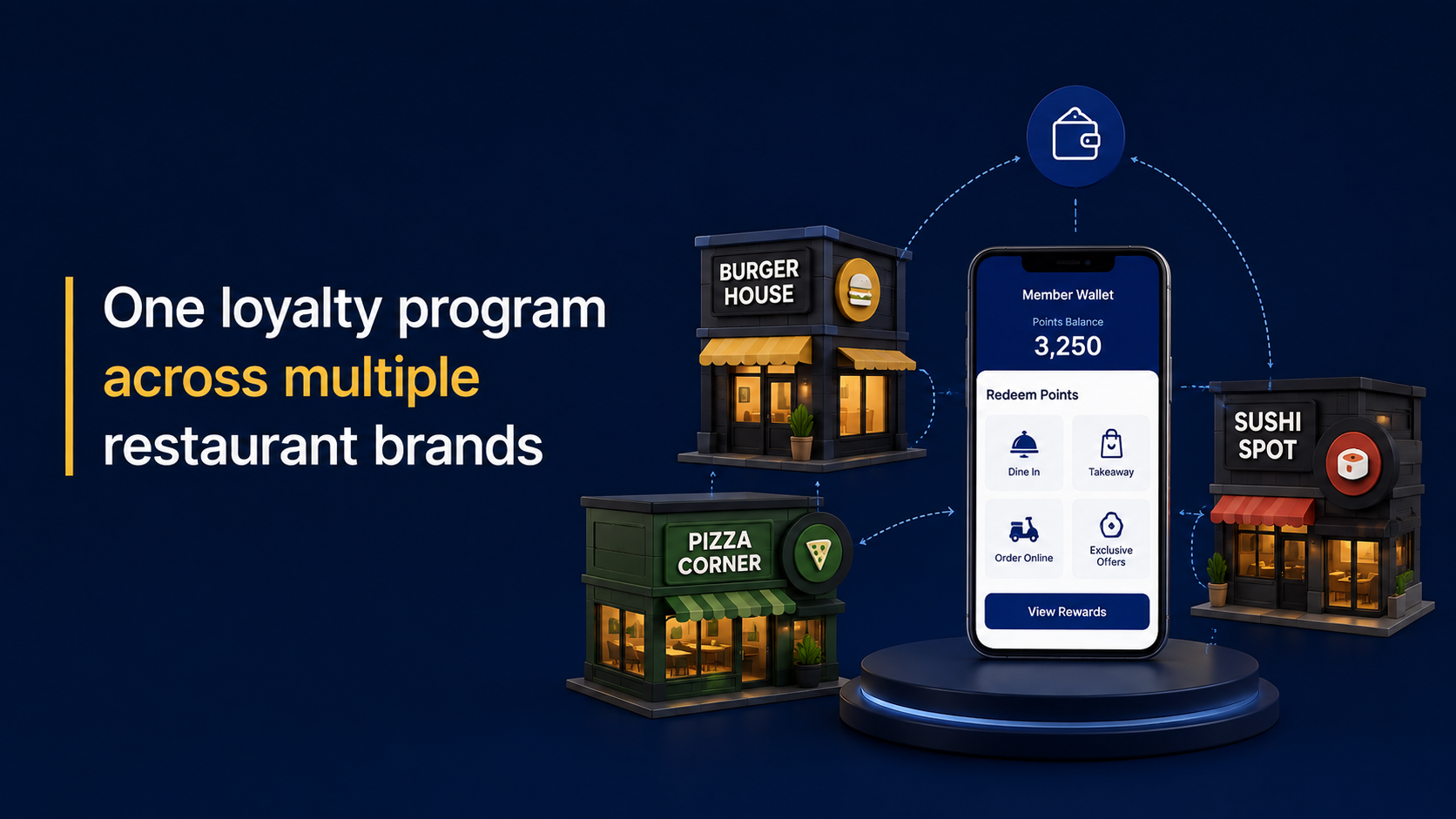
Xoxoday Plum supports this through a partnership with For Good Causes, which gives recipients access to more than 20,000 registered charities. Points, cashback, rewards and air miles can all be directed to a cause instead of a personal redemption, anonymously, with the donation processed automatically. Charities register at no cost, which widens the list well beyond the handful of household names most programs offer.
4
Metrics to report
total, participation, share, cause mix
0
Shipping and customs
works the same in every market
20,000+
Registered charities
through For Good Causes
Reporting the impact so CSR can sign it off
A charity gifting program that cannot be reported will be cut at the first budget review. Capture these from the start:
- Total donated, by period: The headline number, split by campaign so you can see which moments drive giving.
- Participation rate: What share of recipients chose to donate any amount. This is the engagement metric, and it is more interesting than the total.
- Average donation share: How much of each reward was given rather than kept. It tells you whether the cause list resonates.
- Cause breakdown: Which categories people chose. Useful for deciding what to feature next time, and a genuine insight into your workforce.
- Matched contribution: Your match separated from employee giving, because the two mean different things in a report.
- Tax documentation: Donations to registered nonprofits are deductible in many countries, but the rules and the paperwork differ. Keep receipts per campaign and check local regulations with your finance team.
Present these alongside the business metrics rather than in a separate CSR appendix. A program that shows both participation and retention or engagement effects survives scrutiny better than one that shows only a donation total.
Practices that make charity gifting land
- Let the recipient choose the cause: Participation rises sharply when people pick rather than receive. A curated list of ten causes beats one chosen for them.
- Write the note yourself: Say why this cause, and what the donation funds. Without that sentence, a donation reads as an administrative decision.
- Offer a certificate or acknowledgement: Many charities provide one in the recipient's name, which gives the gift something tangible.
- Do not use it as the cheap option: Recipients can tell when a donation replaced a gift to save money. Keep the value consistent with what you would otherwise have sent.
- Make donation an option, not a substitution: Removing the personal reward and replacing it with a donation reads as taking something away. Adding donation as a choice does not.
- Be consistent: A single campaign is a gesture. A standing option in every reward you send is a position.
Build charity gifting into your rewards with Xoxoday Plum
Donation sits in the same catalog as every other reward, so recipients meet it at the moment of choice rather than being asked in advance.
01 · Choice
Donation beside every other reward
Causes sit alongside gift cards, experiences and merchandise, so recipients decide at redemption rather than being asked up front.
02 · Reach
Over 20,000 registered charities
Through the For Good Causes partnership, covering health, education, environment and animal welfare, so people find something local to them.
03 · Flexible
Keep some, give some
Recipients split the value however they like. Giving them the choice is what drives participation; mandating the donation kills it.
04 · Automatic
Processed without admin
Donations route to the charity directly, with no reimbursement cycle and no work on your side.
05 · Reporting
Impact analytics
Totals, participation rates and cause breakdowns per campaign, ready to put in a CSR report.
06 · Global
Identical in every market
Works the same way across 150+ countries, with no shipping, customs or address collection.
You can also explore Plum's corporate gifting solution, or see how digital gift ideas fit alongside donation rewards in the same program.
Charity gifting works when it is a standing choice rather than an annual campaign. Put donation in the catalog, let people decide how much to give, write a real note, and report what happened. The rest follows.
Book your Plum demo
Frequently asked questions
A charity gift is a donation made in someone's name instead of sending them a physical item. The recipient receives a note or certificate explaining what was given and to which cause, and the money goes to the nonprofit. In a corporate rewards program, the stronger version lets the recipient choose the cause themselves and decide how much of their reward to donate.
Donations to registered nonprofit organizations are deductible in many countries, but the rules, the qualifying organizations and the documentation required all vary by region. Keep receipts per campaign, separate your matched contribution from employee giving in your records, and confirm the treatment with your finance team or tax advisor before relying on it.
Three reasons. It clears recipient gift policies that prohibit personal gifts, which is often the case in banking, government, healthcare and procurement. It avoids the risk of choosing something the recipient does not want. And it produces reportable figures for your CSR team, which most engagement spend cannot. It also has no shipping, customs or address collection.
Put donation into the catalog as one redemption choice among many rather than running it as a separate program. Rewards are issued as usual, the recipient sees charitable causes alongside retail, dining and experiences, and they decide how much to keep and how much to give. The platform routes the funds automatically and reports the totals back to you.
They should. Participation is noticeably higher when the recipient picks the cause rather than receiving one chosen for them. A curated list of causes covering healthcare, education, environment and animal welfare works better than a single corporate charity partner, because people give to what they already care about rather than what you care about.
Matched giving is where the company matches what employees donate, usually up to an annual cap per person. It costs you only what people actually give, it doubles the impact of each contribution, and it consistently ranks among the most requested CSR benefits in employee surveys. Report your match separately from employee giving, because the two mean different things.
Track total donated by period and campaign, the participation rate, the average share of each reward that was given rather than kept, and the breakdown by cause. Participation rate is the more useful engagement metric, since the total can be driven by a handful of large gifts. Present these next to your business metrics rather than in a separate CSR appendix.
Yes, and they often outperform a gift card at the same spend. Tie a fixed donation to each attendee with a visible target, state it in the invitation, and report the total afterwards. It raises registration, reframes the event around something other than your product, and gives attendees a reason to show up that has nothing to do with a discount.