Key Takeaways
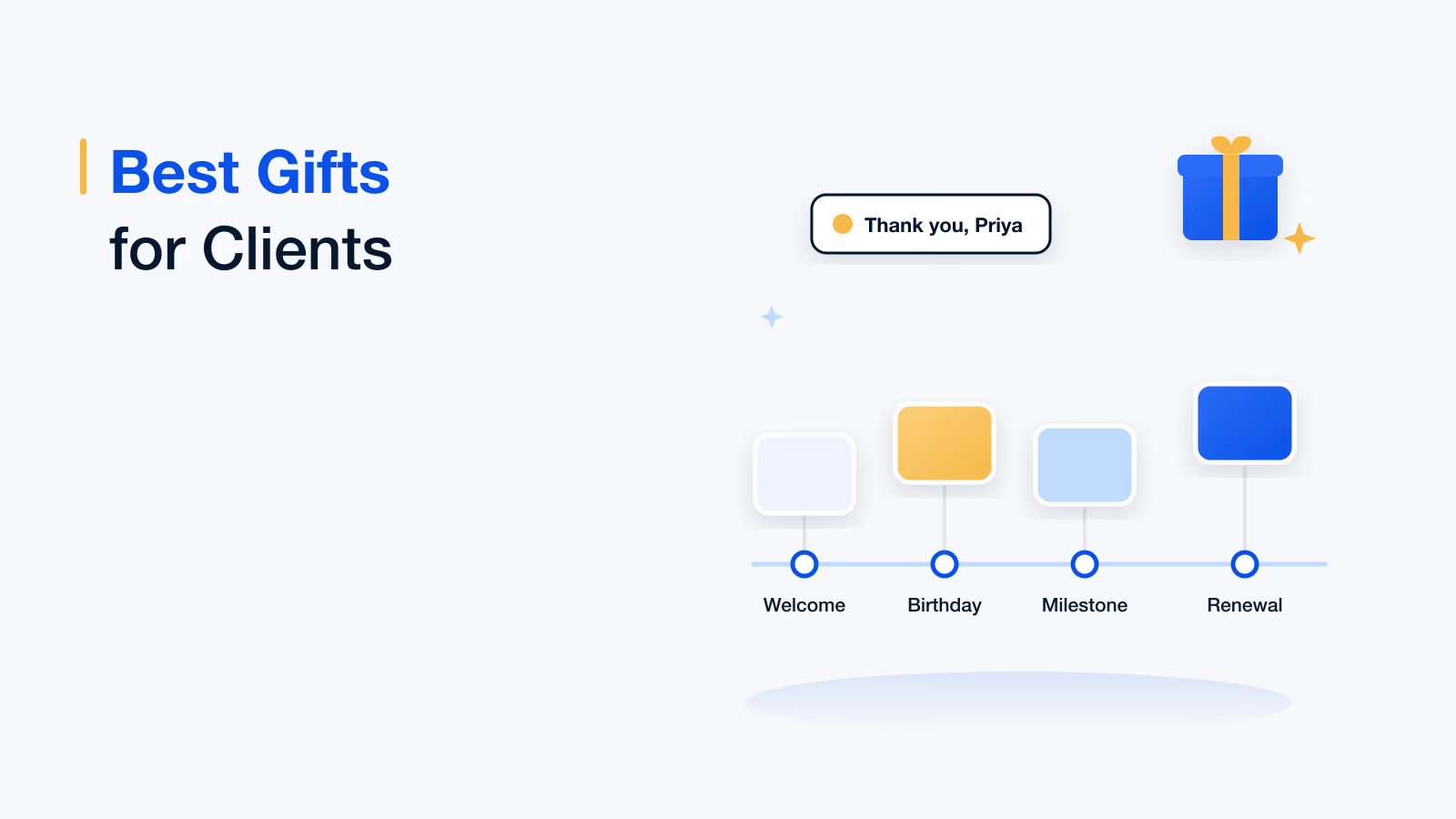
Pick the occasion before the gift. Onboarding, birthdays, renewals, shared wins and service recovery each call for a different format and a different budget.
Service recovery gifts should be modest, because an expensive apology reads as a bribe, while renewals are the moment worth spending on.
Ask during onboarding whether the client can accept gifts and up to what value. Government, banking, healthcare and procurement clients often cannot.
Budget per client per year rather than per gift, with roughly $20 to $35 for token gestures, $50 to $100 for standard gifts and $150 or more for renewals.
For a global client list, digital delivery with local-currency redemption avoids customs, shipping delays and unusable brands.
Client gifting is one of the few marketing budgets where the recipient is a named individual with a real relationship to your company. That makes it unusually easy to get right and unusually easy to get wrong. The same hamper that delights one client breaches another's procurement policy.
Most client gift lists you will find are organized by product: ten gadgets, ten hampers, ten experiences. That is the wrong starting point. The occasion dictates what is appropriate far more than the category does. A gift that works for a signed renewal is the wrong gift for a first meeting, and both are wrong after a service failure.
This guide works through the occasions first, then the formats that suit each one, then the budget, compliance and delivery decisions that sit underneath. For the wider picture across employees and partners, start with our guide to corporate gifting ideas.
Why client gifting earns its budget
The commercial argument for client gifting rests on retention rather than acquisition. Keeping an existing client is cheaper than winning a new one, and the gap widens the longer the relationship runs. Gifting is one of the few low-cost levers that acts directly on how a client feels about the relationship rather than on the product.
Three effects are worth naming:
- It makes the relationship personal: A gift addressed to a person, for a reason, is read differently from an account-level discount. It moves the relationship from vendor to partner.
- It creates contact that is not a request: Most client communication asks for something: a renewal, a reference, a meeting. A gift is a reason to get in touch that gives rather than asks.
- It is remembered at decision time: The client who felt valued through the year is a harder client for a competitor to approach at renewal.
None of this survives a gift that feels automated. If the message reads like a mail merge, the gift reads like one too.
Choose the occasion before the gift
Start by mapping the moments in a client relationship that are worth marking, then match a format and a budget to each. A workable baseline looks like this.
| Occasion | What it should say | Formats that fit |
|---|---|---|
| Onboarding | We are glad you chose us | Welcome kit, branded desk items, a small e-gift card |
| Birthday | We see you as a person, not an account | Multi-brand gift card, gourmet treat, experience voucher |
| Renewal or contract anniversary | This partnership matters | Premium experience, fine food and drink, dining voucher |
| Project completion or a win | We did this together | Team-shareable gift, celebratory hamper, a donation in their name |
| Service recovery | We take this seriously | Something modest and sincere, never extravagant |
| Festive and year-end | Thank you for the year | Choice-based gift card or a curated hamper the team can share |
| Referral or reference given | You went out of your way for us | Immediate digital reward, personally acknowledged |
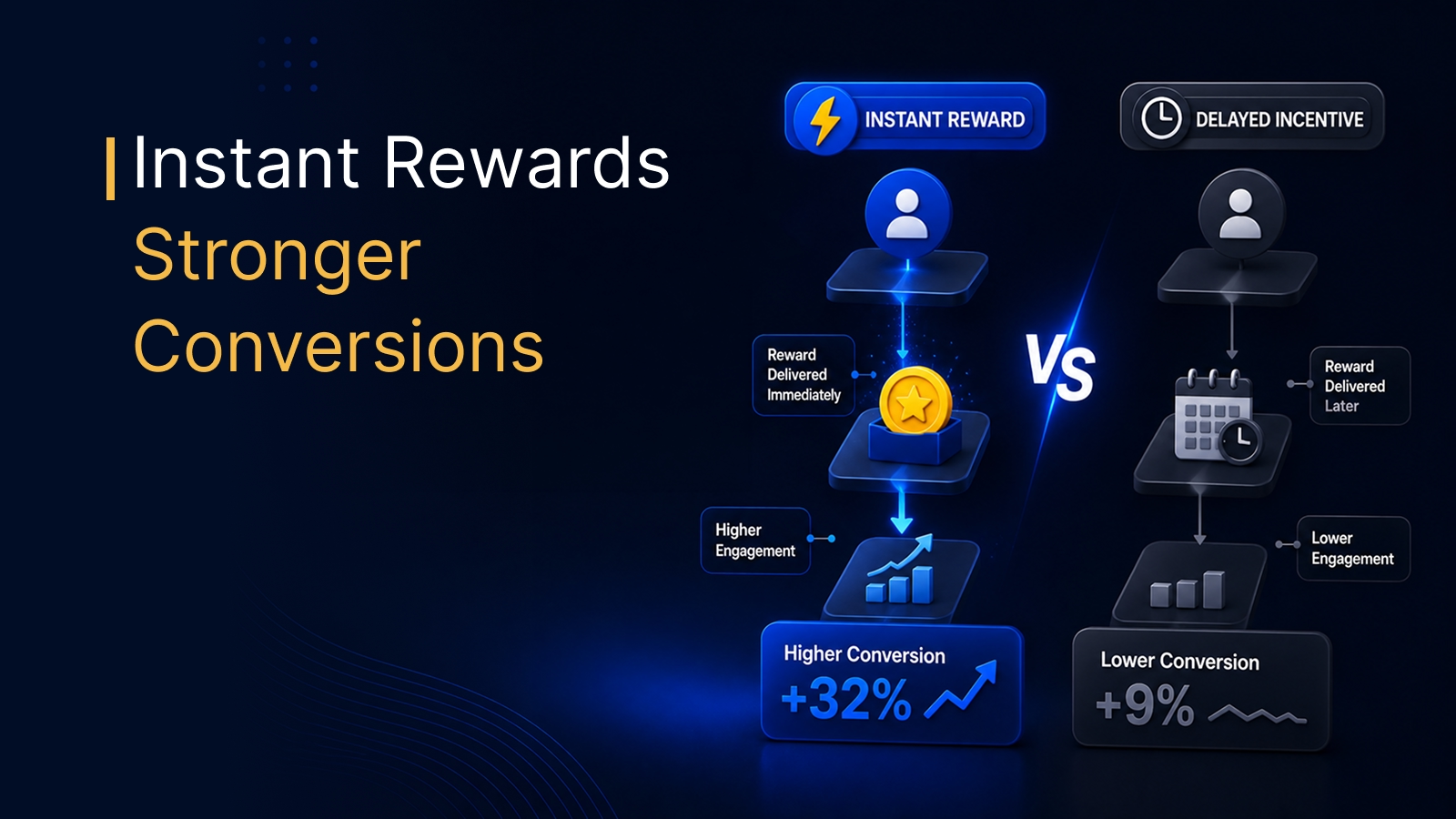
Two notes on this table. Service recovery gifts should be deliberately restrained, because an expensive apology reads as a bribe. And a referral reward should arrive quickly, since a thank-you three weeks later is a different gesture from one that arrives the same day.
Client gifts for onboarding
The first gift sets the register for everything that follows. Keep it useful and keep it modest. A welcome kit with a quality notebook, a well-made pen and a small e-gift card for coffee does more work than something expensive, because it signals attentiveness rather than spend. This is also the one moment where branded merchandise is genuinely welcome, since the client has just chosen your brand.
Use the onboarding conversation to ask whether the client's organization permits gifts and up to what value. Asking once at the start saves an awkward return later.
Client birthday gifts
Birthdays are the most personal occasion in a business relationship and the easiest to get disproportionate returns from, because so few vendors bother. The gift does not need to be large. It needs to be on the right day and clearly not automated.
- Multi-brand gift cards: The safest choice when you do not know preferences, and the only sensible one for a client in another country.
- Gourmet food and drink: Fine chocolates, a premium coffee or tea selection, or a small hamper. Indulgent without being personal.
- Experience vouchers: A dining voucher, a spa treatment or a workshop gives the client a reason to take an afternoon back.
- Charitable donations in their name: A strong option for clients in regulated sectors, and for anyone who has made clear they do not want more objects.
- Personalized keepsakes: Monogrammed leather accessories or upcycled leather goods work when you know the client's taste well enough to be confident.
Align the choice with your own brand where you can. If sustainability is part of your positioning, an eco-conscious gift reads as authentic rather than performative.
Renewal and milestone gifts
Renewals are where it is worth spending. The client has just committed budget again, and the gift should acknowledge the scale of that decision. This is the tier for premium experiences: a wine and dine evening, a travel voucher, a wellness retreat package, tickets to something they would not buy themselves.
For long-running partnerships, mark the anniversary rather than only the renewal date. A five-year note carries more weight than a fifth renewal confirmation.
Gifts after a shared win
When a project lands, the gift should be shareable, because the win belonged to a team on the client side too. A gourmet hamper that sits in their office, a catered lunch, or a set of gift cards for the working group all recognize the group rather than singling out your main contact.
Send client gifts in minutes, anywhere
Gift cards, experiences and merchandise across 150+ countries, delivered instantly by email, SMS or link.
Talk to our ExpertTrusted by 5,000+ companies
Best gifts for clients by format
With the occasion settled, the format becomes a shorter decision.
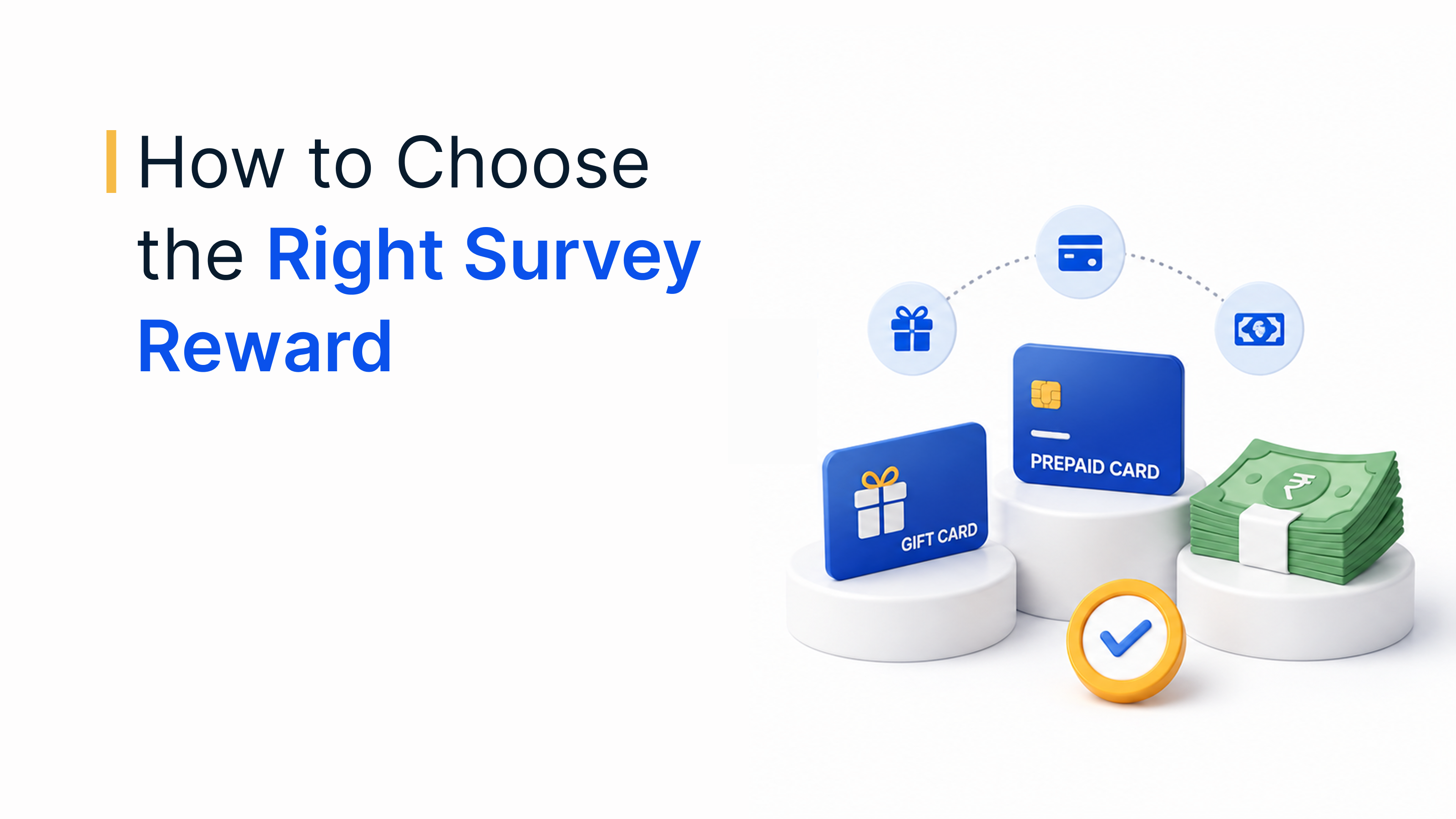
Digital gift cards and reward links
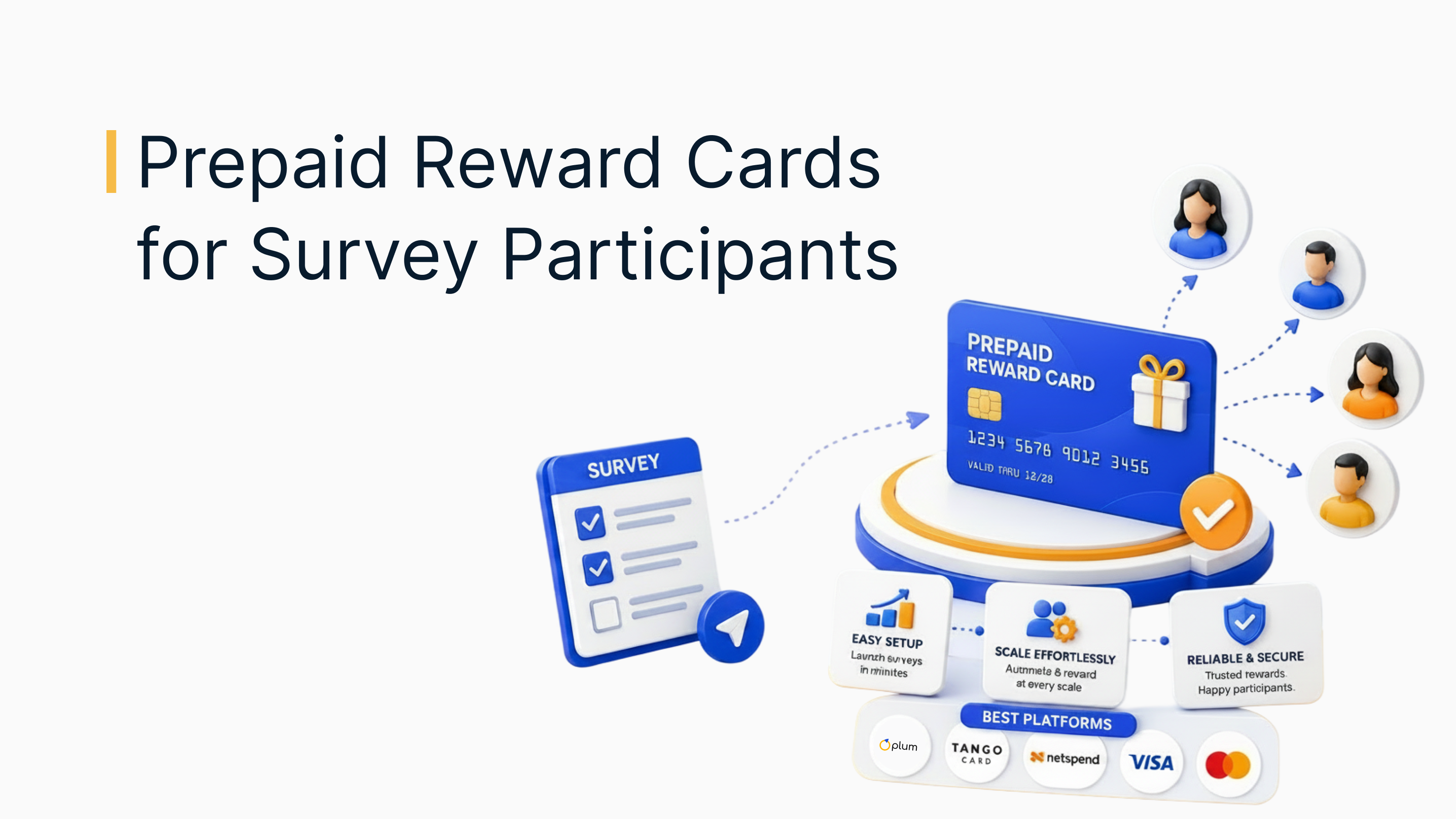
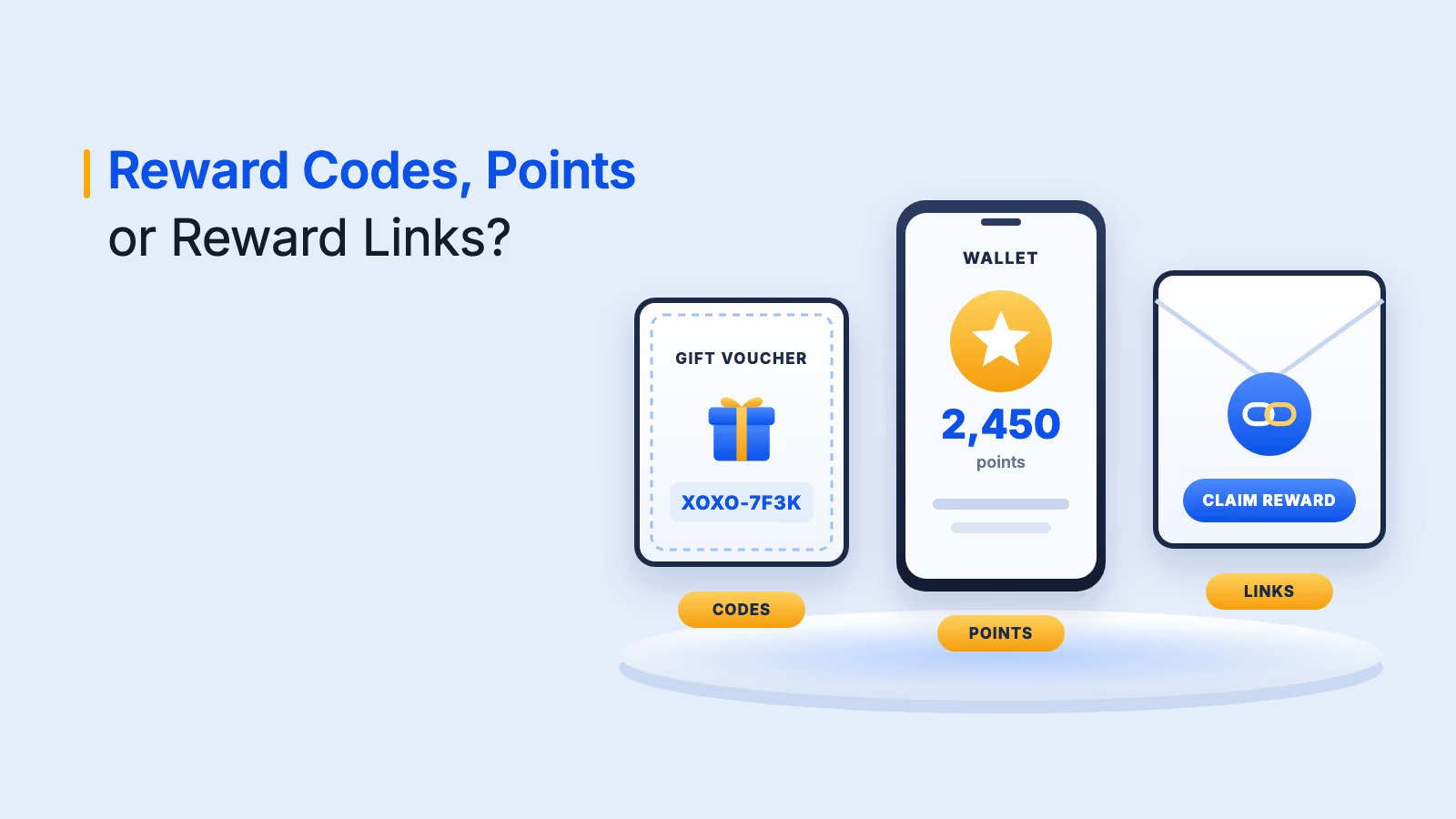
The most flexible option and the one that scales. A digital gift card arrives in seconds, works across borders, and lets the client pick what they actually want. A reward link goes one step further by showing each recipient a catalog for their own market, which matters when your client list spans several countries. Our guide to corporate gift cards covers the categories in depth.
Experiences
Experiences outlast objects. Event and concert tickets, travel vouchers, spa and wellness packages, private dining, cooking classes and cultural passes all create a story the client associates with your company. They suit milestone moments and senior clients, and they are the right answer when the client already has everything.
Gourmet food and drink
The default for a reason. Luxury hampers, artisanal chocolate, curated coffee and tea sets, and wine and cheese pairings are broadly appreciated, easy to share with a team, and carry no awkward personal implication. Check dietary and cultural restrictions, and be careful with alcohol unless you know it is welcome.
Practical and workspace gifts
Useful gifts get used, which keeps you visible. Wireless chargers, portable speakers, noise-cancelling headphones, ergonomic desk accessories, premium leather journals and travel organizers all earn a place on a desk or in a bag. Keep the quality high; a cheap gadget is worse than no gadget.
Branded merchandise, done carefully
Branded gifts work when the item is good enough that the logo is incidental. A well-made notebook, a quality tote, a subtle piece of apparel. They stop working when the gift is mostly logo, which senior clients read as advertising. Keep branding small and the material good.
Charitable donations
A donation to a cause the client cares about avoids every compliance problem and says something about both companies. Pair it with a short personal note explaining why you chose that cause. Done without the note, it can feel like an easy way out.
7
Occasions worth marking
onboarding through to recovery
3
Budget bands
token, standard, premium
1
Question to ask first
can this client accept a gift?
Budget bands for client gifts
Client gifting budgets work best when they are tiered by the relationship rather than set per gift.
| Band | Typical spend | When to use it |
|---|---|---|
| Token | $20 to $35 | Onboarding, birthdays, thank-yous, referral rewards |
| Standard | $50 to $100 | Festive gifting, project completion, annual appreciation |
| Premium | $150 and above | Renewals, major milestones, strategic accounts |
Set the band per client per year rather than per gift, so three thoughtful gestures across a year are planned rather than accidental. And resist the urge to make every gift premium. A relationship marked only at renewal reads as transactional, however generous the gift.
Compliance: what your client is allowed to accept
This is the part that gets skipped and the part that causes problems. Many organizations restrict or prohibit gifts outright, particularly in government, banking, insurance, healthcare, pharmaceuticals and procurement functions. Some cap the value, some require disclosure, and some ban anything at all.
- Ask during onboarding: Add a question to your client welcome process about whether gifts can be accepted and up to what value. It is a neutral question at that point and an awkward one later.
- Check your own policy too: Your company's anti-bribery and gifting policy sets a ceiling regardless of what the client permits.
- Know the tax position: In the US, deductions for business gifts to clients are capped at $25 per recipient per tax year under the IRS business gift rules. Other countries apply their own entertainment and gift limits. Our global employer gift tax guide covers the detail.
- Keep records: Log every gift, its value and the business reason. It takes a minute and it is the only defence if anyone asks.
- Have a compliant fallback: A donation in the client's name, or a gift to the whole team rather than an individual, usually clears restrictions that a personal gift does not.
Sending client gifts to a global list
A physical gift to an international client list means customs declarations, shipping costs, variable lead times and a reasonable chance that something arrives three weeks after the occasion. Brand availability also differs by market, so a gift card that is generous in one country is unusable in another.
Digital delivery solves most of this:
- Same-day delivery anywhere: By email, SMS, messaging app or a personalized link, with no shipping and no address collection.
- Local currency and local brands: Fund in your currency and let each client redeem in theirs, against a catalog built for their market.
- Local-language messages: A personal note in the recipient's own language does more than the gift value does.
- Delivery and redemption tracking: You can see what was actually used rather than only what was sent.
Personalize without overstepping
Personalization is what separates a gift from a delivery, but there is a line. Referencing a client's work, a shared project or something they mentioned in a meeting is thoughtful. Referencing their family, health or something you found by searching them is not.
- Write the note yourself: One specific sentence about the relationship beats three generic ones. "Your business is important to us" tells the client they matter exactly as much as everyone else.
- Use what they told you: Preferences mentioned in meetings, a team's favourite coffee order, a project they were proud of. These are fair game and they land.
- Match the gift to their brand as well as yours: A client with public sustainability commitments will notice an eco-conscious gift and will also notice a disposable one.
- Stay inside professional boundaries: Avoid clothing, fragrance, jewellery and anything that implies you have been paying a different kind of attention.
Send client gifts with Xoxoday Plum
Plum makes client gifting something you can run at scale without losing the personal edge. The client chooses the gift; you keep the budget, the branding and the record.
01 · Catalog
Gift cards, experiences and merchandise
Thousands of brands plus dining, travel and wellness experiences across 150+ countries, so a client anywhere picks something they will use.
02 · Personal
Your message, your branding
Send by email, SMS, WhatsApp or link with your own note, logo and colours on the gift and the redemption page.
03 · Calendar
Scheduled and bulk sending
Load birthdays, renewals and milestones once and let the gifts go out on the day, without anyone remembering.
04 · Compliance
Budget caps and records
Per-recipient limits and a log of every gift and its value, which is what you need when a client policy is questioned.
05 · Campaigns
Gamified promotions
Spin-the-wheel and scratch-card formats for client events and promotions, delivered by SMS, email, QR code or WhatsApp.
06 · Proof
Redemption reporting
See which gifts were actually claimed, by campaign, rather than only which were sent.
Samco Securities used Plum's reward marketplace to run an incentive-driven referral program, adding 1,900 new customers in four months and lifting conversion by 25 percent while cutting the logistics overhead of physical gifting entirely.
The clients you keep longest are rarely the ones who got the most expensive gift. They are the ones who got the right gift, at the right moment, with a note that could only have been written to them.
Book your Plum demo
Frequently asked questions
The best client gifts are chosen for the occasion rather than from a product list. Multi-brand gift cards work for birthdays and thank-yous, gourmet food and drink suits festive gifting and shared wins, experiences such as dining, travel or wellness vouchers suit renewals and milestones, and a donation in the client's name works where gift policies are restrictive. Practical items such as premium journals, noise-cancelling headphones or travel organizers are reliable when you know the client's working life.
A common structure is $20 to $35 for token gestures such as onboarding gifts, birthdays and referral thank-yous, $50 to $100 for festive and annual appreciation gifts, and $150 or more for renewals and strategic accounts. Set the budget per client per year rather than per gift, and check the recipient's own policy limit first, since many organizations cap what their people can accept.
Often not, or only within strict limits. Government, banking, insurance, healthcare, pharmaceutical and procurement organizations commonly restrict or prohibit gifts, cap the value, or require disclosure. Ask during onboarding whether gifts can be accepted and up to what value. Where a personal gift is not permitted, a charitable donation in the client's name or a gift to the whole team usually clears the restriction.
Avoid anything personal such as clothing, fragrance or jewellery, anything religious or political, and anything extravagant enough to create discomfort or breach a policy. Be careful with alcohol unless you know it is welcome, and check dietary and cultural restrictions on food gifts. Avoid gifts that are mostly logo, which senior clients read as advertising rather than appreciation.
Yes, and the return is disproportionate because so few vendors bother. A birthday is the most personal occasion in a business relationship, and the gift does not need to be large. What matters is that it arrives on the right day and clearly was not automated. A multi-brand gift card with a written note is enough for most client relationships.
Use digital delivery. Physical gifts across borders mean customs declarations, shipping costs and lead times that often outlast the occasion, and brand availability differs by market. A platform with region-specific catalogs lets each client redeem in their own currency against brands they can actually use, delivered by email, SMS or link on the same day.
Partly, and the limits are tight. In the US, deductions for business gifts to clients are capped at $25 per recipient per tax year, a figure that has never been indexed for inflation. Incidental costs such as engraving and packaging generally fall outside the cap. Other countries apply their own entertainment and gift limits. Keep a record of every gift and its business purpose, and check with your tax advisor.
Build a calendar rather than relying on the festive season. Onboarding sets the tone, birthdays are the most personal moment, renewals and contract anniversaries deserve the largest spend, and project completions are worth marking with something the client's team can share. Referral thank-yous should go out the same day. A gift that only arrives in December reads as a seasonal obligation.