
Key Takeaways
Employee retirement benefits provide financial security after work, while retirement rewards and recognition honor the career an employee is completing.
In March 2026, 72% of US private industry workers had access to retirement benefits but only 52% participated, according to the BLS.
SECURE 2.0 requires most new 401(k) and 403(b) plans to auto-enroll employees; it does not require every business with 10 or more employees to offer a plan.
Retirement rules differ by country, from US 401(k) limits to UK automatic enrolment minimums and India's EPF and gratuity.
A 12-month transition timeline keeps payouts, health coverage, knowledge transfer and the farewell celebration on track.
Employee retirement benefits give people financial security after they stop working, while retirement rewards and recognition honor the career they are completing. The strongest programs combine both: a well-run retirement plan for the long term, and a thoughtful send-off, continued perks and planning support as retirement gets close.
Employee retirement benefits and rewards are the financial support, recognition and engagement initiatives an organization provides as employees approach and enter retirement. They go beyond the final paycheck. They help people make a smooth, dignified transition and acknowledge the role they played in shaping the company's culture and success.
For employers, retirement is a powerful moment to reinforce loyalty and trust. Where expectations around wellbeing and future security keep rising, retirement planning for employees has become a cornerstone of engagement, retention and employer branding, not only a standard HR task.
Why employee retirement benefits matter
Most US private-sector employers now offer a way to save for retirement, but many workers still worry they will not have enough. These figures from the US Bureau of Labor Statistics and the Employee Benefit Research Institute frame the gap.
72%
of private industry workers
had access to retirement benefits in March 2026 (BLS)
14%
had access to a pension
a defined benefit plan, vs 70% with defined contribution plans (BLS)
52%
actually participated
in a workplace retirement plan (BLS, March 2026)
61%
of US workers are confident
they will retire comfortably, down 6 points from 2025 (EBRI, 2026)
Retirement benefits in the US workplace
The BLS National Compensation Survey shows that access is widespread but participation lags, and the 2026 Retirement Confidence Survey found worker confidence at its lowest level in nearly a decade. Used well, retirement benefits and rewards help organizations in seven ways:
- Engagement: Benefits that support the future keep employees invested in the present.
- Recruitment and retention: A well-structured retirement plan is a strong reason to join and to stay.
- Retirement readiness: Planning support and financial education help employees make better decisions.
- Trust: Long-term support signals that the employer cares about people beyond their output.
- Morale: A thoughtfully crafted plan lifts how people feel about their employer.
- Productivity near retirement: Employees who feel secure stay focused through their final years.
- Job satisfaction: Generous, clearly explained benefits increase overall satisfaction.
Types of employee retirement plans
Retirement plans fall into three main types, and they differ in who carries the investment risk and how the final benefit is set. Defined contribution plans are now the most common, but pensions and employee ownership still matter in many industries.
| Plan type | How the benefit is set | Who carries the risk | Common examples |
|---|---|---|---|
| Defined benefit (pension) | A formula based on years of service and salary sets a guaranteed income | Employer | Traditional pension, cash balance plan |
| Defined contribution | The account balance depends on contributions and investment returns | Employee | 401(k) and 403(b) in the US, workplace pensions in the UK, Provident Fund in India |
| Employee stock ownership plan (ESOP) | The value of employer shares allocated over time | Employee, tied to company performance | ESOPs, profit-sharing plans |
1. Defined benefit plans
Also known as traditional pension plans, defined benefit plans provide a guaranteed monthly income after retirement. The amount is calculated with a formula that considers factors such as years of service and final or average salary, and the employer funds and manages the plan. In the US, most private pensions are insured by the Pension Benefit Guaranty Corporation (PBGC).
For example, a plan that pays 1.5% of final average salary for each year of service would give an employee with 30 years of service and a $70,000 final average salary a pension of 45% of that salary, or $31,500 a year. This is an illustration; every plan sets its own formula.
2. Defined contribution plans
In defined contribution plans, the employer, the employee or both make regular contributions to an individual account. These plans do not promise a specific benefit. The final amount depends on how much goes in and how the investments perform. Examples include 401(k) and 403(b) plans in the US, workplace pensions in the UK and the Employees' Provident Fund in India.
3. Employee stock ownership plans
ESOPs invest primarily in the employer's stock. Employees gain ownership over time and can sell or cash out shares when they retire or leave, which ties their retirement savings to the company's success.
Make long service and retirement moments count
Automate service awards, collect farewell wishes and let retirees choose their reward, alongside flexible benefits for health and learning.
Talk to our ExpertTrusted by 5,000+ companies
Retirement benefits programs by country
Retirement benefits programs are shaped by local law, so the same company may run very different plans in each market. This table summarizes the core rules in three large markets; always confirm details with local advisers.
| Country | Core workplace plan | Key employer rules |
|---|---|---|
| United States | 401(k) or 403(b) defined contribution plans, sometimes a pension | SECURE 2.0 generally requires 401(k) and 403(b) plans set up after December 29, 2022 to auto-enroll employees at 3% or more of pay, rising one point a year to at least 10%, with exceptions for new and small businesses. The 2026 employee deferral limit is $24,500, plus $8,000 catch-up at 50 or older, or $11,250 at ages 60 to 63 |
| United Kingdom | Automatic enrolment workplace pension | Eligible workers must be enrolled; the minimum total contribution is 8% of qualifying earnings, of which the employer pays at least 3% |
| India | Employees' Provident Fund (EPF), gratuity, optional National Pension System (NPS) | Covered establishments contribute to EPF alongside employees; gratuity is generally payable to employees with at least five years of continuous service under the Payment of Gratuity Act |
Sources: the IRS release on SECURE 2.0 automatic enrollment and 2026 401(k) limits, and GOV.UK guidance on workplace pension contributions. SECURE 2.0 did not require every business with 10 or more employees to offer a plan; it applies to newly established plans.
Types of employee retirement rewards
Beyond a basic savings plan, employers can reward employees in several ways that build retirement security. These five are the most common, and employer matching is the one employees value most because it is effectively extra pay.
- Matching contributions: The employer adds money to the employee's retirement account, usually a percentage of what the employee contributes. It is one of the simplest ways to boost retirement savings.
- Profit-sharing programs: A portion of company profits is shared with employees, often paid into their retirement accounts, tying savings to company success.
- Vesting schedules: Employer contributions or stock awards often vest over time. A clear schedule helps employees understand when that money becomes theirs and plan around it.
- Retirement wellness programs: Education and guidance on investing, budgeting for retirement and estimating future needs help employees make informed decisions.
- Retirement rewards and recognition tied to savings goals: Some companies celebrate employees who enroll, increase their contribution rate or hit savings milestones, reinforcing the importance of saving.
8 employee retirement benefits and reward ideas with lasting impact
Retirement is the end of a career and the start of a new chapter. These eight ideas help employees transition with dignity and pride, and the recognition ceremony matters most because it is what the retiree and their colleagues will remember.
1. Retirement gift and recognition ceremony
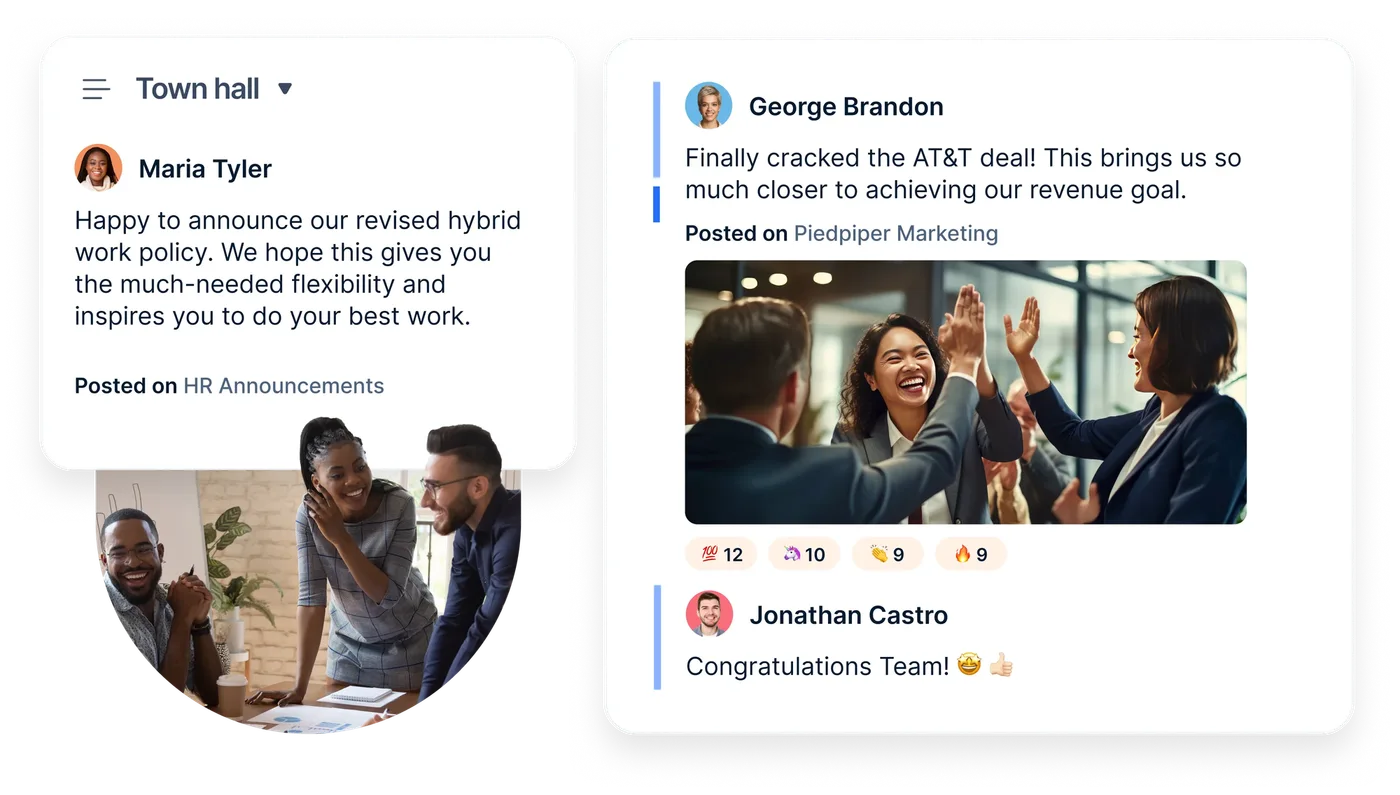
Honor a retiring employee with a personalized recognition event, from a small team gathering to a company-wide virtual celebration that reflects their unique contributions. Publish an announcement on the social feed, collect messages, photos and videos from colleagues on a digital Wishboard, deliver a retirement gift the employee chooses and add a certificate of appreciation. For employee retirement gift ideas, see this list of retirement gifts for coworkers and employees.
2. Post-retirement health benefits
Healthcare is one of the most valuable needs after retirement. Continued access to health insurance, wellness programs or discounted medical services for a defined period can ease the transition. Some employers also fund wellness perks, health checkups or mental health support through flexible benefit budgets.
3. Lump-sum gratuity or pension payouts
Financial security is central to retirement. Many organizations offer a lump-sum gratuity, structured pension payments or final contributions to a retirement fund as part of offboarding. Where gratuity is a legal requirement, as in India, communicate the calculation clearly so the payout holds no surprises.
4. Access to perks and discounts
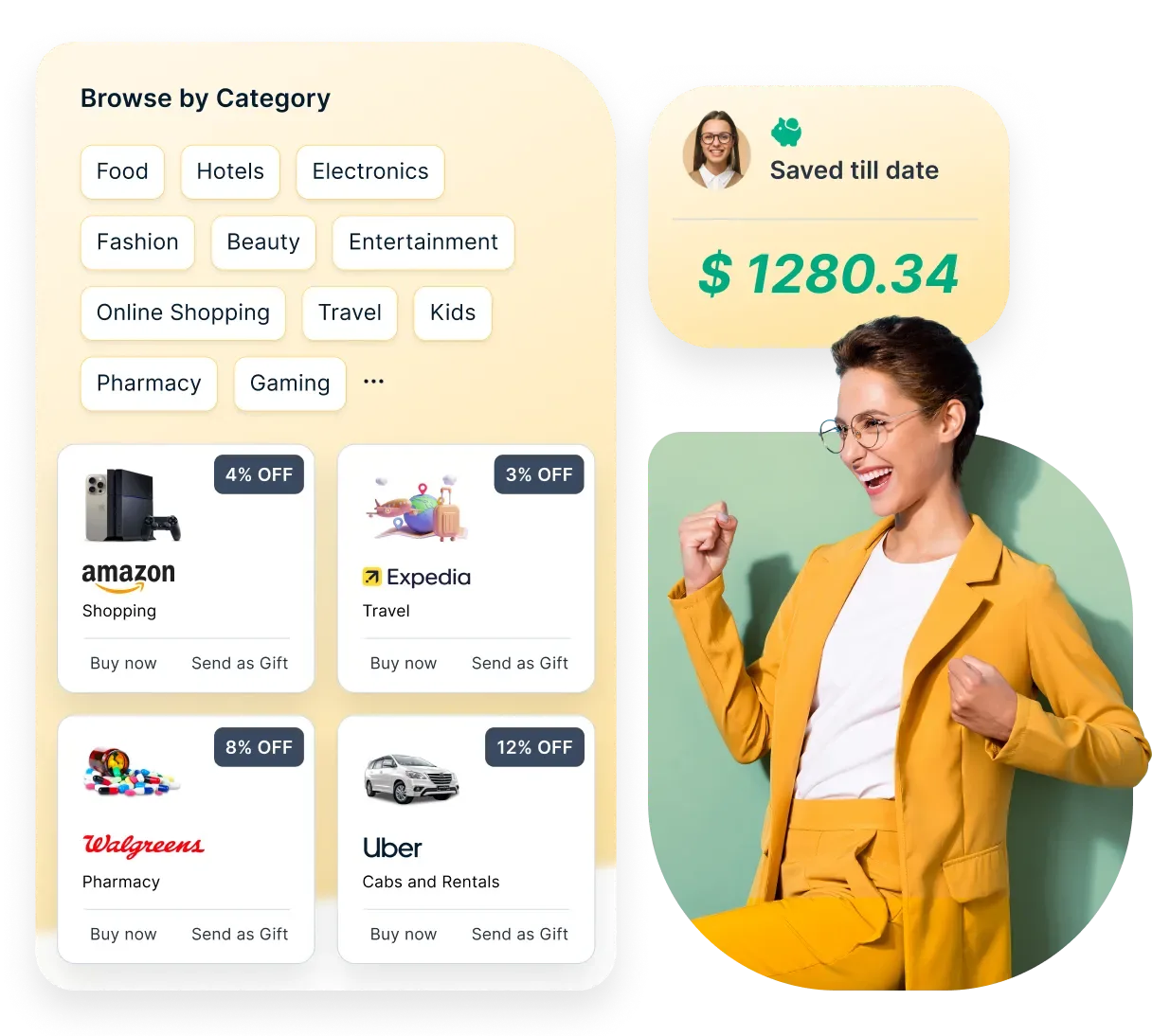
Retirement does not have to mean losing every connection to the company. Where your vendor contracts allow, extend access to employee discount programs for a defined period, so retirees keep saving on everyday purchases, travel and wellness and still feel included.
5. Alumni network or consulting opportunities
Retirees carry valuable institutional knowledge. An alumni network lets them stay connected and contribute through mentoring, knowledge sharing or project-based consulting. Community groups, event invitations and newsletters keep the relationship alive.
6. Legacy storytelling and knowledge sharing sessions
Host a legacy session or workshop before the retiree leaves to preserve their know-how and recognize them as a mentor. Promote it on your intranet, invite colleagues to post how the retiree shaped their journey and archive the recording in your knowledge base.
7. Digital memory book or video tribute
A digital memory book or farewell video captures stories, achievements and peer messages. Collect text, images, GIFs and videos on a Wishboard, export the result as a keepsake and share it across the company. It turns a farewell email into a meaningful moment.
8. Customized retirement planning resources
Support employees nearing retirement with financial advisory sessions, health preparation and guidance on the emotional side of leaving work. Share resources through your intranet, fund planning or upskilling through a lifestyle spending account and run a short pulse survey to understand what upcoming retirees worry about.
How to structure employee benefit and retirement planning
A well-designed plan is a strategic tool for engagement, trust and long-term wellbeing, not just a list of perks. Follow these seven steps, starting with employee needs, because everything else should be built around them.
- Understand employee needs and financial goals: Consider age groups, life stages and priorities. Younger employees may value flexibility and saving options, while older employees often want stability and full retirement coverage. Use surveys or feedback sessions to shape the plan.
- Offer a balanced mix of core and flexible benefits: Combine essentials such as health insurance, retirement savings and life cover with options such as ESOPs, lifestyle perks or mental wellness support, so employees choose what suits them.
- Integrate financial wellness: Benefits work better when people understand them. Offer financial literacy programs, planning tools or one-on-one sessions with advisers.
- Make the process easy and transparent: Simplify enrollment, automate reminders and explain contributions, vesting periods and retirement options clearly.
- Encourage long-term savings through matching: If feasible, match retirement contributions in the 401(k), workplace pension or provident fund to reward saving.
- Review and evolve the program: Check regularly that benefits remain competitive, compliant and aligned with employee expectations, and update them as laws change.
- Communicate value clearly and often: Even the best benefits go unused if nobody knows about them. Use newsletters, onboarding sessions and team meetings to explain how each benefit supports long-term goals.
Once the plan is in place, use this timeline for each employee who is approaching retirement. It makes sure the financial side and the recognition side both get done on time.
| When | Benefits and planning | Rewards and recognition |
|---|---|---|
| 12 months before | Confirm the retirement date, eligibility, vesting and expected payouts; offer a financial planning session | Note their years of service and key career moments for later |
| 6 months before | Explain health coverage options after retirement and any continued perks | Plan a knowledge sharing or legacy session and agree on a mentor handover |
| 3 months before | Finalize paperwork for pension, 401(k), workplace pension, EPF or gratuity | Open a Wishboard for colleague messages and book the farewell event |
| Final month | Confirm final pay, payout timing and how to access accounts after leaving | Hold the ceremony, deliver the retirement gift and certificate, share the tribute |
| After retirement | Send contact details for benefits questions and any alumni perks | Invite them to the alumni network, events and occasional consulting |
How Empuls supports retirement rewards and recognition
Empuls does not administer pension or 401(k) plans, but it handles the recognition, rewards and benefits experience around retirement, so long-serving employees leave feeling valued:
- Service milestones and farewells: Automate long-service awards and collect farewell wishes on Wishboards through service awards.
- Rewards they choose: Retirement gifts from a localized catalog of gift cards, experiences, merchandise, travel and donations, sent as points or reward codes.
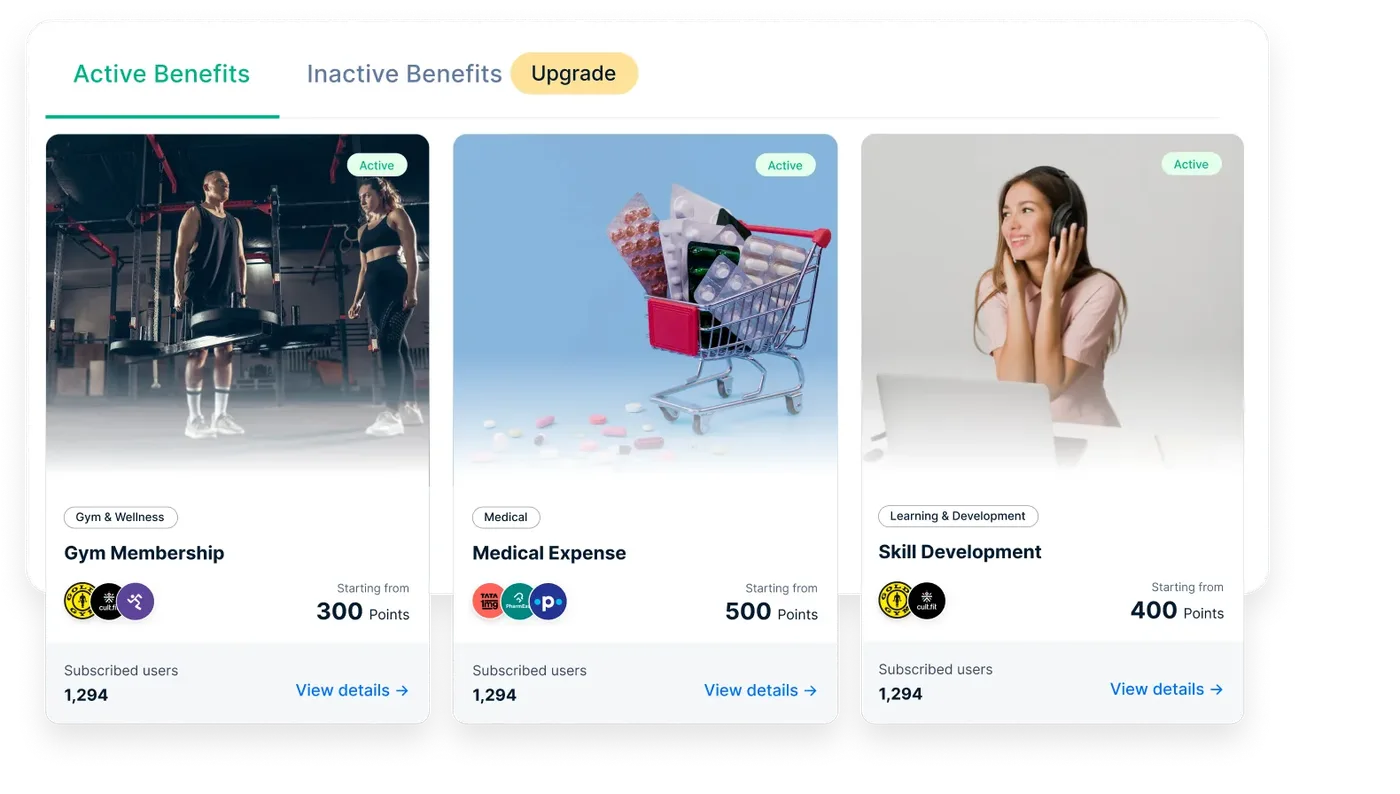
- Flexible benefits: Fund health, learning or financial planning through lifestyle spending accounts and support money worries with financial wellness benefits.
- Connection: A social intranet for announcements, tributes, legacy sessions and alumni communities.
For the full benefits picture, see this guide to employee benefits, and for recognizing tenure before retirement, read about long service awards.
Say thank you the right way
Retirement is a defining moment of appreciation. Thoughtful employee retirement benefits and rewards recognize years of service and reflect the values of the organization.
A well-crafted retirement planning strategy builds trust, loyalty and engagement. From financial security to meaningful recognition, these programs shape how employees remember their journey, and how future talent sees your culture.
Book your Empuls demo
Frequently asked questions
Employee retirement benefits are the plans and payments an employer provides to support employees financially after they stop working. They include pensions, defined contribution plans such as a 401(k) or provident fund, employer matching, profit sharing, ESOPs, gratuity and sometimes retiree health coverage. Rules and required benefits vary by country.
A pension is a defined benefit plan that pays a guaranteed income based on a formula, usually years of service and salary, and the employer carries the investment risk. A 401(k) is a defined contribution plan where the balance depends on contributions and investment returns, and the employee carries the risk.
No federal law requires every US employer to offer a retirement plan. SECURE 2.0 requires most 401(k) and 403(b) plans established after December 29, 2022 to auto-enroll eligible employees, with exceptions for new and small businesses. Several states run their own programs that require employers without a plan to offer state-facilitated savings accounts.
In 2026, employees can defer up to $24,500 into a 401(k), according to the IRS. Employees aged 50 or older can add an $8,000 catch-up contribution, and those aged 60 to 63 can add $11,250 instead. The total limit including employer contributions is $72,000, before catch-up contributions.
Employers should combine financial and recognition elements: clear information on pension, retirement account and gratuity payouts, health coverage options, and a meaningful send-off with a gift the retiree chooses, a certificate and colleague messages. Continued perks and an alumni network help retirees stay connected.
Companies can help by offering employer matching, financial education, one-on-one planning sessions and simple tools that show projected retirement income. Start conversations about a year before a planned retirement to cover eligibility, vesting, payouts and health coverage, and run pulse surveys to understand what employees are worried about.
A vesting schedule sets when employer contributions or stock awards become fully owned by the employee. Under cliff vesting, everything vests at once after a set period, and under graded vesting, ownership builds gradually over several years. Employee contributions are always fully vested, so only the employer's share is affected.





































































































































































































































































































































































































































































































































































