
Key Takeaways
Rewarding employees for good attendance works when it recognizes reliability, such as planning leave ahead and arriving on time, rather than demanding zero absence.
Count only unplanned, unexcused absences and exclude sick leave and legally protected leave, so nobody comes to work ill to protect a record.
On an average week in 2025, 3.2% of US full-time workers were absent, according to the Bureau of Labor Statistics.
Match rewards to cadence: shout-outs and team challenges monthly, gift cards or prize draws quarterly, and extra time off or experiences annually.
Attendance rewards address controllable absence only, so pair them with work on root causes such as burnout, workload and caring duties.
Rewarding employees for good attendance means recognizing people who show up reliably, with rewards such as gift cards, extra paid time off, experiences, public shout-outs and milestone awards. Done well, it reinforces reliability without pushing anyone to work while sick. This guide covers why attendance rewards work, the rules that keep them fair, 13 reward ideas and a ready-to-use attendance rewards policy template.
Every employee's reliability matters for productivity and team rhythm. When someone is absent unexpectedly, colleagues absorb the work, shifts run short and customers wait. Consistent attendance often goes unnoticed, but it should not. Recognizing it reinforces positive behavior, lifts morale and builds a culture of accountability, as long as the program rewards commitment rather than presence at any cost.
Why rewarding employees for good attendance matters
Absence is a steady cost in every workforce. The US Bureau of Labor Statistics' absence data for 2025 shows that on an average week 3.2% of full-time wage and salary workers were absent, with rates higher in healthcare support (4.1%) and office and administrative support (3.9%). In the UK, the CIPD's 2025 Health and Wellbeing at Work survey found employees took 9.4 days of sickness absence on average over the last 12 months, up from 5.8 days before the pandemic.
3.2%
of US full-time workers absent
in an average week in 2025 (BLS)
78%
of UK employers
name minor illnesses as a top cause of short-term absence (CIPD, 2025)
9.4 days
sickness absence per UK employee
in the last 12 months, vs 5.8 before the pandemic (CIPD, 2025)
The scale of workplace absence
Rewards cannot fix every cause of absence, but they shape behavior in six ways:
- Motivation and recognition: Rewards tell reliable employees their consistency is seen and valued, which lifts morale.
- A tangible incentive: Bonuses, extra time off or perks give people a concrete reason to prioritize attendance.
- Positive reinforcement: When good attendance leads to good outcomes, people repeat it.
- Team morale and productivity: Regular attendance reduces disruption and builds trust that colleagues will be there when needed.
- Lower avoidable absence: A culture that values reliability reduces casual, unplanned absences.
- Higher engagement: Employees who feel their contribution matters are more likely to show up, and recognition helps them feel that.
Rewards work on the absences people can control. Burnout, caring duties, poor management and health problems need different fixes, covered in our guide to strategies to reduce employee absenteeism. Use that guide to treat root causes and this one to recognize reliability.
How to reward attendance without encouraging presenteeism
The biggest risk in any attendance program is presenteeism: people coming to work sick to protect a perfect record. The CIPD data shows minor illnesses such as colds and flu are the leading cause of short-term absence, so a strict perfect attendance award can push contagious people into the workplace and spread illness through the team. Five rules keep the program fair and healthy:
- Count only unplanned, unexcused absence: Approved vacation, sick leave the company provides and legally protected leave should never cost anyone a reward.
- Reward reliability, not zero absence: Recognize people who plan leave in advance, arrive on time and cover for colleagues, not just those with a blank record.
- Reward improvement: Recognize employees whose attendance has improved, not only those who were always strong.
- Prefer team goals for frequent rewards: Team attendance or schedule-adherence goals build mutual support, while individual perfect attendance prizes work better as occasional milestones.
- Tell people to stay home when sick: Say it explicitly when you launch the program and repeat it when you announce winners.
Automate attendance recognition
Issue attendance awards from HRIS data, run team challenges and let employees choose their rewards.
Talk to our ExpertTrusted by 5,000+ companies
13 ideas for rewarding employees for good attendance
These 13 attendance rewards for employees range from no-cost recognition to financial perks. Pair at least one public recognition idea with one tangible reward, because recognition makes the reward meaningful and the reward makes the recognition memorable.
1. Gift cards and vouchers of their choice
Sometimes the best reward is the freedom to choose. Recognize employees with excellent attendance with gift cards or vouchers from a broad rewards catalog, whether for a favorite coffee shop, online store or local experience. Gift cards are flexible and instant, which makes them one of the most appreciated good attendance incentives.
2. Memorable experiences
Give employees with strong attendance records access to experiential rewards: spa days, adventure activities, dining, concerts or cultural events. Experiences leave a lasting impression and add a welcome break from routine, especially when people choose one that fits their interests.
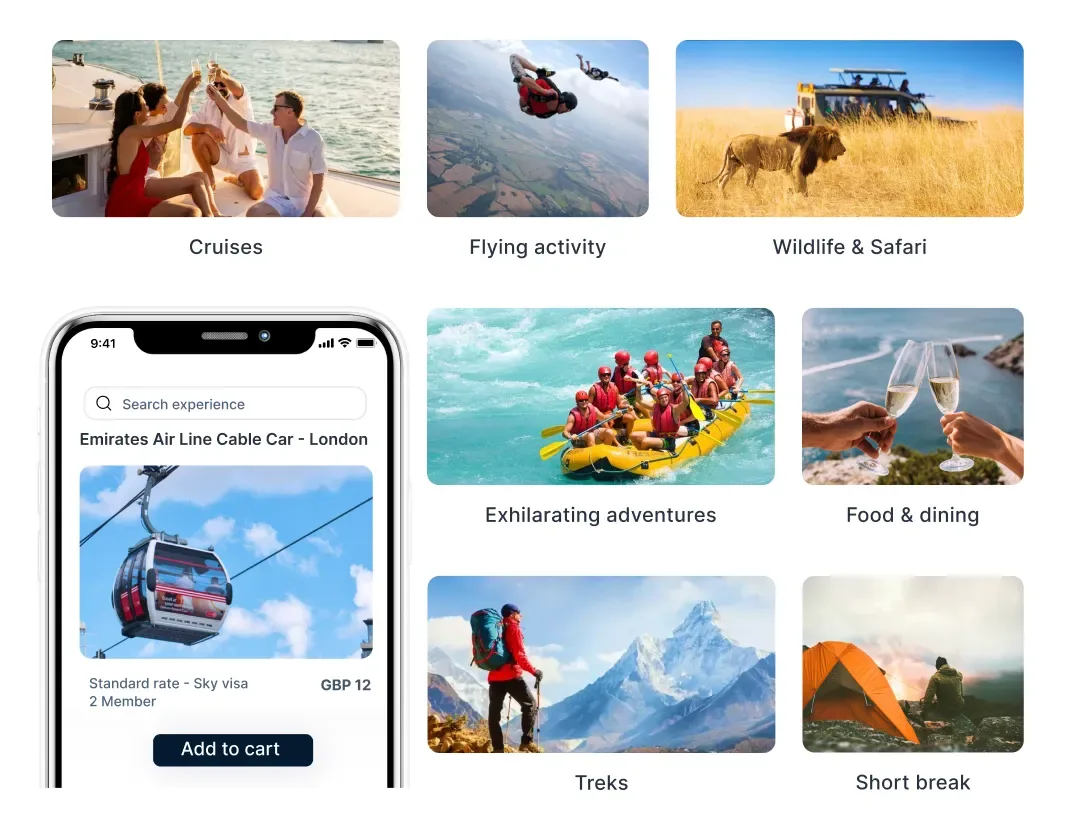
3. Extra paid time off
An extra paid day off, or a half day before a long weekend, is one of the most valued rewards for good attendance, and it sends a healthy message: reliability earns rest. Offer it at quarterly or annual milestones, and let employees schedule it with their manager so cover is planned.
4. Team attendance challenges with gamification
Turn attendance into a friendly team game. Track on-time starts or schedule adherence by team, show progress on a leaderboard and celebrate the winning team each month with badges, points or a team treat. Team-based challenges build healthy competition without singling out individuals who were ill. For more on game mechanics, see our employee gamification guide.
5. Surprise wellness hampers
Unexpected recognition often lands best. Surprise employees with strong attendance with wellness hampers that support physical or mental health, such as teas, journals, fitness gear or spa kits. The theme also reinforces the message that the company cares about health, not just presence.
6. Premium perks and discounts
Unlock premium-tier perks for attendance champions, such as exclusive discounts and cashback on electronics, travel or dining. Perks feel like a bonus, can often be shared with family and stretch a small budget further than cash.
7. Peer recognition and public shout-outs
When recognition comes from peers and leaders in public, it resonates more deeply. Post a shout-out on the company's social feed, tag the employee and let colleagues react with comments and emojis, then mention top attendees at town halls or pin them to a wall of fame. Thank the person for something specific, such as covering a busy week or never missing a customer handover.
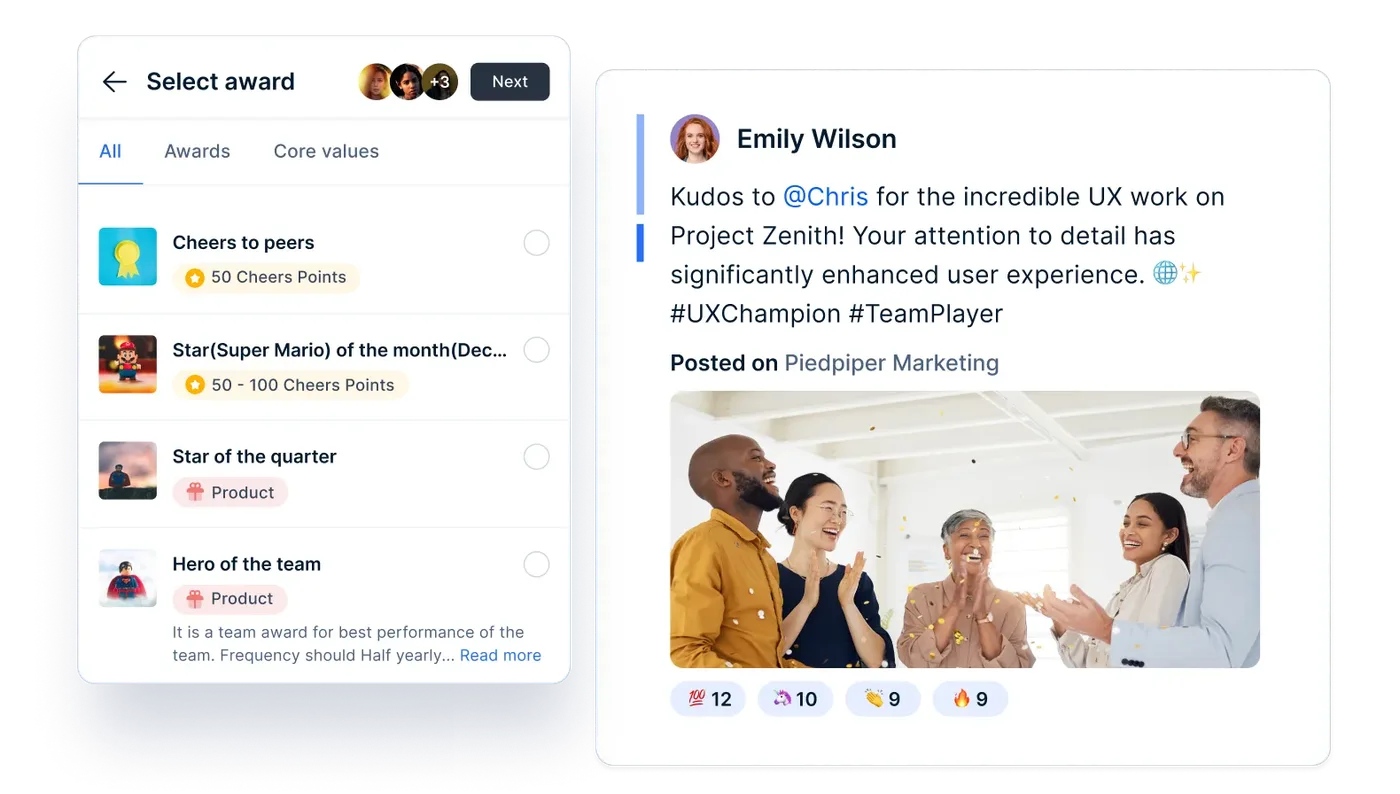
8. Curated reward collections for top attendees
Instead of one-size-fits-all rewards, give employees with excellent attendance access to a curated collection, such as wellness essentials, tech gadgets, experiences or learning tools. They choose what they value, and HR can set attendance thresholds that make eligible employees appear automatically once attendance data syncs from the HR system.
9. Lifestyle spending account top-ups
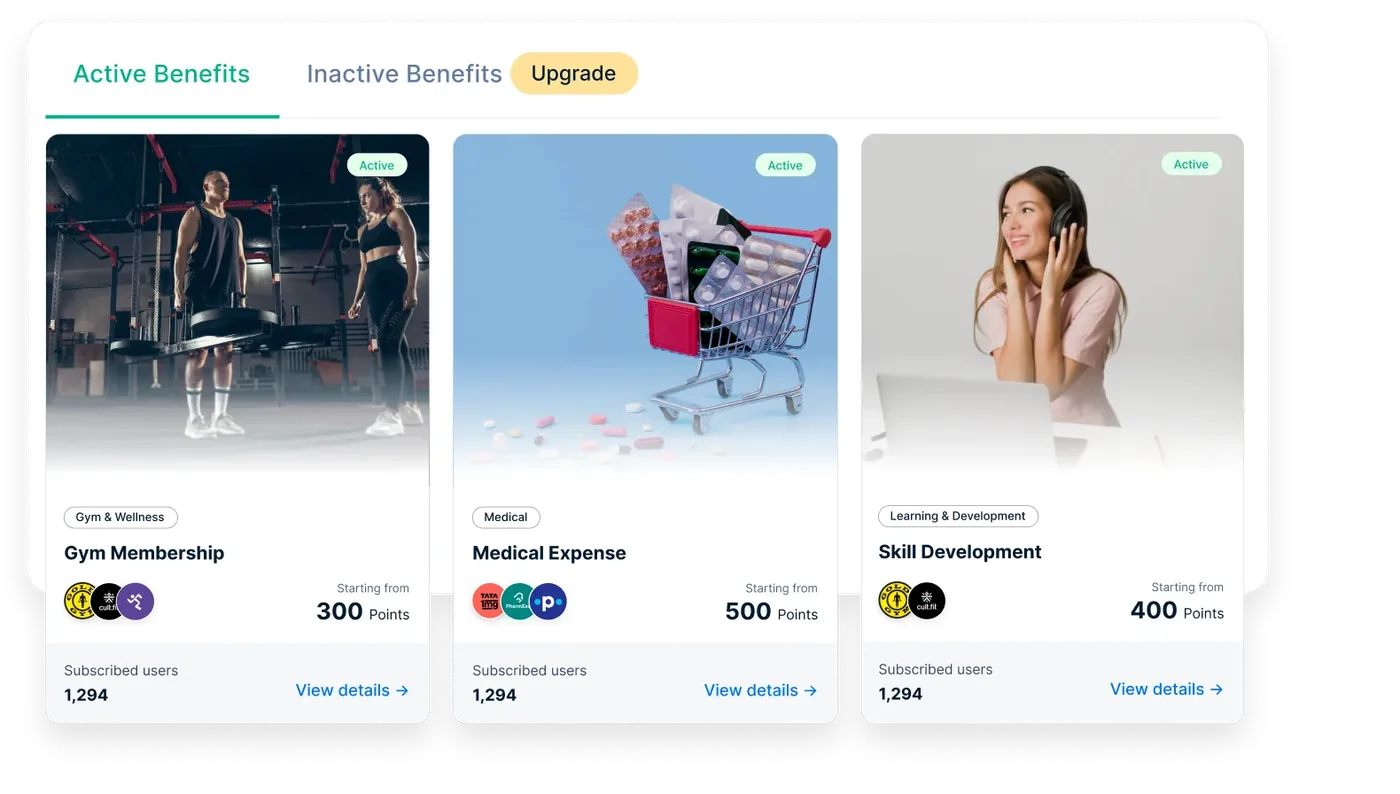
Consistent attendance can earn more than praise. Top up attendance champions' lifestyle spending accounts so they can spend on fitness memberships, mental wellness programs, learning or family care. Choice of benefit supports their wellbeing goals as well as rewarding their reliability.
10. Attendance milestone celebrations
Turn long-term reliability into a celebration at milestones such as six months or a year with no unplanned absence. Mark the moment with a personalized certificate, a digital wishboard where colleagues add messages and a reward the employee chooses from a collection.
11. Personalized appreciation notes
A heartfelt note still stands out. Thank employees who consistently show up with a personal message from their manager that names a specific contribution, such as being there during crunch weeks or supporting teammates. AI writing suggestions can help busy managers start, but the specifics should be theirs.
12. First pick of shifts or schedules
For shift-based teams, schedule choice is a valuable no-cost reward. Give employees with strong attendance first pick of shifts, preferred days off or holiday rosters for the next period. It rewards reliability with the flexibility that shift workers value most.
13. Quarterly attendance prize draw
Enter everyone who meets the quarter's attendance standard into a prize draw for a larger reward, such as a weekend trip or a high-value gift card. A draw lets you offer an exciting prize on a modest budget while every qualifying employee also receives a small guaranteed reward.
Perfect attendance awards ideas by cadence and budget
Matching the reward to the period keeps the program sustainable. Use small, frequent recognition for monthly reliability and save bigger rewards for longer milestones:
| Cadence | What it recognizes | Reward ideas | Typical budget |
|---|---|---|---|
| Weekly or monthly | On-time starts, team schedule adherence, covering for colleagues | Shout-outs, peer recognition, badges, small point awards, team treats | None to low |
| Quarterly | No unplanned absence or clear improvement over the quarter | Gift cards of choice, prize draw entry, first pick of shifts, wellness hampers | Low to medium |
| Annual | A full year of strong reliability | Extra paid day off, experiences, lifestyle account top-up, certificate and wishboard | Medium to high |
| Ongoing | Long-term reliability alongside tenure | Service and milestone awards with a curated reward collection | Medium |
Attendance rewards policy template
Before launching, answer who, what, when, where, why and how in a written policy. Use this template as your starting point and adapt each rule to your workforce:
| Policy element | Recommended rule | Why it matters |
|---|---|---|
| Who: individuals or teams | Team goals for monthly rewards, individual recognition for quarterly and annual milestones | Team goals build mutual support and avoid singling out people who were ill |
| What counts as an absence | Unplanned, unexcused absences and repeated late arrivals | Keeps the focus on behavior people can control |
| What never counts | Approved PTO, company sick leave, protected leave such as medical, disability, parental, jury duty and bereavement | Avoids presenteeism and legal risk |
| What: reward type | Symbolic recognition every month, tangible rewards quarterly and annually | Balances frequency with budget |
| When: period and threshold | Monthly, quarterly and annual periods; for example, zero unplanned absences in a quarter, or improvement against the previous quarter | Clear thresholds feel fair and achievable |
| Where: work model | On-site: shift starts and adherence. Remote and hybrid: logged-in on time and present for scheduled meetings | Attendance means different things in different settings |
| Why: the behavior you want | Reliability, punctuality, planning leave ahead, improvement | Tells employees what the program values |
| How: data source | HRIS or time and attendance system, reviewed by managers before rewards are issued | Objective data prevents disputes and favoritism |
| Communication | Publish the rules, state that sick employees should stay home and announce recognition publicly | Transparency keeps motivation and trust high |
Plan the budget and reward structure up front, too: allocate points or reward budgets by department, track spending and review the program each quarter against absence rates, participation and employee feedback.
How Empuls helps you reward good attendance
Empuls lets you recognize reliability consistently, automate rewards from attendance data and give employees choice:
- Recognition and rewards: Create attendance award types with point values and approval rules in Empuls recognition, and let employees redeem from a global catalog of gift cards, experiences and merchandise.
- Milestones and leaderboards: Automate attendance milestones alongside service anniversaries with milestone rewards, and run team challenges on recognition leaderboards.
- Perks and benefits: Reward attendance champions with employee discounts or lifestyle spending account top-ups.
- HRIS sync and budgets: Connect your HR system to issue rewards from validated attendance records, set budgets by department and track spending in one dashboard.
Recognize the people who keep showing up
Rewarding employees for good attendance is about valuing reliability, commitment and the role each person plays in the team's success. Combine public recognition with rewards people choose, exclude protected and sick leave, reward improvement as well as consistency and fix the root causes of absence in parallel. When employees feel appreciated for showing up and giving their best, they stay engaged, motivated and committed, whether they work on-site, remote or hybrid.
Book your Empuls demo
Frequently asked questions
Reward good attendance with a mix of public recognition and tangible rewards: shout-outs and team challenges each month, gift cards, prize draws or first pick of shifts each quarter, and extra paid time off or experiences for a full year of reliability. Define clear rules, exclude sick and protected leave and track attendance from objective data.
Strict perfect attendance awards can backfire because they push people to work while sick and can exclude employees with disabilities or caring duties. A better design rewards reliability: no unplanned, unexcused absences, leave planned in advance and on-time starts, with sick and protected leave excluded from the count.
Good attendance incentives for hourly workers include first pick of shifts, a small bonus or gift card for each quarter without unplanned absence, prize draw entries, extra paid time off and team rewards for schedule adherence. Fast, visible rewards work best, so recognize reliability at shift huddles and deliver rewards to their phones.
Attendance rewards can reduce avoidable, unplanned absences by making reliability visible and valued. They cannot fix absence caused by illness, burnout, poor management or caring responsibilities. Combine rewards with flexible scheduling, wellbeing support and manager training, and track absence rates before and after launch to see the real effect.
Generally yes, but design matters. In the US, FMLA rules allow denying a perfect attendance bonus missed due to FMLA leave only when employees on equivalent non-FMLA leave are treated the same, and disability and sick leave laws add limits. Excluding all protected leave from the count is the safest approach. Check local law.
Recognize good attendance monthly with low-cost shout-outs, badges or team rewards, give tangible rewards quarterly and save larger rewards, such as extra time off or experiences, for annual milestones. Frequent recognition keeps the behavior visible, while longer periods make bigger rewards affordable and meaningful.
Use your HRIS or time and attendance system as the single source of truth, define which absences count before launch and have managers review results before rewards are issued. Connecting attendance data to a recognition platform lets you issue rewards automatically when employees meet the threshold, which saves HR time and avoids disputes.





































































































































































































































































































































































































































































































































































