
Key Takeaways
In 2026, fewer employees are quitting but only 20% worldwide are engaged, so retention has become a re-engagement job rather than a fight against mass resignations.
Learning opportunities are the number one retention strategy for organizations in LinkedIn's 2025 Workplace Learning Report, yet few employees get manager help with a career plan.
Hybrid work is the most common and most preferred arrangement for remote-capable US employees, making flexibility a baseline expectation.
Well-recognized employees were 45% less likely to have left after two years, which keeps personalized recognition among the most effective retention trends.
Four-day week trials and boomerang hiring are growing retention trends, backed by evidence on lower burnout and record rehire rates.
The biggest employee retention trends in 2026 are learning and career growth, flexible and hybrid work, wellbeing support, personalized recognition and AI-powered listening, plus newer shifts like four-day weeks and boomerang hiring. Fewer people are quitting, but engagement is low, so retention is now about keeping people committed, not just on the payroll.
Gone are the days when a steady paycheck and an annual bonus were enough to keep employees loyal. Today's workforce expects more than financial rewards: flexibility, career growth, recognition and a workplace that truly values their contributions. Companies that fail to meet these expectations risk high turnover, disengaged teams and rising hiring costs.
With skills shortages and shifting workplace dynamics, businesses are rethinking their approach to retention. Organizations now focus on employee experience, wellbeing and purpose-driven cultures rather than just traditional perks. So what is working, and what is outdated? Here are the latest employee retention trends shaping workplaces in 2026, with the data behind each one.
The state of employee retention in 2026
Employee retention trends are the patterns shaping how employers keep their workforce, build loyalty and stay competitive. The backdrop in 2026 is unusual: people are leaving less, but many of those who stay are not engaged.
2.0%
US quits rate
2025 annual average, BLS
20%
of employees engaged
worldwide in 2025, Gallup
88%
of organizations
concerned about retention, LinkedIn
35%
of new hires
were boomerangs in March 2025, ADP
Employee retention in numbers
The Bureau of Labor Statistics reports that annual quits fell by 1.3 million in 2025, to a quits rate of 2.0%. At the same time, Gallup's State of the Global Workplace 2026 found only 20% of employees worldwide were engaged in 2025. Low quits plus low engagement is a warning sign: when the job market loosens, the people who stayed only because they had to will be the first to go.
Act on retention trends before people leave
Empuls combines surveys, recognition, rewards and benefits to keep employees engaged.
Talk to our ExpertTrusted by 5,000+ companies
11 latest employee retention trends in 2026
The 11 trends below are ranked roughly by how much they shape what keeps employees from leaving today. The first four, re-engagement, learning, wellbeing and flexibility, carry the most weight because they answer the most common reasons people give for staying or going; the later trends are newer and more selective.
1. The big stay turns retention into a re-engagement job
Lower quit rates can make retention look solved. It is not. Many employees are staying because the job market is tighter, not because they are committed, and disengaged employees cost productivity while they wait for a better offer. The trend is for HR teams to treat this period as a window to re-engage people: run stay interviews, fix pay gaps, rebuild career paths and train managers to hold regular development conversations.
Watch for the signs of employee disengagement, because they show up long before resignations do.
2. Learning and development is the top retention strategy
According to LinkedIn's 2025 Workplace Learning Report, 88% of organizations are concerned about employee retention, and providing learning opportunities is their number one retention strategy. Yet only 15% of employees say their manager helped them build a career plan in the past six months, so there is a big gap between intent and practice.
Want to use this trend? Start with onboarding, the first step in every employee's development, then build a continuous learning environment with digital learning platforms, cross-training and mentorship programs. For a more engaging approach, run free development workshops or pay for people to attend industry conferences. These steps empower employees in their career paths and help you keep a motivated, highly skilled workforce.
3. Wellbeing support goes beyond perks
Stress and burnout remain a major reason people leave, and Gallup's 2026 report found only 34% of employees worldwide rate their lives well enough to be considered thriving. Wellbeing is now treated as a whole-person issue. The main areas to cover are:
- Health: Physical health and mental health are equally important. Policies and support that recognize mental health issues make a significant difference.
- Good work: A fair reward system, good line management and a suitable working environment let productivity thrive.
- Values: Upholding and promoting company values encourages alignment and engagement.
- Social needs: Giving employees a voice and building positive relationships within teams improves job satisfaction.
- Personal growth: A continuous development plan lowers the chance of short-term turnover.
- Lifestyle: Nutrition and activity programs, such as healthier cafeteria choices, fitness challenges and sports clubs.
- Financial wellbeing: Competitive pay plus guidance on personal finances improves financial security.
Addressing all of these at once is a big job. Start small with mental health support, a clear reward system and an inclusive culture. Our roundup of employee wellness trends goes deeper on each area.
4. Hybrid and flexible work stay central
Flexibility is now expected, not a perk. Among remote-capable US employees, Gallup's hybrid work indicator shows 54% work hybrid, 25% fully remote and 21% on-site as of August 2026, and 61% say hybrid is their preferred arrangement. Pulling flexibility back without a clear reason risks losing the people who have other options.
Flexible arrangements have challenges, including communication breakdowns, weaker team engagement, difficulty tracking productivity and managing different time zones. You can overcome them with a policy that clearly defines where and when people work, team agreements on in-person days, and the right collaboration and recognition tools. For frontline and shift workers, flexibility means schedule control, shift swaps and predictable rosters.
5. AI-powered engagement and listening
Artificial intelligence is changing how businesses understand and support employees. Gallup reports that 45% of US employees used AI at work at least a few times a year by the third quarter of 2025, and 23% used it frequently. For retention, AI is being applied in four main ways:
- Listening: AI sentiment analysis reads open-ended survey comments in real time, so HR can spot disengagement early and act on themes by team.
- Learning: AI-powered learning tailors training to individual needs, improving skills acquisition.
- Automation: Routine HR tasks and questions are handled automatically, freeing time for people-focused work.
- Personalization: Recognition prompts, reward suggestions and benefits are matched to individual preferences.
Used well, AI makes employees feel more heard and valued. Used carelessly, it erodes trust, so be transparent about what data you use and why. Read more about AI in employee engagement.
6. Skills-based hiring and internal mobility
Many businesses are shifting from hiring based on degrees and past job titles to a skills-based approach, which also widens and diversifies the talent pool. Assess specific abilities and potential during hiring, and let training fill the gaps later. New hires feel valued for their unique abilities and contributions.
Apply the same lens to your existing workforce. Map employees' skills, identify who needs upskilling or reskilling and open internal roles to them first. This gives you a proactive way to drive satisfaction, growth and retention, because people can change roles without changing employers.
7. Personalized rewards and recognition
A customized approach to rewards and recognition significantly boosts engagement and retention. Gallup and Workhuman research that followed nearly 3,500 employees from 2022 to 2024 found that well-recognized employees were 45% less likely to have left after two years.
Avoid a one-size-fits-all approach. Tailor recognition to the individual, generation and industry, so people are acknowledged in ways that feel meaningful for their contributions and roles. Let employees choose their rewards, make peer recognition easy and tie appreciation to company values.
8. Inclusion and fairness under a new spotlight
Views on diversity, equity and inclusion have become more divided. Pew Research Center found that 52% of US workers said focusing on DEI at work is mainly a good thing in 2024, down from 56% in 2023. Many companies have renamed or reshaped programs, but the retention basics have not changed.
People stay where they are treated fairly, paid equitably and given equal access to growth. Focus on transparent pay and promotion decisions, inclusive manager behavior and segmenting attrition data by group to spot problems early. Our guide to inclusion and diversity in the workplace covers practical steps.
9. Flexible benefits and perks packages
Employees want benefits that match their life stage, not a fixed menu. Healthcare, retirement support and paid time off remain the foundations, but more companies now add flexible lifestyle accounts, financial wellness support such as earned wage access, learning budgets and employee discounts that people choose from themselves. Personal choice makes the same budget feel more valuable. See our roundup of employee benefits trends for the details.
10. Four-day and compressed workweek trials
The traditional five-day week is being re-examined as more companies experiment with four-day weeks without cutting pay. A large study in Nature Human Behaviour of 2,896 employees in 141 organizations across six countries found that a six-month four-day week trial improved burnout, job satisfaction and mental and physical health, with the biggest gains where hours fell by eight or more a week.
Not every industry can adopt it fully, and the benefits depend on redesigning work rather than squeezing five days into four. Still, compressed weeks, flexible scheduling and no-meeting days are increasingly popular retention tools.
11. Boomerang employees and alumni networks
Rehiring former employees, often called boomerang employees, is now a mainstream trend. ADP Research found that boomerangs made up 35% of new hires in March 2025, up from 31% a year earlier. Many professionals leave and return when they see the company's growth, culture or improved benefits in a new light.
Organizations that keep good relationships with leavers, through respectful exits, alumni networks and an open-door policy, have a better chance of welcoming back experienced talent. Returning employees need less onboarding and ramp up faster, which reduces hiring costs for both sides.
Employee retention trends at a glance
Use this summary to decide which trends to act on first. Start with the ones that match the reasons your own employees give for staying or leaving.
| Trend | What is driving it | What to do now |
|---|---|---|
| The big stay | Low quits, low engagement | Run stay interviews and fix known pain points before the market shifts |
| Learning and development | Skills gaps and career ambitions | Give every employee a development plan and manager career conversations |
| Wellbeing | Stress and burnout | Cover mental, physical and financial wellbeing, not just perks |
| Hybrid and flexible work | Strong preference for hybrid | Set clear, fair rules and offer schedule control for frontline staff |
| AI-powered listening | Fast-growing AI use at work | Use sentiment analysis and act on themes quickly and transparently |
| Skills and internal mobility | Shift away from degree-based hiring | Map skills and post roles internally first |
| Personalized recognition | Recognition tied to lower turnover | Make recognition frequent, specific and values-based |
| Inclusion and fairness | Divided views on DEI | Audit pay and promotion fairness and segment attrition data |
| Flexible benefits | Diverse life stages and needs | Offer choice through lifestyle accounts and flexible perks |
| Four-day weeks | Burnout and wellbeing evidence | Pilot compressed or shorter weeks where work allows |
| Boomerang hiring | Rising rehire rates | Exit well and keep an alumni network |
Driving employee retention with meaningful engagement
Employee retention is not just about competitive salaries. It is about a workplace where employees feel valued, connected and motivated to stay. As retention trends shift, organizations need recognition, rewards and engagement that keep pace. Empuls, Xoxoday's employee engagement platform, helps businesses build that culture:
- Rewards and recognition: Celebrate contributions, milestones and achievements with recognition and personalized rewards redeemable in 175+ countries.
- Data-driven employee feedback: Use pulse, lifecycle and eNPS surveys with AI sentiment analysis to understand engagement and act early.
- Stronger team connections: Bring hybrid and frontline teams together on a social intranet to collaborate and celebrate.
- Wellness and financial benefits: Offer wellness programs, tax-saving benefits, financial wellness and discounts through Empuls benefits.
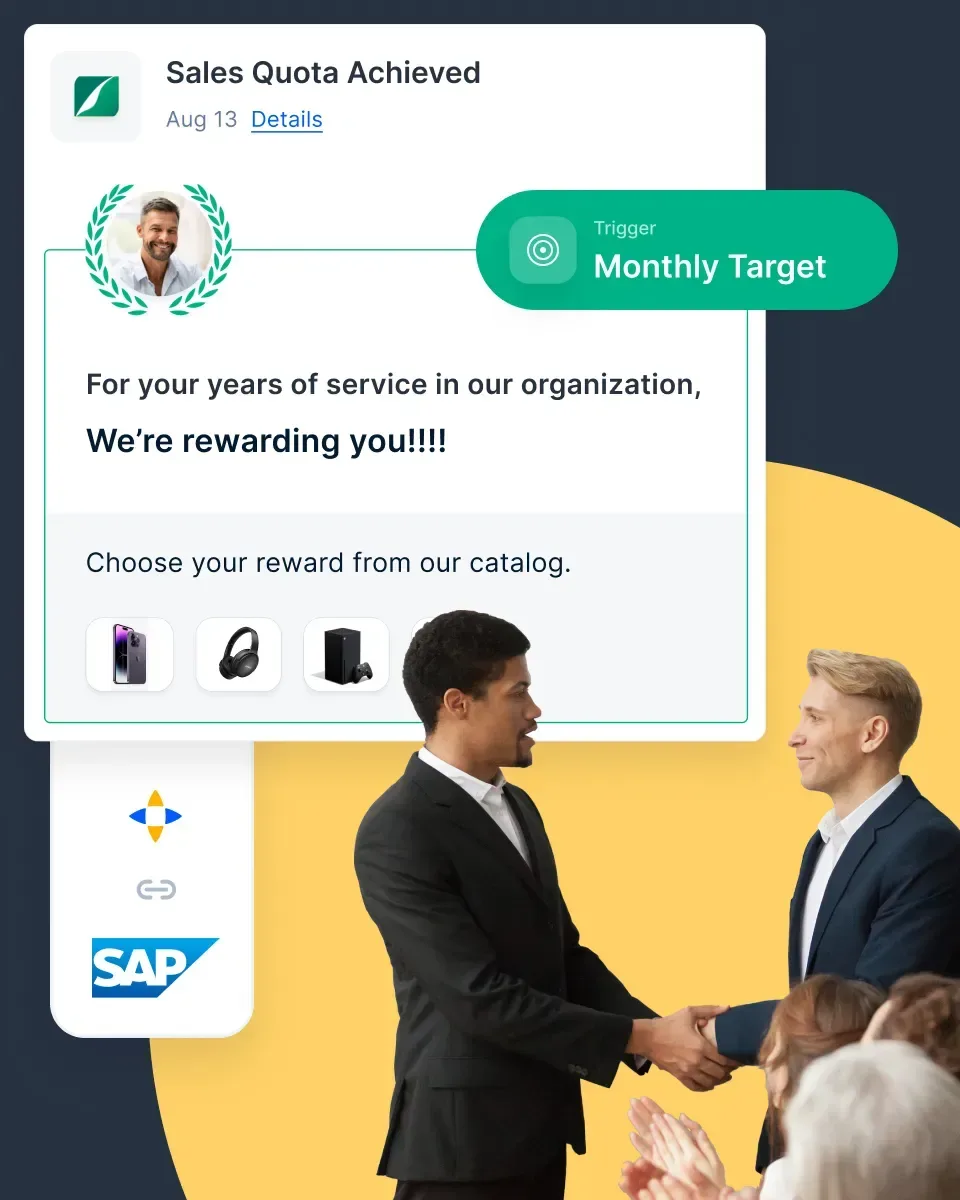
- Automated milestone rewards: Recognize anniversaries, targets and training completions consistently with milestone rewards.
What keeps employees from leaving
Employee retention is not just about keeping people on the payroll. It is about creating an environment where they want to stay. The latest trends show a clear shift toward flexibility, career growth, wellbeing, fair treatment and meaningful work. Companies that prioritize these will build a more engaged, loyal and high-performing workforce.
Ignoring these changes could lead to higher turnover, disengaged teams and talent shortages once the job market picks up. Businesses that listen to employees, adapt to changing expectations and invest in culture will be the ones that thrive in 2026 and beyond. To put these trends into practice, build a structured employee retention program, and see how the related employee experience trends shape the full journey.
Book your Empuls demo
Frequently asked questions
The biggest employee retention trend in 2026 is the shift from fighting resignations to re-engaging people who are staying. Quit rates are low, but only about one in five employees worldwide is engaged. Employers are responding with stay interviews, career development, fair pay reviews and better manager conversations before the job market loosens.
Employees stay when they see a future, feel valued and have a workable life. The strongest reasons include fair pay and benefits, career growth and learning, a good relationship with their manager, regular recognition, flexibility over where and when they work, and supportive colleagues. Addressing these consistently does more than one-off perks or bonuses.
The latest employee retention strategies include personalized learning and career plans, hybrid and schedule flexibility, whole-person wellbeing support, frequent values-based recognition, AI-powered sentiment analysis, skills-based internal mobility, flexible benefits, four-day or compressed weeks and alumni programs that welcome boomerang employees. Pick the ones that match your own exit and stay interview data.
Evidence so far is promising. A 2025 study in Nature Human Behaviour of nearly 2,900 employees in 141 organizations found four-day week trials reduced burnout and improved job satisfaction and health, which are strong drivers of retention. Results depend on redesigning work, though, so pilot it with clear goals and measures before rolling it out.
A boomerang employee is someone who leaves a company and is later rehired by the same employer. Boomerangs return already knowing the culture, systems and people, so they ramp up faster and cost less to onboard. ADP data shows they made up 35% of new hires in March 2025, so ending employment on good terms matters.
AI is changing employee retention by helping HR listen and act faster. Sentiment analysis reads survey comments in real time, predictive analytics flag teams at risk, and personalized learning and reward suggestions make support more relevant. AI also automates routine HR work. Employers need to be transparent about data use so AI builds trust rather than eroding it.
The future of employee retention is personal, data-driven and continuous. Expect more individual career and learning plans, flexible work and benefits chosen by employees, AI-powered listening that spots risk early, and closer ties with former employees. Retention will be measured alongside engagement and internal mobility, not just turnover, and managed every month rather than once a year.





































































































































































































































































































































































































































































































































































