
Key Takeaways
Fleet driver retention is a fleet's ability to keep qualified drivers over time instead of constantly replacing them.
US truck driver turnover averaged 44.2% in 2025 and reached 70.7% at truckload carriers with more than 1,000 trucks, according to ATRI.
Unpaid waiting time drives drivers away: 34.6% of drivers in an ATRI survey had left a carrier over excessive or undercompensated detention.
Gamification improves driver engagement, safety and compliance by turning goals into levels, leaderboards and rewards with real-time feedback.
Track turnover, 90-day turnover, dwell time, home time and safety scores monthly to see which retention programs work.
Fleet driver retention is a fleet's ability to keep its qualified drivers over time instead of constantly replacing them. It matters because turnover is expensive, new drivers are less familiar with routes and equipment, and safe, experienced drivers protect both people and margins. The strategies that reduce driver turnover most are fair and transparent pay, less unpaid waiting time, predictable schedules, recognition and a visible career path.
Investing in your driver fleet is an important decision with a lasting impact on your business. With the right fleet driver retention ideas, a fleet of any size can engage and retain drivers for the long term while improving the bottom line. Companies are always on the lookout for quality drivers, and keeping them engaged and committed remains a challenge for fleet managers.
Drivers leave for many reasons, but holding on to top talent is crucial. The right driver retention strategies benefit the company and raise job satisfaction for drivers. This guide covers why retention matters, why drivers quit, how gamification helps and 10 practical ways to keep drivers for the long haul. For engagement across warehouse, dispatch and delivery roles, see the guide to employee engagement in logistics.
Why fleet driver retention matters
High turnover is costly, and fleets feel it in recruiting spend, empty seats and safety risk. Recent industry data shows how large the problem still is:
44.2%
Average US truck driver turnover in 2025
ATRI, down from 48% in 2024
70.7%
Turnover at truckload fleets with 1,000+ trucks
ATRI, 2025
34.6%
Of drivers left a job over detention time
ATRI driver survey, 2024
Fleet driver turnover at a glance
According to the American Transportation Research Institute's 2026 operational costs analysis, as reported by FreightWaves, industry-wide truck driver turnover was 44.2% in 2025, down from 48% a year earlier. Large truckload carriers with more than 1,000 trucks saw 70.7%, while fleets with fewer than 26 trucks saw 32%. ATRI attributes the dip to a soft freight market with fewer openings, which means turnover is likely to rise again as freight recovers.
Carriers know it. In ATRI's 2026 survey of top industry issues, driver shortage ranked fifth, driver compensation ninth and driver retention tenth among the industry's top concerns. Drivers themselves ranked fuel prices, truck parking and driver compensation as their top three.
Retention is also a safety issue. Fleet drivers spend far more time on the road than the average motorist, and experience matters. The National Highway Traffic Safety Administration reports that 5,472 people were killed in traffic crashes involving large trucks in 2023, and 70% of them were occupants of other vehicles. Transportation incidents were also the most common cause of fatal work injuries in the US in 2024, at 38.2% of the total, according to the Bureau of Labor Statistics.
Fleet accidents are not cheap. They bring repair bills, lost productivity, insurance claims and, if the driver is at fault, legal costs the company must bear. Many crashes involve distraction or poor judgment, which is exactly what experienced, engaged drivers avoid. Investing in your drivers gives you a chance to reduce accidents, reduce turnover and increase drivers' willingness to drive safely, all at once.
Why truck drivers leave
Before you plan how to retain truck drivers, find out why they quit. Six reasons come up most often, and pay leads the list because drivers are paid by the mile or load, so anything that wastes their time also cuts their income:
- Pay that does not keep up: ATRI found driver pay was one of only two cost lines that rose more slowly than inflation in 2025, for the second year running.
- Unpaid waiting time: In ATRI's 2024 detention study, drivers were detained at 39.3% of stops in 2023, 34.6% had left a previous carrier over excessive or undercompensated detention, and carriers with lower dwell times had lower turnover.
- Time away from home: Long runs, unpredictable schedules and missed family events push drivers toward local or regional jobs.
- Parking and working conditions: Hard-to-find parking, poor facilities and fatigue make long days longer.
- Old or unreliable equipment: Breakdowns cost drivers money and make the job more stressful.
- Feeling invisible: Drivers often work alone and rarely hear from the company unless something went wrong.
Most of these are within a fleet's control. The rest of this guide shows how to address them, starting with a lever many fleets underuse: gamification.
Make every safe mile count
Run transparent driver incentives, leaderboards and recognition from one platform.
Talk to our ExpertTrusted by 5,000+ companies
How gamification helps fleet driver retention
Driving is not for everyone, and fleet driving is a particular kind of job: long, often solitary hours where days can feel the same. Gamification adds game elements such as goals, levels, points, badges, leaderboards and rewards to everyday work, and it helps both performance and retention in the fleet industry.
It brings eight main benefits to fleets. They are ordered from the most direct effect on how drivers feel about the job, engagement and competition, to the operational gains managers see later, such as compliance and training.
1. Gamification improves engagement
One problem drivers face is a lack of challenge and the feeling that they are on their own. Gamification sets goals and tasks drivers complete to unlock the next level, just like in a game. This drives them to get better at their jobs and unlock their potential, because they know their achievements lead to rewards.
2. Gamification promotes healthy competition
Competition is human instinct, and gamification taps into it. Leaderboards let drivers see who is performing best at any moment. As drivers see where they rank, they make changes to climb higher. This works through positive reinforcement, which motivates far better than penalties.
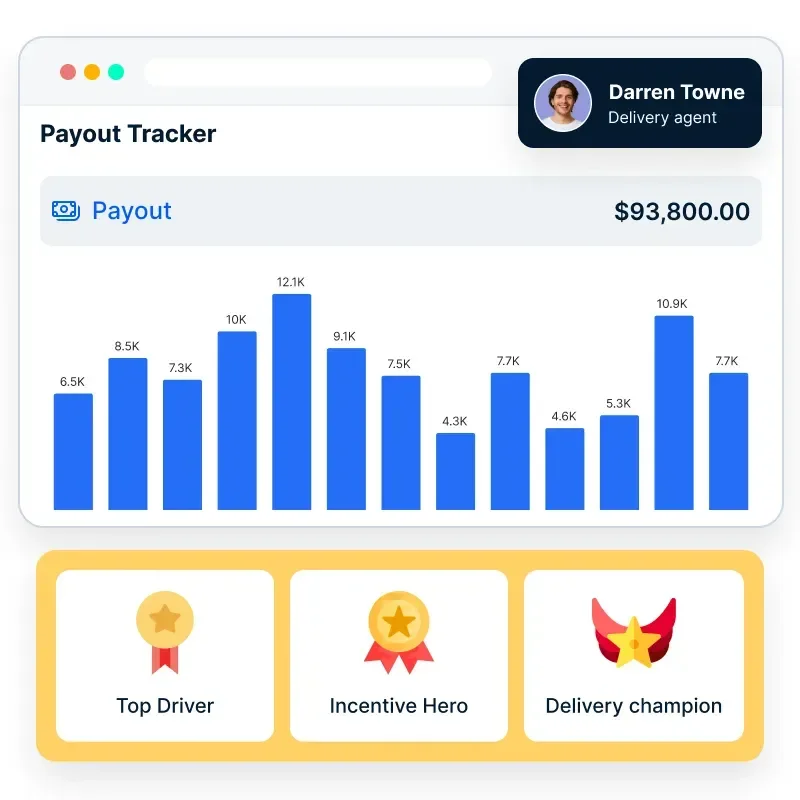
3. Gamification encourages collaboration
Run weekly or monthly competitions between teams, for example drivers in one region against drivers in another. Instead of feeling alone, drivers become part of a team that works toward goals and earns rewards together. This is especially helpful for drivers with little contact with colleagues, and it builds a culture where they can excel without toxicity.
4. Gamification encourages behavior change
What people learn in a gamified experience tends to stick. For drivers, gamification encourages good habits such as staying within speed limits, avoiding distractions and smooth braking. Fewer collisions mean lower costs, and the rewards attached make drivers feel recognized and valued, which builds loyalty.
5. Gamification provides instant feedback
Gamification shows progress in real time, so drivers know when they are going off track and how many goals remain. With live data, they can adjust quickly, which makes them feel empowered and more confident. Drivers who feel good about their jobs drive better and stay longer.
6. Gamification allows timely interventions
Fleet managers can see how drivers are performing at every point. You do not need to wait for something big, such as a crash, to learn what has been going wrong. Real-time insight lets you coach early, which creates open communication instead of hostility, and drivers are less likely to repeat the same mistakes.
7. Gamification supports compliance
Gamification can reinforce company policies, rules and safety instructions. Because drivers want to win, more of them follow the rules, such as completing pre-trip inspections or logging hours correctly, and repeated small wins turn compliant behavior into an everyday habit.
8. Gamification can make learning fun
For new drivers, gamified training creates curiosity and makes them better learners. Training that feels like a game is more enjoyable, so drivers are more likely to finish it. Large employers such as Walmart have used gamified safety training in their distribution centers for this reason. For more on the method, see this guide to gamified learning.
10 driver retention strategies to reduce driver turnover
A gamification-based retention strategy works best as part of a wider plan. The 10 driver retention strategies below start with gamification and learning, then cover the basics drivers care about most, schedules, pay and equipment, and end with recognition and career growth, the levers that keep good drivers for years.
1. Gamify the driving experience
Who said driving cannot be fun? Leaderboards, achievement badges and performance-based rewards turn everyday tasks into challenges. When drivers see their names climb the ranks for safe driving, fuel efficiency or on-time deliveries, it fuels their motivation. Reward top performers with bonuses, extra time off or exclusive perks. Gamification creates a sense of accomplishment and recognition that keeps drivers invested in their roles.
2. Continuous learning opportunities
Drivers want to grow, not just go from one delivery to another. Offer training, workshops and certifications in advanced driving, vehicle maintenance and leadership. Consider courses in logistics management, fleet coordination or new technologies such as telematics and AI-powered fleet tracking. When drivers see progress, they are more likely to stay.
3. Flexible scheduling and home time
Burnout is one of the biggest reasons drivers quit. Long hours, unpredictable schedules and excessive workloads push even dedicated drivers to look elsewhere. Offer predictable shifts, rotational schedules, guaranteed home time and a say in choosing routes. Fleets that protect drivers' time off win their loyalty in return.
4. Fair pay and personalized incentive programs
Benchmark pay against fleets you compete with for drivers, and pay for the time you take. Detention pay that starts early and actually reflects lost miles addresses one of the biggest frustrations drivers report. Beyond base pay, not all drivers are motivated by the same incentives: some prefer cash bonuses, others value extra days off, fuel cards or wellness benefits. Let drivers choose rewards based on what matters to them.
5. Advanced technology for a smoother experience
Outdated equipment and inefficient processes frustrate drivers. Modern fleet technology, such as GPS navigation, fuel efficiency monitoring, real-time tracking, electronic logs and AI-powered fleet management, helps drivers work smarter, not harder. Well-maintained, comfortable vehicles with the latest safety features also improve the experience. Drivers with the right tools feel supported and less stressed.
6. Open and transparent communication
Drivers often feel disconnected from management, which leads to dissatisfaction. Set up feedback loops where drivers can share concerns, ideas and suggestions through anonymous surveys, a dedicated driver support line or regular check-ins with dispatchers. Close the loop: tell drivers what changed because of their input.
7. Wellness and mental health support
Driving is demanding, both physically and mentally. Fleets that prioritize driver well-being stand out as employers of choice. Useful initiatives include:
- Health and fitness programs, such as gym memberships and wellness challenges
- Mental health support, such as counseling services and stress management workshops
- Fatigue management, such as sleep education and structured rest breaks
8. Public recognition and appreciation
A simple thank you goes a long way. Publicly appreciating drivers boosts morale and strengthens loyalty. Celebrate milestones such as years of service, safe driving records and customer praise, through shout-outs in newsletters, a recognition feed drivers can see on their phones, bonuses or special awards. For tools built for people who are rarely at a desk, see this guide to recognition for remote and frontline teams.
9. Team bonding and community building
Drivers often work alone, which makes team spirit hard. Host annual meet-ups, barbecues, virtual driver appreciation events or mentorship programs where experienced drivers help newcomers. A strong sense of community makes a job feel like part of something bigger.
10. Clear career advancement pathways
Drivers need to see a future beyond the driver's seat. Provide clear pathways into driver training, safety, dispatch, fleet management, logistics coordination or supervisory roles. By promoting from within, you show that you value drivers' contributions beyond driving.
Fleet driver retention is not just about higher pay. It is about a work environment where drivers feel appreciated, heard and motivated. Gamifying the experience, offering flexible schedules, investing in training and recognizing achievements all reduce turnover and build a dedicated, high-performing workforce.
How to measure trucking driver retention programs
Trucking driver retention programs only work if you can see their effect. Track these metrics monthly, by terminal and by driver manager, so you can spot problems early:
| Metric | What it tells you | How to use it |
|---|---|---|
| Annualized driver turnover | How fast you are replacing drivers | Compare by terminal, fleet type and driver manager |
| 90-day turnover | Whether recruiting and onboarding set the right expectations | Review job ads, orientation and first dispatches |
| Average dwell time per stop | How much unpaid waiting drivers face | Act on facilities with the longest waits |
| Home time kept vs promised | Whether schedule promises are kept | Flag drivers who miss home time repeatedly |
| Safety score and incidents | Driving behavior and risk | Feed into recognition and coaching |
| Driver survey score | How drivers feel about the job | Run short pulse surveys each quarter |
If your fleet also runs last-mile delivery, see this guide to motivating last-mile delivery executives, and for flexible or contract drivers, the guide to engagement programs for gig workers.
Strengthening fleet driver retention with Empuls
Retaining drivers takes more than competitive pay. It needs a structured program that keeps them engaged, motivated and aligned with business goals. Empuls, Xoxoday's employee engagement platform, helps fleet managers run data-driven retention programs from one place:
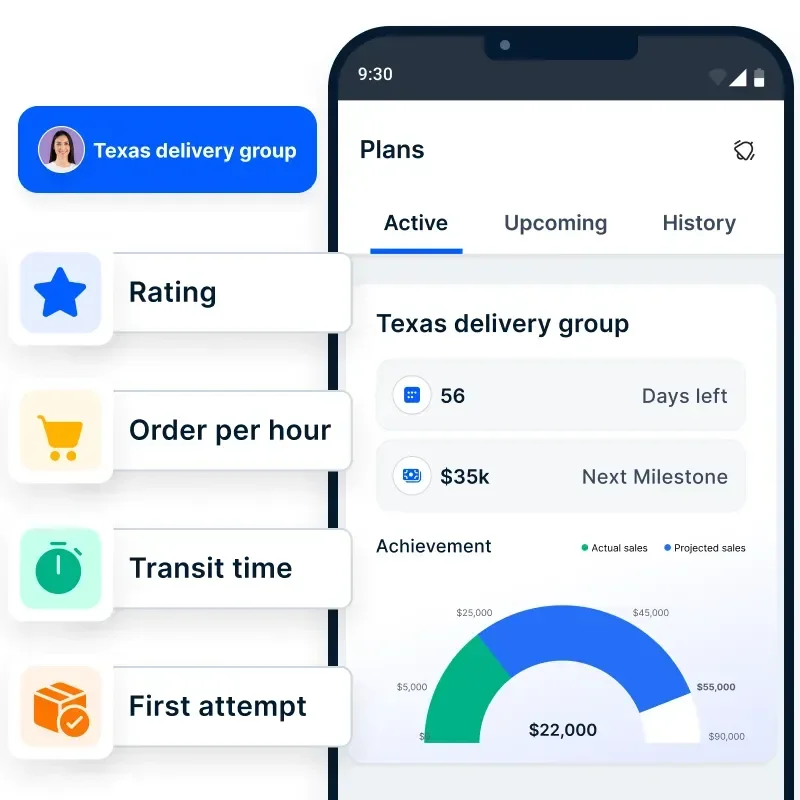
- Personalized performance dashboards: Drivers see their key metrics, progress to the next milestone and areas to improve on their phones.
- Incentive transparency: Plans and calculations include an estimator, so drivers know what they can earn before they start, and payouts arrive on time.
- Gamification: Leaderboards, scorecards and custom challenges turn performance tracking into a game.
- Custom metrics for diverse teams: Set targets by role, region or route, such as on-time delivery, first-attempt success or safety score.
- Recognition and rewards: Recognition and milestone rewards celebrate safe miles and service anniversaries.
With Empuls, fleet managers can reduce driver turnover and build a performance culture where drivers feel valued and motivated to stay.
Keep your best drivers on the road
Fleet driver retention comes down to respecting drivers' time, paying them fairly and making them feel part of the team. Gamification adds motivation and real-time feedback, while schedules, equipment, recognition and career paths give drivers reasons to stay.
Start with the data: measure turnover, dwell time and home time, ask drivers what would keep them, and fix the biggest gaps first. The fleets that do this consistently spend less on recruiting and more on running safe, reliable operations.
Book your Empuls demo
Frequently asked questions
Fleet driver retention is a fleet's ability to keep its qualified drivers employed over time. It is usually measured through the annualized driver turnover rate. Strong retention lowers recruiting and training costs, keeps experienced drivers on familiar routes and equipment, and supports safer operations, because seasoned drivers are less likely to be involved in costly incidents.
According to the American Transportation Research Institute, US truck driver turnover averaged 44.2% in 2025, down from 48% in 2024. The rate varies sharply by fleet size: truckload carriers with more than 1,000 trucks reported 70.7%, while fleets with fewer than 26 trucks reported 32%. Turnover tends to rise again when freight demand recovers.
Truck drivers most often quit over pay that does not keep up with the work, unpaid waiting time at shippers and receivers, too much time away from home, poor parking and working conditions, unreliable equipment and feeling ignored by management. Because many drivers are paid by the mile, anything that wastes their time also cuts their income.
Retain truck drivers by paying fairly for all the time they work, including detention, offering predictable schedules and guaranteed home time, maintaining modern equipment and listening to driver feedback. Add recognition for safe driving and service milestones, personalized incentives, gamified goals and a clear path into training, safety or dispatch roles.
Gamification turns driving goals such as safety, fuel efficiency and on-time delivery into levels, badges, leaderboards and rewards. Drivers get real-time feedback, feel recognized for good performance and become part of a team even when they drive alone. That engagement improves job satisfaction, which lowers turnover, and the safer habits it builds reduce accident costs.
A trucking driver retention program should include competitive, transparent pay, detention pay, predictable schedules, a strong onboarding period, regular check-ins with driver managers, recognition and rewards, wellness support and career development. It also needs measurement: track turnover, 90-day turnover, dwell time, home time and driver survey scores to see what is working.
Divide the number of drivers who left during a period by the average number of drivers employed in that period, then multiply by 100. For a quarterly figure, multiply the result by four to annualize it. Track voluntary and involuntary exits separately, and review turnover by terminal and driver manager to find where problems start.
Yes. Drivers often work alone and hear from the company mainly when something goes wrong, so regular recognition for safe miles, on-time deliveries and customer praise makes them feel valued. Combined with fair pay and respect for their time, recognition strengthens loyalty and gives drivers a reason to stay rather than chase a small raise elsewhere.





































































































































































































































































































































































































































































































































































