
Key Takeaways
Employee perks are optional extras beyond pay and core benefits, such as flexible hours, wellness allowances, learning budgets, discounts and recognition rewards.
Benefits protect health and financial security and are often required, while perks are flexible extras that improve daily work life and signal care.
The biggest gaps between what employers offer and what workers value are in flexible schedules, commuter benefits and remote-work reimbursements.
An employee perks program works when it starts from employee surveys, consolidates perks in one easy-to-use place and is promoted and reviewed regularly.
Track activation, monthly usage, perk-level adoption, employee savings and retention to manage a corporate perks program.
Employee perks are the extras a company offers on top of pay and core benefits, such as flexible hours, wellness allowances, learning budgets, discounts and recognition rewards. The best employee perks match what your people actually need, show up at the right moments and are easy to use. This guide covers 21 employee perks ideas and how to run an employee perks program that people use.
Not all rewards need to come in the form of a paycheck. Sometimes it is the small, thoughtful perks that make employees feel truly appreciated: flexible work hours, wellness programs, surprise lunches or an extra day off. These extras speak volumes about how much a company values its people.
Perks are also a strategic lever. They lift morale, reduce turnover and help build a culture where people want to stay. Whether you are a startup trying to attract talent or a growing company looking to keep your best people, the right perks, delivered through a well-run program, make a measurable difference.
What employee perks are
Employee perks are non-wage extras offered by companies to make work more rewarding and life outside work a little easier. Unlike fixed compensation or statutory benefits such as health insurance or paid time off, perks are often optional, flexible and designed to improve the overall employee experience.
They range from small gestures, like free snacks or casual Fridays, to structured offerings like wellness allowances, learning stipends, performance bonuses or early access to earned wages. In short, perks are the value-adds that show employees they are appreciated not just as workers, but as people.
An employee perks program is the structured way a company selects, funds, delivers and measures those perks. Some programs are run in-house, and many now run on an employee perks platform that bundles discounts, allowances and rewards in one place so employees can find and use them.
Perks vs benefits: the key difference
The difference between perks and benefits comes down to obligation and purpose. Benefits are the core, often legally required or market-standard protections that support health and financial security, while perks are optional extras that improve daily work life and signal care.
| Factor | Benefits | Perks |
|---|---|---|
| Purpose | Protect health, income and long-term security | Make work and life easier and more enjoyable |
| Obligation | Often required by law or expected by the market | Optional and set by the employer |
| Examples | Health insurance, retirement plans, paid leave, disability cover | Discounts, wellness stipends, free meals, learning budgets, team events |
| Who gets them | Usually every eligible employee on the same terms | Can be personalized by role, location or preference |
| Cost profile | Large, recurring, hard to change | Flexible, easy to start small and scale |
Many lists, including the one below, mix the two because employees experience them as one package. For a deeper breakdown of how benefits, perks, gifts, awards, incentives and rewards differ, read our guide to benefits vs perks vs rewards. For the full benefits picture, see the employee benefits guide.
Why employee perks are important
Employee perks are more than extras: they reflect how much a company cares. When thoughtfully designed, they boost morale, reduce turnover and help create a workplace people are proud to be part of. Recent research shows why this matters now. According to MetLife's 2025 Employee Benefit Trends Study, just 53% of US employees report feeling valued at work, and employees who understand and are satisfied with their benefits are 1.4 times more likely to feel engaged.
- Show employees they are valued: Perks signal appreciation beyond the paycheck, reinforcing that employees are more than job titles.
- Support work-life balance: Flexible hours, parental leave and remote work options give people the freedom to manage life alongside work.
- Promote holistic wellbeing: Gym memberships, mental health support and financial wellness tools show that you care about employees inside and outside the office.
- Attract and retain top talent: Robert Half research finds that 47% of employed professionals name better benefits and perks among the top reasons they would look for a new job.
- Stay competitive in hiring: If competitors offer better perks, candidates will likely choose them over you. Strong perks give you a hiring edge.
- Humanize the workplace: Supporting personal goals, family time and mental health helps employees feel seen as people, not headcount.
There is also a clear gap between what employers offer and what employees want. The same Robert Half research compared the share of employers offering a perk with the share of workers who value it, and the gap is widest on flexibility and commuting.
| Perk | Employers offering | Workers valuing |
|---|---|---|
| Flexible work schedules | 50% | 67% |
| Dental insurance | 49% | 61% |
| Commuter benefits | 42% | 55% |
| Retirement plan contributions | 38% | 50% |
| Free or subsidized meals | 44% | 51% |
| Remote-work reimbursements | 32% | 42% |
Types of employee perks programs
Most employee perks programs combine six types of perks, and the strongest programs cover all six in some form. Health and wellness and flexibility usually carry the most weight with employees, so they come first here, followed by the categories that support growth, appreciation and everyday savings.
- Health and wellness programs: Gym memberships, on-site fitness classes, wellness workshops, mental health resources and healthy food options. These perks improve wellbeing and can reduce healthcare costs and absenteeism.
- Flexible work arrangements: Remote work options, flexible schedules, job sharing and compressed workweeks. Flexibility gives employees better work-life balance, which supports productivity and job satisfaction.
- Professional development opportunities: Training programs, mentorship, career coaching and tuition reimbursement. These perks improve performance and help retain top talent by showing a clear career path.
- Recognition and appreciation programs: Employee of the month, peer recognition and company-wide recognition events. Recognizing contributions boosts morale and promotes a positive company culture.
- Work-life balance initiatives: Paid time off, sabbaticals, family-friendly policies and childcare support that help employees manage responsibilities outside work.
- Employee discounts and perks: Exclusive discounts on retail, travel, entertainment, dining and technology, plus corporate rates for hotels or car rentals.
Offering a mix of these program types gives you a package that appeals to a wide range of employees, from a 26-year-old who wants a gym pass to a 42-year-old who needs childcare support.
Give every employee perks they will use
Run discounts, lifestyle accounts, tax-saving benefits and recognition from one Empuls perks platform.
Talk to our ExpertTrusted by 5,000+ companies
21 best employee perks ideas
Here are 21 employee perks ideas that work across company sizes, ordered roughly from the perks with the broadest impact to the more specialized ones. Recognition, flexibility and everyday savings come first because they reach every employee, every week, while perks like stock options and onsite banking suit specific workforces.
1. Reward and recognition programs
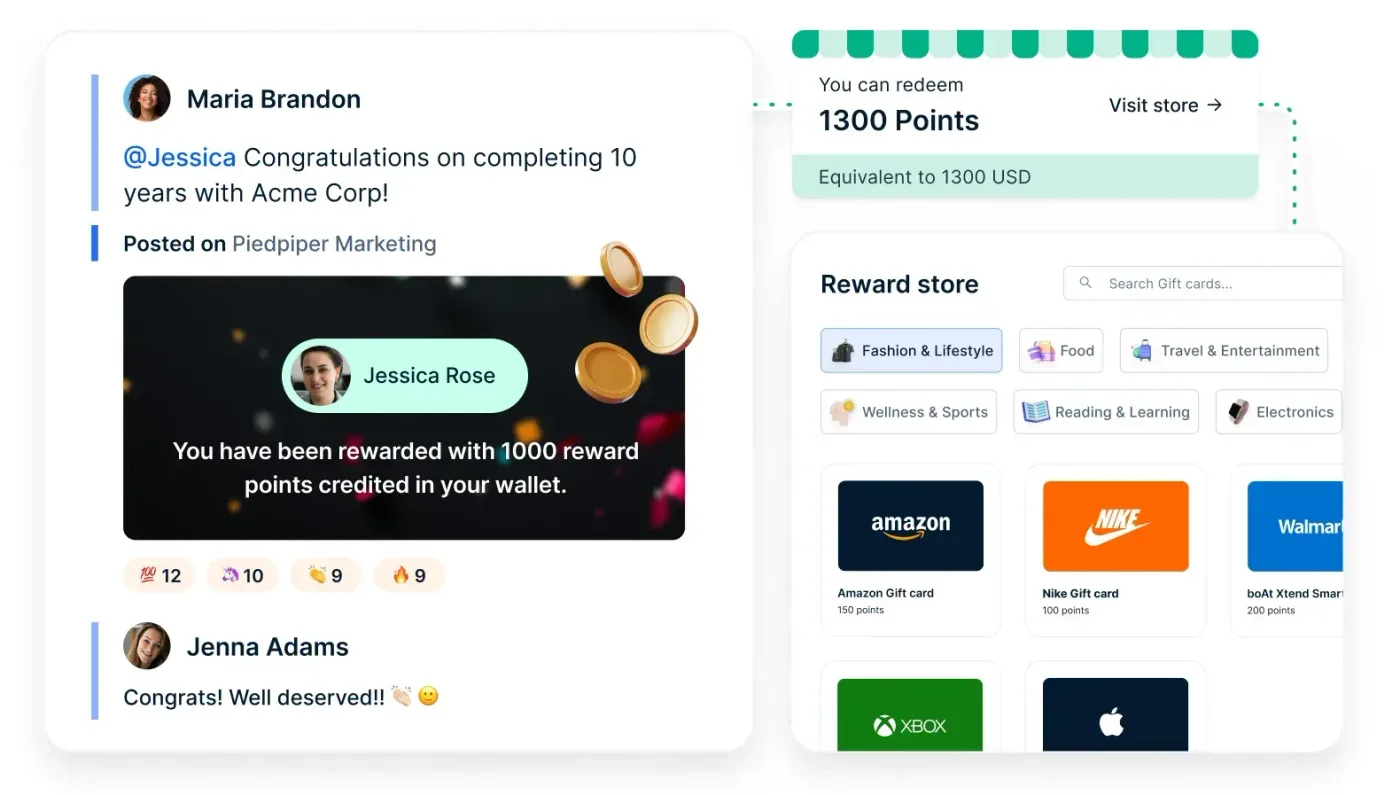
A consistent, transparent recognition program goes beyond applause: it shapes a culture of appreciation. When employees feel seen for their hard work, they are more motivated, loyal and emotionally connected to their roles. Platforms like Empuls help scale this with automated recognition, point-based rewards and peer appreciation, turning everyday wins into moments of pride. From spot awards to work anniversaries, this perk lifts individuals and teams without a massive budget. For a full playbook, read how to build an employee recognition program.
2. Work-life integration
Work-life integration means building an environment where employees can bring their full selves to work. It includes flexible hours, mental wellness days and inclusive policies that support identity expression and psychological safety. Rather than treating work and life as separate, design workflows that let people move between personal and professional needs with ease. It is not about snacks in the pantry; it is about a workplace that fits into life, not the other way around.
3. Employee discounts and perks
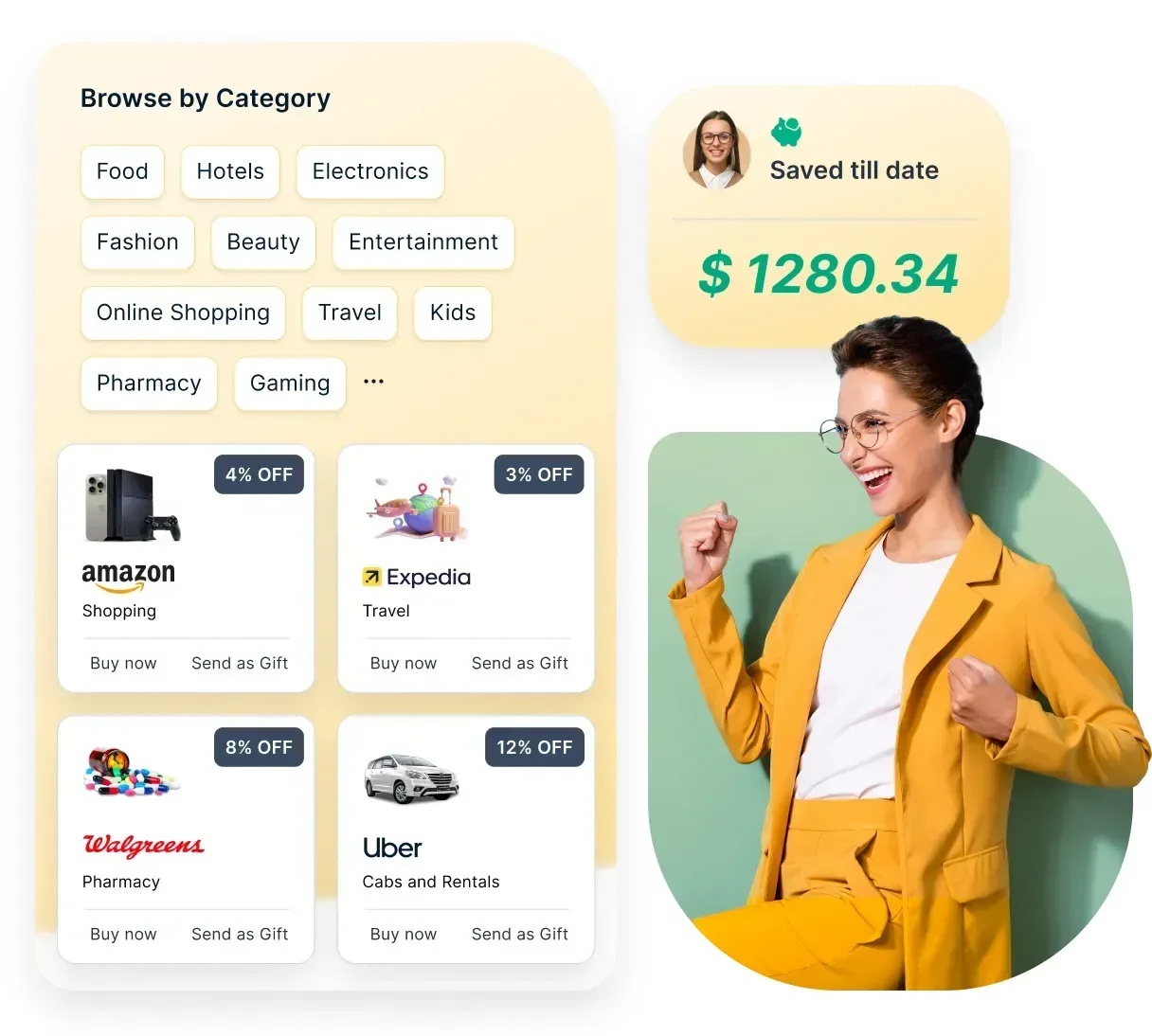
Access to exclusive discounts on gym memberships, travel, groceries or wellness products makes a visible difference to an employee's monthly budget. These savings also lift the employer brand and create a sense of belonging. With the Empuls Perks Store, employees browse discounts and cashback from 6,000+ brands across 30+ categories in one place. To understand how these platforms work, read our guide to the employee discount platform.
4. Performance bonus
Monthly salaries get the job done, but great things happen when a performance bonus is in the books. Monetary rewards tie effort to results and keep the workforce motivated. The catch is that bonuses are often the first thing cut in tough times, and that saving can cost more in lost effort than it saves. Robert Half's research also shows that 63% of professionals cite financial incentives as a strong influence on career decisions, so a fair, transparent bonus plan remains one of the most effective perks you can offer.
5. Paid sick days
Generous paid sick leave, including unlimited or flexible sick days, works best in organizations built on trust. Without paid sick days, unwell employees come to work, recover more slowly and spread illness to colleagues. Employees rate this perk very highly: in a 2025 Resume.io survey of 1,000 US workers, 75% called paid sick leave a must-have, second only to paid overtime.
6. Retirement plan contributions
Employees want more than a paycheck; they want a future they can count on. A strong retirement plan, such as a 401(k) match or provident fund contribution, shows the company is thinking beyond short-term productivity. The SHRM 2025 Employee Benefits Survey found 81% of HR leaders rate retirement savings and planning benefits as very or extremely important. Pair the contribution with financial wellness tools to build trust and loyalty.
7. Tuition reimbursement
When companies invest in learning, they upskill their workforce and build a growth-focused culture. Tuition reimbursement helps employees pursue certifications, degrees or upskilling programs without financial strain. Employees gain career momentum, and the company benefits from sharper skills and new perspectives. With Empuls, employees who complete educational milestones can be rewarded automatically, adding another layer of motivation.
8. Gym memberships
Paid or subsidized gym memberships promote a healthier lifestyle, better focus and fewer sick days. More than that, they show the company values wellbeing outside the workplace. Go a step further with fitness challenges that recognize top participants with wellness rewards or gift vouchers, making health a shared goal.
9. Commute assistance
Daily travel eats into energy and morale. Fuel cards, shuttle services, transit passes or transportation stipends reduce stress and improve punctuality. Commuter benefits are one of the clearest gaps in the market: Robert Half found 55% of workers value them, but only 42% of employers offer them. In India, fuel and travel allowances can also be structured as tax-saving benefits.
10. Unlimited or generous vacation days
Unlimited vacation time is really about giving employees the freedom to manage their time like adults. It shows trust, promotes a better work-life rhythm and encourages people to recharge properly. To make it work, leaders must normalize taking time off: set minimum time-off expectations, send reminders and model the behavior themselves, or unlimited leave quietly becomes less leave.
11. Snack bars and healthy food
Fueling your team does not need to stop at lunch. Healthy snacks and drinks throughout the day keep energy up and make the workplace feel like a community. Free or subsidized meals are valued by 51% of workers in Robert Half's research. For remote teams, meal vouchers or food delivery credits offer the same care at a distance.
12. Learn-at-work programs
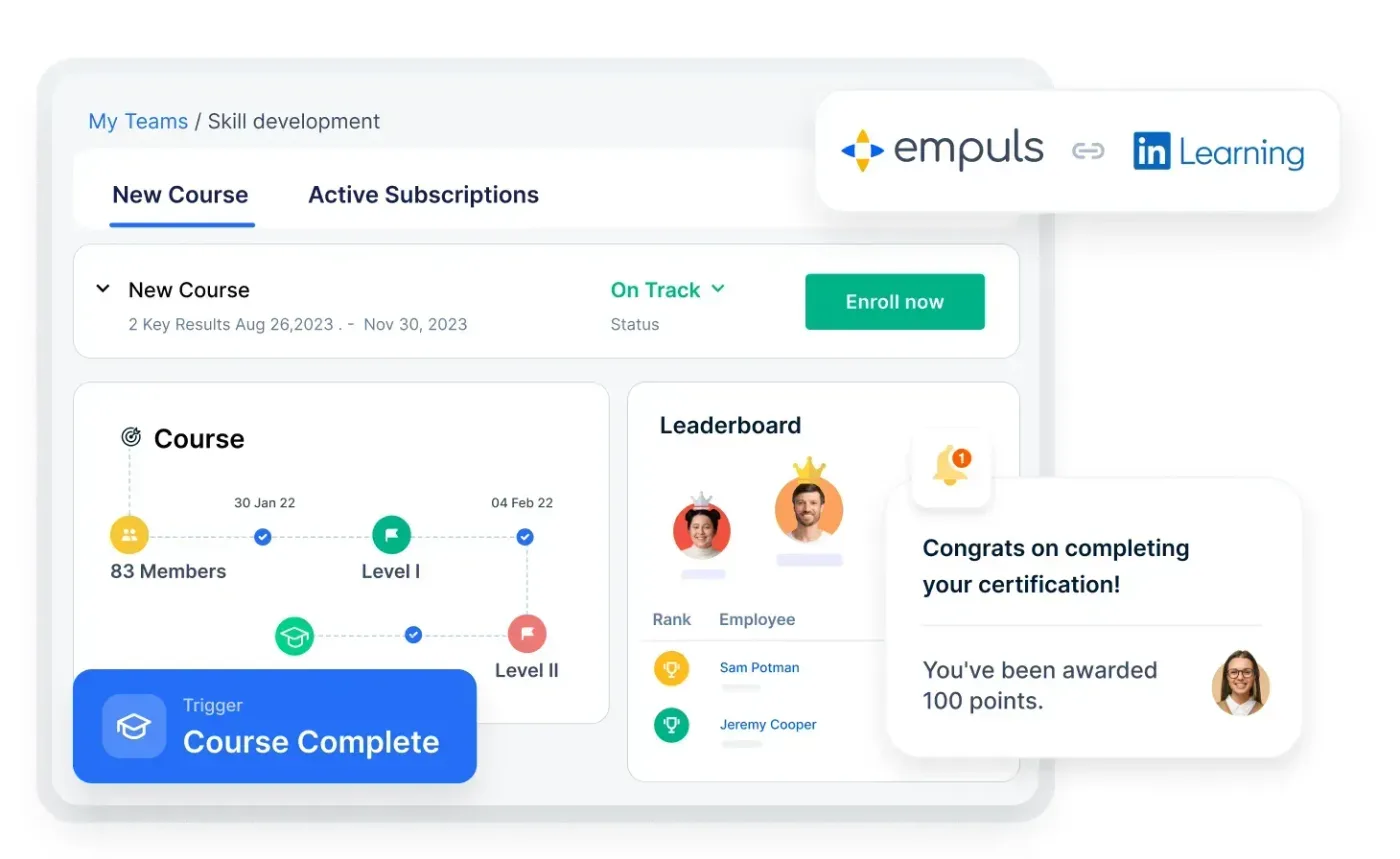
Subscriptions to online learning platforms, micro-learning modules and instructor-led workshops support continuous learning on the job. Employees value the chance to learn without stepping away from work. Tie course completions to recognition badges and skill-based reward milestones to turn the learning journey into a game people want to play. Empuls supports this through its learning and development benefits.
13. Lounge rooms to recharge
Not every break needs a purpose. A quiet room with recliners, soft music or nap pods can help employees reset during stressful days, improving focus and mood. Use pulse surveys to check whether wellness spaces are actually helping people recharge, and adjust if they are not.
14. Supplemental insurance
Beyond the standard health plan, add-ons like critical illness cover, pet insurance, spousal life cover or support for dependents with special needs show deeper care. Critical illness insurance is growing fast: SHRM's 2025 survey found 53% of employers now offer it, up from 47% in 2022. These policies ease financial pressure and show employees that their whole family is valued.
15. Onsite or embedded banking support
Partnering with banks to set up in-office kiosks or digital banking helpdesks saves employees time and mental energy. They can sort out loans, savings plans or salary accounts without stepping out during work hours. It is a quiet but effective perk, especially appreciated by working parents and people in demanding roles. Digital financial wellness benefits such as earned wage access extend the same support to remote and frontline teams.
16. Work-from-home amenities
Remote work is here to stay, and doing it well requires support. Reimbursing internet costs, providing ergonomic equipment or offering a monthly remote work stipend keeps productivity high and health intact. Robert Half found 42% of workers value remote-work reimbursements, but only 32% of employers offer them, so this is an affordable way to stand out.
17. Parental and caregiver leave
Childcare, elder care or simply being present for a loved one: life happens, and employees should not feel punished for it. Generous, flexible leave for parents and caregivers is empathetic and strategic. SHRM's 2025 survey found only 31% of employers offer paid leave to care for immediate family, so a strong policy is a real differentiator. Celebrate returning employees with a warm welcome to ease them back in.
18. Volunteer-for-leave programs
Exchange community impact for paid time off. Letting employees swap volunteer hours for vacation days, or giving dedicated volunteer days, builds a purpose-driven culture. Whether people are cleaning beaches or mentoring students, this perk builds pride and positions your brand as one with a conscience. Track participation and recognize contributors with badges and leaderboards.
19. Team bonding events and experiences
Team lunches, weekend getaways or paintball sessions create shared memories that lead to stronger collaboration. When teams laugh together, they work better together. These events are also natural moments to recognize top team performers or trigger celebratory rewards.
20. Flash fitness sessions
Surprise employees with mid-week yoga, dance sessions or desk workouts. Short, energetic sessions reduce stress, boost endorphins and energize the floor. It is a feel-good perk and an investment in health. Track participation and celebrate it with badges to make fitness a fun challenge, not a chore.
21. Employee stock options
Nothing creates a feeling of ownership like owning part of the company you work for. Stock options are usually granted after employees complete a set tenure or reach a given level. Companies can offer employee stock ownership plans (ESOPs), where shares are granted to employees, or employee stock purchase plans (ESPPs), where employees buy shares at a discount. Appeal varies: in Resume.io's 2025 survey, 28% of men and 22% of women called stock or investment options a must-have, so explain the value clearly.
When to offer employee perks
Timing can make or break the impact of a perk. Offer it too early and it may go unnoticed; offer it too late and it can feel like an afterthought. Here are six moments to plan for, starting with hiring because that is when perks shape the first impression.
- During hiring to attract top talent: Job seekers compare roles on perks as much as salary. Unique perks such as remote flexibility, learning budgets or wellness allowances give you an edge in recruitment.
- After probation to reinforce commitment: Once new employees pass probation, adding perks like monthly wellness stipends, flexible hours or skill-building credits shows appreciation and deepens trust.
- During times of change: Restructuring, remote shifts or uncertain markets are stressful. Mental health support, no-meeting days or free counseling ease anxiety and show the company cares.
- On milestone occasions: Birthdays, work anniversaries, promotions or personal life events are great times for a gift card, a paid day off or public recognition through celebrations.
- As ongoing motivators: Some perks work best as habits rather than surprises. Gym memberships, healthy snacks, hybrid work and childcare support should be part of the experience year-round.
- When morale feels low: If surveys or team leads spot signs of burnout or disengagement, that is your cue. Mid-week recharge breaks, team lunch budgets or small appreciation gifts lift spirits fast.
The best perks are timed with empathy. They anticipate needs, respond to the moment and reinforce that the organization is tuned in to what employees are experiencing, not just what is on the calendar.
Where perks fit in the employee journey
Employee perks are moments of connection that can be woven into each stage of the employee experience. When you map them to milestones and everyday touchpoints, they shape how people feel about the workplace.
| Journey stage | Perk examples | Why it matters |
|---|---|---|
| Onboarding | Welcome kits, remote setup stipends, first-week meal vouchers | First impressions help new hires settle in faster and feel part of the team |
| Career development | Online courses, certifications, mentorship, conference budgets | Shows the company is invested in long-term goals and retains top performers |
| Day-to-day routines | Stocked pantry, casual dress code, shorter Fridays, pet-friendly policies, team shoutouts | Builds a relaxed, human-centered culture |
| Major life milestones | Gifts for birthdays, weddings, new babies or moving home, extra leave | Celebrates people beyond their job roles and builds loyalty |
| Difficult moments | Paid mental health leave, therapy access, extra flexibility | Shows up for people when it matters most |
| Exit or re-entry | Career coaching, alumni networks, re-onboarding support | Leaves a lasting impression and welcomes boomerang hires back |
Who benefits from employee perks
While perks are designed to support the workforce, their impact goes far beyond the people receiving them. When planned with intent, perks create ripple effects across the business.
- Employees: People feel more valued, supported and seen when perks fit their needs and lifestyles, which lifts morale and reduces stress.
- HR teams: Perks are tools for improving engagement, strengthening the employer value proposition and addressing retention challenges with personalized support.
- People managers: Motivated, well-supported teams mean managers spend less time firefighting morale issues and more time on growth and collaboration.
- Company leadership: Engaged teams are more productive and aligned with the mission. Perks can reduce absenteeism and turnover, lowering replacement costs and protecting institutional knowledge.
- The brand: A thoughtful perks strategy builds a reputation as a people-first employer. Happy employees become vocal advocates through authentic stories and reviews.
- The culture: Perks build psychological safety, encourage appreciation and support belonging, and in hybrid setups they connect remote workers to company culture.
How to run an employee perks program effectively
Running an employee perks program comes down to 10 steps, and the order matters. Defining objectives and asking employees what they want come first, because every later decision on budget, vendors and communication depends on them, while promotion and iteration keep the program alive after launch.
- Define program objectives: Decide what you want to achieve, such as higher satisfaction, better work-life balance, improved wellness, stronger teamwork or lower attrition. Clear objectives guide every decision that follows.
- Survey your employees: Ask people about their preferences, interests and the perks they would value most. Segment results by age, location, role and work model, because a frontline team and a remote engineering team rarely want the same things.
- Set a budget: Decide what you can invest per employee per year. Balance attractive perks with cost control, and consider tax-efficient structures where your country allows them.
- Research available perks and vendors: Compare gym memberships, discount networks, allowances, learning platforms and recognition tools on pricing, coverage and terms. Prefer an employee perks platform that consolidates several vendors.
- Prioritize perks: Use survey data and budget to choose the perks with the biggest impact. Aim for a mix that covers different needs rather than one expensive perk few people use.
- Communicate the perks: Explain what is on offer, who is eligible, how to enroll and any limits. Use email, the intranet, team meetings and newsletters, and repeat the message more than once.
- Monitor and evaluate: Track usage, satisfaction, engagement, retention and absenteeism. Gather feedback regularly to see what is working.
- Adapt and evolve: Retire perks nobody uses and add new ones as needs and trends change. Review the program at least once a year.
- Seek employee involvement: Create a perks committee or invite ideas for new perks. Involvement makes employees feel heard and keeps the program relevant.
- Promote the program: Remind people about their perks, share success stories and recognize employees who make the most of them. Perks that are not visible do not get used.
Metrics for employee perks management
Employee perks management only improves what you measure. These metrics show whether your corporate perks program is being used and whether it moves the outcomes you care about.
| Metric | What it tells you | How to track it |
|---|---|---|
| Activation rate | Share of employees who have logged in or enrolled | Platform analytics, enrollment records |
| Monthly usage | How many employees redeem or use a perk each month | Redemption and transaction data |
| Perk-level adoption | Which perks are popular and which are ignored | Usage by category |
| Employee savings | Value employees receive from discounts and allowances | Savings reports |
| Satisfaction with perks | Whether perks feel relevant and valuable | Pulse survey questions |
| Retention and engagement | Whether perks users stay longer and engage more | Compare users and non-users over time |
Employee perks program examples from leading companies
Four well-known companies show how different perks programs reflect different priorities. Starbucks comes first because its education perk is one of the most measurable, followed by examples focused on family, wellbeing and everyday convenience.
Starbucks: education and ownership
Starbucks pairs healthcare, stock grants and a 401(k) match with the Starbucks College Achievement Plan, which offers eligible US partners 100% upfront tuition coverage for a first-time bachelor's degree through Arizona State University's online program. Starbucks and ASU report that thousands of partners have already graduated through the plan.
Patagonia: on-site childcare
Patagonia has offered on-site childcare at its Ventura, California headquarters since the 1980s, and later added a center in Reno, Nevada. The company also supports flexible work arrangements and time off to care for family, which helps it attract and keep employees who value family-friendly policies, as covered by HR Dive.
Salesforce: wellbeing and volunteering
Salesforce strongly emphasizes employee wellbeing. According to its benefits guide, employees can claim a monthly wellbeing reimbursement for activities that support their health and receive seven paid days a year to volunteer, alongside mental health and family care programs.
Google: convenience at work
Google is known for one of the most comprehensive perks programs in tech, including free meals, on-site fitness and wellness services, generous parental leave and learning opportunities. Its perks focus on removing everyday friction so employees can focus on their work.
Common mistakes to avoid with employee perks
Most perks programs that fail do so for the same few reasons. Avoid these and you will get far more value from the same budget.
- Copying another company's perks: A perk that works at a tech giant may mean nothing to a frontline or field team. Start from your own survey data.
- Treating perks as a substitute for fair pay: Perks build on competitive pay and core benefits; they cannot replace them.
- Launching without communication: Employees cannot use perks they do not know about. Plan launch and reminder campaigns.
- Making perks hard to access: Multiple vendors, logins and claim forms kill adoption. Consolidate access in one place.
- Forgetting remote and frontline workers: Office-only perks like snack bars and lounges leave distributed teams out. Offer digital or allowance-based alternatives.
- Never reviewing the program: Perks that made sense three years ago may be stale. Retire low-use perks and reinvest.
How Empuls powers your employee perks program
Offering perks is one thing; delivering them consistently and at scale is another. Empuls is Xoxoday's employee engagement platform, and it works as an employee perks platform that brings discounts, flexible allowances, financial wellness and recognition together so HR can run a corporate perks program without extra admin.
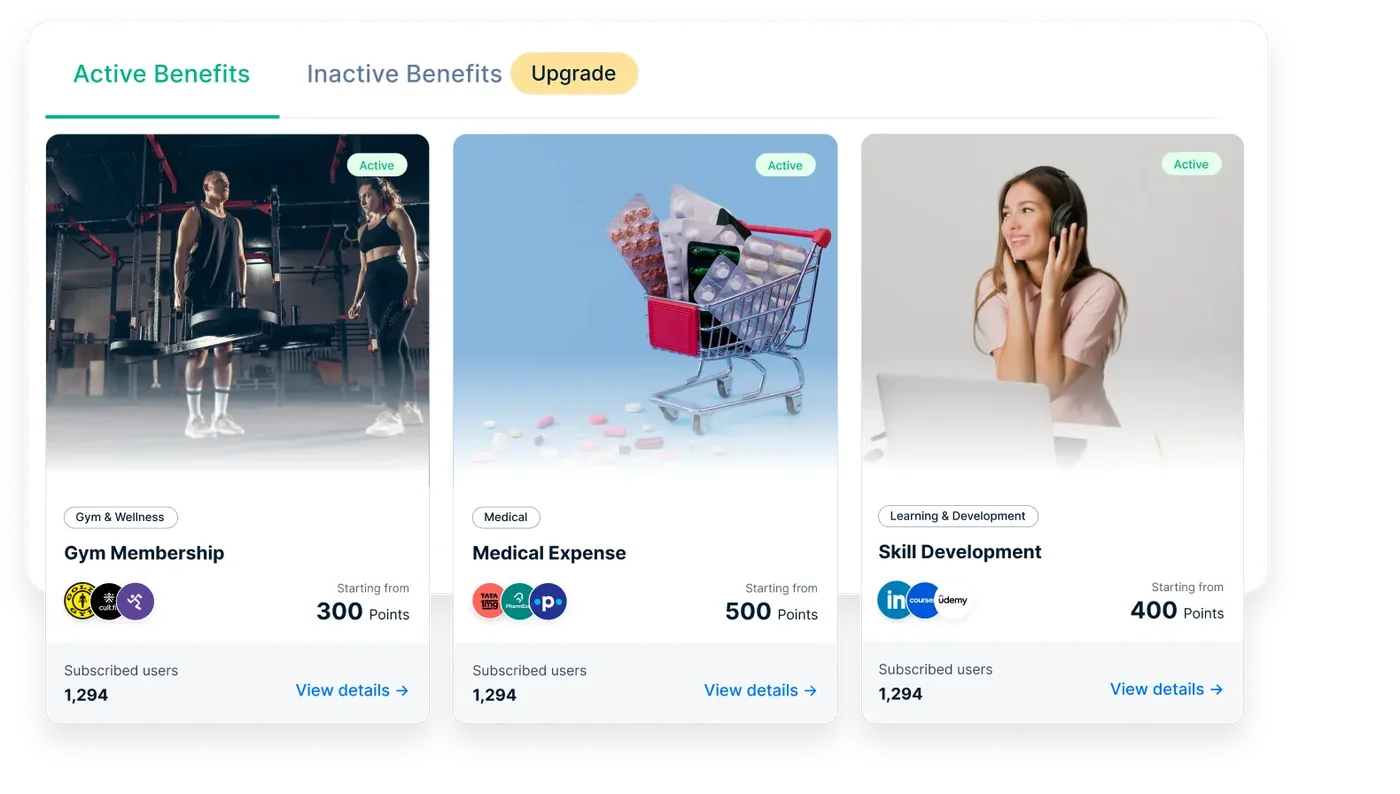
- Perks Store: Discounts and cashback from 6,000+ brands across 30+ categories, available on mobile and desktop for office, remote and frontline employees. Explore employee discounts.
- Lifestyle spending accounts: A recurring benefit that flexes across fitness, family, learning, pets, travel and home office, with categories and caps you configure. See lifestyle accounts.
- Tax-saving benefits: For India, one card powers multiple tax-exempt wallets such as meals, fuel, telecom and books, so employees take home more of the same CTC. See tax-saving benefits.
- Financial wellness: Earned wage access and other financial tools support employees between paydays with no balance-sheet exposure for the employer. See financial wellness.
- Integrated recognition: Points, badges and gift cards for peer recognition, milestones and celebrations, so perks become part of daily culture. See recognition.
When perks feel personal and purposeful, they stop being extras and start becoming proof that your people matter. Start small, ask your people what they need, stay consistent and use a single platform to make perks visible and easy to use.
Book your Empuls demo
Frequently asked questions
Employee perks are non-wage extras that employers offer on top of salary and core benefits to make work more rewarding and life easier. Common examples include flexible hours, remote work stipends, wellness allowances, learning budgets, employee discounts, free meals and recognition rewards. Perks are usually optional and can be tailored to different groups of employees.
Benefits are core protections such as health insurance, retirement plans and paid leave that support health and financial security, and many are required by law or expected by the market. Perks are optional extras, such as discounts, snacks, wellness stipends or team events, that improve daily work life. Benefits meet basic needs, while perks add appeal and show care.
The best employee perks are the ones your workforce actually values, so start with a survey. Across most surveys, flexible schedules, paid sick leave, retirement contributions, health and wellness support, learning budgets and commuter help rank highly. Recognition programs and employee discounts are also popular because they reach every employee and cost relatively little per person.
An employee perks program is the structured way a company chooses, funds, delivers and measures perks for its people. It usually combines several perk types, such as wellness, flexibility, learning, recognition and discounts, and is often run on an employee perks platform so employees can find and use everything in one place. Good programs are reviewed and updated every year.
Define your objectives, survey employees about what they value, set a per-employee budget, research perks and vendors, and prioritize the perks with the most impact. Then communicate the program clearly, track usage and satisfaction, retire perks nobody uses and invite employee ideas. Regular promotion keeps perks visible, which is what drives adoption over time.
It depends on the perk and the country. In the US, most fringe benefits are taxable unless a specific exclusion applies, such as certain de minimis items, qualified transportation benefits or working-condition benefits. In India, some allowances such as meal and telecom benefits can be structured to be tax efficient. Check local rules or a tax advisor before launching a perk.
Good workplace perks examples for remote employees include home office stipends, internet reimbursements, ergonomic equipment, online learning subscriptions, virtual fitness classes, mental health apps, meal delivery credits, digital gift cards and employee discounts. Allowance-based perks work especially well because people can choose what suits their home setup, and digital recognition keeps remote staff connected to the culture.
Measure activation rate, monthly usage, adoption by perk category, employee savings and satisfaction with perks from pulse surveys. Then compare engagement, absenteeism and retention between employees who use perks and those who do not. If a perk has low usage after good communication, retire it and reinvest the budget in perks employees ask for.





































































































































































































































































































































































































































































































































































