
Key Takeaways
To engage introverts, give them time to think, several ways to contribute, personal recognition, protected deep-work time and autonomy over their projects.
Introversion is a preference for low stimulation and reflection, not shyness; many introverts are confident communicators who simply recharge alone.
Miro's 2024 survey found introverts are twice as likely as extroverts to save questions until after a meeting, so written follow-up channels capture ideas that live meetings miss.
Employees face an interruption every two minutes during core hours, according to Microsoft's 2025 research, which makes protected focus time one of the most valuable things a manager can give an introvert.
The biggest mistake in managing introverts at work is rewarding visibility over outcomes, which overlooks strong performers who do not self-promote.
To engage introverts, give them time to think before they speak, more than one way to contribute, recognition that feels personal rather than staged, protected time for deep work and the autonomy to own their projects. Engaging introverted employees is less about coaxing them to speak up and more about building a culture where they want to.
Introverts may not be the loudest voice in the room, but they often carry the deepest thinking. In workplaces that celebrate extroversion, with open floor plans, rapid-fire brainstorms and back-to-back video calls, it is easy to overlook people who do their best work in quieter corners. If you want inclusive, high-performing teams, learning how to engage introverts is essential.
This guide explains who introverts are at work, why introvert employee engagement matters, 15 practical workplace tips grouped by theme, the mistakes to avoid when managing introverts at work and how the right tools help.
Who introverts are at work
Introversion is a personality preference for calmer, less stimulating environments, where people recharge through solitude and prefer to think before they speak. Extroverts, by contrast, gain energy from social interaction and often think out loud. Most people sit somewhere on a spectrum between the two, and many introverts are confident, sociable and excellent presenters; they simply spend energy in groups and restore it alone.
Introversion is often confused with shyness, but they are different things:
| Trait | What it is | What it looks like at work |
|---|---|---|
| Introversion | A preference for low stimulation and reflection | Prefers to prepare, contributes thoughtfully, needs focus time |
| Shyness | Fear or discomfort around social judgment | Avoids speaking up even when they want to |
| Extroversion | Energy from interaction and external stimulation | Thinks aloud, enjoys spontaneous discussion |
Introverts bring real strengths to a team: careful listening, deep focus, thoughtful analysis, strong written communication and a tendency to build a few deep working relationships rather than many shallow ones.
Why introvert employee engagement matters
Many workplace habits quietly favor extroverts. Miro's 2024 survey of 4,073 information workers found that 63% of US extroverts see speaking up in meetings as important for getting promoted, compared with only four in 10 introverts, and that introverts are twice as likely to save their questions until after a meeting. If visibility in meetings drives promotions, introverts can be overlooked even when their work is excellent.
The modern workday adds to the strain. Microsoft's 2025 Work Trend Index research on the infinite workday found employees are interrupted every two minutes during core hours, about 275 times a day, by meetings, emails or chats, and 57% of meetings are ad hoc calls without a calendar invite. Constant, unplanned interaction is exactly what drains introverts most.
The cost of getting this wrong is lost ideas, quieter disengagement and higher turnover among people who do much of the deep work. The good news is that what helps introverts, such as clear agendas, written input and focus time, usually improves work for everyone.
How to engage introverts through communication
Communication is where most introverts feel the biggest gap, so the first five of the 15 tips start here. Asynchronous communication carries the most weight, because once ideas can be shared in writing, meetings, brainstorms and feedback all become fairer.
1. Create space for asynchronous communication
Introverts often prefer time to process information before sharing their thoughts. Meetings that demand quick brainstorming or immediate verbal feedback put them at a disadvantage, so build a culture that embraces asynchronous communication.
Encourage team members to share ideas and feedback through email, shared documents, a social intranet or chat tools such as Slack and Microsoft Teams. Asynchronous channels let introverts reflect, articulate their thoughts clearly and contribute without the pressure of speaking in real time. Over time, you will see better participation, more ideas and a communication style that respects every personality type.
2. Offer one-on-one feedback opportunities
Introverts often thrive in one-on-one settings where they feel safe, heard and respected. Large meetings or group performance discussions can stop them from opening up or raising concerns.
Schedule regular one-on-ones between employees and managers. Make them intentional, structured conversations about goals, work preferences, challenges and wellbeing, not just status updates, and share an agenda in advance so introverts can prepare. Consistency and genuine interest build trust and surface insights that would never come up in a group.
3. Encourage written brainstorming sessions
Introverts tend to be deep thinkers. In fast-paced brainstorms they may hold back, not because they lack ideas, but because they prefer to reflect before responding.
Shift brainstorming to a written-first format. Send prompts before the meeting and let people submit ideas asynchronously through shared docs, polls or internal forums. Use those written inputs as the starting point for discussion, and credit ideas to the people who wrote them. This brings in every personality type and produces better-prepared, more considered outputs.
4. Respect all communication styles
An inclusive culture accepts that not everyone communicates the same way. Extroverts may process out loud and enjoy spontaneous discussion, while introverts often prefer reflection and structured sharing.
Offer several formats, such as posts, polls, quizzes and forums, so everyone can contribute in their own style. Collect written questions before town halls, build silent brainstorming into meetings and send written follow-ups. Most importantly, train managers to recognize and respect different styles, so introverts know they do not need to conform to be heard.
5. Use anonymous surveys for honest feedback
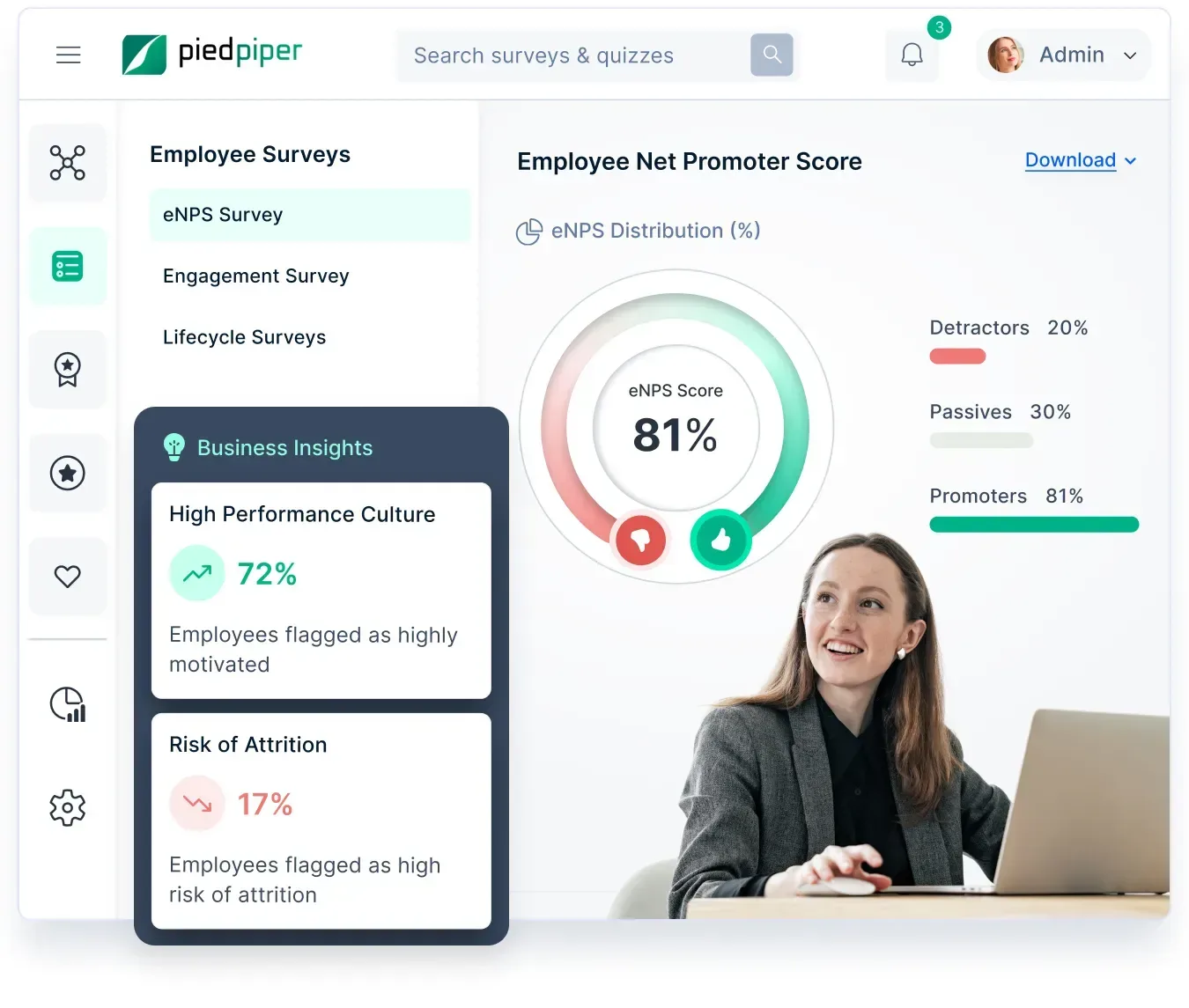
Introverts often have valuable feedback but may hesitate to voice it in meetings or town halls. Anonymous pulse surveys, eNPS and lifecycle surveys give them a safe space to share their thoughts without fear of judgment.
These responses are often more honest, constructive and nuanced than what surfaces in a live Q&A. Turn them into action and report back on what changed, so quieter voices see that speaking up in writing works. Our post on why annual employee surveys fail explains why a regular rhythm matters.
Give every voice a way to be heard
Anonymous surveys, a social intranet and personal recognition help introverts contribute on their terms.
Talk to our ExpertTrusted by 5,000+ companies
Recognition tips that suit introverted employees
Introverts value recognition as much as anyone, but the way it is delivered changes how it lands. These three tips move from public to private to peer recognition, and personalization matters most across all of them: Gallup's 2024 recognition research with Workhuman found quality recognition is personalized, and that only 22% of employees get the right amount of it.
6. Recognize quiet wins publicly, without theatrics
Introverts may not seek the spotlight, but they appreciate authentic recognition of their work ethic and behind-the-scenes contributions. A post on a recognition feed that highlights a critical project, support for a teammate or consistent excellence makes the achievement visible without putting anyone on stage.
Keep it specific and calm: describe what they did and why it mattered. Avoid surprise call-outs in all-hands meetings or asking them to give a speech. Introverts are also more likely to be overlooked by recognition that rewards self-promotion, which our guide to recognition equity explains in detail.
7. Give recognition through personalized messages
Public recognition has its place, but many introverts prefer more personal acknowledgment. Instead of applauding them in front of a crowd, send a sincere, detailed message by email, chat or a private note on your recognition platform.
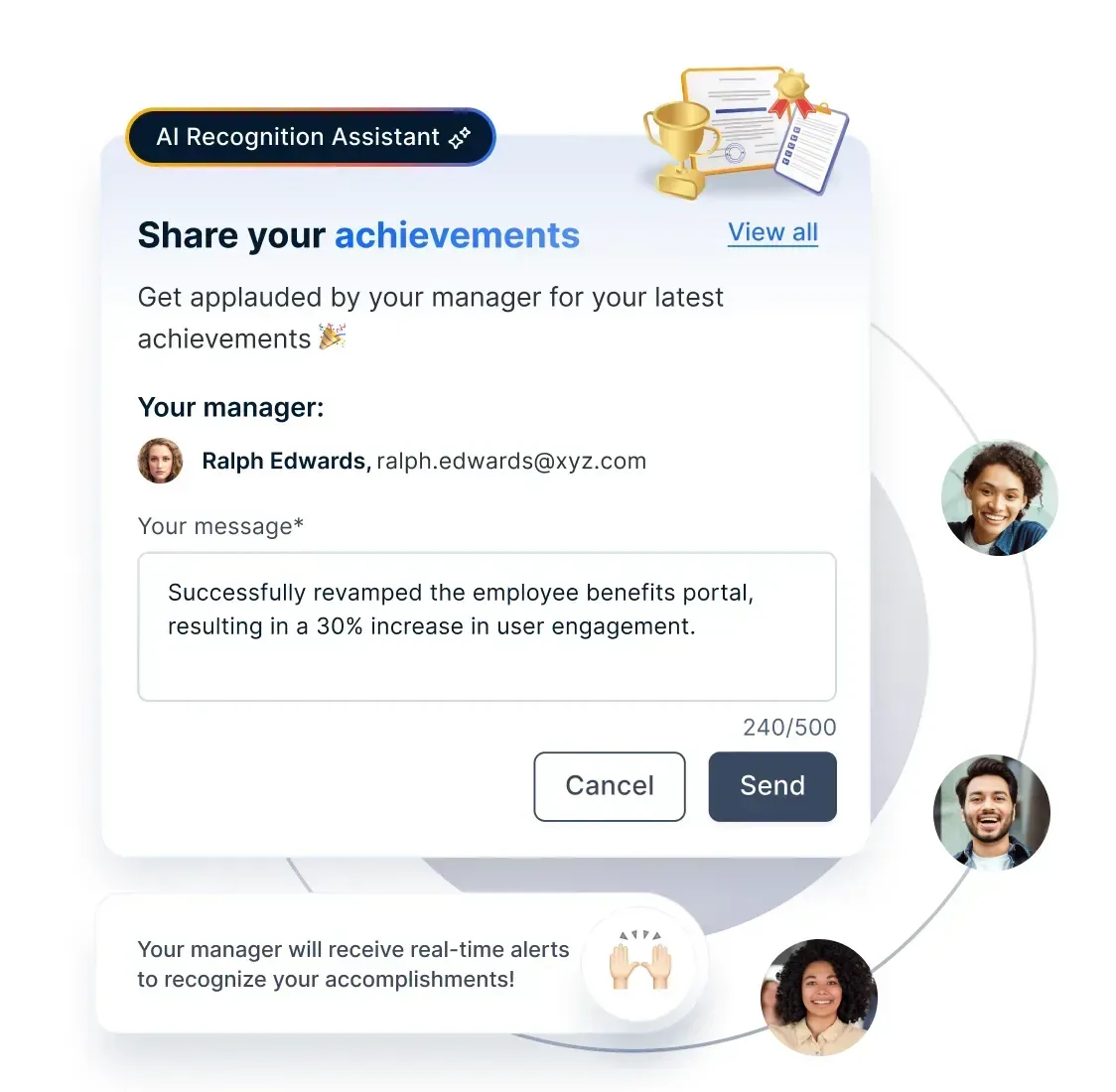
AI-powered nudges can remind managers when someone hits a milestone or contributes behind the scenes, so the moment is not missed. A thoughtful private thank-you can mean far more to an introvert than a loud team celebration; the depth and authenticity of the gesture matter most.
8. Encourage written appreciation among peers
Introverts may not always say their praise out loud, but they value genuine appreciation from peers and are often generous with it in writing. A culture of written peer-to-peer recognition, with personalized messages, badges and digital kudos, lets them give and receive thanks comfortably.
It is not about flashy praise. It is about building trust and camaraderie in a low-pressure format. For tools that make this easy, see our comparison of peer-to-peer recognition software.
Workspace and schedule tips for introverts
These three workplace tips for introverts protect the energy and focus they need. Deep work comes last but matters most, because calmer spaces and flexible schedules are only useful if the time they create is protected from interruption.
9. Design calmer workspaces
A loud open office may energize extroverts but can quickly overwhelm introverts. Create quiet zones, phone booths or focus rooms, and set no-meeting hours so people can work without interruption.
For remote workers, support home-office setups that minimize noise and distraction. Small gestures, such as noise-canceling headphones or flexible seating, show you are invested in their comfort. Respecting the need for solitude does not mean isolating anyone; it means letting people recharge and focus in a space that suits them.
10. Promote flexible work schedules
Introverts do their best work when they can manage their energy. Let employees start earlier or later, take midday recharge breaks or work remotely on some days.
Flexibility helps introverts protect focus and keep a healthier work-life balance without the social drain of back-to-back meetings. It also shows you value outcomes over optics, which builds trust, job satisfaction and retention.
11. Offer opportunities for deep work
Introverts thrive when they can do deep, focused work without constant distraction. Cut unnecessary meetings, block focus time on calendars and agree on team norms for Do Not Disturb settings.
Leaders should model this behavior too. When introverts know their time and space are protected, they feel trusted, and that psychological safety leads to higher-quality output.
Belonging and growth tips for introvert employee engagement
The final four tips help introverts feel they belong and can grow on their own terms. Matching work to strengths carries the most weight, because meaningful work drives engagement more reliably than any social program.
12. Build interest-based communities
Introverts may not gravitate to watercooler chats or company-wide parties, but they value meaningful connection around shared interests. Interest-based groups offer a low-pressure, authentic way in.
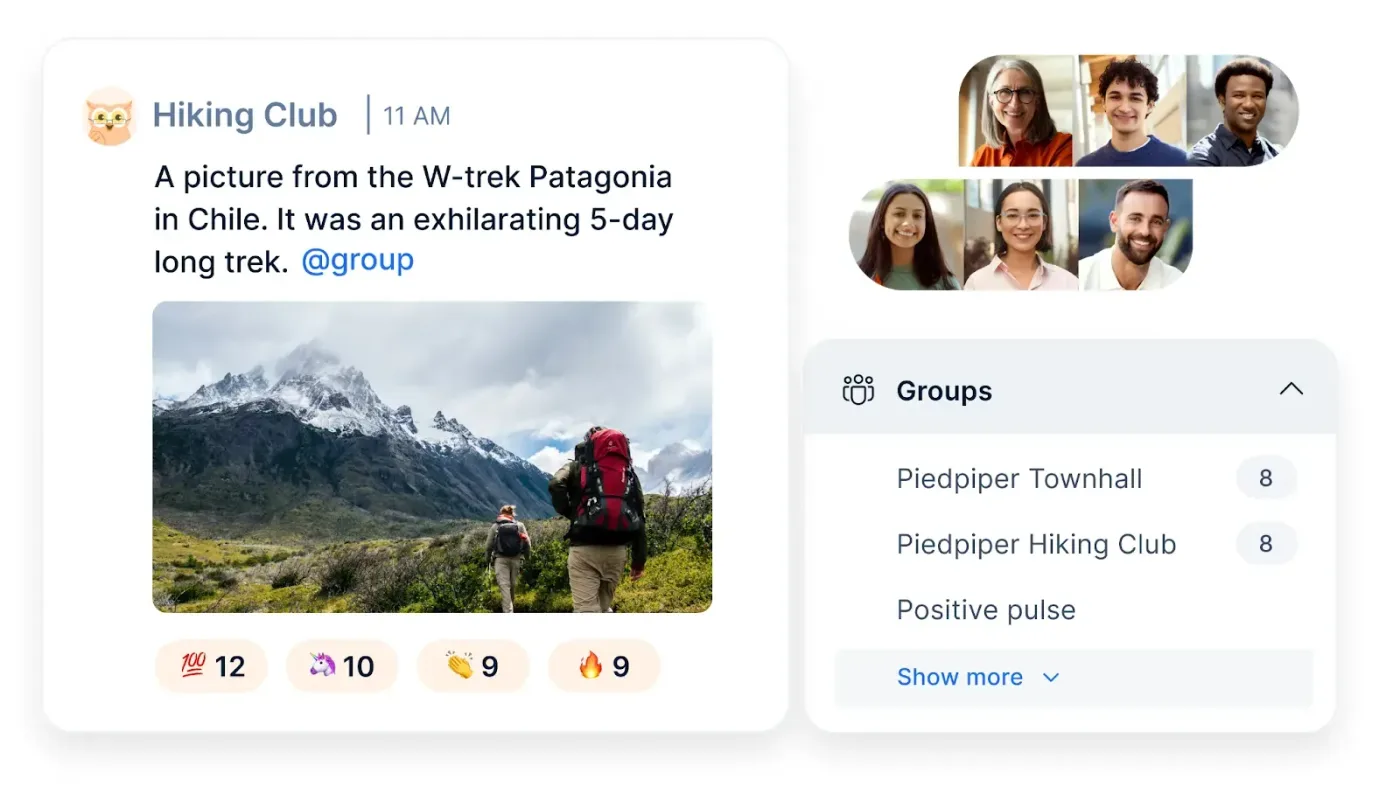
Set up hobby groups, wellness communities, book clubs or project-based groups where people can join, post and celebrate on their own terms. These communities build belonging, surface hidden talents and create cross-functional connections without constant socializing.
13. Avoid mandatory group socializing
For introverts, forced fun can feel like a chore. Mandatory happy hours, group lunches and icebreakers can lower engagement rather than raise it.
Make connection opt-in and offer a range of formats, from large gatherings to small coffee chats, book clubs or silent co-working sessions. Reassure your team that stepping back from a social event does not signal a lack of enthusiasm, so introverts never feel less engaged simply because they socialize differently.
14. Foster autonomy in work
Introverts flourish when they are trusted with autonomy and ownership. Give them the freedom to own projects end to end, define their workflows and make decisions where appropriate.
Avoid micromanaging and constant check-ins, which add pressure. Agree on goals, timelines and outcomes, then give them space to deliver. That trust builds confidence and creativity, and you will see strong results delivered with quiet pride.
15. Match projects to strengths and passions
Some of the deepest engagement comes from meaningful work, not social interaction. Introverts are often observant, analytical and creative, which makes them strong fits for research, design, writing, data analysis and long-form strategy.
Use one-on-ones or surveys to learn their strengths and interests, then assign projects to match. Let them lead behind-the-scenes initiatives, build knowledge hubs or mentor others one-on-one. Matching work to strengths is the best way to fuel motivation and discretionary effort from people who may not seek the spotlight but always deliver.
Mistakes to avoid when managing introverts at work
Good intentions can backfire when managing introverts at work. Watch for these common mistakes:
- Mistaking quiet for disengaged: Silence in a meeting often means someone is thinking, not that they do not care. Ask for input afterward before drawing conclusions.
- Cold-calling in meetings: Putting someone on the spot rarely gets their best thinking. Give notice if you want them to present or comment.
- Rewarding only visibility: If promotions go to whoever speaks most, you will lose strong performers. Judge contributions by outcomes, not airtime.
- Trying to fix introverts: The goal is not to turn introverts into extroverts. Adapt your systems so different styles can succeed.
- Overloading collaboration: Back-to-back meetings and constant chat leave no room for the deep work introverts do best.
Many of these same principles help every employee group feel included; our guide to inclusion and diversity in the workplace goes further, and for a generational lens, see how to engage millennials at work.
How Empuls helps you engage introverts at work
Engaging introverts takes intentional, inclusive systems that give quieter voices room to contribute. Empuls, Xoxoday's employee engagement platform, supports introvert-friendly engagement in several ways:
- Asynchronous communication: The social intranet lets people share ideas, join interest groups and answer polls on their own time, without being drowned out in live meetings.
- Anonymous feedback: Pulse, eNPS and lifecycle surveys give introverts a safe way to share honest feedback, with analytics that turn responses into action.
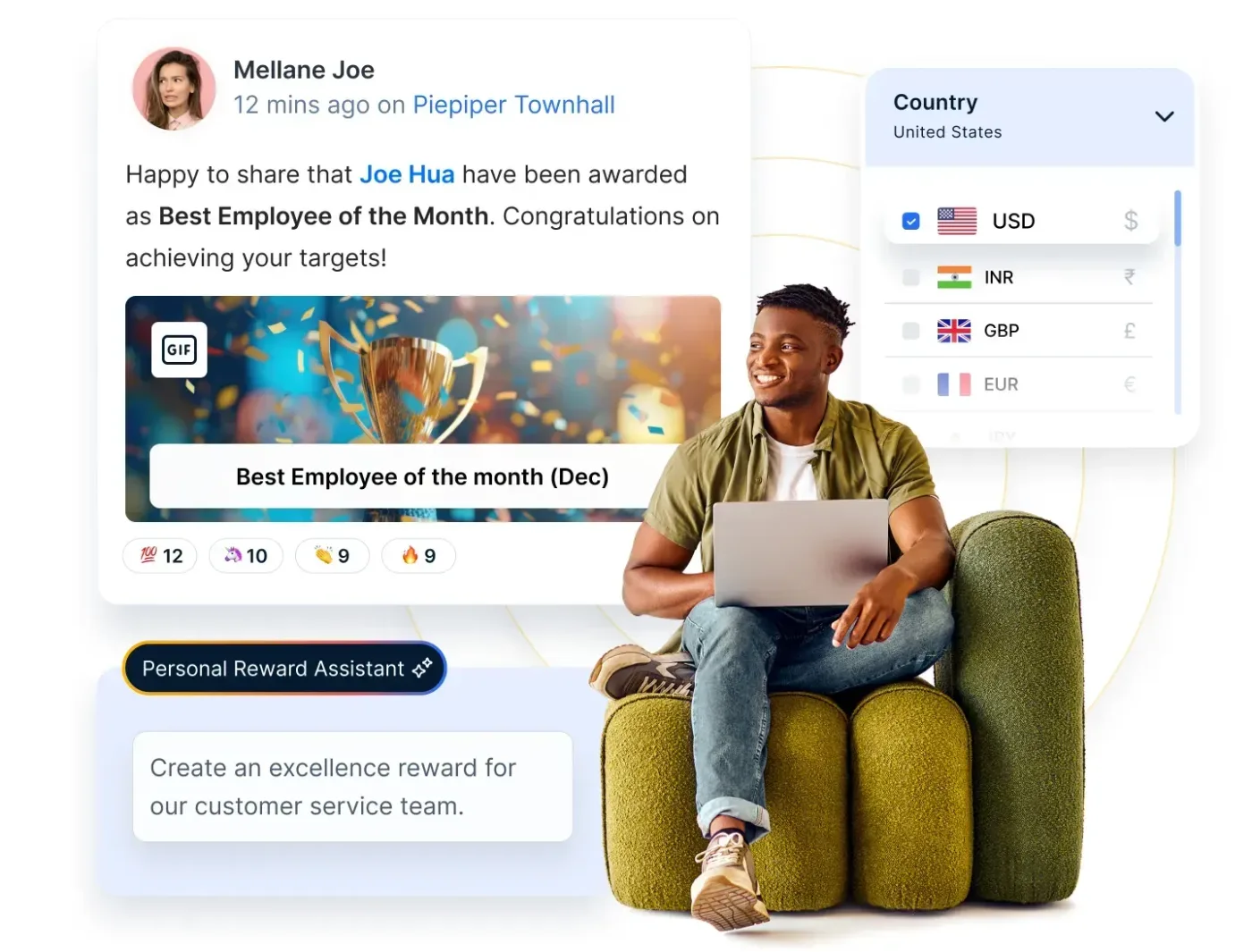
- Personalized recognition: Recognition through feed posts, private messages, badges and an AI assistant lets managers and peers appreciate great work in the way each person prefers.
- Belonging and celebrations: Values-based recognition and celebrations for milestones help everyone, introvert or extrovert, feel seen.
Tune in to the quieter voices
Engaging introverts is not about changing who they are. It is about building a workplace that values different ways of thinking, working and communicating, with empathy, structure and flexibility.
Small shifts, such as written input before meetings, personal recognition and protected focus time, make a big difference. When introverts feel seen and supported, they contribute meaningfully, innovate deeply and lead quietly but powerfully. The quieter voices often have the loudest impact.
Book your Empuls demo
Frequently asked questions
Share the agenda and questions at least a day ahead so introverts can prepare. During the meeting, invite input by name only if you warned them first, use round-robin turns or a short silent writing period and avoid rewarding whoever speaks fastest. Afterward, send a written summary and leave a window for follow-up ideas, because many introverts contribute their best thinking later.
Introverts are typically motivated by meaningful work, autonomy, mastery and time to focus. They value recognition that is specific and sincere, often delivered privately or in writing, and close working relationships over large social networks. Clear goals, fewer interruptions and the trust to own projects from start to finish help most introverted employees do their best work and stay engaged.
Many introverts prefer recognition that is personal, specific and low-key, such as a detailed private message, a handwritten note or a written post on a recognition feed rather than a surprise call-out at an all-hands. The best approach is to ask each person how they like to be recognized, because preferences vary, and personalized recognition is more effective for everyone.
Yes. Introverts can be highly effective leaders because they tend to listen carefully, think before acting, stay calm under pressure and build deep one-on-one relationships with their teams. They often give team members room to contribute rather than dominating discussions. The key is giving introverted leaders time to recharge and recognizing that leadership does not require being the loudest person in the room.
Many introverts appreciate remote and hybrid work because it offers fewer interruptions, more control over their environment and more ways to contribute in writing. However, constant video calls and chat can be just as draining as a noisy office. The best setup gives introverts flexibility over where and when they work, plus protected focus time wherever they are.
Introversion is a preference for less stimulating environments and recharging through solitude, while shyness is discomfort or fear of social judgment. An introvert may speak confidently but prefer to prepare first, whereas a shy person may want to speak up but feel anxious doing so. Some people are both, and managers should avoid assuming one means the other.
Managers can support introverted employees in an open office by providing quiet zones, phone booths or bookable focus rooms, allowing noise-canceling headphones and setting team no-meeting hours. Agree on signals for focus time, such as a status message or headphones, and respect them. Offering some remote days or flexible start times also helps introverts manage their energy across the week.
Make team building optional and offer a range of formats, including small-group activities, interest-based clubs, collaborative problem solving and asynchronous challenges, rather than only large parties or icebreakers. Share plans in advance so people know what to expect. Introverts participate more when activities have a clear purpose and they can choose how and when to join.





































































































































































































































































































































































































































































































































































