
Key Takeaways
The best employee recognition ideas are specific, timely, personal and fair, whatever their cost.
Only 22% of US employees say they get the right amount of recognition, so even simple ideas can make a visible difference.
Mixing individual, team and peer recognition ideas spreads appreciation beyond the most visible employees.
Many of the most effective ideas are free, such as skip-level notes, thank-you chains and peer-led workshops.
A recognition message works best when it names what the person did, the impact it had and the value it shows.
The best employee recognition ideas are specific, timely and matched to how each person likes to be recognized, and most of them cost little or nothing. This list gives you 41 employee recognition ideas for individuals, teams and peers, plus badge ideas, a budget table and copy-ready recognition messages.
Employee recognition ideas are practical ways to acknowledge an employee's effort, behavior or results, from a handwritten note to a peer-nominated award. Here is one in action:
"Hey, thanks for the effort you put into the presentation. It stuck to the point and delivered our pitch just right. You were built for this!"
It took you five seconds to read that sentence and would take about fifteen to say it out loud. The person you say it to will remember it much longer.
Employee recognition is timeless, but it has shifted from cash-filled envelopes to meaningful moments that make people feel seen and valued. Traditional rewards still have their place, yet today's workforce is driven as much by personal value and belonging as by bonuses. That is where creative employee recognition ideas, quirky shout-outs and thoughtful recognition badges come in. They bring out smiles, build connection and encourage genuine appreciation.
What makes an employee recognition idea work
Before you start handing out superhero badges or surprise lunch coupons, it helps to know why some ideas land and others fall flat. True recognition is not about doing something different, it is about doing it with purpose, and the gap is large: Gallup and Workhuman research found only 22% of US employees get the right amount of recognition. Every idea below works better when it follows four rules:
- Specific: Name what the person did and why it mattered. "Great job" is forgettable; "Your checklist cut onboarding time for every new hire" is not.
- Timely: Recognize as close to the moment as possible, while the effort is still fresh.
- Personal: Match the format to the person. The O.C. Tanner Institute's 2026 State of Employee Recognition report found that when employees feel leaders do not know their recognition preferences, their odds of thriving at work drop by 89%.
- Fair: Spread recognition across roles, shifts and locations, not just the most visible people.
For the full picture of why recognition matters and how to build a program around it, start with the employee recognition guide.
10 employee recognition ideas for individuals
Sometimes a small gesture goes a long way. These ten ideas recognize individual effort in a way that feels personal and thoughtful, and the first two matter most because they set the tone for everything else: a sincere written message and the right setting for it.
1. Handwritten notes of appreciation
A handwritten note is a simple yet powerful way to recognize employees. A personal message that names the work and its impact makes people feel valued, and it is often kept long after an email is deleted. For extra weight, ask a skip-level leader to write it, so the employee knows their work is visible beyond their own manager.
2. Personalized recognition moments
Tailoring recognition to an employee's preferences increases its impact. If someone enjoys public acknowledgment, recognize them during a team meeting. If they are more private, a one-on-one conversation with their manager will mean more than any stage. Ask during onboarding how each person likes to be recognized and keep a note of it.
3. Public recognition on social media
Highlighting an employee's achievements on the company's social media accounts boosts morale and shows the outside world how you treat your people. It also inspires others to aim for similar recognition. Always ask the employee first, and use it for milestones they would be proud to share, such as a certification, a promotion or a customer win.
4. Celebrating personal accomplishments
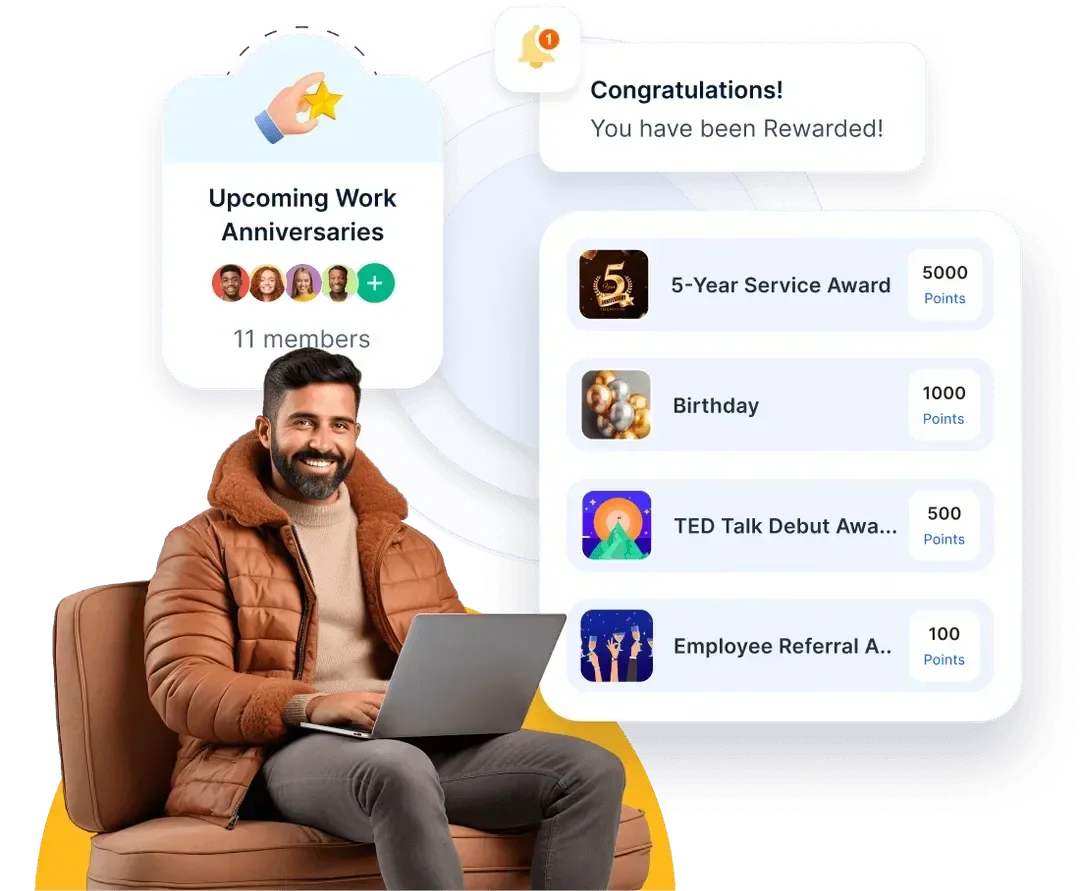
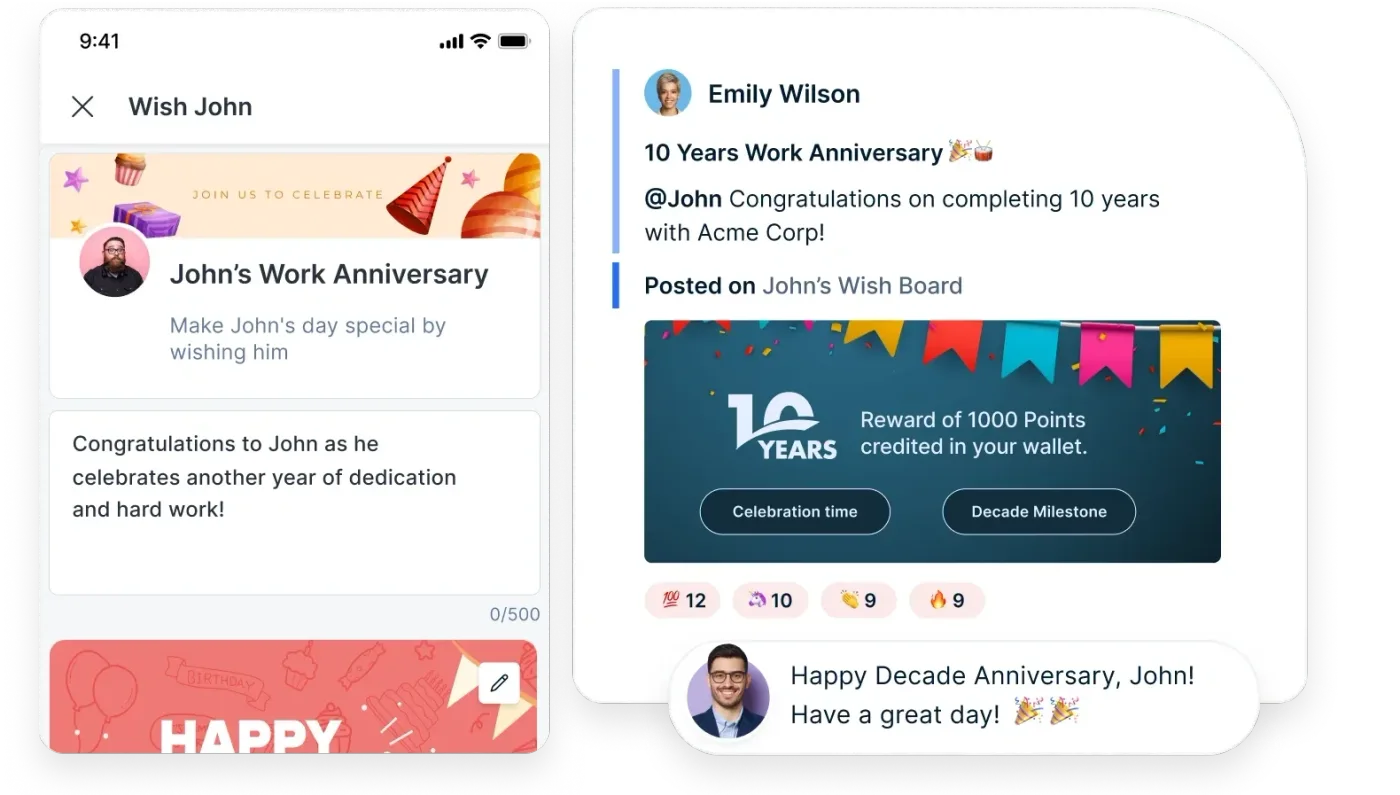
Recognizing personal milestones, such as birthdays, work anniversaries, a new home or finishing a marathon, strengthens loyalty and engagement. It shows the company values employees as people, not only as job titles. Automating greetings for birthdays and work anniversaries makes sure nobody is forgotten, and these employee milestone gift ideas help when you want to add something tangible.
5. One-on-one feedback sessions
Regular one-on-ones give managers a natural moment to appreciate an employee's performance. Highlight specific achievements and connect them to company values and goals. Starting each one-on-one with one thing that went well is a small habit that makes recognition routine.
6. Employee Appreciation Day events
A dedicated day to celebrate employees can lift morale across the company. Activities might include team-building, a short awards ceremony or simply treats in the break room. Employee Appreciation Day falls on the first Friday of March; here are Employee Appreciation Day ideas to plan it.
7. Rewarding with company swag
Branded merchandise is a tangible reminder of a contribution. T-shirts, mugs, hoodies or notebooks show appreciation and build company pride. Swag works best as a limited edition tied to a specific achievement, such as a "Launch crew" hoodie for everyone who shipped a major release, rather than a generic giveaway.
8. Private lunch with senior leaders
A lunch with senior leaders lets employees receive recognition directly from the top. It feels exclusive, and it opens an honest conversation about their contributions, ideas and future goals. It also gives leaders a direct view of the work happening deeper in the organization.
9. Feedback-driven recognition
Build recognition from what employees tell you. Regular pulse surveys can show which forms of recognition people find most meaningful, which teams feel overlooked and whether recognition feels fair. Acting on that feedback makes your recognition ideas resonate rather than guess.
10. Monetary rewards for exceptional performance
Bonuses or gift cards for outstanding performance are a strong motivator when they are tied to clear goals and paired with a specific message. They show the company values significant contributions. For reward options people actually want, browse these employee reward ideas, and for rewards linked to targets, these employee incentive ideas.
Run every recognition idea from one place
Badges, peer awards, nominations and milestone celebrations on one social feed, in the tools your teams already use.
Talk to our ExpertTrusted by 5,000+ companies
10 employee recognition ideas for teams
Recognition works best when it is a team effort. These ten ideas celebrate group wins and collaboration, and the first one matters most because a team that never marks its successes quickly stops noticing them.
1. Team achievement celebrations
When teams reach a significant goal, celebrating together reinforces team spirit and camaraderie. A team lunch, an outing or a short celebration call for remote teams acknowledges the collective effort and motivates people to keep going.
2. Wall of fame for team accomplishments
A wall of fame, physical in the office or digital on your intranet, displays team achievements as ongoing public recognition. It celebrates past successes and inspires other teams to aim higher. Rotate it monthly so it stays current.
3. Recognition awards for teamwork
Awards specifically for teamwork encourage collaboration. Recognizing teams that show cooperation and support builds a culture where collaboration is valued as much as individual brilliance. For names and categories, borrow from these employee award titles.
4. Team-level peer recognition
Encourage team members to recognize each other's contributions inside the team, not just across the company. A shared channel where teammates thank each other publicly builds morale and positive relationships, and it gives managers a clear view of who is helping whom.
5. Team-building activities focused on appreciation
Team-building exercises built around recognizing each other's strengths deepen bonds. A simple version: each person names one strength they rely on in a colleague. These activities encourage open communication and help people appreciate each other's skills.
6. Monthly team shout-outs in meetings
Set aside time in a monthly team meeting for shout-outs about each other's contributions. It creates a predictable rhythm of recognition and encourages positive feedback among colleagues. Keep it short, two or three minutes, so it never feels like a chore.
7. Collaborative projects with shared rewards
When a cross-functional project succeeds, a shared reward for everyone involved reinforces teamwork and collective effort. Recognizing the team's success together builds unity and a sense of shared purpose.
8. Recognition challenges between teams
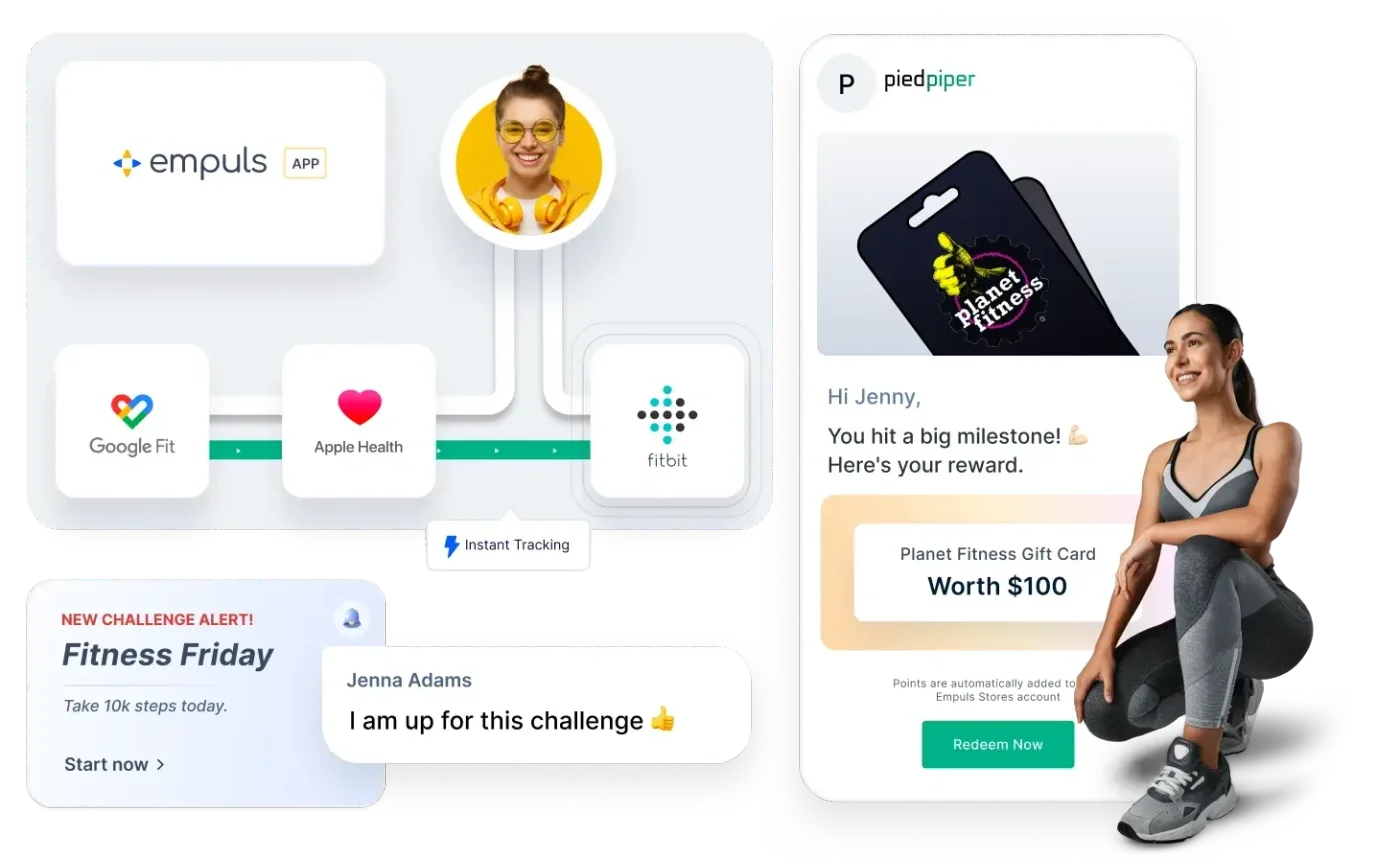
Friendly competitions between teams, based on goals such as customer satisfaction, safety or a wellness step count, encourage engagement and end with public recognition of the winners. Keep the goals achievable for every team so the challenge motivates rather than discourages.
9. Team retreats focused on appreciation
Retreats that focus on bonding and recognition let a team reflect on what it achieved in a relaxed setting. Include a session where the team looks back at the year's wins and each person's part in them.
10. Recognition newsletters highlighting team successes
A newsletter that features stories about successful projects acknowledges teams publicly and keeps everyone informed about what other teams are achieving. Tell the story behind the result, the problem, the effort and the impact, so it reads as recognition rather than a status report.
10 peer recognition ideas
Peer recognition feels real, relatable and consistent, because colleagues see the work up close. These ten peer recognition ideas make it easy for anyone to recognize anyone, and the first one matters most because it gives peers a formal voice in who gets celebrated.
1. Peer nomination programs for awards
Let employees nominate colleagues for awards. Peer nominations build community and validate contributions that managers might miss. A short form asking what the person did and what impact it had keeps nominations specific, and a small jury keeps the selection fair. For the full playbook, read this guide to peer-to-peer recognition.
2. Peer-to-peer shout-out boards
A physical or digital board where employees post shout-outs about colleagues encourages frequent recognition and lifts morale. Digital boards work best for hybrid teams because everyone can see and react to them. For quick, in-the-moment versions, see these on-the-spot recognition ideas.
3. Team lunches organized by peers
Encourage teams to organize lunches or outings where colleagues celebrate each other's achievements. Because peers organize them, they feel informal and genuine rather than mandated.
4. Monthly or weekly peer awards based on nominations
A regular peer award, chosen from nominations, gives employees a reason to recognize one another often. Rotate categories, such as "Best helper" one month and "Problem solver" the next, so different contributions get their turn. This guide to an employee of the month program covers criteria and selection.
5. Recognition buddy systems
Pair employees as recognition buddies for a month or a quarter. Each buddy looks out for the other's accomplishments and makes sure they get acknowledged. It builds relationships across teams and keeps peer recognition consistent.
6. Spotlight sessions during meetings
Give one person per meeting the job of spotlighting a colleague's achievement. Rotating the role means everyone practices noticing good work, and the spotlight lands on a wider range of people.
7. LinkedIn recommendations from peers
Encourage employees to write a short LinkedIn recommendation or endorsement for a colleague after a project. It is public, lasting and career-building, which makes it one of the most valued forms of peer recognition. Make it optional, never expected.
8. Thank-you chains
Start a thank-you chain: one person recognizes a colleague, and that colleague passes recognition to someone else within a week. The chain spreads appreciation across teams and often surfaces the quiet contributors nobody thought to thank.
9. Peer-led workshops for sharing skills and knowledge
Invite employees to run short workshops on something they are good at. Being asked to teach is a strong form of recognition, and it helps colleagues appreciate each other's strengths while improving the overall employee experience.
10. New-hire thank-yous
At the end of their first 30 days, ask each new hire to recognize the colleague who helped them most. It rewards the people who make onboarding work, who are rarely the ones who get credit, and it teaches new employees from day one that recognition is part of the culture.
11 employee recognition badge ideas
Recognition badges come in many forms, each serving a different purpose. The eleven types below run from formats (digital and physical) to the behaviors they reward, and the behavior badges matter most because they show everyone what your culture values.
1. Digital badges
Digital badges live on recognition platforms or learning systems. Employees earn them for completing courses, reaching goals or demonstrating skills, and can display them on profiles, share them on social media or list them on a resume.
2. Physical badges
Wearable badges or pins, such as a lapel pin or a lanyard badge, give employees a tangible way to show their achievements. They work well for frontline teams without desks and often spark conversations that spread recognition further.
3. Achievement badges
Achievement badges mark specific milestones or skills, such as completing a project, mastering a new tool or reaching a sales target. They highlight personal growth and motivate others to set and reach similar goals.
4. Peer recognition badges
These badges are earned through nominations from colleagues. They let employees acknowledge each other's contributions and reinforce a supportive environment where everyone feels valued.
5. Participation badges
Participation badges reward attending events, joining team-building activities or taking part in company initiatives. They encourage people to get involved beyond daily tasks and feel more connected to coworkers.
6. Service milestone badges
Service milestone badges celebrate tenure, such as 5, 10 or 20 years. They honor loyalty and highlight the value of experience. For larger tenure celebrations, see this guide to long service awards.
7. Learning and development badges
These badges recognize completed training programs, workshops or professional courses. They motivate employees to invest in their skills and signal that the company is committed to their growth.
8. Innovation badges
Innovation badges go to creative ideas or improvements to processes, products or services. They celebrate people who propose new approaches and build a culture of creativity and continuous improvement.
9. Team player badges
Team player badges highlight employees who excel at working with others and lift their colleagues. They are especially valuable where teamwork is essential to results.
10. Customer service badges
Customer service badges recognize outstanding customer interactions. Tie them to real customer feedback where you can, so the badge carries the customer's own words.
11. Leadership badges
Leadership badges recognize people who lead, formally or informally, by mentoring others, running projects or inspiring their teams. They encourage employees to step up. For behaviors worth a badge, use this list of employee behaviors to recognize.
Employee recognition ideas on a budget
You do not need a big budget to recognize people well. The table sorts a selection of the ideas above by cost and effort, with the situation each fits best, so you can pick two or three to start this month.
| Idea | Cost | Effort | Best for |
|---|---|---|---|
| Handwritten note from a skip-level leader | Free | Low | Effort that is easy to overlook |
| Shout-out to open a one-on-one | Free | Low | Weekly, steady recognition |
| Monthly team shout-outs | Free | Low | Building a team habit |
| Thank-you chains | Free | Low | Surfacing quiet contributors |
| New-hire thank-yous | Free | Low | Rewarding good onboarding buddies |
| LinkedIn recommendations | Free | Low | Career-minded employees |
| Peer-led workshops | Free | Medium | Recognizing expertise |
| Digital badges | Free to low | Low | Values and skills at scale |
| Wall of fame | Low | Low | Visible team wins |
| Limited-edition swag | Low to medium | Medium | Project launches and milestones |
| Lunch with senior leaders | Low to medium | Medium | Standout individual contributions |
| Team retreats | High | High | Year-end or major milestones |
For more zero-cost ideas, this guide to non-monetary employee recognition covers time, growth and flexibility as recognition.
Employee recognition examples you can copy
Knowing what to say is often the hardest part. These employee recognition examples follow a simple pattern, what the person did, the impact it had and the value it shows, and you can adapt them to any channel, from a handwritten note to a recognition post.
| Moment | Example message |
|---|---|
| Hitting a deadline early | "Thanks for getting the report out two days early, Sarah. It gave the client time to review before the board meeting, and that is ownership at its best." |
| Helping a colleague | "Raj, you stayed back to walk Ana through the new billing system. She closed her first account today because of it. Thank you for lifting the team." |
| Customer praise | "A customer wrote in to say you turned a frustrating day into a great one. That is exactly the service we want to be known for." |
| Trying something new | "The pilot did not hit its numbers, but the way you tested the idea taught us what to change. Thanks for taking a smart risk." |
| Quiet, steady work | "Every week your data checks catch issues before anyone else sees them. It is easy to miss, so I want to say it out loud: thank you." |
| Work anniversary | "Five years today, Mei. From the first warehouse audit to leading the team, you have made this place better. Happy anniversary." |
| Team win | "Support team, you cut response times by a third this quarter while volumes grew. Every customer felt that. Lunch is on us Friday." |
| Living a company value | "Leo flagged his own mistake before it reached the customer and fixed it the same day. That is transparency in action." |
How Empuls brings these employee recognition ideas to life
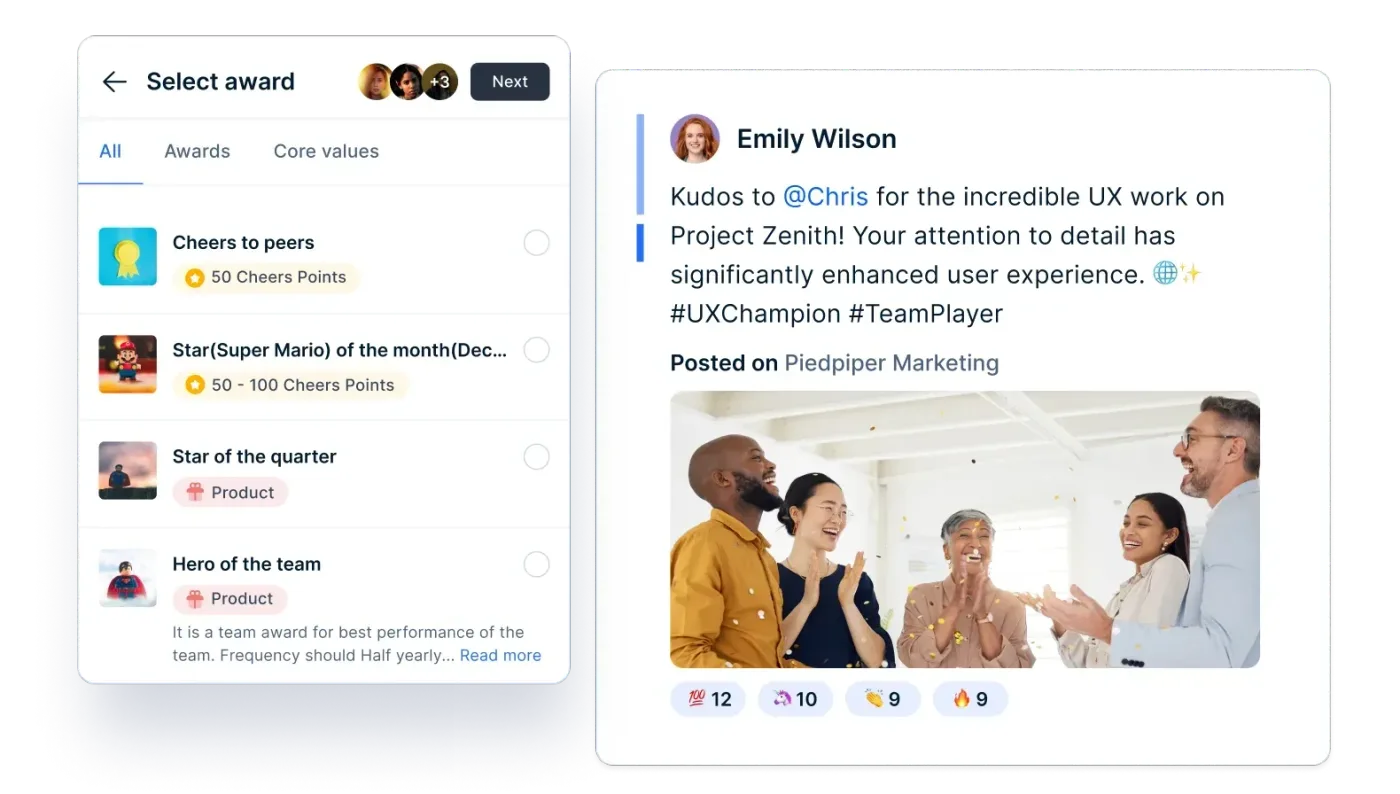
Empuls turns these ideas into everyday habits, so every effort, big or small, can be acknowledged with badges and awards that reflect your organization's values. With award types including value badges, spot awards and peer awards, recognition becomes timely and visible on a social feed where colleagues can react and comment.
For bigger awards, approval-based nominations let colleagues nominate each other, with jury panels for a fair evaluation. Custom workflows bring in nominators, moderators and multiple approvers, and recognition triggers fire automatically for events and milestone rewards. Popular badge ideas teams build on Empuls include:
- Cheers to Peers: Celebrates people who lift colleagues with exceptional support.
- Star of the Month: Recognizes a standout performer each month.
- Star of the Quarter: Honors employees who set the tone for success each quarter.
- Hero of the Product: Acknowledges people dedicated to improving a product or service.
- The Unsung Hero: Shines a light on those who make a big impact behind the scenes.
- Super Mentor: Recognizes people who guide and support others' growth.
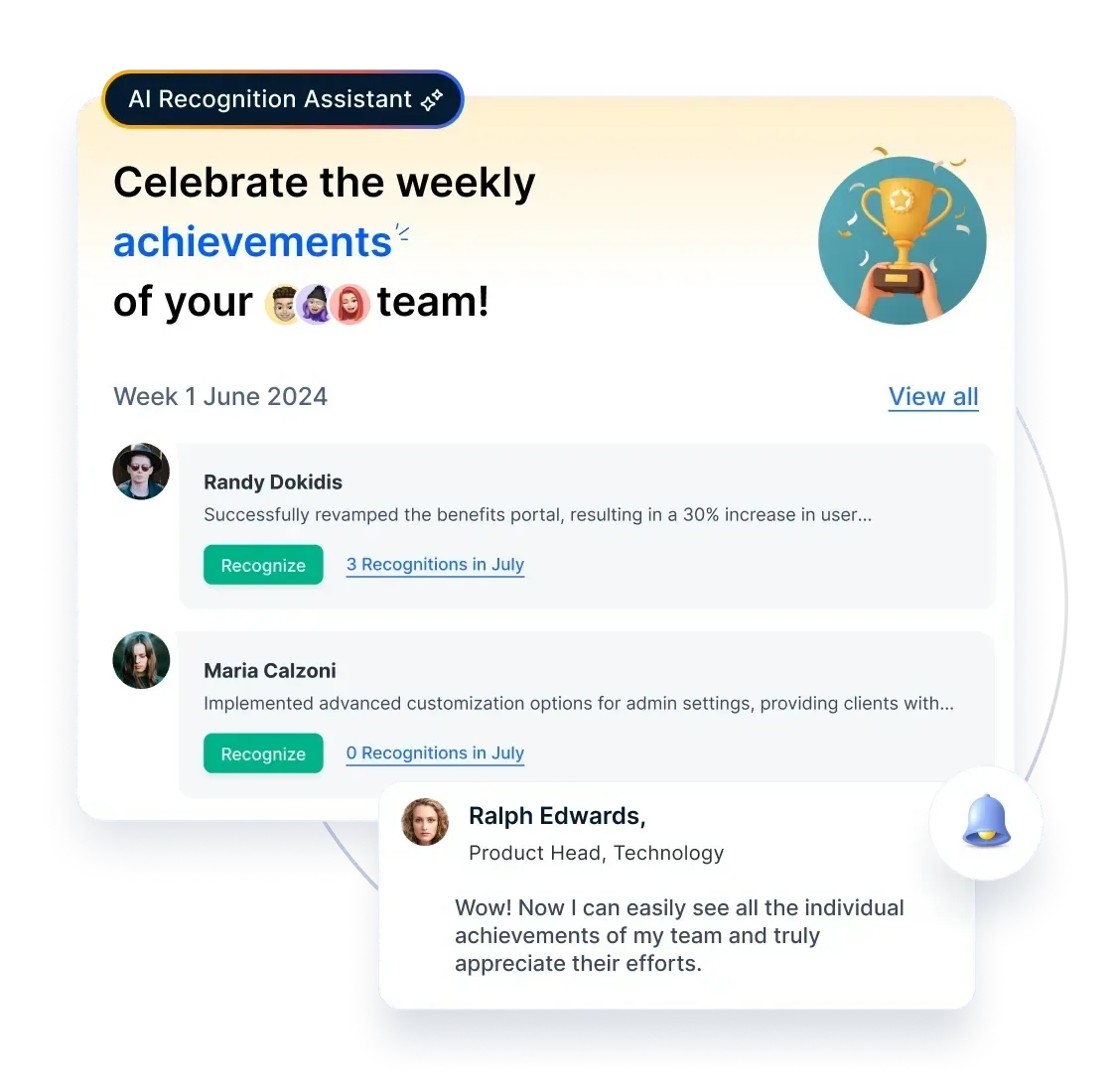
An AI recognition assistant nudges employees to log their weekly achievements and compiles them for managers to review, so good work does not slip by. Insights highlight who is recognized often and who has not been celebrated recently, which helps you keep recognition fair. Learn more about Empuls recognition.
Book your Empuls demo
Frequently asked questions
Say what the person did, why it mattered and what it shows about them. For example: "Thank you for finishing the client report two days early. It gave the team time to prepare, and it shows real ownership." Personal, specific words mean more than general praise such as "great job," whatever the channel.
The best recognition is personal and meaningful to the individual. Some people value public praise in a meeting, others a private thank-you, a growth opportunity, extra flexibility or a reward they choose themselves. Ask employees how they like to be recognized, then match the format to the person and the size of the achievement.
Creative ways to recognize employees include thank-you chains, peer-led workshops, a wall of fame, limited-edition swag for a project team, LinkedIn recommendations from colleagues and badges tied to company values. Creativity works best when it still feels sincere, so connect each idea to a specific contribution rather than using it as a gimmick.
You can recognize employees with no budget through specific verbal or written praise, handwritten notes, shout-outs in meetings, peer nominations, digital badges, skip-level thank-you messages and opportunities such as leading a project or teaching a workshop. Consistency matters more than cost, so build at least one free habit into every week.
Recognize employees regularly enough that it feels normal, not rare. A good baseline is that every employee hears specific recognition from a manager or peer every week or two, with bigger moments such as milestones and project wins marked as they happen. Frequent small recognition usually beats occasional big gestures.
A simple example of recognition at work is a manager saying in a team meeting: "I want to thank Sarah for finishing the project early. Her planning gave everyone breathing room." Other examples include a peer nomination, a handwritten note, a work anniversary celebration, a badge for living a company value or a public post on a recognition feed.
Recognize remote employees with shout-outs in team chat or video calls, a digital recognition feed, e-cards and points they can redeem locally, and delivered gifts for milestones. Time zones make it easy to overlook remote staff, so check that they receive recognition as often as on-site colleagues and include them in every peer award.





































































































































































































































































































































































































































































































































































