
Key Takeaways
Long-tenured employees are usually those with more than five years of service, and they hold institutional knowledge, client relationships and stability that are hard to replace.
Long-serving employees tend to disengage when their work feels taken for granted, their careers plateau or their skills start to feel dated.
To retain tenured employees, combine competitive pay, frequent recognition of ongoing impact, growth, mentoring roles and flexible late-career paths.
Well-recognized employees were 45% less likely to have left after two years in Gallup and Workhuman research, so recognition is a high-return lever for experienced staff.
Stay interviews and pulse surveys catch drifting long-serving employees early, before disengagement turns into a resignation or early retirement.
To retain tenured employees, keep their pay competitive, recognize their ongoing impact and not just their anniversaries, give them fresh challenges and growth, use their expertise through mentoring and offer flexibility that fits their stage of life. Long-serving people rarely leave over one thing; they drift when their work starts to feel expected and unseen.
In every organization, there are people who have stayed through the highs and lows. They have built deep institutional knowledge, mentored peers and helped shape the culture. These are your tenured employees, and their presence is a sign of trust, loyalty and stability. But keeping long-serving employees engaged is a unique challenge. Over time, their contributions can become expected, their voices less heard and their motivation harder to sustain.
That is why organizations need to take proactive steps to celebrate, develop and retain them, not just through compensation but through meaningful recognition, growth opportunities and a renewed sense of purpose. This guide explains why tenured employees matter and shares practical, long-term employee retention strategies to keep them enthusiastic, valued and committed.
Who tenured employees are
A tenured employee is someone who has been with a company for a significant amount of time. Long-tenured employees are usually defined as those who have been with a company for more than five years, while short-tenured employees have been there for fewer than five years. Many companies also mark 10, 15 and 20 years as key long-service milestones.
Long tenure is less common than it used to be in many sectors. In the US, the Bureau of Labor Statistics reports a median job tenure of 4.1 years in January 2026, with workers aged 25 to 34 at 3.0 years and those aged 55 to 64 at 9.6 years. Long-serving people are a smaller and more experienced group, which makes each of them harder to replace.
Why you need to retain tenured employees
Employee retention matters because replacing talent costs money and time, especially when the people leaving are your most experienced. The value of long-standing employees' knowledge and judgment becomes obvious during corporate change, such as mergers, acquisitions, restructuring or new technology rollouts.
Tenured employees who know every detail of the organization act as buffers against the shock of change. They keep workflows running and output consistent in ways that newer employees find hard to match. As essential assets, long-standing employees offer these benefits:
- Institutional knowledge: They hold a deep understanding of the company's culture, customers, products, services and history, including why things are done the way they are.
- Support for new employees: They are an indispensable support system and informal guide for new hires.
- Stability: Their presence signals stability, which strengthens your employer brand and employee value proposition.
- Cost savings: Retaining experienced employees is far cheaper than recruiting, onboarding and ramping up replacements.
- Customer relationships: Long-serving people often hold relationships with key clients and partners that would be at risk if they left.
For the bigger picture on what exits cost and how to measure them, see our guide to employee attrition.
Why long-serving employees can lose engagement
Employee engagement is the enthusiasm and commitment people feel toward their work and workplace. You might expect a highly valued, long-serving employee to be highly engaged, or they would not have stayed so long. In practice, tenure and engagement do not always move together.
Long-serving employees can drift into disengagement for a few common reasons:
- Taken for granted: Their reliable output fades into the background while newer team members get visible onboarding attention.
- Career plateau: They may have reached the top of their pay band or role and see no clear next step.
- Change fatigue: They have lived through many reorganizations and new initiatives, and may be skeptical of the next one.
- Skills feeling dated: New tools and ways of working can leave them feeling less confident or less relevant.
- Stayed for the wrong reasons: Some people stay out of habit, pensions or a tight job market rather than commitment.
Managers make the biggest difference here. Gallup finds that managers account for 70% of the variance in team engagement, so regular, genuine conversations with long-serving people matter more than any single program. The good news is that experienced employees whose roles fit their natural talents are often among a company's highest performers. The goal is to keep that fit strong as the business changes.
Celebrate the people who built your company
Automate service awards, recognition and long-service campaigns with Empuls.
Talk to our ExpertTrusted by 5,000+ companies
The role of appreciation in tenured employee engagement and retention
Over time, even the most loyal and high-performing employees can start to feel overlooked. Their consistent output, reliability and depth of experience can fade into the background. That is why appreciation is not just nice to have; it is a strategic necessity for retaining experienced employees.
Appreciation goes beyond annual reviews and pay rises. For long-tenured employees, it means recognizing the legacy they have built, the mentoring they have offered and the resilience they have shown through the organization's ups and downs. It pays off: Gallup and Workhuman research that followed nearly 3,500 employees from 2022 to 2024 found that well-recognized employees were 45% less likely to have left after two years.
9 ways to retain tenured employees and keep them engaged
There are nine practical ways to engage long-tenured employees, and they cover pay, growth, recognition and flexibility. Recognition and growth carry the most weight, because feeling unseen and feeling stuck are the two most common reasons long-serving people drift away, so start there if you can only do a few.
Recognition and rewards do not work on a one-size-fits-all model. Tenured employees need recognition that reflects their long service and their ongoing contributions. Here is how to approach it:
1. Offer highly competitive pay
Above-market pay with strong benefits is one of the most obvious ways to retain a long-standing employee. Review long-serving people's pay against the market regularly, because tenured employees are often paid less than new hires in the same role after years of small raises. Retention bonuses, health, vision and dental coverage, paid time off and a strong retirement plan all add to the reasons to stay.
2. Share the financial success
Competitive pay is a strong motivator, but sharing financial success with top performers can be all the motivation they need to stay and do their best. Their contributions matter significantly to the organization's success, so it is fair to let them share in the rewards. Offer profit sharing, stock options or long-term incentives alongside annual raises.
3. Offer flexibility and meaningful perks
Hybrid work and flexibility are now a baseline expectation, especially for people who have invested years in your organization. Long-tenured employees often value autonomy, work-life balance and the ability to shape their work around evolving needs, such as caring for parents, children or their own health.
Pair flexibility with perks that show appreciation beyond salary: wellness programs, learning allowances, lifestyle benefits and personalized rewards that match what your people actually value. Even in lean times, high-impact, low-cost perks such as employee discounts and lifestyle accounts can lift morale and loyalty.
4. Invest in skill development and growth
Staying with one organization for years can mean some stagnation. Employees often leave when they feel their skills are going blunt. Promote valued employees to roles with more responsibility and pay where you can, and invest in their education and career development so they stay sharp. In fast-moving fields such as technology, new skills are essential, so upskilling benefits both the employee and the company. Our learning and development benefits page covers ways to fund this.
5. Match roles with natural talents
Top-performing employees are usually well matched with their roles. Their natural talents let them take on meaningful challenges and deliver value consistently. Over time, they can grow into bigger challenges and responsibilities that keep them engaged. Revisit long-serving employees' roles every few years, and redesign them around strengths rather than history.
6. Reward and recognize frequently
Rewards and recognition are tangible expressions of appreciation, and for long-tenured employees they carry even more significance. It is easy for seasoned team members to blend into the background, with their consistent contributions taken for granted. Celebrate not just their tenure milestones but also their ongoing impact.
Recognition can take many forms: team celebrations, bonuses, wellness gifts or public shoutouts. What truly matters is consistency, personalization and visibility. Mark 5, 10, 15 and 20 years with meaningful service awards, and see our ideas for employee milestone gifts. For running long-service awards at scale, read how to keep long service awards personal.
7. Appreciate their expertise through mentorship
One of the best ways to show tenured employees their skills are valued is to make them mentors. Mentorship programs pair experienced employees with newer colleagues to transfer knowledge while juniors learn the ropes. Mentoring validates expertise, improves employee satisfaction and protects knowledge that would otherwise leave with retirements. Reverse mentoring, where newer employees share digital skills, keeps the exchange two-way.
8. Listen through stay interviews
Do not wait for an exit interview to learn what a long-serving employee needs. Hold stay interviews once or twice a year and ask what keeps them, what frustrates them, what they want to learn next and what might tempt them to leave. Follow up with visible action, because long-tenured people have heard many promises over the years.
9. Offer flexible late-career paths
Not every experienced employee wants to climb higher. Some want to go deeper, slow down or try something new. Offer options such as expert or specialist tracks, sabbaticals, internal moves, part-time schedules and phased retirement. These choices keep valuable people with you longer and give you time to plan succession and transfer knowledge.
Warning signs a tenured employee may be disengaging
Long-serving people rarely announce that they are drifting. Watch for these signals and start a conversation early:
- They stop volunteering ideas or speaking up in meetings.
- They decline new projects, training or mentoring requests they used to welcome.
- Their engagement or eNPS scores drop in pulse surveys.
- They receive or give less recognition than before.
- They talk more about retirement, pensions or the past than about future plans.
- Absences, missed deadlines or quiet frustration with changes increase.
A 4-week campaign to re-engage long-tenured employees with Empuls
A focused campaign is a practical way to put these ideas into action. Empuls, Xoxoday's employee engagement platform, brings together surveys, social recognition, rewards, perks and a social intranet, so you can celebrate, listen to and reward employees with five or more years of service. Run it as a theme such as "Celebrating Loyalty Month" or a "Legacy Leaders Appreciation Drive":
| Week | Action | Where | Empuls feature |
|---|---|---|---|
| Week 1 | Kickoff announcement celebrating all employees with 5+ years, why they matter (stability, knowledge, mentoring) and the message: we see you and we are investing in your journey | Social intranet feed and email | Social intranet |
| Week 2 | Automated service awards for 5, 10, 15 and 20+ years, with peer shoutouts, manager notes and links to redeem rewards | Social feed and recognition dashboard | Service awards and milestone rewards |
| Week 2 | Short pulse survey for tenured employees: Do you feel recognized? Do you have growth opportunities? What support would help you thrive? | Surveys module | Pulse surveys |
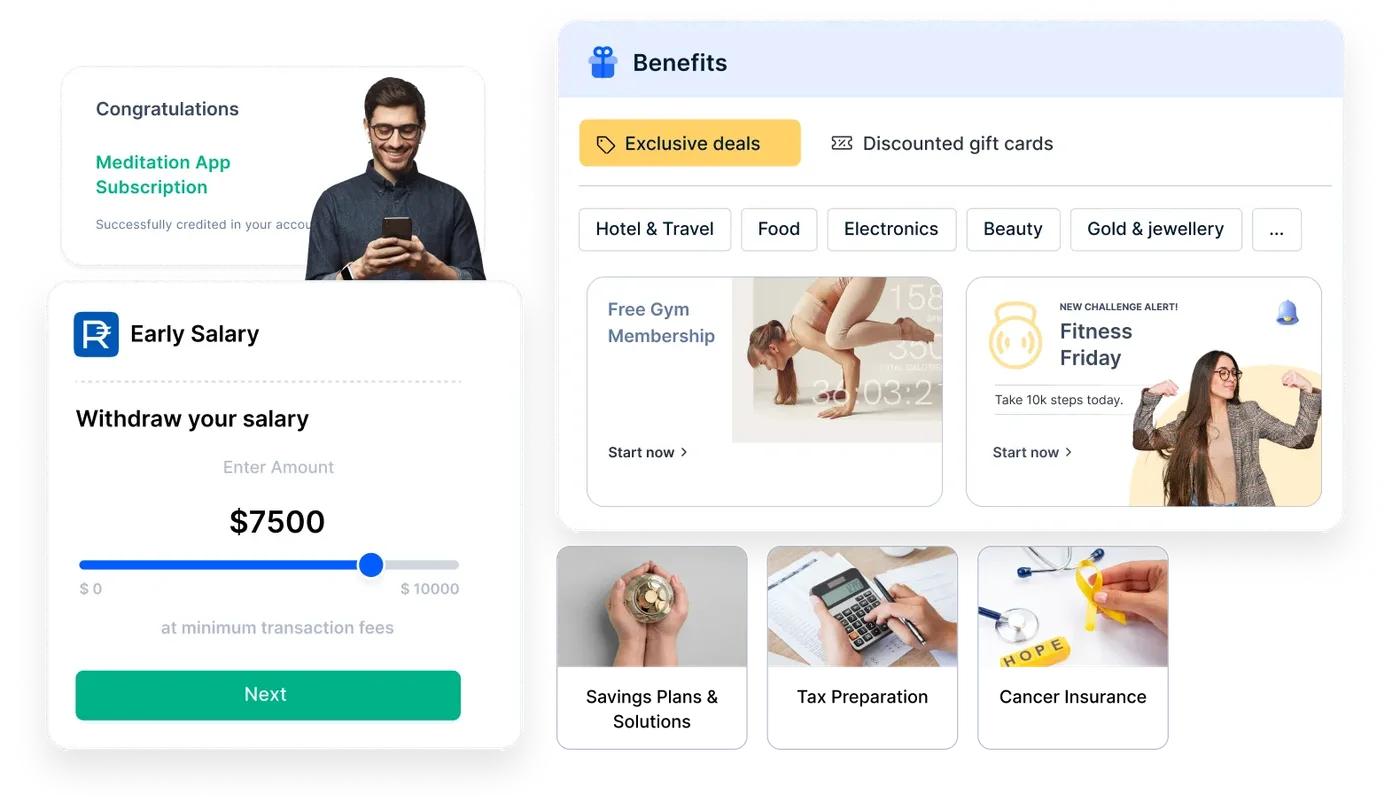
| Week 3 | Showcase perks long-tenured employees can use, such as tax-saving benefits, wellness allowances and discounts from 6,000+ brands, with testimonials from colleagues | Internal comms and perks store | Benefits and discounts |
| Week 4 | Mentor moments recognition wall: invite newer employees to thank long-tenured mentors using value badges such as Mentorship, Consistency and Legacy Builder | Social feed | Wall of fame and value badges |
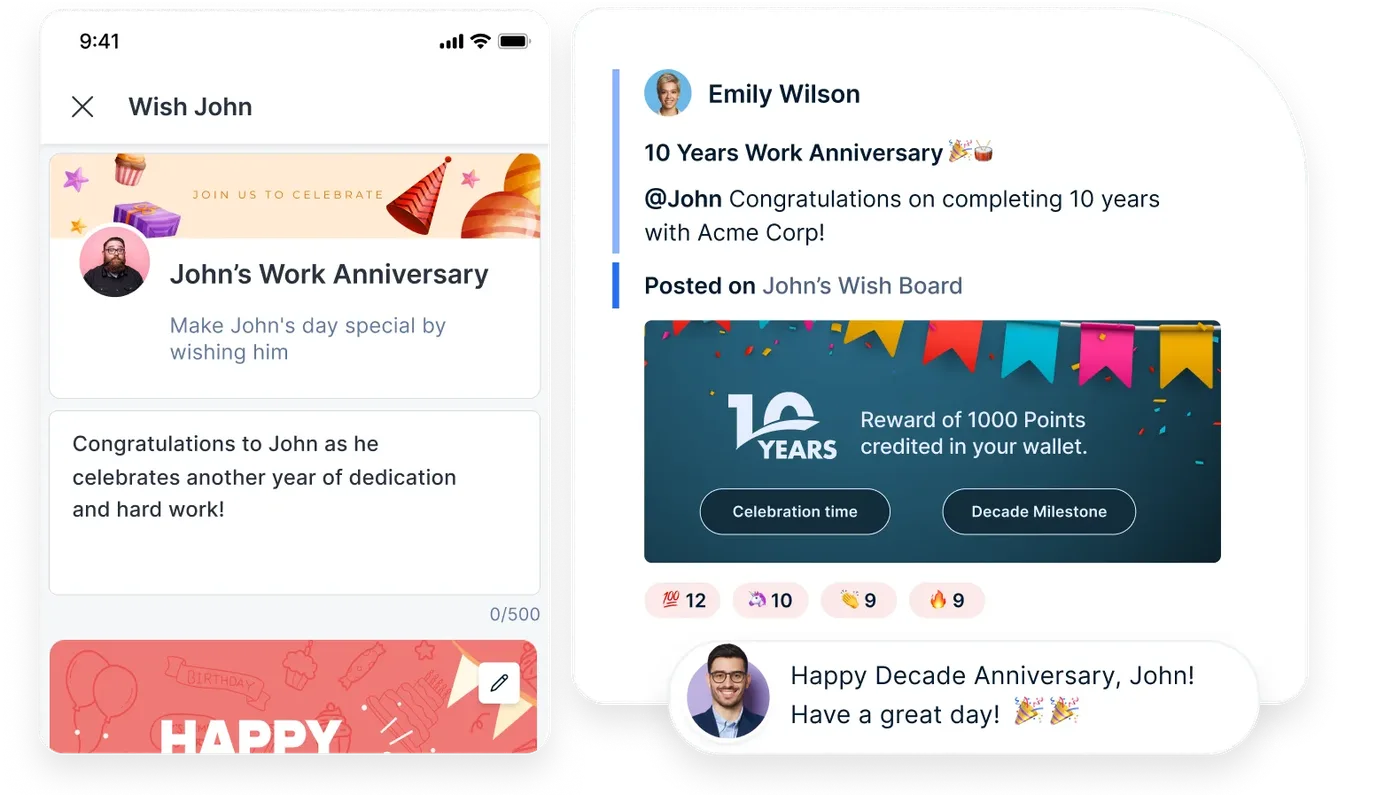
Beyond the campaign, Empuls supports day-to-day retention for experienced employees with recognition and nominations, automated celebrations for anniversaries and life events, pulse surveys and benefits such as earned wage access, lifestyle accounts and tax-saving options that HR can tailor by tenure, location or team.
Keep your long-serving people for the long term
Long-tenured employees are some of the most influential people in any organization, bringing a wealth of knowledge, skills, experience and judgment to their roles. Even the most seasoned employee can lose motivation over time if their work goes unseen and their growth stalls.
Appreciate them regularly through rewards and recognition, keep their pay and roles fresh, and listen before they start to drift. For a structured approach across your whole workforce, see how to build an employee retention program.
Book your Empuls demo
Frequently asked questions
There is no fixed rule, but many companies treat employees with more than five years of service as long-tenured, and those with fewer than five years as short-tenured. Milestones at 5, 10, 15 and 20 years are common points for long-service recognition. What counts as long tenure also depends on your industry and typical career lengths.
Long-tenured employees usually leave because they feel taken for granted, have hit a career plateau, are paid less than newer hires or are tired of constant change. Some leave for better flexibility or an attractive retirement option. Most give signals first, such as disengaging from new projects, so regular stay conversations help you catch and address these issues early.
Engage long-tenured employees by recognizing their ongoing impact, not just anniversaries, giving them fresh challenges and learning, and using their expertise as mentors or specialists. Review their pay against the market, involve them in decisions about change and offer flexibility that fits their stage of life. Ask them directly what they want next and act on it.
Recognize years of service with milestone awards at 5, 10, 15 and 20 years, a public celebration with messages from colleagues and leaders, and a reward the employee chooses, such as an experience, gift card or extra time off. Personal touches, like highlighting their specific contributions, matter more than the size of the reward. Automating milestones ensures no one is missed.
Often they are. When companies raise starting salaries to compete for new talent but give existing staff small annual increases, long-serving employees can end up earning less than new hires in the same role. This pay compression is a common reason experienced people leave. Regular market pay reviews for tenured staff help prevent it.
Offer flexible late-career options such as part-time schedules, phased retirement, sabbaticals and expert or mentoring roles. These let experienced employees keep contributing in a way that suits them, while the company gains time to transfer knowledge and plan succession. Regular conversations about their plans make it easier to design the right path together.
The best long-term employee retention strategies combine competitive pay and benefits, clear growth paths, frequent recognition, strong managers, flexibility and a culture where people feel heard. For long-serving employees, add role redesign, mentoring opportunities, stay interviews and flexible late-career paths. Track engagement and retention by tenure band to see where to focus.
Retaining experienced employees protects institutional knowledge, customer relationships and team stability that take years to build. Experienced people support new hires, keep work consistent during change and cost far less to keep than to replace. Losing several at once, especially through unplanned retirements, can leave serious gaps in skills and leadership.





































































































































































































































































































































































































































































































































































