
Key Takeaways
A talent management strategy is an organization's plan for attracting, developing and retaining the people it needs, connecting hiring, onboarding, performance, learning, recognition and succession.
Talent management covers nine components: workforce planning, acquisition, onboarding, performance, learning, engagement, recognition, succession and retention.
Gallup and Workhuman found well-recognized employees were 45% less likely to have left after two years, yet only 22% say they get enough recognition.
Onboarding, recognition and visible career advancement are the three talent management strategies with the most direct effect on retaining top talent.
Rate your program with a 10-area scorecard each quarter and track regrettable turnover, internal fill rate and engagement by team to see what works.
A talent management strategy is an organization's plan for attracting, developing and retaining the people it needs to meet its goals. It connects hiring, onboarding, performance, learning, recognition and succession into one lifecycle, so great employees have a reason to join, grow and stay. This guide covers what talent management includes, 11 effective talent management strategies and a scorecard to rate your own program.
Talent management has changed fast over the last few years, much like every other part of work. As any manager knows, losing a key team member can wreak havoc on a business, so when you find a great employee you want to do everything possible to keep them. That is why strategic talent management matters.
The stakes are rising. Gallup's 2026 State of the Global Workplace report found global employee engagement fell for the second year in a row in 2025, that falling manager engagement accounts for much of the decline, and that low engagement cost the world economy about $10 trillion in lost productivity, roughly 9% of global GDP.
What talent management means
Talent management is the process of recruiting, onboarding, developing and retaining the best talent your company can find. It is often described as the talent management lifecycle: it begins with acquisition and onboarding, then continues with a process to identify strong performers and give them a long-term plan with clear opportunities for career advancement.
Talent management usually sits with HR, but it is not just an HR function. Managers and supervisors must spot employees with potential and develop them, while HR provides the tools and support they need and makes sure talent management processes align with the organization's strategic goals.
What a talent management strategy includes
Talent management covers a broad set of HR practices that support the full employee lifecycle, from recruitment to retention. The nine components below follow that lifecycle in order, and each one feeds the next:
| Component | What it covers |
|---|---|
| Workforce planning | Analyzing current capabilities and forecasting future staffing needs to find skill gaps and align talent plans with business goals |
| Talent acquisition | Attracting, sourcing and hiring candidates for both skills and values alignment |
| Onboarding | Making new hires feel welcome, informed and equipped to succeed, which lifts early engagement and retention |
| Performance management | Setting clear goals, tracking progress and giving regular feedback that links individual work to company objectives |
| Learning and development | Training, upskilling and career development that keep employees growing and relevant |
| Employee engagement | Initiatives that keep people motivated, connected and aligned with company values |
| Recognition and rewards | Acknowledging achievements and rewarding effort to build a culture of appreciation |
| Succession planning | Identifying and preparing future leaders so critical roles are never left uncovered |
| Retention strategies | Growth, flexibility, support and strong workplace relationships that keep top talent |
Benefits of effective talent management
Effective talent management is not a checkbox. It drives growth, retention and innovation across the business, and the five benefits below are the ones you will notice first when it is done well:
- Improved employee retention: When people see clear career paths and feel aligned with the company's culture and values, they are far less likely to look elsewhere. That reduces turnover and the cost of replacing key talent, which Gallup puts at 40% of salary for frontline staff and up to 200% for leaders.
- Higher employee engagement: Regular feedback, recognition and learning opportunities keep employees motivated and connected to their work, which lifts team morale and performance.
- Better performance outcomes: When employees have clear goals, development resources and ongoing support, they know what is expected and how their work contributes to business results.
- Stronger employer brand: Companies that visibly invest in their people become an employer of choice, which makes recruitment easier and more effective.
- Effective leadership development: Identifying high-potential employees and preparing them through mentoring, succession planning and skill building reduces dependence on external hiring for critical roles.
Keep your best people growing
Empuls connects onboarding, surveys and recognition so your talent strategy runs every day.
Talk to our ExpertTrusted by 5,000+ companies
11 effective talent management strategies
The 11 talent management strategies below follow the employee lifecycle, from hiring and onboarding through development, experience and listening. If you are short on time, start with onboarding, recognition and career advancement, because those three have the most direct effect on how long your best people stay.
1. Hire candidates who fit your company values
The best candidate is not simply someone with the skills to do the job. A great candidate also has the attitude and values to succeed in your environment. When hiring, consider how well each person will work with the team, and whether the new hire will feel supported, get along with colleagues and grow.
The interview process helps you understand a candidate's goals and working style. Pointed questions like "Where do you see yourself in five years?" reveal ambition, while structured, scored interviews keep the focus on shared values rather than personal similarity. The wrong hire can sow discord and hurt productivity and team morale, so this step pays off for years.
2. Ensure effective onboarding
Onboarding can make or break an employee's relationship with your company. Poor onboarding leaves new hires feeling the company is disorganized, while a warm welcome and a clear plan build confidence from day one. A few things make life easier for new hires:
- Day-one readiness: Employee ID, email address and IT equipment ready on the first day.
- Tool access: Logins for the software programs your team uses, set up before they arrive.
- Policy clarity: A clear explanation of time off, sick leave, working hours and other policies.
- A roadmap: A clear plan for their first week, month and 90 days, with named people to go to.
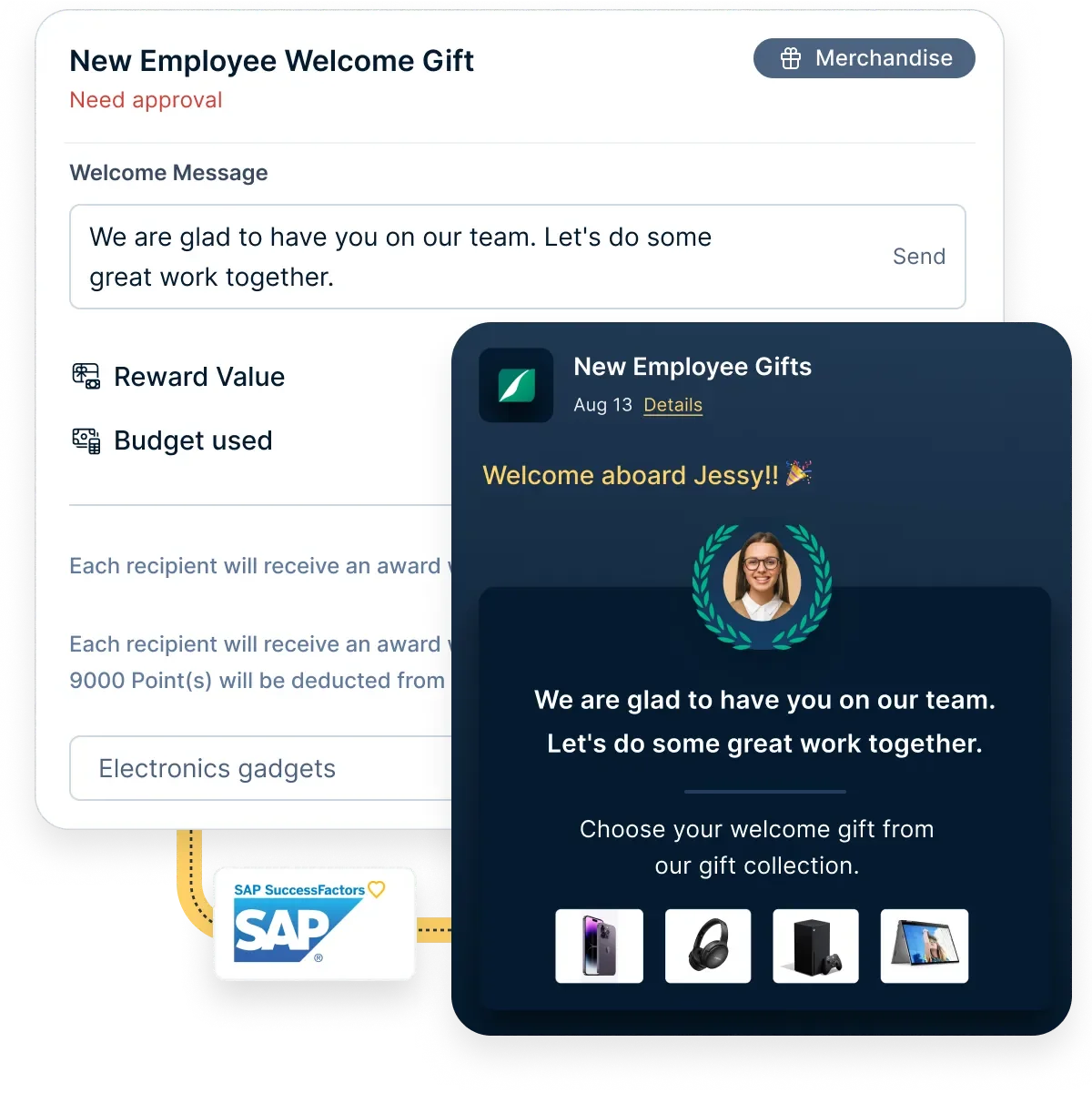
The more information you give new employees, the better. You can run onboarding training through a learning management system and add personal touches such as a team welcome message or a welcome gift for new hires. Effective onboarding increases your chances of retaining new hires.
3. Set clear expectations
Great employees want to perform well, but they can only do that if they understand what you expect. Set clear expectations from the start: the tasks they will do each day, where their role fits into the company's long-term goals and the KPIs you will use to measure success.
Give new employees SMART goals and targets, and never assume they know what the company wants from them. Clear direction from the start also makes it easier to identify employees with strong potential, so you can invest in developing their talent.
4. Give regular feedback on performance
Regular feedback on performance is essential. Positive feedback motivates people, and critical feedback is an opportunity for development. Giving feedback also shows you an employee's attitude: you want people who are open to learning and growing through constructive criticism.
Never criticize without giving direction. Point out areas for improvement and show employees how they can do better and earn a promotion faster. Move from annual reviews to frequent check-ins so feedback arrives while it can still change the outcome; our guide to building a culture of feedback shows how.
5. Provide proper recognition
Great employees want to feel recognized for their work, and a hard worker is far more likely to stay if their effort is rewarded. The evidence is strong: a Gallup and Workhuman study that followed nearly 3,500 employees from 2022 to 2024 found well-recognized employees were 45% less likely to have left after two years. Yet only 22% of employees said they get the right amount of recognition.
There are many ways to recognize people. A simple thank-you goes a long way, and so does praise in front of others at the next team meeting. Reward hard work with bonuses, extra time off or small gifts where you can. A formal employee recognition program helps you avoid the appearance of favoritism while giving employees transparent criteria.
6. Offer opportunities for career advancement
Retaining your best employees means giving them room to advance. HR and managers should discuss career goals with each employee, explain what opportunities are available and agree on the skills they need to reach the next rung of the ladder. HR can then point them to relevant training, which is especially important in fields that require certifications to progress.
A visible succession plan also aids retention, because people can see there is a future for them in the company. It protects you when the unexpected happens: if a manager goes on leave, a prepared successor can step in. Tools like the 9-box grid for talent management help you identify who is ready now and who needs development.
7. Automate wherever possible
You need a system to run and monitor your talent management efforts. A good HR and engagement platform lets you run employee surveys, build performance reports and use analytics to spot attrition risk before it turns into resignations.
Automating routine talent tasks frees up time for coaching, training and development conversations. When employees feel their manager cares about their career development, they stay longer. Automation also keeps your talent management strategies integrated, so data from onboarding, performance and engagement tells one connected story.
8. Provide a great experience at every employee touchpoint
A job is not all about money. Employees want a great experience across every touchpoint, from their first day to their work anniversaries. Offer flexible working arrangements and hours where the role allows, to accommodate health, caregiving and well-being needs.
Create a sense of workplace community too. When people feel they belong, they find it hard to leave, and that matters even more for hybrid and distributed teams who see each other less often. Small traditions help: shorter Friday hours in summer, team celebrations and recognition of life events all support work-life balance and lift employee satisfaction.
9. Provide employee support
Employees need to be able to talk to their manager or HR when they face problems, and to know who to contact and through which channels. Make those routes clear, and train managers to respond quickly and without judgment.
When there is trust in the workplace, efficiency and productivity improve as well. People who know they have support are less likely to burn out, and well-being benefits such as mental health resources and financial wellness support reinforce that message.
10. Focus on creating a sense of shared purpose
To keep great employees, build a shared sense of purpose. It can start with aligning your company values with your mission, so what you do reflects who you are as a company. Help employees understand your organizational values and mission, and reinforce them at every company gathering.
Explain your company's value to customers and the community, not just its sales targets. When employees understand that role, they see that they play a part in reaching a meaningful goal, which motivates them to stay and see it through.
11. Seek regular feedback from employees
Employees should not be the only ones receiving feedback. To retain your best people, you need to know whether you are treating them right, and the best way to find out is to ask. Ask what they think about working at the company, what they like and what should improve.
Use meetings, stay interviews and anonymous surveys so everyone can speak freely. Then follow through on what you learn: if a suggestion has merit, implement it and tell people you did. Acting visibly on feedback shows you are serious about listening.
Talent management scorecard
Use this scorecard to rate your current talent management strategy. Score each area from 1 (ad hoc) to 3 (consistent and measured), add up the total and focus the next quarter on your two lowest scores.
| Area | Question to ask | Score (1 to 3) |
|---|---|---|
| Workforce planning | Do we know which skills we will need in 12 to 24 months and where the gaps are? | ______ |
| Hiring | Do we use structured, scored interviews that test for skills and values? | ______ |
| Onboarding | Does every new hire get a 90-day plan, a buddy and day-one access to tools? | ______ |
| Expectations | Does every employee have written goals and know how success is measured? | ______ |
| Feedback | Do managers hold regular check-ins, not just annual reviews? | ______ |
| Recognition | Is recognition frequent, specific and visible across the company? | ______ |
| Career growth | Can employees see clear career paths and the criteria for each step? | ______ |
| Succession | Do critical roles have at least one ready or near-ready successor? | ______ |
| Experience and support | Do flexibility, well-being and support resources match what employees need? | ______ |
| Listening | Do we survey employees regularly and act visibly on the results? | ______ |
Track three metrics alongside the scorecard so you can see whether changes work: regrettable turnover (top performers who leave), internal fill rate (the share of open roles filled by internal candidates) and engagement or eNPS scores by team. Together they show whether your talent retention strategies are working.
Talent management best practices that tie it together
The strategies above work best when a few talent management best practices hold them together. These are the habits that separate programs that retain top talent from programs that only look good on paper:
- Make managers owners: Give managers the time, training and data to coach, recognize and develop their people. Gallup's finding that falling manager engagement drove much of the global decline shows why managers need support too.
- Connect the data: Link hiring, performance, engagement and exit data so you can see which teams and roles lose the most talent and why.
- Focus on high potentials: Your best people have the most options. Understand why high potential employees leave and give them stretch work and a visible path.
- Review regularly: Revisit the scorecard every quarter and adjust, rather than redesigning the program once a year.
For more on how to retain top talent at the program level, see our guides to building an employee retention program and proven employee retention strategies.
How Empuls supports your talent management strategy
As talent management becomes more people-centric, companies need more than policies. They need platforms that scale culture, drive engagement and support every stage of the employee journey. Empuls is an all-in-one employee engagement platform that supports the key pillars of talent management:
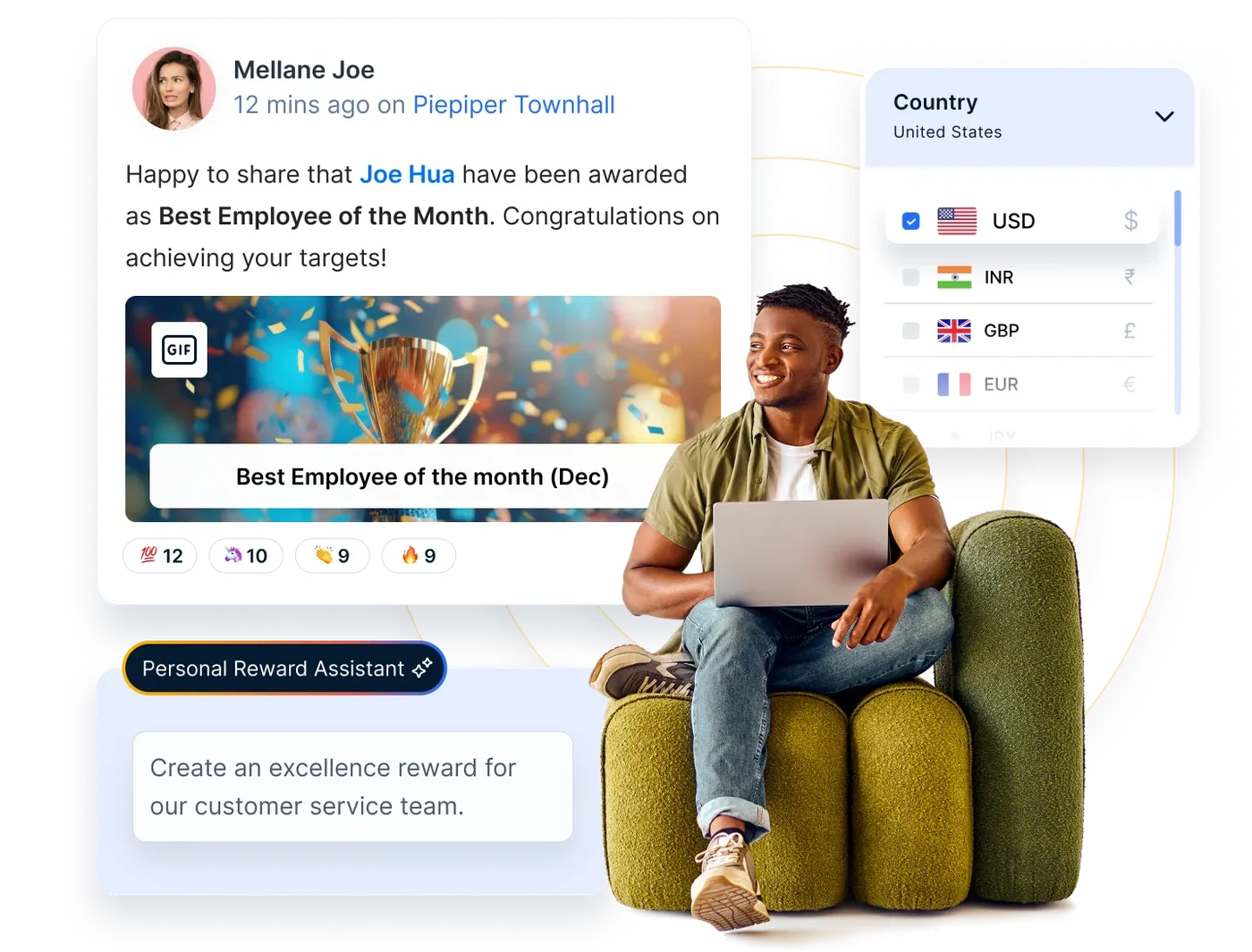
- Onboarding and lifecycle moments: Employee lifecycle journeys automate welcome wishboards, service awards and feedback at every transition.
- Always-on listening: Employee surveys, pulse checks and eNPS show sentiment by team, so HR can act before attrition risk turns into resignations.
- Recognition and rewards: Peer-to-peer recognition and structured reward programs make appreciation part of everyday work.
- Benefits that show you care: Employee benefits such as discounts and wellness support add meaningful touchpoints between paydays.
Talent management is a long game worth playing
Effective talent management is crucial to the continued success of any business. With the right talent management strategies, from hiring for values and strong onboarding to recognition, career growth and regular listening, you can keep your best employees and build the leaders you need next.
Smart companies invest time, effort and money in their talent management strategy, and it pays back. Use the scorecard to find your weakest areas, fix them one quarter at a time and measure the results. Great talent management is a win for both the company and its employees.
Book your Empuls demo
Frequently asked questions
The four pillars most often used to describe talent management are attracting talent, developing talent, engaging and rewarding talent, and retaining talent. Attraction covers workforce planning and hiring, development covers onboarding, learning and career growth, engagement covers recognition and feedback, and retention ties them together through succession and support. Many models expand these into more detailed stages of the employee lifecycle.
HR covers every people process in an organization, including payroll, compliance, benefits administration and employee relations. Talent management is a strategic part of HR focused on attracting, developing and retaining the people who drive business results. It also depends heavily on managers, who coach, give feedback and identify potential day to day, with HR providing the tools and structure.
Start by linking business goals to the skills you will need over the next one to two years. Assess your current talent against that plan, then design practices for hiring, onboarding, performance, development, recognition and succession. Assign owners, give managers tools and training, and set metrics such as regrettable turnover, internal fill rate and engagement scores. Review progress quarterly and adjust.
The best talent retention strategies are frequent, specific recognition, visible career paths and promotion criteria, regular feedback and coaching from managers, competitive pay and benefits, flexibility where roles allow and continuous listening through surveys and stay interviews. The common thread is acting early, before a valued employee starts looking elsewhere, rather than reacting with a counteroffer after they resign.
Measure talent management with a small set of outcome metrics: regrettable turnover among high performers, internal fill rate for open roles, time to productivity for new hires, succession readiness for critical roles and engagement or eNPS scores by team. Compare them quarter over quarter and by team, so you can see which practices are working and where to focus next.
Talent management is a shared responsibility. HR designs the processes, tools and policies and makes sure they align with business strategy. Managers carry it out day to day through hiring decisions, goal setting, feedback, coaching and recognition. Senior leaders sponsor it, model the behaviors and hold managers accountable for developing and retaining their people.
Succession planning is part of talent management because it ensures critical roles can be filled quickly by prepared internal candidates when someone leaves, retires or is promoted. It also boosts retention, since high-potential employees can see a future with the company. Tools like the 9-box grid help identify who is ready now and who needs more development.
Technology automates routine tasks such as onboarding workflows, survey distribution and recognition, which frees managers to coach and develop people. It also connects data from hiring, performance and engagement, so HR can spot attrition risk, skills gaps and high performers earlier. The best platforms are easy enough for employees to use daily, not just during annual reviews.





































































































































































































































































































































































































































































































































































