
Key Takeaways
Improving organizational culture starts with closing the gap between stated values and the behaviors people actually see rewarded.
The most common culture mistakes are rushed hiring, poor communication, negative reinforcement, micromanagement, unclear expectations, untrained managers and surveys without action.
Managers account for at least 70% of the variance in team engagement, so equipping them is the highest-leverage culture improvement.
Employees who received high-quality recognition were 45% less likely to leave within two years, according to 2024 Workhuman and Gallup research.
Track a small set of culture metrics, such as culture connection, eNPS, recognition spread and regretted turnover, every quarter.
If you want to know how to improve organizational culture, start by finding the gap between the values you state and the behaviors people actually see rewarded. Then remove the habits that erode trust, such as poor communication and micromanagement, and replace them with consistent practices: transparent communication, regular feedback, meaningful recognition and managers who model the culture. Measure the change every quarter so it sticks.
Organizational culture is something many employers pay close attention to, and for good reason. It isn't just about providing an inspiring place to work; it is also about motivating people and giving them a sense of community. If you want to sustain a business long term, build a workplace that reflects your values. For the basics, see our guide to what organizational culture is.
Building and regularly improving culture can raise output and reduce employee turnover. A poor culture does the opposite. And while many organizations work hard to develop an effective culture, sustaining it as the company grows is just as important. New employees with conflicting values, or managers who were never shown how to lead, can quietly create a toxic team culture that drags down productivity and performance.
Why improving organizational culture matters now
Two current trends make culture improvement urgent. First, the people who carry culture day to day are struggling: Gallup's State of the Global Workplace 2026 report found manager engagement fell from 27% to 22% in 2025, the main driver behind global engagement dropping to 20%. Second, everyday behavior is slipping. In SHRM's Q2 2025 Civility Index, workers who experienced or witnessed incivility lost an average of 36 minutes of productivity per incident, a cost SHRM estimates at about $2.07 billion a day for US organizations.
The good news is that culture responds to deliberate effort. The mistakes below are the most common reasons culture erodes, and the steps after them are the most reliable ways to rebuild it. If you need the business case for leadership, our sibling guide explains why organizational culture is important.
7 culture mistakes to avoid
A few habits clog up any business, and a poor culture is one of the biggest reasons people can't deliver good work. The seven culture mistakes to avoid below start with hiring because every other fix is harder when the wrong people keep coming in, and they end with the newer mistake of listening without acting.
1. Quick hires and fires
One of the most common mistakes is not evaluating candidates properly before hiring them. New staff can damage the culture if they aren't the right fit, which often leads to a quick hire and fire and a poor reputation in the job market.
If you are part of the HR team, take enough time to assess candidates for values alignment, not just skills, and invest in onboarding. New hires should experience your culture from the first interview through their first 90 days.
2. Lack of communication
Poor communication leads to a weak culture. When employees are not well informed about the company's goals, strategies or policies, they can't contribute fully. You hired them because they can help the company achieve its goals. If they don't know those goals, they are left waiting for things to happen.

3. Negative reinforcement
If you think of culture as a machine that needs constant maintenance, rewards are one of its oiling gears. A culture that only points out mistakes teaches people to hide them. Positive reinforcement maintains the culture by confirming good behavior, which makes it more likely you will see that behavior again.
4. Micromanagement
A good manager lets people do their jobs and motivates them to do them well. What is the point of working with a team if you don't value its ideas and criticism? You should set clear goals and check progress, but you cannot monitor everything. Some things have to be left to people so they can prove themselves. Otherwise, micromanagement destroys trust from within.
Culture thrives when managers focus on harmony and outcomes within teams rather than inspecting every detail.
5. Lack of clear expectations
Setting the right expectations is crucial. Employees need clear direction on what they should do and by when. If you don't give them the information they need, they may make mistakes, not because they are incapable, but because nobody told them what good looks like.
6. Leaving managers to figure it out
Managers translate culture into daily experience, yet many are promoted for technical skill and never trained to lead. In the same SHRM Civility Index, 66% of workers who experienced incivility said their manager could have done more to prevent it, and 70% said managers care more about business objectives than about how people are treated. Culture improvement that skips managers rarely reaches the front line.
7. Surveying without acting
Asking for feedback and then doing nothing is worse than not asking. Employees notice when an annual survey produces a report and no visible change, and participation drops the next time. Share results quickly, commit to a few specific actions and report back on progress. Our article on why annual employee surveys fail covers how to build a listening program that leads to action.
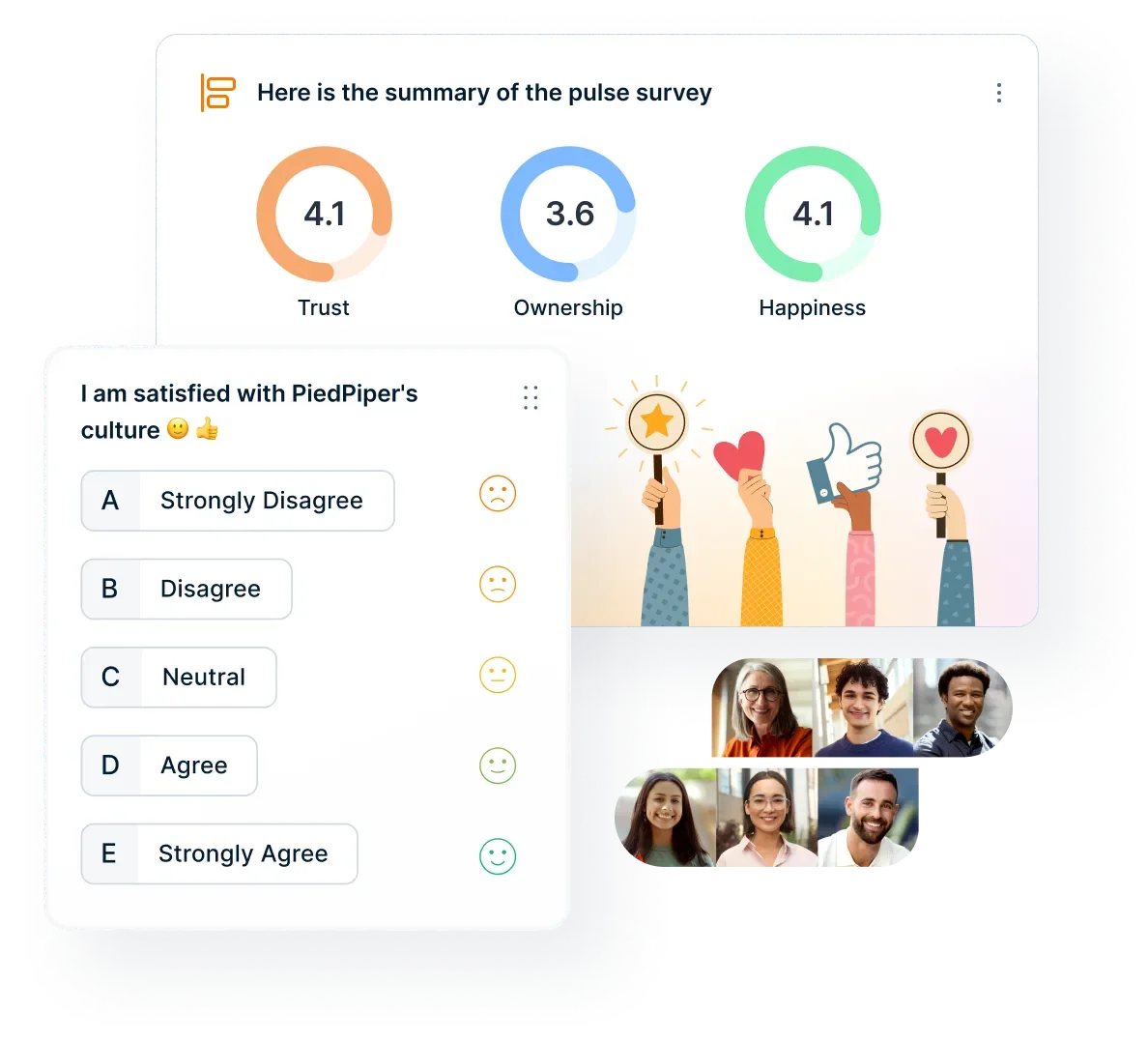
Turn culture plans into daily habits
Recognize values in action, run pulse surveys and track action plans in one engagement platform.
Talk to our ExpertTrusted by 5,000+ companies
How to improve organizational culture: 11 effective steps
Improving organizational culture isn't a one-time fix; it is an ongoing effort that starts with listening and acting on feedback, and it requires aligning leadership, values and everyday behavior. The 11 steps below start with managers and communication because they shape every other step, and they end with measurement so you can tell what is working.
1. Equip managers to carry the culture
Gallup's employee engagement research shows managers account for at least 70% of the variance in team engagement. Train managers in coaching, feedback and recognition, give them clear guidance on what each value looks like in practice, and include culture behaviors in how you evaluate them. A manager who models the values does more for culture than any policy.
2. Build effective communication within your company
Open communication means every team member feels comfortable sharing opinions, raising a problem or asking a question. Keep communication two-way to prevent misunderstandings. A social intranet can centralize internal communication so updates, conversations and recognition all live in one place, including for frontline and remote teams.
3. Be transparent
Organizational issues left unspoken damage businesses, so there must be open communication between management and staff. Transparency creates trust, which improves engagement and productivity. When workers feel comfortable discussing issues with management, it builds rapport, and sharing company goals and strategy guides employees in the right direction.
When you are transparent with employees, you earn their trust and build a healthy relationship with them. A culture of transparency also improves retention, because people rarely leave organizations where they understand what is happening and why.
4. Improve employee recruitment and onboarding
Employees are your building blocks, and you can only succeed with effective people at every level. Hire for values alignment as well as skills, and use orientation programs to give recruits a clear understanding of company policies, ways of working and communication norms.
Help new hires understand your culture from their first day. It helps them adapt quickly and reduces early turnover. Digital onboarding celebrations are a simple way to welcome people visibly.
5. Create a conducive work environment
A well-informed employee is key to organizational success, but that depends on how well they understand their responsibilities and what is happening around them. Create an environment where employees feel safe asking questions and admitting mistakes. That starts conversations between managers and workers, which helps set clear expectations for daily tasks and assignments.
6. Provide regular feedback
Feedback is an essential part of any job. Regular feedback helps employees know what to improve and helps managers understand how their team is doing. Yet the 2024 Workhuman and Gallup study found 46% of employees do not get feedback from their manager as often as they want.
Managers should hold feedback conversations at least monthly, or every two weeks depending on the project. Task management tools help employees and managers track current and upcoming work and give feedback in context. For structured, multi-rater input, see our guide to 360-degree feedback.
7. Offer rewards and recognition
Employee recognition is crucial for a business that strives for longevity. When employees feel recognized, they are more likely to stay than to look elsewhere. The same Workhuman and Gallup research found employees who received high-quality recognition were 45% less likely to have left their job two years later.
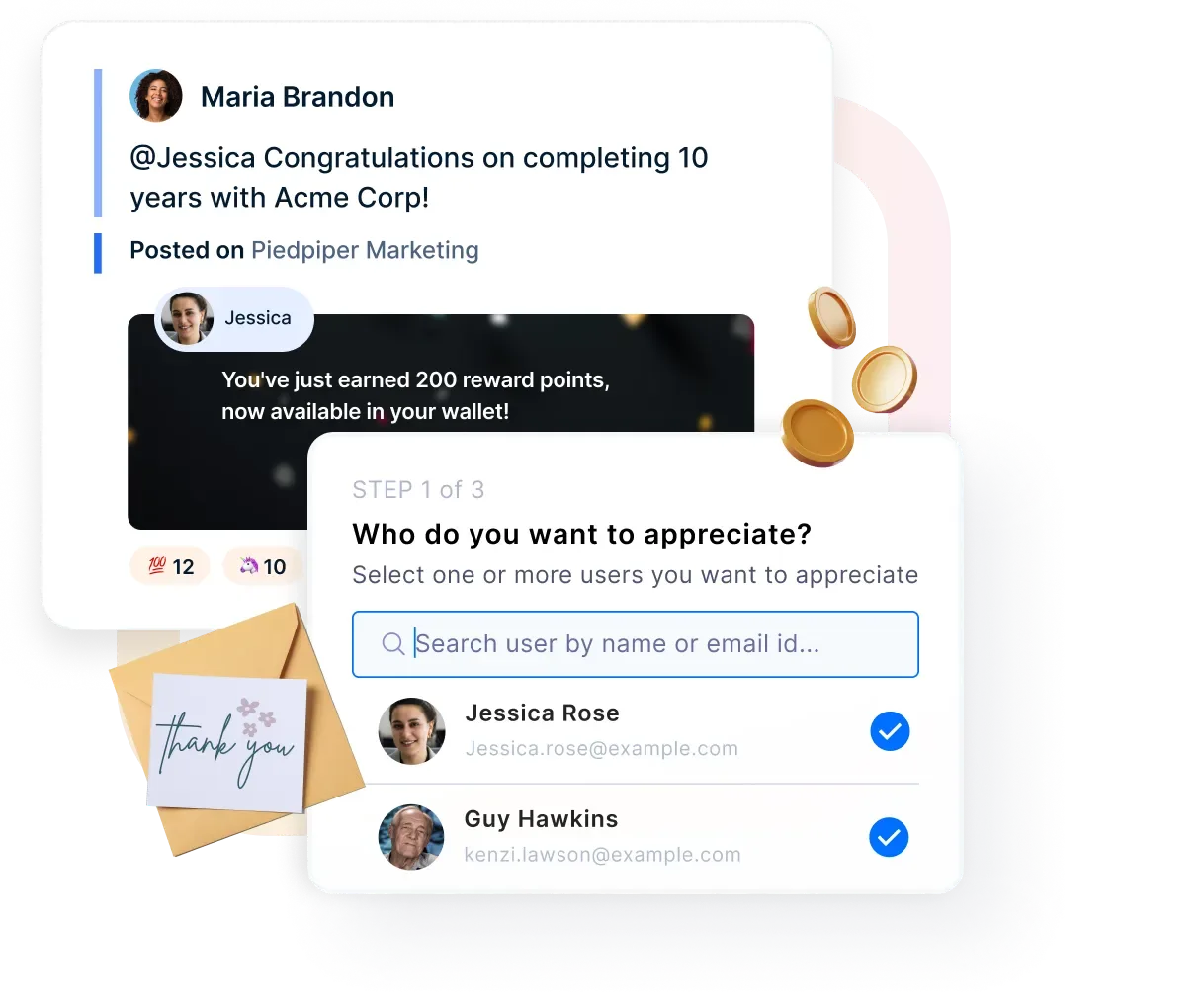
Build a rewards and recognition program that ties awards to your values, so recognition reinforces the culture you want. Our guide to values-based recognition programs explains how to set one up.
8. Understand employee wellbeing and social needs
When shaping culture, consider your employees' physical, emotional, financial and social needs. That can mean healthy meals at work, flexible work arrangements, mental health support and protected time off. Putting employees first makes them more creative and resilient, helps them grow their careers and makes them happier at work. A structured wellness program helps make this consistent.
9. Measure culture with data and feedback
You can measure culture with employee surveys, run internally or by a third party. Ask how people feel about specific aspects of workplace life, such as trust, communication, fairness or how often they are praised for good work. Short, frequent pulse surveys show trends faster than a single annual survey.
Improving culture starts with leadership understanding that employee experience strongly affects productivity. Data makes that case concrete and shows where to act first.
10. Embrace diversity and inclusion
A diverse workforce brings different perspectives to problems and fresh ideas that improve the work and, with it, the culture. Diversity only pays off with inclusion: tolerance, open-mindedness and fair processes for hiring, promotion and recognition. Review who gets recognized and promoted across teams, locations and demographics to make sure opportunity is genuinely equal.
11. Encourage collaboration between employees
When employees collaborate, they bounce ideas off each other, broaden their knowledge and develop new ideas that benefit the company. A mentorship program helps here, because it pairs people with different strengths so they can work through challenges together. Both people learn from each other, which supports growth for the organization and for each person involved.
How to measure organizational culture improvement
Culture change is slow, so pick a small set of indicators and track them consistently rather than chasing every metric. The table below shows the measures that tell you the most, and how often to review them.
| Metric | What it tells you | Review cadence |
|---|---|---|
| Culture connection score | Whether employees feel connected to the culture, for example agreement with "I feel connected to my organization's culture" | Quarterly |
| eNPS | How likely employees are to recommend you as a place to work | Monthly or quarterly |
| Pulse survey themes | Sentiment on trust, communication, fairness and manager support | Monthly |
| Recognition frequency and spread | Whether appreciation is regular and reaches all teams, and which values it reinforces | Monthly |
| Voluntary turnover and regretted exits | Whether people you want to keep are staying | Quarterly |
| Exit interview themes | Which culture issues push people out | Quarterly |
| Survey action completion | Whether leaders follow through on what employees said | Quarterly |
For a scored, benchmarked view of the engagement side, see our guide to the employee engagement index.
How Empuls helps improve organizational culture
Building a great workplace culture takes more than mission statements and policies. It takes consistent, meaningful action that makes employees feel seen, heard and valued. Empuls, Xoxoday's employee engagement platform, helps unify remote, hybrid and distributed teams with recognition, communication and listening tools.
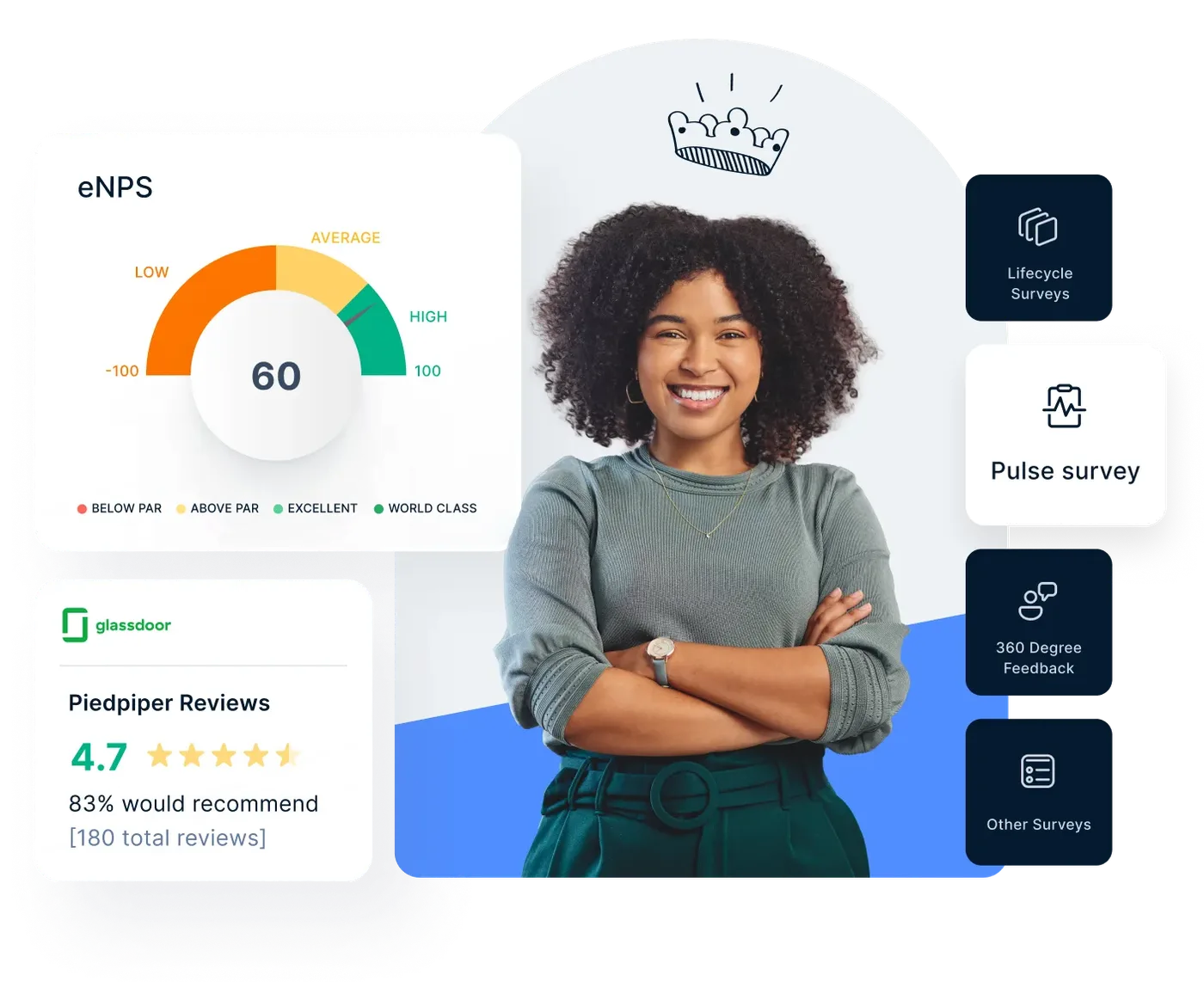
- Drives continuous recognition: Peer-to-peer shoutouts, manager recognition and milestone rewards weave appreciation into daily work, reinforcing positive behavior and morale.
- Aligns teams with shared values: Spot Awards tagged to company values reinforce your cultural identity and show which values are lived most. See culture and values in Empuls.
- Encourages open communication: Social feeds, polls and surveys give employees a voice and help leaders stay in tune with sentiment.
- Promotes inclusion and connection: Cross-functional appreciation and celebrations bridge gaps between departments, locations and roles.
- Turns culture into data: Reports and analytics track engagement trends, recognition frequency and participation, and Action Plans assign owners to every improvement area.
By making culture measurable, visible and worth celebrating, Empuls helps companies move from intention to impact.
Closing thoughts
Organizational culture is about creating an environment where everyone can thrive. Because culture plays such a large role in productivity and performance, you need to know whether yours meets your company's needs and supports its goals.
Engage new hires and introduce them to your culture from the start, equip managers to carry it, and fix problems such as miscommunication before they damage productivity. Left unchecked, they cause high turnover because employees don't feel they fit. Avoid the mistakes above, work through the steps consistently and you will build a culture that sustains your business in the long run. Building a positive workplace culture is the long game, and our guide to positive company culture covers the habits that keep it going.
Book your Empuls demo
Frequently asked questions
The first step is diagnosis. Compare your stated values with what actually happens: who gets hired, promoted and recognized, how decisions are made and what behavior is tolerated. Anonymous surveys, focus groups and exit interviews reveal the biggest gaps. Fixing those gaps first gives you quick credibility and shows employees that culture work is more than a slogan.
Visible improvements, such as better communication rhythms or a new recognition program, can show results within three to six months. Deeper change to beliefs and habits usually takes one to three years of consistent leadership behavior. Track a few metrics every quarter, such as eNPS and culture connection, so you can see progress before the full shift happens.
Many effective ideas cost little: weekly peer recognition tied to company values, regular one-to-ones, transparent all-hands updates, a mentorship program, short pulse surveys with visible follow-up, and celebrating work anniversaries and team wins. Training managers to give feedback and recognition is also inexpensive and has one of the biggest effects on how culture is experienced.
The biggest culture mistakes to avoid are hiring for skills alone, poor communication, relying on criticism instead of positive reinforcement, micromanagement and unclear expectations. Two newer mistakes are leaving managers untrained in leading people and running surveys without acting on the results, both of which quickly erode employee trust in culture initiatives.
Senior leaders set the direction and model the behavior, so they own culture. HR designs the systems, such as hiring, onboarding, recognition and listening programs, that reinforce it. Managers carry it into daily work and have the most direct influence on how employees experience it. Every employee shapes culture through the behaviors they choose and reward in peers.





































































































































































































































































































































































































































































































































































