
Key Takeaways
An employee discount platform is a digital portal or app that gives employees exclusive discounts, cashback and deals from partner brands, managed by the employer in one place.
Brands fund most employee discounts, while employers pay through per-employee subscriptions, merchant-funded models, bundled suites or pay-on-redemption pricing.
Catalog relevance, mobile access, localization and integration with recognition matter more than the total number of offers.
Most discount programs fail because employees forget them, so launch campaigns, single sign-on and regular promotion drive adoption.
Track activation, monthly active users, redemption rate and savings per active user to prove the value of an employee discount program.
An employee discount platform is a digital portal or app that gives employees exclusive discounts, cashback and deals from partner brands, managed by the employer in one place. It turns a scattered set of vendor offers into an employee discount program people can find, use and value every week. This guide explains how an employee discount platform works, what features to look for and the best practices that drive real adoption.
As businesses navigate hybrid work and rising living costs, delivering everyday value to employees has never mattered more. One of the most impactful, yet often overlooked, ways to show employees they matter is a well-run discount program that helps them save on essentials and indulgences alike, from groceries, travel and wellness to subscriptions and gadgets.
Whether you are an HR leader, benefits administrator or business owner, use this guide to understand the category before you compare vendors. If you are already shortlisting providers, our review of the best employee discount programs covers named programs and what they do differently.
What an employee discount platform is
An employee discount platform is a digital system that provides employees with access to discounts and savings on products and services from a wide range of retailers and service providers. Employees log in through a web portal, mobile app or a work tool like Microsoft Teams or Slack, browse offers by category and redeem them through codes, discounted vouchers, cashback or member pricing.
These platforms offer a convenient way for employees to save money on everyday expenses as well as larger purchases like vacations and electronics. The key benefits include:
- Financial savings for employees: Discounts and cashback offers stretch every paycheck without a salary increase.
- Higher satisfaction and engagement: Regular, visible savings add tangible value employees notice every month.
- Better retention: Employee discounts and perks make the company more attractive to stay with.
- Stronger employer brand: A competitive benefits package helps attract top talent.
An employee discount platform differs from an in-house discount on your own products. A retailer giving staff 20% off its own store is an internal program; a platform aggregates third-party brands so every employee, in any industry, can benefit. Many companies run both.
How an employee discount platform works
Most employee discount platforms follow the same five-step flow, from employer setup to employee savings. Brand partnerships carry the most weight because the depth and relevance of the catalog decide whether employees come back, so pay close attention to step two.
- The employer signs up and configures the program: HR chooses the countries, categories and employee groups to cover, adds branding and connects the HRMS or single sign-on so access is automatic.
- The provider brings brand partnerships: The platform negotiates offers with retailers, restaurants, travel, wellness and tech brands. Brands fund most discounts because they gain loyal customers.
- Employees get access: Employees log in with work credentials on web, mobile or inside collaboration tools, and see offers localized to their country and currency.
- Employees redeem offers: Depending on the deal, they use an instant code, buy a discounted gift card, earn cashback or pay a member price at checkout.
- HR tracks usage and savings: Dashboards show logins, redemptions, popular categories and total employee savings, which helps HR prove value and tune the catalog.
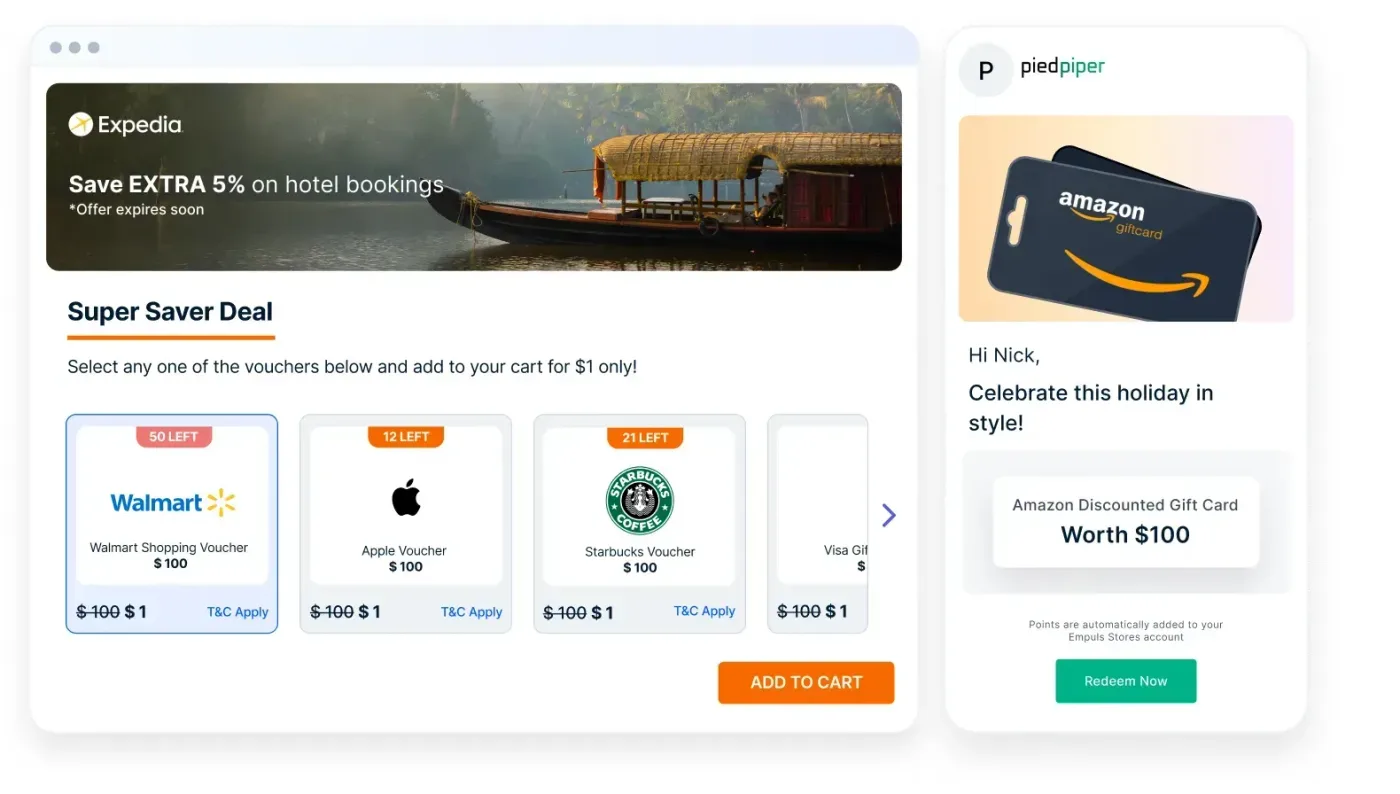
Types of employee discounts on a platform
Employee discount platforms usually combine six types of discounts, and the best ones mix several so every employee finds something useful. Discounted gift cards and cashback lead the table because they apply to everyday spending, which is where repeat use comes from.
| Discount type | How it works | Best for |
|---|---|---|
| Discounted gift cards and vouchers | Employees buy a brand voucher below face value and spend it as normal | Groceries, fuel, dining, online shopping |
| Cashback | A share of the purchase returns to the employee's wallet after checkout | Everyday and online purchases |
| Instant discount codes | Codes applied at online checkout for a percentage or fixed saving | Fashion, electronics, subscriptions |
| Exclusive member pricing | Lower prices shown to logged-in employees on partner sites | Travel, hotels, car rentals, tickets |
| Local and in-store offers | Deals at nearby gyms, restaurants or services, sometimes claimed by uploading a receipt | Frontline and regional teams |
| Voluntary benefit discounts | Group rates on pet insurance, legal plans or identity protection | Larger purchases and family needs |
Employee discount platform pricing models
There are four common pricing models for an employee discount platform, and the right one depends on your budget and whether you want discounts alone or a wider engagement suite. Look past the headline price: the model decides who pays for redemptions, what is included and how costs scale as adoption grows.
| Pricing model | How it works | Watch out for |
|---|---|---|
| Per-employee subscription | A monthly or annual fee per user, with volume discounts for larger teams | Paying for every employee even if few use the platform |
| Merchant-funded (free or low cost) | The provider earns commission from brands, so the employer pays little or nothing | Smaller catalogs, more advertising, premium add-ons that carry fees |
| Bundled engagement suite | Discounts come as one module alongside recognition, surveys or wellness | Paying for modules you will not use |
| Pay-on-redemption | You pay for rewards, gift cards or allowances only when employees redeem them | Make sure platform fees and redemption costs are both clear |
Ask every vendor for a full quote covering platform fees, implementation, integrations, customization and any redemption charges. Pricing pages change often, so compare written quotes rather than published estimates.
Launch an employee discount platform people use
Give every employee discounts and cashback from 6,000+ brands, alongside recognition and flexible benefits, in Empuls.
Talk to our ExpertTrusted by 5,000+ companies
Key features to look for in an employee discount platform
A long brand list is not enough. These features separate a corporate employee discount program that employees use every month from one they forget after onboarding.
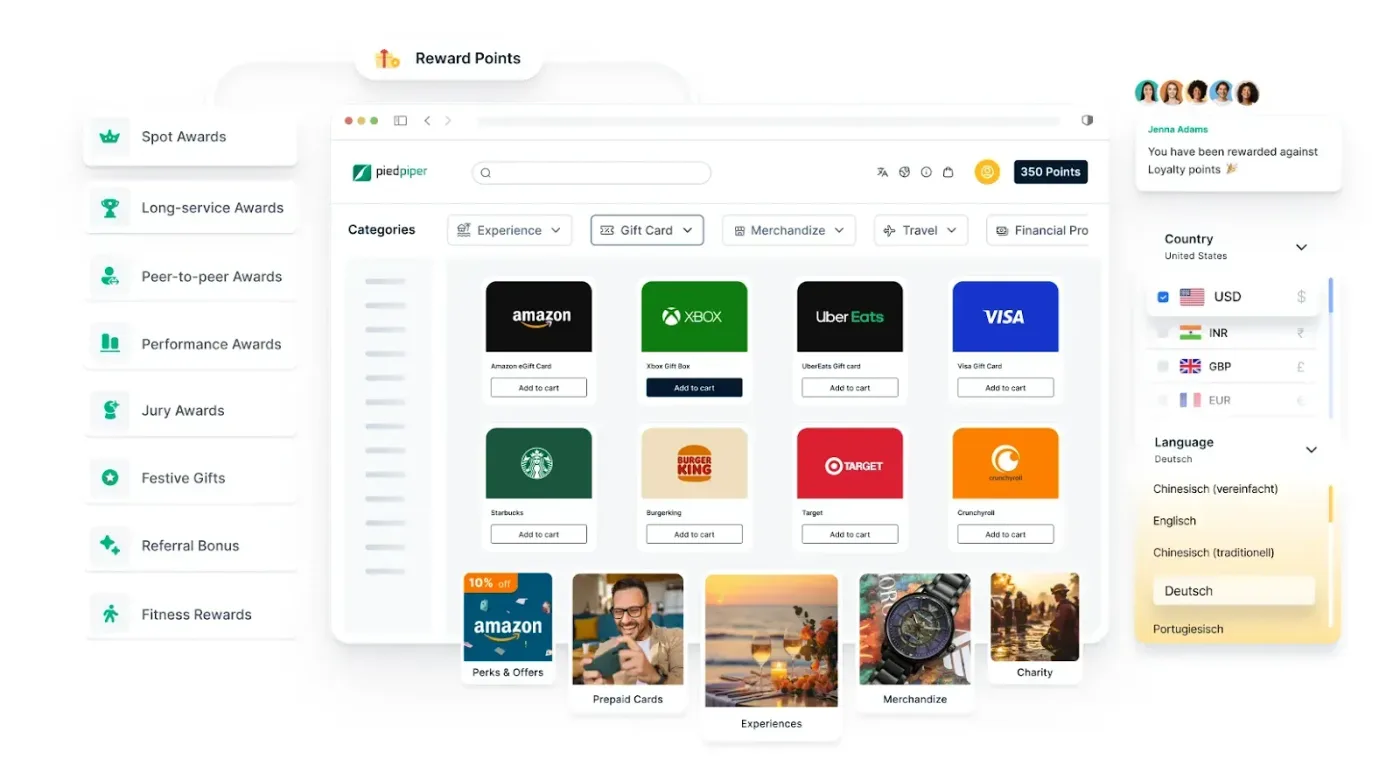
- Relevant, localized catalog: Offers in the categories your people spend on most, such as groceries, fuel, dining and wellness, localized by country, language and currency.
- Mobile-first experience: A dedicated app or mobile web with simple search and one-tap redemption, so frontline and remote employees can use it anywhere.
- Access inside work tools: Login through single sign-on and access from Microsoft Teams, Slack or the company intranet removes friction.
- Multiple redemption methods: Codes, discounted vouchers, cashback and member pricing cover more purchase types.
- Integration with recognition and rewards: Employees can spend recognition points in the same store where they find discounts, so engagement and savings reinforce each other.
- Flexible benefits and allowances: Lifestyle spending accounts and tax-efficient allowances let you fund perks, not just discount them.
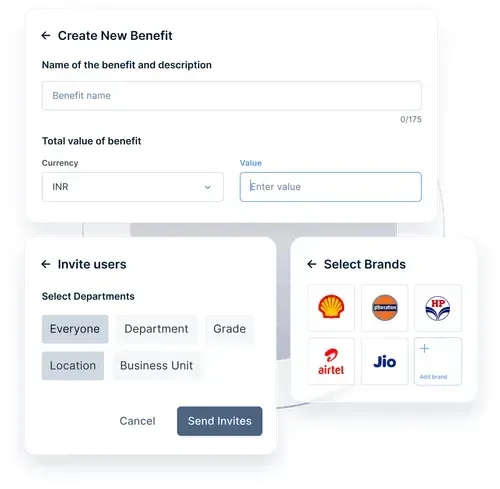
- Admin controls and analytics: Eligibility by department, location or grade, budget limits, and reports on usage and savings.
- HRMS integrations and security: Automatic onboarding and offboarding through your HRMS, plus security and privacy certifications such as ISO 27001, SOC 2 and GDPR compliance.
- Branding and customization: Your logo, colors and company-specific offers make the platform feel like your own benefit, not a third-party coupon site.
Benefits of an employee discount program
An employee discount program pays back on both sides of the relationship. For employees it is real money; for employers it is one of the lowest-cost ways to raise the perceived value of the total rewards package.
Financial pressure makes this especially relevant. PwC's 2026 Employee Financial Wellness Survey found that 59% of US employees feel stressed about their finances and 49% say their pay is not keeping up with rising costs. Discounts on everyday spending offer direct relief without a salary increase.
| For employees | For employers |
|---|---|
| Savings on groceries, fuel, travel, tech and wellness | Higher perceived value of the benefits package at low cost |
| Less financial stress and more take-home value | Better engagement and retention |
| Choice: people pick the deals that fit their life | A stronger employer brand for hiring |
| One place for perks, rewards and allowances | Fewer vendors and less admin when consolidated on one platform |
Understanding and using benefits matters as much as offering them. MetLife's 2025 Employee Benefit Trends Study found that employees who understand and are satisfied with their benefits are 1.4 times more likely to feel engaged.
How to choose the best employee discount platform
The best employee discount platforms for one company may be wrong for another, so judge each option against your own workforce. Use these questions in vendor demos and score every provider on the same criteria.
| Question to ask | Why it matters |
|---|---|
| Does the catalog cover every country and city where we have employees? | Global teams need local brands and currencies, not a US-only list |
| Which categories have the deepest discounts? | Everyday categories like groceries and fuel drive repeat use |
| How do frontline employees without a work email log in? | Access decides adoption for deskless teams |
| Can we add recognition points, allowances or company-specific offers? | One platform beats several disconnected tools |
| What do the analytics show? | You need usage and savings data to prove value |
| What is the full cost, including redemption and add-on fees? | Avoid surprises after launch |
| Which HRMS and collaboration tools does it integrate with? | Automatic provisioning saves admin time |
| What security and privacy certifications does it hold? | Employee data must be protected |
For named options and examples of in-house programs, see our guide to the best employee discount programs. If you also want to compare a broader perks strategy, read our list of 21 employee perks.
Best practices to drive adoption
Most discount programs fail because employees forget they exist, not because the deals are poor. These seven best practices are ordered by impact, starting with employee input and launch communication because they set the ceiling for everything that follows.
- Ask employees what they want: Survey people on where they spend most and which brands they use. Build the catalog around that, not around what looks impressive in a demo.
- Launch with a campaign, not an email: Announce the program in team meetings, the intranet and chat tools, show real savings examples and give a reason to log in during the first week.
- Make access effortless: Use single sign-on, a mobile app and links inside Teams or Slack. Every extra password costs you users.
- Promote regularly: Share seasonal deals before holidays, back-to-school and travel seasons, and spotlight employees' savings stories.
- Combine discounts with recognition: Let employees spend recognition points in the same store, so every reward also brings them back to the discounts.
- Include every employee: Make sure remote, frontline and part-time employees have the same access and local offers.
- Review and refresh the catalog: Use redemption data to drop low-value offers and add brands employees ask for.
Metrics to track for your employee discount program
Track a small set of metrics monthly and report them to leadership each quarter. They show whether employees know the program exists, whether they find value in it and whether it supports engagement.
- Activation rate: Share of eligible employees who have logged in at least once.
- Monthly active users: Employees who browse or redeem in a given month.
- Redemption rate: Share of employees who redeem at least one offer per quarter.
- Savings per active user: The concrete value employees receive, which makes the business case tangible.
- Top categories and brands: Shows where to deepen the catalog.
- Engagement link: Compare pulse survey scores for users and non-users.
For a deeper look at reporting discount program results to finance, see the measurement section of our employee discount programs guide.
Common mistakes with employee discount platforms
Avoid these mistakes and the same budget will deliver far more value.
- Choosing on catalog size alone: A million offers mean little if the brands your people use every week are missing.
- Ignoring local relevance: A US-heavy catalog will not engage teams in India, the Middle East or Europe.
- Launching once and going quiet: Usage drops fast without regular reminders.
- Running discounts in isolation: Separate tools for discounts, recognition and allowances confuse employees and add admin.
- Treating discounts as a substitute for pay or core benefits: Discounts add value on top of fair pay and protection, not instead of them.
How Empuls delivers employee discounts and perks
Empuls is Xoxoday's employee engagement platform, and its discounts module brings everyday savings together with recognition, flexible benefits and surveys, so HR teams run one corporate employee discount program instead of juggling vendors.
- Perks Store: Discounts and cashback from 6,000+ brands across 30+ categories, with discounts typically ranging from 5 to 50%. Explore employee discounts.
- Global reward marketplace: A reward network of 10M+ products across 150+ countries for recognition points, gift cards and experiences.
- Lifestyle spending accounts: Recurring allowances for fitness, family, learning, pets, travel and home office, with categories and caps you configure. See lifestyle accounts.
- Tax-saving benefits: For India, one card powers multiple tax-exempt wallets such as meals, fuel, telecom and books. See tax-saving benefits.
- Recognition built in: Employees spend recognition points in the same store where they find discounts. See recognition.
- Integrations and pricing: HRMS, payroll and SSO integrations, access in Microsoft Teams and Slack, and a pay-on-redemption model so reward spend follows actual usage. See integrations.
Employee discount platforms do more than help people save money. Run well, they show employees every week that their employer cares about life beyond work, which is exactly what builds loyalty.
Book your Empuls demo
Frequently asked questions
An employee discount platform is a digital portal or mobile app that gives employees access to exclusive discounts, cashback and member pricing from partner brands. The employer sets it up and controls who can access it, and employees log in with work credentials to browse and redeem offers on groceries, travel, dining, wellness, electronics and more.
An employee discount program works by pooling the buying power of a company's workforce. A provider negotiates deals with brands, the employer gives employees access through a portal or app, and employees redeem offers using codes, discounted gift cards, cashback or member pricing. HR then tracks usage and savings to measure the program's value.
Costs vary by model. Some providers charge a per-employee monthly or annual subscription, some are merchant funded and cost the employer little or nothing, others bundle discounts into a wider engagement suite, and some use pay-on-redemption pricing for rewards. Always request a full written quote including platform, integration, customization and redemption fees.
The best employee discount platforms offer a catalog that matches where your employees spend, local offers in every country you operate in, mobile and single sign-on access, analytics, and integration with recognition and flexible benefits. Shortlist providers against those criteria and run a pilot with a group of employees before committing to a full rollout.
In the US, discounts employees receive through a third-party discount platform are generally not treated as taxable income, and qualified discounts on an employer's own goods and services can be tax-free within IRS limits. Allowances and stipends are treated differently and may be taxable. Rules vary by country, so confirm the treatment with your tax advisor.
Employee discounts are reduced prices on products and services that employees pay for themselves. Perks are the wider set of extras an employer offers, such as flexible hours, wellness stipends, free meals and learning budgets, often fully paid by the employer. Employee discounts and perks work best together on one platform that employees can easily access.
Increase usage by building the catalog around what employees actually buy, launching with a campaign rather than one email, using single sign-on and a mobile app, promoting seasonal deals regularly and letting employees spend recognition points in the same store. Track redemption data and refresh the catalog every quarter to keep offers relevant.





































































































































































































































































































































































































































































































































































