
Key Takeaways
Employee engagement in the IT industry depends most on autonomy, visible recognition, real growth and protection from burnout.
Stack Overflow's 2025 Developer Survey found only 24.5% of developers are happy at work, while 47.1% are complacent.
Autonomy and trust to manage their own tasks is the top driver of developer job satisfaction, ahead of pay.
Half of developers lose more than 10 hours a week to organizational friction, so removing friction is an engagement strategy in itself.
Tech retention strategies work best when they are tailored to career stage, from mentoring for freshers to ownership for senior engineers.
Employee engagement in the IT industry is the commitment, energy and sense of ownership that developers, engineers, testers, support and IT services professionals bring to their work. The strategies that actually work give tech teams autonomy, visible recognition, real growth and protection from burnout, because those are the things that keep skilled people productive and loyal in a market where they always have options.
The IT industry is known for its fast pace, round-the-clock operations and relentless pressure to stay ahead. With tight deadlines, complex projects and long hours, burnout is common and attrition stays high. Amid all this, engagement often gets overlooked. Yet it is not about keeping people happy for its own sake: it is about creating an environment where tech professionals feel valued, connected and motivated to do their best work. Engaged employees deliver higher productivity, bring fresh ideas and are far more likely to stay.
This guide covers the state of engagement in tech, the challenges that drive disengagement, 12 IT employee engagement strategies and how to measure them. If you are new to the topic, start with our complete guide to employee engagement.
The state of employee engagement in tech companies
Developer surveys show a workforce that is mostly neither happy nor unhappy, but complacent. Stack Overflow's 2025 Developer Survey of more than 26,000 developers found that only 24.5% are happy at work, up from 20% the year before, while 47.1% describe themselves as complacent and 28.4% as not happy.
The same survey ranked autonomy and trust to manage your own tasks as the top driver of job satisfaction, ahead of competitive pay and the chance to solve real-world problems. That matters, because a complacent majority is exactly the group a good engagement program can win back, and the levers it wants are largely within a manager's control.
Friction is the other side of the story. Atlassian's State of Developer Experience Report 2025, based on 3,500 developers and managers, found that 50% of developers lose more than 10 hours a week to organizational inefficiencies such as hunting for information and switching between tools, and that 63% say their leaders do not understand their pain points, up from 44% the year before. Meanwhile, Gallup's State of the Global Workplace 2026 found that 31% of technology employees think it is likely their job will be eliminated by technology within five years. Employee engagement in tech companies now has to address both everyday friction and AI-driven uncertainty.
Key challenges affecting employee engagement in the IT industry
Seven challenges drive most disengagement in IT, and the first, intense workloads, carries the most weight because it feeds burnout and amplifies every other problem. The list then moves from how work is organized to how people are seen, heard and developed, since those are the barriers HR and managers can remove fastest.
1. Intense workloads and tight deadlines
IT professionals often juggle multiple deliverables, live bug fixes, late-night deployments and rapid product rollouts. Constant firefighting becomes part of the job, leaving little time for reflection or rest. Over time, this leads to mental fatigue, disengagement and, in many cases, burnout.
2. Remote and hybrid fatigue
Remote and hybrid work are the norm in much of the IT sector, but they bring their own problems: loneliness, blurred boundaries and fewer organic interactions. When people work in isolation for too long, they start to feel disconnected from their teams and from the organization's goals.
3. Limited visibility and recognition
Many tech roles operate behind the scenes, and their contributions are often noticed only when something breaks. When employees do not feel seen or recognized, it erodes their sense of value and their emotional connection to the workplace.
4. Lack of meaningful communication
Communication in IT companies is often limited to task updates and meeting invites. There is little transparency about bigger decisions, company direction or leadership thinking, including how AI will change roles. This leaves employees feeling excluded and out of sync.
5. Repetitive tasks and lack of creativity
Many developers and engineers enter the industry driven by curiosity and a love of problem-solving. Routine tickets, legacy systems and maintenance work can lead to creative stagnation. Without opportunities to innovate or explore, engagement drops.
6. Unclear career progression
IT roles do not always follow a linear growth path, and employees often struggle to see where their career is headed, especially as AI reshapes which skills are valued. When promotions and growth opportunities are not clearly structured and communicated, people feel stuck regardless of performance.
7. Lack of real-time feedback and support
In a fast-moving industry, waiting for annual reviews does not work. IT teams need frequent check-ins, real-time feedback and support when things go wrong. A gap in feedback or manager support leads to uncertainty and low confidence.
Recognize tech teams where they already work
Bring recognition, pulse surveys and rewards into Slack and Microsoft Teams for every developer and engineer.
Talk to our ExpertTrusted by 5,000+ companies
12 IT employee engagement strategies that work
The 12 strategies below are grouped into three sets: recognition and growth first, because they answer the visibility and career challenges most directly, then how work is run, then the benefits that ease pressure outside work. Engaging software developers and the wider IT workforce takes a deliberate, people-first approach, and these are the practices that hold up in high-pressure, distributed teams.
1. Build a culture of continuous recognition
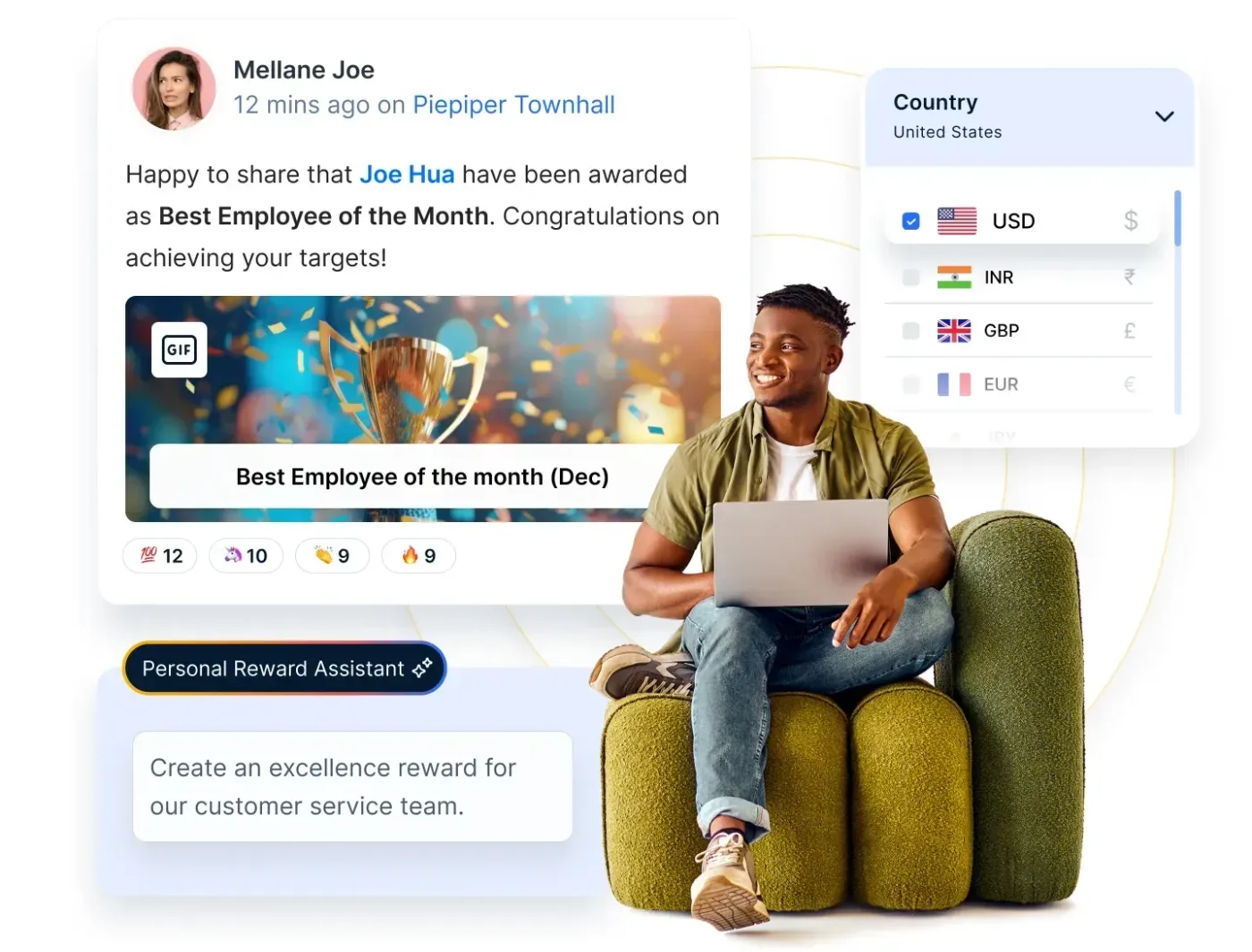
Most IT roles happen behind the scenes: coding, testing, fixing bugs and solving system issues that keep operations running. When this effort goes unrecognized, people feel undervalued. A culture where appreciation happens in real time, through peer shout-outs, team kudos and milestone celebrations, makes a lasting difference. Empuls recognition enables instant, public recognition across teams with a wide range of personalized rewards, and it works inside Slack and Microsoft Teams, where developers already spend their day.
2. Offer growth opportunities and upskilling
Tech evolves fast, and IT professionals want to grow with it. When people are stuck in repetitive work without learning, disengagement sets in. Certifications, learning platforms, stretch assignments, internal moves and mentorship show a clear investment in their future, and AI and cloud skills are now the most valued. Celebrate learning milestones with training rewards so growth becomes a shared journey.
3. Encourage flexibility and work-life balance
Back-to-back deployments and midnight troubleshooting wear down even the most passionate developer. Flexible hours, remote options, on-call rotations that are fair and recovery time after incidents help people recharge. These gestures support wellbeing and increase loyalty. Wellness surveys and pulse checks help HR spot burnout trends early and act in time.
4. Facilitate transparent internal communication
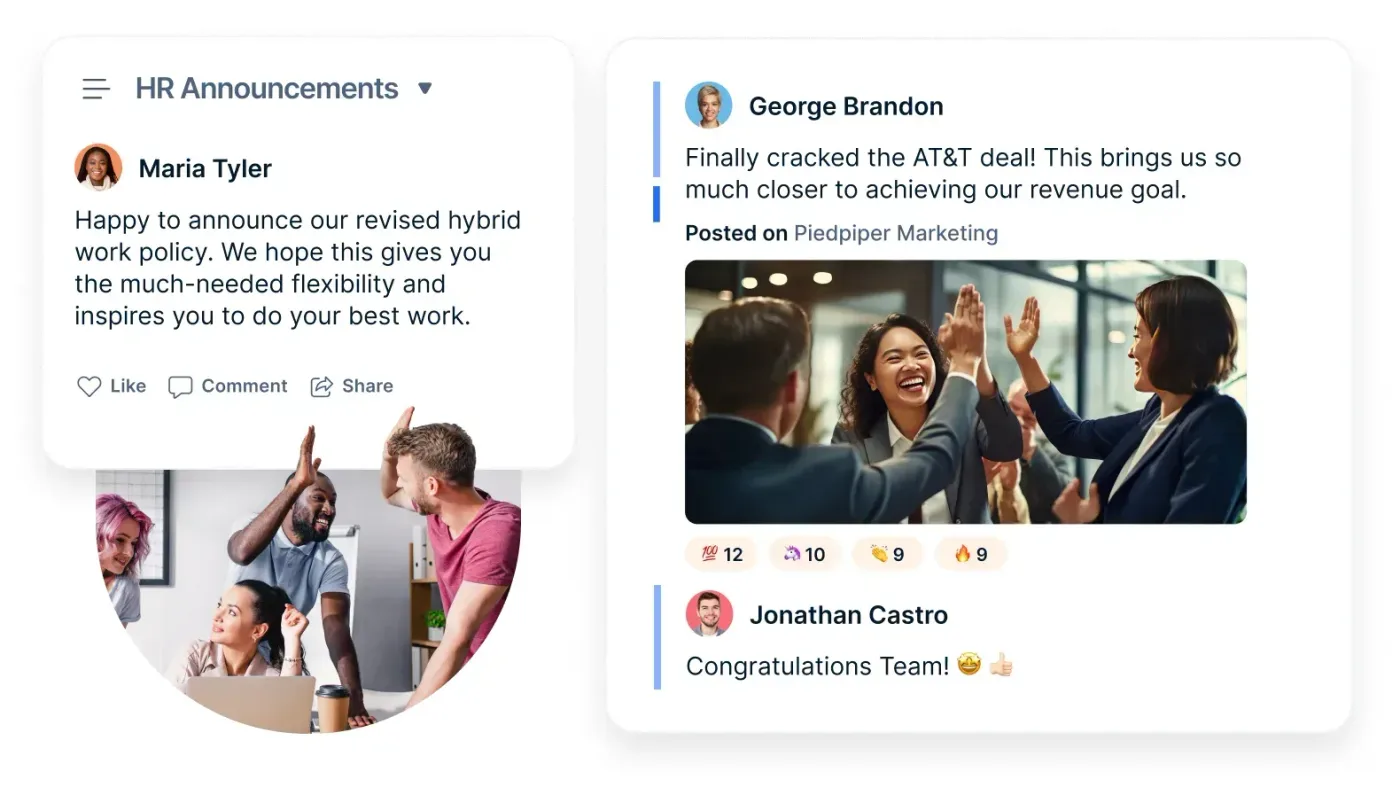
When communication is limited or top-down, employees feel they are working in a vacuum. Keeping teams informed about company goals, leadership updates, team wins and upcoming changes, including how the company plans to use AI, makes people feel included and trusted. A social intranet brings announcements, engagement feeds and group recognition into one collaborative space.
5. Run regular check-ins, surveys and feedback loops
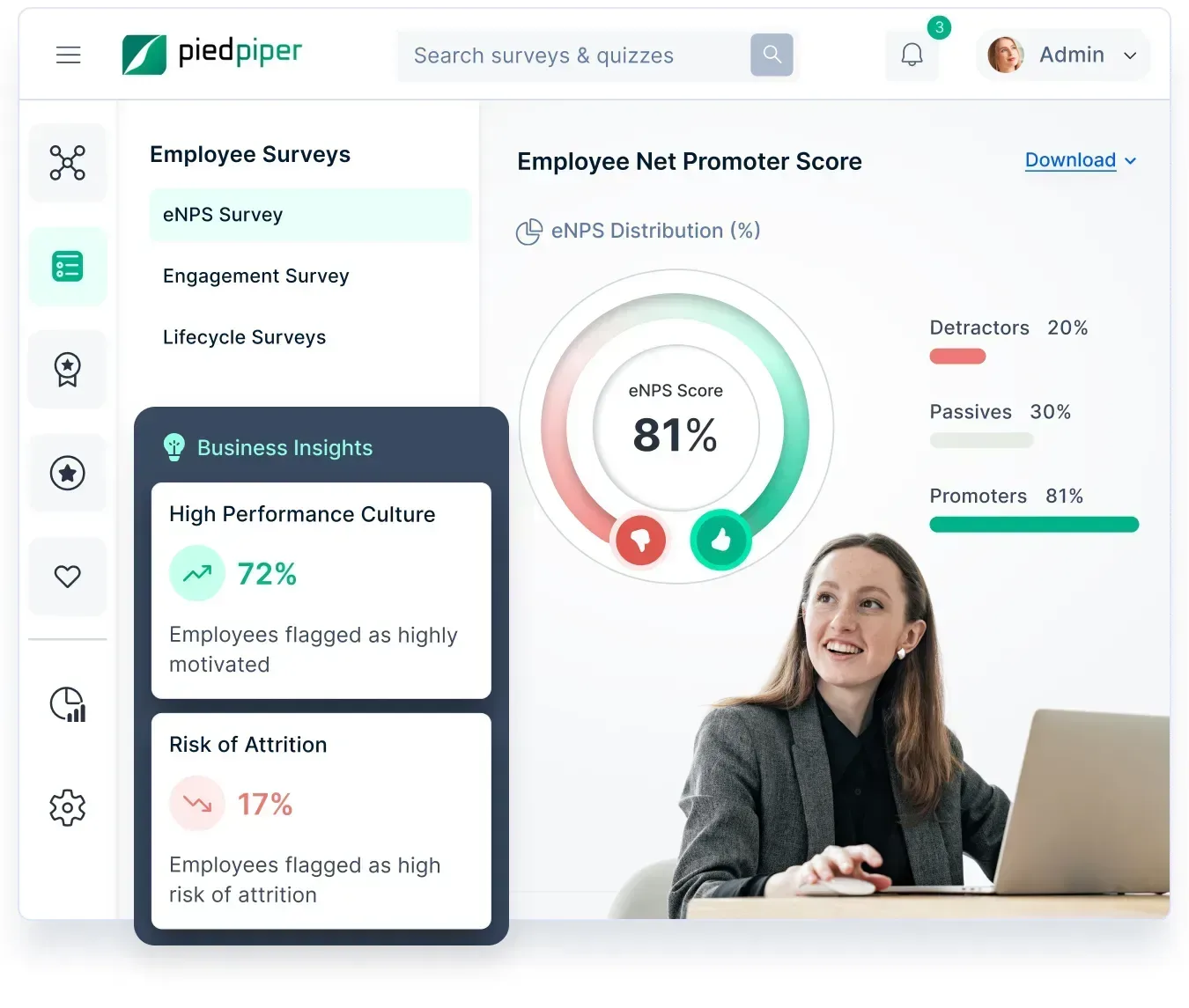
You do not have to guess what your employees are feeling. Regular engagement surveys, one-on-ones and anonymous feedback show leaders what is working and what is not. The key is to act on the feedback, not just collect it, and to ask specifically about friction: tooling, documentation, meetings and context switching. Empuls surveys provide pulse surveys, AI sentiment analysis and action plans built for this.
6. Gamify achievements and project milestones
Reaching deadlines and solving complex problems can be exhausting, but it does not have to be dull. Challenges, point-based rewards and leaderboards inject energy into routine work and build healthy competition and team spirit. Hackathons, bug bashes and sprint challenges work especially well, and challenges and contests make them easy to run.
7. Personalize the employee experience
No two developers, analysts or engineers are the same, so a one-size-fits-all approach does not work. Tailored communication, role-specific rewards and custom learning paths make employees feel seen and understood. Segment campaigns by role, location or team so each message lands.
8. Involve employees in decision-making
When employees are part of the conversation, they care more about the outcome. Inviting input on new tools, process changes and project retrospectives gives IT teams a sense of ownership and builds the autonomy and trust developers rank as their top source of satisfaction. Pulse surveys, quick polls and sentiment checks help leaders make decisions that reflect real team needs.
9. Celebrate team wins, not just individual success
IT projects are team efforts: developers, QA, DevOps, product managers and designers all contribute to a release. Celebrating team achievements reinforces collaboration and collective accountability and builds pride in shared work. Spotlight team wins with project completion rewards and team-wide recognition.
10. Offer early wage access and financial wellness support
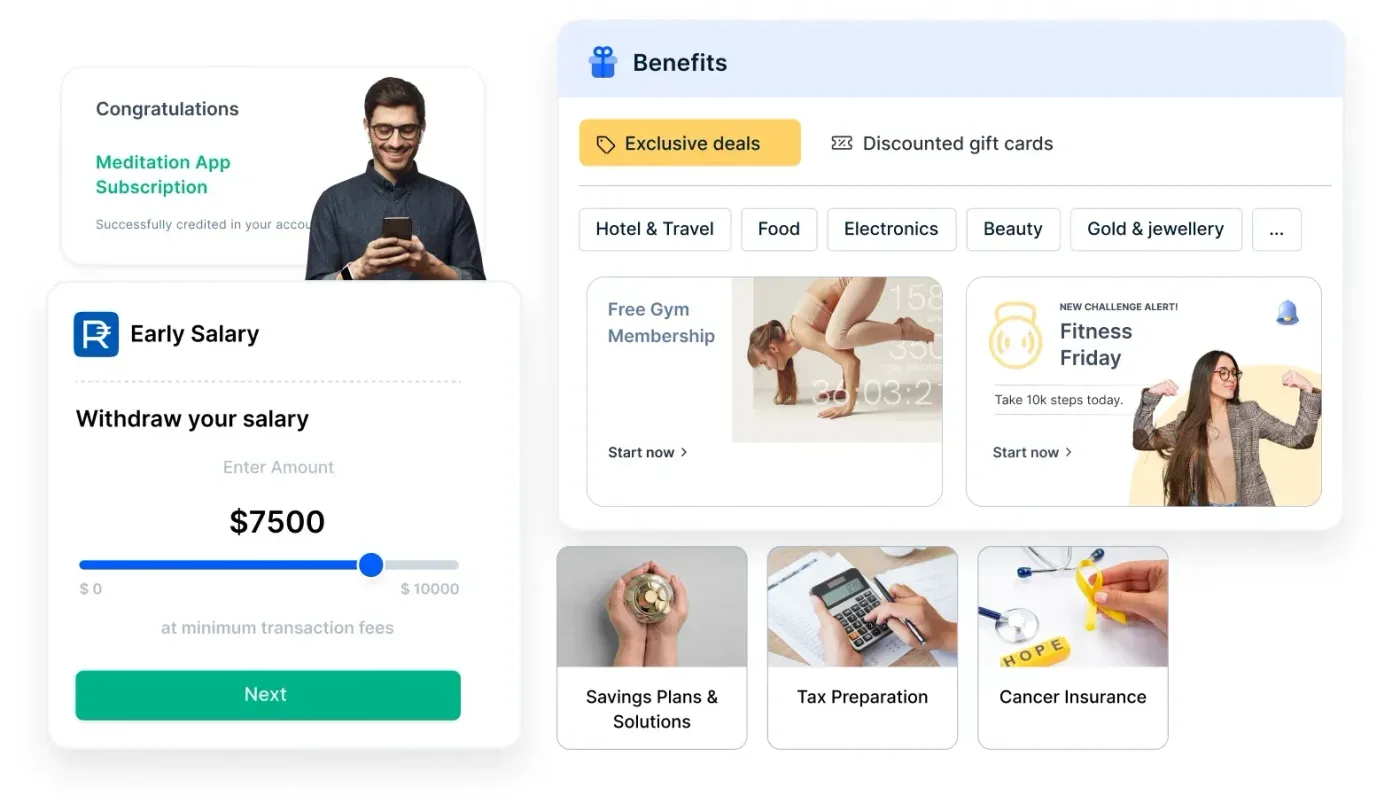
Financial security plays a key role in reducing anxiety and improving focus. Early access to earned wages eases unexpected financial pressure, especially for junior and support staff, and shows that the company cares about employees' lives beyond work. Empuls financial wellness lets employees withdraw part of their earned salary before payday.
11. Provide employee discounts and lifestyle perks
Perks do not need to be flashy. Everyday savings on food delivery, electronics, wellness products or fitness memberships add up and shape how employees feel about their workplace. Empuls discounts give employees access to thousands of brand offers across categories.
12. Introduce tax-saving fringe benefits
Tax-efficient benefits such as meal cards, fuel allowances and communication reimbursements help employees take home more money and show that the organization is proactive about their financial health. Tax-saving benefits on a unified platform reduce paperwork and confusion, and our guide to types of fringe benefits explains the options.
Tech employee retention strategies by career stage
Engagement needs shift as tech professionals progress, and the most effective tech employee retention strategies adapt to each stage. Use this table to focus effort where exits are most likely.
| Career stage | What drives disengagement | What keeps them |
|---|---|---|
| Freshers and early career | Repetitive tickets, unclear growth, limited mentoring | Structured learning, mentors, frequent recognition, financial wellness support |
| Mid-level engineers | Stalled promotions, heavy on-call load, tool friction | Clear career paths, autonomy, fair workload, skill-based moves |
| Senior engineers and architects | Lack of influence, bureaucracy, little innovation time | Ownership of decisions, innovation time, visible impact |
| Team leads and managers | Squeezed between delivery and people demands | Manager training, team analytics, recognition budgets |
For a deeper retention plan, see our playbook to reduce employee attrition. Smaller tech teams can also borrow ideas from our guide to employee engagement in startups.
How to measure employee engagement in IT teams
Measure engagement with a mix of sentiment and outcome data so you can link programs to delivery and retention. The most useful indicators are:
- eNPS and pulse scores: Track them by team, location and role, and watch for sudden drops after releases or reorganizations.
- Voluntary attrition and regretted exits: Pay close attention to first-year engineers and high performers.
- Recognition participation: Check how many people give and receive recognition each month and whether behind-the-scenes teams are included.
- Burnout signals: Overtime, after-hours activity, incident load and leave balances show where people are overstretched.
- Friction and enablement: Ask how many hours a week people lose to tooling, documentation gaps or meetings, and track the trend.
How Empuls supports IT companies in driving engagement
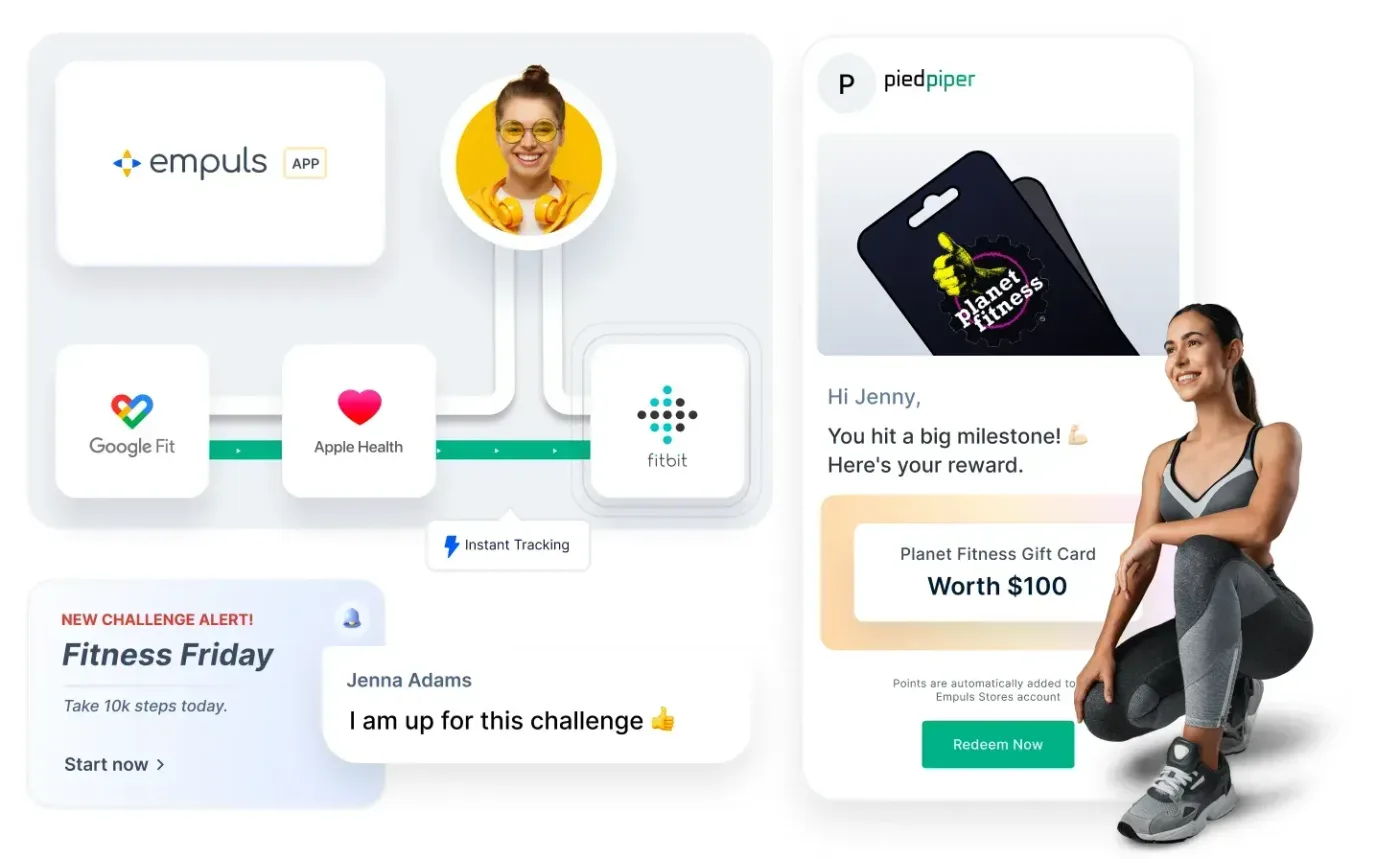
IT organizations need more than scattered initiatives; they need an integrated platform that brings engagement together in one place. Empuls, Xoxoday's employee engagement platform, combines recognition and rewards with a global catalog, pulse and engagement surveys with easy-to-read insights, benefits and financial wellness tools, a social engagement feed that connects remote and hybrid teams, and gamification tools for contests, badges and leaderboards. Whether you are celebrating the end of a sprint or kicking off a hackathon, it keeps engagement in the flow of work.
How KPIT transformed employee engagement with Empuls
KPIT Technologies, a global automotive software and mobility company with more than 5,000 employees, faced challenges with its traditional rewards and recognition setup. Its legacy program relied on physical gifts, which led to damaged deliveries, employee dissatisfaction and unredeemed reward points. KPIT moved to Empuls to build a digital-first engagement experience for its globally distributed teams. The key outcomes:
- Global rollout: Implementation across India, the US, Europe, Japan, Korea and Thailand.
- Choice: More than 20,000 digital reward options across categories and currencies, redeemed as e-vouchers.
- Investment: KPIT tripled its rewards budget after moving to digital rewards and recognition.
- Listening: Its annual employee satisfaction survey moved onto the same platform.
- Culture: A shift from transactional gifting to a recognition-first culture aligned with KPIT's culture of excellence.
See more results from technology companies on the IT and SaaS solutions page.
Conclusion: building engagement that lasts in the IT sector
Employee engagement in the IT industry is not a feel-good initiative; it is a necessity. With demanding workloads, distributed teams, AI-driven change and constant pressure to innovate, keeping people motivated and connected requires consistent, thoughtful action.
The good news is that it does not have to be complex. A mix of recognition, autonomy, meaningful benefits, regular feedback and transparent communication can change how employees feel about their work. As the tech sector keeps evolving, so should the way we engage the people driving it. When employees are engaged, performance and retention follow.
Book your Empuls demo
Frequently asked questions
Employee engagement in the IT industry is the commitment, motivation and ownership that developers, engineers, testers and IT services professionals feel toward their work and employer. Engaged tech employees solve problems proactively, share ideas and stay longer. Engagement is shaped by autonomy, recognition, growth opportunities, workload, manager support and how much friction people face in their daily work.
Engagement in IT suffers from heavy workloads and tight deadlines, remote isolation, behind-the-scenes work that goes unrecognized, one-way communication, repetitive tickets, unclear career paths and slow feedback. Organizational friction, such as hunting for information and switching tools, wastes hours every week, and uncertainty about AI adds anxiety. Together these push many developers into a complacent middle.
Give developers autonomy and trust to manage their work, remove friction from tooling and processes, recognize contributions publicly and quickly, and offer real growth through learning, stretch projects and clear career paths. Involve them in decisions about tools and processes, celebrate team releases, and protect focus time and recovery after incidents to prevent burnout.
The most effective retention strategies combine clear career progression, continuous learning, fair workloads and on-call rotations, competitive pay and benefits, frequent recognition and regular feedback that leads to visible action. Tailor them by career stage: mentoring and structure for early-career staff, autonomy and promotion paths for mid-level engineers, and influence and innovation time for senior talent.
Track eNPS and pulse survey scores by team and role, voluntary and regretted attrition, recognition participation, and burnout signals such as overtime, after-hours work and incident load. Add a friction measure, such as hours lost each week to tooling or documentation gaps, and link engagement trends to delivery metrics to show where programs make a difference.





































































































































































































































































































































































































































































































































































