
Key Takeaways
Academic research defines work engagement as a positive state of vigor, dedication and absorption, and treats it as the opposite of burnout.
A synthesis of 214 studies grouped the drivers of employee engagement into five families: personal resources, job design, leadership, organizational and team factors, and interventions.
Gallup's 2024 meta-analysis found top-quartile engagement teams had 78% lower absenteeism and 23% higher profitability than bottom-quartile teams.
Managers account for about 70% of the variance in team engagement, and manager engagement fell to 22% worldwide in 2025, according to Gallup.
Much engagement research is cross-sectional and self-reported, so treat claims that engagement causes performance with care.
Employee engagement research shows that engagement is an energized, absorbed state in which people invest their physical, mental and emotional selves in their work. Decades of studies trace it to a consistent set of drivers, chiefly personal resources, well-designed jobs and supportive leadership, and link it to better performance, wellbeing and retention.
This article looks at employee engagement through a research lens: the main theories, what the evidence says about causes and effects, how engagement is measured and where the research still has gaps. It is written for HR leaders who want to know what is proven, not just what is popular.
In a recent executive program on leadership, a professor drew laughs with an old joke: a CEO is asked how many people work in his company. “About half of them,” he replies. After the session, several participants turned serious and admitted that many people in their own organizations had mentally checked out. Never mistake activity for accomplishment.
Tim Rutledge, author of “Getting Engaged: The New Workplace Loyalty,” describes truly engaged employees as attracted to and inspired by their work (“I want to do this”), committed to it (“I am dedicated to the success of what I am doing”) and fascinated by it (“I love what I am doing”). Engaged employees care about the future of the company and are willing to invest discretionary effort, beyond the call of duty, to see it succeed. In short, engagement is getting up in the morning and thinking, “Great, I'm going to work.”
What employee engagement research means by engagement
Gallup, which has run the largest engagement studies for more than two decades, defines engaged employees as those who are highly involved in and enthusiastic about their work and workplace. Academic definitions are more precise but also more varied, so practitioners and researchers often find themselves using ambiguous versions of the term.
The term “employee engagement” is used interchangeably as a psychological state, a behavior and a personality trait. Researchers William Macey and Benjamin Schneider argued that all three exist: trait engagement (a disposition to see work positively), state engagement (feelings of energy and absorption) and behavioral engagement (discretionary effort). This ambiguity is common across HR concepts, and experts have debated it for years.
Employee engagement theory: four definitions from different perspectives
The most widely used employee engagement definitions can be grouped by lens: some describe only the employee, one spans the employee and the organization, and one describes only what the organization does. They are presented in the order they emerged in the literature, and the first two carry the most weight in academic research because nearly every later study builds on them.
1. The job role definition: Kahn (1990)
William Kahn, writing in the Academy of Management Journal, defined personal engagement as the harnessing of people's selves to their work roles. Engaged people express themselves physically, cognitively and emotionally while they perform; disengaged people withdraw and defend themselves.
Kahn found that engagement depends on three psychological conditions: meaningfulness (is this work worth investing myself in?), safety (can I show myself without fear of damage to my status or career?) and availability (do I have the physical and emotional resources to do so right now?). This definition focuses on the symptoms of an engaged employee.
2. The work task definition: Schaufeli and colleagues (2002)
Wilmar Schaufeli and colleagues at Utrecht University defined work engagement as a positive, fulfilling, work-related state of mind characterized by vigor (high energy and resilience), dedication (a sense of significance, enthusiasm and challenge) and absorption (being fully concentrated and happily engrossed in work).
This definition focuses on how an engaged employee performs tasks. It produced the Utrecht Work Engagement Scale (UWES), still the most used research measure, and it treats engagement as the positive opposite of burnout.
3. The multidimensional definition: Saks (2006)
Alan Saks proposed that engagement has two distinct forms: job engagement (engagement in your own role) and organization engagement (engagement as a member of the organization). He grounded it in social exchange theory: when employees receive economic and socioemotional resources from their employer, they feel obliged to repay the organization with higher levels of engagement.
This definition looks at both the employee's and the organization's contribution and performance.
4. The management practice definition
Many practitioners and consultancies define employee engagement as what an organization does: the management practices, conditions and programs that make it easier for people to commit. Gallup's Q12 survey, for example, measures workplace elements such as clear expectations, recognition and development, rather than an inner state.
This definition focuses on the organization's efforts toward employee engagement. It is the most practical for HR teams, but critics point out that it blurs the line between the causes of engagement and engagement itself.
Related theories that explain engagement
Beyond the four definitions, three theories explain why engagement rises and falls:
| Theory | Core idea | What it means for managers |
|---|---|---|
| Job demands-resources (JD-R) model | Job resources (support, autonomy, feedback) fuel engagement; heavy job demands without resources drain people toward burnout | Add resources before adding demands, and remove hindrances such as red tape |
| Social exchange theory | Engagement is how employees repay the support and fairness they receive | Visible support, fair treatment and recognition earn engagement in return |
| Burnout-engagement continuum | Engagement is the positive opposite of burnout's exhaustion, cynicism and inefficacy | Track burnout and engagement together; one rising usually means the other falls |
Case study: Sue Thompson
Let's apply these definitions to a real-world style example, adapted from “The Talent Masters” by Bill Conaty and Ram Charan.

The employee: Sue had an MBA from Wharton, three years of tech product sales experience at 3M and two years in consulting at McKinsey. She joined Lindell Pharmaceuticals in 2006 as sales manager for the Pennsylvania and New Jersey territory, overseeing more than a hundred people. Within two years she was outperforming every other territory and setting sales records.
In 2008, when pharma selling shifted from product selling to value selling, Sue quickly grasped the new reality and set out the procedures and metrics the new approach required. She designed a proprietary system for studying drug usage patterns, giving clients insights on improving healthcare while bringing down costs. She put her sales force through intensive training, rebuilt half of her team with people who combined business insight and pharma knowledge, and developed a deep understanding of her customers' businesses and P&Ls.
The organization: Lindell's CEO was serious about building a pipeline of future leaders, and four top executives were tasked with it. They watched Sue's numbers closely and even shadowed her in key client meetings. They saw how she looked at problems from the client's perspective, used financial analysis to deliver insights and kept a genuine two-way dialogue going. They concluded that she had reshaped her job and was outgrowing it.
Before she expected it, the board gave Sue a brand manager role with P&L responsibility. The promotion fast-tracked her path toward an executive position and placed her in an environment ideal for her personal and professional growth.
Here is how each definition reads Sue's story:
- Kahn (definition 1): The person Sue was at work, passionate and constantly pursuing excellence, made her an engaged employee.
- Schaufeli (definition 2): Her demeanor at work, the way she delivered results, adapted to market shifts and engaged with clients, showed her engagement.
- Saks (definition 3): He would add how her whole team performed and grew, and how the organization made that possible.
- Management practice (definition 4): Sue's story demonstrates Lindell's culture of nurturing leadership and closely monitoring talent, in other words its engagement strategy, which led to the recognition of her achievements.
Each definition is a school of thought that captures engagement from its own scope. They differ, but all conclude that engaged employees lead to a better-functioning workplace.
Act on the drivers that research proves
Listen continuously, recognize often and connect every team with one engagement platform.
Talk to our ExpertTrusted by 5,000+ companies
What drives employee engagement: five groups of causes
A limitation of all these definitions is that they don't tell you whether engagement indicators are causes or effects. To answer what drives employee engagement, Catherine Bailey, Adrian Madden, Kerstin Alfes and Luke Fletcher ran a systematic narrative synthesis of 214 studies, published in the International Journal of Management Reviews, and grouped the antecedents into five families.
These drivers of employee engagement are the controllable parts of the engagement equation. The five groups below run from the individual outward to the organization, and current evidence suggests leadership deserves the most attention: Gallup estimates that managers account for 70% of the variance in team engagement.
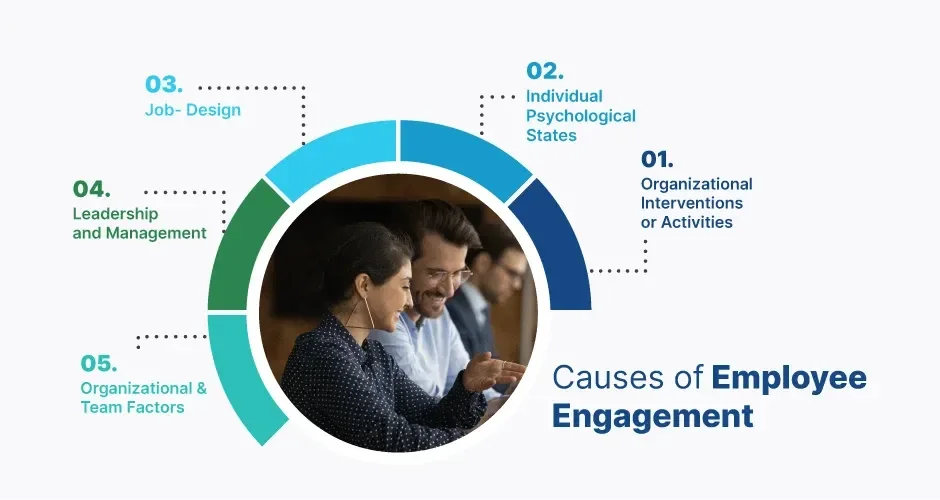
1. Individual psychological states (personal resources)
Employees' own psychological characteristics strongly influence their engagement. Positive beliefs about their strengths and abilities make it easier to engage:
- Self-efficacy: A person's belief that they can do the job well, and be of real use to the organization, plays the most significant role among individual factors.
- Resilience: The ability to learn quickly and adapt to the demands of the job and the organization strongly influences engagement.
- Personal capacities: Hope and optimism go a long way in keeping people engaged.
In Sue's case, her confidence in reading a changing market and her optimism about the new value-selling model were personal resources that kept her energized.
2. Job design (job resources)
Job resources such as feedback, empowerment, development opportunities, role clarity and autonomy are positively linked with engagement:
- Feedback: A good feedback system, both to and from the employee, is a strong determinant of engagement and correlates with performance.
- Empowerment and autonomy: People who can do their jobs autonomously report higher engagement.
- Opportunities for development: Employees who see a growth path are better engaged. LinkedIn's 2025 Workplace Learning Report found career progress is people's No. 1 motivation to learn.
- Role clarity: Knowing what is expected, in content, methods and priorities, supports engagement. Yet Gallup reports that only about half of US employees strongly agree they know what is expected of them at work.
Sue had both autonomy and a stretching role: she was free to redesign her team's process and metrics when the market changed.
3. Leadership and management (leadership resources)
Supervisory support is the strongest leadership-related driver of engagement, and organizations with transformational leadership tend to have the most engaged people. Trust in one's manager, ethical leadership, coaching, the quality of the leader-member relationship and empowering leader behavior all correlate positively with engagement.
Recent data shows why this matters now. Gallup's State of the Global Workplace 2026 report found that manager engagement fell to 22% in 2025, down from 31% in 2022. When managers are disengaged, their teams usually follow. Sue's leaders shadowed her, studied her methods and acted on what they saw, which is engagement-building leadership at its best.
4. Organizational and team factors (organizational resources)
Organizational support, HR practices, psychosocial climate, person-organization fit, trust, team-level engagement and communication all shape individual engagement. Psychological safety, a team climate where people can speak up without fear, is a recurring theme: in the APA's 2024 Work in America survey, workers with high psychological safety were far more likely to say they feel they belong (95% vs 69%).
Lindell offered Sue a clear fit between her values and the company's focus on developing leaders, plus a team climate that rewarded initiative.
5. Organizational interventions (extraneous resources)
Training and development programs, new ways of working and other engagement activities run by the company are essential ingredients. Recognition is one of the best-evidenced interventions: a Gallup and Workhuman study that tracked nearly 3,500 employees from 2022 to 2024 found that well-recognized employees were 45% less likely to have left two years later.
Lindell's leadership pipeline program, with executive shadowing and a fast-track promotion, was exactly this kind of intervention.
Effects of employee engagement
What does an engaged employee or team mean for the organization? The outcomes below give people managers a strong case for investing in engagement, and Bailey and colleagues found the most robust evidence for the link with individual task performance.

The largest dataset on organizational outcomes comes from Gallup's 2024 Q12 meta-analysis, which covered 183,806 business and work units with more than 3.3 million employees across 53 industries and 90 countries. It compared teams in the top and bottom quartiles of engagement:
The implications are far-reaching. The six groups of effects below draw on the research synthesis and the wider literature.
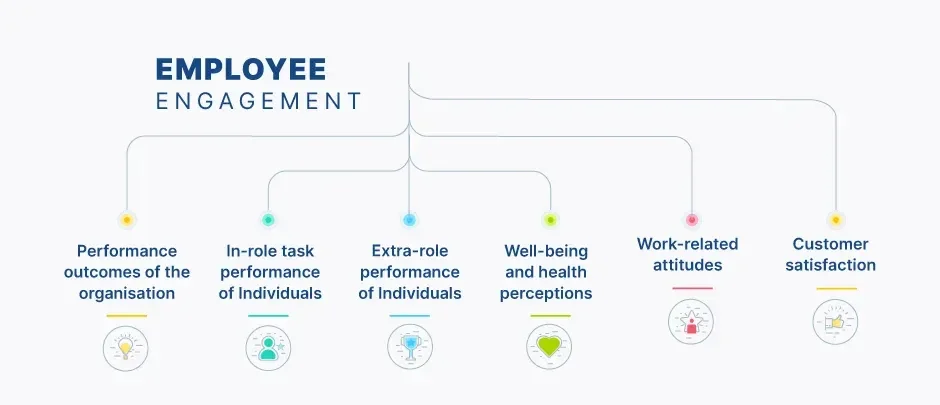
1. Organizational performance
Team performance, service quality, customer-rated employee performance and customer loyalty all improve with engagement. In Sue's case, her territory's record sales and stronger client relationships were organization-level gains.
2. In-role task performance
Individual metrics such as service quality, NPS and performance ratings rise when employees are engaged. This is the outcome with the strongest evidence in the research synthesis. Sue's consistent record-setting results are a textbook example.
3. Extra-role performance
Organizational citizenship behavior, innovation and adaptive service increase with engagement. Sue went well beyond her job description when she built a new analytics system for clients.
4. Wellbeing and health
Engaged employees report better health, fewer signs of stress and burnout, more vigor, higher life satisfaction and better morale. Sue's extraordinary vigor through a demanding transition reflects this. Engagement and wellbeing reinforce each other, which is why many organizations now run wellbeing programs alongside engagement work.
5. Work-related attitudes
Engaged employees show lower intention to quit, higher organizational commitment and higher job satisfaction. Everything Sue did signaled high commitment to Lindell.
6. Customer satisfaction
Engagement affects not only employee performance but also profits, reputation and customer satisfaction. Better performance in customer relationships, service and complaint handling improves customer satisfaction, and better products build long-lasting relationships. In Gallup's meta-analysis, top-quartile teams scored 10% higher on customer loyalty and engagement.
Engaged vs disengaged employees
Engagement is not evenly spread. Gallup's latest figures show how many employees sit in each group:
20%
of employees worldwide were engaged in 2025
Gallup, State of the Global Workplace 2026
31%
of US employees are engaged
Gallup, May 2026
17%
of US employees are actively disengaged
Gallup, May 2026
$10T
estimated global productivity lost to low engagement in 2025
Gallup
Employee engagement levels today
US figures are from Gallup's employee engagement and productivity research. Actively disengaged employees are not only unhappy at work; they sometimes act against the company's interest, damaging customer relationships and reputation. Their traits contrast sharply with those of engaged employees:
| Engaged employees | Disengaged employees |
|---|---|
| Optimistic | Pessimistic |
| Team-oriented | Self-centered |
| Go above and beyond | Do the minimum, with high absenteeism |
| Solution-oriented | Negative attitude |
| Show a passion for learning | Focus mainly on monetary worth |
| Pass along credit and accept blame | Accept credit and pass along blame |
When disengagement is widespread, the company loses money, time and the leadership effort invested in those employees, and even the work of engaged colleagues may fail to pay off. An engaged employee, on the other hand, brings focus and motivation, takes part in the culture and works toward both small and large goals. For warning signs and fixes, read this guide to employee disengagement.
How engagement differs from related concepts
The term employee engagement emerged in management studies in the early 1990s, with Kahn's work. It is still often confused with satisfaction, recognition, experience and culture. These concepts all describe the employee's relationship with the organization, but none of them captures how invested someone is in the work itself:
| Concept | What it describes | How it relates to engagement |
|---|---|---|
| Job satisfaction | How content someone is with their job and conditions | A satisfied employee can still be disengaged; satisfaction is passive, engagement is active |
| Employee recognition | Acknowledgment of contributions | A driver of engagement, not engagement itself |
| Employee experience | Every interaction an employee has with the organization | The environment in which engagement grows or fades |
| Organizational culture | Shared values, assumptions and behaviors | Sets the context; engagement shows how people respond to it |
| Burnout | Exhaustion, cynicism and reduced efficacy | Broadly the opposite pole of engagement |
For a deeper look at the last pairing, see culture vs engagement.
How employee engagement is measured
Academic research on employee engagement mostly uses validated scales such as the UWES, which scores vigor, dedication and absorption in 9 or 17 items. Practitioners more often use workplace-condition surveys like Gallup's Q12, short pulse surveys and employee Net Promoter Score (eNPS).
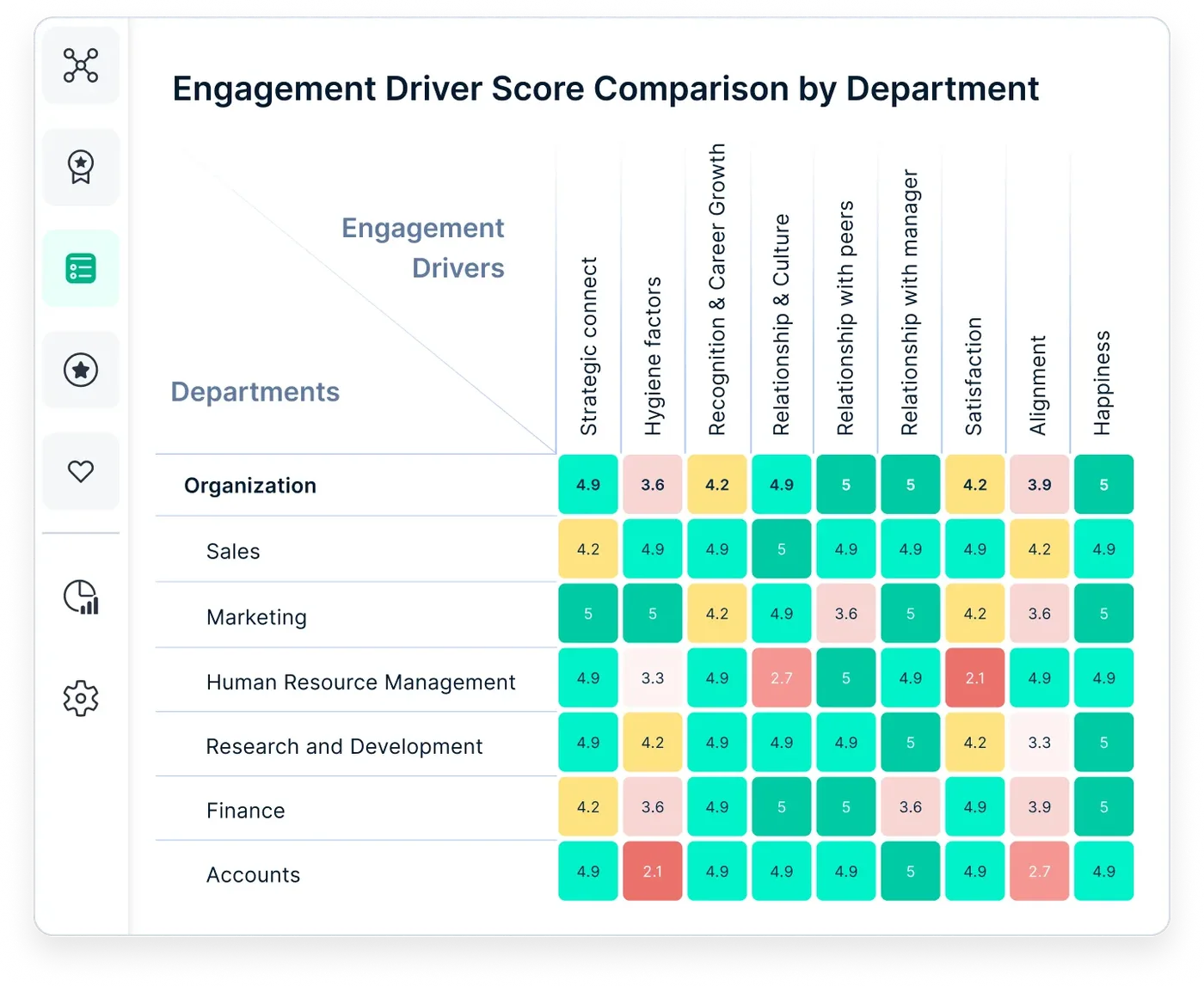
In practice, you can assess how engaged someone is through three lenses:
- Team performance: The employee's performance and relationship with team goals and teammates.
- Connection to the organization: How connected they feel to the organization's values and objectives.
- Growth: How they see their professional growth and career trajectory.
Measuring engagement accurately needs continuous listening, not an annual survey that captures a static, outdated snapshot. Engagement is dynamic: it shifts with experiences, leadership actions, workload and recognition. For why yearly surveys fall short, see why annual employee surveys fail, and for how to turn results into one trackable number, read about the employee engagement index.
Evidence-based ways to engage employees
Now that we know who an engaged employee is and why engagement matters, what does the research suggest you do? These practices map directly to the five groups of drivers above:
- Focus on every level: Motivation should reach every layer of the organization, not just the top. Frontline employees are the driving force and the most credible ambassadors for your brand.
- Be people-focused: People-focused cultures handle grievances and feedback better, which improves performance.
- Discuss engagement openly: Put engagement on meeting agendas and make it a shared management responsibility, not an HR survey.
- Give employees a voice: Run surveys and feedback sessions to learn how engaged people are and what they need, and invite open suggestions.
- Stay flexible: Adjust plans as situations change; the pandemic and hybrid work redefined what engagement looks like.
- Communicate clearly and often: Vague directions and a lack of transparency lead to delayed projects, low morale, missed goals and lost sales. During major change, leaders should explain how roles will be affected and keep people updated.
- Give regular feedback: Know your employees' aspirations, deal with performance issues quickly and keep people aware of changing goals.
- Recognize contributions: Saying thank you, giving shout-outs and rewarding good work are among the cheapest, best-evidenced levers for engagement and retention.
For a full playbook, see these employee engagement strategies, and to turn survey results into a plan, use this employee engagement action plan.
Limits of employee engagement research
A research perspective also means being honest about what the evidence cannot yet prove. Keep these caveats in mind when you read engagement claims:
- Correlation is not causation: Bailey and colleagues noted an over-reliance on cross-sectional, self-report studies, which limits claims that engagement causes performance rather than the other way around.
- Definitions vary: Studies using the UWES, Gallup's Q12 or a vendor's own index are not measuring exactly the same thing, so their numbers should not be compared directly.
- Vendor research has incentives: Much of the most quoted data comes from firms that sell surveys or consulting. It is often rigorous, but check sample sizes and methods.
- Context matters: Most studies come from North America and Europe; drivers can carry different weight in other cultures, industries and frontline roles.
Put the research to work with Empuls
Building a culture of engagement takes more than good intentions; it takes the right tools and consistent action. Empuls, Xoxoday's employee engagement platform, maps neatly onto the research-backed drivers:
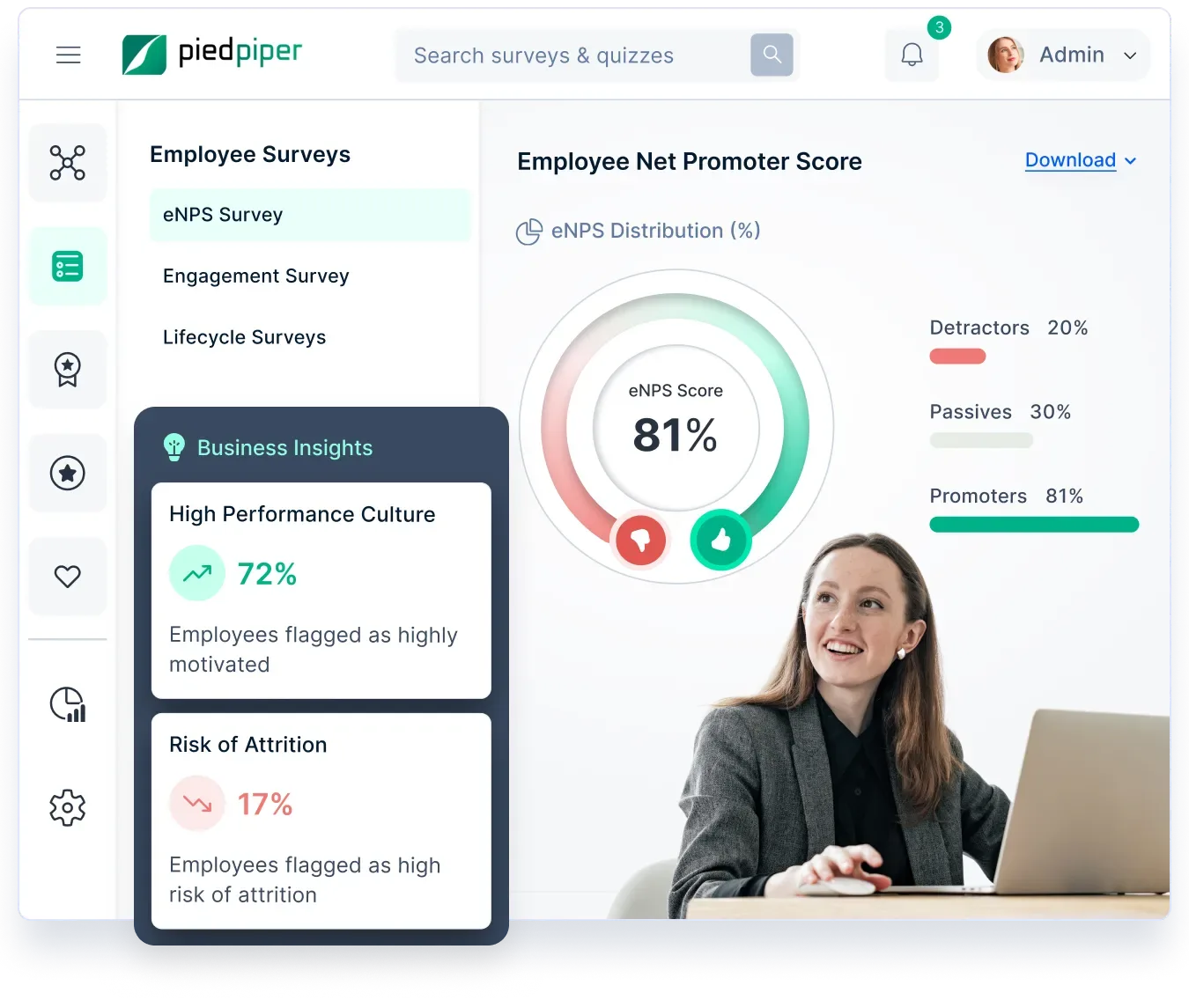
- Continuous listening: Pulse, lifecycle and AI-driven sentiment surveys with eNPS tracking and action plans, so leaders understand sentiment and act quickly.
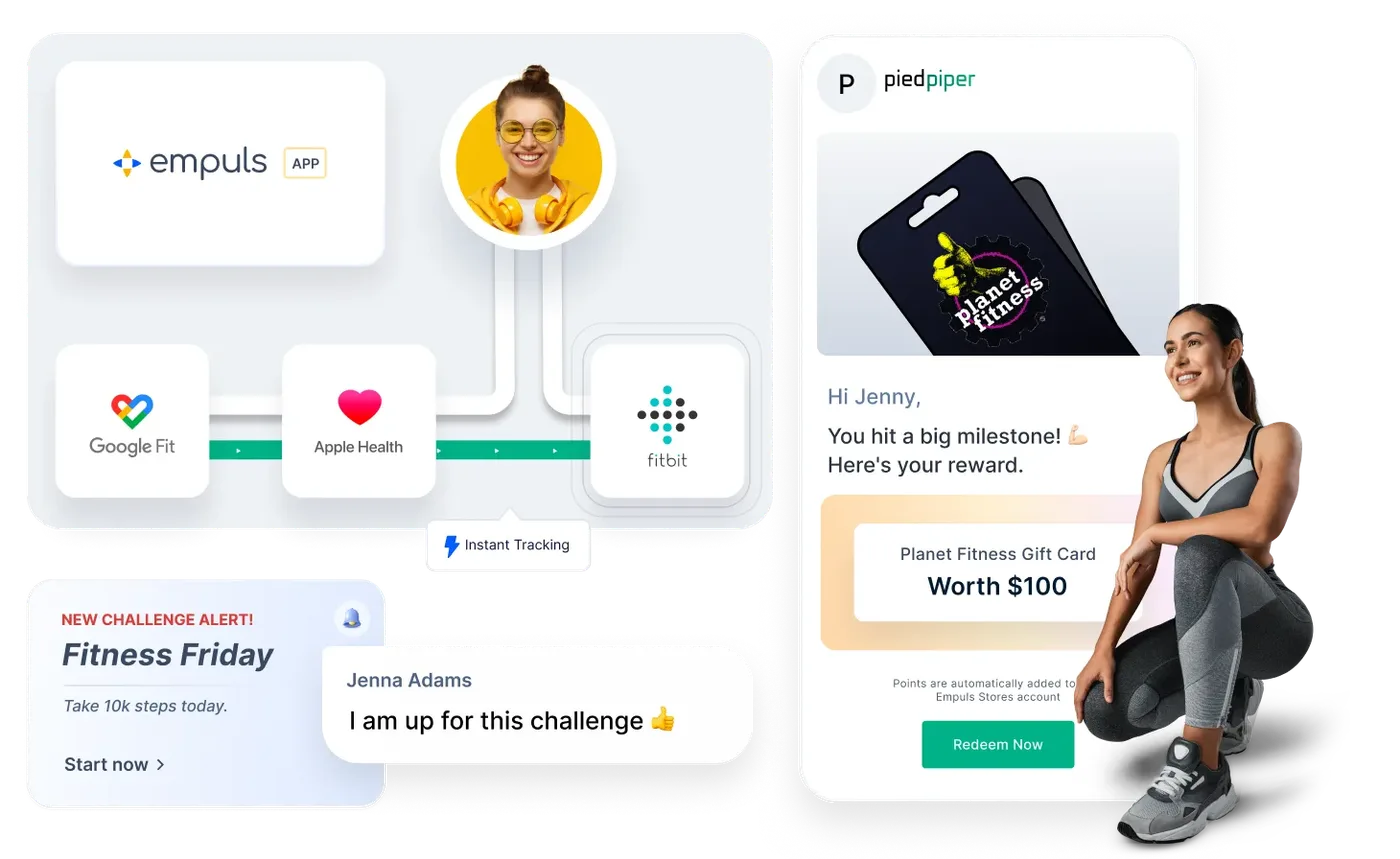
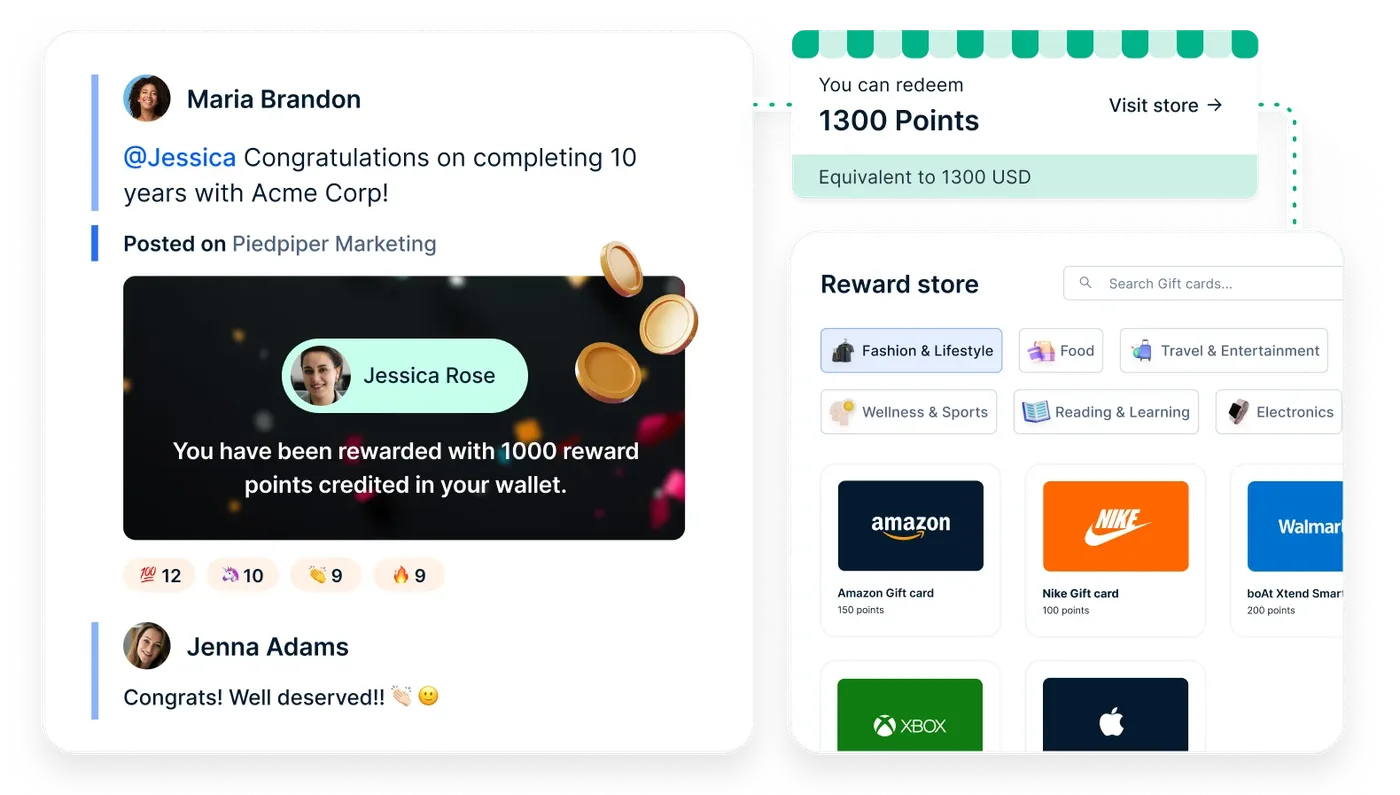
- Recognition and rewards: Instant shout-outs, points and awards through Empuls recognition, making appreciation a daily habit.
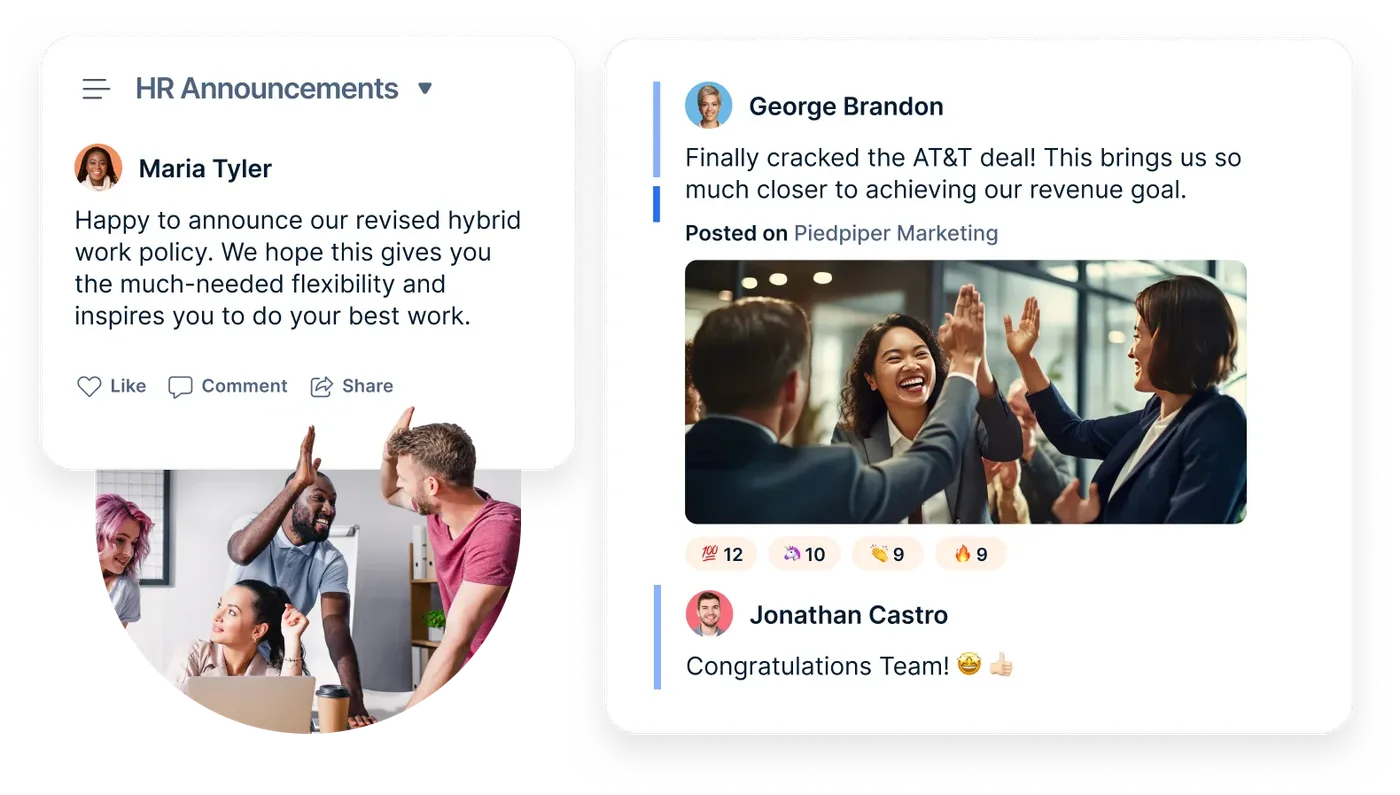
- Connection and communication: A social intranet with groups, walls of fame, polls and celebrations that keeps distributed teams connected.
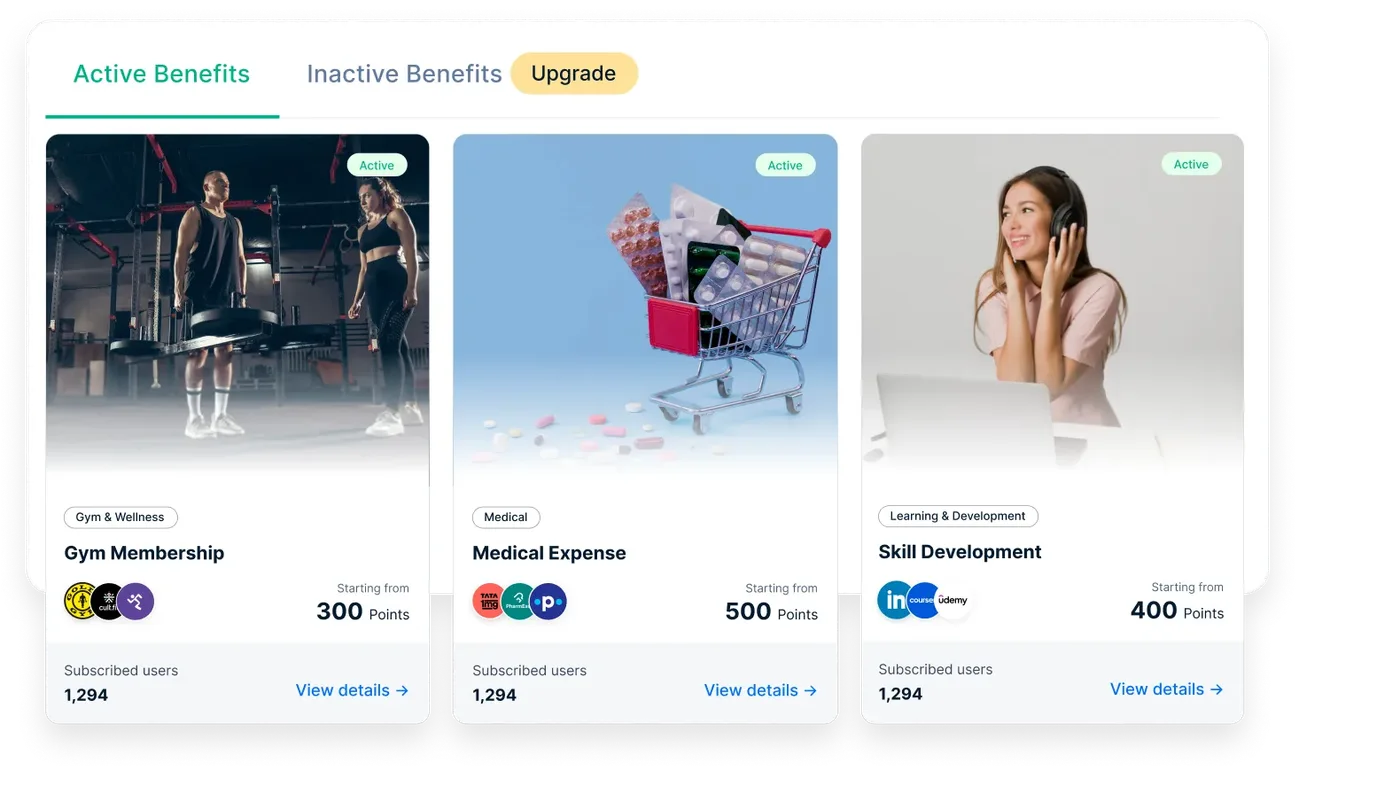
- Wellbeing and benefits: Wellness programs and fitness challenges, plus benefits such as discounts and flexible benefits that make everyday life more rewarding.
The future of employee engagement research
Employee engagement has moved from trend to necessity. Leaders, HR and managers increasingly accept that an employee-first culture is a business requirement, and researchers keep refining which practices move the needle.
Three threads will shape the next wave of employee engagement research: the sharp fall in manager engagement and how to reverse it, the shift from annual surveys to continuous, AI-assisted listening, and the effect of AI on job design, autonomy and meaning at work. Technology now lets organizations collect engagement data as part of daily work, which should also help researchers move beyond one-off, self-reported snapshots toward stronger evidence of cause and effect.
Book your Empuls demo
Frequently asked questions
Research shows that employee engagement is driven mainly by personal resources such as self-efficacy, well-designed jobs with autonomy and feedback, supportive leadership and a healthy team climate. Engaged teams show lower absenteeism and turnover and higher productivity, profitability and wellbeing, although many studies are correlational rather than proof of cause and effect.
The main theories are Kahn's personal engagement theory, which rests on meaningfulness, safety and availability; Schaufeli's work engagement model of vigor, dedication and absorption; Saks's social exchange view, where employees repay organizational support with engagement; and the job demands-resources model, which explains how resources fuel engagement while unchecked demands cause burnout.
A systematic review of 214 studies grouped the drivers into five families: individual psychological states, job design, leadership and management, organizational and team factors, and organizational interventions such as training and recognition. Gallup's research adds that managers account for about 70% of the variance in team engagement.
Academic studies most often use the Utrecht Work Engagement Scale, which measures vigor, dedication and absorption in 9 or 17 items. Organizations more commonly use Gallup's Q12, short pulse surveys and employee Net Promoter Score. Combining survey data with performance, retention and absence data gives the most reliable picture.
Job satisfaction describes how content someone is with their job and conditions, and it can be fairly passive. Employee engagement describes how much energy, dedication and focus someone invests in their work. A satisfied employee can still be disengaged, while an engaged employee is actively committed to the work and its results.





































































































































































































































































































































































































































































































































































