
Key Takeaways
An employee retention program is a structured, owned and measured plan to keep valued employees, built on recognition, pay and benefits, growth, flexibility and culture.
Gallup found 42% of voluntary leavers say their employer could have kept them, so most retention gains come from fixing known causes early.
Build the program in six steps: diagnose, set goals, choose incentives, budget and assign owners, launch, then measure and refine.
Well-recognized employees were 45% less likely to have left after two years in Gallup and Workhuman research, making recognition a high-return incentive.
Track retention rate, regrettable and first-year attrition, eNPS, participation and internal mobility to prove the program works.
An employee retention program is a structured, ongoing plan to keep valued employees engaged and committed, built on recognition, fair pay and benefits, career growth, flexibility and a healthy culture. The best programs start with data on why people leave, use incentives that people actually value and track results by team. This guide shows how to build one and gives 15 employee retention incentive ideas you can use.
Attracting top talent is only half the battle; keeping people engaged and committed is the real challenge. A well-structured retention strategy goes beyond salary. It creates a work environment where employees feel valued, supported and motivated to grow. Employee retention incentives, such as performance bonuses, wellness perks and career development opportunities, play a crucial role in reducing turnover and strengthening workforce stability.
So what are the most effective retention incentives for employees? From recognition programs to flexible work arrangements, this article explores proven strategies, real employee retention program examples and the metrics that show whether your program is working.
What an employee retention program is
An employee retention program is a structured strategy designed to keep employees engaged, satisfied and committed to an organization over the long term. These programs reduce turnover by improving workplace culture, providing growth opportunities and making sure employees feel valued and supported. Unlike one-off perks, a program has owners, a budget, target groups and measures of success.
An effective employee retention program usually rests on five elements:
01 · 01
Recognition and rewards
Acknowledge contributions through incentives, bonuses and timely appreciation from managers and peers to lift motivation and job satisfaction.
02 · 02
Competitive pay and benefits
Fair salaries, health benefits and tax-efficient fringe benefits make employees less likely to look elsewhere.
03 · 03
Career growth and development
Training, mentorship and clear career paths help employees see a future within the organization.
04 · 04
Work-life balance
Flexible work arrangements, remote options and wellness programs reduce burnout and improve retention.
05 · 05
Culture and communication
Transparency, collaboration and regular feedback build a sense of belonging and engagement.
A well-executed employee retention program does more than reduce turnover. It also improves productivity, morale and overall business performance. Organizations that invest in retention create a workplace where employees want to stay and grow.
Why an employee retention program matters now
Most voluntary exits are not inevitable. Gallup research on preventable turnover found that 42% of employees who voluntarily left their organization said their manager or organization could have done something to keep them. The same study found that 45% of leavers had no conversation with a manager or leader about their satisfaction, performance or future in the three months before they quit.
Those exits are expensive. Gallup estimates replacing an employee costs around 40% of salary for frontline roles, 80% for technical professionals and up to 200% for leaders. Engagement is weak too: the State of the Global Workplace 2026 report found only 20% of employees worldwide were engaged in 2025. A retention program gives you a repeatable way to close these gaps instead of reacting one resignation at a time. For the basics of measuring loss, see our guide to employee attrition.
How to build an employee retention program
Building an employee retention program takes six steps, and they run in this order because each one depends on the last. Diagnosis carries the most weight: incentives chosen without data on why people leave tend to miss the real problem.
- Diagnose why people leave and stay: Analyze exit interview themes, engagement and eNPS scores, and attrition by team, manager, tenure and role. Add stay interviews with people you most want to keep.
- Set clear goals and target groups: Pick two or three measurable goals, such as cutting first-year attrition or regrettable attrition among high performers, and name the groups that matter most.
- Choose the right mix of incentives: Match incentives to the causes you found. Pay gaps need compensation fixes, stalled careers need growth paths, and low morale needs recognition and better manager habits.
- Set a budget and owners: Decide what you will spend per employee or per team, who approves rewards and who runs each part of the program, from HR to line managers.
- Launch and communicate: Explain what is changing, why and how employees can take part. Train managers first, because they deliver most of the employee experience.
- Measure and refine: Review retention metrics monthly or quarterly, compare participating and non-participating groups and adjust incentives that are not working.
If you want a broader list of tactics to pick from at step 3, our employee retention strategies guide covers onboarding, pay, flexibility and early warning signs in detail.
The role of incentives in employee retention programs
Keeping employees engaged and motivated is a constant challenge. Culture and career growth matter, but incentives play a crucial role in keeping people committed for the long haul. Whether they are monetary bonuses, recognition programs or career development perks, well-designed incentives make employees feel valued and motivated.
Employee retention is not just about reducing turnover; it is about building loyalty and a positive work environment. Incentives help in five ways:
- Boosting morale: Employees who feel appreciated are more likely to stay motivated and productive.
- Encouraging performance: Performance-based incentives push employees to meet and exceed their targets.
- Enhancing job satisfaction: Perks like wellness programs or extra paid time off support a better work-life balance.
- Fostering loyalty: A strong incentive structure makes employees feel valued and less likely to look elsewhere.
- Strengthening company culture: When people are rewarded for their contributions, they engage more with the company's vision and values.
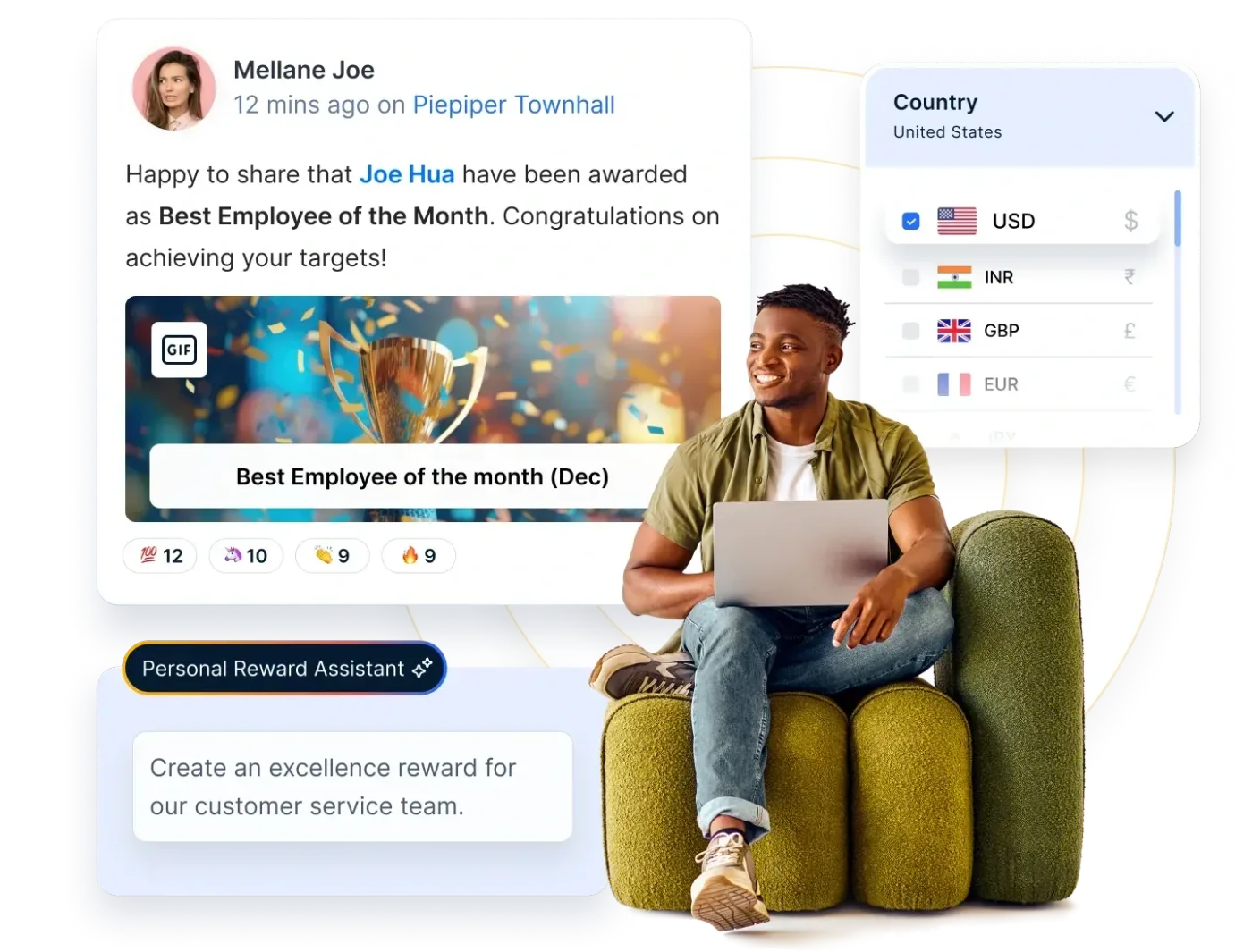
Turn your retention plan into daily habits
Run recognition, milestone rewards, surveys and benefits from one Empuls platform.
Talk to our ExpertTrusted by 5,000+ companies
15 employee retention incentive ideas
Sometimes you have to make an active effort to keep good people, and the right incentives make that effort count. The 15 employee retention incentive ideas below mix financial, career and wellbeing rewards; internal promotions, recognition and career development tend to carry the most weight, because they answer the biggest fixable reasons people leave.
1. Internal promotions
Your employees need to know that when a senior role opens up, you will look inside before you bring in someone else. Even if it is not them this time, promoting a colleague shows that growth is possible and gives them hope that their turn will come. Publish internal openings first and set clear criteria for promotion.
2. Performance bonuses
If your employees do a great job, reward them financially. The difference between a bonus and pay is that employees expect their salary and feel they deserve it, so it rarely creates gratitude. Bonuses are seen differently. Tie them to clear goals and pay them soon after the result, so the link between effort and reward is obvious.
3. Employee discounts
If your employees are also your customers, offer them a special discount. You can go further with an employee discount platform that gives savings across groceries, travel, electronics and more. Discounts that friends and family can benefit from also earn employees some social credit.
4. Extra vacation days
Employees are already entitled to their vacation days, but a few extra days off can reward exemplary behavior and admirable performance. It is a small cost for you and can make a real difference for them, especially after a demanding project.
5. Work anniversary celebrations
After a while, employees may feel taken for granted. Celebrate work anniversaries with a public shoutout, a team gathering and a meaningful gift to show this is not the case. Milestone service awards are especially powerful for long-serving people. For more on that group, see how to retain tenured employees.
6. Profit sharing
Why would people on a fixed salary care deeply about the outcome of a project? Their income is the same whether it succeeds or fails, and company reputation feels abstract and far away. Basing part of their bonus on profit gives everyone a direct stake in results and encourages teams to work toward shared financial goals.
7. Equity or shares in the company
Rewarding loyal employees with shares gives them a real sense of ownership, not just a feeling of it. Vesting schedules spread over several years also reward people for staying. Stock purchase plans with an employer match are a lighter version that works at larger scale.
8. Career development programs
People often leave because they do not believe they have a future at the company. A roadmap for their career development, with skills to build, roles to aim for and support to get there, makes them far less eager to leave. Tuition support, certifications and learning and development benefits all fit here.
9. Company-sponsored social events
Team-building has a purpose, but for most people it is simply a chance to have fun together. Consider an escape room, a sports day, a volunteering day or a shared meal. Strong relationships with colleagues are one of the reasons people stay, so make time for them.
10. Employee referral program
When a job opens, ask employees to recommend someone, and reward successful referrals. It shows you value their opinion, and people who help build their team tend to feel more invested in it. Referred hires often settle in faster too, because they already know someone inside.
11. Special projects
Some people leave because they do not feel challenged. When someone has been doing the same work for a long time, offer them a special project, a stretch assignment or a cross-functional team. New challenges renew energy without the person needing to change employers to find them.
12. Flexible work arrangements
Flexibility works as an incentive when it is meaningful to the individual. Beyond your standard hybrid or remote policy, you can offer extra flexibility, such as compressed weeks, flexible start times or temporary remote work, to people who need it or have earned it. Make the rules clear and fair so it does not feel like favoritism.
13. Employee wellness programs
Going above and beyond to support wellbeing shows people you care. A gym, yoga or meditation app membership is not expensive, but it has a significant psychological effect. Pair it with mental health support and wellness challenges so the program is used, not just offered.
14. Health insurance enhancements
The quality of your health insurance shows employees you really care, and it is a strong reason to stay. A standard policy is more than some workplaces provide, but going further, with family cover, top-ups or extra protection, will always have a deeper impact.
15. Mentorship opportunities
People like working with and learning from experts, which helps their career plans. If you employ respected people and industry experts, pair them with rising talent. Mentees get guidance, mentors get recognition, and both have a new reason to stay.
Recognition runs through many of these ideas, and it pays off: Gallup and Workhuman research that tracked nearly 3,500 employees from 2022 to 2024 found that well-recognized employees were 45% less likely to have left after two years.
Retention programs for top talent
Your highest performers have the most options, so retention programs for top talent need to be more personal than company-wide perks. Focus on what high performers value most:
- Visible career paths: Show them the next two roles they could grow into and what it takes to get there.
- Stretch work and influence: Give them high-impact projects, a voice in decisions and exposure to senior leaders.
- Pay that keeps pace: Review their pay against the market at least once a year, before a competitor does it for them.
- Long-term rewards: Use retention bonuses, equity or deferred incentives that vest over time.
- Regular stay conversations: Ask what keeps them, what might pull them away and what they want next, then act on the answers.
Employee retention program examples
The five employee retention program examples below each show one lever at work: education, internal promotion, flexibility, realistic expectations and honest communication. Education and internal promotion carry the most weight here because they come with the clearest published results.
1. Support continuing education, like Walmart
Employees sometimes leave to further their education, which is a loss for the company. Supporting their educational goals keeps them on board. Walmart's Live Better U program pays for college degrees and certificates for associates, partnering with universities and training providers. Walmart has also used ownership as a retention lever: in 2024 it began giving US store managers annual stock grants that vest over three years.
2. Promote from within, like Chipotle
Chipotle combines education benefits with a strong internal promotion culture. According to the company's February 2025 release, it promoted 23,000 team members in 2024, 85% of restaurant management promotions were internal, and retention was two times higher among employees enrolled in its education assistance program.
3. Foster a flexible work environment, like Siemens
A supportive work environment is crucial for retention. Employees have different needs, like new parents who need time off or someone who wants to work remotely. Siemens built its approach around mobile working, letting employees choose where they work for a significant share of the week, based on trust and outcomes rather than presence. This helps people balance work with their personal lives without leaving to find that balance elsewhere.
4. Use realistic job previews
When employees start with unrealistic expectations, they are likely to leave early. A realistic job preview shows candidates the real work, both the good and the hard parts, through shift shadowing, honest videos or conversations with current staff. Hospitality and retail employers with high early turnover use previews like these, paired with structured training in the first months, to keep new hires past the critical early period.
5. Communicate during tough times
Economic downturns make employees worry and leave. Clear communication can prevent this. When one global luxury brand faced a slowdown in sales growth, its chief executive recorded a video message for all staff explaining the situation and encouraging them to stay focused. That kind of transparency helps maintain trust and morale when people most need reassurance.
These examples show that keeping employees goes beyond pay and benefits. Clear career paths, education support, realistic expectations, flexible work and open communication create a workplace where people feel valued and motivated to stay.
How to measure your employee retention program
A program without measures becomes a list of perks. Track a small set of metrics and compare them before and after launch, and between groups that do and do not take part:
| Metric | What it tells you | How to measure |
|---|---|---|
| Retention rate | Share of employees who stay over a period | Employees at period end who were there at the start, divided by headcount at the start |
| Voluntary and regrettable attrition | How many people you chose not to lose | Resignations, and resignations of high performers, divided by average headcount |
| First-year attrition | Whether hiring and onboarding work | Exits within 12 months of hire, divided by hires in the period |
| eNPS and engagement score | Early warning before resignations rise | Regular pulse and engagement surveys |
| Program participation | Whether incentives reach people | Share of employees receiving recognition, using benefits or enrolled in development |
| Internal mobility rate | Whether people can grow without leaving | Internal moves and promotions divided by headcount |
Building a culture of retention with Empuls
Retention is not just about competitive pay or occasional perks. It is about an environment where employees feel valued, motivated and connected, with engagement and recognition built into everyday work. Empuls, Xoxoday's employee engagement platform, brings rewards, recognition and real-time feedback together in one place:
- Continuous recognition and rewards: Celebrate achievements, milestones and everyday contributions with recognition, spot awards and nominations, with rewards redeemable in 175+ countries.
- Real-time employee feedback: Understand engagement and catch concerns early with pulse, lifecycle and eNPS surveys and AI sentiment analysis.
- Automated milestone rewards: Trigger rewards for work anniversaries, targets met, training completed and referrals through milestone rewards.
- Personalized benefits: Offer discounts, lifestyle accounts, learning budgets and financial wellness through Empuls benefits.
- Stronger connections: Build team bonds with the social intranet, groups, polls and celebrations.
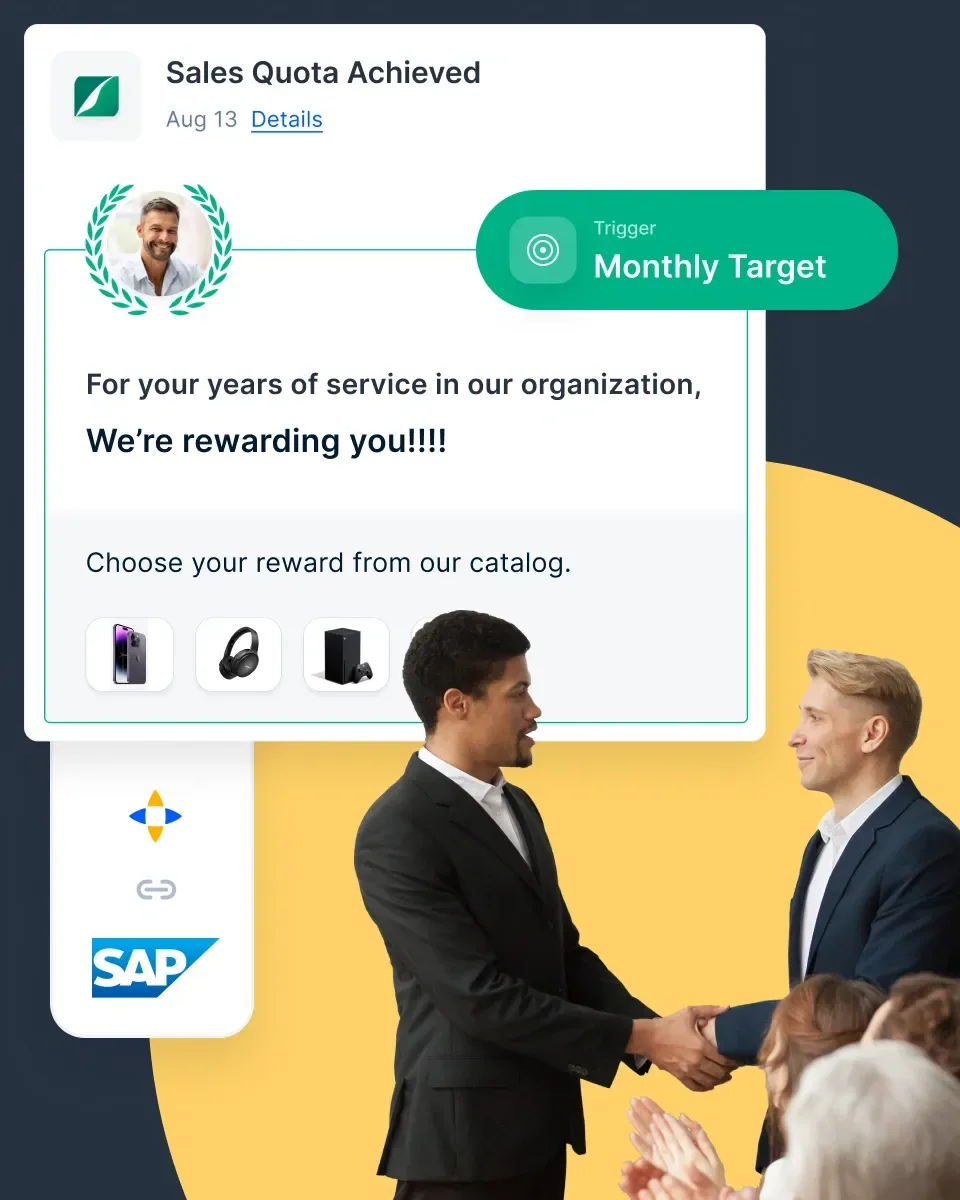
Make retention a habit, not a reaction
Employee retention is critical for keeping productivity, morale and continuity. An effective employee retention program reduces turnover costs and builds a loyal, motivated workforce. Start with data on why people leave, then combine onboarding, continuous learning, recognition and rewards, flexible work, wellness and a strong culture.
By investing in employees' growth and wellbeing, you create a supportive, engaging place to work and higher retention follows. To see which shifts are reshaping what keeps people today, read our roundup of employee retention trends.
Book your Empuls demo
Frequently asked questions
An employee retention program should include recognition and rewards, competitive pay and benefits, career development, flexibility and wellbeing support, and regular two-way communication. It also needs clear goals, a budget, named owners and metrics such as retention rate and regrettable attrition. Base the mix on data about why your own employees leave and stay.
The best incentives for employee retention are the ones that match why your people leave. Common high-impact choices are fair pay reviews, performance bonuses, internal promotions, career development, frequent recognition, flexible work and strong health and wellness benefits. Long-term rewards such as equity or retention bonuses that vest over time help keep key employees.
There is no fixed figure, but compare the cost with what turnover costs you. Gallup estimates replacing an employee costs around 40% of salary for frontline staff and up to 200% for leaders. Even modest spending on recognition, development and benefits is usually cheaper than replacing a few people, so start with the groups where turnover hurts most.
Measure the success of an employee retention program by tracking retention rate, voluntary and regrettable attrition, first-year attrition, eNPS and engagement scores, and participation in the program. Compare results before and after launch, and between employees who take part and those who do not. Review the numbers monthly or quarterly and adjust incentives that are not moving them.
A retention bonus is a payment offered to an employee for staying with the company through a set period or event, such as a merger, a major project or a busy season. It is usually paid in one or more installments after the period ends. Retention bonuses work best for critical roles and short, defined periods, not as a long-term fix.
Leading indicators such as engagement, eNPS and recognition participation can improve within one to three months. Changes in voluntary attrition usually take six to twelve months to show clearly, because people decide to leave over time. Compare cohorts and track monthly trends so you can see early progress and adjust before the annual numbers arrive.
HR usually designs and runs the employee retention program, but managers deliver most of it through daily recognition, career conversations and workload decisions. Senior leaders need to sponsor it and fund it, and finance should help track costs and savings. Give each part of the program a named owner and review progress together regularly.
Retention programs for top talent are more personal than company-wide perks. They focus on visible career paths, stretch assignments, influence, market-leading pay reviews and long-term rewards that vest over time. Regular stay conversations with high performers help you learn what keeps them and what might pull them away, so you can act before a competitor does.





































































































































































































































































































































































































































































































































































