
Key Takeaways
The best employee rewards are personal, timely and specific, and letting employees choose is the simplest way to make a reward fit.
Gallup research shows well-recognized employees are 45% less likely to have turned over two years later, yet only 22% get the right amount of recognition.
Rewards usually come after the achievement, while incentives are promised in advance for hitting a target.
Free and low-cost rewards such as shout-outs, a wall of fame and extra time off, given often, do more for engagement than rare large rewards.
Remote and frontline employees need rewards they can receive and redeem on a phone, so plan for them from the start.
The best employee reward ideas are personal, timely and matched to what each person values, whether that is a gift card, an experience, a day off, a learning budget or public praise. Choice matters more than price: a modest reward the employee picked beats an expensive one they did not want.
This guide shares 59 creative employee reward ideas: 30 for the workplace, 20 for remote employees and 9 everyday moments worth rewarding, plus a budget matrix for on-site, remote and frontline teams and tips to make every reward land.
What employee rewards are and why they matter
Employee rewards are the tangible and intangible things an organization gives employees to appreciate their contributions, such as bonuses, gift cards, experiences, time off, development opportunities and recognition. Unlike incentives, which are promised in advance for hitting a target, rewards usually come after the achievement, often as a welcome surprise.
Positive reinforcement encourages people to repeat great work, and rewards are how you make that reinforcement real. The research is clear on why it matters:
45%
less likely to leave
for well-recognized employees two years later (Gallup)
22%
of employees
get the right amount of recognition (Gallup and Workhuman)
89%
drop in odds of thriving
when leaders do not know recognition preferences (O.C. Tanner, 2026)
Why getting employee rewards right matters
Gallup's workplace recognition research shows well-recognized employees are 45% less likely to have turned over two years later. Yet a Gallup and Workhuman study found only 22% of employees get the right amount of recognition. Personal fit is the other half of the story: O.C. Tanner's State of Employee Recognition 2026 report found employees' odds of thriving drop 89% when they feel leaders do not know how they prefer to be recognized. For the full business case, see why employee rewards and recognition matter.
The link between rewards and employee engagement
Rewards build engagement by creating a sense of purpose, belonging and accomplishment. Three mechanisms explain the link, and goal alignment comes first because it gives every reward a reason.
- Aligning rewards with organizational goals: When rewards are tied to key goals, employees see the direct impact of their contributions on the company's success, which strengthens commitment.
- Building a positive feedback loop: Regular, meaningful rewards encourage people to keep performing at a high level, creating a culture of continuous improvement.
- Enhancing employee satisfaction: Feeling valued raises job satisfaction, which in turn lifts commitment and the willingness to go above and beyond.
Rewards also support wellbeing and a positive work environment when they reflect people's lives outside work, not just their output.
Fun rewards vs traditional rewards for employees
Traditional rewards are the fundamentals of compensation: bonuses, raises, health insurance and years of service awards. Fun rewards, such as personalized gifts, experiences and casual acknowledgments, are tailored to individual preferences and aim to create an emotional connection.
| Aspect | Traditional rewards | Fun rewards |
|---|---|---|
| Purpose | Meet basic employment needs and support long-term retention | Build satisfaction, team spirit and an emotional connection |
| Examples | Bonuses, raises, insurance, service awards | Experiences, gift baskets, fun budgets, shout-outs |
| Effect on culture | Can encourage people to outperform peers | Encourage collaboration and shared experiences |
| Personalization | Usually standard by role or level | Tailored to the individual's tastes |
A strong program uses both: fair pay and benefits as the foundation, and fun, personal rewards to make appreciation memorable.
Let employees choose rewards they actually want
Give points that employees redeem for gift cards, experiences or merchandise, and automate celebrations so no milestone is missed.
Talk to our ExpertTrusted by 5,000+ companies
30 creative employee reward ideas for the workplace
These 30 creative employee reward ideas fall into six groups: money and choice, experiences, physical gifts, growth, recognition, and time and wellbeing. Choice-based rewards come first because letting people pick is the simplest way to make sure a reward fits.
Money and choice
Monetary rewards are flexible and universally understood. Give them for past contributions, separate from any target-based incentive plan.
- Discretionary thank-you bonus: A one-off cash bonus after a big project or a tough quarter shows that extra effort was noticed, even when no target was set in advance. Tie it to a specific contribution, such as completing a project or surpassing expectations, so employees become more invested in the company's success.
- Salary increases: A merit raise is a substantial and enduring form of recognition. While a bonus is a one-time acknowledgment, a raise demonstrates a commitment to long-term satisfaction and financial growth.
- Gift cards: Let employees choose from retail, dining or online brands so the reward suits their tastes. Our guide to employee gift card programs covers how to run one.
- Prepaid cards: Prepaid cards give people the freedom to choose how they use their reward, whether for shopping, dining or online purchases. They work well for global teams with different local preferences, and digital delivery makes them instant.
- Reward points from a catalog: Give points that employees save up and redeem for gift cards, merchandise or experiences, so small rewards add up to something they really want.
Experiences
Experiences create memories that outlast a gift card balance. Offer a menu so people can choose an experience that suits their life.
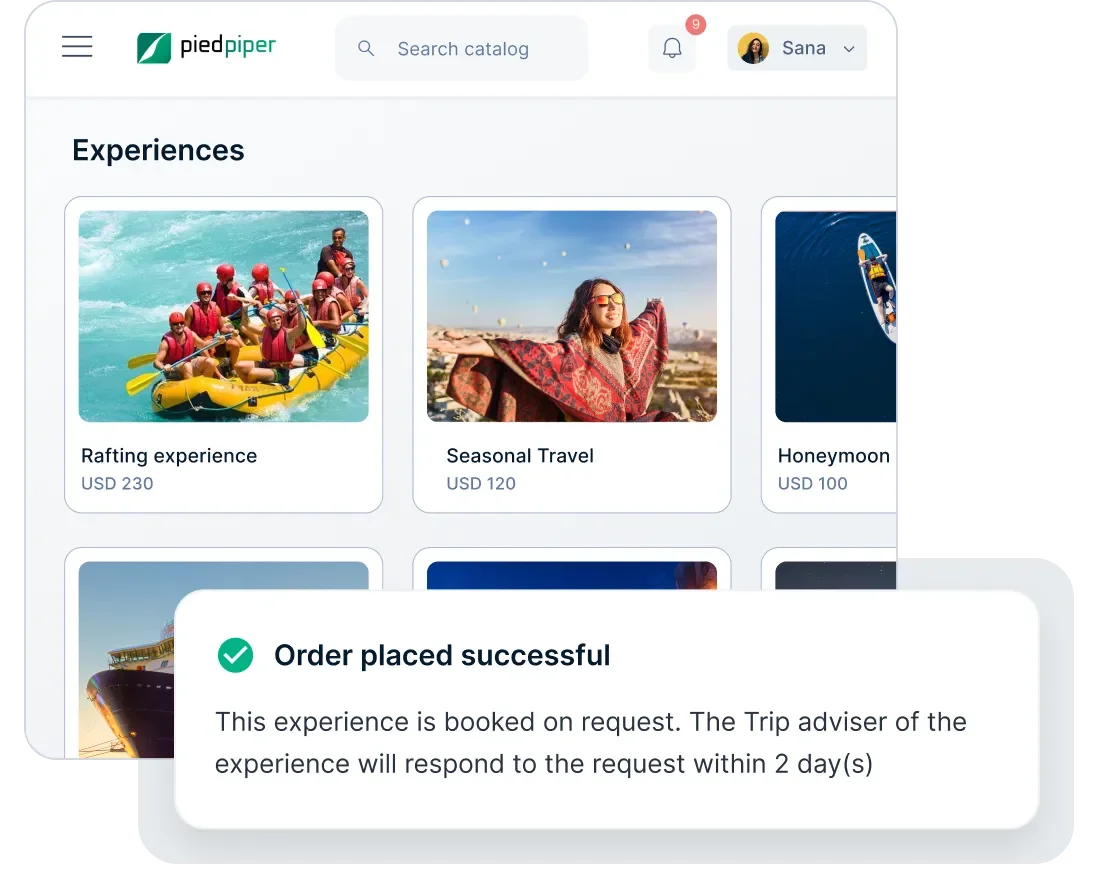
- Experiential rewards: Experiences go beyond the tangible and contribute to wellbeing and personal growth. Concert tickets, a cooking class or a spa day give people lasting memories and show a commitment to their lives beyond work. See our guide to experiential rewards.
- Travel and entertainment: A weekend getaway, hotel stay, flight voucher or tickets to a sought-after show offer a well-deserved break. These rewards recognize hard work and support wellbeing through relaxation outside the usual routine.
- Designated fun budget: Give a team a budget to choose and organize its own team-building activity or leisure event. Letting people tailor the experience builds engagement, creativity and shared enjoyment.
- Charity donations: Let employees direct a reward to a cause they care about, or organize volunteering and donation drives. Giving back brings a sense of fulfillment and purpose, and shows the organization values its impact on the wider community.
- Tickets to local events: Sports games, theater or festivals near home are easy to arrange and easy to personalize.
Physical gifts
Physical gifts work when they are useful or personal, not generic. Let people choose, or base the gift on what you know about them.
- Merchandise gifts: Tangible items that are both useful and enjoyable, from tech gadgets and accessories to home goods or outdoor gear. Choosing merchandise that matches the employee's interests shows that you value them as an individual.
- Branded swag: Quality company T-shirts, water bottles, laptop sleeves or tote bags let employees show pride in the organization. Swag doubles as a reminder of their contribution and builds a sense of unity among team members.
- Customized gift baskets: Gourmet treats, spa products or a collection of favorite items tailored to the person. Personal contents show a level of consideration that goes beyond a one-size-fits-all gift.
- Customized desk accessories: Personalized stationery or office decor that adds individuality to the workspace.
- Personalized parking spaces: A reserved spot with the employee's name is a daily, visible reminder of appreciation.
- Equipment upgrades: A better monitor, headset or chair improves daily work and shows you value their comfort.
For more gift inspiration, see our employee reward gift ideas and milestone gift ideas.
Growth
Growth rewards invest in the person's future, which is especially valued by ambitious employees. They also build a more skilled workforce.
- Educational reimbursement: Funding a degree or relevant certification shows a commitment to the employee's long-term success and positions the organization as an advocate for development. It also builds a more skilled workforce.
- Training and workshops: Internal or external sessions help employees acquire new skills and stay current with industry trends. Aligning them with individual career goals shows you are investing in each person's journey.
- Mentorship programs: Pairing employees with seasoned mentors gives structured guidance, transfers knowledge and builds a sense of belonging within the organization.
- LinkedIn recommendation: A public recommendation from a manager or peer highlights strengths and achievements, enhances the employee's professional profile and extends recognition beyond the organization.
Recognition
Recognition rewards cost little and work best when they are specific and public. They are the backbone of any reward program.
- Employee of the month: Highlight one standout contributor each month with a spotlight and a perk. Our guide to the employee of the month program covers criteria and fair selection.
- Peer recognition: Let colleagues recognize each other, since they often see the effort first. See our guide to peer-to-peer recognition.
- Shout-outs in meetings: Open team or company meetings by naming outstanding contributions so everyone can witness and celebrate them. It boosts the person's morale and builds a culture of appreciation across the organization.
- Wall of fame: A physical or digital wall that showcases notable achievements gives a lasting tribute to hard work and highlights collective successes, which builds pride across the team.
- Personalized thank-you notes: Simple yet powerful, a handwritten note or personal message that names the contribution and its impact shows you understand each person's unique value.
Time and wellbeing
Time and wellbeing rewards show you care about the whole person. They are especially valued by people with caring responsibilities or long commutes.
- Remote work options: Extra remote or hybrid days acknowledge the importance of work-life balance and let people tailor their environment to their needs, which raises satisfaction.
- Compressed workweeks: Condensing the week into four longer days for a period gives longer weekends and less commuting stress, which can lift satisfaction and engagement.
- Gym memberships: Access to a gym or fitness app encourages physical activity, which supports mental health, energy and productivity, and underlines your commitment to employee health.
- Session with a financial advisor: A personal session addresses individual money concerns, which supports financial wellbeing.
- Meditation and mindfulness programs: Guided sessions, mindfulness workshops, app subscriptions or quiet spaces help reduce stress and show you take mental health seriously.
20 ideas for rewarding remote employees
These 20 ideas for rewarding remote employees deliver appreciation that travels well. Personalized care packages and recognition programs come first because they make remote people feel seen, which is the biggest gap in distributed teams.
- Personalized care packages: Snacks, books, branded merchandise or a company-themed surprise chosen for the person show you value their individuality and help create a sense of belonging.
- Recognition and appreciation programs: Virtual shout-outs in team meetings, a public recognition board or a monthly newsletter feature for remote wins. Regular celebration shows remote effort is valued.
- Remote learning opportunities: Online courses, webinars or workshops that match career goals.
- Virtual team-building activities: Online games, trivia or happy hours that build connection beyond work tasks.
- Flexible work hours: Time back or flexible hours as a thank-you for dedication.
- Wellness and mental health support: Virtual yoga, meditation sessions or counseling resources.
- Remote office allowance: Funds for equipment, ergonomic furniture or faster internet help people build a comfortable, productive workspace and show you are invested in their success.
- Professional development stipends: A budget for conferences, associations or courses of their choice.
- Peer-to-peer recognition: Let remote colleagues nominate and appreciate each other.
- Employee milestone celebrations: Messages, e-cards or small gifts for work anniversaries, birthdays and big achievements.
- Virtual coffee or lunch dates: A delivered meal and a call with a senior leader or teammate.
- Subscription services: Let employees pick music, fitness, language learning or e-book subscriptions and cover the cost for three to twelve months, so they can explore new hobbies or skills.
- Donation matching: Match employees' donations to causes they choose, up to a set amount.
- Remote team retreat: An in-person gathering once or twice a year in an inspiring location, with workshops and team activities, lets remote colleagues meet face to face and strengthen relationships.
- Extra paid time off: A surprise day or two off, ideally next to a weekend or celebration.
- Personal development coaching: One-to-one coaching with experienced professionals inside or outside the company, focused on career development, leadership or specific skills.
- Remote employee of the month: A company-wide feature with a short bio, achievements and a gift card or certificate.
- Surprise bonuses or gift cards: Unexpected rewards for outstanding work or great customer feedback.
- Virtual professional networking events: Panels or breakout sessions that connect remote employees with peers and leaders.
- Remote employee spotlight: A feature on the intranet or company social channels with a short interview, photo and personal story, which boosts morale and visibility.
Our guide to recognizing remote and frontline teams covers how to make rewards reach everyone fairly.
9 everyday moments worth rewarding
Great rewards often come from noticing moments that no target captures. These 9 moments deserve a reward, and covering for a colleague comes first because it is the kind of help that usually goes unseen.
- Covering for a colleague in an emergency: Say thank you with an extra day off or a meal voucher.
- Sharing practical tips on the intranet: Reward the colleague whose guide saved everyone time with points and a public shout-out.
- Being a first mover with new tools: Reward the person who adopted a new tool early and taught the team, perhaps with a gadget or a course of their choice.
- Carrying the culture: Recognize the colleague who never forgets birthdays and is first to congratulate others, with a thoughtful personal gift.
- Winning an internal hackathon: Ask winners how they would define a victory lap, then make it happen.
- Opening a door with a hard-to-reach client: Reward the persistence that secured the meeting, not just the final deal.
- Speaking up about a problem: Thank the person who flagged an error or risk early, so others feel safe to do the same.
- Lifting the team's mood under pressure: Reward the colleague whose humor or calm kept the team going on a hard day.
- Making time for a passion outside work: Fund a class or kit for a side hobby, which feeds intrinsic motivation that spills back into work.
For more gestures that cost nothing, browse our employee appreciation ideas and non-monetary employee recognition guides.
Employee reward ideas by budget and team type
This matrix maps employee reward ideas on a budget, and above it, to on-site, remote and frontline teams. Start with the free and low-cost rows, because frequent small rewards do more for engagement than rare large ones.
| Budget per person | On-site teams | Remote teams | Frontline and shift teams |
|---|---|---|---|
| Free | Shout-outs in meetings, wall of fame, reserved parking, LinkedIn recommendation | Virtual shout-outs, spotlight feature, thank-you video from a leader | Shift-start shout-out, first choice of shifts, public recognition board |
| Low | Small gift card, team treats, desk accessories, casual day | E-gift card, subscription month, delivered coffee | Meal voucher, small gift card redeemable on mobile, branded jacket |
| Medium | Experience tickets, gift basket, gym membership, training course | Care package, office allowance, online course | Points toward catalog rewards, wellness benefit, paid training |
| High | Travel reward, compressed workweek, education reimbursement, retreat | Remote team retreat, coaching program, conference trip | Extra paid time off, family experience, certification and promotion path |
Frontline employees often lack desks and email, so choose rewards they can receive and redeem on a phone. Set the budget for each level according to your pay scales and local costs.
How to make employee rewards land
Five habits decide whether a reward feels meaningful or forgettable, and timing comes first because a reward given weeks late loses most of its impact. Use them with any idea on this list.
- Reward soon: Give the reward as close to the achievement as possible.
- Be specific: Say exactly what the person did and why it mattered.
- Offer choice: Let people pick from a catalog or a short menu so the reward fits.
- Spread it fairly: Track who gets rewarded so quiet contributors and remote staff are not missed. Our guide to preventing bias in recognition explains how.
- Make it visible: Share rewards publicly, with consent, so others see what great work looks like.
If you are building a structured program with reward tiers and budgets, see our guide to designing an employee reward program.
How Empuls helps you reward employees
Empuls makes rewarding employees simple and personal, with recognition, automated celebrations and a global rewards catalog in one platform. Managers and peers can reward in seconds, and employees choose the gift card, experience or merchandise they actually want.
- Recognize and reward great work with points, badges and social shout-outs through Empuls recognition.
- Automate birthday, anniversary and life event rewards with Empuls celebrations, so no milestone is missed for remote or on-site staff.
- Showcase winners on a company-wide wall of fame.
- Reward goals, training and referrals automatically with milestone rewards.
Choosing employee reward ideas that fit your team
The best employee reward ideas fit the person, arrive quickly and say exactly what was appreciated. Mix money and choice with experiences, growth, recognition and time off, adapt them for remote and frontline teams, and use the budget matrix to reward often rather than rarely. When rewards feel personal, people feel valued, and they stay. For target-based rewards, see our employee incentive ideas, and for the wider strategy, the employee recognition guide.
Book your Empuls demo
Frequently asked questions
Good ways to reward employees include gift cards and reward points they can redeem, experiences such as tickets or travel, extra paid time off, learning budgets, public shout-outs and personal thank-you notes. The most effective rewards are timely, specific about what was appreciated and matched to what the employee values.
Non-monetary rewards are forms of appreciation that are not cash, such as public recognition, a wall of fame feature, extra time off, flexible hours, mentorship, training, a reserved parking spot or a LinkedIn recommendation. They cost little, can be given often and are especially powerful when paired with fair pay.
Focus on frequent, low-cost rewards: specific praise in meetings, a wall of fame, small e-gift cards, team treats, an early finish, first choice of shifts or a thank-you from a senior leader. Reward points that accumulate let employees save small rewards for something bigger, which stretches a modest budget further.
Recognition is the acknowledgment itself, such as praise, a shout-out or an award, while a reward is the tangible thing that may accompany it, such as a gift card, points or time off. Recognition can happen without a reward, and the best programs combine frequent recognition with occasional meaningful rewards.
Recognize good work weekly and attach small rewards often, rather than saving everything for an annual event. Gallup research links weekly feedback and recognition to much higher engagement. Larger rewards, such as experiences or bonuses, can follow major achievements, projects or milestones throughout the year.
Use rewards that travel well: e-gift cards, reward points, delivered care packages, subscriptions, remote office allowances, extra time off and virtual shout-outs. Celebrate birthdays and anniversaries automatically so remote staff are never missed, and bring people together in person once or twice a year if you can.
Preferences vary by person, which is why choice matters. Many employees value cash or gift cards, time off and flexibility, growth opportunities and sincere recognition from their manager. O.C. Tanner's 2026 research found employees' odds of thriving fall sharply when leaders do not know how they prefer to be recognized, so ask them.
In many countries, cash and cash-equivalent rewards such as gift cards count as taxable income, while some small non-cash gifts and certain awards may qualify for exemptions. The rules differ by country and reward type, so check with your payroll or tax advisor before you set up a reward program.





































































































































































































































































































































































































































































































































































