Key Takeaways
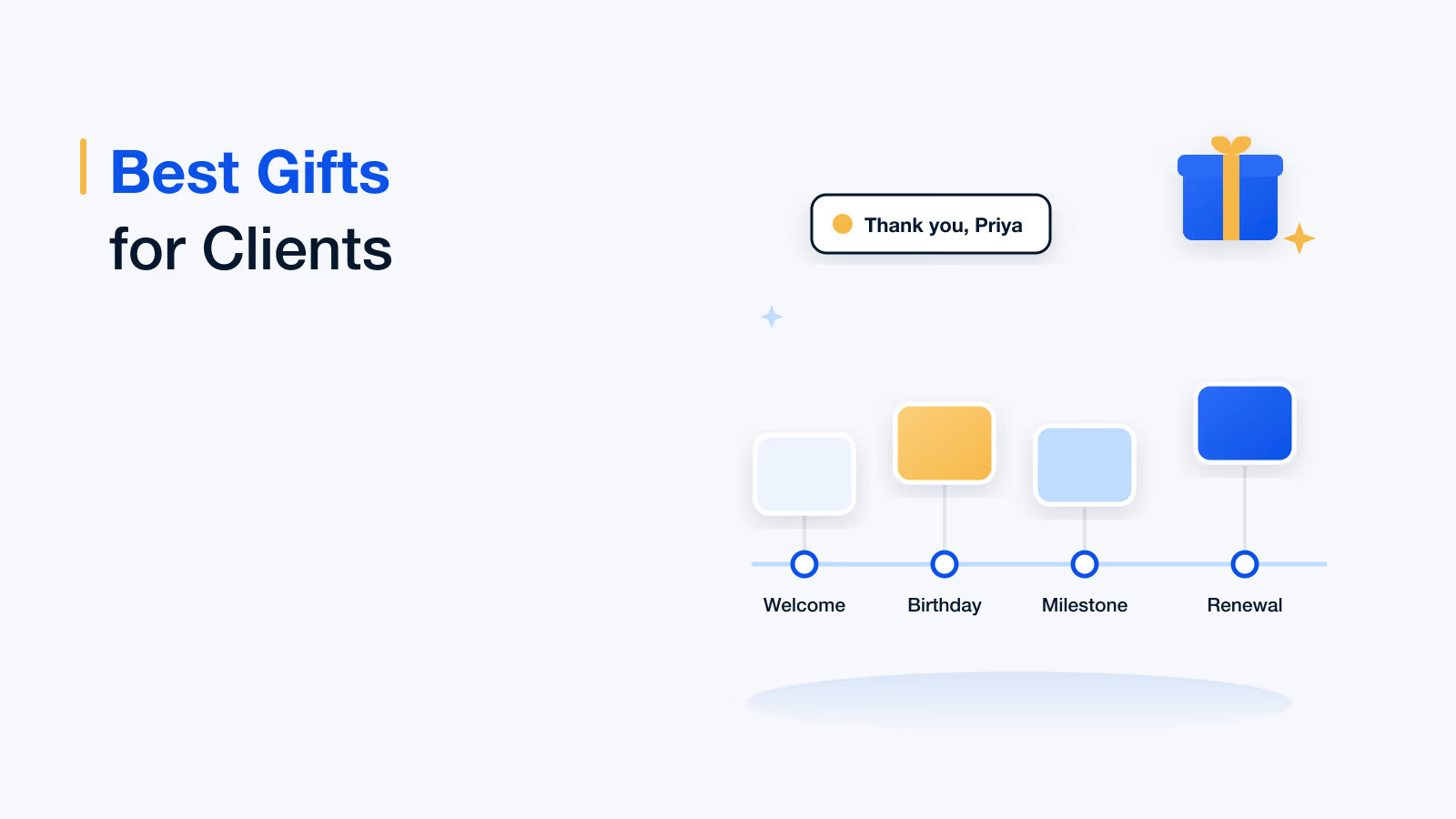
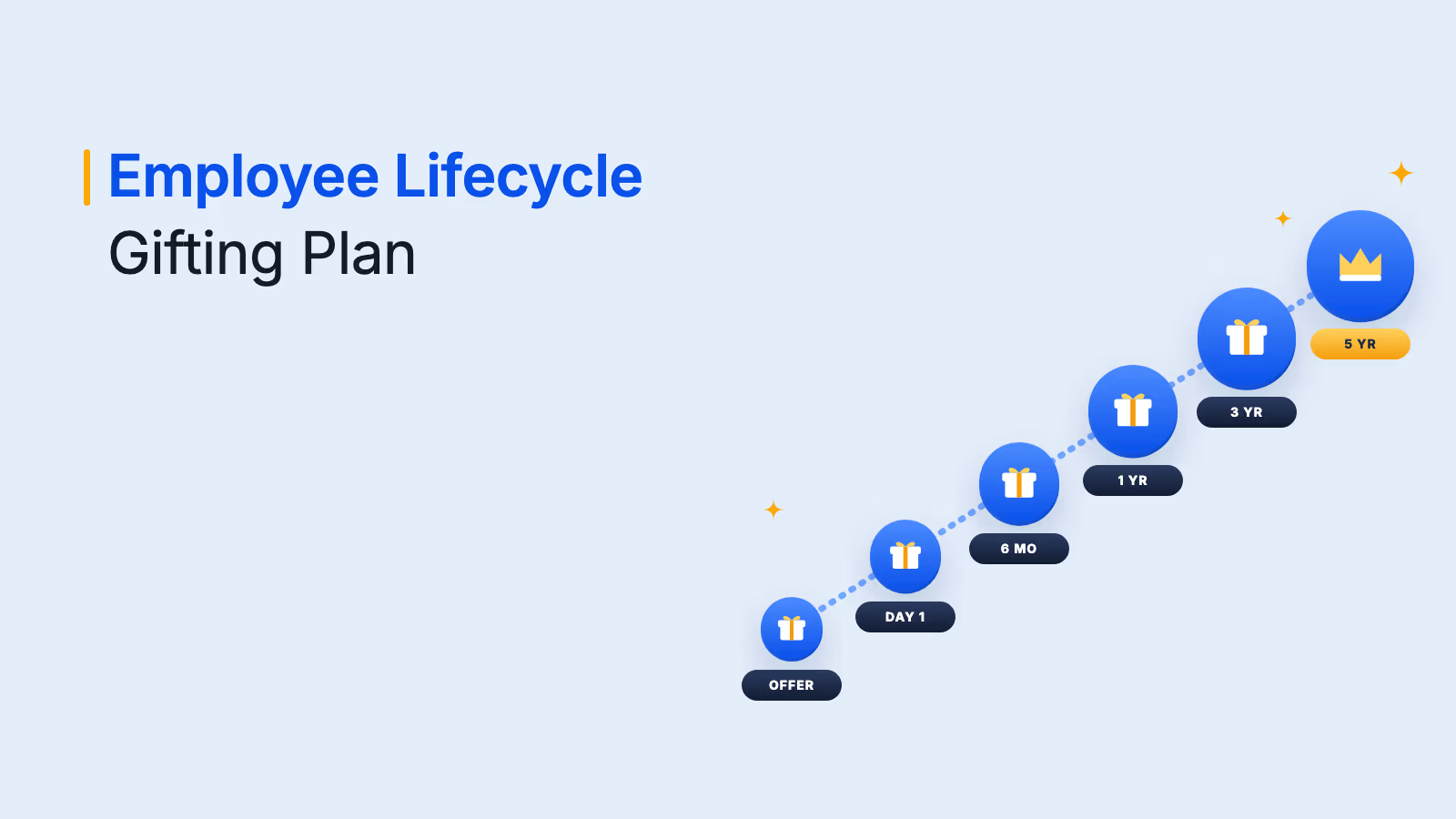
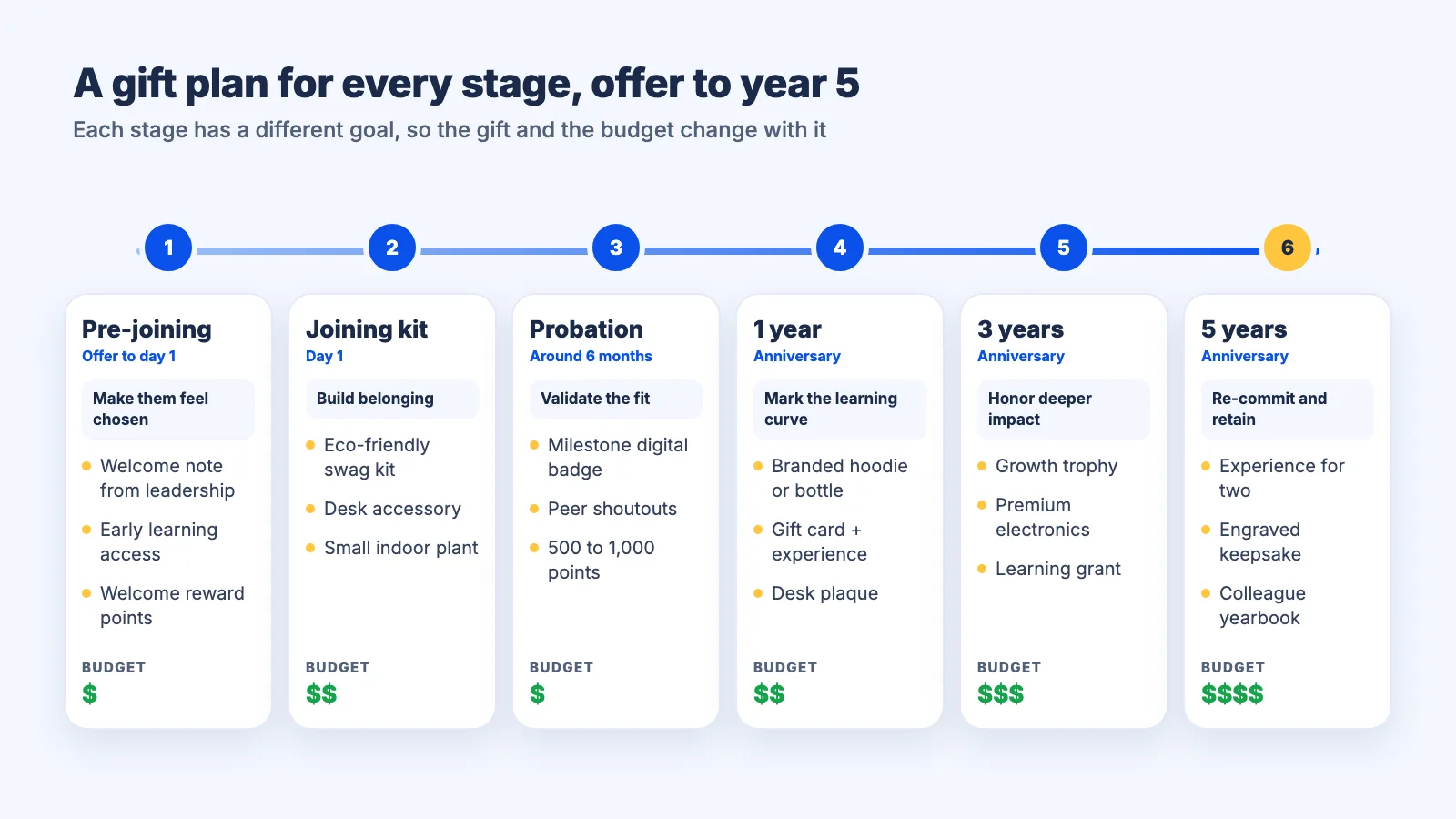
Employee lifecycle gifting ties gifts to six predictable stages: pre-joining, day one, probation completion and the 1, 3 and 5 year work anniversaries.
Each stage has a different job: reassure before joining, create belonging on day one, validate after probation, celebrate at one year, invest in growth at three and secure re-commitment at five.
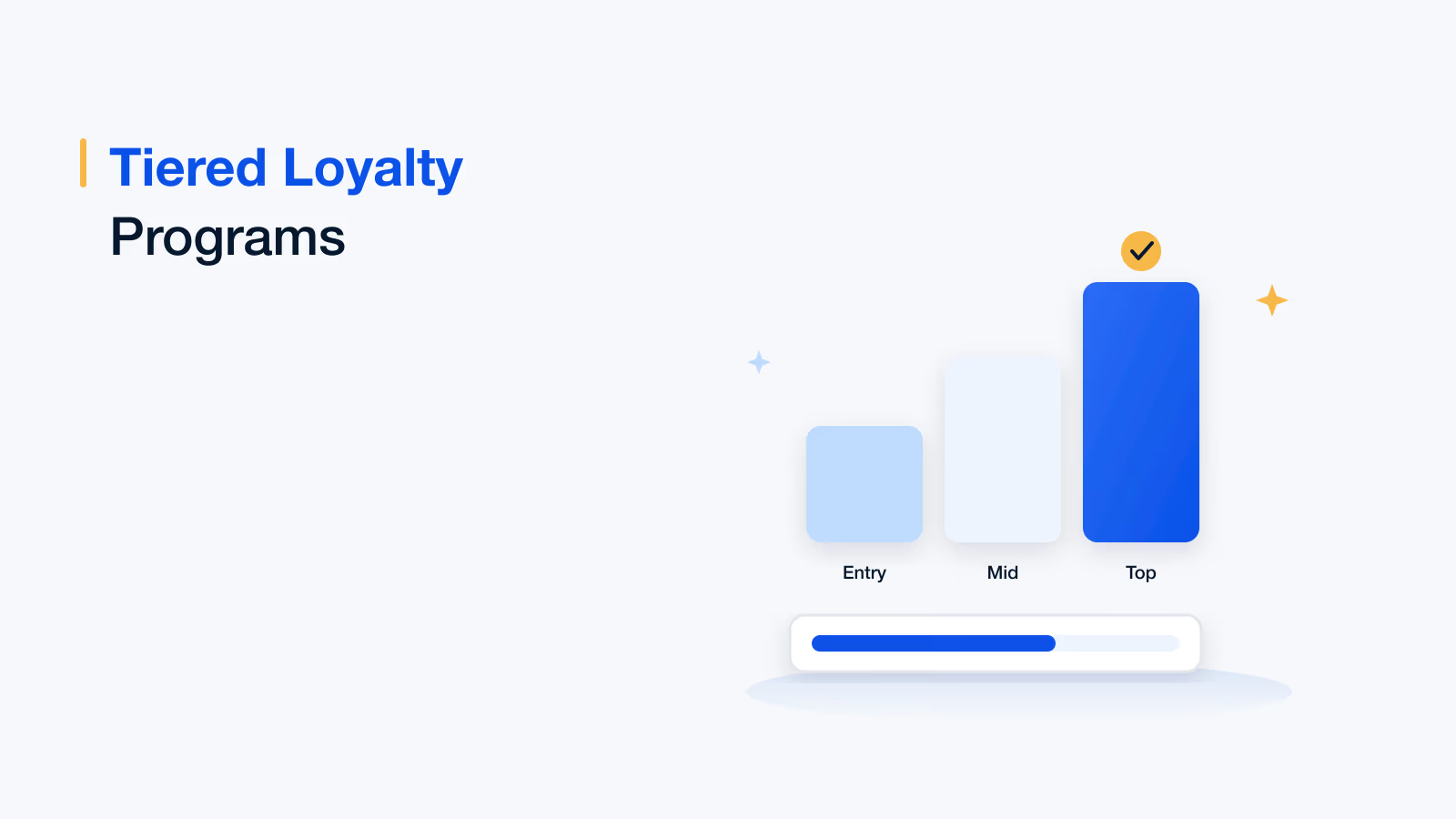
Budgets should rise with tenure, with low-cost pre-joining and probation gestures and higher-value gifts at the 3 and 5 year marks.
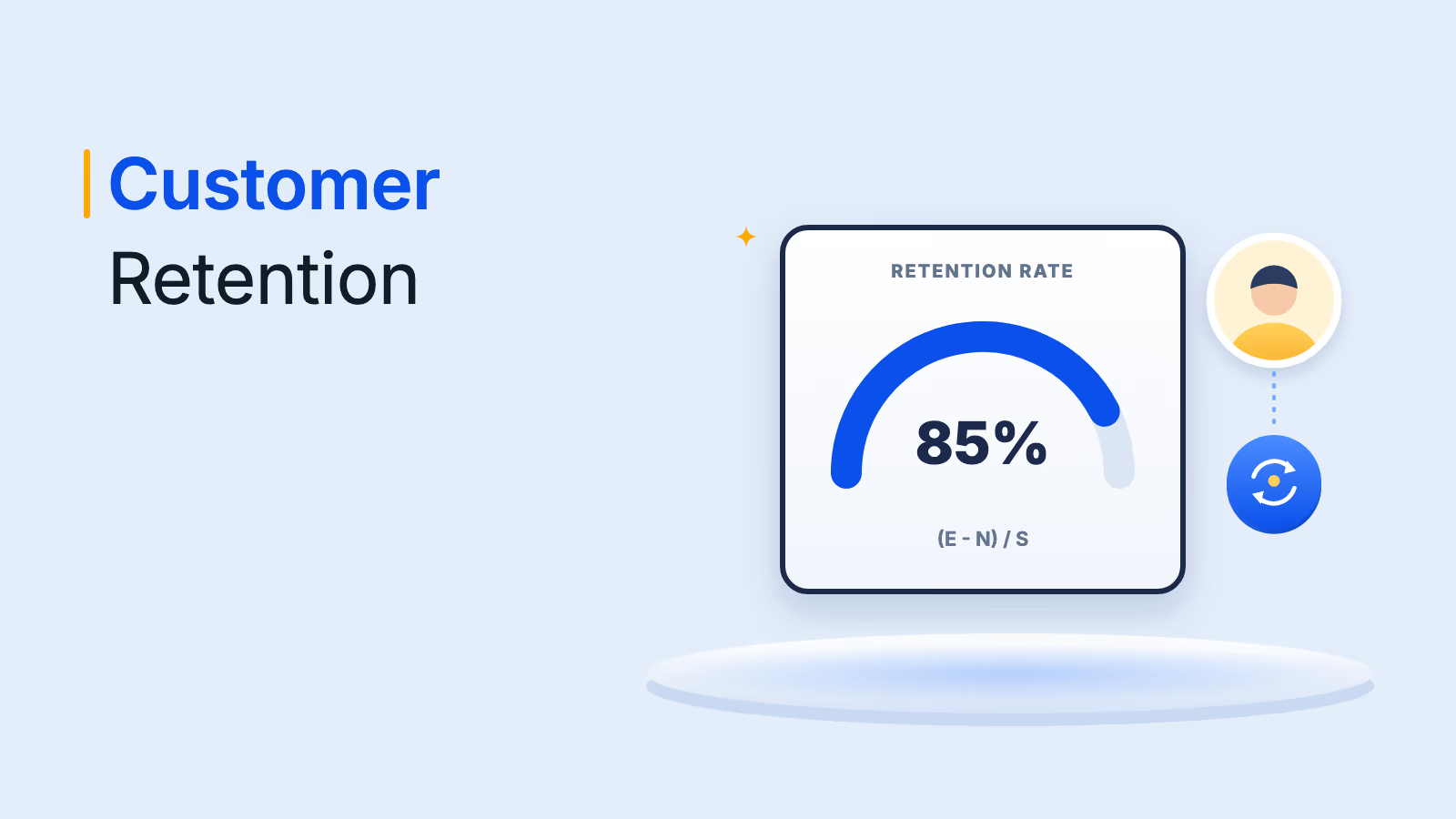
Gallup and Workhuman found well-recognized employees were 45% less likely to have changed organizations two years later, so timely, personalized recognition is a retention lever.
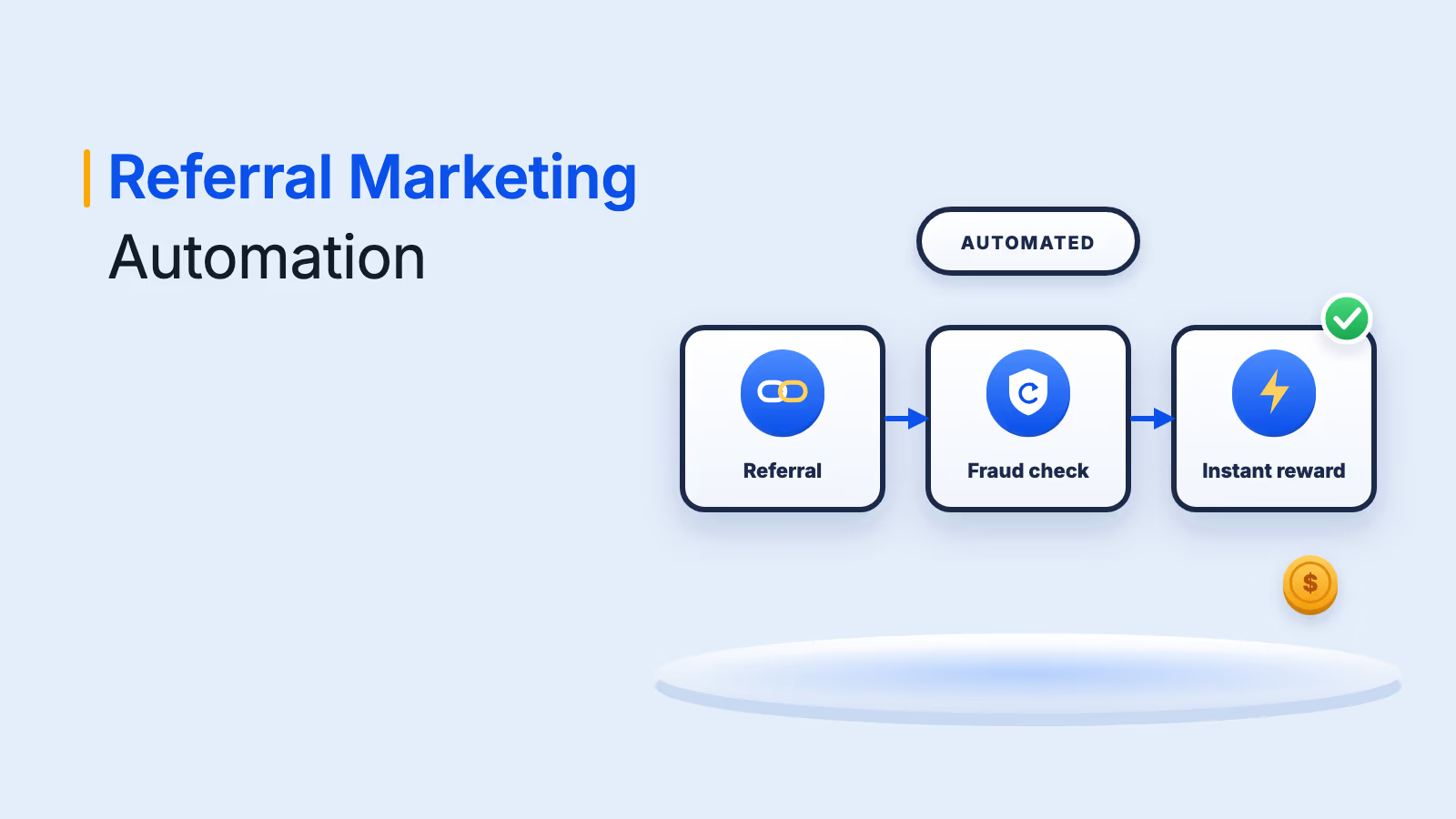
Run the plan as a program by triggering gifts from HRMS dates, mixing branded keepsakes with choice and attaching messages from leaders and peers.
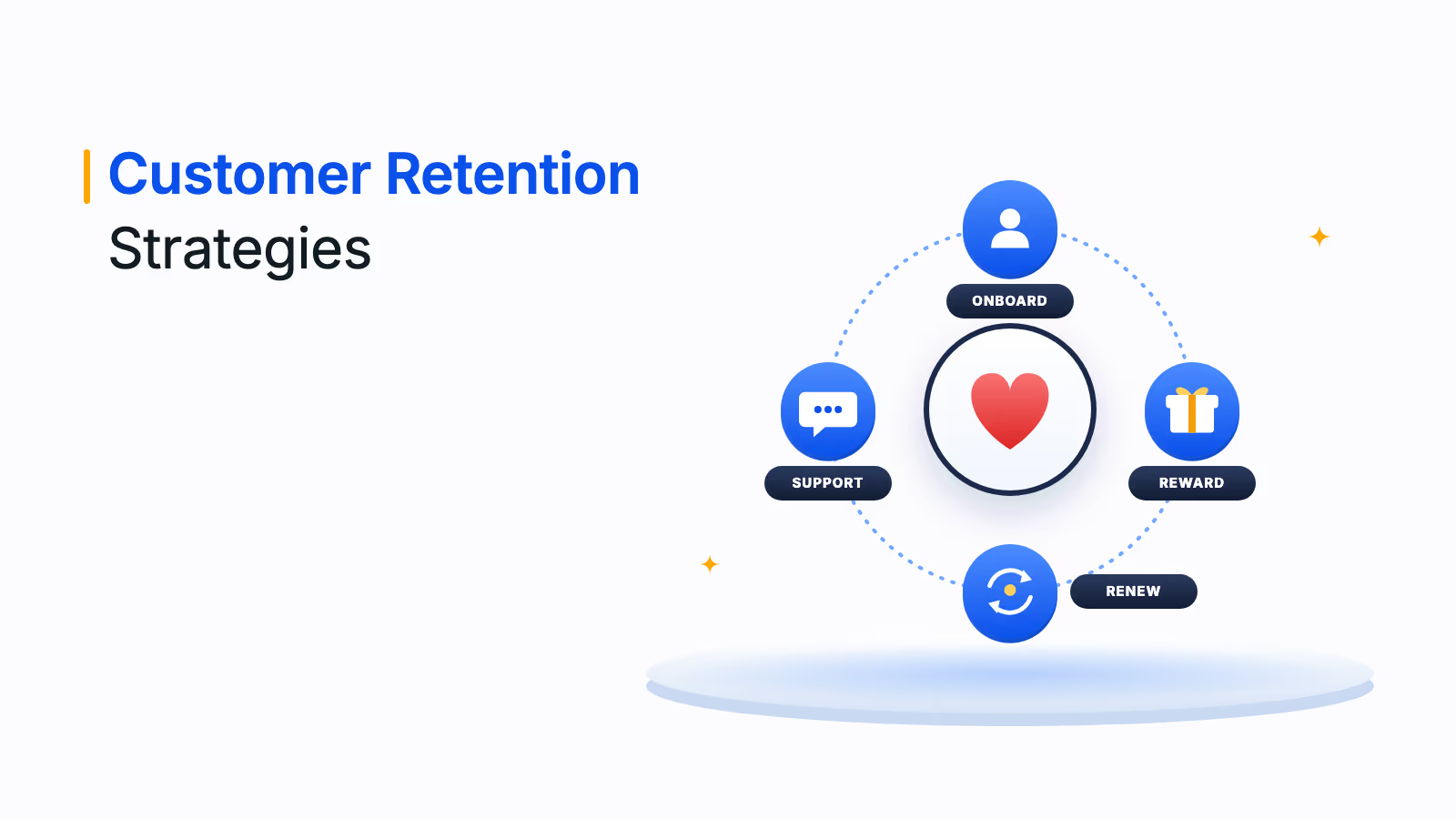
Employee lifecycle gifting is a planned set of gifts tied to the moments that shape an employee's journey: accepting the offer, the first day, clearing probation and the 1, 3 and 5 year work anniversaries. Instead of sending a gift whenever someone remembers, you decide in advance what each stage is for, what to give, how much to spend and what triggers delivery. The result is a gifting program that feels personal to the employee and predictable for HR and finance.
Most companies already give gifts at some of these moments. The problem is that they are scattered: a welcome kit owned by facilities, an anniversary voucher owned by HR and nothing in between. This guide connects them into one employee gifting strategy across six stages. For each stage you will find what the employee is going through at that point, the gift ideas that fit, an indicative budget tier and how to run the whole plan as an automated program.
If you want long lists of individual ideas, our guides to onboarding gifts for new hires and employee milestone gift ideas go deeper. This post is the plan that ties them together.
Why employee lifecycle gifting matters
Lifecycle gifting matters because the moments when people decide whether to stay are predictable, and recognition at those moments measurably lowers the chance they leave. Gifts tied to the lifecycle are a structured way to deliver that recognition on time, every time.
45%
less likely to have changed organizations two years later
well-recognized employees, Gallup and Workhuman, 2024
65%
less likely to be looking or watching for another job
employees getting high-quality recognition, Gallup, 2024
42%
of voluntary leavers say their exit could have been prevented
Gallup, 2024
7%
of accepted job offers ended in a renege
NACE employer survey, 2024
Why recognition at key lifecycle moments pays off
A 2024 Gallup and Workhuman study that tracked nearly 3,500 employees from 2022 to 2024 found that well-recognized employees were 45% less likely to have changed organizations two years later. The same research found that employees whose recognition met at least four of Gallup's five quality pillars were 65% less likely to be actively looking or watching for another job. Quality matters as much as frequency: Gallup notes that recognition should be incremental, well defined and personalized.
The cost of getting it wrong is high. In Gallup's research on preventable turnover, 42% of employees who voluntarily left their job in the past year said their manager or organization could have done something to keep them. Gallup estimates that replacing an employee costs around 40% of salary for frontline staff, 80% for technical professionals and about 200% for leaders and managers.
Risk starts even before day one. A 2024 NACE employer survey found that about 7% of accepted job offers ended with the candidate reneging, rising to 10% for internship offers. Every one of those is a hire you paid to find and still lost. A lifecycle plan puts something meaningful in front of the employee at each of these risk points.
Pre-joining gifts: from offer accepted to day one
Pre-joining gifts keep a new hire connected to your company during the quiet weeks between signing the offer and starting work. This gap is when competing offers arrive and enthusiasm fades, so a small, well-timed gesture shows that you are already investing in the person.
At this stage the employee is excited but uncertain. They have resigned from a job they understood and are waiting to start one they do not yet know. They often hear nothing from the new company apart from paperwork. Pre-joining gifts work best when they reduce that uncertainty and give a taste of the culture.
- A welcome message or letter from leadership: A short, personal note from the CEO, business head or hiring manager costs nothing and is often the most remembered part of pre-boarding. Mention the team, the problem they will help solve and something specific from their interviews.
- Early access to learning: Give pre-day-one access to relevant courses, product documentation or a reading list. It signals that you care about their growth and helps them feel ready on the first day.
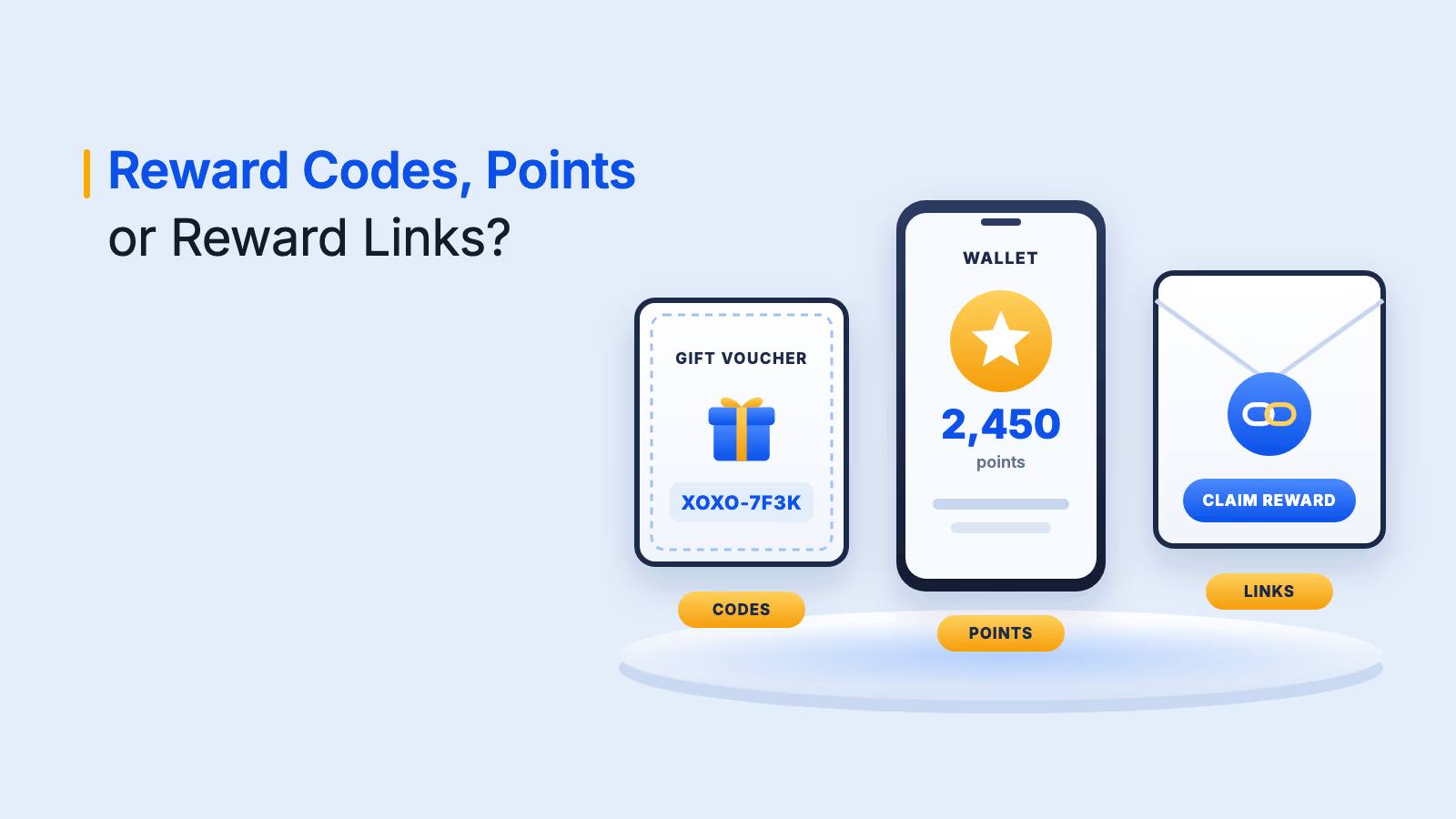
- Welcome reward points: Credit a small balance of points to the employee's account so their first interaction with your rewards platform is a positive one. They can redeem it for something they choose.
- A digital gift voucher: A modest voucher for a meal or coffee lets the new hire celebrate the new job with family, which quietly brings their household into the decision to join.
Why it works: A pre-joining gift demonstrates investment in the person's growth and culture fit before they have done a single day of work. That is exactly the signal a candidate weighing a counteroffer needs to see. Keep the budget low; the timing and the personal message matter far more than the value.
Joining kits for day one
A joining kit is a physical or digital welcome pack that is waiting for the new hire on their first day. It answers a simple question every new joiner has: do these people actually want me here?
On day one, employees are absorbing names, tools and processes all at once. A thoughtful kit gives them something tangible to hold onto and use every day, and it communicates your company's values without a slide deck. Sustainability is a natural theme here because it tells new hires what the company stands for while avoiding throwaway swag.
- An eco-swag kit: A diary or seed-paper notepad, a bamboo pen, a steel sipper bottle and a tote bag. These are items people actually use, and seed paper can be planted once it is filled.
- Smart desk accessories: An eco desk mat or a wireless charging pad makes the first workstation feel set up for the person rather than inherited.
- A small indoor plant: A low-maintenance desk plant is inexpensive, lasts for months and becomes a visible reminder of the first day.
- Logo customization: Add the company logo, the employee's name or a short welcome line. Customization turns generic merchandise into a kit that belongs to the new hire.
For remote hires, ship the kit so it arrives before day one, or send a digital version with points the employee can redeem for items they pick. Our onboarding gifts for new hires guide lists many more welcome kit ideas, and the employee onboarding checklist shows where the kit fits in the wider first-week plan.
Why it works: A joining kit communicates purpose, sustainability and belonging from the first hour. A medium budget is usually enough, because the value comes from usefulness and branding rather than price.
Automate every gift from offer to Year 5
Empuls triggers welcome gifts, service awards and anniversary yearbooks from your HRMS dates, with a global rewards catalog.
Talk to our ExpertTrusted by 5,000+ companies
Probation completion gift: recognition at around six months
A probation completion gift marks the point, often around six months, when an employee moves from being new to being trusted. It is a moment most companies handle with a confirmation letter and nothing else, which is why a small, sincere gesture stands out.
By now the employee has learned the basics, delivered their first real work and formed opinions about the team. They want to know whether their effort has been noticed. This is the ideal stage for micro-recognition: low-cost, non-monetary gestures that carry a lot of emotional weight.
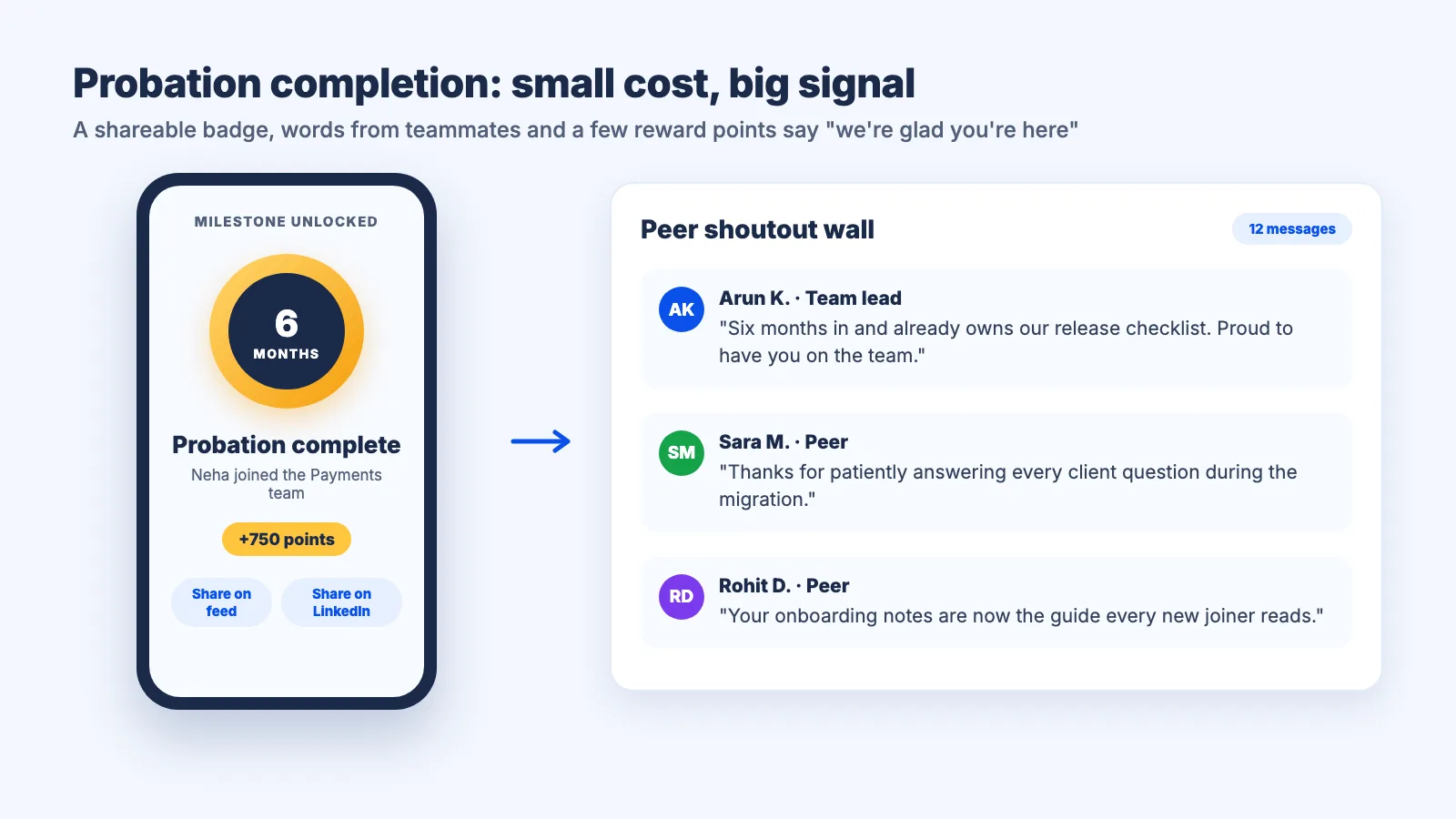
- A milestone digital badge or certificate: A branded badge marking probation completion that the employee can share on internal channels or on LinkedIn. It is public proof that they made it.
- A peer shoutout wall: Collect short notes and quotes from teammates about what the person contributed in their first months and display them on your recognition feed. Hearing from peers often means more than hearing from HR.
- 500 to 1,000 reward points: A discretionary amount, set by the manager based on team input, that the employee redeems for something they actually want.
Why it works: A probation completion gift is personal, low cost and highly validating. It tells the employee that the company sees them as part of the team now, not just a new hire who passed a review. Peer-to-peer recognition makes this stage easy to run because the content comes from colleagues.
1-year work anniversary gifts
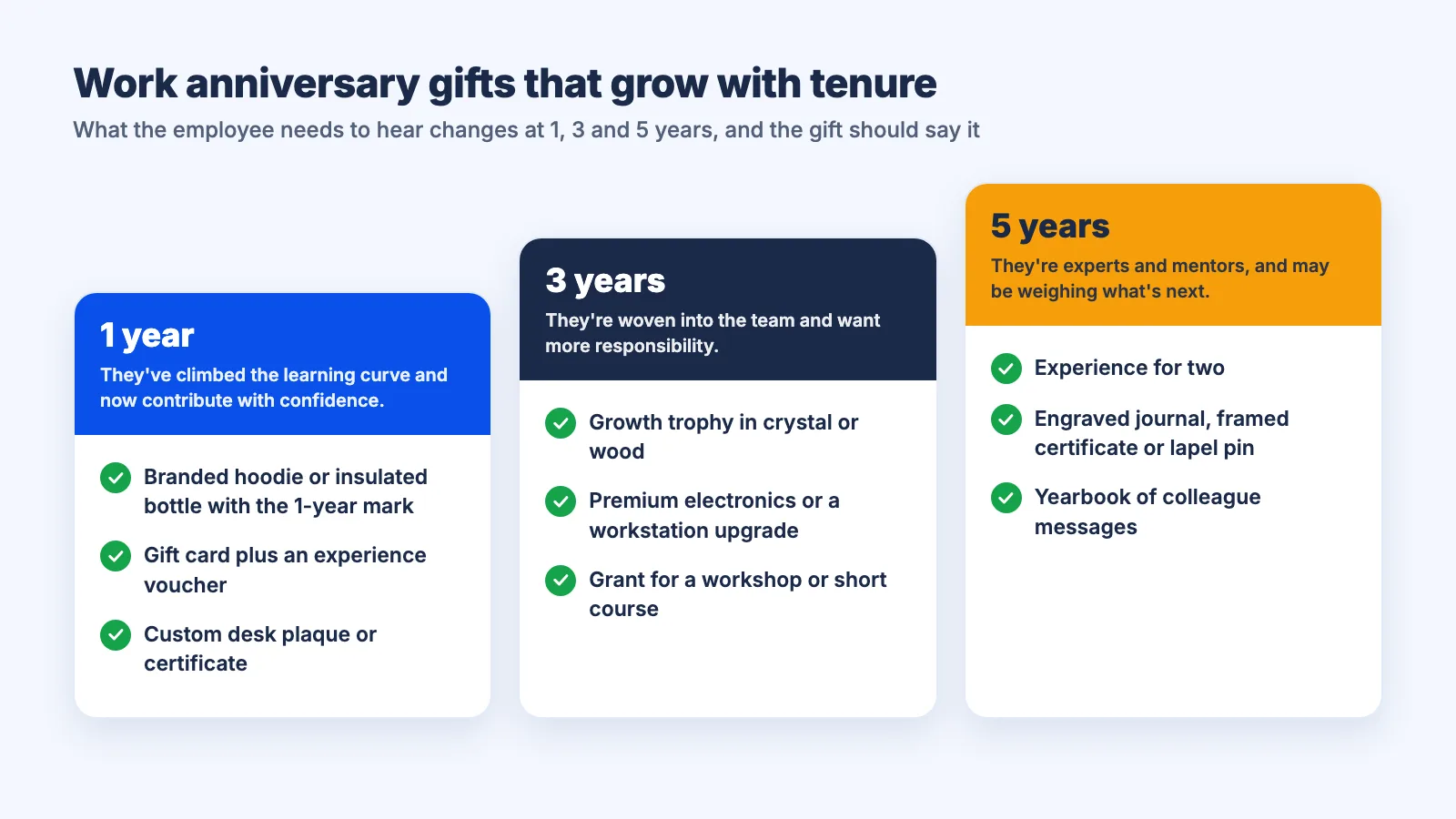
The 1-year mark is the first true work anniversary, and the gift should celebrate the employee's arrival as a confident contributor. It is the stage where many employees first decide whether this is a place they want to build a career.
At one year, employees have come through the steepest learning curve. They understand the systems, have adapted to the culture and have begun to add tangible value. They have invested time and energy into growing, and now they are ready to contribute with confidence. Work anniversary gifts at this stage should feel like a badge of belonging.
- A branded hoodie or insulated bottle: A stylish piece of merchandise marked with the 1-year milestone. Branded pride items get worn and used, which spreads the recognition well beyond the day itself.
- A gift card and experience voucher combo: For example, a gift card in the INR 1,500 range paired with a dining membership or a fitness subscription. The combination gives both choice and a shared experience.
- A custom desk plaque or certificate: A plaque or framed certificate with the employee's name and a line such as Celebrating 1 Year of Excellence. It stays on the desk long after the voucher is spent.
Why it works: The 1-year gift confirms that the employee's effort through a demanding first year mattered. Pair it with a short public message from the manager so the gift has a story attached.
3-year work anniversary gifts
The 3-year anniversary celebrates loyalty and growing influence, so the gift should be higher in value and more useful to the person's work and development. It is also the moment to show that the company is investing in where the employee is heading next.
By the third year, employees are deeply woven into the fabric of the company. They have built meaningful relationships across teams and often seek more responsibility or recognition. If neither arrives, this is when good people start to look elsewhere. Recognition here should show that their presence matters and that their growth is part of the plan.
- A growth trophy: A crystal or wooden trophy engraved with the employee's name and three years of service. It is a lasting symbol that sits on a desk or a shelf at home.
- Premium electronics: Practical, high-value tech such as premium wireless earbuds, an e-reader or ergonomic peripherals. Utility-based gifts get used daily, which keeps the recognition visible.
- A personalized workstation upgrade: A budget for an upgraded chair, keyboard or desk decor, chosen by the employee. It improves the place where they spend most of their working hours.
- A development grant: A grant in the INR 10,000 to 20,000 range for a workshop, retreat or short course the employee picks. It directly answers the desire for growth and responsibility at this stage.
Why it works: A 3-year gift that combines a symbol (the trophy) with something useful (tech, workstation or learning) celebrates the past and invests in the future at the same time. For more ideas by tenure, see our guide to years of service awards.
5-year work anniversary gifts
The 5-year anniversary is as much about retention as appreciation. The gift should be personal, premium and symbolic, and it should include the people who matter to the employee.
At five years, employees are experts in their domains. They carry institutional memory and often mentor others. But this is also when many begin to question their future trajectory and wonder whether the next five years should be somewhere else. Recognition at this point is about re-commitment: showing that the company knows what they have built and wants them to stay.
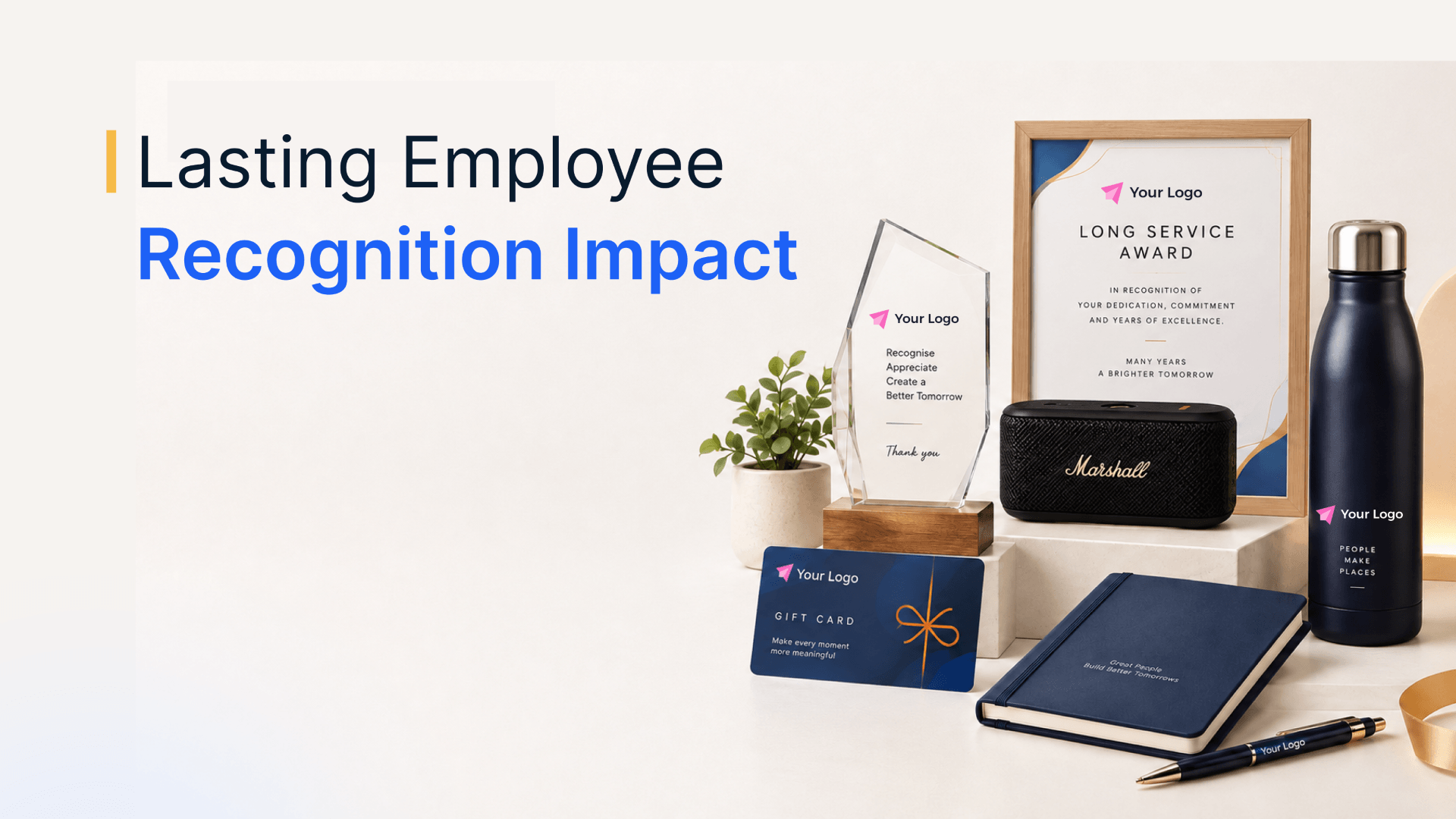
- A personalized commemorative item: A name-engraved journal, a framed certificate or a custom metal sculpture marking five years of service.
- An experience for two: A luxury staycation, a vineyard tour or a chef's table dinner. Including a partner or family member acknowledges the support behind five years of work.
- A custom symbolic token: A branded lapel pin, a premium watch or a leather folio embossed with the years of service. These are items people keep for decades.
- A yearbook of colleague messages: A digital or printed keepsake filled with notes from peers, managers and leaders across five years. It is often the gift employees treasure most, because it captures relationships rather than value.
Why it works: A 5-year gift reminds the employee that their expertise and mentorship are seen at the highest level. Pair it with a conversation about their next role or project so the recognition leads to a real re-commitment. Our guide to long service awards covers milestones from 10 years onward.
Employee lifecycle gifting plan at a glance
This table summarizes the six-stage plan. Budget tiers are relative, and the INR figures are illustrative ranges to adapt to your market, headcount and policy.
| Stage | Timing | Goal | Gift ideas | Budget tier |
|---|---|---|---|---|
| Pre-joining | Offer accepted to day one | Reduce offer drop-off and build excitement | Leadership letter, pre-day-one learning access, welcome points, gift voucher | Low (letter is free; points or voucher around INR 500 to 1,500) |
| Joining kit | Day one | Create belonging and show company values | Eco-swag kit, smart desk accessories, small plant, logo customization | Medium (around INR 1,500 to 3,000) |
| Probation completion | Around six months | Validate early contribution | Digital badge or certificate, peer shoutout wall, 500 to 1,000 points | Low |
| 1-year anniversary | 12 months | Celebrate the end of the learning curve | Branded hoodie or bottle, gift card plus experience voucher, desk plaque | Medium (around INR 1,500 to 3,000) |
| 3-year anniversary | 36 months | Reward loyalty and invest in growth | Growth trophy, premium electronics, workstation upgrade, development grant | High (development grant around INR 10,000 to 20,000) |
| 5-year anniversary | 60 months | Retention and re-commitment | Commemorative item, experience for two, symbolic token, colleague yearbook | High |
How to run employee lifecycle gifting as a program
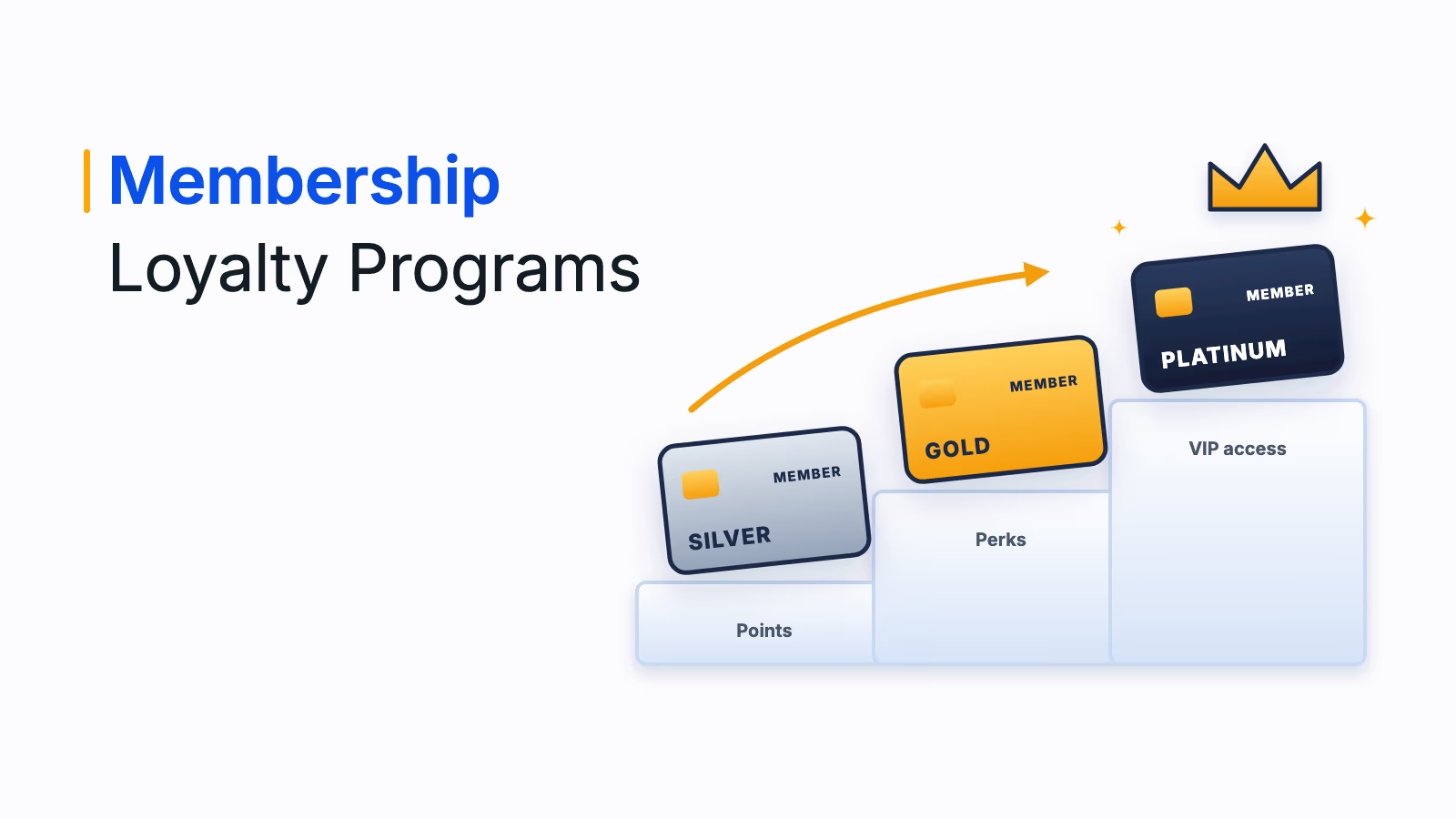
To run lifecycle gifting as a program, connect each stage to a date in your HR system, set a budget per stage and let automation handle delivery while people add the personal touch. These steps turn the plan above into something that runs every week without manual chasing.
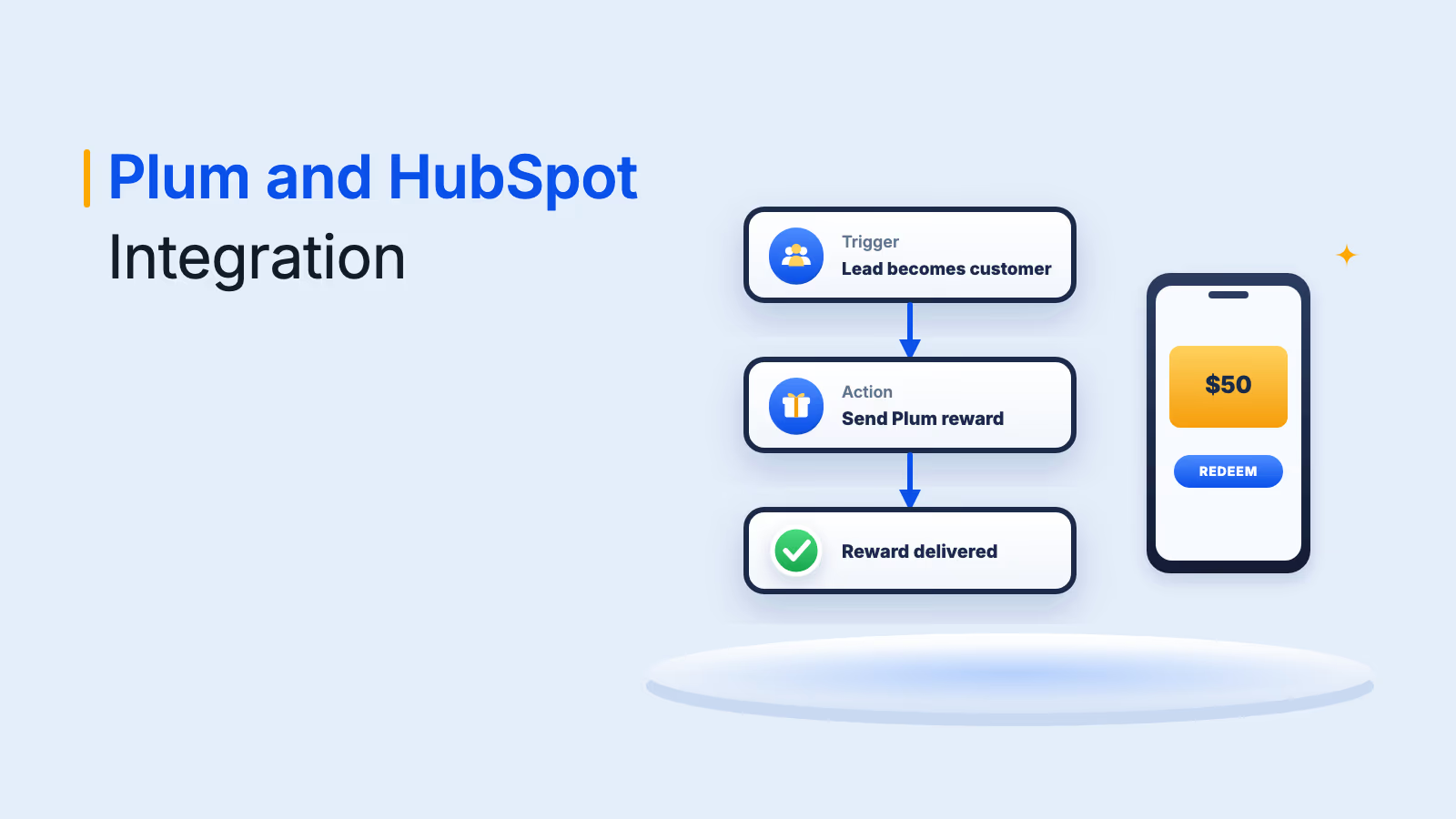
- Map each stage to an HRMS trigger: Offer acceptance, joining date, probation end date and anniversary dates already live in your HR system. Use them as triggers so every gift fires on time, for every employee, without anyone maintaining a calendar.
- Set a budget per stage: Agree an annual budget by multiplying expected hires and anniversaries by the per-stage value, then hold a small buffer for growth. Escalate value with tenure so the 5-year gift clearly outranks the 1-year gift.
- Mix branded swag with choice: Branded items create pride and visibility, while points or a gift catalog respect personal taste. A good rule is a branded keepsake for the moment plus a choice-based reward for the person.
- Personalize with messages from leaders and peers: A gift without a message feels transactional. Collect notes from the manager, teammates and, for bigger milestones, senior leaders, and deliver them with the gift.
- Plan for remote and global employees: Physical kits need addresses, lead times and customs planning. For distributed teams, favor digital gifts, locally fulfilled merchandise and points redeemable in the employee's country and currency.
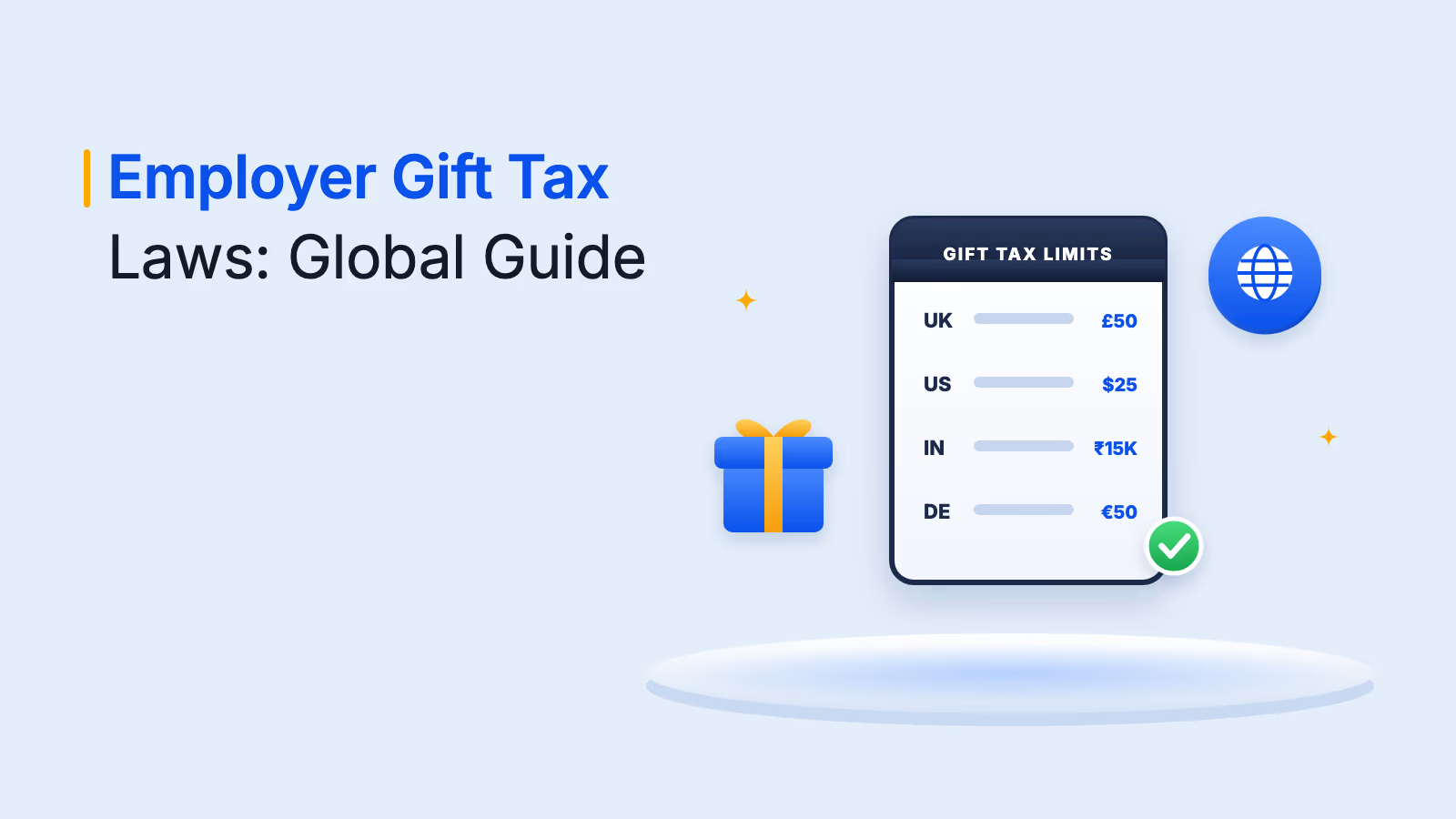
- Check gift tax rules: In many countries, gifts and vouchers above a threshold count as taxable income. Agree the treatment with payroll before you launch. Our global guide to employer gift tax laws summarizes the rules in key markets.
- Measure and refine: Track delivery on time, redemption rates, employee feedback and retention by tenure band. If people are leaving just before or after a stage, strengthen the gesture at that point.
Lifecycle gifting works best as one part of a wider recognition approach. Day-to-day appreciation, spot awards and peer shoutouts keep people engaged between milestones, and our employee retention strategies guide covers the rest of the picture. The broader employee gifting guide also covers ethics, budgeting and personalization in more depth.
How Empuls automates employee lifecycle gifting
Empuls, Xoxoday's employee engagement platform, reads lifecycle dates from your HR system and triggers welcome gifts, milestone rewards and anniversary celebrations automatically, so every stage in this plan runs without manual tracking. Here is how each part of the plan maps to Empuls:
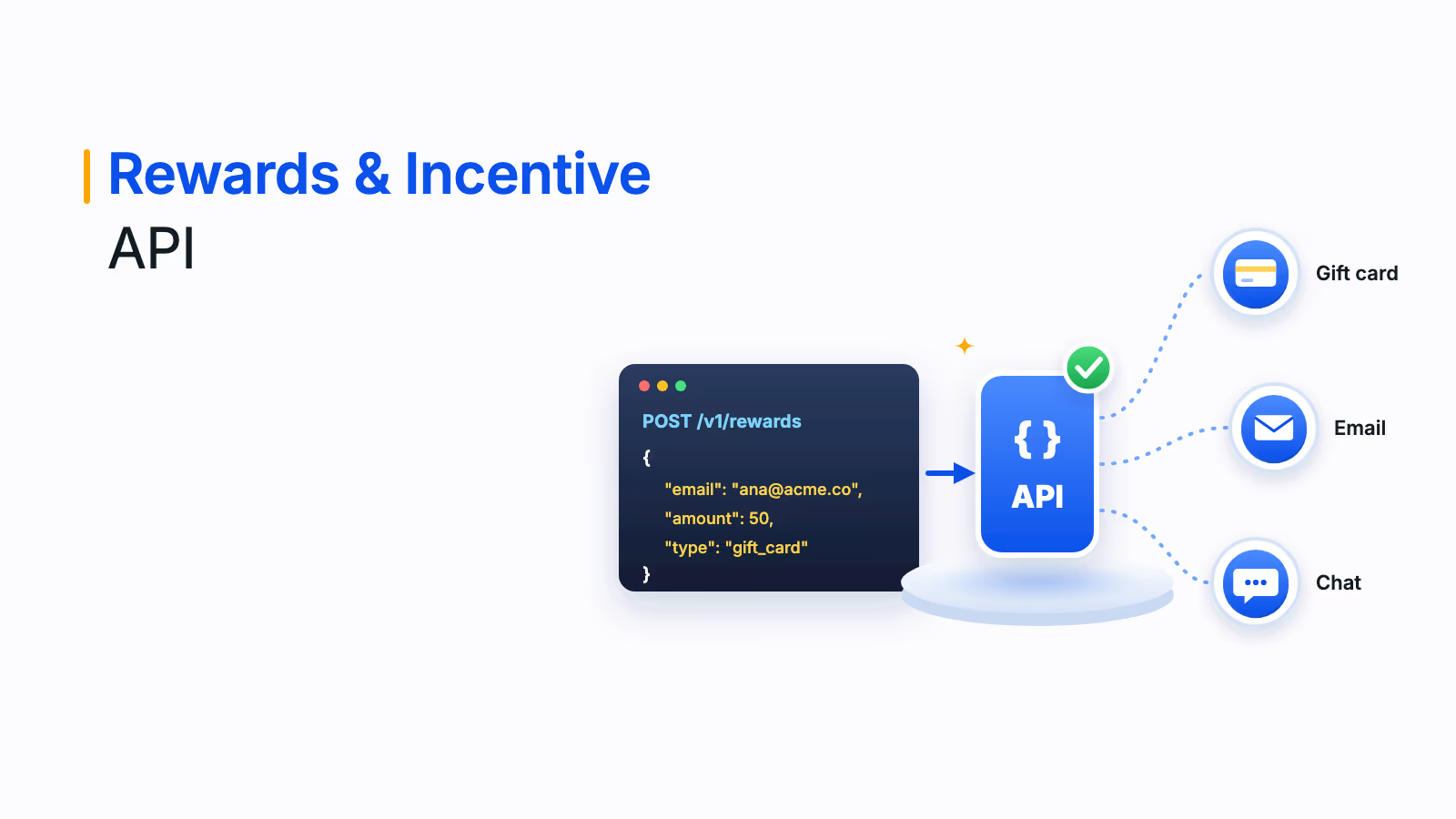
- HRMS-driven triggers: Empuls connects to HR systems such as Workday, BambooHR, Darwinbox and SAP SuccessFactors to sync joining dates and lifecycle events, so milestones trigger automatically. See the full list of integrations.
- Pre-joining and day-one gifts: With onboarding celebrations, you can schedule a new hire's welcome gift before day one, as reward points or a curated collection from the catalog, and Empuls delivers it when they sign in. You can also build a branded welcome kit of swag, stationery, gift cards or experiences, with fulfillment handled.
- Tiered service awards: Service awards give each milestone its own reward value, gift collection and message, from Year 1 upward, along with a branded certificate employees can share on LinkedIn.
- Anniversary yearbook: Teammates add messages to a wishboard ahead of the anniversary, and every wishboard becomes a permanent memory book, the digital version of the 5-year yearbook described above.
- Career milestones: Career milestone recognition turns HRMS updates such as promotions and role changes into public celebrations with a branded certificate and milestone reward points.
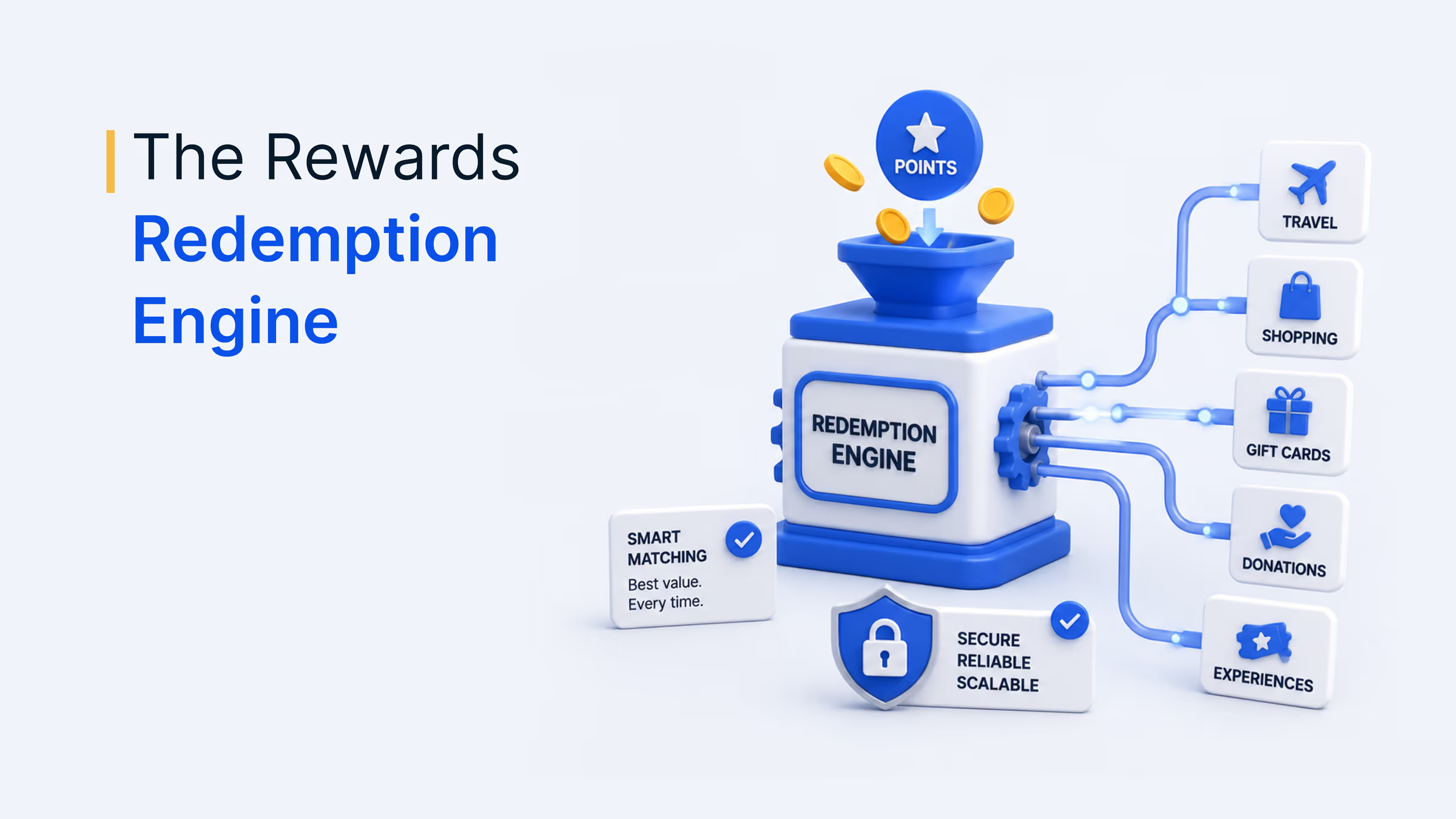
- Choice through a global catalog: Milestone reward points unlock 10M+ options across gift cards, experiences and merchandise in 150+ countries, in the employee's local currency.
- Visibility and peer messages: Celebrations publish to the social feed and the Wall of Fame, where colleagues add reactions and notes, which covers the peer shoutout element of probation and anniversary gifts.
To see how these pieces fit together from onboarding to exit, explore the Empuls employee lifecycle journey solution.
Turning gifts into a lifecycle habit
Employee lifecycle gifting replaces scattered, last-minute gifts with a plan that matches what each employee needs at each stage: reassurance before joining, belonging on day one, validation after probation, pride at one year, investment at three years and re-commitment at five. Map each stage to a trigger, set budgets that grow with tenure, mix branded keepsakes with choice and always attach a personal message. Done consistently, lifecycle gifting becomes one of the simplest ways to show people that their time with you is noticed.
Book your Empuls demo
Frequently asked questions
Employee lifecycle gifting is a planned approach to giving gifts at the key stages of an employee's journey, such as accepting the offer, the first day, completing probation and work anniversaries. Each stage has a defined purpose, gift type, budget and trigger, so gifts arrive on time and feel personal instead of being sent ad hoc whenever someone remembers.
Good pre-joining gifts are low cost and personal. A welcome letter or message from leadership, early access to learning resources, a small balance of welcome reward points and a digital voucher for a meal all work well. The goal is to keep the new hire excited and connected during the weeks between accepting the offer and starting work.
A probation completion gift works best as micro-recognition. Consider a branded digital badge or certificate the employee can share internally or on LinkedIn, a set of peer messages about their early contributions and a modest number of reward points chosen by the manager with team input. Recognition and visibility matter more than the gift's cash value.
Spending should rise with tenure. A common approach is a medium budget for the first anniversary, such as branded merchandise plus a gift card, and a higher budget at three and five years for items like premium electronics, development grants or an experience for two. Set values per stage in policy and review them annually against headcount.
Connect an employee engagement or rewards platform to your HR system so joining dates, probation end dates and anniversaries trigger gifts automatically. Configure the reward value, gift collection and message for each stage, and let managers and peers add personal notes before delivery. Automation removes missed milestones while people supply the personal touch.
In many countries, gifts, vouchers and cash equivalents given to employees count as taxable income once they exceed a set threshold, while small or occasional gifts may be exempt. The rules differ widely by market, so confirm the treatment with your payroll or tax adviser before launching a lifecycle gifting program, especially for global teams.