Key Takeaways
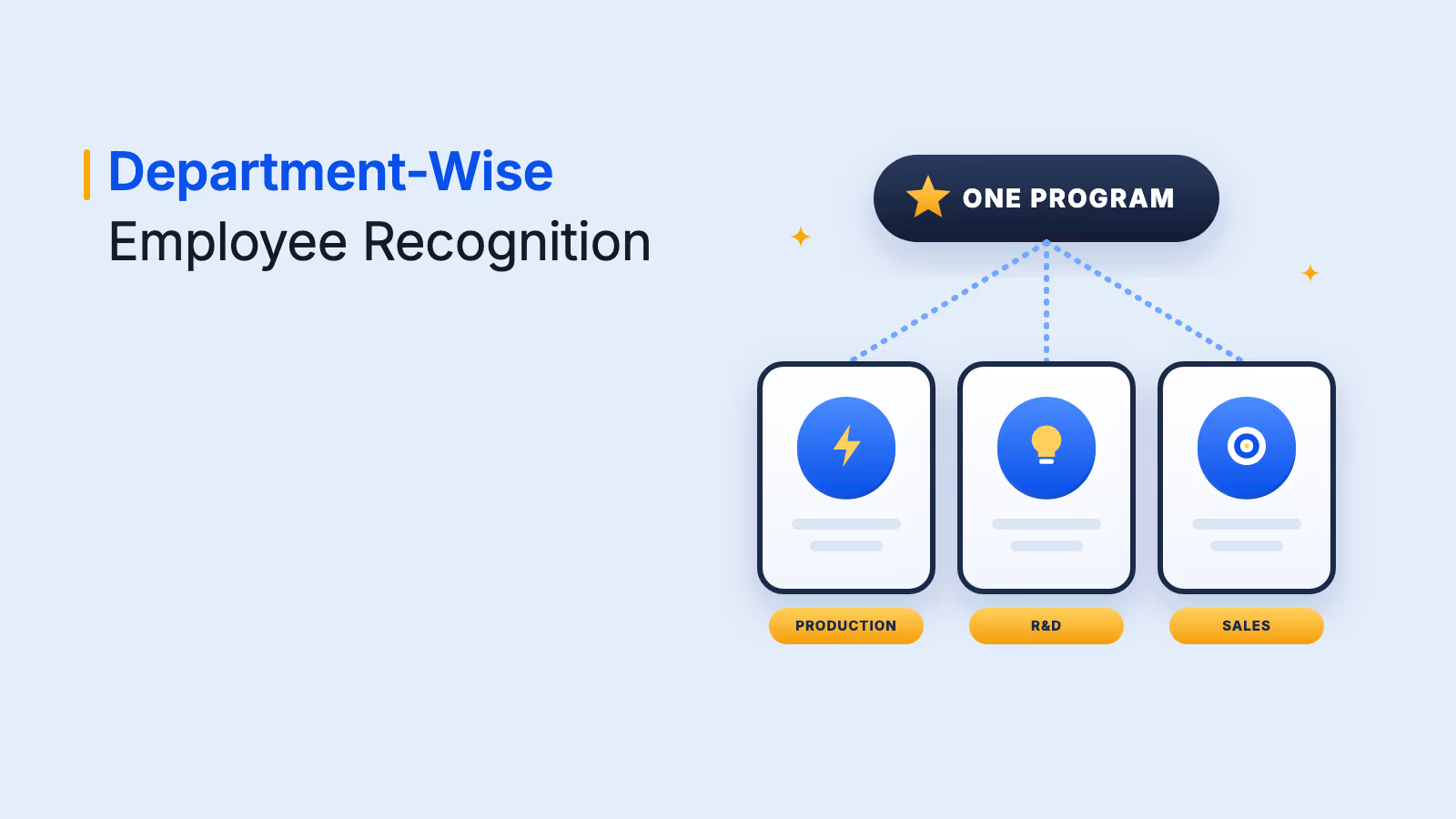
Department-wise employee recognition runs one program with shared values, budget and catalog, while each function gets its own moments, channels and award types.
Recognition for production workers must be mobile-first, multilingual and visible on the floor, using QR reward cards and Wall of Fame screens instead of desktop portals.
R&D teams respond to milestone awards, peer-to-peer recognition and service awards delivered inside tools like Microsoft Teams.
Sales team recognition works best as frequent contests, value badges, spot awards and customer praise, kept separate from commission.
Report recognition by department every quarter to find teams and shifts that are being missed.
Department-wise employee recognition means running one employee recognition program for the whole company while designing how it works for each function: production, R&D and sales get different moments to celebrate, different channels and different award types, but the same values, budget and rewards catalog. It solves a problem most HR teams know well. A program built around a desktop portal and quarterly awards suits office teams, yet it barely reaches the shop floor and feels too slow for a sales team chasing a monthly target.
The answer is not three separate programs. Separate programs split the budget, fragment the data and send mixed signals about what the company values. A single program with department-specific designs keeps culture consistent while respecting how each team actually works. This guide explains why one-size-fits-all recognition fails, how to design recognition for production workers, R&D teams and sales teams, and how to run it all as one program.
Why one-size-fits-all recognition fails across departments
Uniform recognition fails because departments differ in work rhythm, access to devices, visibility and what counts as a win. When one design is stretched across all of them, recognition clusters where screens and managers are, and the rest of the workforce goes unseen.
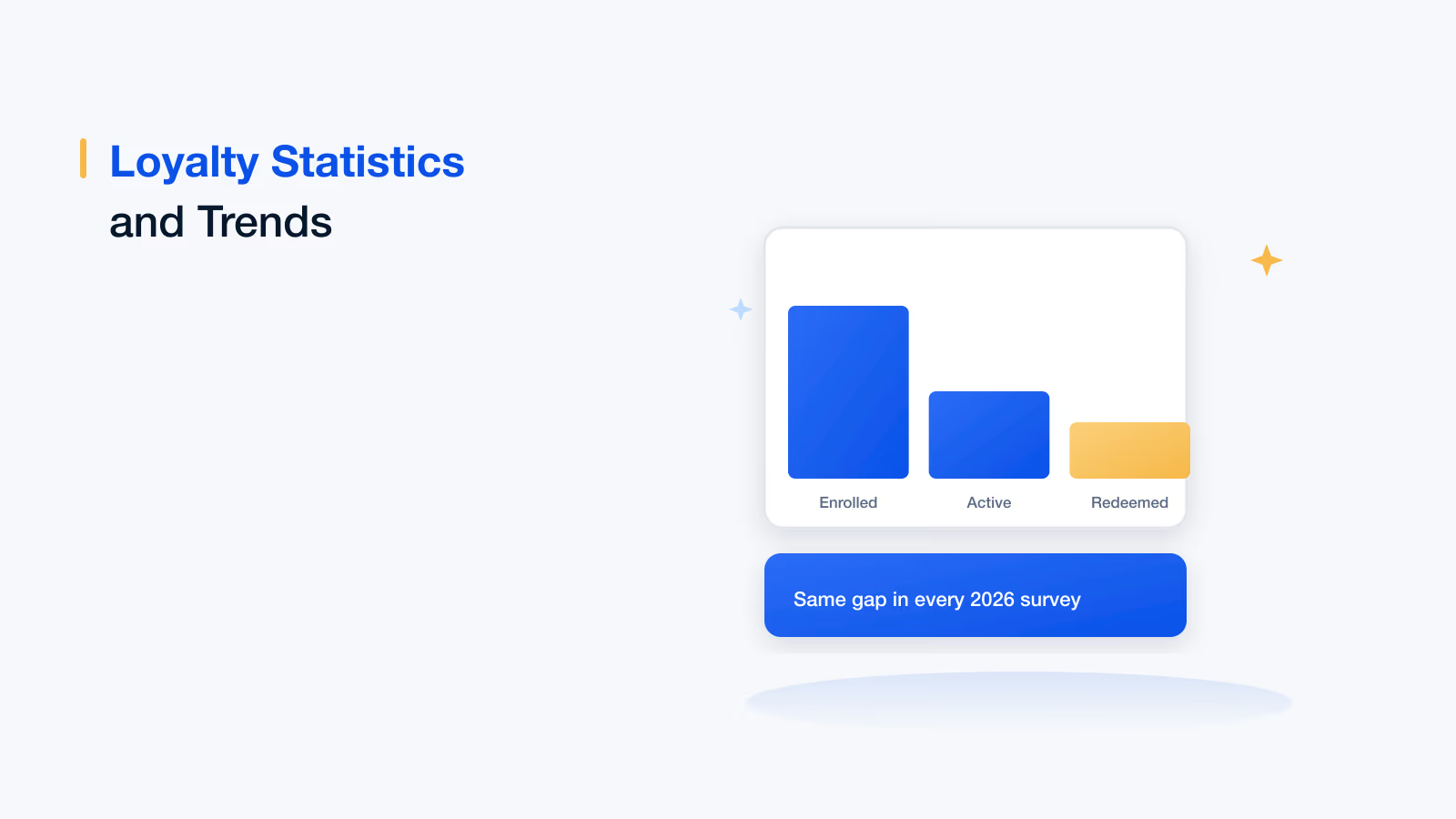
The gap shows up clearly in the data. Gallup's State of the Global Workplace 2026 found that only 20% of employees worldwide were engaged at work in 2025. Recognition is one of the strongest levers against that, but it has to be the right kind. In joint research with Workhuman that tracked nearly 3,500 employees from 2022 to 2024, Gallup reported that well-recognized employees were 45% less likely to have turned over after two years, yet only 22% of employees say they get the right amount of recognition.
20%
of employees worldwide were engaged at work in 2025
Gallup, 2026
45%
lower turnover after two years for well-recognized employees
Gallup and Workhuman, 2024
22%
of employees say they get the right amount of recognition
Gallup and Workhuman, 2024
50%
of frontline workers say their company cares more about desk workers
Workvivo, 2025
Recognition and engagement benchmarks
Frontline teams feel the gap most. Workvivo's Frontline Gap survey of more than 7,500 frontline workers found that 20% have never received any form of recognition and only a third feel frequently recognized. Half say their company cares more about office or desk workers than about them. The same survey points to the cause: tools and communication built for people who sit in front of screens.
Here is how the differences play out by function:
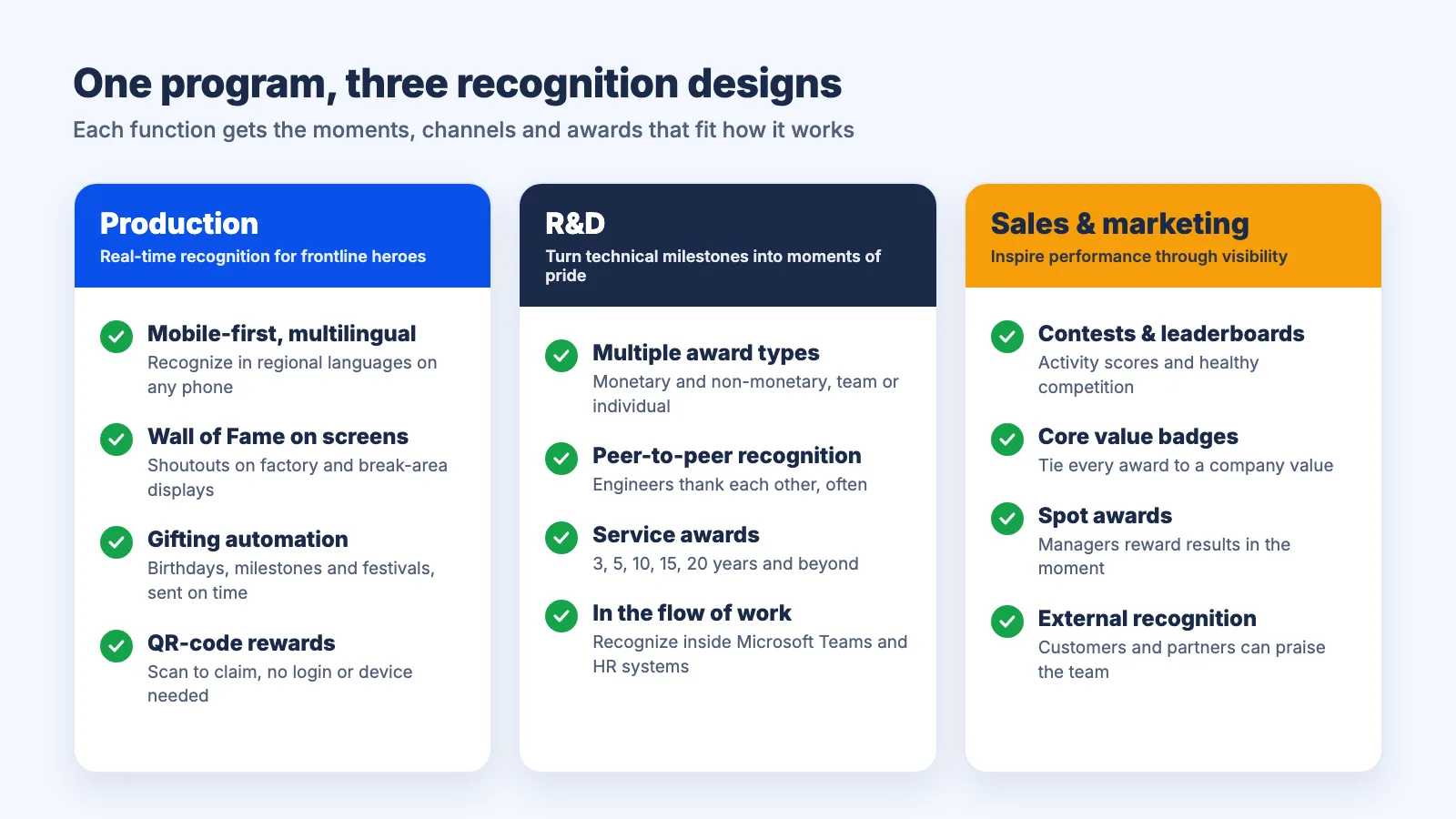
- Work rhythm: Production runs in shifts and cycles, R&D runs in long projects with rare big milestones, and sales runs on monthly and quarterly targets. A single quarterly award cycle is too slow for sales and too frequent for patent-level R&D wins.
- Devices and access: Plant workers often have no corporate email or laptop, while engineers live in Microsoft Teams and sales reps live in their CRM and phones. Recognition has to arrive where each group already is.
- Visibility: Sales wins are visible on a dashboard. A quality fix on the night shift or a test cycle that caught a defect early is invisible unless someone deliberately surfaces it.
- What counts as a win: For production it is safety, quality and attendance. For R&D it is launches, patents and problem-solving. For sales it is revenue, new logos and customer praise. Awards that ignore this feel generic.
Gallup also estimates that replacing a frontline worker costs about 40% of their salary, and replacing someone in a technical role costs about 80%. Recognition that misses whole departments is not just unfair, it is expensive.
Recognition for production workers and frontline teams
Recognition for production workers works when it is mobile-first, multilingual, instant and visible on the floor itself. The goal is to remove every step between a supervisor noticing good work and the worker feeling appreciated, including logins, email and desk time.
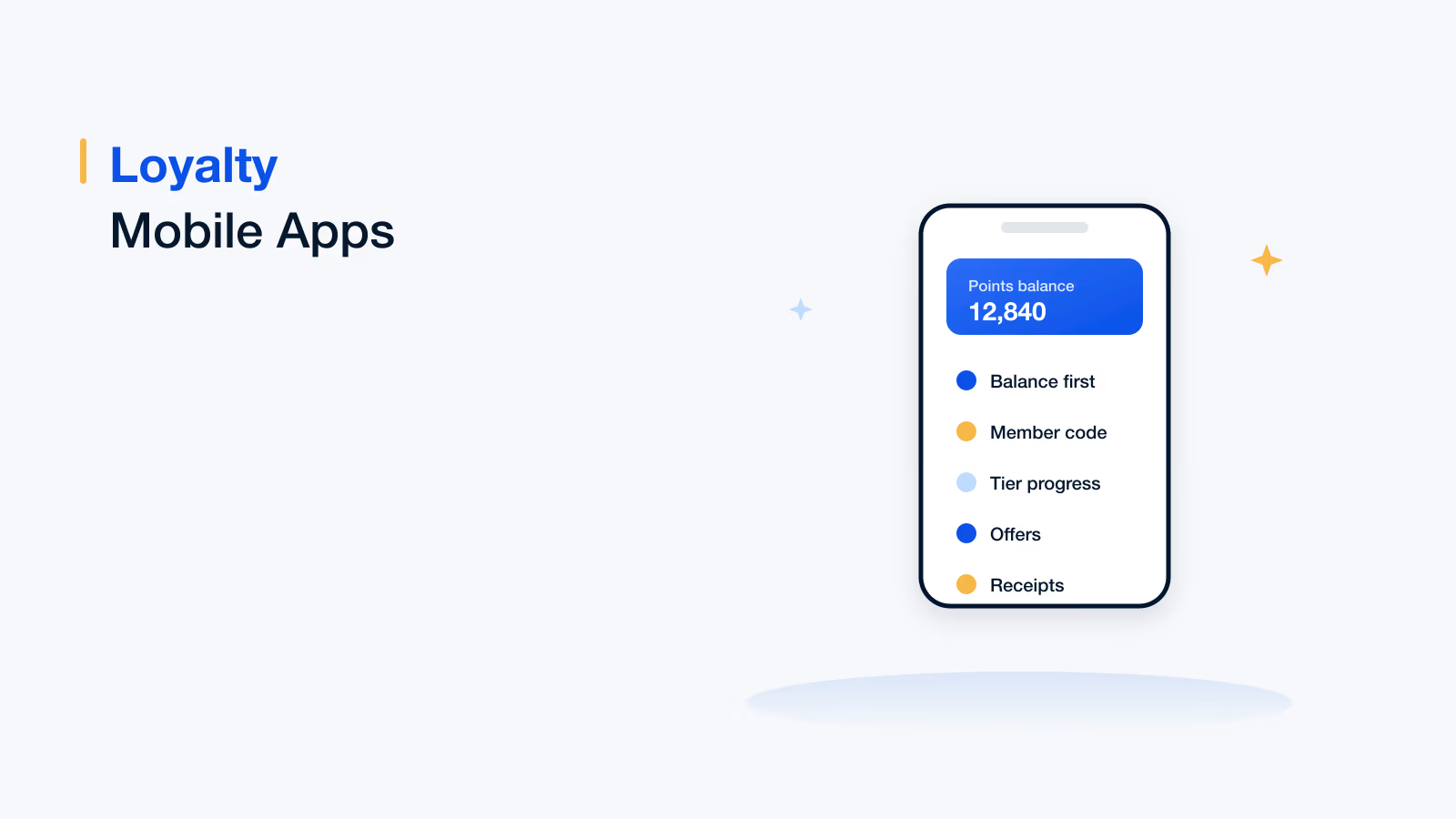
Start with access. Many plant and warehouse employees share devices or have only a personal phone, so the recognition experience should run on an entry-level smartphone, accept a mobile number instead of a corporate email, and work in the worker's own language. In India, for example, that can mean Hindi, Tamil, Telugu, Marathi or Kannada on the same platform. When recognition, announcements and reward redemption all speak the worker's language, participation stops depending on English literacy.
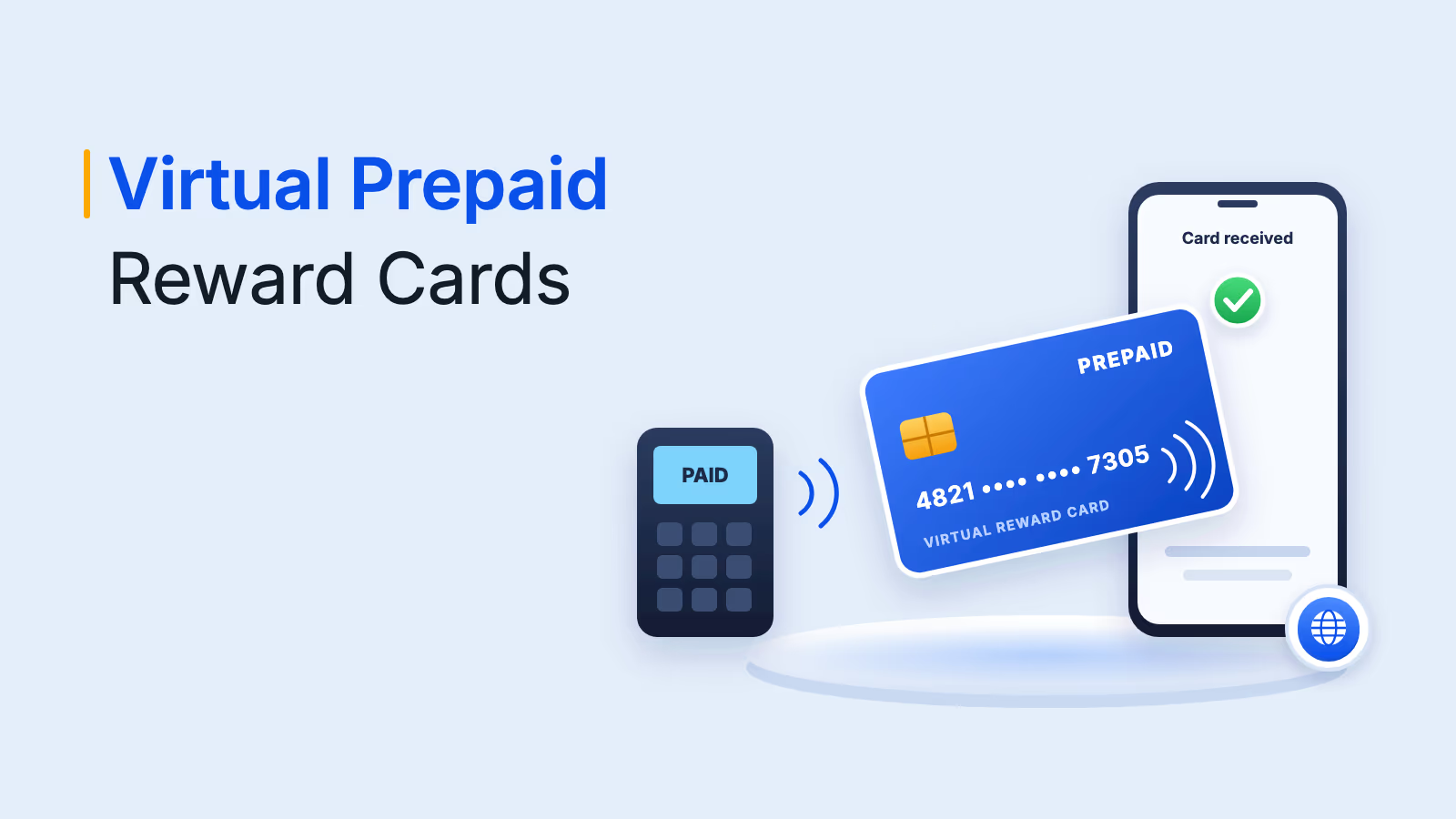
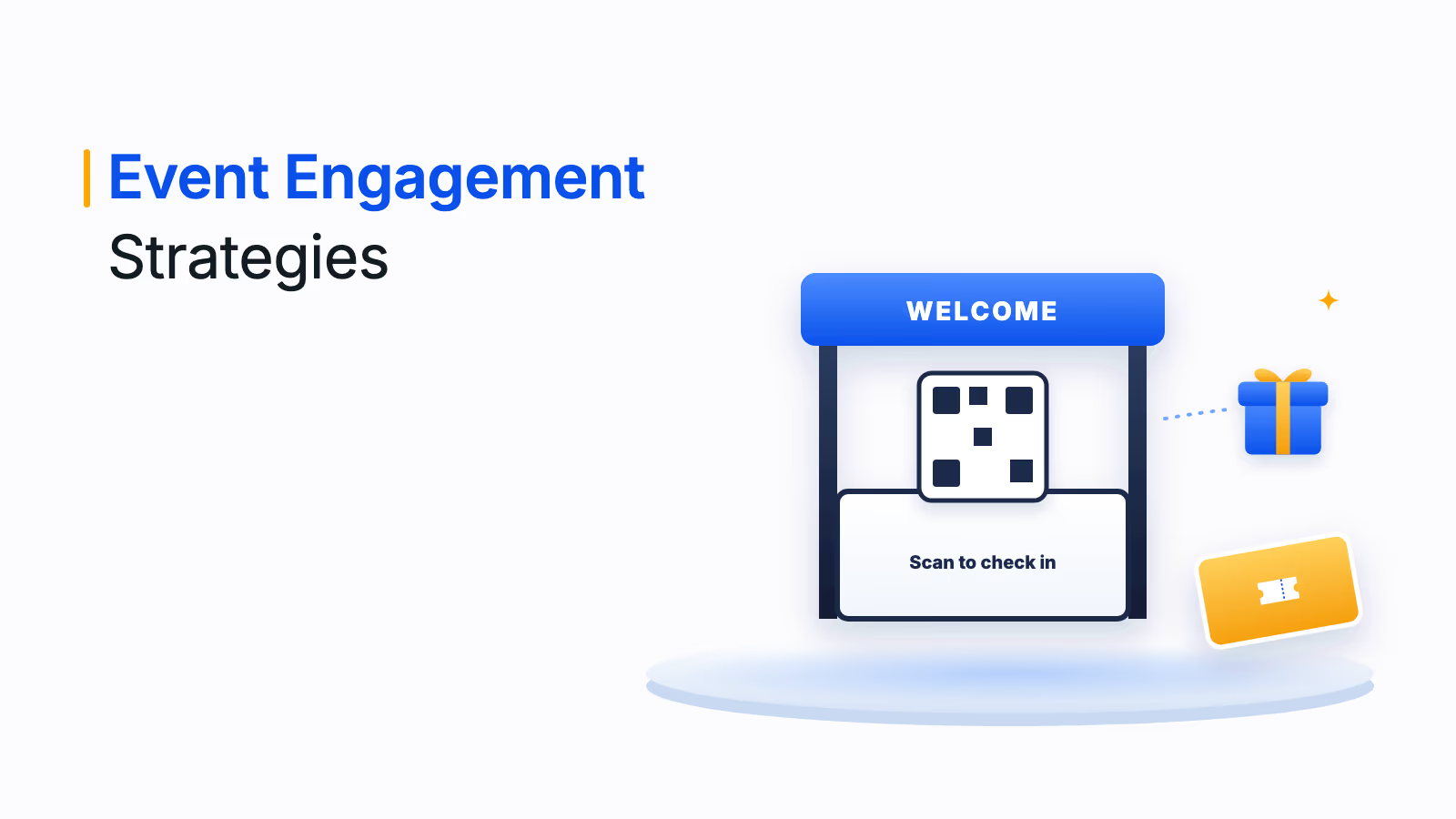
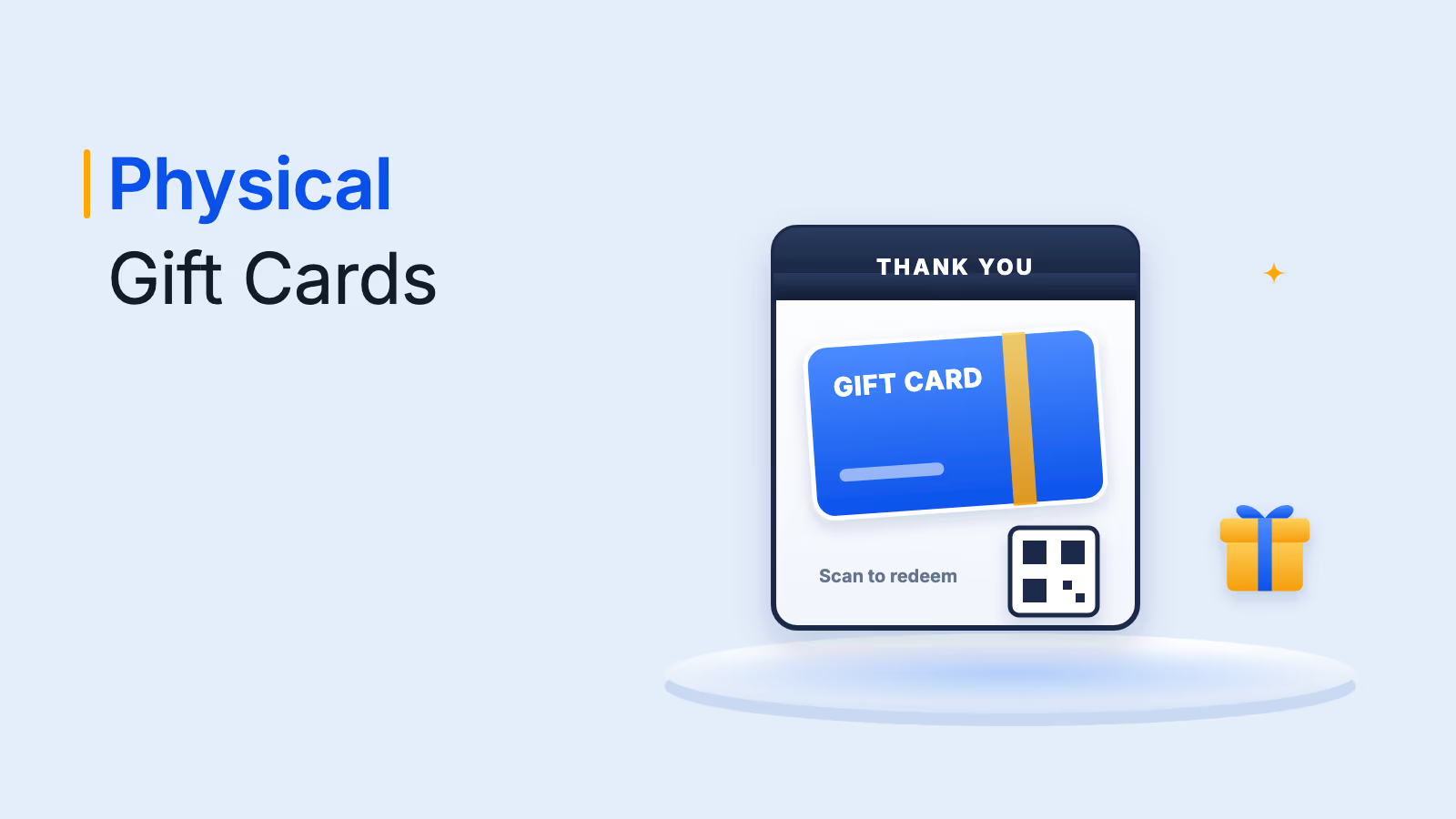
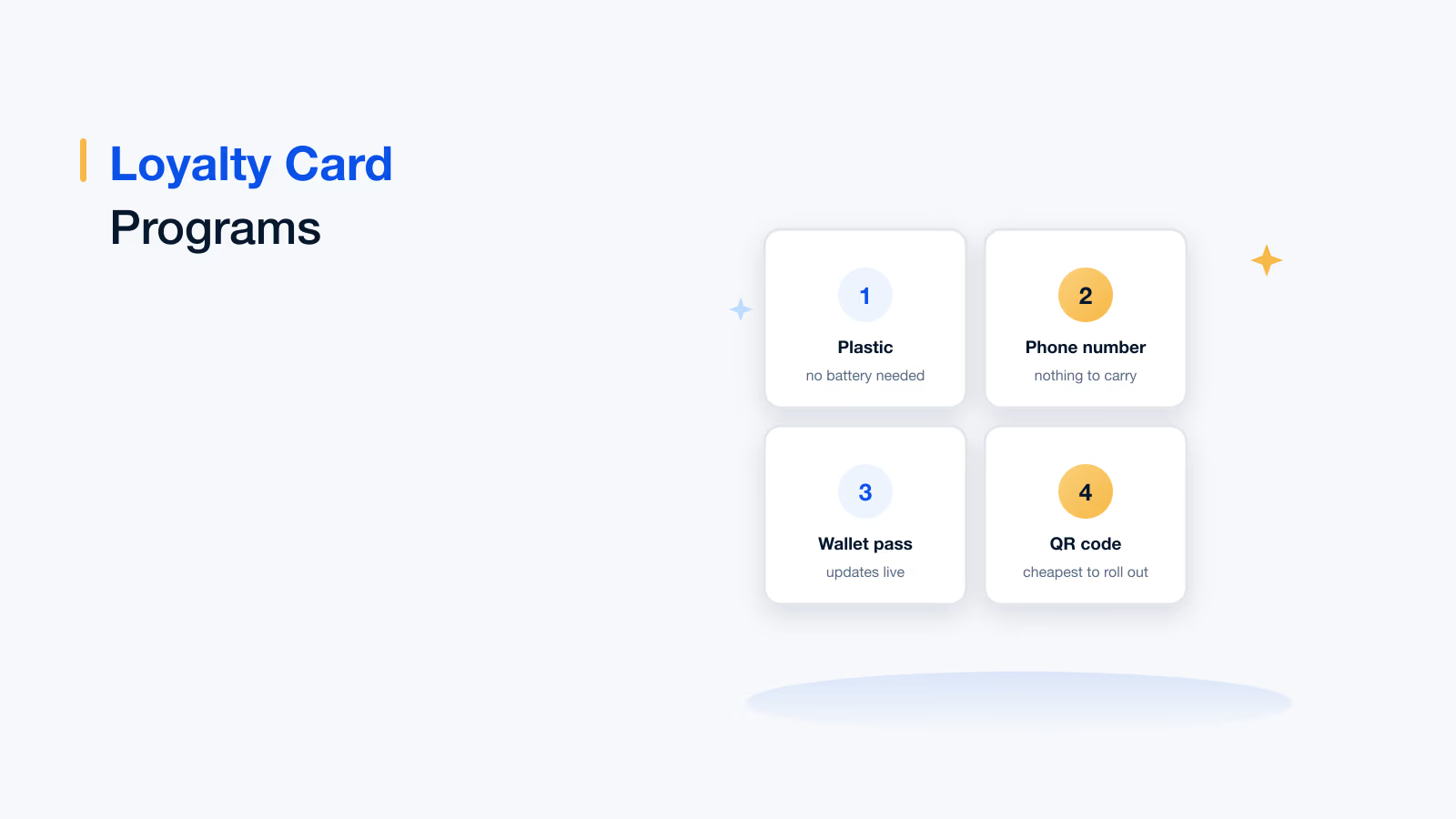
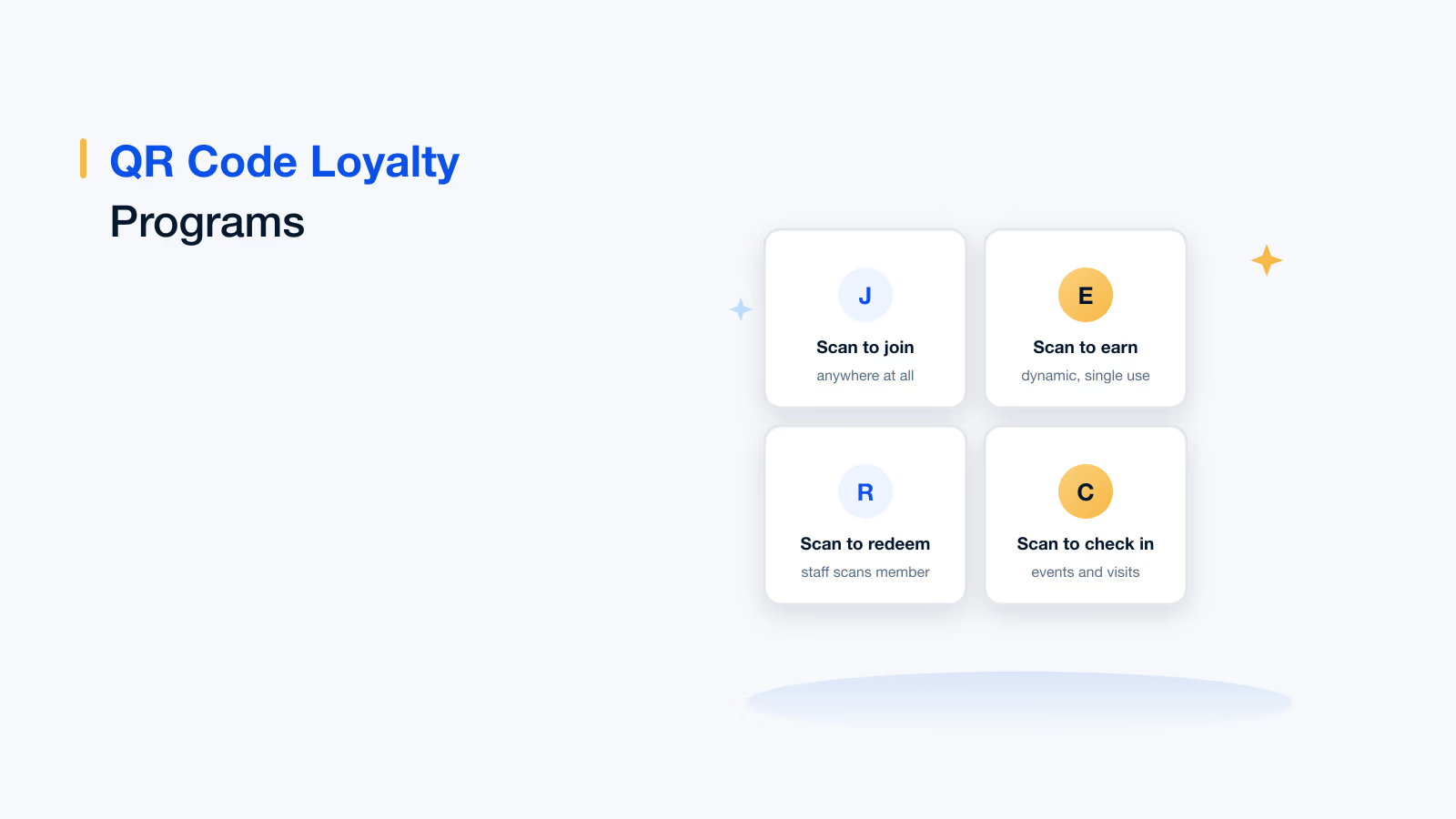
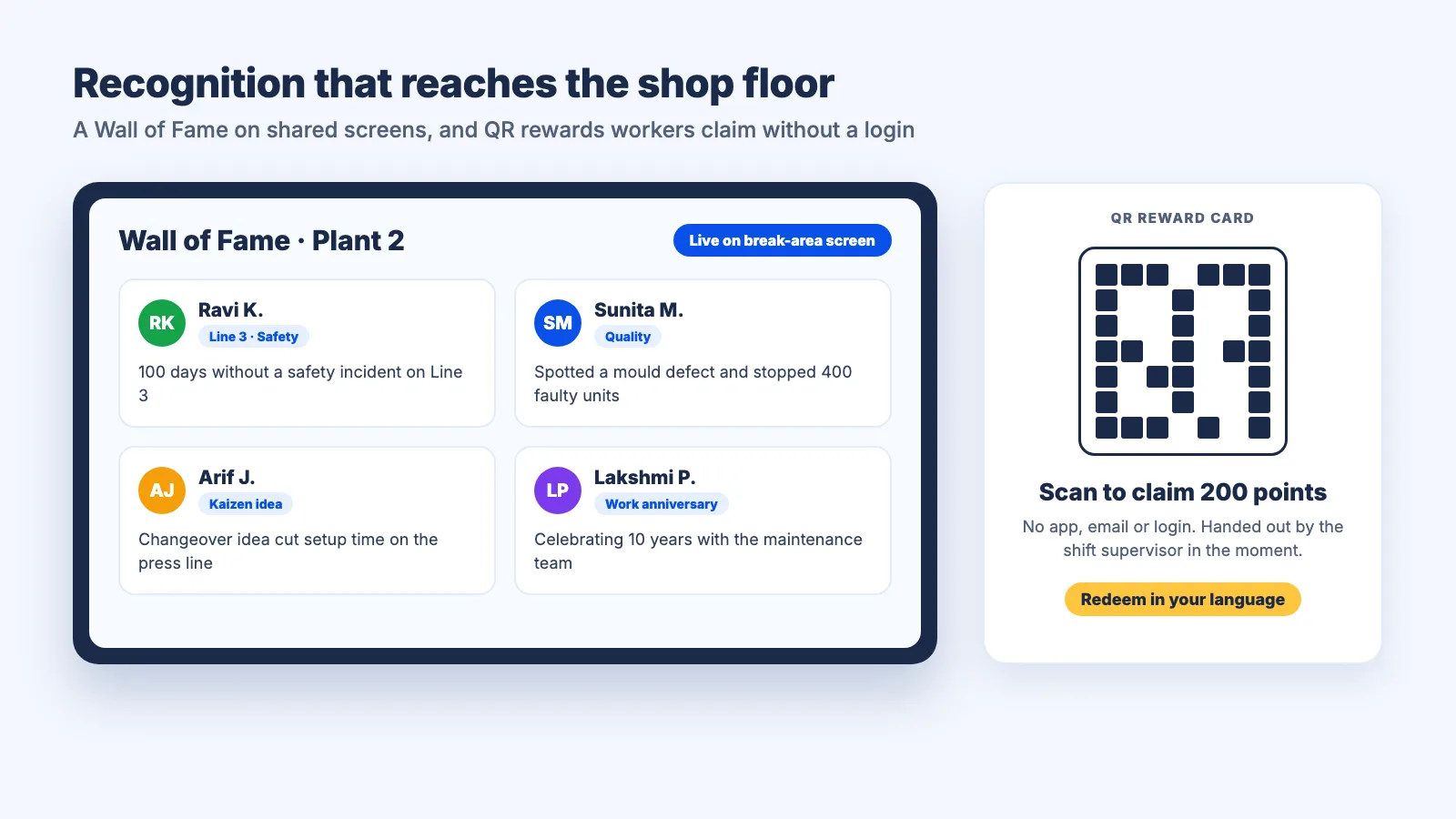
Next, make recognition physical where screens are scarce. QR-code reward cards let a supervisor hand over appreciation on the spot: the worker scans the card with their phone and claims points or a reward without logging in to anything. This works on the line, in the warehouse and at a remote depot, and each card stays trackable for HR and finance.
Then make it visible. A digital Wall of Fame on screens in break areas, canteens and plant entrances turns individual shout-outs into shared pride. When a shift sees its own names and photos rolling on the screen at the start of the day, recognition becomes part of the workplace instead of a message nobody opened. Workvivo found that 39% of frontline workers say public praise would make them feel more valued than a bonus, which is exactly what a floor display delivers.
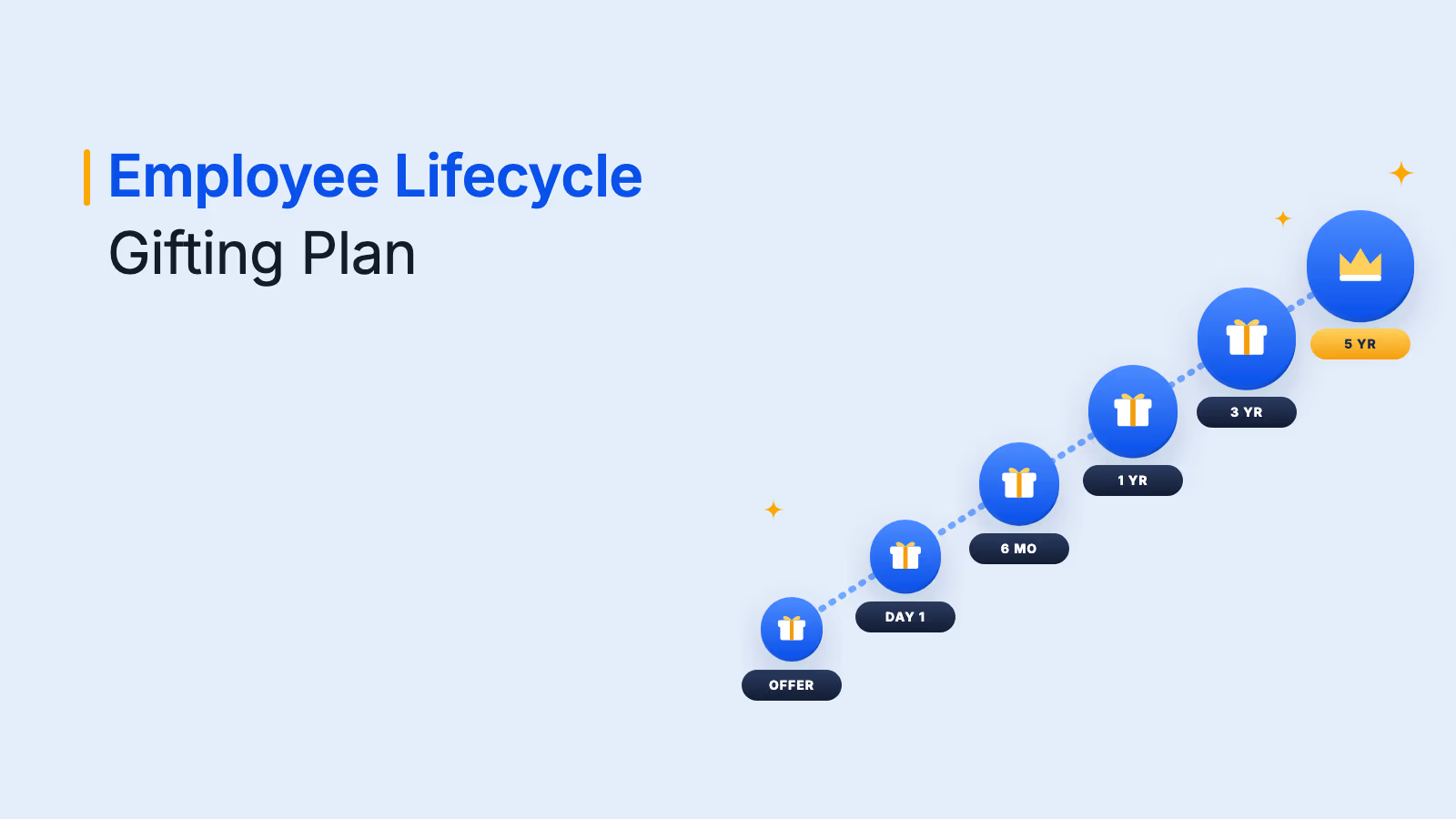
Finally, automate the personal moments. Birthdays, work anniversaries and festivals matter to shift workers as much as to anyone, but they are easy to miss across multiple plants and shifts. Automated gifting tied to HR data, with a personal message from the plant head or supervisor, makes sure nobody is forgotten. Branded merchandise for milestones adds something tangible that employees keep.
Practical examples of what to recognize on the floor:
- Safety streaks: Recognize a line or shift for 30, 60 or 90 days without a recordable incident, and the individual who reported a near miss that prevented one.
- Zero-defect shifts: Celebrate shifts that hit quality targets, and the operator who flagged a deviation before it reached final inspection.
- Kaizen ideas: Reward every implemented improvement idea with points, and feature the best ones on the Wall of Fame with the before-and-after result.
- Attendance and reliability: Acknowledge consistent attendance and people who cover critical shifts at short notice.
- Training and certification: Mark the completion of new machine or safety certifications, which also signals that skill-building is valued.
For more ideas built around plant and field teams, see these recognition ideas for blue-collar workers.
Recognize every department on one platform
Run frontline, R&D and sales recognition with shared values, one budget and a global rewards catalog on Empuls.
Talk to our ExpertTrusted by 5,000+ companies
Recognition for R&D teams and engineers
Recognition for R&D teams should celebrate technical milestones, let peers recognize each other's expertise and happen inside the tools engineers already use. Engineers tend to value specific, informed appreciation from people who understand the work more than generic praise from a distance.
R&D work moves in long arcs. A product may take years to reach launch, and many of the most valuable contributions, such as a test rig that cut validation time or a design review that prevented a recall, never show up as a visible result. Milestone awards give those arcs regular moments of pride. Recognize patent filings and grants, prototype sign-offs, successful test cycles, product launches and published technical papers, with award values that rise with the significance of the milestone.
Peer-to-peer recognition matters even more here than in other functions. The person best placed to know that a colleague's simulation model saved weeks is usually another engineer, not a senior leader. Give engineers a small monthly allowance to recognize each other, tied to the company's values, so expertise and helpfulness get noticed across project teams and locations.
Tenure deserves attention too. Experienced engineers carry institutional knowledge that is hard to replace, so service awards at 1, 3, 5, 10, 15 and 20 years recognize loyalty and help retain them. Make each tier meaningful, with a larger reward, a certificate and messages from colleagues, rather than an identical gift at every anniversary.
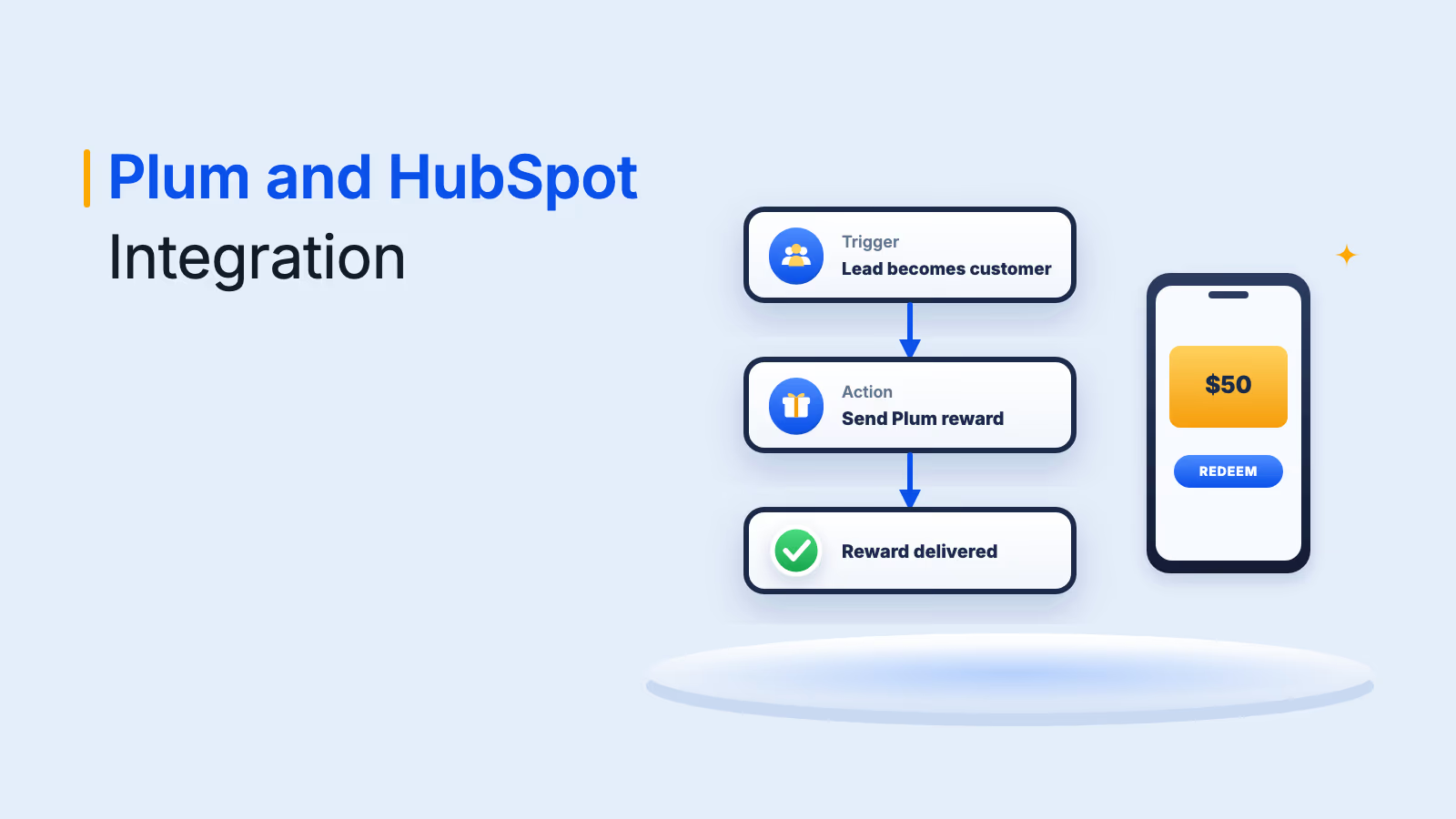
Finally, put recognition in the flow of work. Engineers who spend their day in Microsoft Teams should be able to recognize a colleague without opening another app, and HR systems such as SAP SuccessFactors should feed joining dates and org data so milestones trigger automatically. Developer research supports a light touch: the Stack Overflow Developer Survey 2025 ranks autonomy and trust to manage your own tasks as the top factor in job satisfaction, ahead of pay. Recognition that respects focus time and avoids extra admin fits that preference.
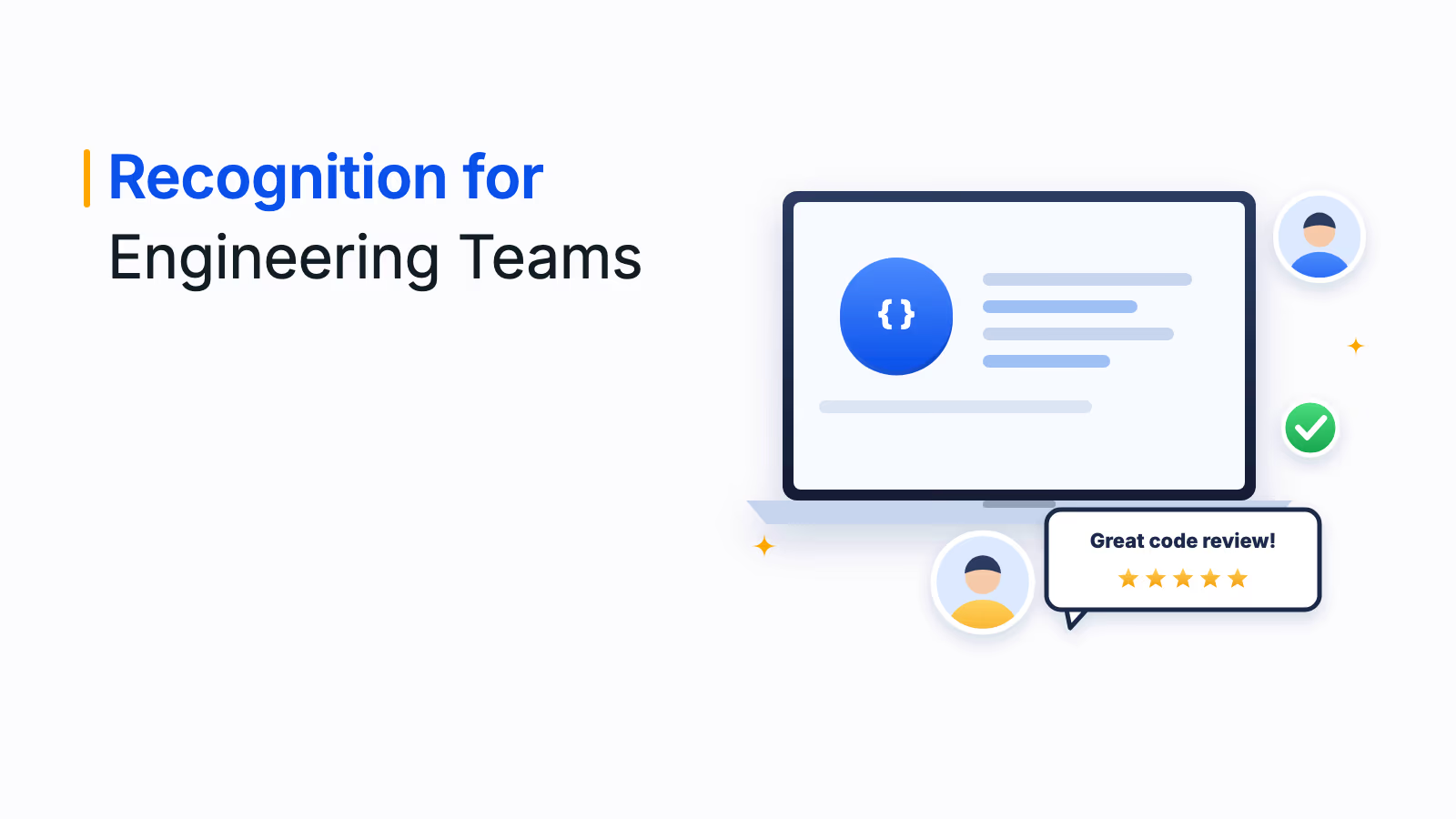
For a deeper look at this function, read our guide to employee recognition for engineering teams.
Sales team recognition that builds momentum
Sales team recognition works best when it is frequent, public and gamified, because sales already runs on visible numbers and short cycles. The aim is to recognize the behaviors behind the numbers, not just the final result, and to give managers tools to reward wins in the moment.
Contests and challenges are the natural format. A monthly new-business sprint, a cross-sell challenge or a product launch push, each with a live leaderboard, creates healthy competition and keeps attention on priorities. Keep contests short and run more than one, so reps who are out of reach in one contest still have something to play for in another. Our guide to gamified sales contests covers contest design in detail.
Core value badges balance the numbers. When awards are tied to values such as customer obsession, integrity or teamwork, the reps who share leads, mentor new joiners or rescue an unhappy account get recognized alongside the top closers. This protects culture from a pure leaderboard mentality. A values-based recognition program makes this concrete.
Spot awards let managers act fast. A rep who closes a difficult renewal on Friday should hear about it on Friday, not at the quarterly review. Give sales managers a budget for on-the-spot awards with points the rep can redeem immediately.
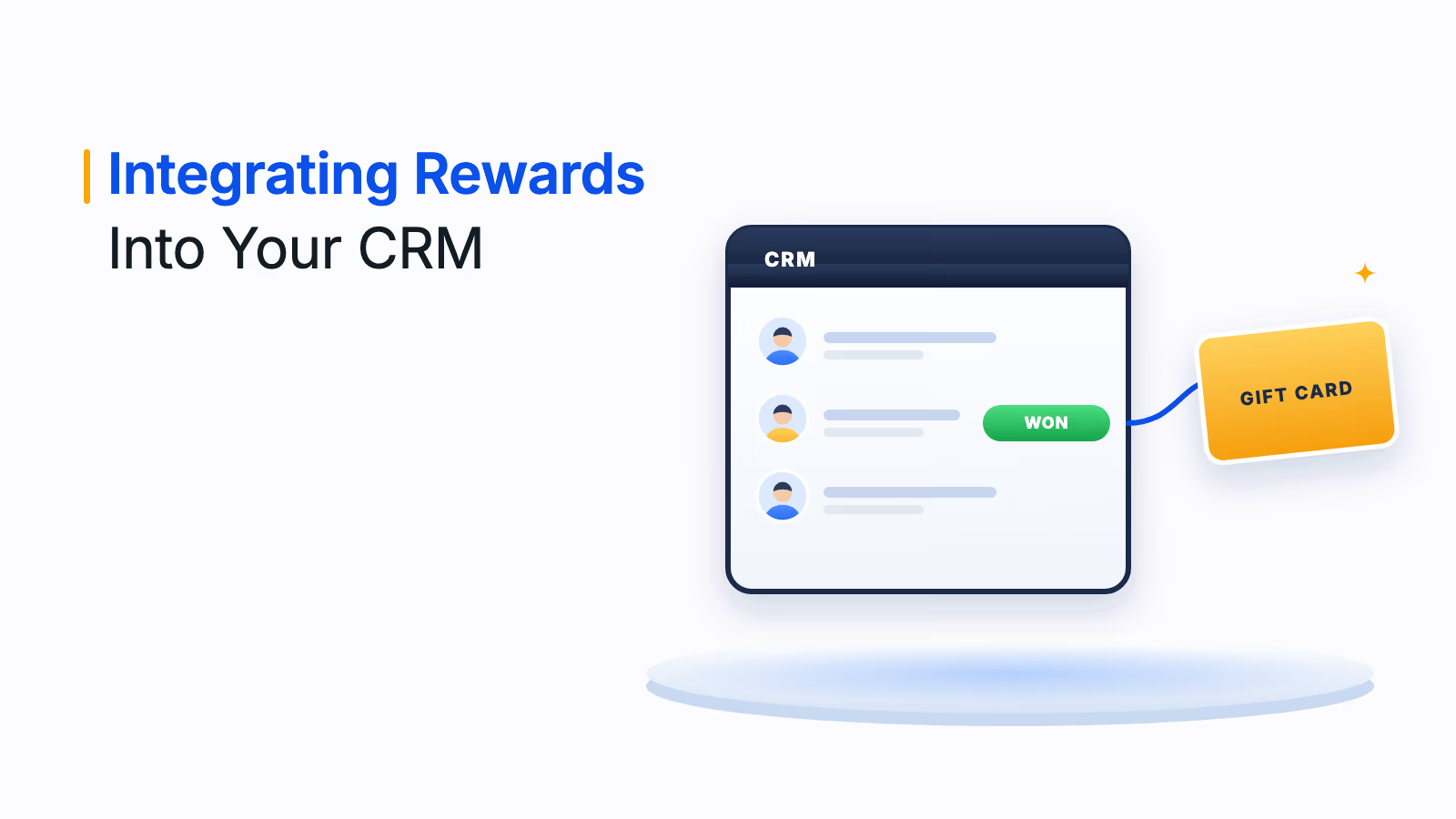
External recognition closes the loop with customers. Let customers, distributors and partners thank a salesperson or service engineer directly through a link or QR code, and route that praise to the internal feed. Customer praise is among the most motivating recognition a salesperson can receive, because it comes from the person they serve.
Department-wise employee recognition at a glance
The table below maps each department to the moments worth recognizing, the channel that reaches them and the award and reward types that fit. Use it as a starting template and adjust it to your own functions.
| Department | Moments to recognize | Channel | Award types | Reward types |
|---|---|---|---|---|
| Production and frontline | Safety streaks, zero-defect shifts, kaizen ideas, attendance, certifications | Mobile app in local language, QR reward cards, Wall of Fame on floor screens | Spot awards, team awards, milestone awards, service awards | Points for gift cards, mobile recharges, grocery and fuel vouchers, branded merchandise |
| R&D and engineering | Patents, prototype sign-offs, test cycles, launches, technical papers, knowledge sharing | Microsoft Teams and HR system integrations, social feed | Milestone awards, peer-to-peer recognition, service awards, nomination awards | Experiences, learning, electronics, gift cards, certificates |
| Sales and marketing | Contest wins, new logos, renewals, customer praise, values in action | Mobile app, leaderboards, social feed, external praise links | Contests and challenges, core value badges, spot awards, external recognition | Points, experiences, travel, gift cards, public leaderboard recognition |
| Corporate and support functions | Project delivery, process improvements, cross-team help | Social feed, Microsoft Teams or Slack, email | Peer-to-peer recognition, spot awards, value badges | Points across the full catalog |
How to run department-wise recognition as one employee recognition program
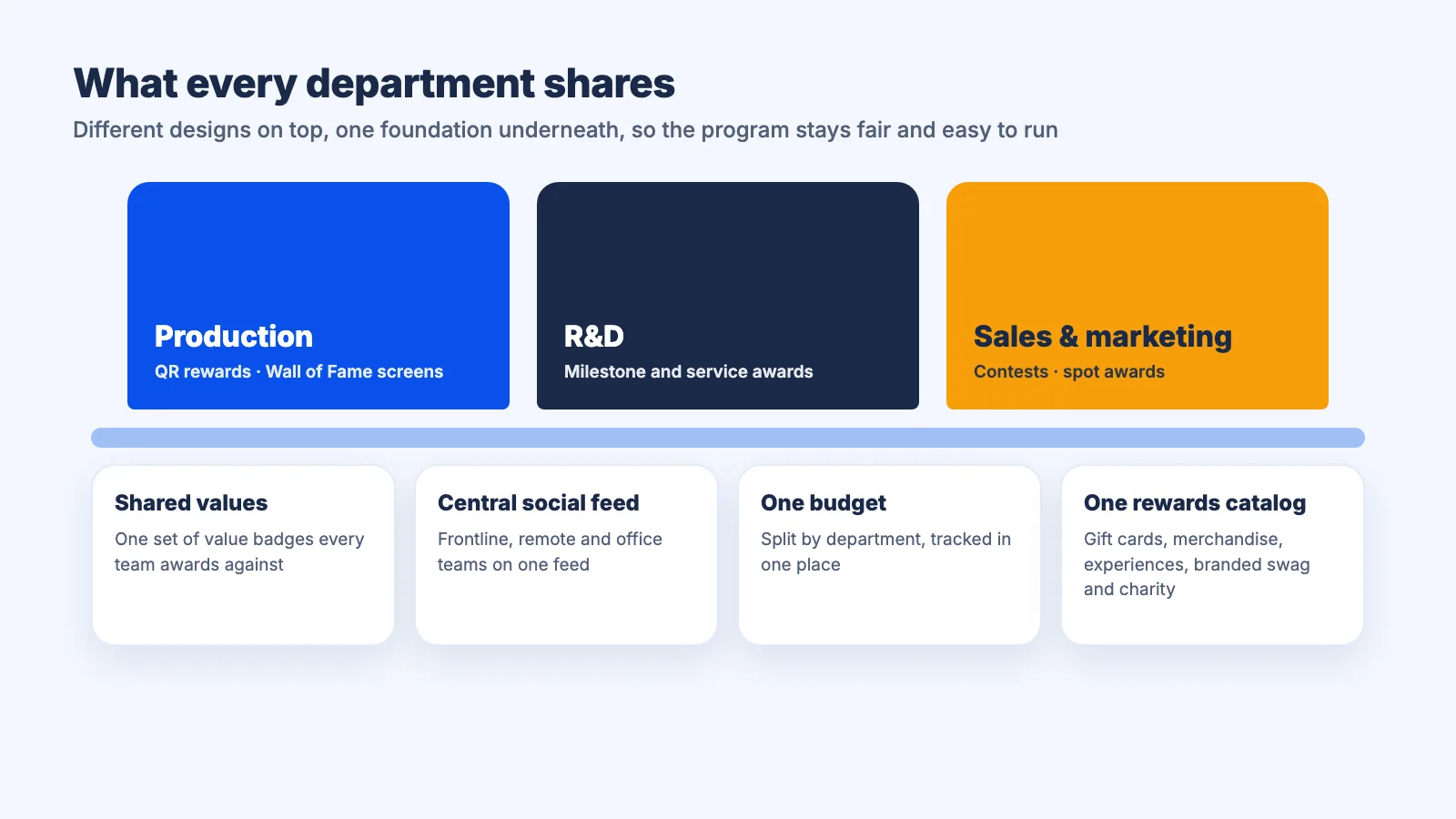
Run department-wise recognition as one employee recognition program by fixing the shared elements centrally (values, budget, catalog, platform and reporting) and letting each department configure moments, channels and award types. These steps keep the program consistent without forcing everyone into one design:
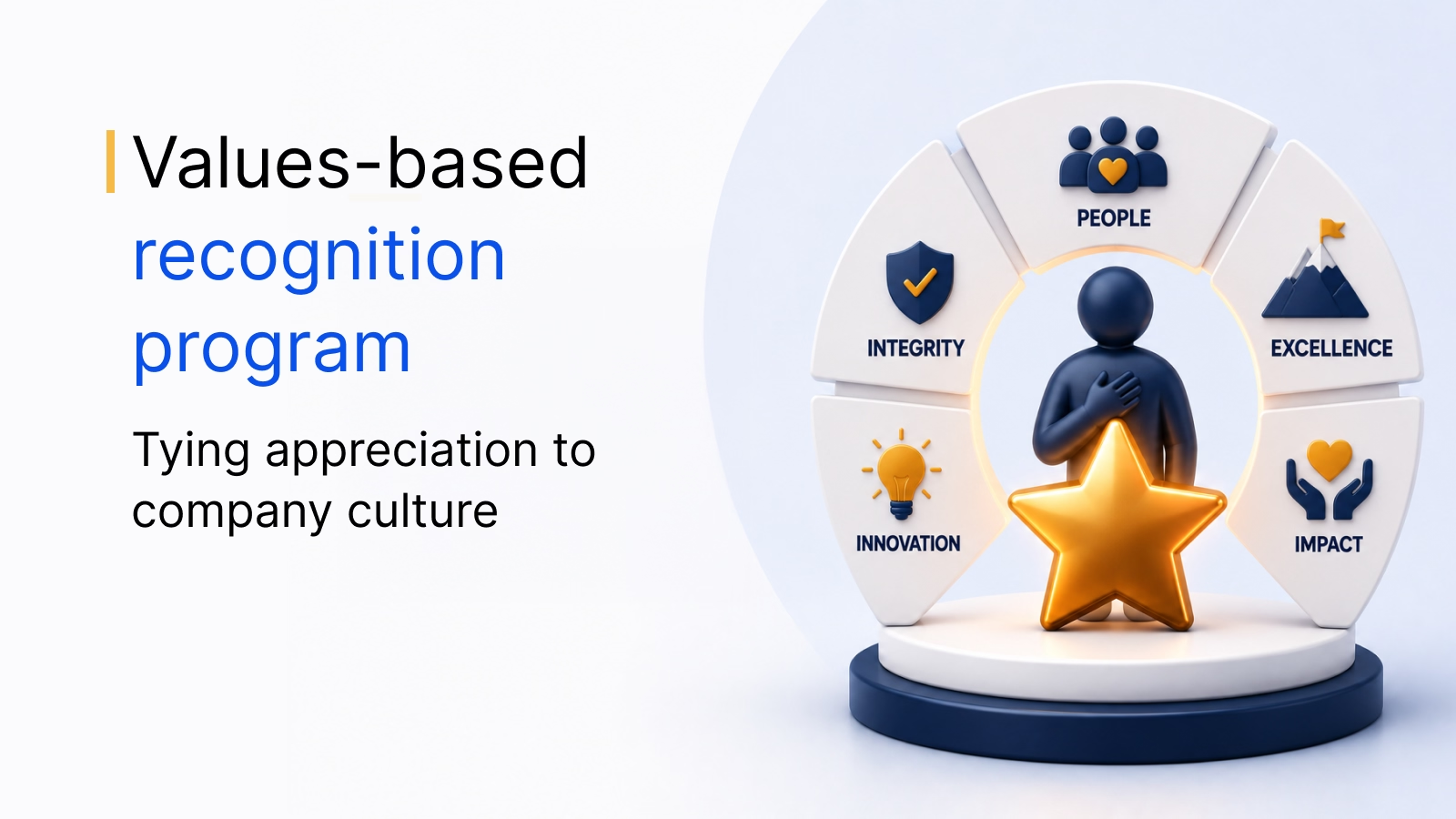
- Agree on shared values and badges: Choose the company values every award will be tagged to, and create badges for them. Every department uses the same values, so a safety catch on the floor and a clean code review in R&D both reinforce the same culture.
- Set one budget and split it by department: Fix the total recognition budget, then allocate it by department, plant or manager, adjusted for headcount and award types. Central control prevents overspending while giving each function freedom inside its allocation.
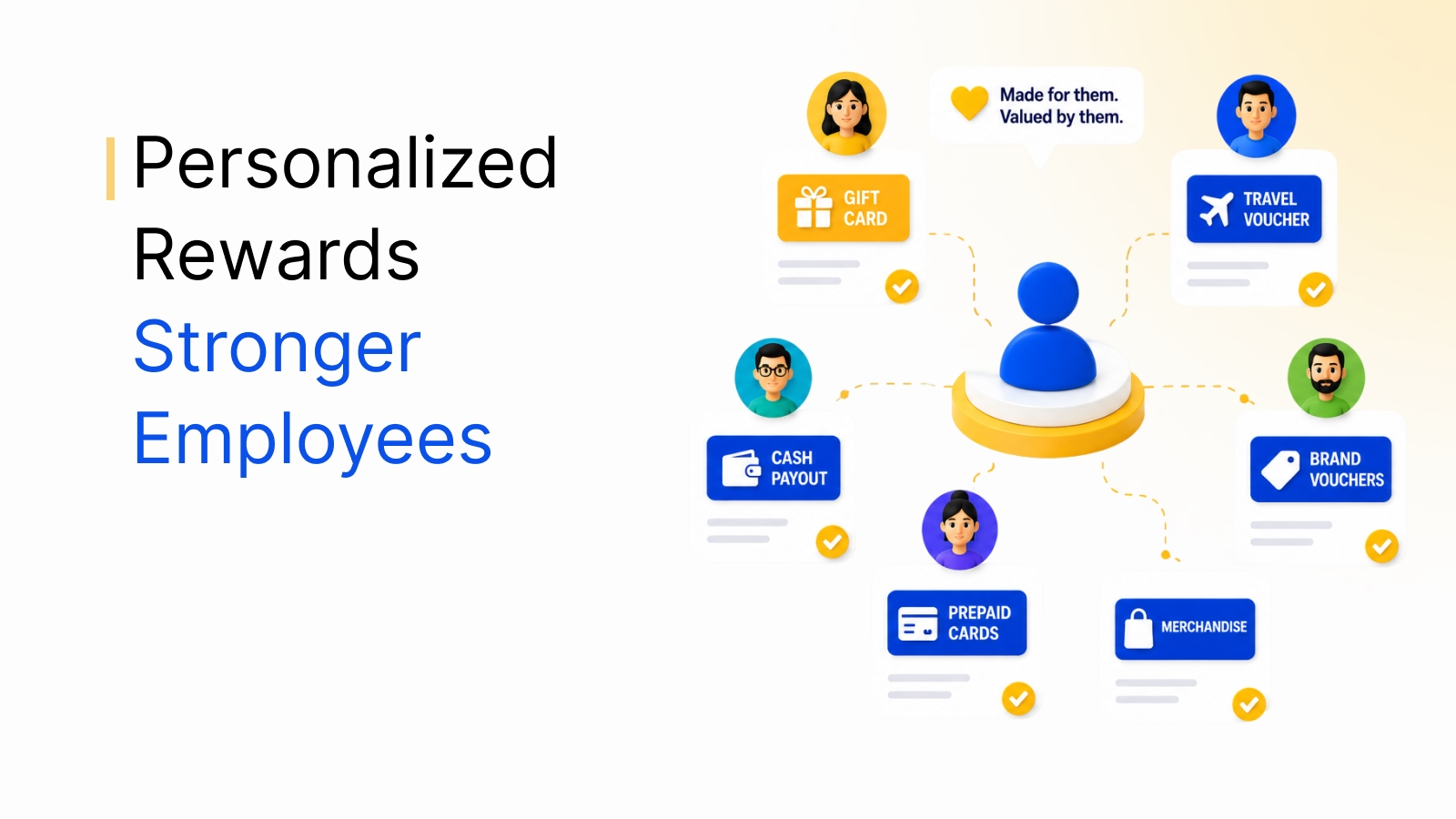
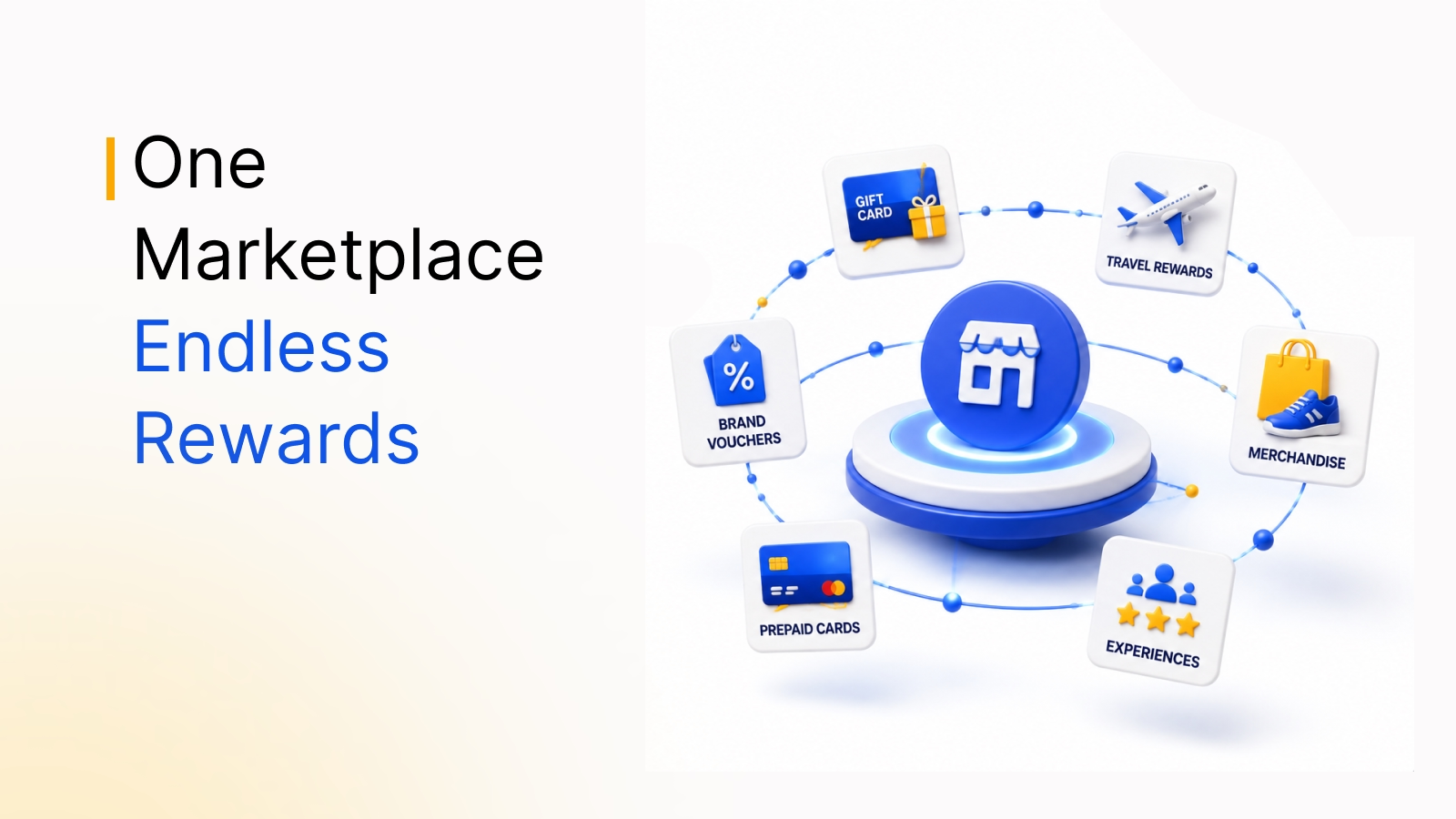
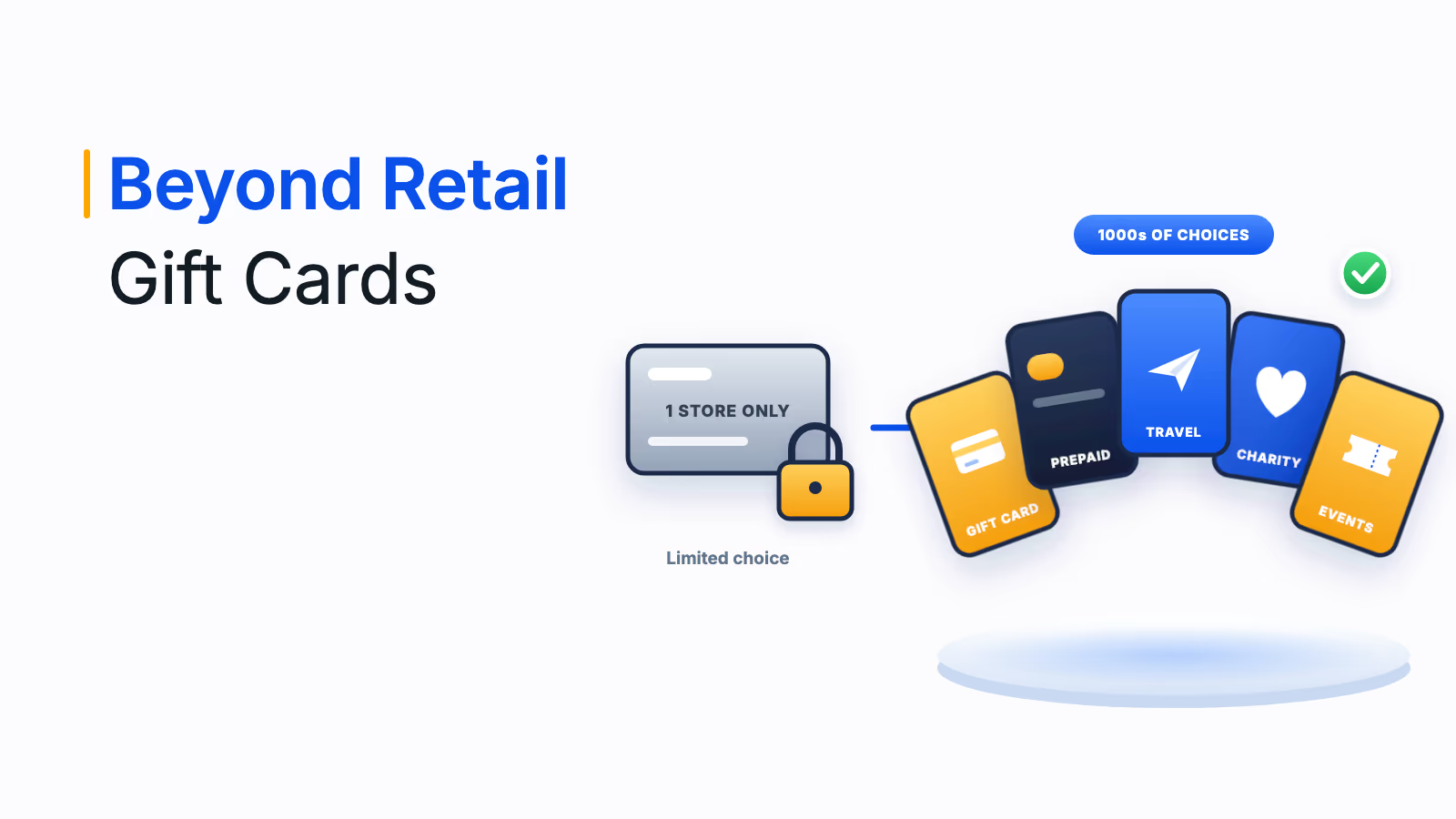
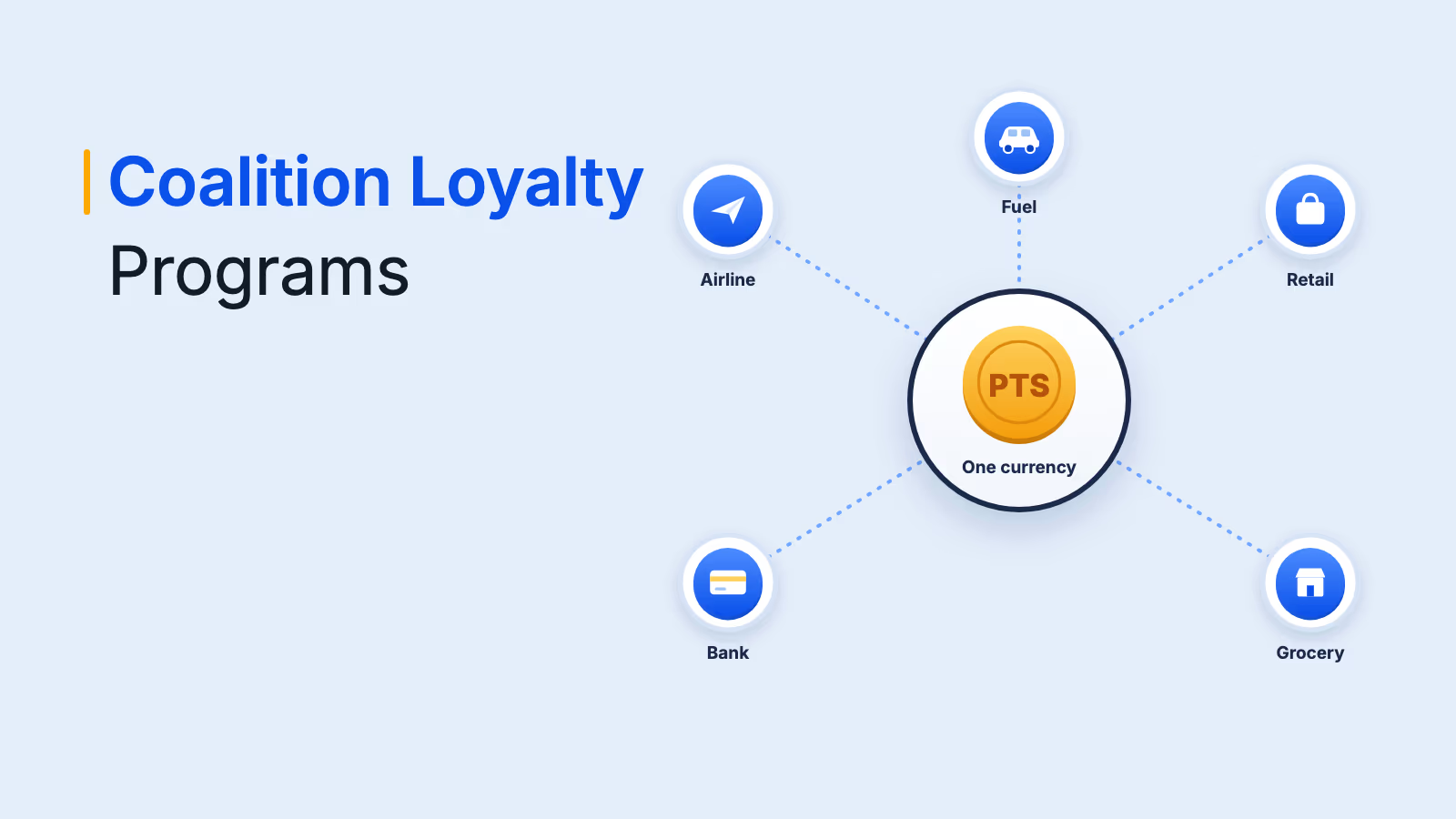
- Use one global catalog: Give every employee the same rewards catalog with 30+ categories, from gift cards and merchandise to experiences, travel and charity, localized for each country. Shift workers and senior engineers then choose rewards that fit their lives instead of a fixed gift.
- Define manager and peer allowances: Give managers a larger budget for spot awards and milestone rewards, and give every employee a smaller monthly allowance for peer recognition. This balances top-down and peer-driven appreciation in every department.
- Add branded merchandise for big moments: Reserve branded merchandise for service milestones, launches and contest wins, so it becomes a badge of honor employees display rather than routine swag.
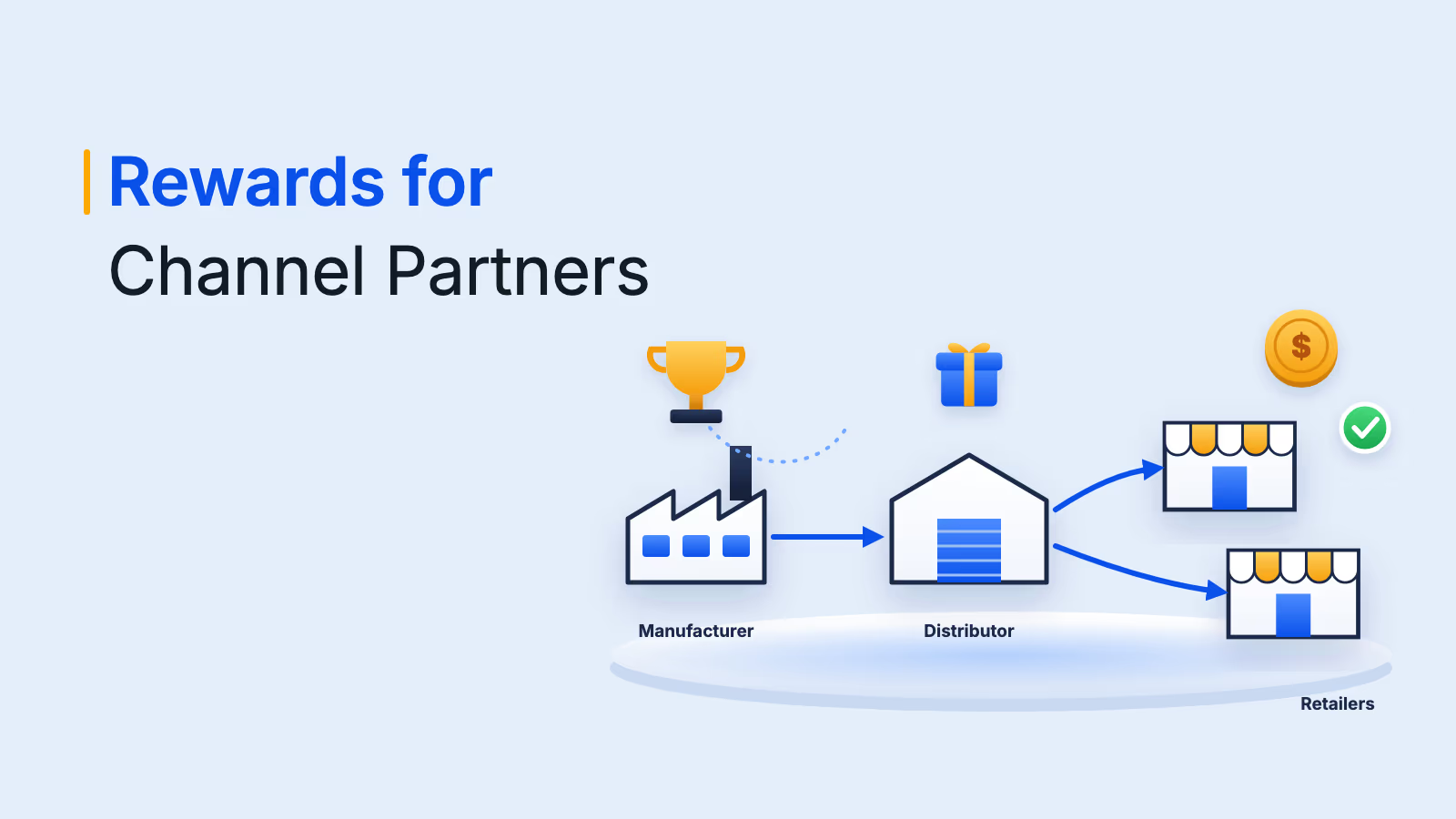
- Connect everyone through one social feed: A central social feed bridges frontline, remote and office teams. When plant workers see an R&D launch celebrated and engineers see a zero-defect shift recognized, departments start to understand and value each other's work.
- Report by department: Track recognition frequency, budget use, redemption and participation by department, location and manager. Look for teams and shifts that receive little recognition, then coach those managers before the gap affects engagement.
Review the design every quarter with HR and the department heads. Retire awards nobody uses, add moments that matter, and rebalance the budget toward functions where recognition is thin.
How Empuls supports department-wise employee recognition
Empuls, Xoxoday's employee engagement platform, lets you run one recognition program with department-specific designs on a single platform, used by 5,000+ companies. Here is how its features map to each function:
- Frontline access: The Empuls frontline workforce solution runs on iOS, Android, WhatsApp and SMS, supports OTP login by mobile number or employee ID with no corporate email needed, and works in 20+ regional languages including Hindi, Tamil, Telugu, Marathi and Kannada.
- QR-based rewarding: Supervisors hand out branded physical reward cards with QR codes, and employees scan to claim points or rewards on their phone with no login wall. Every card is trackable.
- Wall of Fame on screens: The Empuls Wall of Fame has a TV mode that auto-rolls recognition cards on lobby, conference room and factory floor screens, and can be filtered by award, core value, department or location.
- Values-based awards: Every award can be tagged to a company value, and recognition flows peer-to-peer, top-down, bottom-up and across departments, with spot awards, nominations and award campaigns with jury scoring.
- Service awards and celebrations: Empuls service awards automate tenure milestones with separate reward values per tier, branded certificates and AI-drafted messages, alongside birthday, anniversary and festive celebrations.
- Contests and leaderboards: Gamezone lets managers launch contests from templates and run several at once, each with its own leaderboard, prizes and eligibility rules.
- External praise: With external recognition, customers, vendors and partners scan a QR code or open a link to thank an employee, and the praise posts to the internal feed and digital displays.
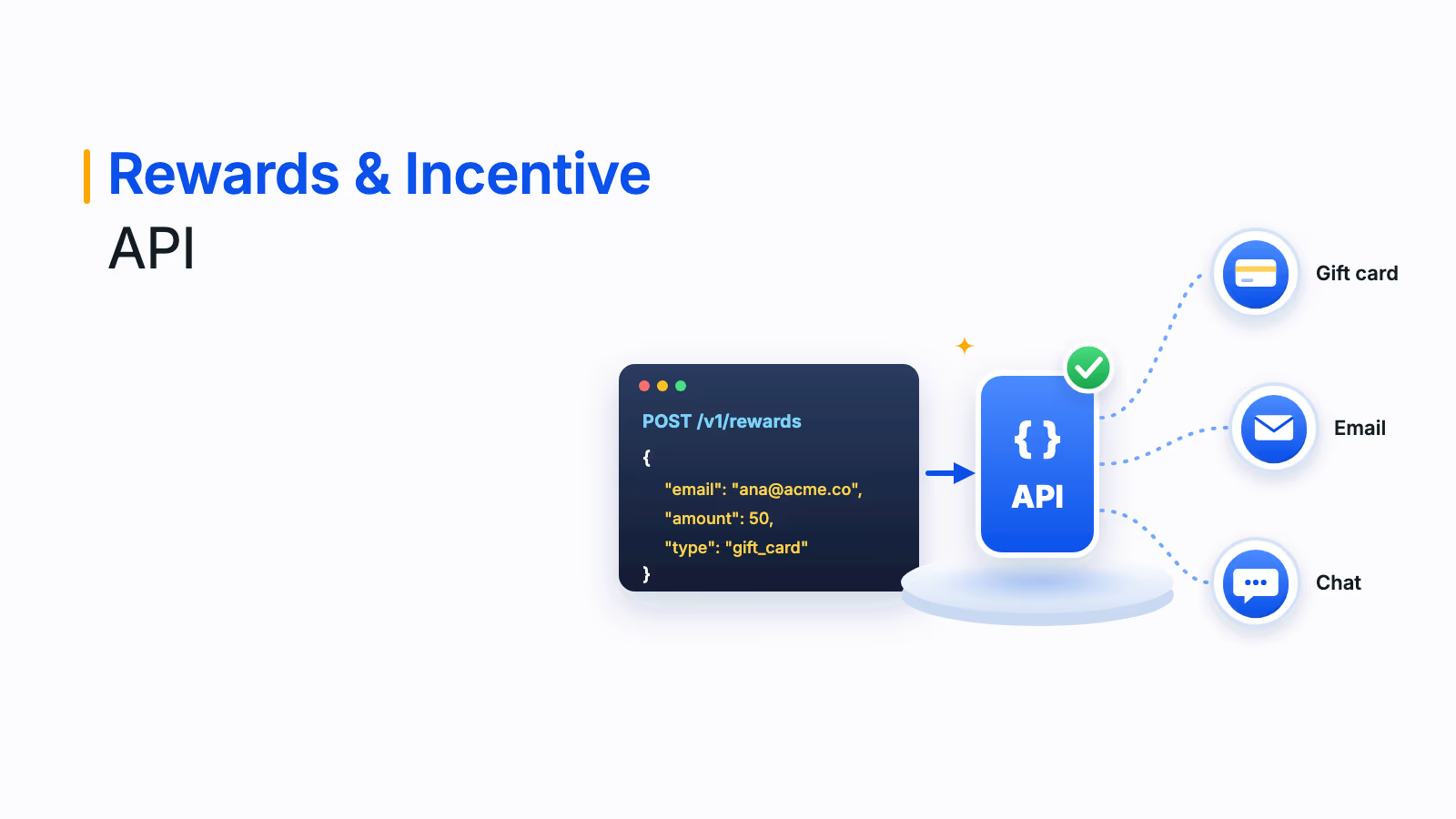
- Integrations and budgets: Empuls integrates with Microsoft Teams, Slack, SAP SuccessFactors, Workday, Darwinbox and other HR systems. Admins can set budgets at company, department or manager level and track spend in real time.
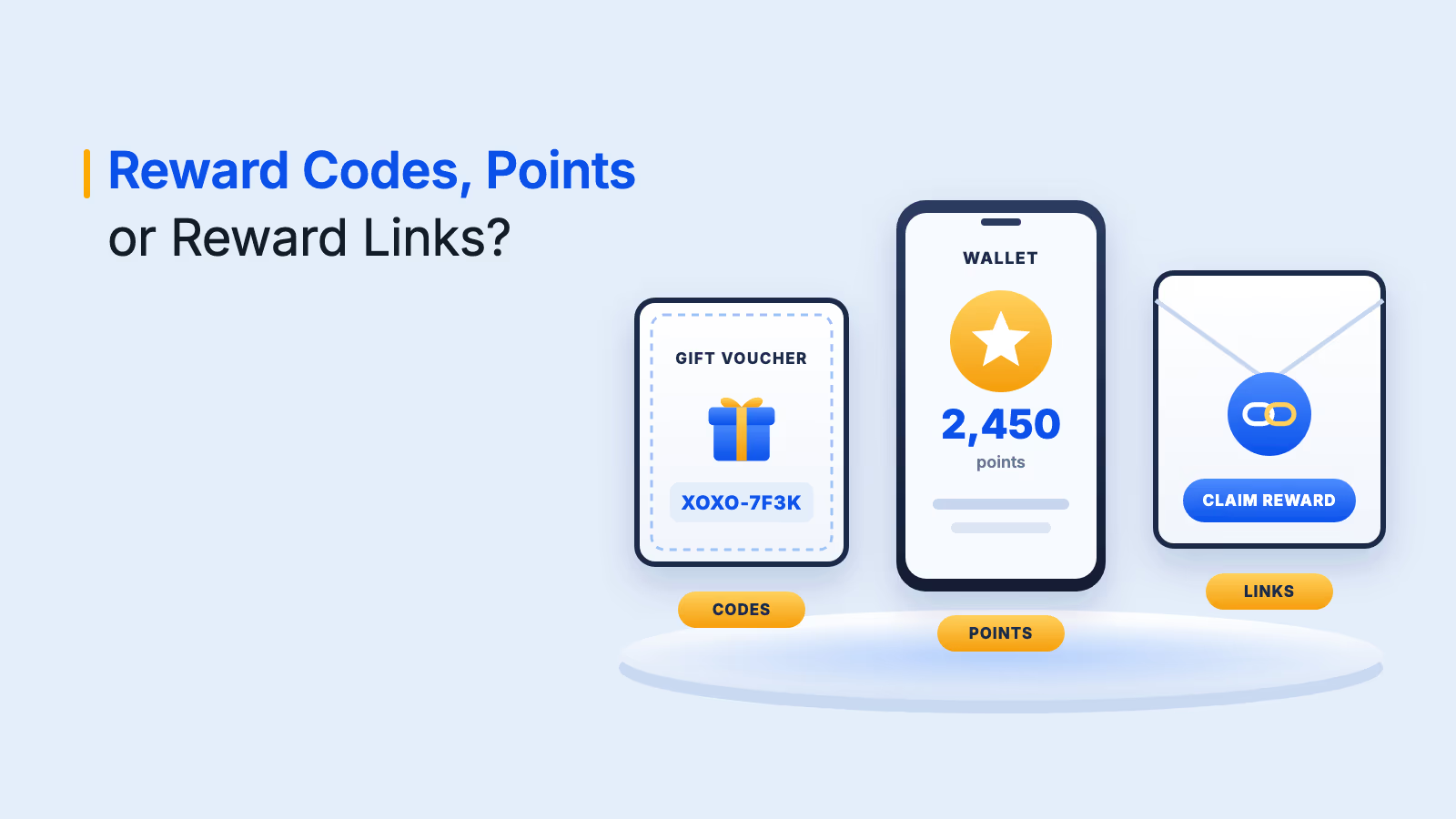
- Rewards catalog: Points redeem across a catalog of 10M+ reward options across 30+ categories in 150+ countries, including gift cards, merchandise, experiences and charity, plus mobile recharges and UPI wallet top-ups for frontline workers in India.
Case study: Luminous Power Technologies
Luminous Power Technologies, a Gurugram-based appliances and electrical manufacturer, shows how standardizing recognition across departments works in practice. With a 6,000-person workforce spread across seven manufacturing units and 28+ sales offices, the company had a recognition culture, but it was not standardized.
The challenge: Whether an employee was recognized, and how often, depended on the enthusiasm of their department or function head. Some teams ran recognition once or twice a quarter, others barely ran it at all. Recognition was limited to formal events and relied on certificates and printed t-shirts, and plant employees had never been part of a formal recognition program.
The solution: After 25 years of manual rewards and recognition, Luminous moved to Empuls. The platform integrated with its existing ERP, launched on desktop and mobile, and anchored recognition in the company's five core values. A reward catalog with options from adventure trips to fine dining and spa experiences suited every generation, and managers could recognize employees remotely with instant notifications.
The impact: More than 6,000 employees now use a single recognition platform, and 25 years of manual R&R gave way to digital, always-on recognition. Blue-collar plant workers, many using a recognition platform for the first time, became some of the most enthusiastic adopters. As HR Manager Govind Bisht put it, "There has been a huge improvement in the recognition process, considering where we were earlier and where we are now." Read the full Luminous case study.
Building recognition that reaches every team
Department-wise employee recognition is about fairness as much as motivation. Production workers need instant, visible recognition in their own language; R&D teams need milestone awards and peer appreciation inside their tools; sales teams need contests, value badges and fast spot awards. One program, one set of values, one budget and one catalog hold it together.
Start by mapping the moments that matter in each department, pick the channel that actually reaches each team, and measure recognition by department every quarter. When every function can see its own work celebrated next to everyone else's, recognition stops being an office perk and becomes part of how the whole company works.
Book your Empuls demo
Frequently asked questions
Department-wise employee recognition is a single company recognition program designed differently for each function. All departments share the same values, budget and rewards catalog, but production, R&D and sales each get the moments, channels and award types that fit how they work, such as QR rewards on the shop floor, milestone awards in R&D and contests in sales.
Usually not. Separate programs split the budget, fragment reporting and can send mixed messages about company values. A better approach is one employee recognition program with department-level configuration, so each team gets relevant awards and channels while HR keeps one set of values, one catalog and one view of spend and participation across the company.
Use a mobile app that works on basic smartphones with login by mobile number, in the workers' own languages. Add QR-code reward cards that supervisors hand out on the spot, and show recognition on Wall of Fame screens in break areas and canteens. Automate birthday and anniversary wishes so shift workers are never missed.
Recognize R&D teams for technical milestones such as patent filings, prototype sign-offs, successful test cycles and product launches, as well as for knowledge sharing and helping colleagues solve hard problems. Peer-to-peer recognition works well because fellow engineers understand the work best, and service awards help retain experienced specialists who hold critical knowledge.
Sales incentives and commission pay for results under a defined plan, usually based on revenue or targets. Sales team recognition celebrates behaviors and moments, such as a tough renewal, mentoring a new rep or customer praise, through contests, value badges and spot awards. The two work best side by side, with recognition reinforcing culture on top of pay.
Set the total company budget first, then allocate it by department, plant or manager based on headcount and the award types each function uses. Give managers a larger pool for spot and milestone awards and give every employee a small monthly peer allowance. Review spend and participation by department each quarter and rebalance where recognition is thin.