Key Takeaways
Conglomerates need a federated design: the group owns values, rules, platform and reporting, while each business owns awards tied to its own KPIs.
A mix of peer, spot, milestone, nomination, jury, long service and yearbook awards gives every employee a realistic way to be recognized.
Fair budgets use one point currency, a cost of living adjustment and automated distribution by headcount, so rewards carry comparable value everywhere.
Plant, retail and field teams need mobile access without email, QR rewards, digital signage, local languages and practical reward options.
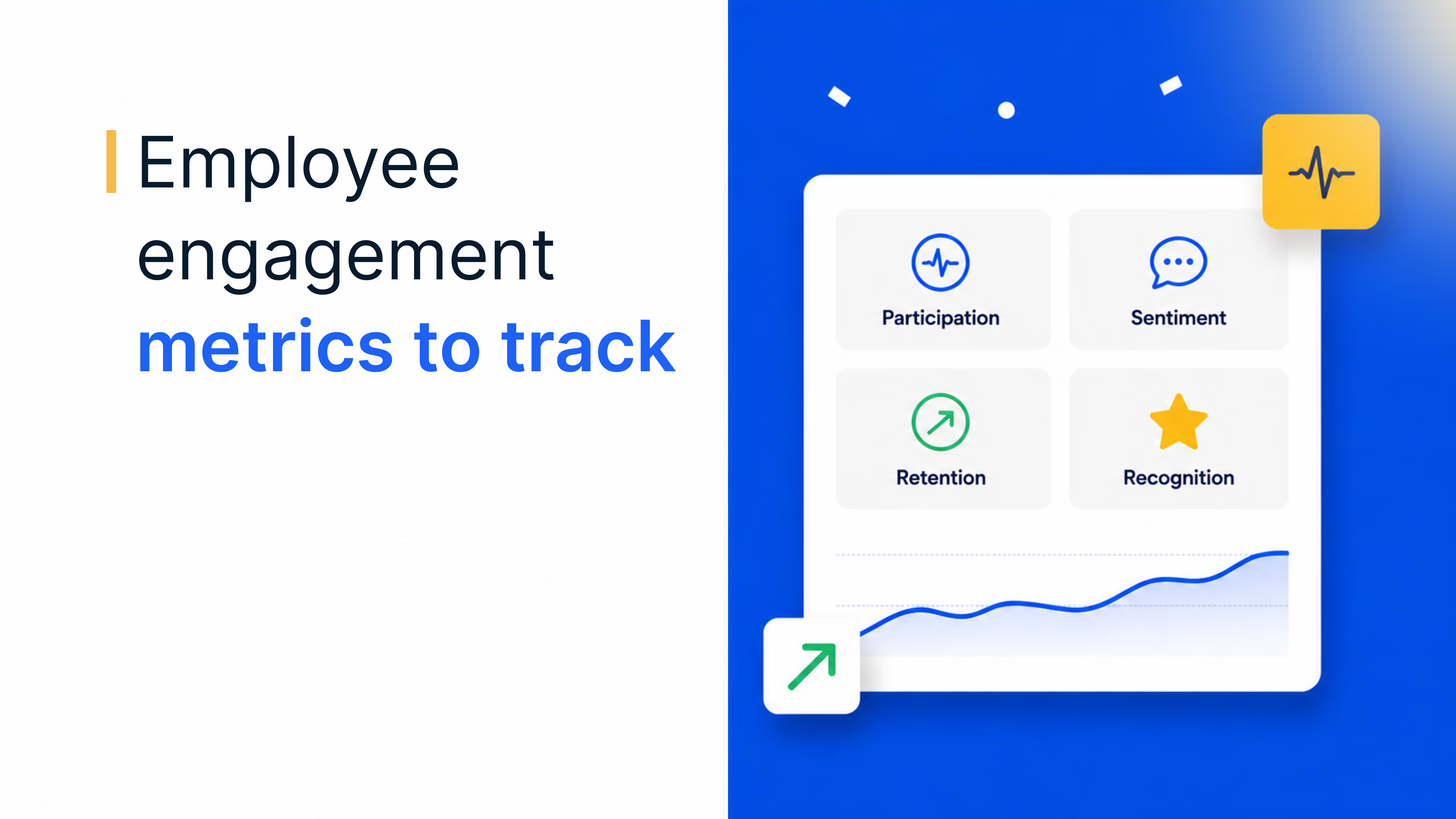
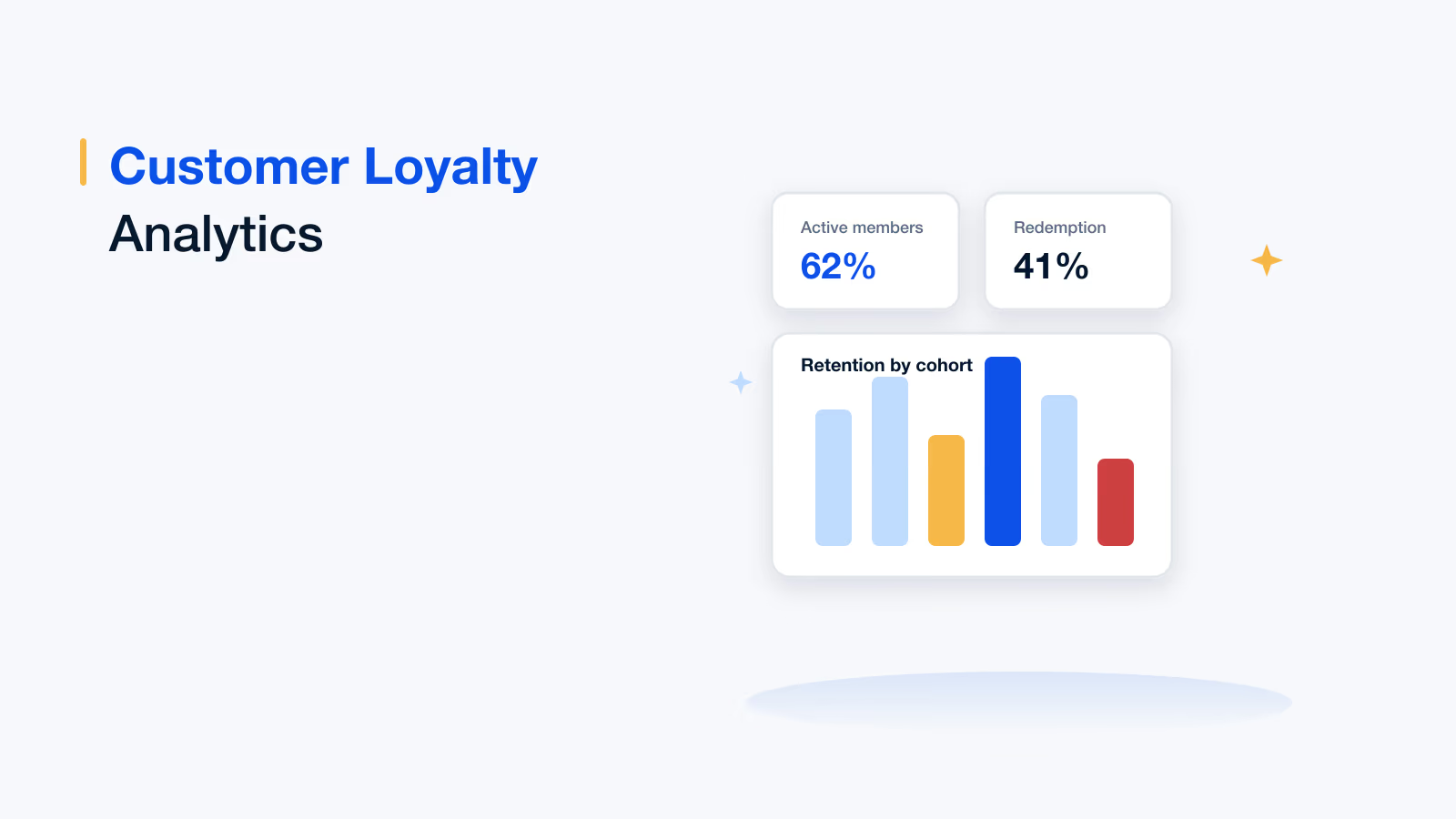
Track activation, reach, manager participation, budget use, redemption and cross-business recognition for every business unit.
Employee recognition for conglomerates means running one recognition system across very different businesses: a cement plant, a retail chain, a financial services arm and a software unit may all sit under the same group name, yet their people work in different shifts, languages, pay bands and countries. The goal is a program that feels like one company where it matters (shared values, fair rules, a common platform) and feels local everywhere else.
This guide explains why recognition is harder in a diversified group, how to split group-wide and business-level design, which award types work across businesses, how to keep budgets fair across countries and pay bands, how to reach plant, retail and field teams, and how to govern, measure and roll out a multi-company recognition program in 90 days.
Why employee recognition for conglomerates is harder
Recognition is harder in a conglomerate because the group is really many companies with different economics, cultures and ways of working, so a single program built for one of them usually fails the others. What motivates a software engineer in a city office rarely motivates a machine operator on a night shift or a sales associate in a small-town store.
The stakes are high. In joint research published in 2024, Gallup and Workhuman found that well-recognized employees were 45% less likely to have turned over after two years. The same research found that 55% of US employees either receive no recognition or receive recognition that meets none of the five pillars of strategic recognition, and only 22% say they get the right amount. Engagement is also low at a global level: Gallup's State of the Global Workplace 2026 reports that just 20% of employees worldwide were engaged at work in 2025.
In a diversified group, four differences make the problem bigger:
- Different businesses: Each business has its own KPIs, customers and rhythm. A manufacturing unit cares about safety and uptime, a retail unit about sales and service, a services unit about delivery and client feedback. One generic "star performer" award cannot speak to all of them.
- Different pay scales: A reward worth a meaningful amount to a plant worker may be trivial to a senior engineer, and a point value that works in one country can look very different in another.
- Desk and deskless staff: Many group employees never sit at a computer. They may not have a corporate email address, so recognition that lives only in email or a desktop portal never reaches them.
- Many languages: Businesses spread across regions and countries need recognition messages, nominations and reward catalogs in the languages people actually read.
The answer is not to let every business run its own disconnected scheme. That produces a patchwork where what you receive depends on where you sit, with no group view of spend or impact. The answer is a federated design.
Group-wide vs business-level design
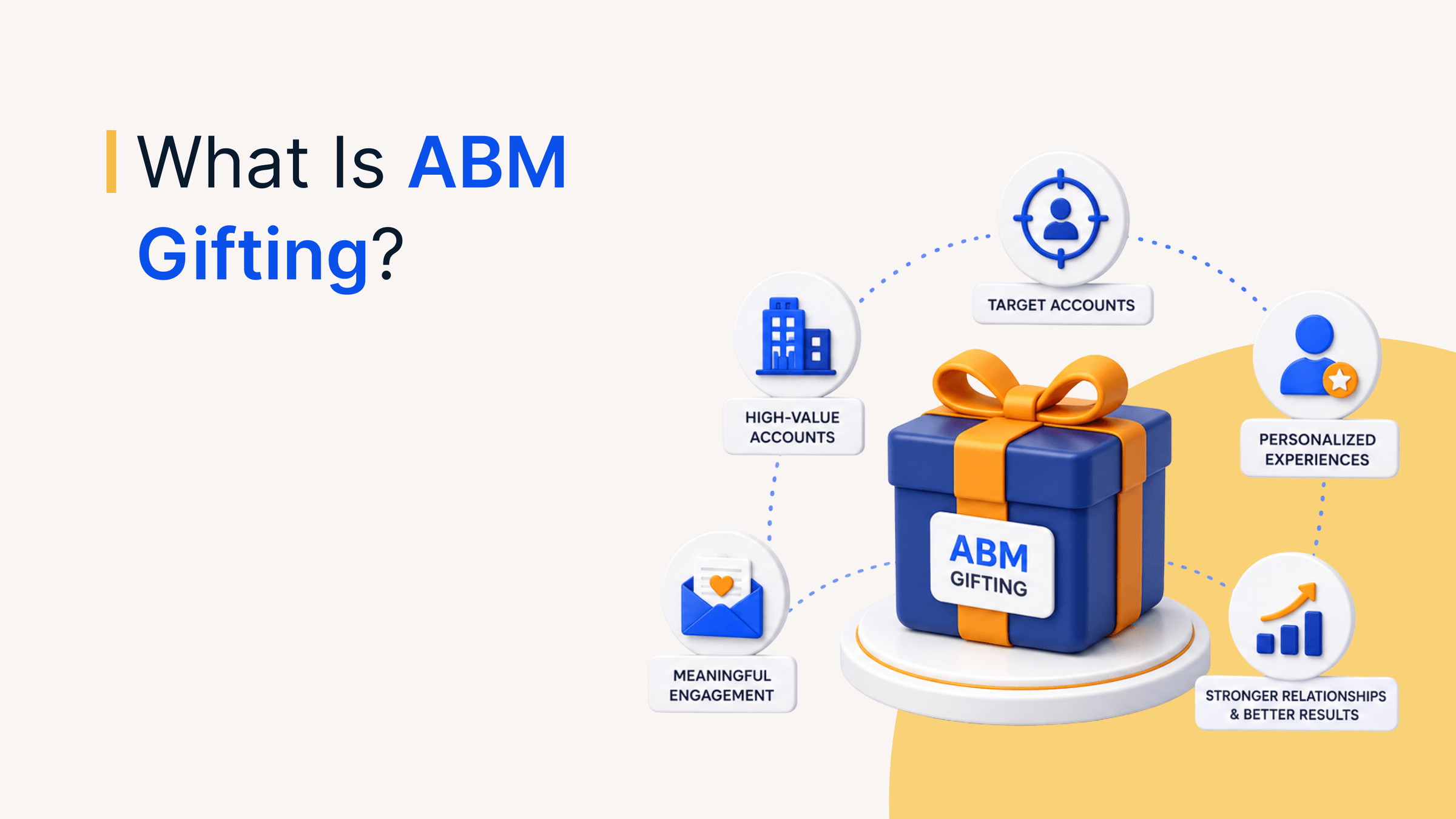
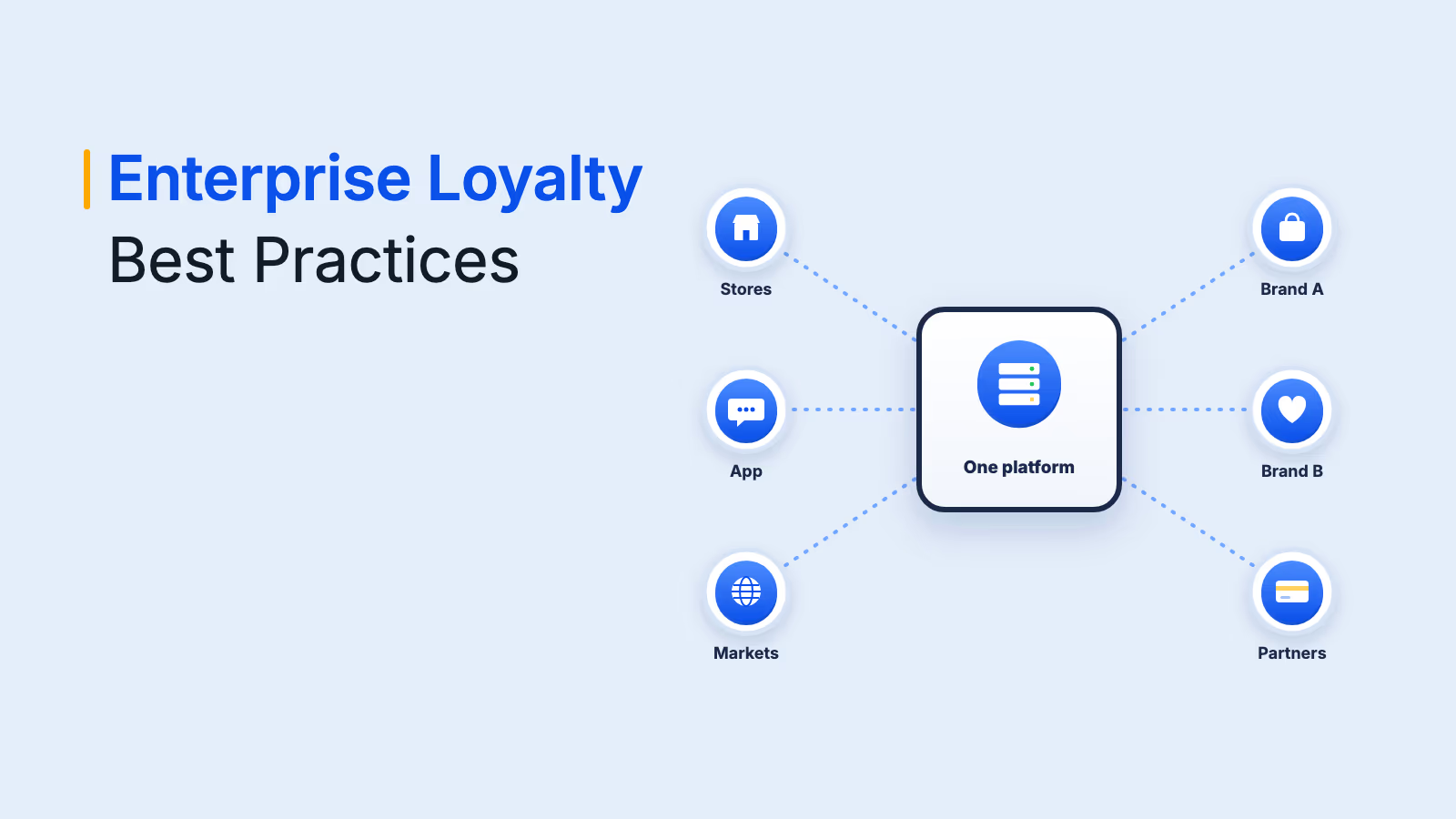
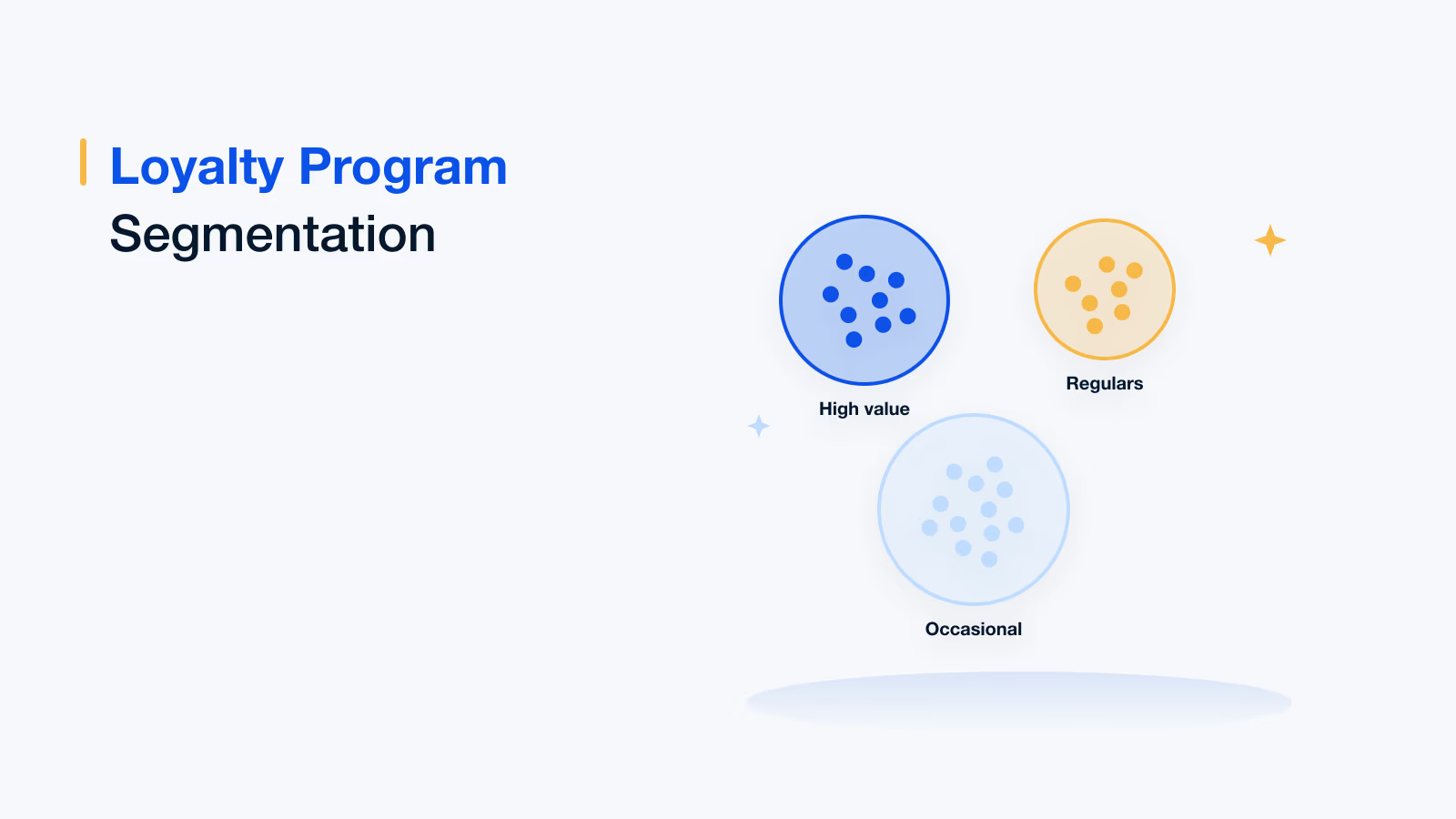
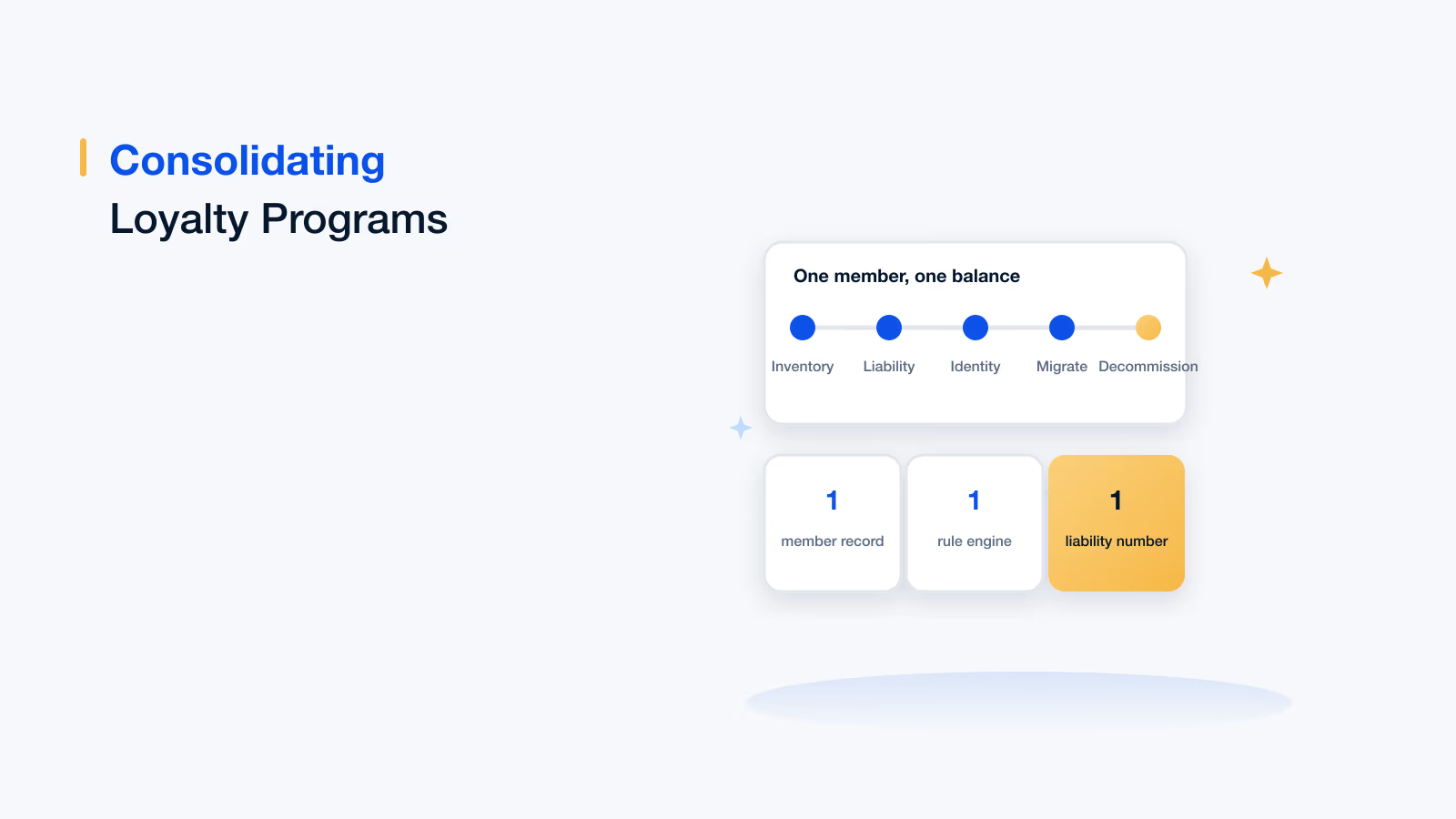
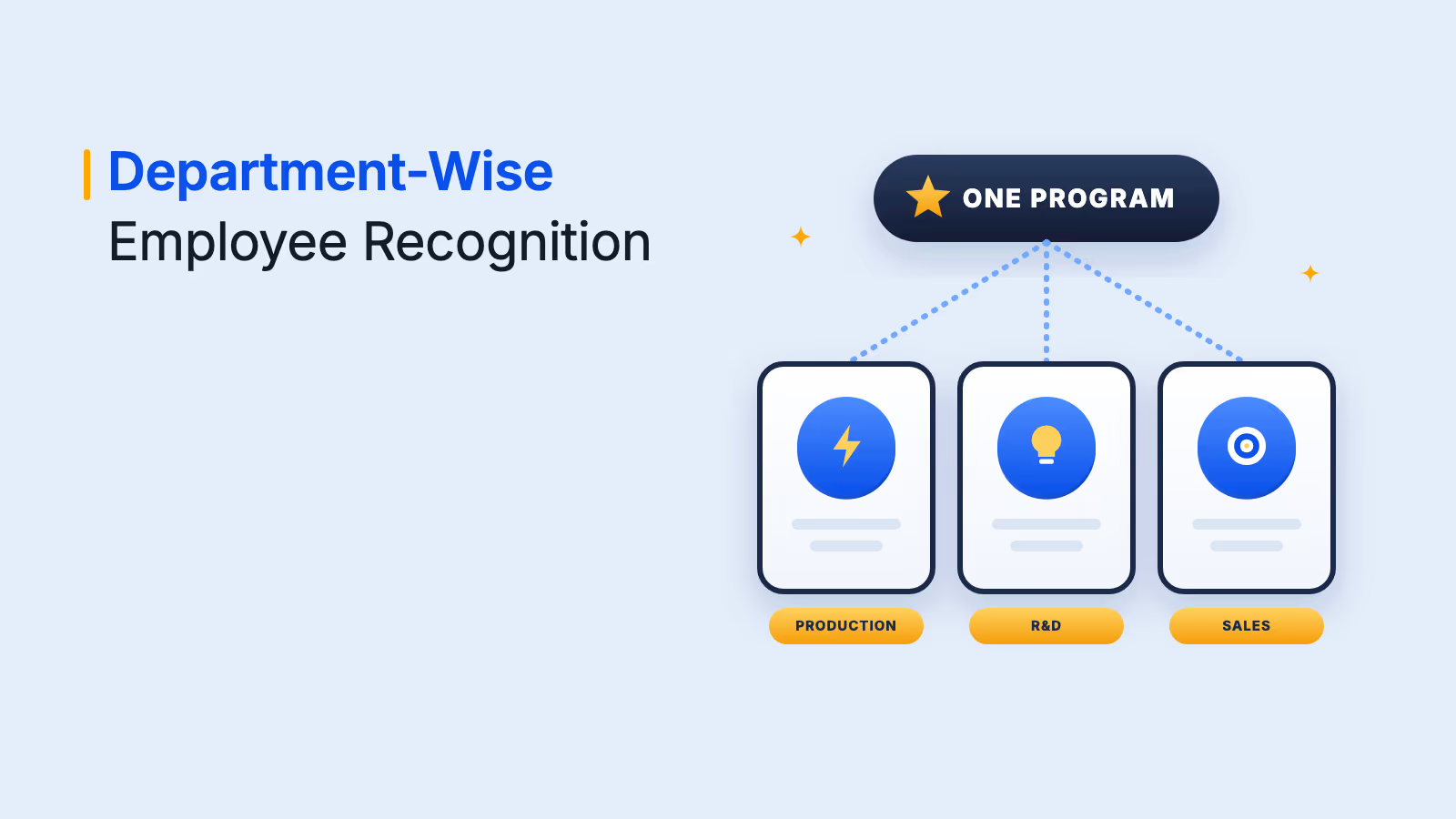
The most reliable model for a multi-company recognition program is a shared core set by the group, with business-specific awards layered on top. The group owns values, rules, platform and reporting; each business owns the awards and rewards that reflect its own work.
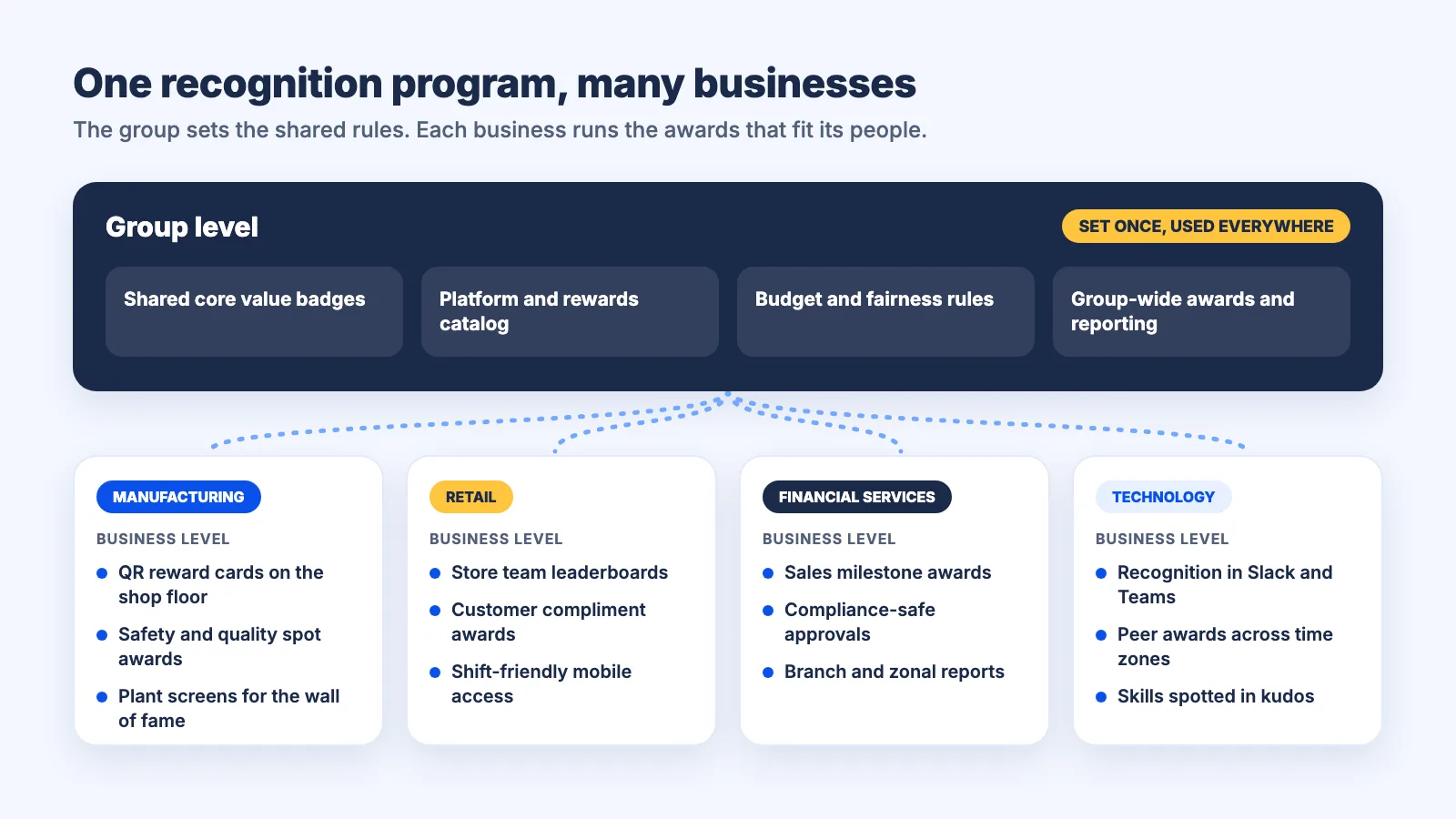
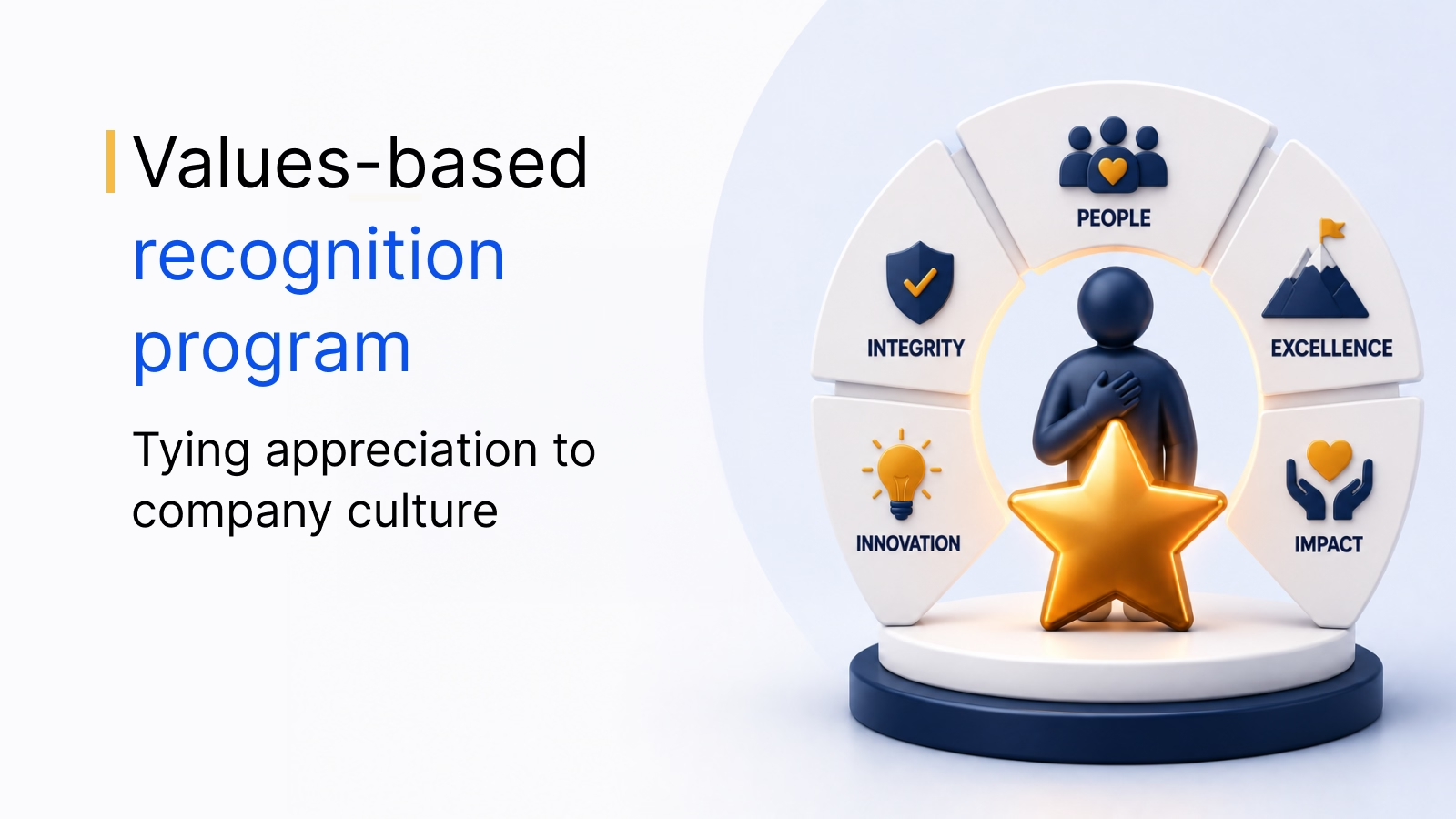
Start with the group's core values. Turn each value into a recognition badge that every employee in every business can give and receive. A values-based recognition program gives the whole group a common language: when someone in the logistics business recognizes a colleague for "customer first", it means the same thing as it does in the hospitality business.
Then let each business add awards that match its own priorities. A plant might run a monthly safety champion award and a zero-defect award. A retail business might run a store of the month and a mystery shopper award. A technology business might recognize product launches and client wins. These awards sit inside the same platform, use the same point currency and report into the same dashboards, but they are designed by people who understand that business.
| Element | Owned by the group | Owned by each business |
|---|---|---|
| Values and value badges | Defines the core values and badges used everywhere | Adds examples that show what each value looks like locally |
| Award catalog | Sets group-level awards such as annual chairman's or jury awards | Designs business-specific awards tied to its KPIs |
| Budget rules | Sets the total budget, point value and fairness rules | Distributes budget across sites, teams and managers |
| Rewards | Chooses the platform and global catalog | Prioritizes reward options that suit its workforce |
| Reporting | Sees adoption, spend and impact across all businesses | Tracks its own sites, teams and managers |
This split keeps the group-wide rewards program consistent without forcing a head-office view of performance on a plant manager or a store head. It also makes cross-business recognition possible, which is one of the few levers a conglomerate has to build a shared identity across units that rarely work together.
The award mix that works across businesses
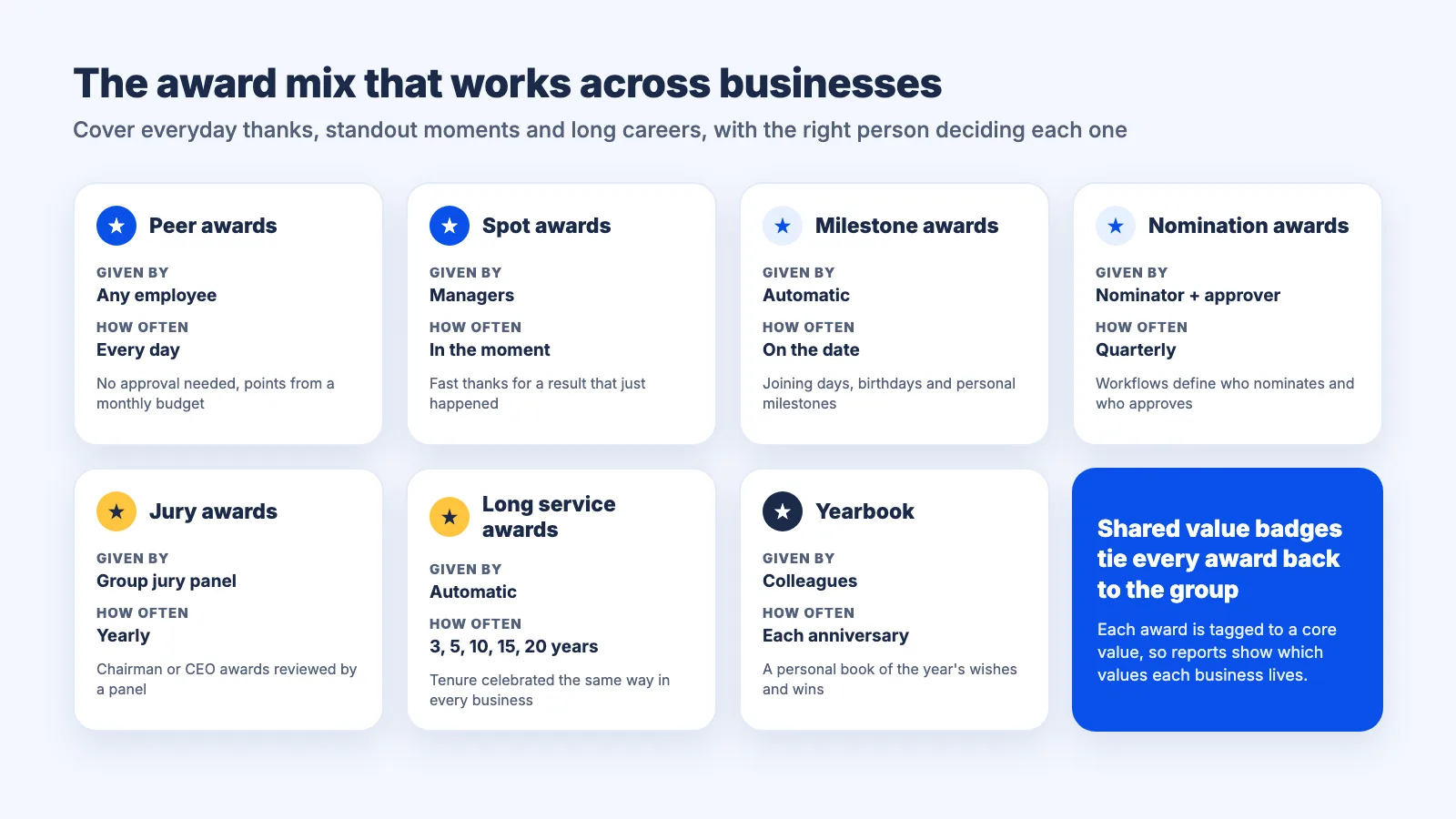
A good award mix covers everyday appreciation, formal programs and long-term loyalty, so every employee has a realistic way to be recognized whatever their role. Most groups use seven award types, configured differently in each business. If you are designing from scratch, this employee recognition program guide covers the basics.
Peer awards
Peer awards let anyone recognize anyone, usually with a small number of points and no approval step. They matter most in a conglomerate because they cross reporting lines: a finance colleague in one business can thank a shared services team in another. Keep the friction low and tie each peer award to a value badge.
Spot awards
Spot awards give managers a budget to recognize outstanding work in the moment, such as fixing a breakdown before a shift ends or saving a key account. They work well in operational businesses because the gap between the action and the reward is short, which is what makes recognition stick.
Milestone awards
Milestone awards celebrate moments in the employee journey: onboarding, first project, certification, promotion and personal events such as a wedding or new child. Automating them from HR data ensures that an employee in a remote site gets the same welcome and congratulations as someone at headquarters.
Nomination awards
Nomination awards run on a defined cycle, such as quarterly, where colleagues or managers nominate people and approvers review the case. They suit recognition of sustained performance and give each business a structured way to surface its best people.
Jury awards
Jury awards are the group's most prestigious recognition, often annual, where a panel reviews shortlisted nominations. In a conglomerate, a cross-business jury can select group-level winners, which signals that excellence in a small business is visible at the very top.
Long service awards
Long service awards honor tenure at points such as 3, 5, 10, 15 and 20 years. Diversified groups often have long-tenured employees in their older businesses and younger workforces in newer ones, so service awards help bridge the two and show that loyalty is valued across the group.
Yearbook
A yearbook is a personalized digital book created for a work anniversary, collecting messages, photos and recognition moments from colleagues across the employee's career. It turns a service date into a story, and it is especially meaningful for frontline employees whose contributions are rarely documented.
Run one recognition program across every business
Empuls gives your group shared value badges, local awards, fair budgets and group-wide reporting on one platform.
Talk to our ExpertTrusted by 5,000+ companies
Fair budgets across countries and pay bands
A fair recognition budget gives employees comparable real-world value, not just equal points, so the group adjusts reward values for cost of living and distributes budget by team size and role. Without this, a group-wide program can quietly favor employees in expensive cities or high-paying businesses.
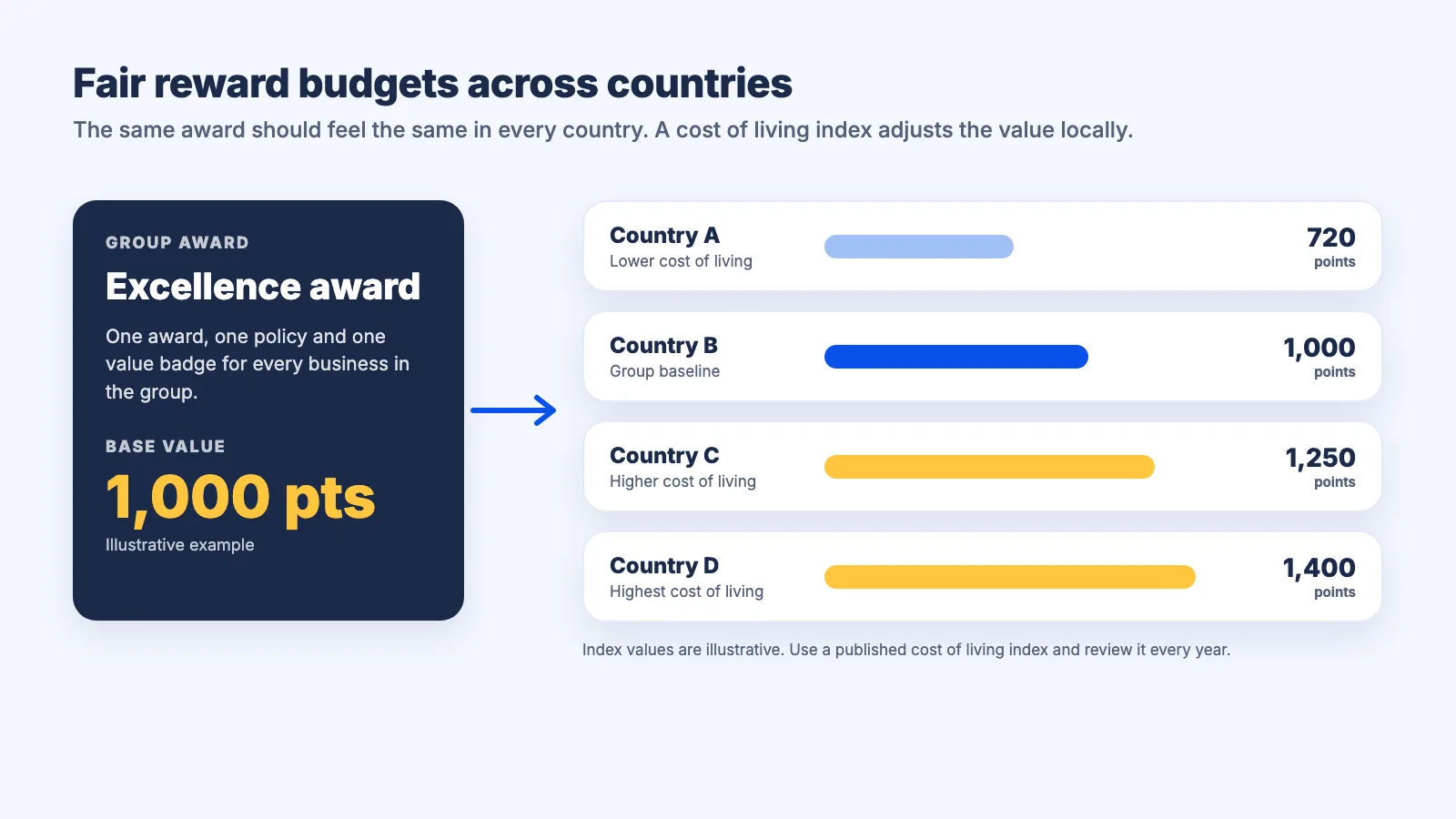
Three practices keep budgets fair:
- Use a single point currency with a cost of living adjustment: Set one point name and conversion rate for the group, then apply a cost of living index so that a reward of a given point value buys a similar amount in each country. An employee in Mumbai and one in New York should feel equally appreciated.
- Distribute budgets automatically: Allocate manager and peer budgets by headcount using org hierarchy data from your HR system, rather than negotiating manually with each business. Automated distribution removes the spreadsheet work that discourages managers from recognizing at all.
- Set guardrails by award type: Define point ranges for each award type and pay band, and route larger awards through approvals. This keeps a plant's spot awards and a technology unit's client-win awards within the same fairness rules.
Review budget utilization every month. Low utilization in one business usually means managers do not know about the program, not that people there are performing less well.
Reaching plant, retail and field teams
Recognition across business units only works if it reaches the employees who never sit at a desk, which means mobile access without corporate email, physical touchpoints such as QR codes and screens on the floor, and rewards that fit their lives. In most conglomerates these employees are the majority.
They also feel the recognition gap most sharply. Workvivo's Frontline Gap report, a 2025 survey of more than 7,500 frontline workers, found that 20% have never received any form of recognition and only a third feel frequently recognized. Half (50%) believe their company cares more about office or desk workers than about them. Replacing them is not cheap either: Gallup estimates the cost of replacing a frontline worker at about 40% of salary in its 2024 recognition research.
Practical ways to include frontline workers in a conglomerate employee engagement program:
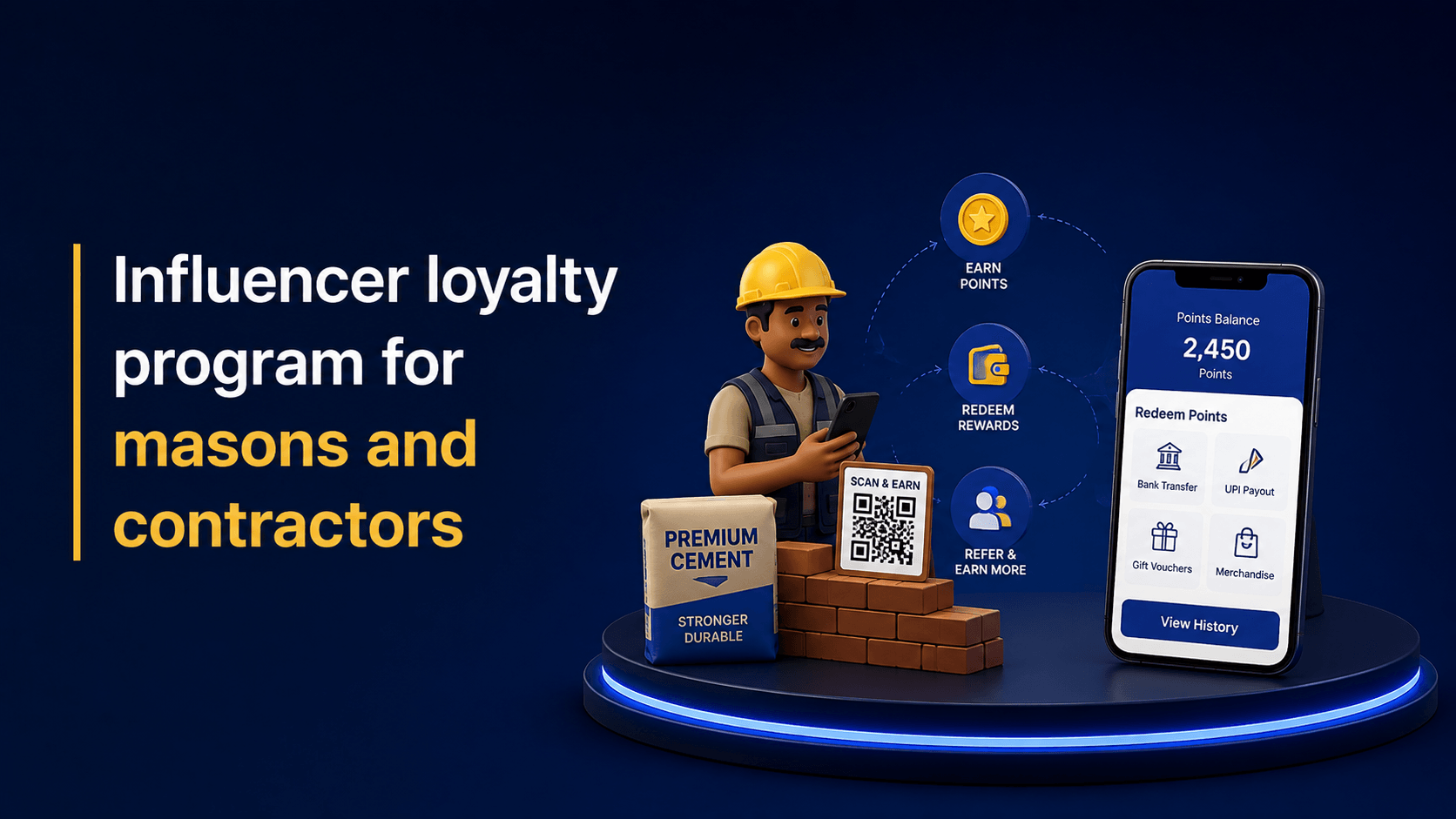
- QR rewards: Supervisors carry printed QR reward cards and hand them out on the shop floor or in a store. The employee scans the code with a phone and claims the reward, with no laptop or email needed.
- Digital signage: Show recognition, announcements and wins on large screens in factories, warehouses and stores, so people see colleagues being celebrated during their shift.
- Mobile-first access: Let employees log in with a mobile number or employee ID and receive nudges through channels they use, such as messaging apps and SMS.
- Local languages: Offer the interface and messages in regional languages so recognition feels personal, not translated.
- Relevant rewards: Include practical options such as grocery vouchers, fuel cards and mobile recharges alongside gift cards and experiences.
Governance: visibility, approvals and fairness checks
Good governance keeps a large program trusted: clear rules on who sees which recognition, approval chains sized to award value, and regular checks that recognition is reaching everyone fairly. Governance should protect the program without slowing down everyday appreciation.
- Visibility: Make most recognition public on the group feed to spread role models across businesses, but allow private recognition for employees or cultures that prefer it. Some people value a quiet thank-you more than a public post.
- Approvals: Keep peer awards approval-free, give managers a spot budget they can use instantly, and add one to three review levels only for nominations, jury awards and high-value rewards.
- Fairness checks: Review recognition by business, location, department, gender, tenure and shift every quarter. Look for teams or groups that are consistently under-recognized and for unusual award patterns, then follow up with managers.
- Single source of data: Sync employee records from your HR system so joiners, movers and leavers are reflected automatically in every business, and nobody is left out of milestones.
Communication and listening at group scale
Recognition is only half of engagement in a large group; the other half is shared communication and regular listening, so employees in every business know what the group stands for and can say how they feel. A social intranet, interest groups and short, frequent surveys tie the picture together.
A social intranet gives the group one news feed for leadership updates, wins and celebrations, with community groups for each business, location, function or interest. A cross-business group for sales leaders or plant heads lets people swap ideas they would never otherwise share. Ask-me-anything forums let employees in small businesses question group leaders directly.
On the listening side, an employee Net Promoter Score (eNPS) gives a quick, comparable read of loyalty across businesses, while lifecycle surveys at onboarding, the first 90 days, work anniversaries and exit show where the experience breaks down. Segment every result by business and location, and close the loop with visible action plans, or participation drops fast.
A 90-day rollout plan
A 90-day rollout works best in three phases: design the group core, pilot in two or three businesses, then scale across the group with champions in place. Here is a practical sequence:
- Days 1 to 15, set the group core: Agree the core values and badges, the point currency, the cost of living rules, the budget model and the governance roles with HR leaders from each business.
- Days 16 to 30, design business-level awards: Work with each business to define two or three awards tied to its KPIs and the reward options its workforce wants. Connect your HR system and collaboration tools.
- Days 31 to 45, pilot: Launch in two or three contrasting businesses, for example one plant-heavy, one retail and one office-based. Train managers, hand out QR cards to supervisors and switch on digital signage at pilot sites.
- Days 46 to 60, learn and adjust: Review adoption, manager participation and budget use by site. Fix access issues, adjust point values and refine award criteria based on feedback.
- Days 61 to 75, scale: Roll out to the remaining businesses in waves, each with a local champion, a launch event and a manager briefing.
- Days 76 to 90, embed: Run the first group-wide nomination cycle, publish the first quarterly dashboard to leadership and send the first eNPS pulse to set a baseline.
Metrics to track by business unit
Track a small set of metrics for every business unit each month, and compare units with each other and with the group average. The numbers tell you where the program is working and where a business needs support.
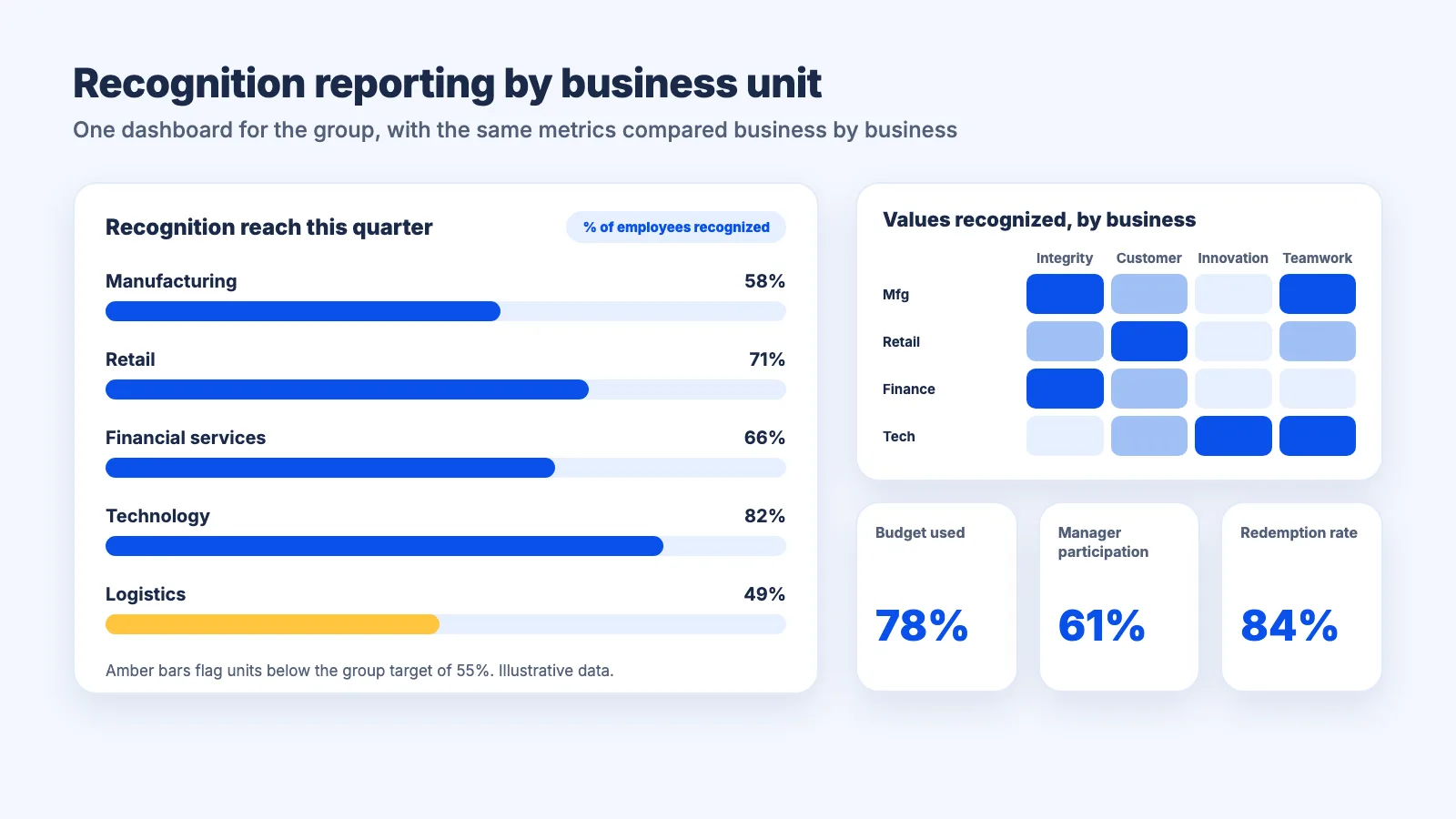
| Metric | What it shows | How to calculate |
|---|---|---|
| Activation rate | Whether employees can access the program | Employees who have logged in at least once ÷ total employees |
| Monthly active users | Ongoing use | Employees active in the month ÷ total employees |
| Recognition reach | How widely recognition is spread | Employees recognized at least once in the quarter ÷ total employees |
| Manager participation | Whether managers are leading | Managers who gave recognition in the month ÷ total managers |
| Budget utilization | Whether budgets are being used | Points awarded ÷ points allocated |
| Redemption rate | Whether rewards are relevant | Points redeemed ÷ points awarded |
| Cross-business recognition | Whether the group feels connected | Recognitions given across business units ÷ total recognitions |
| eNPS and attrition | Business impact | eNPS score and voluntary attrition, compared across units |
Watch frontline and office populations separately within each business. A healthy average can hide a plant or store where almost nobody is being recognized.
How Empuls supports multi-business recognition
Empuls, Xoxoday's employee engagement platform used by 5,000+ companies, lets a group run every business on one platform with shared values, local awards and group-level reporting. Here is how its features map to the needs above:
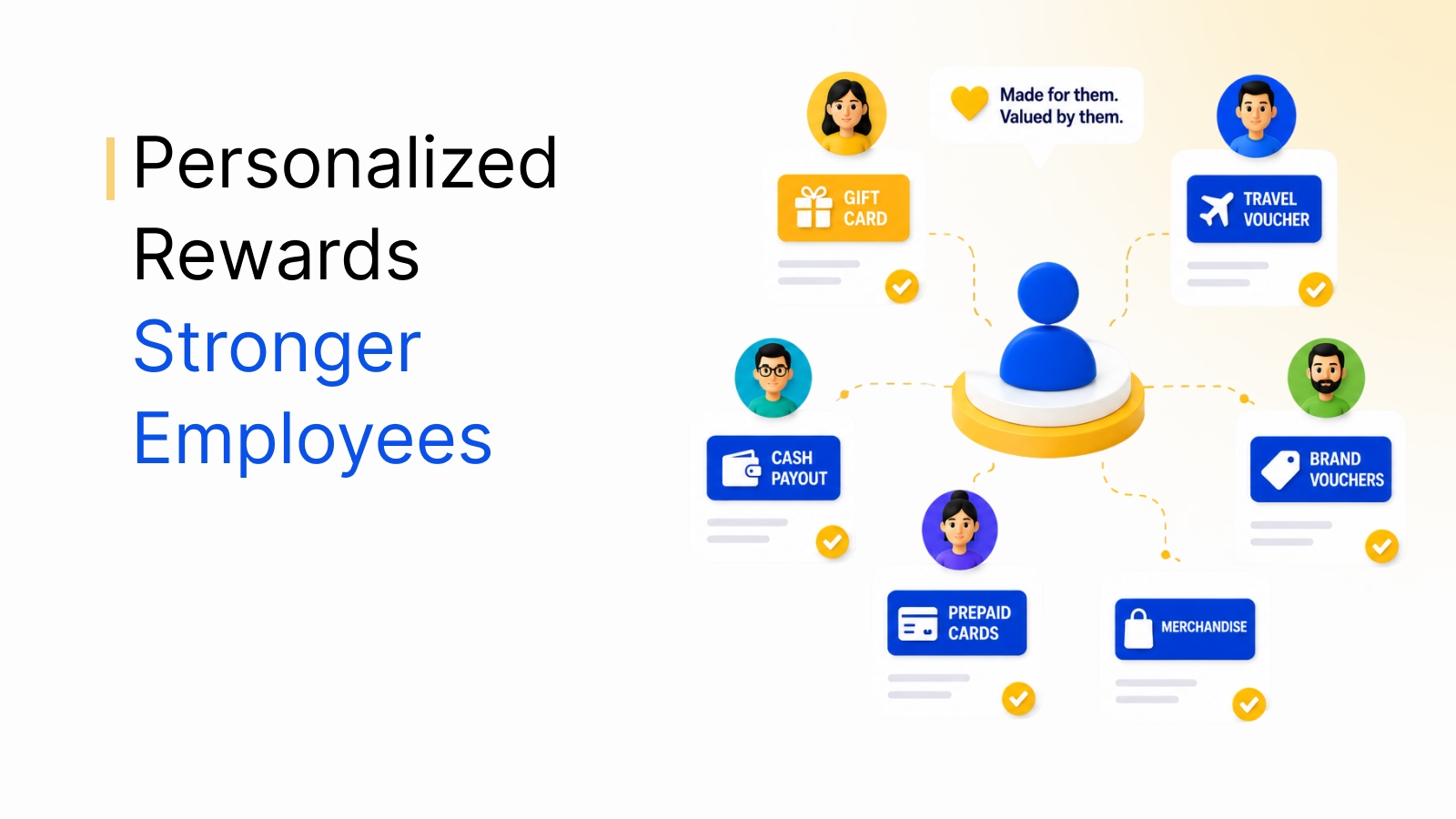
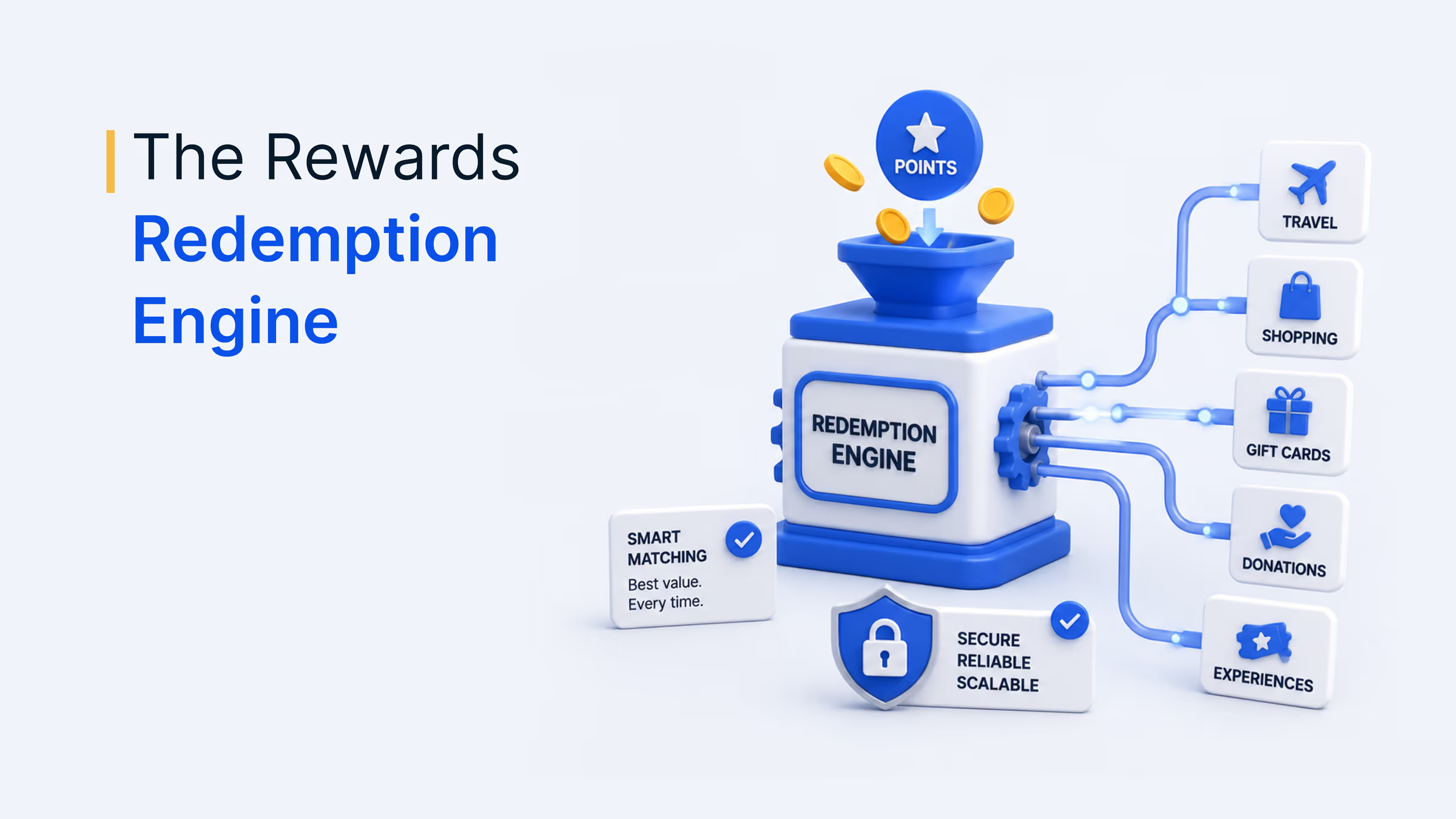
- Full award mix: Empuls recognition covers peer-to-peer recognition, spot awards, nominations with multi-level approvals, jury awards, milestone rewards, long service awards and personalized yearbooks for work anniversaries.
- Fair budgets across regions: A built-in Cost of Living Index (COLI) adjusts reward values by geography, and budgets can be allocated and tracked by department, with custom approval rules and alerts for unusual award activity.
- Frontline reach: QR-based reward cards let supervisors recognize people on plant floors, retail outlets and field operations, and the social intranet supports digital signage for frontline sites.
- Communication and listening: The Empuls social intranet brings news feeds, groups and wall of fame together, while surveys cover pulse, eNPS and lifecycle check-ins.
- Group visibility: Empuls reports and analytics segment logins, recognitions, surveys and redemptions by site, department and role, so the group can compare businesses and spot disengaged geographies.
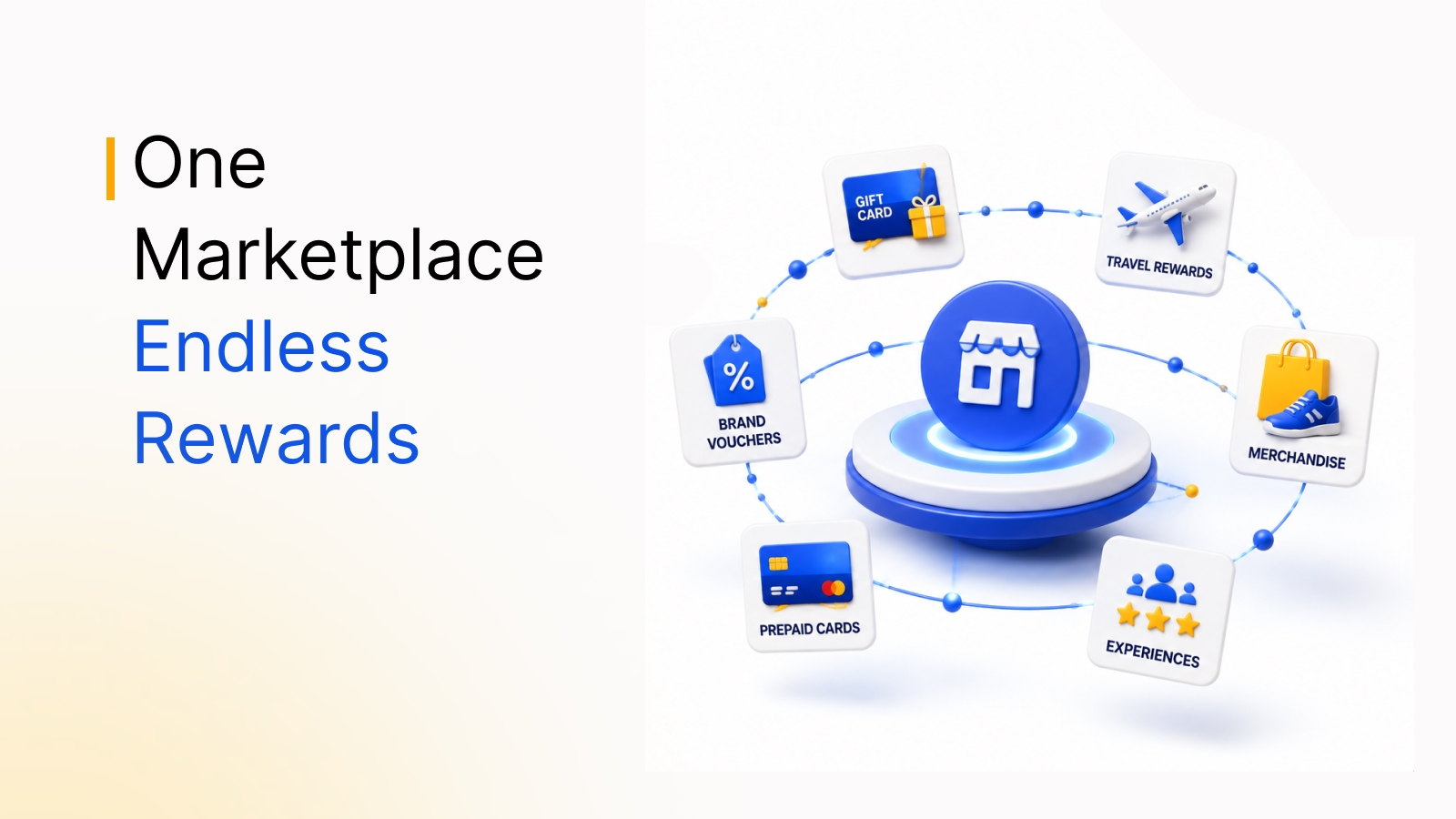
- Global rewards: A catalog with 10M+ choices across 150+ countries, including gift cards, experiences, merchandise and charity, plus integrations with Slack, Microsoft Teams and HR systems such as Workday.
Two published Empuls case studies show these pieces at work. A global enterprise that replaced region-by-region programs with one platform, COLI configuration and automated budgets saw manager participation rise from 21% to 59%, reward redemption from 44% to 79% and budget utilization from 52% to 88%. A manufacturing and logistics organization with 20,000+ frontline employees took platform adoption from 24% to 83% in ten weeks using mobile login, QR recognition and a multilingual interface.
Making employee recognition for conglomerates work
Employee recognition for conglomerates succeeds when the group sets the values, rules and platform, and each business shapes awards and rewards for its own people. Keep budgets fair across countries and pay bands, reach every plant, store and field team, and govern with data rather than guesswork.
Start with a small, well-chosen pilot, measure by business unit and scale with local champions. Over time, recognition becomes one of the few things every employee in the group shares, whichever business they work in.
Book your Empuls demo
Frequently asked questions
Use a federated structure. The group defines core values, value badges, the point currency, budget rules, governance and the platform. Each business then adds two or three awards tied to its own KPIs and chooses reward options its workforce values. Everything runs on one platform so the group can compare adoption, spend and impact across businesses.
Set one point currency for the group and apply a cost of living index so rewards of the same point value buy a similar amount in each country. Allocate manager and peer budgets automatically by headcount from HR data, define point ranges by award type, and review budget utilization by business and location every month.
Give supervisors printed QR reward cards that employees scan with a phone to claim rewards, show recognition on digital signage screens on site, and allow login with a mobile number or employee ID instead of corporate email. Offer the program in local languages and include practical rewards such as grocery vouchers, fuel cards and mobile recharges.
Most groups combine peer awards for everyday appreciation, spot awards for in-the-moment manager recognition, milestone awards for career and life events, nomination and jury awards for sustained excellence, long service awards for tenure and personalized yearbooks for work anniversaries. Each business configures these differently while sharing the same values and point currency.
A practical rollout takes about 90 days. Spend the first month agreeing the group core and designing business-level awards, then pilot in two or three contrasting businesses. Use the second month to fix issues and adjust point values, and the third to scale in waves with local champions and set baseline metrics.
Track activation rate, monthly active users, recognition reach, manager participation, budget utilization, redemption rate and the share of recognition given across business units. Compare each business with the group average, look at frontline and office employees separately, and link the results to eNPS and voluntary attrition to show business impact.