Key Takeaways
Southeast Asia is more engaged than the global average (25% vs 20% in Gallup's 2025 data), but stress and job mobility are high in markets such as the Philippines, so recognition helps protect engagement.
Design for local culture: credit teams, involve senior leaders, and let employees choose public or private recognition.
Automate work anniversaries, birthdays and festival campaigns, and keep festive gifting separate from statutory THR and 13th month pay.
Offer local, practical rewards through points, with budgets set per country and currency and a mobile, multilingual experience for frontline and field staff.
Employee recognition in Southeast Asia works best when it is designed for the region rather than copied from a head-office template. Teams in Indonesia, the Philippines and their neighbours are often large, young, spread across many branches and cities, and heavily mobile-first. Many people work on the frontline or in field sales, far from a desk. A rewards and recognition program that respects local culture, follows the local calendar and pays out in rewards people can actually use will land far better than a generic global scheme.
This guide explains the engagement picture in the region, the cultural norms that shape how praise is received, the recognition moments that matter locally, the rewards that work, a step-by-step program design and how to run it all on one platform.
Why employee recognition in Southeast Asia needs local design
Recognition needs local design in Southeast Asia because the workforce, the culture and the calendar all differ from the markets where most recognition programs were first built. A program that assumes desk workers, corporate email, individual applause and a December holiday season will miss most of what matters here.
Four features of the regional workforce shape the design:
- Scale and spread: Banks, consumer finance firms, retailers, BPOs and manufacturers often employ thousands of people across hundreds of branches, stores, sites and partner outlets. Recognition has to reach a branch in a provincial city as easily as head office.
- Mobile-first habits: Many employees, especially frontline and field staff, do most of their digital life on a phone. If recognition lives only in email or a desktop portal, it will not be seen.
- Frontline and field sales roles: Collectors, loan officers, store promoters, agents and contact center staff are measured on daily targets. They need fast, visible recognition, not a once-a-year award dinner.
- Many languages and faiths: Indonesia and the Philippines alone combine several national and regional languages and a mix of Muslim, Christian, Buddhist and Hindu communities. Festivals, greetings and gifts need to reflect that diversity.
The state of engagement and retention in the region
Southeast Asia is more engaged than the global average, but stress and job mobility are high in some markets, so recognition has real work to do. According to Gallup's State of the Global Workplace: 2026 Report, which uses data collected in 2025, 25% of employees in Southeast Asia are engaged, against 20% globally.
39%
of employees in the Philippines are engaged, vs 25% in Southeast Asia
Gallup, 2025 data
50%
of Philippine employees felt a lot of stress the previous day
Gallup, 2025 data
27%
of employees in Indonesia are engaged, vs 20% globally
Gallup, 2025 data
64%
of Filipino employees are job hunting or considering a move within 12 months
Aon, 2025
Engagement and retention in Southeast Asia
The country detail tells a more nuanced story. Gallup's Philippines data shows 39% of employees engaged, well above the regional average, yet 50% report daily stress (the regional average is 25%), 30% report daily loneliness, and 76% say it is a good time to find a job where they live. In other words, Filipino employees are committed, but under pressure and confident they could move. Gallup's Indonesia data shows 27% engaged, only 14% reporting daily stress and 64% seeing a good job market, in line with the regional figure.
Retention pressure is real. Aon's 2025 Human Capital Employee Sentiment Study, reported by Marketing-Interactive, found that 64% of Filipino employees are actively job hunting or considering a move within 12 months, and named recognition of individual achievements among the factors behind loyalty. On the positive side, the Jobstreet by SEEK Workplace Happiness Index, reported by Interaksyon in May 2026, found 77% of Filipino workers and 82% of Indonesian workers describe themselves as happy at work, and 77% of Filipino workers say they feel valued.
The takeaway for HR leaders: engagement is a strength to protect, not a problem to fix from scratch. Recognition that is frequent, fair and visible helps engaged people stay engaged, and gives stressed teams a reason to stay. For a broader view of the levers, see these employee retention strategies.
Cultural norms that shape recognition
The cultural norms that matter most for recognition in Southeast Asia are a strong sense of team, respect for seniority and care about how praise is delivered in public. These are tendencies, not rules, and they vary by company, generation and individual, so treat them as design prompts and ask your own people.
- Team credit: Many workplaces value the group's achievement as much as the individual's. Indonesia's idea of gotong royong (mutual help) and the Filipino spirit of bayanihan (community effort) both describe people pulling together. Recognize teams and branches, not only top individuals, and always name the colleagues who helped.
- Respect for hierarchy: Recognition from a senior leader often carries extra weight. A short note from a regional head or country CEO can mean more than a larger reward from the system. At the same time, some employees may hesitate to recognize a manager directly, so make peer-to-peer and upward recognition feel normal by having leaders go first.
- Face and public praise: Most people enjoy being appreciated, but being singled out in an awkward way, or praised in a way that implicitly criticizes others, can cause discomfort. Let people choose public or private recognition, keep messages specific and warm, and avoid ranking-style praise that makes others look bad.
- Relationships and warmth: Personal touches matter. Greetings from colleagues on a birthday or work anniversary, a message in the employee's own language and a reward that fits their life often feel more meaningful than a generic certificate.
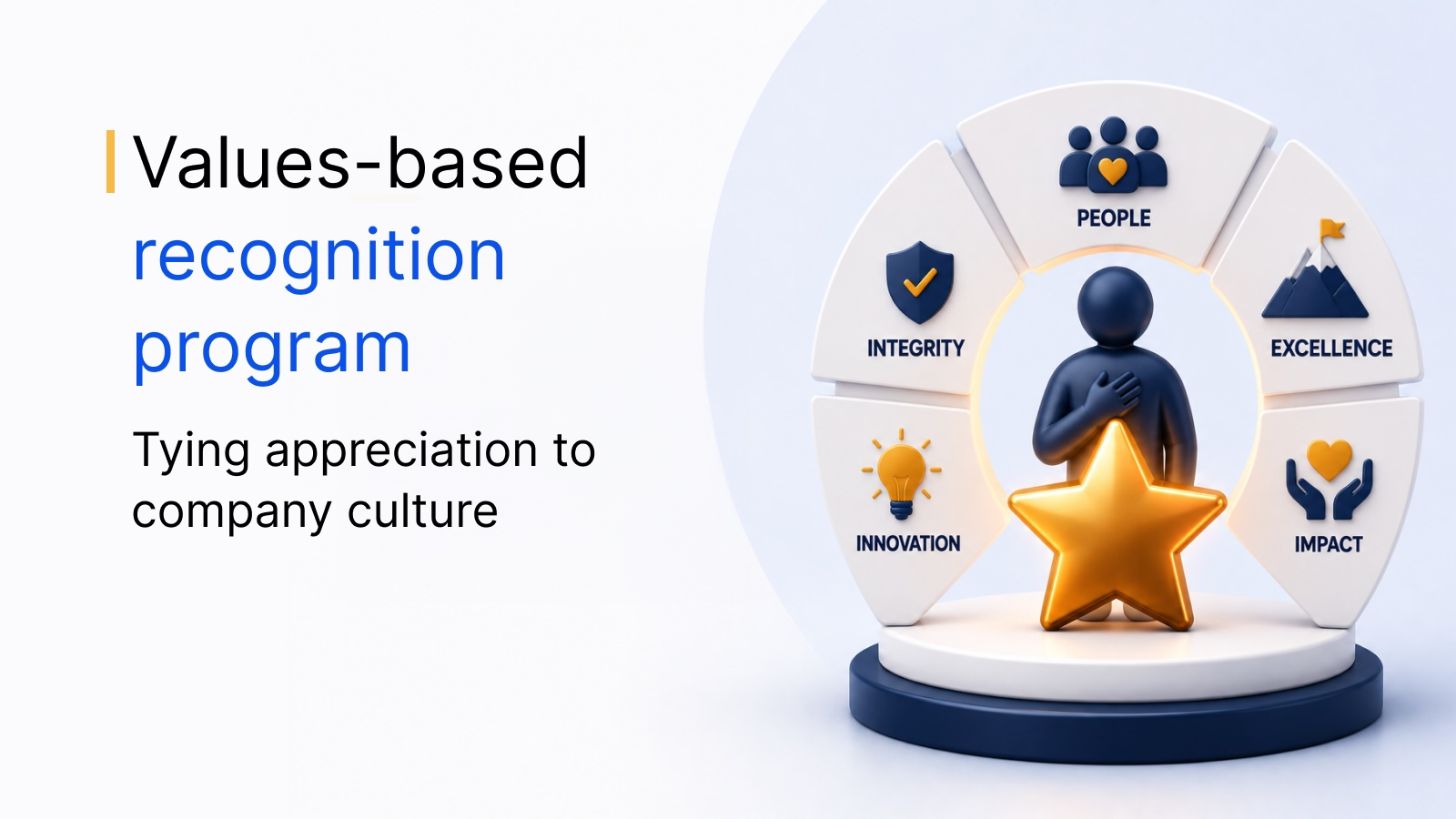
A simple rule helps: praise the behaviour and the team effort in public, discuss growth and feedback in private, and let employees control how visible their recognition is. A values-based recognition program also helps, because praise tied to shared company values feels fair rather than personal favouritism.
Run recognition that feels local in every country
Automate anniversaries and festivals, reward with local catalogs and reach every branch on mobile with Empuls.
Talk to our ExpertTrusted by 5,000+ companies
Recognition moments that matter locally
The recognition moments that matter most in Southeast Asia are personal milestones and major festivals, because they are social occasions that colleagues already celebrate together. Automating them means nobody is missed, even across hundreds of branches.
Work anniversaries and birthdays
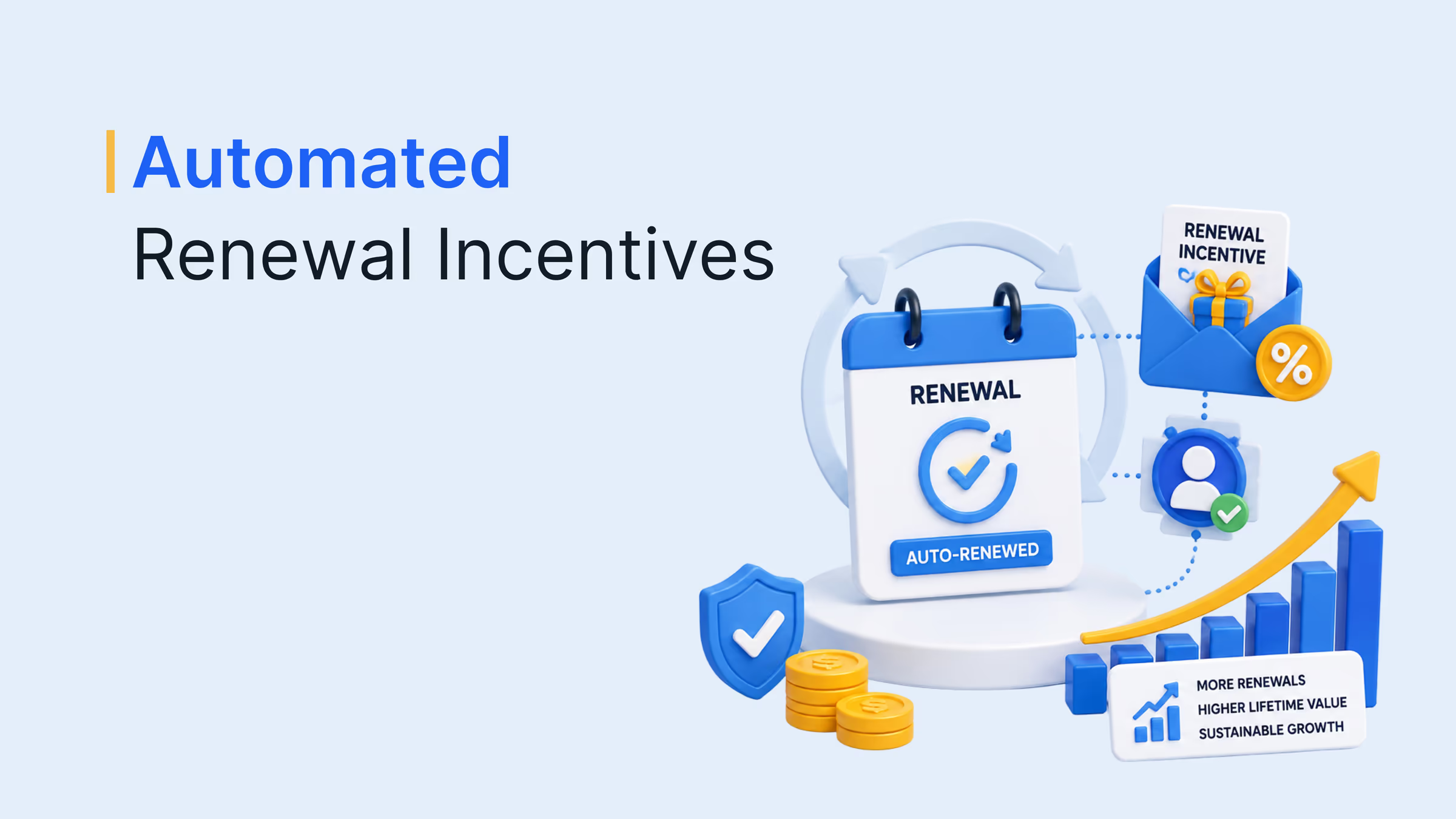
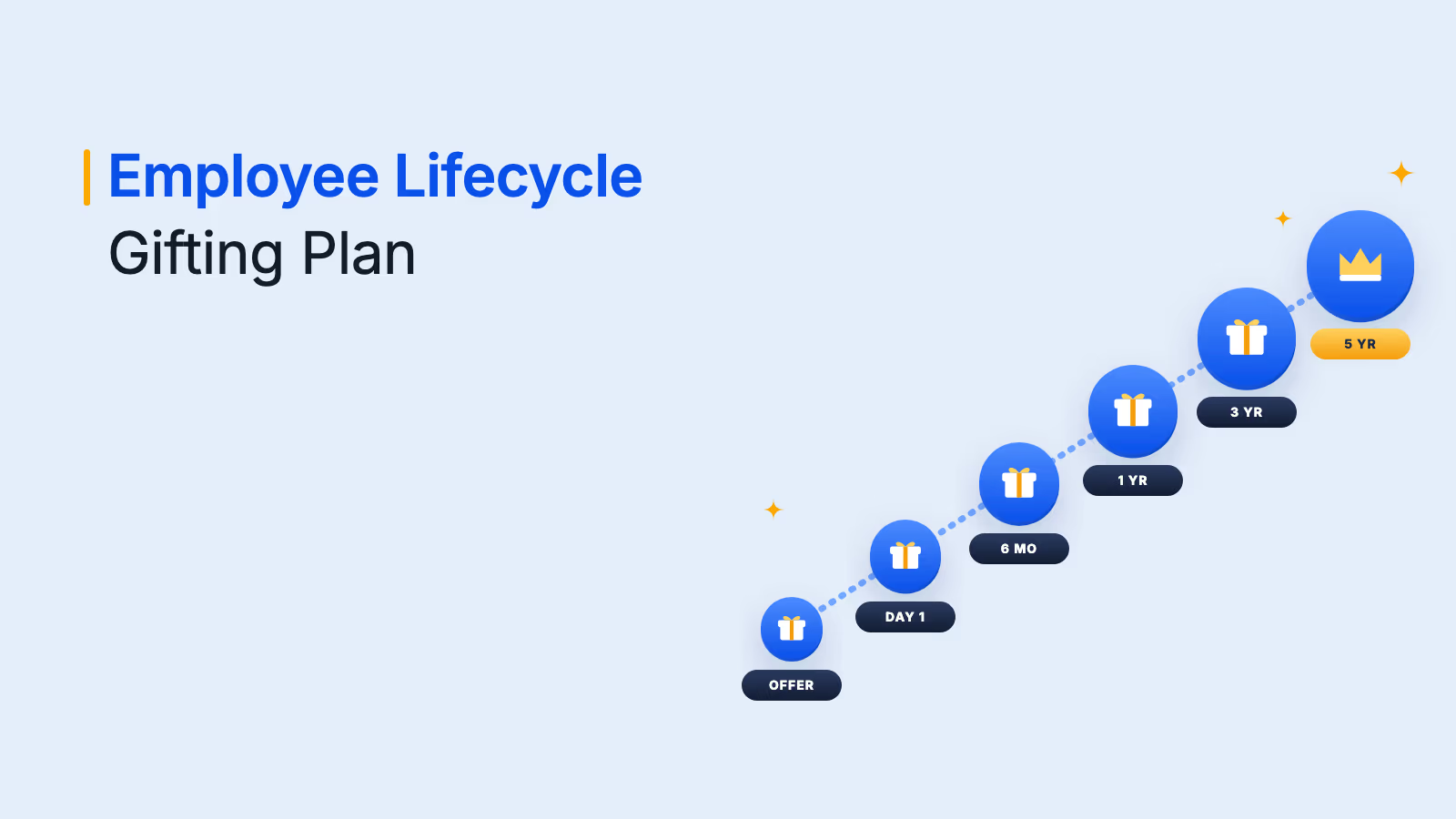
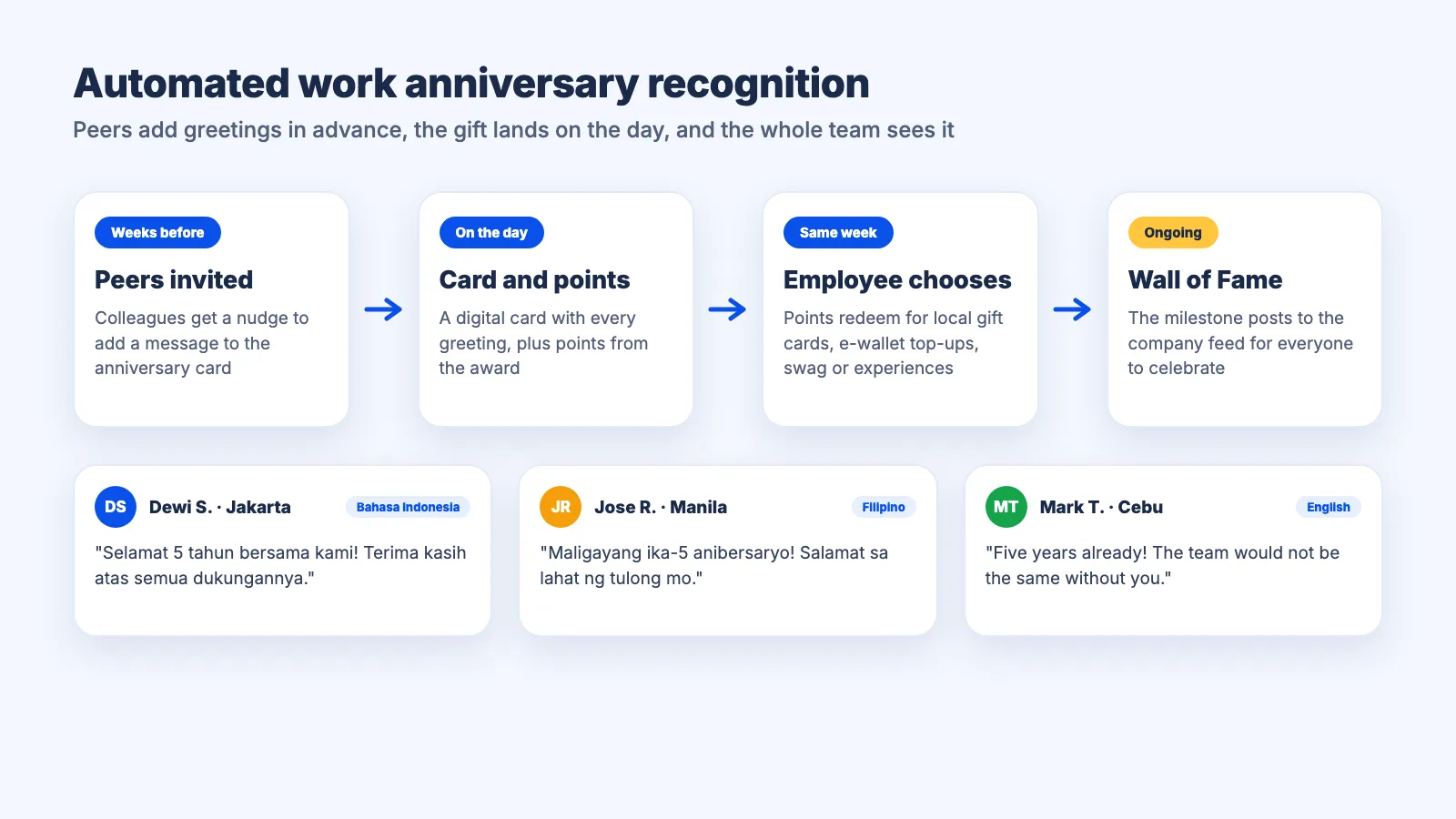
Work anniversary recognition is one of the easiest wins. When milestones are tracked manually, they are often missed, especially for frontline staff whose managers change frequently. Automate anniversary and birthday gifting from HR data, attach a digital greeting card that peers can sign, and send it on the day. For milestone years, add a certificate or a larger reward. The years of service awards guide covers tiers and budgets in detail.
Festivals and holidays
Festivals are the big shared moments of the year, and they come with statutory pay rules that your recognition program sits alongside, not in place of:
- Lebaran in Indonesia: Idul Fitri is the largest holiday of the year. Employers must pay the religious holiday allowance (THR). Under the Manpower Minister's 2025 circular, reported by Antara, workers with 12 continuous months of service receive one month's wage, those with at least one month receive a proportional amount, and THR must be paid in full at least 7 days before the holiday.
- Christmas in the Philippines: The Christmas season is long and widely celebrated. Employers must pay 13th month pay, at least one-twelfth of total basic salary earned in the year, to rank-and-file employees who worked at least one month, on or before December 24, as DOLE reminded employers in December 2025.
- Chinese New Year and other festivals: Lunar New Year matters to Chinese communities across the region, and Eid, Christmas, Nyepi, Vesak and Deepavali matter to different groups in different countries. Pick the festivals that matter to your workforce in each location, not only the head-office calendar.
Ideas for festival gifting at scale are in this employee gifting guide.
Rewards that work for teams in Indonesia and the Philippines
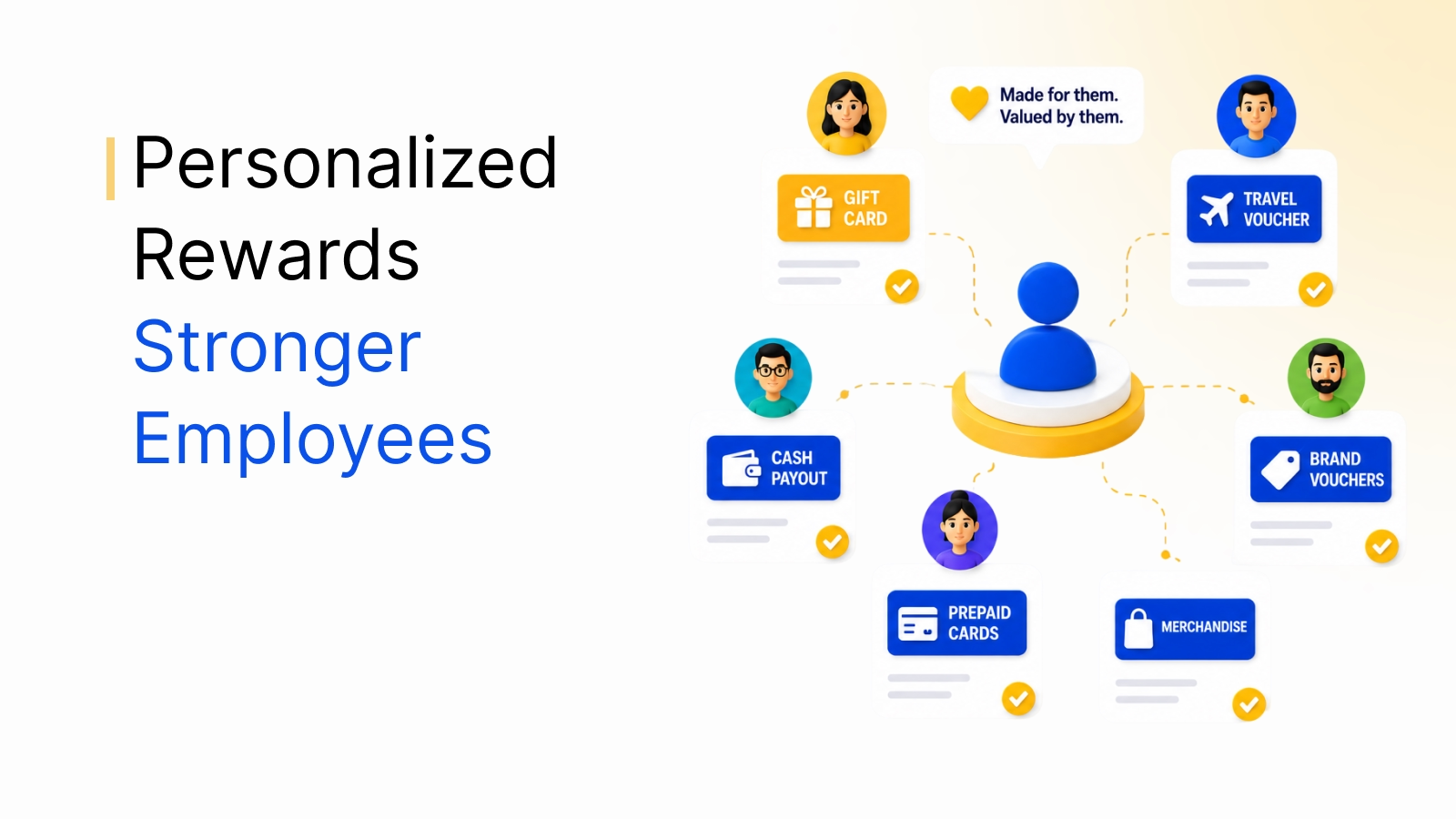
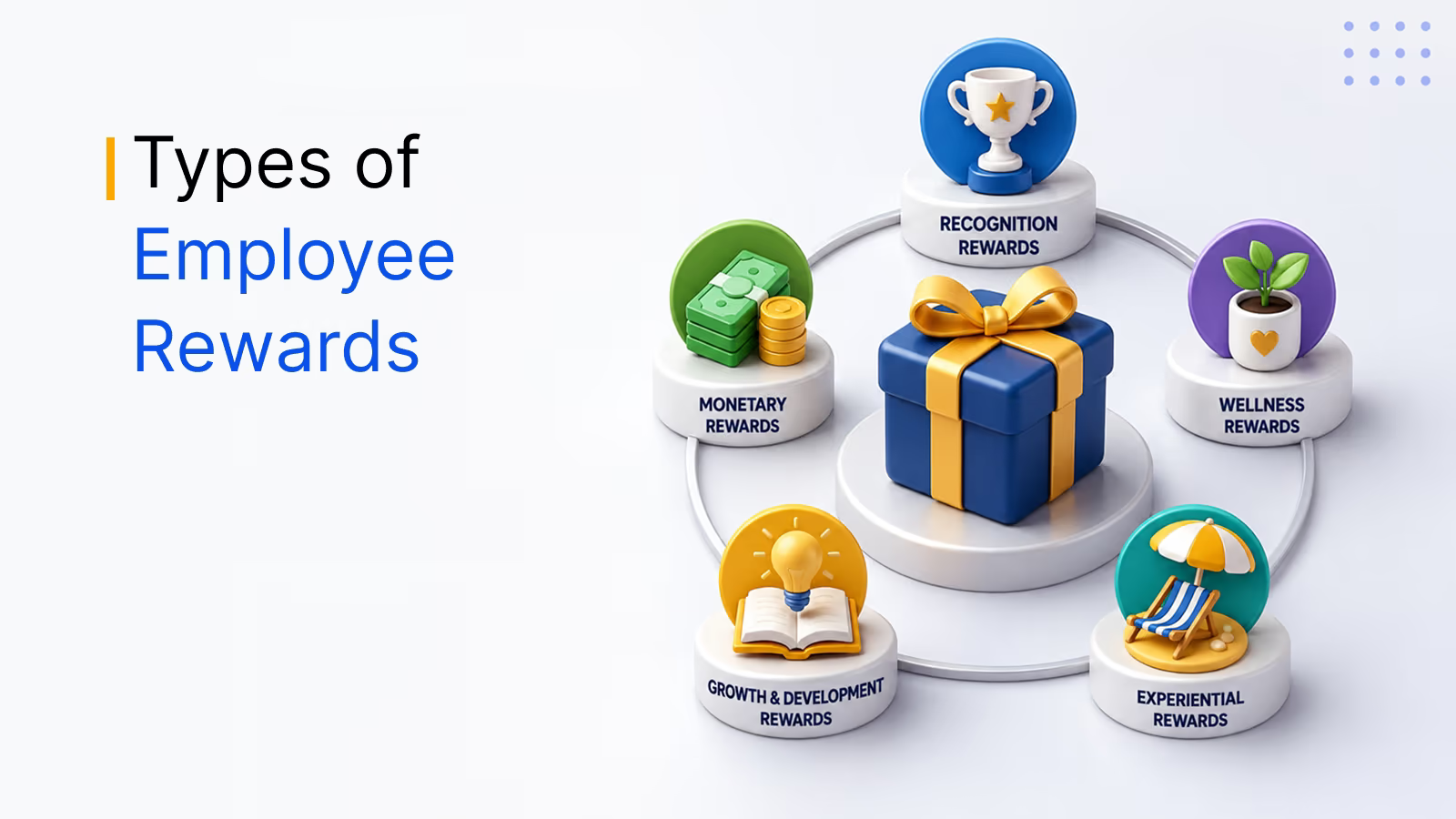
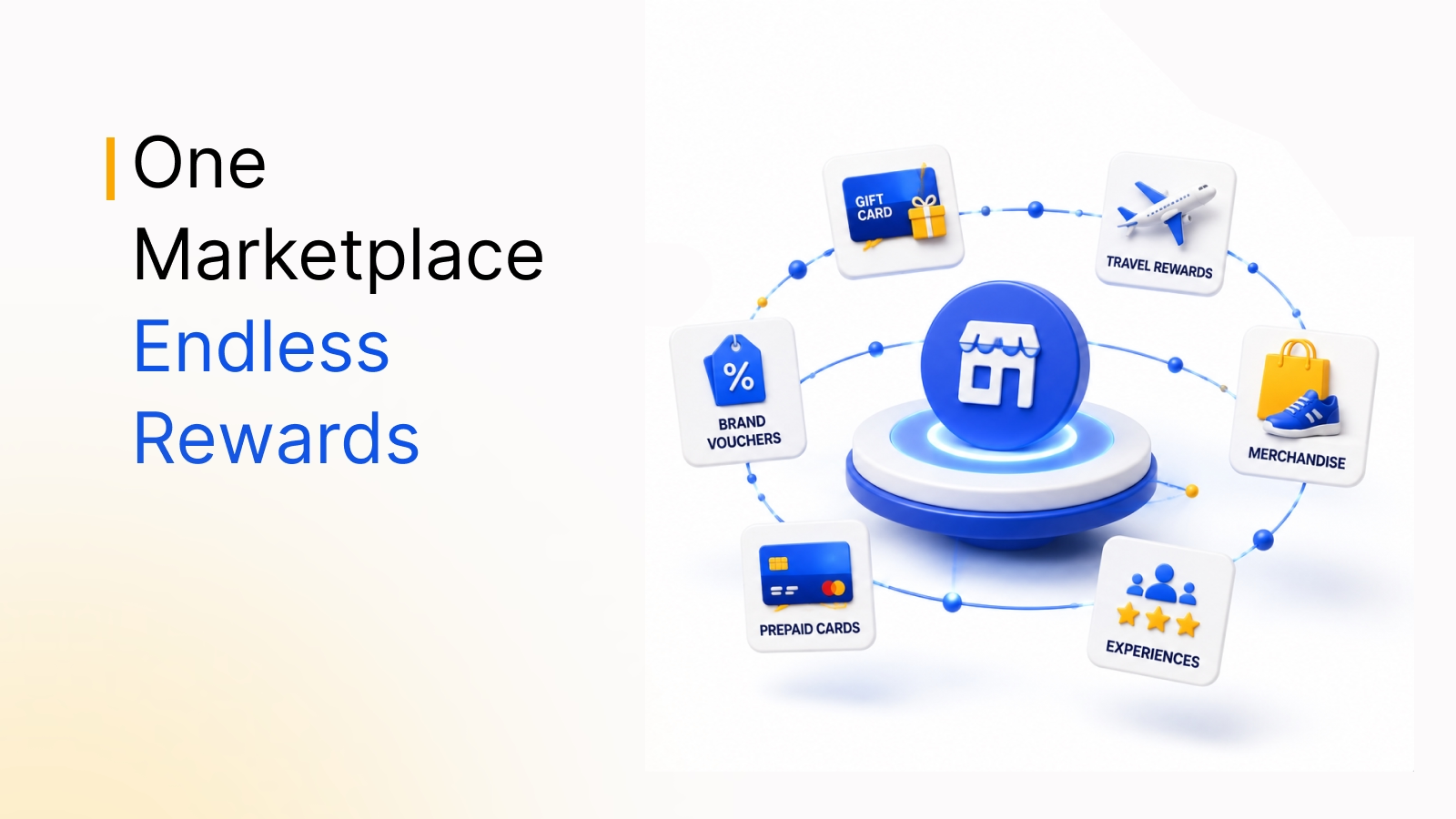
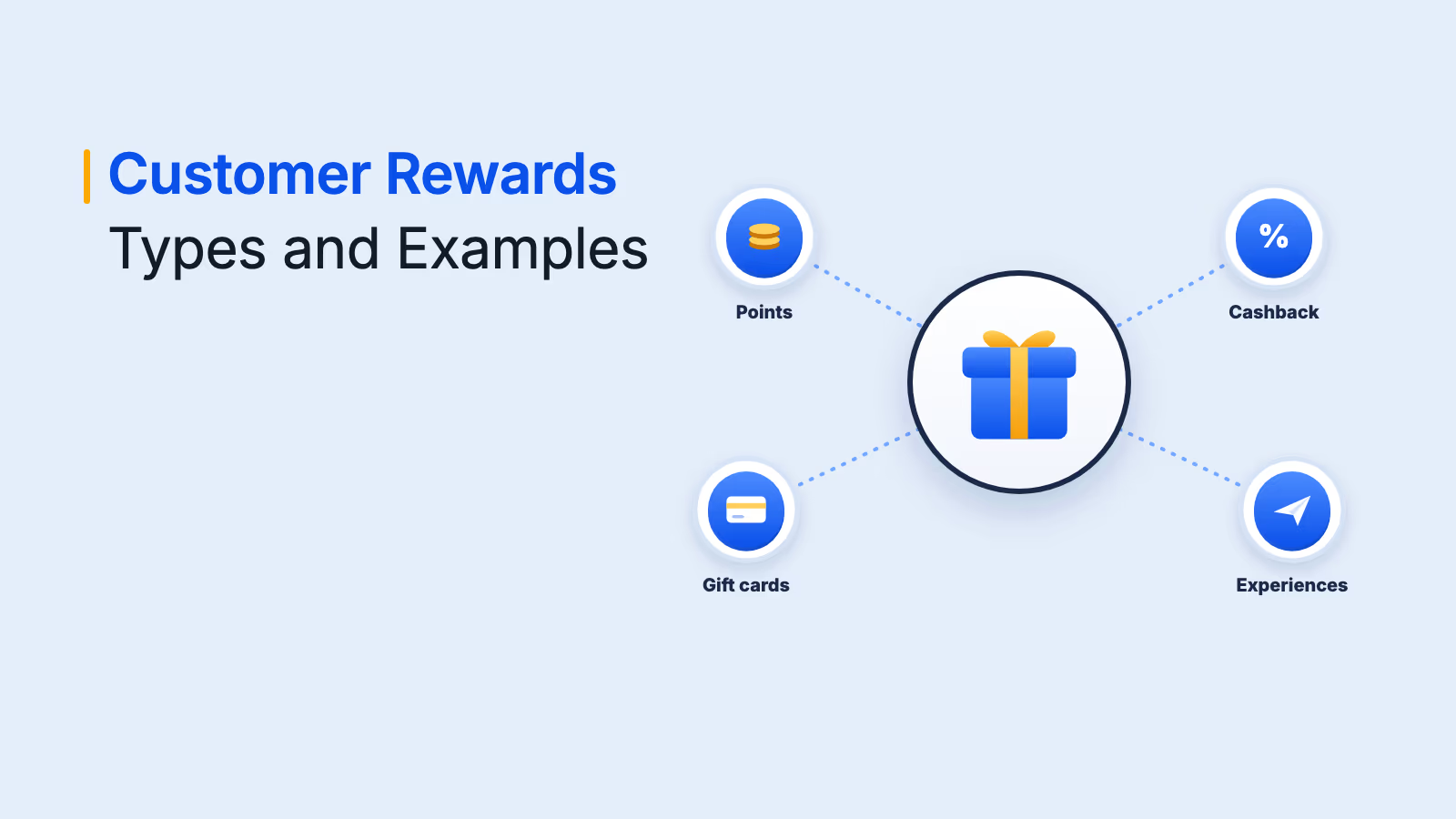
The rewards that work best for employee recognition in Indonesia and the Philippines are practical, local and flexible: digital gift cards for local retailers, mobile top-ups, branded merchandise, experiences and charity, ideally through points so employees choose for themselves.
- Local gift cards and vouchers: Supermarkets, food delivery, fashion, fuel and online marketplaces that employees already use. A voucher for a brand that has no outlets near a provincial branch is not a reward.
- Mobile top-ups and everyday essentials: Prepaid load, data and grocery vouchers are valued by frontline and field staff who rely on their phones for work and daily life.
- Merchandise and branded swag: Branded jackets, bags and drinkware build pride and visibility, especially for field teams who meet customers every day.
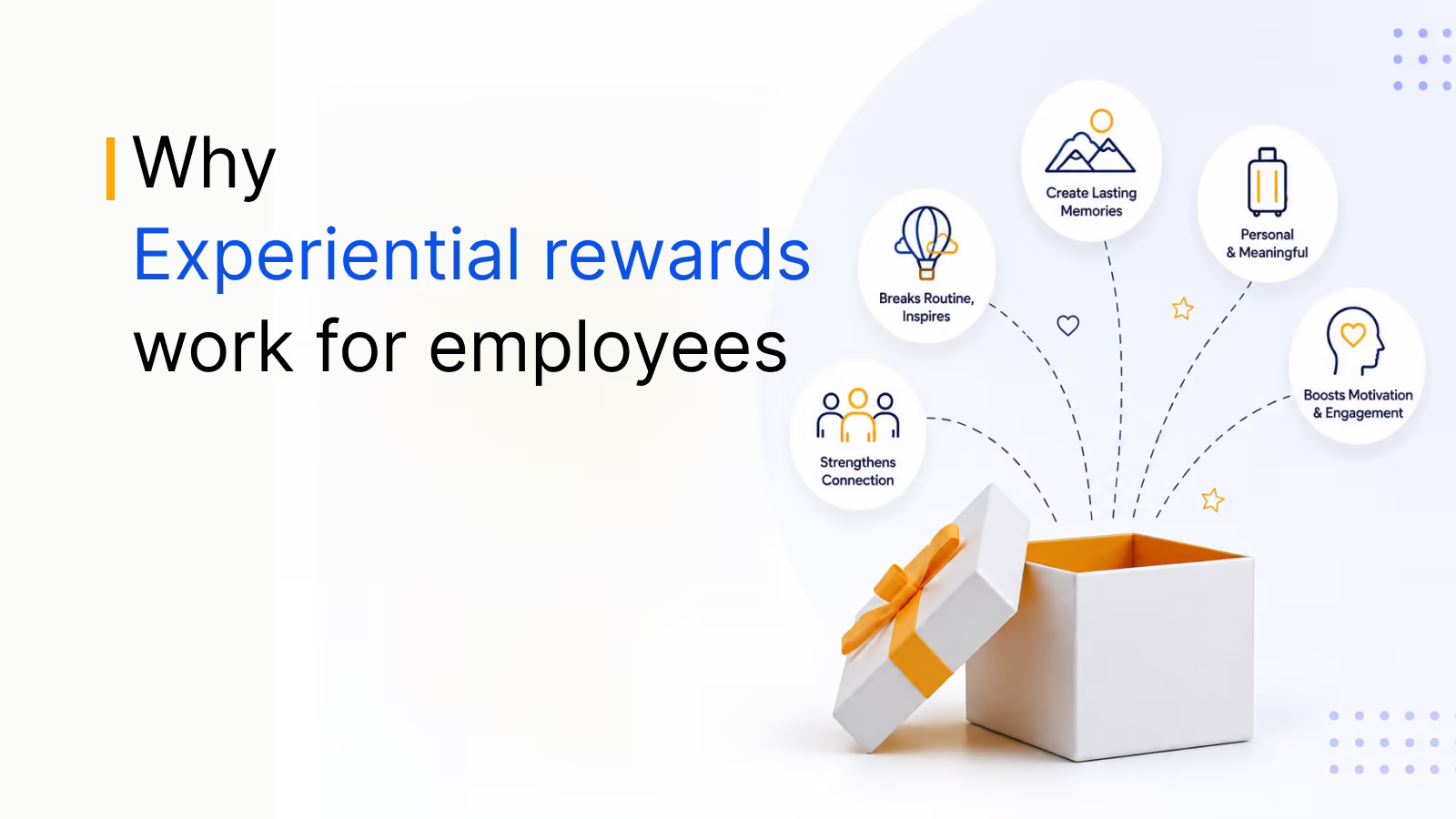
- Experiences: Meals, travel and leisure experiences make milestone and annual awards memorable.
- Charity: Some employees prefer to donate rewards to local causes, which fits well with the community spirit described above.
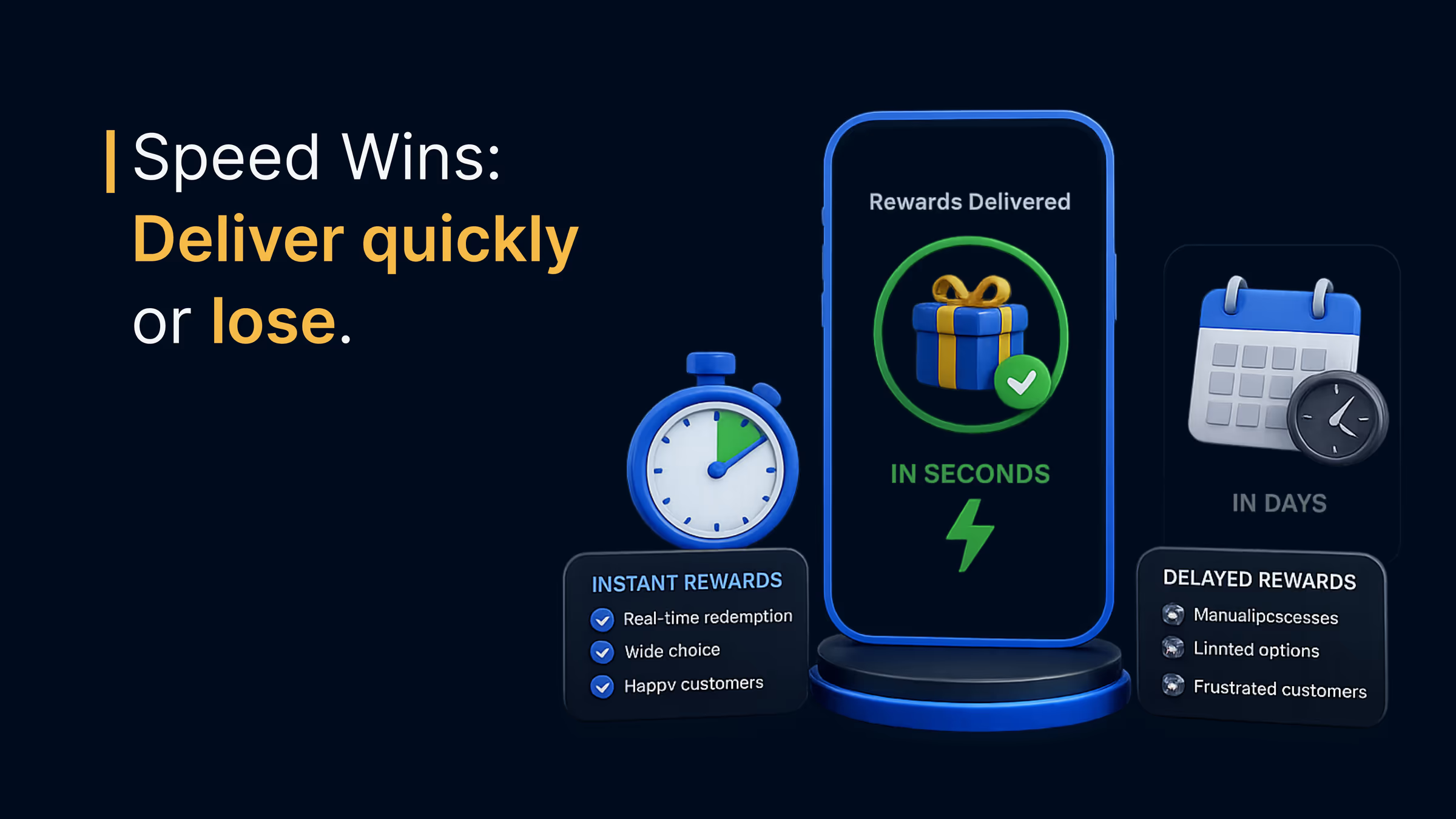
Points are the simplest way to offer all of this. A point-based reward system lets managers and peers give recognition in small amounts that add up, and lets each employee redeem for what matters to them. It also lets you set point values per country so rewards feel fair across markets.
A short note on compliance: tax treatment of non-cash rewards and gifts differs by country and changes over time. Agree with your payroll and tax advisers how rewards will be reported in each country before launch. This guide is not legal or tax advice.
Southeast Asia recognition at a glance
Use this table as a starting point when planning a multi-country rewards and recognition program for Indonesia and the Philippines. Confirm each year's holiday dates locally.
| Country | Key festive moments | Main languages at work | Statutory festive pay | Reward notes |
|---|---|---|---|---|
| Indonesia | Idul Fitri (Lebaran), Idul Adha, Christmas, Chinese New Year, Nyepi, Vesak | Bahasa Indonesia, plus regional languages and English in some offices | THR: one month's wage after 12 months of service, proportional after one month, paid in full at least 7 days before the religious holiday | Lebaran hampers and vouchers, mobile top-ups, local marketplace and grocery vouchers |
| Philippines | Christmas season, New Year, Holy Week, Eid for Muslim communities | Filipino and English, plus regional languages | 13th month pay: at least one-twelfth of annual basic salary, on or before December 24 | Christmas gifting, prepaid load, food and retail vouchers, experiences |
How to design a rewards and recognition program for Southeast Asia
Design a program for Southeast Asia by combining a shared structure across countries with local rewards, languages and calendars. These steps take you from blank page to launch:
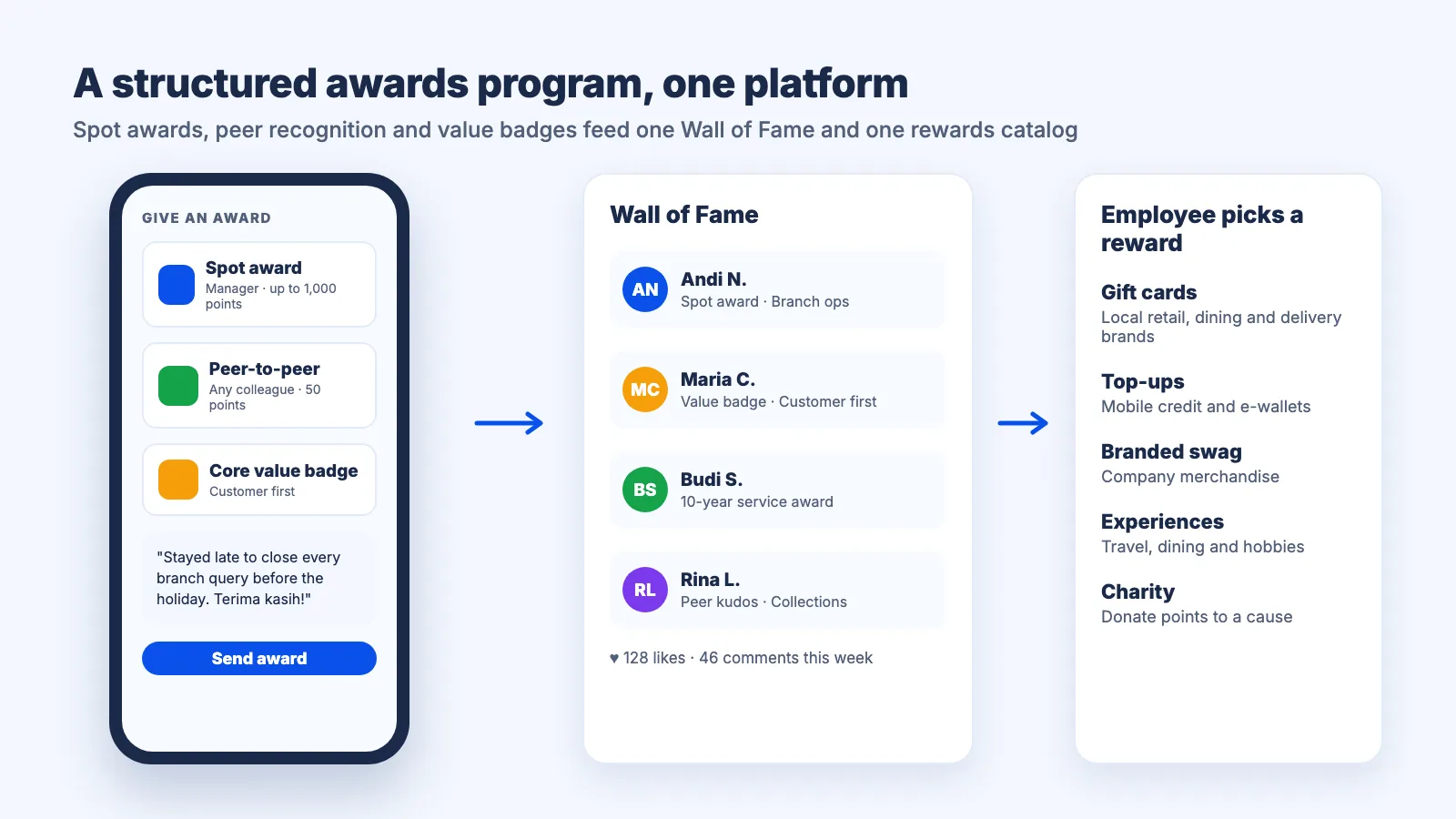
- Set up structured awards: Combine three layers. Spot awards let managers reward great work quickly, peer-to-peer recognition lets anyone thank a colleague, and core value badges tie every recognition to your values. Add a few formal awards, such as branch of the quarter, for bigger achievements. The peer-to-peer recognition guide explains how to make everyday thanks a habit.
- Automate anniversaries and birthdays: Connect the program to your HR system so work anniversary recognition and birthday gifts go out automatically, with digital greetings that colleagues can add to.
- Create a Wall of Fame: Give award winners and milestone achievers a digital space where the whole company can see and congratulate them. Let employees opt for private recognition if they prefer.
- Go multilingual and mobile: Offer the platform in local languages, with a mobile app and login that does not need a corporate email address, so branch, field and contact center staff can join.
- Plan budgets per country and currency: Set budgets in local currency, adjust point values for cost of living and make sure each country's catalog contains rewards people can redeem locally.
- Add the local calendar: Schedule festival campaigns for Lebaran, Christmas, Chinese New Year and other occasions that matter to each location.
- Train managers: Show managers how to give specific, culturally sensitive praise, how often to recognize and how to include quieter team members. Leaders should model recognition first.
- Measure and improve: Track participation, recognition frequency, redemption, coverage by branch and region, and the link with attrition and engagement scores. The guide to measuring employee recognition programs lists the core metrics.
Recognizing field sales teams in the region
Field sales teams in Southeast Asia need recognition that is as fast as their targets: daily or weekly visibility, leaderboards and instant rewards, alongside a transparent incentive plan. Recognition should celebrate behaviours such as customer care and compliance, while incentives pay for results.
For lending and consumer finance sales teams, the loan officer incentive plans guide explains how to balance volume, quality and compliance. To automate commission calculations and give reps real-time dashboards, see Empuls Sales Incentives.
How Empuls supports employee recognition in Southeast Asia
Empuls, Xoxoday's employee engagement platform used by 5,000+ companies, brings recognition, celebrations, rewards and communication together on one platform that works across countries, languages and devices. Here is how it maps to the design above:
- Structured awards: Empuls recognition covers peer-to-peer recognition, spot awards, nominations, jury awards and values-based recognition tied to your core values, with achievements celebrated on a Wall of Fame.
- Automated anniversaries and birthdays: Service awards send milestone rewards automatically, and peers' messages are compiled into a digital Yearbook the employee can view and download. Birthdays, anniversaries and life events appear on a wishboard where colleagues add greetings.
- Festive campaigns: Festive celebrations come with 50+ pre-loaded occasions and support custom occasions such as regional holidays, with audience targeting by location so each country receives the right gift.
- Local rewards: Reward points unlock 10M+ options across gift cards, experiences and merchandise, localized for 150+ countries in local currency, plus charity. A Cost of Living Index keeps reward values fair across geographies.
- Multilingual and mobile: The Empuls mobile app supports 50+ languages, and gifts can reach people through Slack, Microsoft Teams, email, the mobile app, SMS or WhatsApp. QR-based reward codes let supervisors recognize people on the floor or in the field.
- Connected to your stack: Empuls integrations connect HR systems and collaboration tools so employee data, anniversaries and recognition stay in sync.
Two published Empuls case studies show these pieces at work. A manufacturing and logistics organization with 20,000+ frontline employees took platform adoption from 24% to 83% in ten weeks with mobile OTP login, QR-based recognition, a multilingual platform and practical rewards such as grocery vouchers, fuel cards and mobile recharge credits. A global enterprise that replaced region-by-region programs with one platform and Cost of Living Index configuration saw manager participation rise from 21% to 59% and reward redemption from 44% to 79%.
Making recognition feel local everywhere
Employee recognition in Southeast Asia succeeds when it combines a consistent structure with local warmth: team-friendly praise, respect for seniority, the right festivals, rewards people can use near home and a phone-first experience in their own language.
Start with automated anniversaries and birthdays, add peer and spot recognition tied to your values, plan festive campaigns around the local calendar and measure participation by branch. Recognition then becomes something every employee in the region experiences, wherever they work.
Book your Empuls demo
Frequently asked questions
Workforces in Southeast Asia are often large, young, mobile-first and spread across many branches, with many frontline and field roles. Cultural norms favour team credit, respect for seniority and careful public praise. The calendar is shaped by festivals such as Lebaran, Christmas and Chinese New Year, and rewards need to be local, practical and available in local currency.
Be specific, warm and fair. Recognize team effort as well as individual results, and name the colleagues who helped. Let employees choose whether recognition is public or private, avoid praise that makes others look bad, and keep developmental feedback for private conversations. A short message from a senior leader often carries extra weight, so leaders should recognize people regularly.
No. THR in Indonesia and 13th month pay in the Philippines are statutory payments that employers must make on time and in full. They are not rewards for performance. Recognition should sit alongside them as a separate, positive gesture, such as festive greetings, small gifts or reward points, so employees do not confuse legal entitlements with appreciation.
Practical, local rewards tend to work best. Popular options include gift cards and vouchers for local supermarkets, food delivery and online marketplaces, mobile top-ups, branded merchandise, experiences and charity donations. Giving recognition as points lets each employee redeem for what matters to them, and setting point values per country keeps the rewards fair across markets.
Connect your recognition platform to the HR system so joining dates sync automatically. Configure rewards for each milestone year, attach a digital greeting card that peers can sign, and send it on the anniversary date through mobile, chat or email. Larger milestones can include a certificate, a bigger reward and a public post on a company Wall of Fame.
Track participation by country, branch and role, recognition frequency per employee, the share of managers who recognize their teams, reward redemption rates and budget utilization. Then compare attrition and engagement survey scores for teams with high and low recognition. Reviewing the data by location shows where the program is not reaching frontline or field staff.