Key Takeaways
Employee recognition for engineers works when it is specific, peer-driven and delivered inside Slack, Teams and other tools engineers already use.
Recognize invisible work such as code reviews, incident response, mentoring, documentation and tech debt cleanup, not just shipped features.
Recognition data can reveal real skills and expertise across the team, and recognition gaps show where distributed engineers are being overlooked.
Offer a choice of rewards engineers value, such as learning, gear, experiences, time off and charity, and recognize on-call and launch effort promptly.
Measure participation, distribution, category mix, time to recognition and redemption, then link them to engagement and retention.
Employee recognition for engineers works when it is specific, peer-driven and delivered where engineers already work, such as Slack, Microsoft Teams and pull request threads. It falls flat when it looks like a generic "great job" email or a quarterly award that only the most visible people win. The best programs recognize the invisible work that keeps systems running (code reviews, incident response, mentoring, documentation and tech debt cleanup), not just shipped features.
This guide covers why standard recognition misses the mark with engineering teams, what to recognize, how to build peer recognition in Slack and Teams, how to keep it fair across time zones, which rewards engineers value, how recognition connects to burnout and what to measure. It closes with how Empuls supports a developer recognition program at scale.
Why generic employee recognition for engineers falls flat
Generic recognition fails with engineers because it rewards visibility instead of impact, and engineers notice the difference immediately. A company-wide shout-out for "the launch team" says little to the developer who spent two weeks fixing the flaky test suite that made the launch possible.
Engineers are motivated by autonomy, craft and solving hard problems. The Stack Overflow Developer Survey 2025 found that the top factors in developer job satisfaction are autonomy and trust to manage their own tasks, competitive pay and benefits, and solving real-world problems. Recognition that ignores those values, or that feels like a box-ticking exercise from HR, gets read as noise.
Satisfaction is also fragile. In the same 2025 survey, only 24.5% of developers described themselves as happy at work, 47.1% as complacent and 28.4% as not happy. A year earlier, the 2024 survey found that the amount of technical debt was the top frustration at work for 62.4% of respondents. Much of the work that fights that debt is exactly the work generic programs never see.
There are three common failure patterns:
- Feature-only recognition: Awards go to whoever demos the new feature, while the engineers who reviewed, tested, documented and stabilized it go unnamed.
- Vague praise: "Thanks for your hard work" carries no information. Engineers value recognition that names the specific decision, fix or tradeoff and explains why it mattered.
- Top-down only: Managers rarely see the details of a code review or a late-night debugging session. Peers do, so programs that rely only on managers miss most of the signal.
The cost of getting this wrong is real. Gallup and Workhuman research published in 2024, which tracked nearly 3,500 employees from 2022 to 2024, found that well-recognized employees were 45% less likely to have changed organizations after two years. Yet only 22% of employees said they get the right amount of recognition for their work. For a team where replacing a senior engineer can take months, that gap matters. For a wider view of the sector, see our guide to employee engagement in the IT industry.
Employee recognition for engineers beyond shipped features
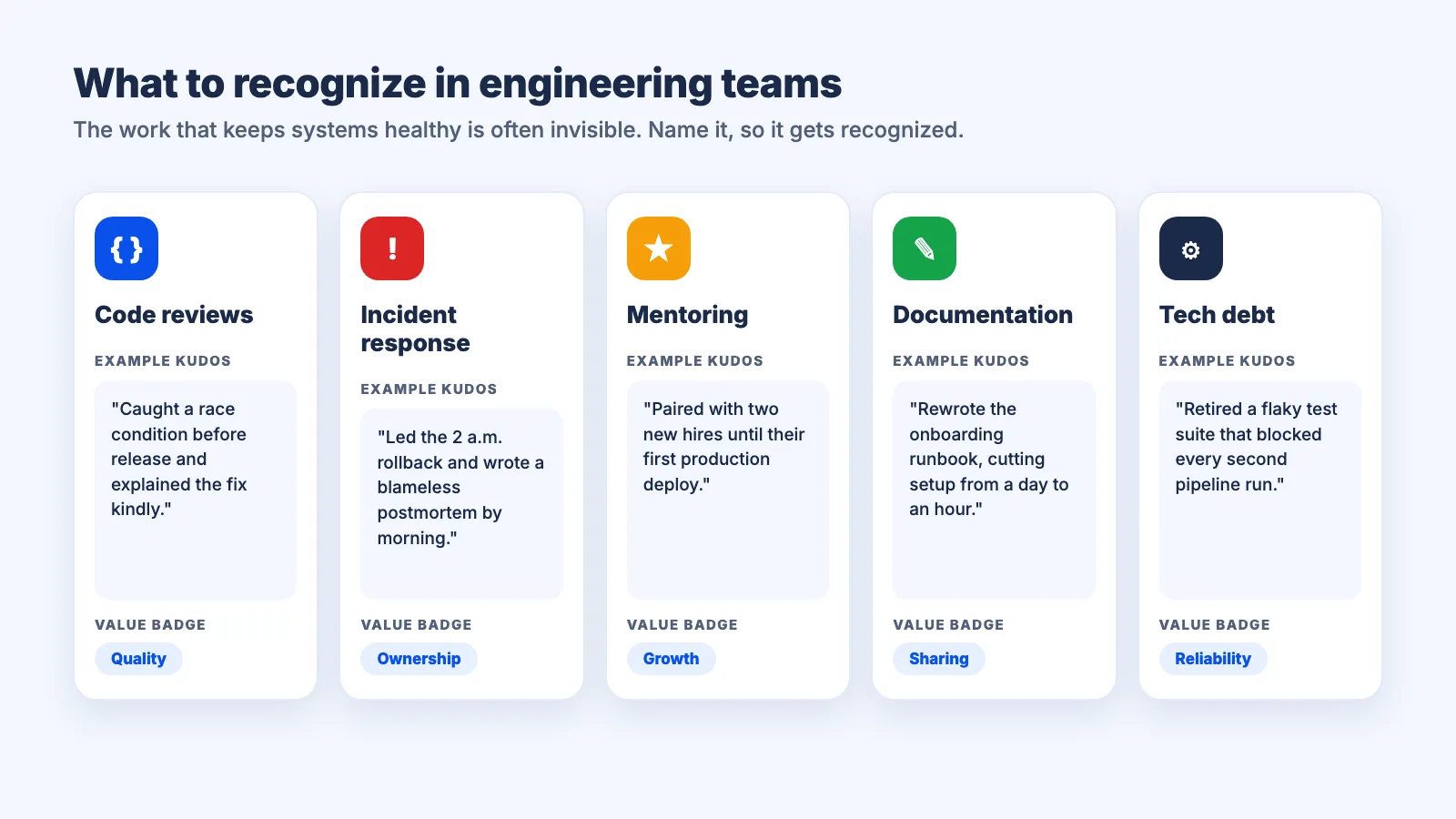
The best engineering team recognition ideas target the work that prevents problems, multiplies other people's output or pays down future cost. Shipping matters, but it sits on top of a lot of quieter effort. Here are five categories worth building into your program.
Code reviews
Thoughtful reviews catch bugs, spread knowledge and raise the quality bar for the whole team, yet they rarely appear in performance conversations. Recognize reviewers who leave clear, kind and educational comments, who unblock teammates quickly, or who caught an issue that would have caused an outage. A short note such as "Your review on the payments refactor caught the race condition before it hit production" tells the reviewer and the team exactly what good looks like.
Incident response
When production breaks, the engineers who respond, communicate calmly and write an honest postmortem protect customers and revenue. Recognize the full arc: the person who triaged at 2 a.m., the one who kept stakeholders updated, and the one who wrote the follow-up that stopped it from happening again. Blameless postmortem culture pairs well with recognition, because it rewards learning instead of hiding mistakes.
Mentoring and onboarding
Senior engineers who pair with juniors, answer questions in public channels and help new hires make their first commit are multiplying the team's output. This work is easy to overlook because its results show up in someone else's code. Recognize it explicitly, and consider a dedicated award for mentorship so it becomes a visible career signal rather than unpaid overtime.
Documentation and knowledge sharing
Good runbooks, architecture decision records, README updates and internal tech talks save hours for everyone who comes after. Recognize engineers who document a tricky system, record a walkthrough or clean up an outdated wiki page. These contributions compound quietly, and recognition is one of the few ways to make them visible.
Tech debt and reliability work
Refactoring a brittle module, upgrading a dependency, cutting build times or removing a feature flag graveyard rarely gets applause, yet it is what lets teams move faster next quarter. Given how many developers name technical debt as their top frustration, recognizing the people who reduce it is one of the clearest signals that leadership values long-term quality over short-term output.
Bring recognition into Slack and Teams
Let engineers recognize peers in the flow of work, with AI insights and a global rewards catalog from Empuls.
Talk to our ExpertTrusted by 5,000+ companies
Peer recognition in Slack and Teams: recognition in the flow of work
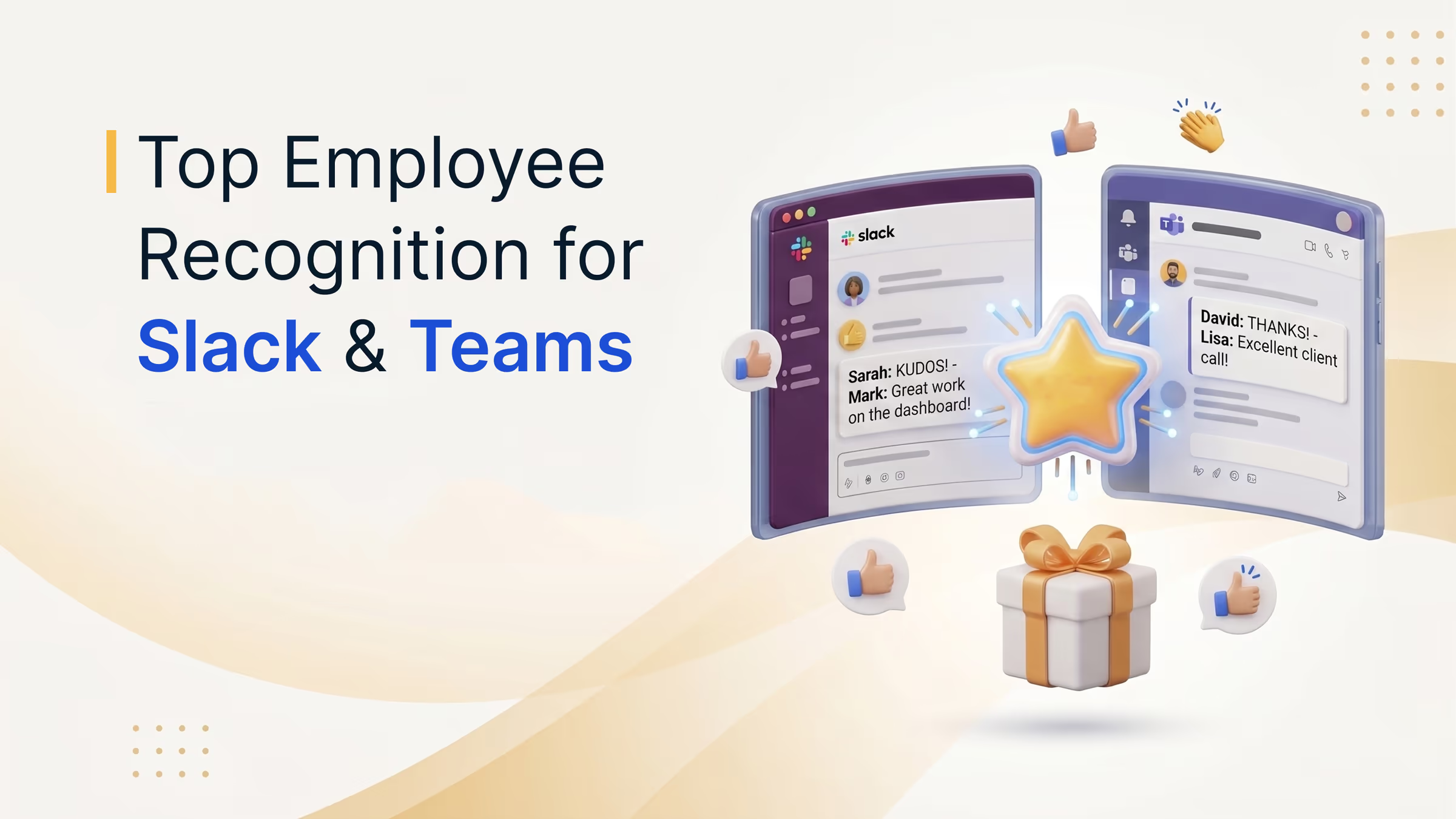
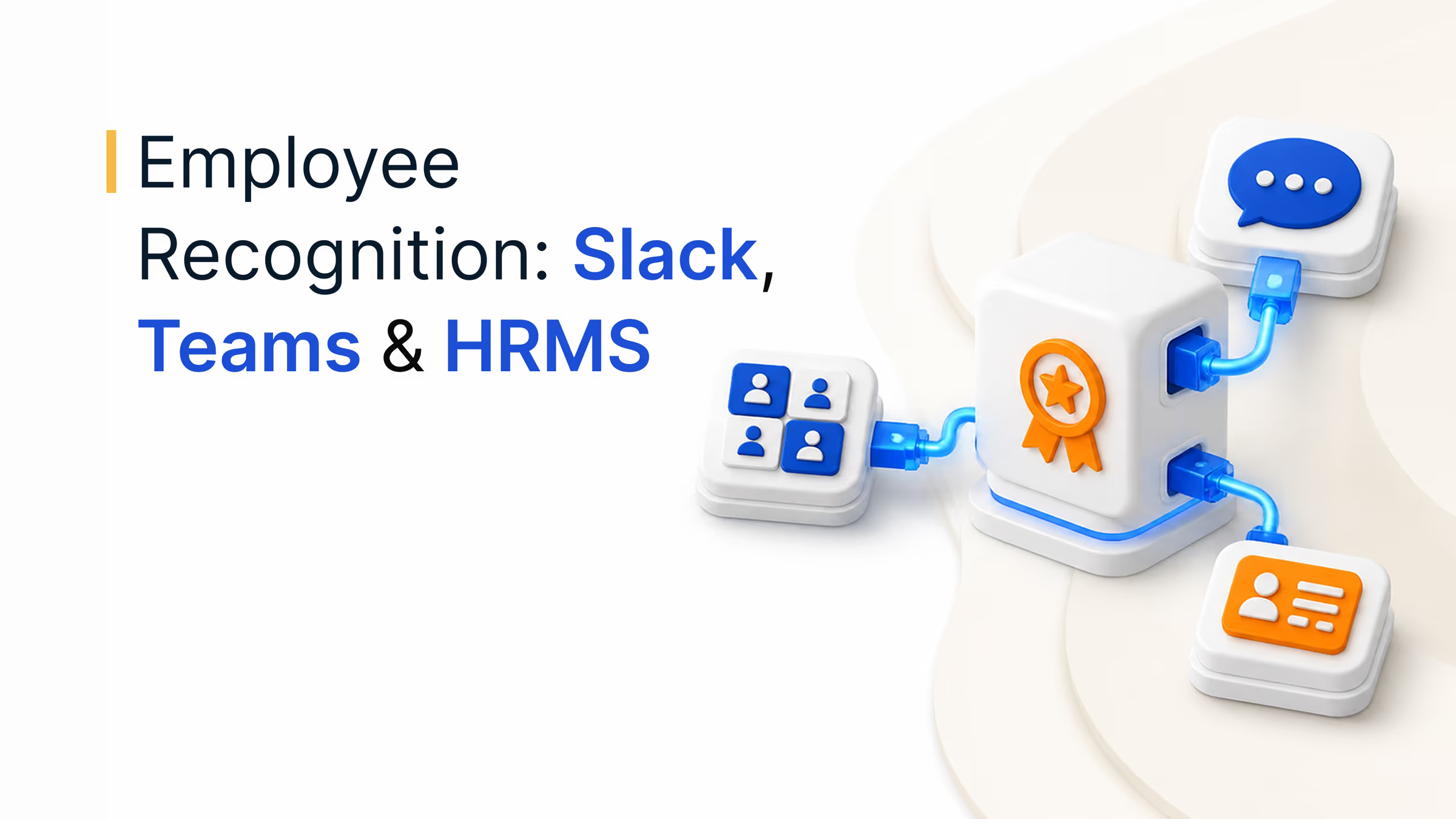
Recognition in the flow of work means engineers can appreciate each other in the same tools where they write, review and discuss code, without opening a separate app. For most engineering teams, that means peer recognition in Slack or Microsoft Teams, connected to a recognition platform that tracks points, values and history in the background.
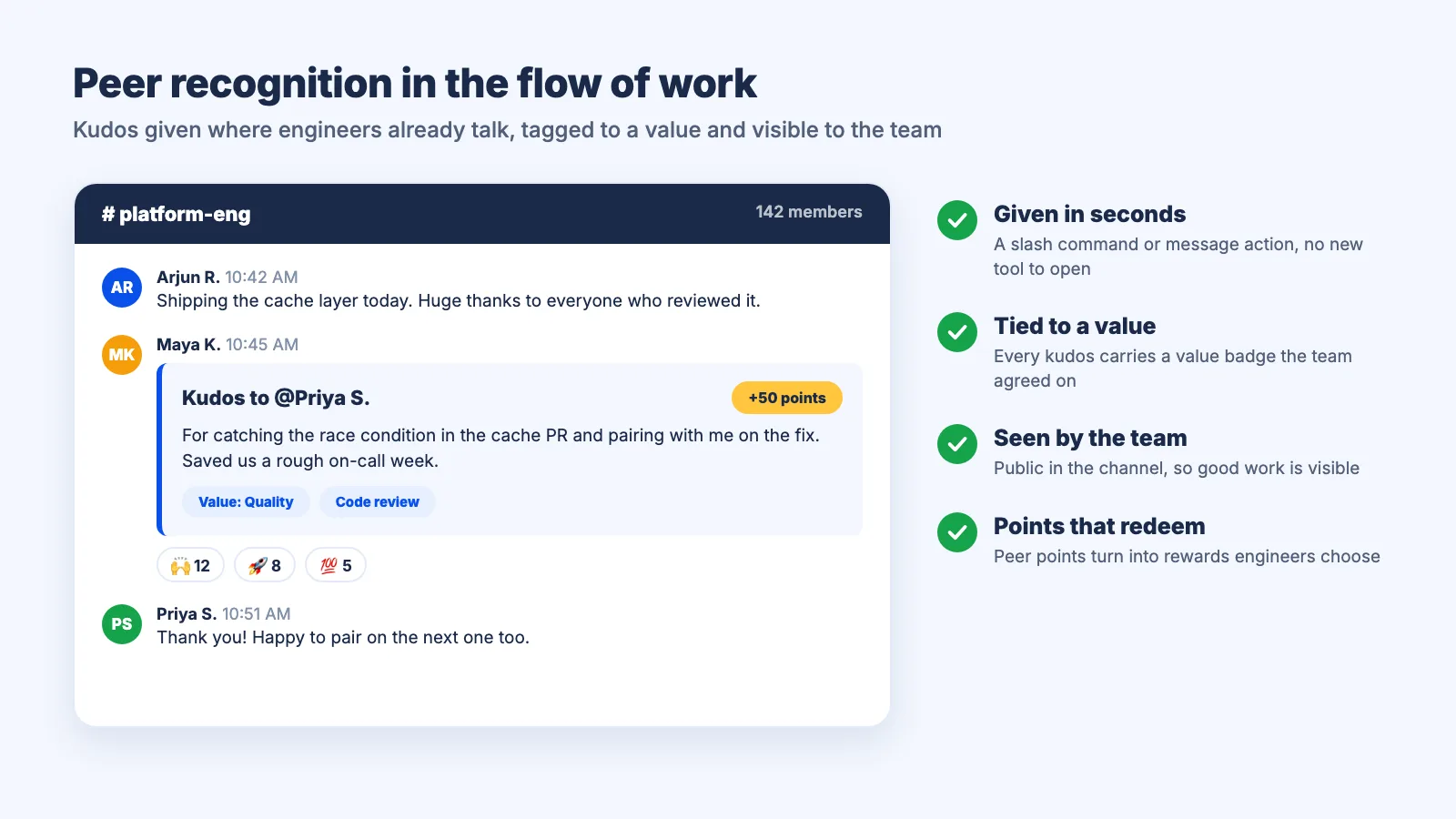
Context switching is expensive for developers. If giving kudos requires logging into an HR portal, most people will not bother, however much they appreciate a teammate. When recognition is a quick command or message action inside the channel where the work happened, it takes seconds and lands while the moment is still fresh. Our comparison of recognition software for Slack and Microsoft Teams covers what to look for in these integrations.
A few practices make in-flow recognition work for engineers:
- Post recognition in team channels: Public kudos in a team or incident channel give context, so others learn what good work looks like and can add their own thanks.
- Keep it specific: Encourage a one-line "what and why", such as the pull request, ticket or incident it relates to. Specific praise is more credible to engineers than adjectives.
- Make it peer-to-peer by default: Give every engineer a small monthly points budget to award colleagues. Peers see far more of the daily work than managers do. Our guide to peer-to-peer recognition explains how to set budgets and rules.
- Log weekly accomplishments: A short weekly prompt asking engineers to note what they shipped, fixed, reviewed or unblocked gives managers a running record of wins. It surfaces quiet work that would otherwise be forgotten by review season, and it gives managers a reason to recognize people promptly.
- Connect recognition to rituals: Add a two-minute kudos round to sprint retros, demo days or the weekly engineering sync, and let the in-chat recognitions feed it.
This approach also suits remote and hybrid teams. The Stack Overflow 2025 survey found that 32.4% of developers work fully remotely, with many more on hybrid or flexible arrangements, so for a large share of engineers the chat tool is effectively the office.
Using recognition data for skill insights
Every recognition message is a small, structured record of who did what, which skill they used and which value it reflected. Aggregated over months, that data shows where expertise actually sits in your engineering organization, often more accurately than self-reported skill profiles or annual reviews.
If one engineer keeps getting thanked for Kubernetes help, database tuning or accessibility reviews, that is a strong signal of real expertise and of the person others rely on. AI tools can now read recognition messages, tag the skills mentioned and build a live picture of team capabilities. Engineering leaders can use it to:
- Staff projects: Find the people with proven experience in a technology before a new initiative starts.
- Spot single points of failure: If all the recognition for a critical system goes to one person, you have a bus factor problem worth fixing with pairing and documentation.
- Plan learning: Identify skills the team needs more of and route learning budgets accordingly. See how to link learning and development to engagement.
- Support career conversations: Give managers concrete examples of impact when discussing promotions, especially for engineers whose work is more about enabling others than shipping features.
Treat these insights as a starting point for conversation, not as a performance score. Recognition data reflects who is visible to peers, and some excellent engineers are quieter than others.
Keeping engineering team recognition fair across distributed teams
Fair recognition means everyone's contributions have an equal chance of being noticed, wherever they sit and whatever hours they work. In distributed engineering teams, recognition naturally concentrates around headquarters, the manager's time zone and the most vocal people in meetings, so fairness has to be designed in.
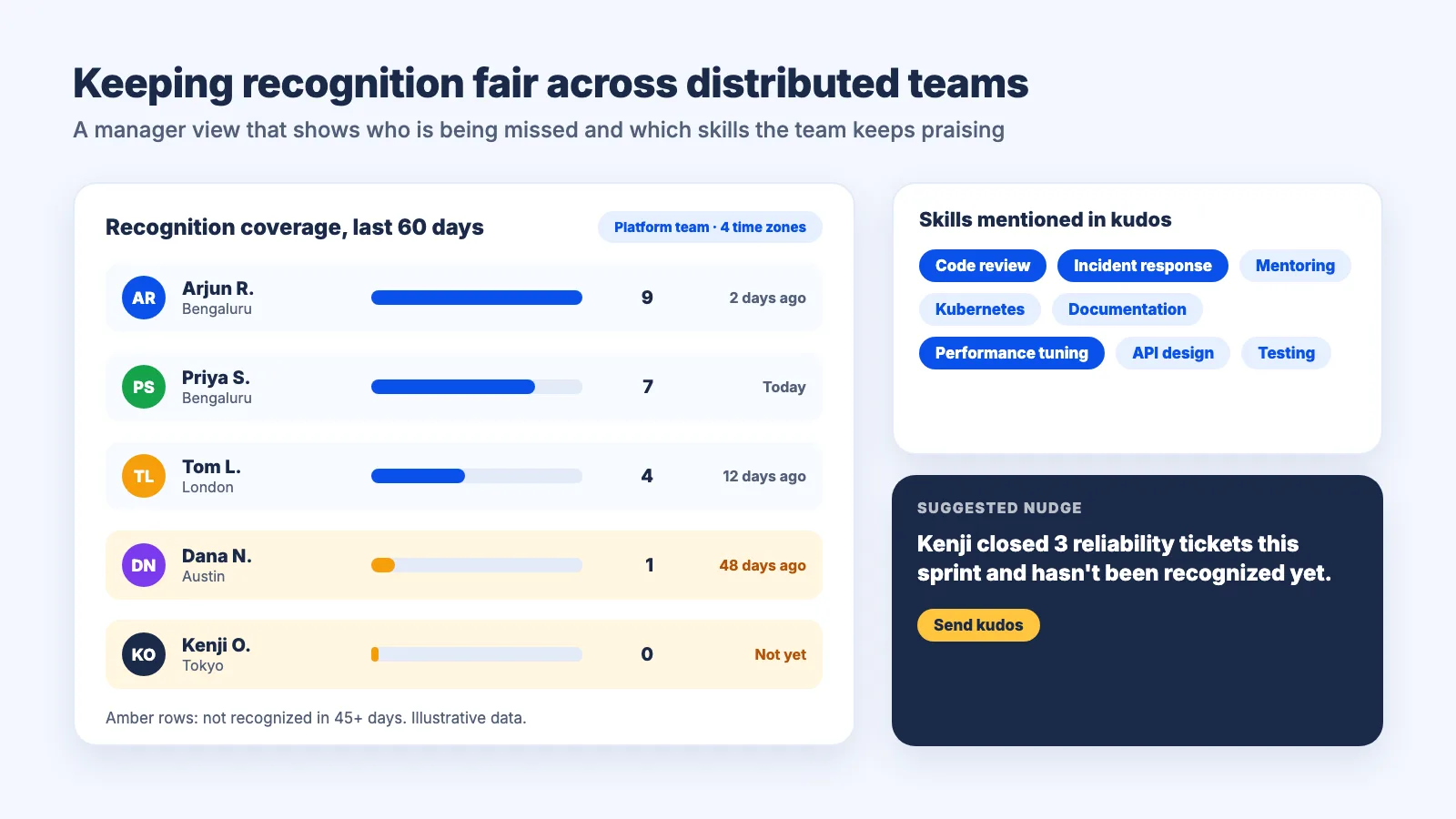
Start by looking for recognition gaps. Compare recognition received across teams, locations, levels, tenure and demographic groups. If backend engineers in one region receive a third of the kudos of their peers elsewhere while doing comparable work, something in the system is filtering them out. Our guide on how to prevent bias in recognition programs covers the common causes in detail.
Then fix the mechanics:
- Use asynchronous recognition: Chat-based kudos work across time zones because no one needs to be in the same meeting to give or receive them.
- Rotate rituals: If you run a live kudos round, rotate the meeting time so the same region is not always joining at midnight, or record it.
- Equalize budgets: Give peer points budgets to every engineer, not just to managers or headquarters staff.
- Watch for the under-recognized: Have managers review a monthly list of team members who have received little or no recognition and check whether their work is being missed.
- Localize rewards: A reward that is easy to redeem in one country can be useless in another. A global catalog with local currency and brands keeps rewards equally valuable for everyone.
Rewards engineers actually value
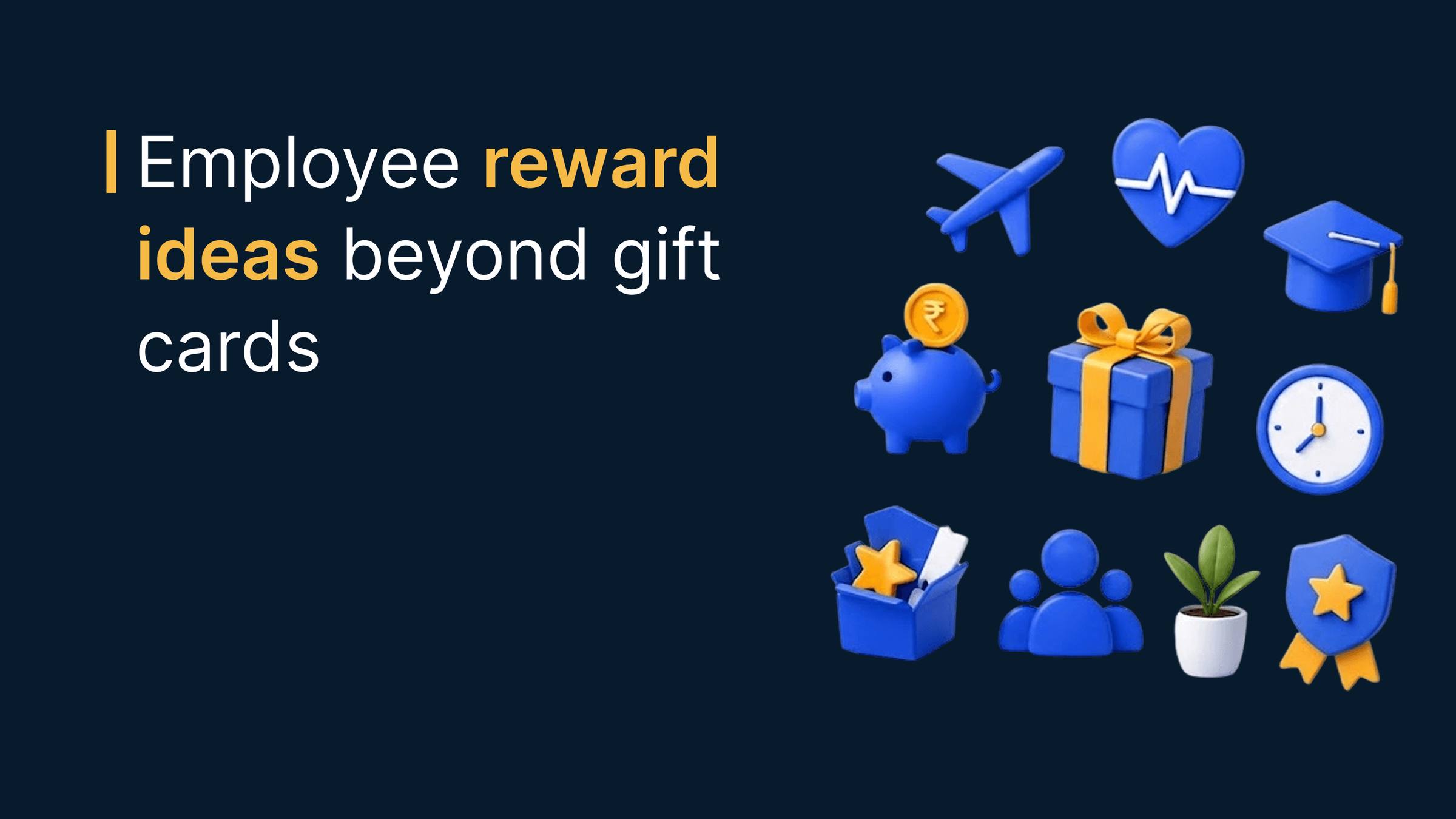
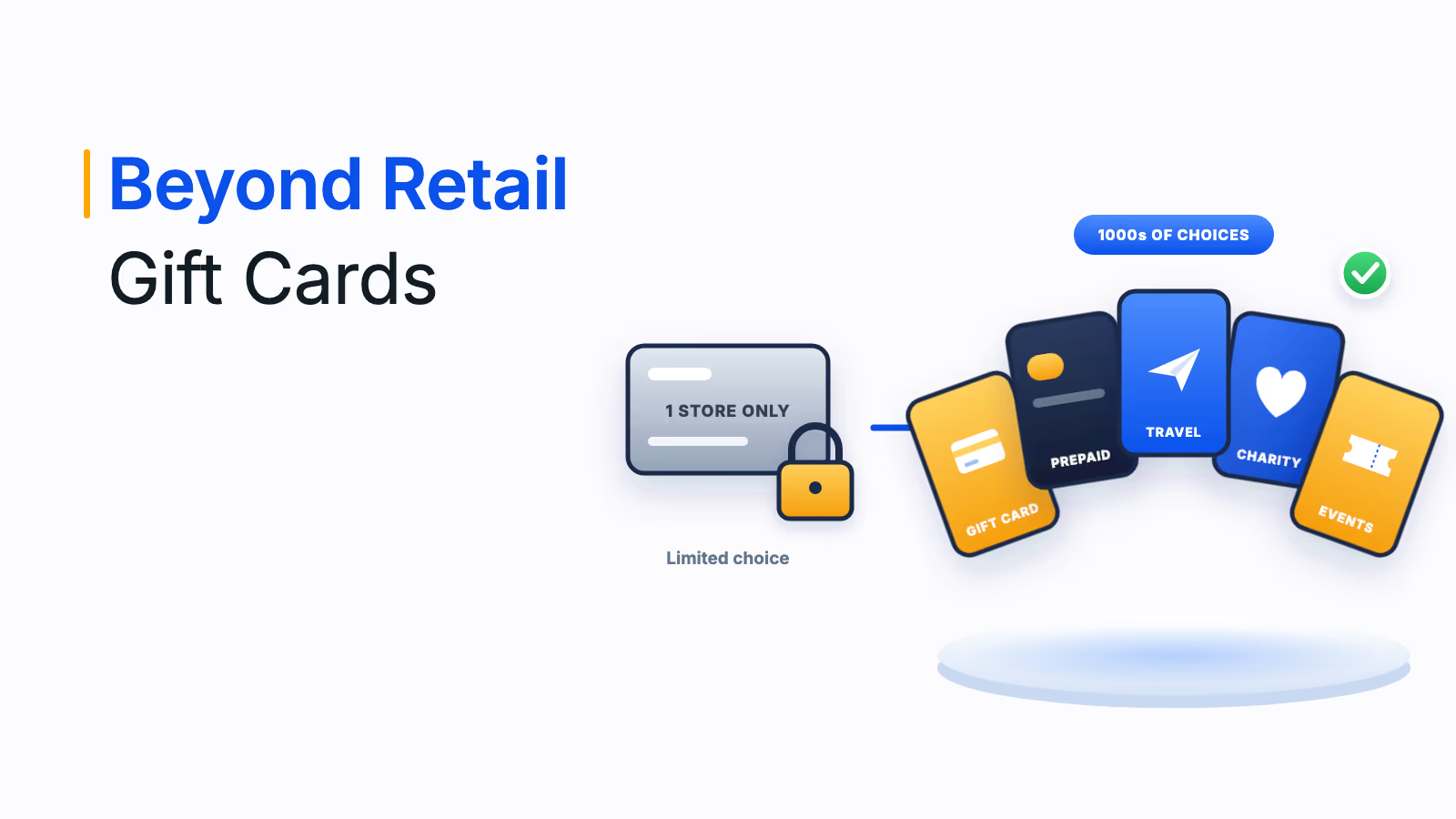
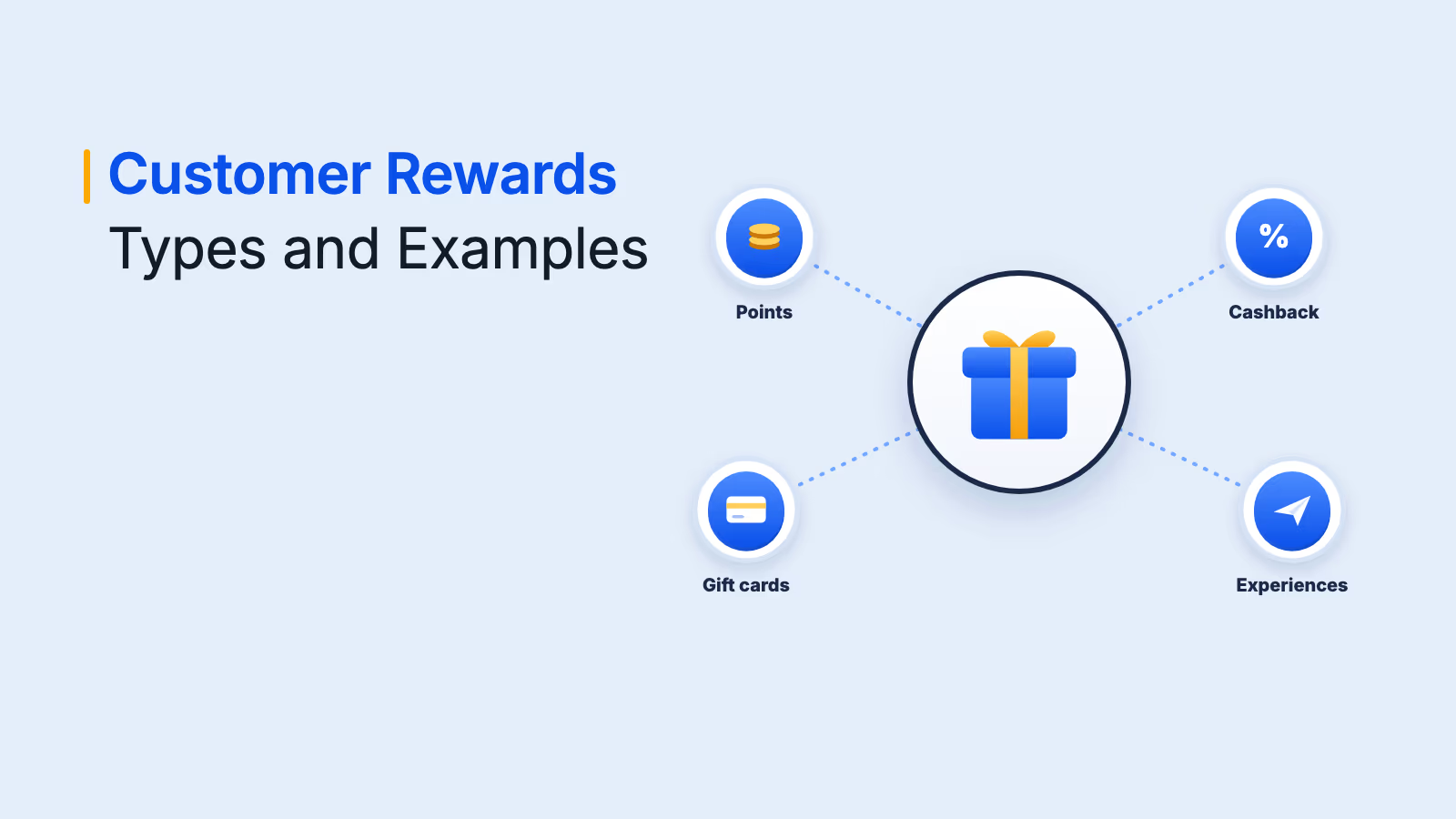
Engineers tend to value rewards that support their craft, their growth or their life outside work more than generic gift cards or branded mugs. The most effective developer recognition program lets each engineer choose from a broad catalog rather than guessing what they want.
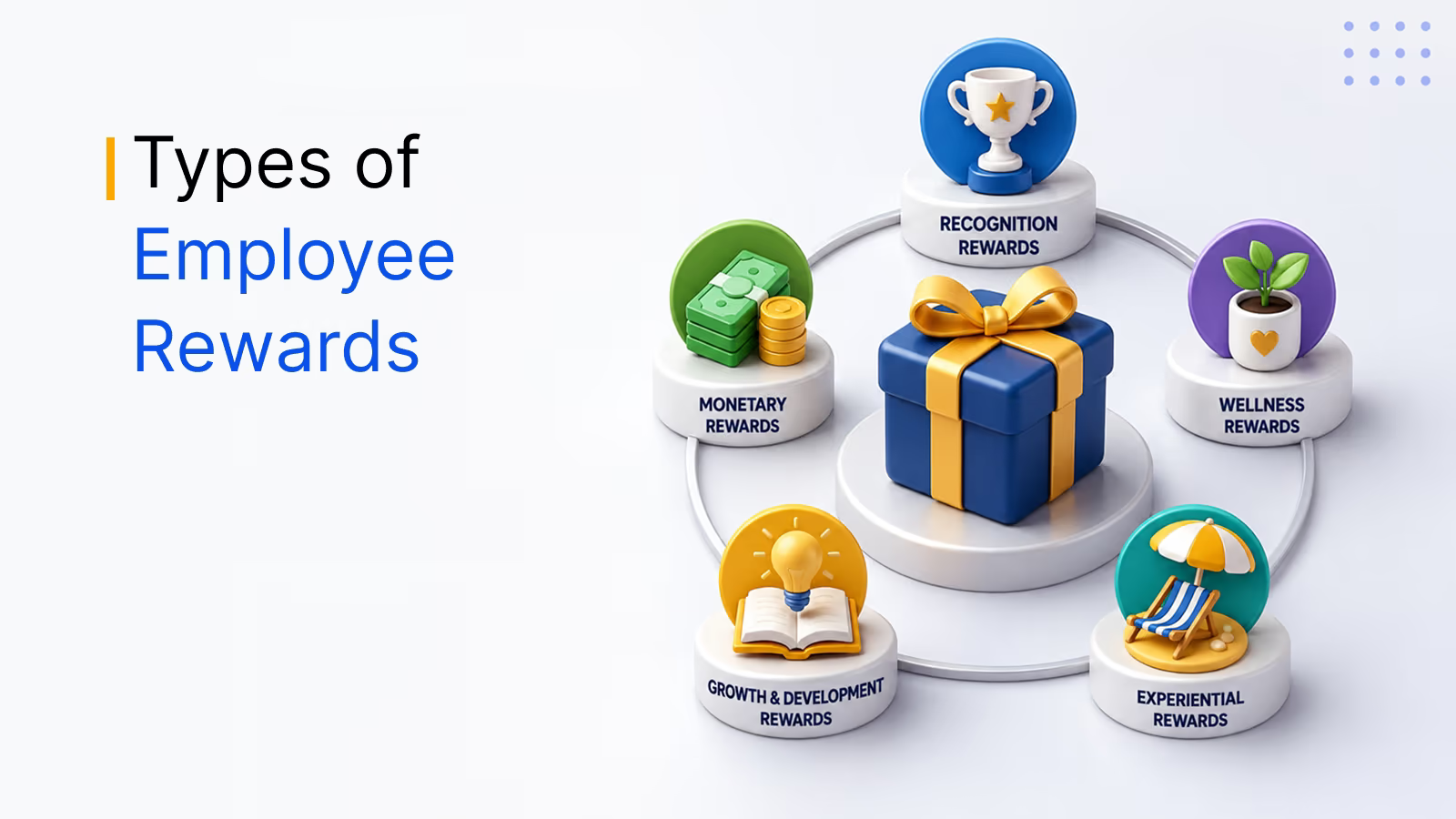
| Reward type | Examples | Why it works for engineers |
|---|---|---|
| Learning | Conference tickets, course subscriptions, certification fees, technical books | Directly supports skill growth and career progression |
| Gear | Mechanical keyboards, monitors, headphones, ergonomic chairs, home office upgrades | Improves the daily work environment, especially for remote engineers |
| Experiences | Travel, adventure activities, dining, hobby classes | Creates memorable time away from the screen and helps recovery |
| Time | Hack days, extra time off after a launch, focused time for side projects | Respects autonomy and gives space to recharge or explore |
| Charity | Donations to education, disaster relief or open source causes | Lets engineers turn points into impact for causes they care about |
| Visibility | Featuring work in engineering all-hands, tech blog posts, internal talks | Builds reputation and credit for the work among peers |
Charity redemption deserves special mention. Many engineers care about open source, education and access to technology, and letting them redeem points as donations connects recognition with purpose. It also gives an option to people who feel uncomfortable accepting material rewards. For more ideas on low-cost appreciation, see our guide to non-monetary employee recognition.
Recognition and burnout in engineering teams
Recognition does not cure burnout, but its absence makes burnout worse, especially during on-call rotations, launches and crunch periods. When engineers put in extra effort and nobody notices, the effort feels wasted and cynicism grows.
Burnout in engineering is common. The LeadDev Engineering Leadership Report 2025, which surveyed 617 engineering leaders and developers using the Maslach Burnout Inventory, found that 22% faced critical levels of burnout and another 24% moderate burnout, while only 21% could be categorized as healthy. Forty percent said their teams were less motivated than a year earlier.
22%
of engineers and leaders reported critical burnout
LeadDev, 2025
24.5%
of developers say they are happy at work
Stack Overflow, 2025
62.4%
name technical debt as a top frustration at work
Stack Overflow, 2024
45%
lower turnover after two years for well-recognized employees
Gallup and Workhuman, 2024
Engineering satisfaction and recognition benchmarks
Recognition can help in three high-pressure moments:
- On-call: Recognize every on-call shift, not just dramatic incidents. A quiet week of on-call still means someone carried a pager and gave up their evenings. Small automatic awards at the end of each rotation make that sacrifice visible.
- Launches: Recognize the whole launch team, including QA, SRE, documentation and support, and do it promptly after release rather than at the next quarterly awards.
- Crunch: If a team has worked extra hours, pair recognition with recovery, such as time off or a lighter sprint. Recognition that celebrates overwork without addressing it sends the wrong message.
Most importantly, recognize sustainable behavior, such as good handoffs, clear escalation and asking for help early, not just heroics. Rewarding only firefighting can quietly encourage people to let fires start. Our guide on ways to prevent burnout covers the wider set of practices.
What to measure in a developer recognition program
Measure whether recognition is frequent, widely distributed and linked to outcomes you care about, such as engagement and retention. Volume alone is not enough, since a program where a handful of people get most of the kudos can look busy while leaving most of the team out.
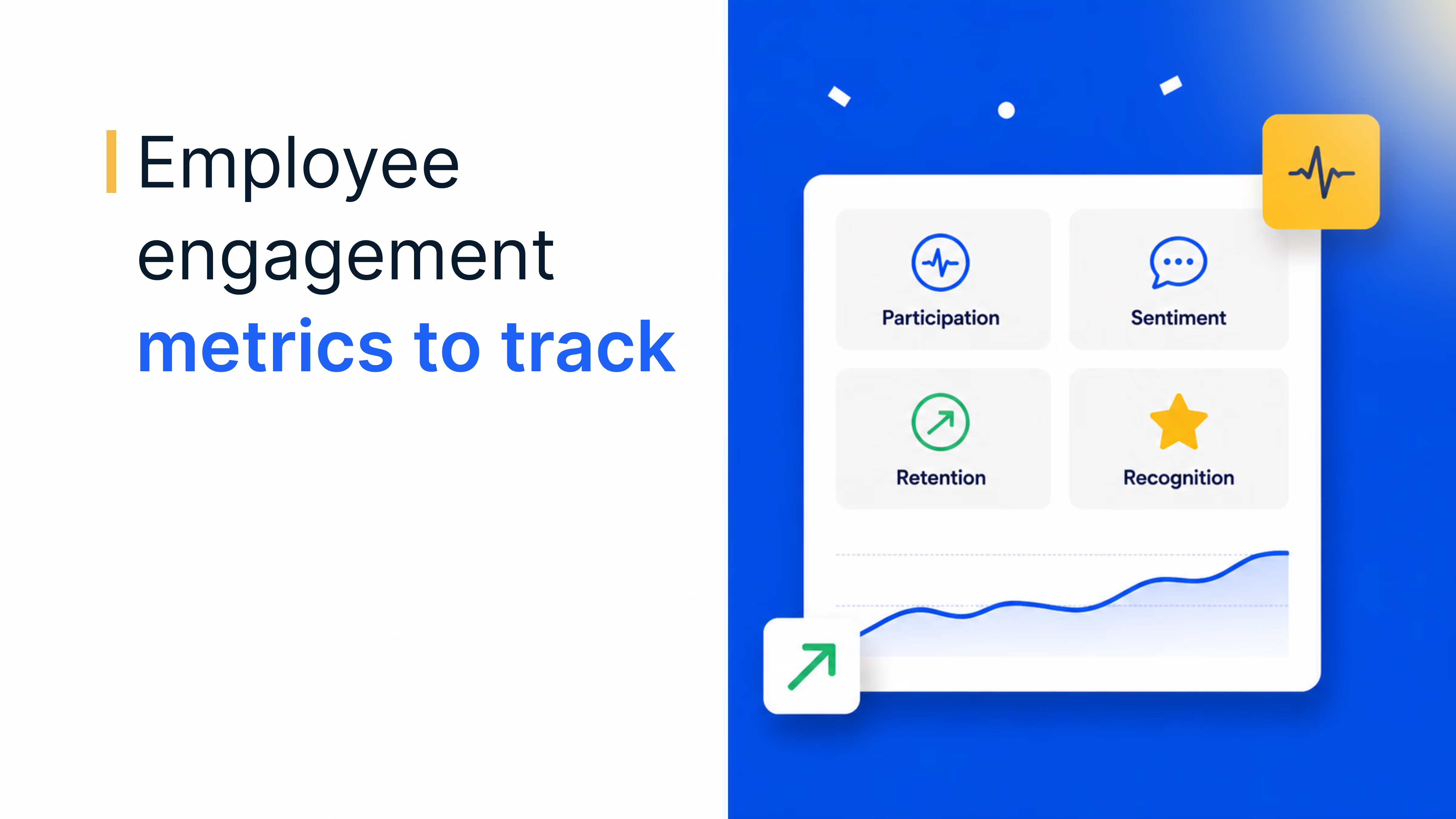
- Participation rate: The share of engineers who gave and received at least one recognition in the past month. Aim for broad participation on both sides.
- Recognition distribution: How evenly recognition spreads across teams, locations, levels and roles. Look for people and groups with little or none.
- Category mix: The split between feature work and invisible work such as reviews, incidents, mentoring and documentation. If almost everything is about features, coach teams on what else to recognize.
- Time to recognition: How quickly kudos follow the work. Same-week recognition is far more meaningful than a mention months later.
- Redemption rate: The share of points redeemed. Low redemption often means the reward catalog does not appeal to your engineers.
- Engagement and retention: Compare engagement survey scores and regretted attrition between engineers who are frequently recognized and those who are not.
Review these numbers quarterly with engineering leadership, not just HR. Our guide on how to measure employee recognition programs explains how to set baselines and targets.
How Empuls supports recognition for tech companies
Empuls brings recognition, rewards and engagement into the tools engineering teams already use, with AI that helps managers notice the work they would otherwise miss. It is used by 5,000+ companies, from startups to global enterprises, which makes it a strong fit for recognition for tech companies with distributed teams.
- Recognition in Slack and Microsoft Teams: Engineers can give and receive recognition inside Slack and Teams, and celebrations land where colleagues can see and cheer them. Empuls also integrates with major HRMS platforms such as Workday, SAP SuccessFactors, BambooHR and Darwinbox, plus SSO providers, so employee data stays in sync.
- Peer, manager and value-based awards: Configure peer awards, manager awards, spot awards, nominations and milestone awards, each with its own budget and tied to your core values.
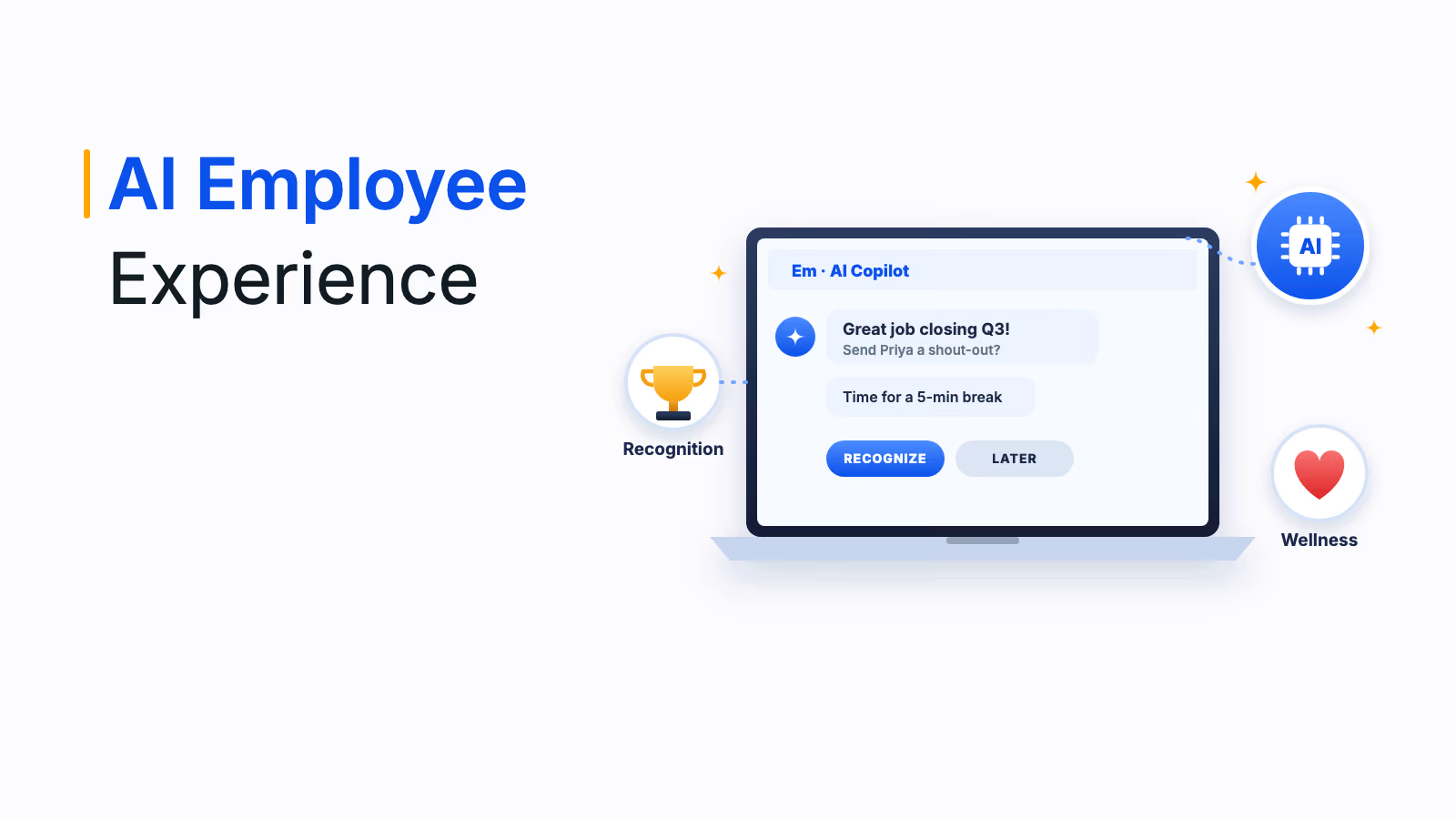
- Em, the AI copilot: Empuls AI recommends who to recognize, nudges managers about missed wins, coaches award writing, maps skills from recognition activity and helps predict attrition. Admins can ask for recognition trends and reports in plain language.
- Gamification and leaderboards: Run challenges and leaderboards with badges and redeemable points to build healthy participation across teams.
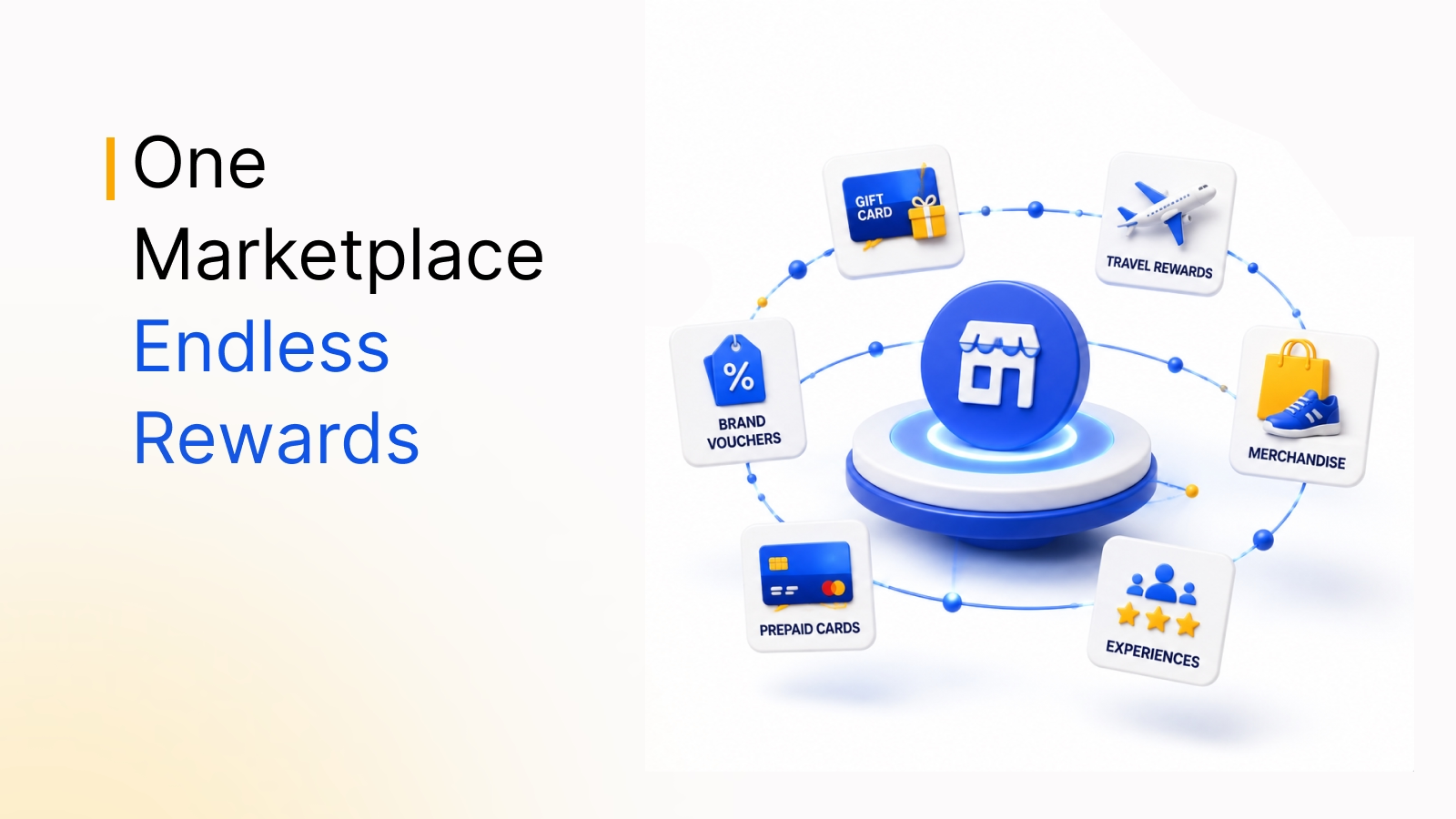
- Global rewards catalog: Employees redeem points from a catalog of 10M+ options in 150+ countries, including gift cards, merchandise, experiences, travel and charity donations, so engineers in every region get rewards that are relevant to them.
- Wall of Fame and social sharing: Recognition appears on a digital Wall of Fame, and employees can share awards on LinkedIn.
The results show up in tech teams already. A global developer-testing platform with more than 1,800 employees saw total recognition activity grow 117% and redemptions rise 159% after bringing Empuls recognition directly into Slack. IT services company Royal Cyber reached an 84.2% activation rate and a 50.6% engagement rate across its dispersed global workforce of 1,300 people.
Employee recognition for engineers works best when it respects how engineers work: specific, peer-driven, fair across locations and built into the daily flow. Get those foundations right, and recognition becomes a signal engineers trust rather than another HR ritual.
Book your Empuls demo
Frequently asked questions
Recognize software engineers with specific, timely praise that names the work and why it mattered, such as a code review that caught a bug or a fix that cut build times. Make peer recognition easy inside Slack or Teams, include invisible work like mentoring and documentation, and let engineers choose rewards that support their growth or interests.
Good ideas include public kudos in team channels for thoughtful code reviews, end-of-rotation awards for on-call engineers, a mentorship award, recognition for documentation and runbooks, prompt shout-outs after launches that include QA and SRE, and a short kudos round in sprint retros. Rewards such as conference tickets, gear upgrades and charity donations work well.
Developers already spend much of their day in Slack, so recognizing a teammate there takes seconds and avoids switching to another tool. Peers see the details of daily work far better than managers do, and public recognition in channels gives context that helps the whole team learn what good work looks like and add their own thanks.
Track how recognition is distributed across teams, locations, levels and groups to find gaps. Use asynchronous recognition in chat so time zones do not matter, give every engineer a peer points budget, rotate live ritual times, and have managers review team members who receive little recognition. A localized rewards catalog keeps rewards equally useful in every country.
Recognition alone does not fix burnout, which also depends on workload, staffing and clear priorities. However, a lack of recognition makes burnout worse. Recognizing on-call shifts, launch support and sustainable habits such as good handoffs helps engineers feel their effort matters, especially when it is paired with recovery time after crunch periods.
Track participation rate for giving and receiving, how evenly recognition is distributed, the mix between feature work and invisible work, time from work to recognition, and reward redemption rate. Then compare engagement scores and regretted attrition between frequently recognized engineers and others, and review the results quarterly with engineering leadership as well as HR.