Key Takeaways
Pharmacists estimate 79% of patients buy the OTC product they recommend, so the counter is where OTC share is won or lost
Reward what a chemist does around the sale: stocking, shelf execution, and product training. Never reward the recommendation itself.
OTC brands rarely see chemist-level data. Pull it from distributor invoices and pack scans, then track repeat orders as the recommendation proxy.
A customer walks up to the counter, rubs their throat, and asks, "What do you have for this?" The chemist has about four minutes and one hand free. Whichever brand sits closest to that hand usually wins.
For an OTC brand, that is the uncomfortable part. You spend the year on advertising, packaging, and trade terms. Then the sale turns on a conversation you are not in and cannot see.
A chemist loyalty program does not buy that conversation. It earns the brand a better place in the chemist's day: better informed, better stocked, and easier to work with. Here is how to build one that stays on the right side of the line. (A chemist here means an independent or small-chain pharmacy that buys from distributors and dispenses to patients, the term used in the UK, India, Africa, and Southeast Asia.)
The sale is decided in about four minutes
Counter advice is short, and it works. In the American Pharmacists Association's 2015 OTC survey of more than 1,000 community pharmacists, respondents estimated that 79% of patients buy the OTC product they recommend.
79%
Patients who buy the recommended product
Pharmacist estimate, APhA 2015
90%
Pharmacists who walk the patient to the OTC shelf
APhA 2015
27
OTC patients counseled per pharmacist each week
APhA 2015
4 min
Average consult
APhA 2015
Pharmacist OTC counseling, APhA 2015 survey
Treat these as pharmacist-reported figures from a US survey, not measured sales. Even so, the pattern holds for any brand: the shelf, the recommendation, and the walk to the shelf are one moment. If your product is not in that moment, nothing upstream matters.
Why discounts do not win the counter
Trade margin buys a facing. It does not buy a mention. A chemist with three equivalent antacids on the shelf will reach for the one they trust, understand, and never run out of.
Trade spend often takes the form of discounts, free stock, and promotions. Those reward volume ordered, which is the wrong signal. A chemist can take the free stock and keep recommending the competitor.
A loyalty program changes what the money pays for. Instead of a one-time price cut, it rewards the habits that make a brand easy to recommend: keeping it in stock, keeping the shelf right, and knowing the product well. Habits repeat each month. A discount does not.
What to reward, and what to leave alone
Start with the line that matters most. Reward behaviors around the sale, never the recommendation itself. Paying someone to recommend a medicine can breach professional and legal rules in some markets, and it damages trust everywhere. Rules differ by country and product class, so have legal and compliance review any scheme before launch.
| Behavior | Safe to reward? | Example mechanic | Data source |
|---|---|---|---|
| Stocking the full range | Yes | Bonus points for each new SKU on the shelf | Distributor invoices |
| Shelf execution | Yes | Points for photo-verified facings and display | Field rep audit or app photo |
| Product training | Yes | Points for completing a short product module | Platform activity logs |
| Consistent reordering | Yes | Multiplier for reorders inside the usual cycle | Distributor sales feed |
| Recommending the brand to patients | No | Do not pay per recommendation | Not applicable |
The last row is the one most programs get wrong. Everything above it gives the chemist a reason to know and carry the brand. Nothing in it pays for what the chemist says to a patient.
See how Loyalife runs an OTC chemist program
Connect distributor invoices, set tier and training rules, and see reorder and shelf data by territory.
Book a free 30-min demoTrusted by 5,000+ companies
Education is the reward chemists value most
Chemists see reps constantly and new launches often. What they rarely get is a clear, honest reason one product suits one patient better than another.
Nobody explains the why.
A three-minute training module on the active ingredient, who it suits, and who should see a doctor instead does two things. It makes the chemist more confident at the counter, and it gives them something that is theirs: a credential, a badge, a place on a tier. Points for completing it are easy to defend, because the reward is for learning, not for selling.
Keep the content clinical and balanced. A module that reads like an ad gets skipped, and it brings back the compliance problem the program was built to avoid.
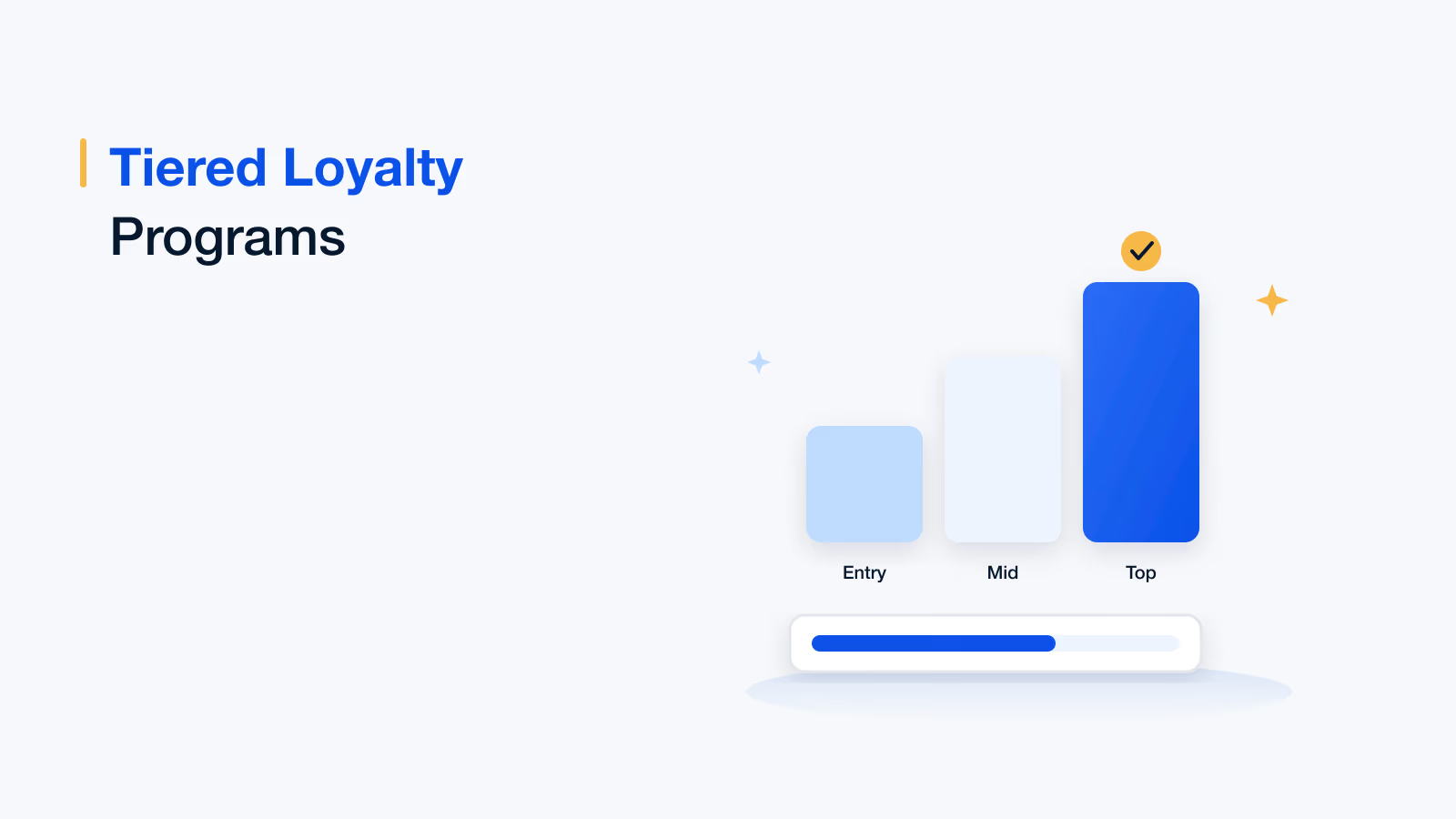
Build tiers around trust, not just volume
Volume tiers favor large chains and ignore the independent chemist who knows every regular by name. For recommendation, that independent is often your best asset.
Small shops matter here.
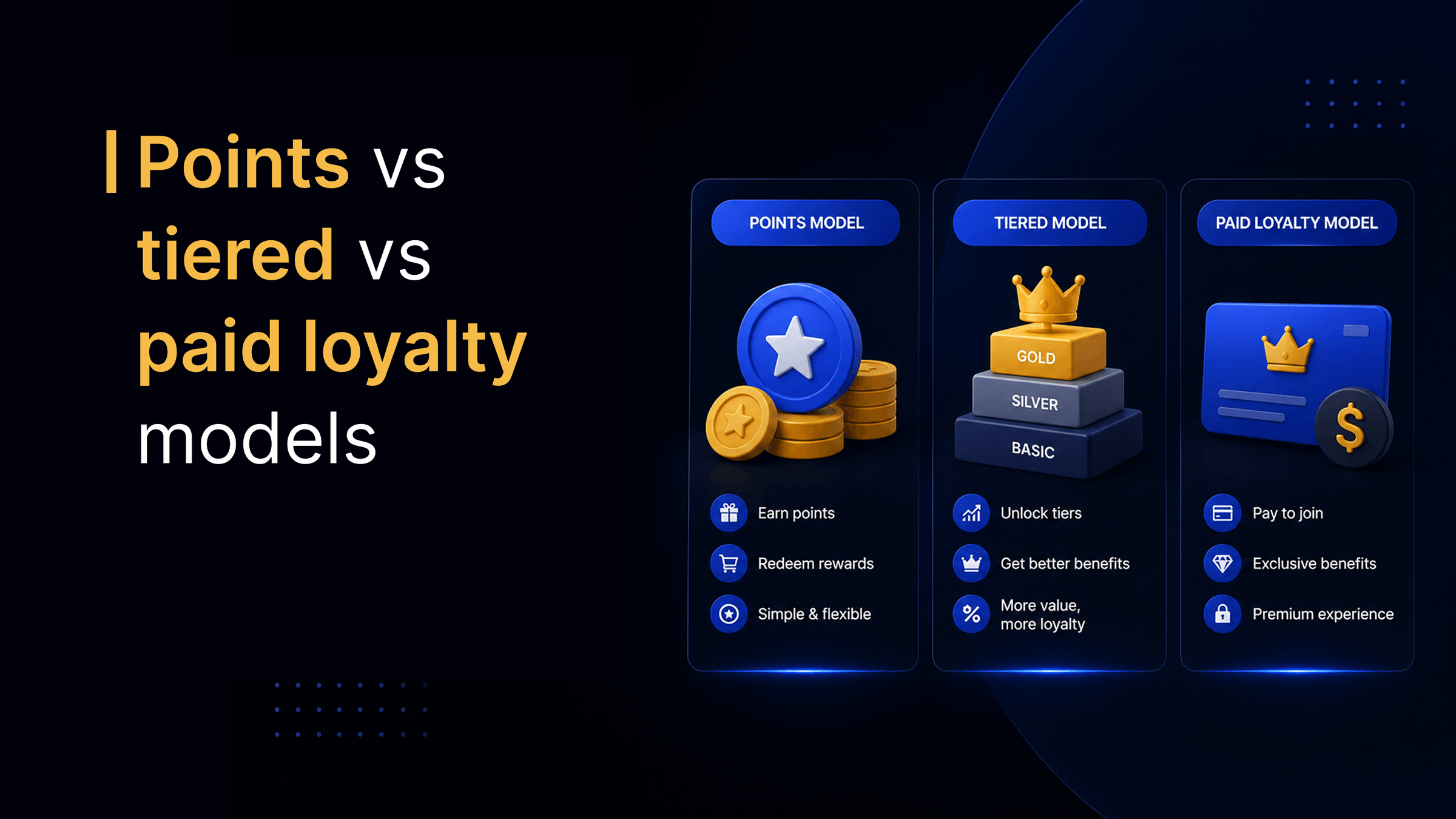
Build tiers on a blend: range stocked, shelf score, training completed, and steady reordering. A small shop with a clean shelf and three completed modules can outrank a bigger shop that only takes free stock. Show each chemist how close they are to the next tier. A visible next step changes behavior more than a printed rulebook.
For a worked example of slabs and short reward cycles, see our guide on how pharma distributors use loyalty to increase chemist orders.
How Loyalife approaches this
The hard part for a brand is data. You sell to distributors, distributors sell to chemists, and the chemist's name never reaches your system.
Xoxoday Loyalife closes that gap from the distributor side. It reads invoices from the distributor's DMS or ERP, matches them to each chemist, and applies your tier and multiplier rules.
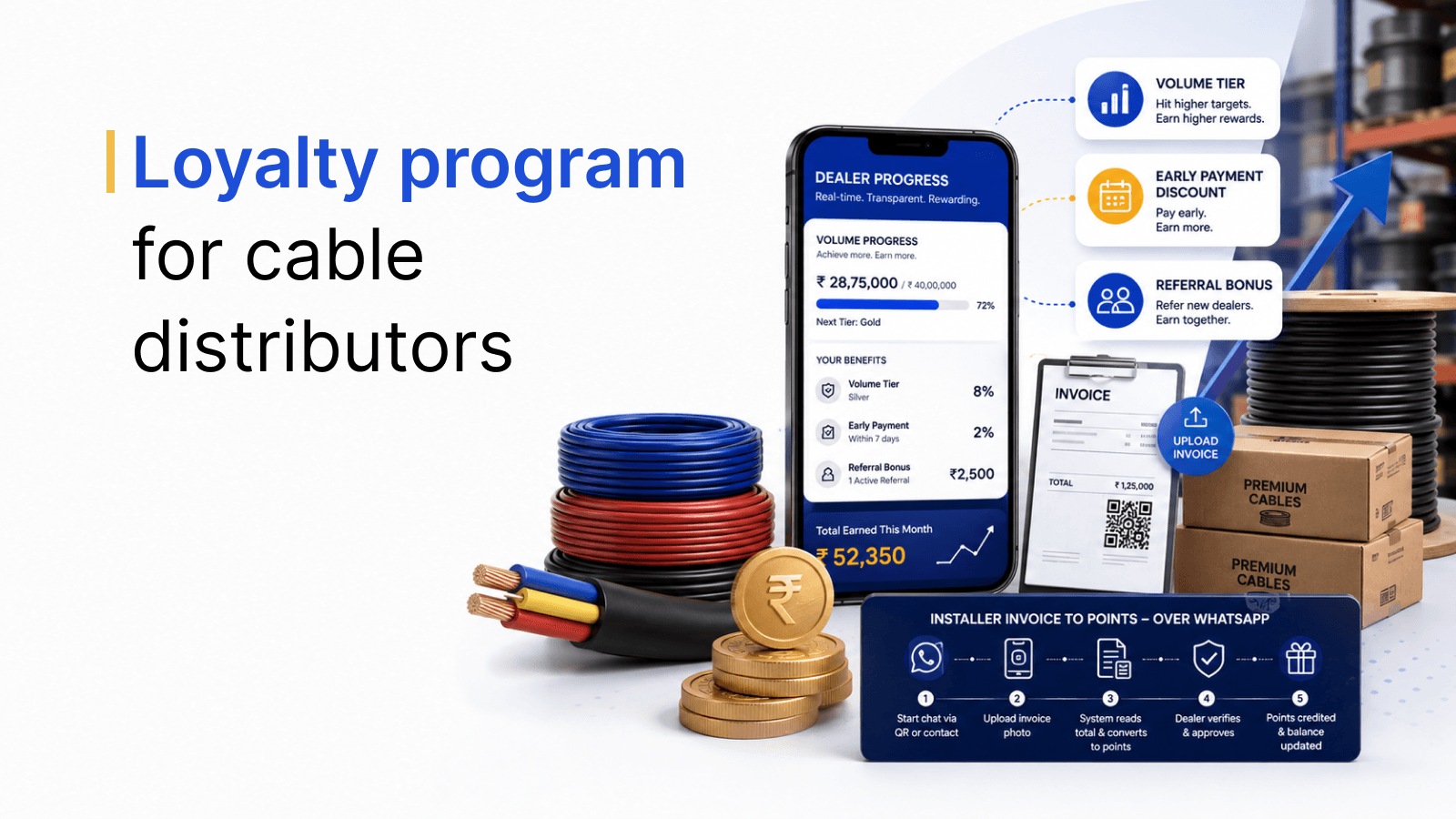
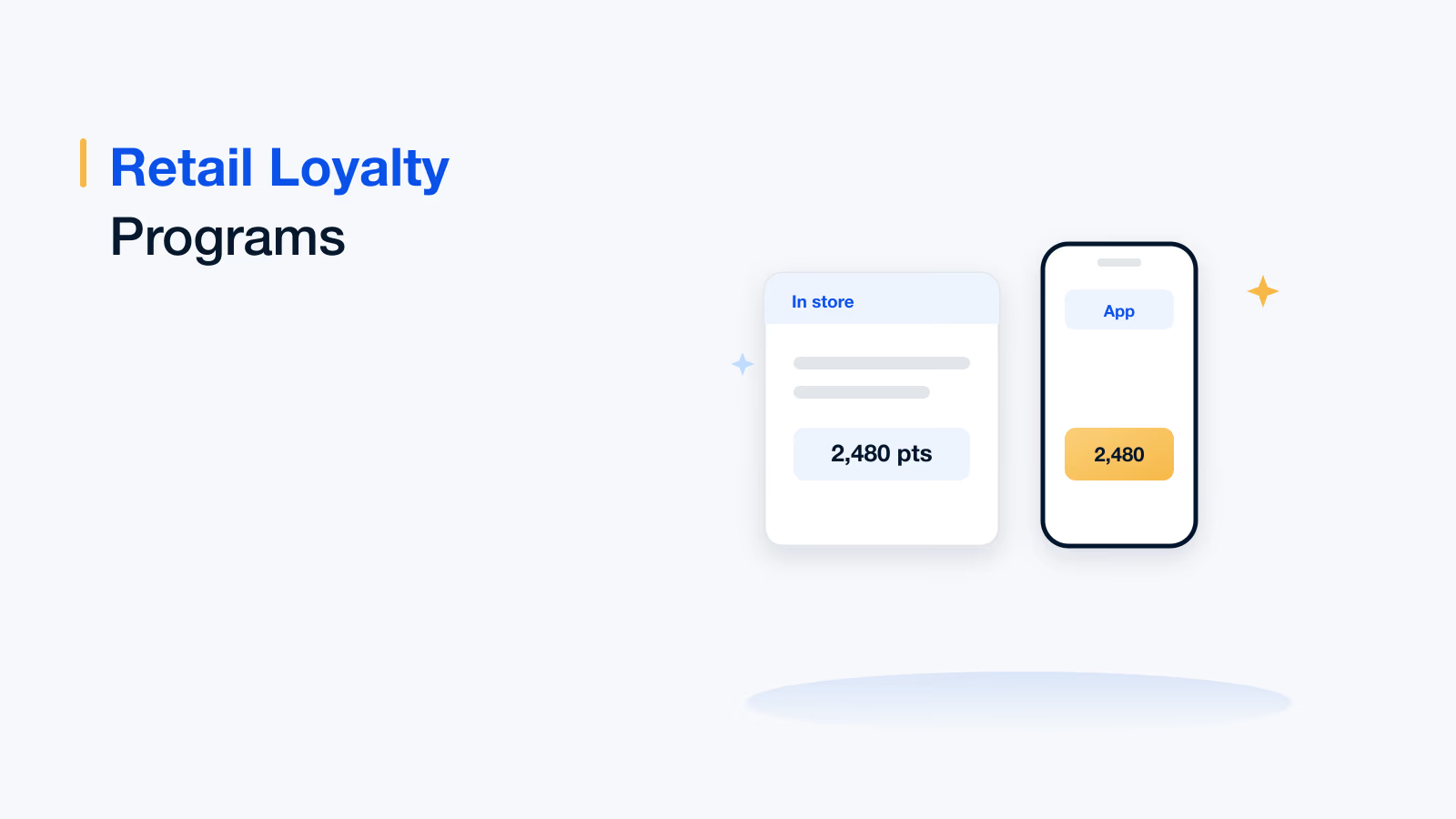
Where invoices are still on paper, a chemist can photograph the invoice in a WhatsApp chat and the system validates it. A scan of a QR code on the pack can confirm sell-through. Chemists check balances and redeem in a white-label app or WhatsApp, in their own language, and your team sees range, shelf score, and reorder rhythm by territory. See the broader model in our channel loyalty program guide.
Measuring recommendation without prescription data
You cannot see what a chemist said to a patient, and you should not try. You can see what happens around it.
| Metric | What it suggests | Data source | Caveat |
|---|---|---|---|
| Reorder rate per chemist | Product is selling through | Distributor feed | Cannot separate promotion from recommendation |
| Range depth | Chemist is willing to carry more of the line | Invoice SKUs | Stocking is not selling |
| Shelf score | Product is visible at the counter | Field audit or photo | Self-reported photos need spot checks |
| Training completion | Chemist understands the product | Platform logs | Completion is not conviction |
| Pack scan frequency | Units are leaving the shelf | QR scans | Only works where scanning is adopted |
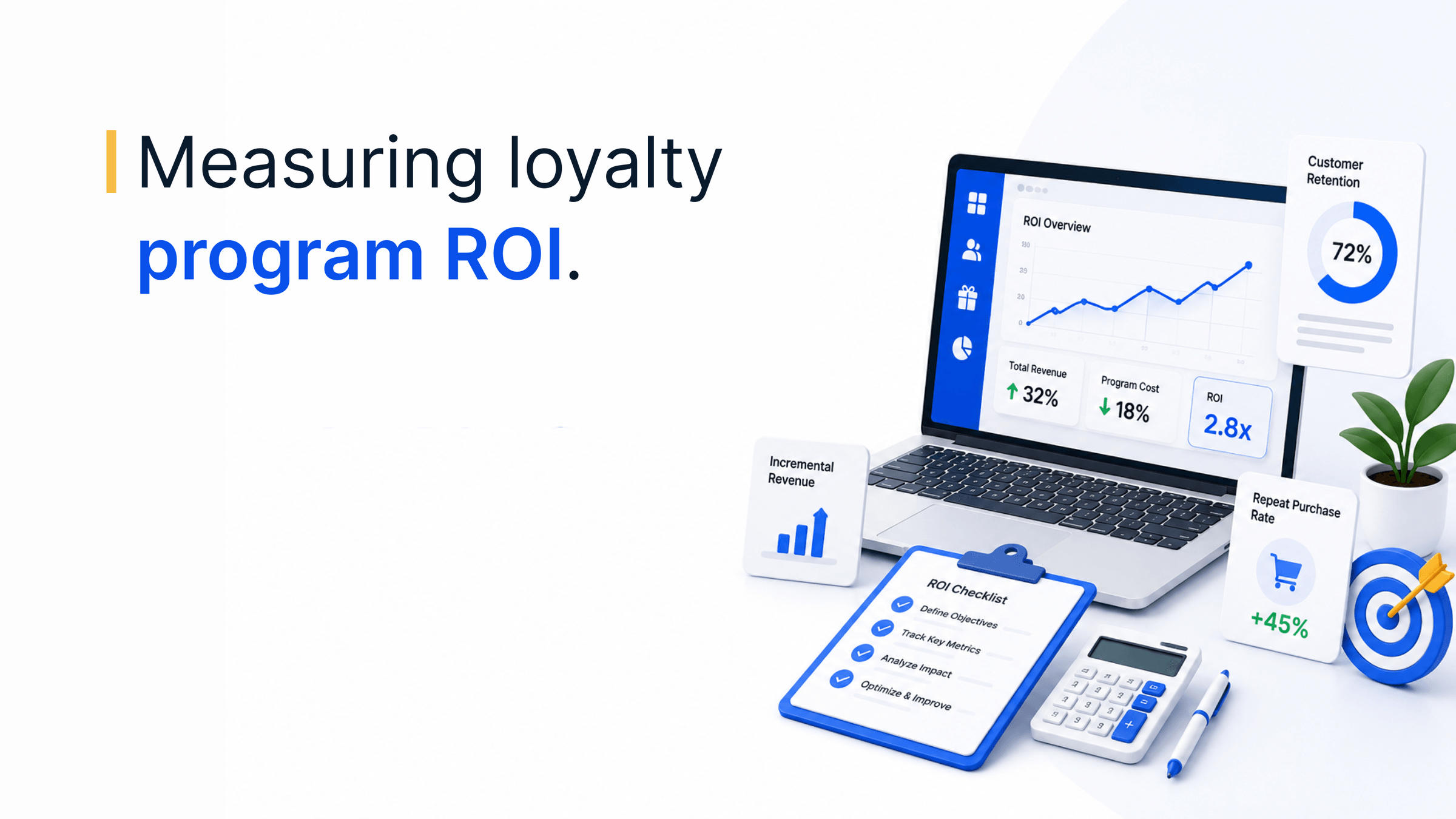
No single number proves recommendation. Read them together, compare against a matched group of chemists outside the program, and track cost against incremental sell-through. Our guide to measuring loyalty program ROI covers how to account for unredeemed points.
A 90-day pilot
Start narrow: one category, one territory, one clear question.
- Weeks 1 to 2, baseline. Pull 12 months of orders by chemist for one product line. Note reorder rhythm and range depth.
- Weeks 3 to 4, legal review. Have compliance sign off the reward list against the rules in your market.
- Weeks 5 to 6, build. Set tiers, write two training modules, and connect the distributor feed.
- Weeks 7 to 12, pilot. Enroll 100 to 150 chemists, hold back a matched control group, and review reorder rate, shelf score, and completion every month.
Your next step to stronger counter recommendations
Pick one product line and one territory, and run the 90-day pilot. See how Loyalife handles the distributor feed, the tier rules, and the reward loop for a chemist network like yours.
Book your Loyalife demo
Frequently asked questions
A chemist loyalty program rewards pharmacies for behaviors that help a brand: stocking the range, keeping a good shelf, completing training, and reordering steadily. It does not pay for recommendations.
In many markets that is restricted or against professional rules, and it varies by product class. The safer design rewards stocking, training, and shelf execution, and your legal team should review it first.
Pull invoice lines from the distributor's DMS or ERP, match them to each chemist, and add invoice photo upload or pack QR scans where data is missing. Xoxoday Loyalife does this matching and posts points to each chemist automatically.
Instant vouchers and prepaid options for frequent small wins, plus recognition like tiers and training badges. Short reward cycles tend to hold attention better than annual prizes.
Reorder and range data is the first to move, so judge the pilot on those. Give it at least 90 days.