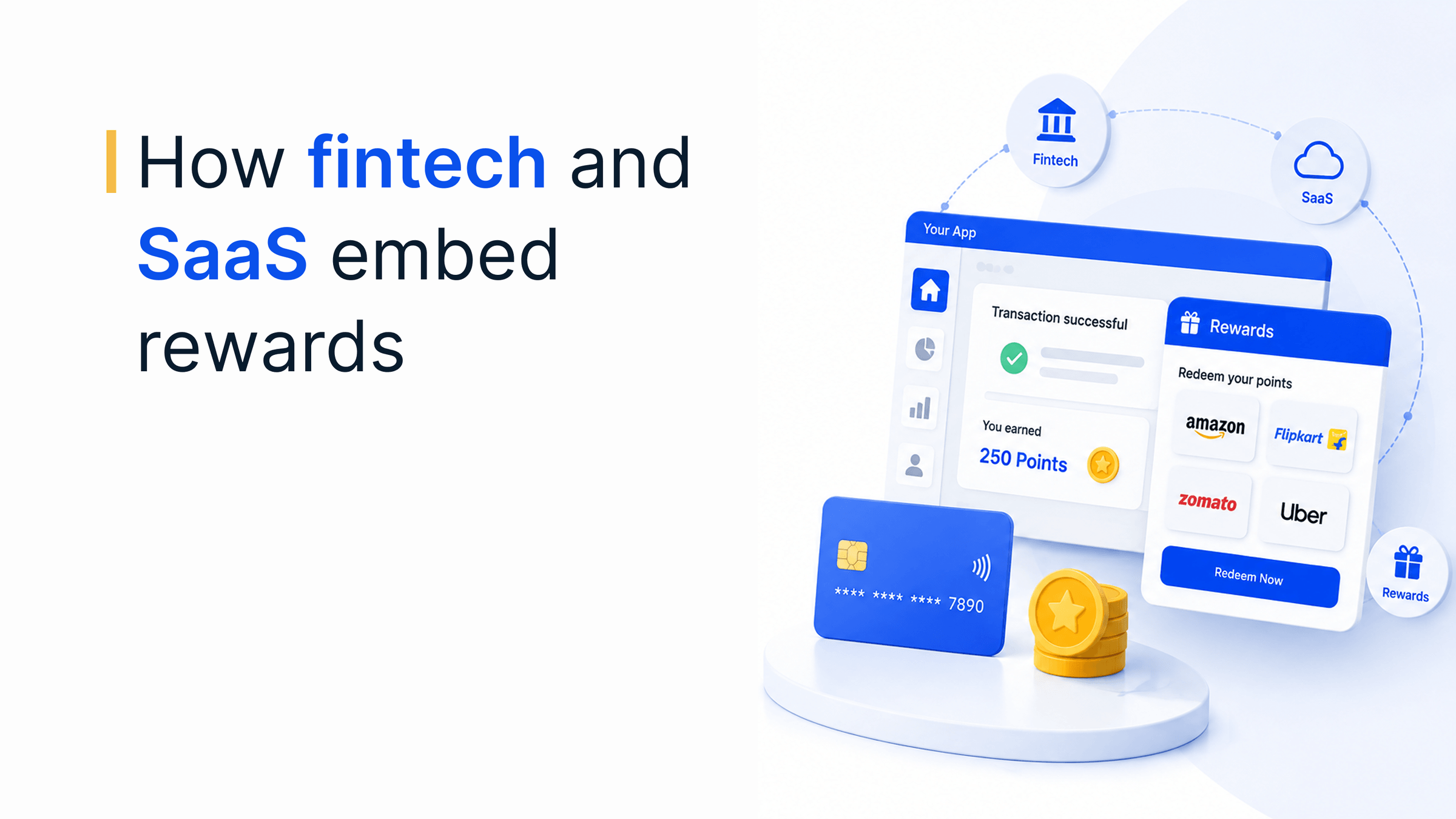
A product manager asks for gift card rewards in the next sprint. Two weeks in, the real questions surface: does the vendor have a sandbox, does it cover the countries your users live in, and what happens when a webhook never arrives?
Gift card APIs look alike from the outside. Underneath, some are catalogs built for developers, some are payout rails that also send cards, and some are managed networks that start with a sales call.
The market they serve is large. IMARC Group puts the global digital gift card market at $513.79 billion in 2025, with closed-loop cards holding 57.3% of it.
We compared 10 gift card API platforms on documentation, catalog reach, fulfillment mechanics, controls and fit. They are grouped by the use case each one serves best, not scored.
Disclosure: Xoxoday publishes this guide and Plum is one of the 10. All are judged on the same criteria.
The best gift card API platforms
- Xoxoday Plum for one API for gift cards, points and reward links (G2 4.6/5)
- Huuray for one catalog across many countries, with a sandbox
- eGifter for a documented REST API with sandbox and managed programs
- Giftogram for gift cards, prepaid cards and cash payouts on one platform
- Bitrefill for bulk gift card batches for resellers and loyalty teams
- Ifeelgoods for promotions and loyalty campaigns with white-label shops
- InComm for large enterprises wanting a managed gift card network
- DT One for top-ups, eSIMs and vouchers in emerging markets
- Onbe for rebates, claims and incentive payouts across many rails
- Dots for cash payouts to gig workers, creators and contractors
What makes a good gift card API?
Some platforms in this category are built for developers first. Others are payout networks or managed services that also send gift cards.
12.79%
Forecast growth
compound annual rate, 2026 to 2034
57.3%
Closed-loop share
of the digital gift card market
$513.8B
Digital gift card market
global value in 2025
Source: IMARC Group, Digital Gift Card Market report.
We judged every platform on five tests:
- Documentation and sandbox. A developer should be able to read the spec and place a test order before talking to sales.
- Catalog and country reach. Brands, currencies and local availability decide whether the API works beyond one market.
- Fulfillment mechanics. Idempotency keys, webhooks, bulk ordering and reconciliation endpoints separate a demo from a production integration.
- Controls and compliance. Budgets, fraud monitoring, reporting and security attestations matter once real money moves.
- Fit for purpose. Some vendors are catalogs, some are payout rails. A fair comparison says which is which.
Documentation and fulfillment mechanics carried the most weight, since they decide how long an integration takes. Feature claims come from each vendor's public pages, in our own words, with figures labeled as the company's own. Ratings come from G2 and Capterra as of October 2026, with review counts shown where a score rests on fewer than 20.
Test the Plum Rewards API in a sandbox
Gift cards, points and reward links through one API, with webhooks and reconciliation built in.
See Plum in actionTrusted by 5,000+ companies
The best gift card API platforms at a glance
- Xoxoday Plum
- Best for
- One API for gift cards, points and reward links
- Standout feature
- Rewards, points and links APIs under one account, with OAuth 2.0 and bearer tokens
- Rating
- G2 4.6 (Xoxoday)
- Huuray
- Best for
- One catalog across many countries, with a sandbox
- Standout feature
- Sandbox and public Swagger docs for developer evaluation
- Rating
- No public G2 or Capterra rating
- eGifter
- Best for
- A documented REST API with sandbox and managed programs
- Standout feature
- Public API spec with sandbox access
- Rating
- No public G2 or Capterra rating
- Giftogram
- Best for
- Gift cards, prepaid cards and cash payouts on one platform
- Standout feature
- Gift cards, prepaid cards and cash rails behind one integration
- Rating
- G2 4.8 (1,889 reviews)
- Bitrefill
- Best for
- Bulk gift card batches for resellers and loyalty teams
- Standout feature
- Public API docs covering orders, invoices and webhooks
- Rating
- No public G2 or Capterra rating
- Ifeelgoods
- Best for
- Promotions and loyalty campaigns with white-label shops
- Standout feature
- API, bulk sending and white-label shops from one vendor
- Rating
- No public G2 or Capterra rating
- InComm
- Best for
- Large enterprises wanting a managed gift card network
- Standout feature
- Established gift card distribution network
- Rating
- No public G2 or Capterra rating
- DT One
- Best for
- Top-ups, eSIMs and vouchers in emerging markets
- Standout feature
- One API for top-ups, eSIMs, bill payments and vouchers
- Rating
- No public G2 or Capterra rating
- Onbe
- Best for
- Rebates, claims and incentive payouts across many rails
- Standout feature
- Many payout methods in a single integration
- Rating
- No public G2 or Capterra rating
- Dots
- Best for
- Cash payouts to gig workers, creators and contractors
- Standout feature
- Payouts over bank, PayPal, Venmo and Cash App rails
- Rating
- No public G2 or Capterra rating
1. Xoxoday Plum
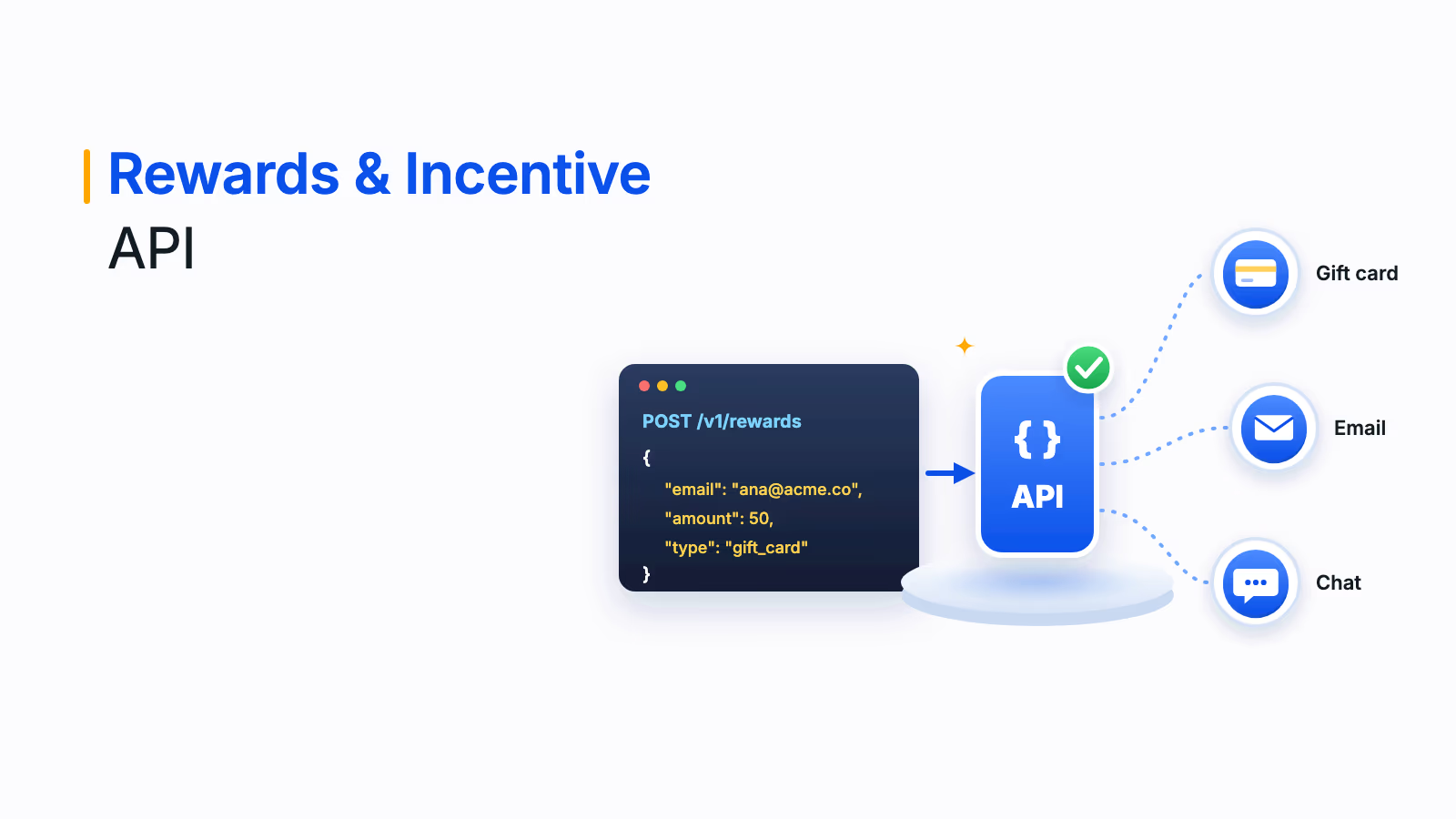
Plum is a rewards distribution layer. Its Rewards API procures and sends gift cards, merchandise, lounge access, charity donations, mobile top-ups and airmiles from a catalog of 10M+ options across 150+ countries. Developers can build a catalog UI with filters for country, price, currency and category.
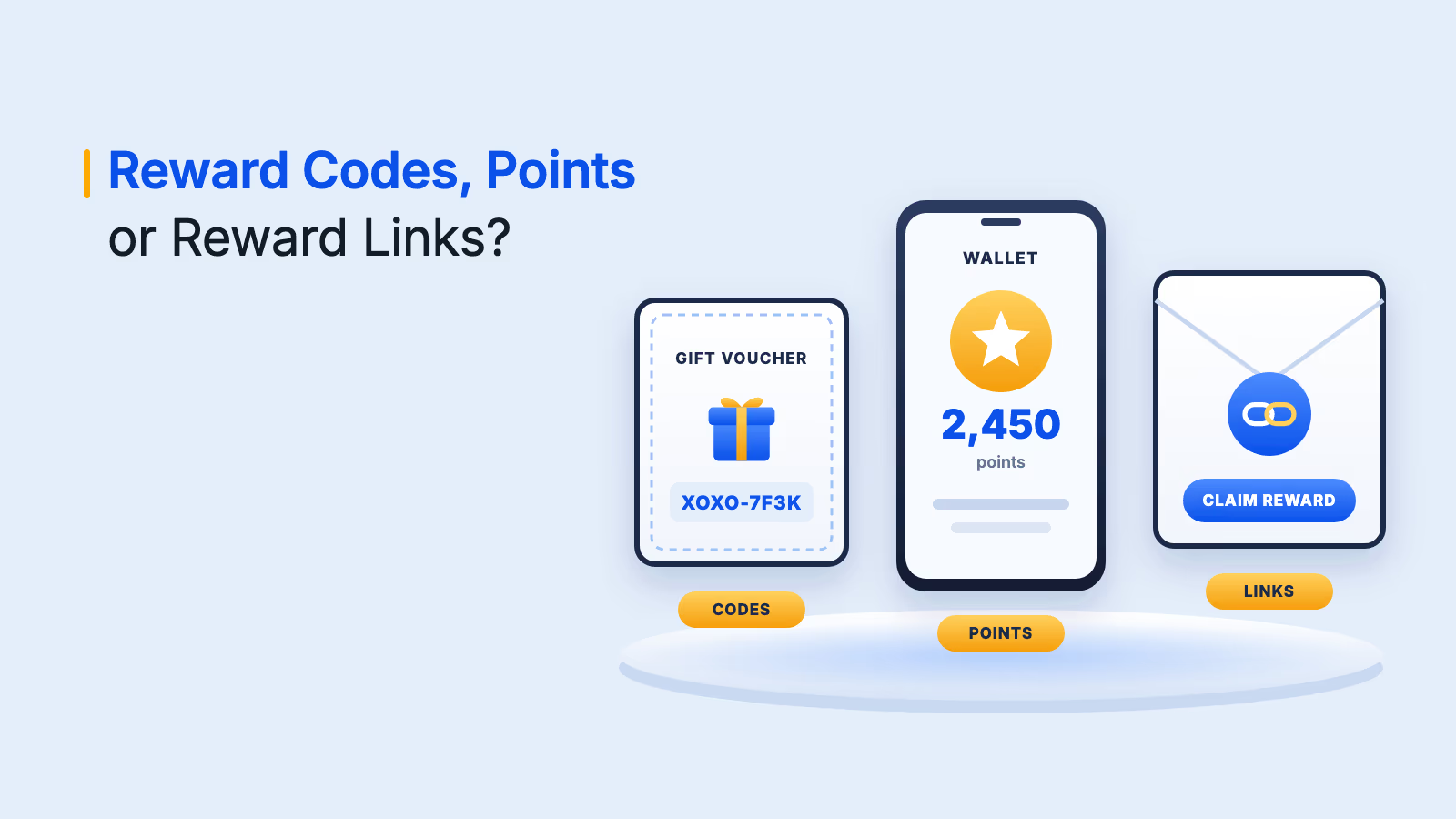
Idempotency keys prevent duplicate orders, and webhooks report async order status. Order history and payment report APIs support reconciliation. Separate Reward Points and Reward Links APIs cover points-based and link-based programs, and sandbox access is available for evaluation.
- Rewards, points and links APIs under one account, with OAuth 2.0 and bearer tokens
- Idempotency keys, async webhooks and reconciliation endpoints for production use
- 10M+ reward options across 150+ countries, in multiple currencies
- Webhooks cover the Rewards API only. Points and links endpoints use polling or reports
- A distributor, not a regulated issuer, so it does not hold stored value
2. Huuray
Huuray is a global rewards and gift card platform. Its products include the Freedom-of-Choice Gift Card, where the recipient picks from the catalog, plus Occasion Gift Cards, Create-Your-Own and Bulk Gifting.
A RESTful API comes with a sandbox and Swagger documentation. The company says it covers 170+ countries and 80+ currencies, and lists 100+ integration partners. Delivery runs by email, physical card or API.
- Sandbox and public Swagger docs for developer evaluation
- Recipient-choice cards remove the need to guess a brand
- Wide country and currency reach, by the company's count
- The catalog includes physical products and subscriptions, so it is broader than gift cards alone
3. eGifter
eGifter Rewards offers a Branded Rewards API that returns JSON by default, with XML supported. It handles real-time fulfillment for individual and bulk orders and includes sandbox access.
Draw-down accounts, a reporting dashboard and branded delivery sit around the API. eGifter Shield monitors orders for anomalies, and eGifter Program Management adds a managed layer. The company states it meets SOC 2, GDPR and PCI requirements.
- Public API spec with sandbox access
- Anomaly monitoring on orders through eGifter Shield
- Managed program support for teams without in-house operations
- US-centric positioning, and country coverage was not stated on the pages we read
4. Giftogram
Giftogram is a rewards and payouts platform that sends gift cards, prepaid Visa and Mastercard, charity donations and cash-style methods such as PayPal, Venmo, Zelle and ACH. Teams can use the dashboard, the open API or a Zapier connection.
Budget and team spending controls, downloadable reporting and custom branding sit around the sending flow. The company lists 140,000+ brands and publishes developer documentation.
- Gift cards, prepaid cards and cash rails behind one integration
- Spending controls by team and budget
- Zapier and HR or CRM syncs for no-code teams
- Country coverage is not itemized on the homepage, and a sandbox was not confirmed in public pages
5. Bitrefill
Bitrefill runs a Business API for gift cards, top-ups and eSIMs. Developers can browse products, create invoices, track orders and receive webhooks, with documented rate limits.
BRGC batches create gift cards in bulk, which suits resellers and loyalty programs that hold stock. A separate Personal API uses a bearer token. Business access starts with a conversation with the company.
- Public API docs covering orders, invoices and webhooks
- BRGC batches for bulk gift card creation
- Gift cards, top-ups and eSIMs through one API
- Business access requires contacting the company
- Its payments heritage is crypto-oriented, which may not suit every procurement team
6. Ifeelgoods
Ifeelgoods sells three products: an API that connects a client's program to its catalog, a bulk distribution platform that sends personalized digital gifts by SMS or email, and white-label shops.
It is built for brands running promotions and loyalty campaigns, with a European base. The company says it operates in seven countries and serves enterprise clients.
- API, bulk sending and white-label shops from one vendor
- Personalized gift delivery by SMS or email
- Built around promotion and loyalty use cases
- Stated footprint is seven countries, and public docs or a sandbox were not found
7. InComm
InComm lists Gift Card API and integrations alongside bulk gift card ordering, digital gifting and end-to-end program management. Closed-loop and open-loop cards are both part of the range, and its Vanilla Visa cards can be added to mobile wallets.
A Go Studio innovation hub handles custom work, and POS integration reflects its retail roots. Engagement appears sales-led and aimed at enterprises.
- Established gift card distribution network
- Closed-loop and open-loop products in one range
- Managed program services for teams that prefer to outsource operations
- A public developer portal or sandbox was not found, so evaluation starts with a sales call
8. DT One
DT One is a wholesale marketplace for digital value products behind a single API. It covers mobile airtime and data top-ups, eSIMs, utilities and bill payments, and branded vouchers and gift cards.
The company says it reaches 190 countries and lists 23,000+ products. Gift cards are one product line among several, so it fits telecom, remittance and super-app teams more than employee rewards programs.
- One API for top-ups, eSIMs, bill payments and vouchers
- Very wide stated country reach, including emerging markets
- Named clients span telecom and remittance
- Gift cards are not the core focus, and the product skews toward telecom and fintech distribution
9. Onbe
Onbe is a business-to-individual payouts platform formed when North Lane Technologies and daVinci Payments merged. Its solutions are Compensate, Disburse and Incentivize, the last covering rebates, loyalty and recognition.
It supports 10+ payout methods, including virtual and physical prepaid cards, ACH, PayPal, Venmo, push-to-card and mobile wallets, through no-code, low-code or API integration. The company says it has paid 290M+ consumers.
- Many payout methods in a single integration
- Managed fraud and compliance handling
- No-code, low-code and API routes for different teams
- Payout-centric rather than a branded gift card catalog, and public API docs were not found
10. Dots
Dots is a payouts API for platforms that pay gig workers, creators and contractors. Its products include the Payouts API, Payout Links, Flows and White Label Integration, with payee KYC through Dots Onboard.
Dots Tax handles W-9 and W-8BEN collection and 1099 reporting. The domain has moved from dots.dev to usedots.com. Gift cards are not a documented first-class product, so it fits teams that need cash-style payouts next to a gift card API, not instead of one.
- Payouts over bank, PayPal, Venmo and Cash App rails
- Built-in payee onboarding and tax compliance
- Public docs and white-label options
- Not a branded gift card catalog, and gift card depth was not verified
- A sandbox was not confirmed in the docs we read
What to ask before you pick a gift card API
Most comparisons skip the questions that decide whether an integration holds up. Ask every vendor these four before you build.
- Can I place a test order in a sandbox today? If access starts with a sales call, add that wait to your timeline.
- How are duplicate and failed orders handled? Ask about idempotency keys, webhook retries and how refunds are reconciled.
- Which countries and currencies will my users actually see? Request the catalog for your three largest markets, not a global brand count.
- Do I need gift cards, cash payouts or both? A payout rail and a branded catalog solve different problems, and many programs need each.
Which gift card API should you choose?
If you want a developer-first catalog with sandbox access, start with Plum, Huuray and eGifter. For gift cards, prepaid cards and cash on one platform, look at Giftogram. Bitrefill suits bulk batches, and Ifeelgoods fits promotion-led campaigns. InComm is a managed network for large enterprises. For top-ups and emerging markets, compare DT One, and for payouts to workers and rebate recipients, compare Onbe and Dots. For background, see our guides to what a rewards API is, how Plum automates rewards through an API and API-based rewards versus manual fulfillment.
Book your Plum demo
Frequently asked questions
A gift card API lets software order, deliver and track digital gift cards without manual steps. A product team calls the API when a user earns a reward, and the vendor returns a card code or link. Most also provide reporting and order status updates.
Start with documentation and sandbox access, then check catalog reach in your top markets. Ask how duplicate orders, failed deliveries and refunds are handled before you commit to a build.
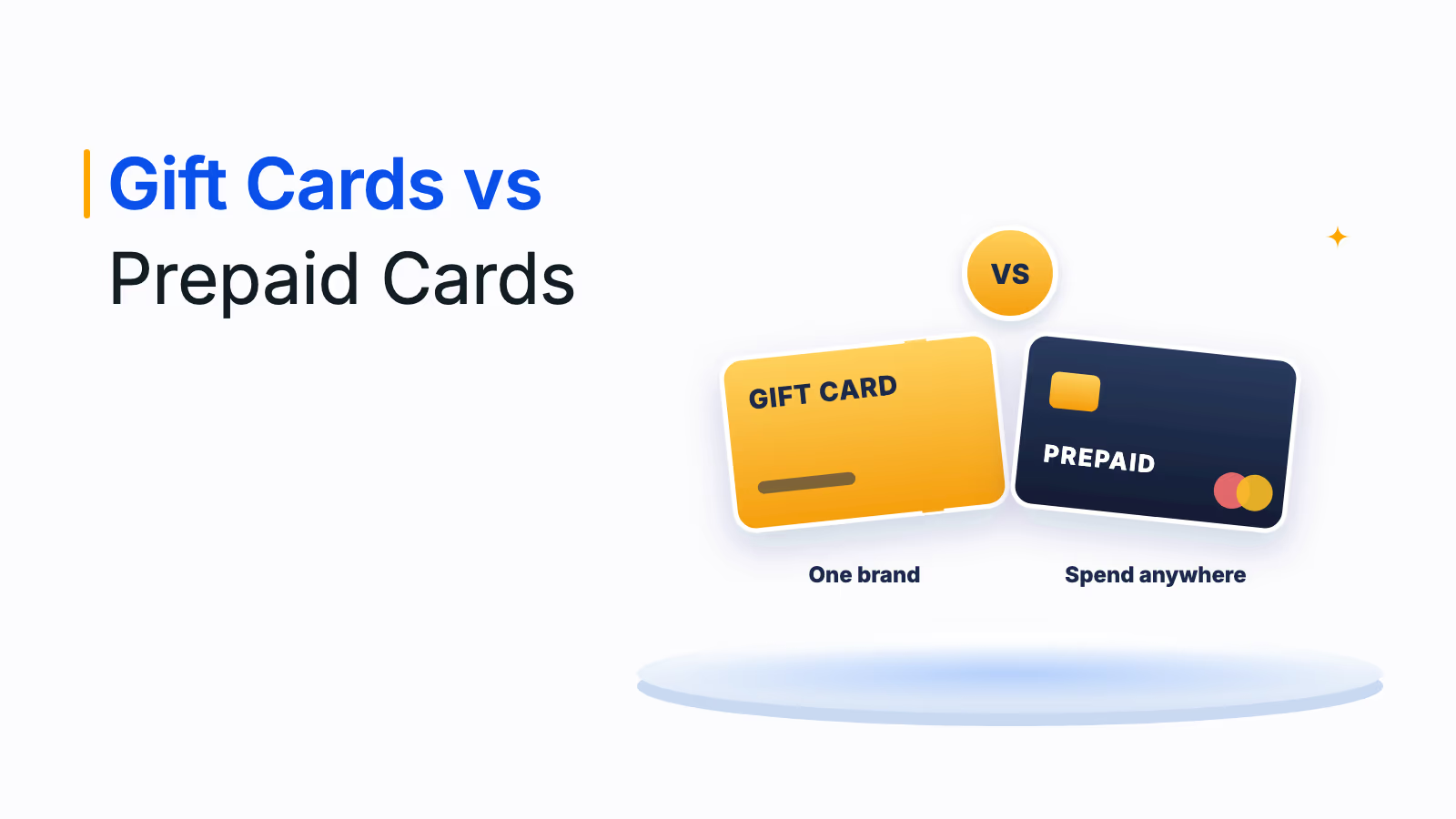
A gift card API sends branded cards from a catalog, while a payouts API moves cash through bank, wallet or prepaid card rails. Some vendors offer both, but most lean toward one.
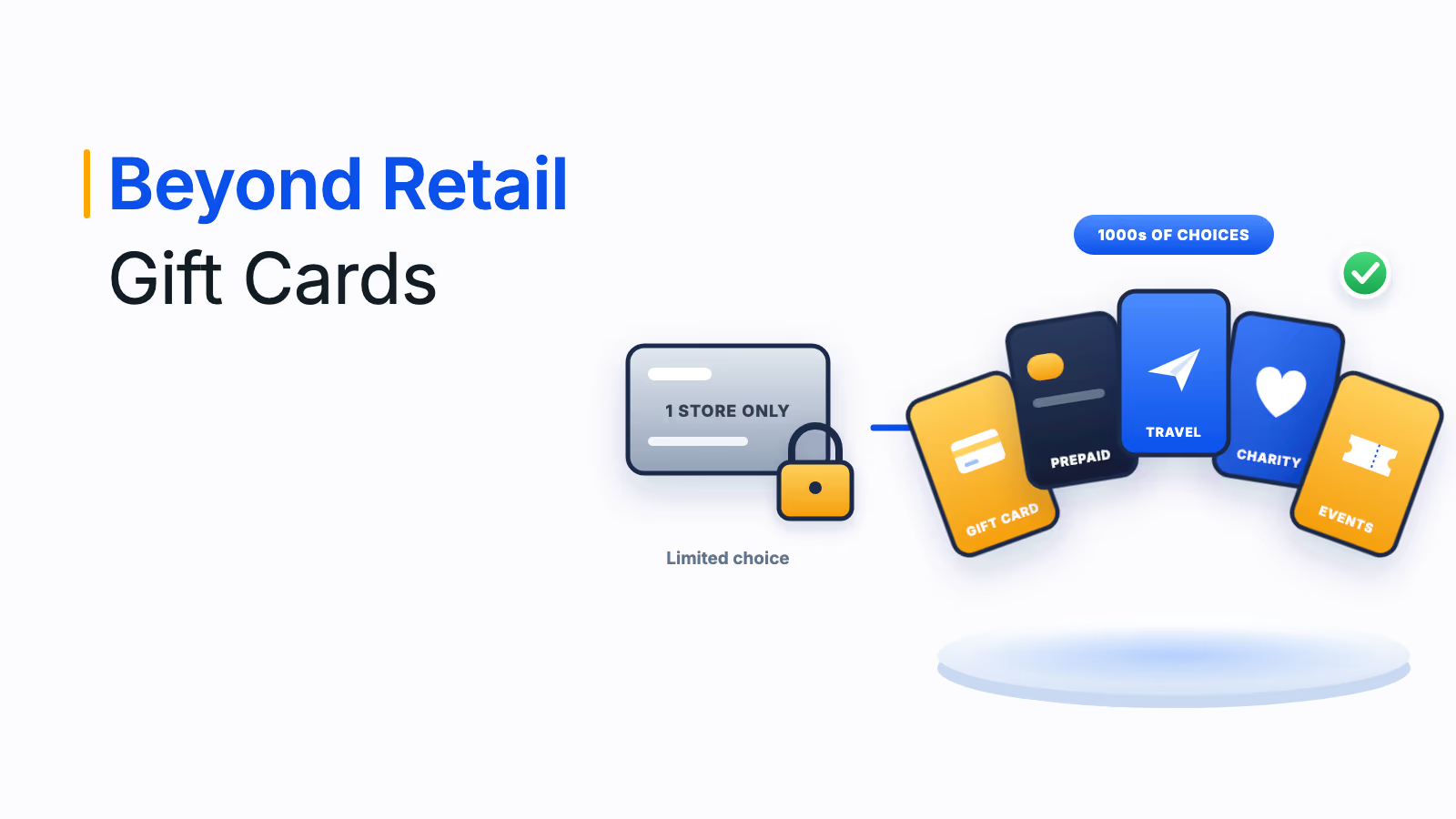
Closed-loop cards work at one brand or group of brands. Open-loop cards run on a card network and work almost anywhere. IMARC Group reports closed-loop cards hold 57.3% of the digital gift card market.
Yes, if you want to test ordering, webhooks and error handling without spending real balance. Several vendors on this list publish sandbox access, while others require a sales conversation first.