Key Takeaways
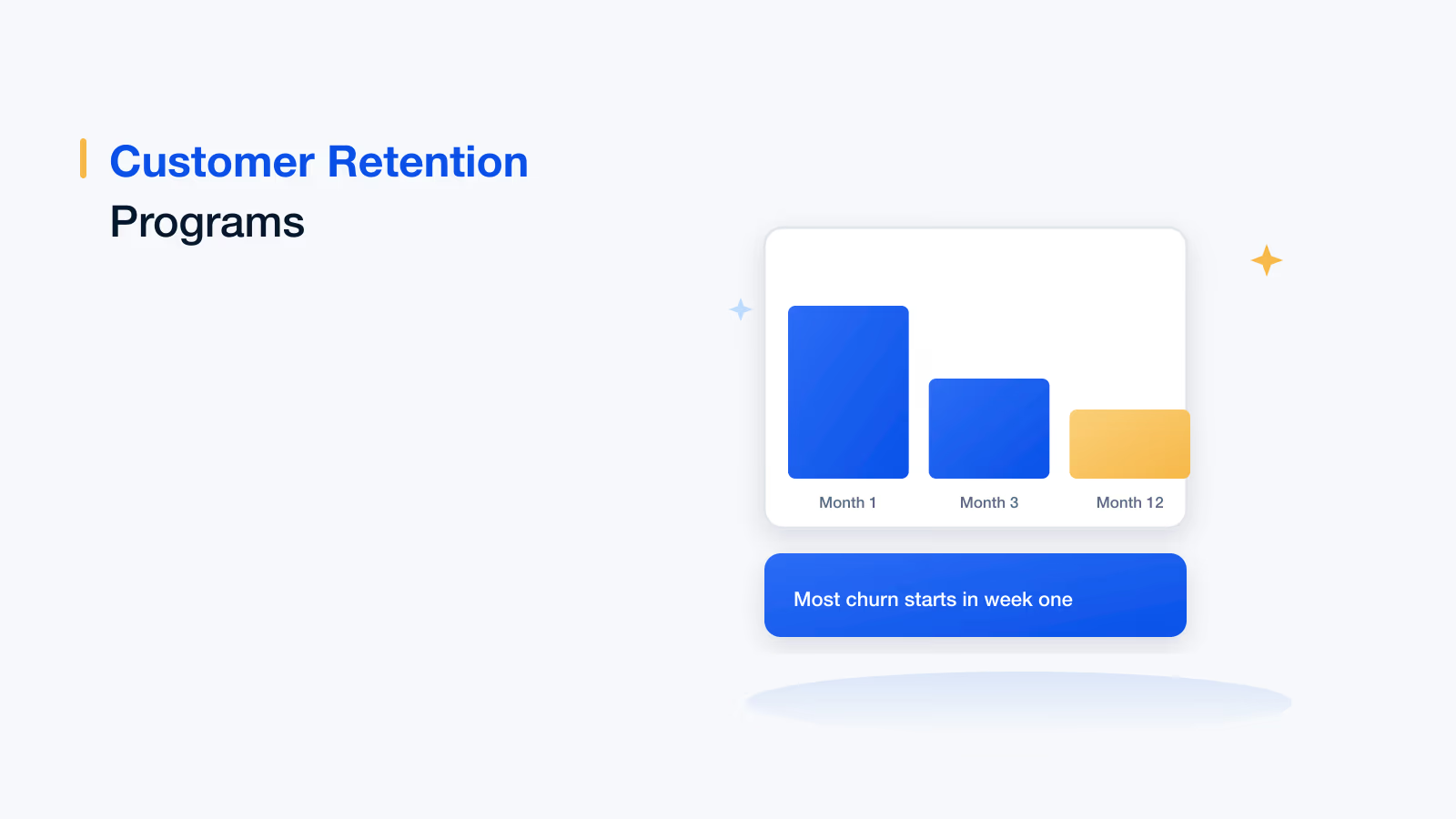
Chemist orders slip when switching costs nothing. A loyalty program makes staying with your brand worth something every month.
Reward behaviors, not just volume: order frequency, range breadth, on-time payment, and sell-through data all belong in the scheme.
Slabs, automated earning, and fast redemption beat annual trips. Chemists respond to rewards they can see within weeks.
A chemist in a mid-sized town places the same order every month: fifteen strips of the antacid they already stock and a carton of the cough syrup customers ask for by name. Then a rival distributor's rep walks in, promises delivery a day sooner, and offers a few extra points of margin on a competing brand. By Friday, a third of that order has moved.
Nothing about the chemist's loyalty was broken, because the chemist never had any to break. They were buying on convenience, and convenience changed hands.
For a pharma distributor, that is the whole problem. Here is what a loyalty program does about it, and how to launch one without a six-month build. (A chemist here means an independent or small-chain pharmacy that buys from you and dispenses to patients, the term used across India, the UK, Africa, and Southeast Asia.)
Why chemist orders stall
Shelf space is tight. Chemists carry dozens of brands in a few hundred square feet, and they see three or four distributor reps in a given week. Each one offers roughly the same catalog at roughly the same price.
That makes the rep visit your only real touchpoint. Between visits, the chemist has no reason to think of you, and no cost to moving a line item to someone else.
Three patterns show up again and again:
- Order drift: the monthly order shrinks by a few SKUs at a time, so nobody notices until the quarter closes.
- Range stagnation: the chemist reorders the same ten products and ignores the new launches your brands paid to promote.
- Payment lag: the best buyers are not always the best payers, and credit exposure grows quietly.
Retention is the cheaper fix. According to Harvard Business Review, citing Bain & Company's Frederick Reichheld, raising customer retention by 5% increases profits by 25% to 95%. A distributor with a few hundred chemists on the books does not need new accounts to feel that. It needs the existing ones to stop leaking.
What a distributor loyalty program is, and what it is not
It is not a discount. A discount buys one order and trains the chemist to wait for the next one.
A loyalty program rewards a pattern over time. The chemist earns something for ordering regularly, stocking more of your range, paying on schedule, and sharing sell-through data. Each month they stay, the balance grows and the cost of leaving rises with it.
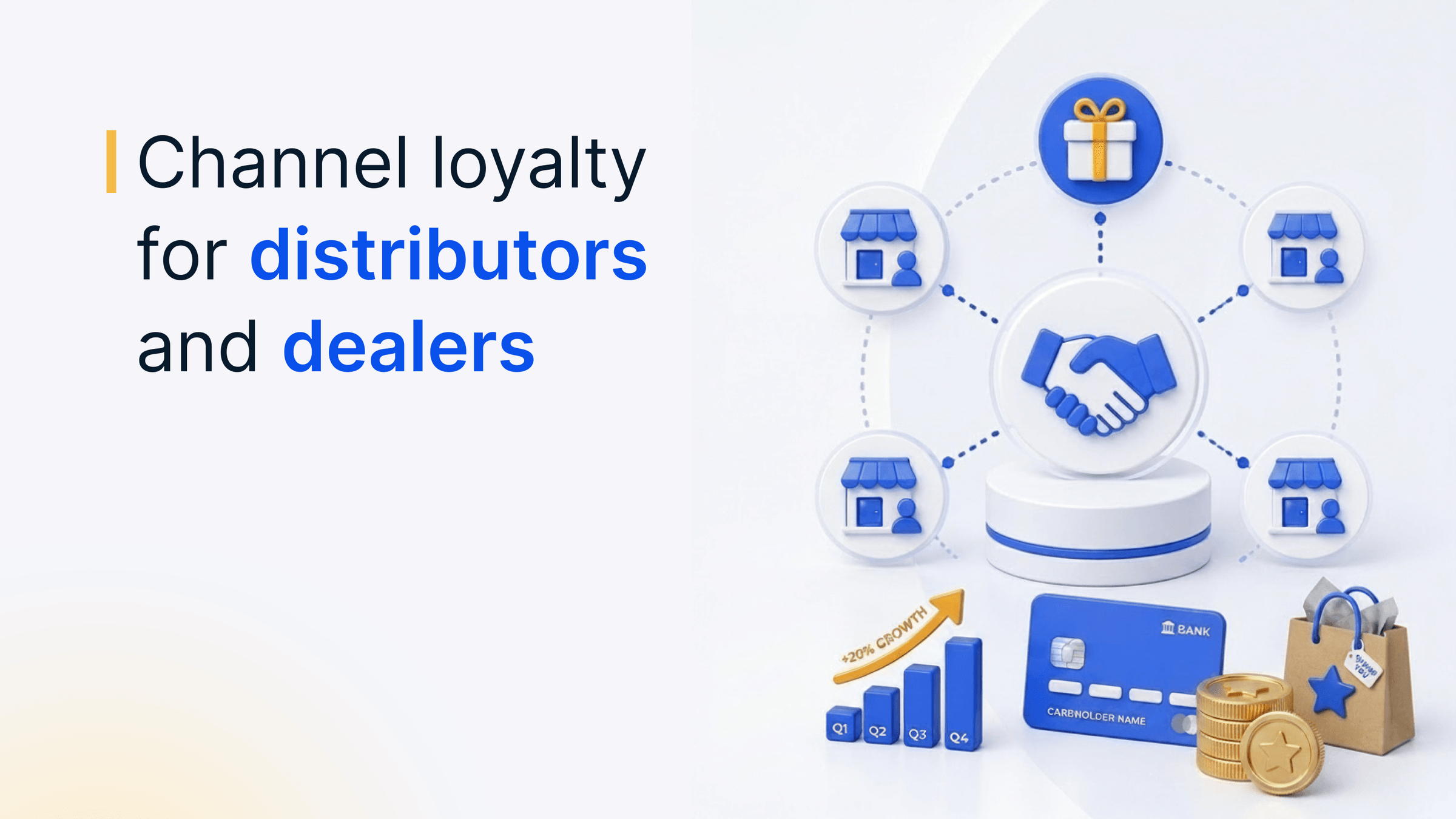
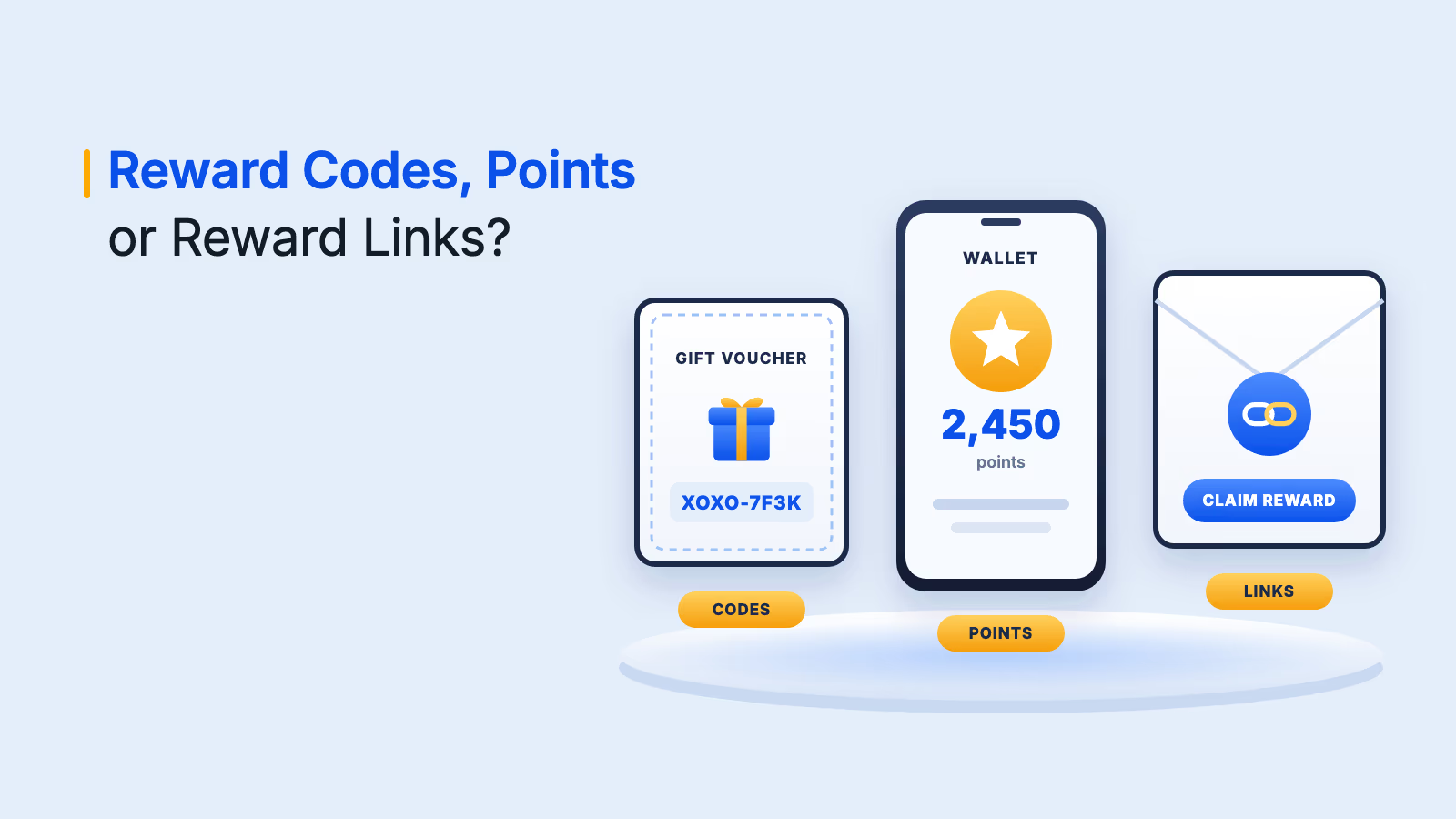
The reward does not have to be cash. Vouchers, prepaid cards, and catalog items often work better, because they read as a bonus on top of margin, not a price cut. For a deeper look at how these programs work across channel partners, see our guide to the channel loyalty program.
See how Loyalife runs a chemist loyalty program
Connect your DMS or ERP, set slab rules, and give chemists instant rewards, with order and payment visibility by territory.
Book a free 30-min demoTrusted by 5,000+ companies
Five behaviors worth rewarding
Volume alone misleads. It is the obvious metric and the weakest one on its own, because a chemist can hit a volume target with one big end-of-quarter order and then vanish for six weeks. Reward the behaviors that build a steady account instead.
Order frequency
Reward consistent ordering cycles, such as four orders a month instead of one. Frequency keeps your rep and your brand in the chemist's week, and it smooths demand for your warehouse.
Range breadth
Give extra points for SKUs the chemist has never ordered, especially new launches. This is where a brand's marketing spend meets the shelf, and chemists rarely try a product without a reason.
On-time payment
Add a multiplier for invoices cleared within terms. It rewards the behavior that protects your cash flow, and it does so without a collections conversation.
Sell-through data
Reward chemists who share secondary sales, meaning what they sold to patients. That data tells you which products move and which sit, and many distributors never see it.
Engagement
Points for onboarding to the app, completing a product training module, or referring another chemist. These cost little and pull the chemist toward your channel and away from the phone call.
| Behavior | What it rewards | Data you need | Main risk |
|---|---|---|---|
| Order frequency | Orders per month | Invoice dates from your DMS | Split orders to game the count |
| Range breadth | New SKUs ordered | SKU-level invoice lines | One-off trial purchases |
| On-time payment | Invoices cleared within terms | Payment records from ERP | Credit exposure outside the program |
| Sell-through data | Secondary sales shared | Chemist app or invoice upload | Unverified self-reporting |
| Engagement | Training, referrals, app use | Platform activity logs | Low reward value, low reach |
One guardrail applies to all of it. Reward purchases and engagement with your distribution business. Never reward dispensing, prescribing, or substitution decisions, and have legal review the scheme against the rules in each market you operate in.
Structure the scheme in slabs
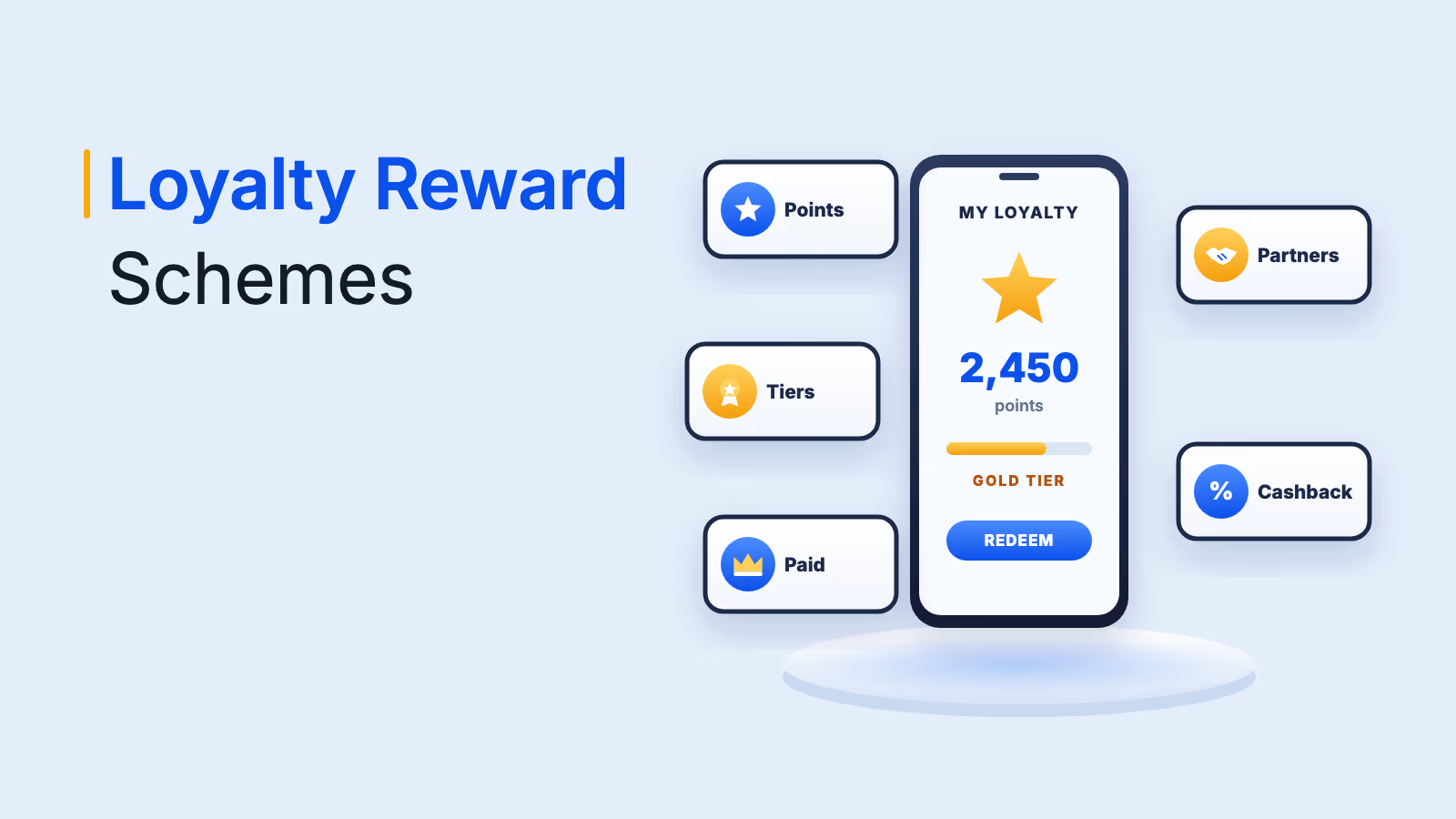
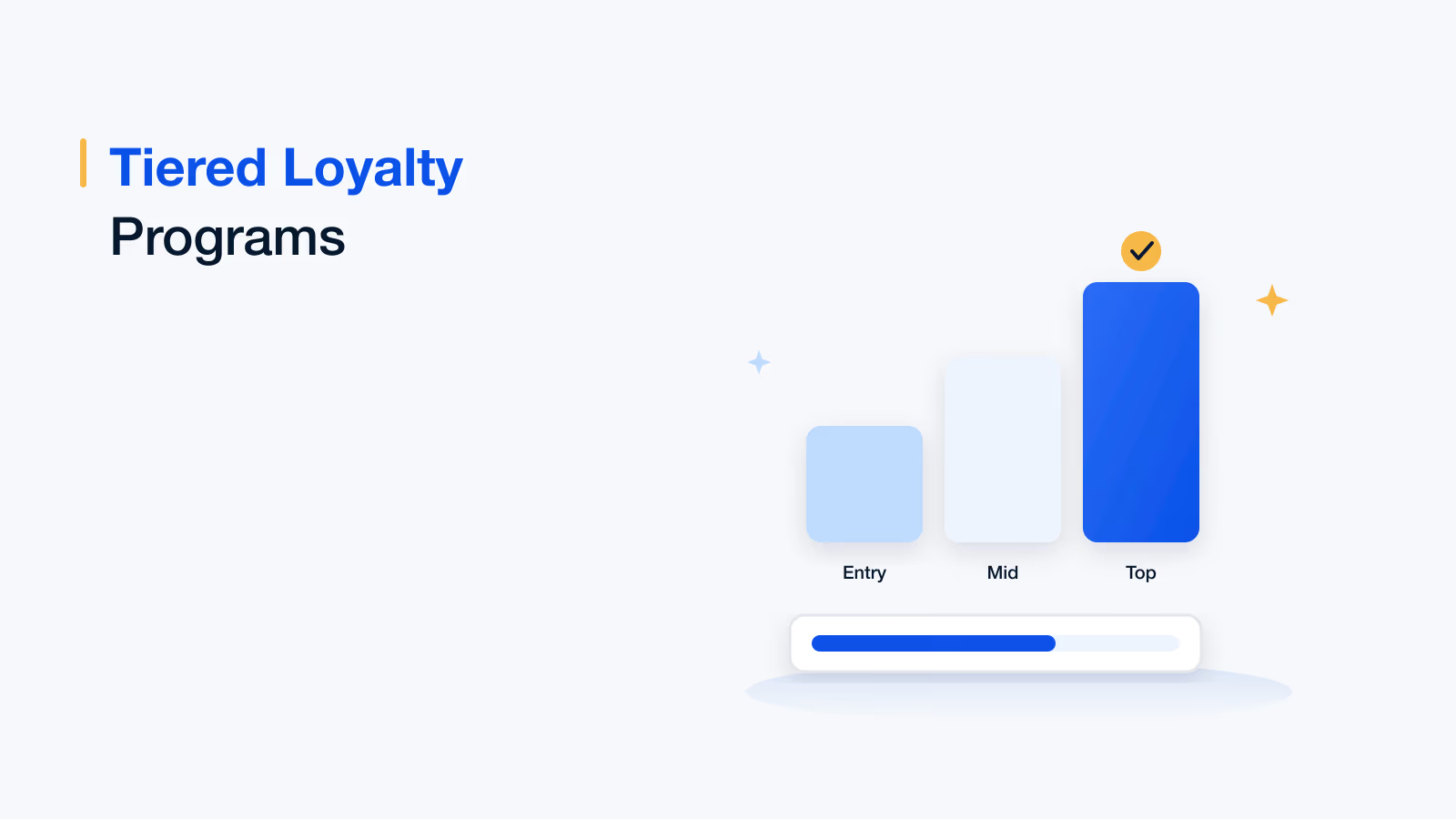
Keep it simple. Slabs are the structure chemists already understand: the more they buy in a period, the higher the reward rate on every dollar, rupee, or dirham of purchase.
The illustrative example below shows how the tiers might look for a mid-sized distributor. Treat the thresholds as placeholders and set yours from your own order history.
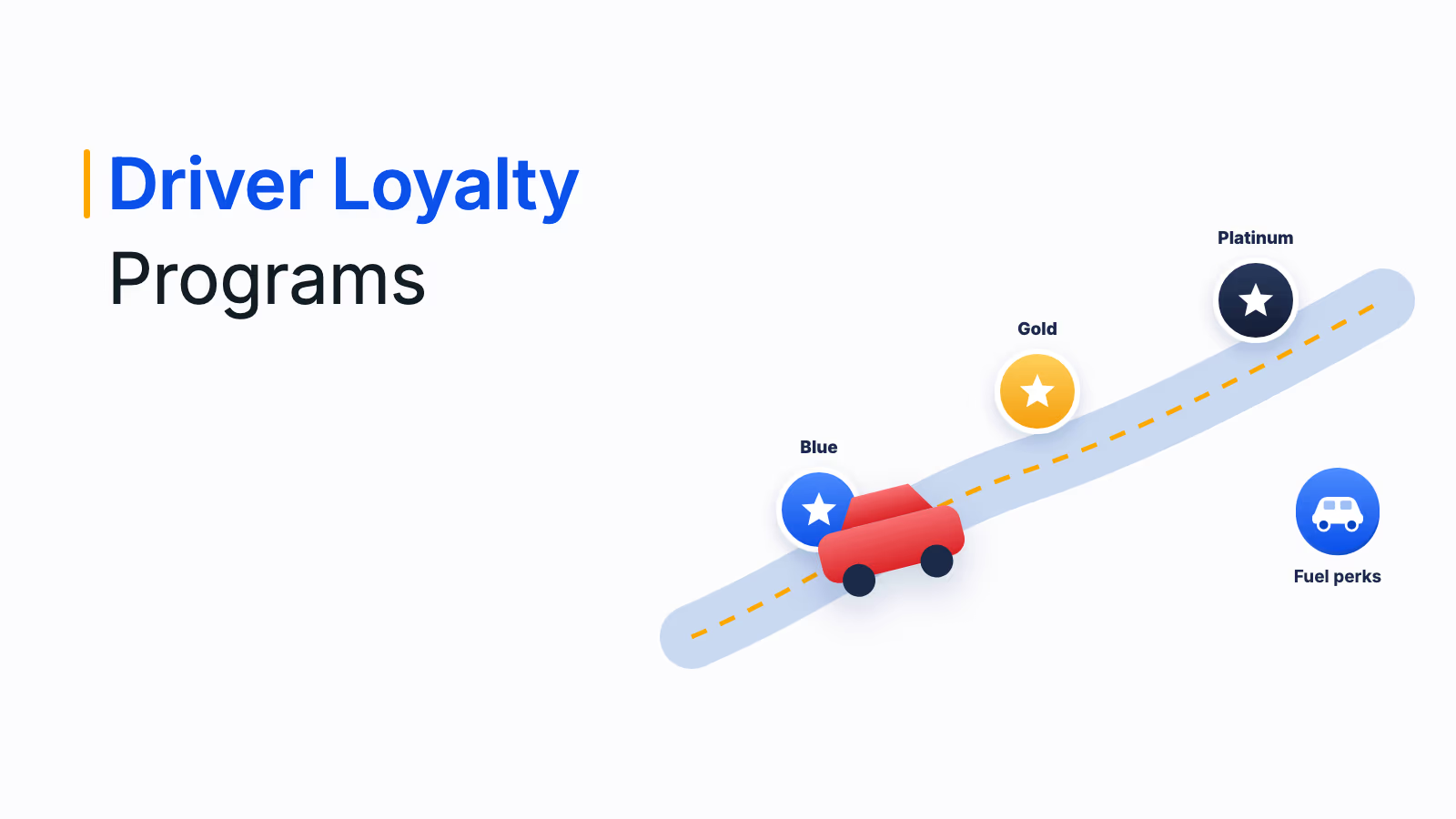
| Tier | Monthly purchase band | Points per currency unit | Extra benefit |
|---|---|---|---|
| Silver | Entry to first threshold | 1x | Monthly statement |
| Gold | Mid band | 1.25x | Priority dispatch |
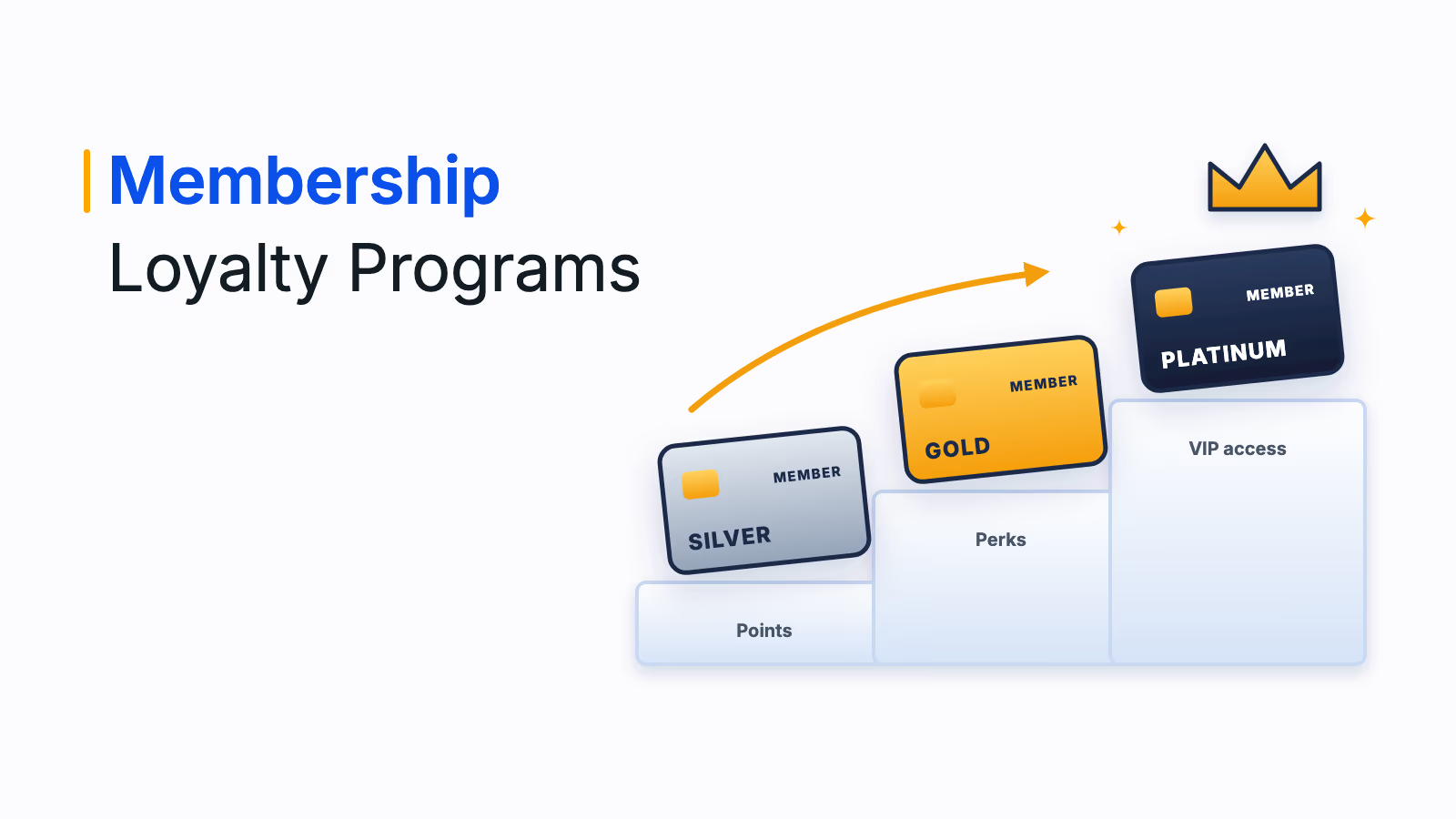
| Platinum | Top band | 1.5x | Dedicated rep, early launch access |
Two design choices matter more than the numbers. First, make the next tier visible: a chemist who sees they are 12% from Gold will often place the order that gets them there. Second, keep the reward cycle short. Quarterly redemption holds attention, while an annual trip is a promise the chemist will forget by March.
If you already run incentives for other channel partners, our dealer loyalty program guide walks through incentive types you can mix in.
Make earning automatic, and redemption quick
The most common reason these programs fail is not the reward. It is the admin. If the chemist has to fill a form or call the rep to claim points, participation drops after the first month.
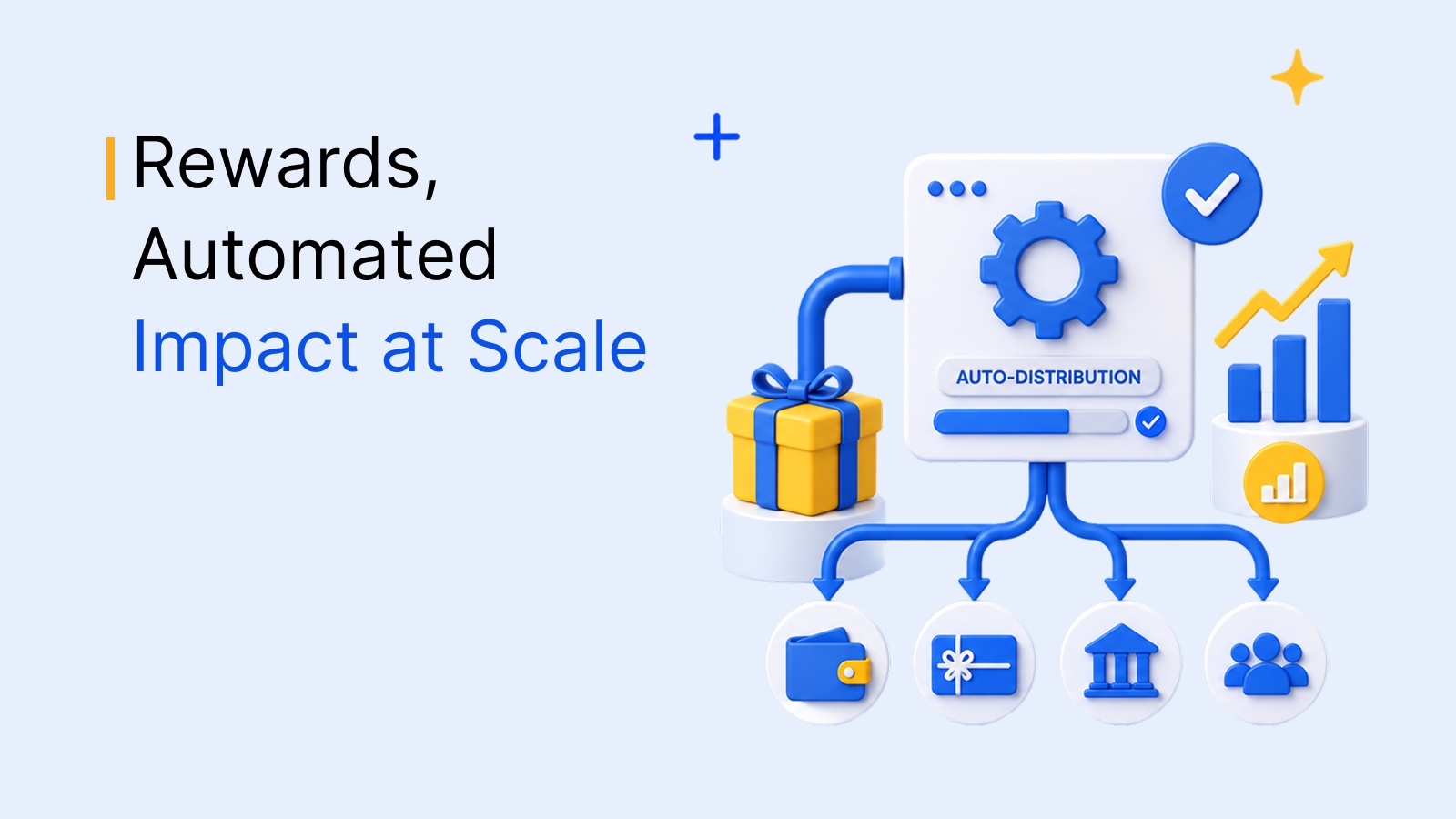
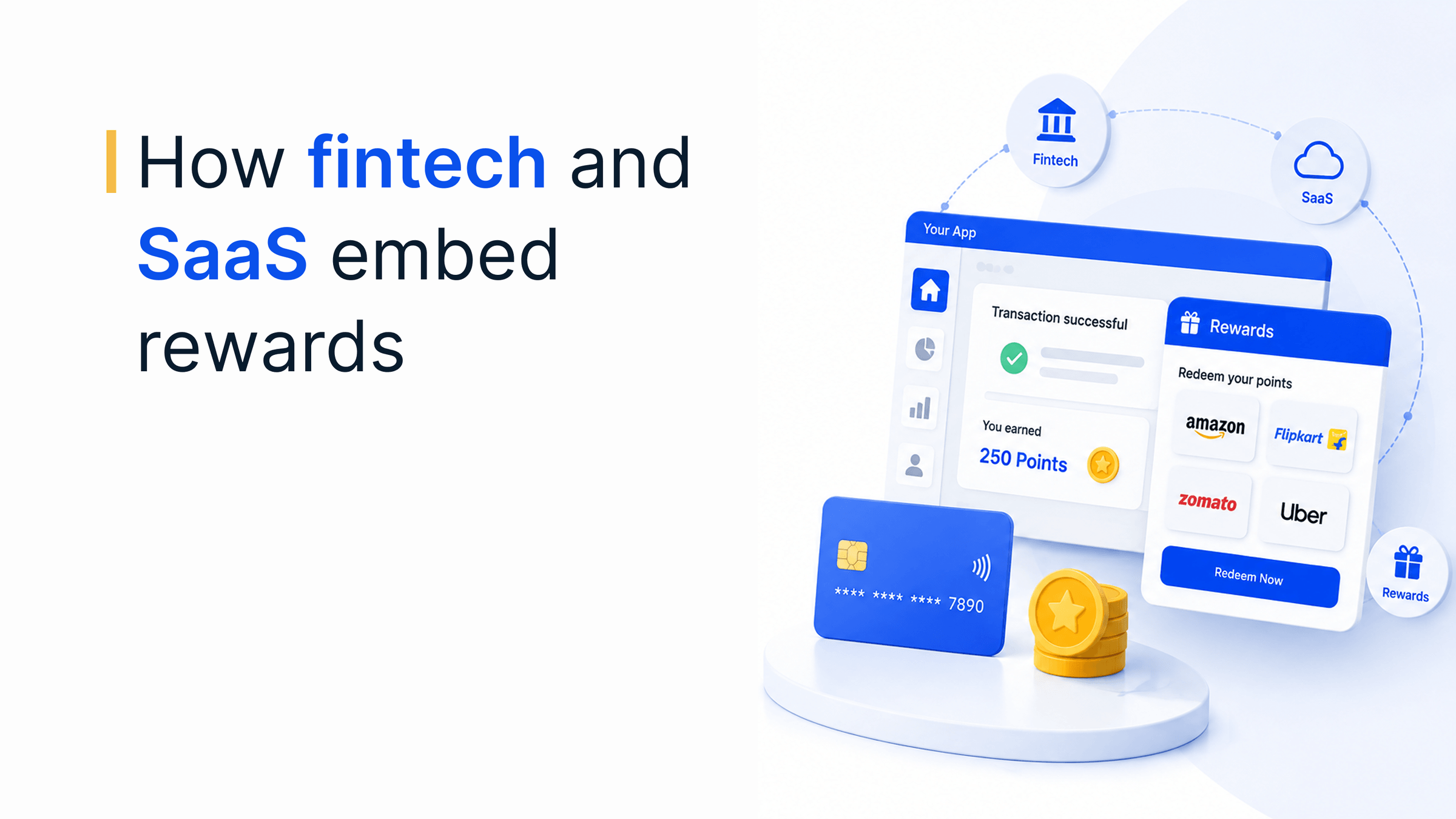
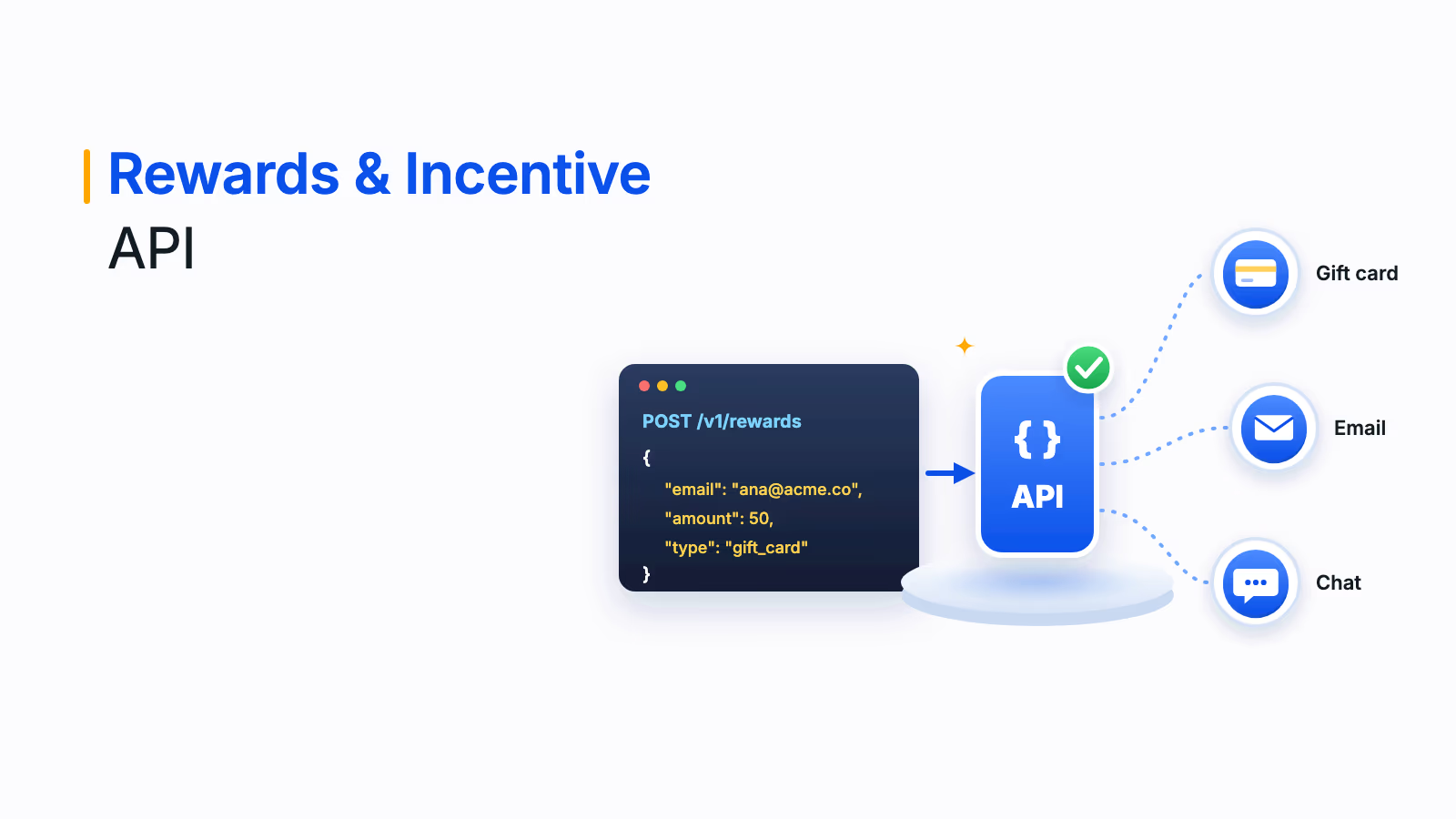
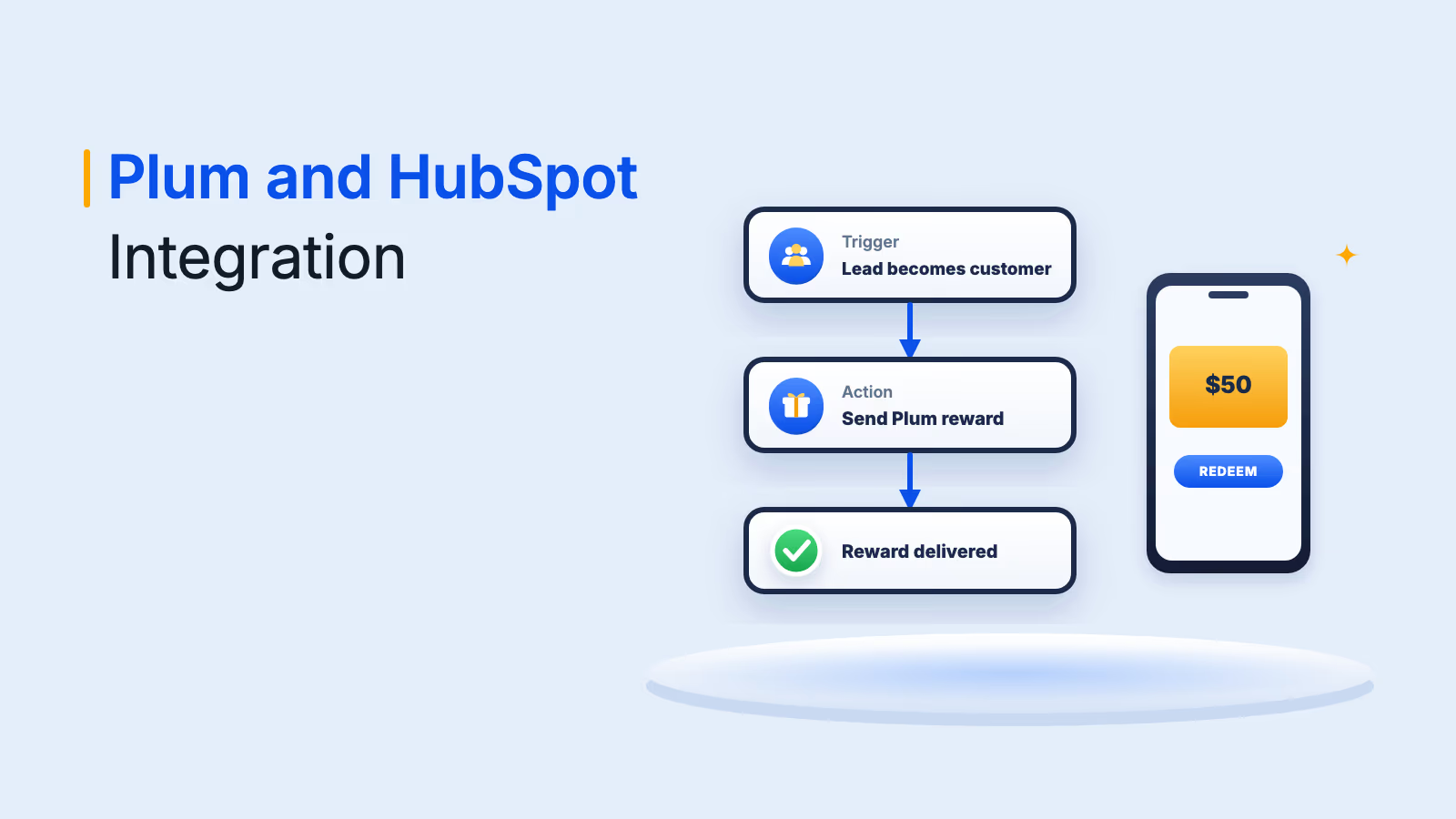
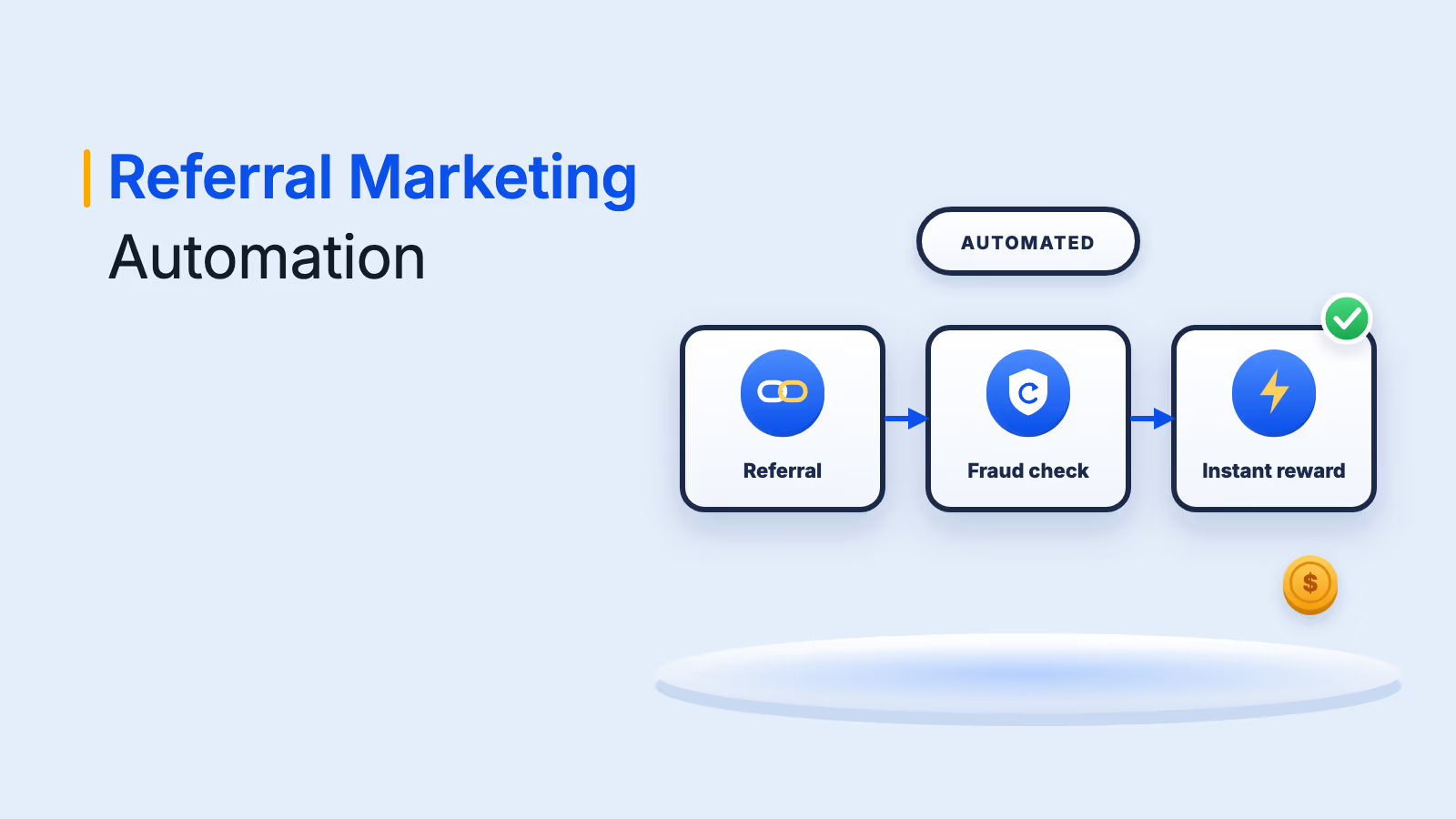
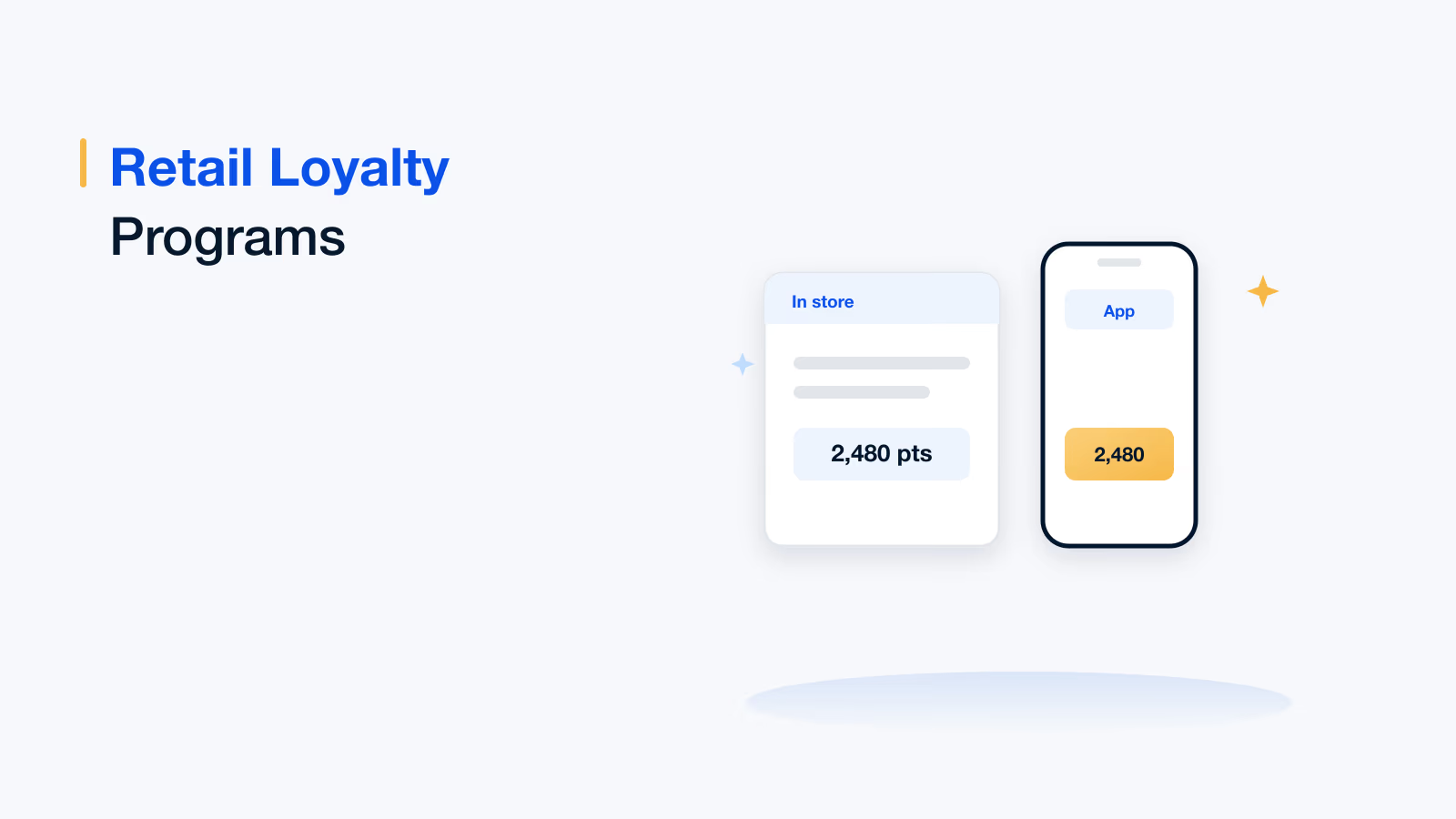
Earning should happen in the background. Orders flow from your DMS or ERP into the program, points post to the chemist's account, and a WhatsApp or app notification confirms the balance. Where invoices are still on paper, a photo upload with automatic validation covers the gap.
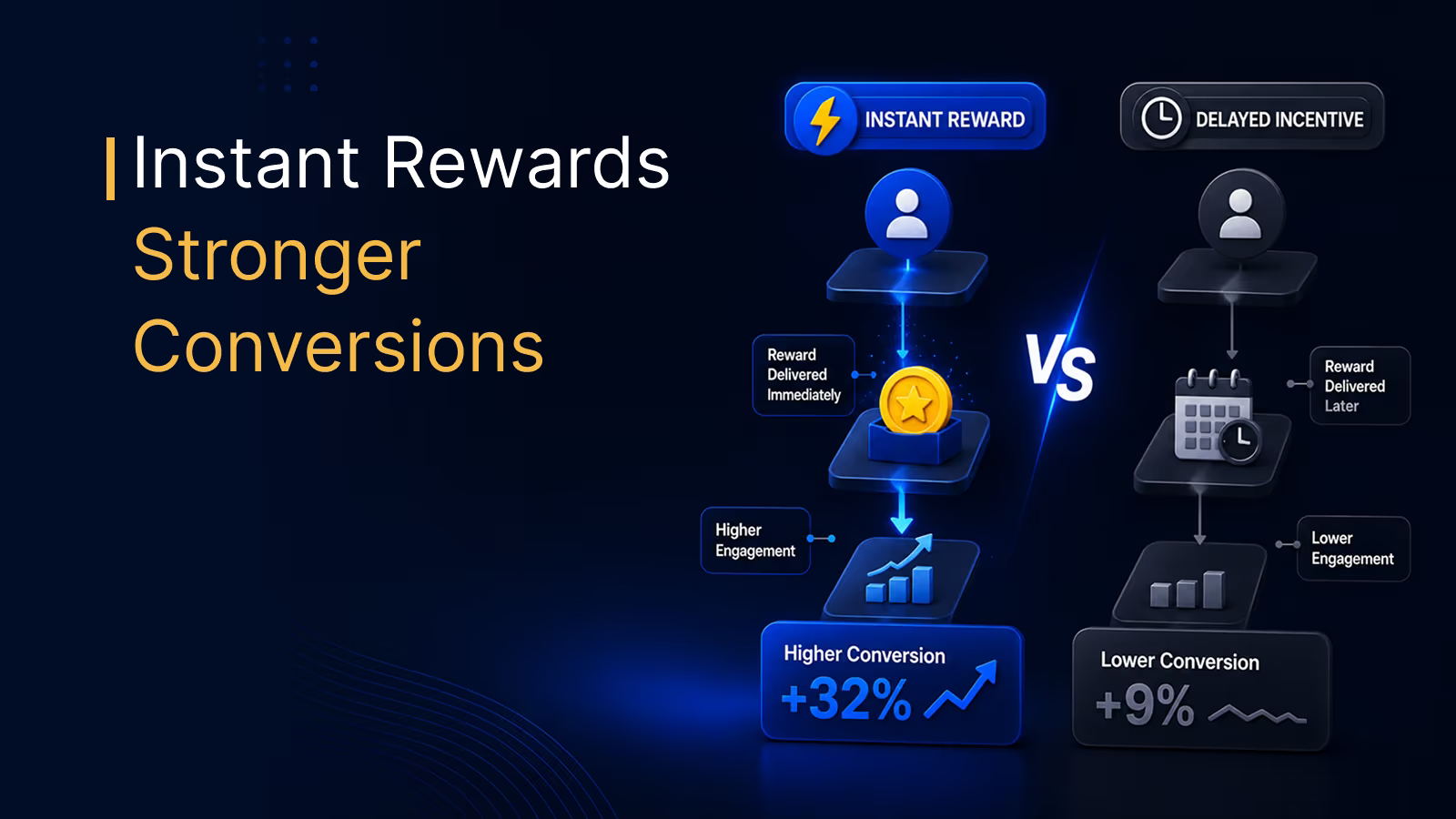
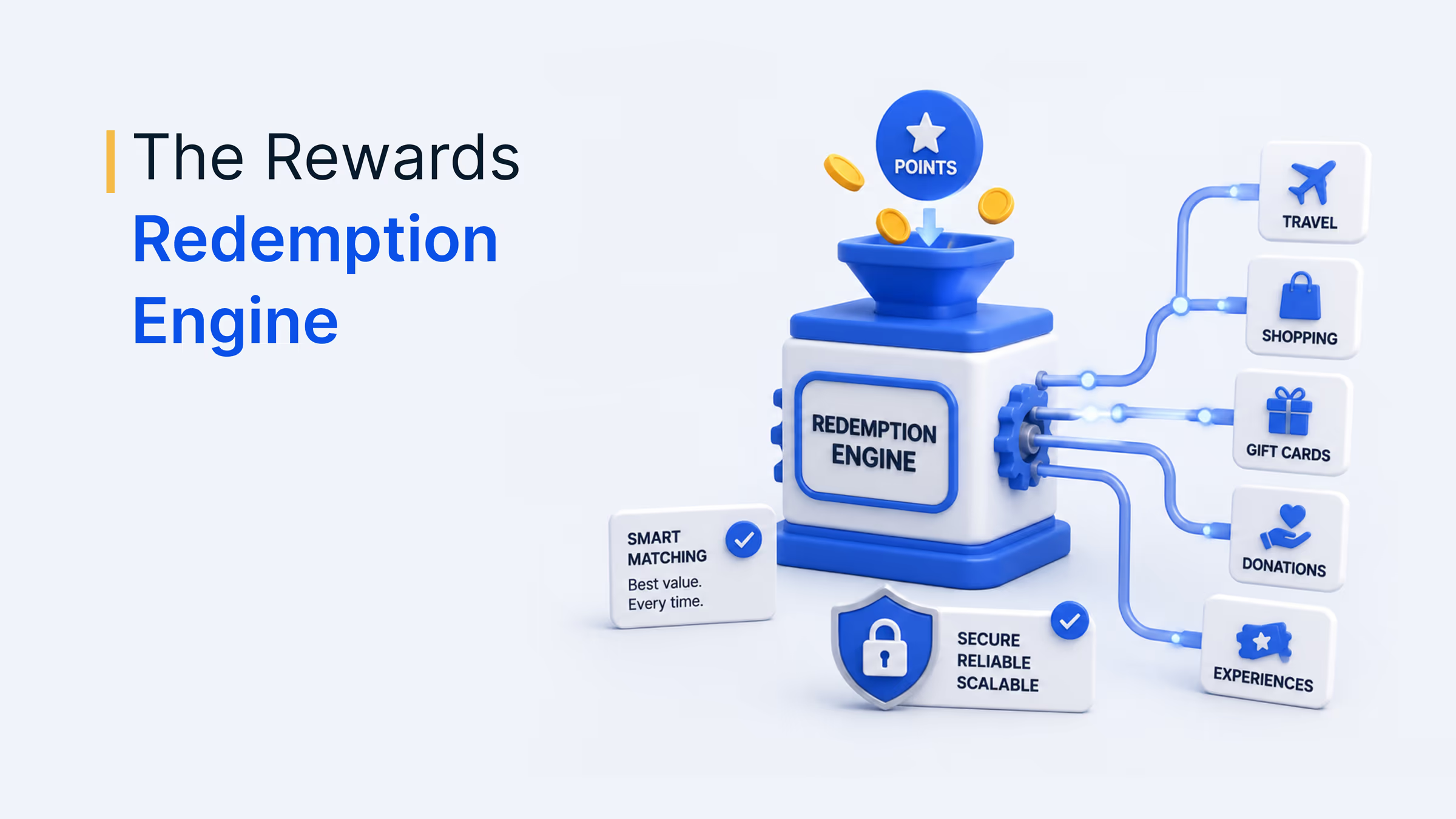
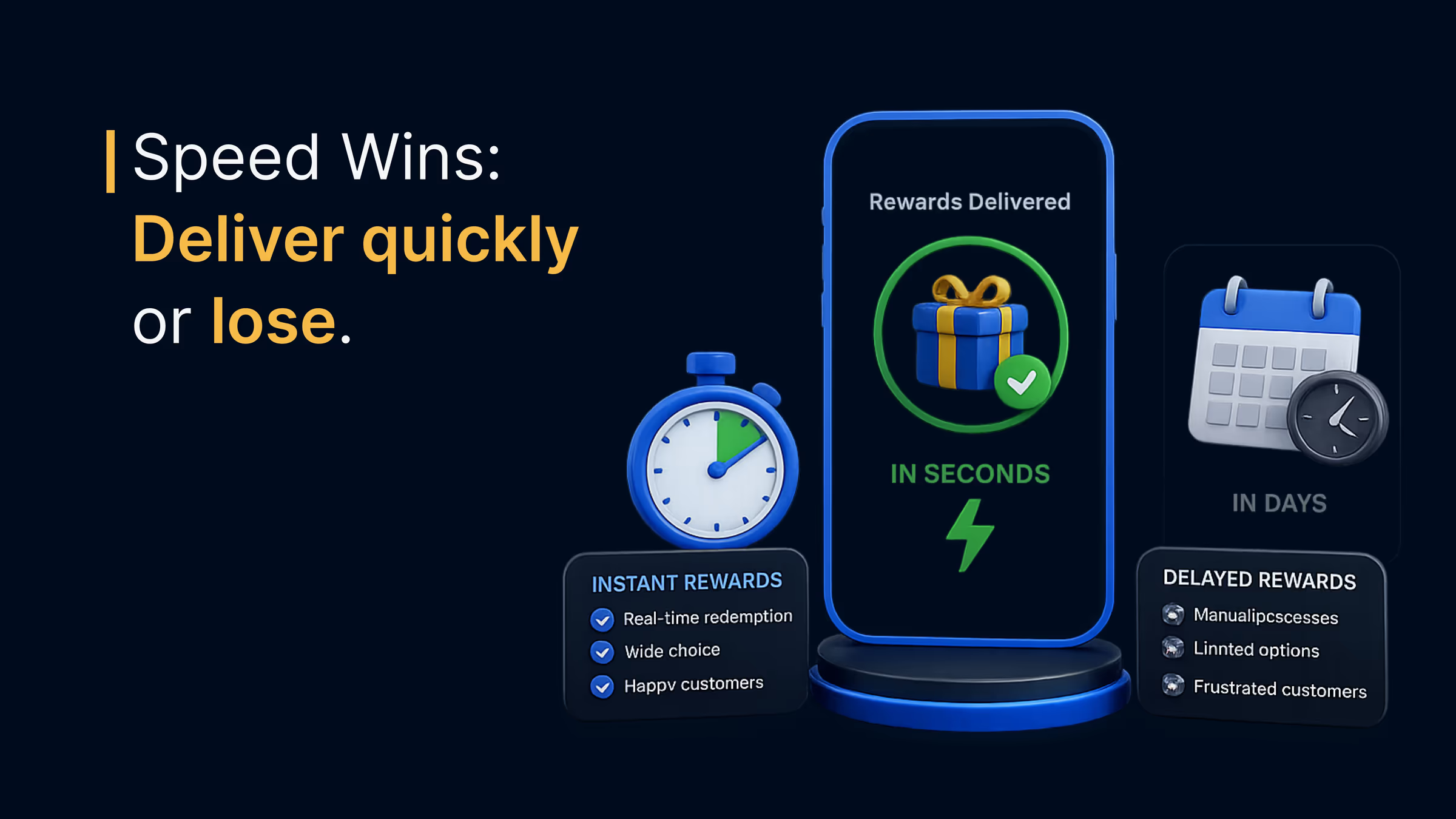
Redemption deserves the same care. A chemist who earns points on a Monday and cannot spend them until a quarterly catalog arrives has stopped paying attention by Wednesday. Instant vouchers and prepaid options keep the loop tight.
Where Xoxoday Loyalife fits
None of this needs a rebuild. Xoxoday Loyalife ingests sales data from your DMS, ERP, or CRM, applies the slab and multiplier rules you set, and posts points to each chemist without anyone re-keying invoices. Chemists check balances and redeem through a white-label app or a WhatsApp bot in their own language, and your team sees order frequency, range depth, and payment behavior by territory in one dashboard.
Rewards run on Xoxoday's catalog, so a chemist can redeem points for vouchers and cards in the currency of the market. See how this works in our pharma channel loyalty guide.
5,000+
Enterprises
Run rewards and loyalty on Xoxoday
150+
Countries
Rewards delivery coverage
10M+
Rewards options
Vouchers, cards, and catalog items
$5B+
Rewards distributed
Across Xoxoday platforms
Xoxoday platform scale
Launch in 60 days, not six months
Start small. You do not need a perfect scheme on day one, only a working one you can tune.
- Weeks 1 to 2, baseline. Pull 12 months of orders by chemist. Note average order frequency, SKUs per order, and days to pay. That figure is what you measure against.
- Weeks 2 to 3, pick two behaviors. Start with order frequency and range breadth. Add the others after the first cycle.
- Weeks 3 to 5, set the slabs and rewards. Build tiers from the baseline, keep redemption short, and get legal sign-off.
- Weeks 5 to 6, connect the data. Link your DMS or ERP feed, test point posting on a sample of chemists, and brief the field team.
- Weeks 7 to 8, pilot in one territory. Pick 50 to 100 chemists, compare against a matched control group, and fix what breaks before you go wide.
Measure it like a sales program
Four numbers decide it. Track orders per chemist per month, SKUs per order, days sales outstanding, and the share of chemists redeeming each cycle. If order frequency rises and payment time does not slip, the scheme is working.
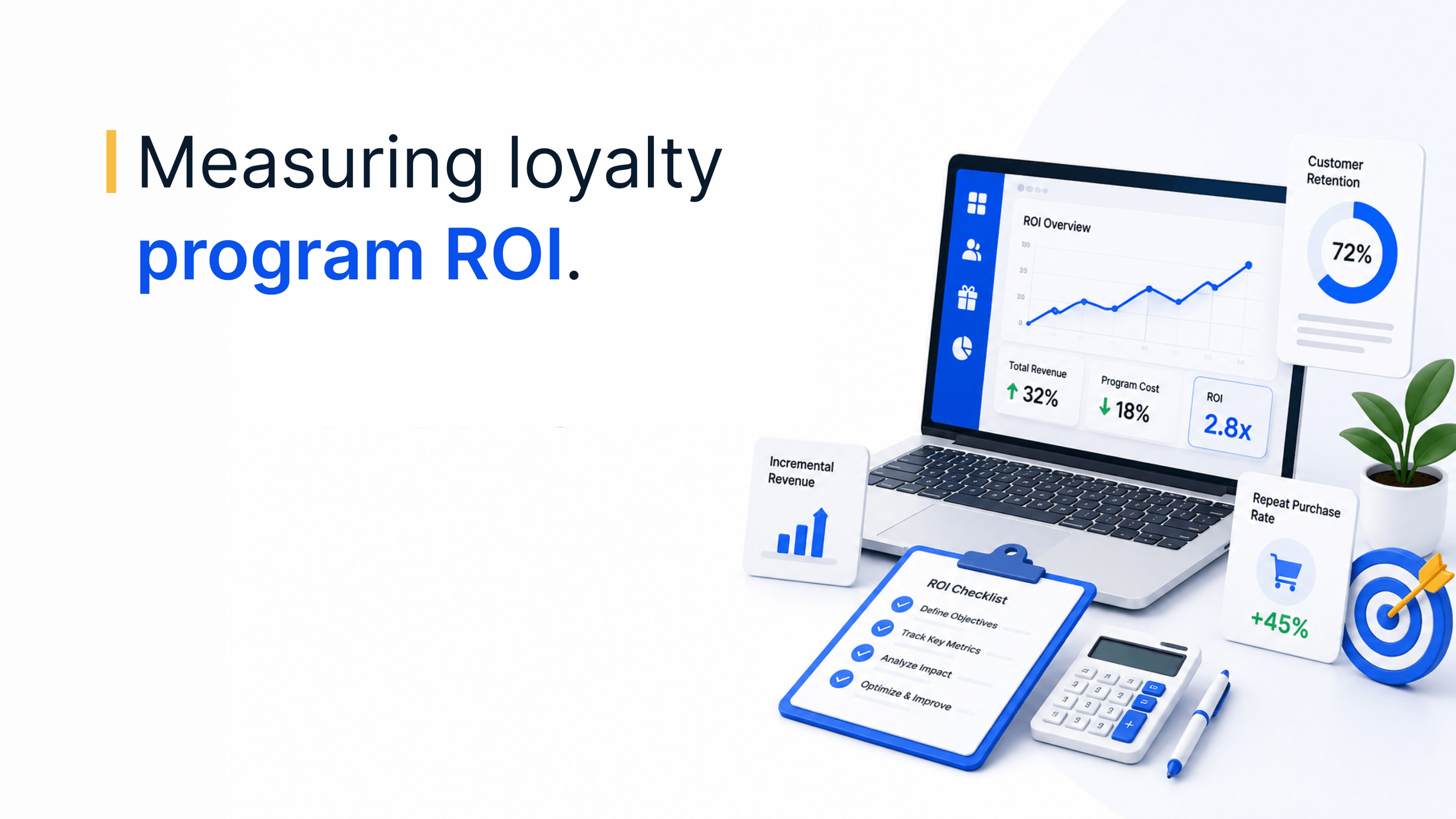
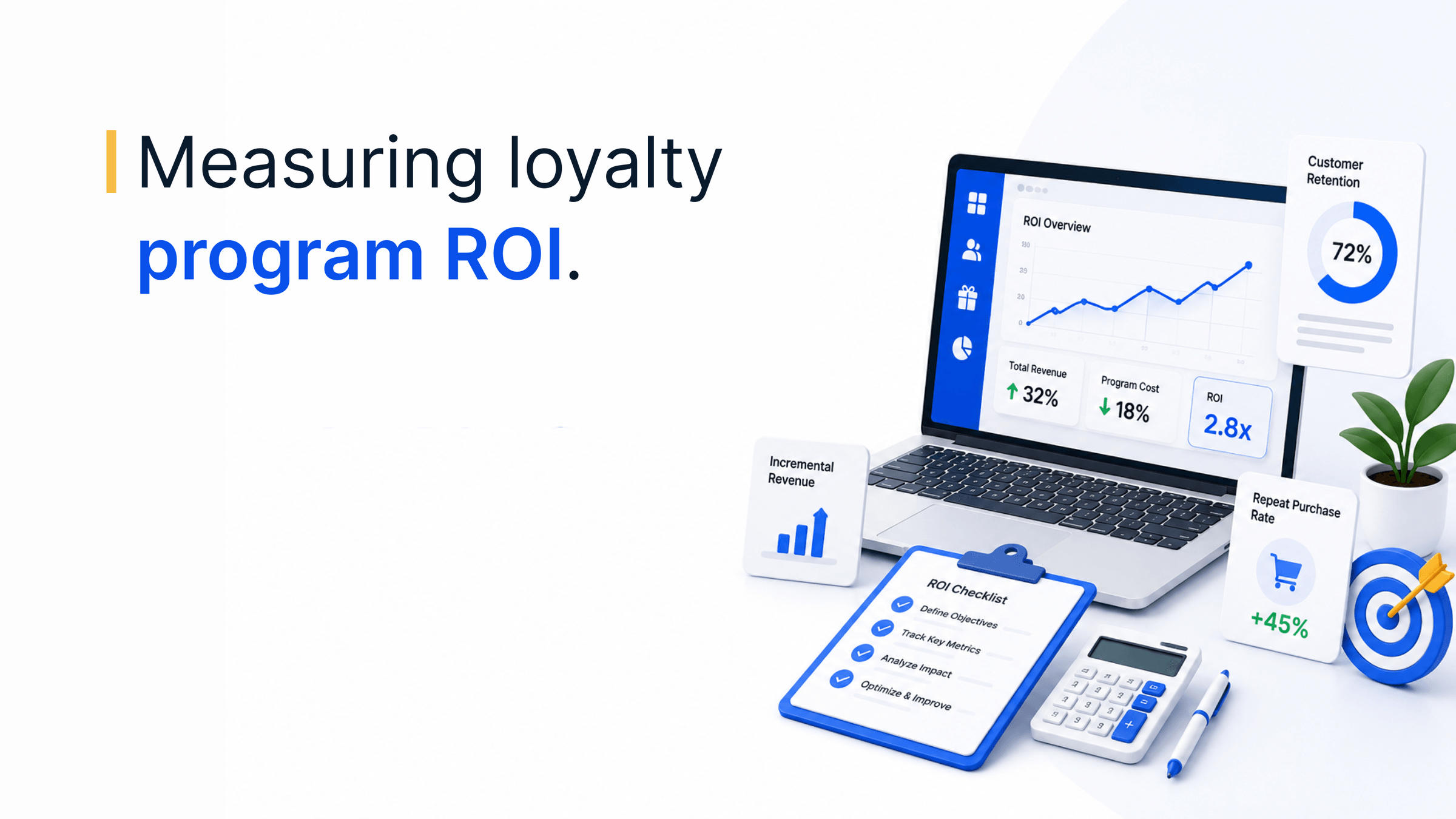
Our guide to measuring loyalty program ROI covers the cost side, including how to account for unredeemed points.
Your next step to steadier chemist orders
Pick one territory, one baseline, and two behaviors, and run the 60-day pilot. See how Loyalife handles the data feed, the slab rules, and the redemption loop for a distributor network like yours.
Book your Loyalife demo
Frequently asked questions
It is a structured rewards scheme that gives chemists points or benefits for ordering regularly, stocking more of your range, paying on time, and sharing sales data. Points convert to vouchers, cards, or other rewards.
It raises the cost of switching. Each month a chemist stays, their points and tier status grow, so moving even part of an order to a rival means giving something up. Visible progress toward the next tier also nudges larger or more frequent orders.
Short-cycle, flexible rewards: instant vouchers, prepaid cards, and catalog items. Chemists value rewards they can use within weeks, and early access to new launches adds a non-cash benefit.
Rules differ by country, so check each market. A safe design rewards purchases from your distribution business and engagement with your program, and never rewards dispensing, prescribing, or substitution decisions. Have legal review the final scheme.
Compare a pilot territory against a matched control group on orders per chemist, SKUs per order, days sales outstanding, and redemption rate. Subtract reward and platform cost from the incremental margin.
A focused pilot can run in about 60 days: baseline, scheme design, data connection, and a one-territory trial. Platforms that connect directly to your DMS or ERP remove most of the integration delay.